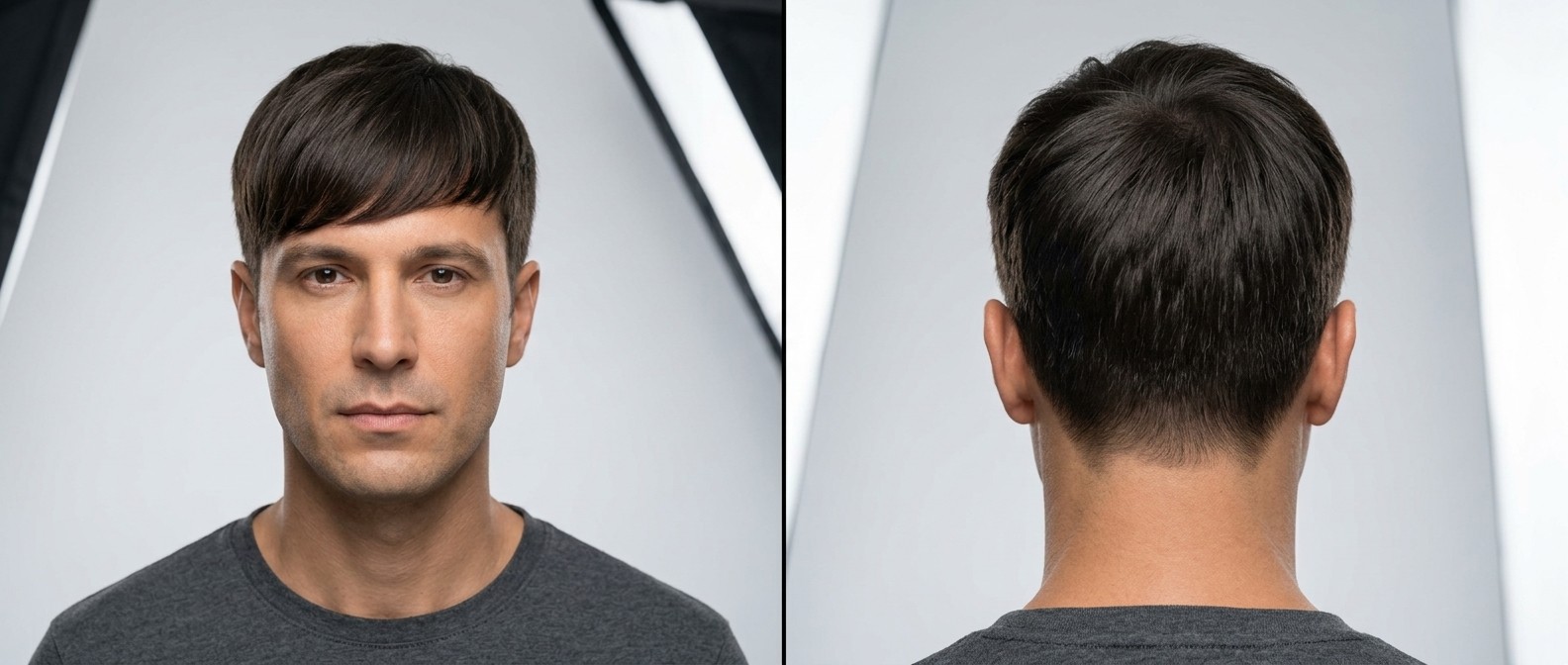
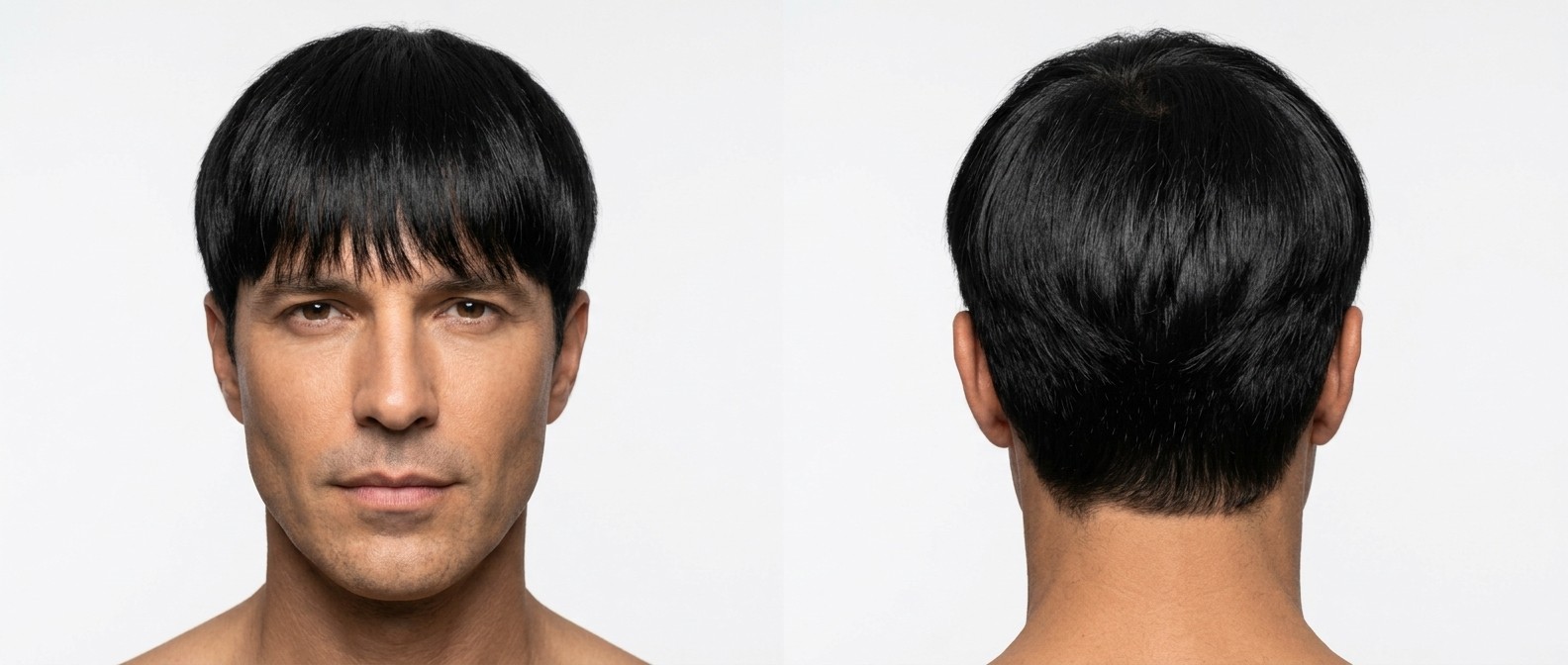
Classic Smooth Forward Fringe with Tapered Short Sides
 Top
Medium (5-10 cm)
Top
Medium (5-10 cm)
 Sides
Short (6-20 mm)
Sides
Short (6-20 mm)
 Hair Type
Straight (Type 1)
Hair Type
Straight (Type 1)
 Face Shape
Oval
Face Shape
Oval
 Maintenance
Medium
Maintenance
Medium
 Thickness
Medium / Normal
Thickness
Medium / Normal
About This Style
Looking for a refined yet effortless aesthetic? This classic smooth forward fringe is a masterclass in precision cutting and natural hair flow. As seen in the photo, the hair is styled to lay perfectly flat with a gentle, natural sweep across the forehead, creating a clean, geometric silhouette that perfectly frames an oval face. The sides and back are tailored short—ranging from 6 to 20 millimeters—creating a subtle, elegant contrast that highlights the medium-length top without resorting to an aggressive or flashy skin fade. It is a highly sophisticated take on the traditional fringe, prioritizing a neat, polished appearance over messy, chaotic texture.
This specific variation is exceptionally well-suited for men in their thirties and forties with naturally straight, medium-density hair. Because this haircut relies on the hair's natural growth patterns and gravity rather than heavy styling products, it exudes a quiet, mature confidence. It is a highly versatile choice that seamlessly transitions from a casual everyday environment to a more structured professional office setting, offering a youthful edge that doesn't feel forced, overly trendy, or out of place.
If your lifestyle demands a quick and efficient morning routine, this low-maintenance style is an absolute perfect match. Requiring only one to five minutes of daily styling and minimal product application, the true magic of this look lies in the structural integrity of the haircut itself. By visiting your barber every five to eight weeks to maintain the precise length transitions and the clean, tapered neckline, you ensure the fringe retains its signature smooth, sweeping characteristic day after day.
This specific variation is exceptionally well-suited for men in their thirties and forties with naturally straight, medium-density hair. Because this haircut relies on the hair's natural growth patterns and gravity rather than heavy styling products, it exudes a quiet, mature confidence. It is a highly versatile choice that seamlessly transitions from a casual everyday environment to a more structured professional office setting, offering a youthful edge that doesn't feel forced, overly trendy, or out of place.
If your lifestyle demands a quick and efficient morning routine, this low-maintenance style is an absolute perfect match. Requiring only one to five minutes of daily styling and minimal product application, the true magic of this look lies in the structural integrity of the haircut itself. By visiting your barber every five to eight weeks to maintain the precise length transitions and the clean, tapered neckline, you ensure the fringe retains its signature smooth, sweeping characteristic day after day.
Key Features
- Smooth, straight texture on top that lies completely flat naturally, minimizing unwanted volume or puffiness.
- Gentle asymmetrical sweep of the fringe across the forehead, softening the straight hairline for a flattering look.
- Clean, tapered transition from the medium-length top (5-10 cm) to the shorter, tailored sides (6-20 mm).
- Natural, unblocked neckline that blends seamlessly into the skin for a softer, more professional rear profile.
- Crown area is expertly cut to follow the natural whorl, preventing cowlicks and ensuring a smooth, flat lay.
- Minimalist silhouette that relies entirely on the natural drape of Type 1 straight hair rather than stiff product hold.
Getting the Cut
- Ask for a classic forward fringe with a slight side sweep, keeping the top length between 5 to 10 centimeters.
- Request a scissor-over-comb technique or a #2 to #6 clipper guard on the sides and back (6-20 mm) for a tailored but not skin-tight finish.
- Instruct the barber to avoid heavy texturizing shears on top; you want the ends blunt enough to lay smooth and flat, rather than choppy and messy.
- Ask for a natural, tapered neckline at the nape rather than a harsh, blocked-off square line, ensuring a softer and more natural grow-out phase.
- Request that the crown be left slightly longer and cut strictly in the direction of your natural hair growth to prevent the hair from sticking up.
- Specify that the front fringe should be cut at a slight angle to naturally encourage the hair to sweep toward your preferred side of the face.
- Ask for a seamless, smooth blend between the parietal ridge and the top, completely avoiding any hard disconnection or undercut.
Daily Routine
- Start your styling routine by towel-drying your freshly washed hair until it is slightly damp but entirely no longer dripping wet.
- Apply a very small, pea-sized amount of light styling cream or smoothing serum to your palms and work it evenly through the top section of your hair.
- Using a fine-tooth comb, brush the hair straight forward from the crown toward your forehead to establish the baseline direction of the style.
- Take a blow dryer on a medium heat and low speed setting, pointing the nozzle downwards from the crown to the front to flatten the cuticle and prevent frizz.
- As the hair continues to dry, use the comb or your fingers to gently guide the front fringe slightly to one side, following the natural angle of the cut.
- Once completely dry, switch the blow dryer to the cold shot setting for ten to fifteen seconds to lock in the smooth texture and natural shine.
- Avoid adding any heavy waxes, clays, or pomades; the finished style should feel completely touchable and move naturally throughout your day.
Products & Tools
- Light hold styling cream or smoothing lotion to provide subtle, flexible control without any stiffness or crunch.
- Smoothing serum or argan oil for taming stray flyaways and maintaining a healthy, natural shine on straight hair.
- Fine-tooth carbon comb for precise directional styling, detangling, and laying the hair perfectly flat against the head.
- Blow dryer equipped with a concentrator nozzle attachment for focused, downward airflow to smooth the hair cuticle.
- Gentle daily moisturizing shampoo and conditioner to keep the hair hydrated and naturally compliant.
Maintenance
- Schedule professional barber visits every 5 to 8 weeks to maintain the precise length of the fringe and keep the neck taper looking sharp.
- Wash your hair 2 to 3 times a week with a gentle, hydrating shampoo to keep the straight texture smooth and prevent the scalp from drying out.
- Avoid wearing tight hats or beanies for prolonged periods, as this will press the straight hair flat against the scalp and create unwanted, stubborn indentations.
- Use a lightweight conditioner after every wash to ensure the medium-length top remains highly manageable and free of tangles.
- Sleep on a silk or satin pillowcase to reduce overnight friction, which significantly helps prevent morning cowlicks and unwanted frizz.
Best For
Face Shapes: Ideal for oval and longer face shapes, as the forward-laying fringe reduces forehead length and creates excellent facial balance.
Hair Types: Specifically suited for Type 1 straight hair with a medium to normal thickness that naturally wants to lie flat.
Age Ranges: Perfect for men aged 35 to 45 seeking a distinguished, clean-cut appearance that feels modern yet highly age-appropriate.
Lifestyle: Great for busy professionals and casual wearers alike who strongly prefer a low-maintenance, 1-to-5-minute morning grooming routine.
Pro Tips
- Resist the urge to over-apply styling product; this specific fringe variation looks its absolute best when the hair appears bare, clean, and naturally healthy.
- If you develop a stubborn cowlick at the front hairline, use the concentrator nozzle on your blow dryer and a fine-tooth comb to force the root down while it is still wet.
- During humid summer months, applying a tiny drop of anti-humectant serum will stop the straight hair from swelling and losing its sleek, polished silhouette.
- Ask your barber to delicately point-cut the very tips of the fringe if you find the blunt line looks too heavy or blocky for your specific facial features.
Related Hairstyles
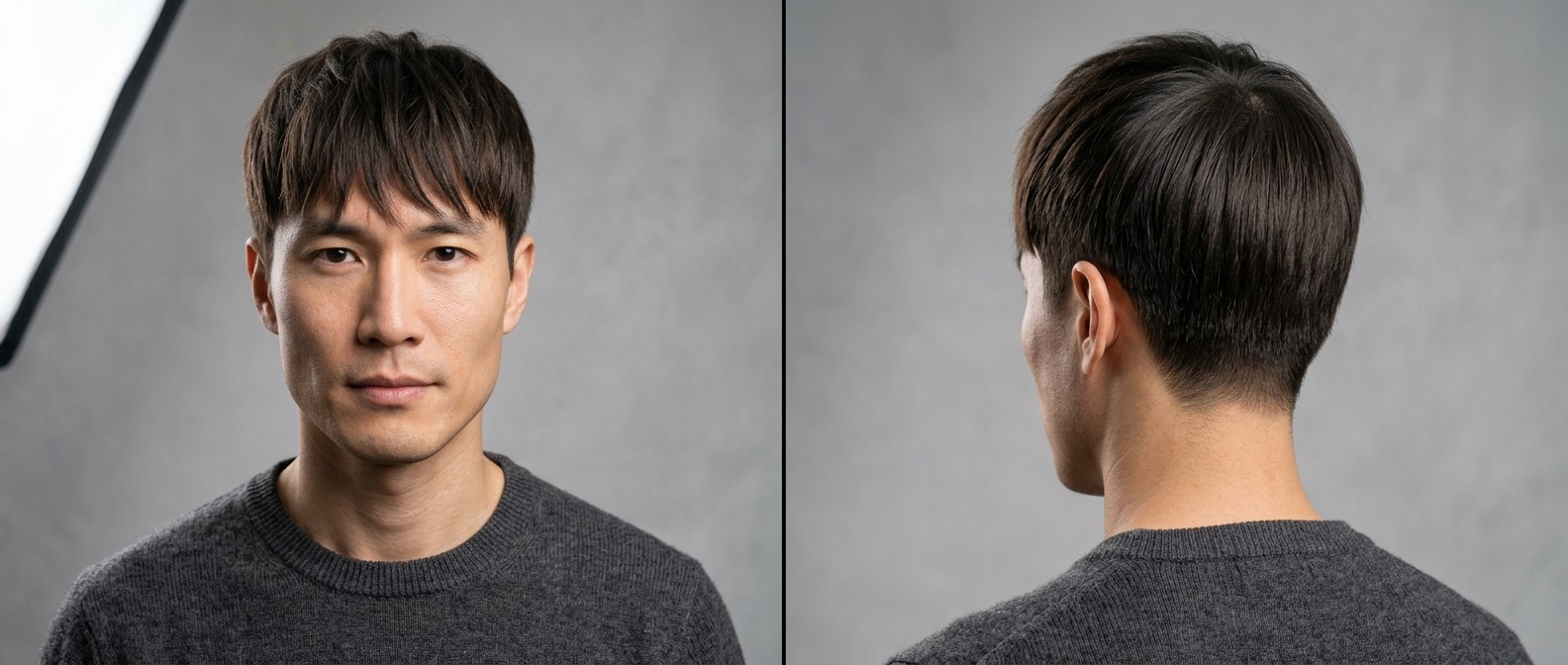
Fringe
Textured Forward Fringe with Soft Scissor-Cut Sides
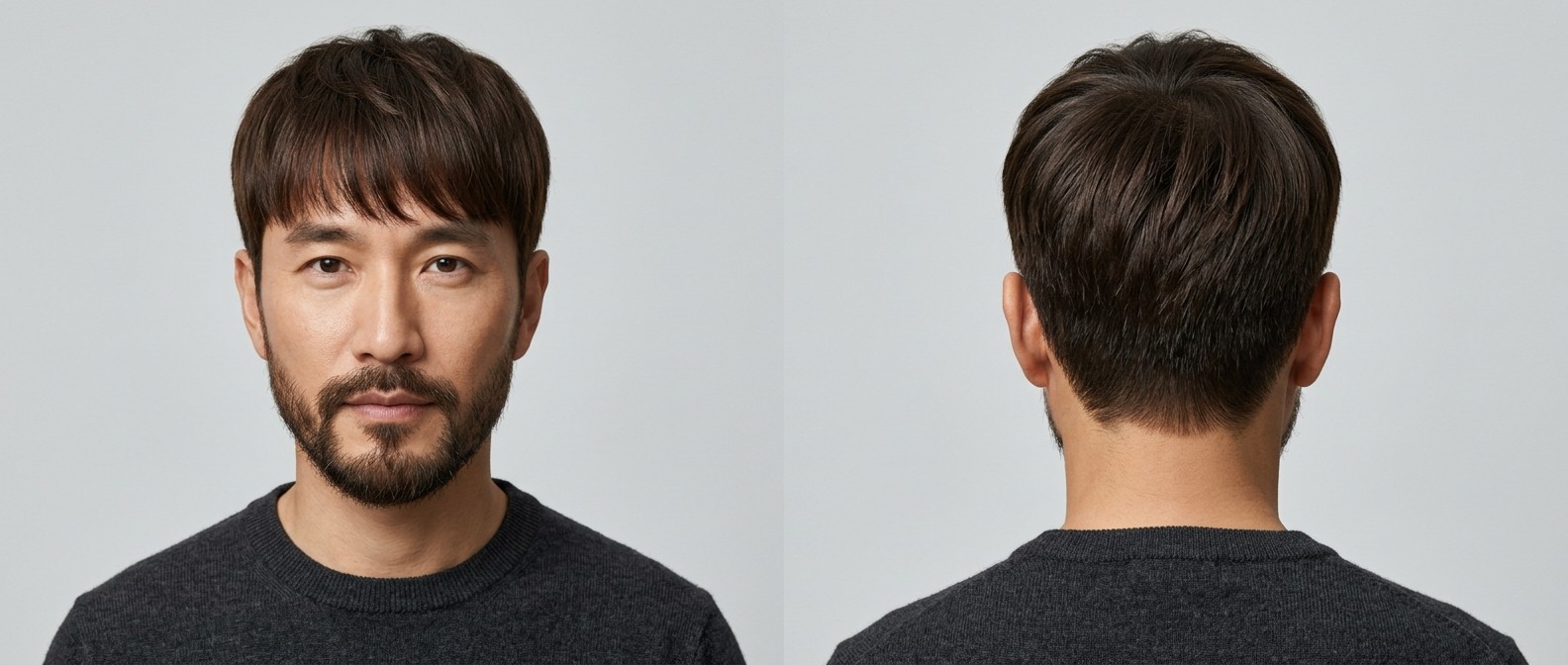
Fringe
Mature Asian Textured Fringe with Medium Tapered Sides
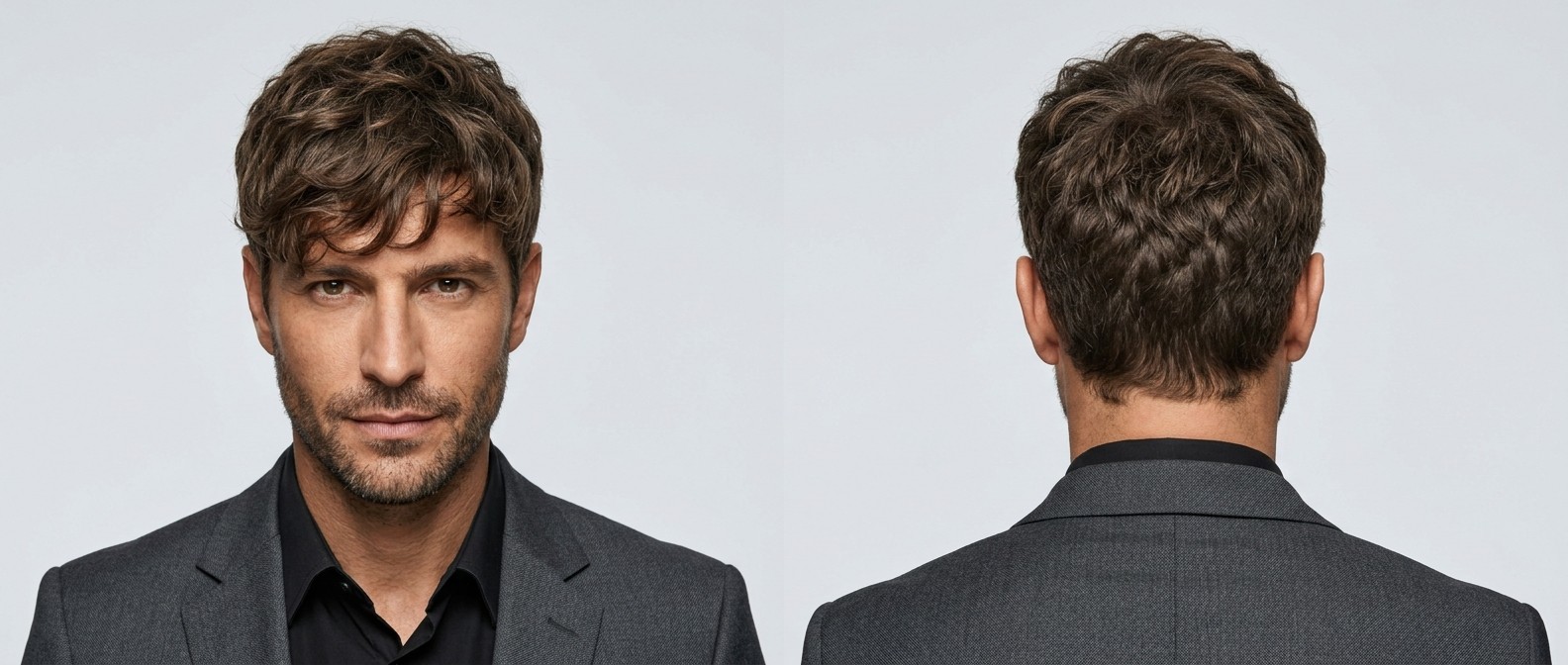
Fringe
Textured Wavy Fringe with Medium Scissor-Cut Sides
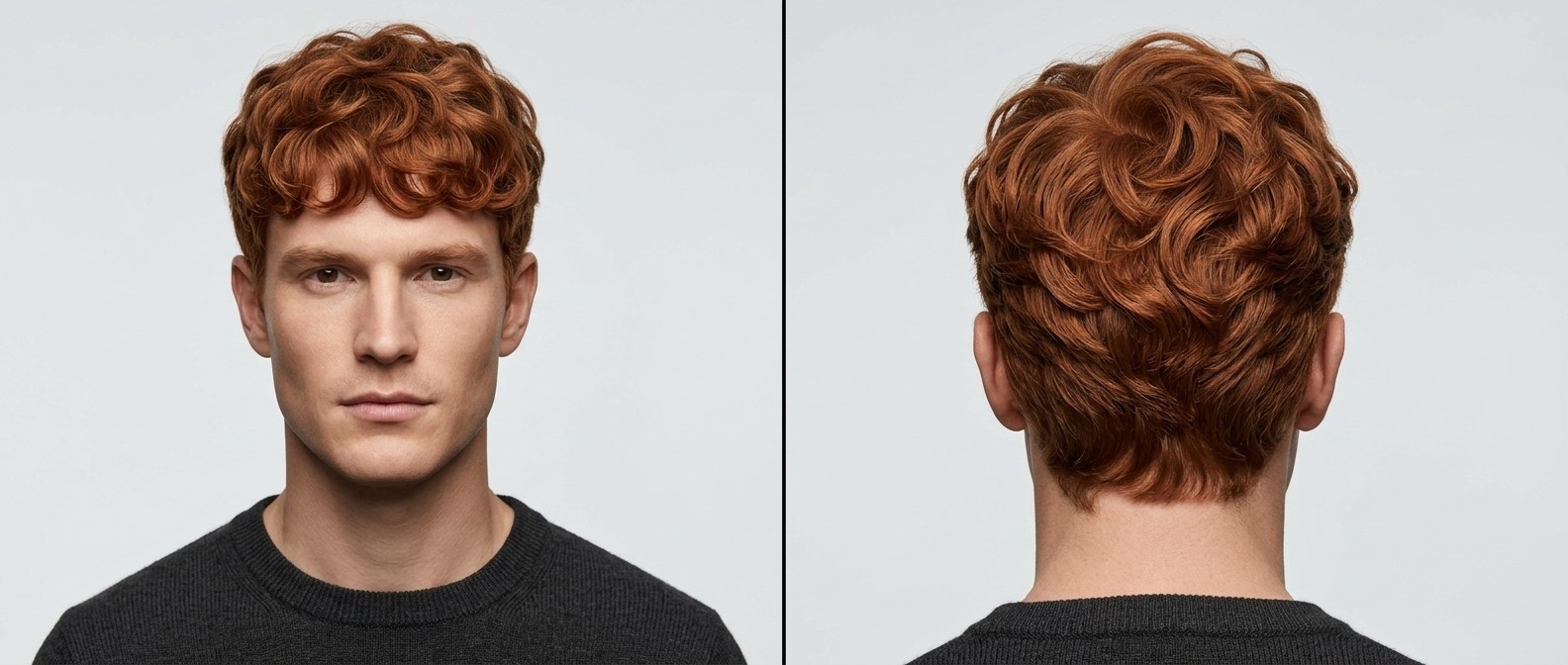
Fringe
Wavy Textured Fringe with Soft Scissor-Cut Sides and Layered Crown
Fringe
Heavy Blunt Fringe with Scissor-Tapered Sides and Natural Nape
Fringe