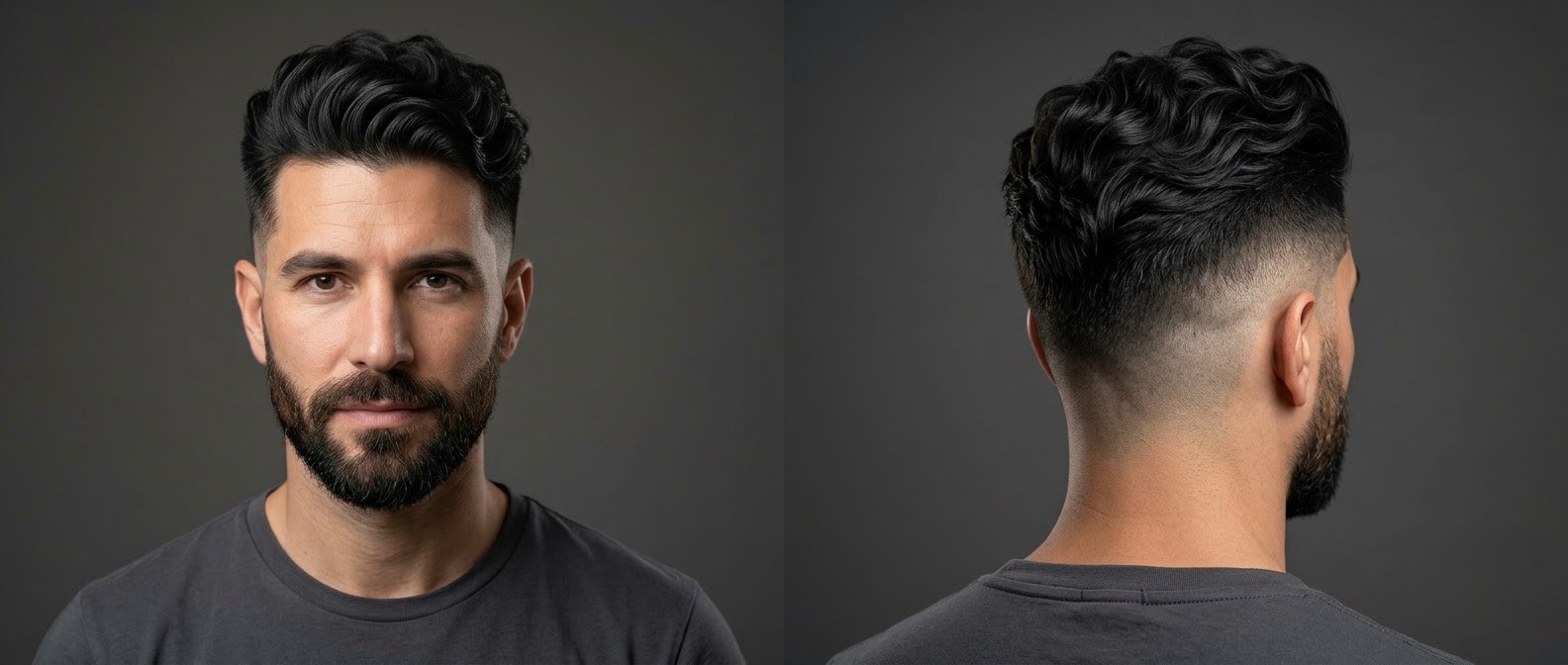
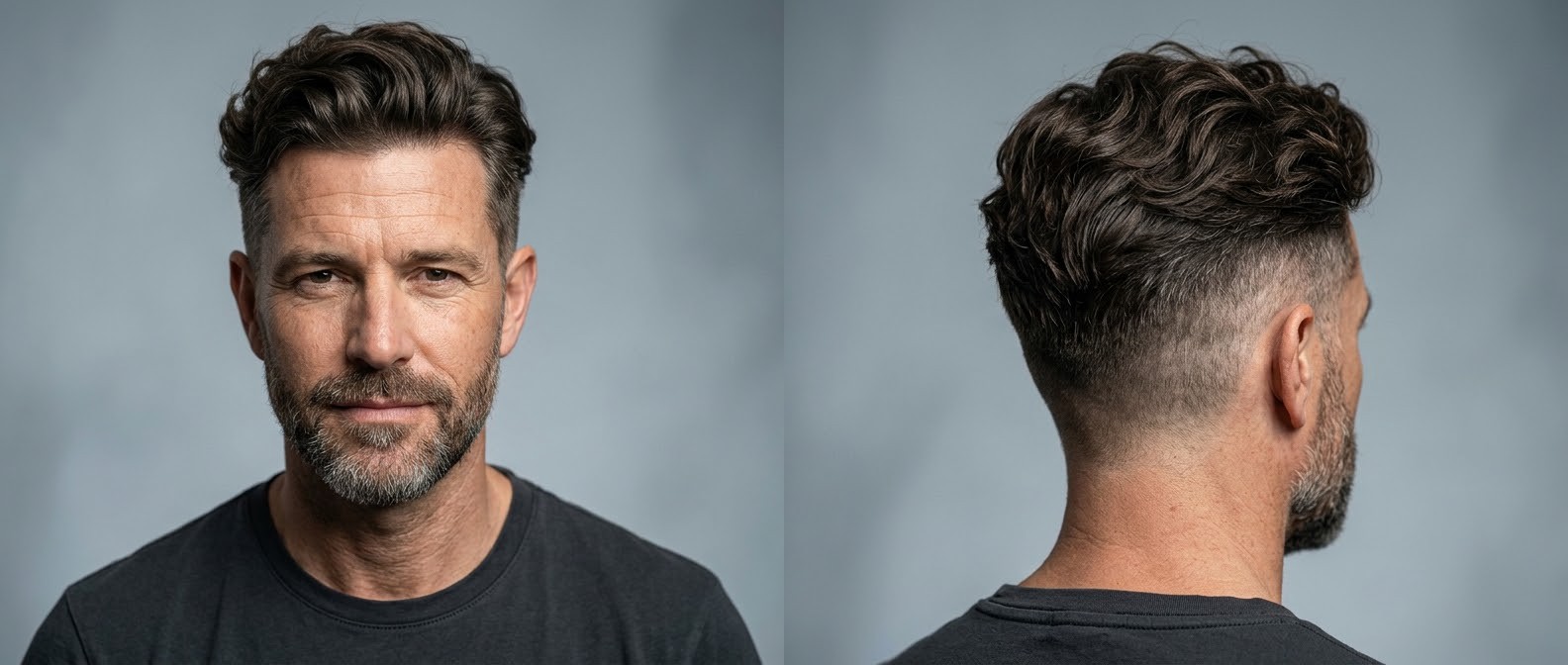
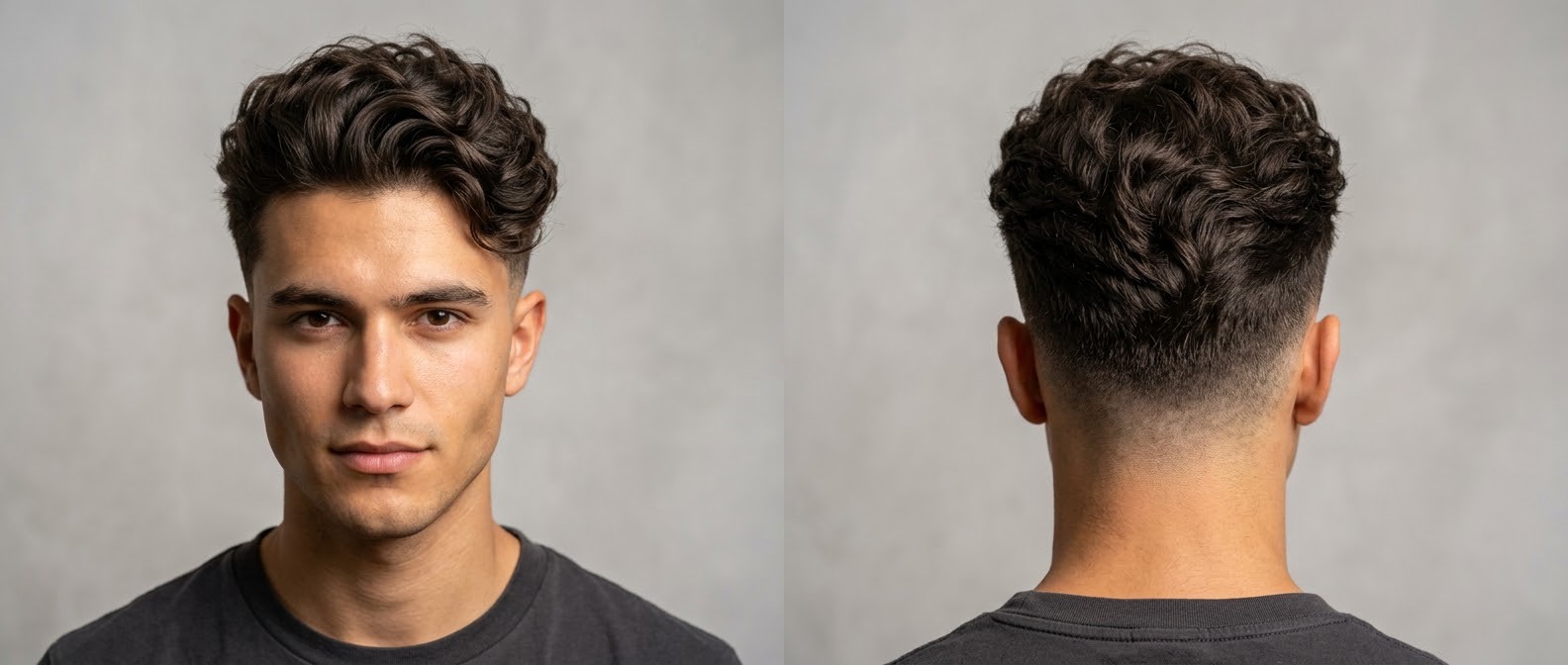


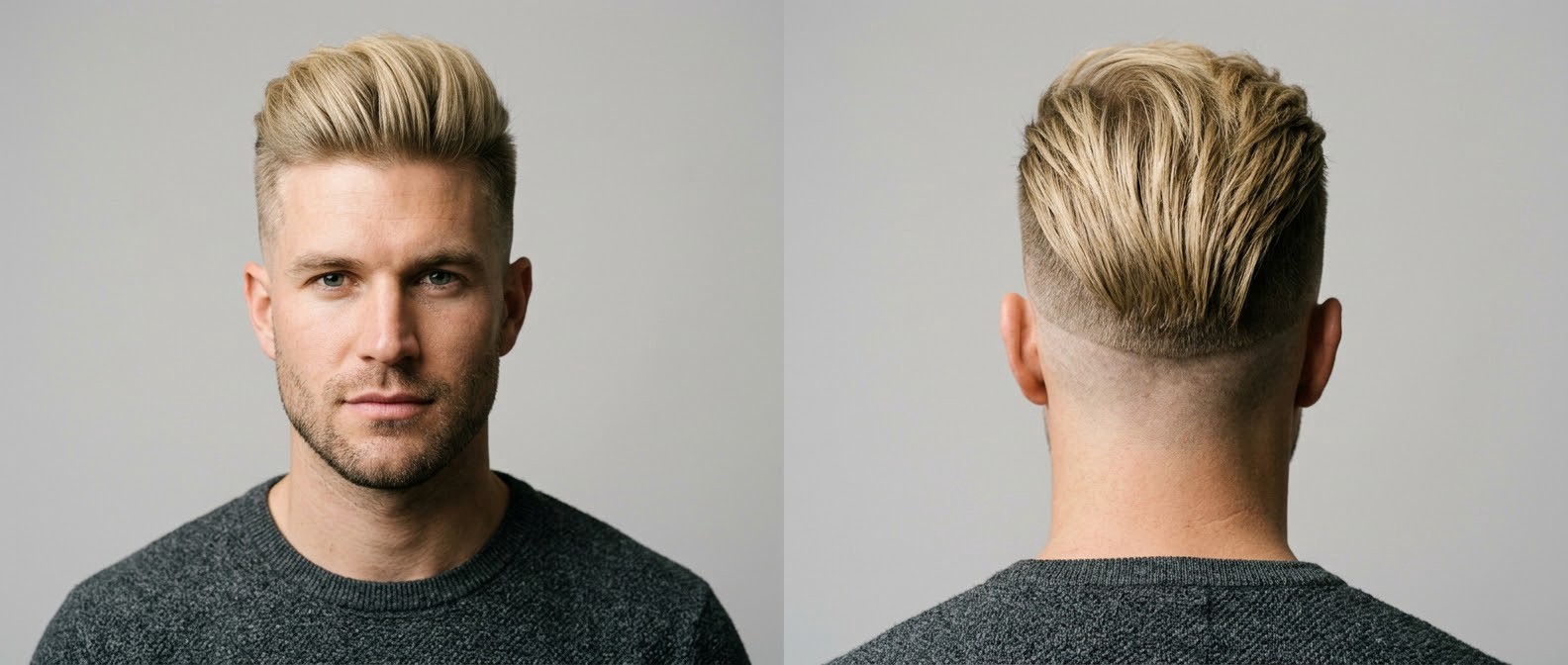
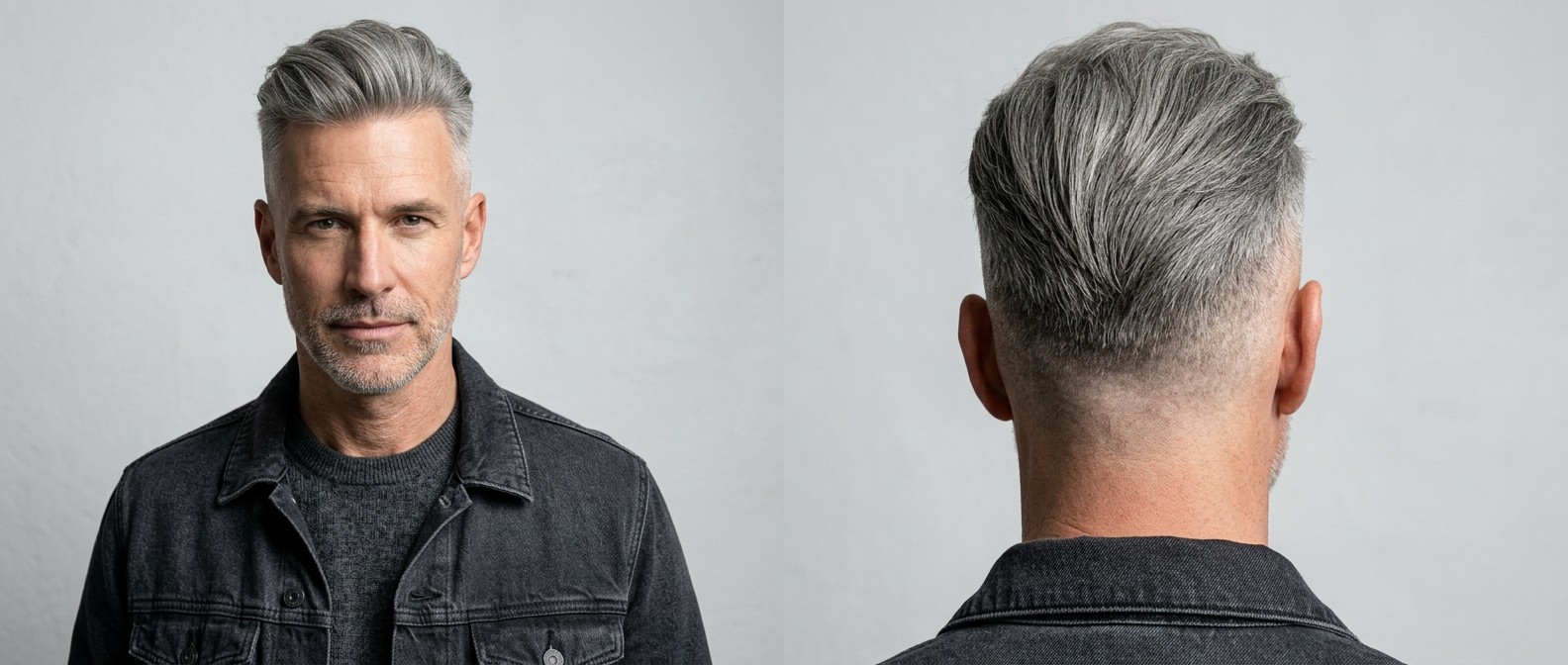
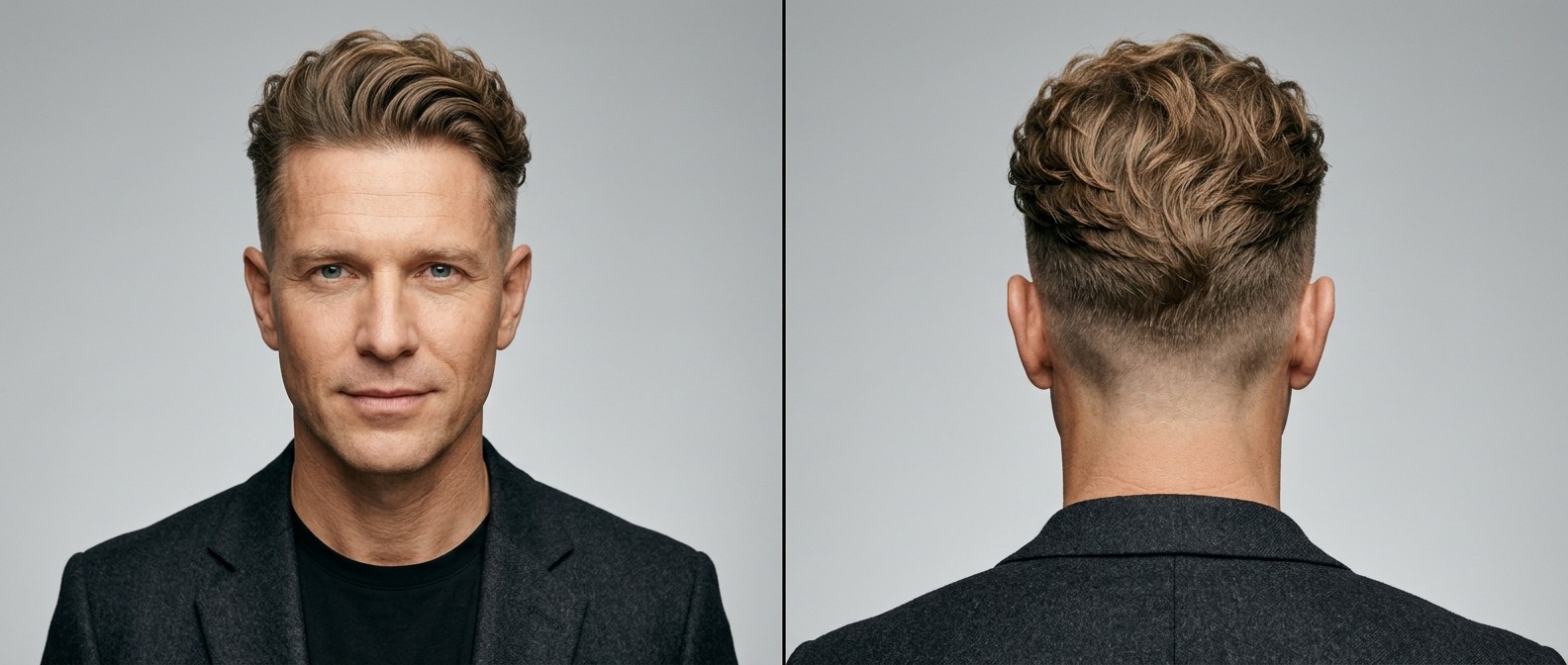
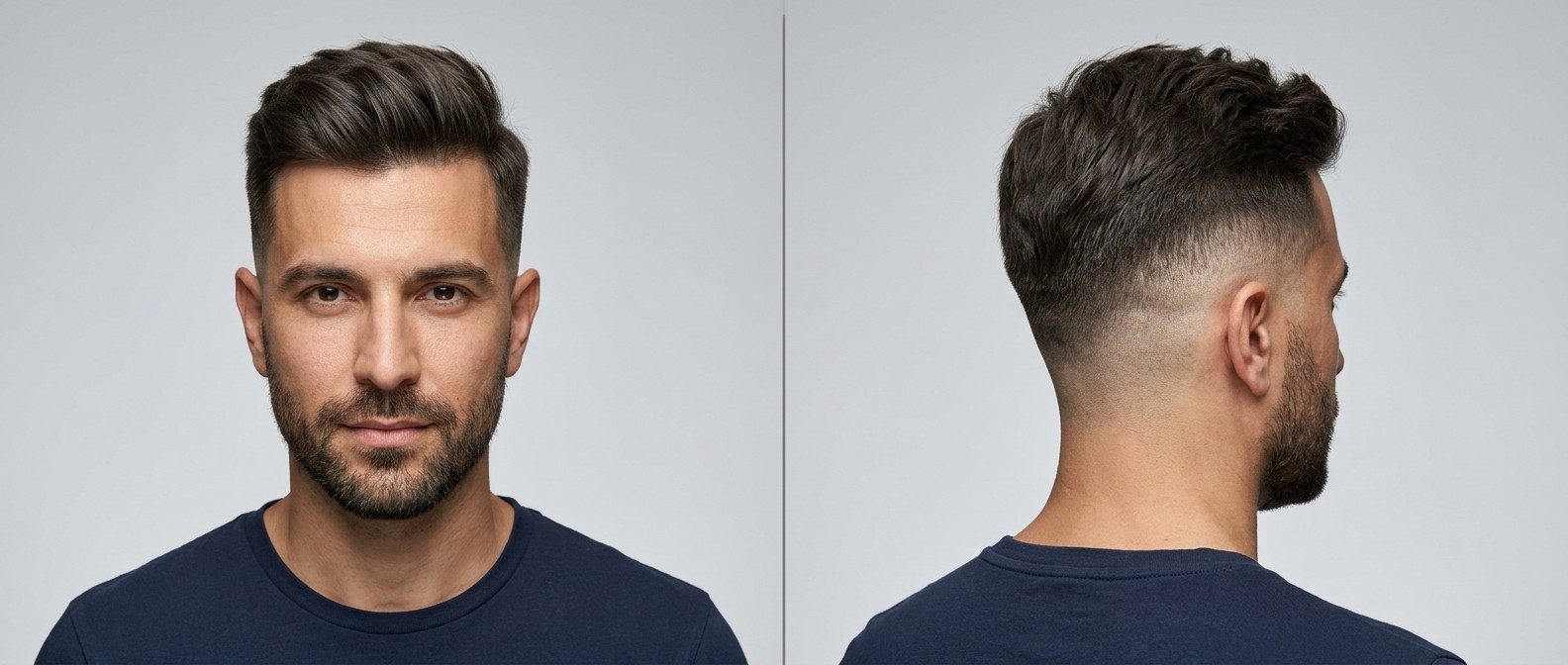
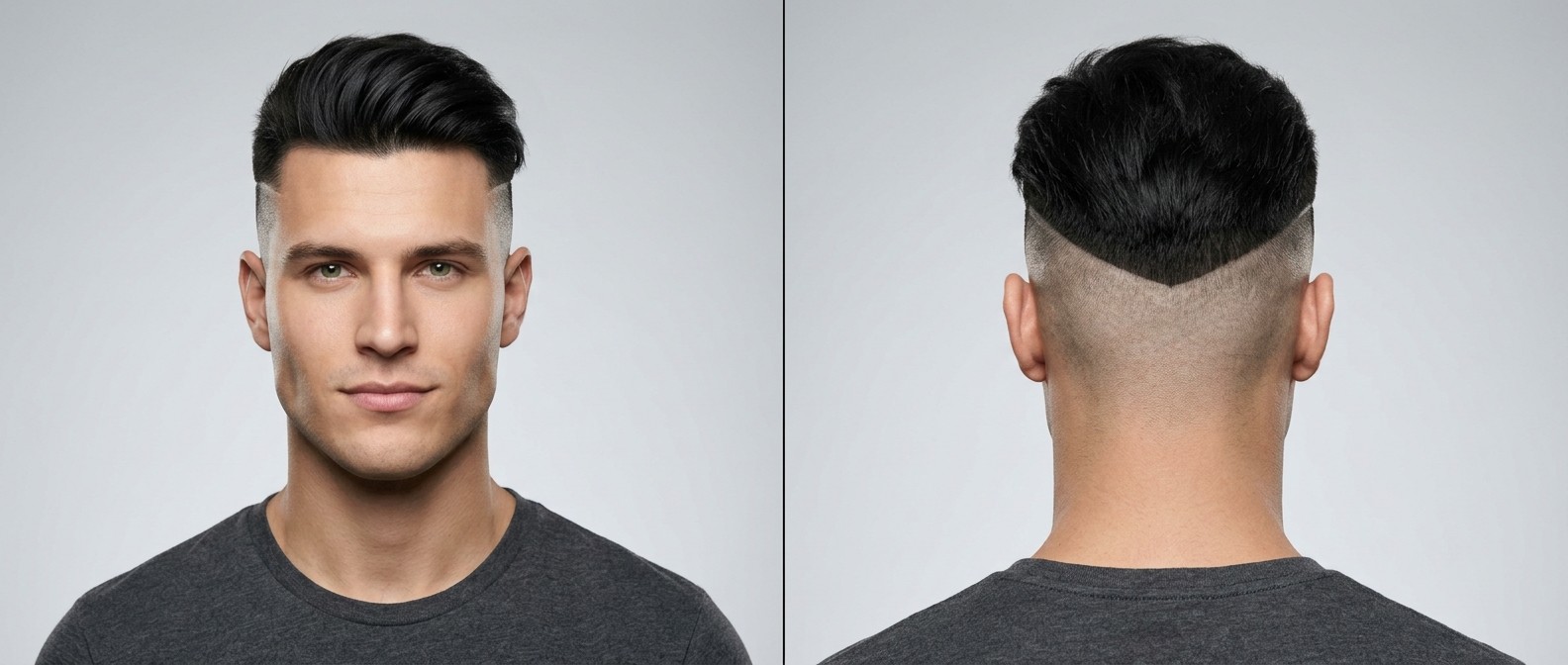
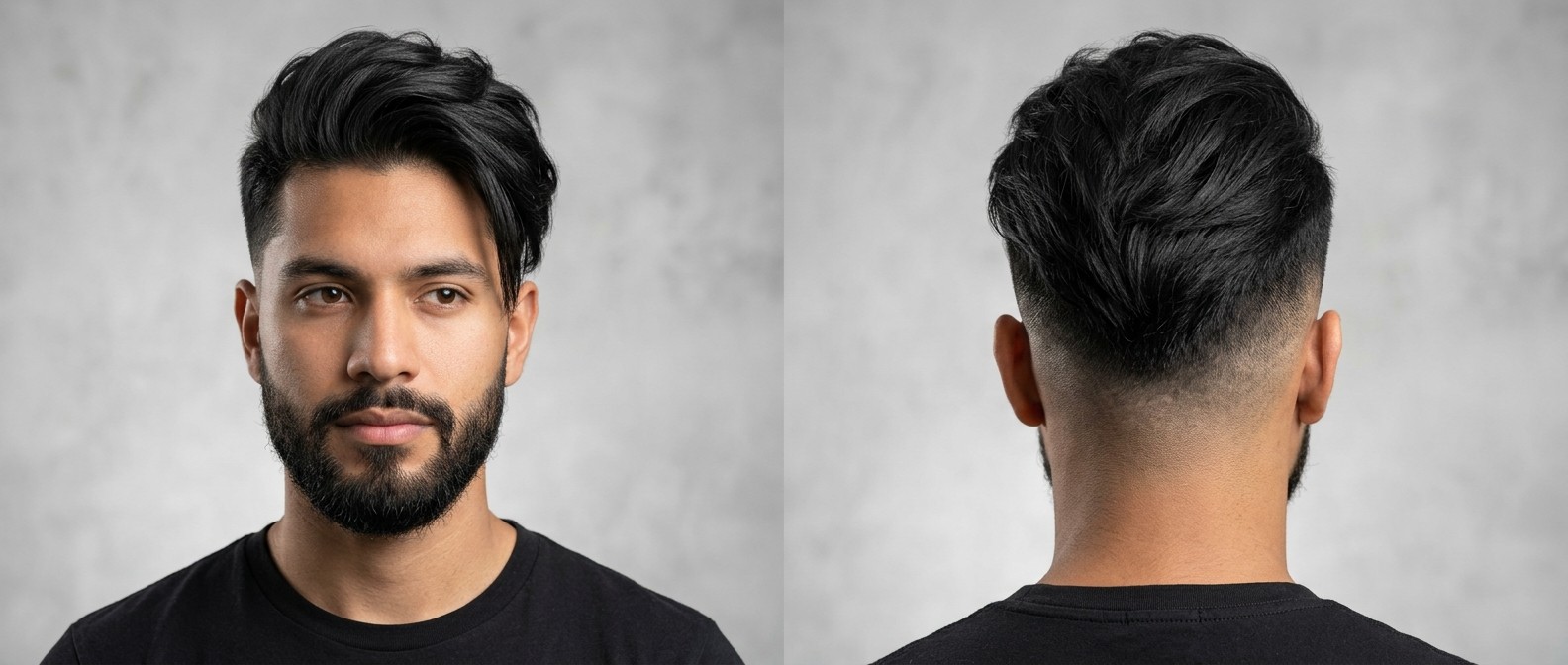
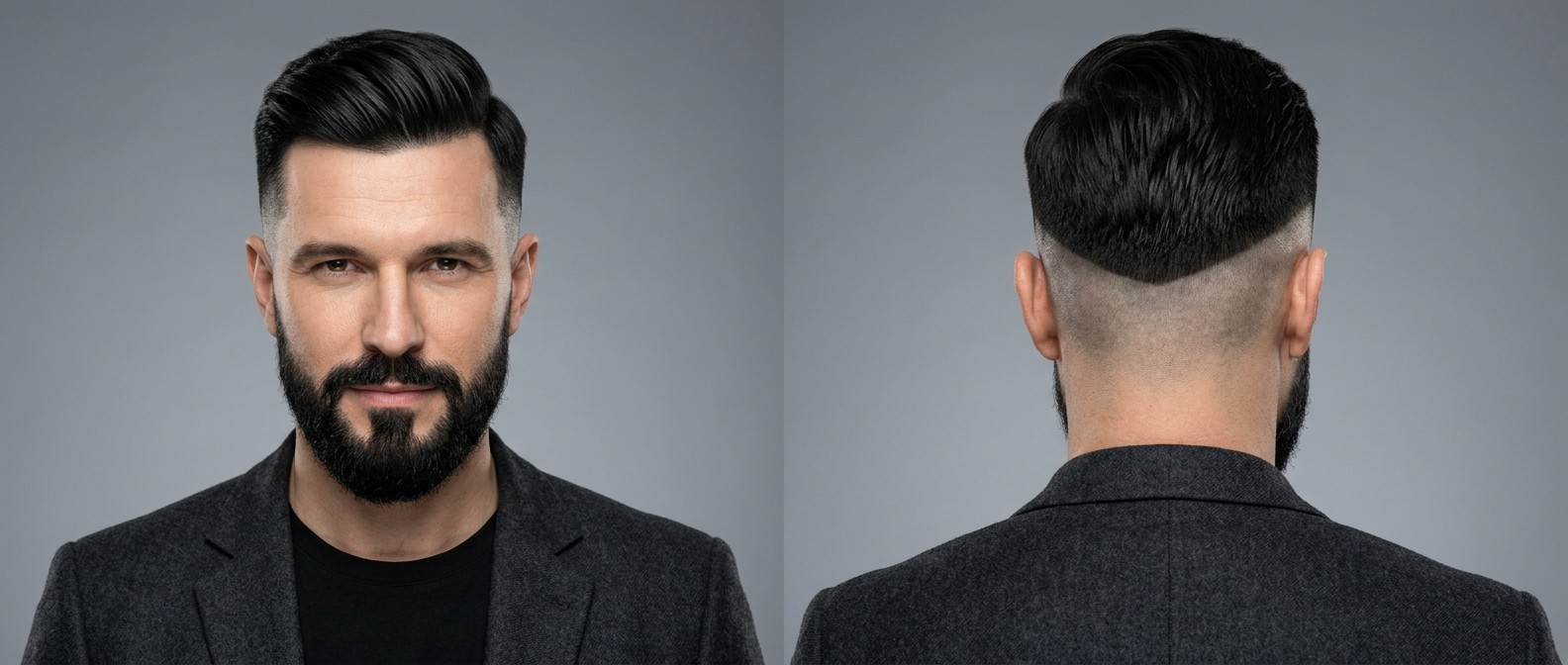
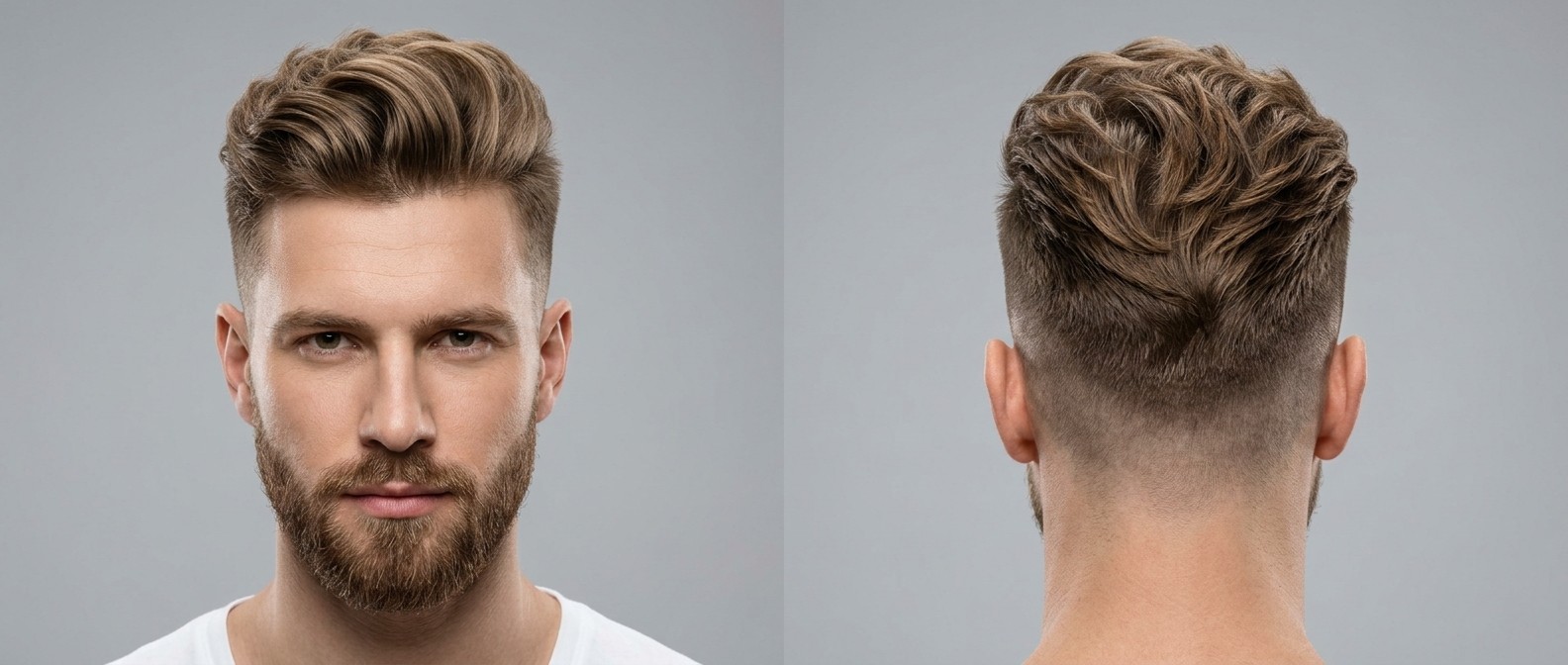
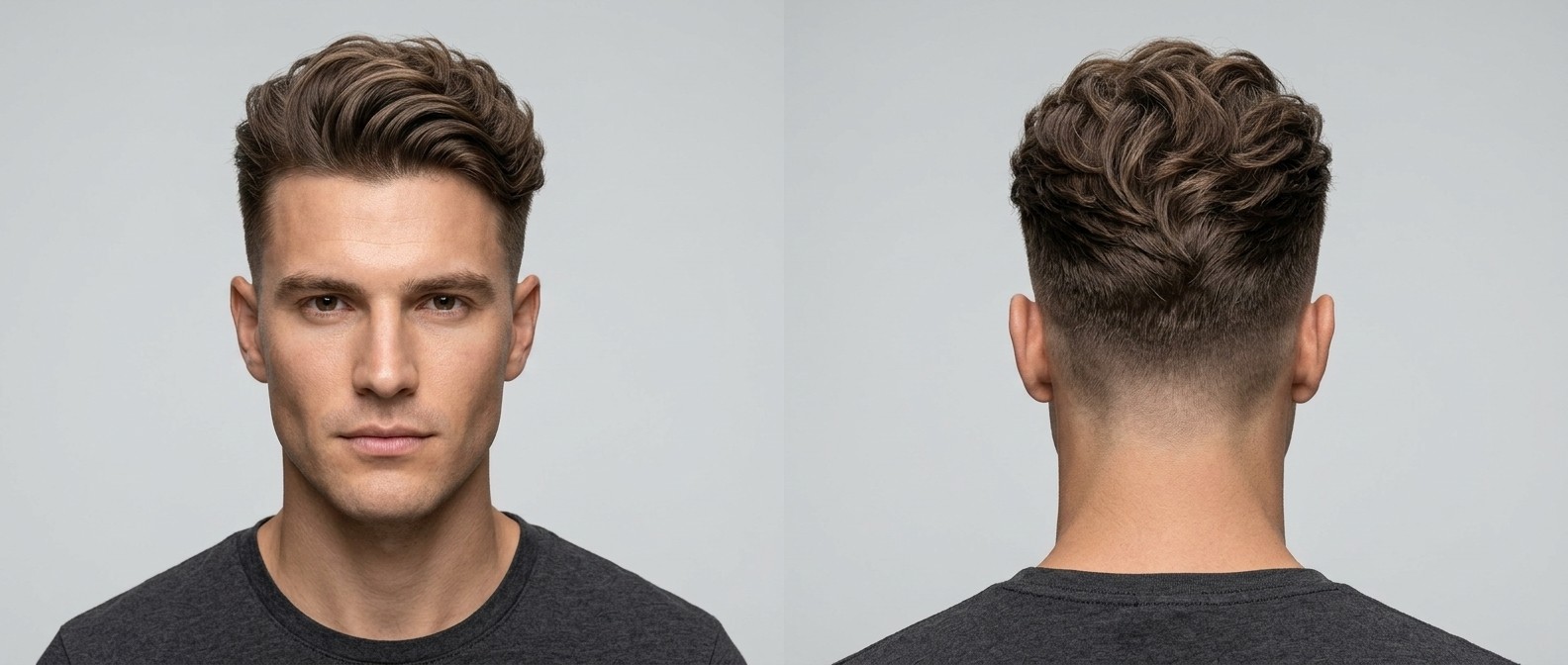
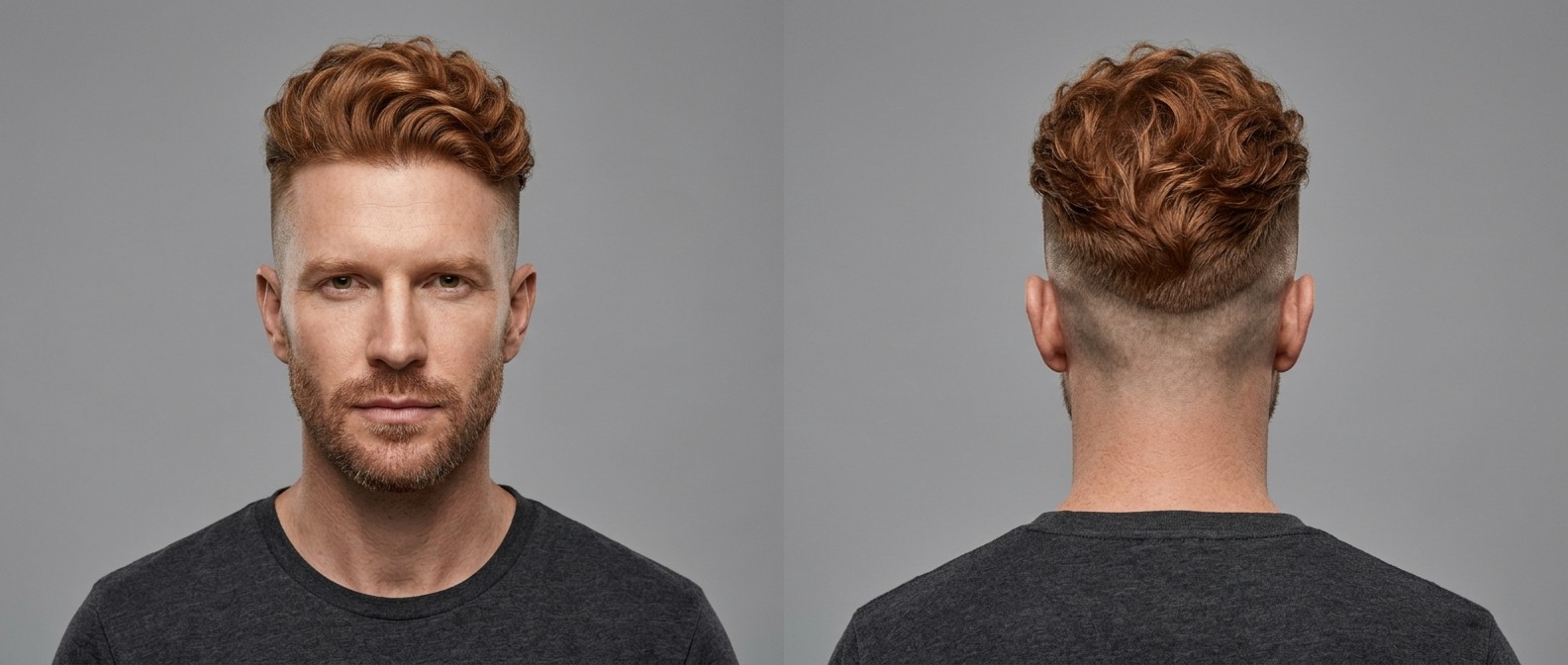
What Is a Disconnected Undercut?
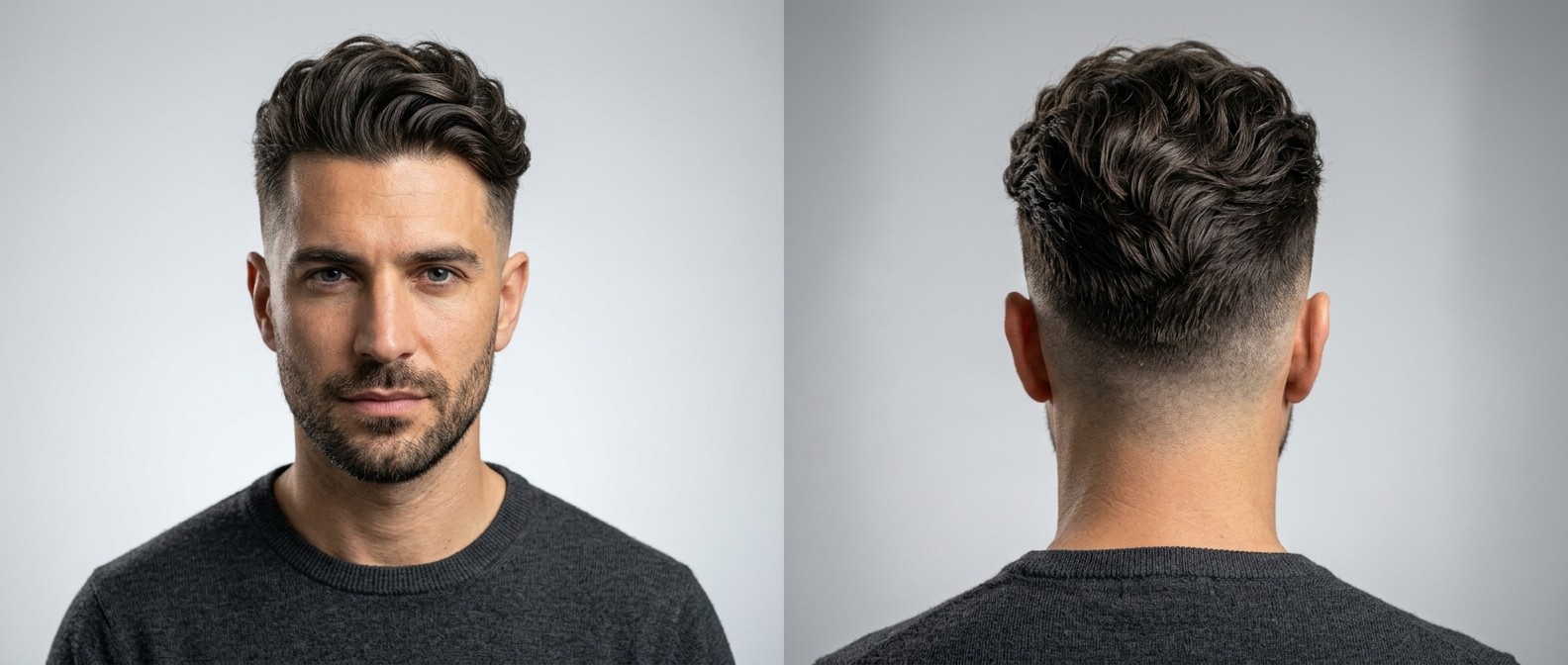
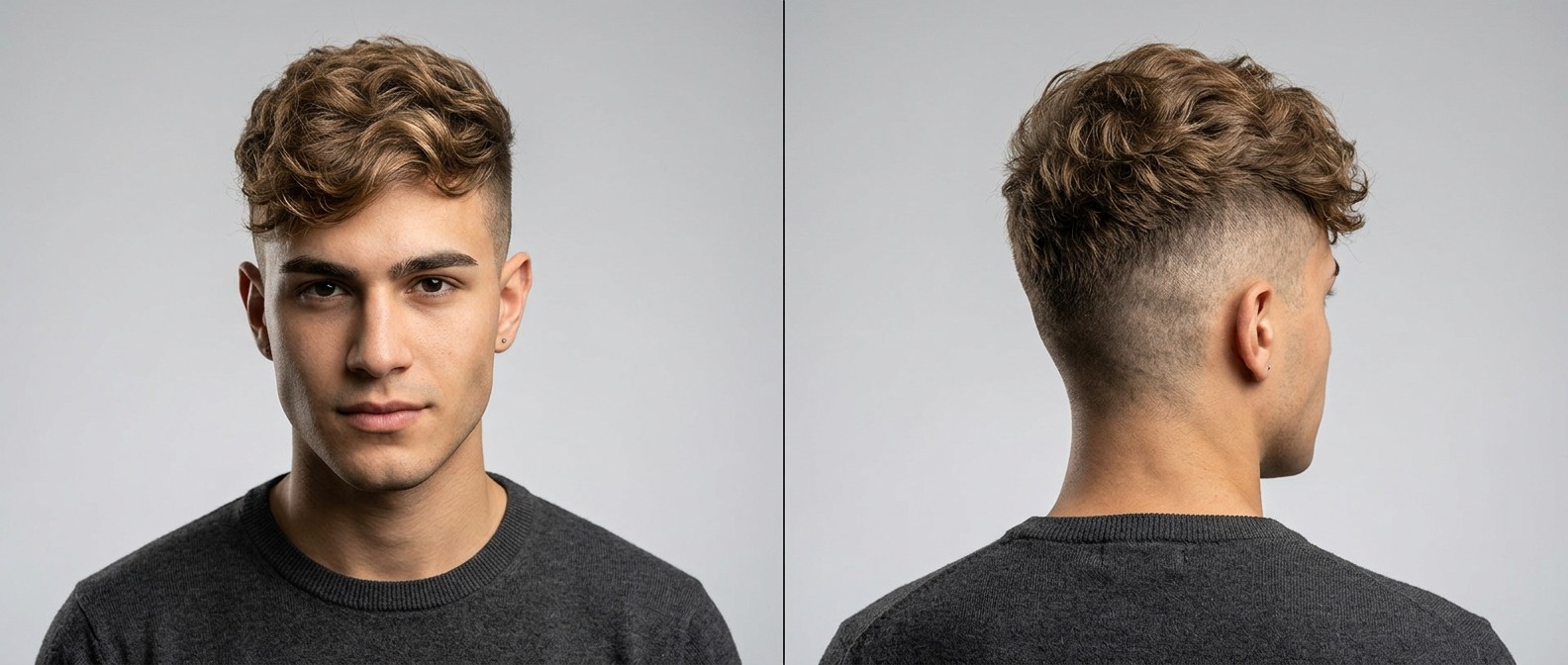
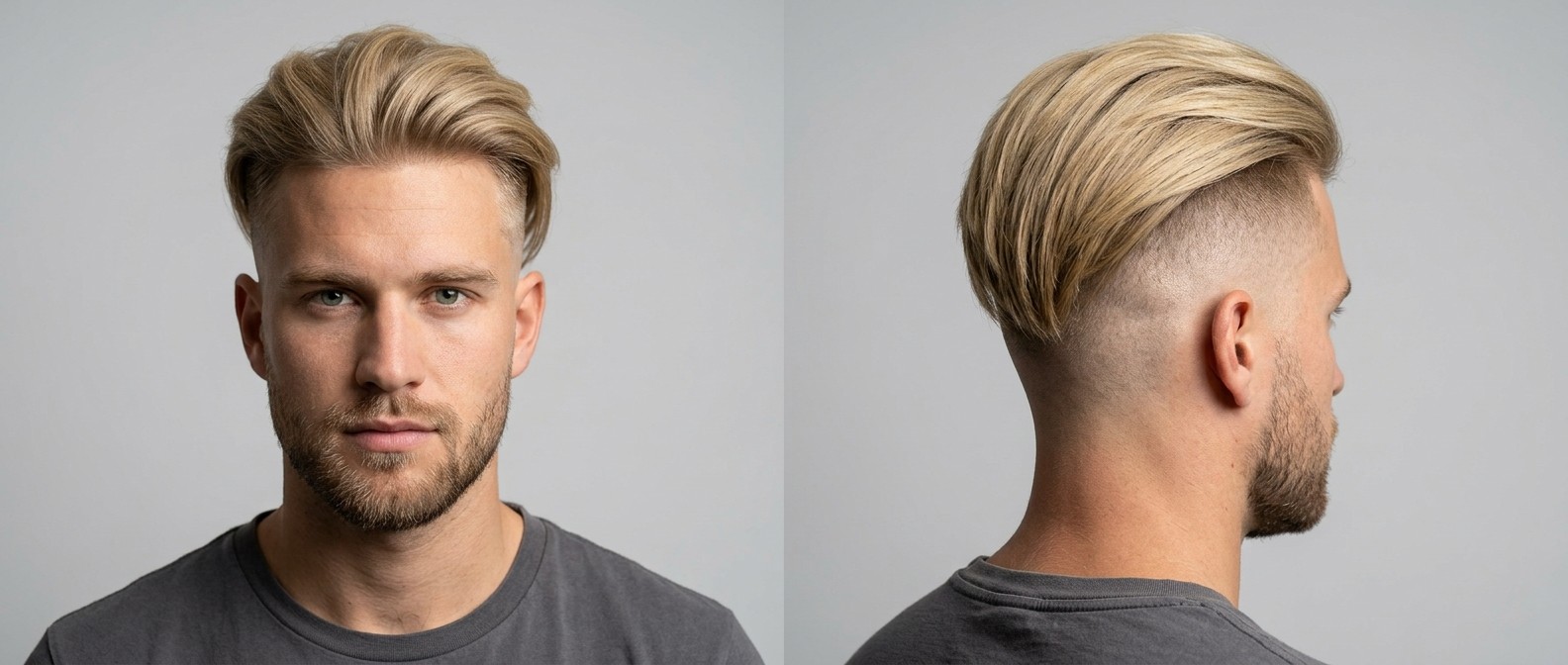
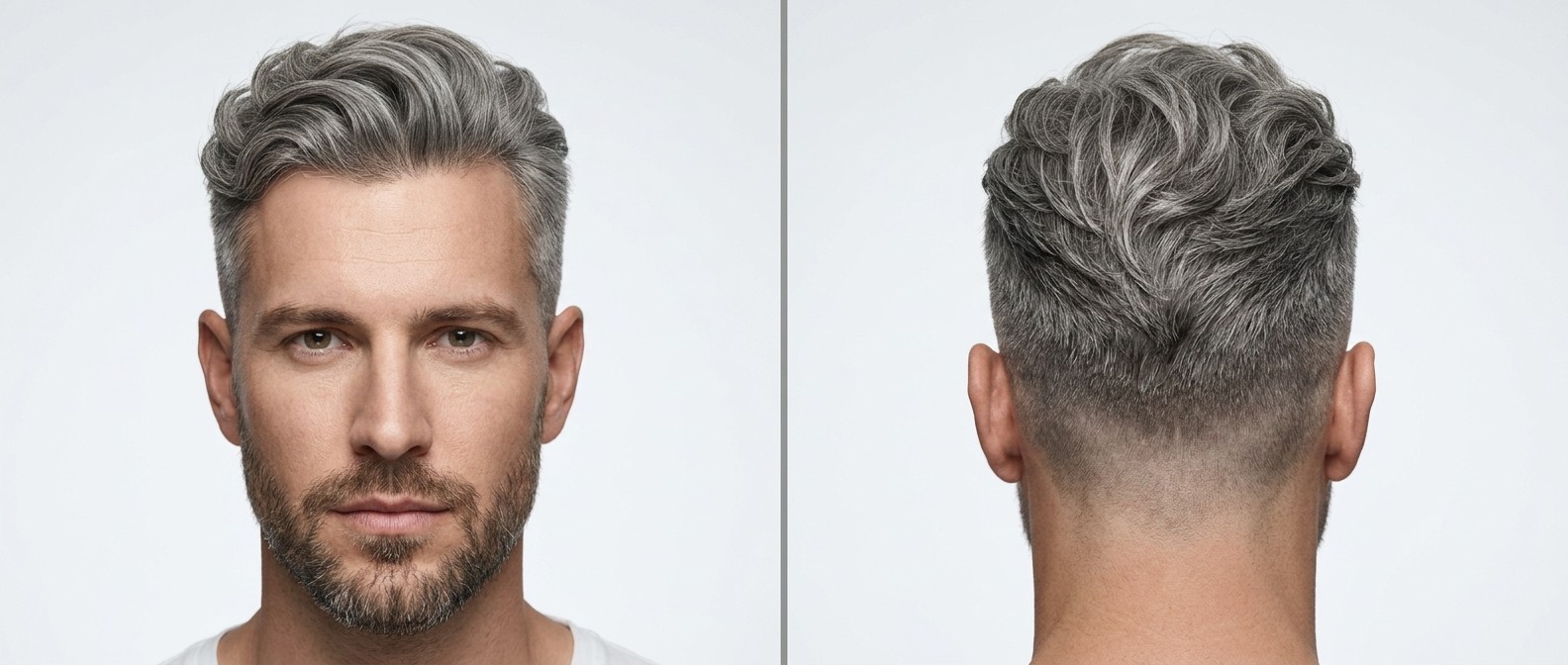
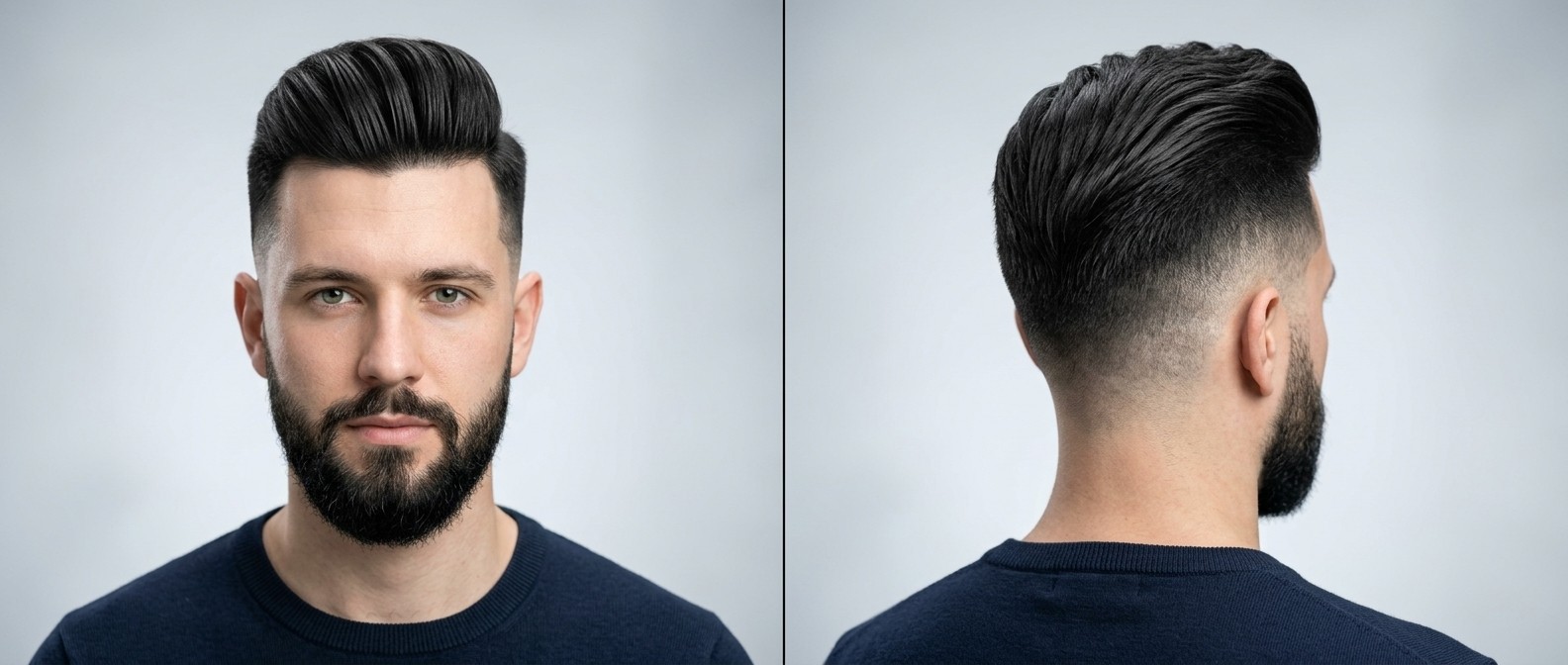
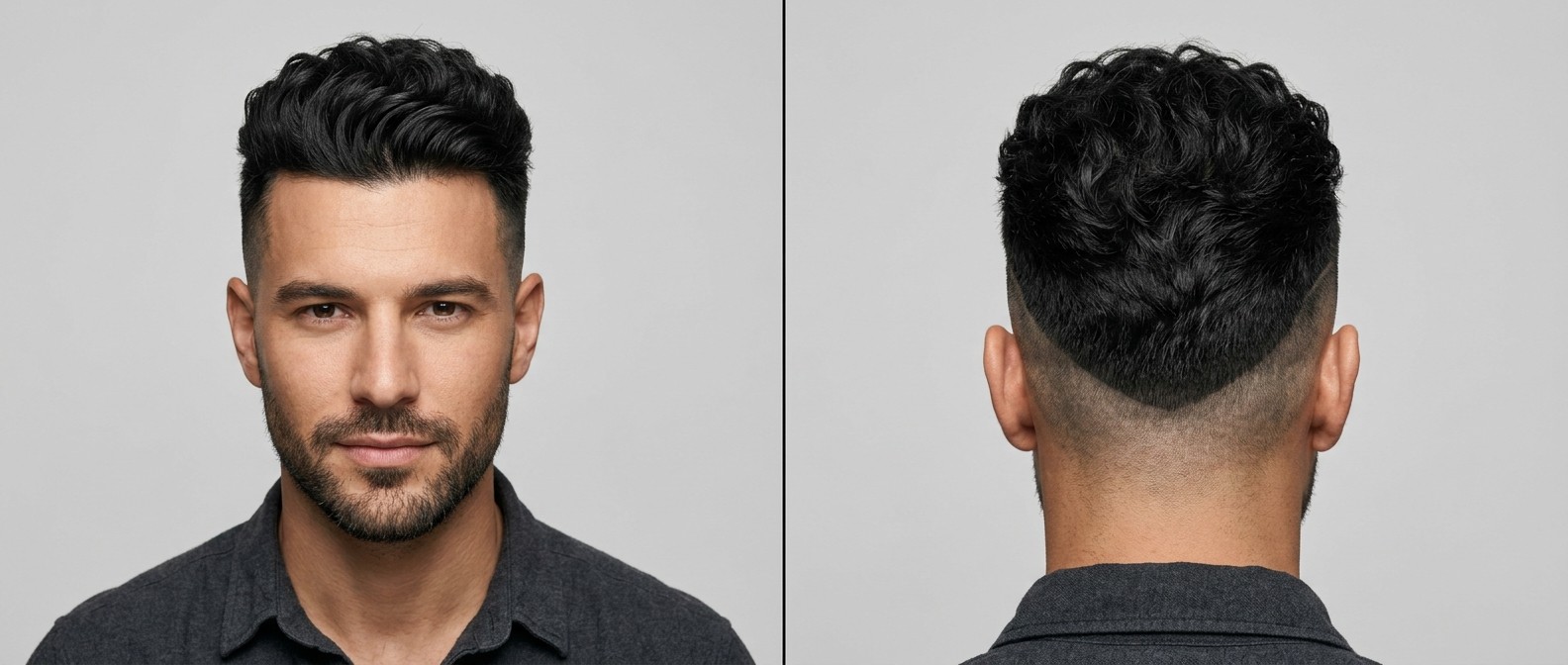
The disconnected undercut is a more extreme version of the standard undercut where the transition between the short sides and longer top is completely abrupt — there's no blending, fading, or tapering at all. The sides are typically shaved down to a #0, #0.5, or #1 guard, and the longer top begins immediately above this short section with a visible, hard line of contrast. This "disconnect" is the defining feature and the source of the style's dramatic visual appeal.
Think of it as an architectural approach to hair. Where a fade creates a smooth gradient and a standard undercut allows some soft transition, the disconnected undercut celebrates the abrupt meeting of two very different lengths. The effect is sharp, modern, and undeniably intentional — no one will ever mistake this for a haircut that's simply growing out.
This style has deep roots in both classic barbering and contemporary fashion. While the concept existed in early 20th-century men's grooming, the modern disconnected undercut gained major traction in the mid-2010s, fueled by social media barbers showcasing the clean lines and dramatic before-and-after transformations that this cut delivers.
Who Should Get a Disconnected Undercut?
The disconnected undercut is for men who want their haircut to be a deliberate style statement. It's bolder than a standard undercut and requires confidence to wear. Consider this cut if you:
- Have thick, manageable hair on top — the disconnect looks best when the top section has enough density to hold its shape
- Have an oval or oblong face — the horizontal line of the disconnect can add width to longer face shapes
- Enjoy regular grooming — this cut requires upkeep to maintain its sharp lines
- Work in creative or fashion-forward environments — while increasingly accepted, it's still an attention-grabbing cut
- Have straight to wavy hair — these textures showcase the disconnect most clearly
Men with very fine or thin hair should approach this style carefully. The hard disconnect line can highlight sparse areas, so consult with your barber about whether you have enough density on top to make the contrast work in your favor.
How to Style a Disconnected Undercut
The disconnected undercut is a canvas that supports several distinct styling approaches. The key principle is that your top styling should be intentional and well-defined — the precision of the disconnect demands equally precise styling above it.
Slicked back: The most classic pairing. Apply a high-hold pomade to damp hair and comb it straight back, using a blow dryer to set the direction. This creates a sleek, powerful look where the disconnect line is fully visible around the sides and back. Finish with hair spray for all-day hold.
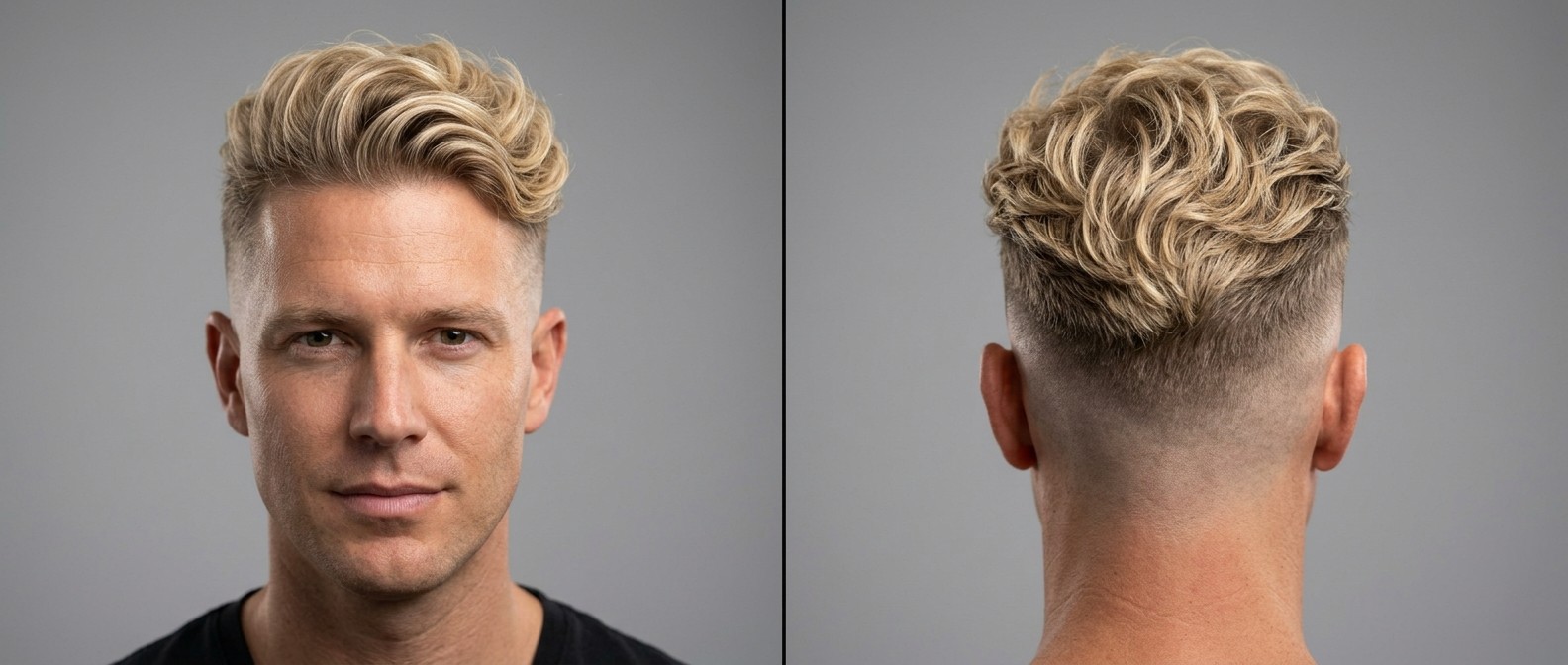
Side sweep: Part your hair on one side and sweep the length across. The disconnect line frames the style dramatically from the side view. Use a matte clay for a modern finish or pomade for a more traditional appearance.
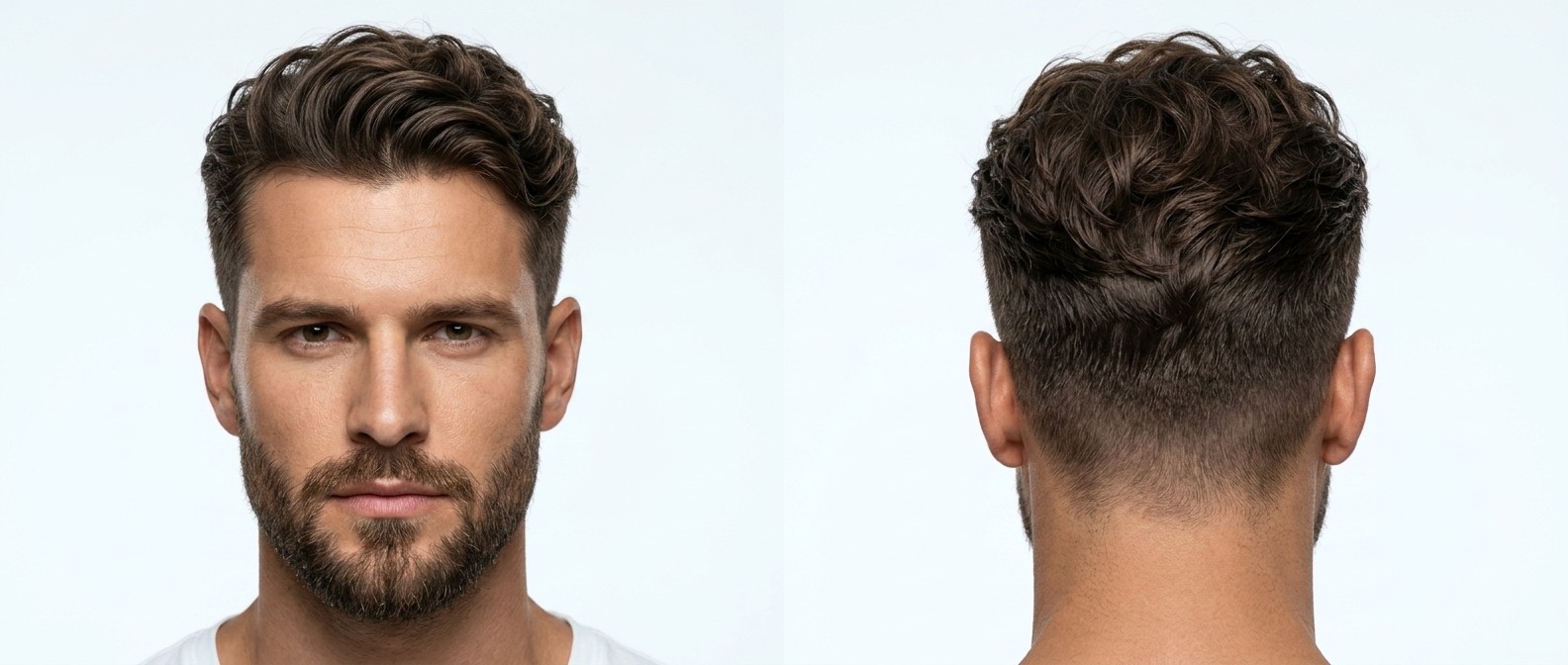
Textured crop: Work a styling paste through the top for a more relaxed, textured look. Push the hair forward or slightly to the side. This creates an interesting contrast — the precision of the shaved sides against the casual texture on top.
Pompadour: Blow dry the front section upward and backward to create volume and height. The disconnect undercut is the perfect foundation for a pompadour because the clean sides let the volume on top take center stage without visual competition.
What to Tell Your Barber
Precision is everything with this cut. Be very specific about these details:
- Side length — #0 (skin shave) for maximum drama, #0.5 or #1 for a slightly softer version
- Disconnect height — how far up the head should the short section extend? Common choices are temple height, mid-temple, or up to the parietal ridge
- Line sharpness — emphasize that you want a hard, clean disconnect line with absolutely no blending
- Top length — 3-6 inches depending on your intended styling
- Back treatment — should the disconnect wrap all the way around the back, or just the sides?
- Optional details — some men add a hard part line or design elements to enhance the disconnect effect
Bring multiple reference photos showing the disconnect from different angles — front, side, and back. The height and angle of the disconnect line can dramatically change the overall look.
Maintenance Requirements
Let's be honest: the disconnected undercut is a high-maintenance hairstyle. That sharp, clean disconnect line starts to blur within 7-10 days as the shaved sides grow in. To keep the look crisp, you have two options: visit your barber every 2 weeks for a cleanup, or learn to maintain the sides yourself with clippers at home.
If you're doing home maintenance, invest in quality clippers with a reliable guard system. Carefully follow the existing line your barber established — this is the most critical part. Use a hand mirror to check the back, or better yet, have someone help you. One slip can ruin the symmetry that makes this cut so impactful.
The top section needs a professional trim every 5-6 weeks to maintain the right proportions. As the top grows longer, you'll need to adjust your styling routine — longer hair requires stronger hold products to maintain structured styles like pompadours and slick-backs.
Disconnected Undercut vs. Standard Undercut
Understanding the difference helps you choose the right version for your lifestyle. The standard undercut allows some soft blending between short and long sections — it's more forgiving, grows out more gracefully, and requires less frequent maintenance. The disconnected version eliminates all blending for maximum contrast — it's more dramatic, makes a stronger statement, but demands more upkeep. If you're new to undercuts, starting with a standard version and graduating to disconnected is a smart approach. Many men find that the disconnected look becomes addictive once they experience the clean precision it brings to their overall appearance — it's the kind of haircut that makes you feel sharp just by catching your reflection.