Find Your Perfect Haircut
The most comprehensive visual guide to men's haircuts and hairstyles. Browse 48+ styles by face shape, hair type, and maintenance level — with AI-generated photos and expert barber advice.
Browse All HairstylesRecently Added
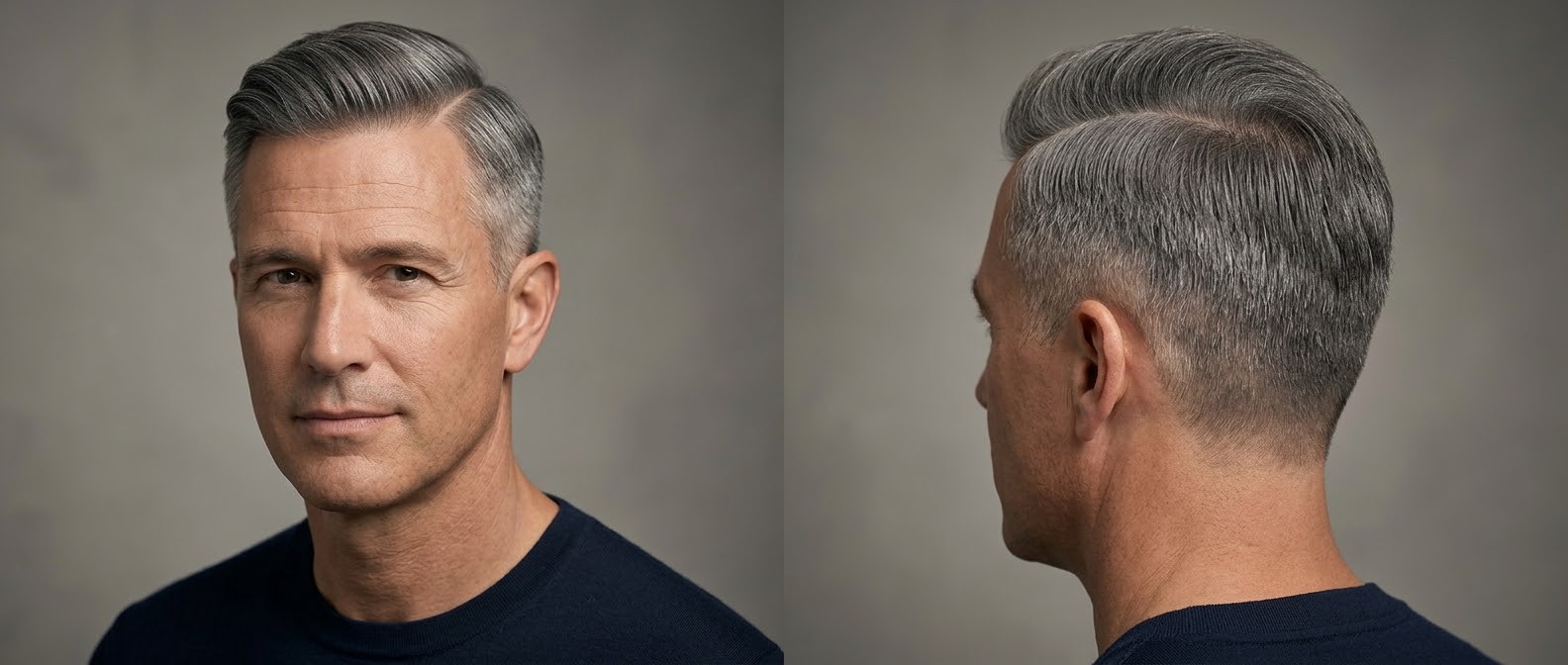
Classic Silver Hard Part with Tapered Sides and Swept Top
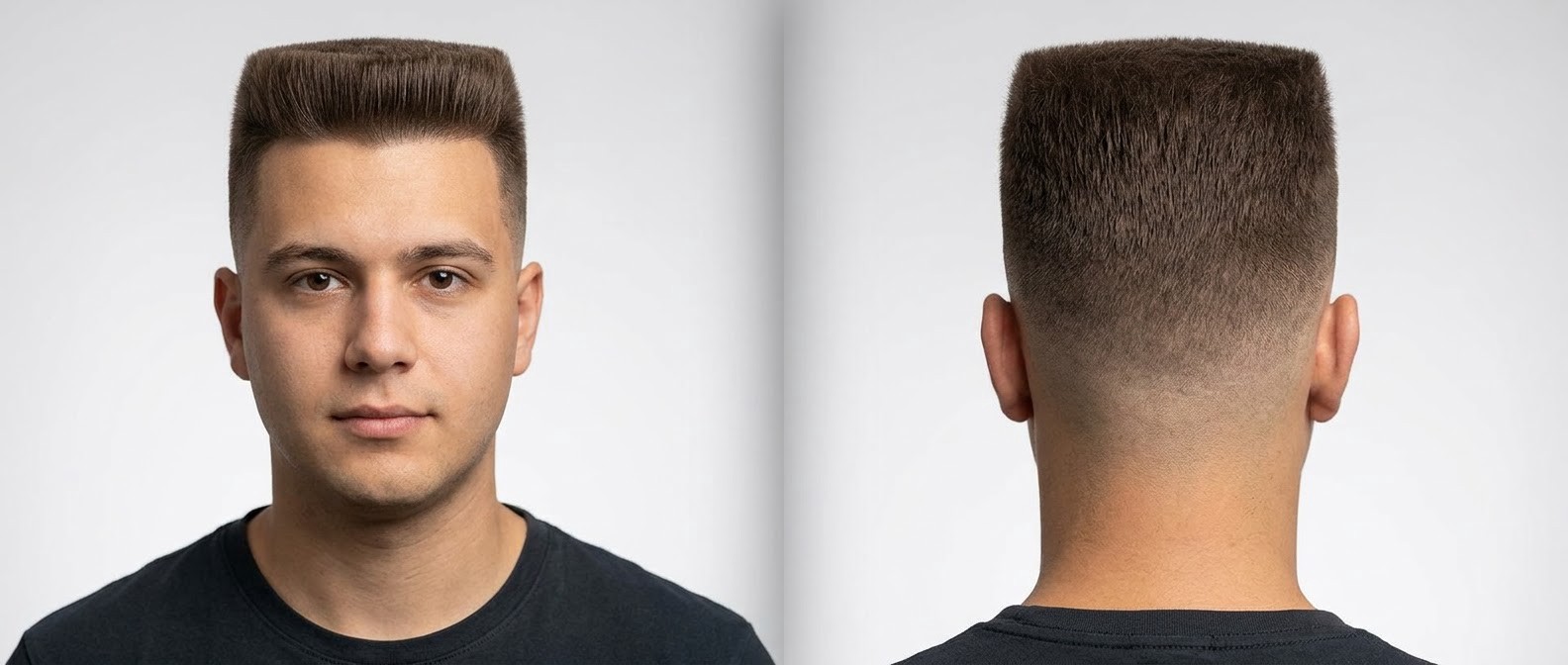
Precision Flat Top Haircut with Sharp High Fade & Lined Up Front
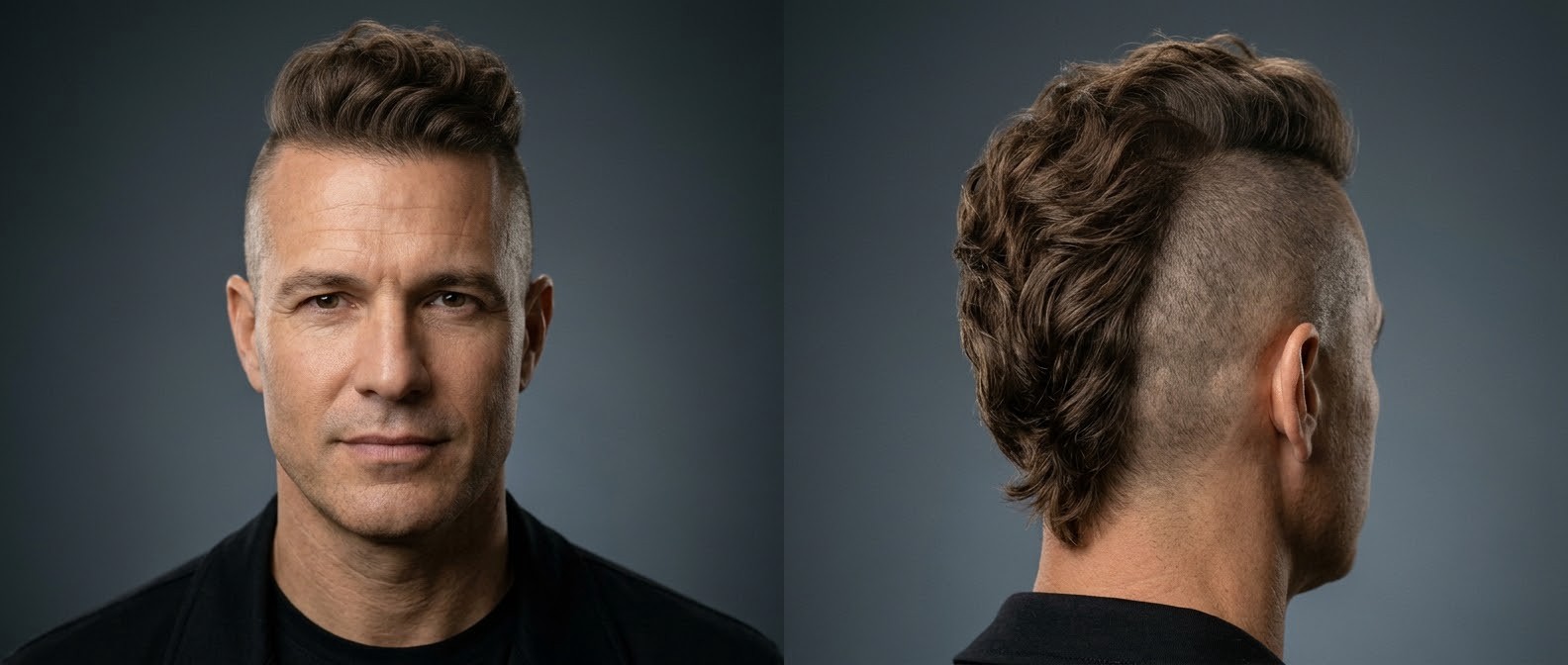
Bold Wavy Disconnected Mohawk Haircut with Shaved Sides
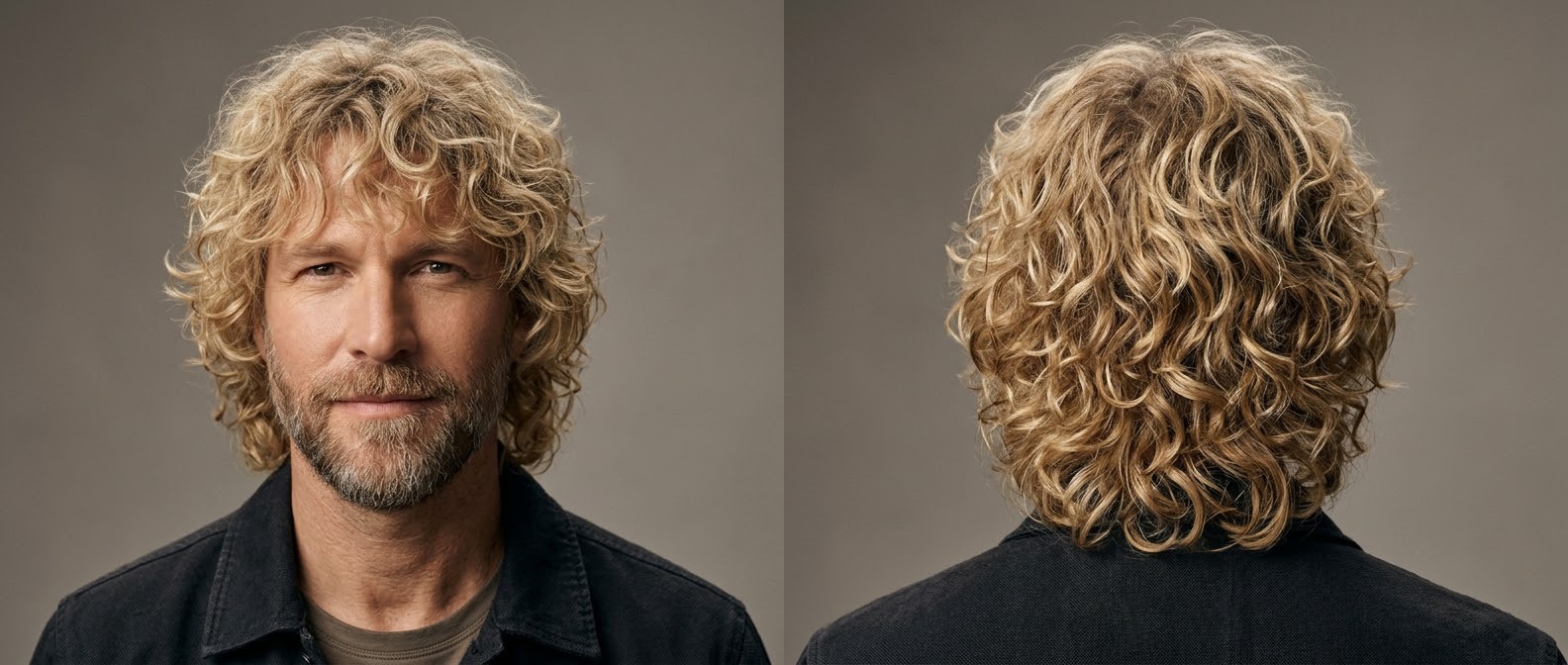
Textured Medium Curly Shag for Men with Thick Blonde Hair
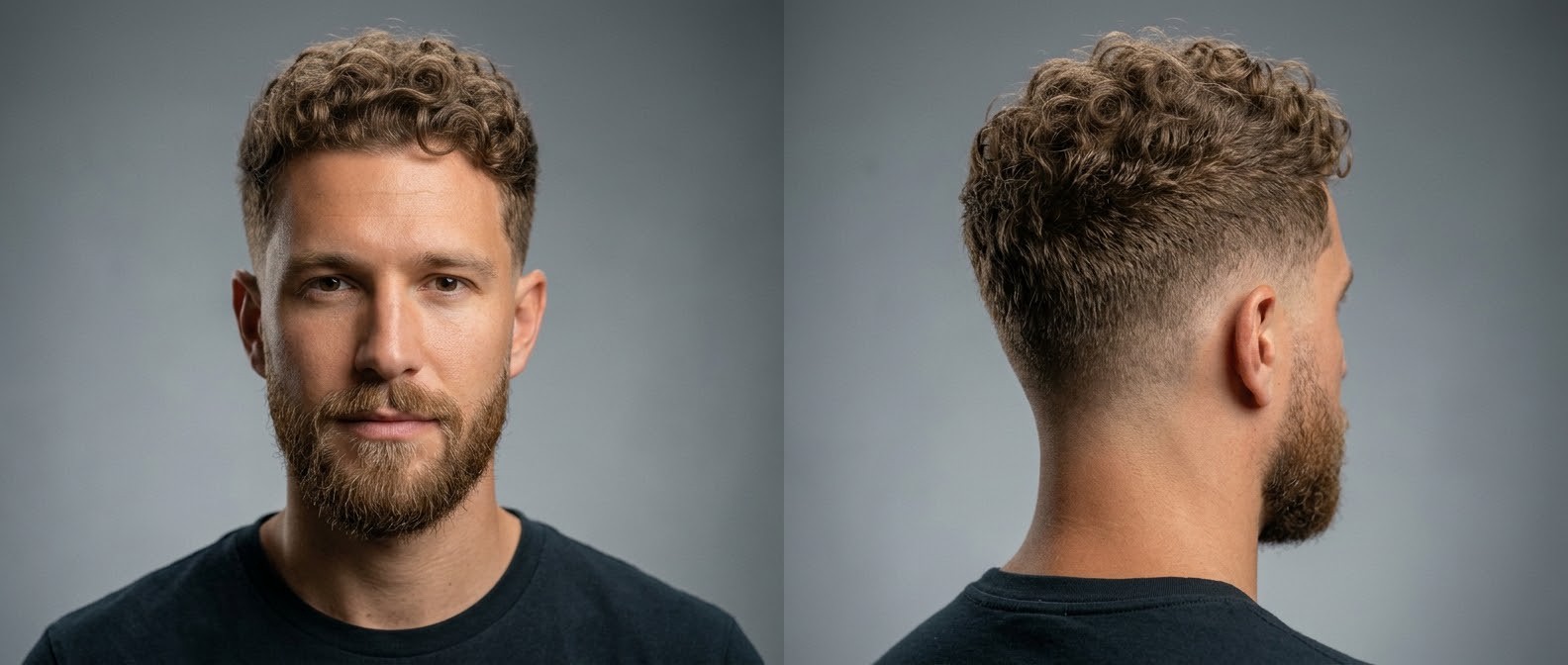
Elegant Short Curly Taper Fade with Natural Textured Crown
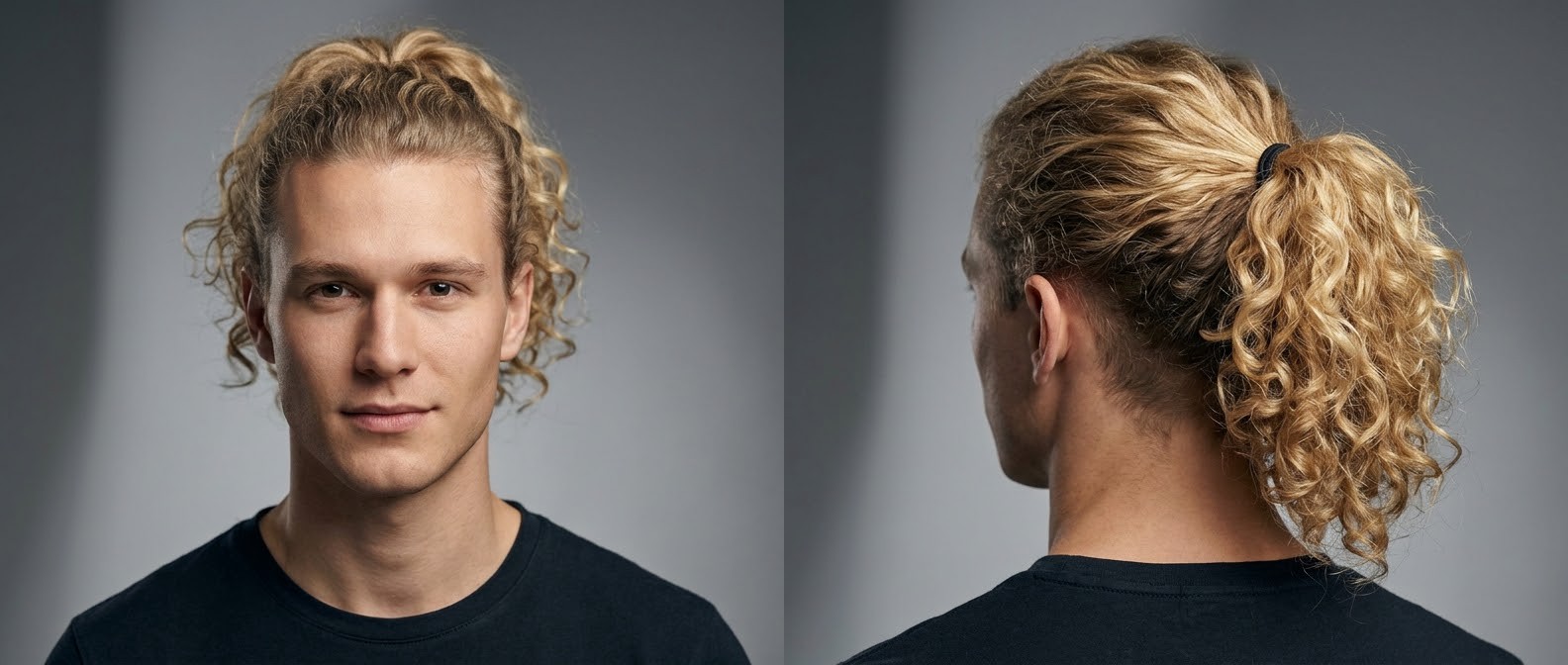
Thick Curly Blonde Ponytail with Natural Swept-Back Flow
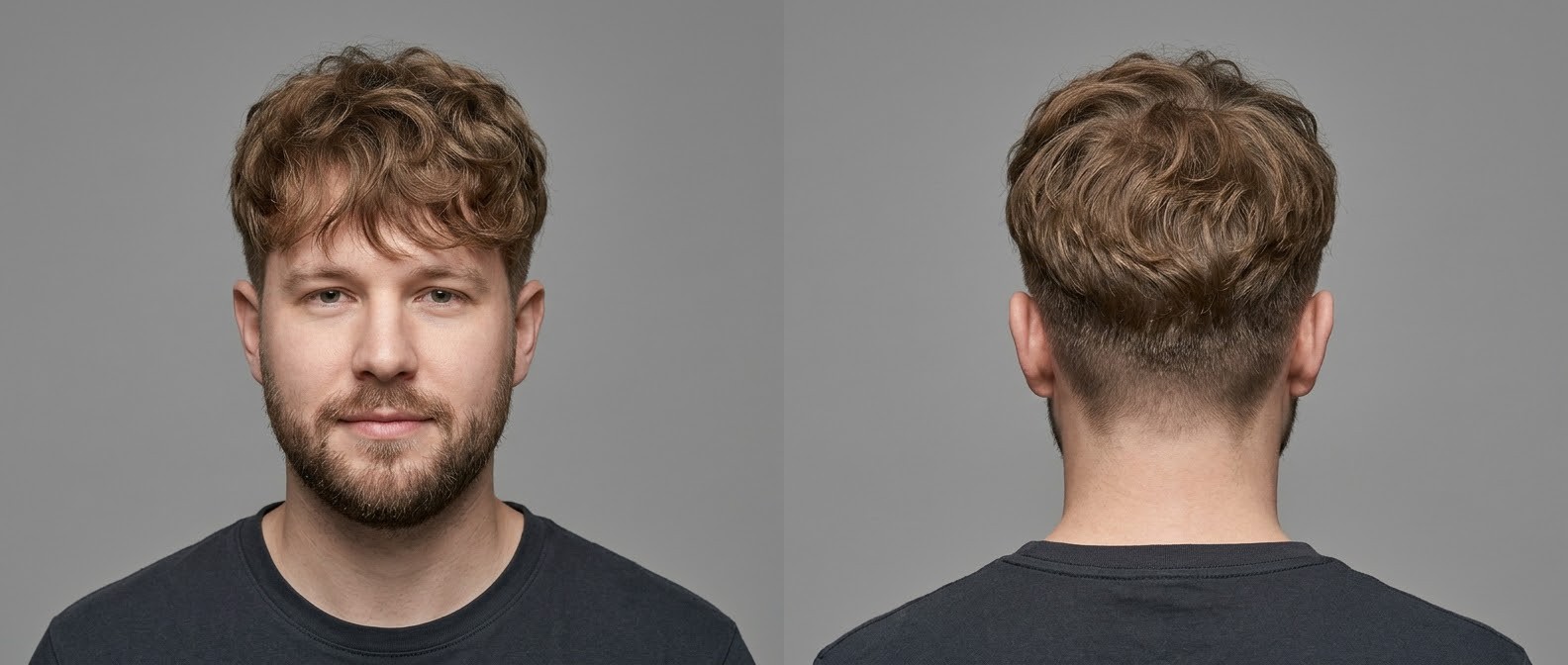
Wavy Textured Korean Two-Block with Tapered Undercut and Fringe
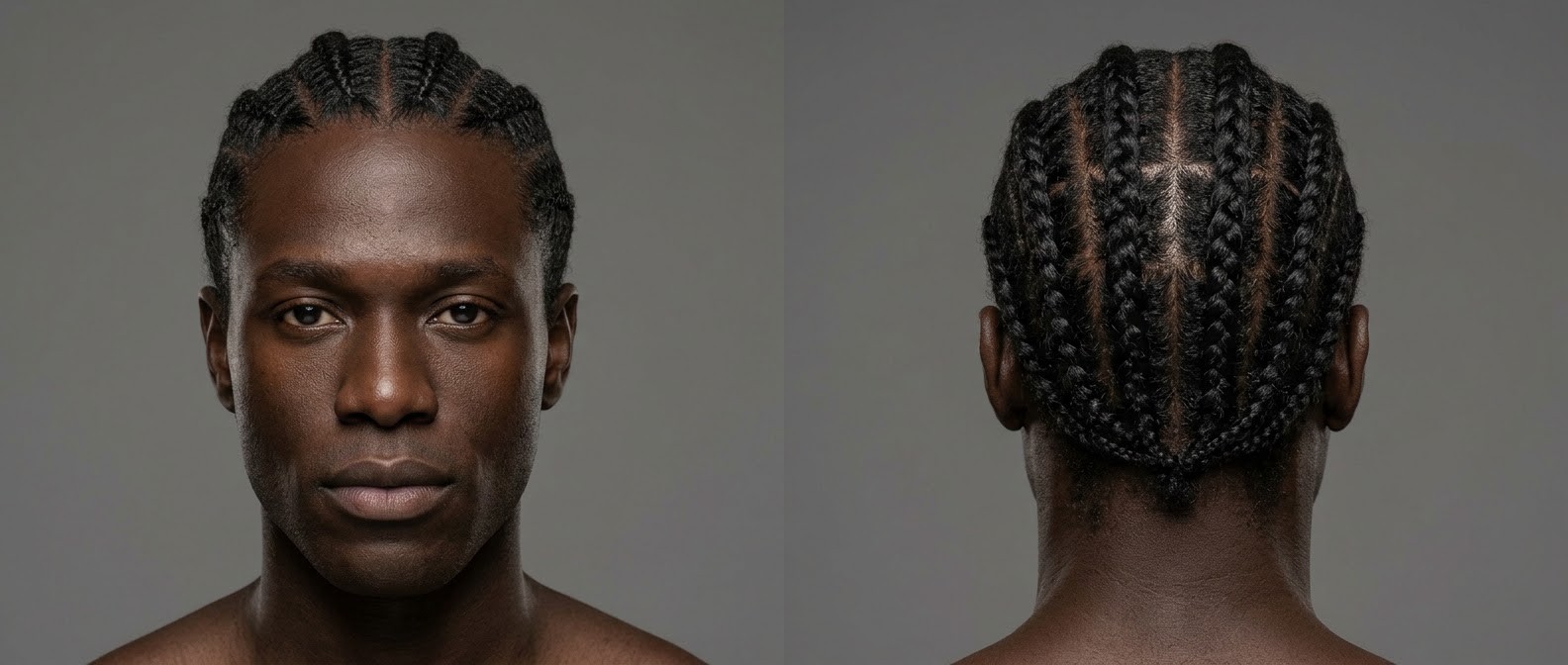
Classic Straight-Back Cornrows for Medium to Long Type 4 Hair
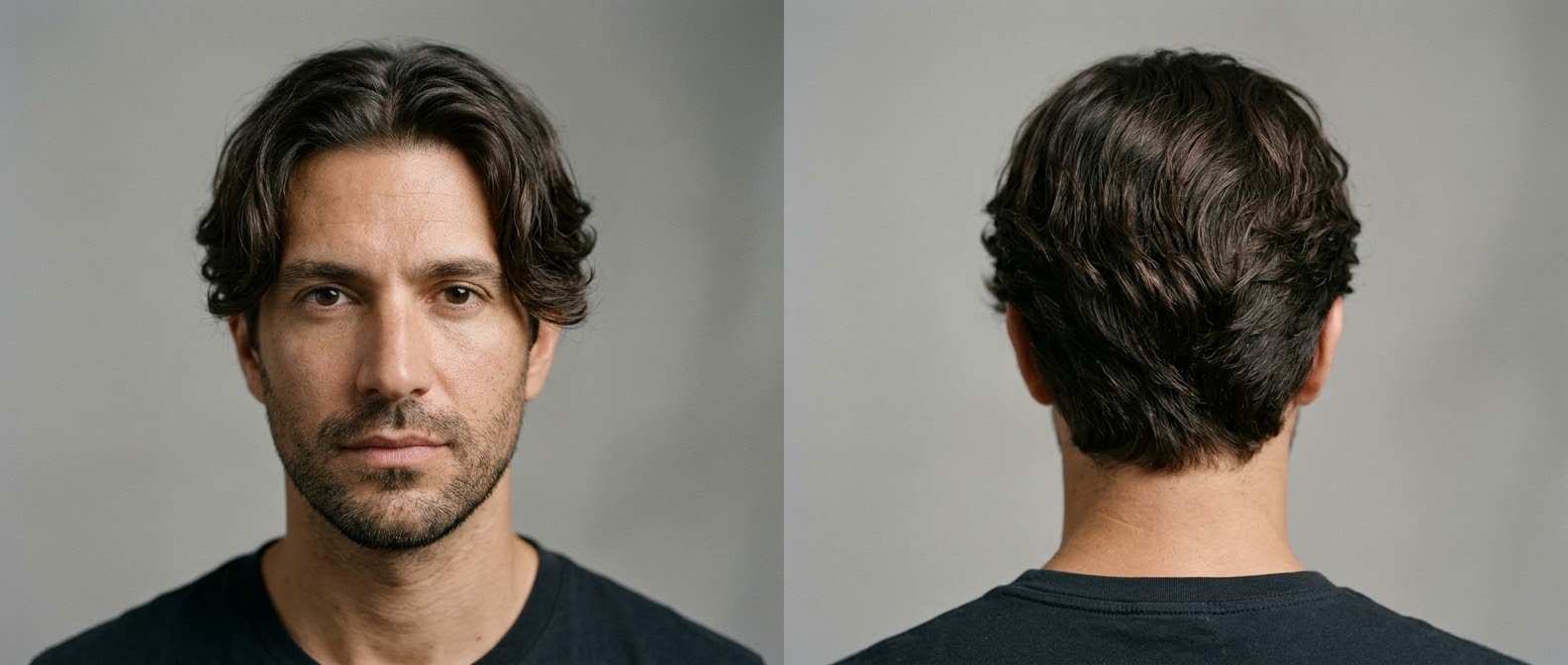
Modern Wavy Curtains with Layered Flow and Relaxed Texture
All Hairstyle Groups
Find by Feature
Face Shape
Latest Guides
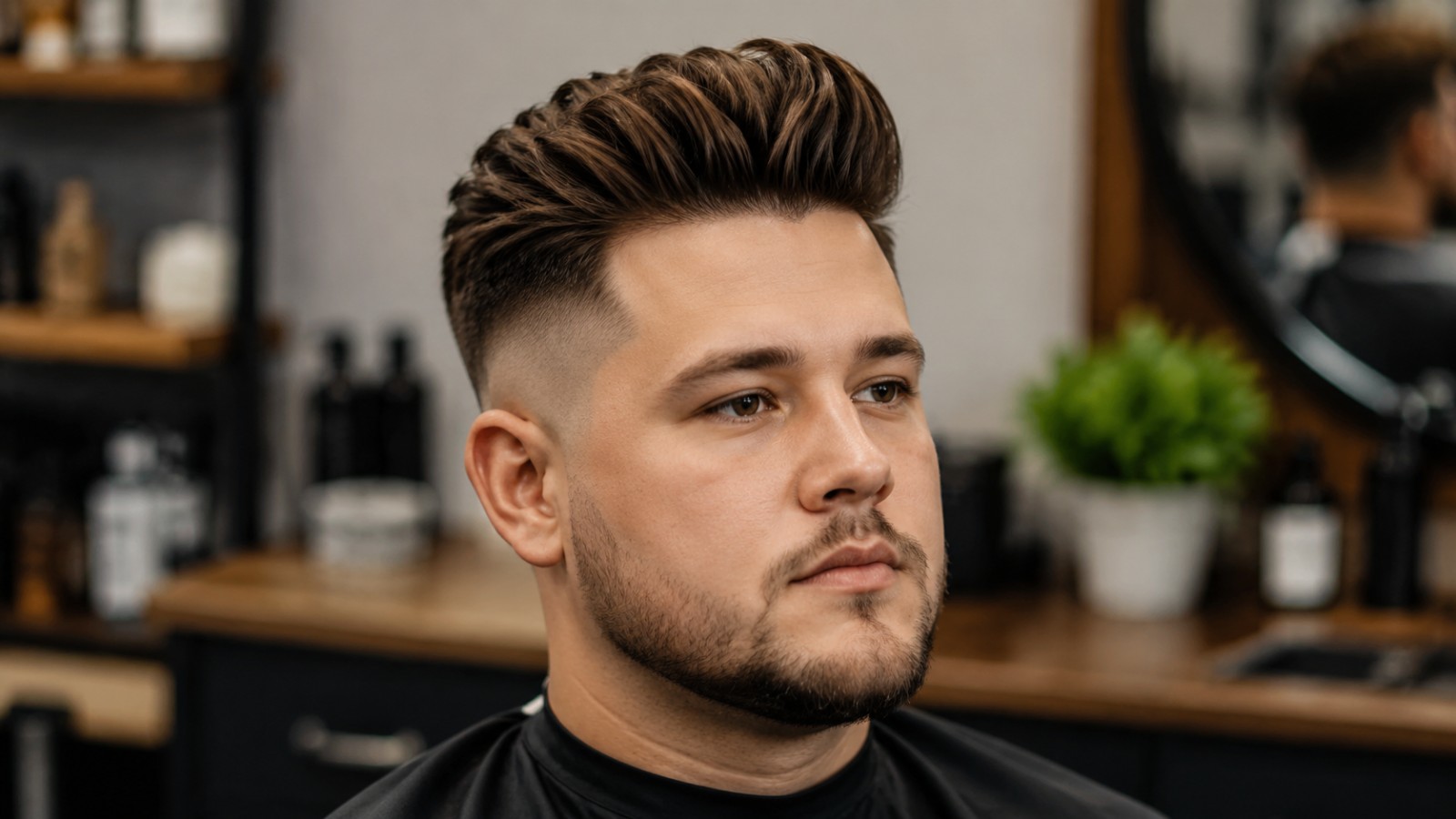
Best Quiff Haircuts for Round Faces: A Barber's Guide
Round face? A quiff adds the vertical height and tight sides your bone structure needs. Six variations, exact proport...
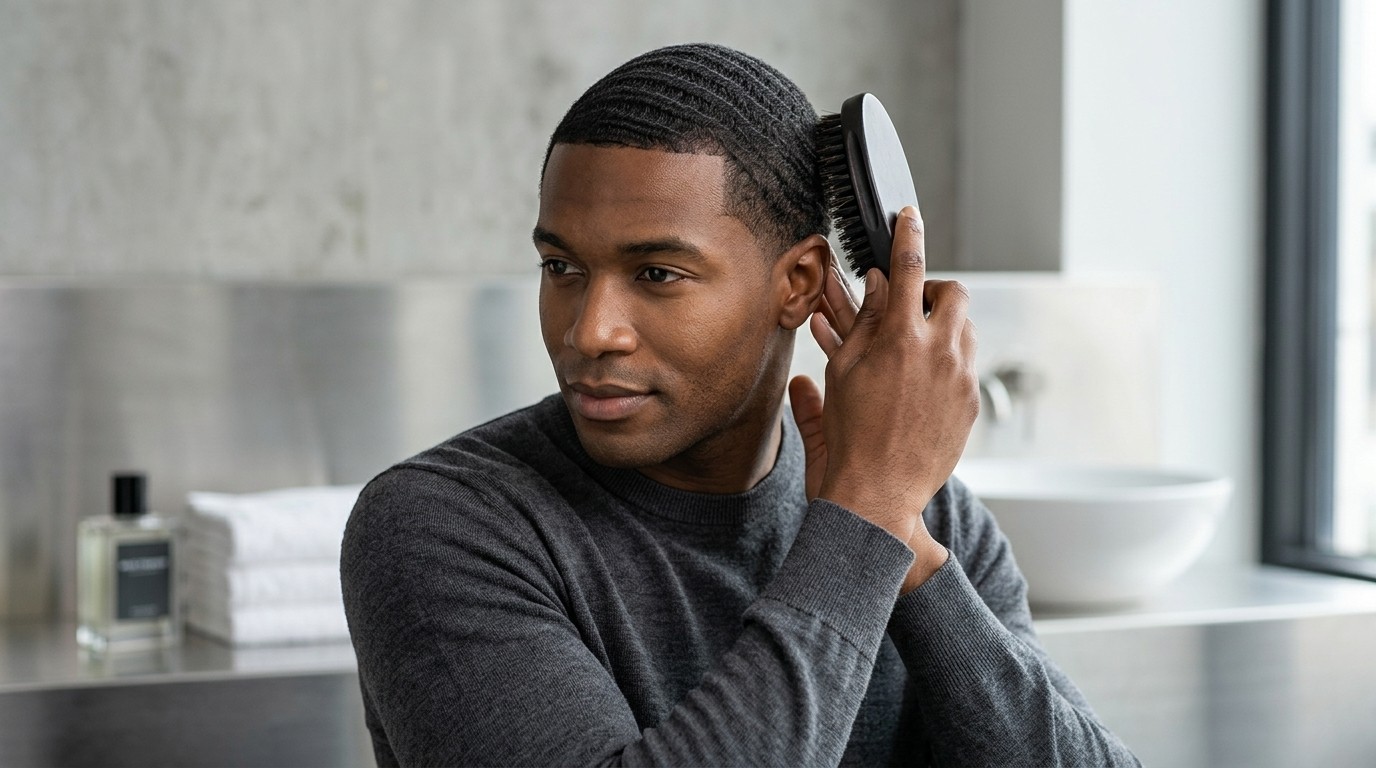
How to Prevent Breakage in 360 Waves: The Ultimate Care Guide
Stop losing your hard-earned wave progress to dry, brittle hair. Discover expert techniques to lock in moisture, brus...

Best Drop Fade Cuts for Coarse Hair: The Ultimate Styling Guide
Discover the best drop fade haircuts for men with coarse hair. Learn expert styling tips, barber terminology, and mai...

How to Style a Perfect Textured Quiff: The Ultimate Men's Guide
Master the modern textured quiff with this expert guide. Learn the exact blow-drying techniques, product combinations...

Best Fringe Haircuts for Oblong Faces: The Ultimate Guide
Discover the best fringe haircuts for oblong face shapes. Learn how to balance your proportions, add texture, and sty...
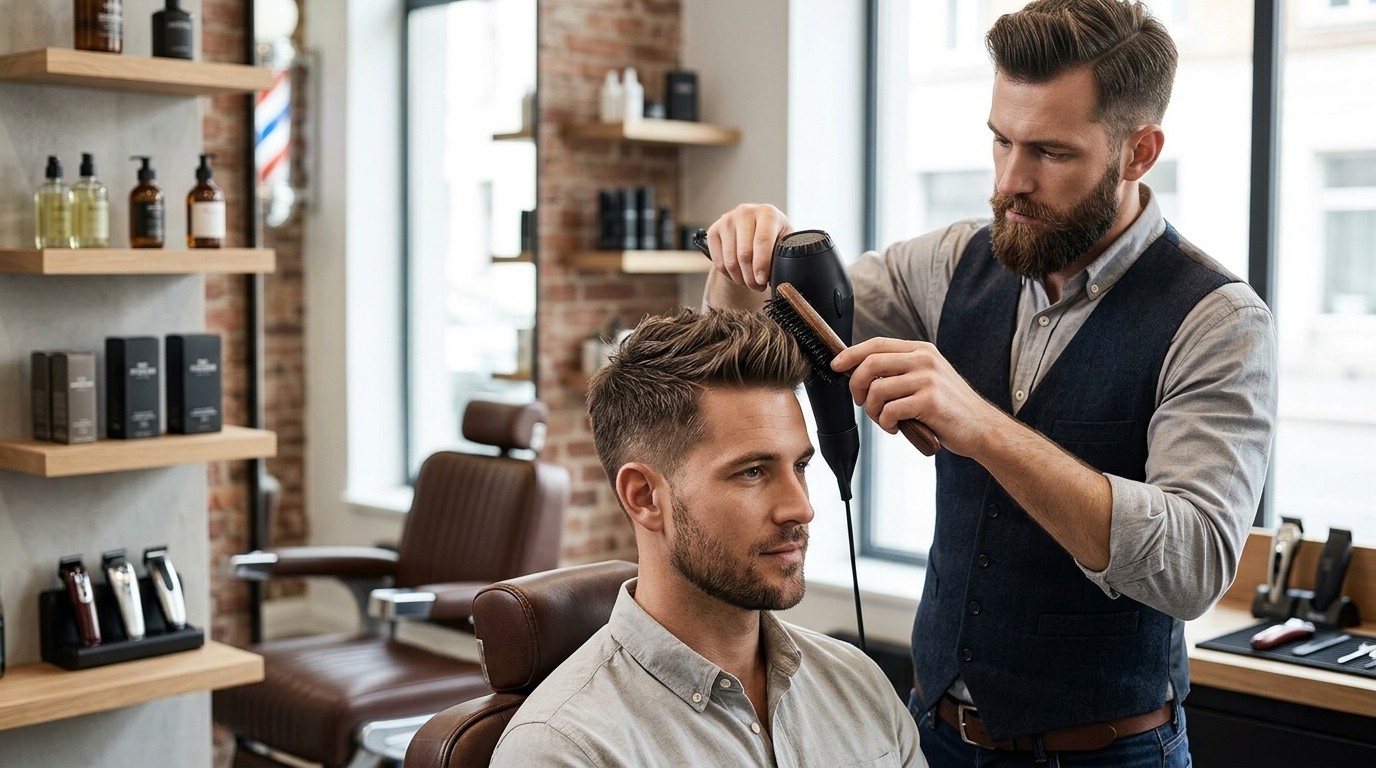
How to Find the Best Barber in Your City: The Ultimate Guide
Relocating or just tired of mediocre haircuts? Discover the insider secrets to finding a master barber who perfectly ...
The Ultimate Men's Haircut Guide
Everything you need to know about choosing, getting, and maintaining the perfect hairstyle.
Finding the right haircut can feel overwhelming with so many options available. Whether you're looking for a clean fade, a textured crop, or a classic pompadour, the key is matching the style to your unique features — your face shape, hair type, thickness, and lifestyle. That's exactly why we built AllMensHaircuts: a visual catalog of over 48 hairstyle types, each with multiple variations photographed from the front and back, so you know exactly what to expect before sitting in the barber's chair. Unlike generic hairstyle blogs, every image on this site is specifically created to showcase the cut from multiple angles. Each hairstyle card includes detailed descriptions, styling instructions, product recommendations, and specific language to use when talking to your barber — removing the guesswork entirely.
From buzz cuts to long layered styles — every major men's haircut category with multiple variations, shown front and back. No generic stock photos — each image showcases the actual cut details.
Oval, round, square, heart, or diamond — filter haircuts that complement your face proportions. The right cut can sharpen your jawline, balance your forehead, and highlight your best features.
Each hairstyle includes what to tell your barber, clipper guard numbers, specific technique names, and a step-by-step morning styling routine — so you can recreate the look at home every day.
How to Choose the Right Haircut
Follow these steps to find a style that works for your face, hair, and daily routine.
Choosing a haircut isn't just about what looks good in a photo — it's about what works with your natural hair texture, your face proportions, and how much time you're willing to spend styling each morning. A style that looks incredible on someone with thick, straight hair may fall completely flat on fine or curly hair. Similarly, a high-maintenance pompadour won't suit someone who wants to be out the door in five minutes.
The best approach is systematic: start with your face shape to narrow down flattering proportions, then filter by hair type and thickness. Finally, consider your lifestyle — a corporate job might call for a cleaner look than a creative field. Use the filters on this site to quickly narrow down your options.
- Determine your face shape — Stand in front of a mirror and trace the outline of your face. Compare it to the seven common shapes: oval, round, square, rectangular, heart, diamond, and triangular.
- Know your hair type — Is your hair straight, wavy, curly, or coily? Fine, medium, or thick? These factors determine which cuts will hold shape and which will need extra product.
- Set your maintenance level — Be honest about how much time you'll spend daily. Low-maintenance cuts like buzz cuts need minimal styling. Textured crops or pompadours need product and a blow dryer.
- Browse and compare — Use our catalog to see how each style looks from multiple angles. Save your favorites and bring the photos to your barber.
- Talk to your barber — Use the specific instructions from each hairstyle card. Mention clipper guard numbers, fade type, and top length to get exactly what you want.
Popular Hairstyle Categories
Explore the most requested styles in barbershops worldwide.
The most versatile family of men's haircuts. Fades create a gradual transition from skin or very short hair at the sides to longer hair on top. Variations include low fade, mid fade, high fade, skin fade, drop fade, and taper fade — each creating a different visual effect. Perfect for almost any face shape and hair type.
Timeless styles that never go out of fashion. This category includes the side part, slicked back, ivy league, regulation cut, and comb over — refined cuts that work in professional environments while still looking sharp on weekends. Best suited for men who prefer a polished, put-together appearance.
The trend in 2026 leans toward natural texture and intentional messiness. Textured crops, French crops, messy fringe, and modern quiffs add movement and volume without looking over-styled. These cuts work exceptionally well with wavy and curly hair, embracing your natural pattern rather than fighting it.
For men growing out their hair or preferring longer styles — the bro flow, man bun, curtain bangs, and layered cuts offer plenty of options. These styles require more maintenance and the right products, but reward you with a distinctive, eye-catching look that stands out from the crowd.
What to Tell Your Barber
Getting the perfect cut starts with clear communication. Here's how to avoid the "that's not what I wanted" moment.
A picture is worth a thousand words — especially at the barbershop. Show photos from multiple angles. Our hairstyle cards include front and back views for exactly this reason.
Don't just say "short on the sides." Specify the clipper guard: #1 (3mm), #2 (6mm), #3 (10mm). Mention the fade type: skin, low, mid, or high. Say how many inches you want on top.
Tell your barber how much time you spend styling. If you're a wash-and-go person, they'll adjust the cut. If you use product daily, they can add more texture and layering for better hold.
Frequently Asked Questions
Common questions about choosing and maintaining men's haircuts.
How do I find the best haircut for my face shape?
Start by identifying your face shape — oval, round, square, heart, rectangular, diamond, or triangular. Oval faces suit almost any style. Round faces benefit from height on top and shorter sides to elongate the face. Square faces look great with textured cuts that soften angular features. Use the "Face Shape" filter on our site to see styles specifically recommended for your proportions.
How often should I get a haircut?
It depends on the style. Fades and short cuts look best when maintained every 2-3 weeks. Medium-length styles like quiffs and textured crops can go 4-6 weeks between cuts. Longer styles may only need trimming every 6-8 weeks. If you notice the shape looking off or the sides getting puffy, it's time for a trim.
What's the difference between a fade and a taper?
Both involve graduating hair length from short to long, but a fade goes down to the skin (or very close) while a taper maintains some length at the shortest point. Fades are more dramatic and modern; tapers are subtler and more classic. A "taper fade" combines both — tapering the length and fading to skin at the neckline and around the ears.
Can I pull off a specific hairstyle with thin or thinning hair?
Absolutely. Many styles actually look better with fine hair. Textured crops, French crops, buzz cuts, and crew cuts all work excellently. The key is avoiding styles that require volume you don't have — instead, embrace cuts that use texture and strategic length to create the appearance of fullness. Avoid heavy products that weigh hair down; use matte clays or sea salt sprays instead.
What products do I need for styling?
It depends on the style. For matte, textured looks: clay or matte paste. For sleek, shiny styles: pomade or gel. For volume and movement: sea salt spray or mousse. For hold without stiffness: cream or fiber. Start with a small amount — you can always add more. Apply to towel-dried hair for the best results, and use a blow dryer for extra volume and shape.