

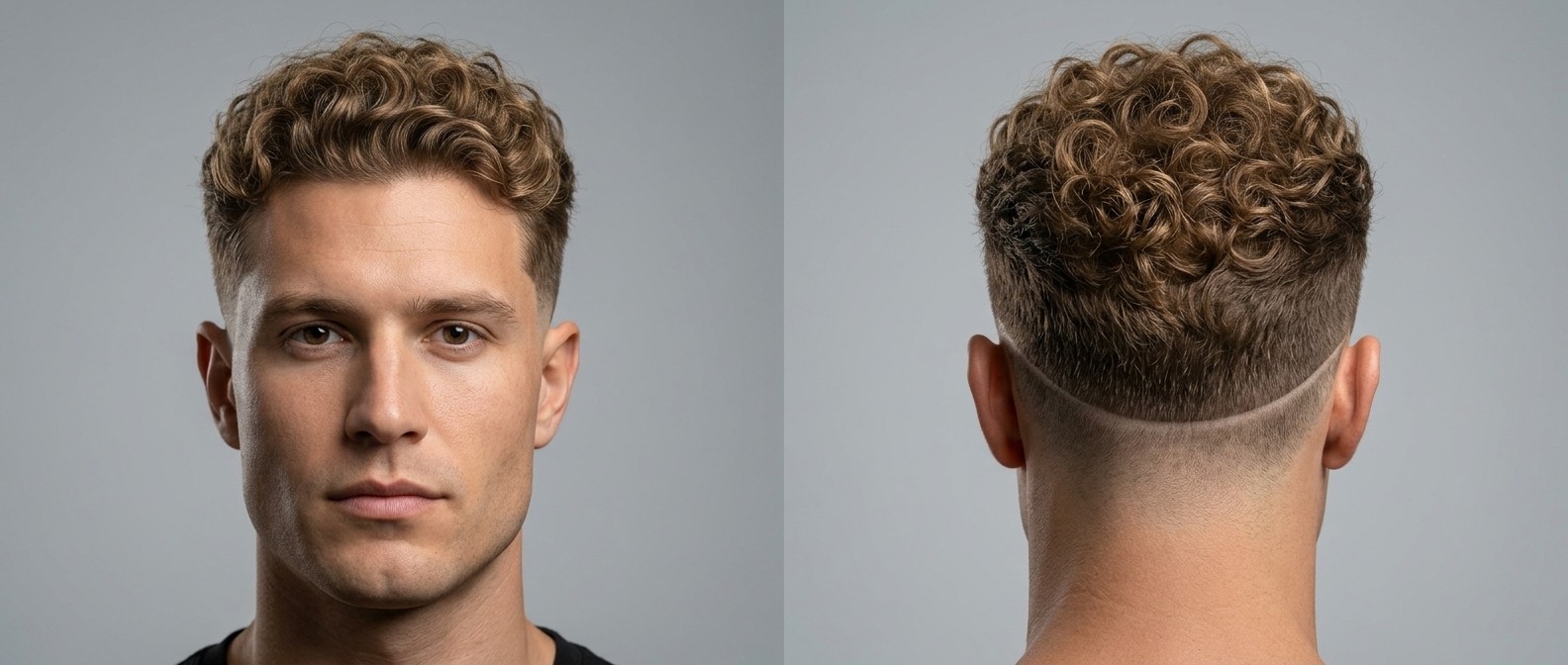
What Is a Drop Fade?
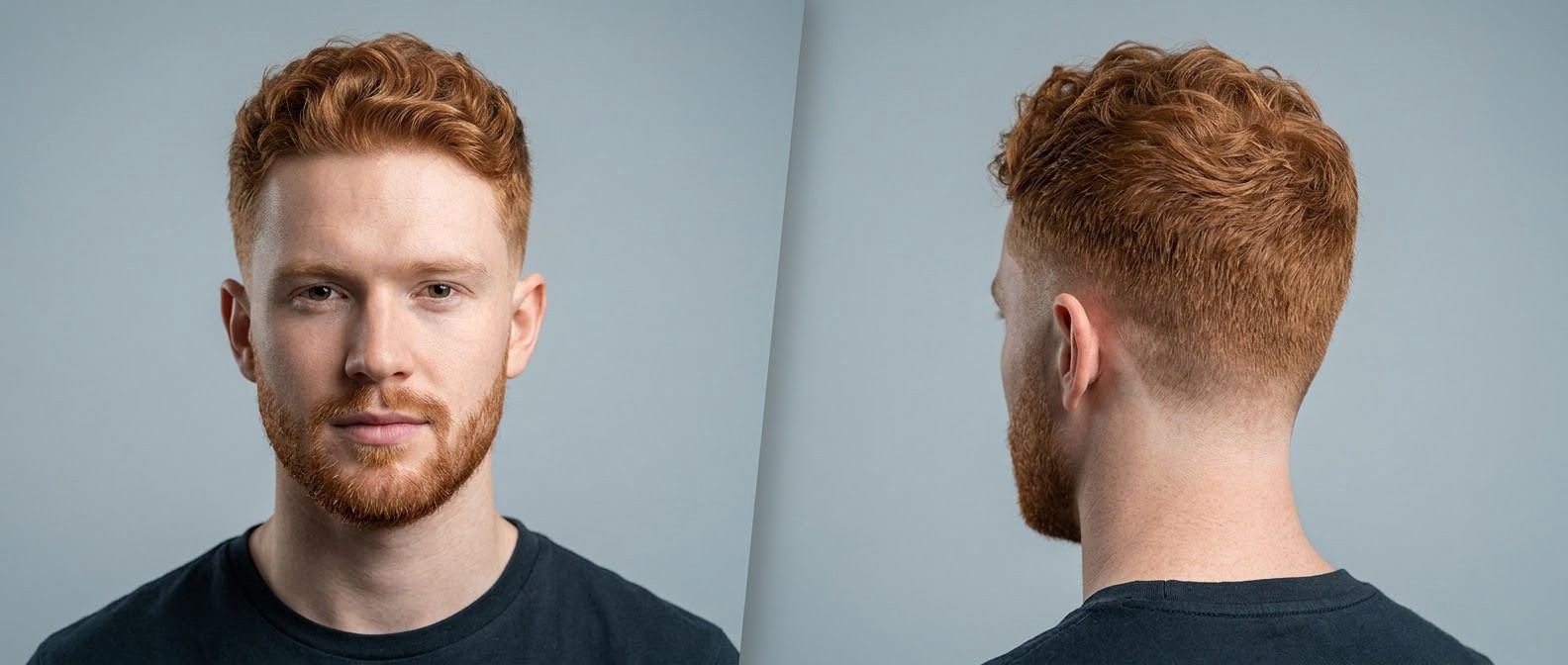
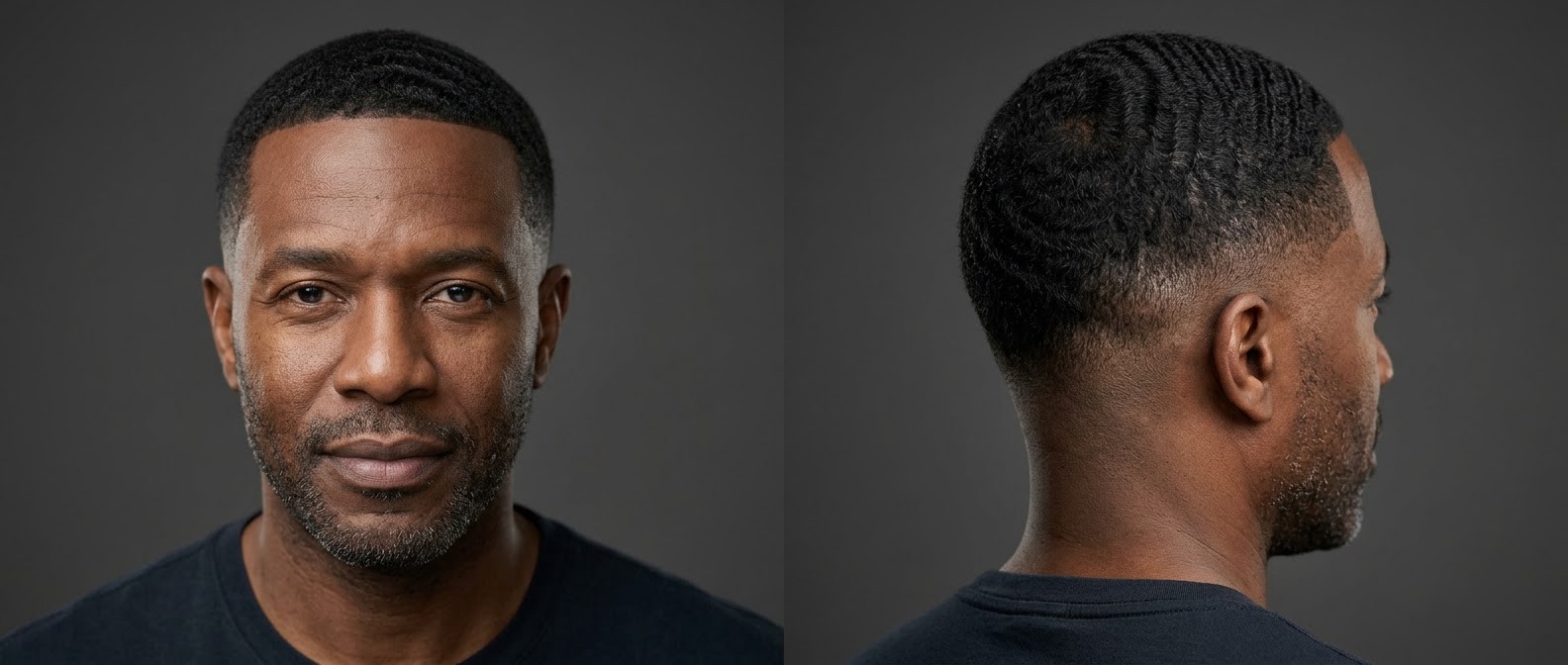
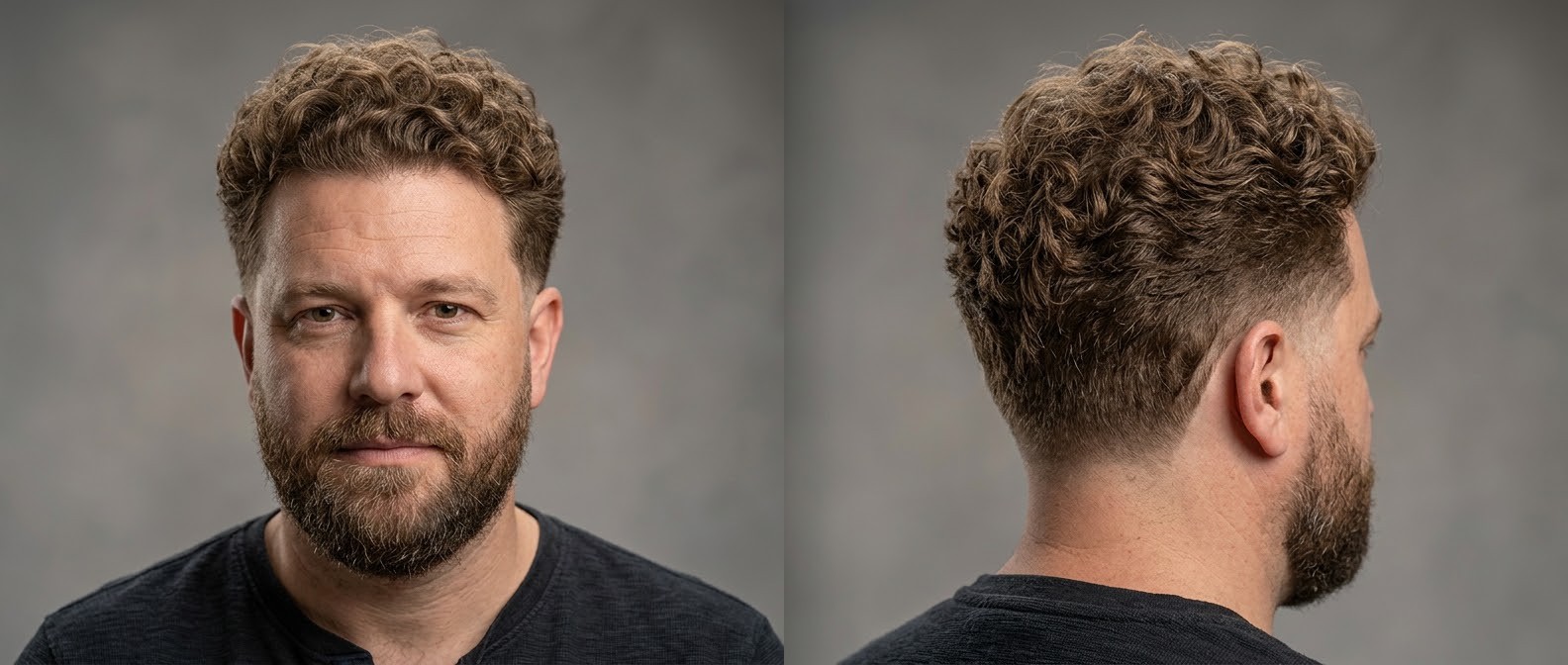
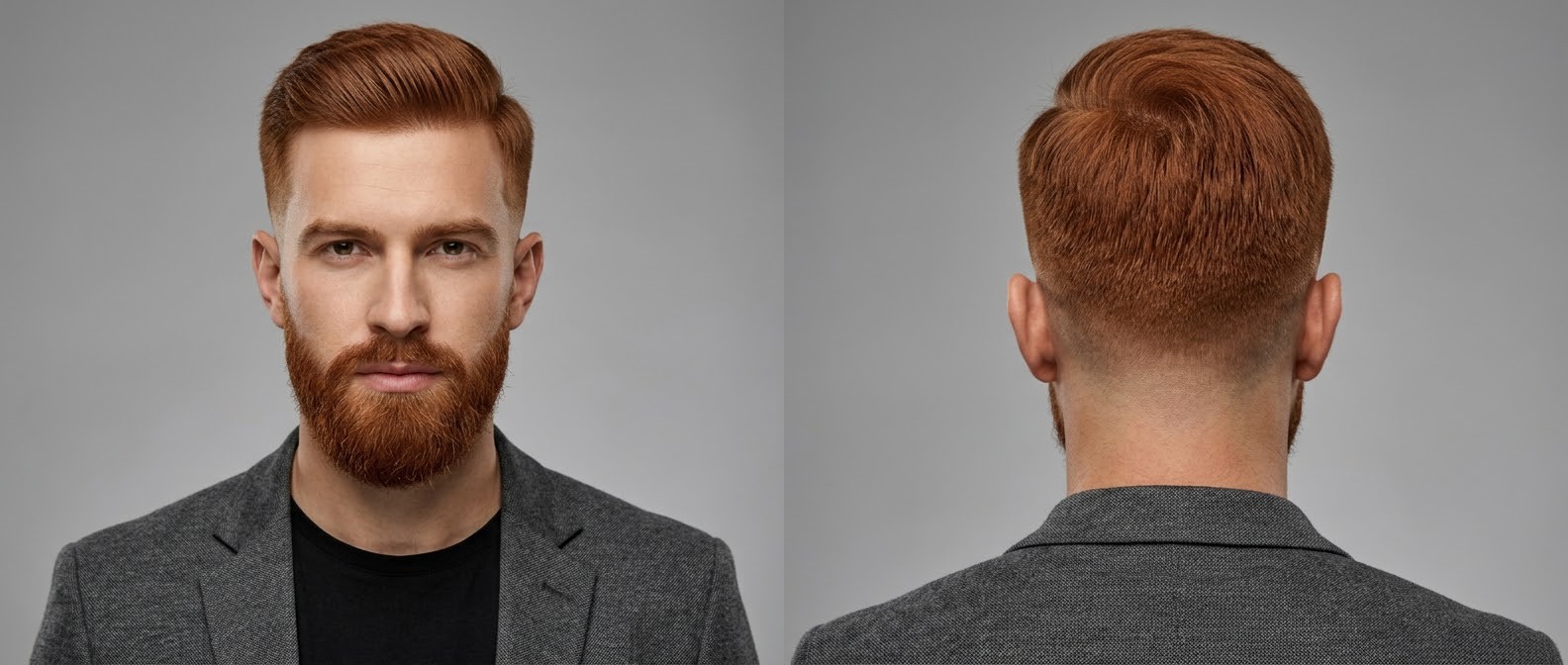
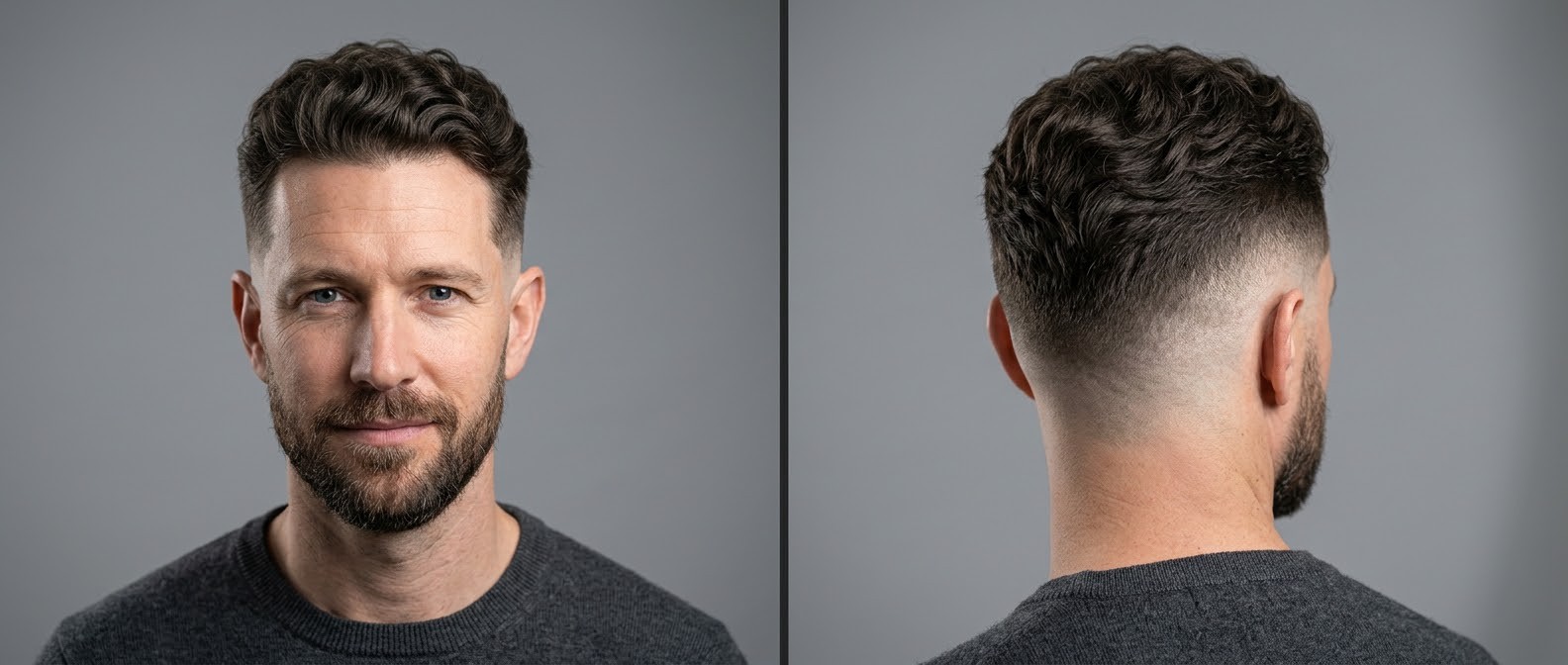
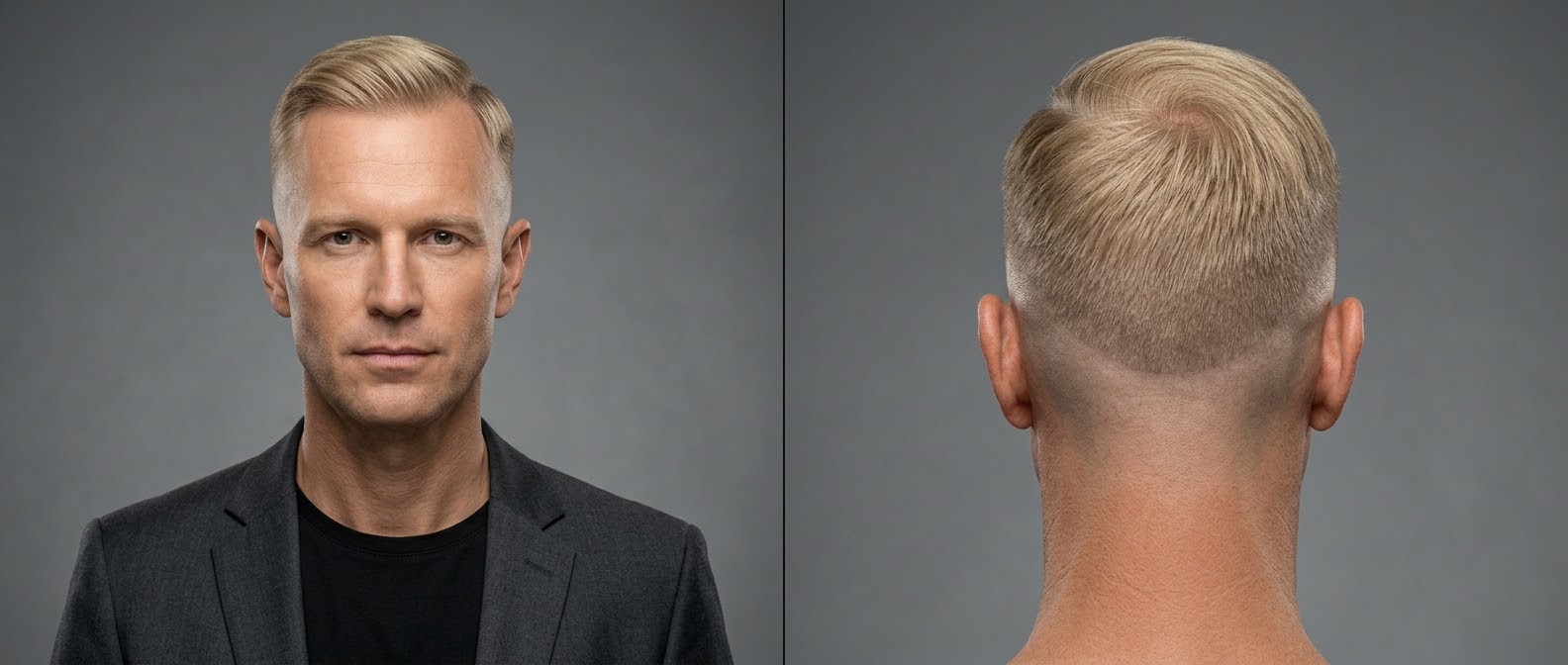
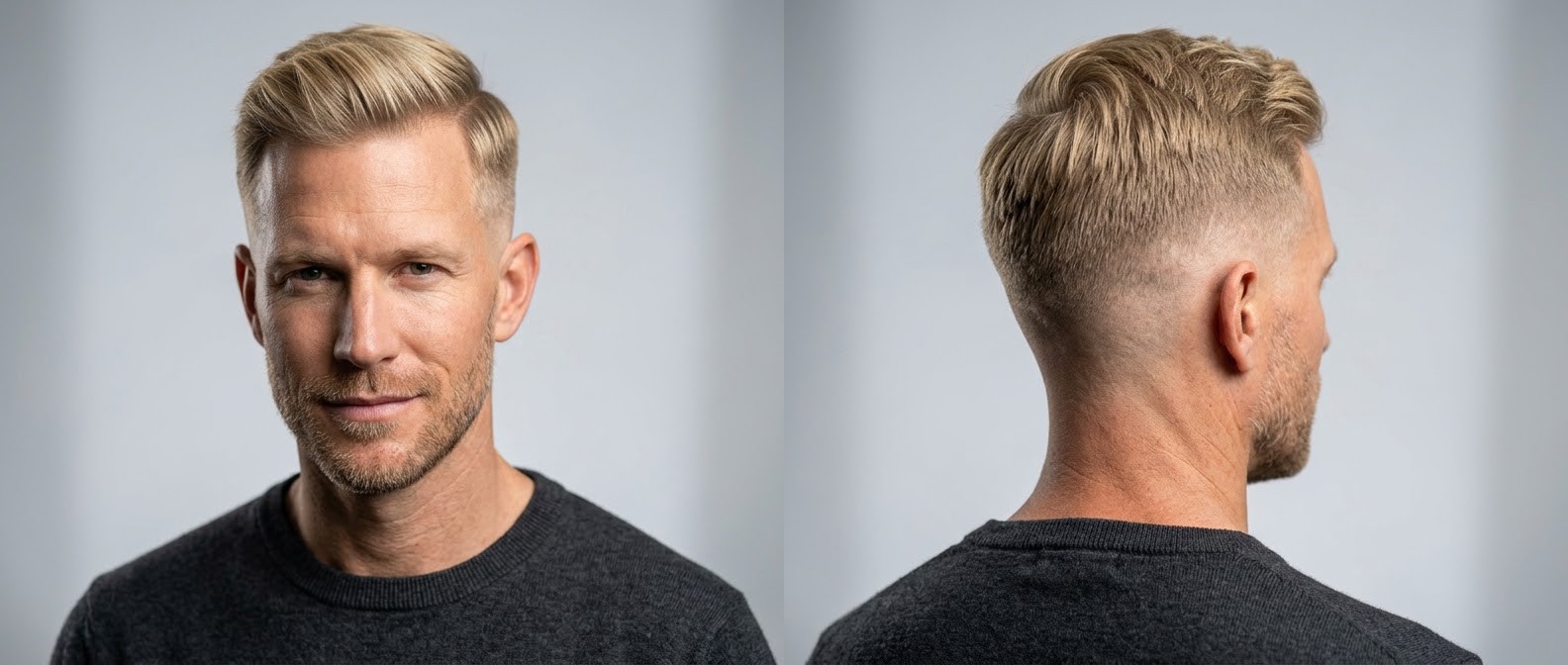
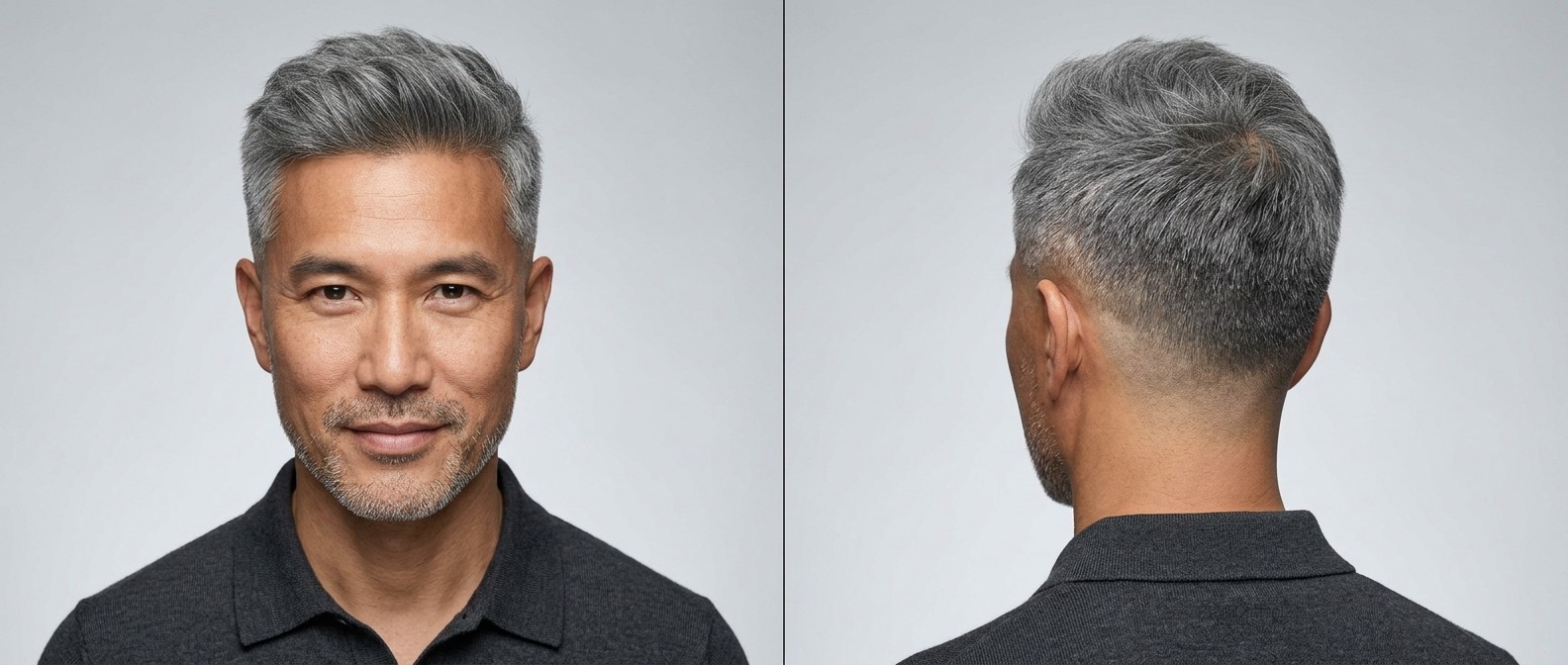
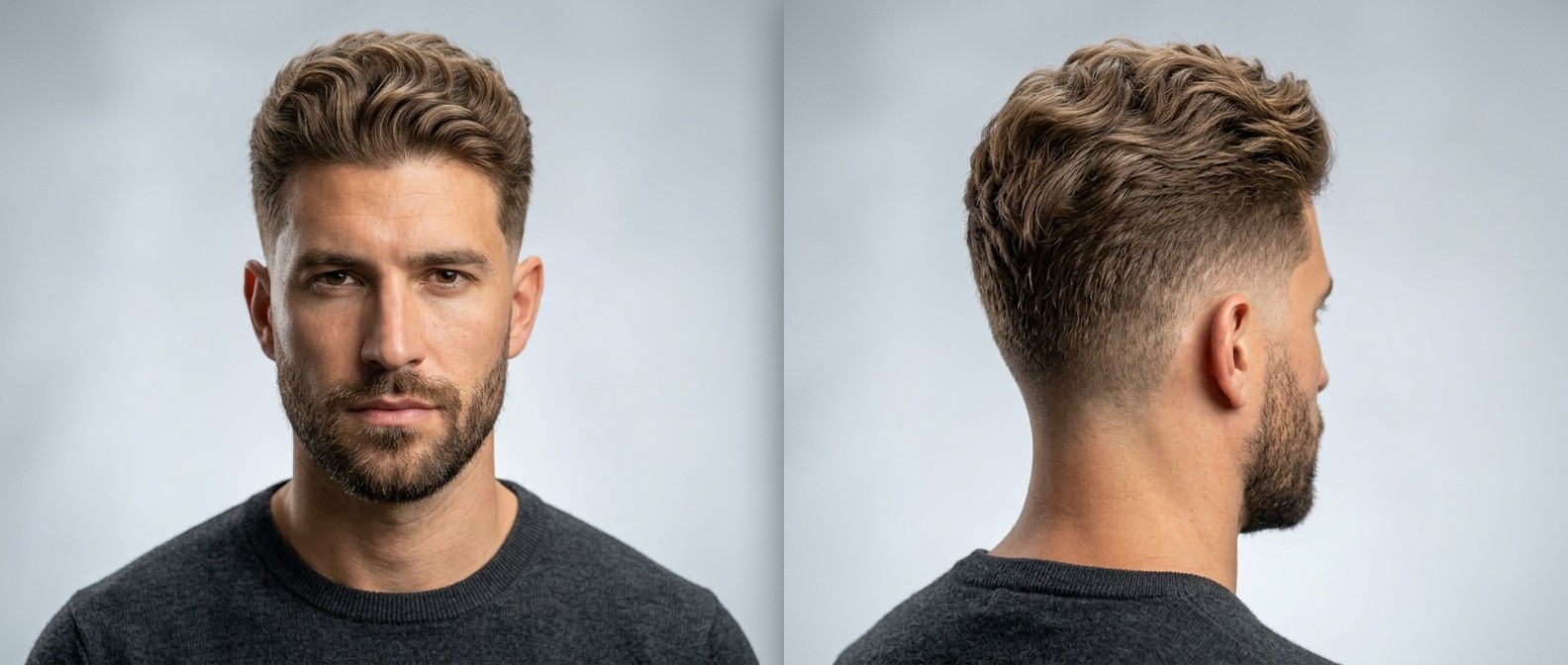
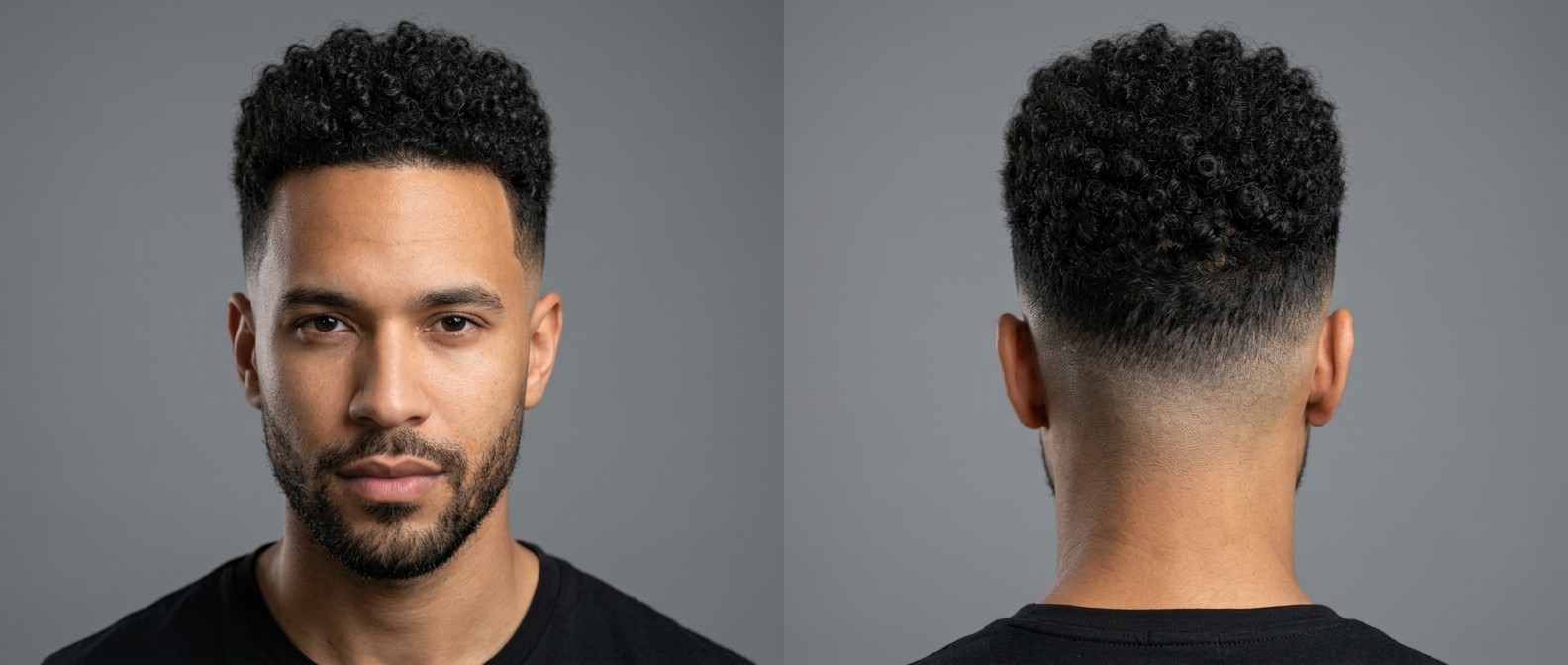
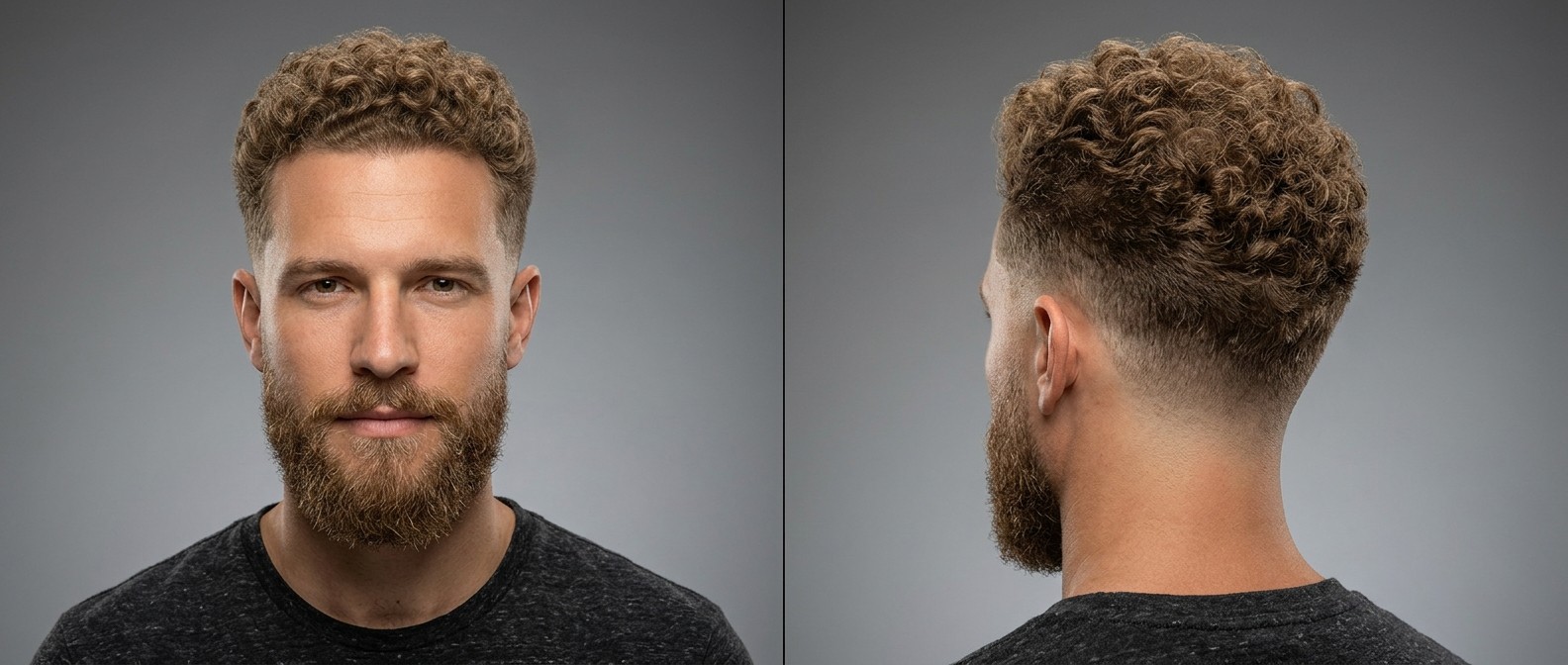
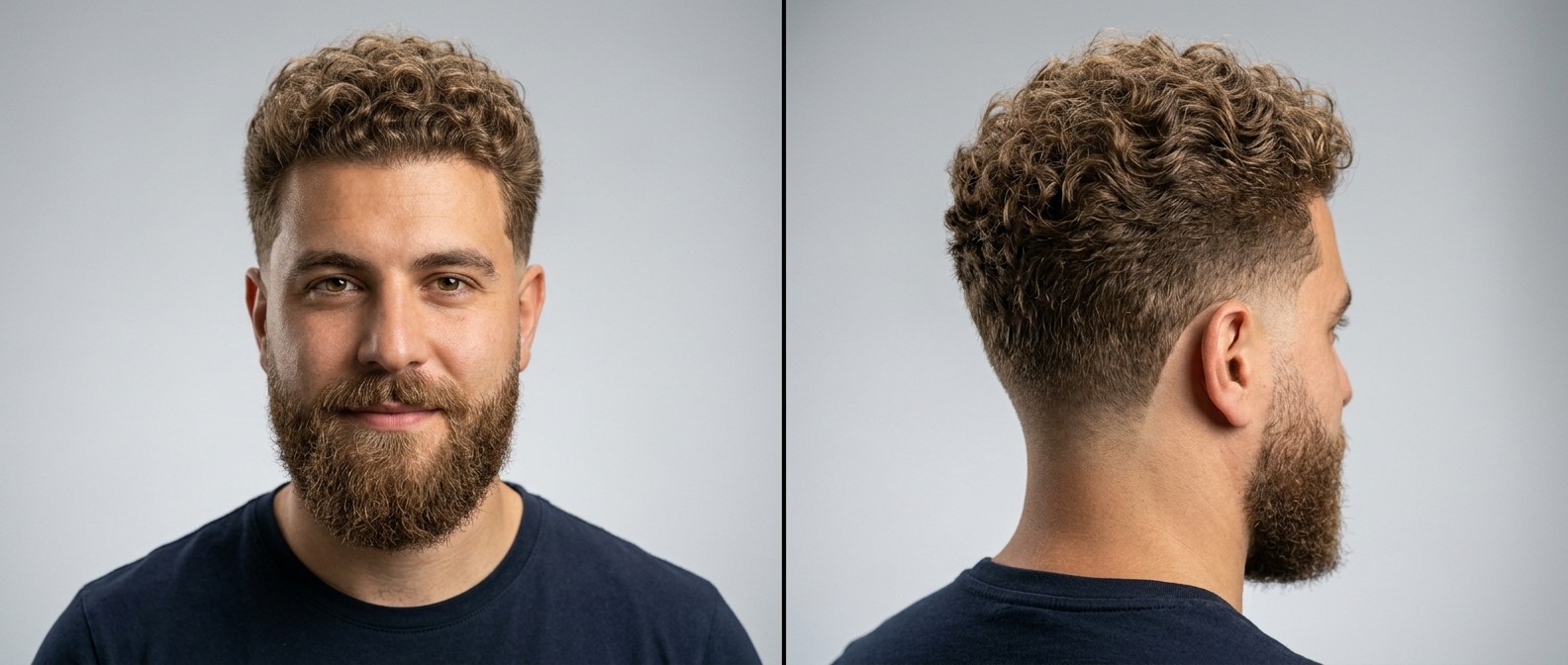
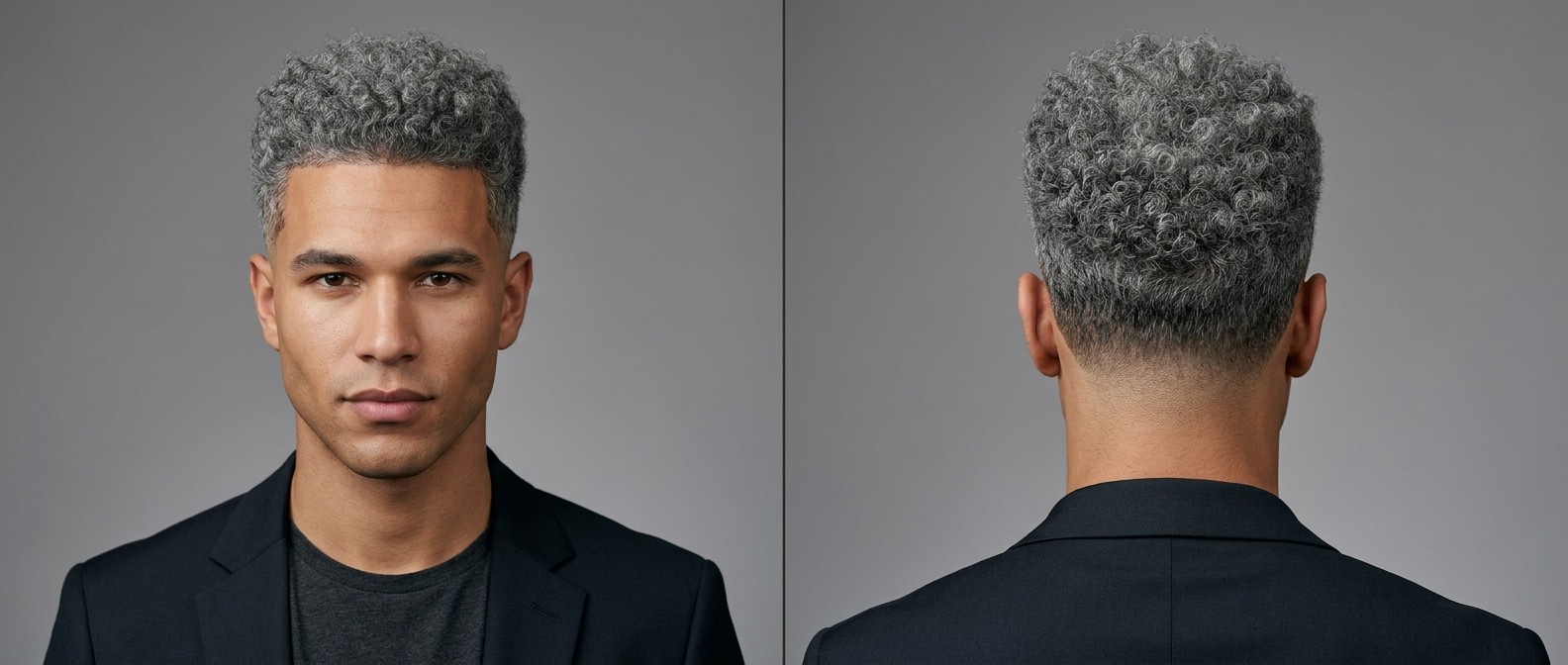
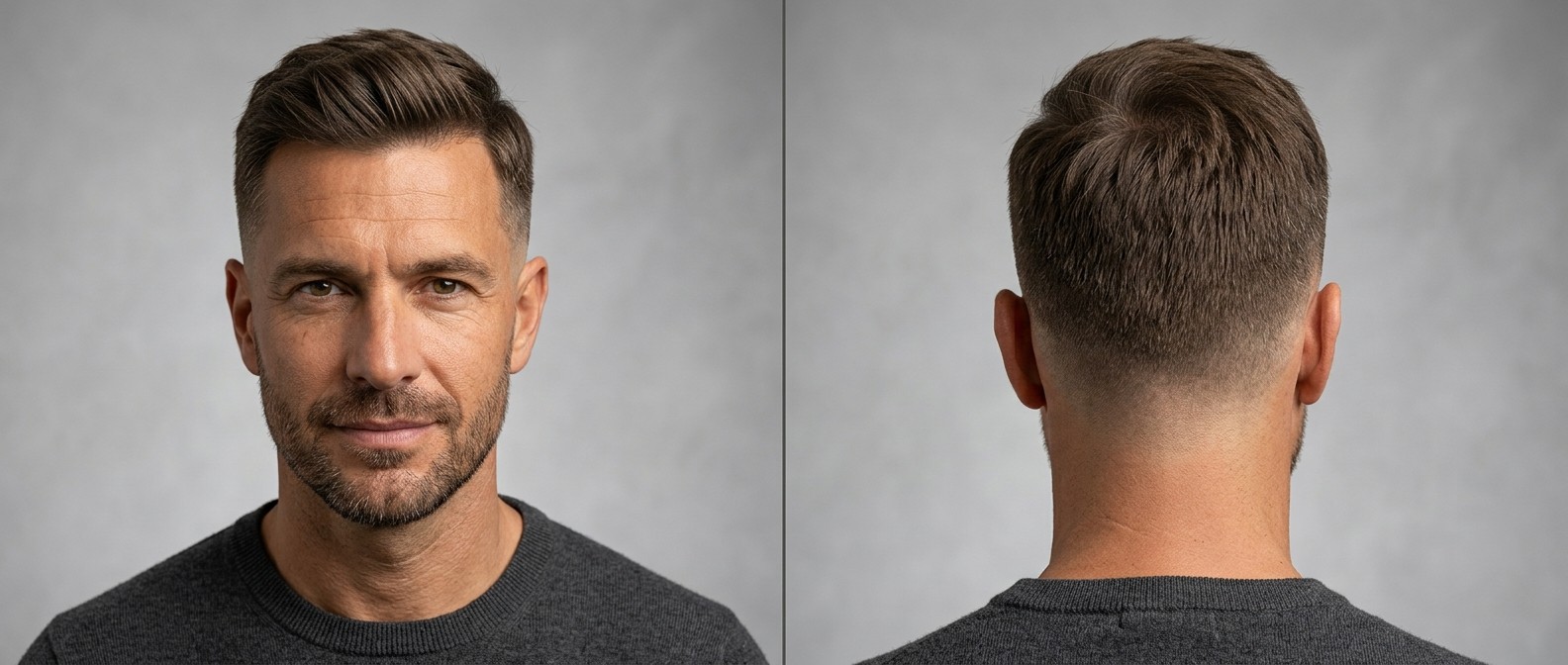
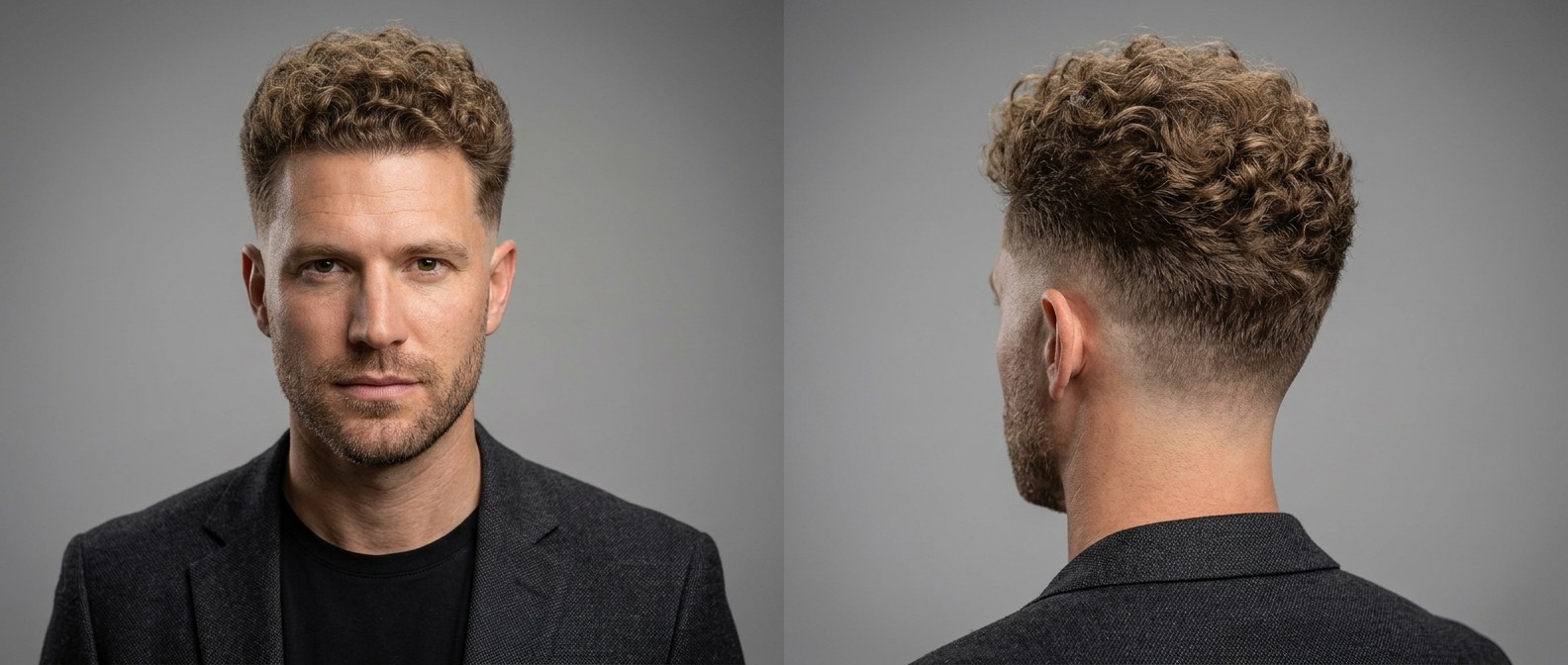
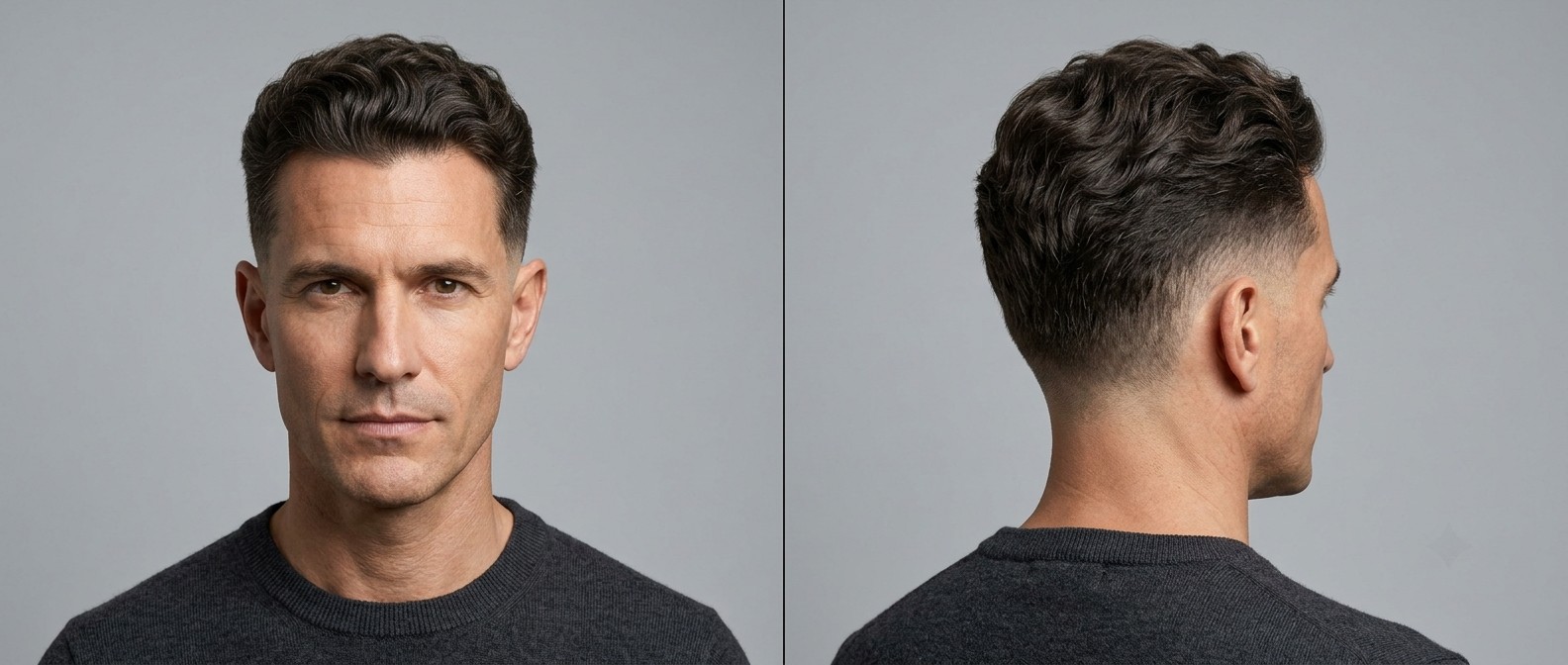
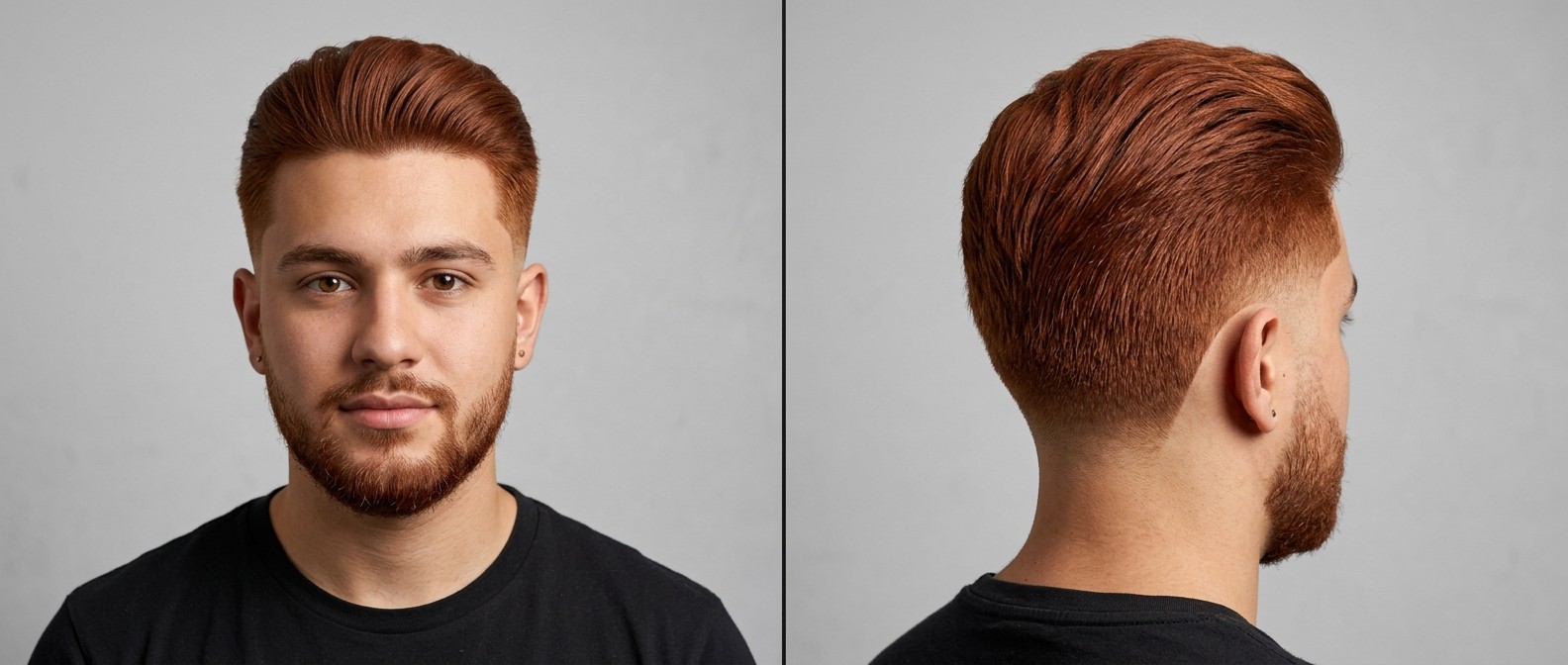
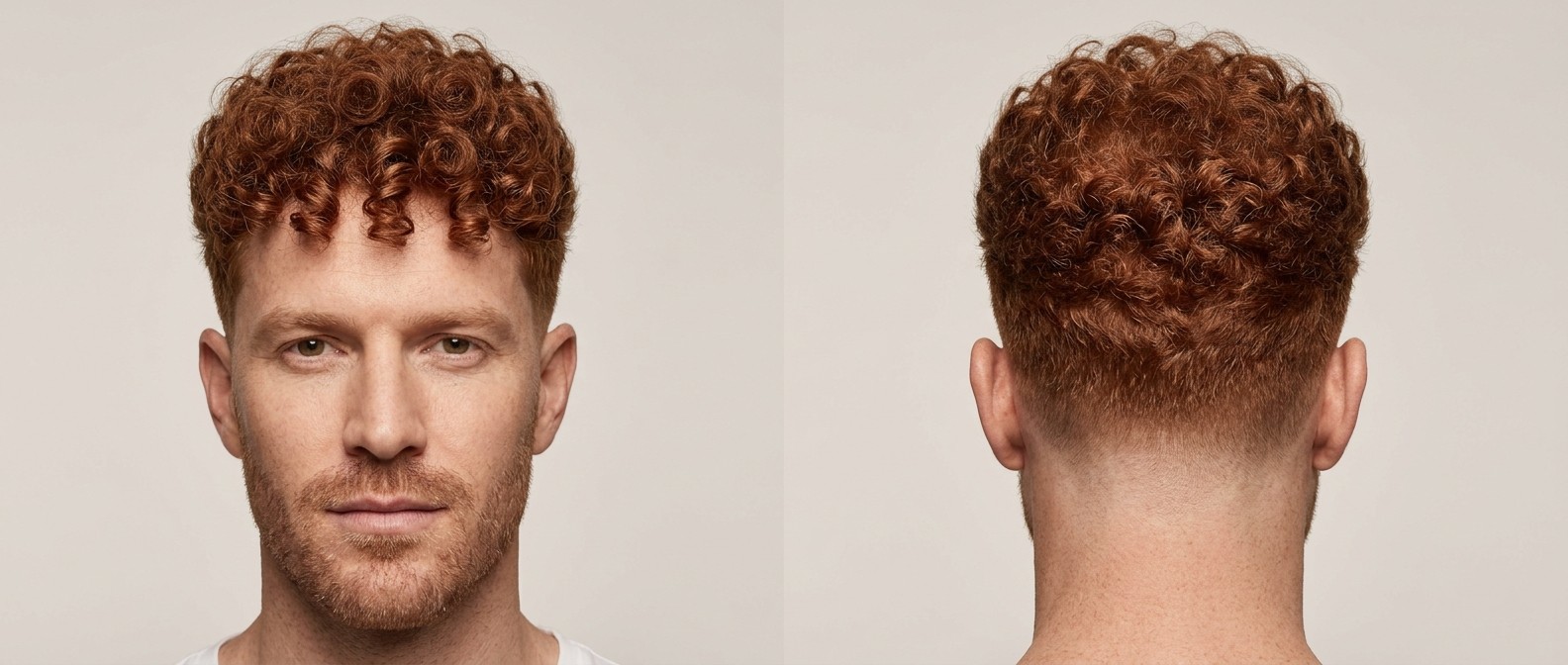
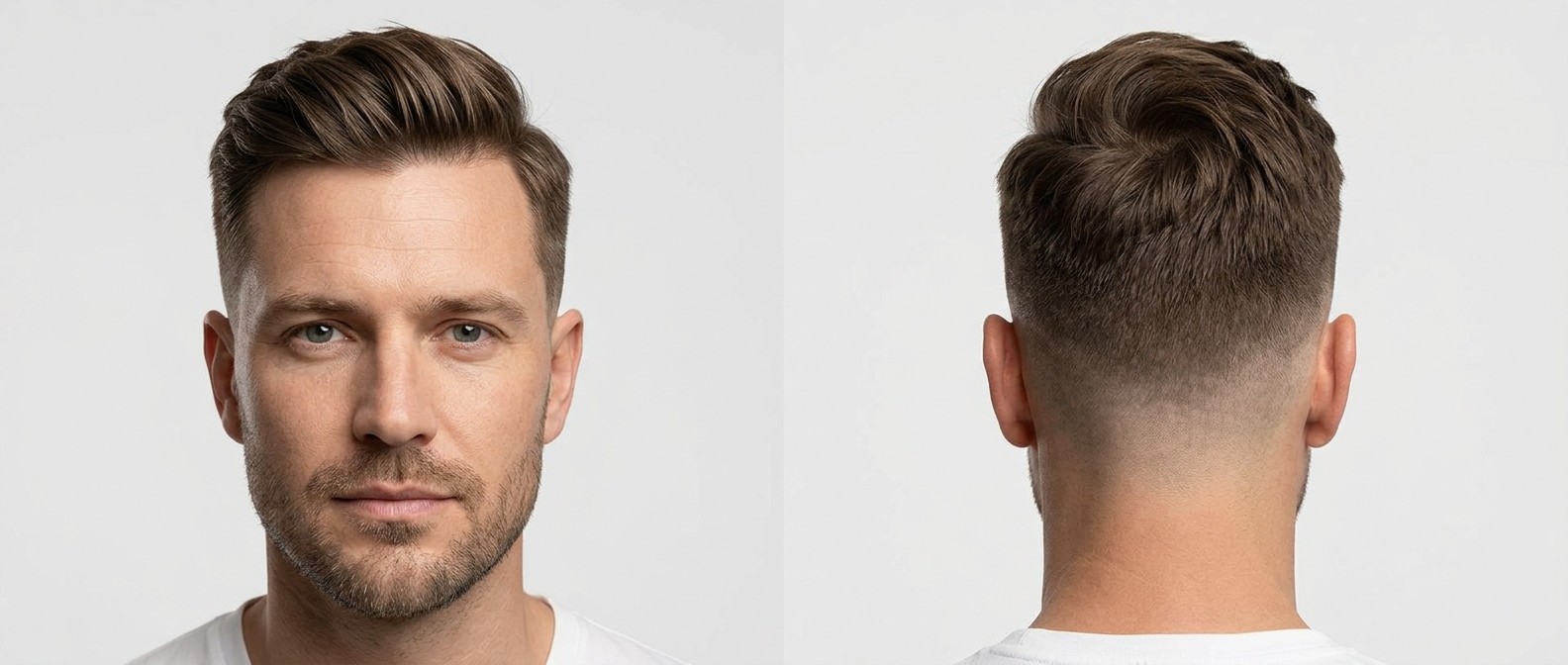
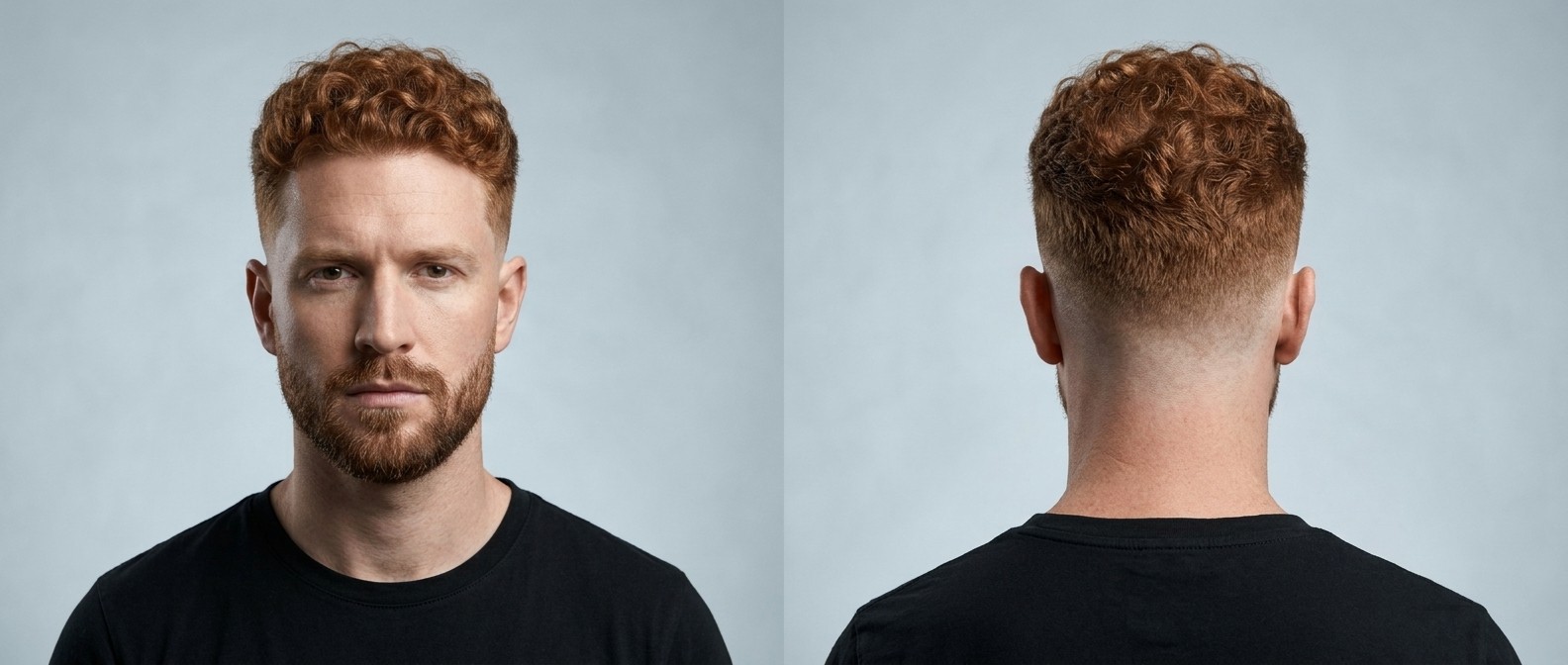
A drop fade is a tapering technique where the fade line gradually descends — or "drops" — as it moves from the temples toward the back of the head. Instead of maintaining a uniform height all the way around, the lowest point of the fade sits lower behind the ears and at the nape, creating a curved, arc-shaped transition. This approach mirrors the natural contours of your skull, resulting in a look that feels balanced and intentional.
The term "drop" specifically refers to the trajectory of the fade line. Your barber starts the fade at a standard height near the temples and then lets it gradually slope downward as it wraps around the back. The drop can be subtle — just a slight dip — or more dramatic, depending on your preference and head shape.
Who Should Get a Drop Fade?
The drop fade is one of the most universally flattering fade styles because of how naturally it conforms to head shapes. It's an excellent choice if:
- You want a fade that looks polished without being too aggressive or dramatic
- You have a rounder head shape — the drop accentuates natural curves beautifully
- You prefer a style that looks great from every angle, especially the back and sides
- You want something slightly different from a standard fade without going extreme
- You wear curly or wavy hair on top — the drop fade complements textured hair exceptionally well
This fade style also works brilliantly if you wear a beard, as the dropping arc creates a natural pathway that connects your hair to your facial hair in a flowing, cohesive manner.
How to Style a Drop Fade
Your styling routine depends entirely on what you're wearing on top, since the drop fade handles the sides and back seamlessly. For curly-haired men, apply a curl-defining cream to damp hair and let it air-dry for a natural, bouncy finish. If you're working with straight hair and a longer top, a pre-styler spray followed by blow-drying gives you the volume and direction you need.
For a textured, modern finish, use a matte paste or clay — take a small amount, rub it between your palms until it's warm, and work it through your hair from back to front. For slicker styles like a comb-over, a medium-hold pomade gives you the shine and control to keep everything in place throughout the day.
What to Tell Your Barber
When requesting a drop fade, be clear about how pronounced you want the drop to be. Here's how to communicate effectively:
- Say "I'd like a drop fade" — most experienced barbers know exactly what this means
- Specify the lowest guard number you're comfortable with: a #1 or #0.5 at the bottom keeps some hair, while going to skin creates more contrast
- Indicate where the fade should start at the temples — this sets the overall height
- Describe how much "drop" you want — a moderate drop works for most people
- Discuss the top separately: length, texture, and which direction you want it styled
Photos are especially helpful for drop fades since the drop amount varies significantly between styles. Show your barber what you have in mind to ensure you're on the same page.
Maintenance Tips
A drop fade generally needs a touch-up every 3-4 weeks, though this depends on how tight you keep the lowest sections. If your fade goes down to skin or a #0, you might want to visit every 2-3 weeks to keep the gradient clean. The good news is that a drop fade grows out more gracefully than some other fade styles because the curved line maintains its shape even as the hair gets longer.
Between barber visits, keep your hair healthy with a good shampoo and conditioner routine — washing 2-3 times per week is sufficient for most men. On non-wash days, rinse with water and use conditioner only. Moisturize the faded areas to prevent dry skin, and use a light oil or leave-in conditioner on the longer top sections to keep them manageable. If you experience irritation in the shorter areas, a gentle aftershave balm applied after trimming helps soothe the skin and prevent ingrown hairs.
Drop Fade Variations
The drop fade can be combined with virtually any top style. A low drop fade keeps the transition minimal and is ideal for conservative or professional environments. A mid drop fade offers a balanced look that works in any setting. A high drop fade provides maximum contrast and a more fashion-forward appearance. You can also request a drop fade that goes to skin (drop skin fade) for extra sharpness, or keep the bottom at a #1 guard for a softer finish. Popular combinations include the drop fade with a curly fringe, the drop fade with a textured crop, and the drop fade with a slicked-back undercut. You can also combine a drop fade with a hard part for extra definition, or pair it with a beard blend where the fade transitions seamlessly into your facial hair for a cohesive, well-groomed finish from every angle.