

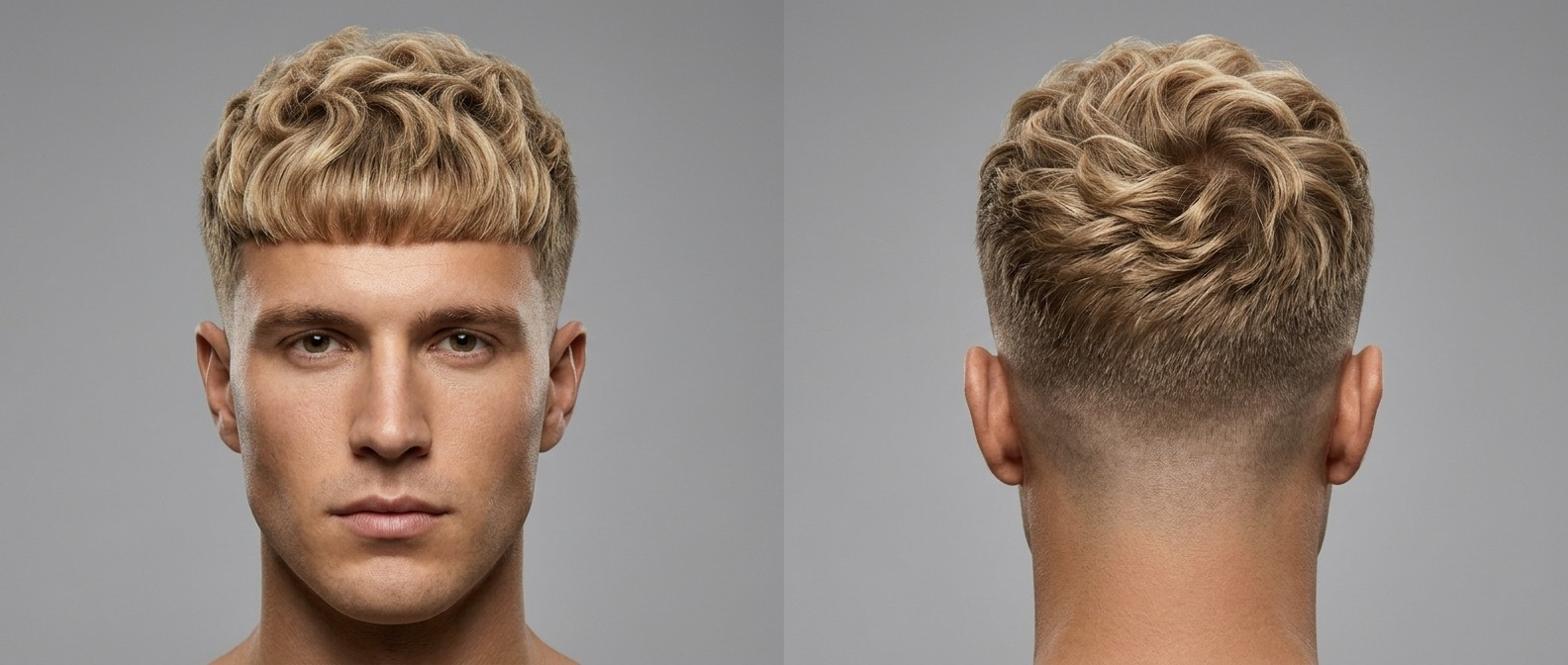
What Is an Edgar Cut?
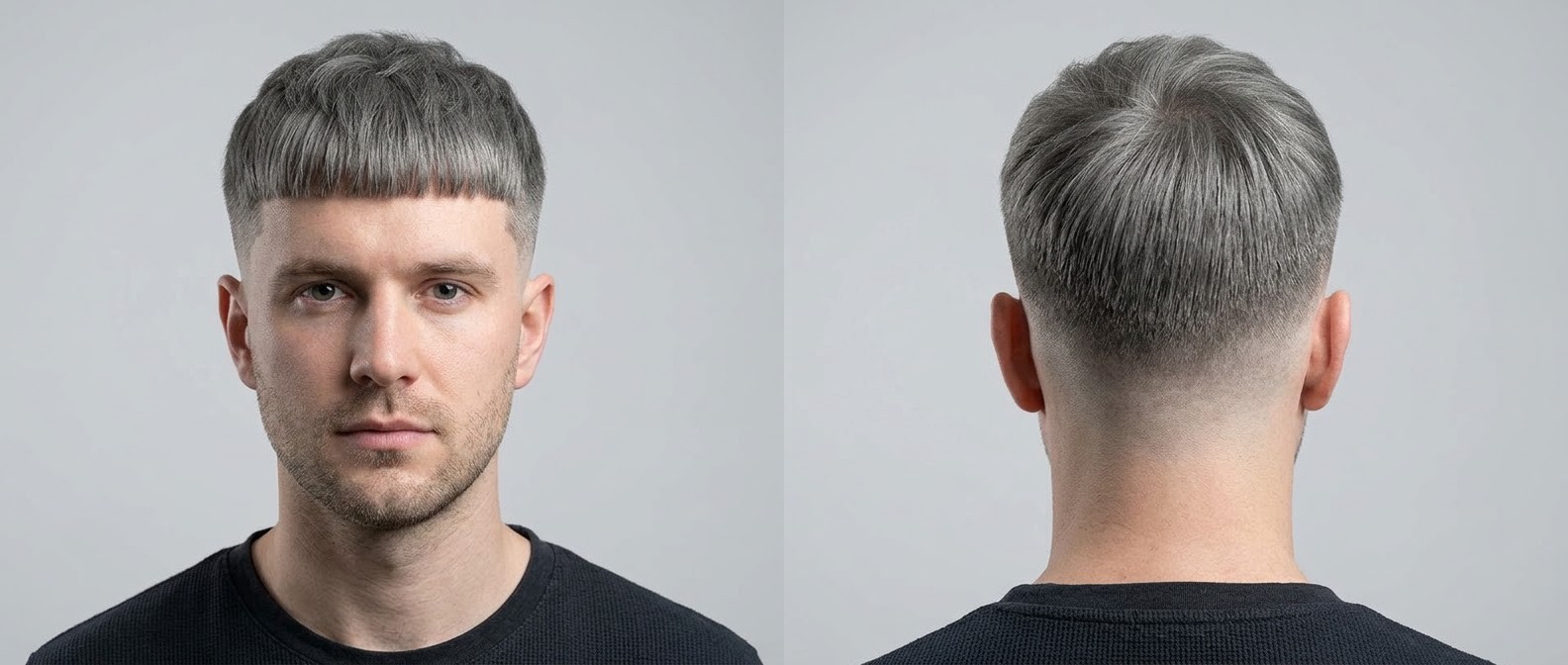
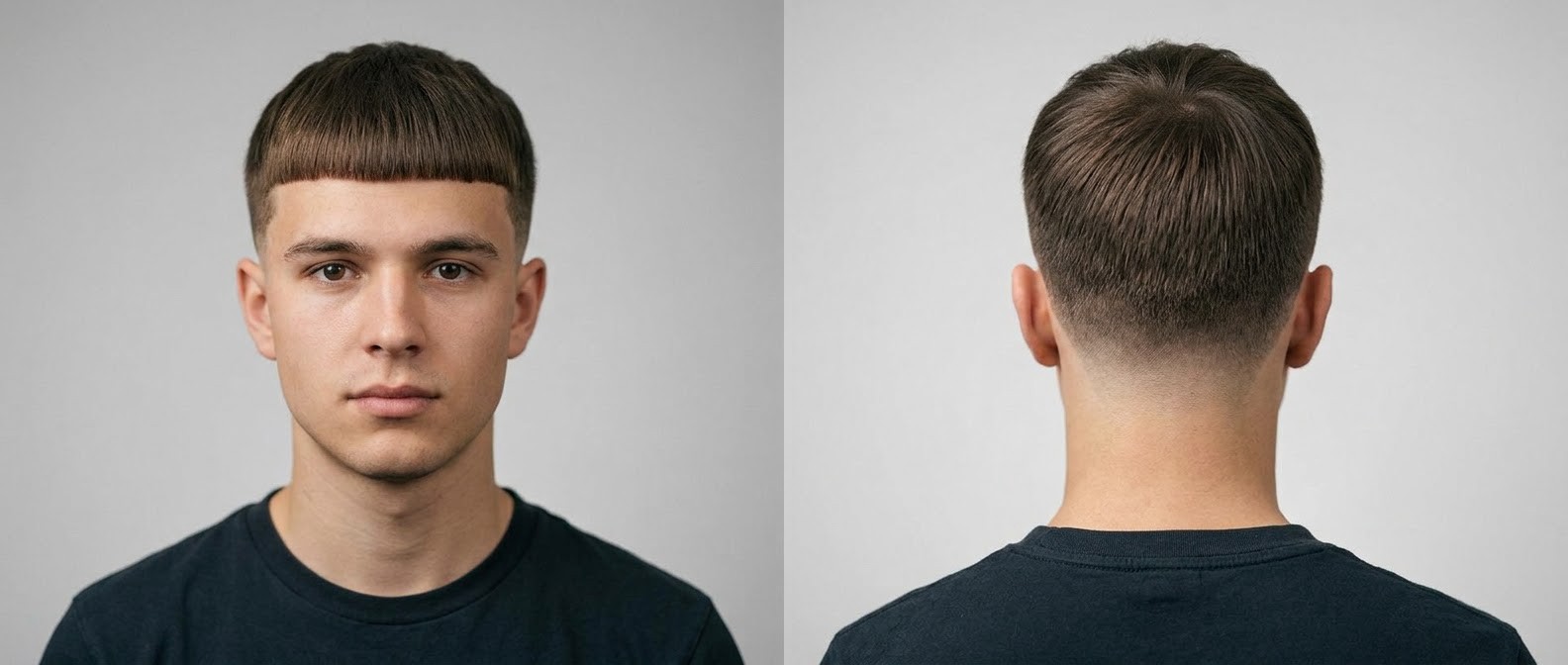
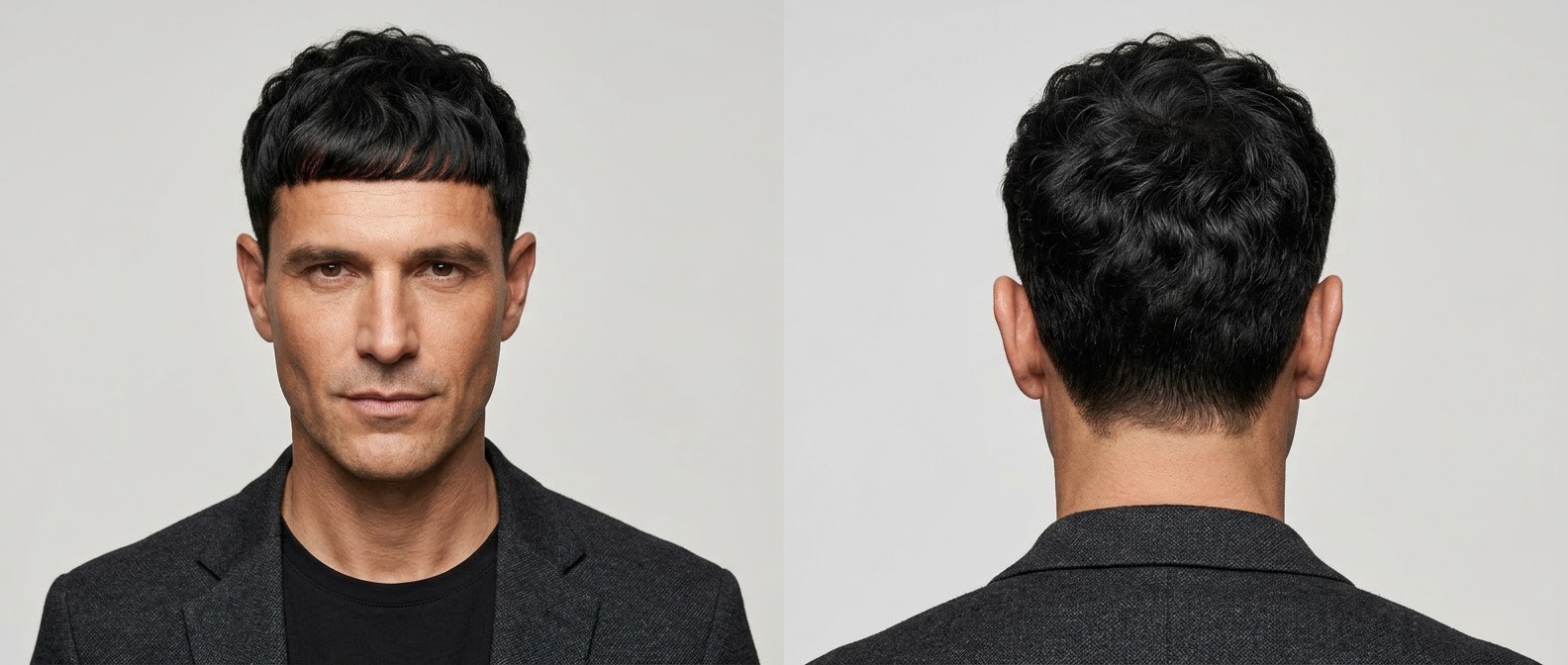
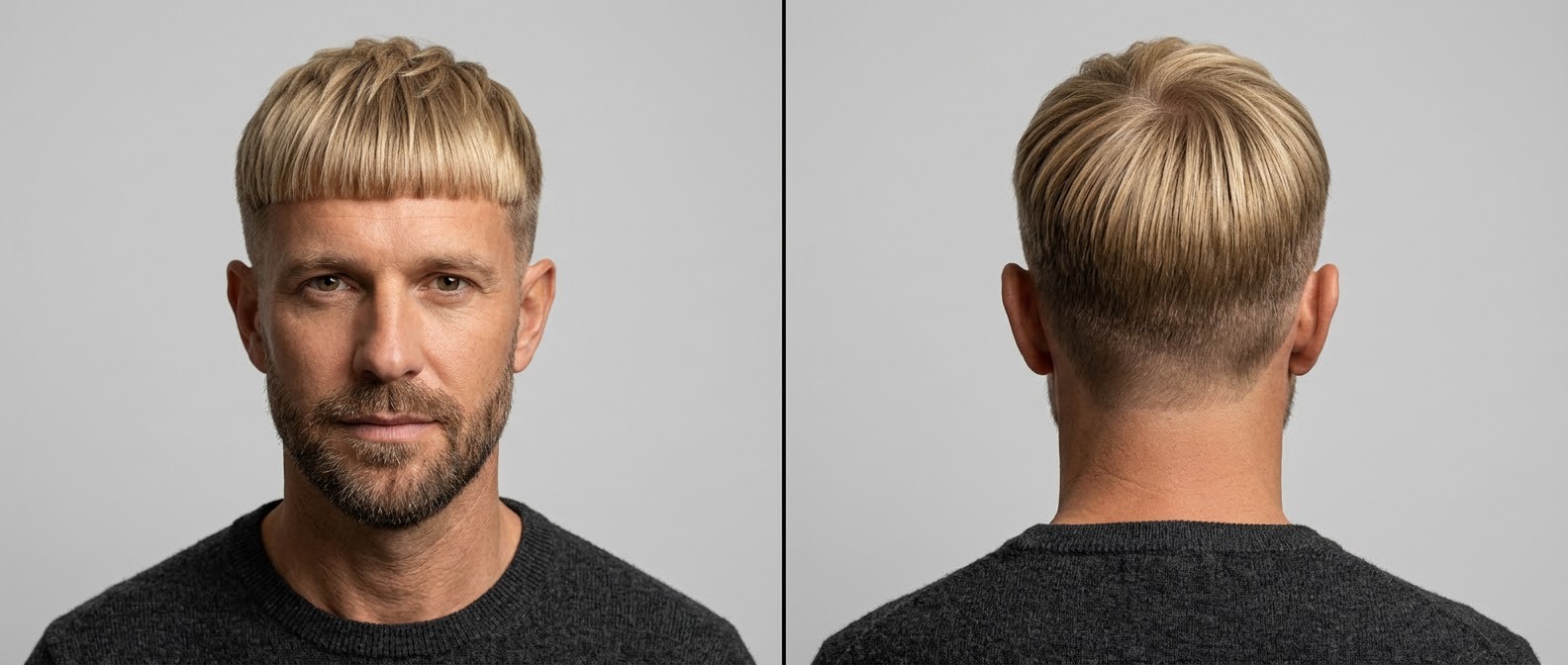
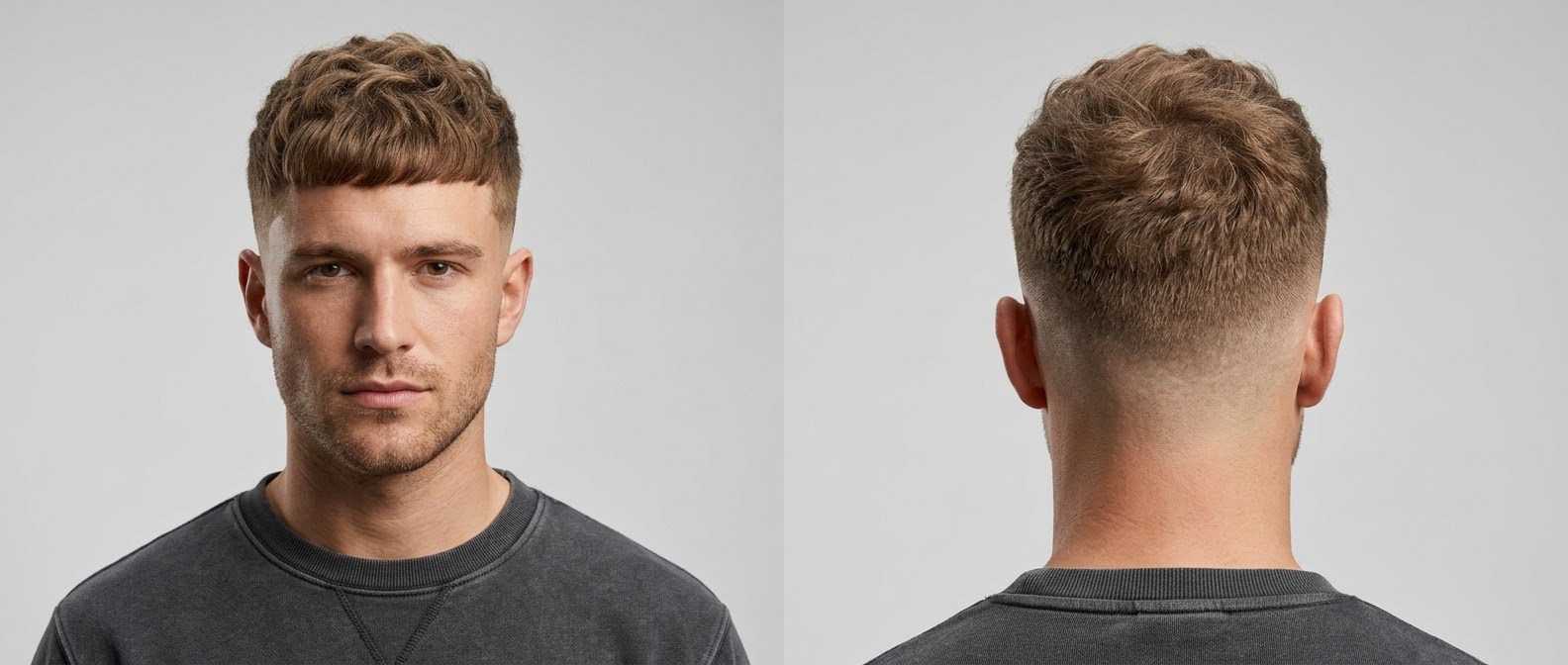
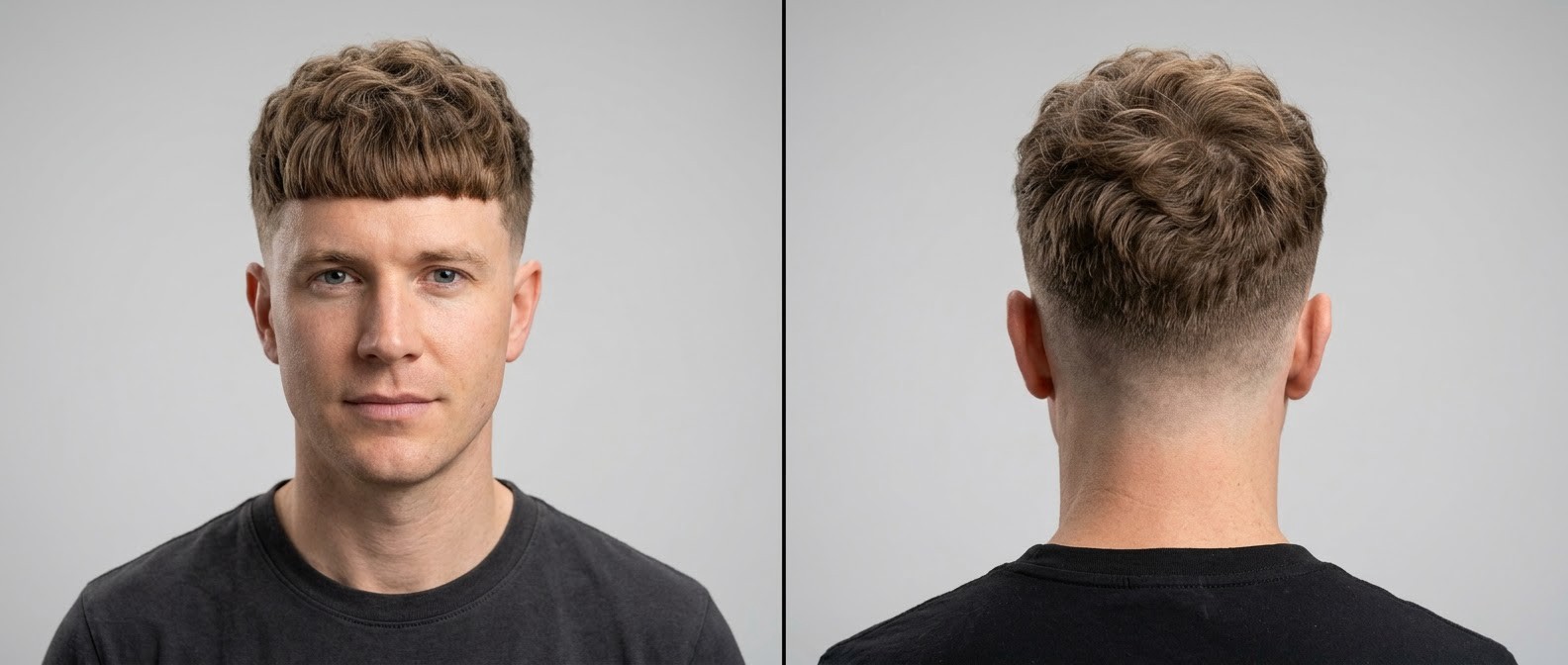
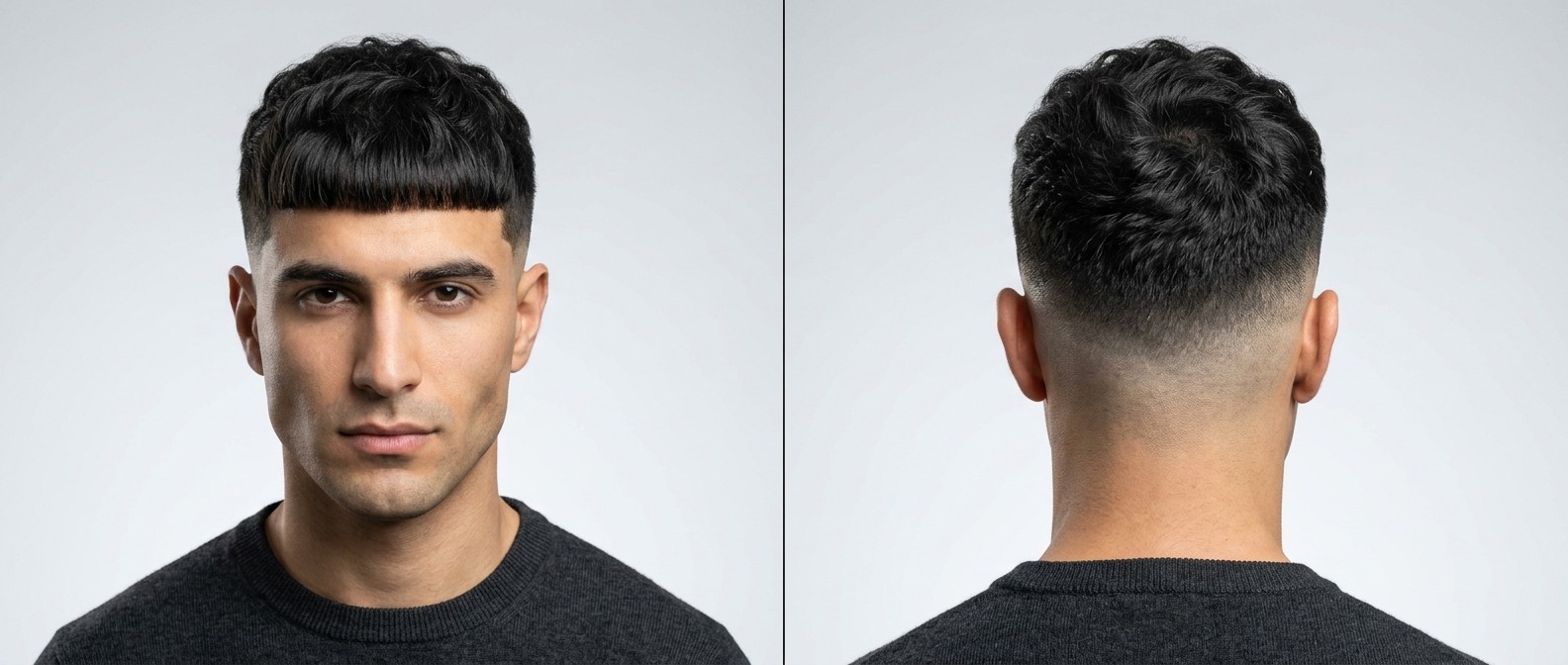
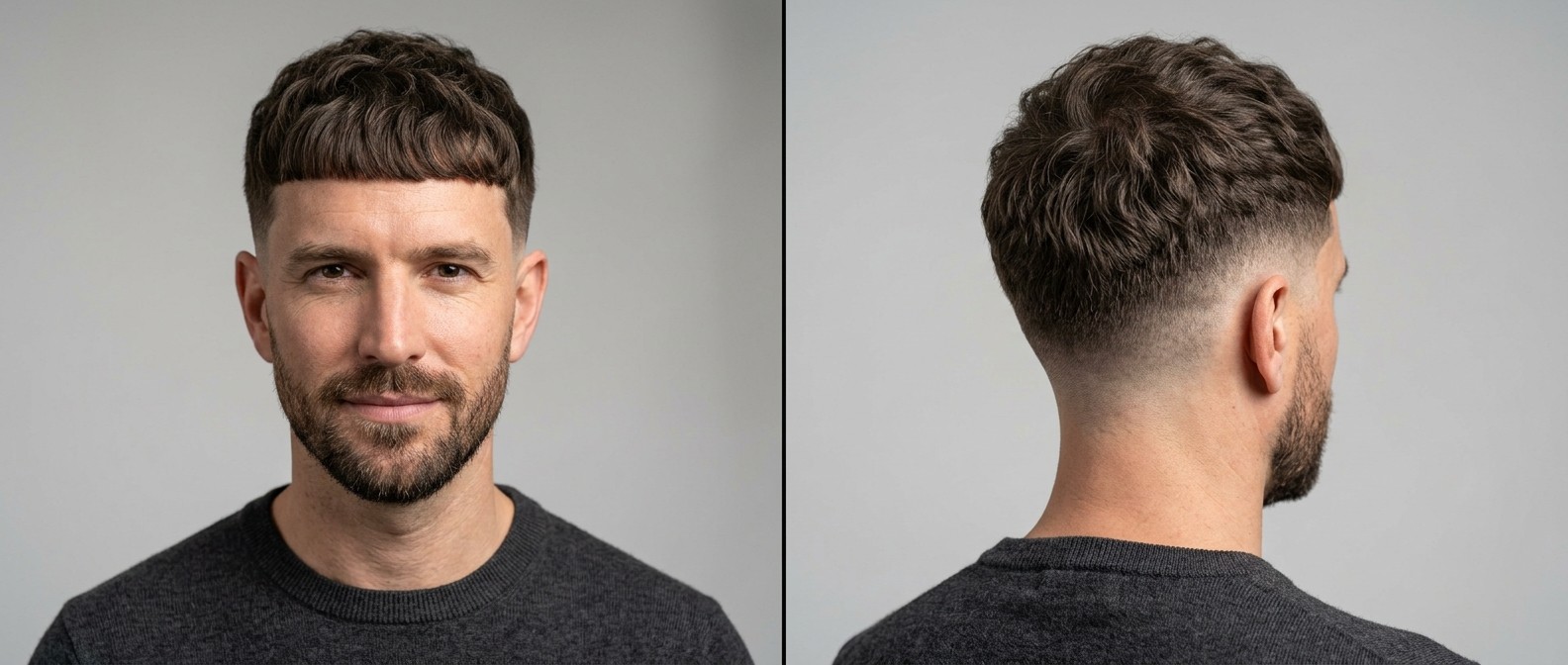
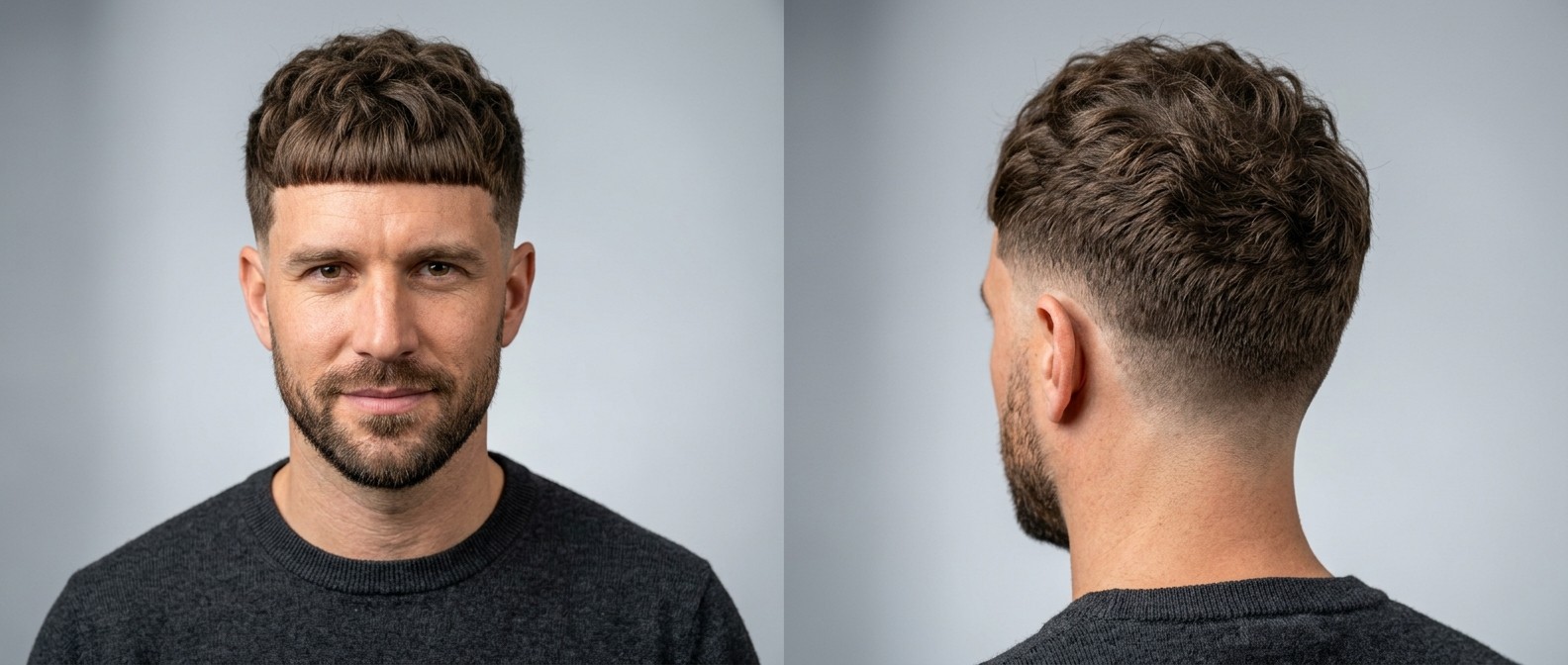
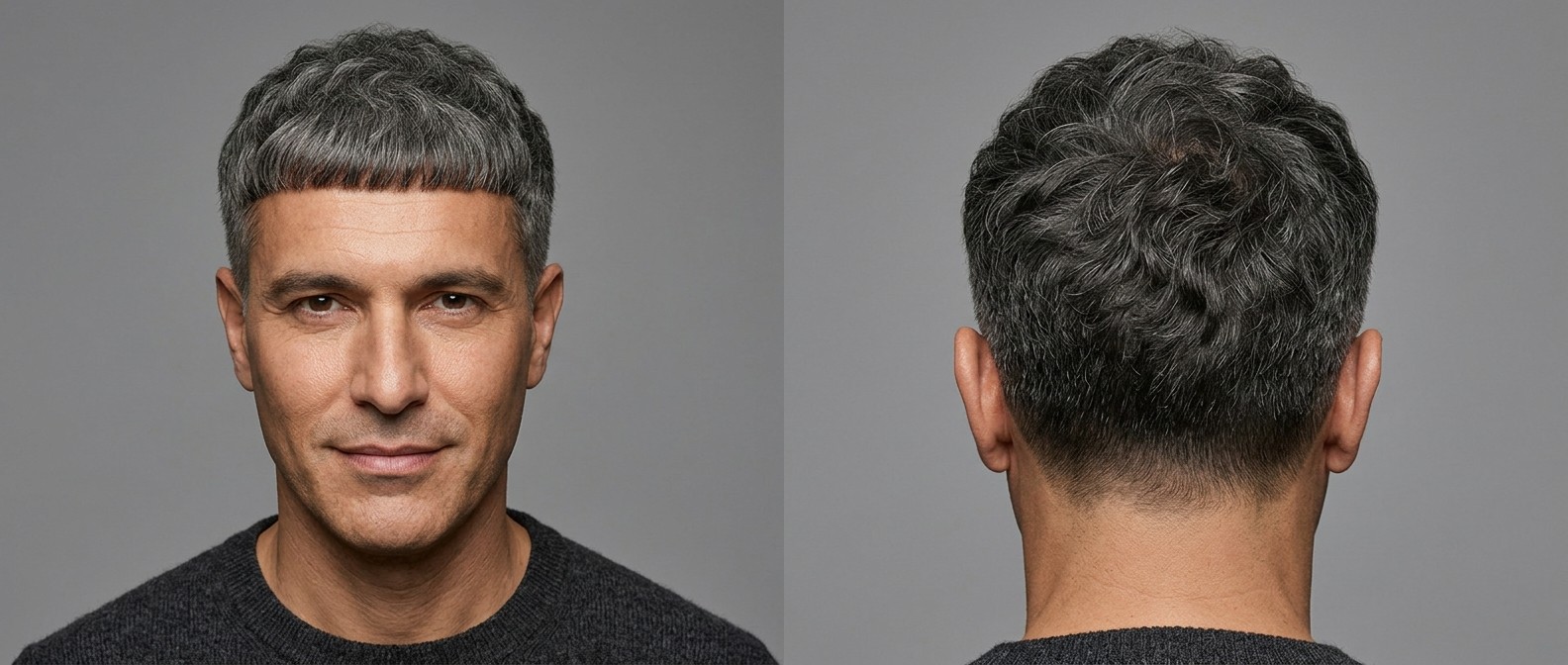
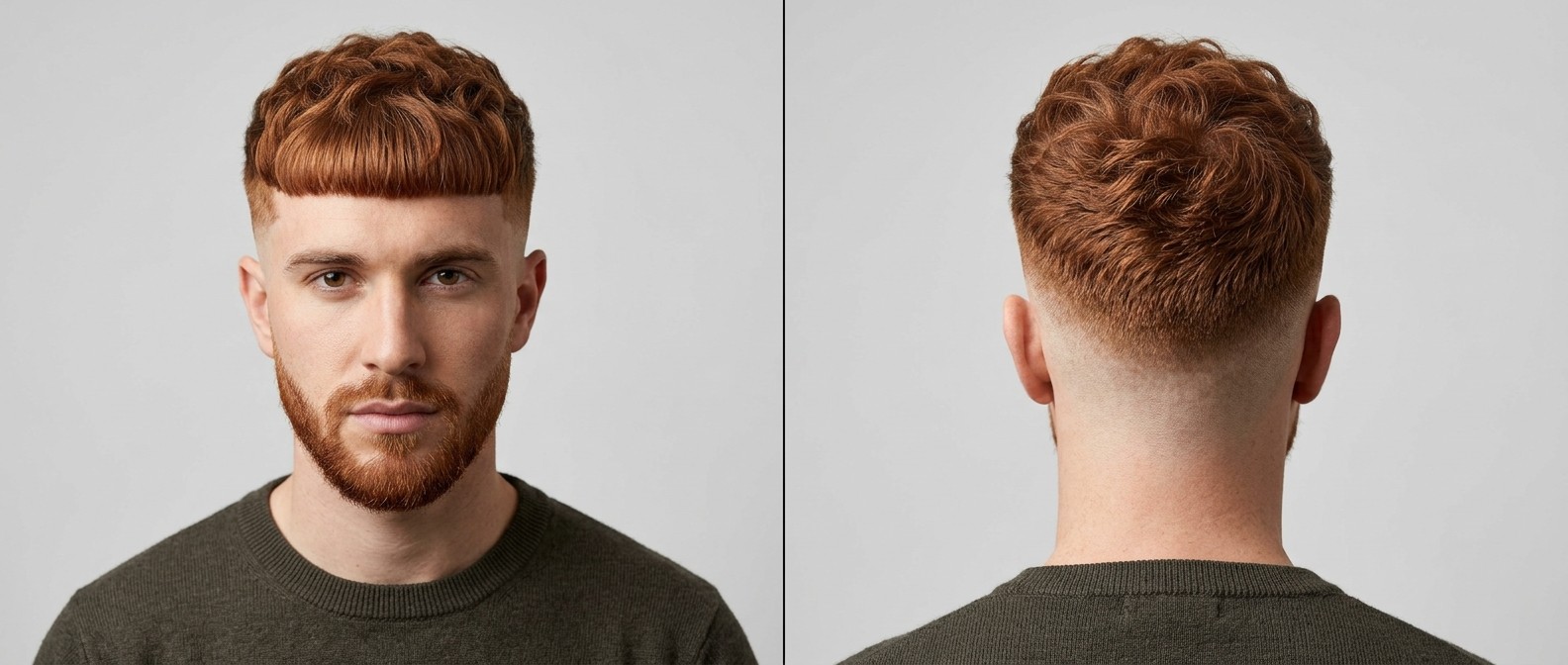
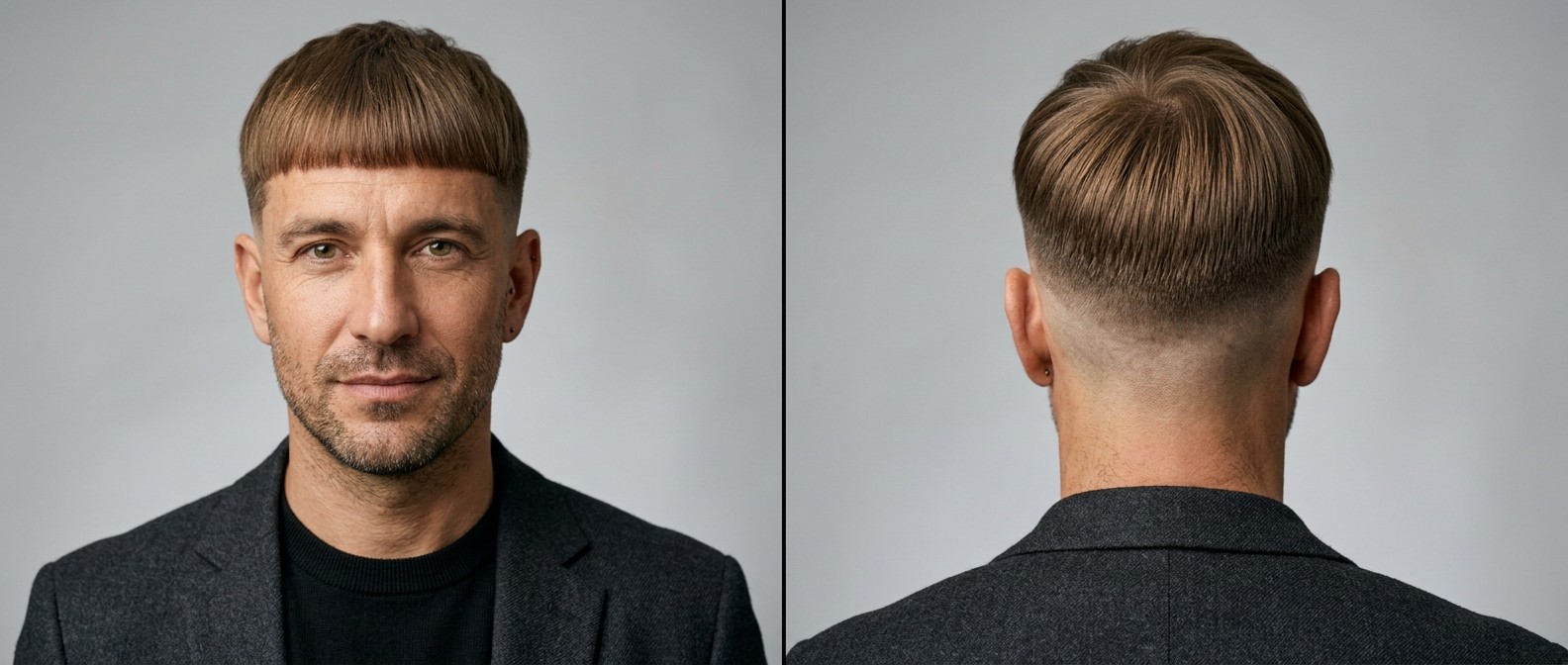
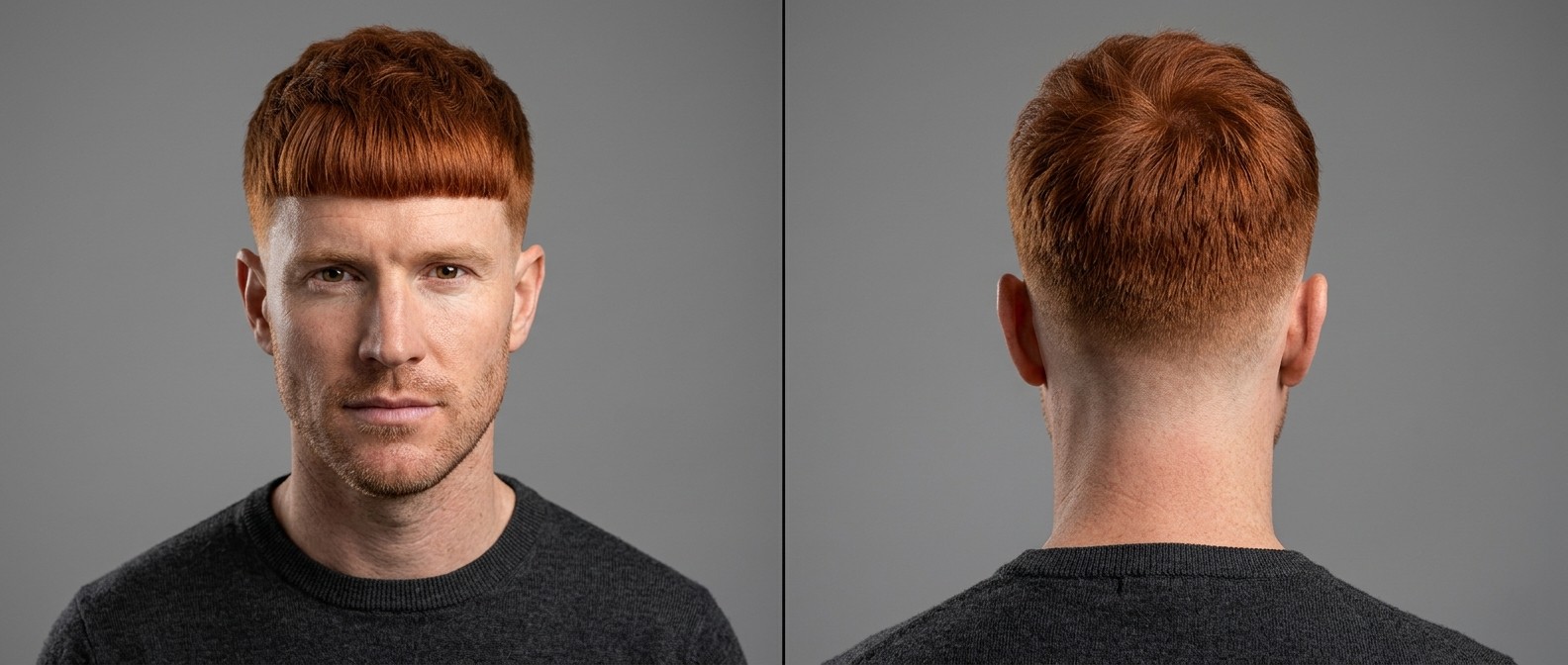
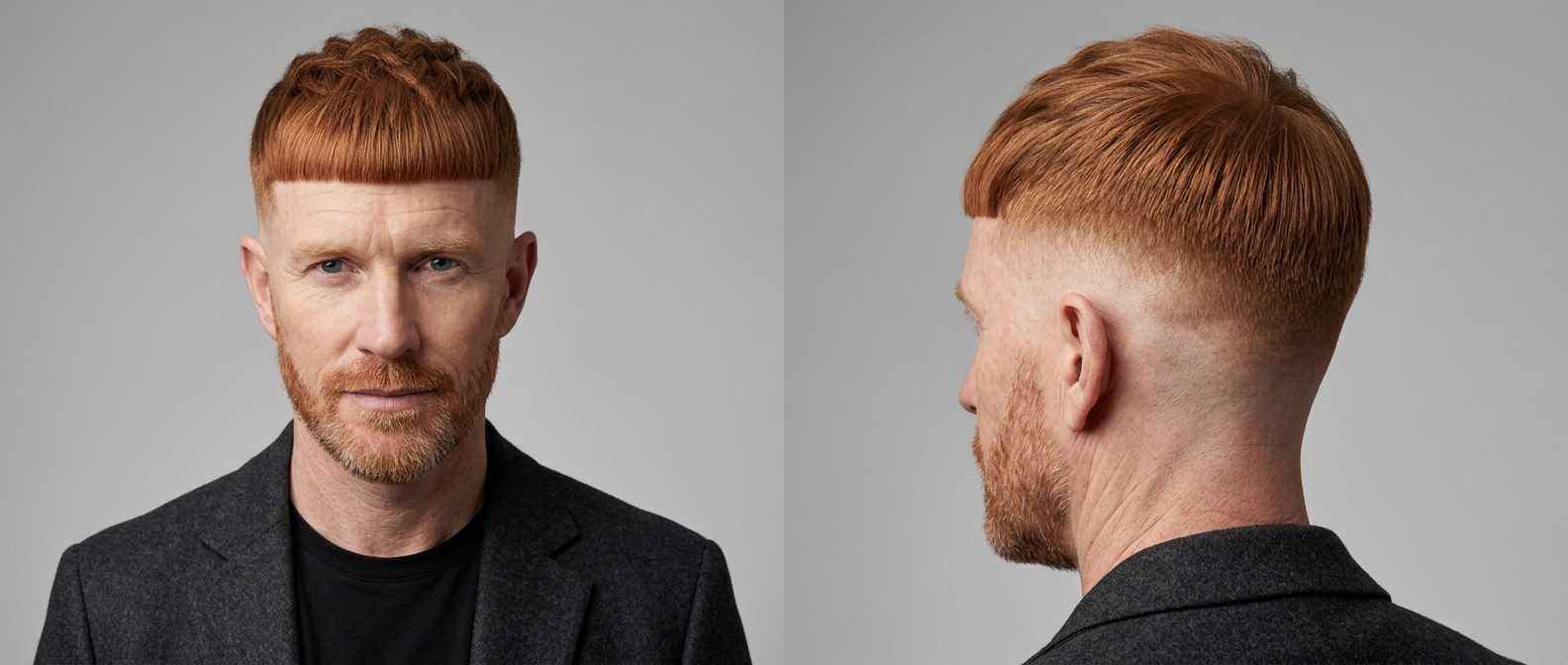
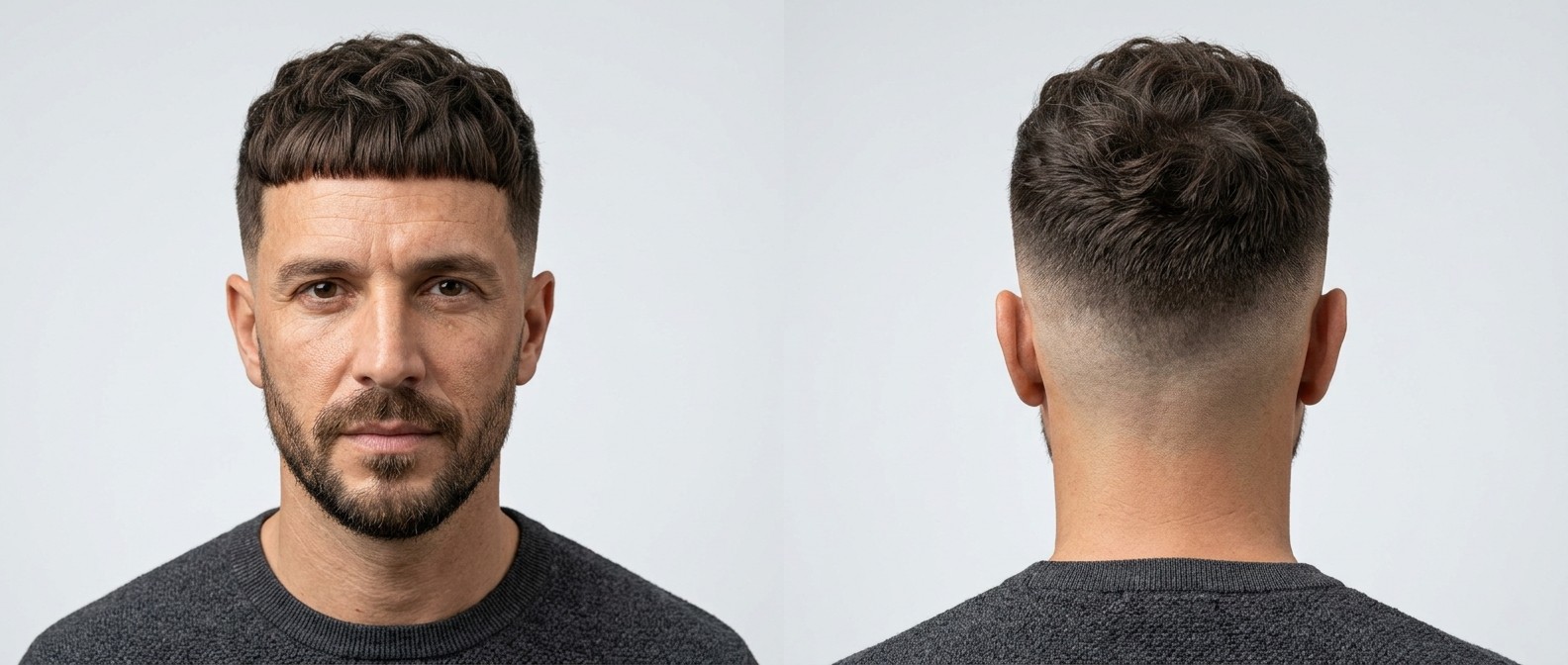
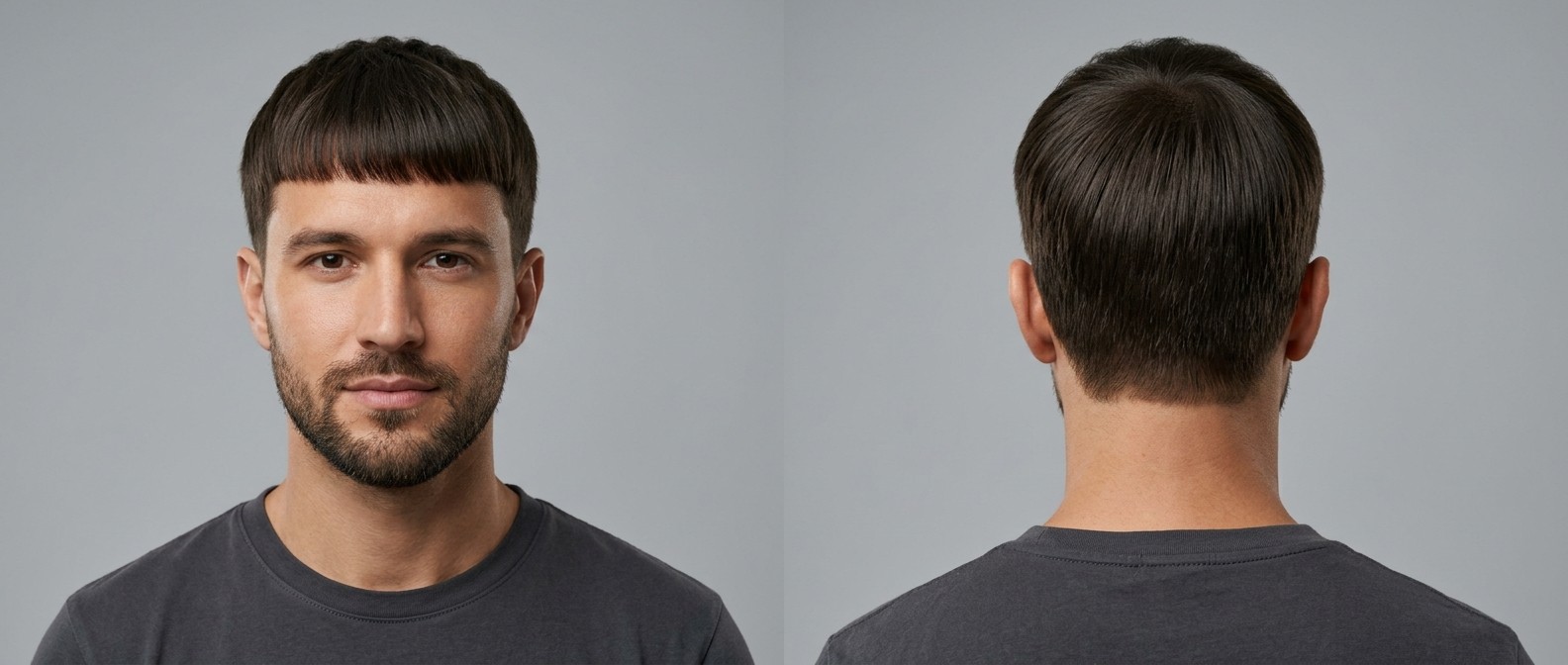
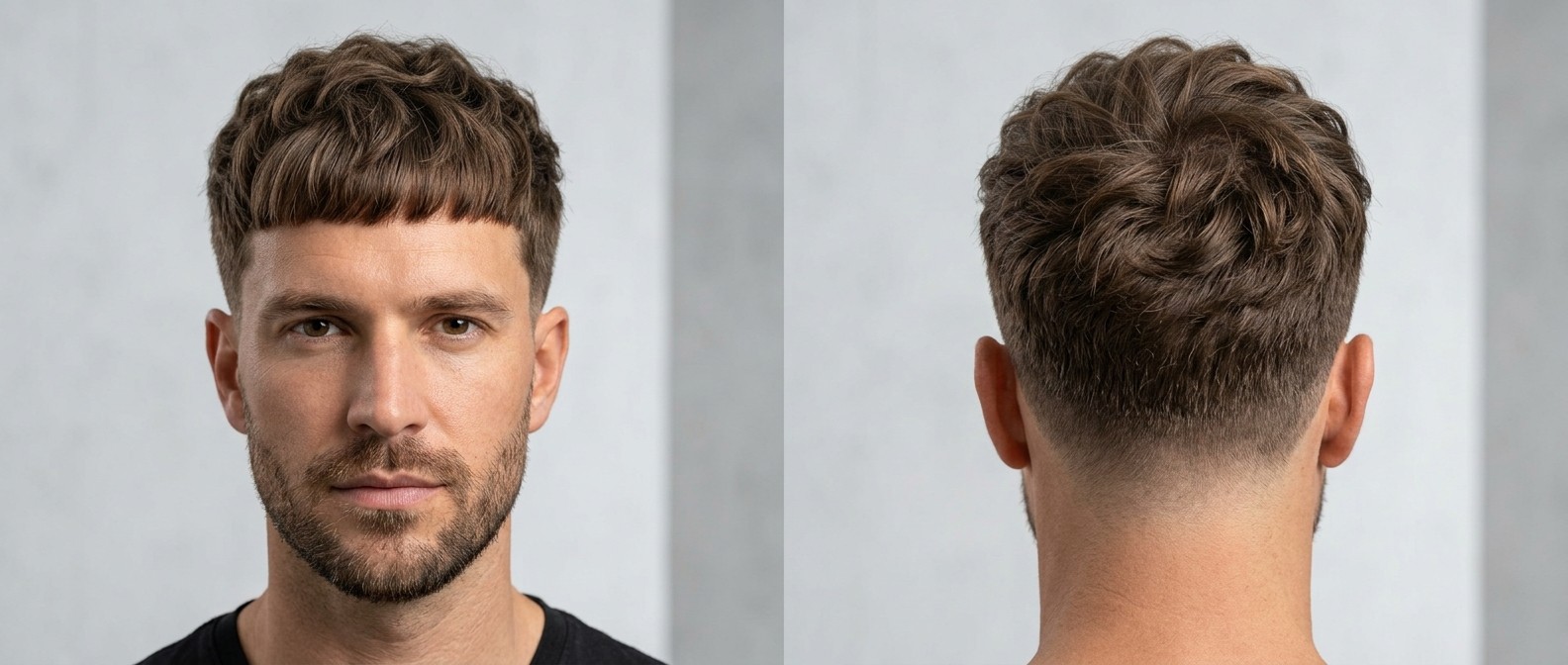
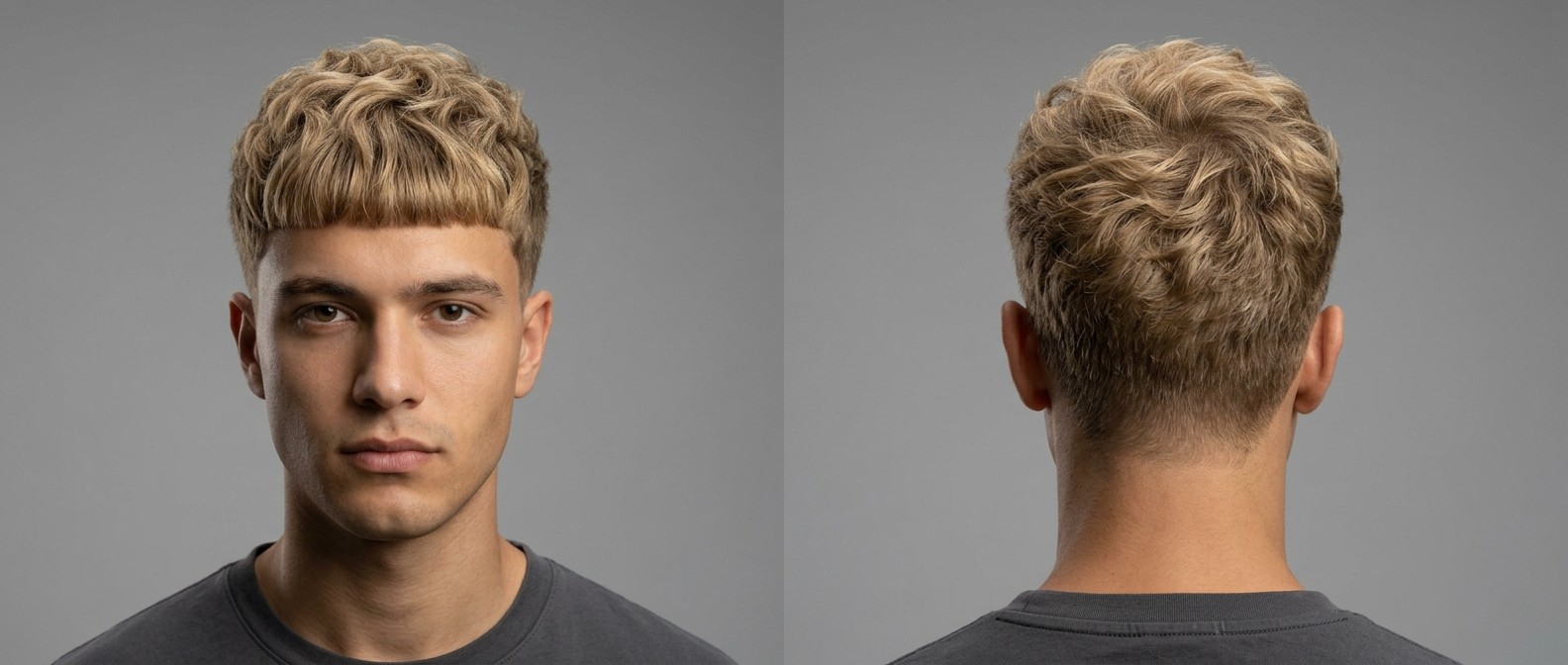
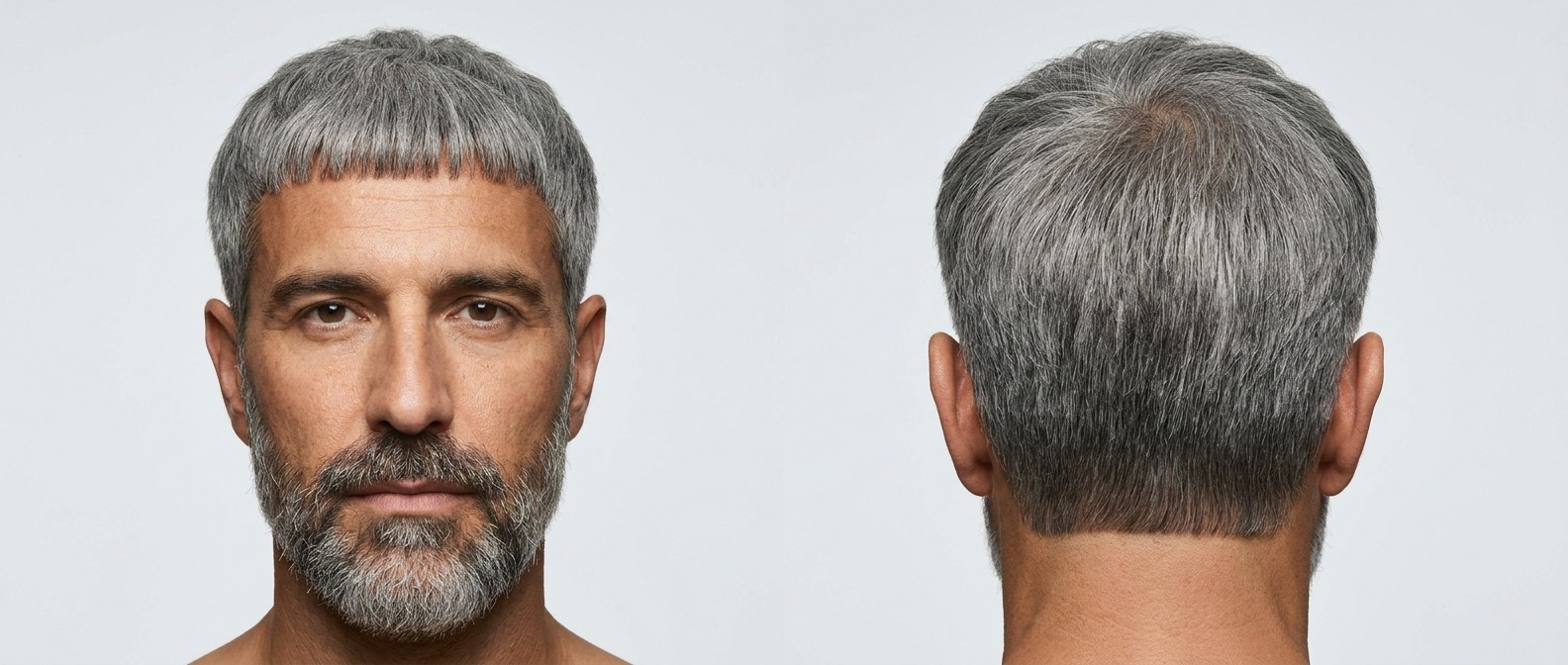
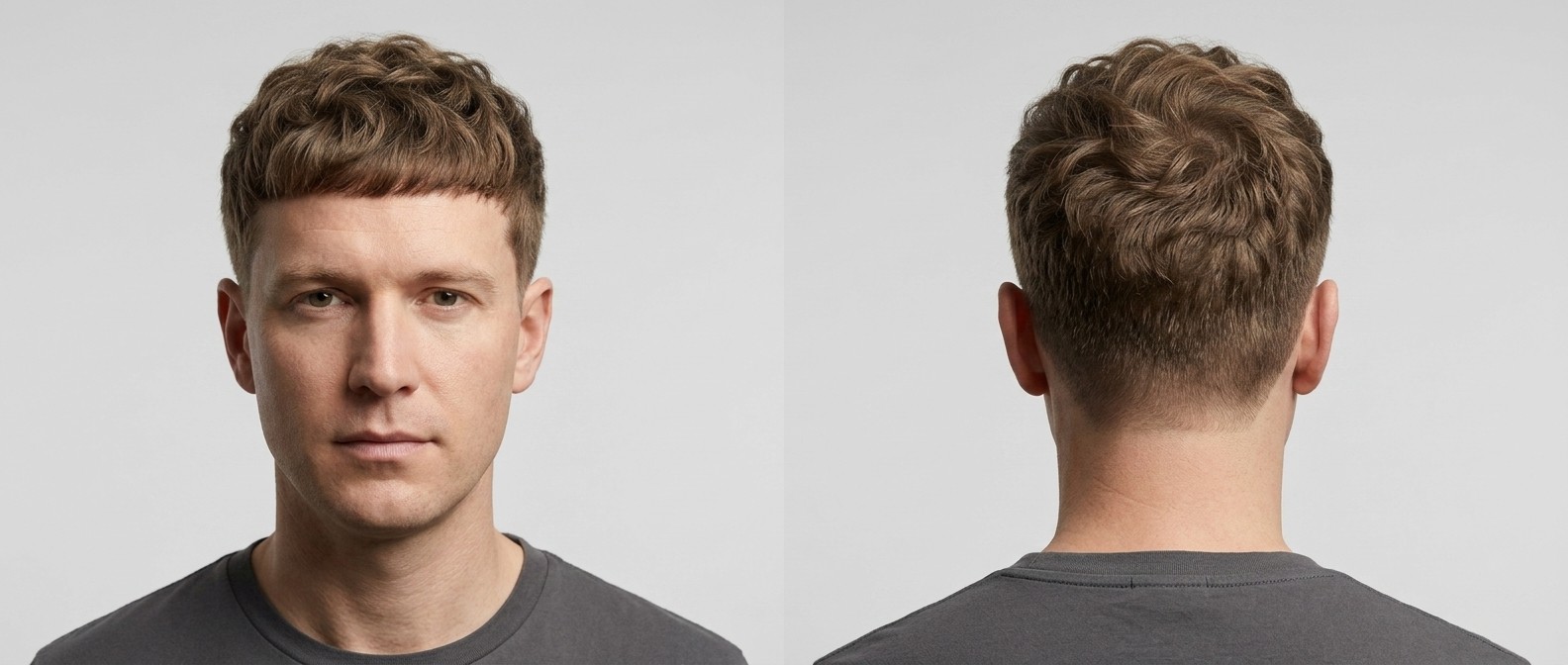
The Edgar cut is a men's hairstyle characterized by a straight, blunt fringe line that cuts horizontally across the forehead, typically right at the hairline. The sides and back are faded — usually a mid or high fade — creating a dramatic contrast with the textured or flat top section. The result is a bold, geometric silhouette that immediately catches the eye.
The style gets its name from its popularity within Mexican-American and Latino communities, where it became a cultural staple through barbershop culture and social media. While it started as a regional trend, the Edgar has expanded into mainstream men's fashion globally. Its clean lines and sharp geometry give it a distinctive look that stands apart from softer, more blended hairstyles.
What makes the Edgar unique is the intentional sharpness of the fringe. While other short styles with fringes — like the French crop or Caesar — tend to have some softness or texture at the hairline, the Edgar makes that fringe line a defining feature. It's meant to be noticed, creating a bold frame across the top of the face.
Who Should Get an Edgar Cut?
The Edgar works best for men with straight to slightly wavy hair, as the signature fringe requires hair that lies flat and cooperates with the straight line. Thick hair is ideal because it creates a solid, dense fringe without gaps. Fine hair can work but may require more precision from your barber.
Face shape matters with the Edgar. It's particularly flattering on men with oval and diamond face shapes, where the horizontal fringe complements the face's natural proportions. Square faces work well too — the sharp geometry of the cut echoes the strong jawline. Men with round faces should be cautious, as the horizontal line can emphasize width. However, a skilled barber can adjust the fade height and fringe position to work with most face shapes.
- Straight, thick hair — ideal for the clean, sharp fringe line
- Oval faces — balanced proportions complement the geometric cut
- Diamond faces — the horizontal fringe flatters narrow foreheads
- Men who want a bold, statement hairstyle with cultural significance
- Those who appreciate sharp, precise barbering and clean lines
How to Style an Edgar Cut
The Edgar cut is relatively easy to style daily because the cut itself does most of the heavy lifting. After washing your hair, towel-dry and apply a small amount of matte paste or clay to the top section. Push the hair forward toward the fringe line, ensuring it lies flat and even across the forehead.
If any sections of the fringe want to stick up or separate, use a fine-tooth comb to smooth them into place while the hair is still slightly damp. A light-hold hairspray can lock the fringe in position for the day. For a more textured look on top, use your fingers to create subtle separation behind the fringe while keeping the fringe line itself clean.
The key is maintaining the sharpness of the fringe line. This means keeping the front section lying flat and uniform. Don't over-product the fringe — too much paste or wax can make it look greasy and heavy. A light touch is all you need to keep things in order.
What to Tell Your Barber
The Edgar requires a skilled barber who understands the style. Ask for a straight fringe line across the forehead, positioned at your natural hairline or slightly below. The fringe should be sharp and horizontal — this is the non-negotiable element of the Edgar. Specify whether you want the fringe thin (one layer of hair) or thicker (more coverage).
For the sides, request a mid to high fade starting at a #0 or #0.5 guard at the skin, blending upward. The fade should be clean and tight, creating maximum contrast with the top. The top section can vary from 1 to 3 inches depending on how much texture and volume you want above the fringe line.
Ask your barber to line up the fringe with a straight razor or trimmer for maximum sharpness. This precision line work is what separates a great Edgar from an average one. If your barber isn't familiar with the style, find one who specializes in it — the Edgar demands technical skill.
Maintenance Requirements
The Edgar is a high-maintenance style when it comes to barber visits. Because the sharp fringe line and clean fade are its defining features, any growth immediately softens the look. Plan on visiting your barber every 2 to 3 weeks to keep the fringe crisp and the fade tight.
Daily styling is quick — about 2 to 3 minutes. But the investment in frequent trims is real. If you can't commit to bi-weekly barber visits, the Edgar may not be the right choice, as a grown-out Edgar loses its sharp, intentional character and starts looking like an ordinary messy cut. Between visits, keep the fringe clean and flat with minimal product.
Edgar Cut Variations
The textured Edgar adds choppy, piece-y texture to the top section while maintaining the sharp fringe line at the front. This creates an interesting contrast between the precise fringe and the messy top. The fluffy Edgar pushes more volume into the top section, creating a softer, more voluminous look above the signature fringe.
The low-fade Edgar tones down the contrast by starting the fade lower on the head, creating a more subtle version of the style. The burst-fade Edgar curves the fade around the ear for a more dynamic side profile. Some men also experiment with design elements — line patterns shaved into the fade area or geometric accents that complement the Edgar's angular nature. Each variation preserves the signature straight fringe while allowing personal expression in the details.