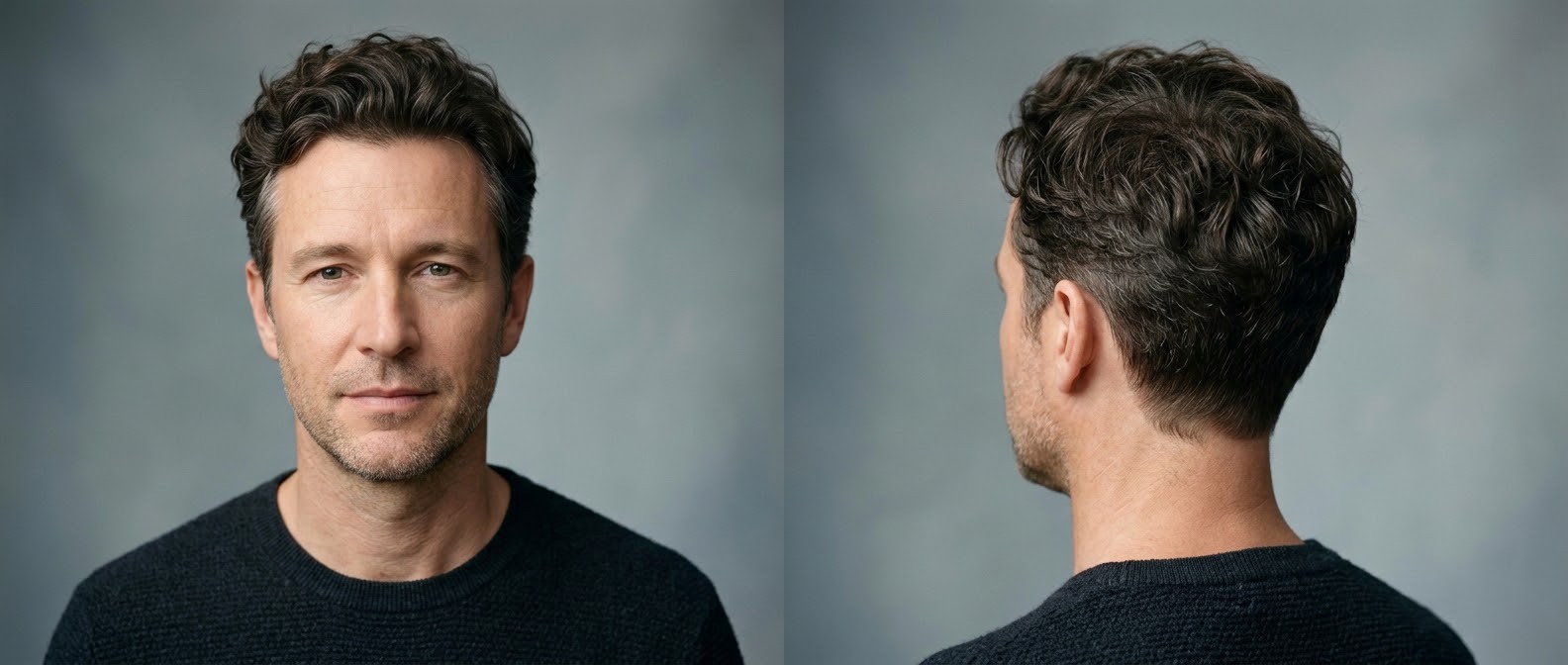
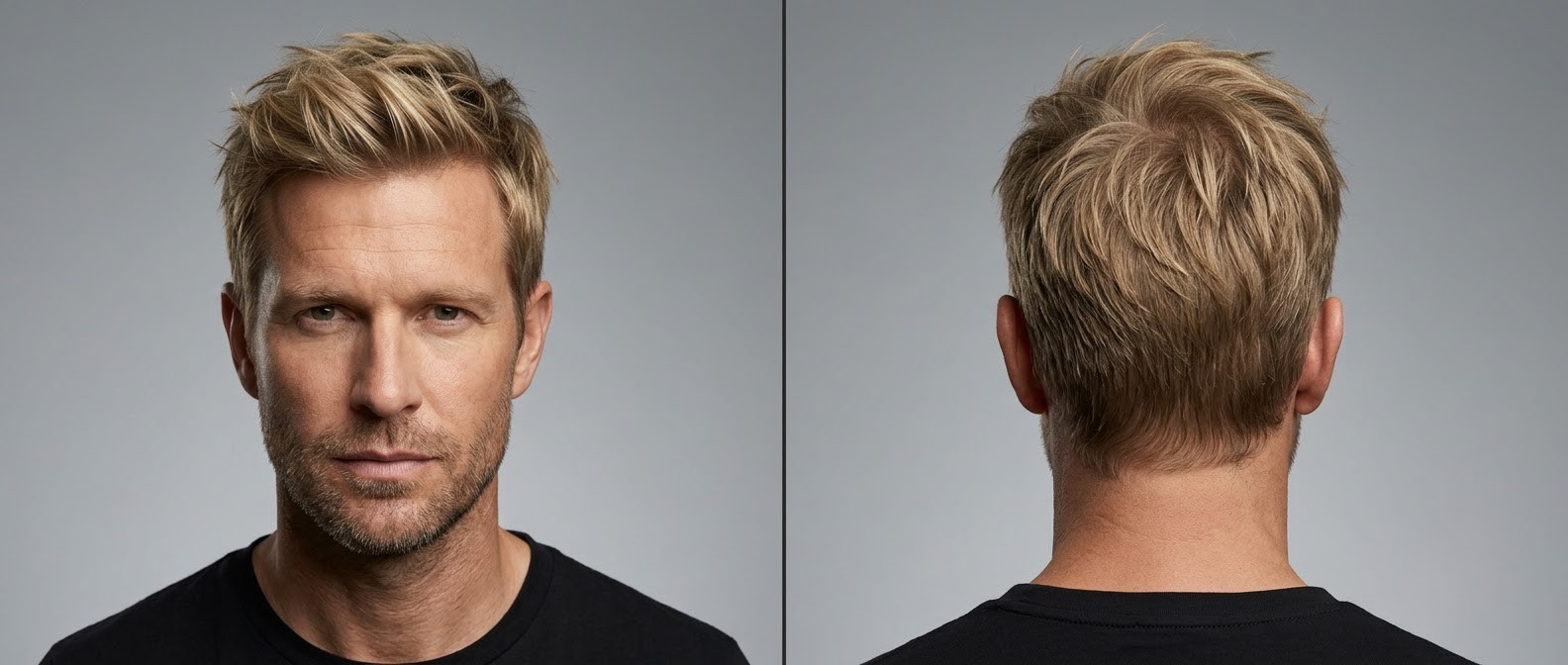
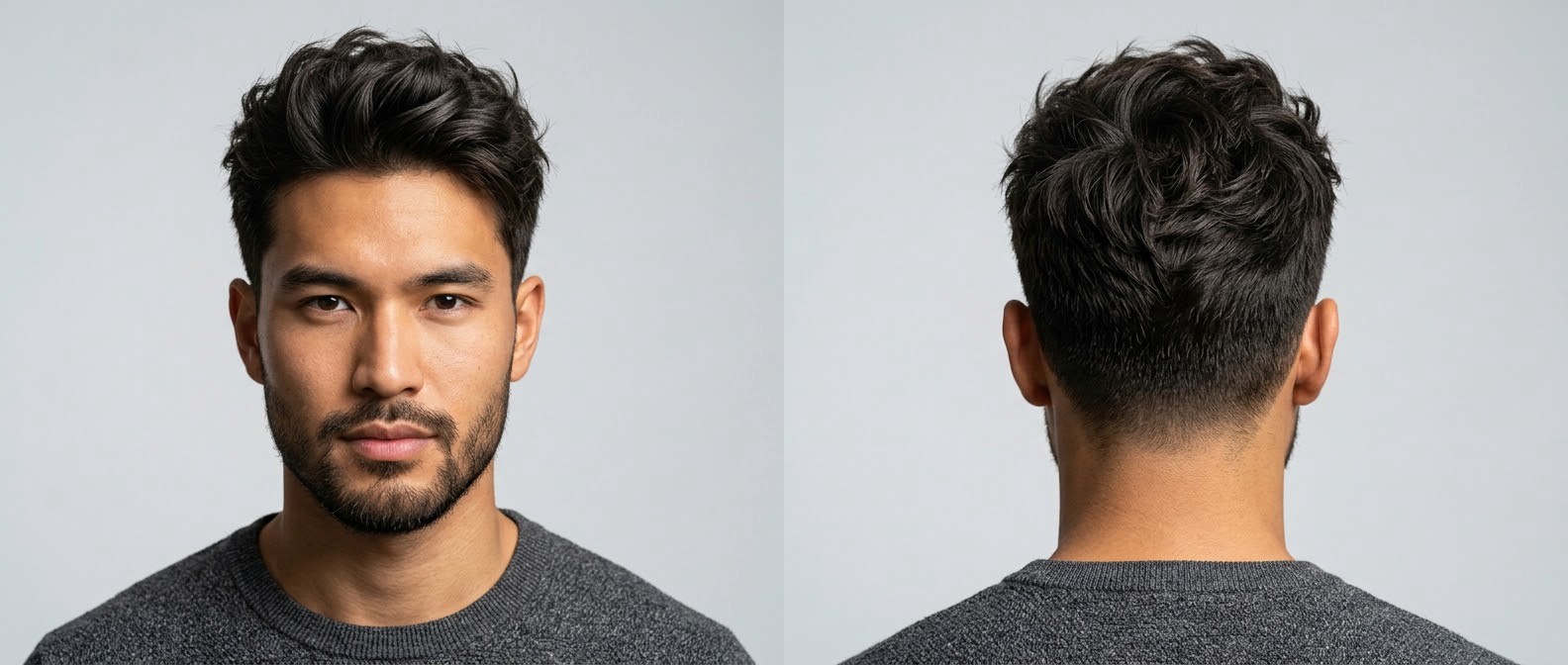
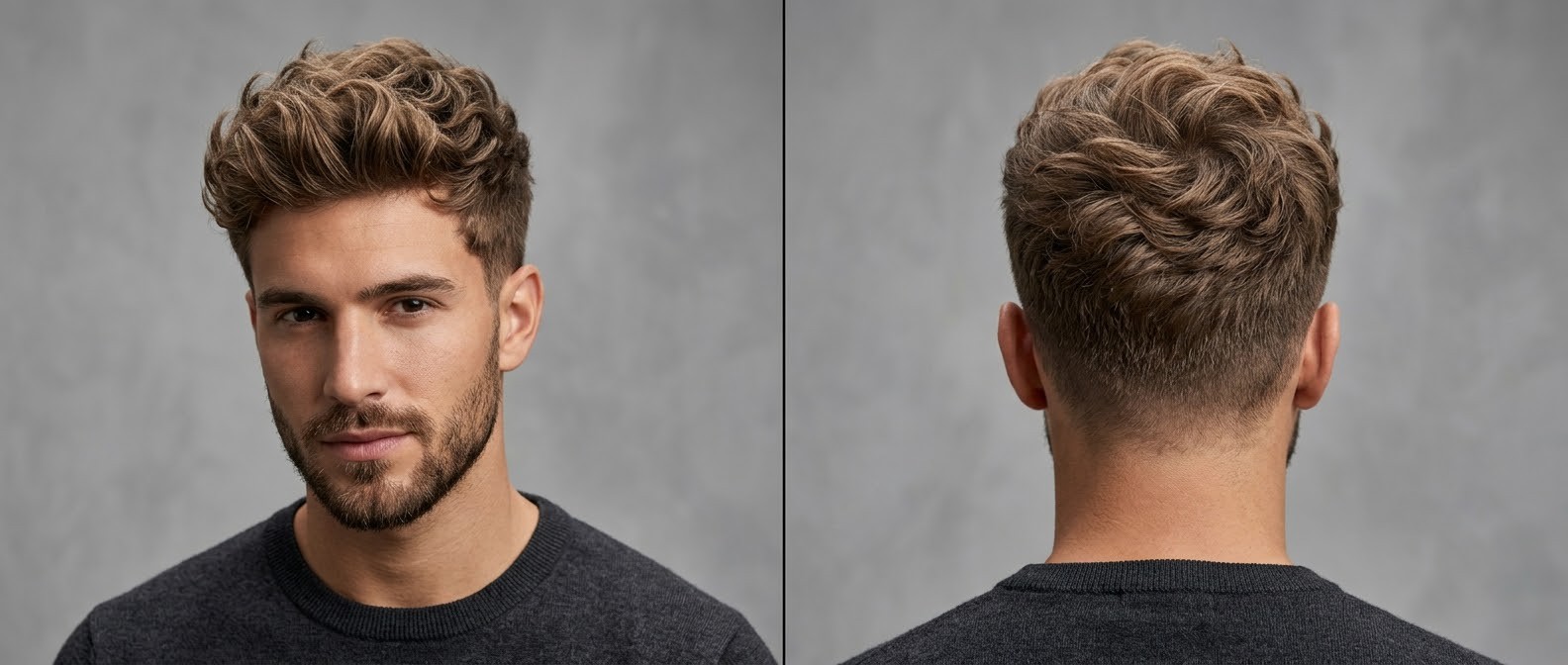


What Is a Textured Top?
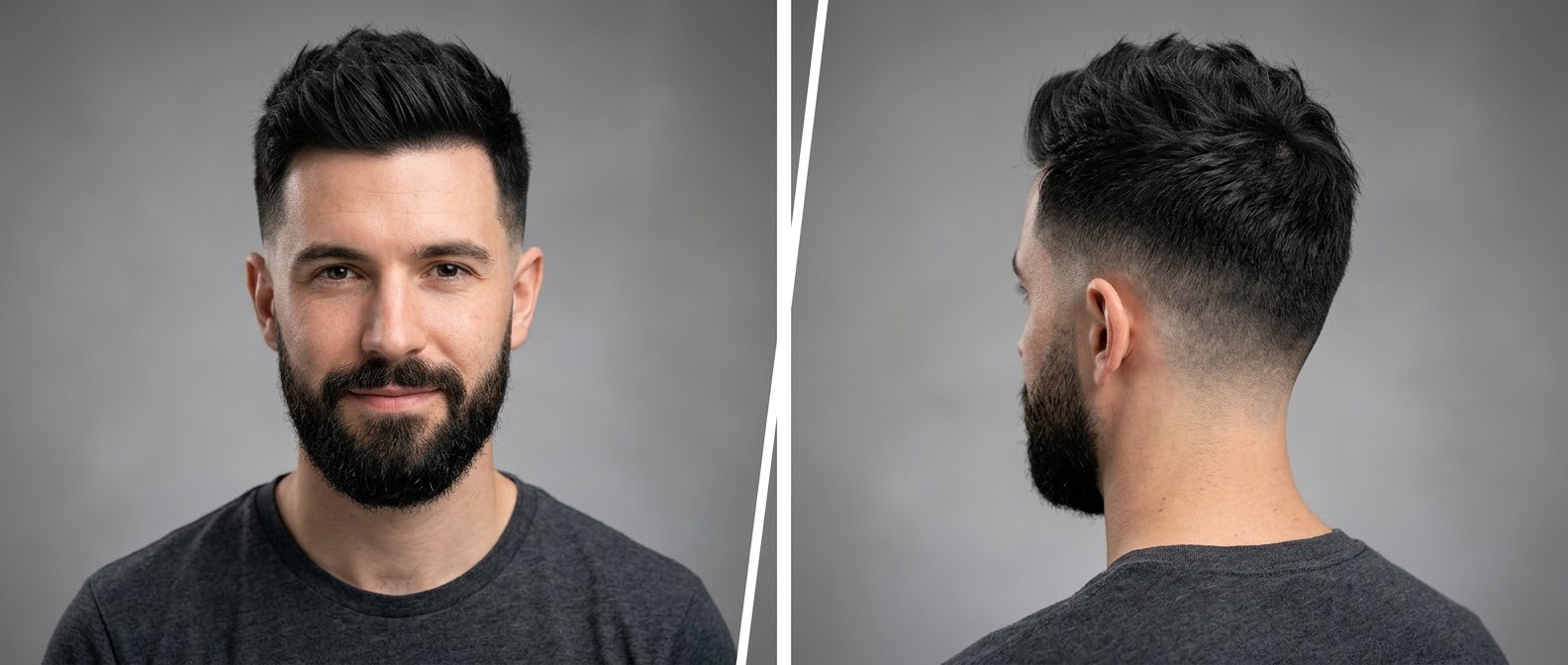
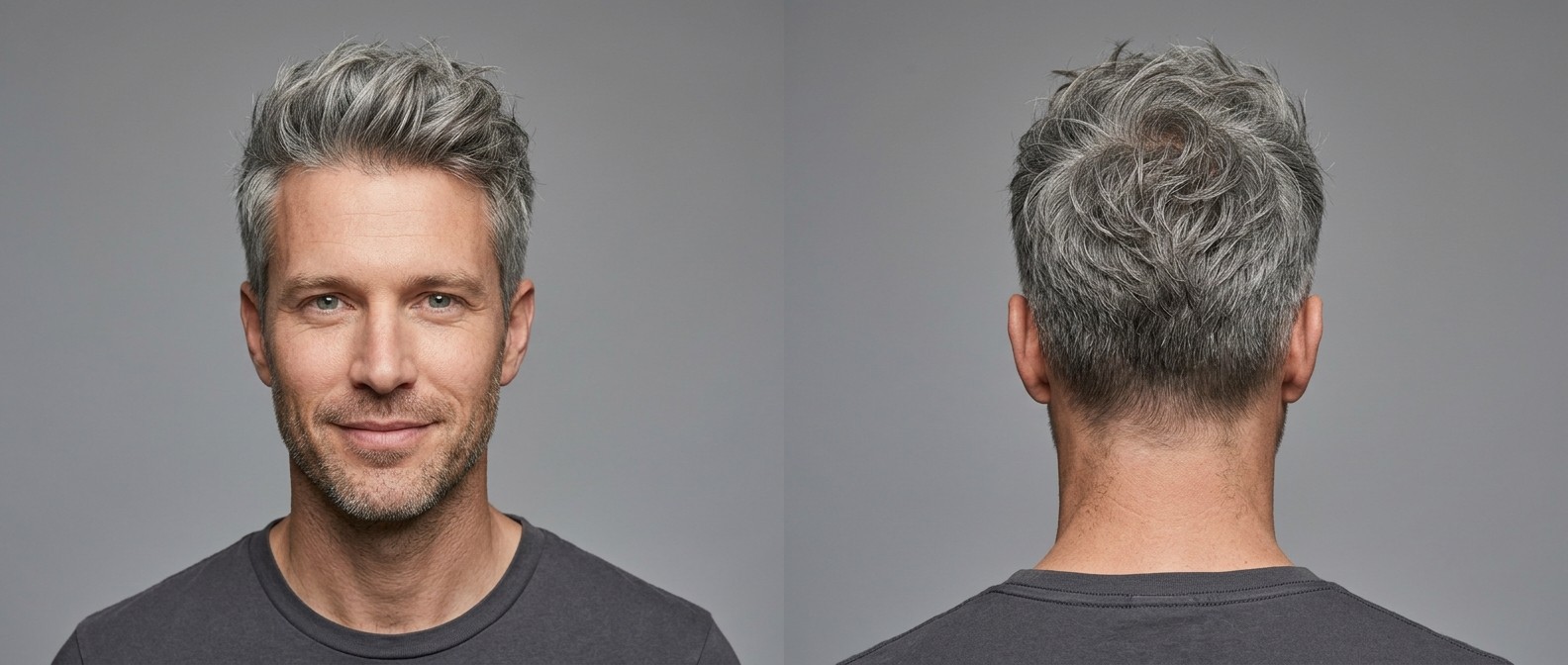
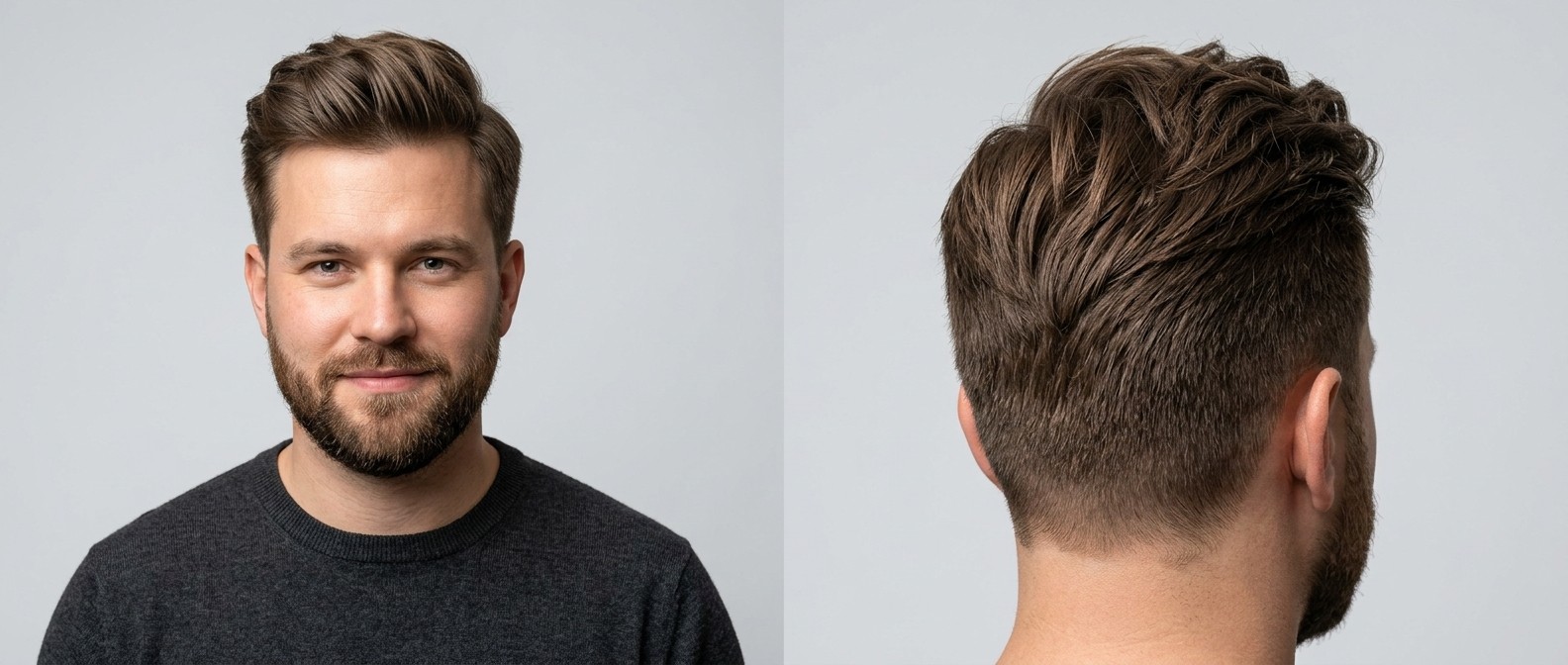
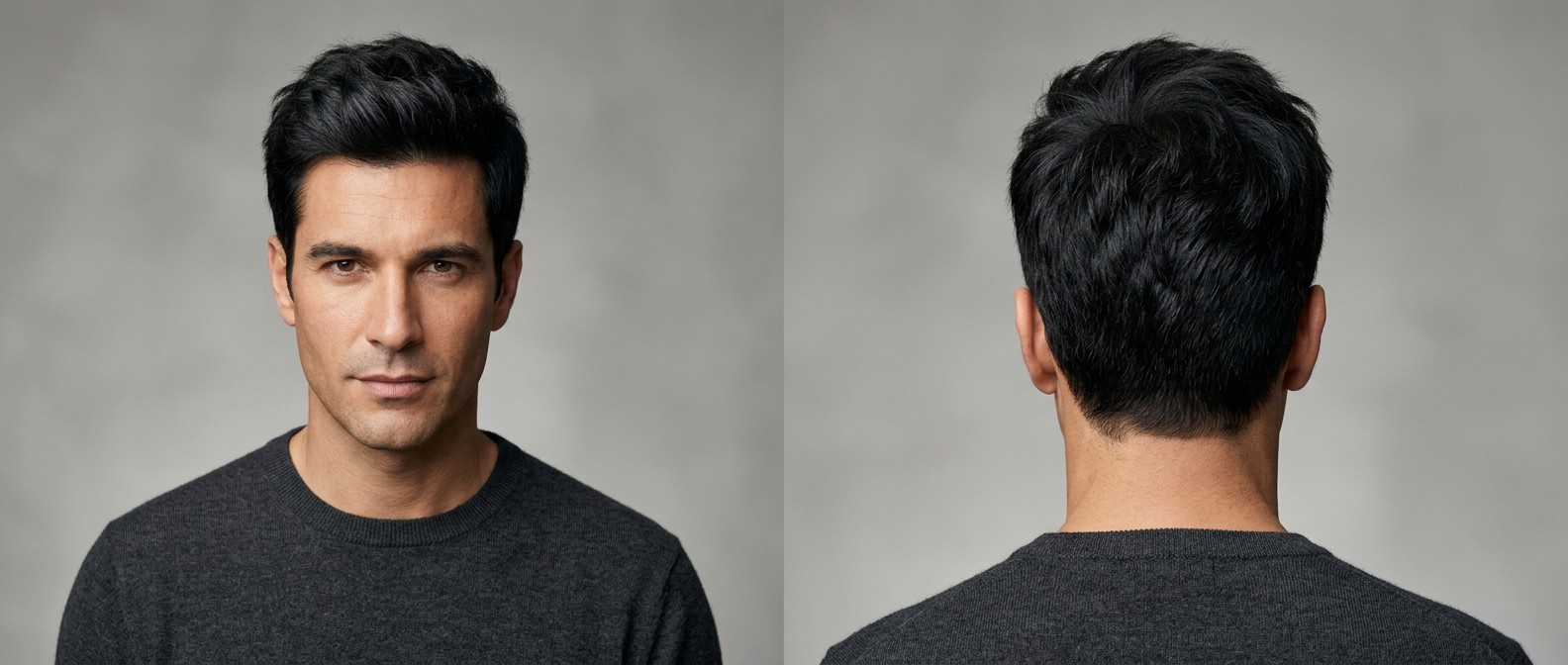
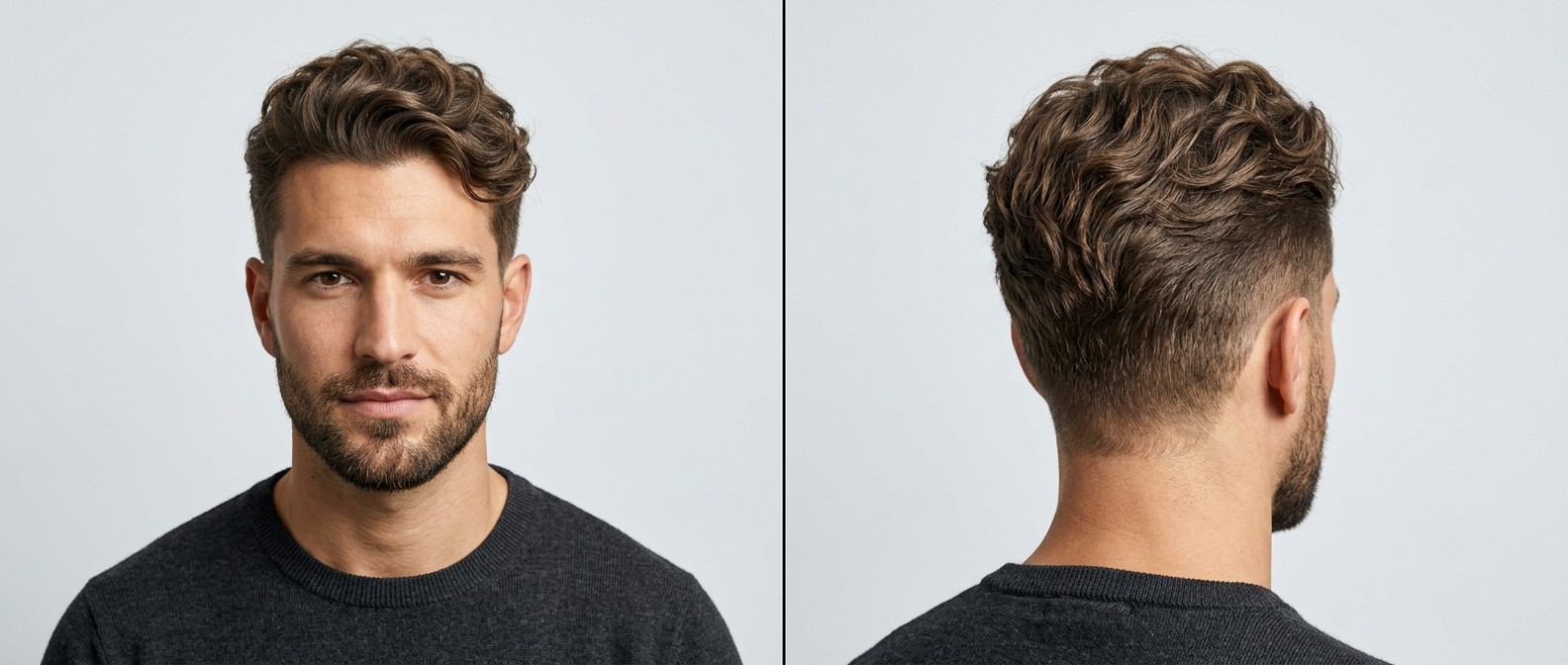
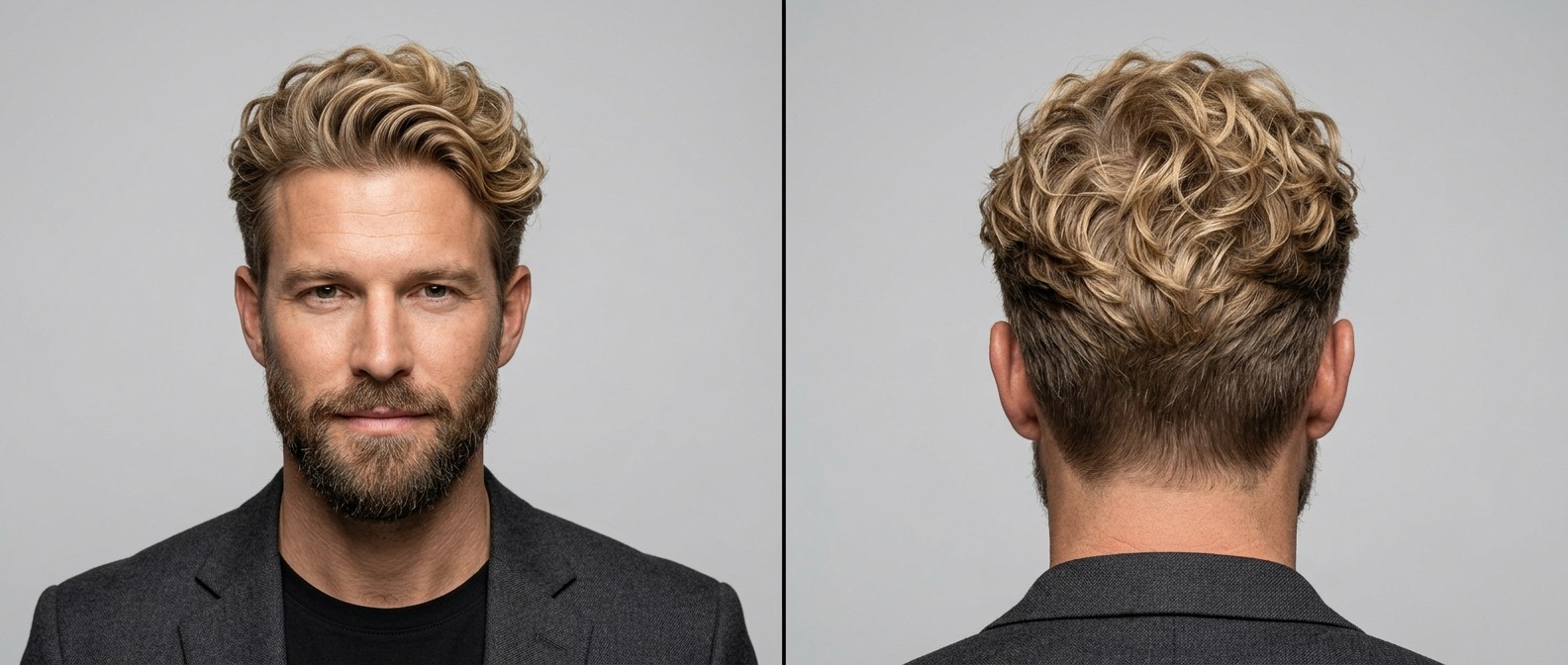
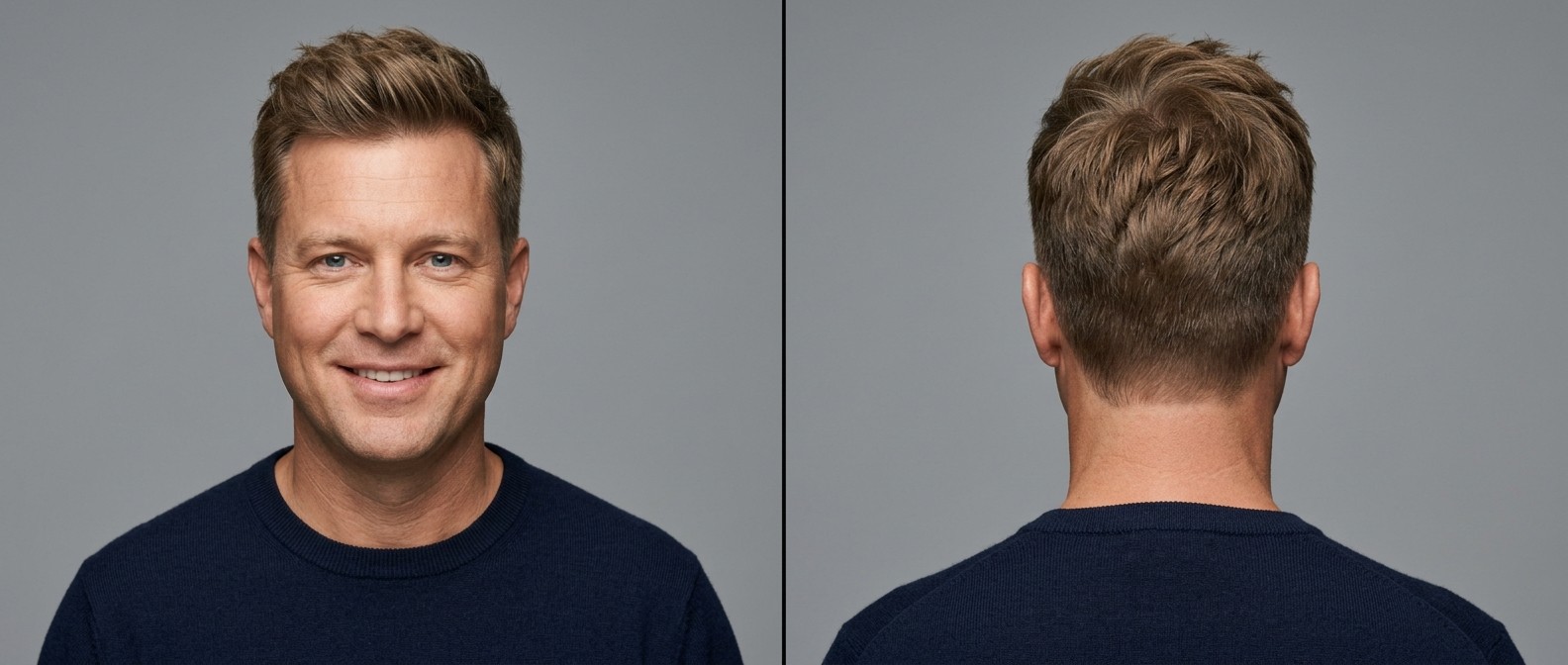
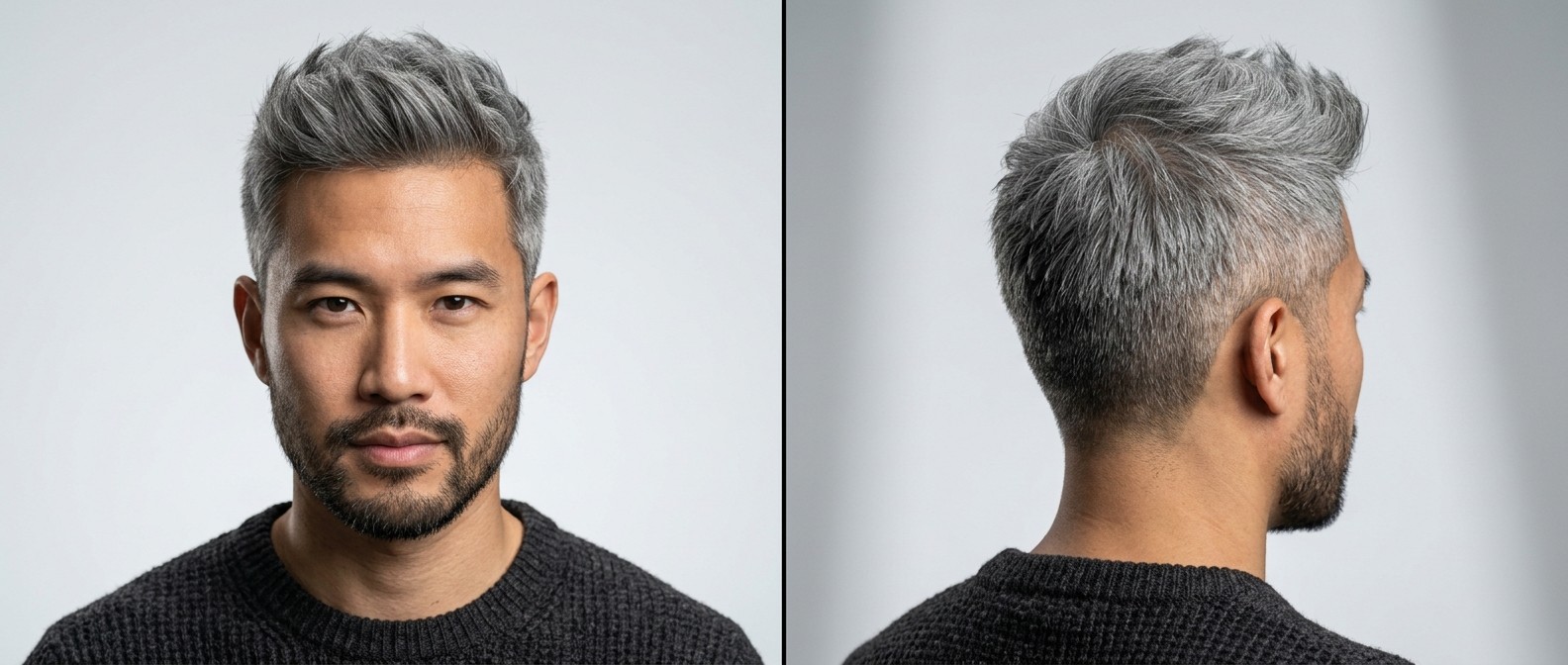
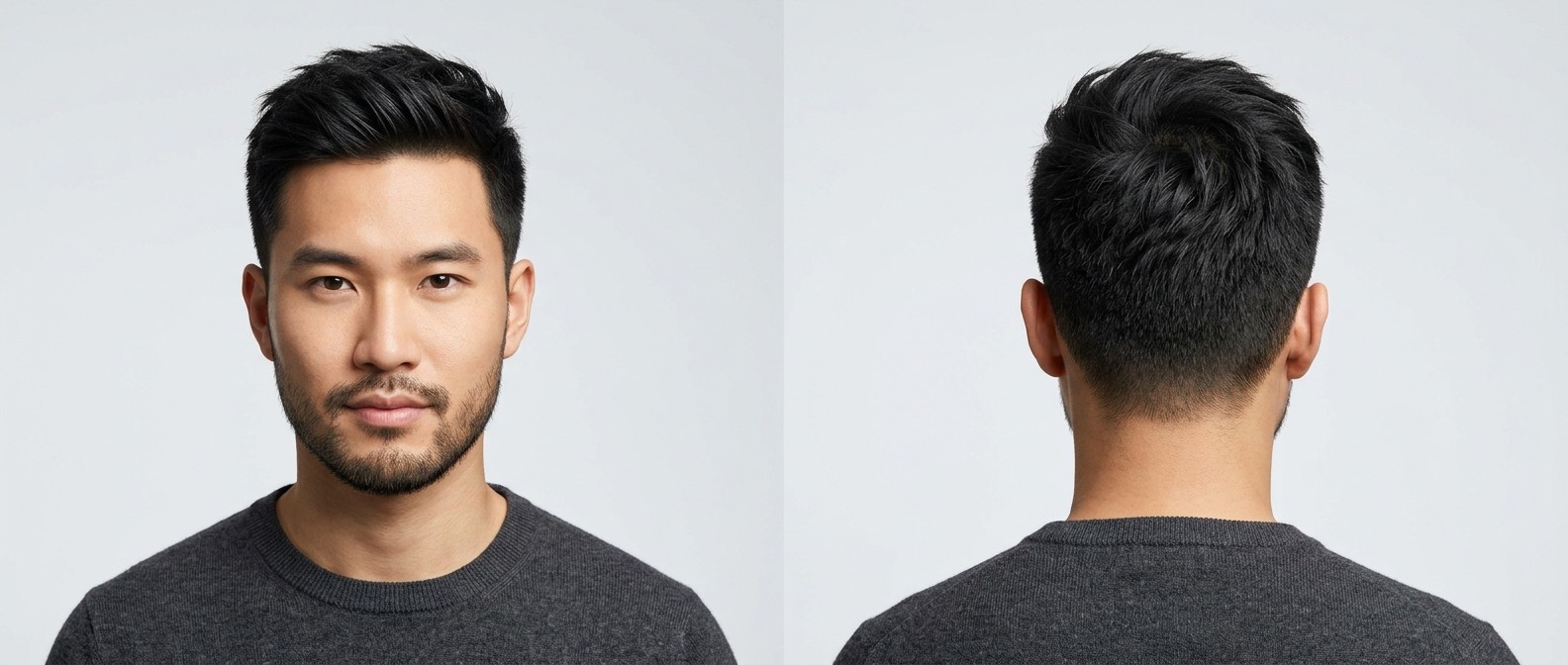
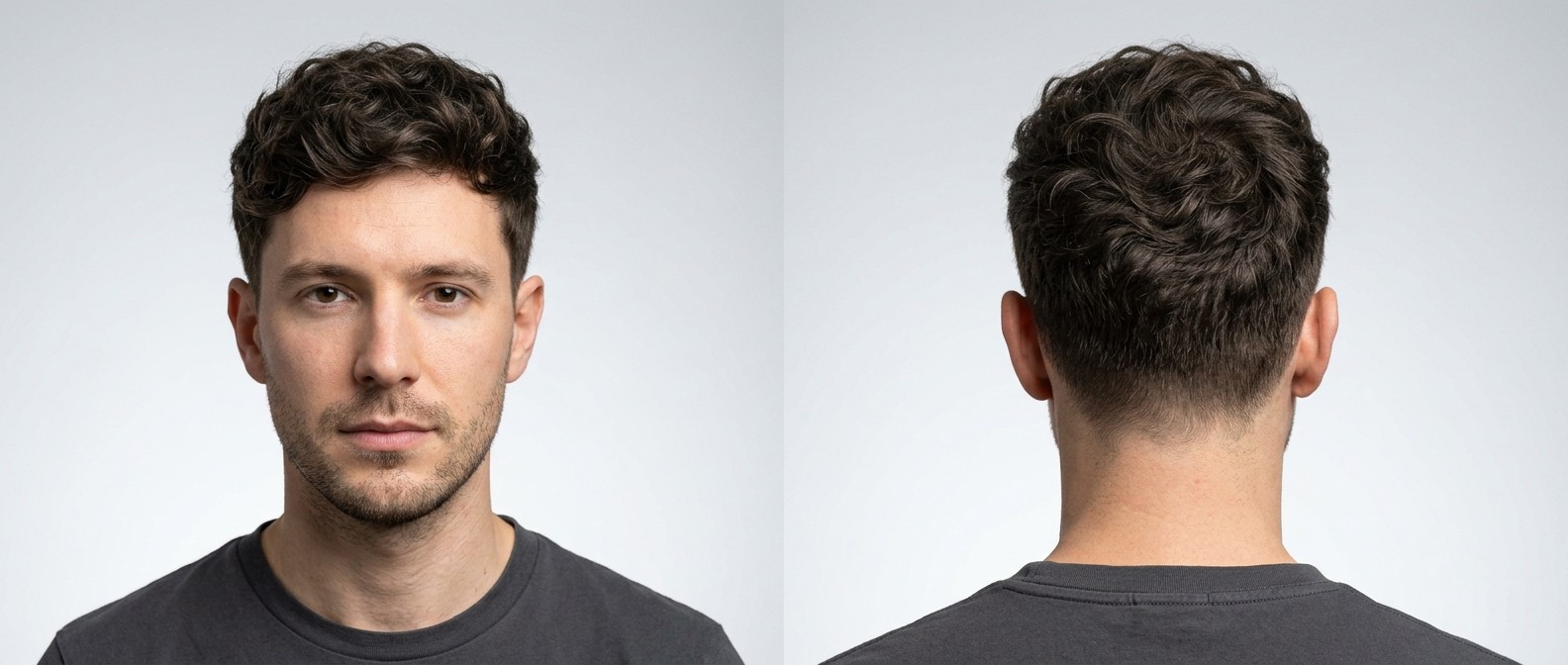
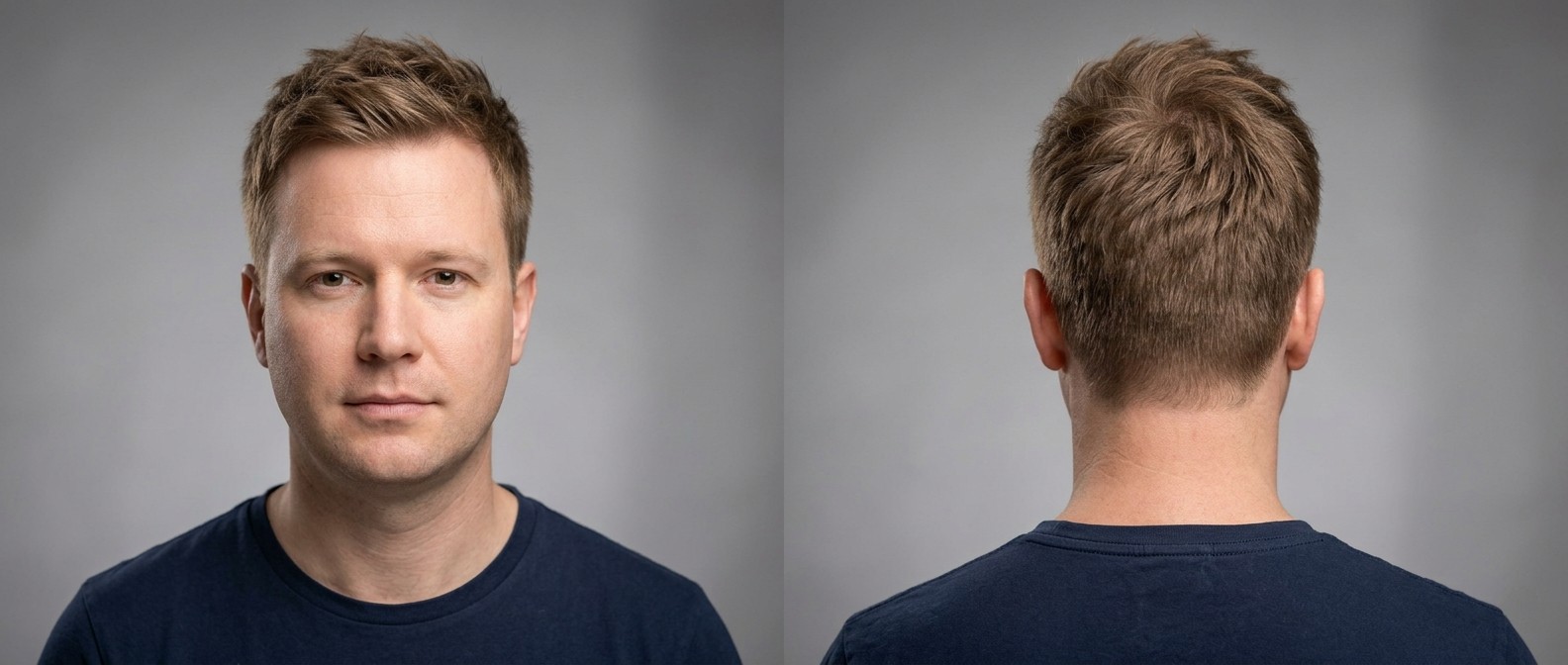
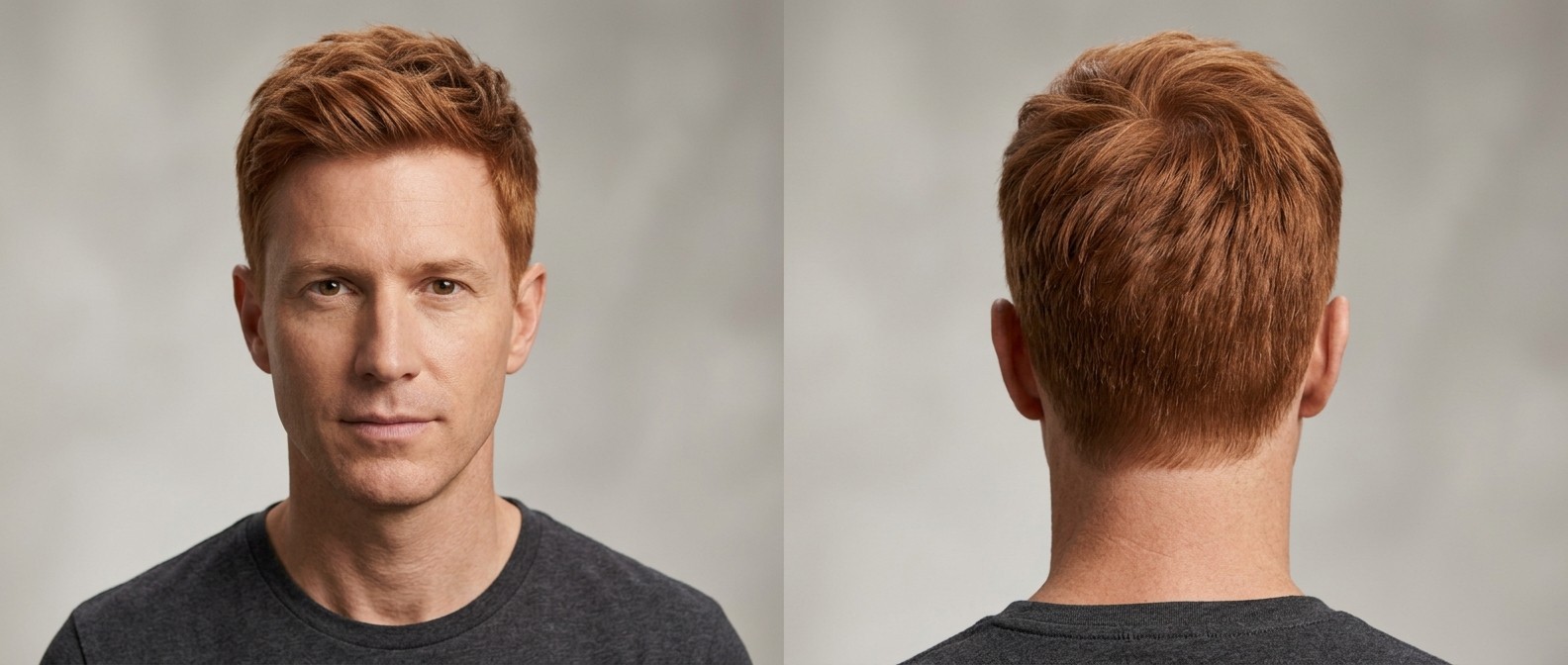
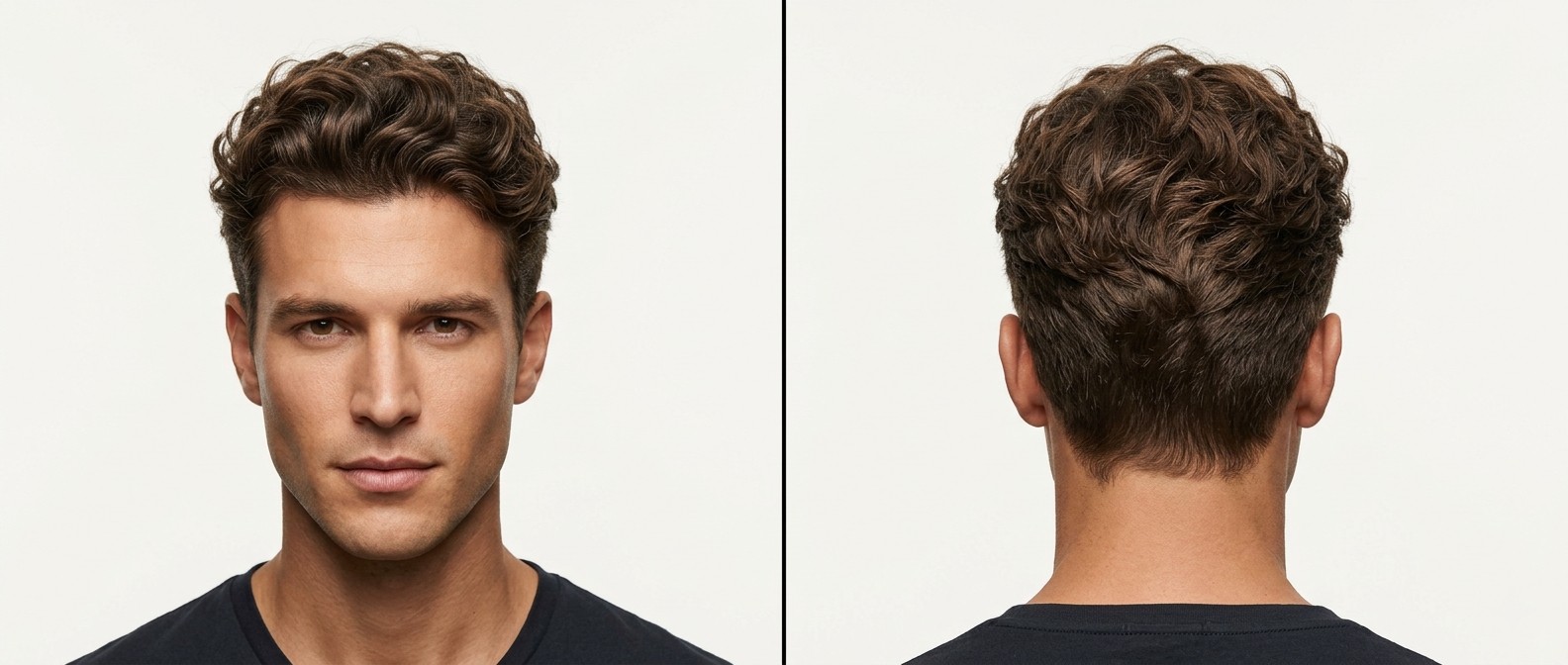
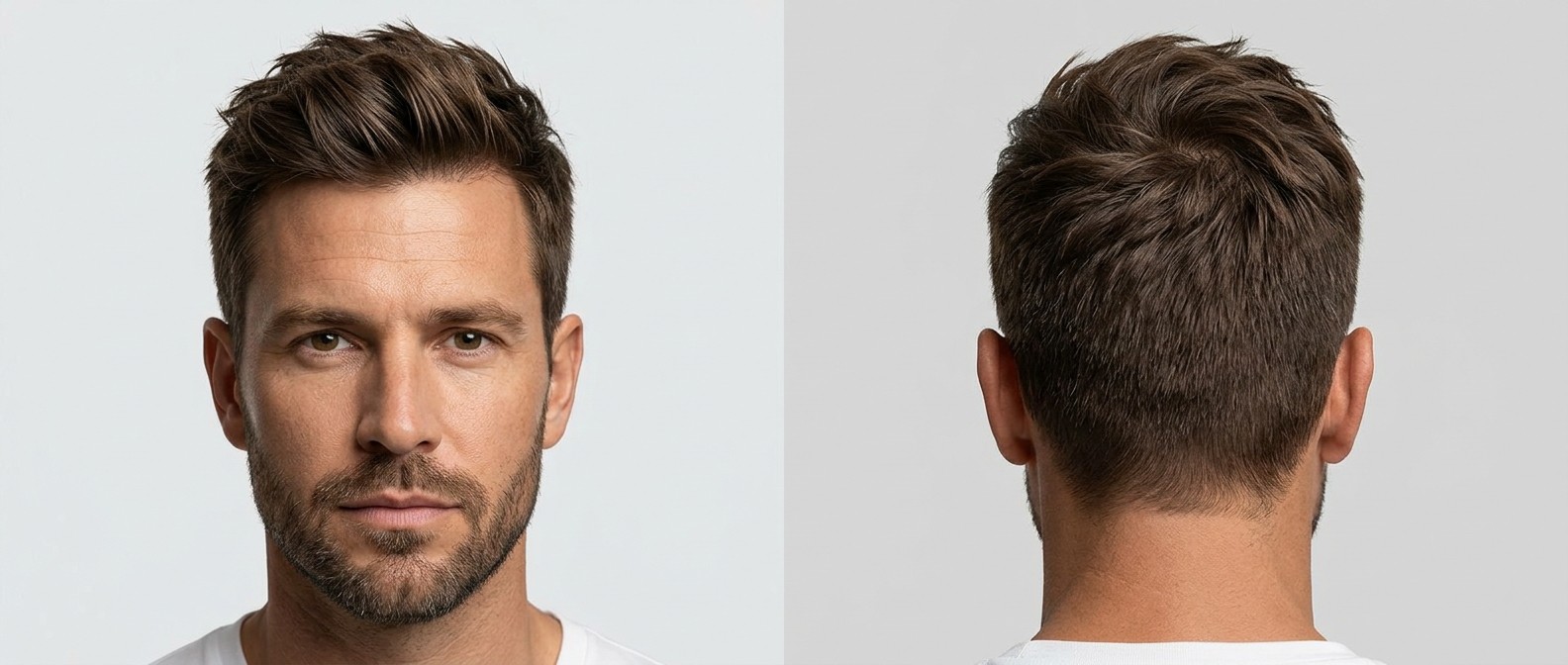
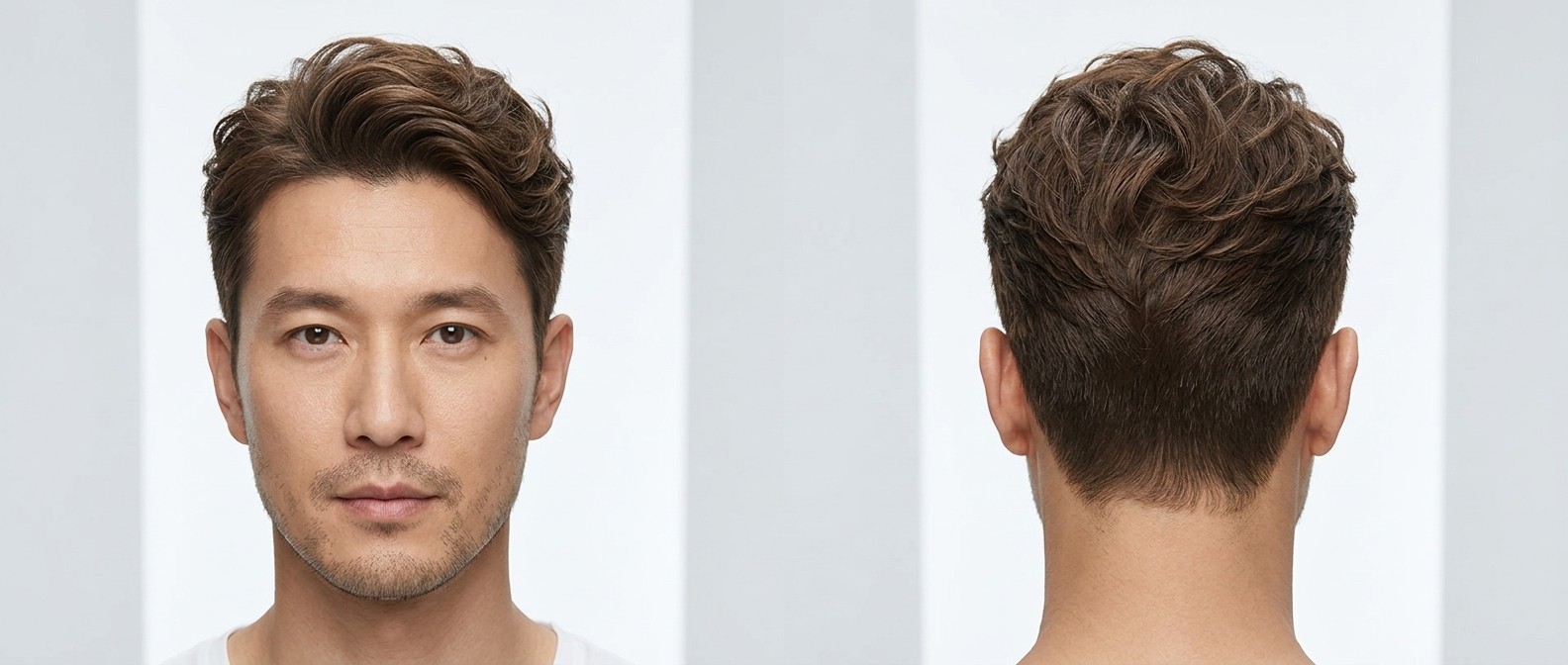
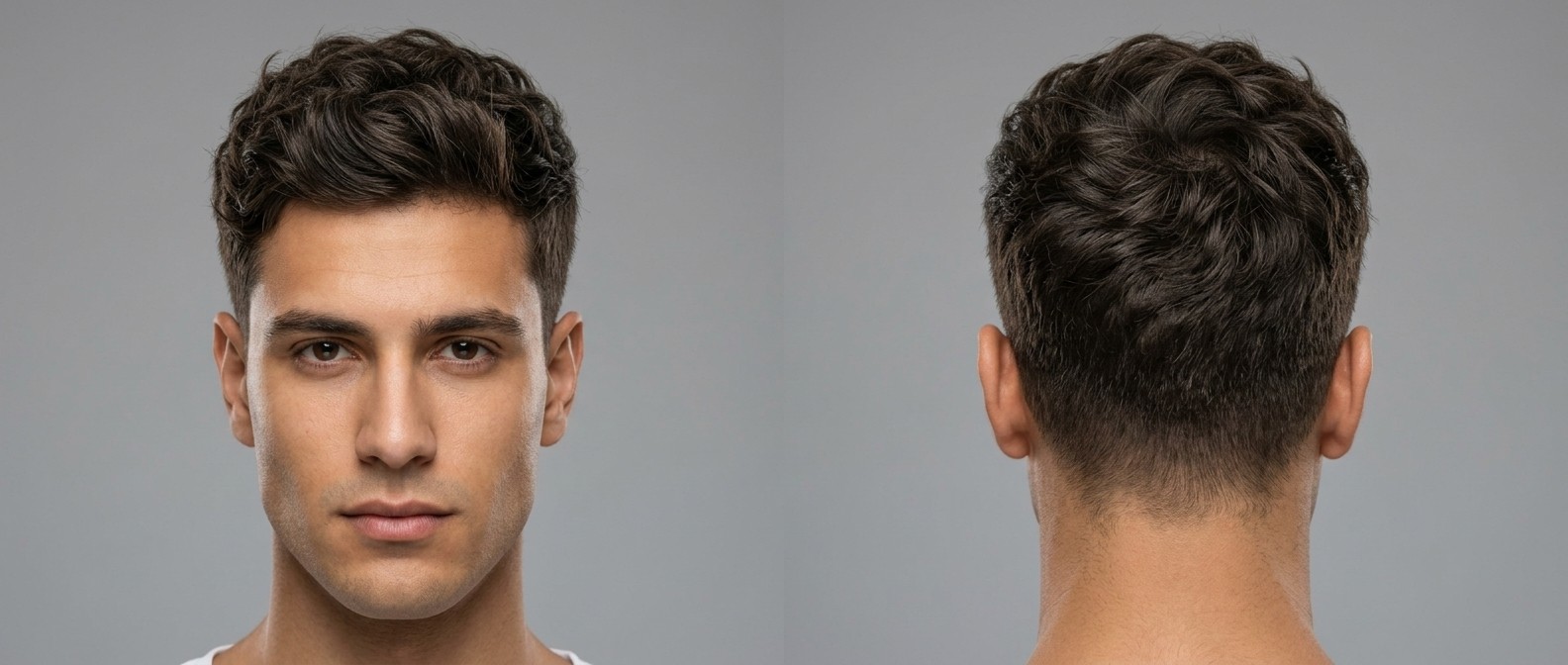
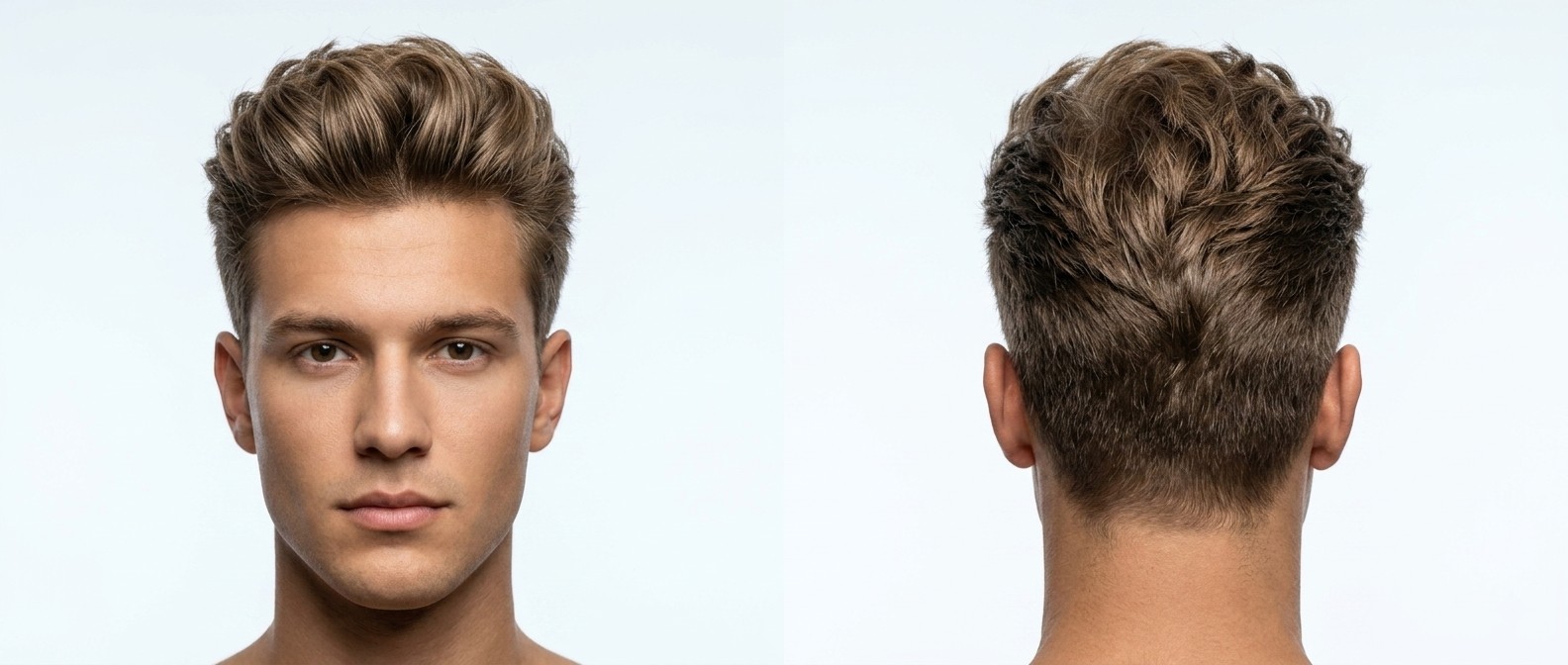
The textured top is a men's hairstyle that prioritizes natural movement and dimension over sleek, polished perfection. The concept is simple: the sides and back are kept short — usually with a fade or taper — while the top is left longer with deliberate texturizing to create a piece-y, layered look. The result is hair that appears effortlessly styled, with individual strands and sections creating visual interest.
What makes this cut stand out is the cutting technique. Your barber will use point-cutting, razor texturizing, or scissor-over-comb methods to remove weight selectively, creating layers that move independently. This is fundamentally different from a uniform-length crop — the textured top has variation, depth, and personality built right into the cut itself.
The style has become one of the most requested men's cuts worldwide because it sits perfectly at the intersection of trendy and practical. You get a modern, stylish look without needing 15 minutes and five products every morning.
Who Should Get a Textured Top?
Almost everyone. The textured top is genuinely one of the most universally flattering men's hairstyles available. It adapts to virtually every face shape because the messy, undefined edges soften angular features while the short sides create structure for rounder faces.
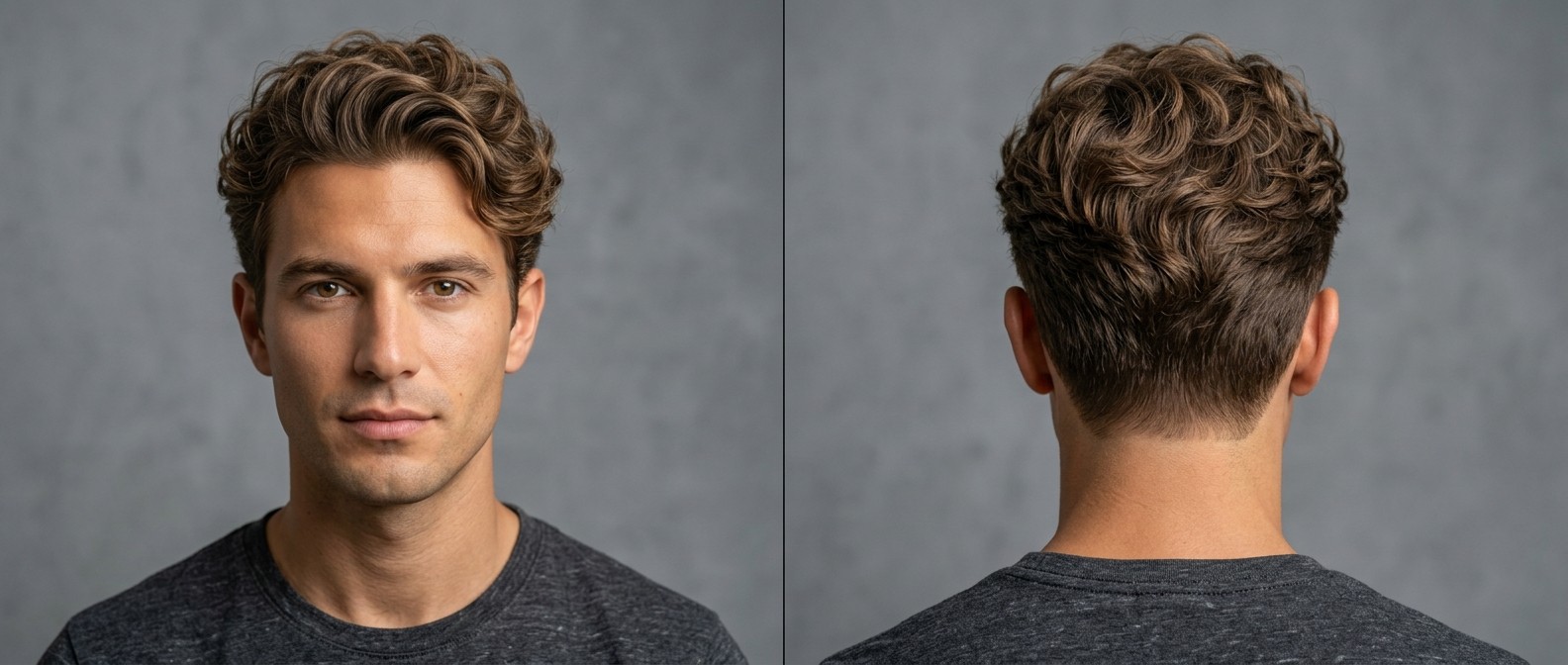
Hair type is similarly flexible. Straight hair benefits from texturizing techniques that add movement it wouldn't naturally have. Wavy hair is practically made for this style — the natural bends create effortless texture. Even curly hair works beautifully, though your barber will adjust the technique to work with your curl pattern rather than against it.
- Fine hair — texturizing adds visual thickness and volume
- Thick hair — removing weight creates manageable movement
- Wavy hair — natural texture does half the styling work for you
- Round faces — short sides with textured height on top create length
- Oval faces — the go-to face shape, works with any variation
How to Style a Textured Top
The beauty of the textured top is its minimal styling requirement. Start with towel-dried hair — it should be damp but not dripping. Take a small amount of matte clay, paste, or texturizing cream and rub it between your palms until it's warm and evenly distributed.
Work the product through the top section using your fingers, pushing hair in different directions to create separation and movement. Don't comb it — combing defeats the purpose by creating uniform lines. Instead, pinch small sections between your fingers and twist lightly to define individual pieces. The goal is controlled chaos.
If you want a bit more volume, you can blow-dry on low heat while scrunching the top with your fingers. But honestly, most days you can skip the dryer entirely. A good textured top cut is designed to look great with minimal intervention — that's the whole philosophy behind it.
What to Tell Your Barber
Ask for 2 to 3 inches on top with a fade or taper on the sides. For the sides, a #1 to #2 clipper guard at the bottom blending up is standard, though you can go higher or lower depending on how much contrast you want. The critical instruction is about the top: tell your barber to texturize heavily.
Specifically, ask for point-cutting or razor work to create layers and remove weight without reducing length. You want the hair to fall in different directions naturally, not lie flat in one uniform layer. Ask them to keep slightly more length at the front so you have room to push it forward or to the side.
- Sides: #1 to #2 fade or taper, blending into the top
- Top: 2 to 3 inches, texturized with point-cutting
- Front: slightly longer than the back of the top for styling options
- Bring a reference photo — "textured top" means different things to different barbers
Maintenance Tips
The textured top is low-maintenance by design, but it does need regular trims to stay looking sharp. Plan on visiting your barber every 4 to 5 weeks. The sides grow out quickly and lose their clean contrast, while the top starts to lose its textured shape as it gets longer and heavier.
Between cuts, your daily routine should take about 2 to 3 minutes. The right product makes all the difference — a matte-finish clay or paste with medium hold is your best friend. Avoid anything too shiny or too stiff, as it works against the natural, undone aesthetic you're going for. Wash your hair every other day rather than daily to preserve natural oils that actually help with texture.
Variations of the Textured Top
The short textured top keeps everything tight — just 1 to 2 inches on top with minimal styling needed. The medium textured top at 2 to 3 inches is the most popular version, offering the best balance of style and ease. The long textured top pushes to 4 inches or more, creating a more dramatic, fashion-forward look that requires slightly more product and attention.
You can also vary the sides: a skin fade creates maximum contrast and a sharp, clean appearance, while a scissor taper offers a softer, more gradual transition. Some men add a hard part or line-up for extra definition, while others keep everything soft and blended. The textured top is really a framework you can customize endlessly to match your personal style.