

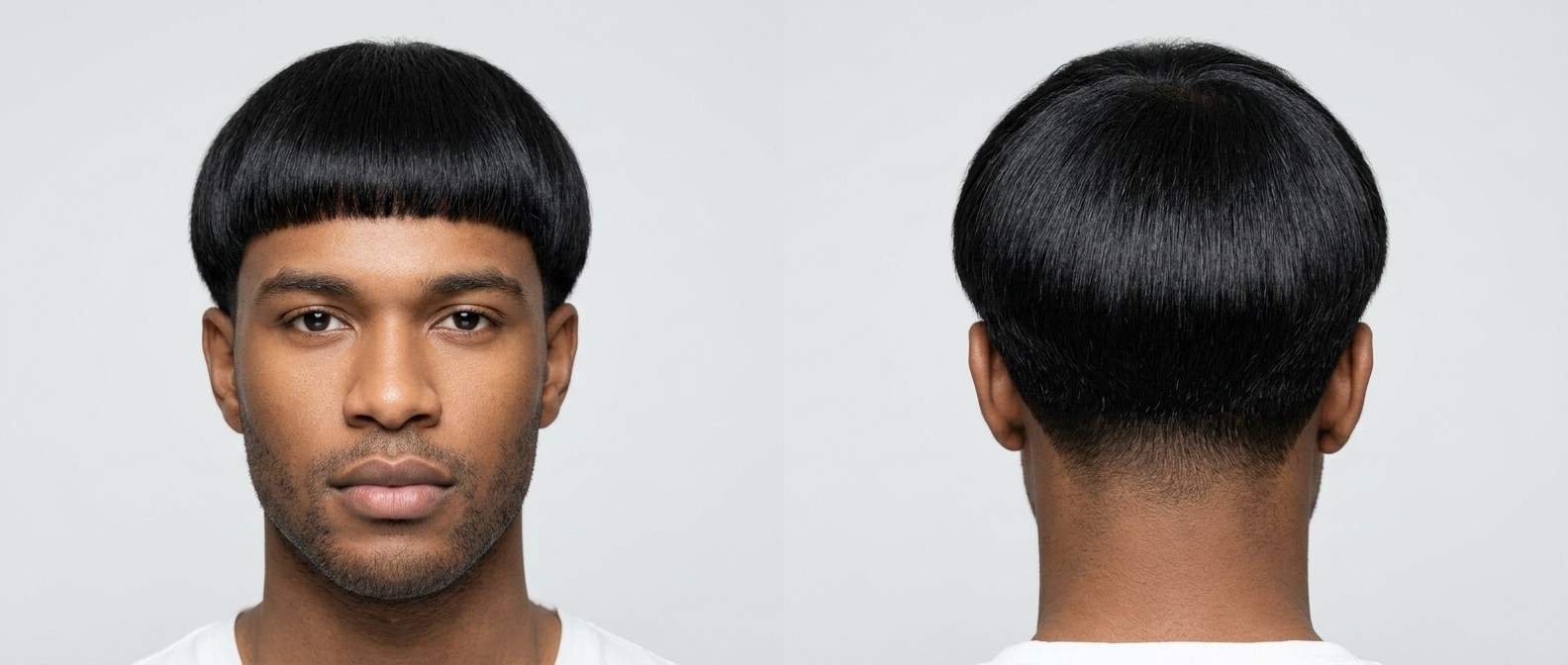
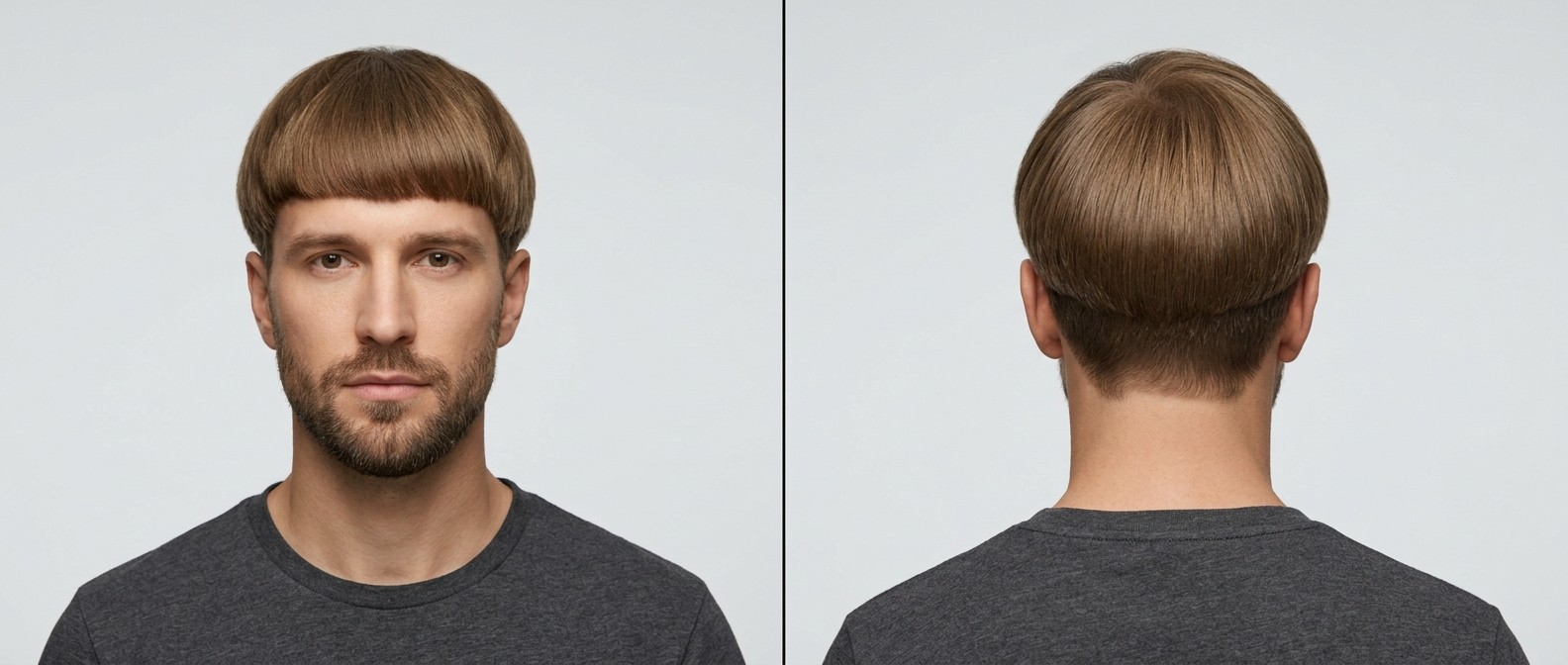
What Is a Bowl Cut?
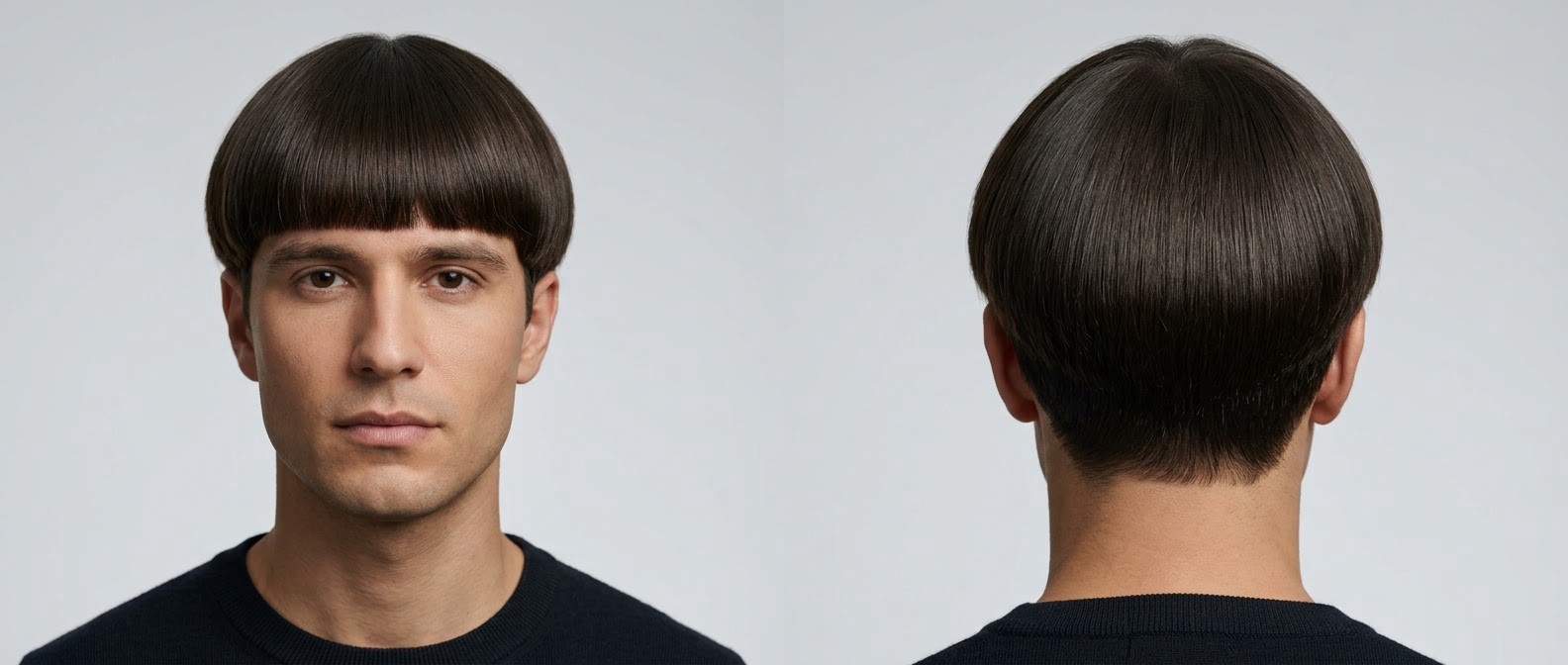
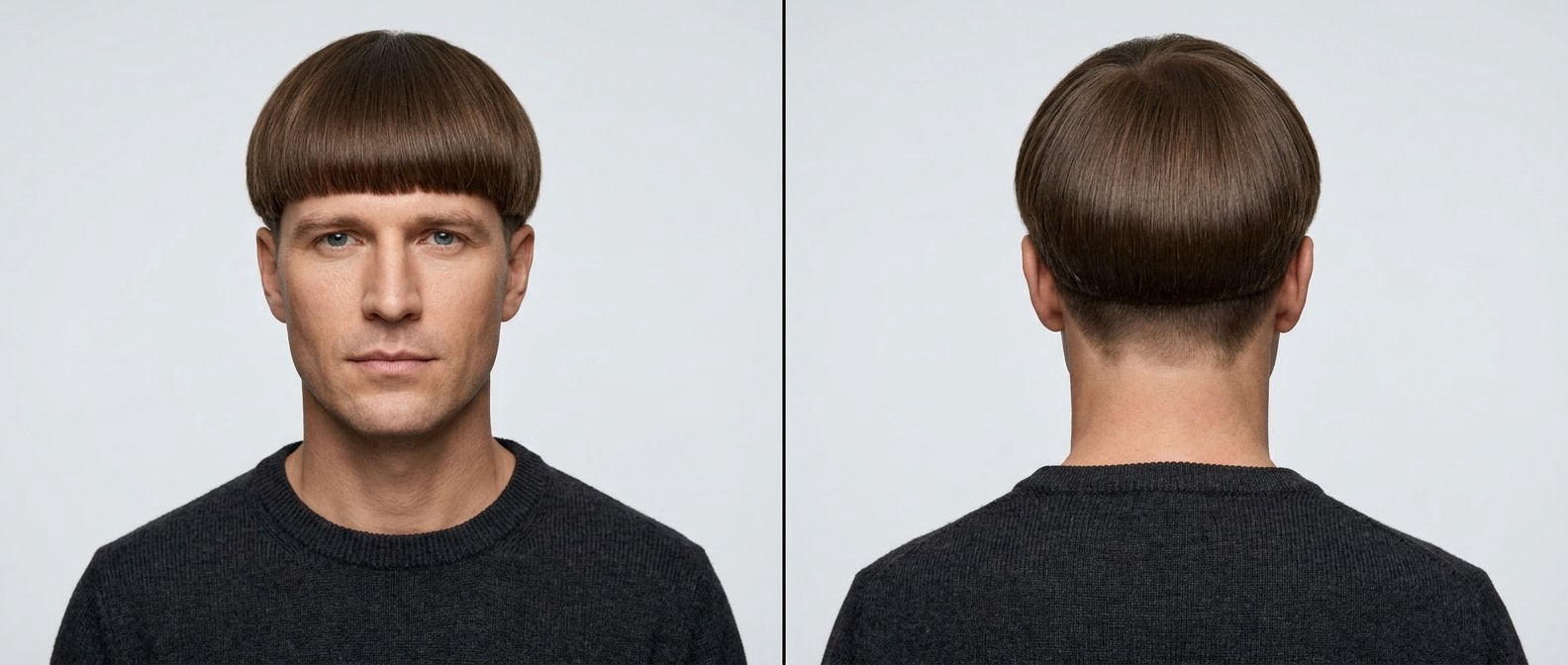
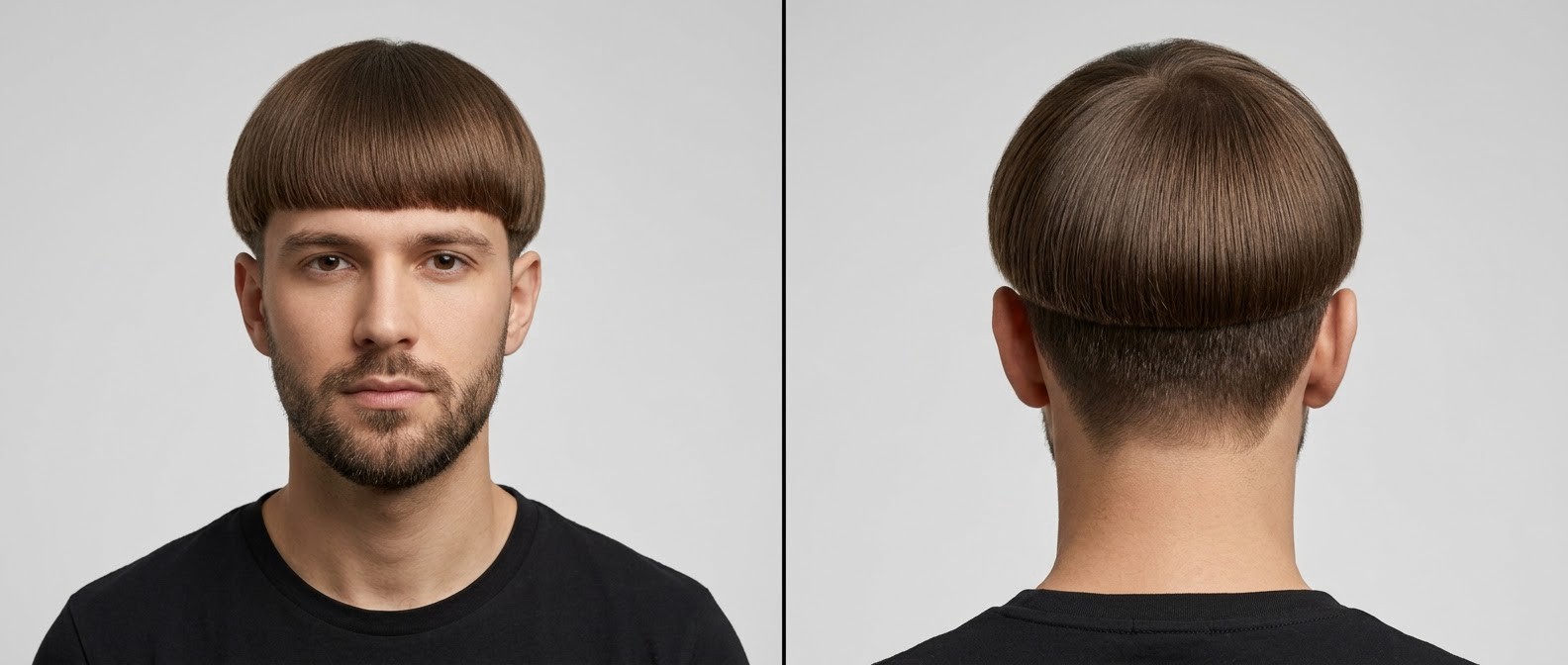
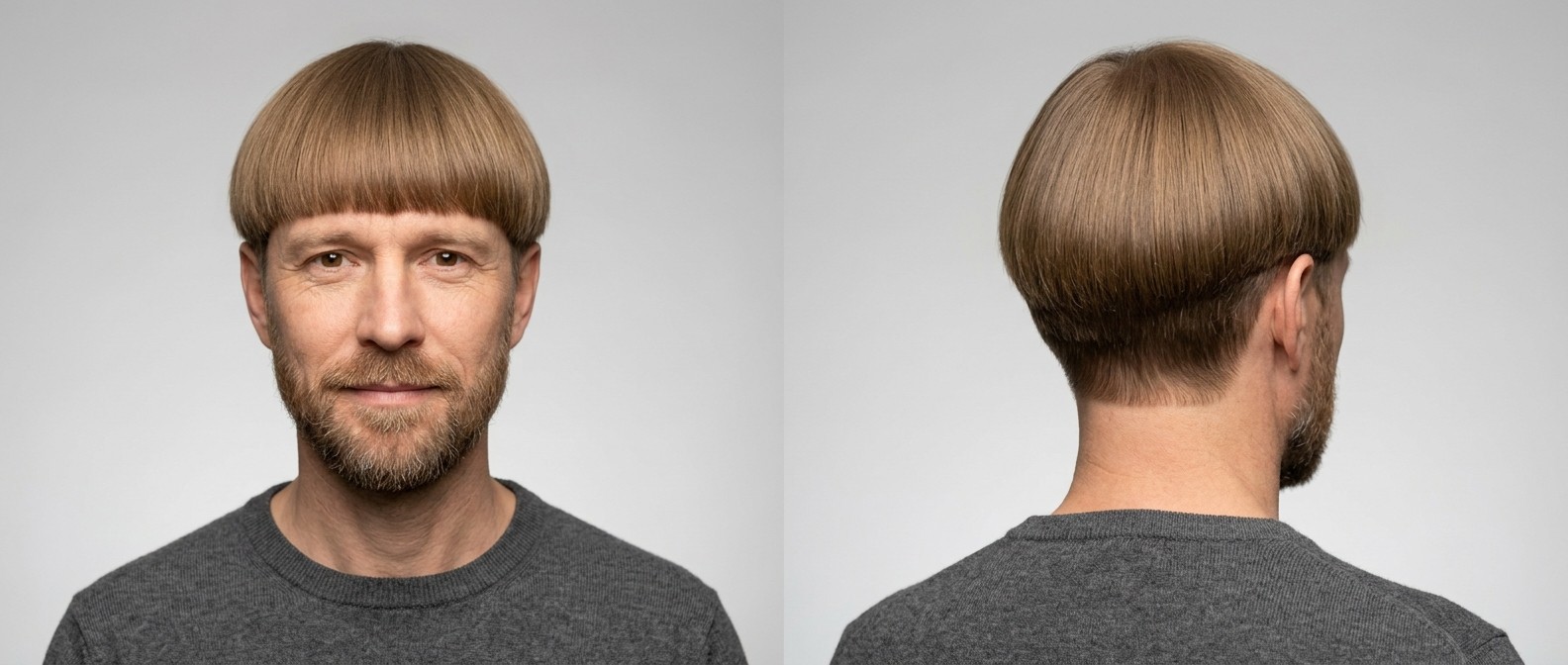
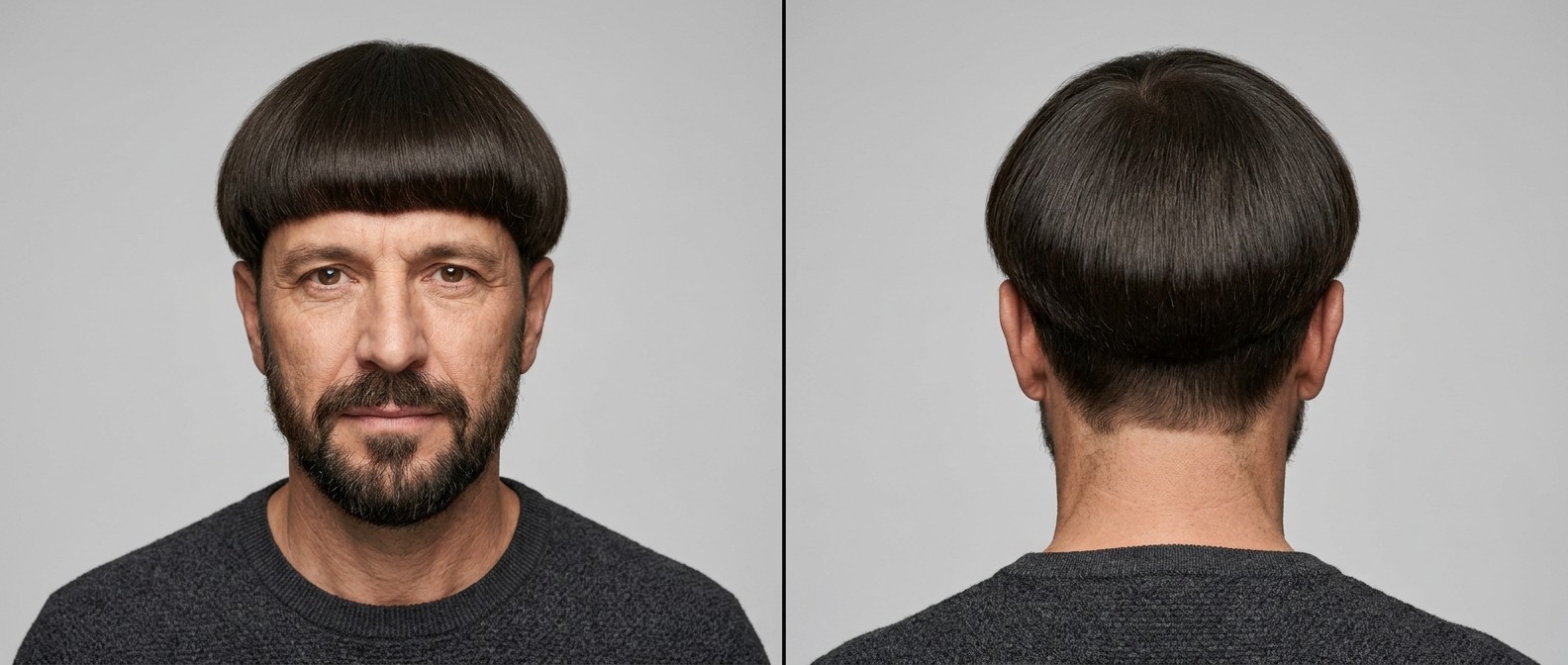
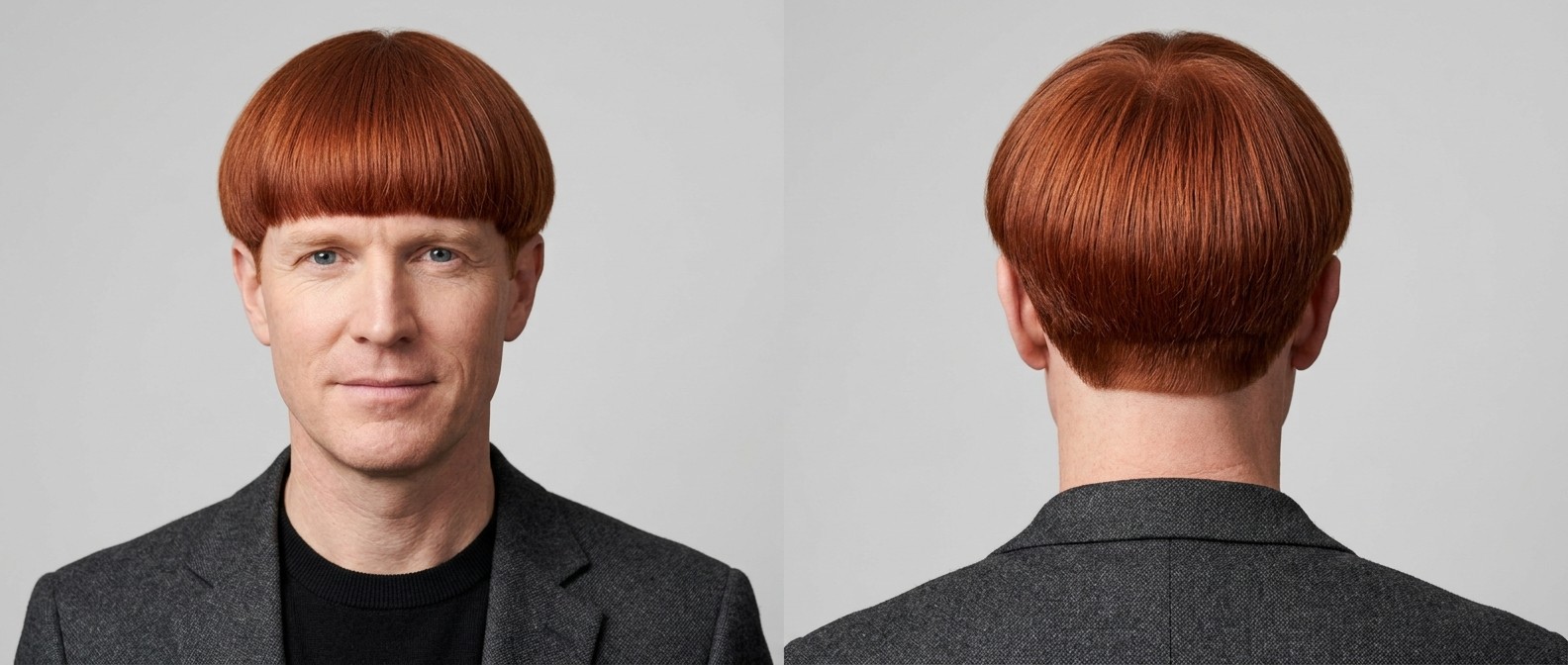
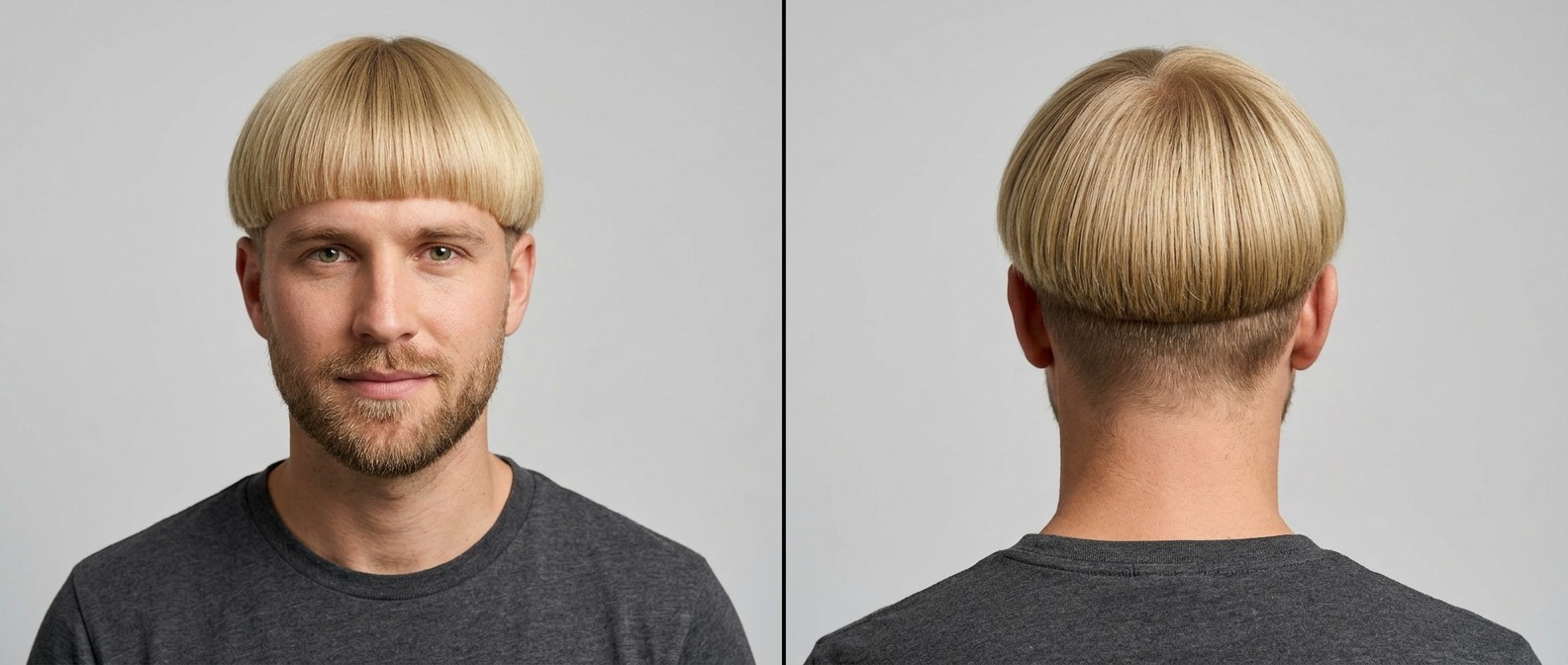
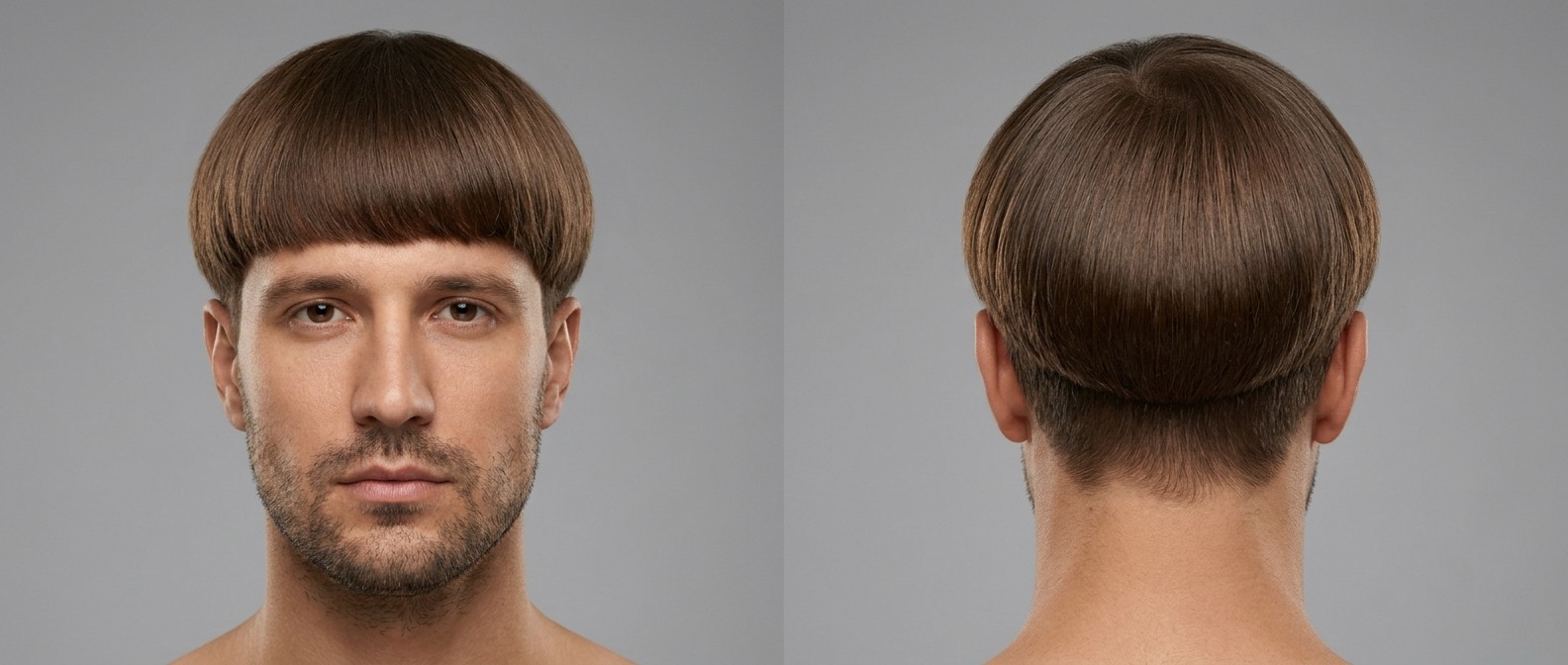
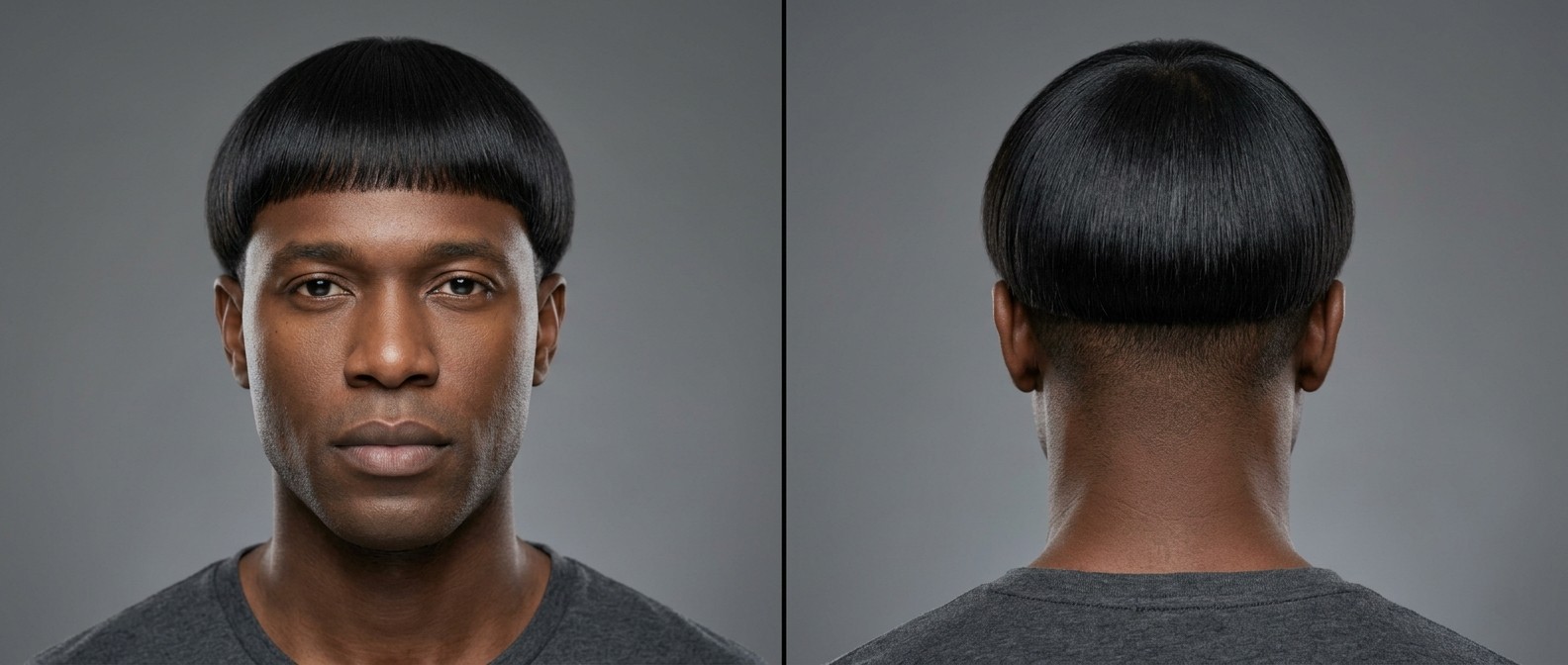
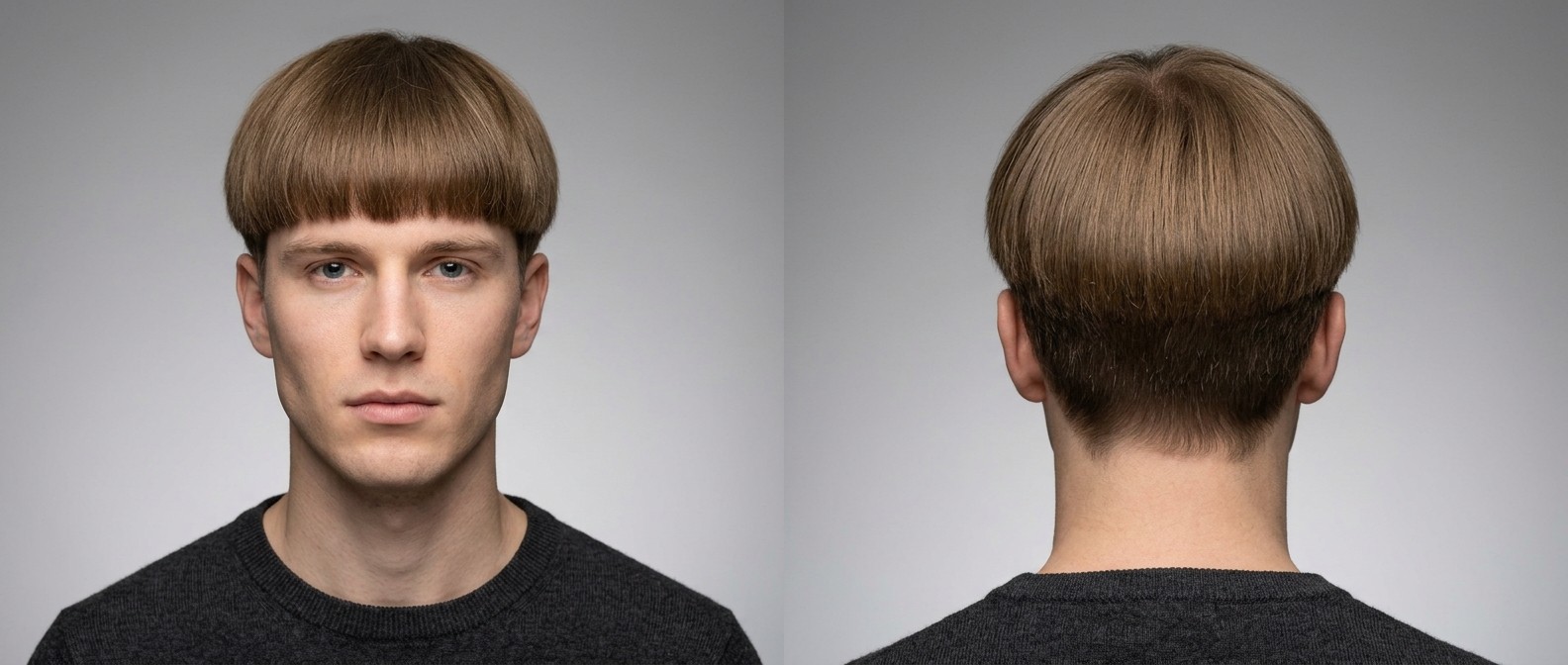
The bowl cut is a hairstyle where the hair is cut to a uniform length all around the head, following a horizontal line that circles from the front fringe around to the back. The name comes from the traditional method of placing a bowl on the head and cutting around it — though no modern barber actually uses this technique. The result is a rounded, even perimeter with hair that falls straight down from the crown in all directions.
Historically, the bowl cut was a practical, no-skill-required haircut common throughout medieval Europe and many other cultures. In the 20th century, it became associated with children's haircuts and was often considered unfashionable for adults. The Beatles briefly elevated it to cool status in the 1960s, but it spent decades afterward as the butt of hairstyle jokes.
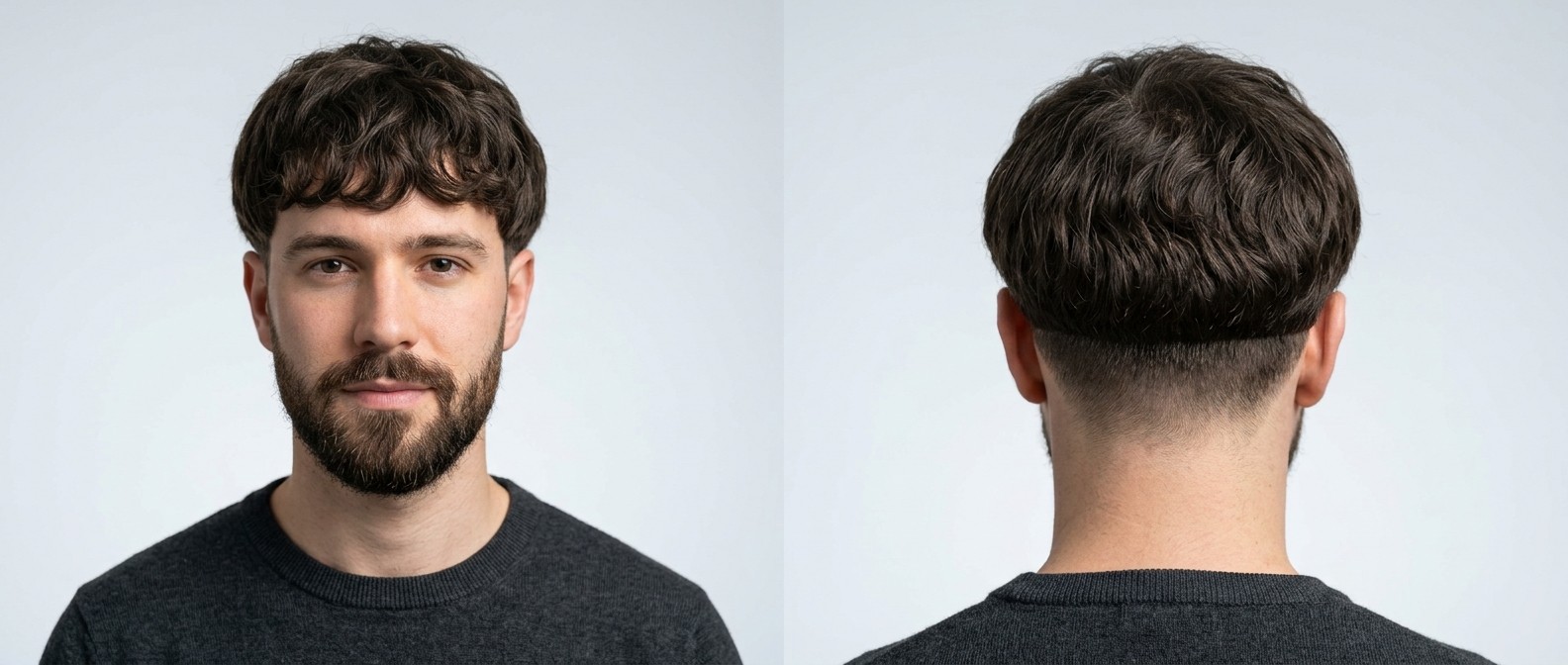
That changed in the 2010s when high-fashion designers and Korean pop culture reclaimed the bowl cut. Modern interpretations introduced undercuts, textured tops, asymmetric lines, and premium finishing techniques that transformed the humble bowl cut into a genuine style statement. Today's bowl cut is deliberate, fashion-conscious, and unmistakably intentional.
Who Should Get a Bowl Cut?
The bowl cut is not for everyone — and that's by design. It's a statement hairstyle that works best for men who are comfortable standing out and embracing a distinctive look. If you prefer blending in or want a universally safe hairstyle, the bowl cut isn't your best choice.
In terms of face shape, the bowl cut works best with oval and oblong faces. The horizontal fringe line shortens a long face, while the rounded perimeter complements an oval shape naturally. Square faces can work if the cut is slightly softened at the corners. Round faces are the trickiest — the bowl's circular shape can emphasize roundness, though a modified version with more length on top can counteract this.
- Straight, thick hair — produces the cleanest, most graphic bowl shape
- Oval faces — the natural complement to the bowl's rounded geometry
- Oblong faces — the full fringe effectively shortens perceived face length
- Men with confidence — you need to own this style to pull it off
- Fashion-forward individuals — the bowl cut signals intentional style choices
How to Style a Bowl Cut
Styling a bowl cut is straightforward because the cut's geometry does most of the work. After washing, towel-dry your hair and comb it down from the crown in all directions, following its natural fall pattern. The hair should lie flat and smooth, following the perimeter line your barber created.
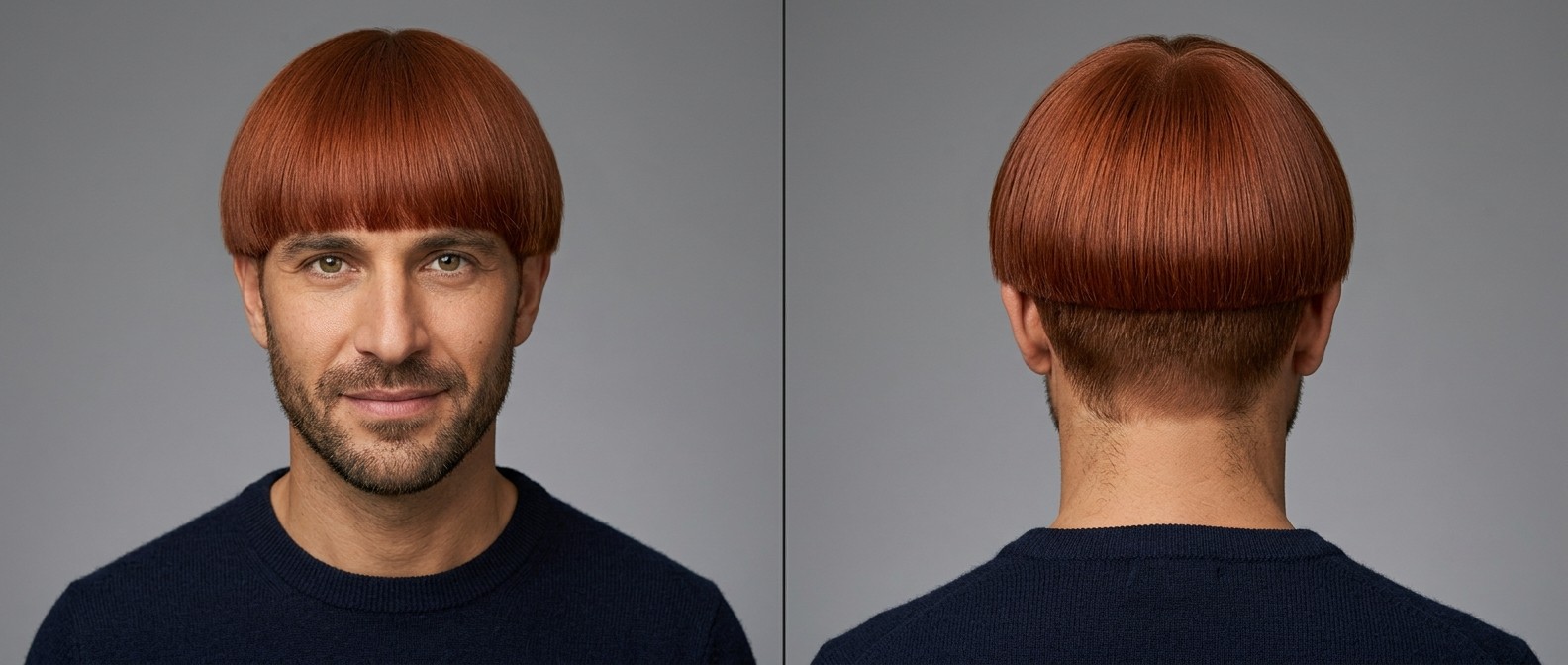
For a sleek, polished bowl cut, apply a smoothing cream or light serum to damp hair and blow-dry it straight down using a paddle brush. Keep the dryer pointed downward along the hair shaft to minimize frizz and maximize smoothness. The goal is a uniform, graphic shape with clean edges.
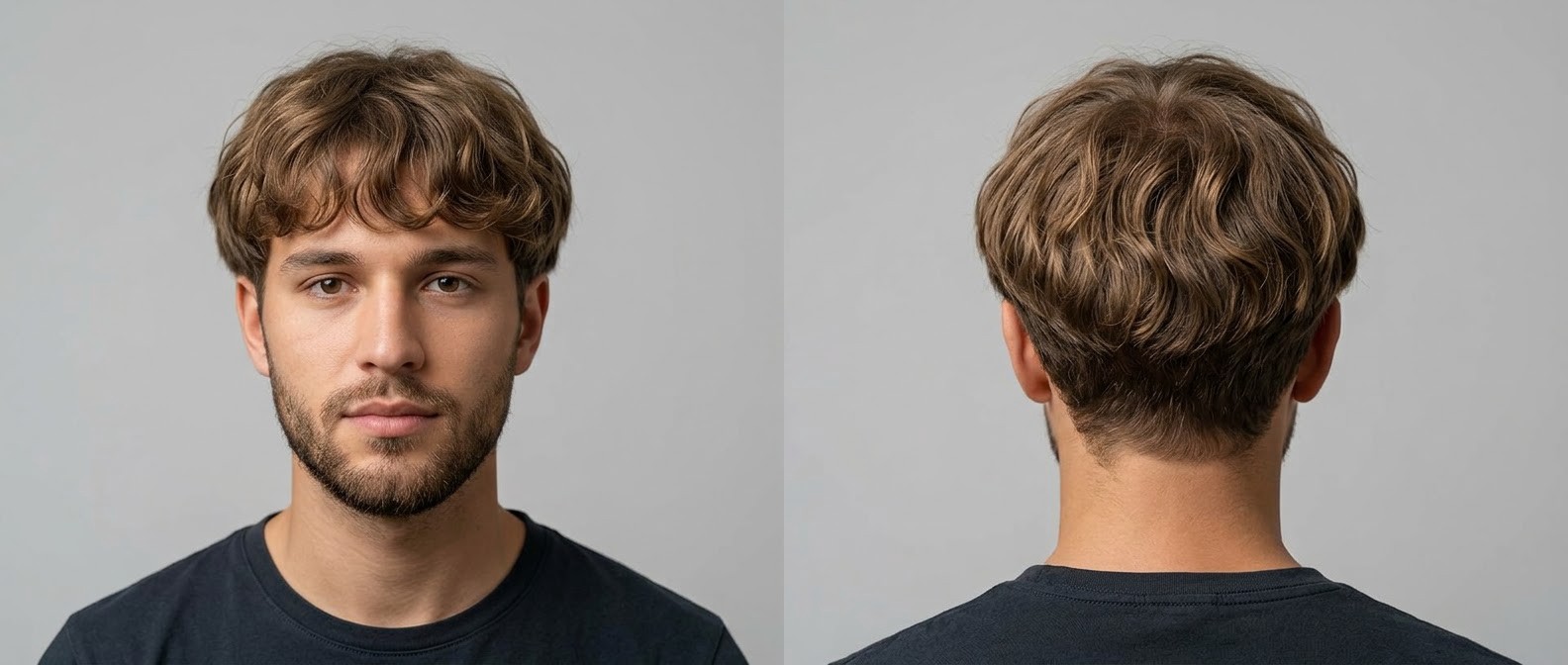
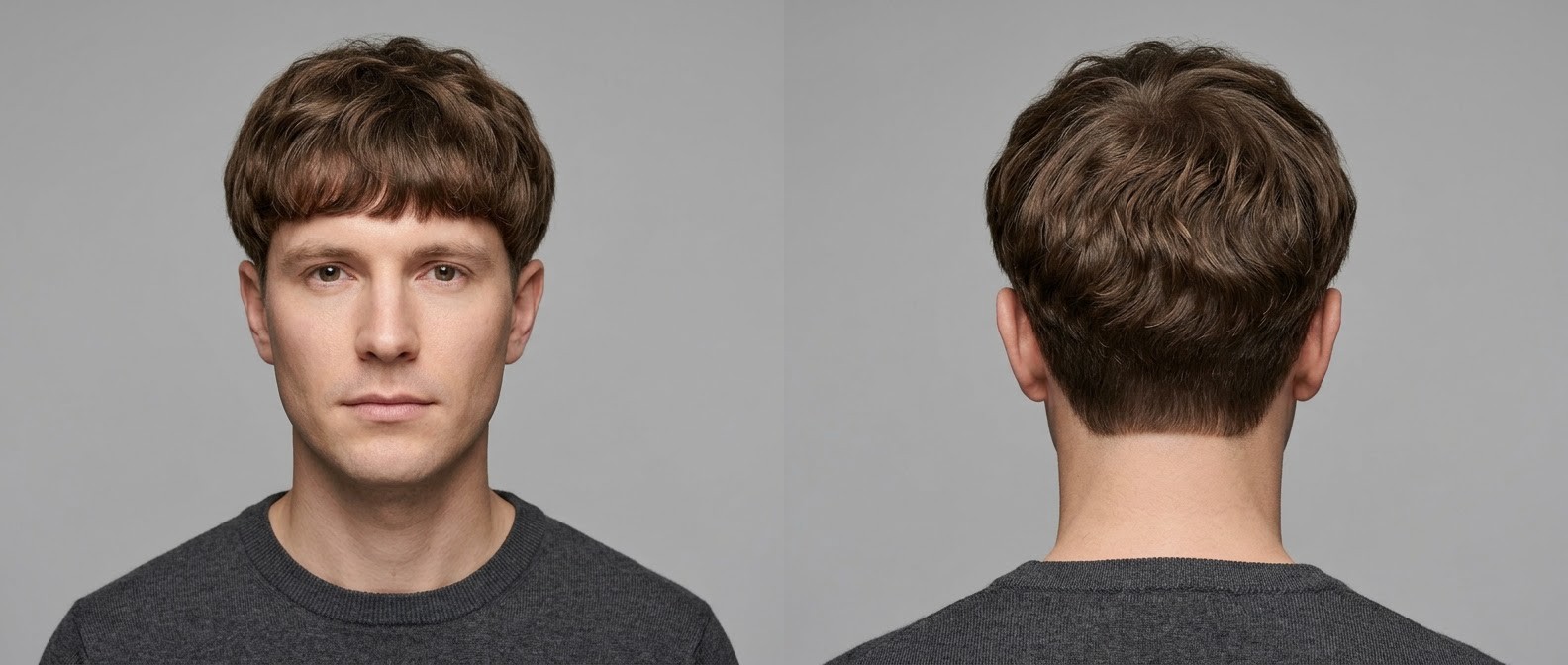
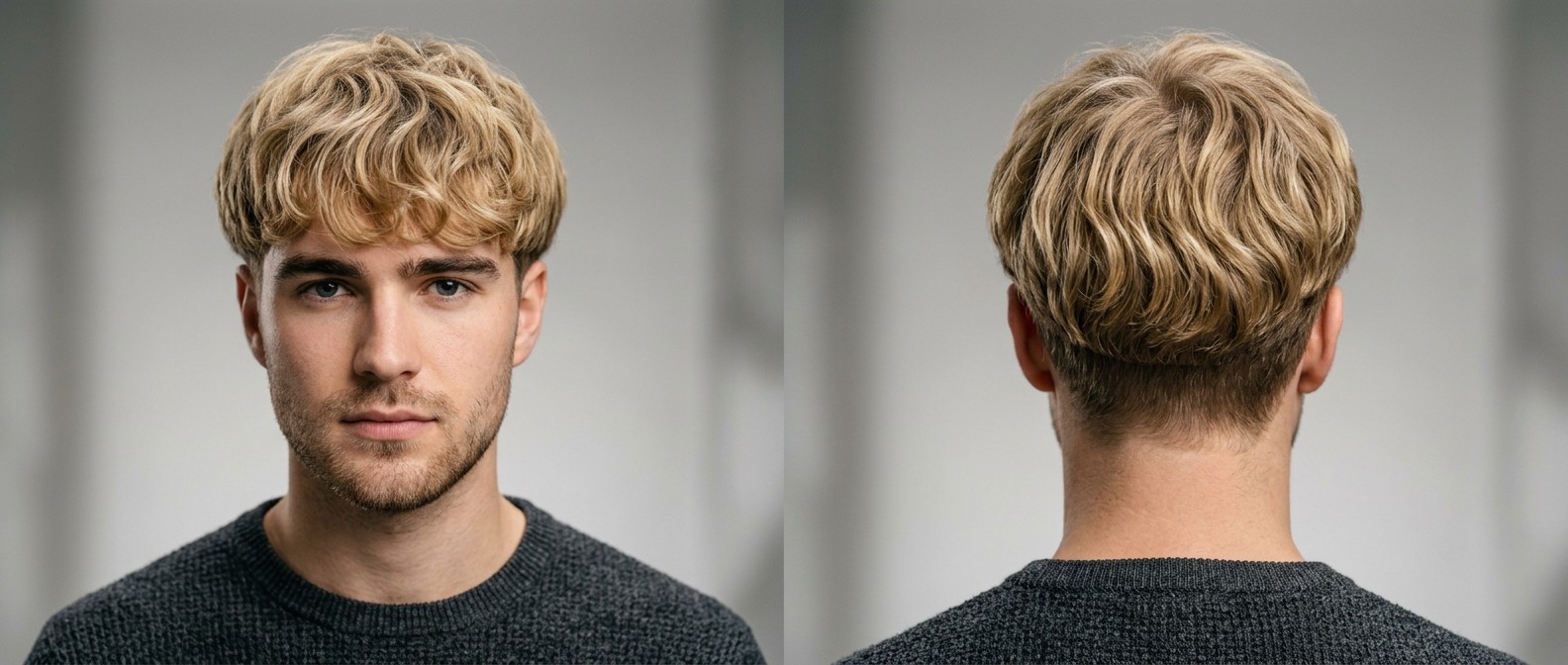
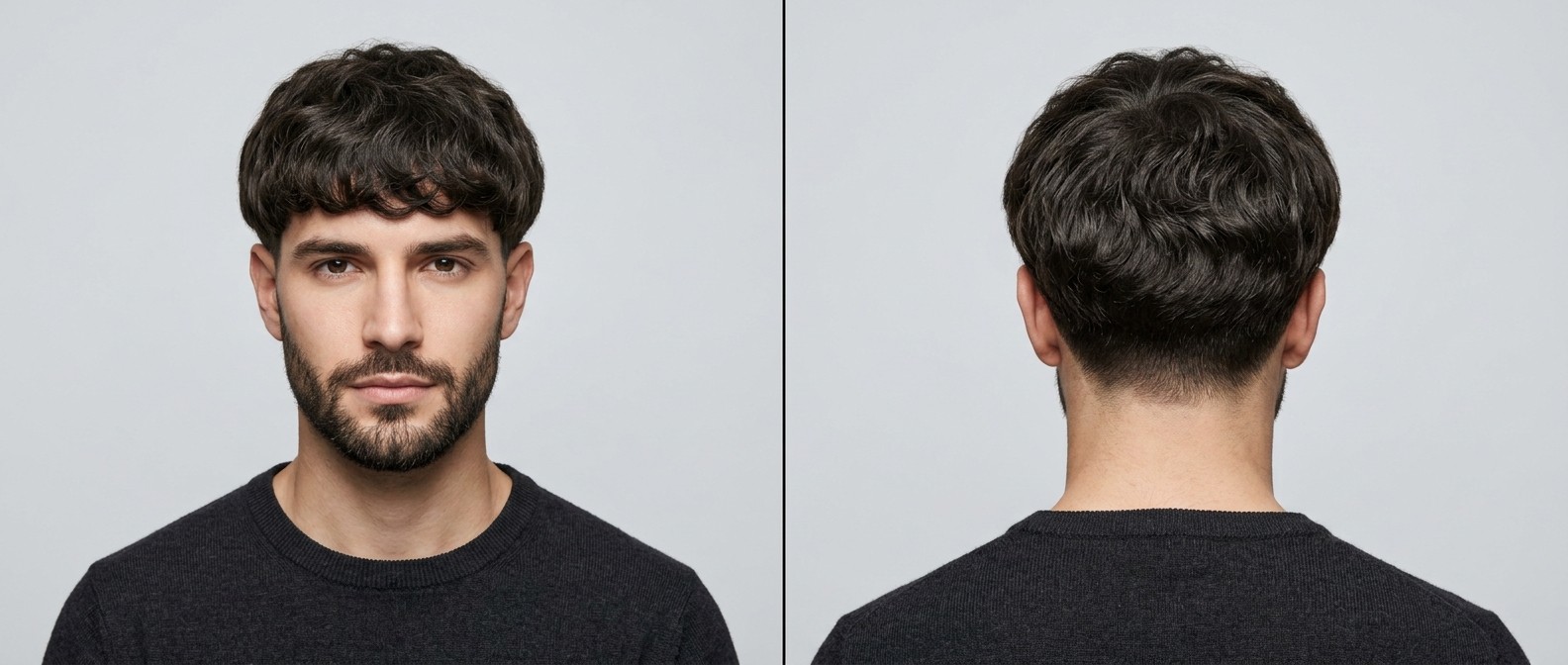
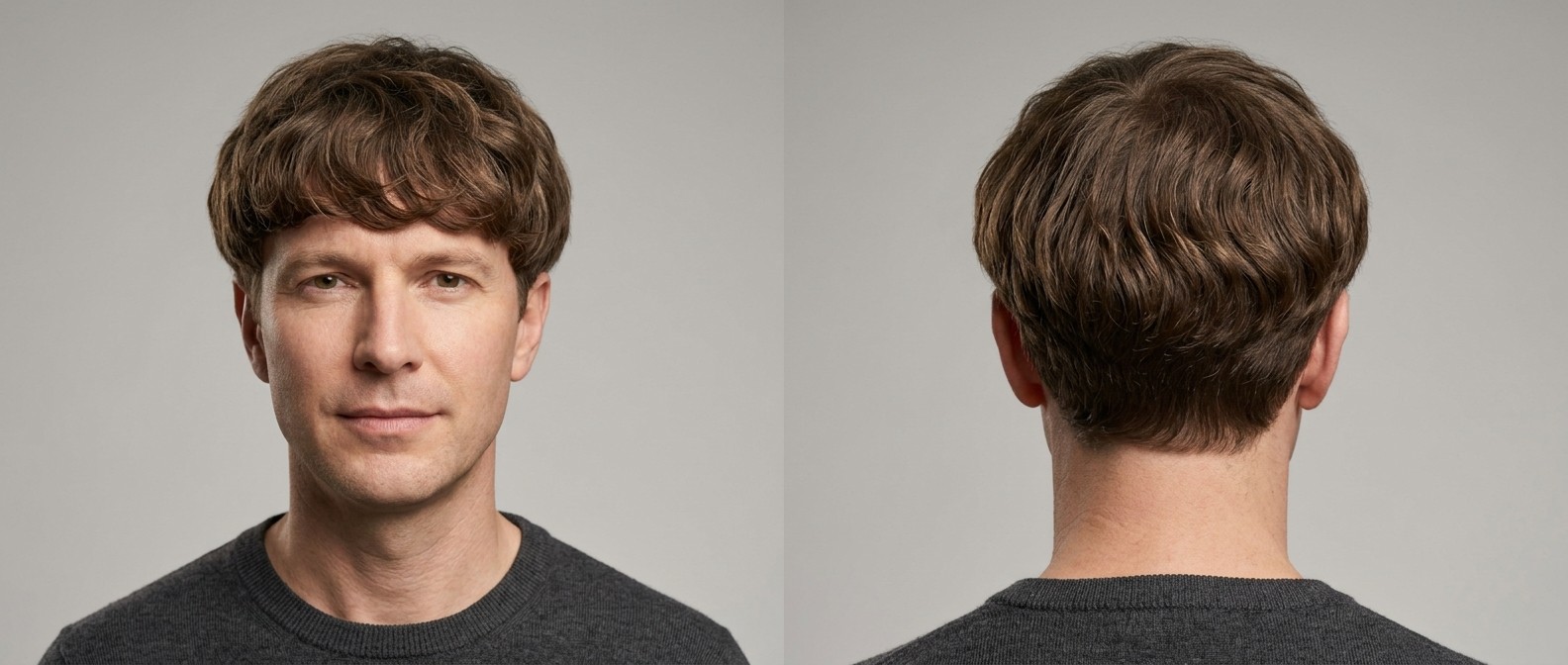
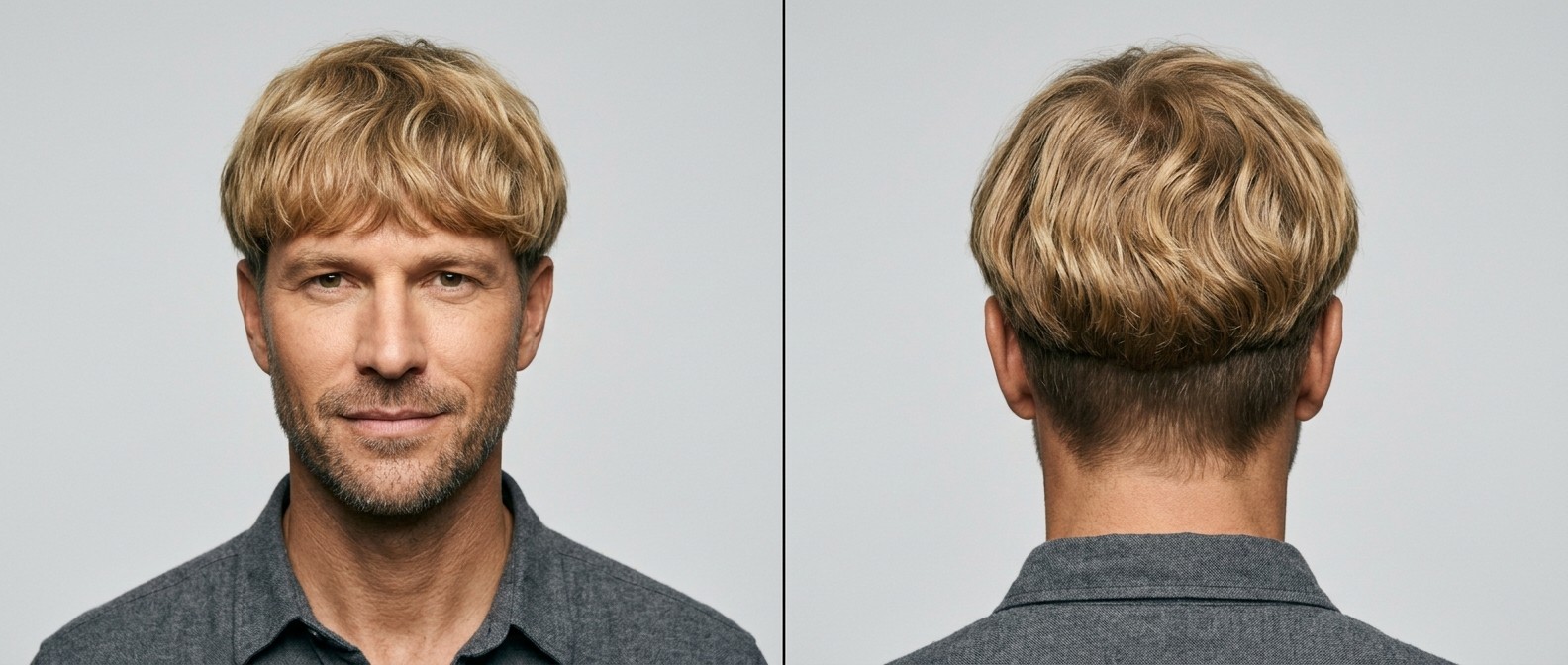
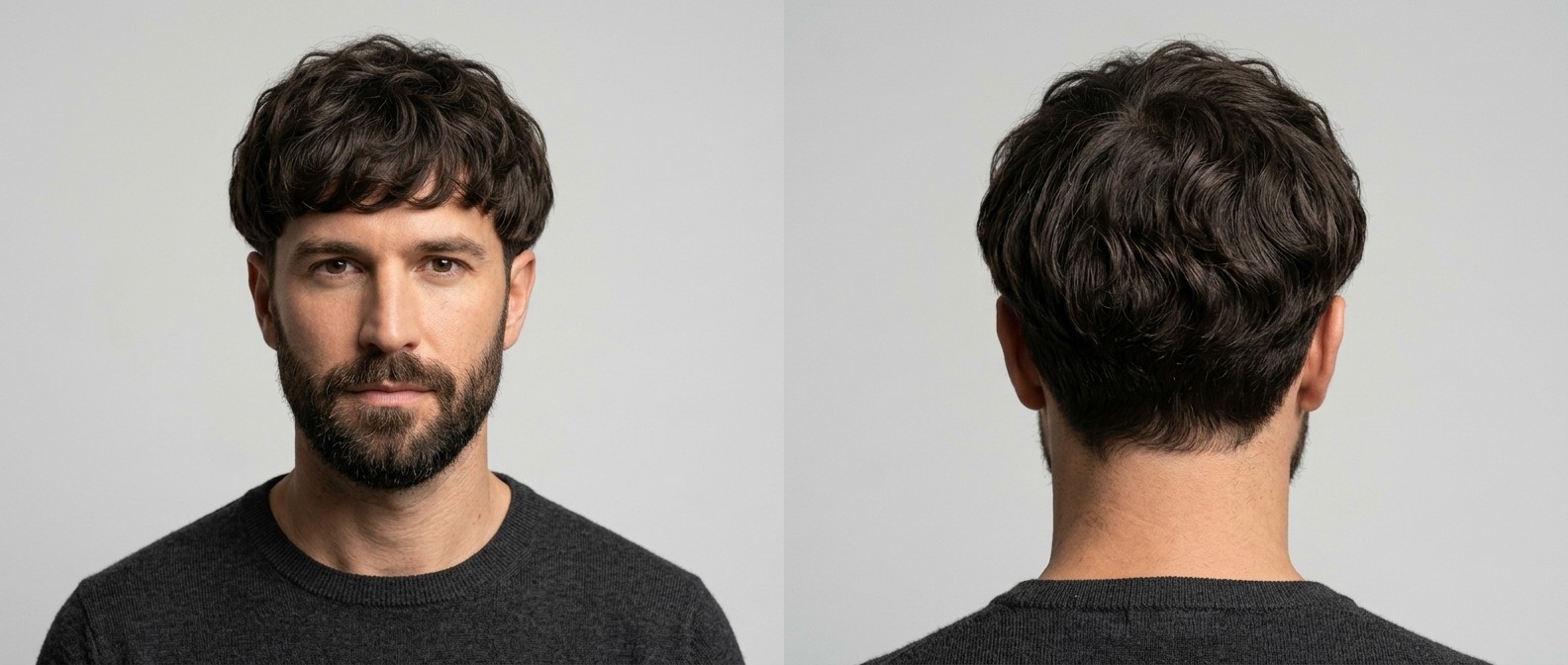
For a more modern, textured bowl cut, use a matte paste or clay and work it through the top section to create subtle movement and separation. This breaks up the uniformity slightly and gives the cut a more contemporary feel. You can also add volume to the crown area while keeping the perimeter smooth, creating an interesting contrast between the structured edges and the textured top.
What to Tell Your Barber
Start by specifying which type of bowl cut you want — traditional, modern, or a specific variation. Bring multiple reference photos, as "bowl cut" means very different things to different people and barbers.
For a traditional bowl cut, ask for uniform length all around — typically 3 to 5 inches — with a clean, horizontal perimeter line. The hair below the perimeter line is cut very short or faded. For a modern bowl cut, discuss adding an undercut beneath the perimeter (typically a #1 to #2 guard), texturizing the top, or creating a slightly asymmetric perimeter line.
- Perimeter length: 3 to 5 inches for most versions
- Below the perimeter: specify fade level (#0 to #2) or scissor taper
- Fringe: straight across or slightly arched — discuss your preference
- Texture: smooth and graphic or textured and modern
- Ask about disconnection — should the perimeter line be sharp or blended?
Maintenance and Upkeep
The bowl cut requires consistent maintenance because its defining feature — the clean perimeter line — loses sharpness as hair grows. Plan on visiting your barber every 3 to 4 weeks. If you have an undercut beneath the perimeter, the shaved area may need touch-ups every 2 to 3 weeks.
Daily styling takes about 5 minutes. The biggest challenge is keeping the hair lying flat and following the perimeter cleanly. Humidity, sleep, and activity can disrupt the shape, so keep a comb and a small amount of product on hand for touch-ups throughout the day. If your hair is prone to frizz, an anti-humidity spray or light serum will help maintain the smooth, graphic look.
Invest in a good smoothing shampoo and conditioner. The bowl cut looks best when hair is healthy, smooth, and uniform in texture. Damaged or dry hair creates frizz and irregularities that undermine the clean geometry of the style.
Bowl Cut Variations
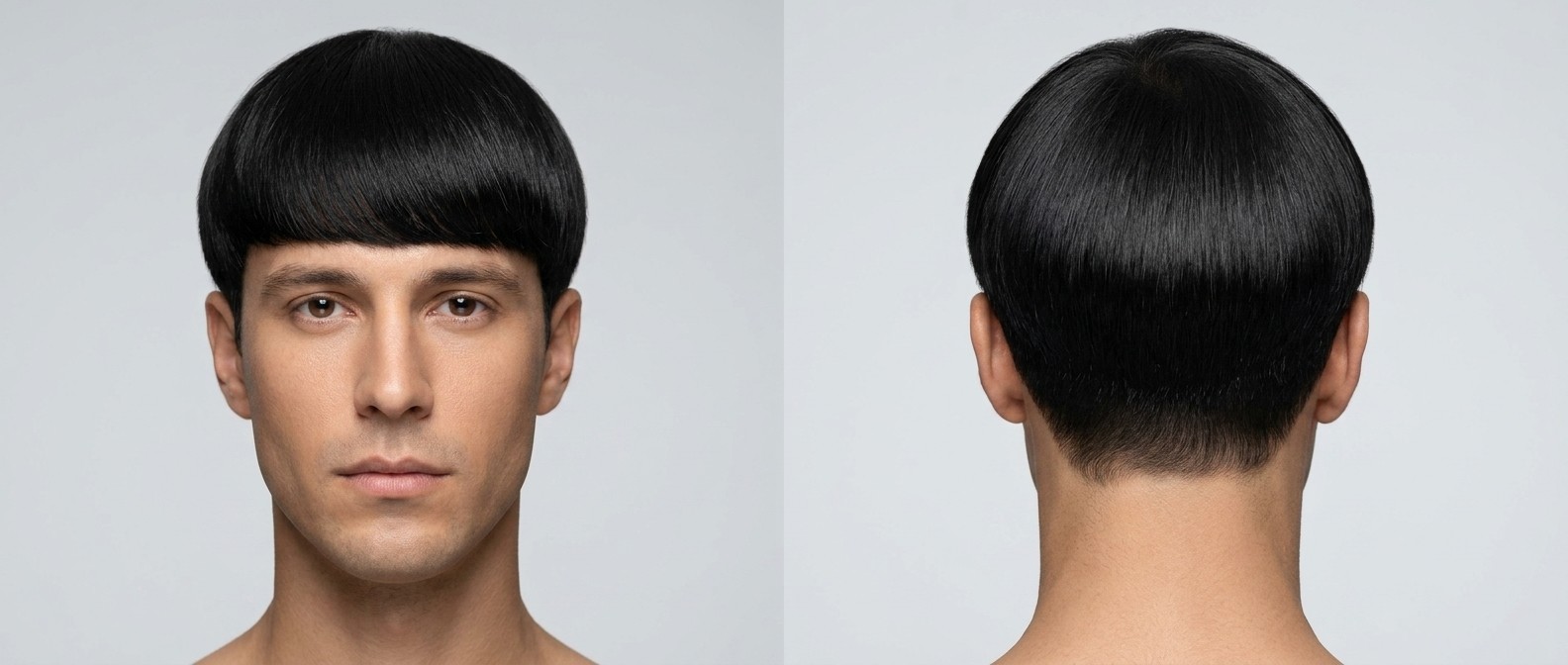
The modern bowl cut is the most popular current version, featuring a textured top with an undercut beneath a sharp perimeter line. It's edgy, fashion-forward, and clearly intentional. The classic bowl cut maintains the traditional uniform length and smooth finish — a faithful reproduction of the vintage style for those who appreciate its retro charm.
The two-block cut — hugely popular in Korean men's fashion — is essentially a bowl cut with a disconnected undercut and often more volume on top. The mushroom cut is a softer, rounder variation with a more gradual perimeter and less sharp geometry. The asymmetric bowl cut breaks the uniform perimeter with an intentionally uneven line, creating a more avant-garde, editorial look. Each variation uses the bowl's fundamental structure — even perimeter, downward-falling hair — as a starting point for creative expression.