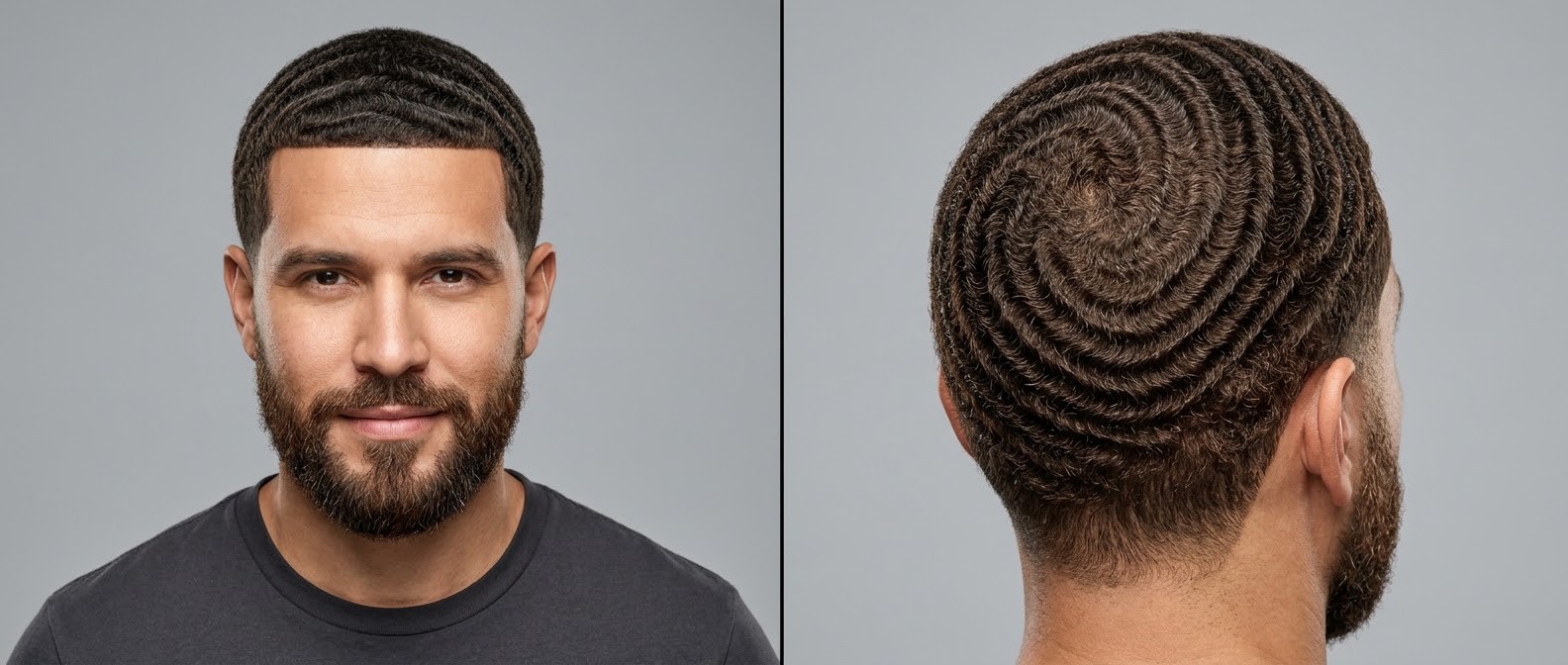

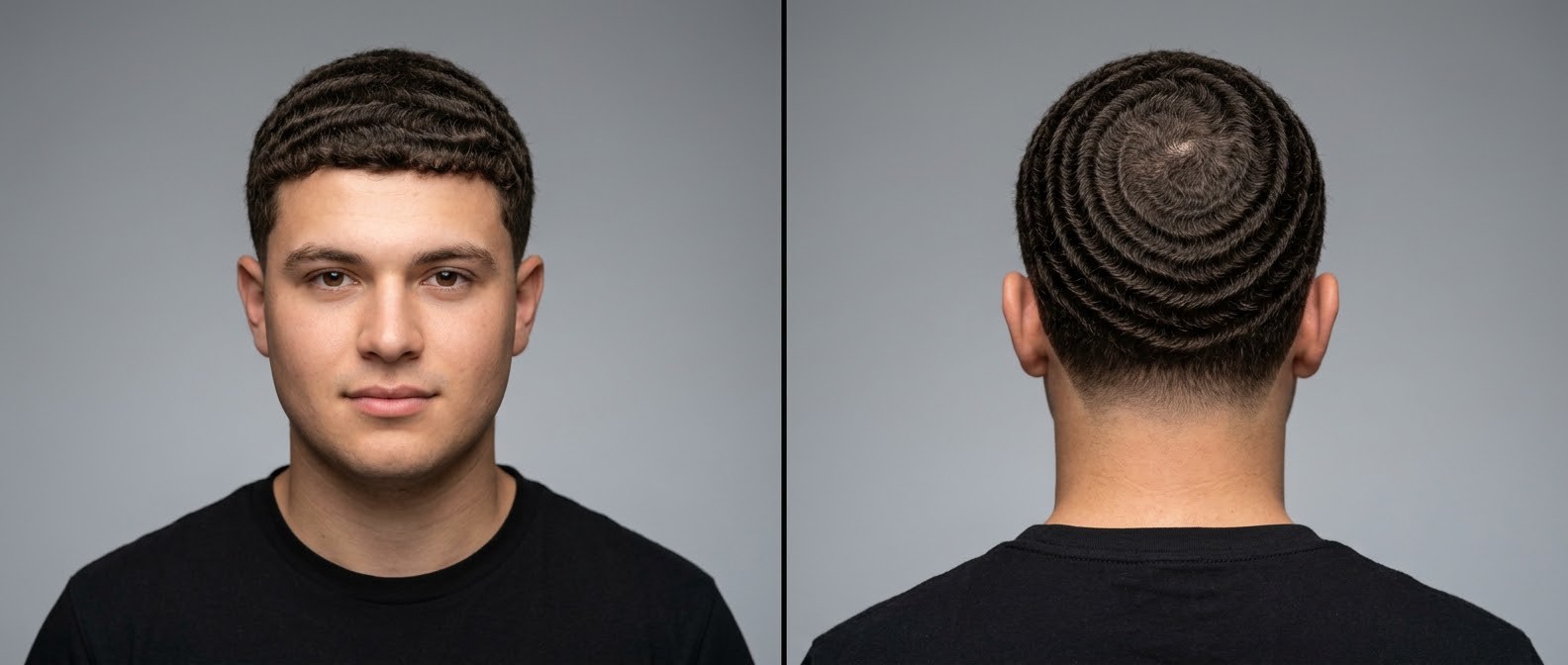
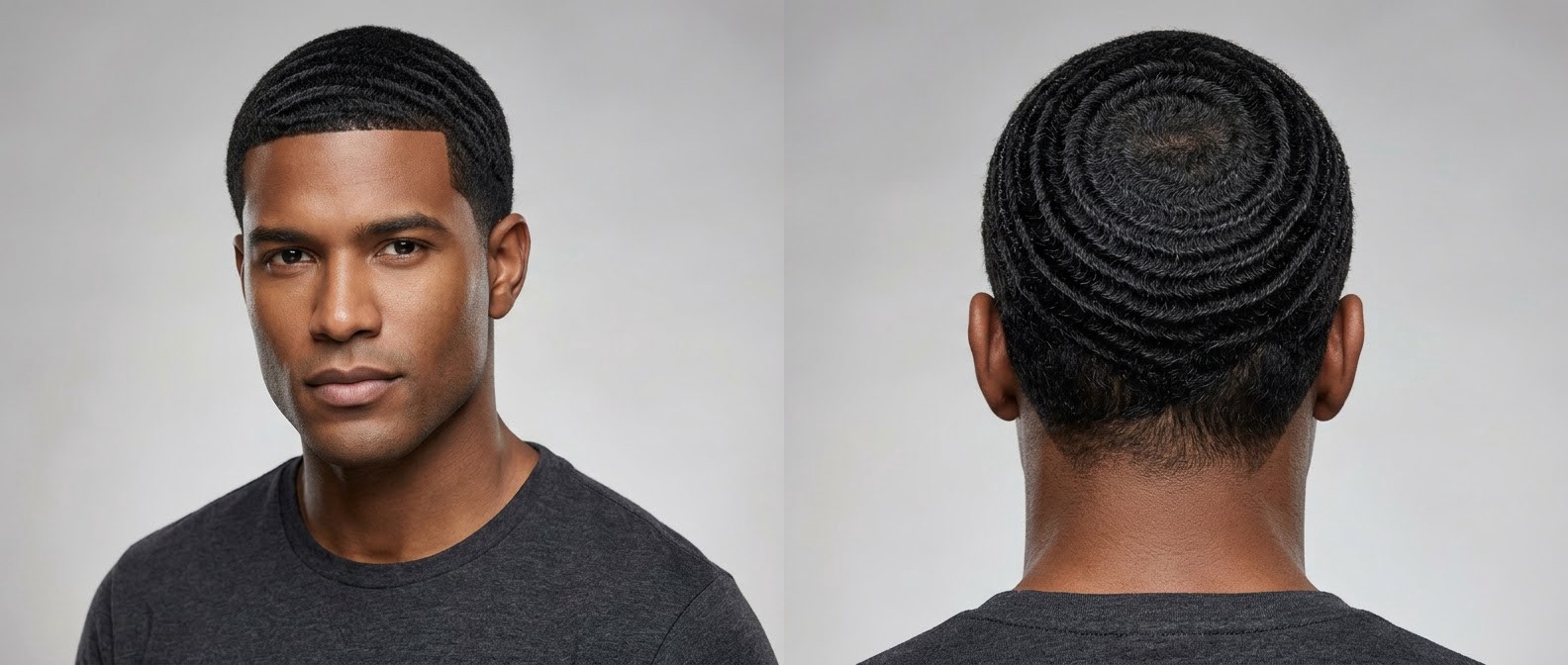
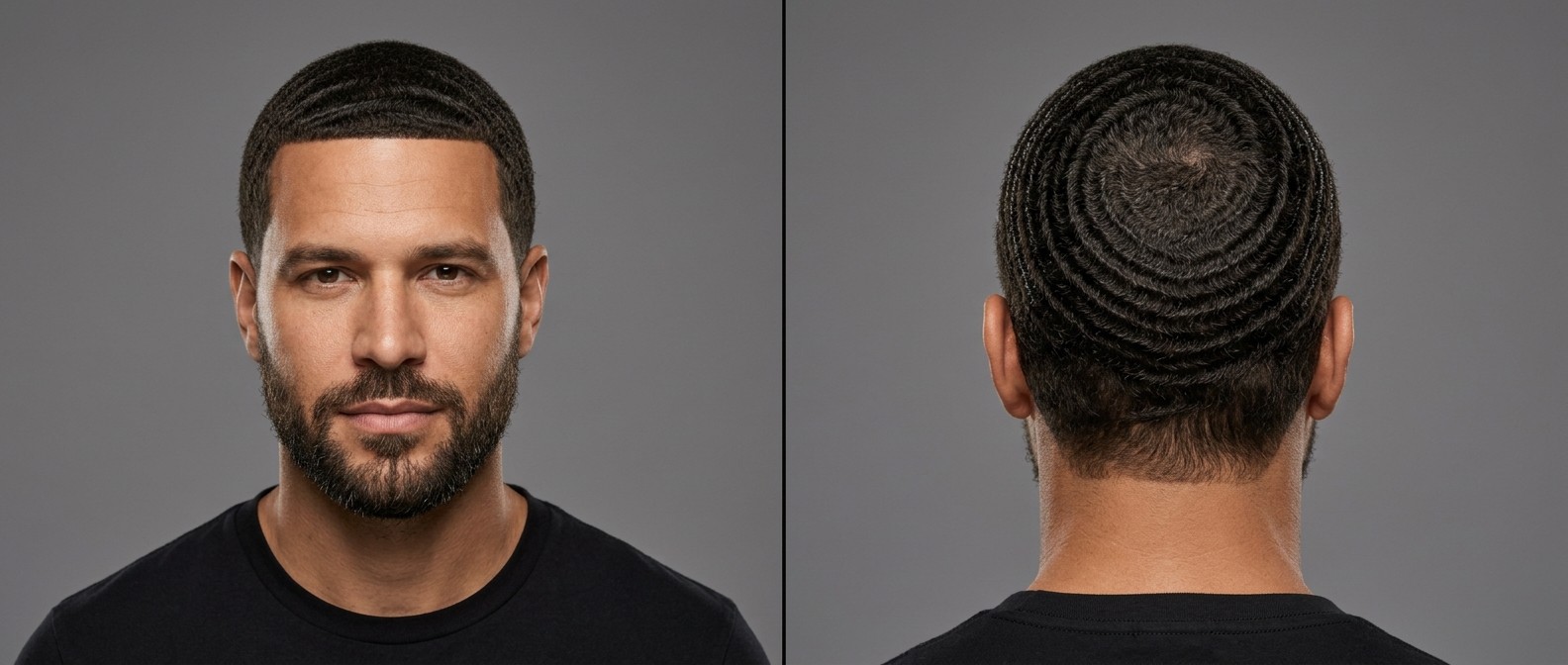
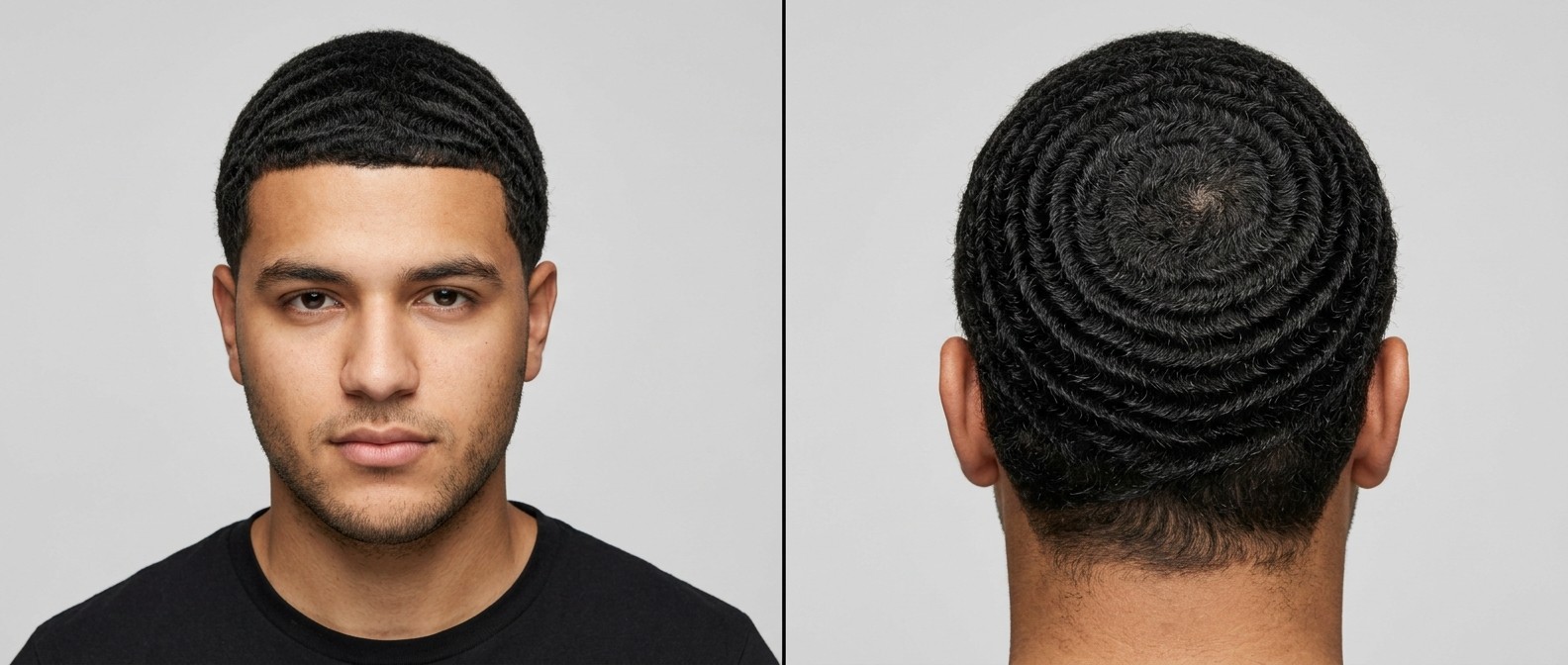
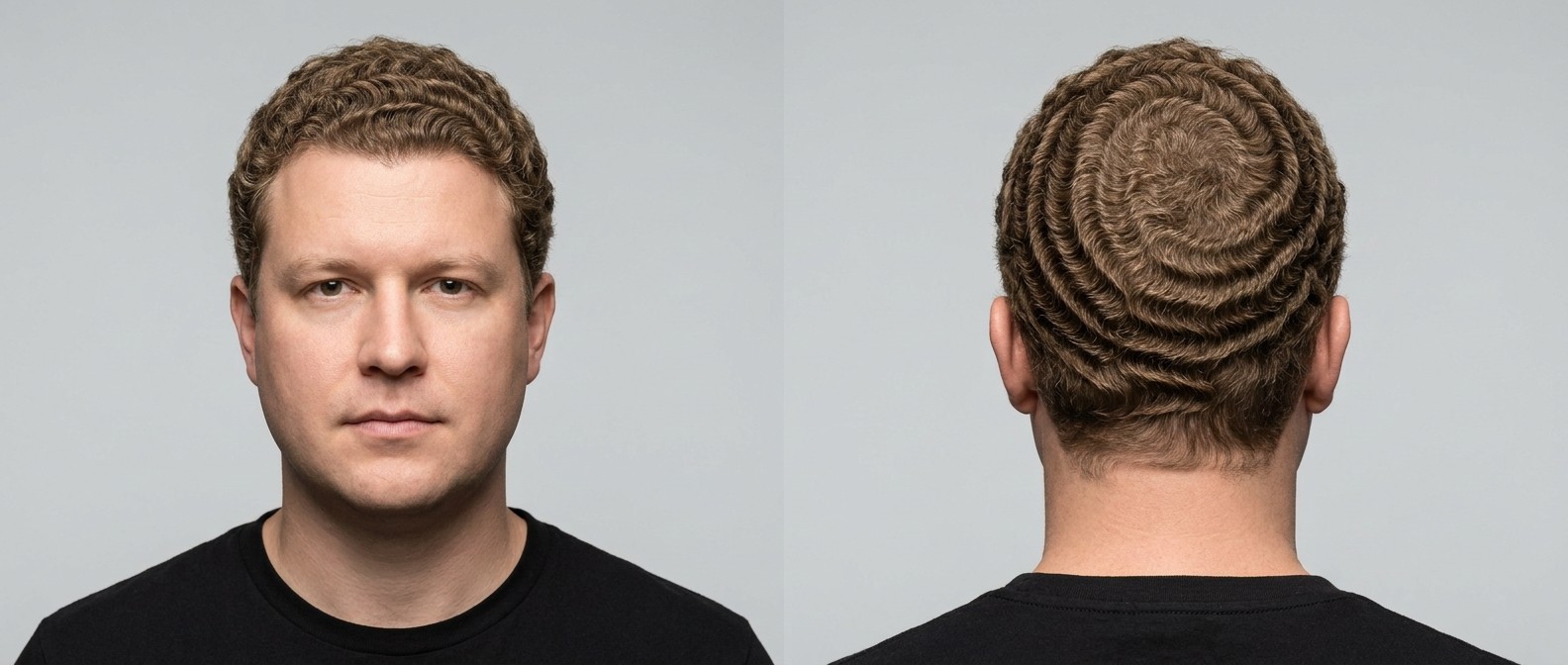
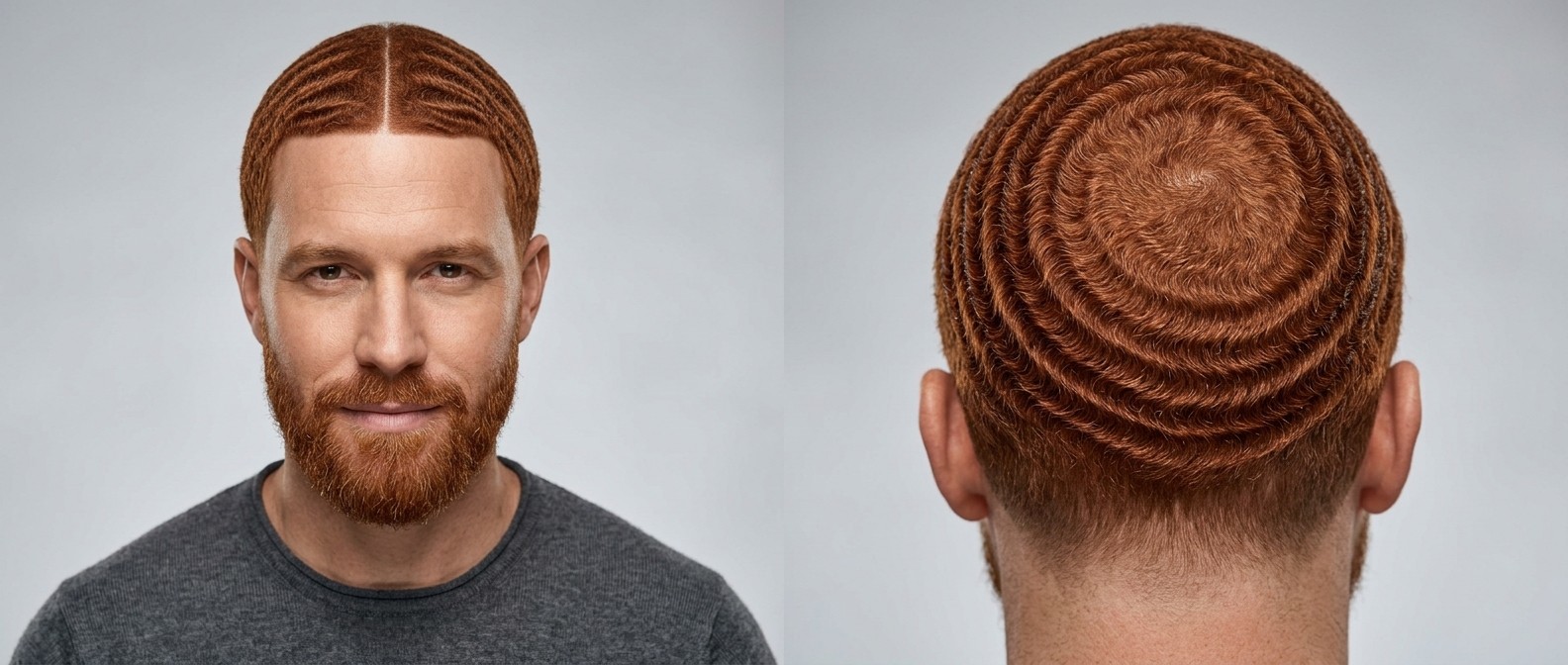
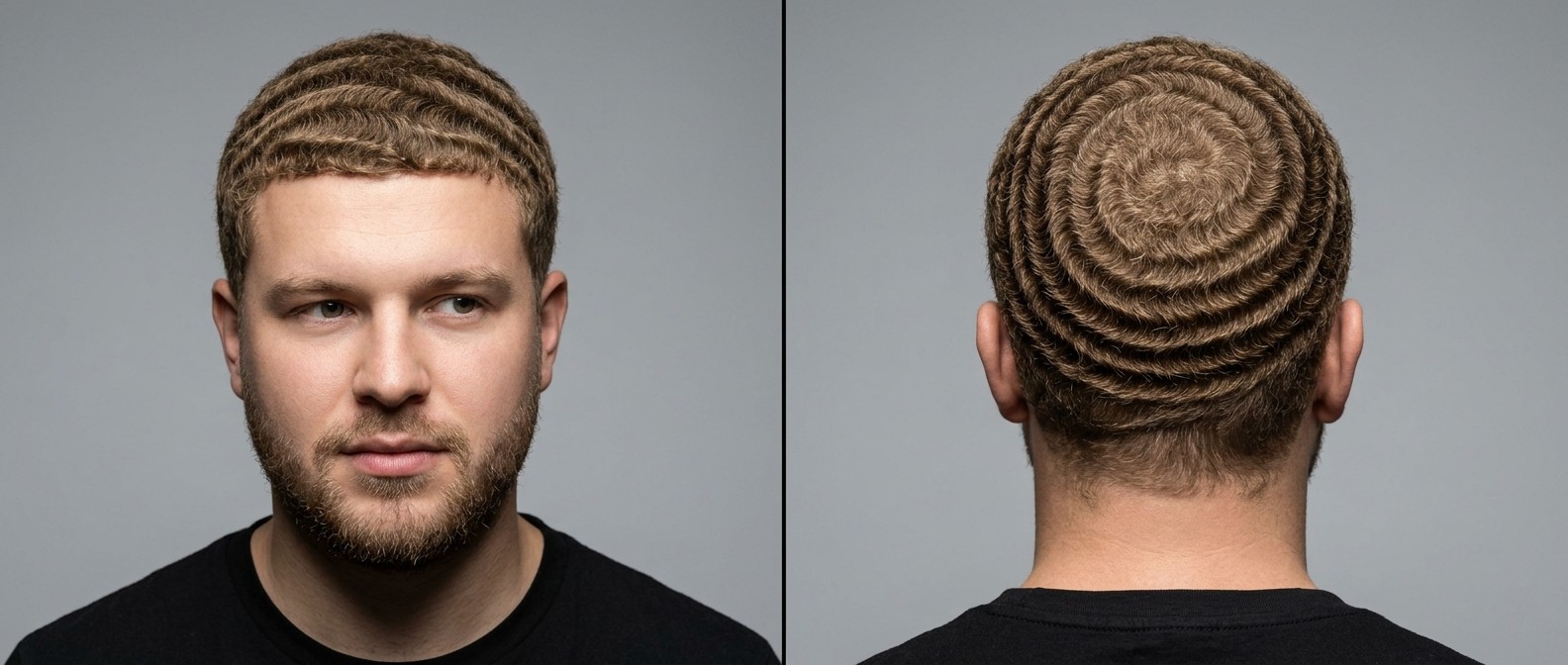
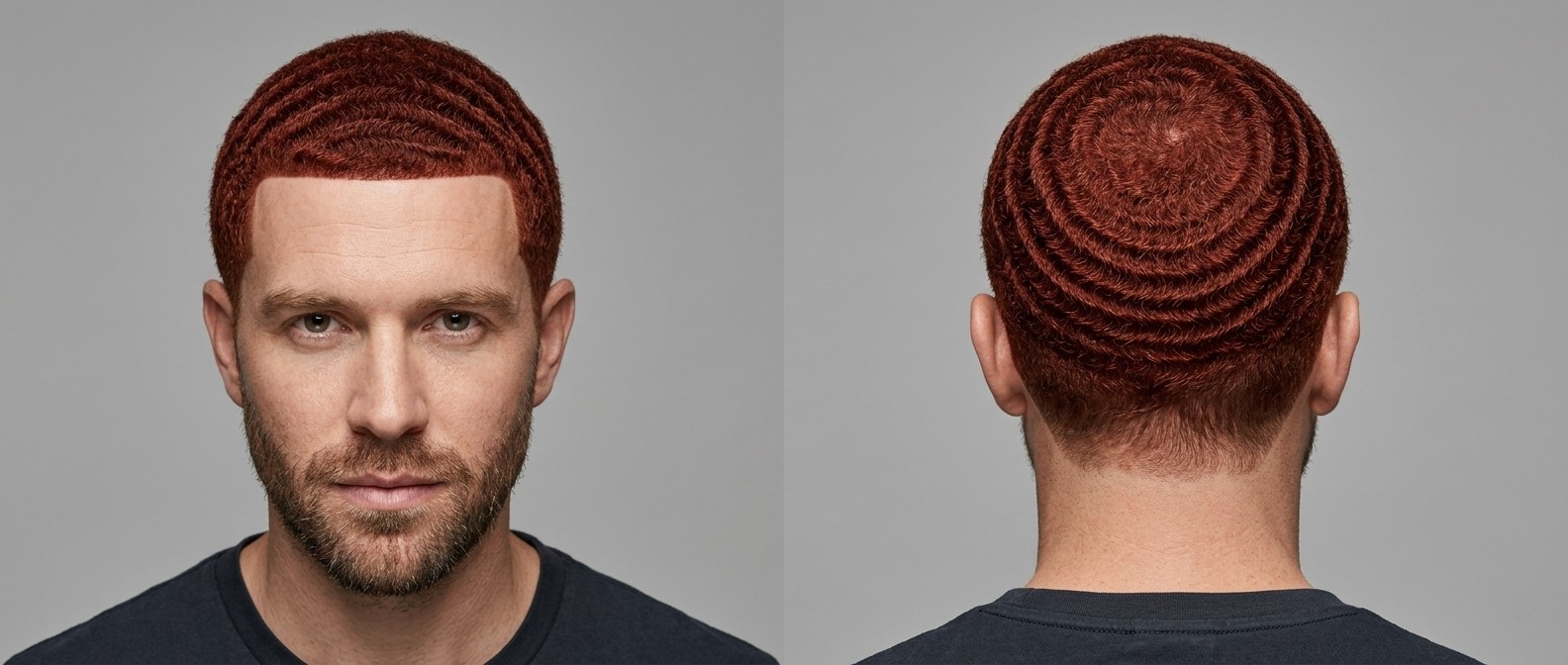
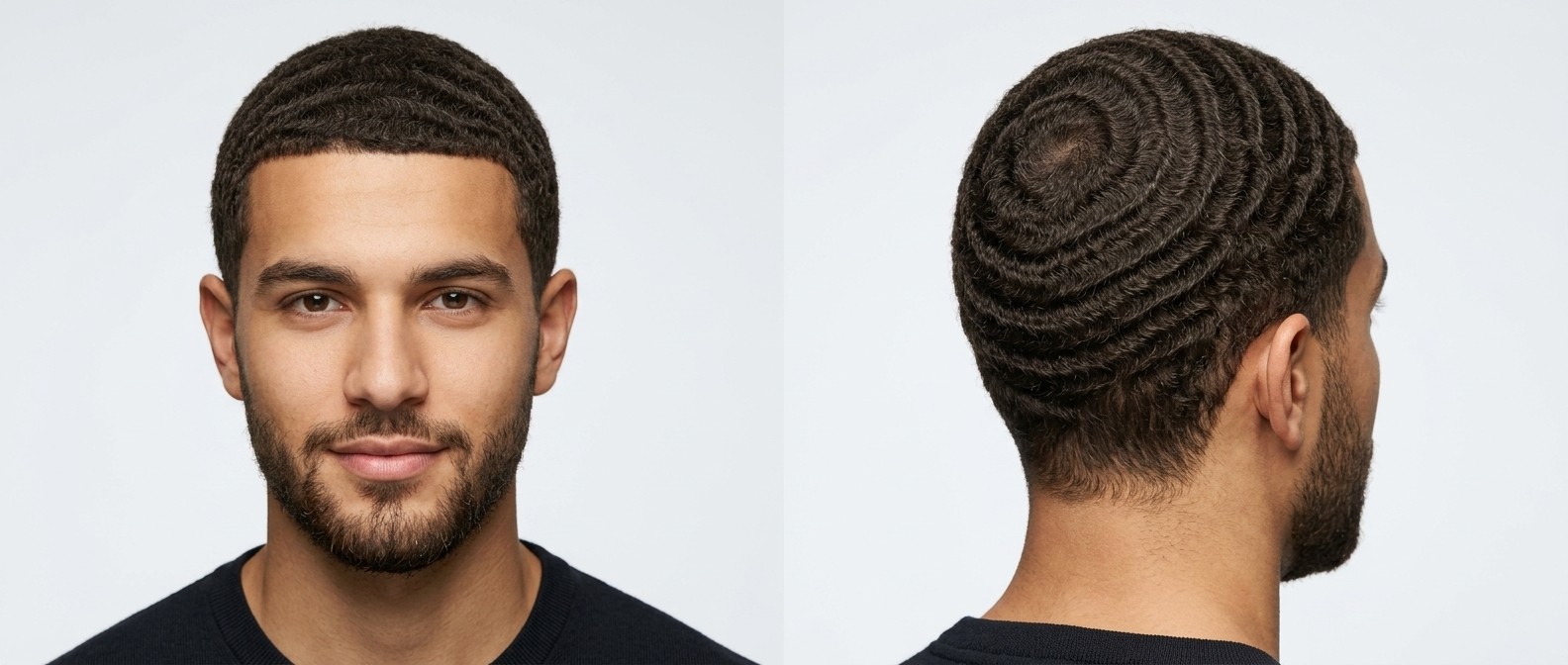
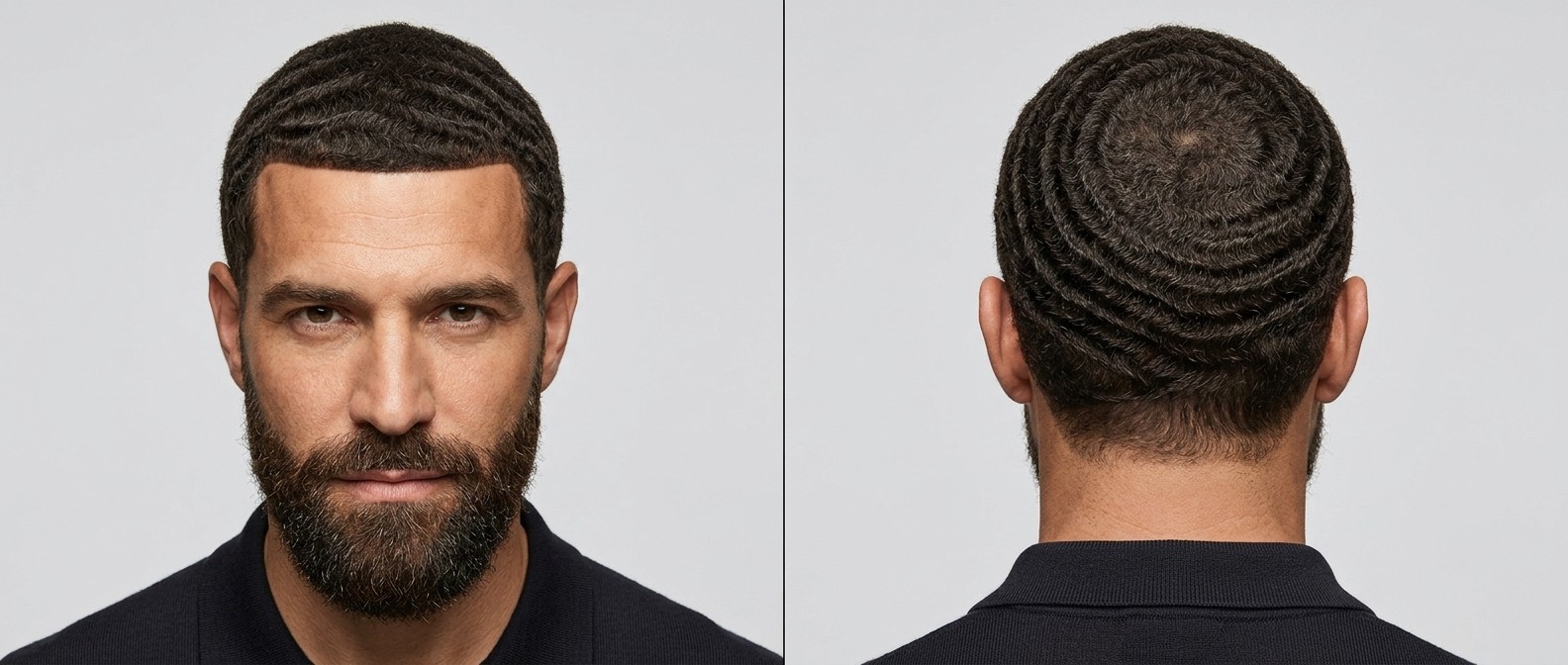
What Are 360 Waves?
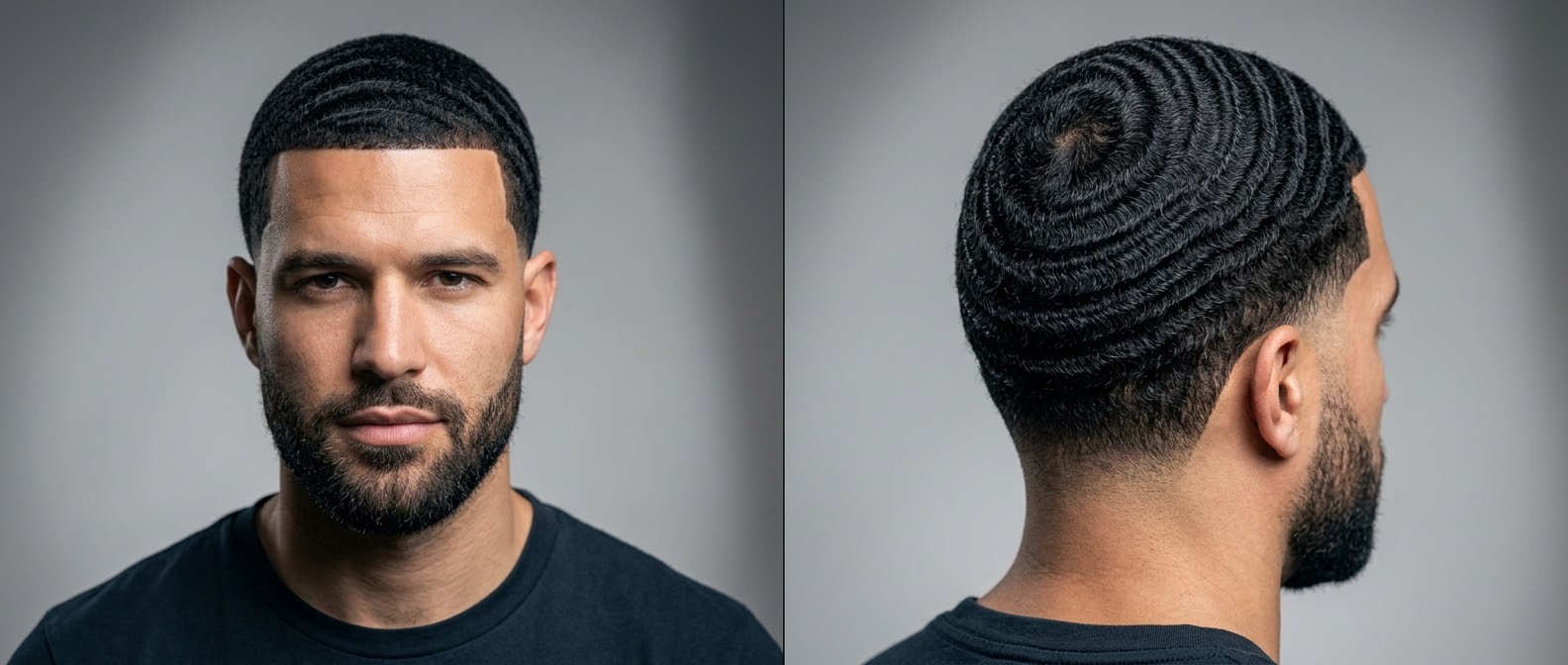
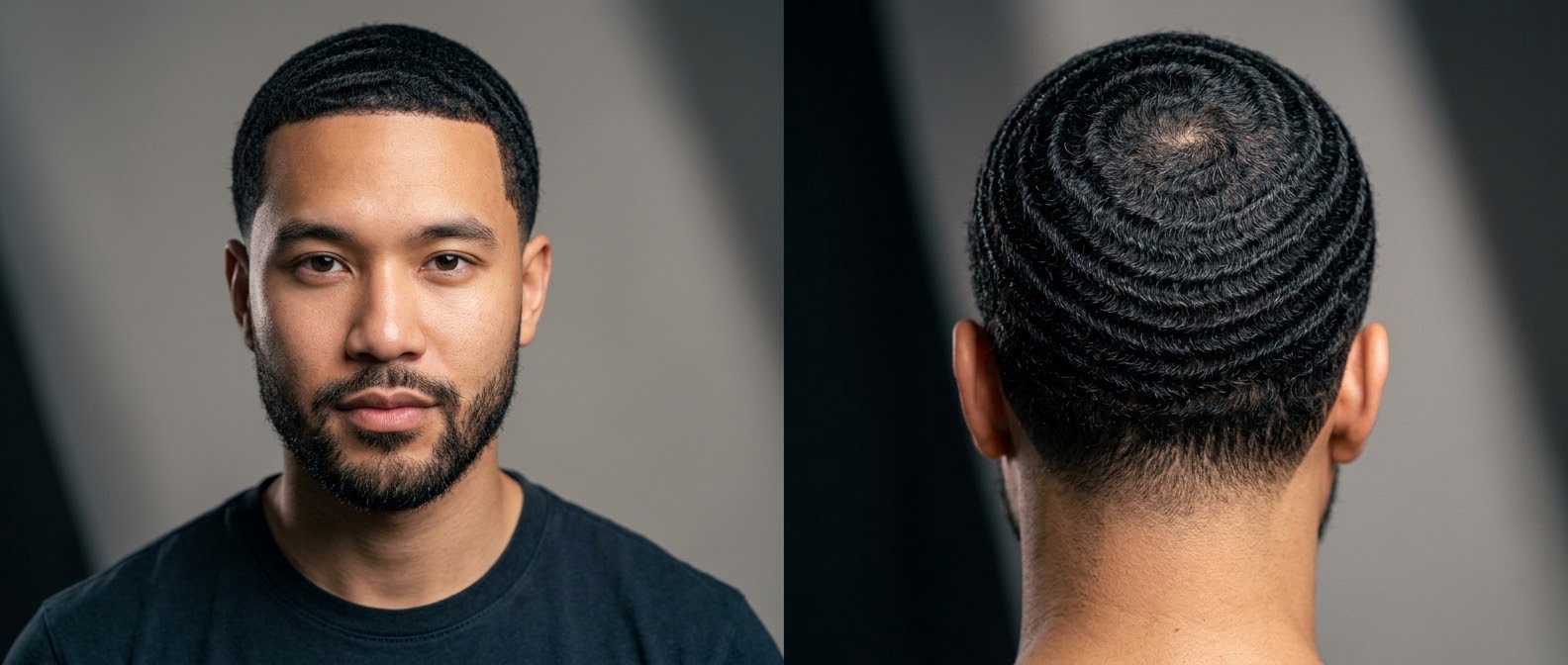
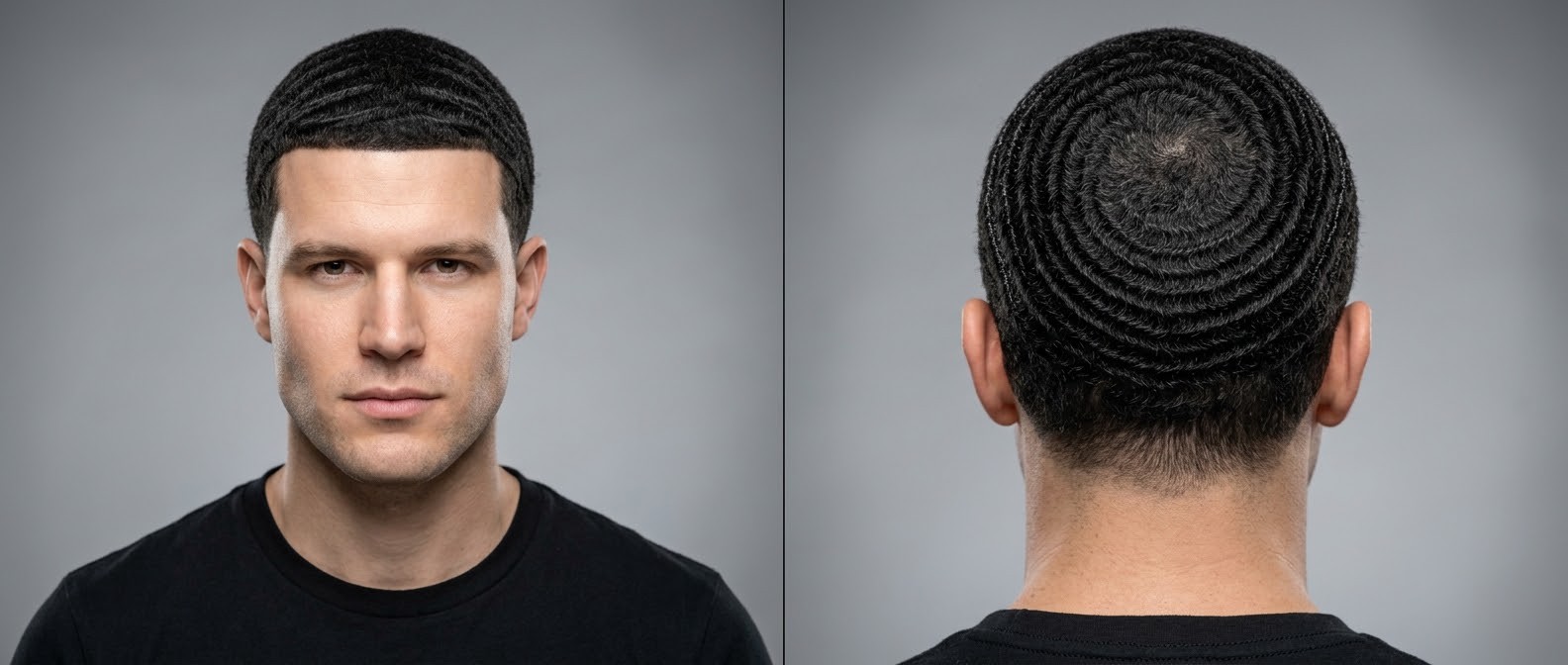
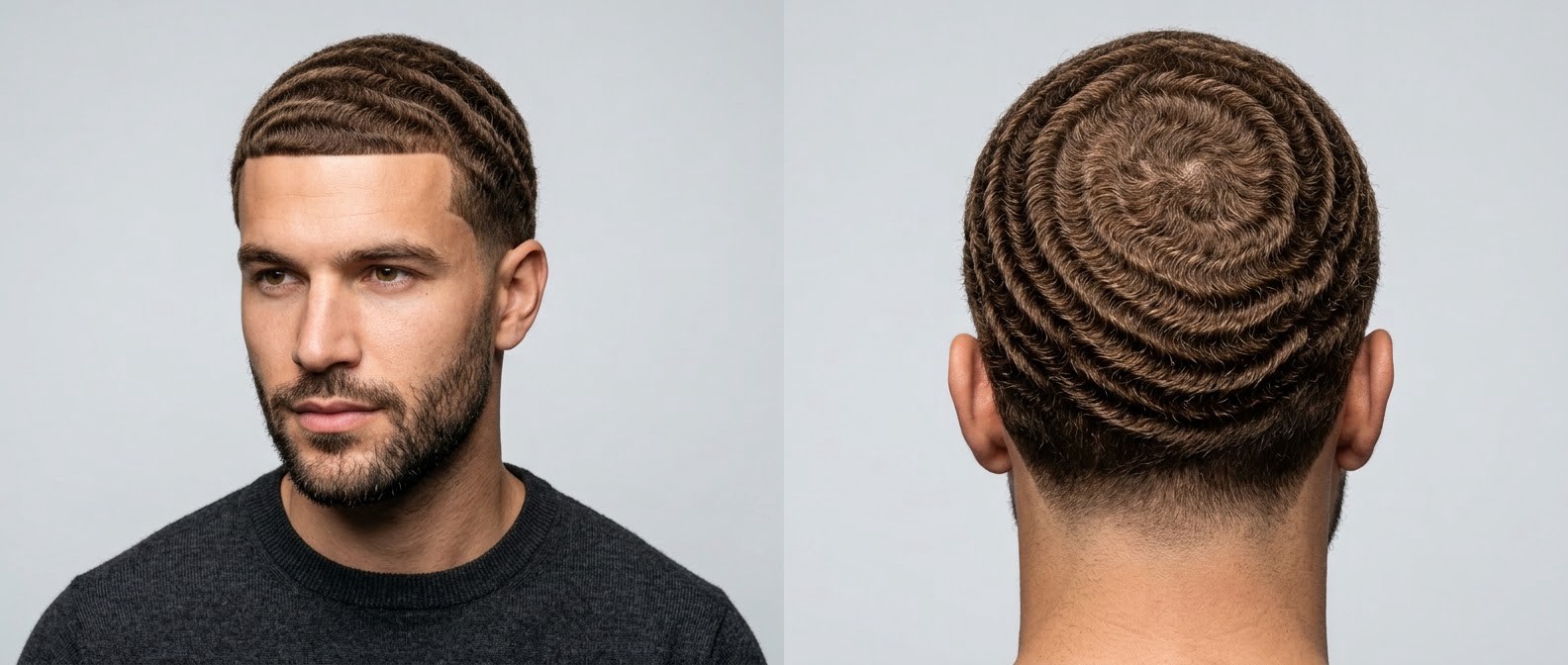
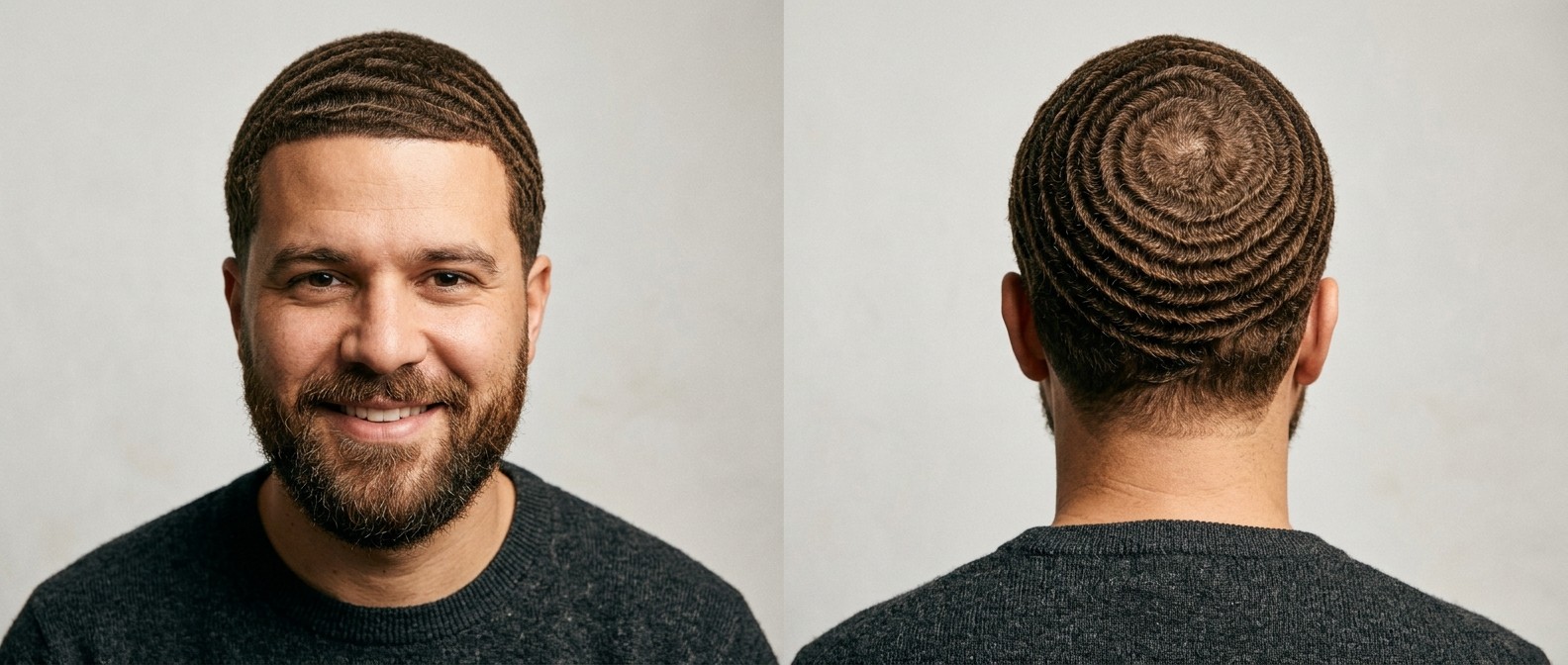
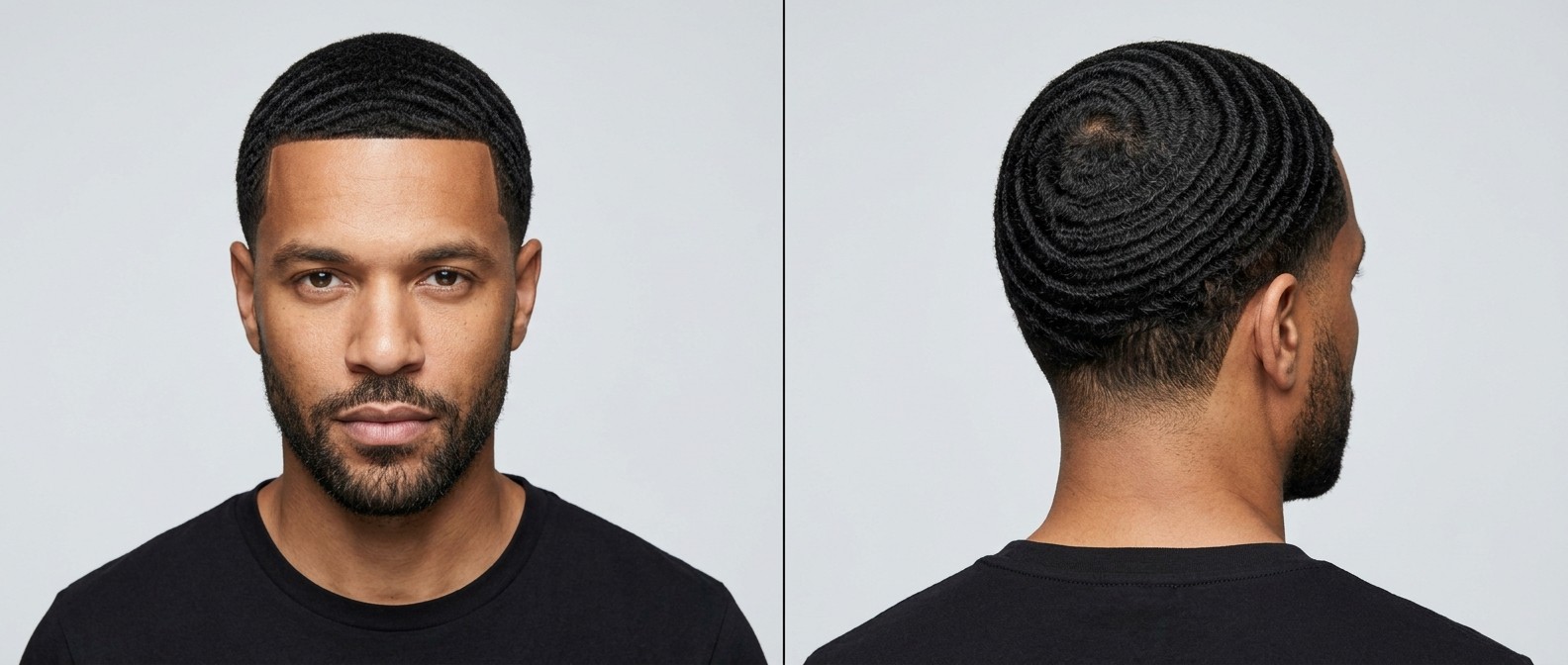
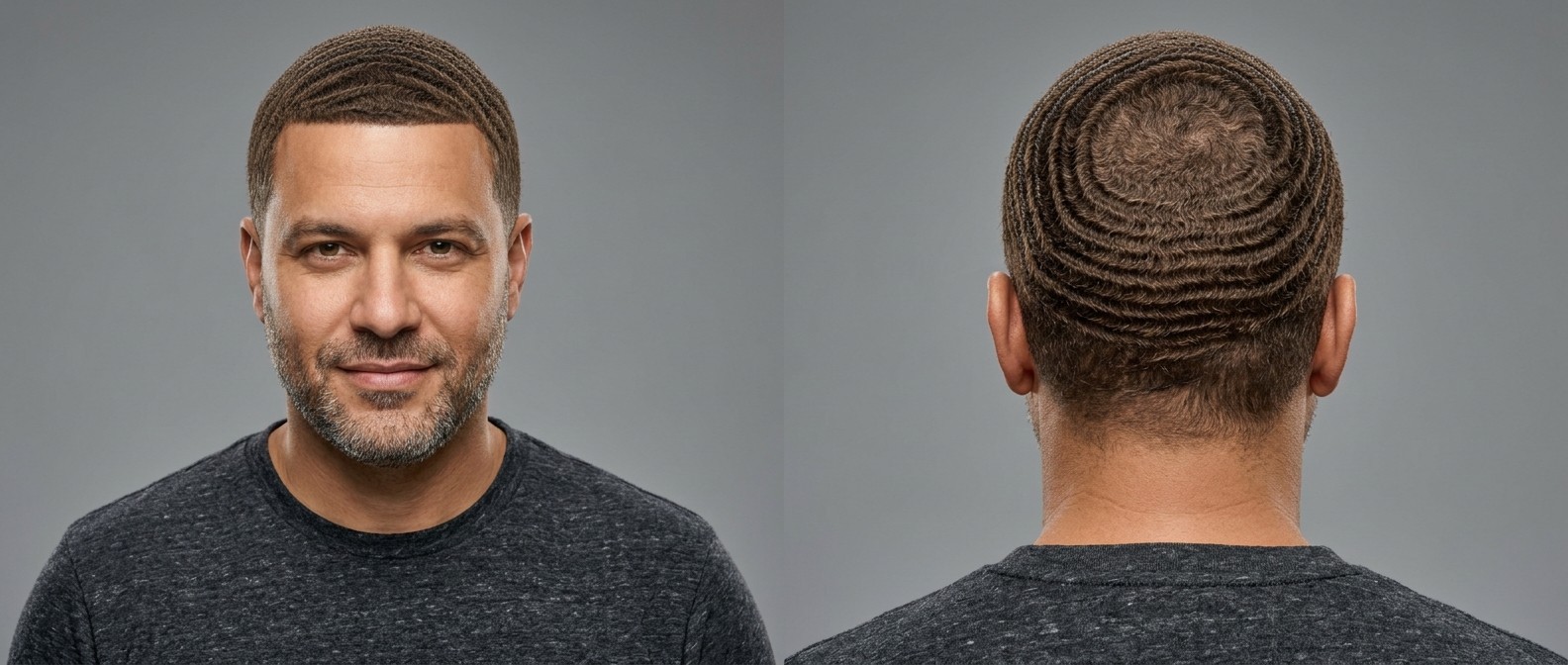
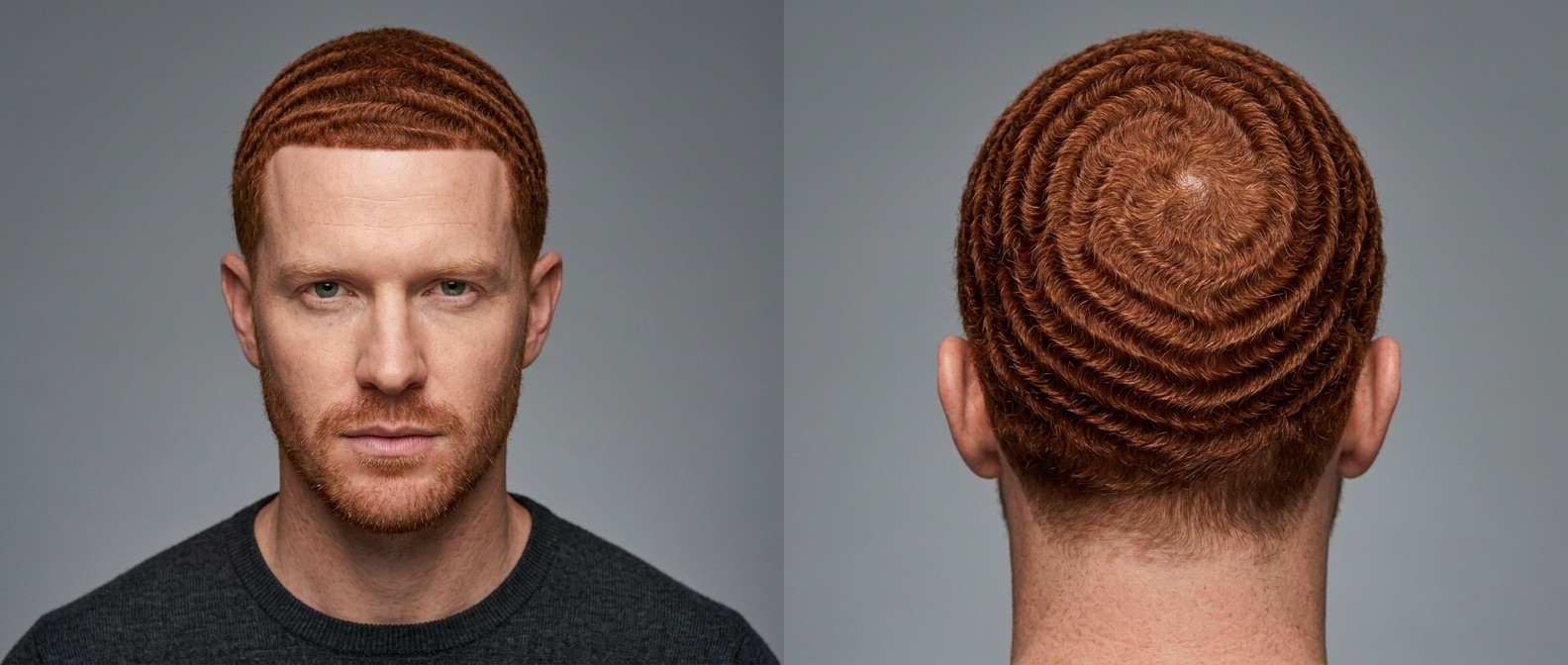
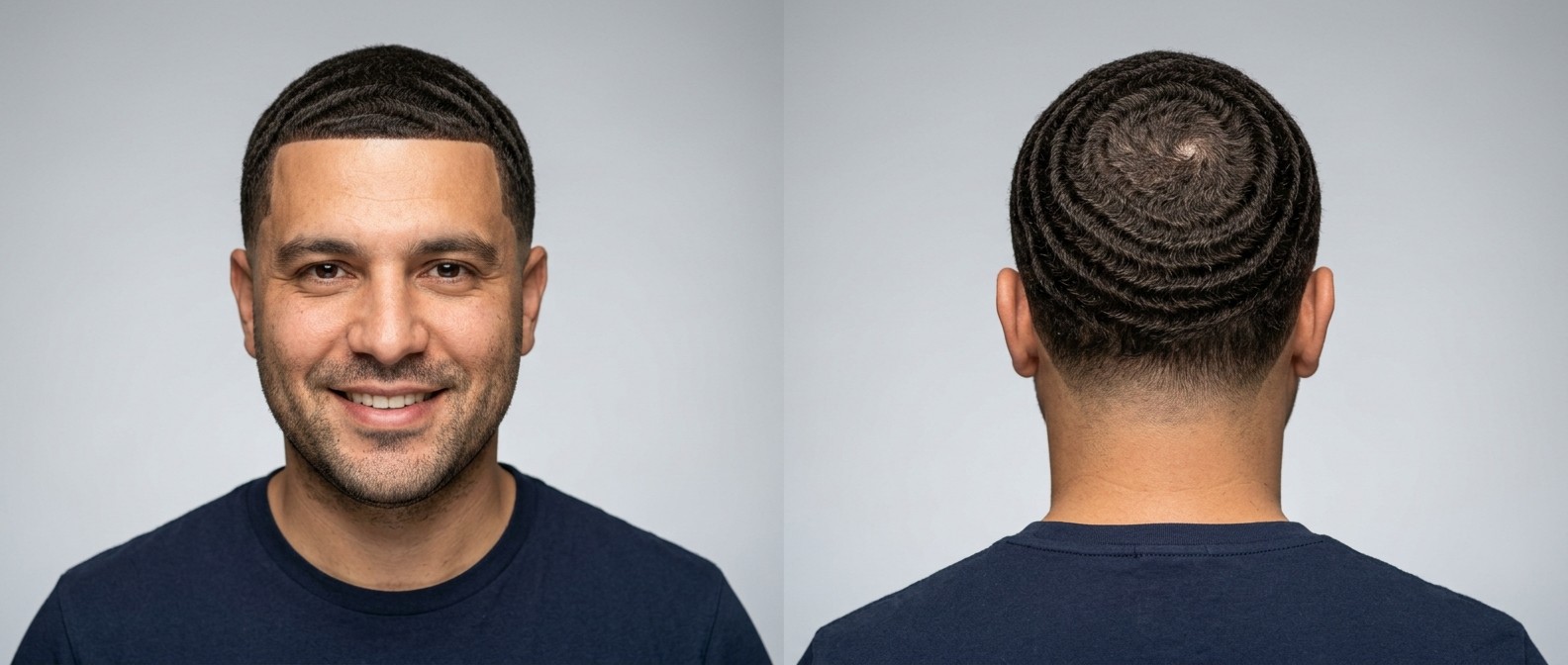
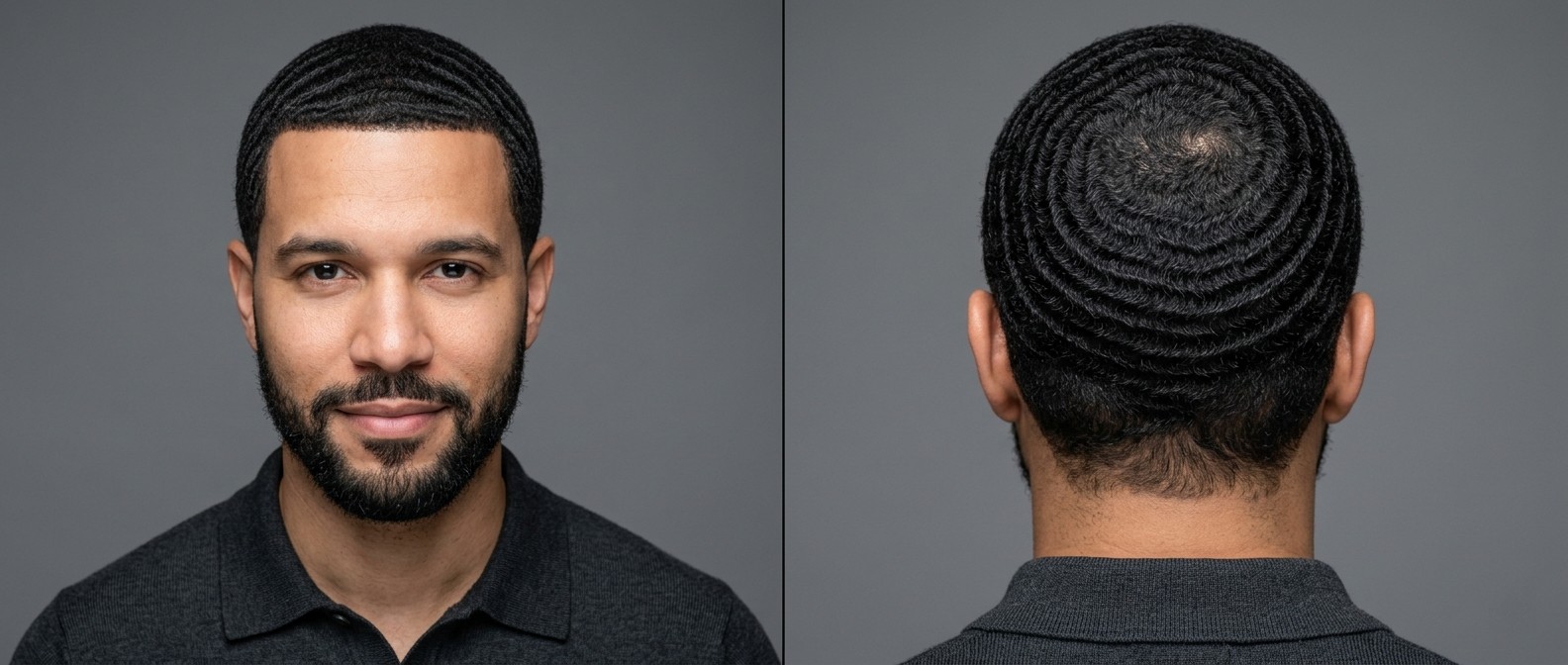
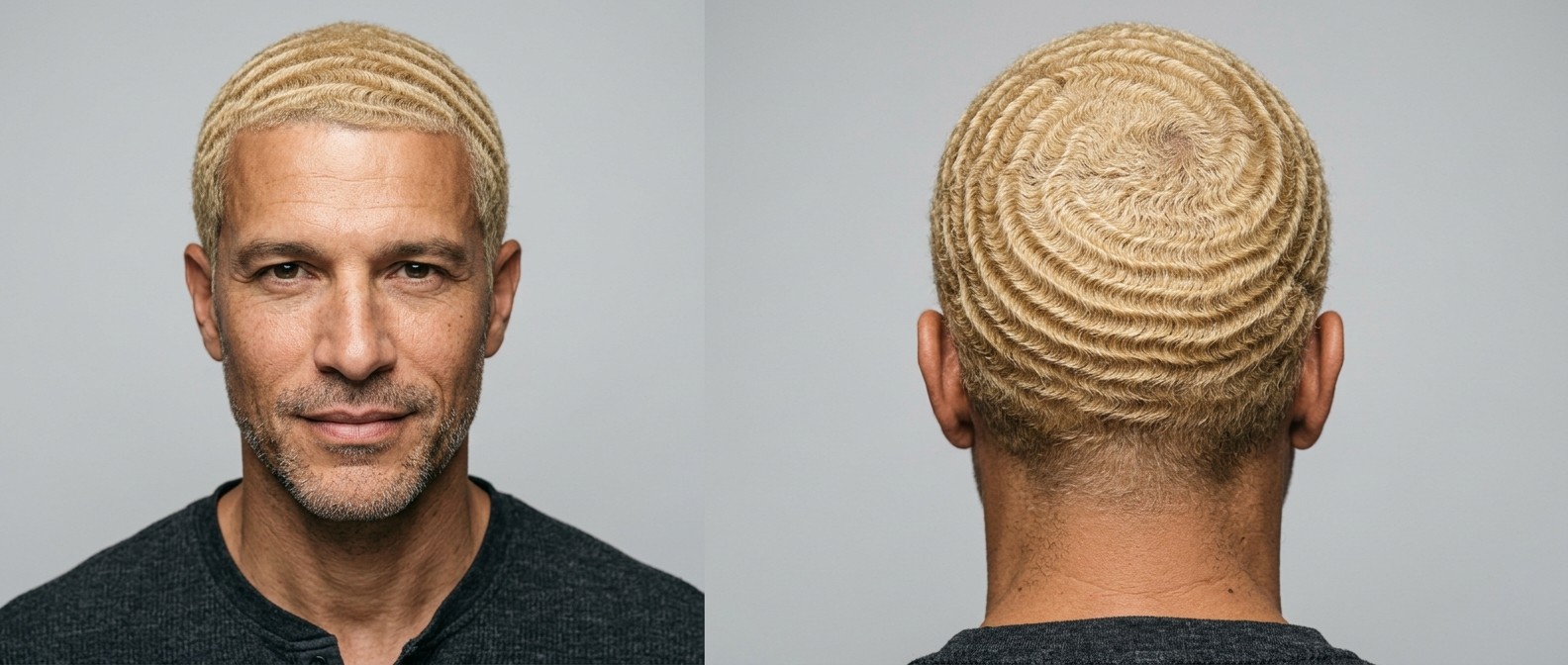
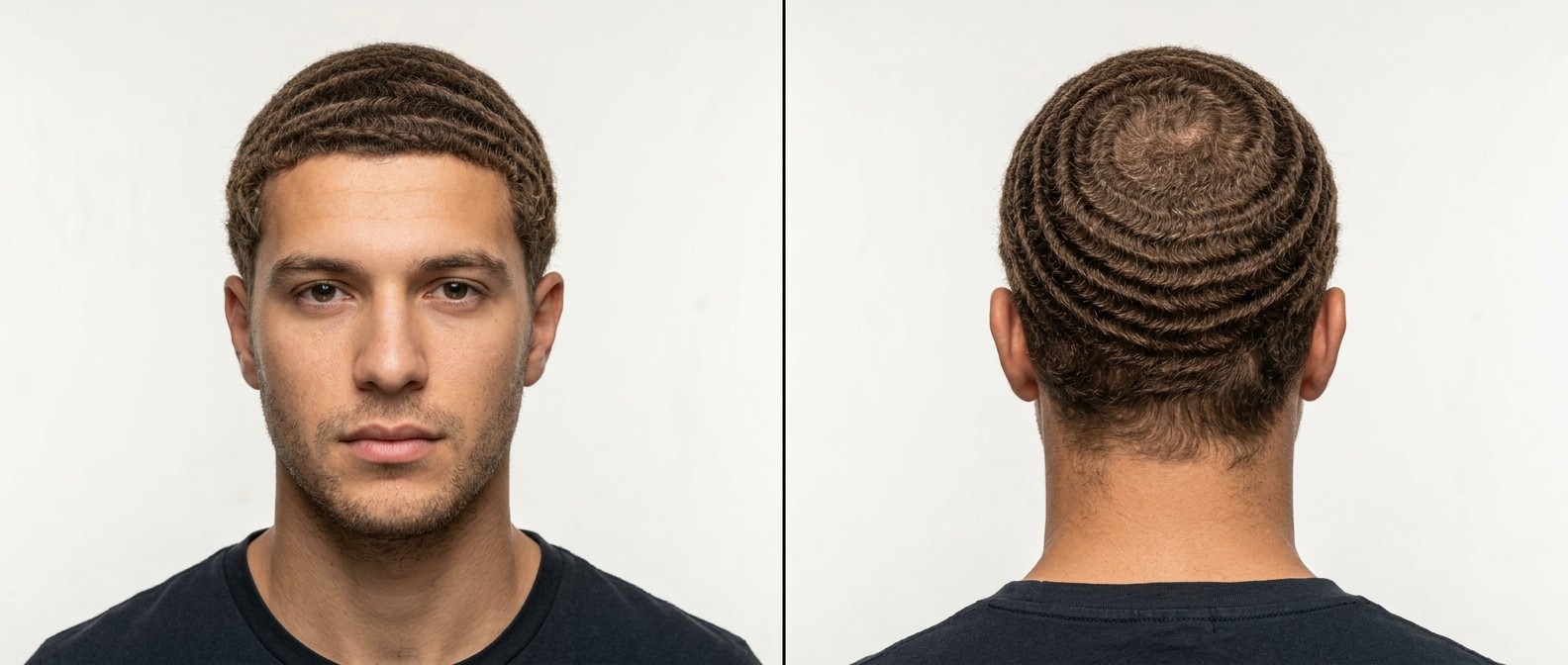
360 waves are a short-hair style in which the natural curl pattern is brushed and trained to form uniform, rippling wave patterns that flow from the crown of the head outward in all directions — hence "360." When done correctly, the waves create an unbroken, ocean-like pattern that wraps around your entire head, visible from every angle.
This style works by exploiting the natural curl of textured hair. Every person with curly or coily hair has a natural wave pattern — 360 waves simply enhance, define, and align those natural curls into a consistent direction through repeated brushing and compression. The hair is kept short (typically cut with a #1 to #3 guard) so the curls lay flat against the scalp, creating the signature ripple effect rather than standing upright.
360 waves have been a cornerstone of Black men's grooming culture for decades, representing discipline, self-care, and attention to detail. The "waver" community is dedicated and passionate, with its own terminology, techniques, and standards for what constitutes elite wave patterns.
Who Can Get 360 Waves?
360 waves work best on naturally curly or coily hair — typically type 3a and above. The tighter your natural curl pattern, the more defined your waves will appear at shorter lengths. Men with type 3a-3b curls can achieve waves but may need to keep their hair slightly longer for the pattern to show.
- Ideal hair types: 3a to 4c — coarser textures create deeper, more defined waves
- Hair length: keep it between a #1 and #3 guard (1/8" to 3/8") for best results
- Time to develop: expect 4-8 weeks of dedicated brushing before waves fully form
- Daily time investment: 15-30 minutes of brushing plus wearing a durag overnight
If you have straight hair, 360 waves aren't achievable — the style fundamentally depends on natural curl pattern. Men with very loose curls may find their waves look more subtle, which can still be attractive but won't produce the deep, defined ripples that tighter textures create.
How to Get 360 Waves
Building 360 waves is a process, not an event. Start by getting a fresh haircut with a #1.5 or #2 guard all around — this is your foundation. Your barber should cut with the grain of your hair to preserve curl pattern. Then the real work begins.
The core technique is simple: brush consistently in the direction you want your waves to flow. Use a medium-hard bristle brush and brush from the crown outward — forward toward your forehead, sideways toward your ears, and backward toward your nape. Brush for at least 15 minutes per session, ideally 2-3 sessions per day.
After each brushing session, apply a wave pomade or moisturizer and put on your durag. The durag compresses your hair against your scalp, training the curls to lay flat in the direction you brushed. Wear it for at least 30 minutes after brushing, and always sleep in it. This compression is what transforms random curls into organized waves. Consistency is everything — skip a few days and you'll lose progress.
What to Tell Your Barber
Your barber is crucial to your wave journey. Tell them you're growing 360 waves — any experienced barber will know exactly what that means. Specify the guard length you want: #1 for tight, compressed waves, #2 for a good all-around length, or #3 if you're just starting and want more curl to work with.
Critical instruction: ask your barber to cut with the grain (WTG — with the grain), not against it. Cutting against the grain disrupts the curl pattern you've been training. Say "with the grain, no against" explicitly. Request no razor on the hairline unless you want a shape-up — razor edges can look clean but they remove the waves at the perimeter.
For maintenance cuts, visit your barber every 2-3 weeks. Keeping the length consistent prevents your hair from getting too long (where waves become frizzy curls) or too short (where waves disappear). Some wavers follow the "wolfing" technique — letting hair grow longer between cuts to deepen wave patterns — but this is an advanced strategy best attempted after you've established solid waves.
Essential Products and Tools
Your wave toolkit is straightforward but each item matters. You need a medium or hard bristle brush for initial wave formation, and a soft brush for laying down established waves. A hard brush penetrates deeper and trains stubborn curls, while a soft brush polishes the surface without disrupting the pattern.
- Wave pomade or cream: adds moisture and hold, helping curls lay flat — apply before brushing
- Durag (satin or silk): essential compression tool — wear after every brush session and all night
- Wave cap: optional second layer over the durag for extra compression
- Natural oil (jojoba or argan): keeps hair moisturized between washes to prevent dryness and breakage
- Sulfate-free shampoo: wash 1-2 times per week — over-washing strips oils that help waves lay flat
Advanced Wave Techniques
Wolfing is the practice of going 4-6 weeks or longer between haircuts, allowing your hair to grow out while continuing to brush. This deepens your wave pattern because the longer hair has more curl to compress. Wolfing is uncomfortable — your hair will look unruly under the durag — but it's the secret weapon of elite wavers for achieving deep, defined 360 patterns.
Once your 360 waves are established, you can explore 540 waves (waves that extend down to your beard line) or 720 waves (waves that connect seamlessly from hair to beard). These advanced patterns require the same brushing discipline extended to facial hair. Some wavers create beehive patterns or swirl patterns by adjusting their brush angles — these are show-stopping variations that take months of specialized brushing to perfect.