

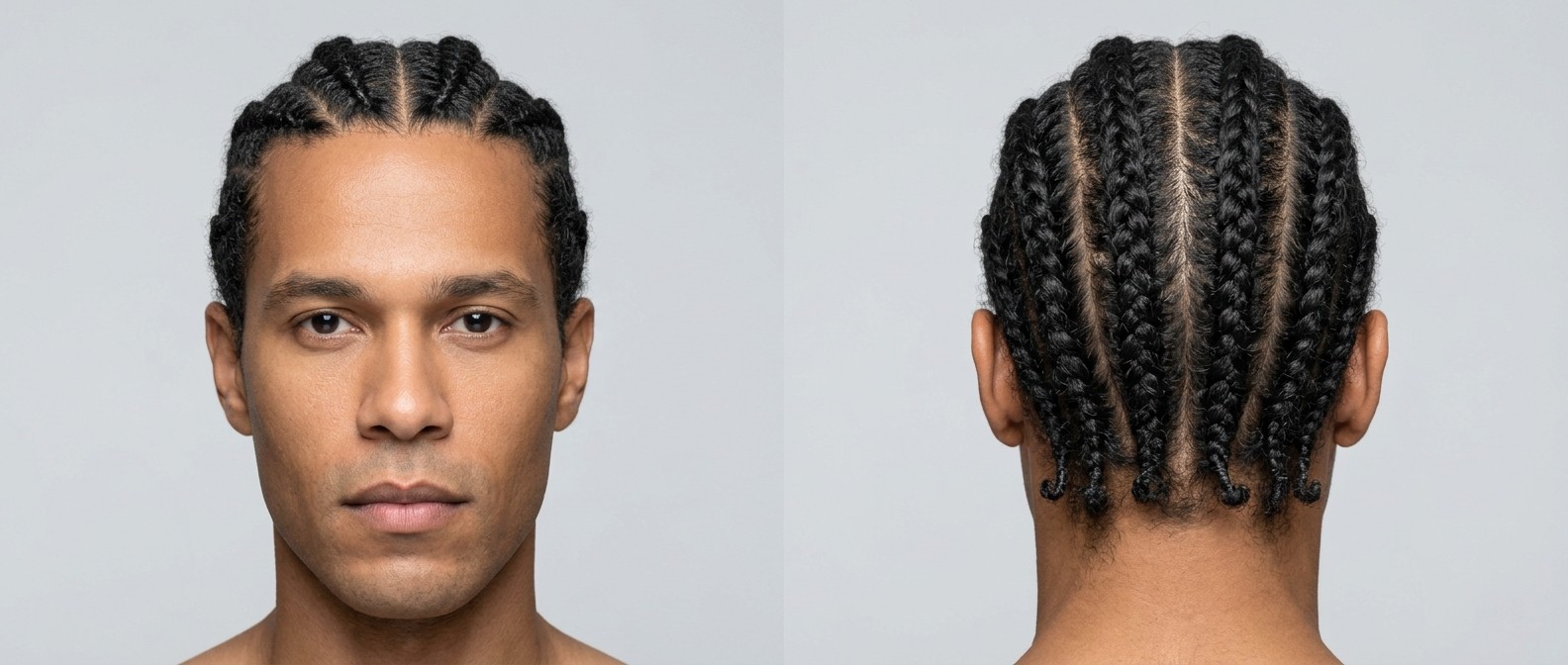
What Are Cornrows?
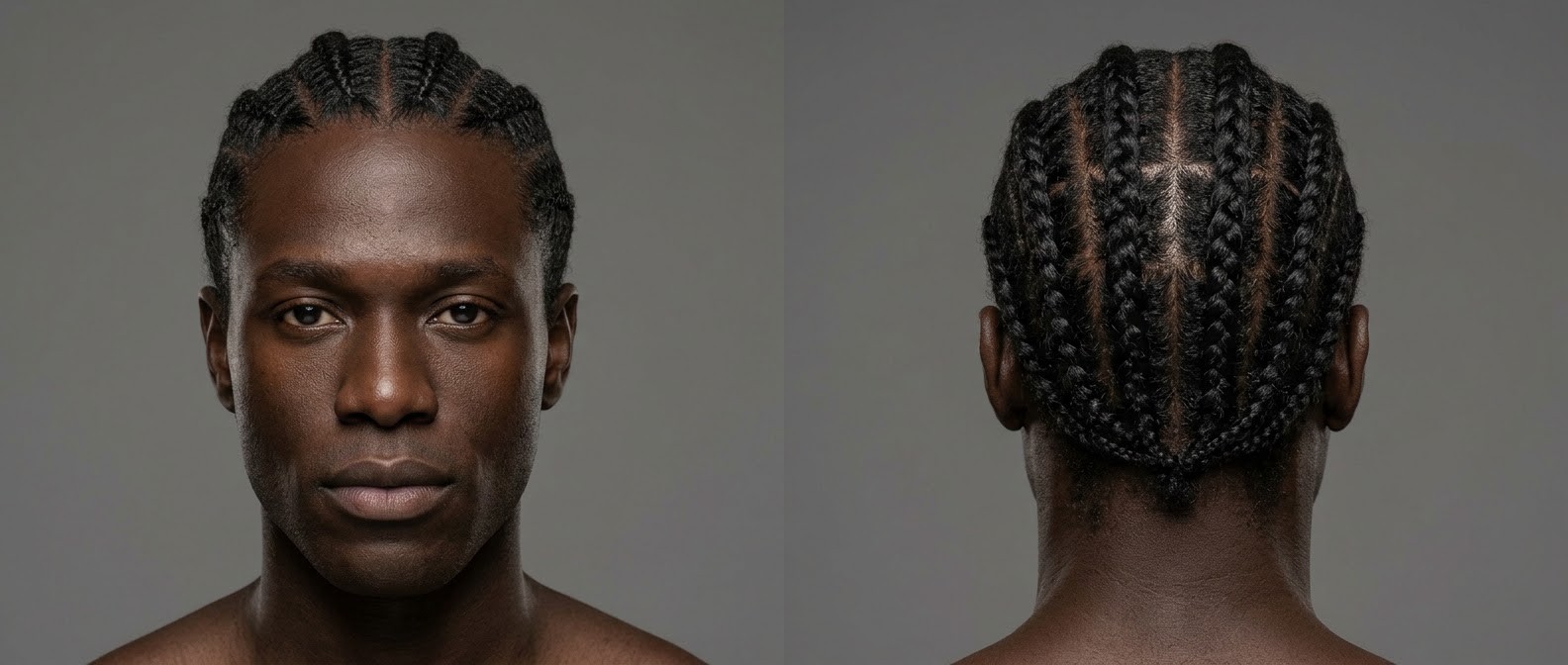
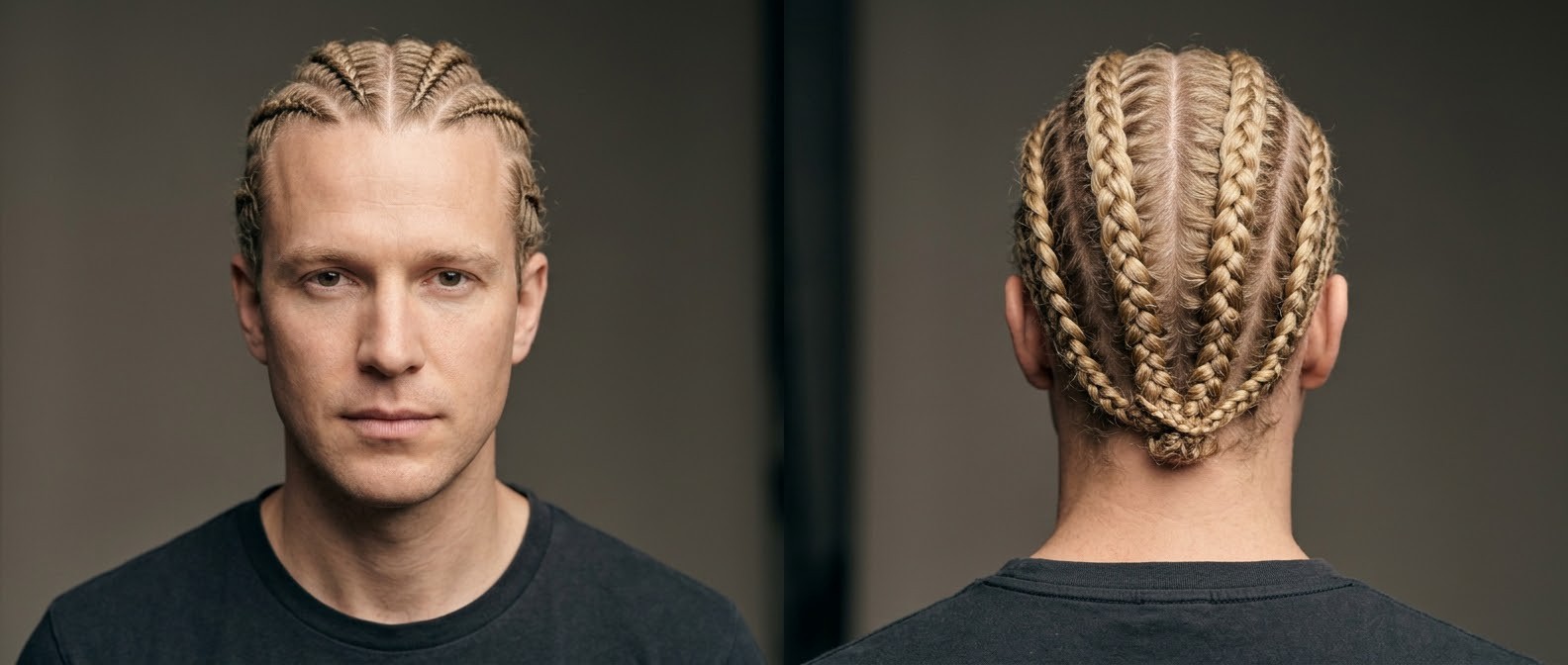
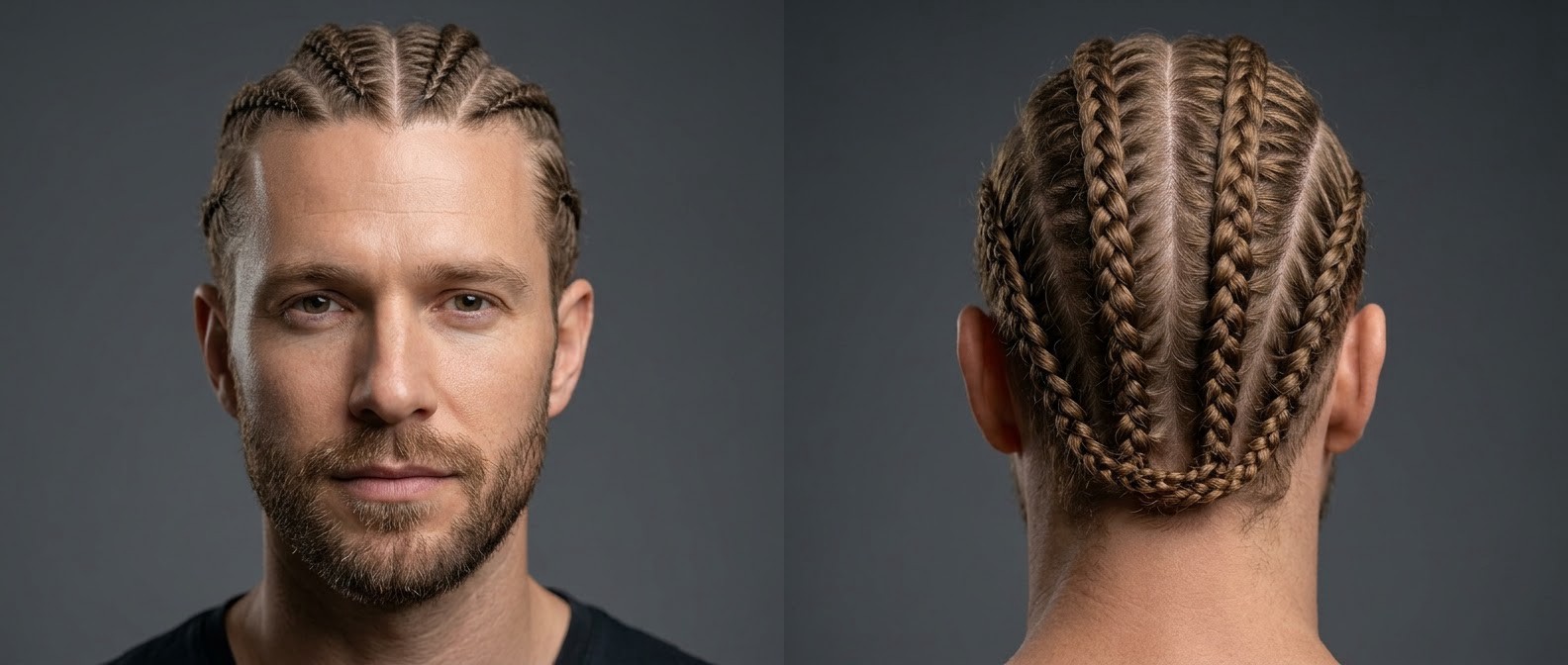
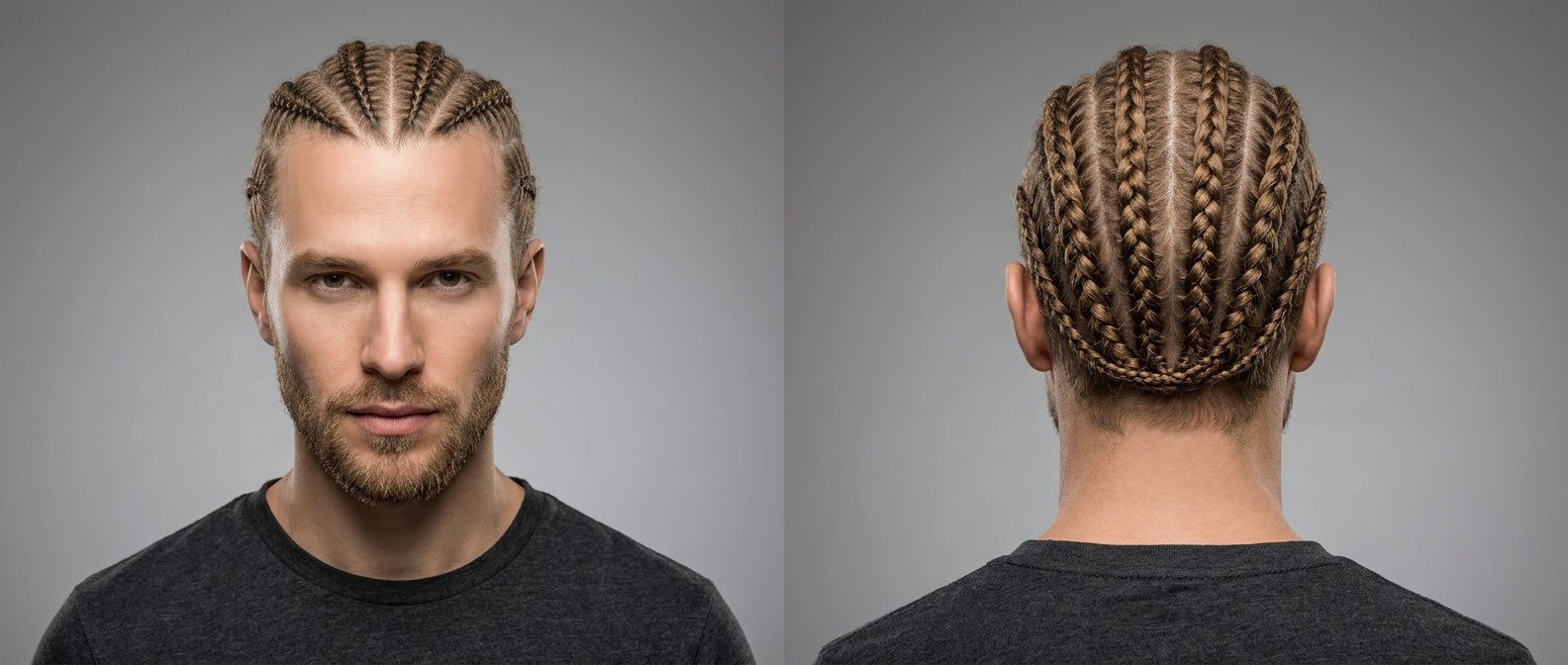
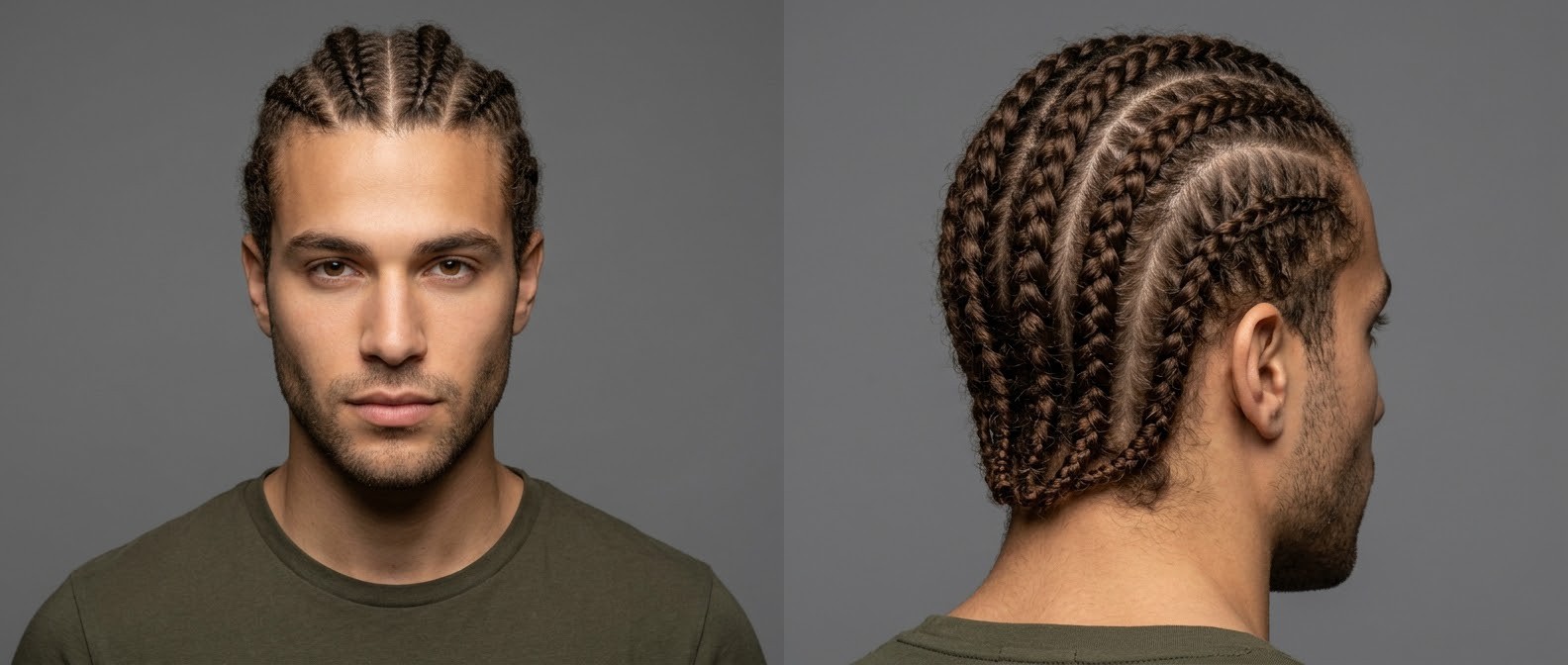
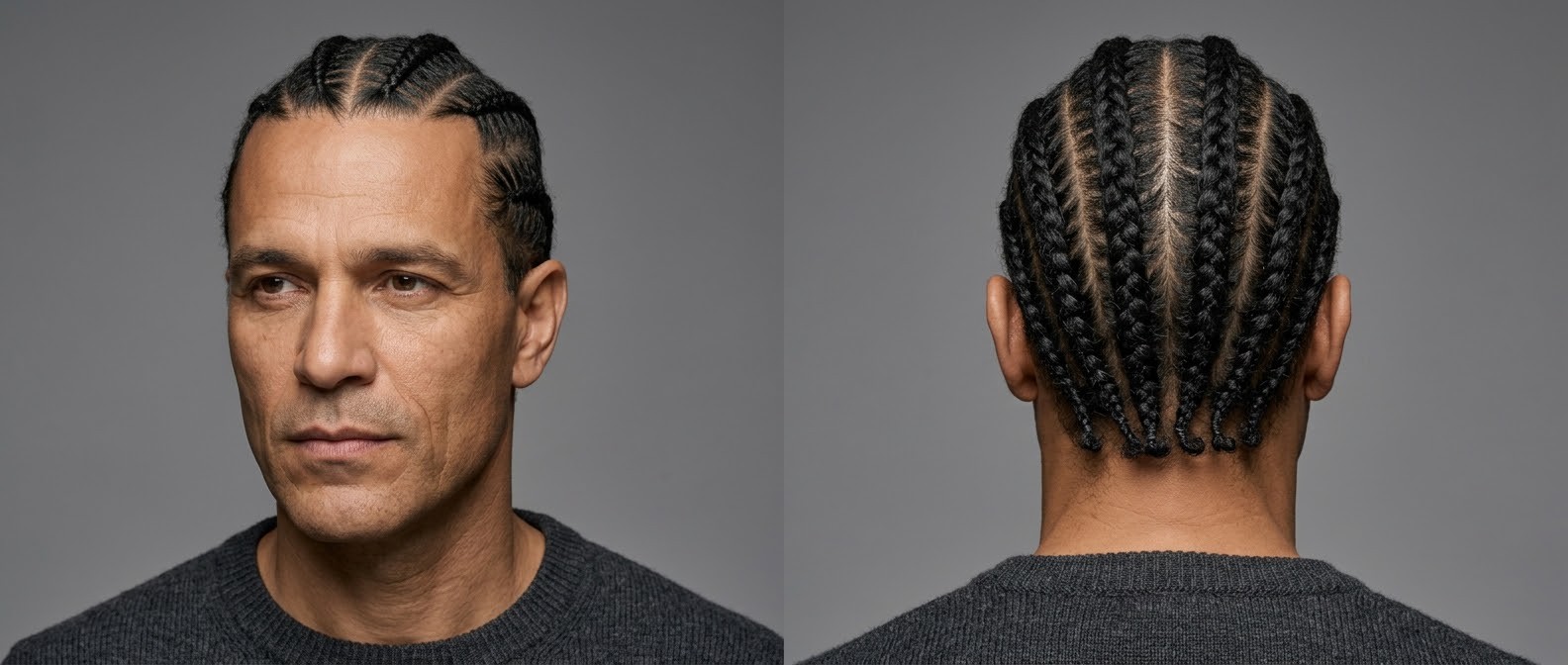
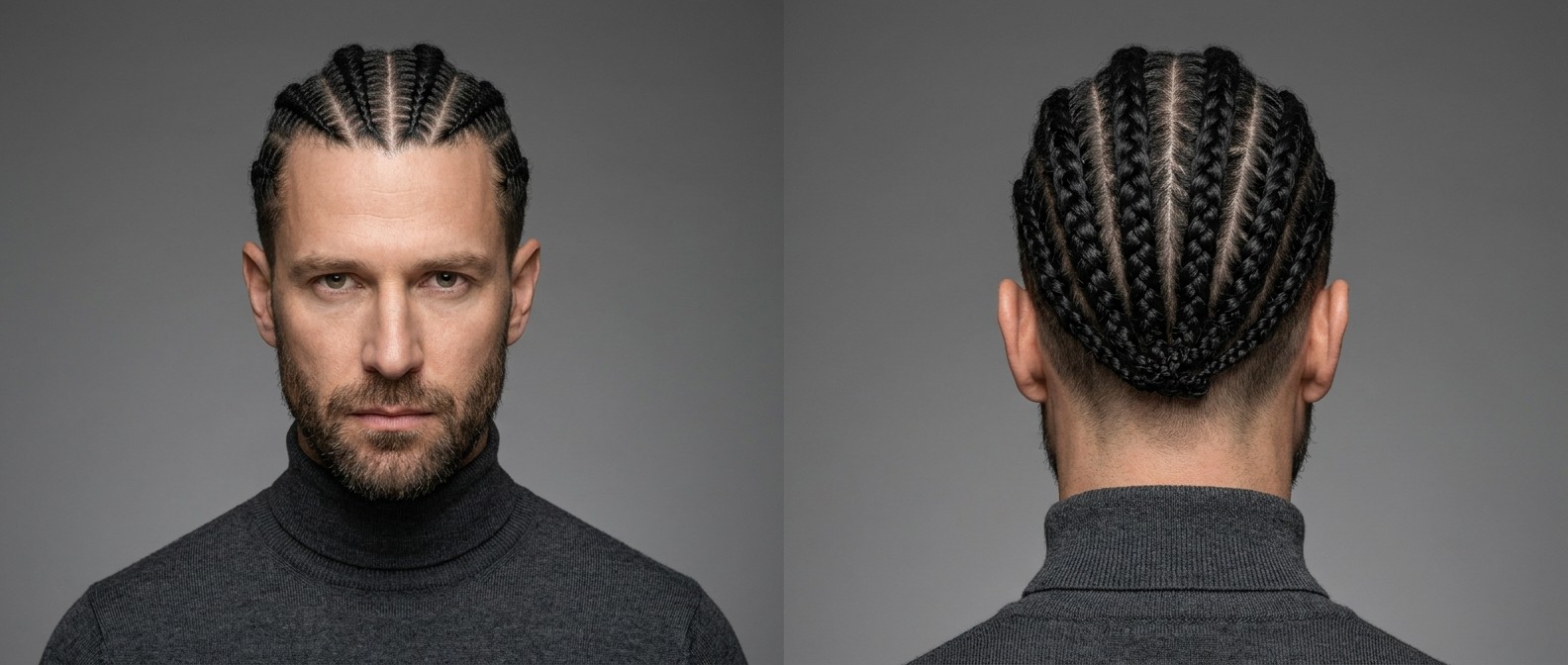
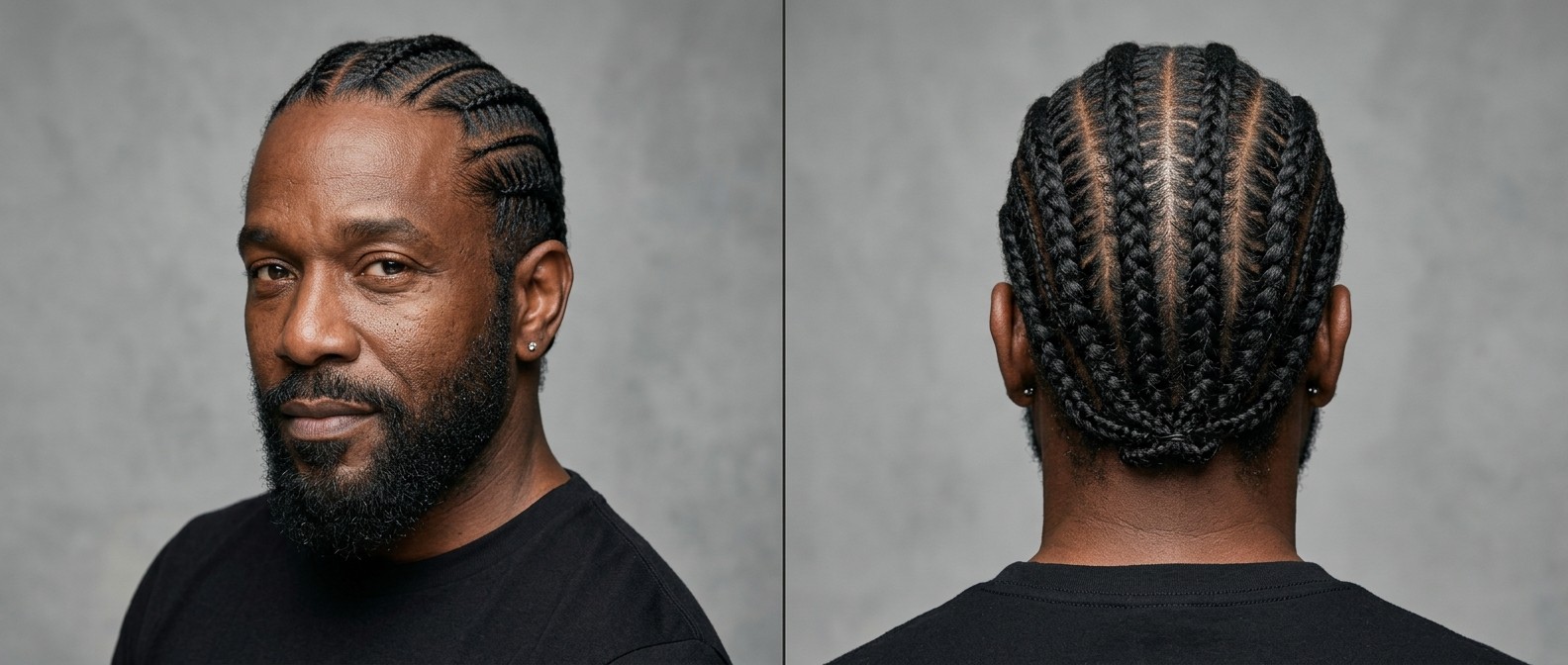
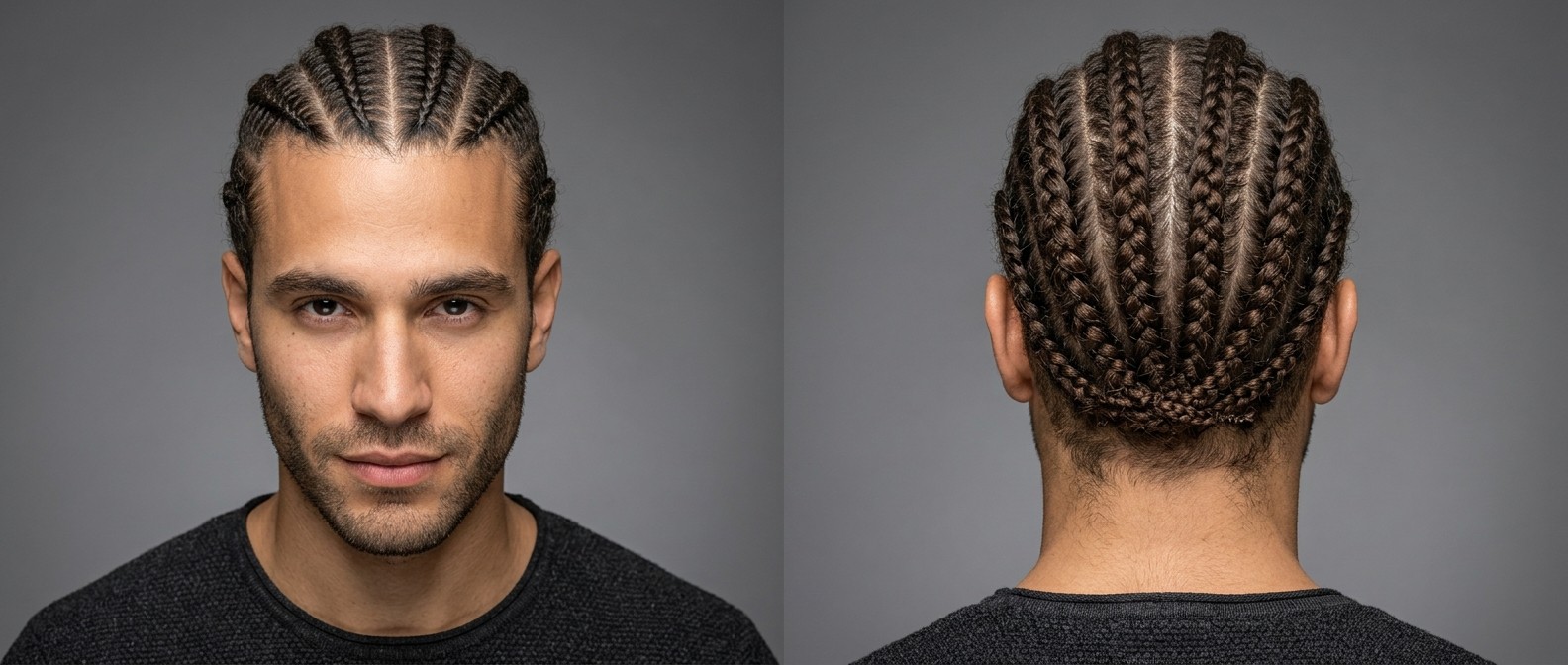
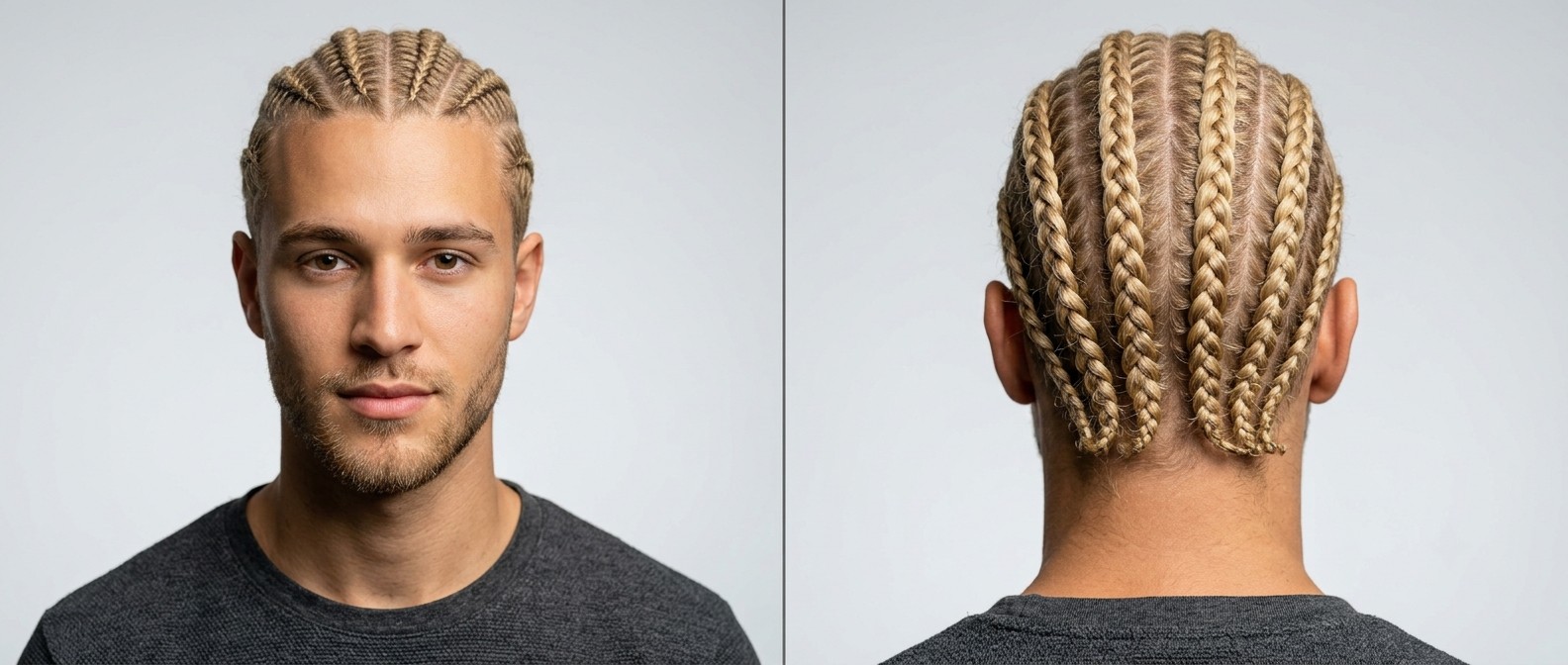
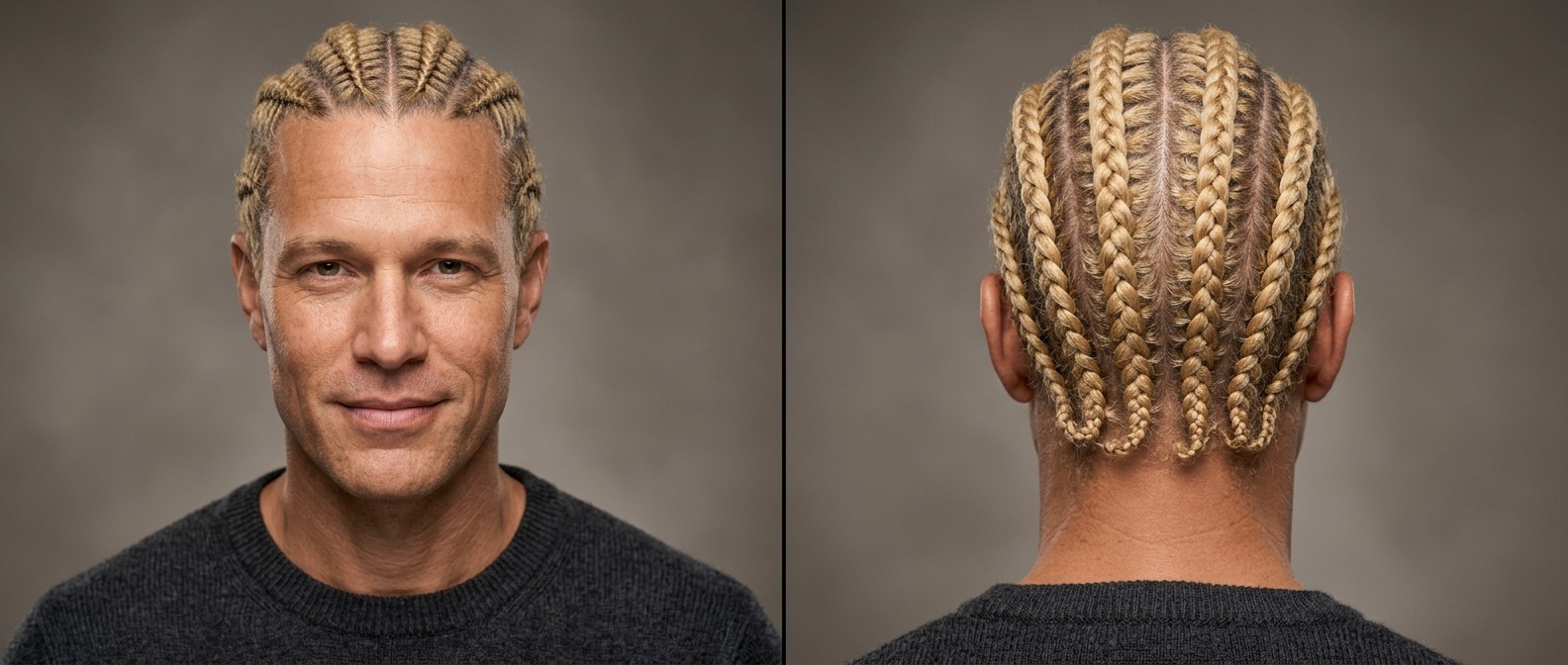
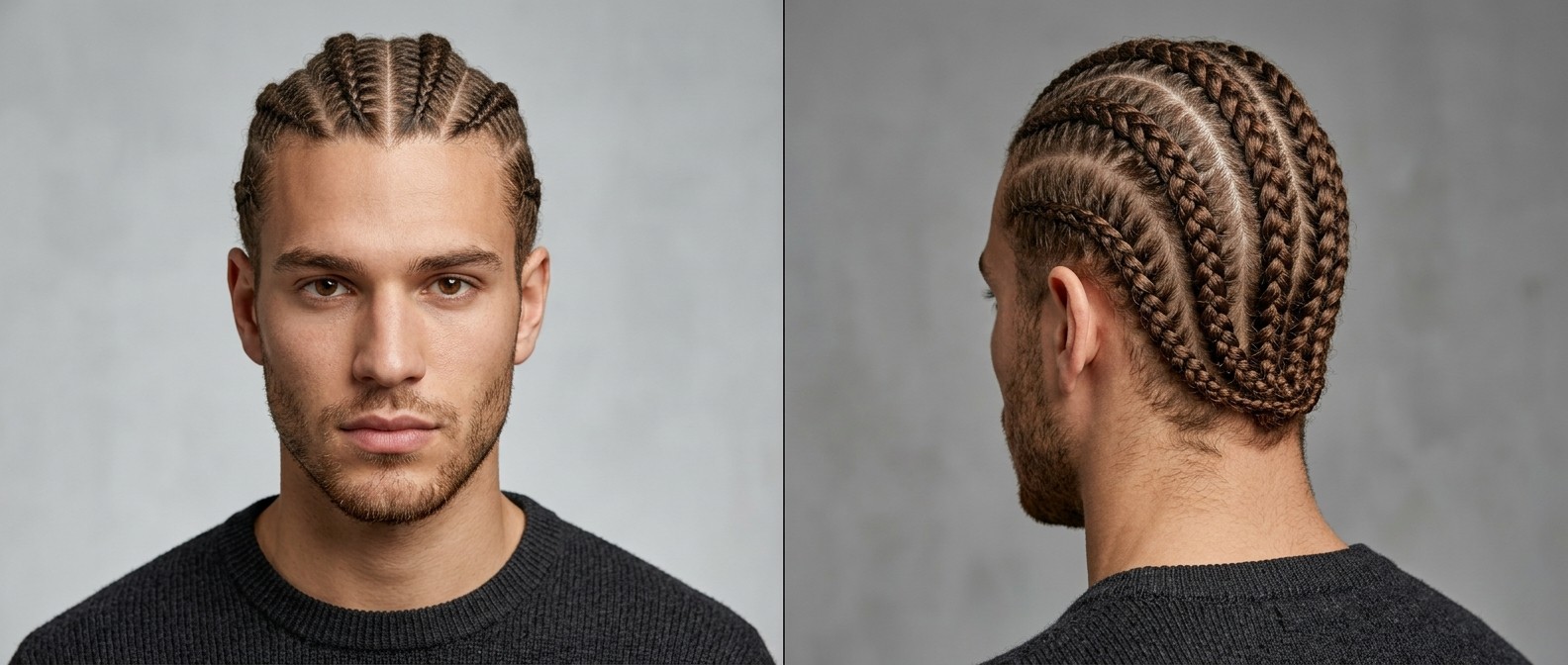
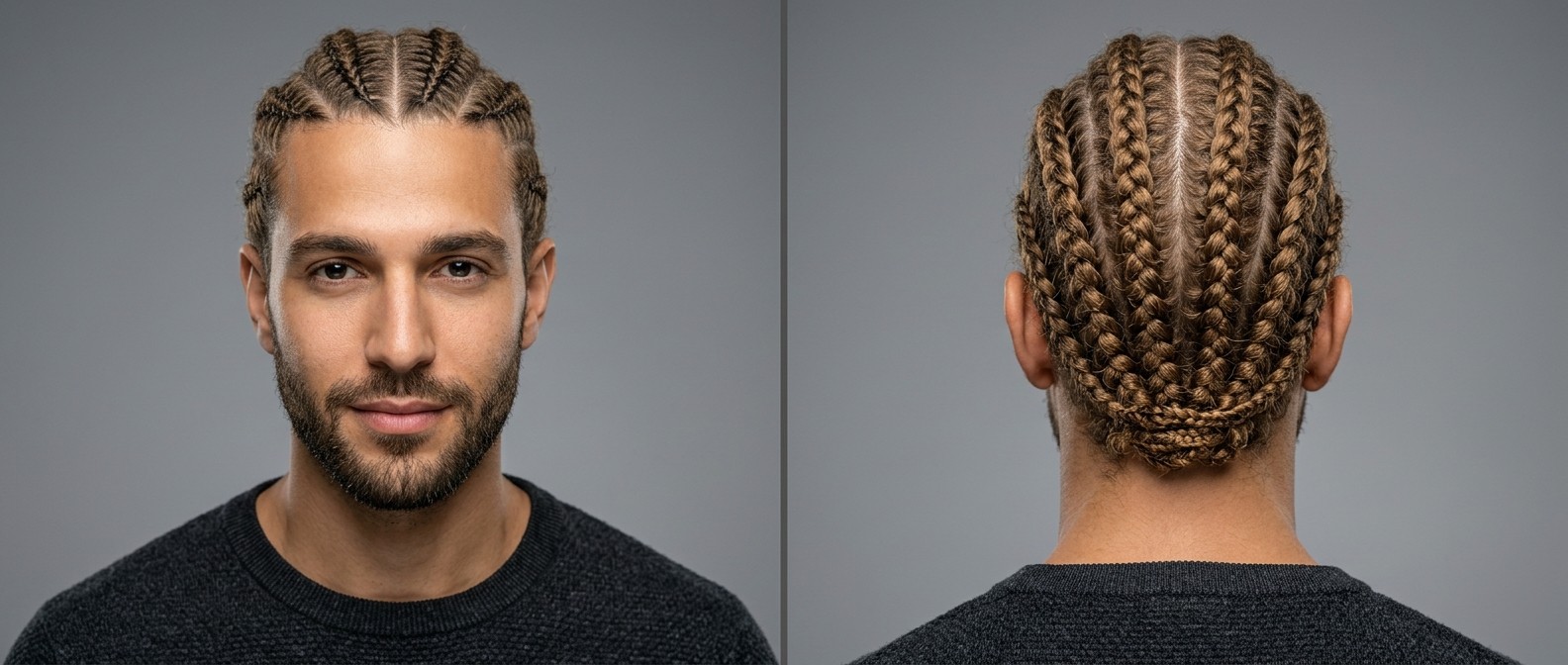
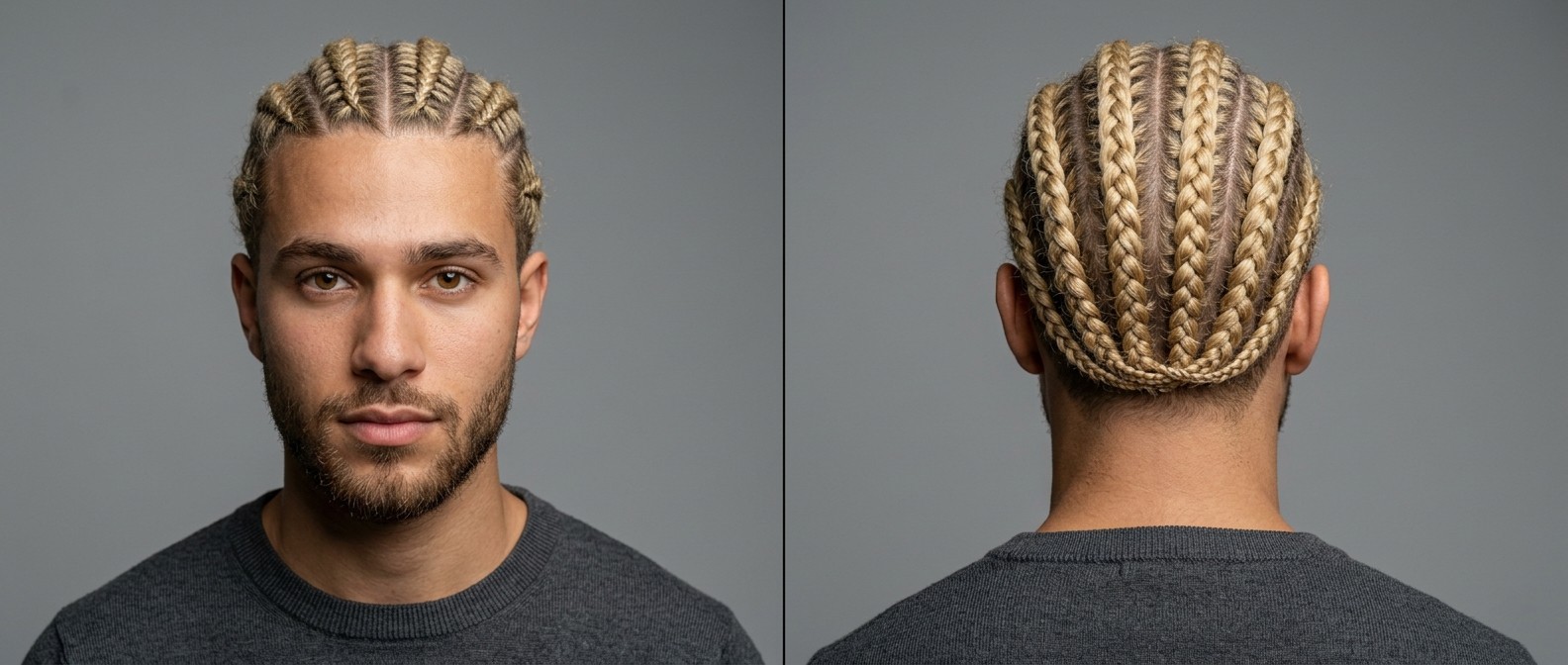
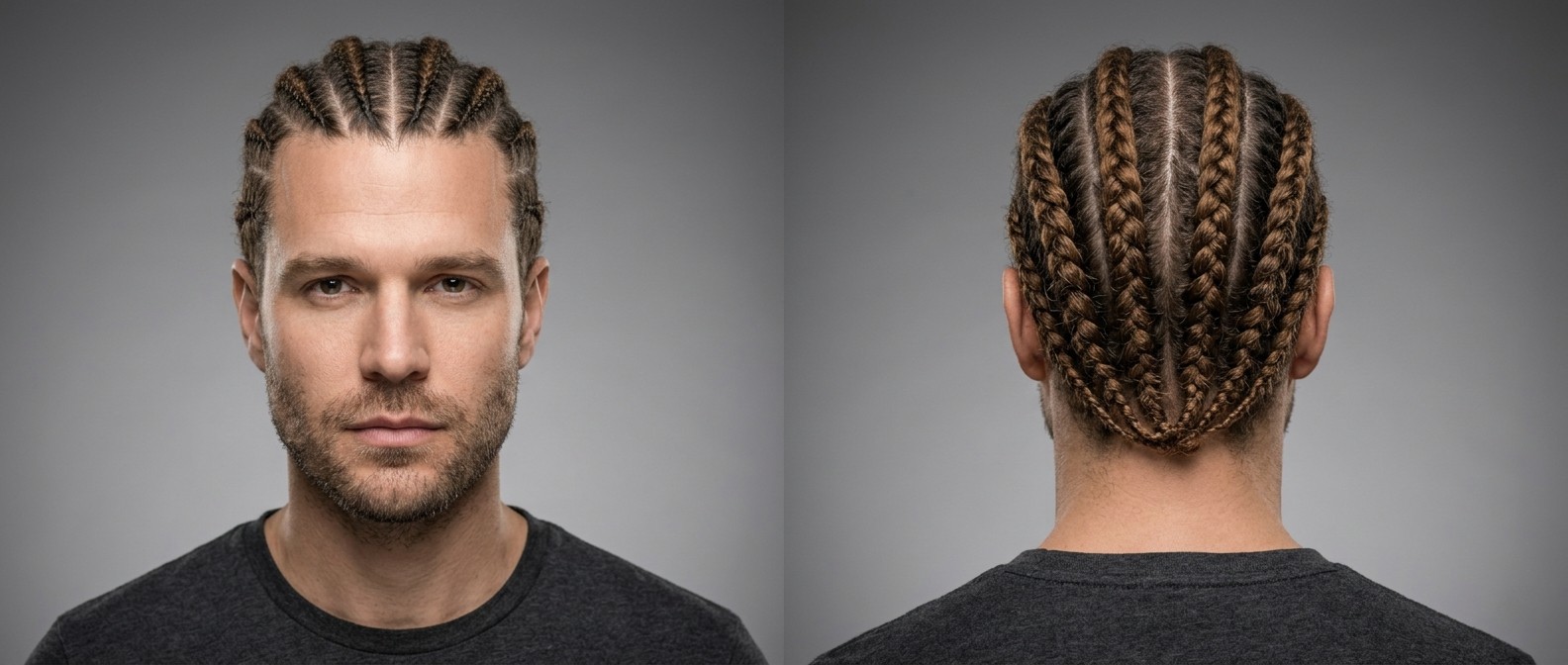
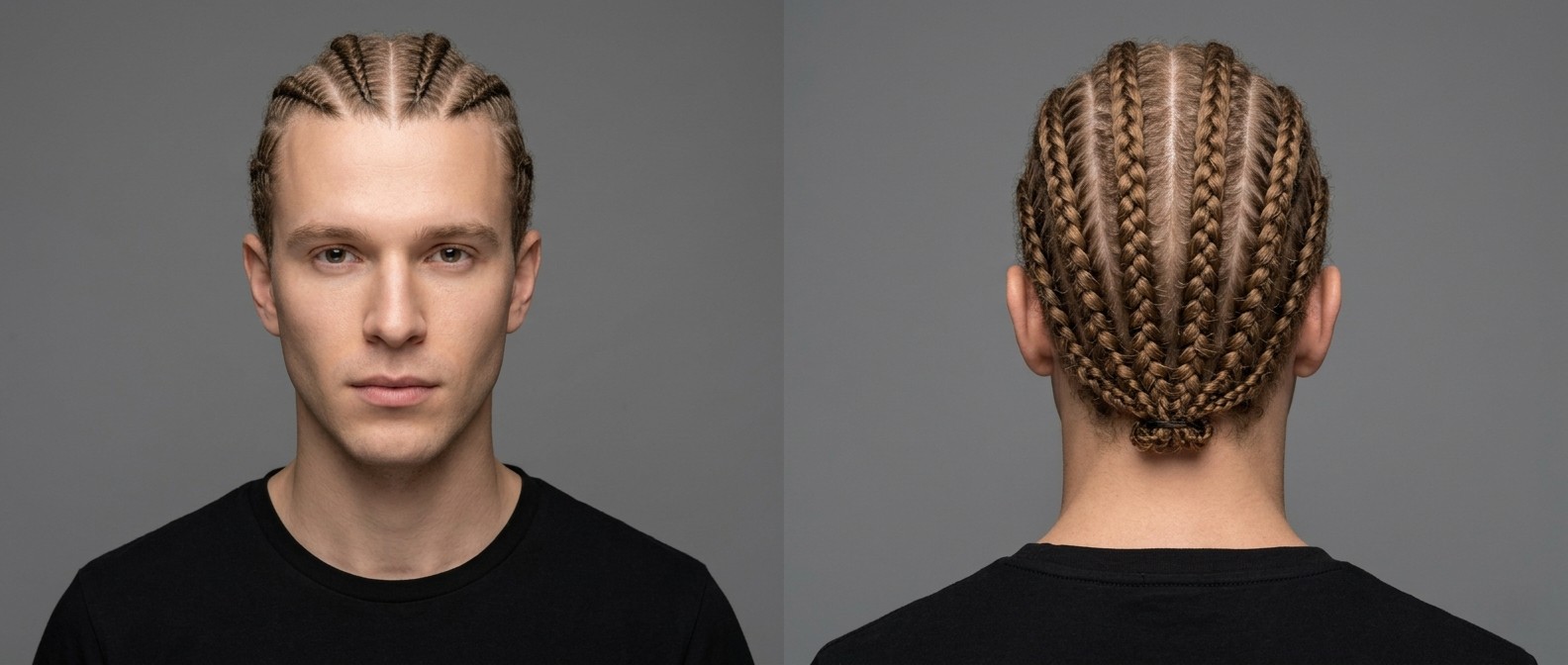
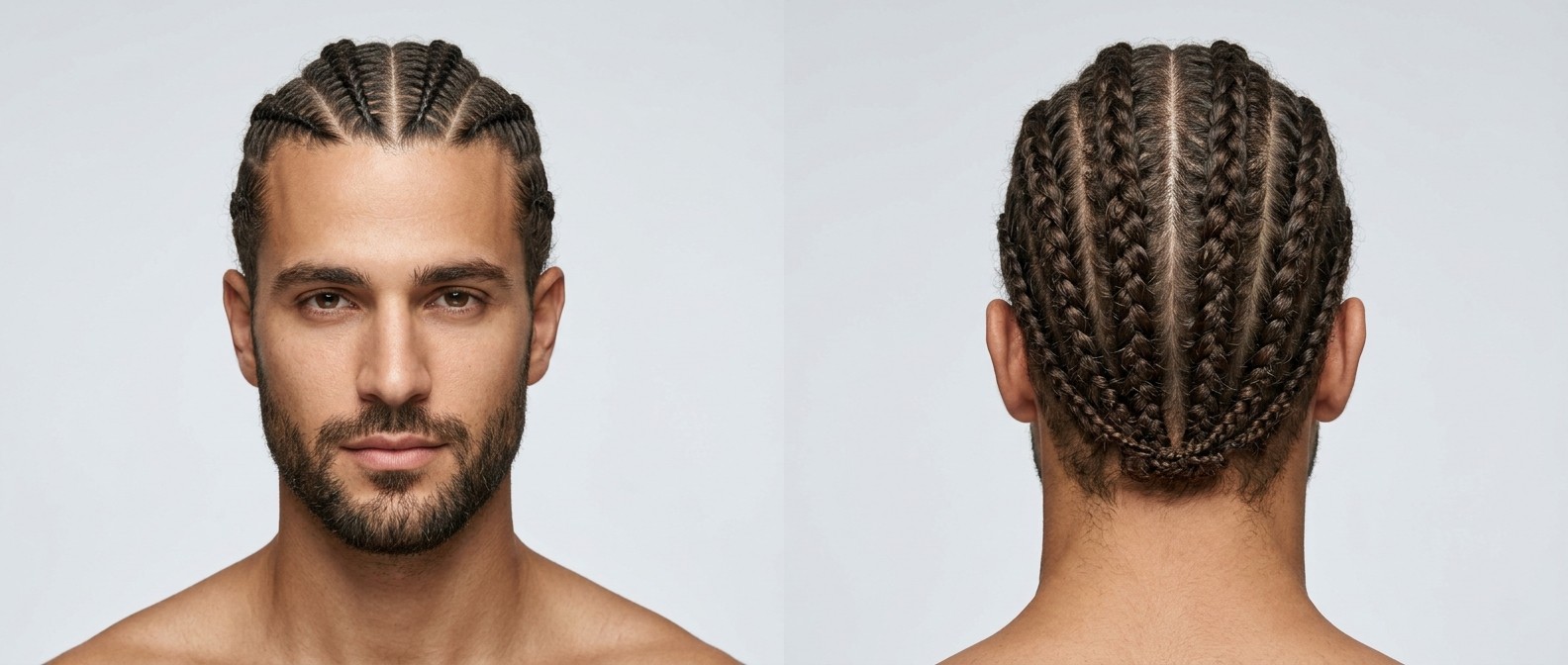
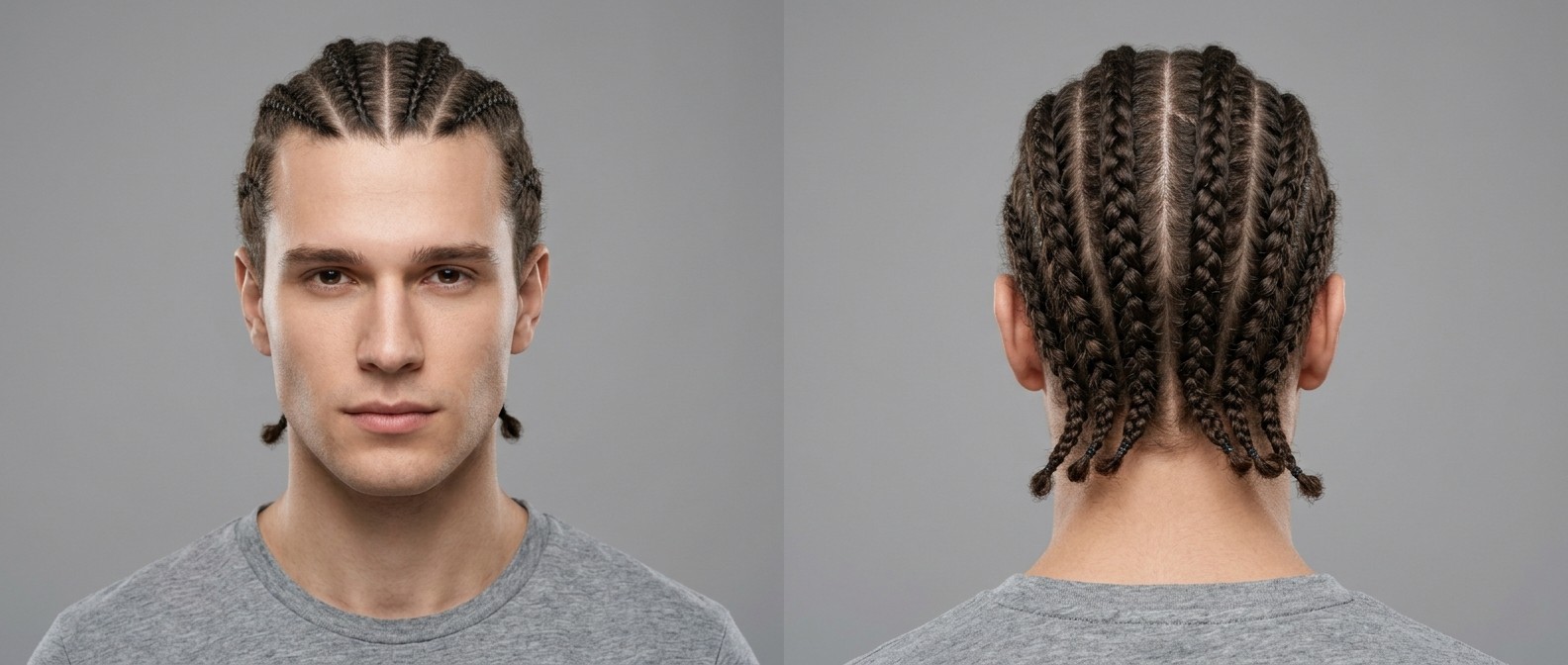
Cornrows are a braiding technique where hair is plaited flat against the scalp in an underhand, three-strand braid pattern. Unlike box braids that hang freely, cornrows stay tight to the head, creating raised rows with visible channels between them. The name comes from their resemblance to rows of corn in a field — neat, parallel, and evenly spaced.
Each cornrow is formed by starting at the hairline and braiding backward (or in any chosen direction), picking up small sections of hair from the scalp with each braid crossover. This "feed-in" technique keeps the braid anchored flat against the head. The result is a sleek, aerodynamic style that showcases the scalp between rows while protecting the braided hair underneath.
Cornrows are one of the oldest known hairstyles, with evidence dating back over 5,000 years in African cultures. They carried social significance — patterns could indicate age, religion, kinship, and social status. Today, cornrows are a globally popular style that blends cultural heritage with modern fashion, worn by athletes, musicians, and everyday men who appreciate their clean aesthetic and protective benefits.
Who Should Get Cornrows?
Cornrows work on any hair texture with enough length to braid, though they hold best and look most natural on textured hair types (3a-4c). Straight hair can be cornrowed but may require more product for grip and may not last as long before slipping.
- Minimum hair length: 2-3 inches for basic cornrows, 4+ inches for intricate designs
- Best hair types: 3b to 4c — natural texture grips beautifully and holds patterns
- Installation time: 1-4 hours depending on complexity and hair length
- Great for: athletes, active lifestyles, men who want a clean, low-maintenance look
Cornrows are particularly popular among athletes because they keep hair completely controlled during physical activity. If you work out regularly, swim, or play sports, cornrows eliminate the need to restyle after sweating — they stay locked in place through any activity.
How Cornrows Are Created
The process starts with clean, detangled hair. Your braider will plan the pattern and layout first — simple straight-back rows, curved designs, zigzags, or custom geometric patterns. Using a rat-tail comb, they section the hair into rows matching the chosen design.
Starting at the front of each row, the braider takes three small strands and begins an underhand braid — crossing strands under (not over) each other. With each cross, they pick up a thin section of hair from along the row, incorporating it into the braid. This continuous pickup keeps the braid attached to the scalp. They work from the hairline to the nape or in whatever direction the design dictates.
The tightness and neatness of the braid depend heavily on the braider's skill. A good braider maintains consistent tension throughout — tight enough to create clean, defined rows but not so tight that it causes pain or damages the hairline. The ends are typically secured with a small rubber band, tucked under, or braided to the very tip.
What to Tell Your Braider
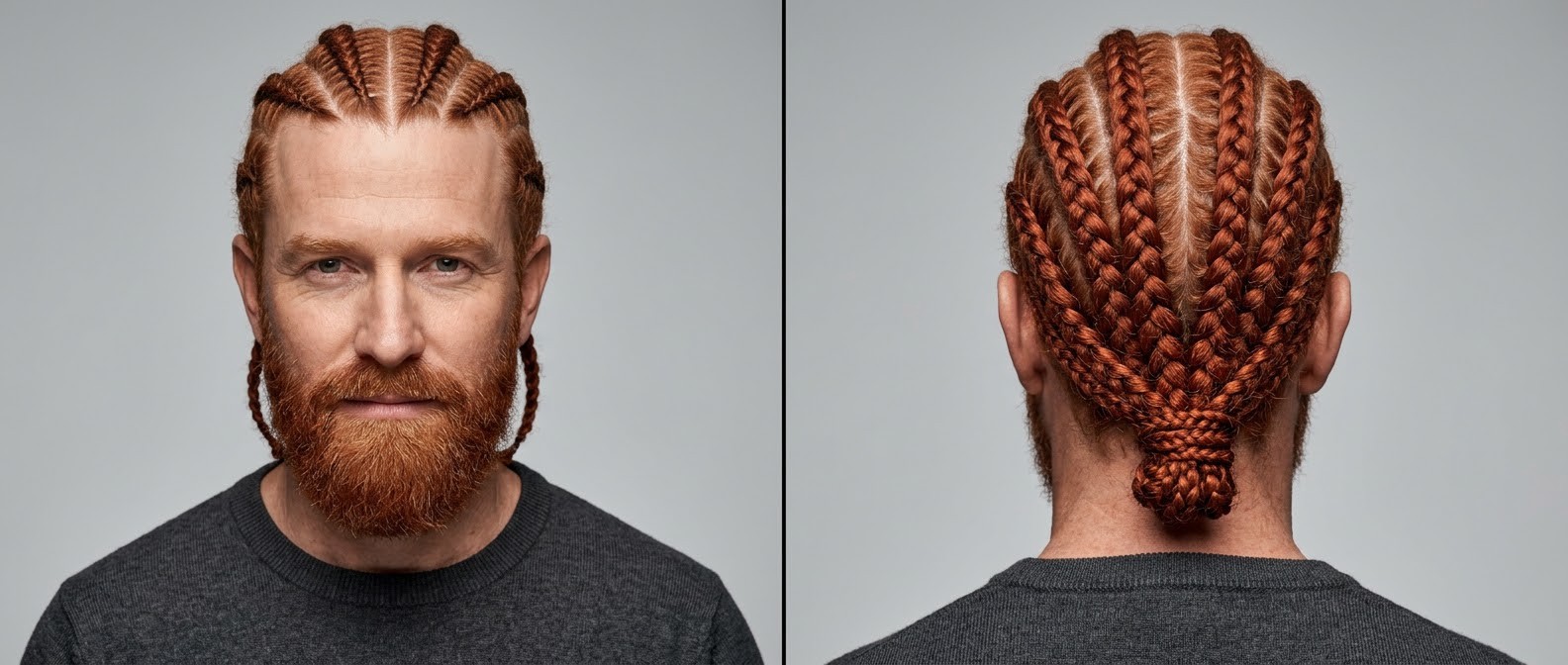
Come prepared with a clear idea of your pattern. Simple straight-back cornrows are the classic choice, but you can also request: curved rows that follow your head shape, zig-zag patterns, geometric designs, or feed-in cornrows that start thin at the hairline and thicken toward the back.
Key details to communicate: the number of rows you want (more rows = thinner braids = sleeker look), the direction (straight back, to one side, or mixed), and whether you want designs or just clean lines. If you have a sensitive scalp or thinning edges, say so — your braider can adjust tension accordingly.
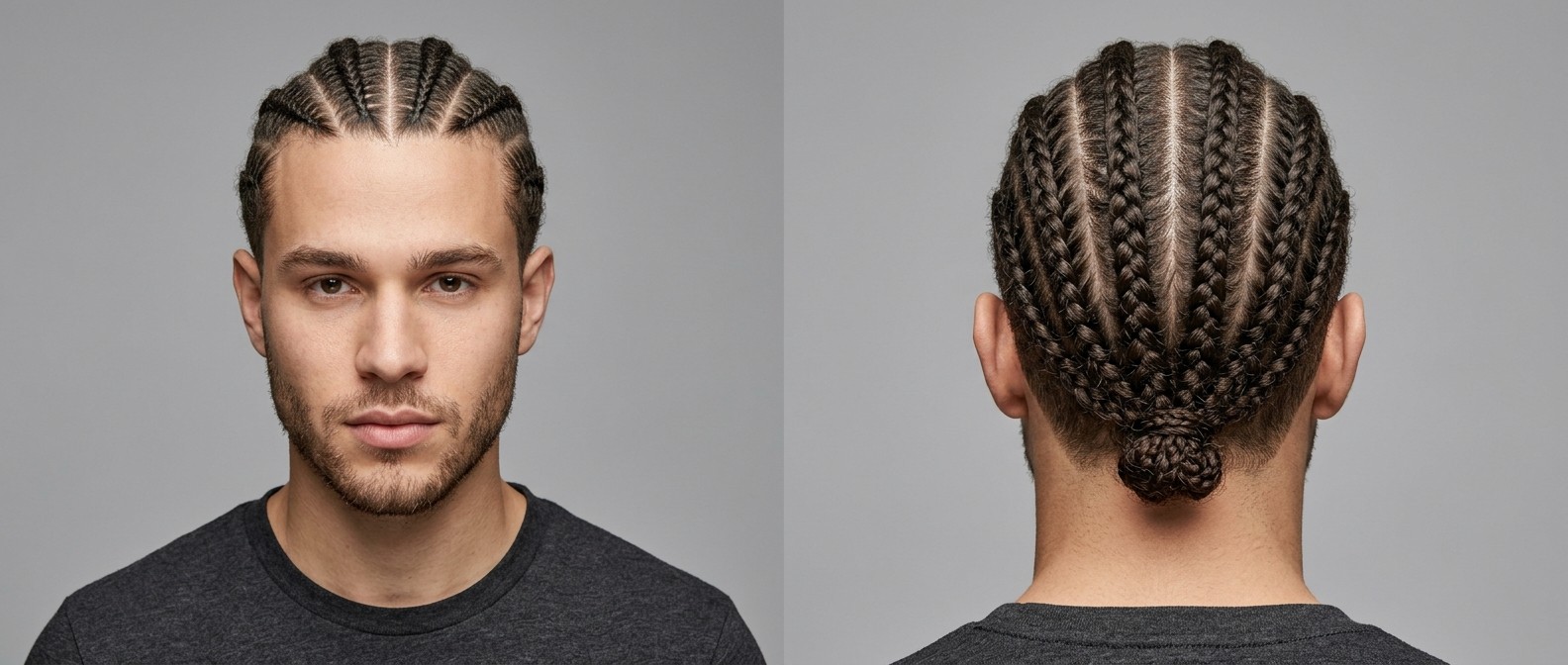
For a modern look, ask about cornrows with a fade — braids on top transitioning to a skin or low fade on the sides. This combination is incredibly popular and professional-looking. Bring reference photos, especially for complex patterns — a picture communicates more than words ever could.
Cornrow Maintenance
Well-done cornrows last 2-4 weeks for men, sometimes up to 6 weeks depending on hair growth speed and care routine. As new hair grows in at the roots, the cornrows loosen and look less defined — this is when it's time for a redo.
- Nightly care: wear a durag or silk bonnet every night to reduce frizz and maintain definition
- Scalp care: apply a lightweight oil along the parts every 2-3 days to prevent dryness and itching
- Washing: use diluted shampoo and gently press it along the cornrows — don't rub or scrub
- Edge care: moisturize and avoid excessive re-braiding of the hairline to prevent traction alopecia
- Between styles: give your hair a few days of rest between cornrow installations to recover
Cornrow Patterns and Variations
Straight-back cornrows are the timeless classic — clean, parallel rows running from forehead to nape. They're quick to install and universally flattering. Feed-in cornrows use a technique where braiding hair is gradually added, creating a seamless, natural-looking start at the hairline that's flat and undetectable.
Cornrow designs push the style into artistry — skilled braiders can create zigzags, spirals, stars, and custom patterns that turn your head into a canvas. Stitch braids (a subset of cornrows with extra-defined parts) give a clean, high-fashion look. For versatility, cornrows into a man bun keep the front sleek while gathering length at the back. Two-cornrow styles (just two thick braids) offer a bold, minimal look that's become a modern street style staple — quick to install and effortlessly cool.