

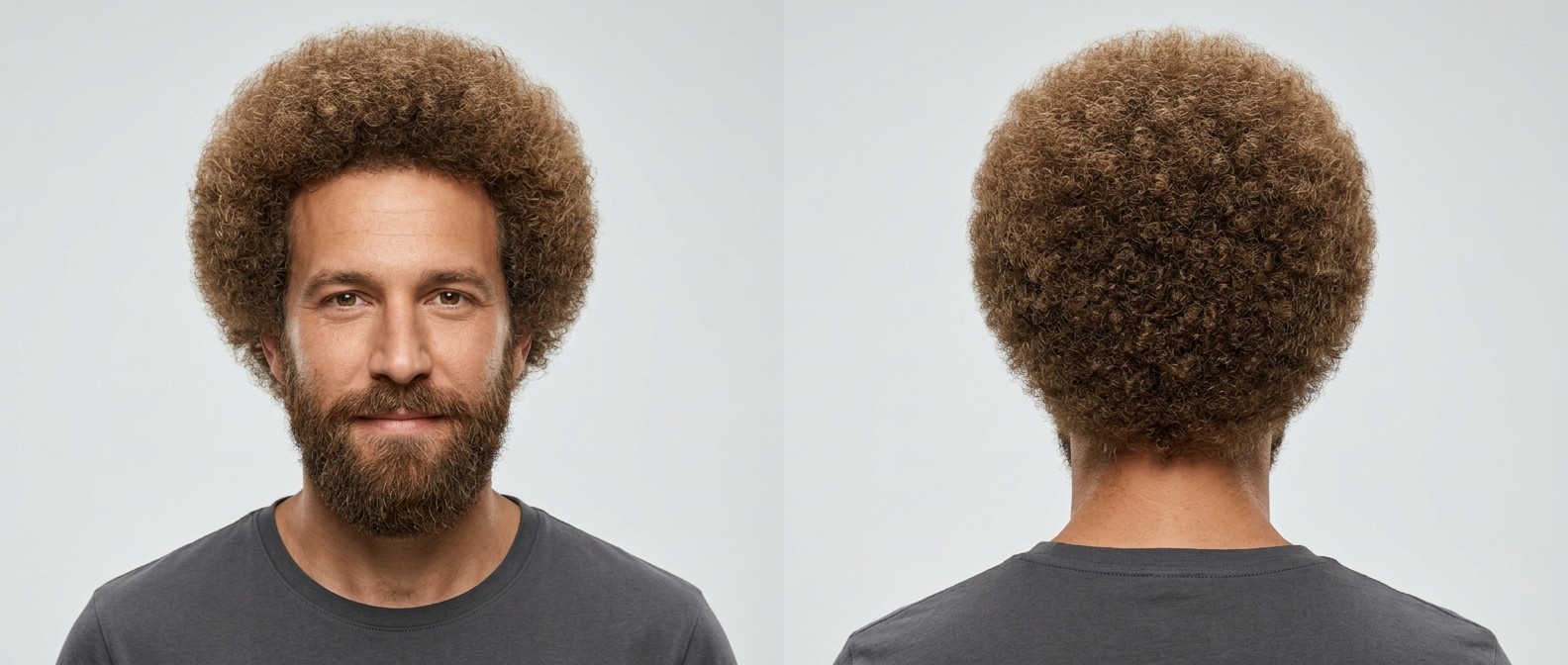
What Is the Afro?
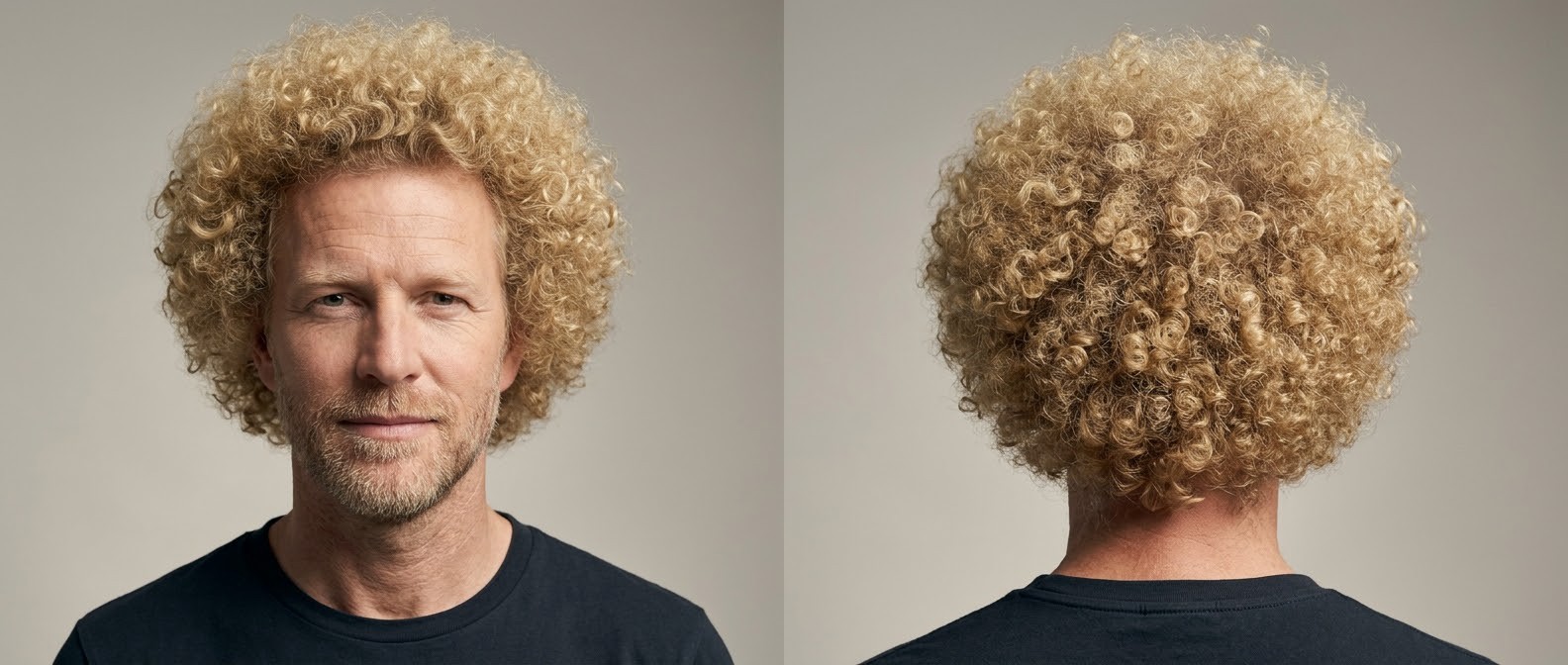
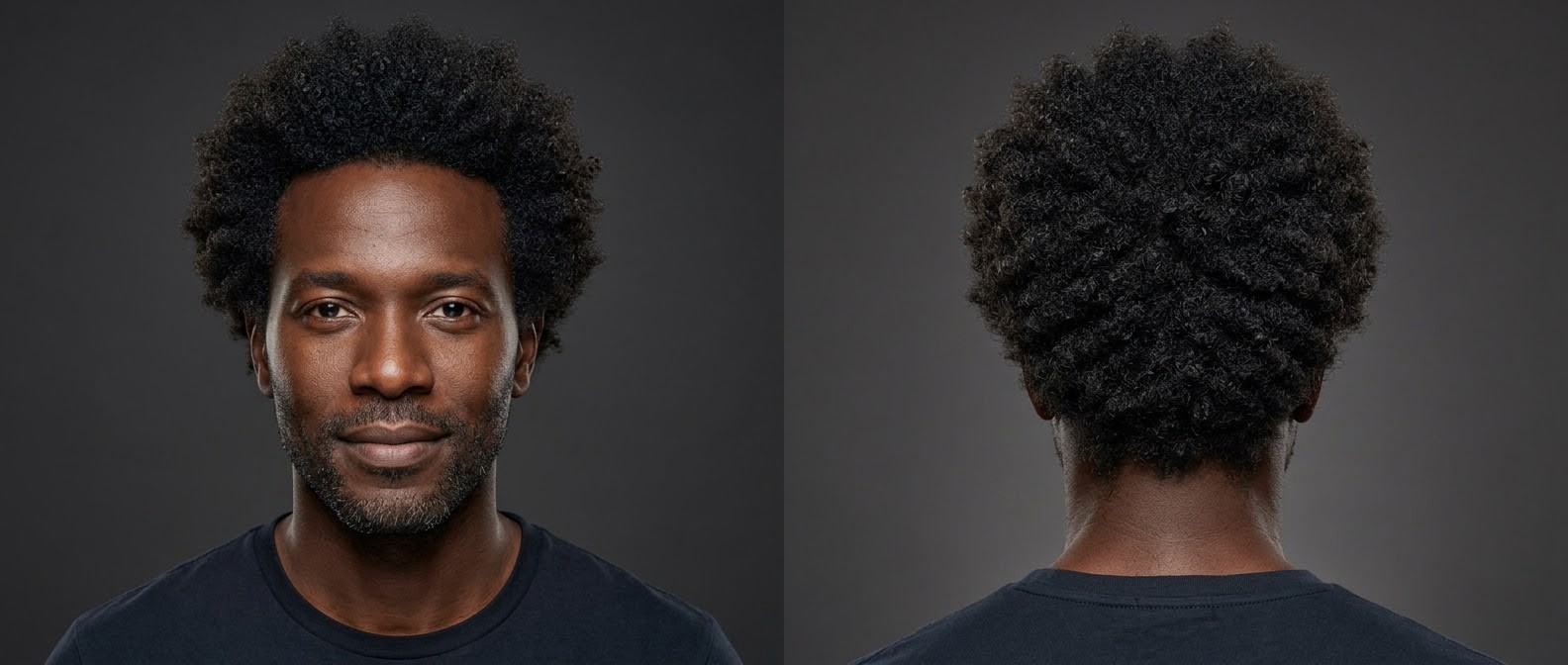
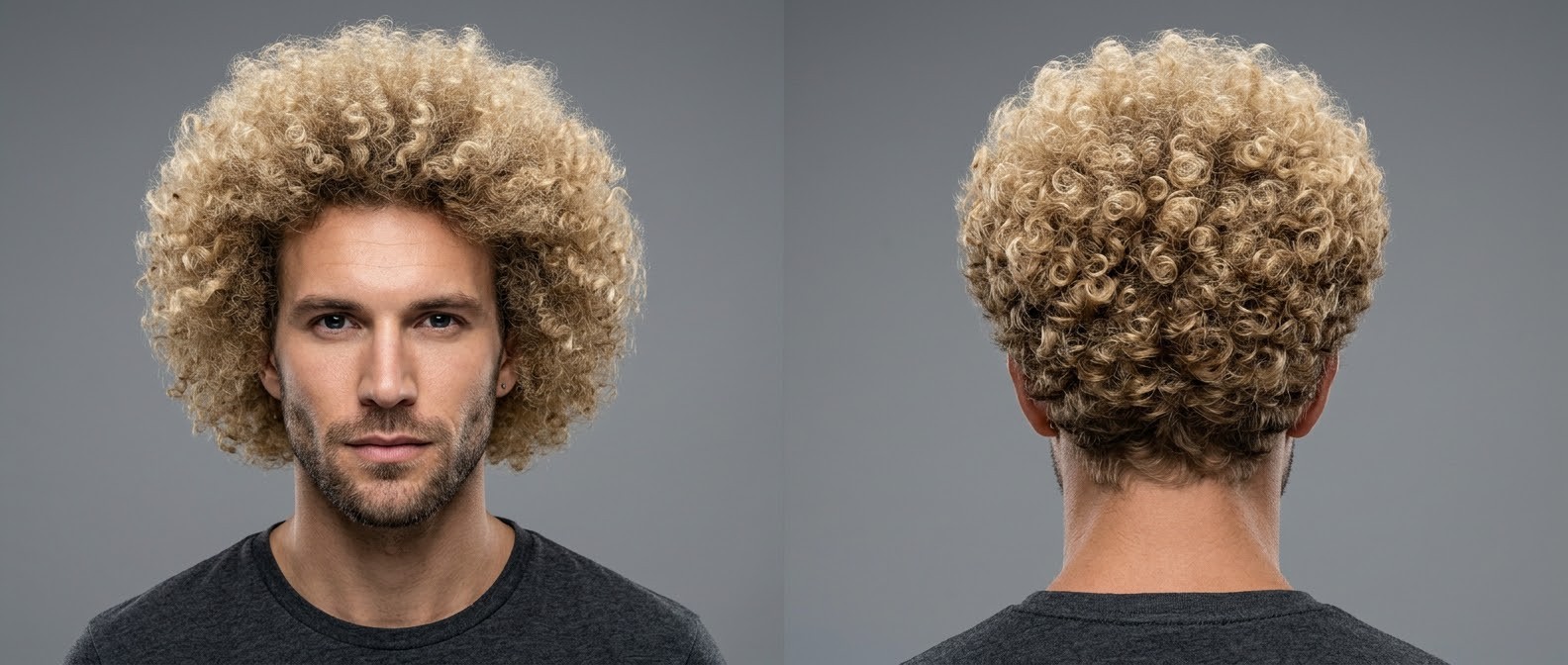
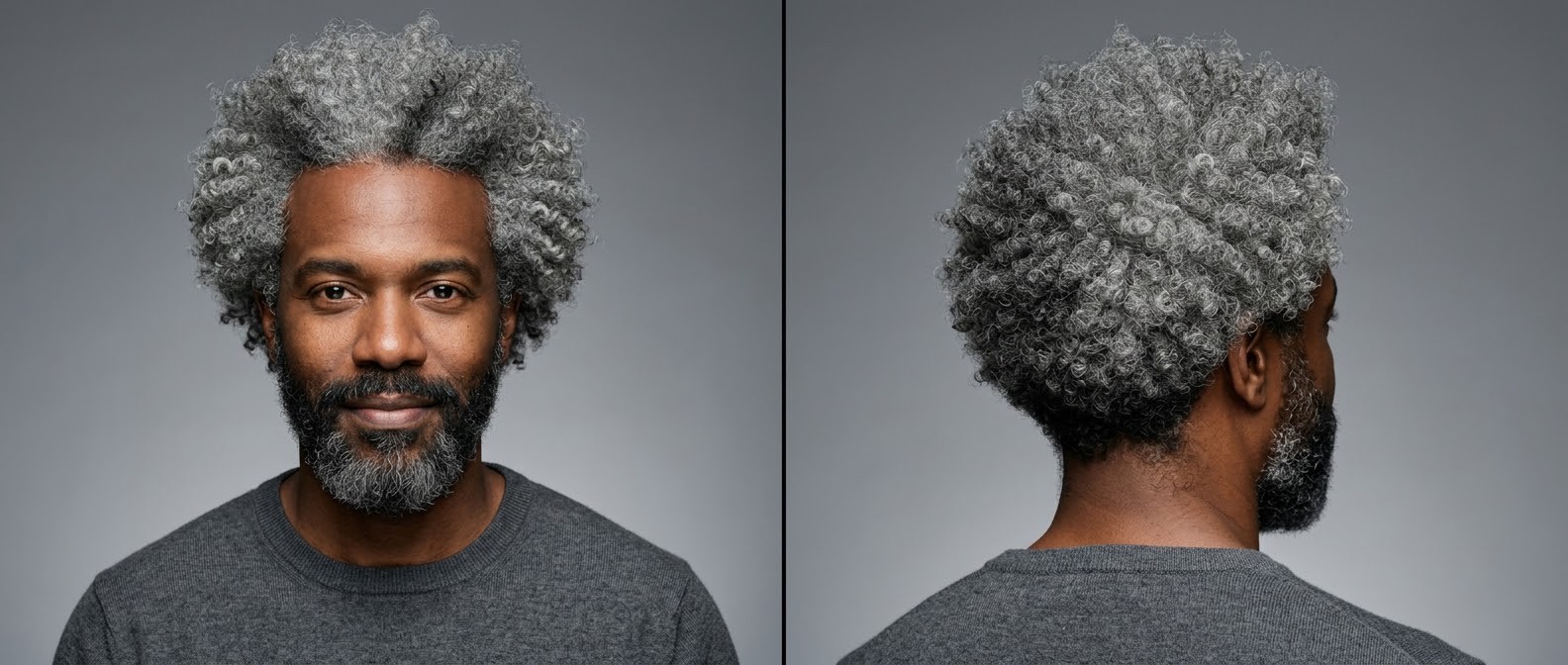
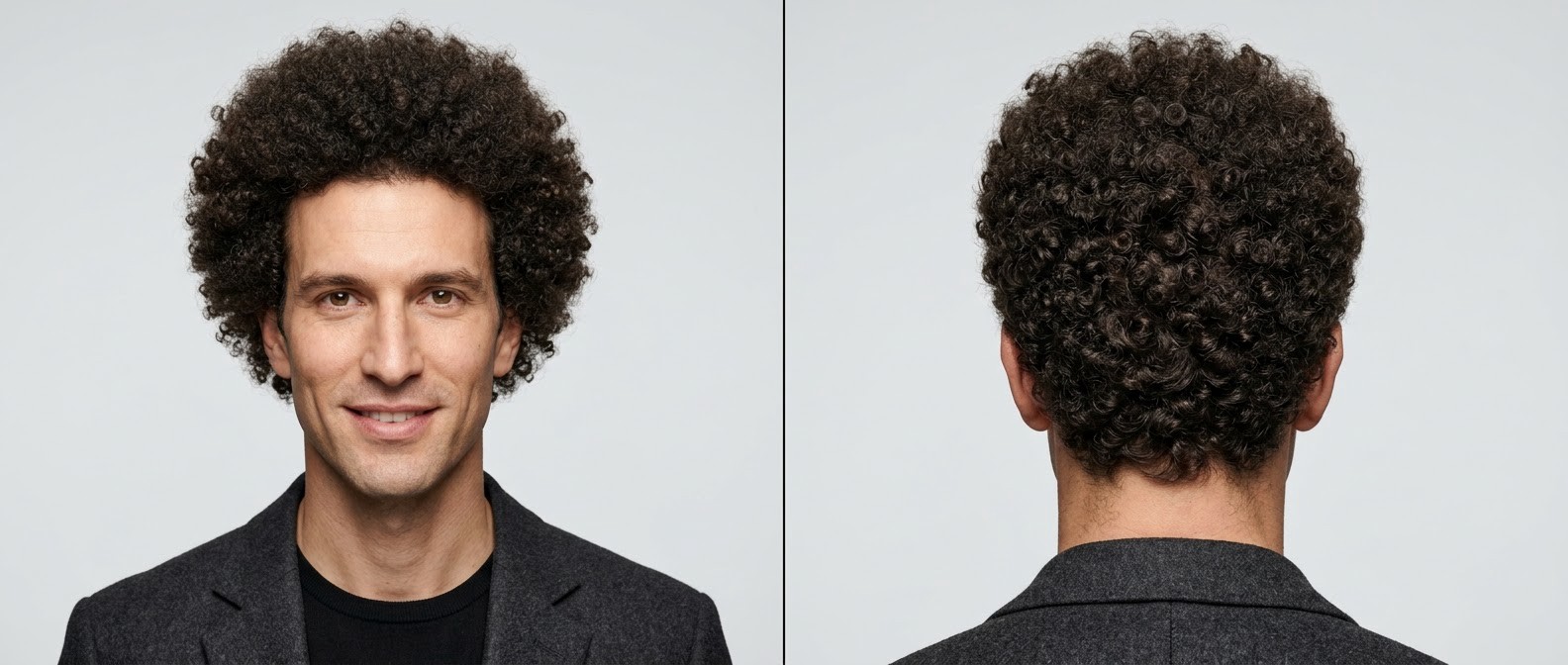
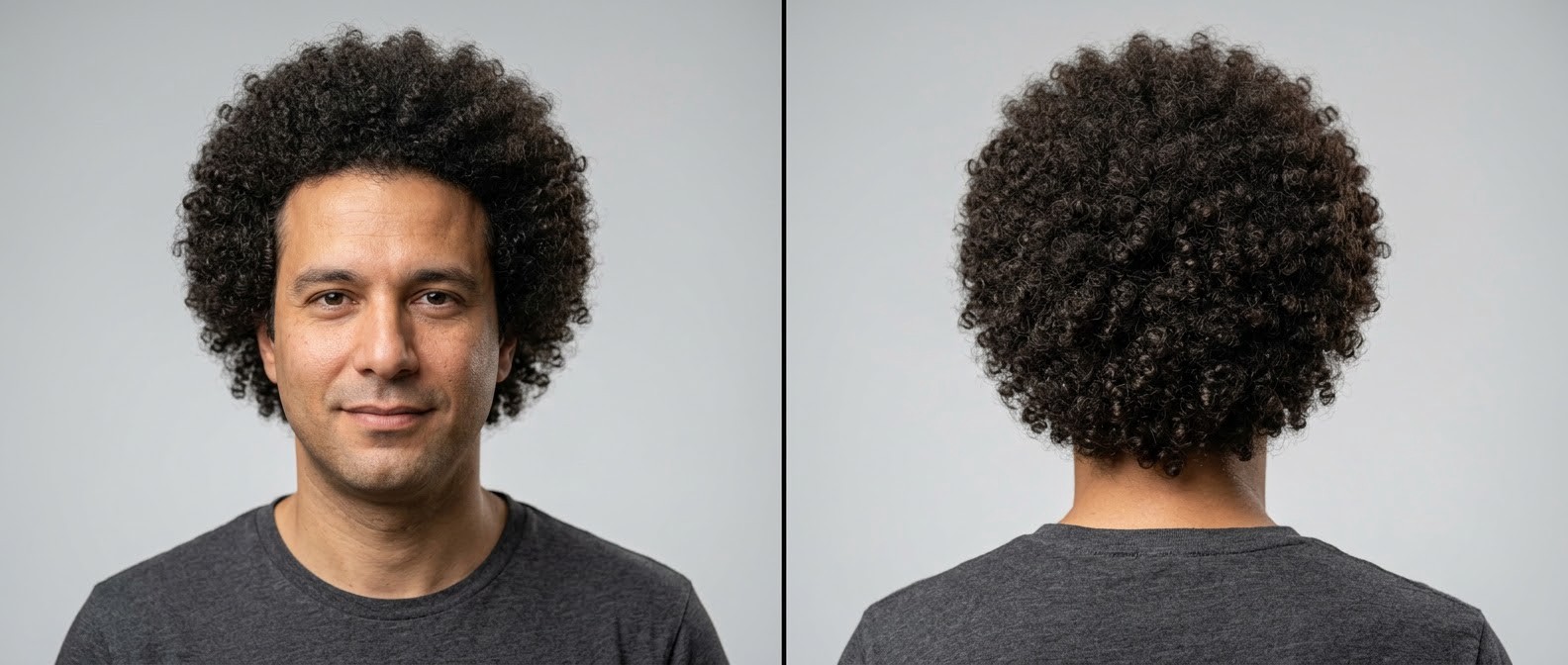
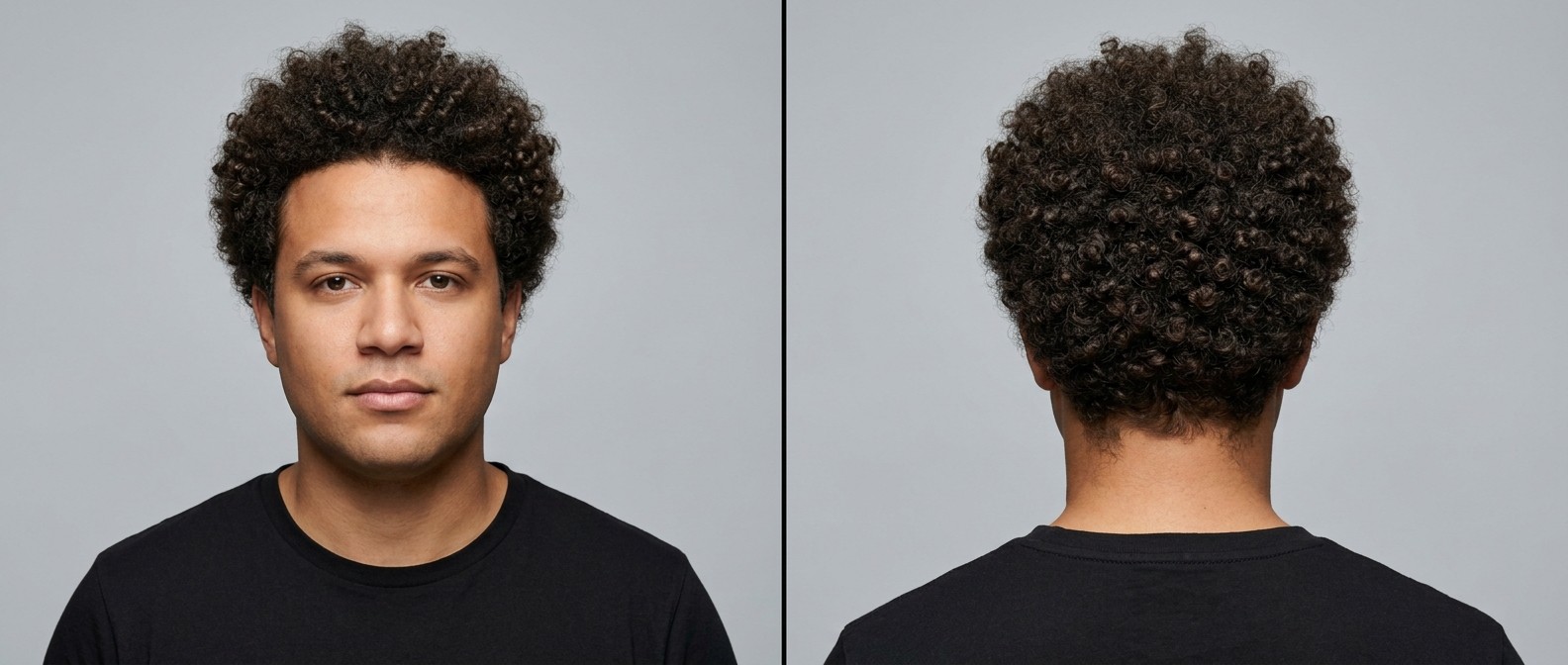
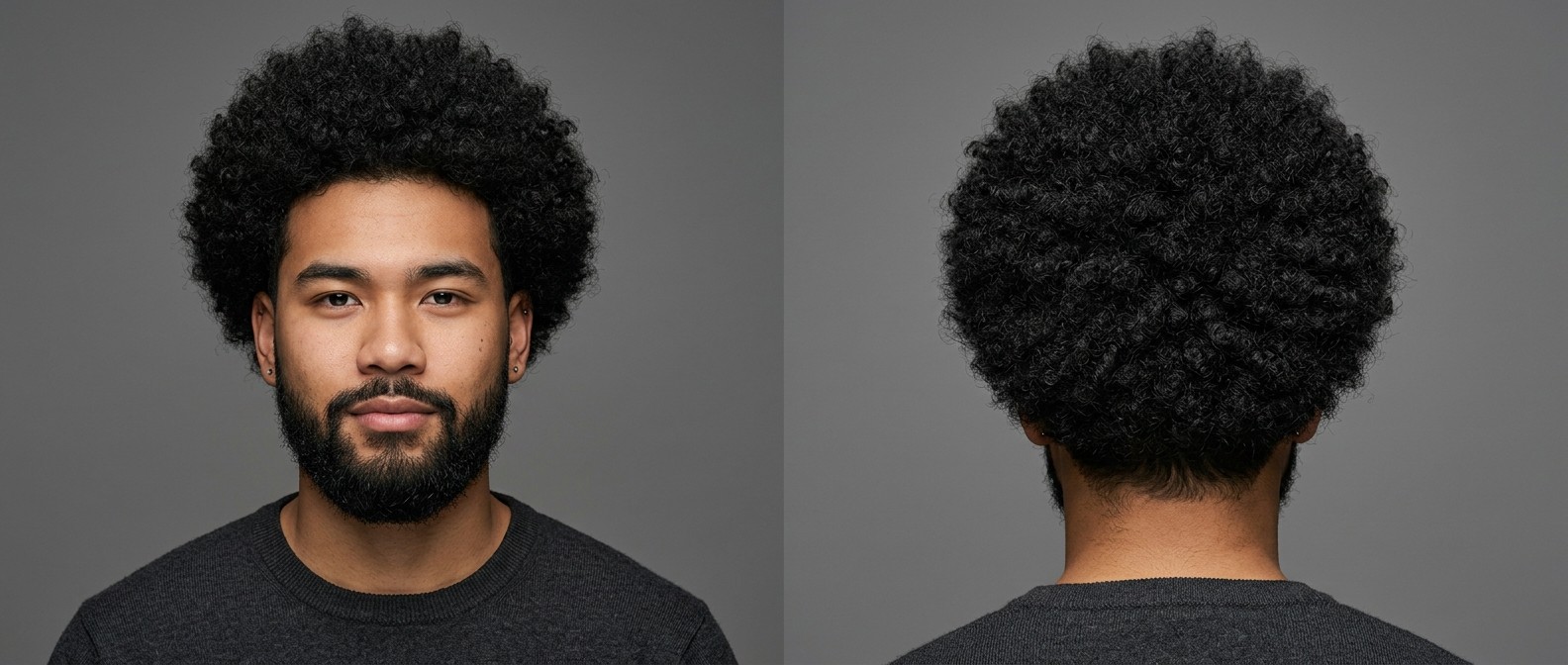
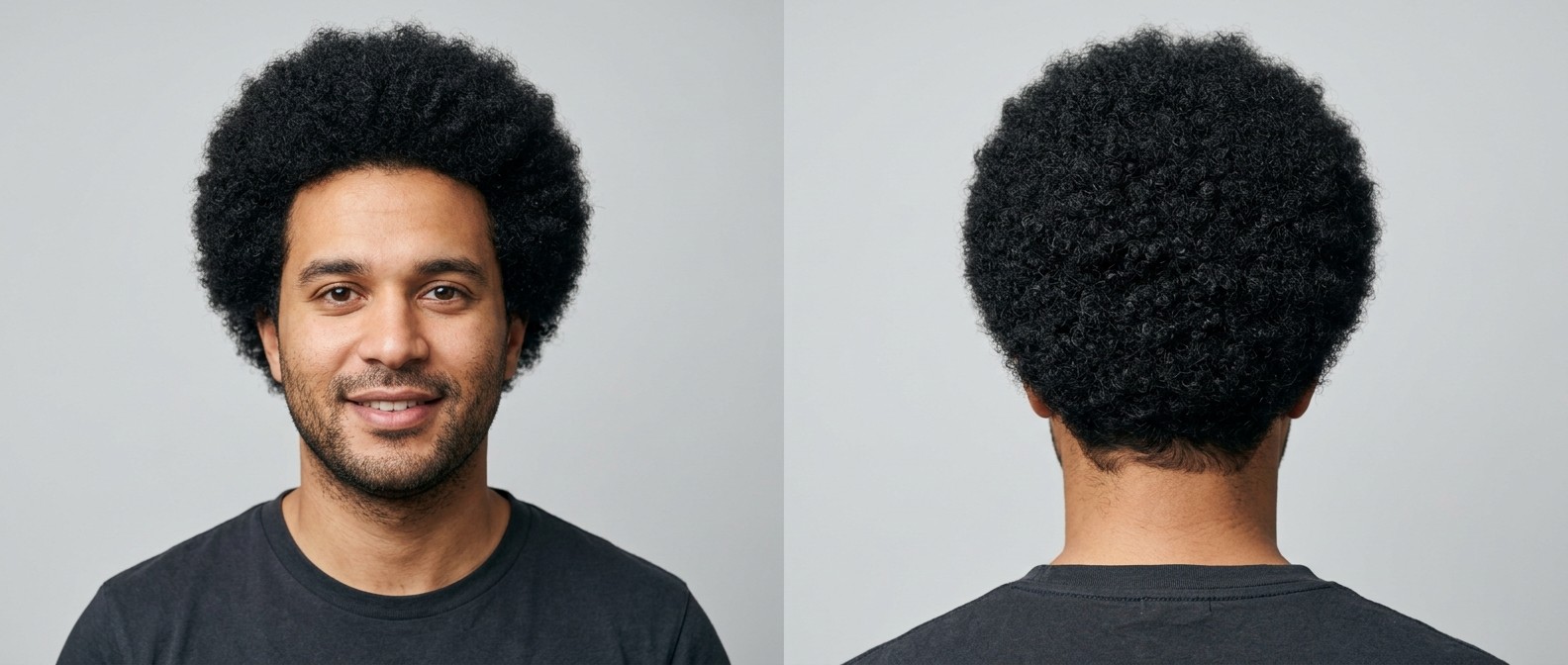
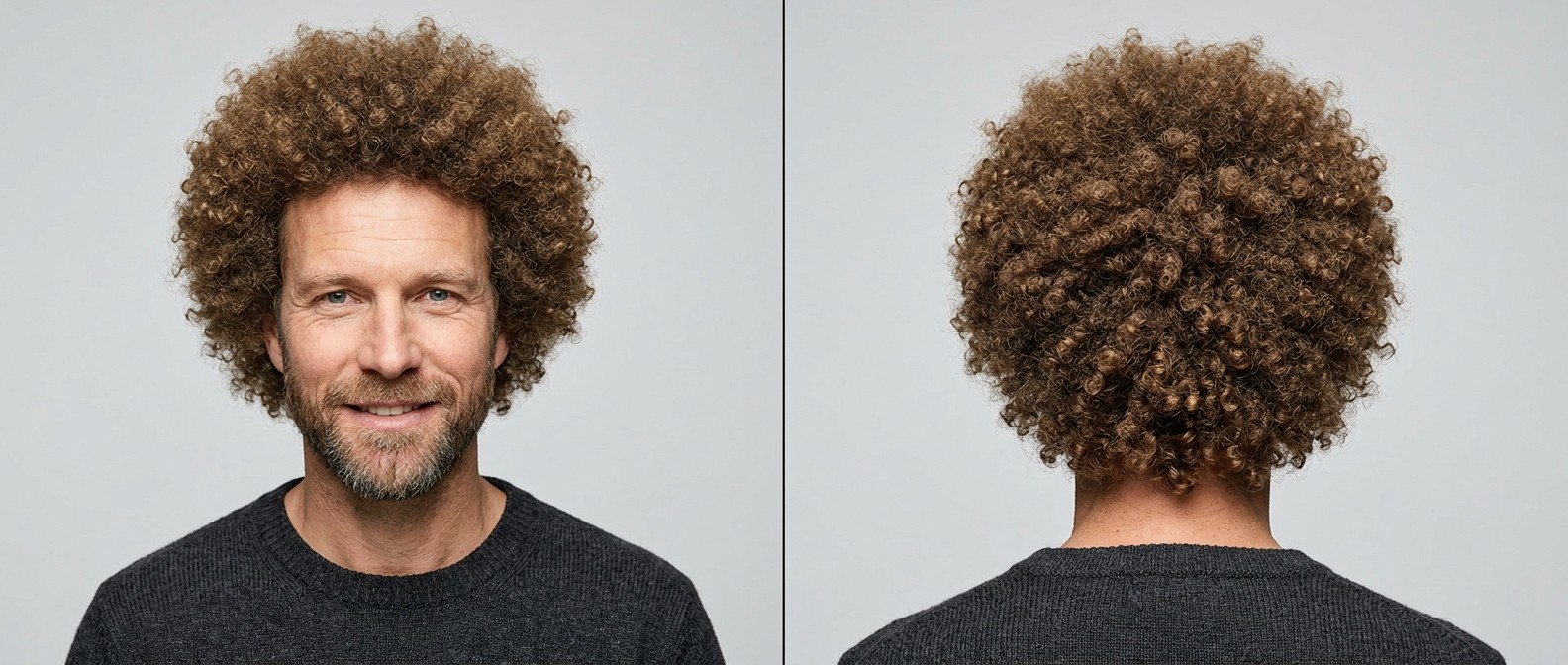
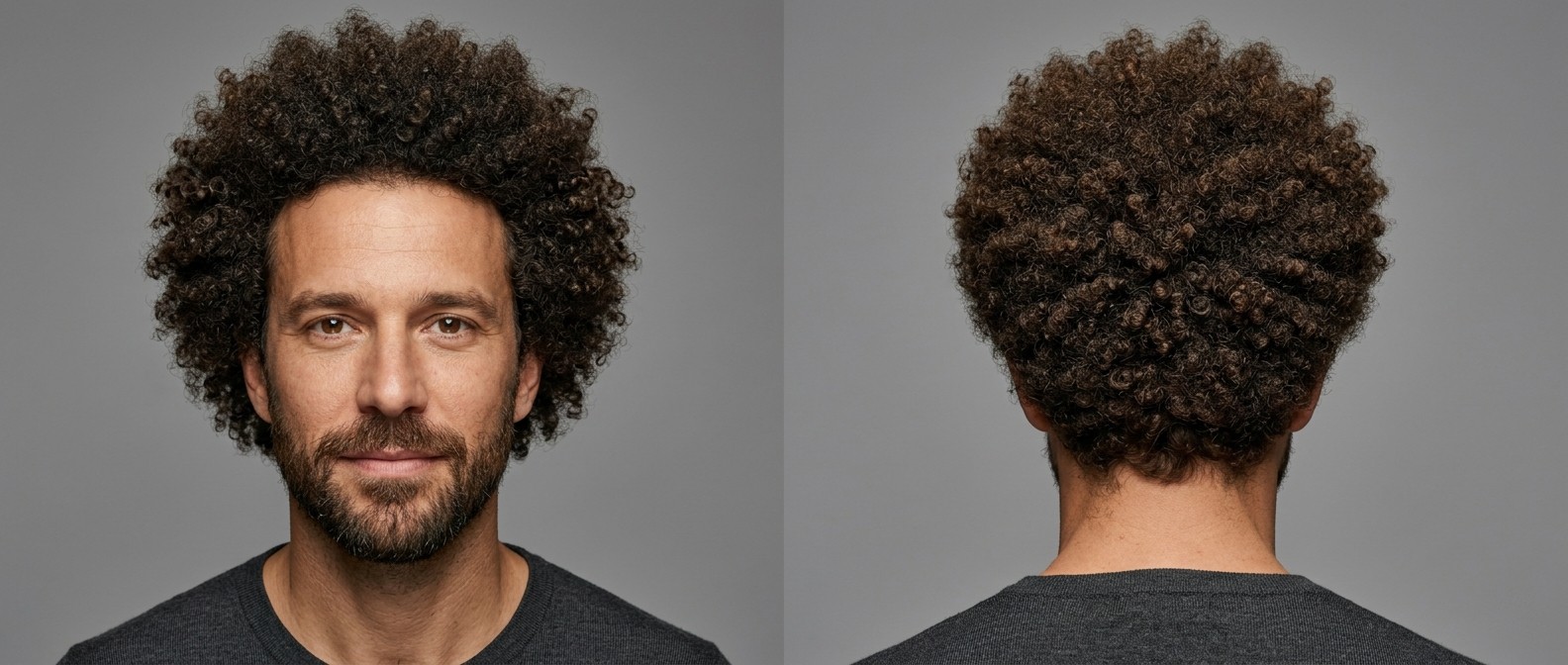
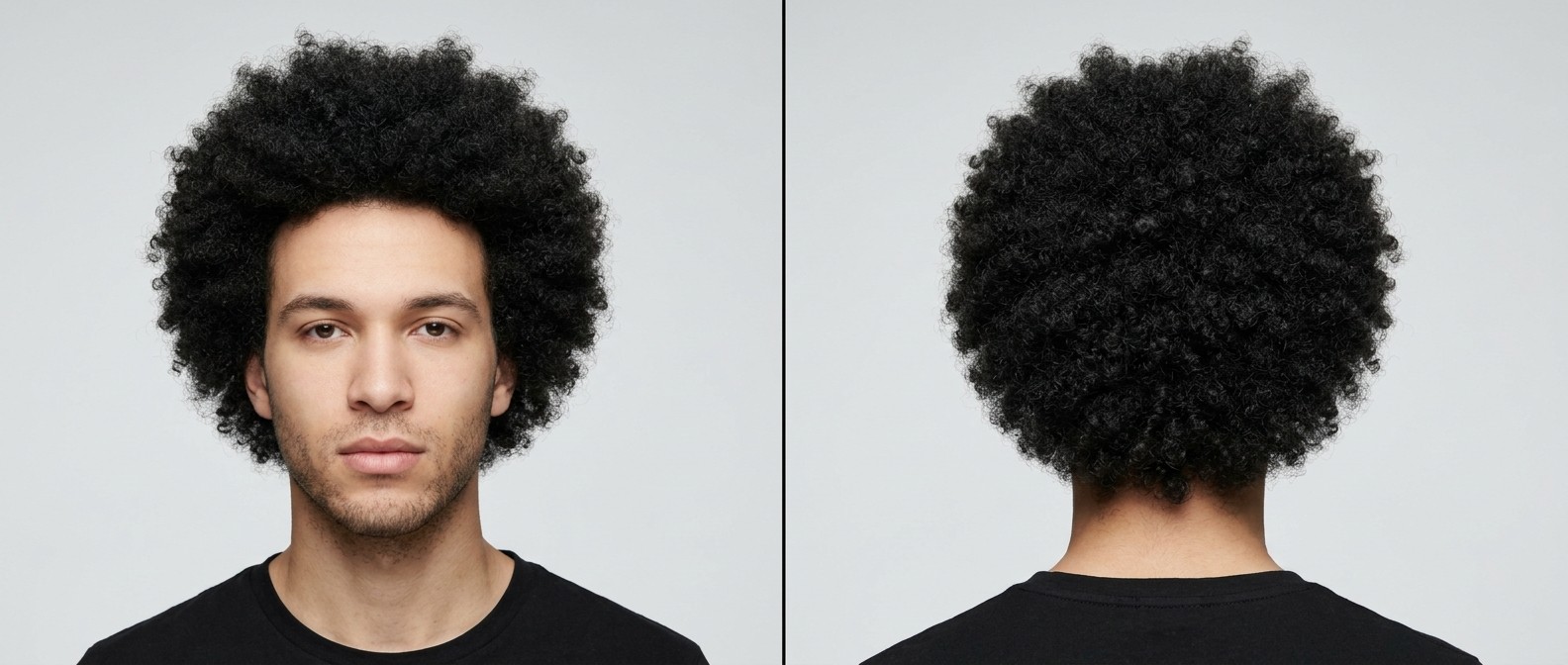
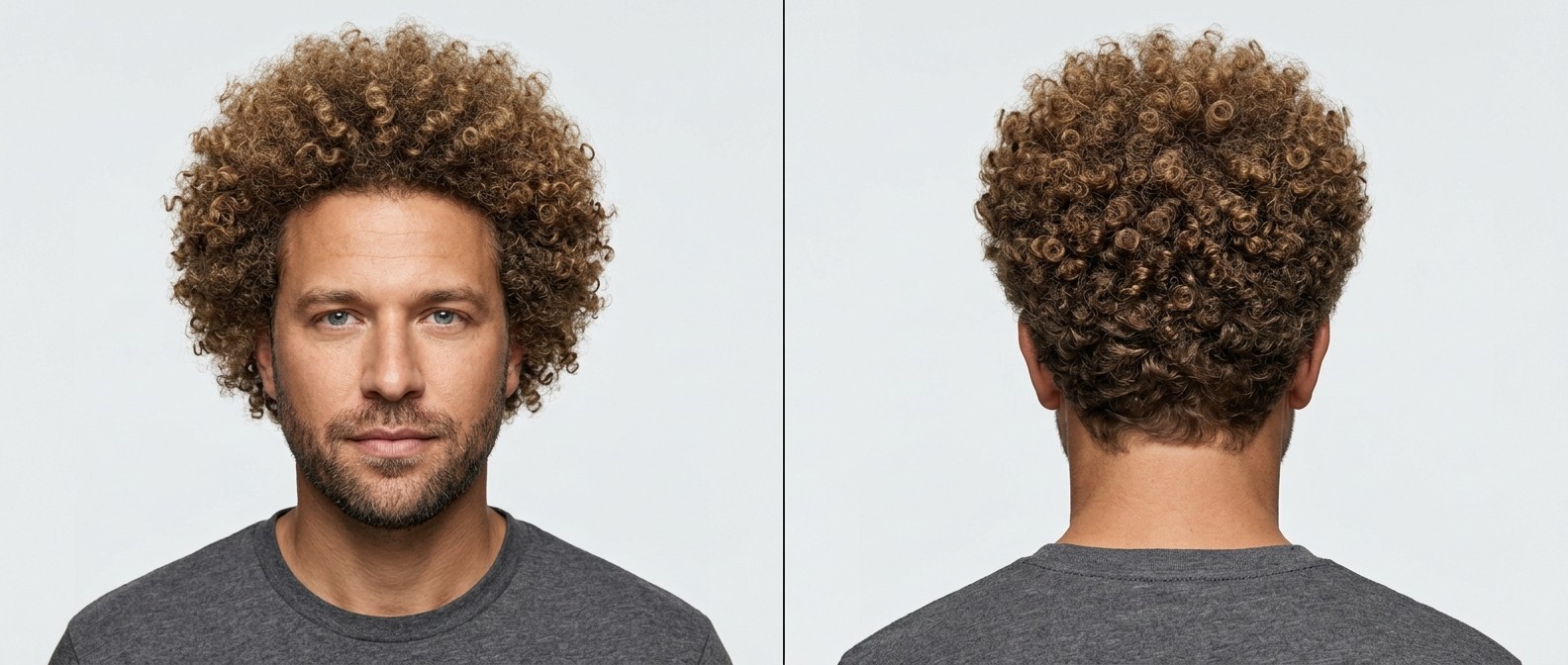
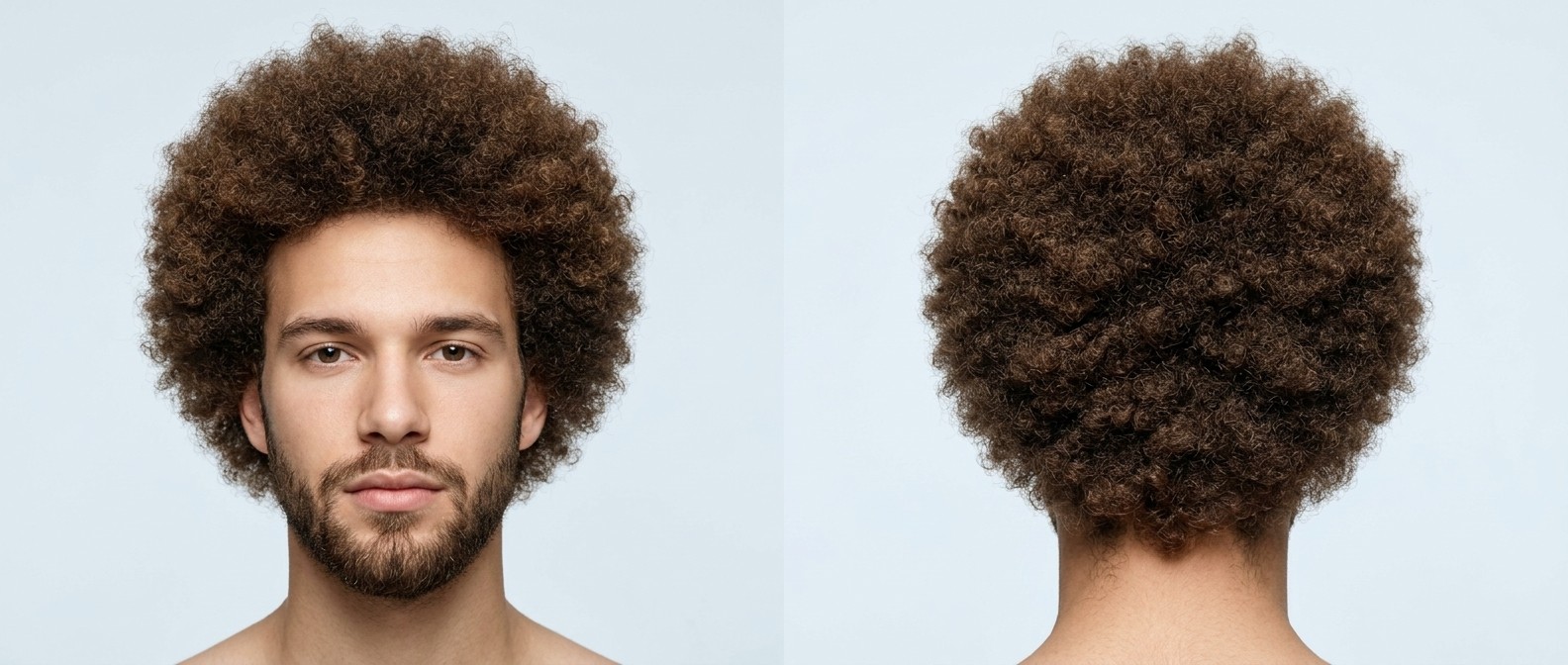
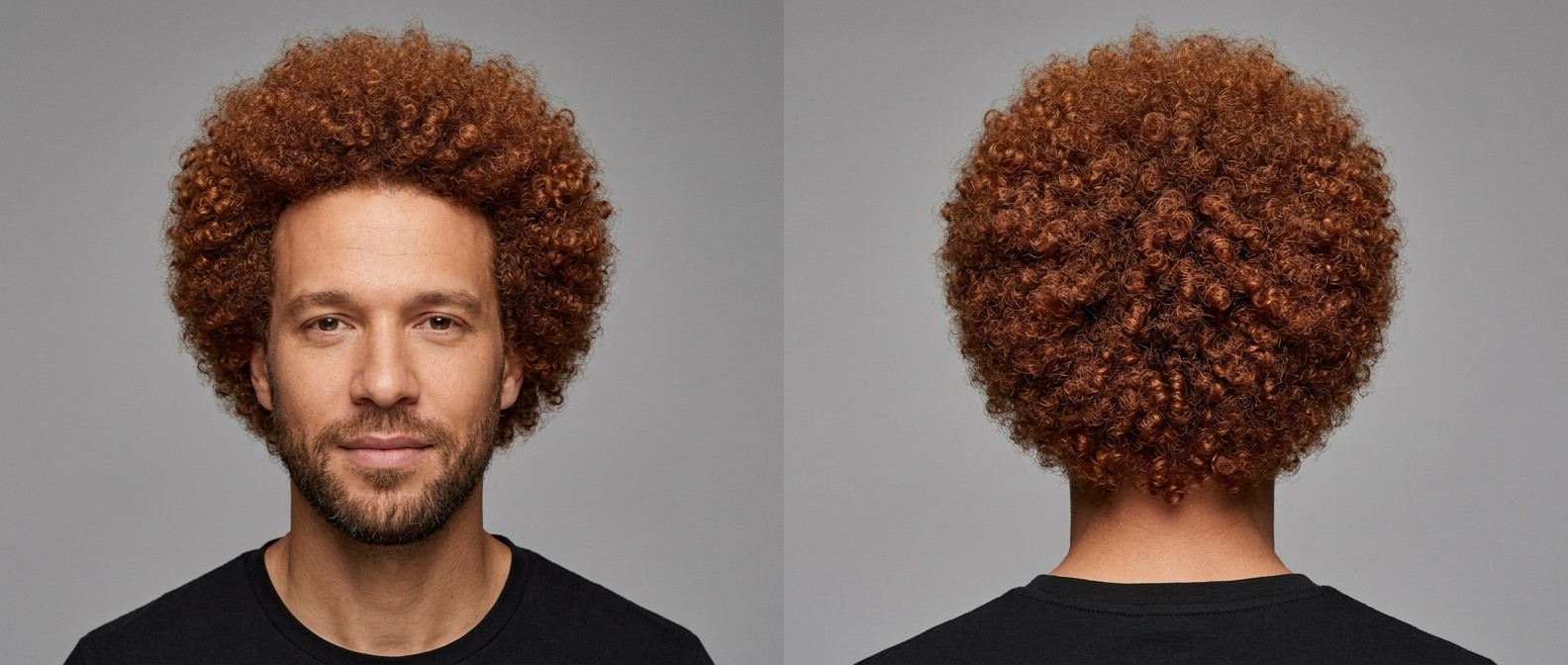
The afro is a natural hairstyle in which tightly curled or coily hair is grown out from the scalp in all directions, forming a rounded, voluminous shape. Rather than manipulating the hair against its natural growth pattern, the afro works with your curl structure, allowing each strand to expand and interlock with surrounding hairs to create fullness and height. The result is a dramatic, sculptural silhouette that varies in size from a close-cropped mini afro to a full-sized globe of natural texture.
Historically, the afro is far more than a hairstyle — it's a cultural statement that gained prominence during the civil rights era as a symbol of Black identity, pride, and resistance to Eurocentric beauty standards. Today, the afro is embraced by men of all backgrounds who have naturally curly or coily hair and want to showcase their authentic texture. Modern afros range from perfectly shaped spheres to more free-form, organic silhouettes, giving you plenty of room for personal expression.
Who Should Grow an Afro?
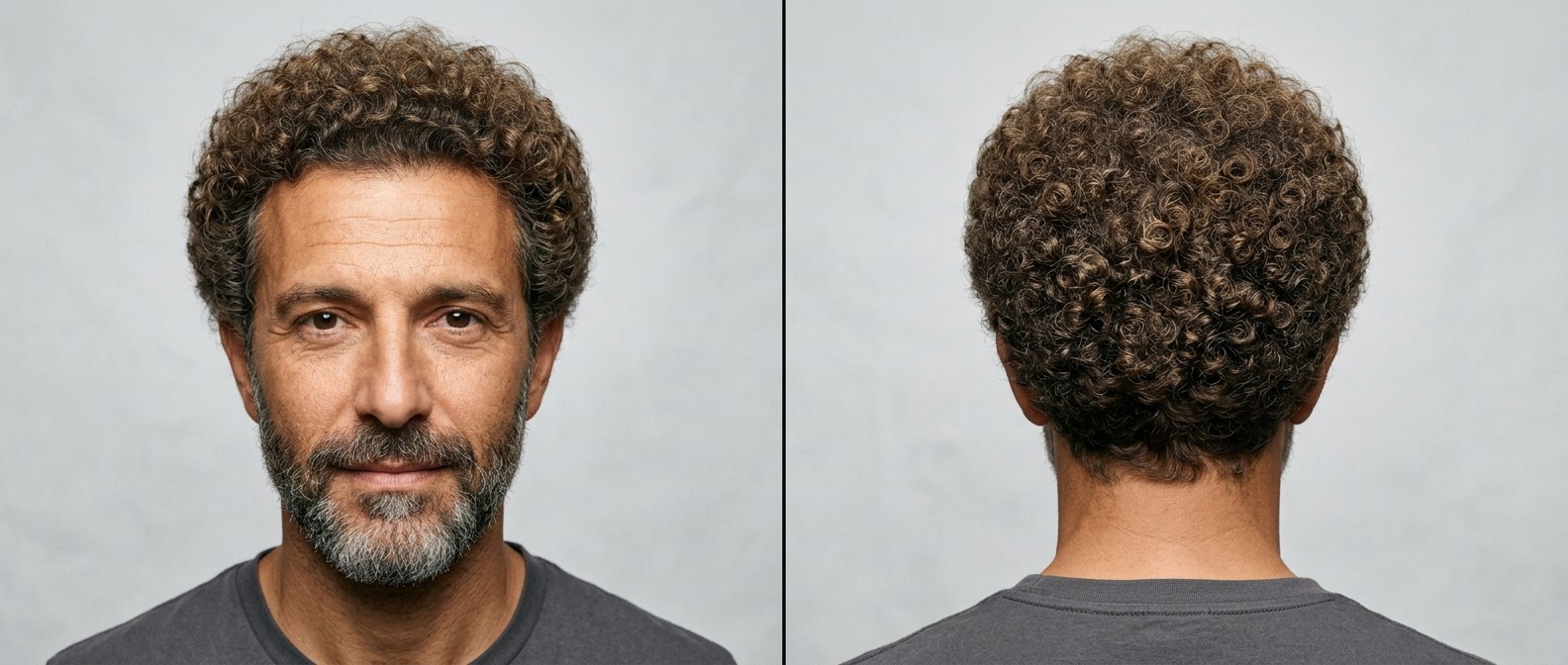
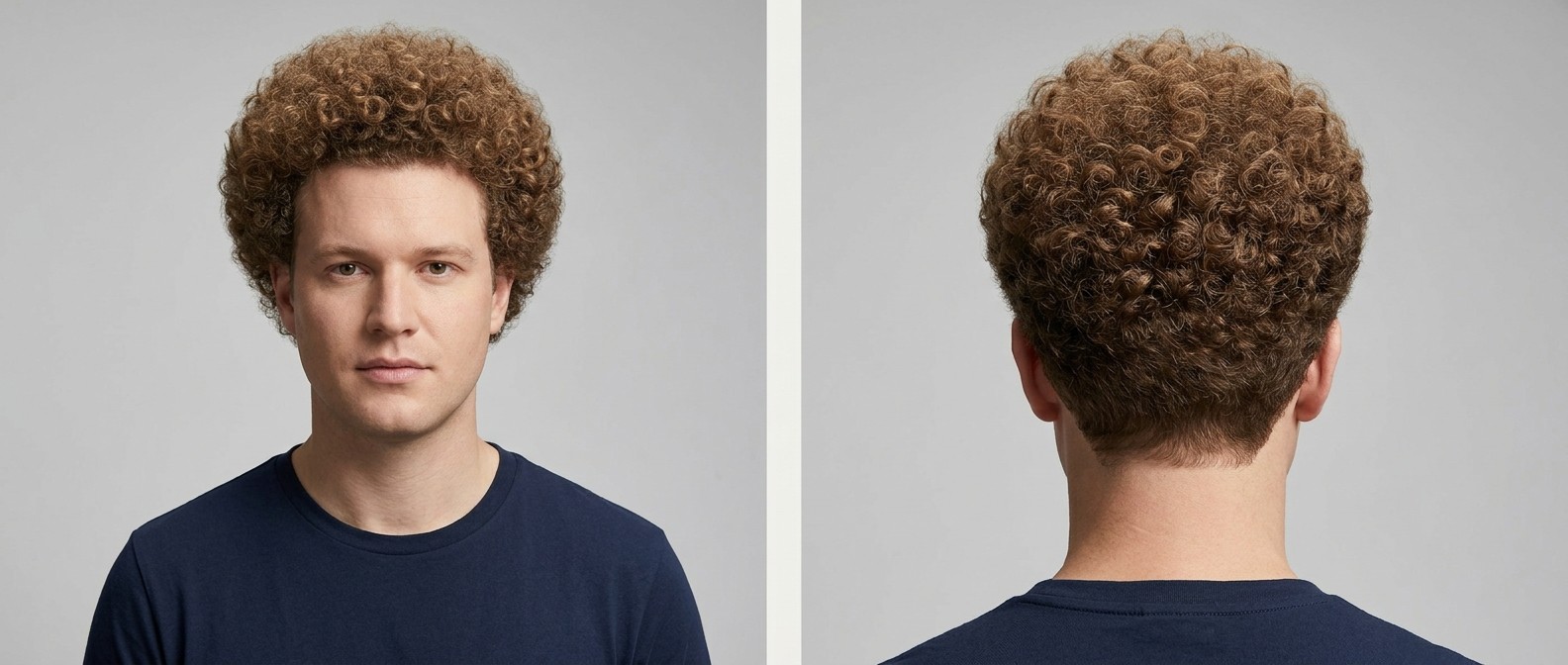
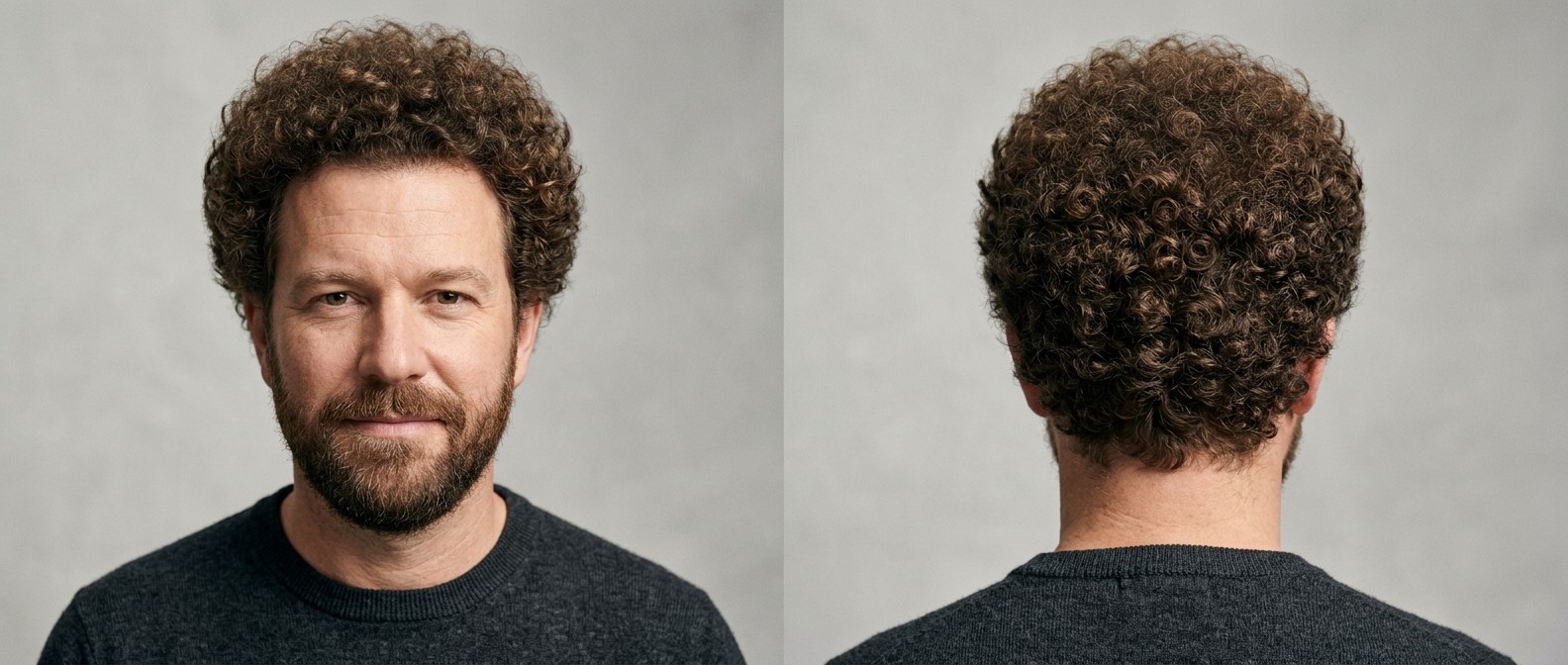
The afro works best for men with type 3c to 4c hair — tightly curled to coily textures that naturally expand outward when grown. The tighter your curl pattern, the more defined and structured your afro will appear. Men with looser curls (3a-3b) can achieve a softer, more relaxed version of the afro, though it may require more shaping to maintain a rounded form.
- Ideal hair types: 3c, 4a, 4b, and 4c curl patterns for the classic afro shape
- Face shapes: works with all face shapes — a skilled barber can shape the afro to flatter your features
- Patience required: expect 6-12 months of growth for a medium afro, 1-2 years for a full one
- Commitment level: moderate to high — daily moisturizing and regular shaping are essential
If you're transitioning from relaxed or chemically treated hair, you'll go through an awkward stage as your natural texture grows in. Stay patient and consider a big chop to remove processed ends and start fresh with your natural curl pattern.
How to Style and Shape Your Afro
Styling an afro is all about moisture, definition, and shaping. Start your routine by wetting your hair with a spray bottle or in the shower. Apply a leave-in conditioner generously — your curls need hydration to stay defined and prevent shrinkage. Follow with a curl-defining cream or butter, working it through sections of your hair with your fingers.
Use a wide-tooth comb or afro pick to gently lift your hair outward from the roots, creating volume and the signature rounded shape. Always detangle from the ends upward to avoid breakage — never yank a comb through dry curls from the root. For a more defined shape, you can use a blow dryer with a pick attachment on low heat to stretch curls slightly while maintaining texture.
To achieve a perfectly round afro, you'll need regular shaping. Some men do this at home with clippers and mirrors, while others visit their barber every 3-4 weeks for precise sculpting. A well-shaped afro should appear symmetrical from all angles, with a smooth, unbroken silhouette.
What to Tell Your Barber
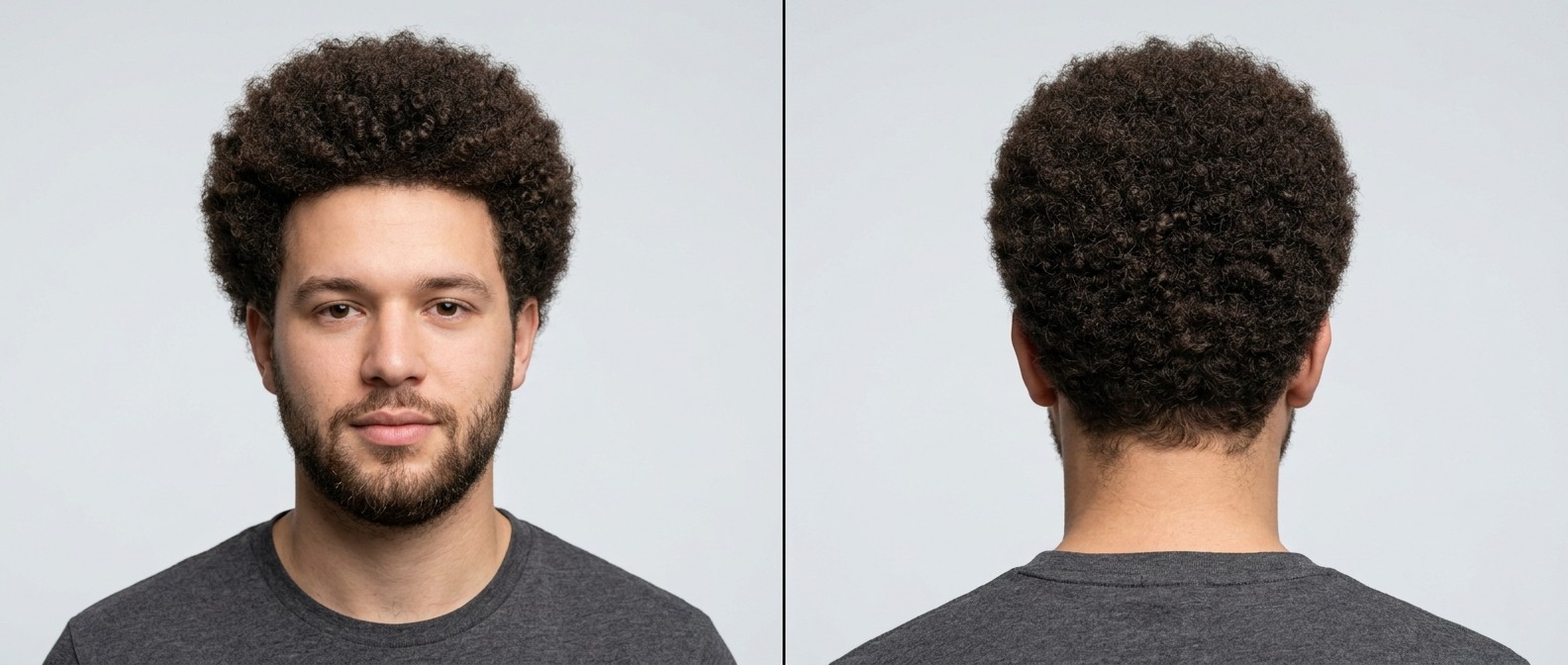
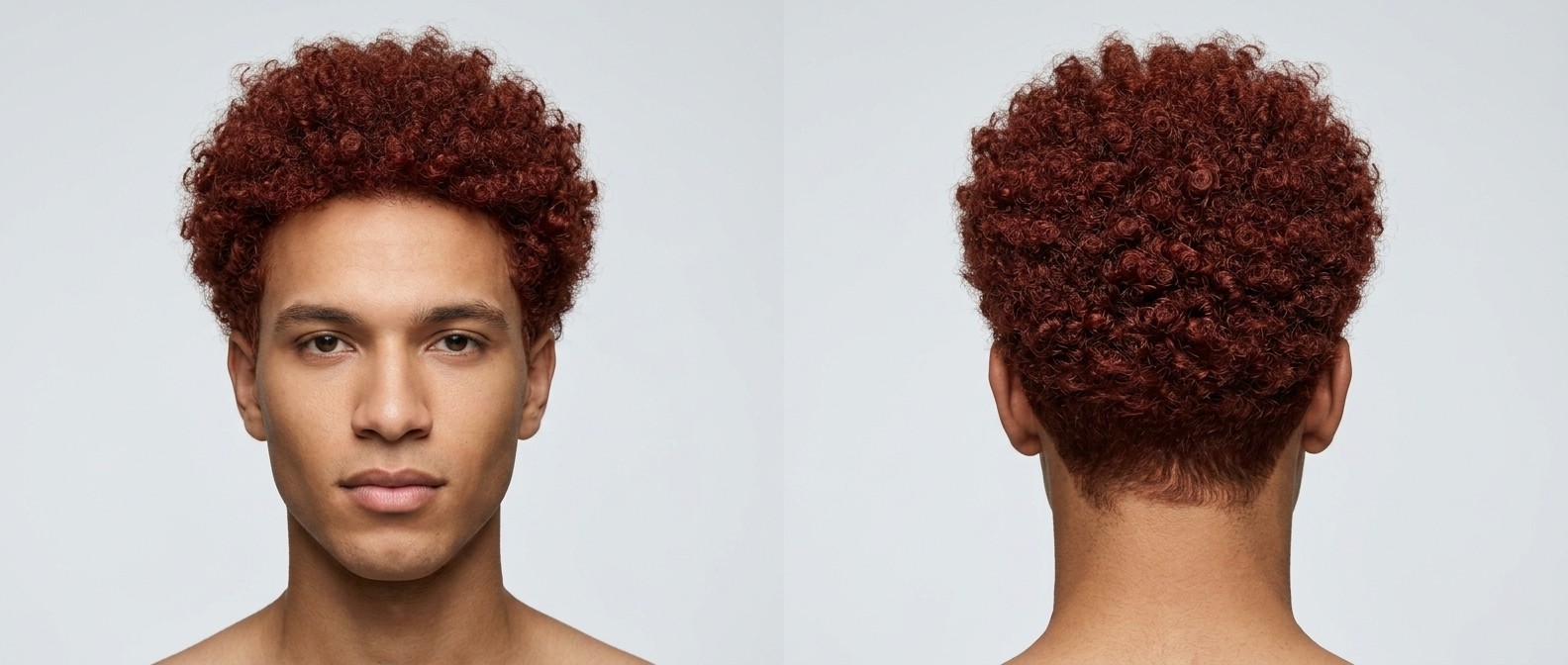
When visiting a barber for your afro, specify the shape and size you're after. Terms like "rounded afro," "tapered afro" (shorter on the sides, fuller on top), or "free-form afro" (natural, unmanicured shape) help communicate your vision. If you want a shaped afro, ask them to sculpt it into a smooth sphere, cleaning up the outline without reducing overall volume.
For a tapered afro, your barber will use clippers to fade the sides and back (typically a #3-#4 guard) while leaving the top at full length. This creates a more structured, modern look that transitions smoothly from skin to full curl. Mention whether you want a hard or soft edge around your hairline, and whether you'd like your neckline squared off or naturally rounded.
Afro Maintenance and Care
Maintaining a healthy afro requires a consistent moisture-focused routine. Coily hair is naturally dry because the tight curl pattern prevents scalp oils from traveling down the hair shaft. This makes external hydration essential to preventing breakage and maintaining elasticity.
- Follow the LOC method: Liquid (water), Oil (jojoba or coconut), Cream (leave-in conditioner)
- Deep condition every 1-2 weeks with a protein-moisture balanced treatment
- Sleep with a satin or silk bonnet or pillowcase to prevent friction and moisture loss
- Wash with a sulfate-free shampoo every 7-10 days — over-washing strips natural oils
- Trim split ends every 8-12 weeks to maintain shape and prevent damage from traveling up the strand
Afro Variations and Styles
The mini afro keeps hair at 1-2 inches — perfect for beginners or men who want natural texture without high maintenance. The afro with fade combines a full top with tapered sides, creating a high-contrast look that's become extremely popular in modern barbering. A shaped afro features precise sculpting into geometric or rounded forms, showcasing your barber's artistry.
The afro with a part adds a clean line carved into one side for extra visual interest. For textured styling, try an afro with twist-out — twist sections while damp, let them set, then unravel for elongated, defined curls that add a different dimension to your afro's shape. Whatever variation you choose, the afro remains one of the most powerful expressions of natural hair in men's grooming.