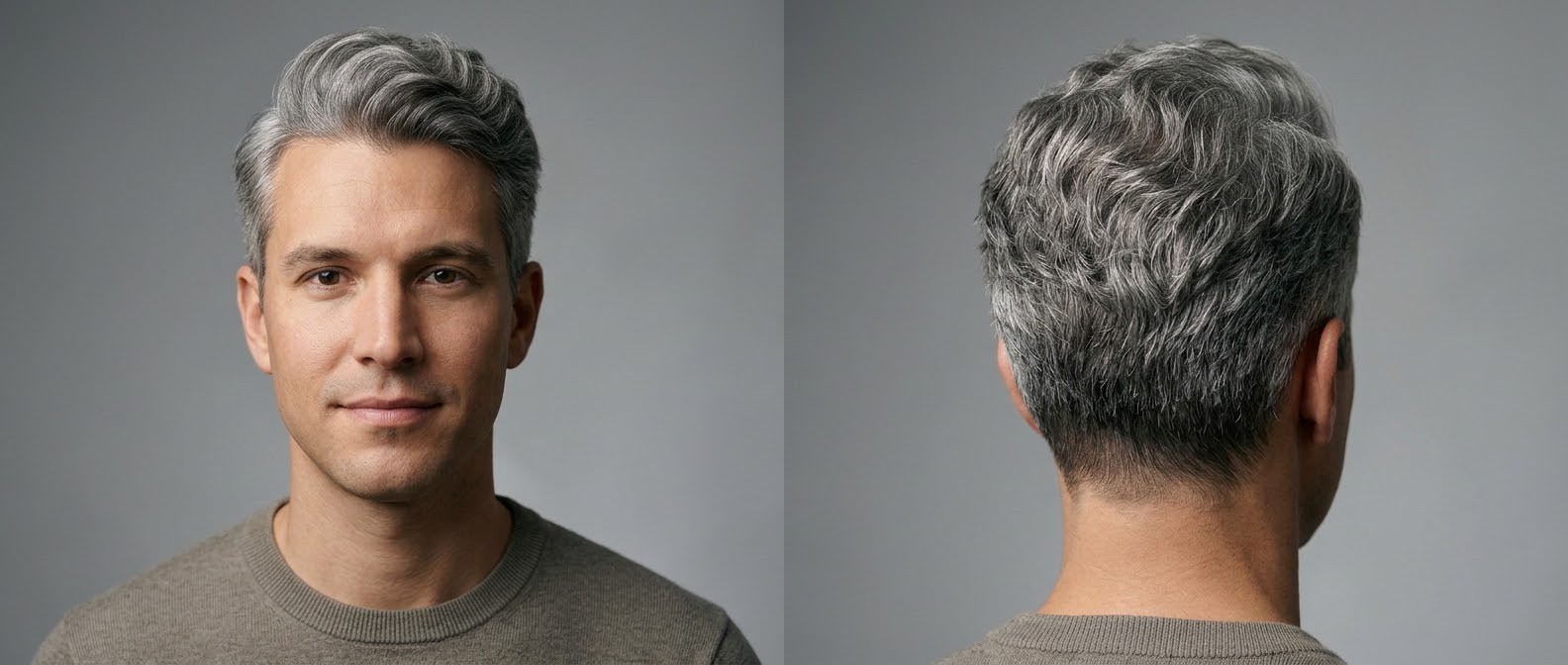
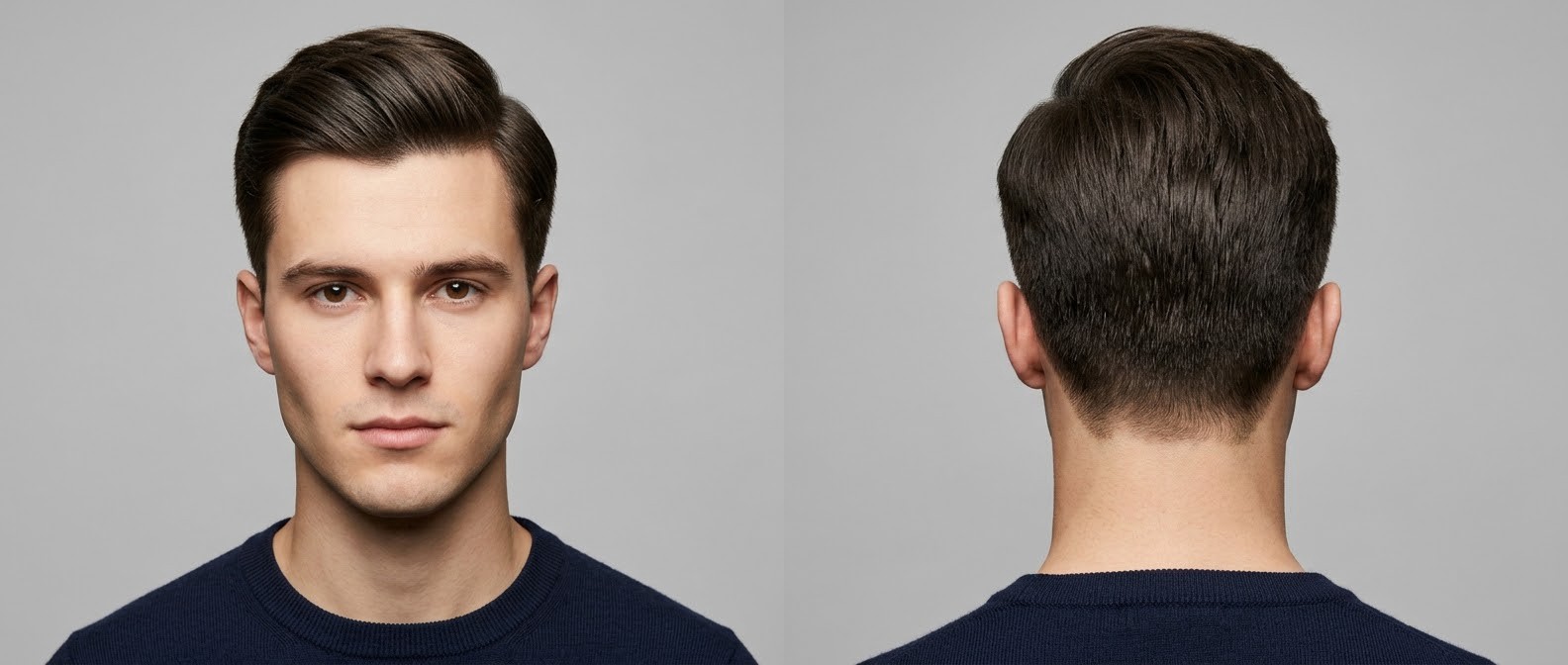




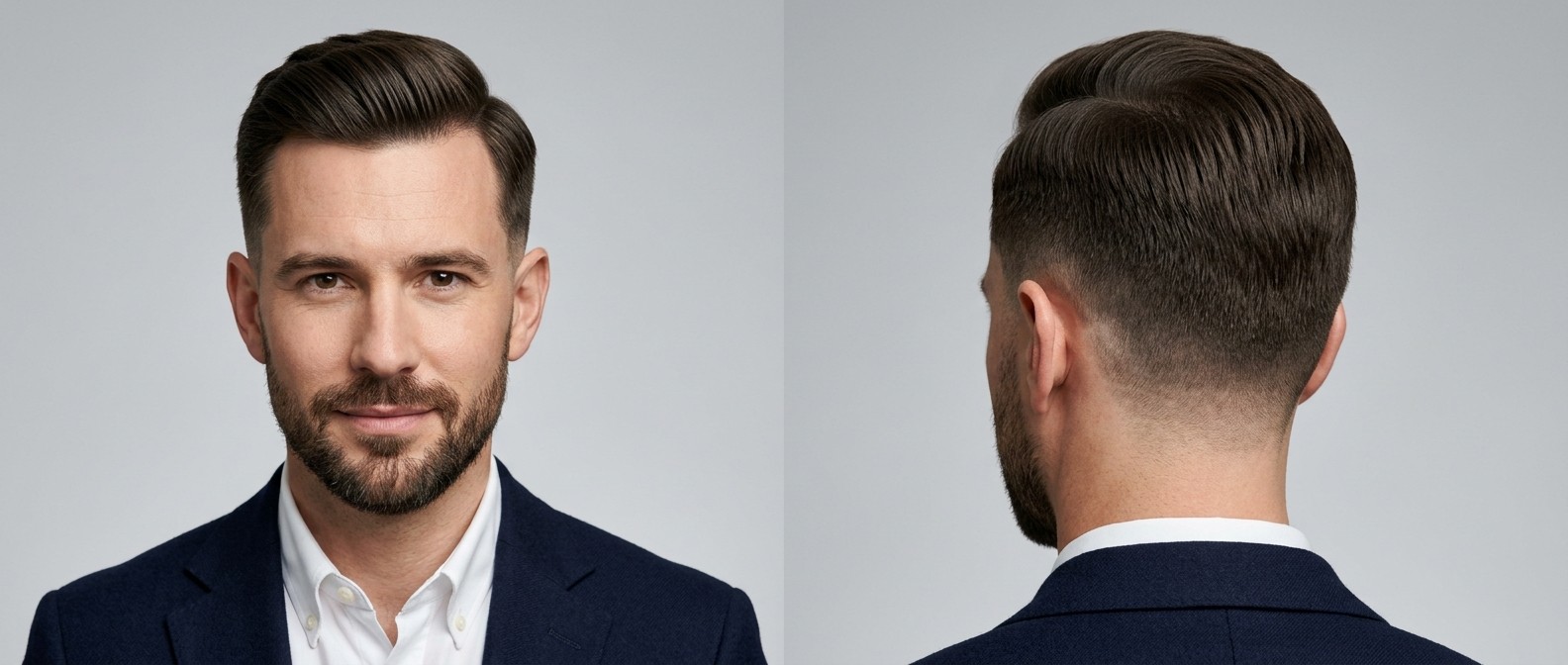
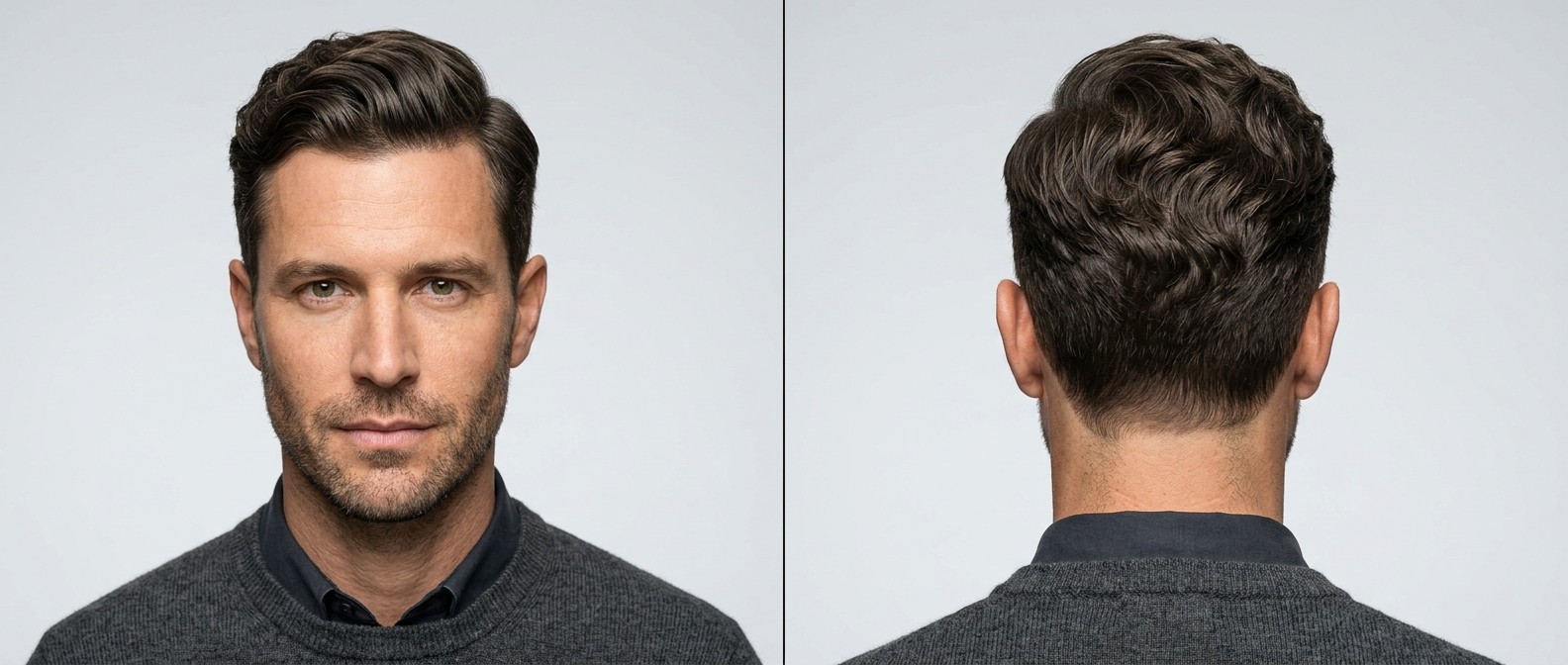
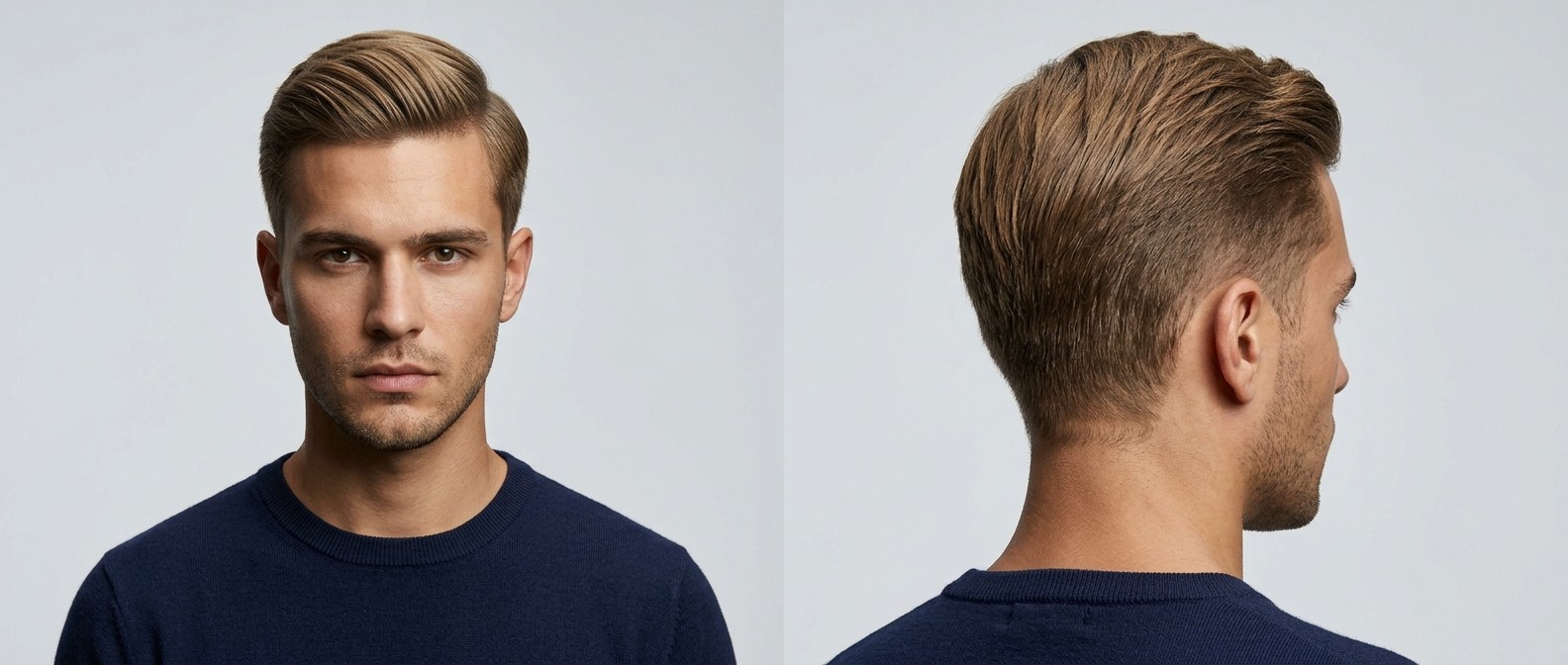
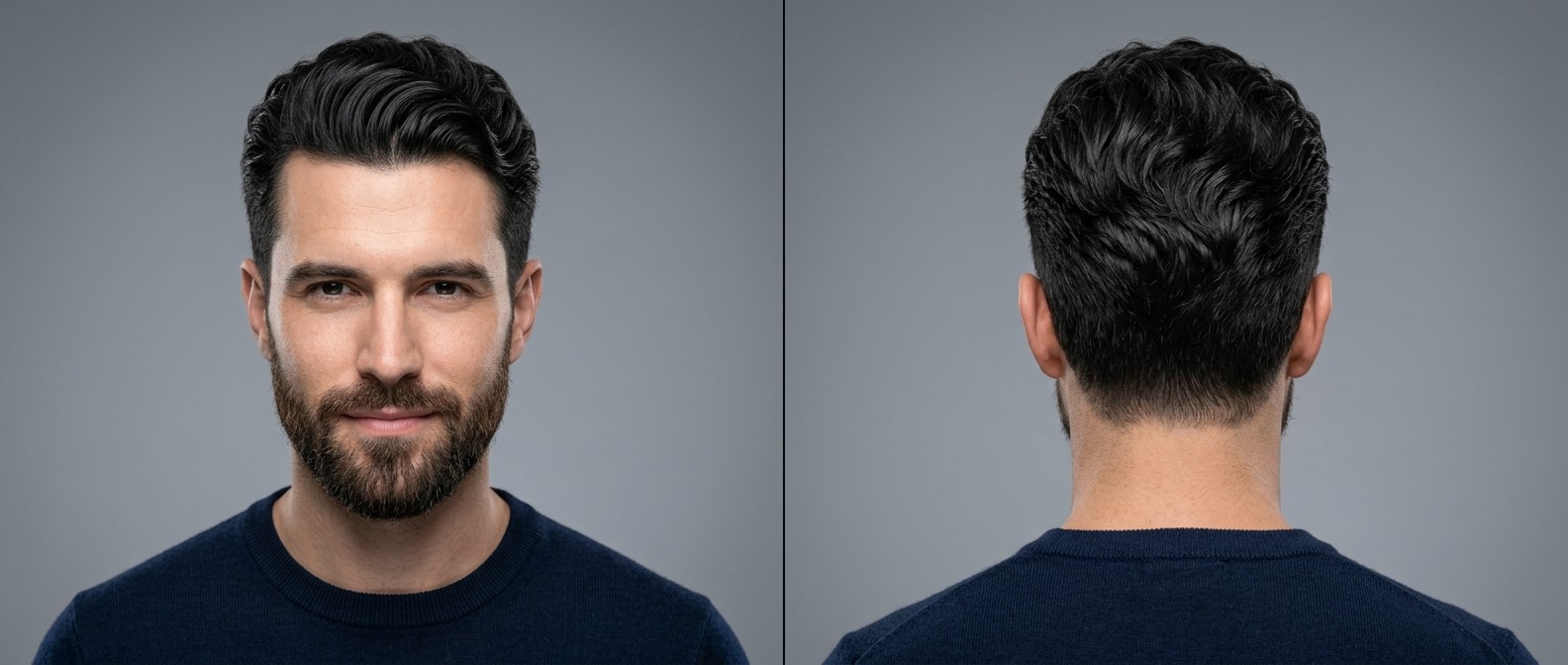
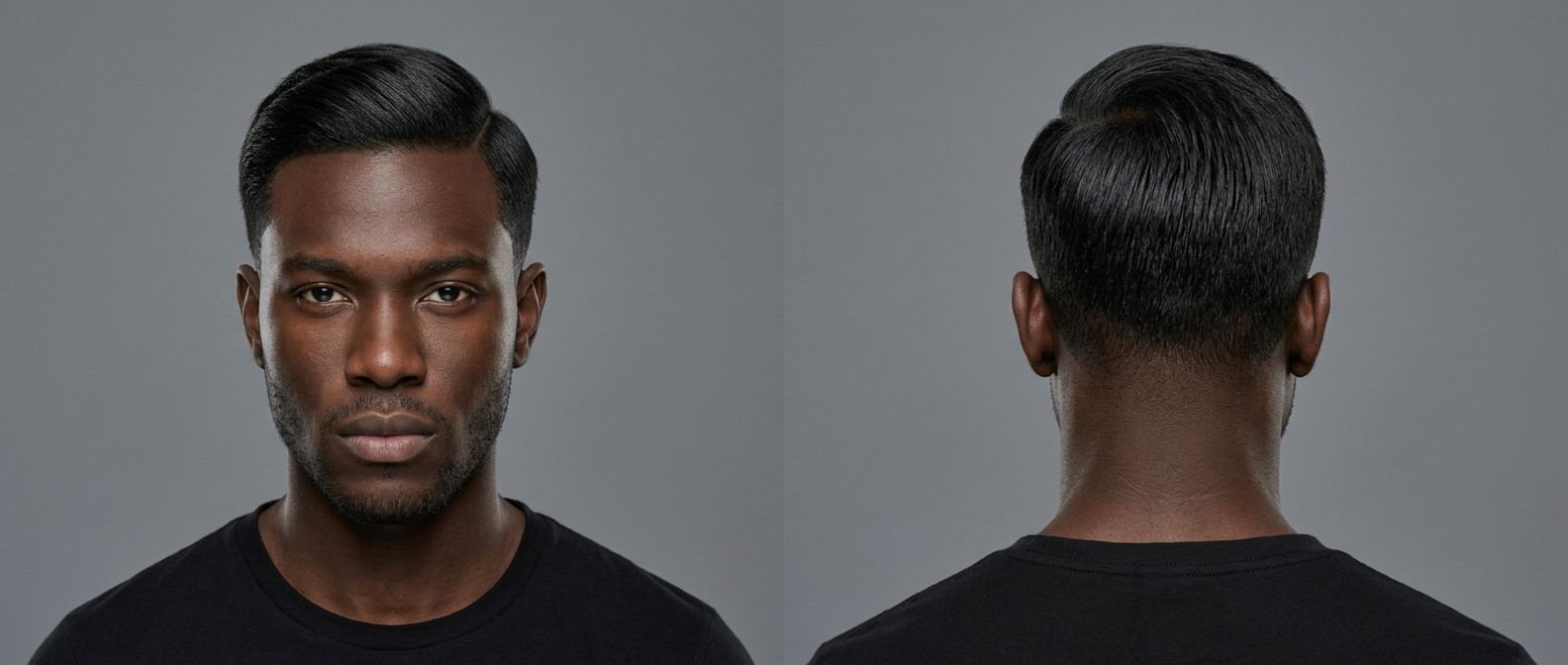
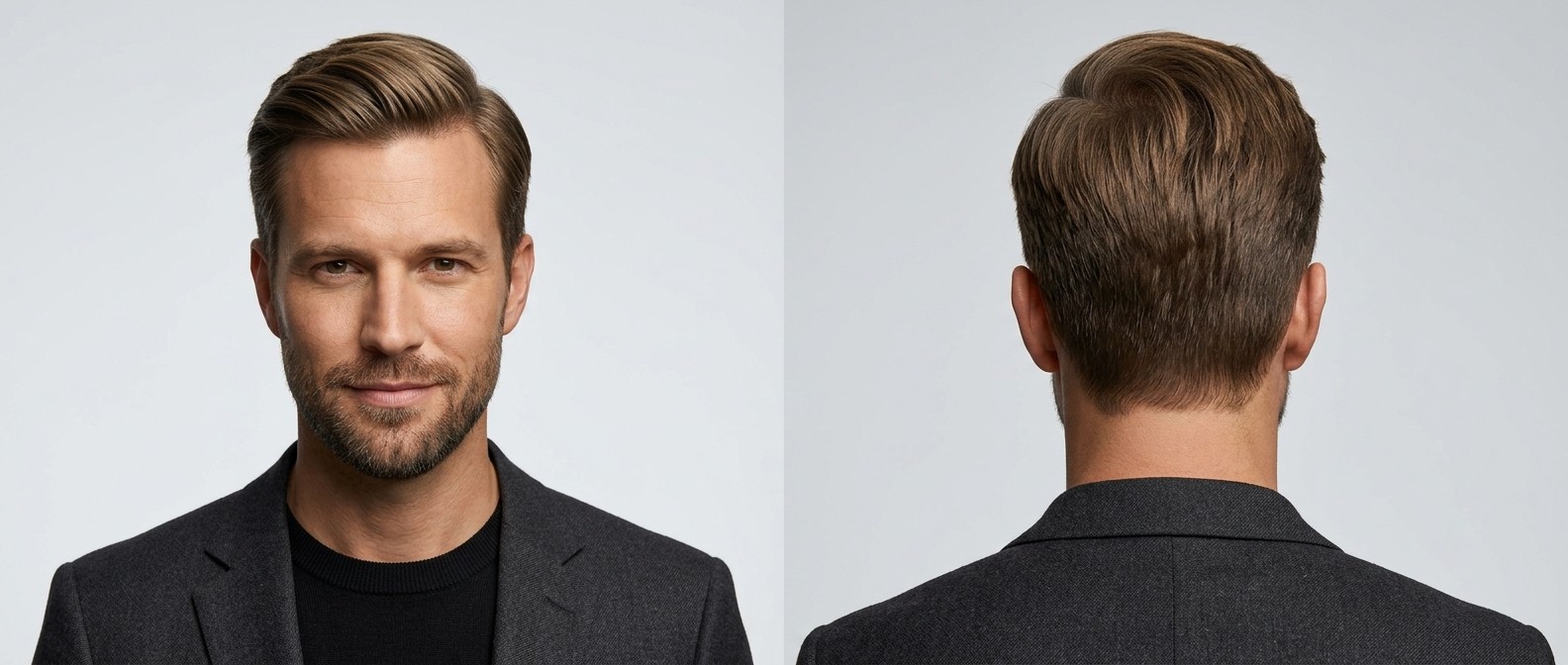


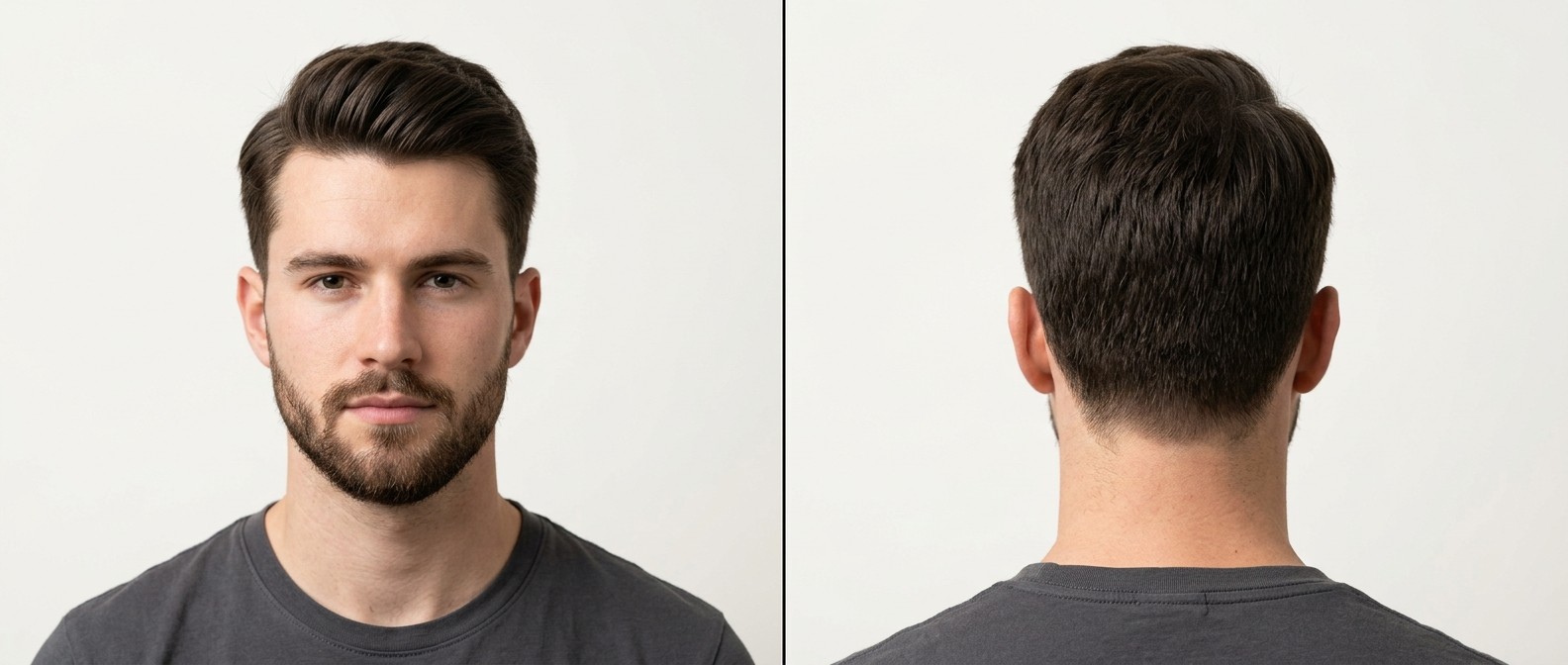
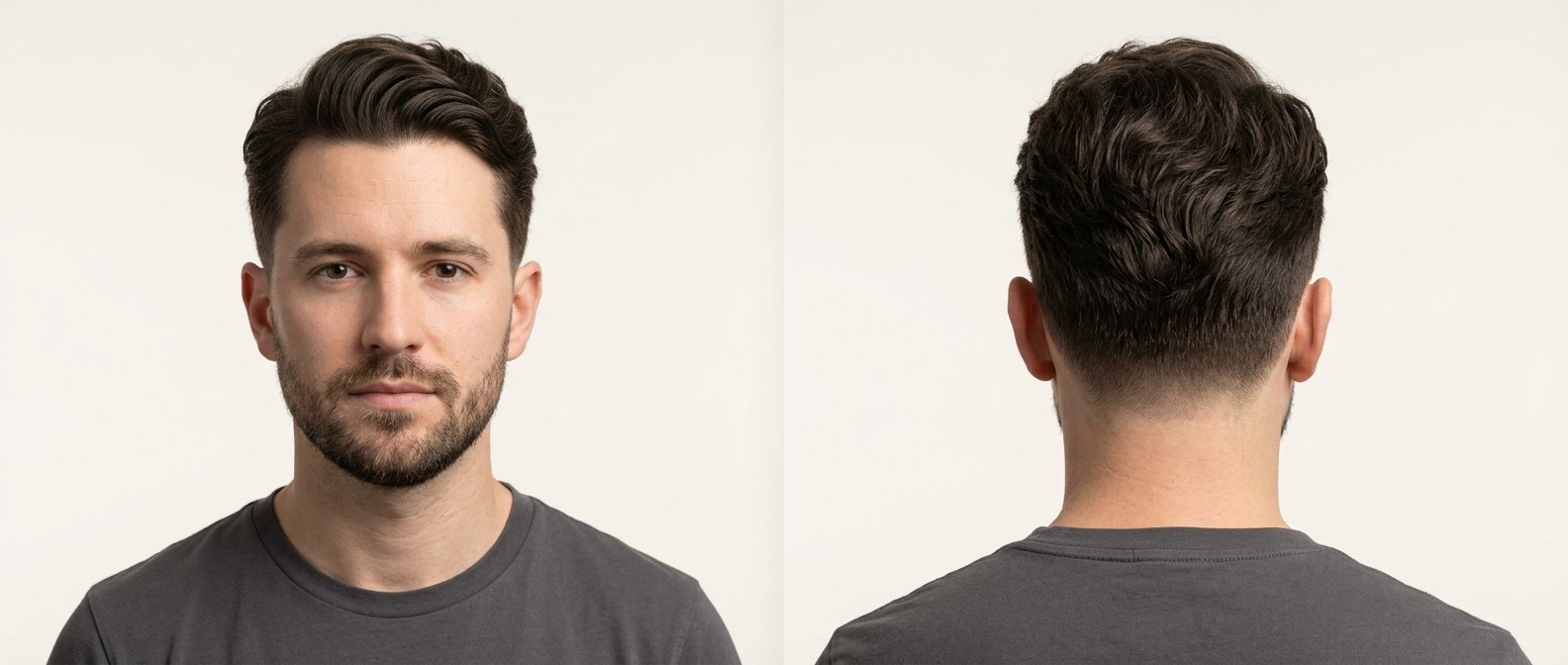
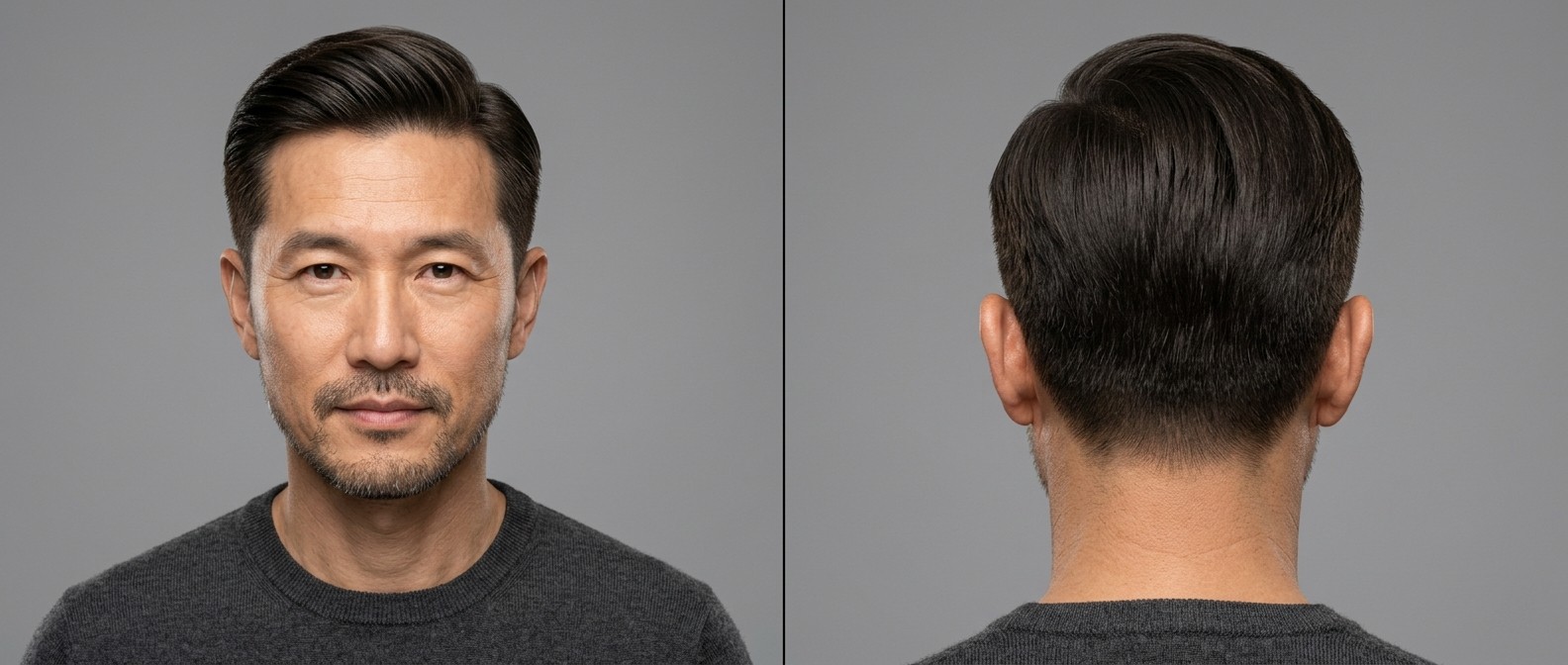
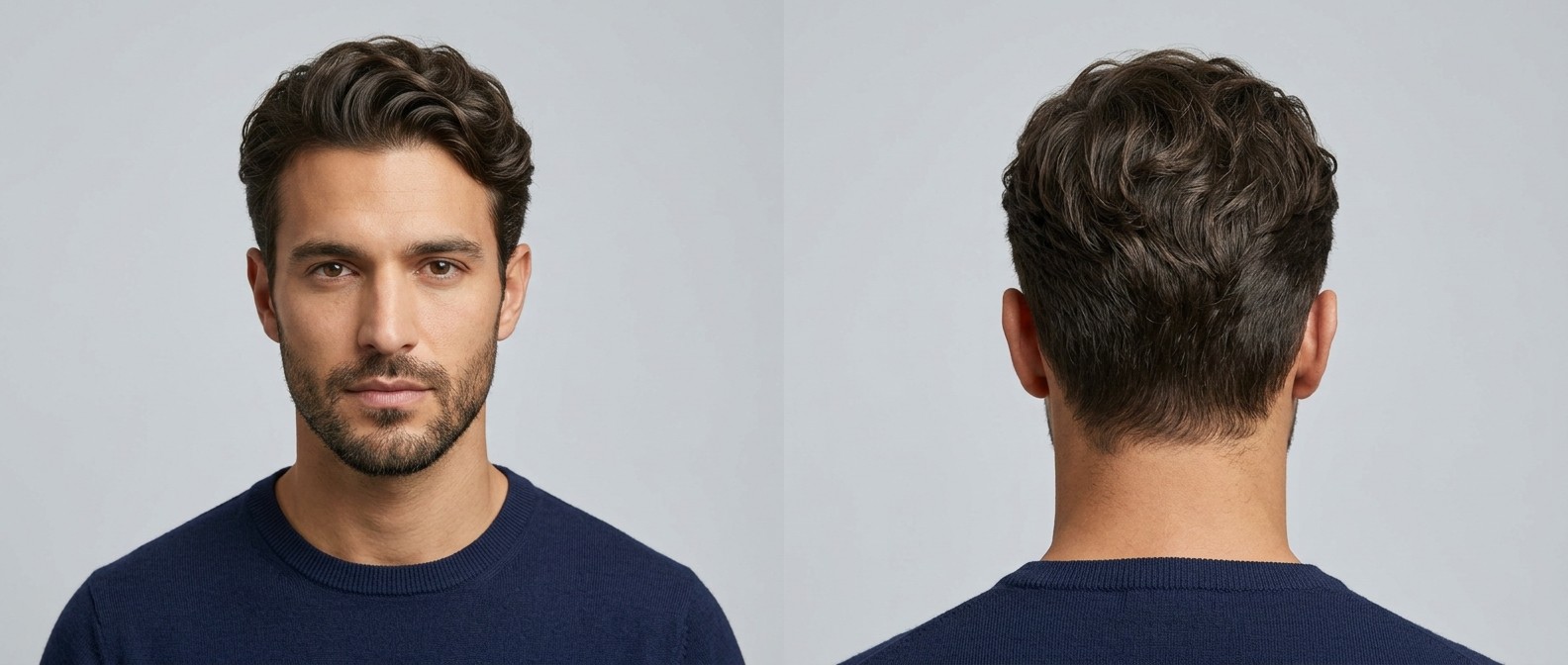
What Is an Ivy League Cut?
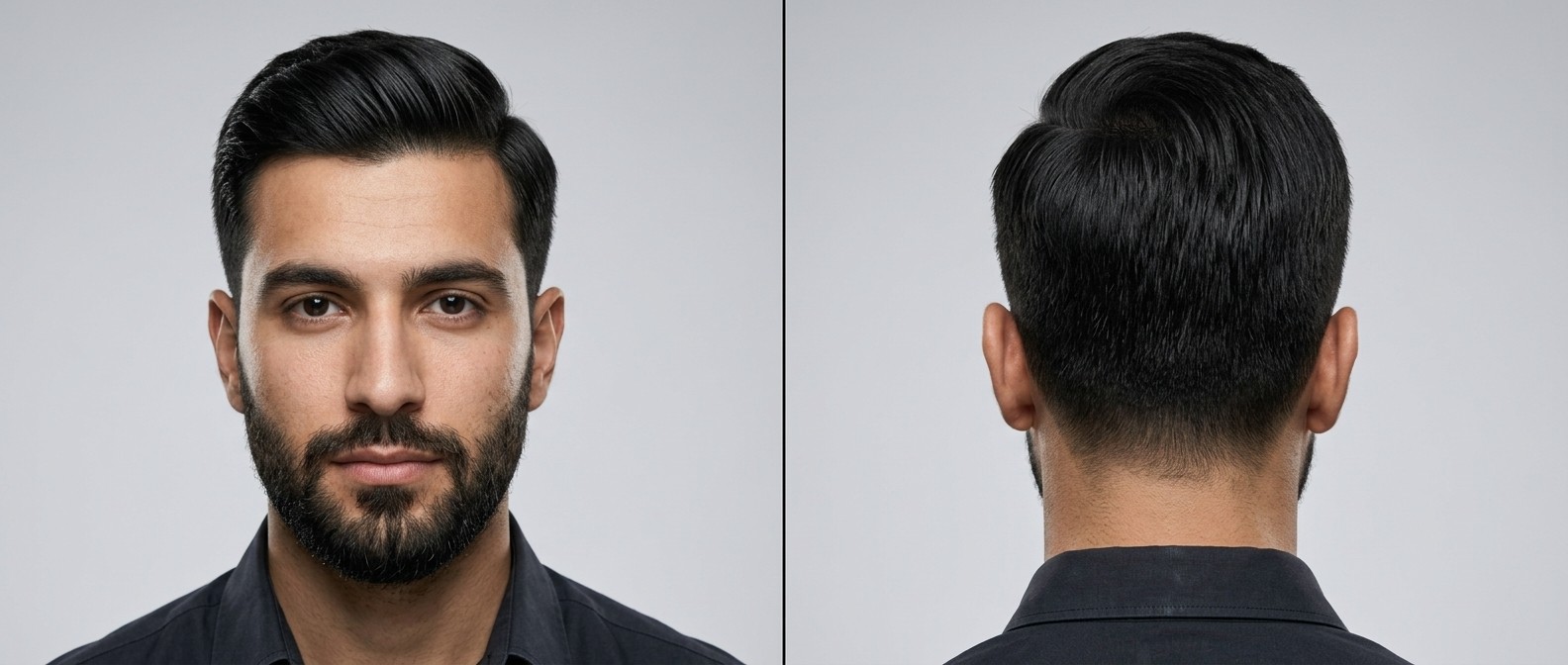
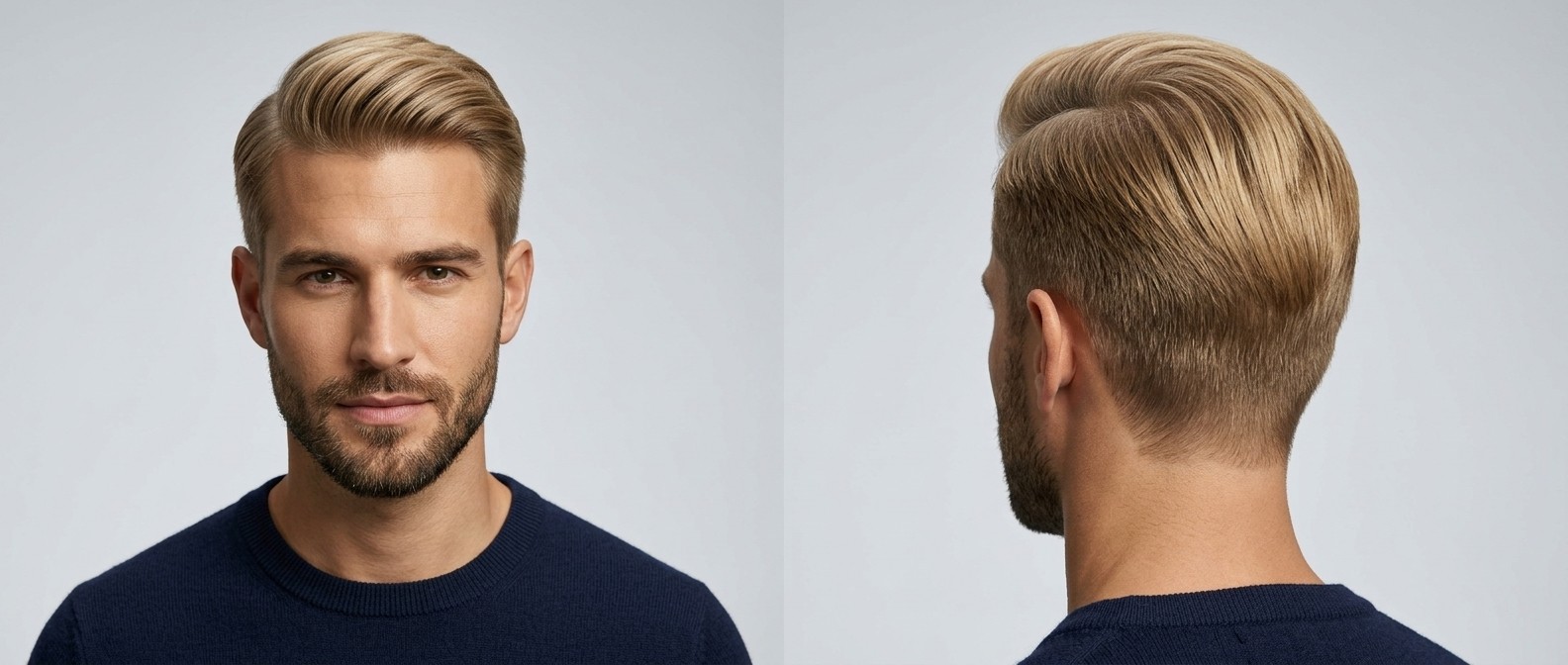
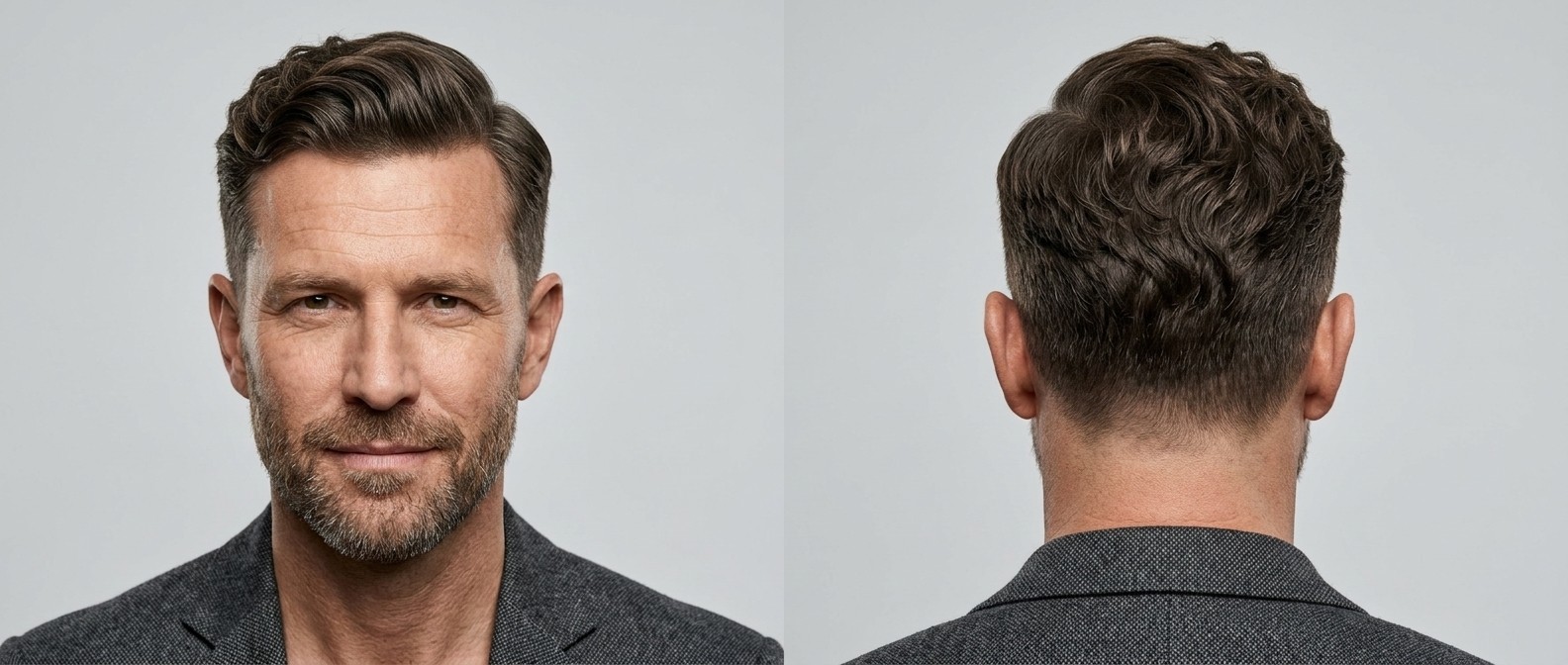
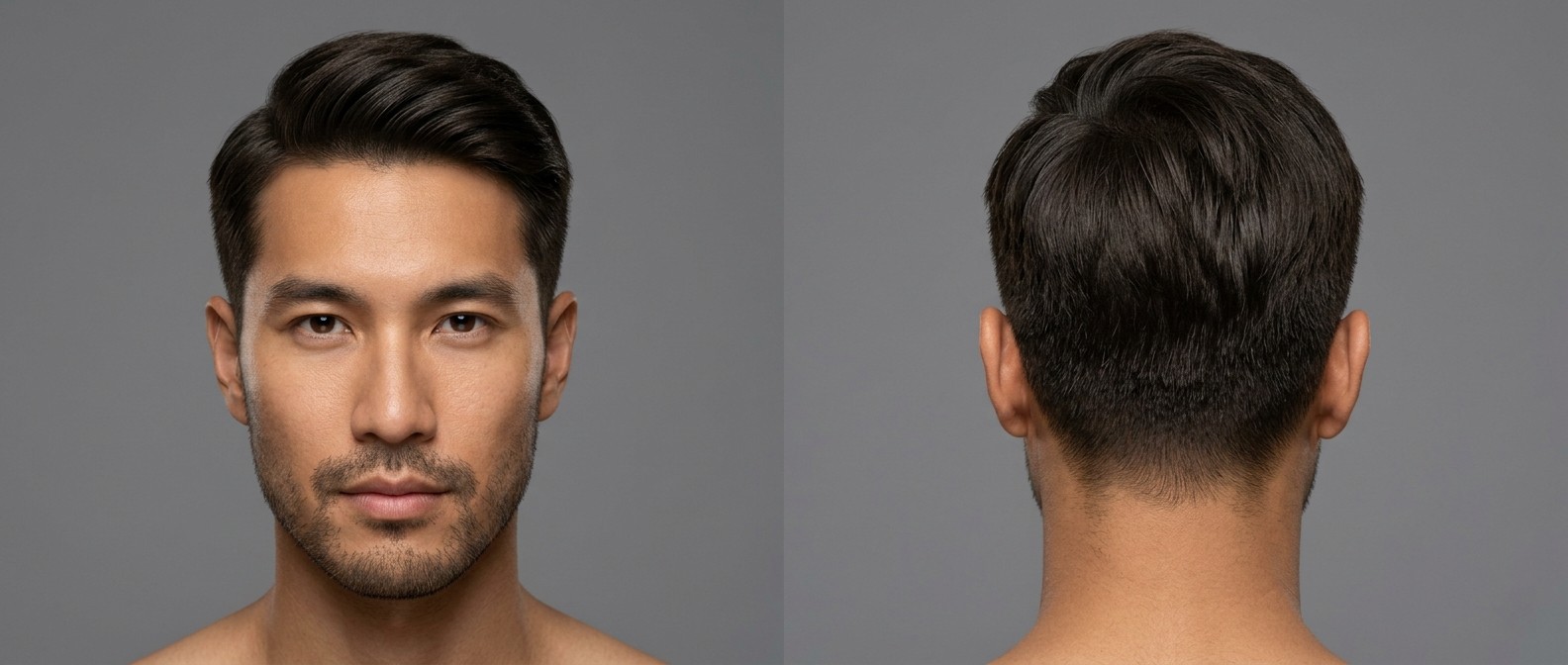
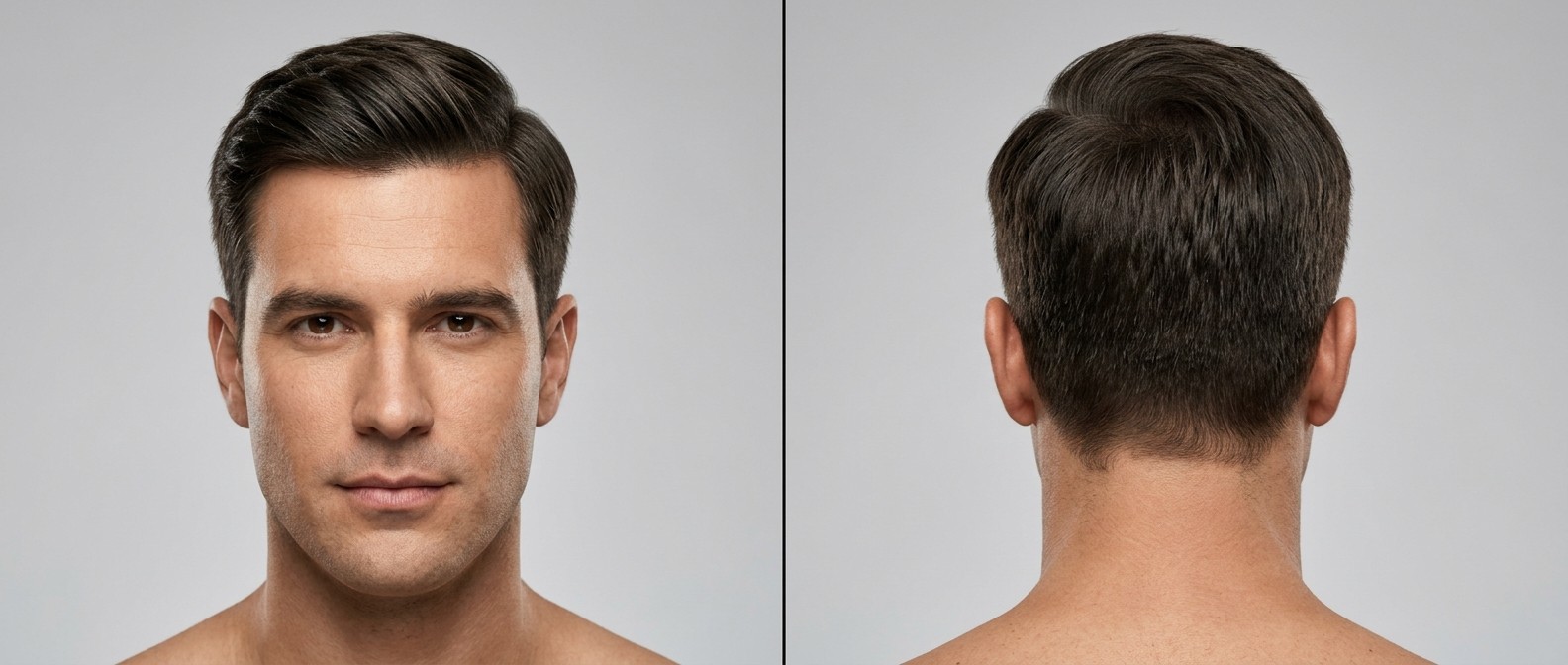
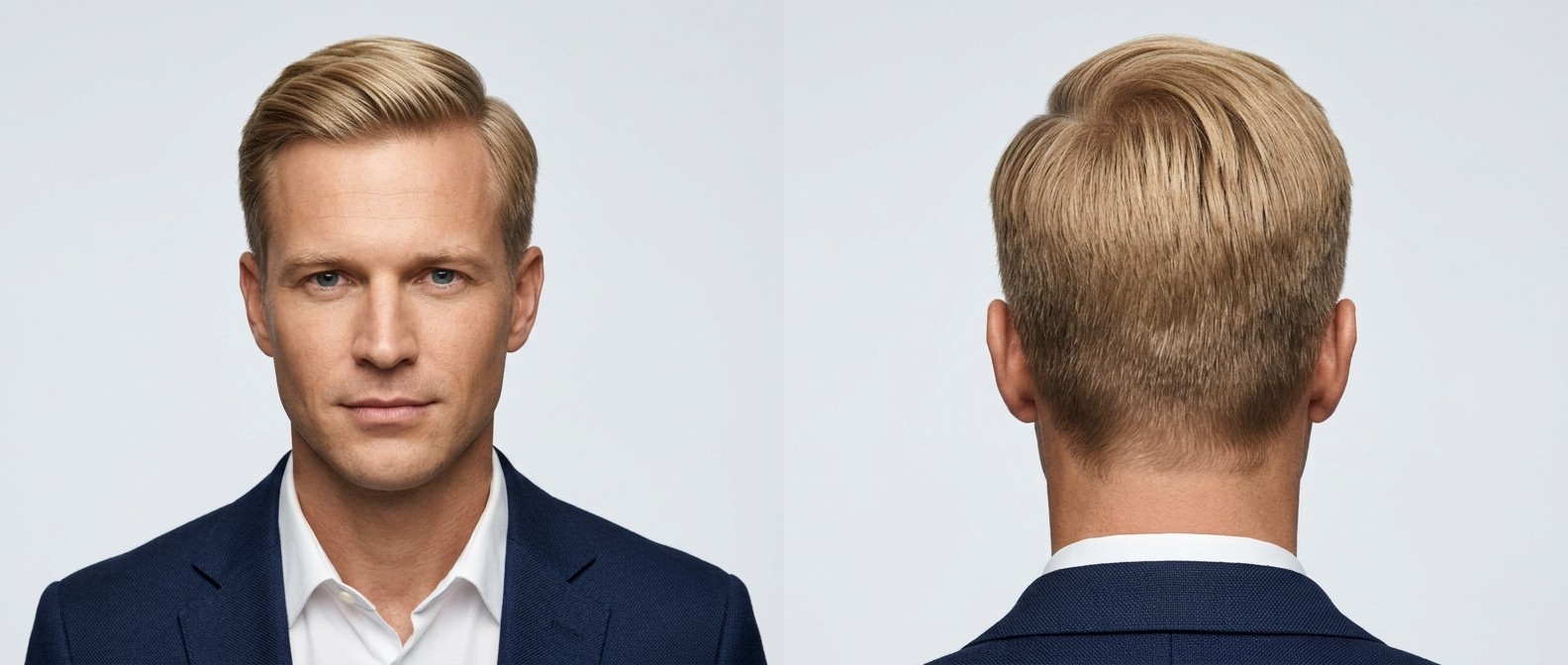
The Ivy League — sometimes called a Princeton cut or Harvard clip — is essentially a longer crew cut with enough length on top to part the hair to the side or brush it neatly across. The top typically measures between 1.5 and 2.5 inches, while the sides are tapered or faded short, usually with a #2 to #4 guard. The back tapers gradually into the neckline.
What distinguishes it from a standard crew cut is that extra half inch to inch of length on top. That small difference opens up significant styling possibilities — you can part it, brush it back, add texture, or let it fall naturally. It's a cut that looks equally at home in a university lecture hall, a corporate office, or at weekend brunch.
Who Should Get an Ivy League Cut?
The Ivy League is a universally flattering hairstyle across a wide range of situations and face shapes:
- Men with oval, square, or heart-shaped faces — the side-part option creates a balanced, asymmetrical look
- Professionals who want polish without the commitment of a longer style
- Students and young professionals looking for a clean, classic look that doesn't feel old-fashioned
- Men with straight or slightly wavy hair get the cleanest results, though all textures can work
- Guys transitioning from a crew cut who want more versatility
The Ivy League is also forgiving of different hair densities. Whether thick or starting to thin, the proportions keep everything looking tidy and intentional.
How to Style an Ivy League Cut
This is where the Ivy League shines — it gives you multiple styling options from a single cut. For the classic preppy look, apply light-hold pomade to damp hair and comb it to one side, creating a clean part. For a relaxed vibe, work matte paste through towel-dried hair and push it loosely to one side with your fingers.
You can also brush the top straight back for a sleeker appearance, or add texture with sea salt spray for a casual weekend feel. On rush mornings, the cut looks fine air-dried with no product at all — it's designed to look good with minimal effort.
What to Tell Your Barber
Ask for an Ivy League cut with these details:
- Top: 1.5 to 2.5 inches, with enough length to part
- Sides: #2 to #3 guard with a taper or fade blending into the top
- Part: ask for a natural side part on your dominant side, or a hard part for extra definition
- Back: tapered or faded, matching the sides
- Neckline: tapered for the most classic look
If your barber isn't familiar with the name, describe it as a longer crew cut with a side part option. Bring a reference photo — the Ivy League sits between a crew cut and a regular short cut, so visual references help.
Maintenance and Upkeep
The Ivy League requires a trim every 3 to 4 weeks. The sides grow out faster than the top and need attention first. Daily styling takes just 2-3 minutes — apply product, comb or finger-style, and go. Use quality shampoo and conditioner to keep top length manageable. A light pomade or styling cream is all you need — avoid heavy products that look greasy. Keep a pocket comb handy for touch-ups.
Ivy League Variations
The Ivy League adapts easily to personal preference. A short Ivy League stays closer to crew cut territory with about 1.5 inches on top — neat and barely-there styling. A textured Ivy League adds choppy, piece-y movement for a modern twist. Pairing it with a mid or high fade gives a contemporary edge, while a scissor taper keeps it in classic territory. Experiment with a hard part — a razor-shaved line — for surgical precision and a sharp modern detail on the preppy foundation.