

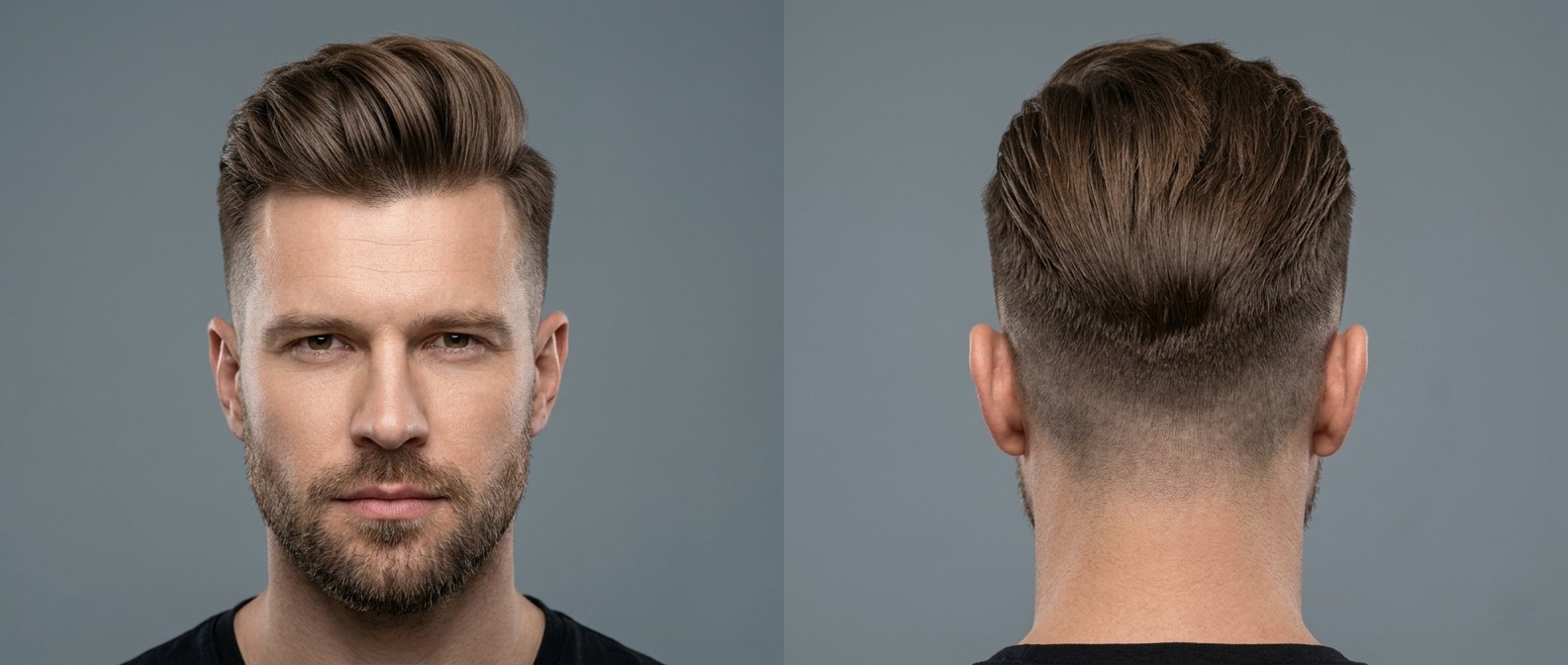
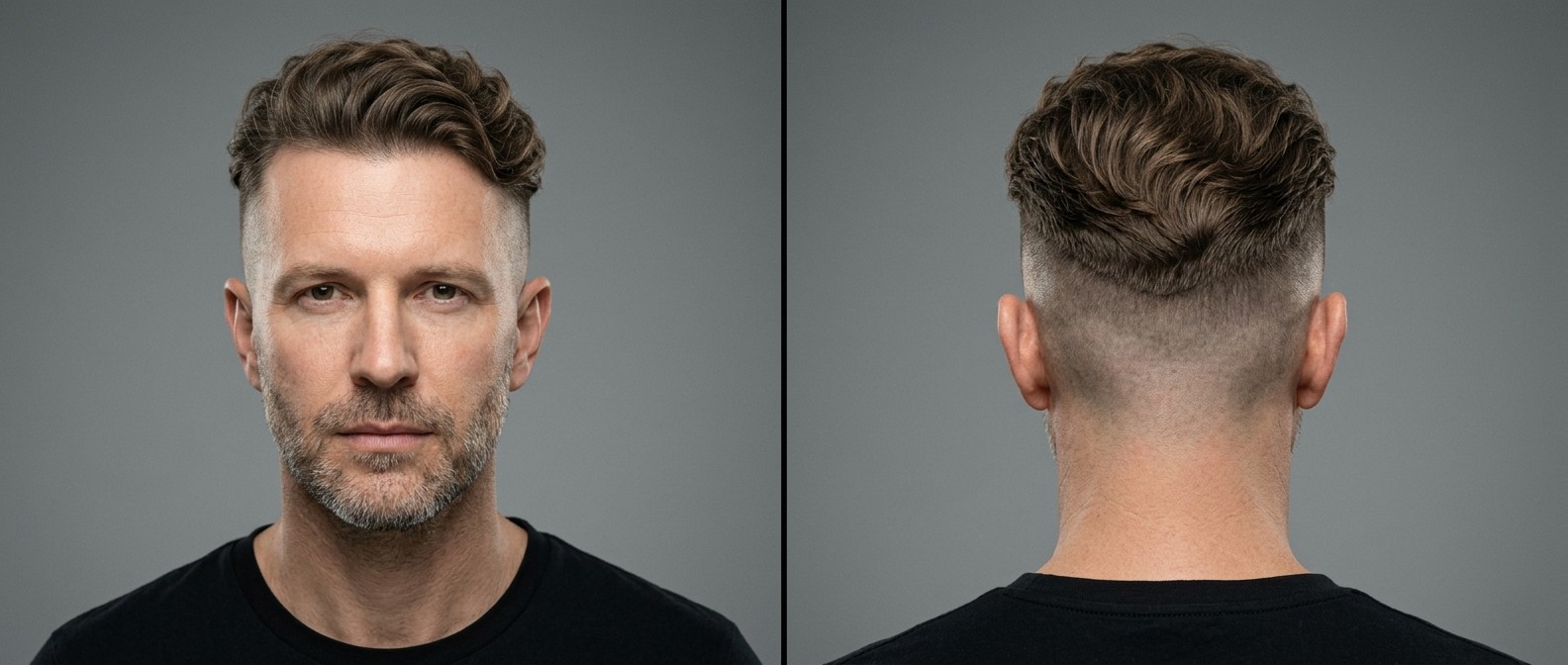
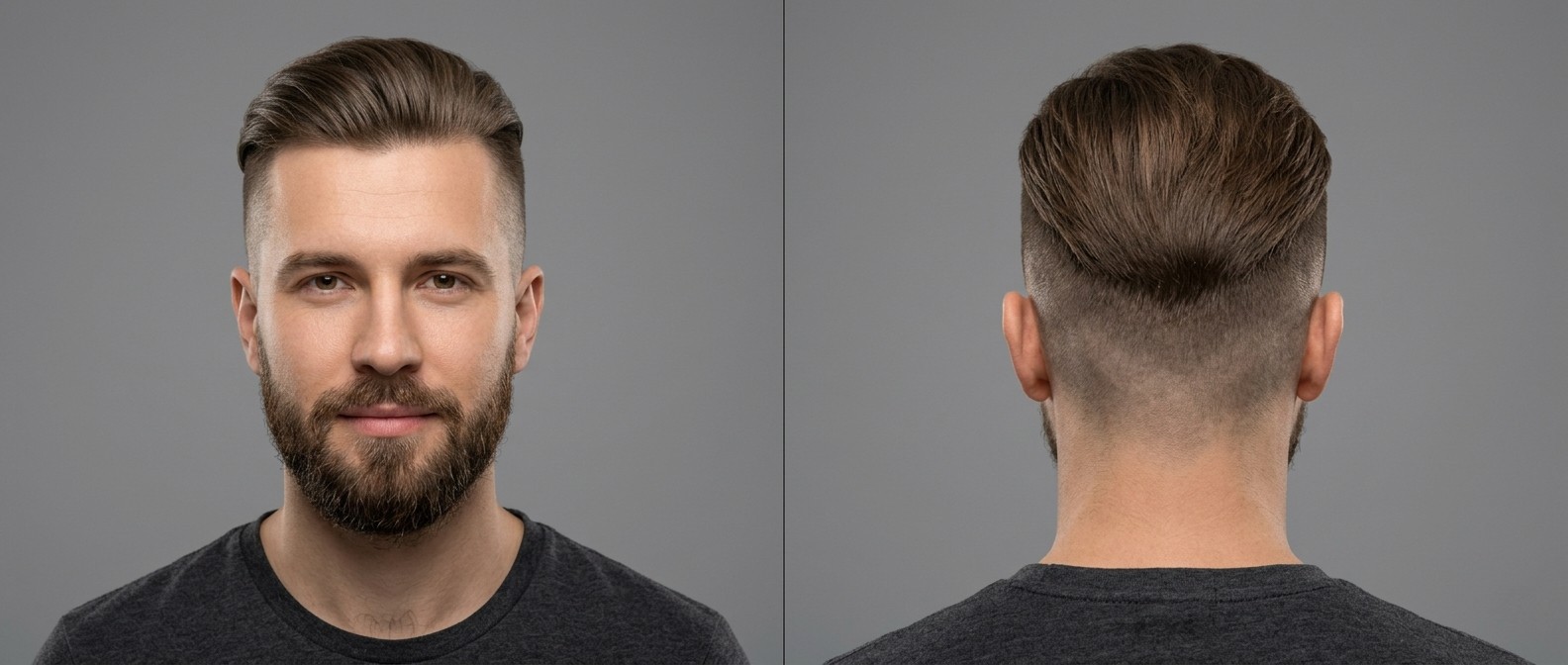
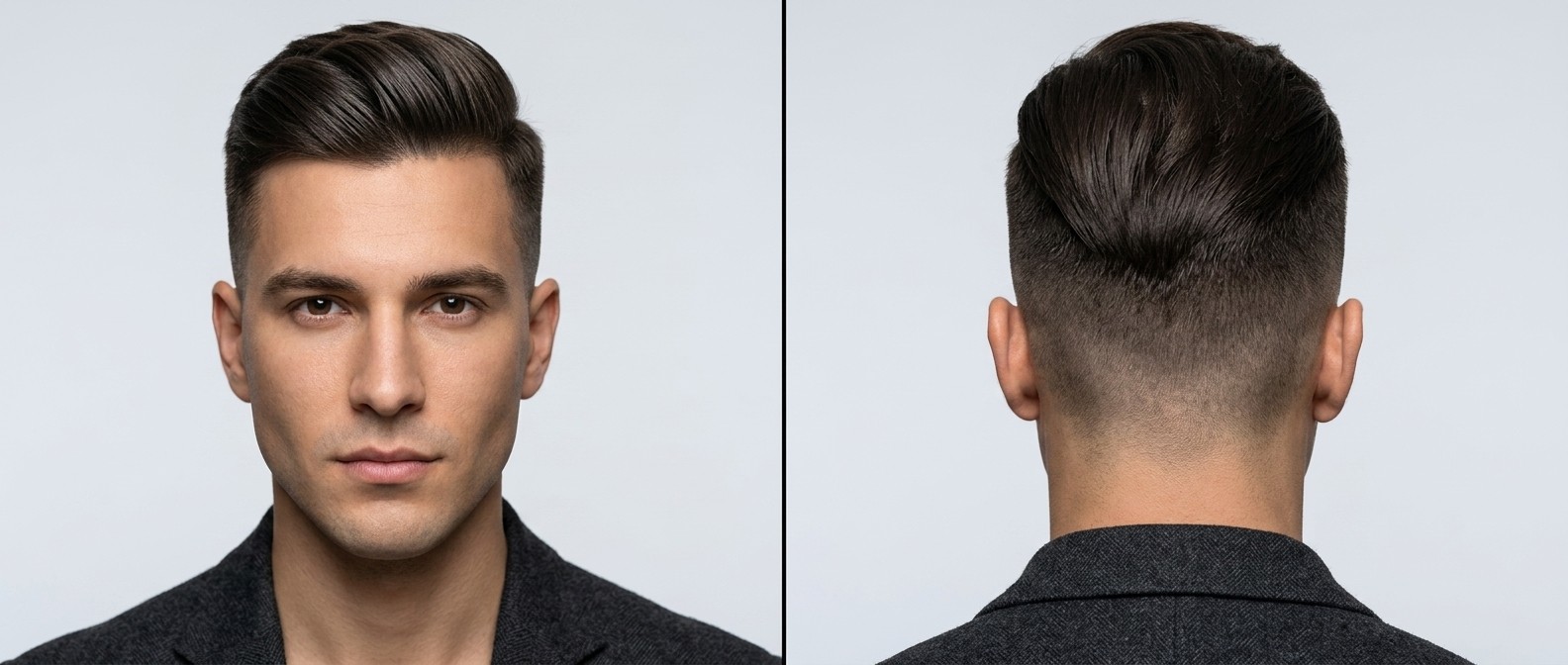
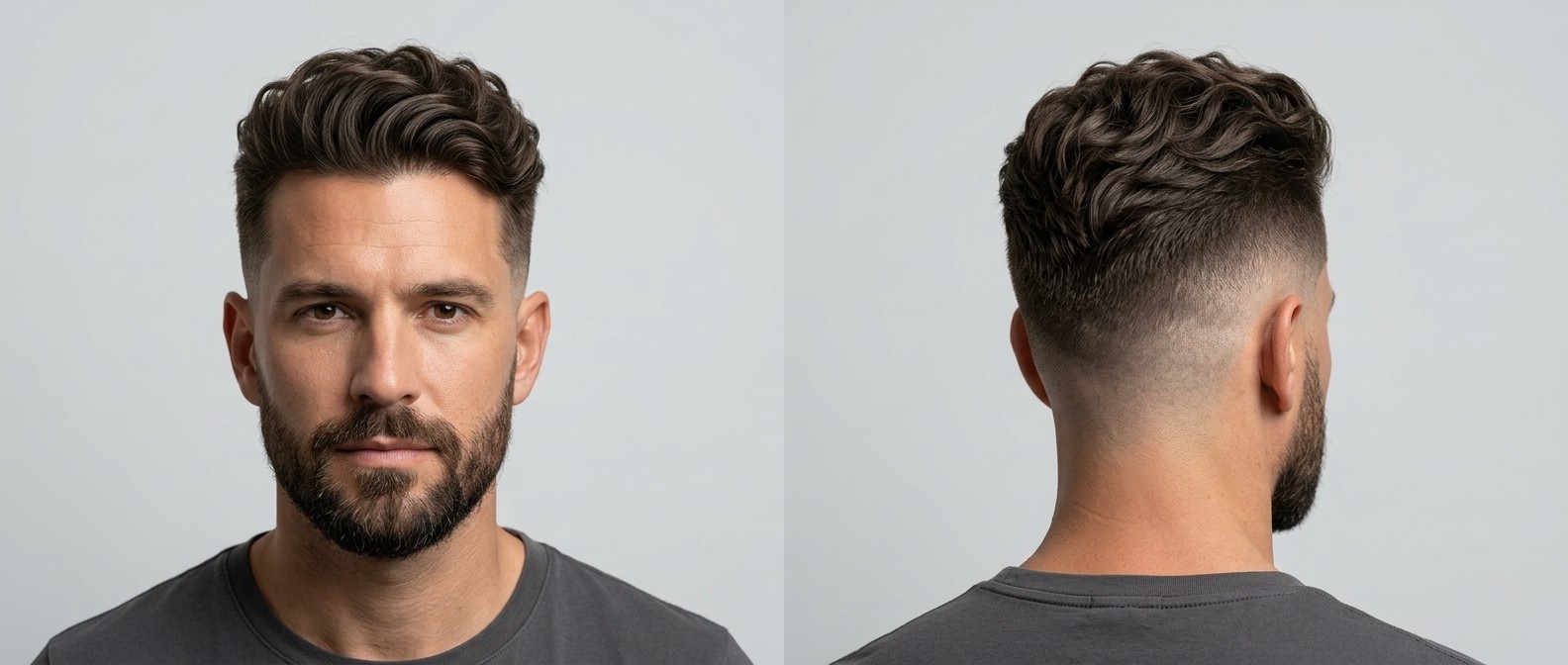
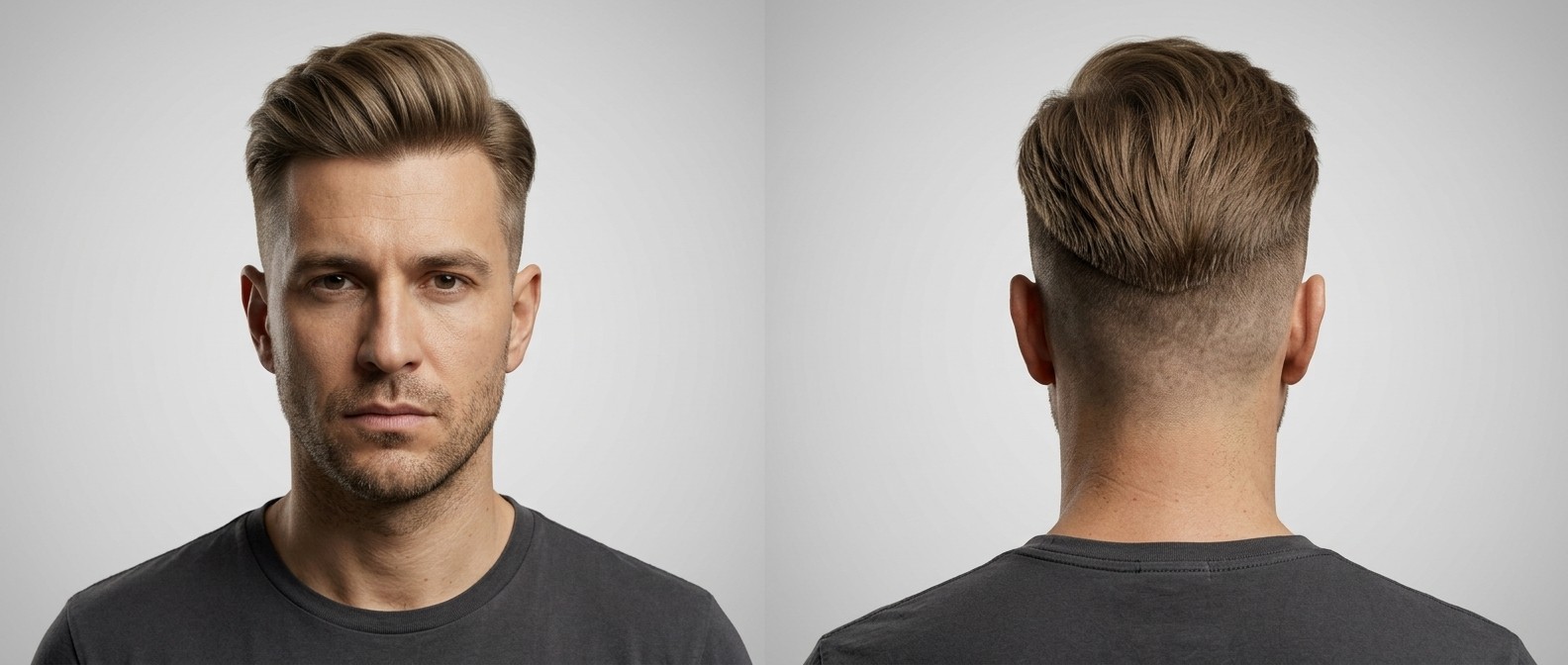
What Is an Undercut?
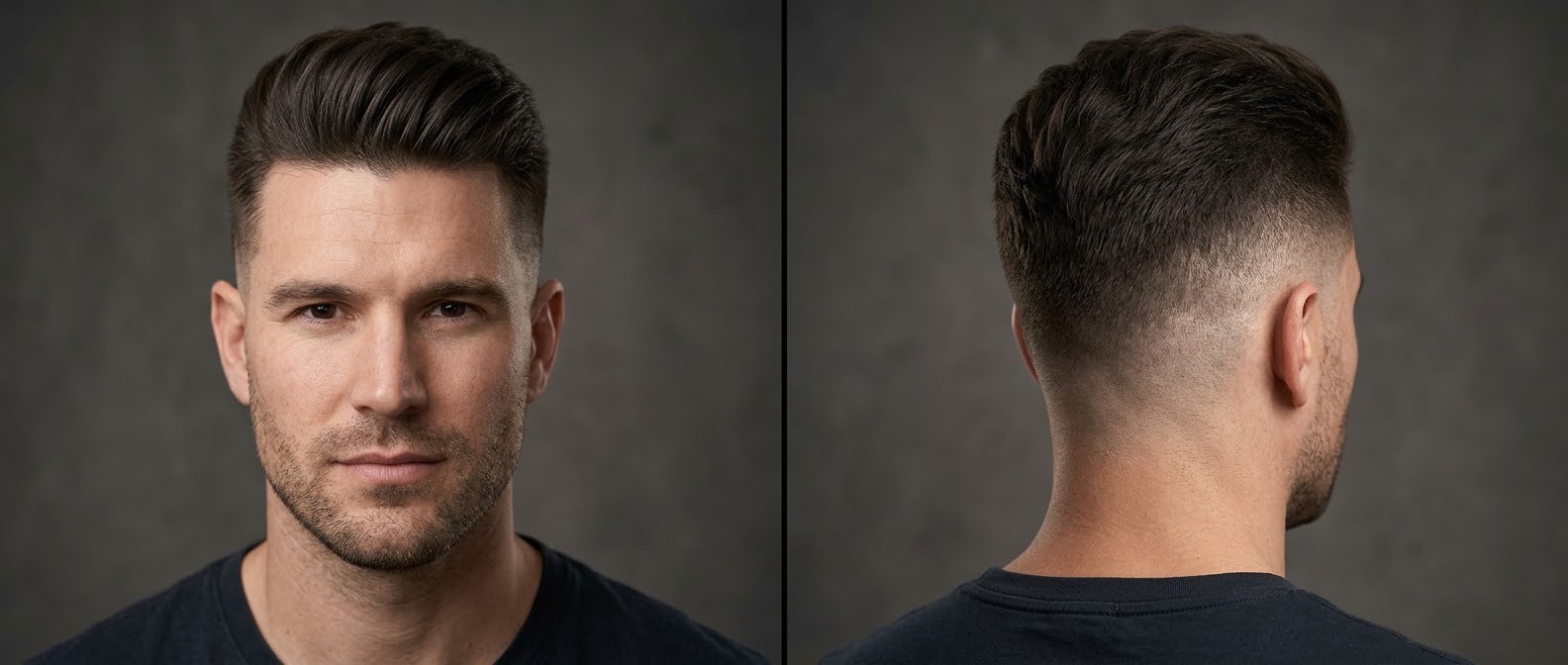
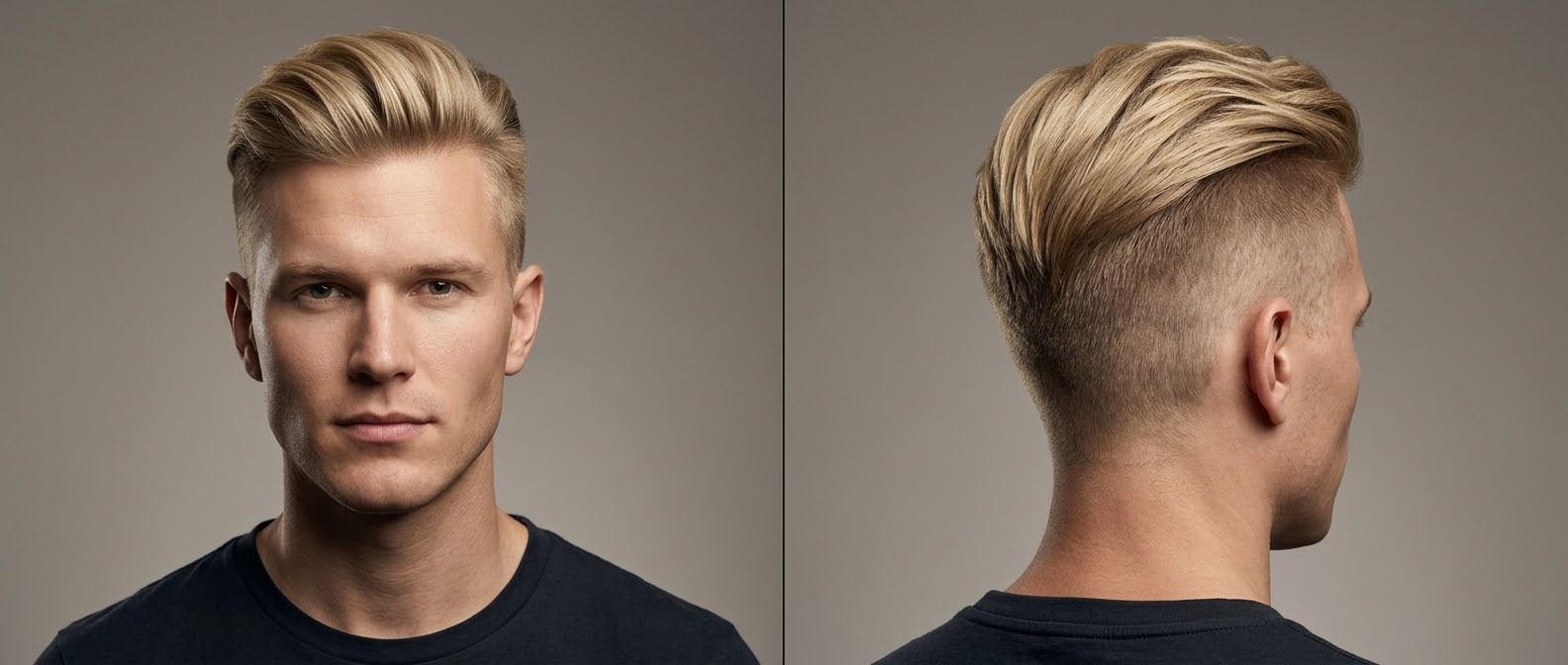
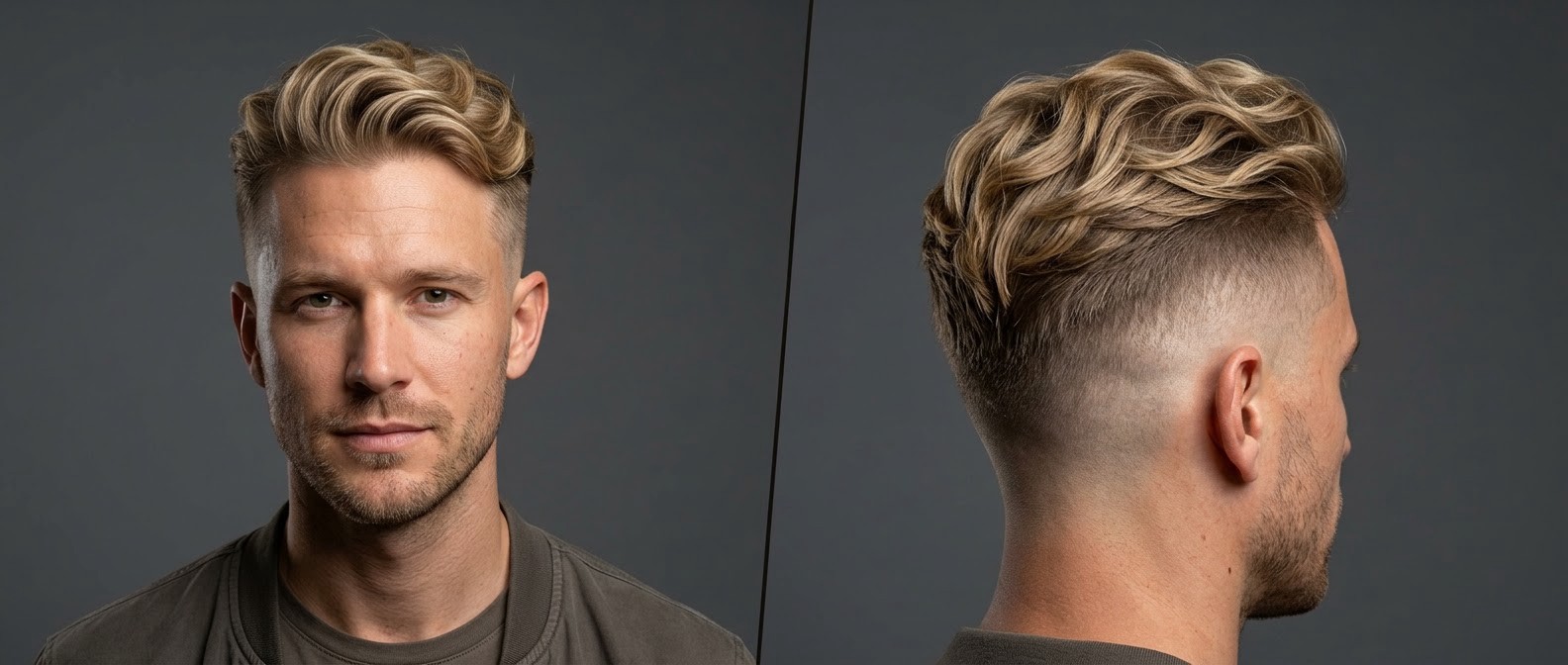
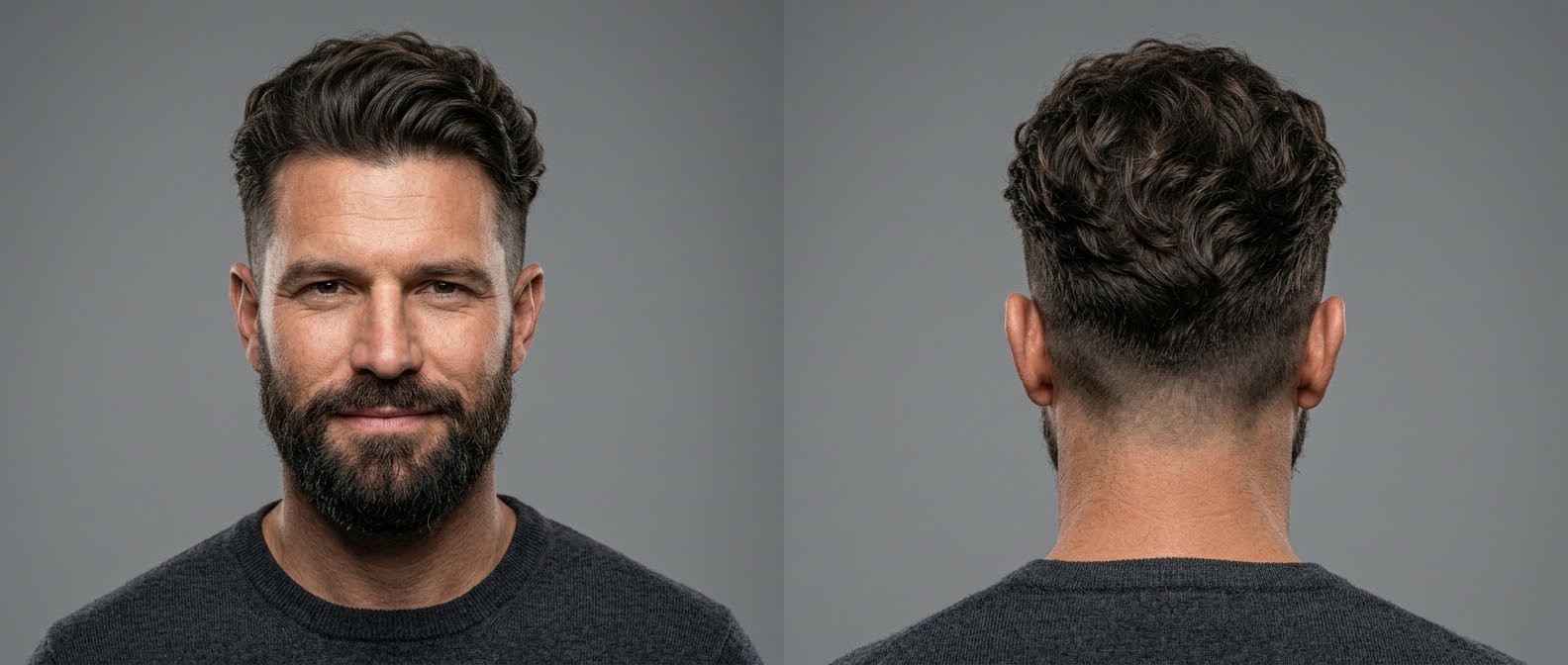
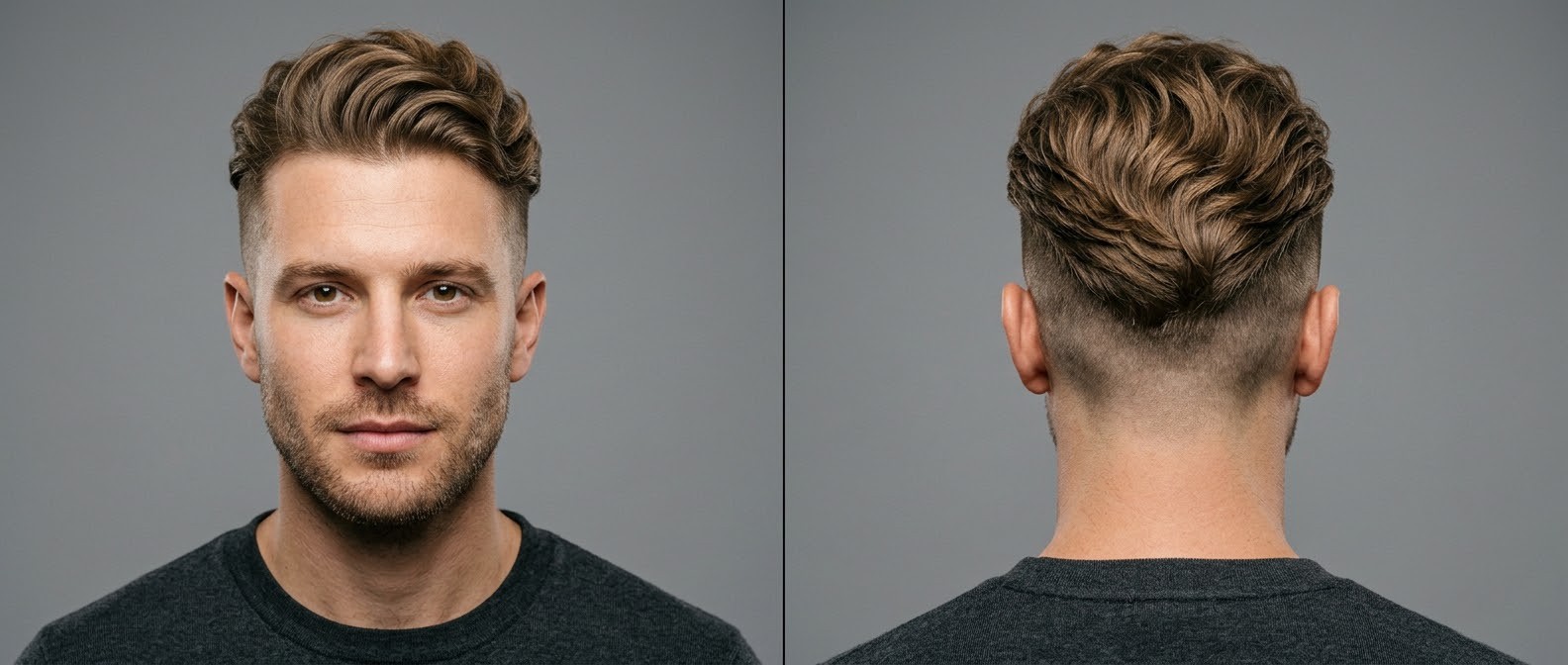
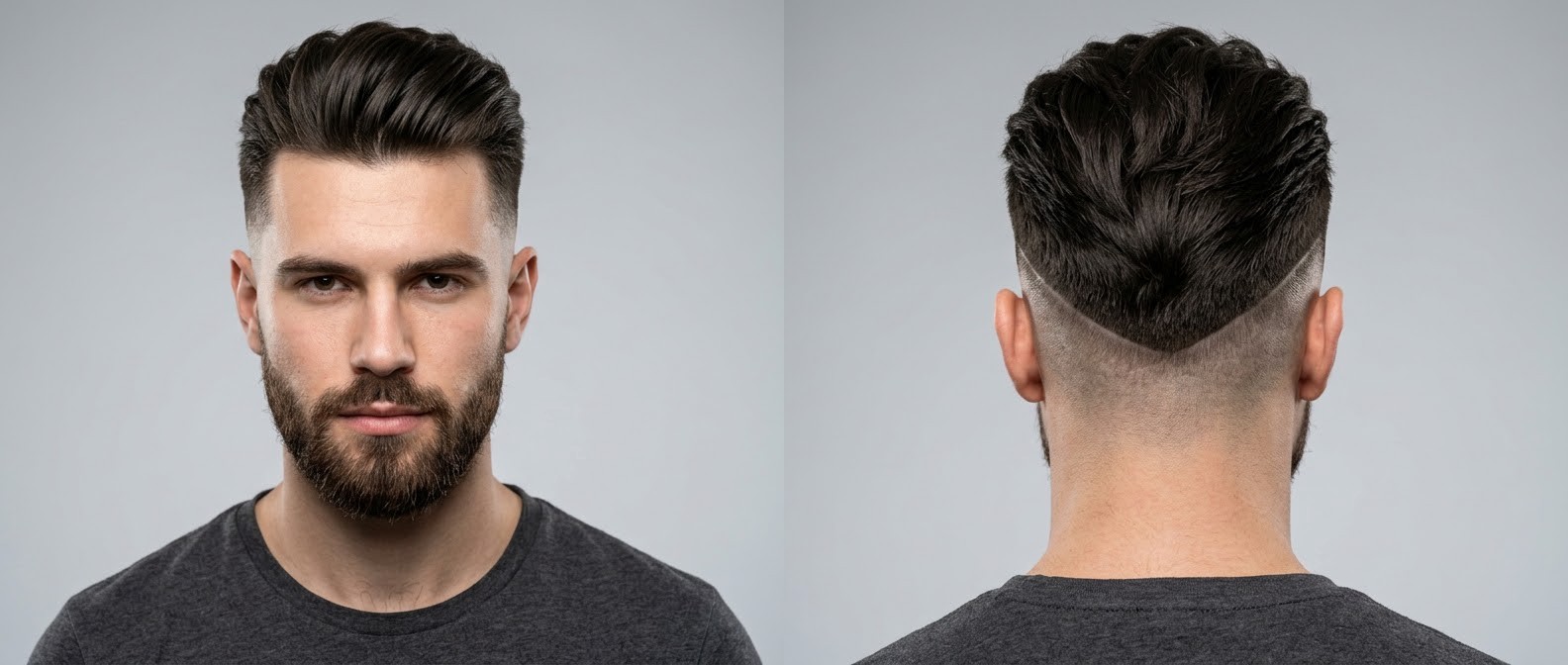
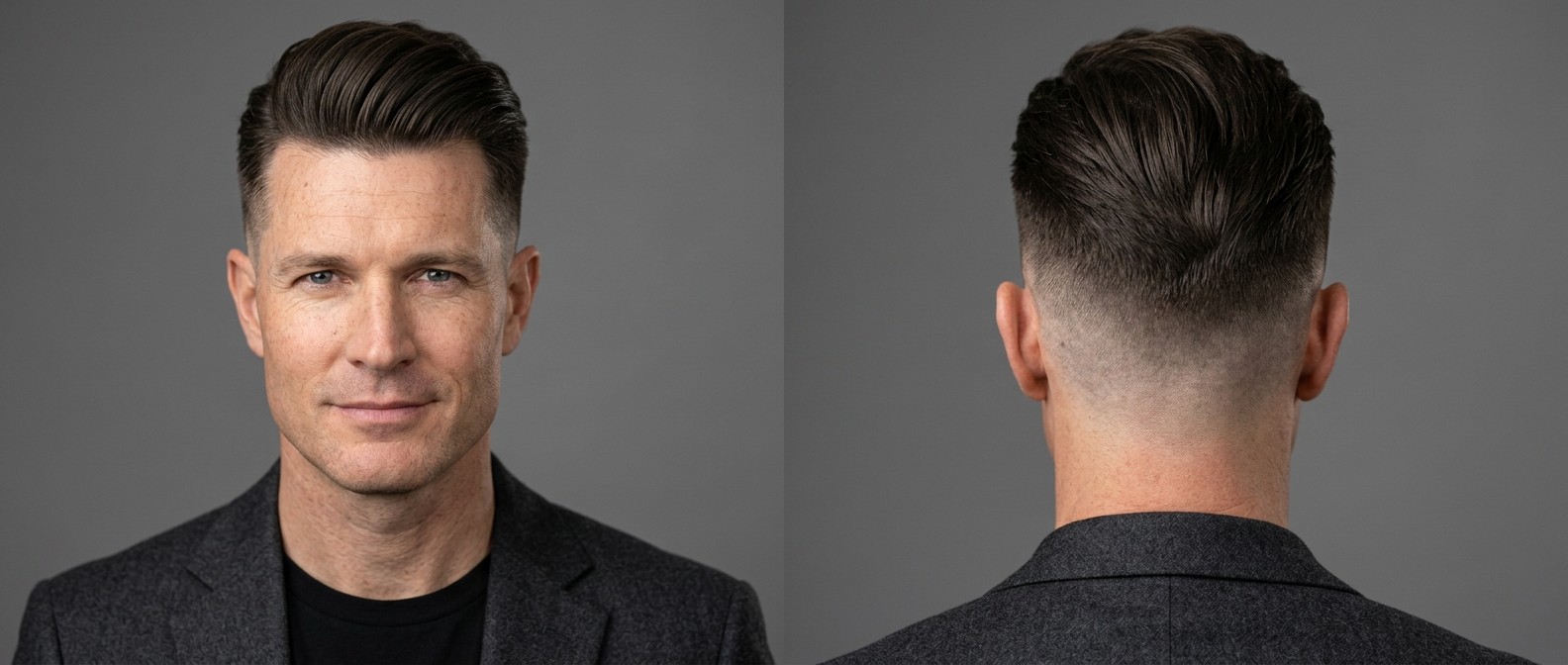
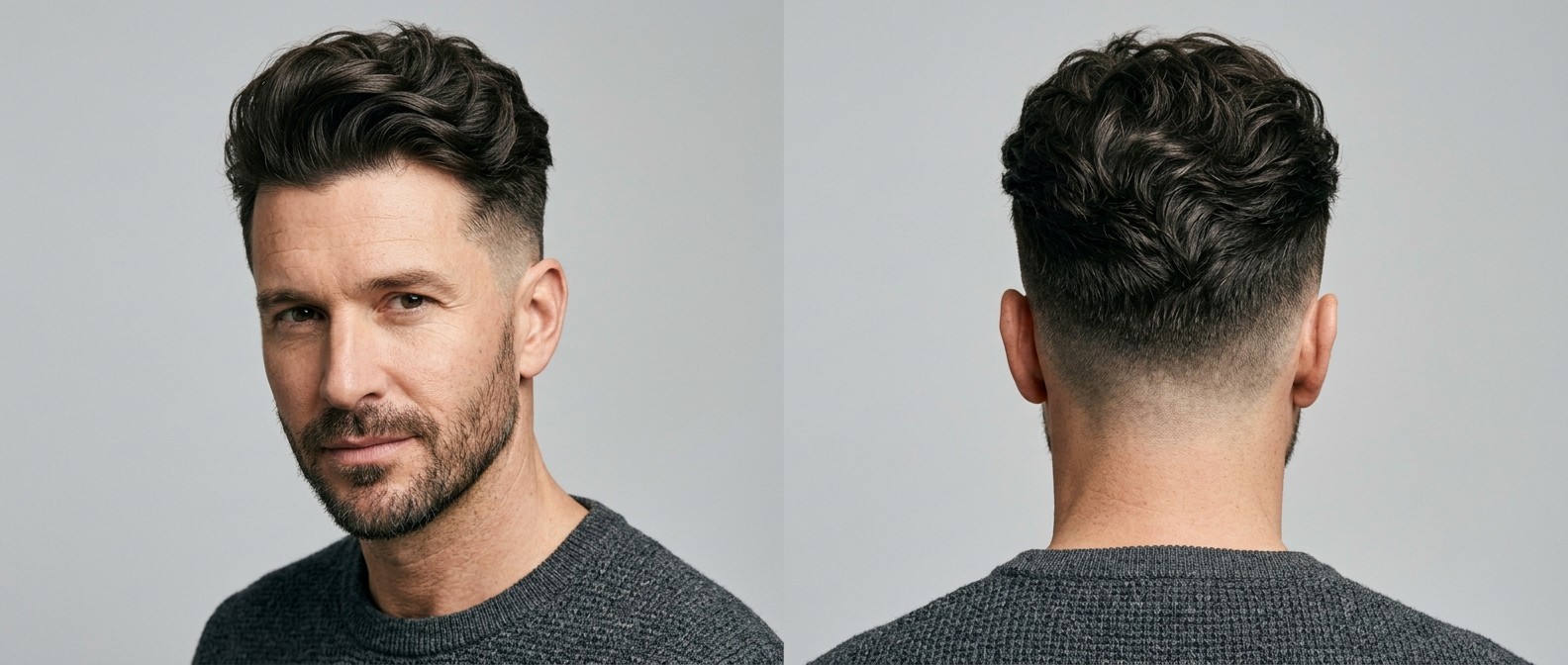
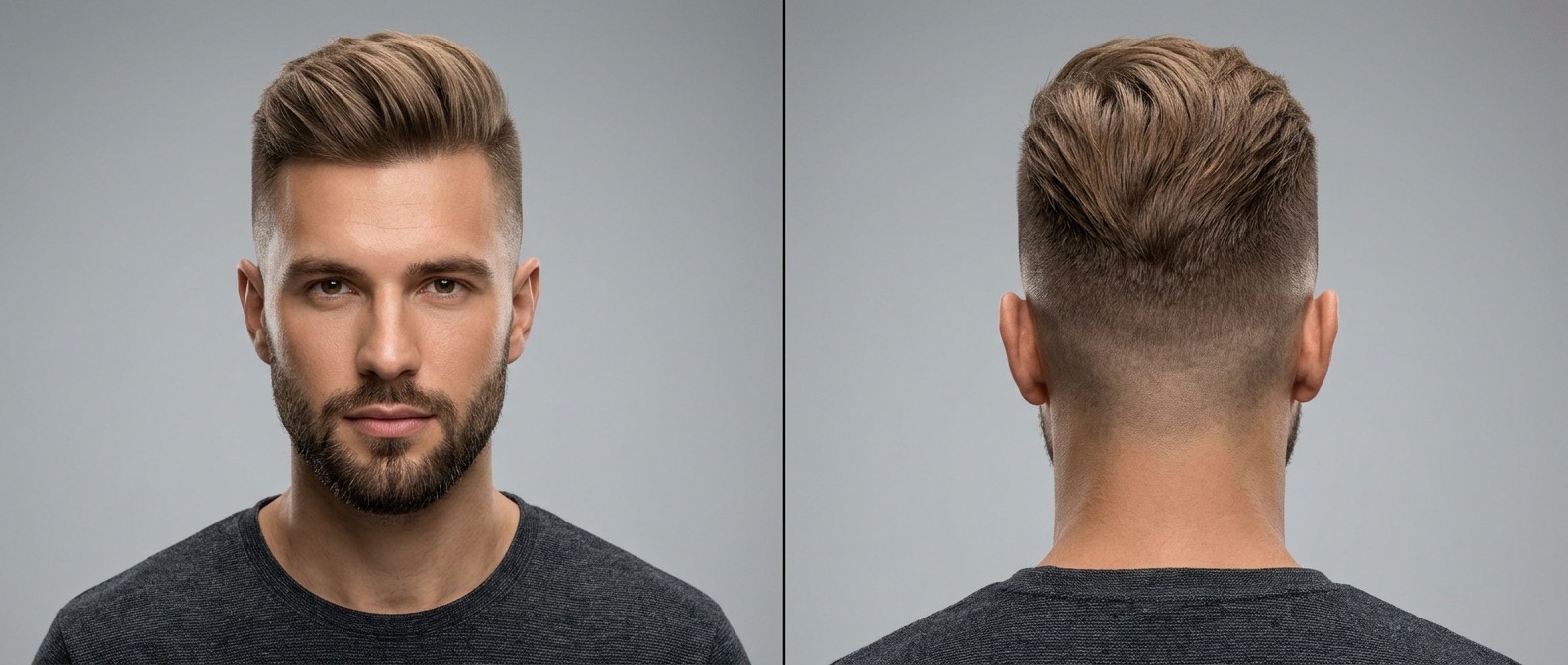
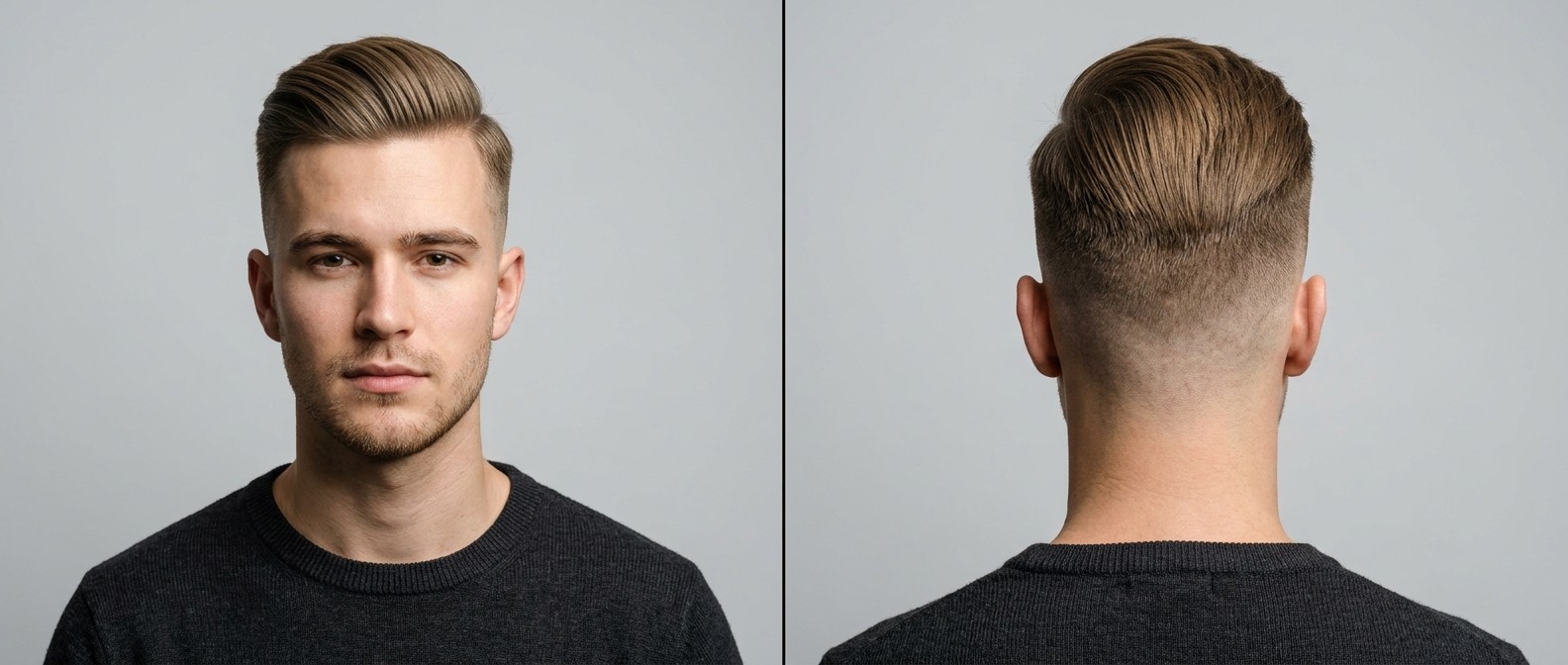
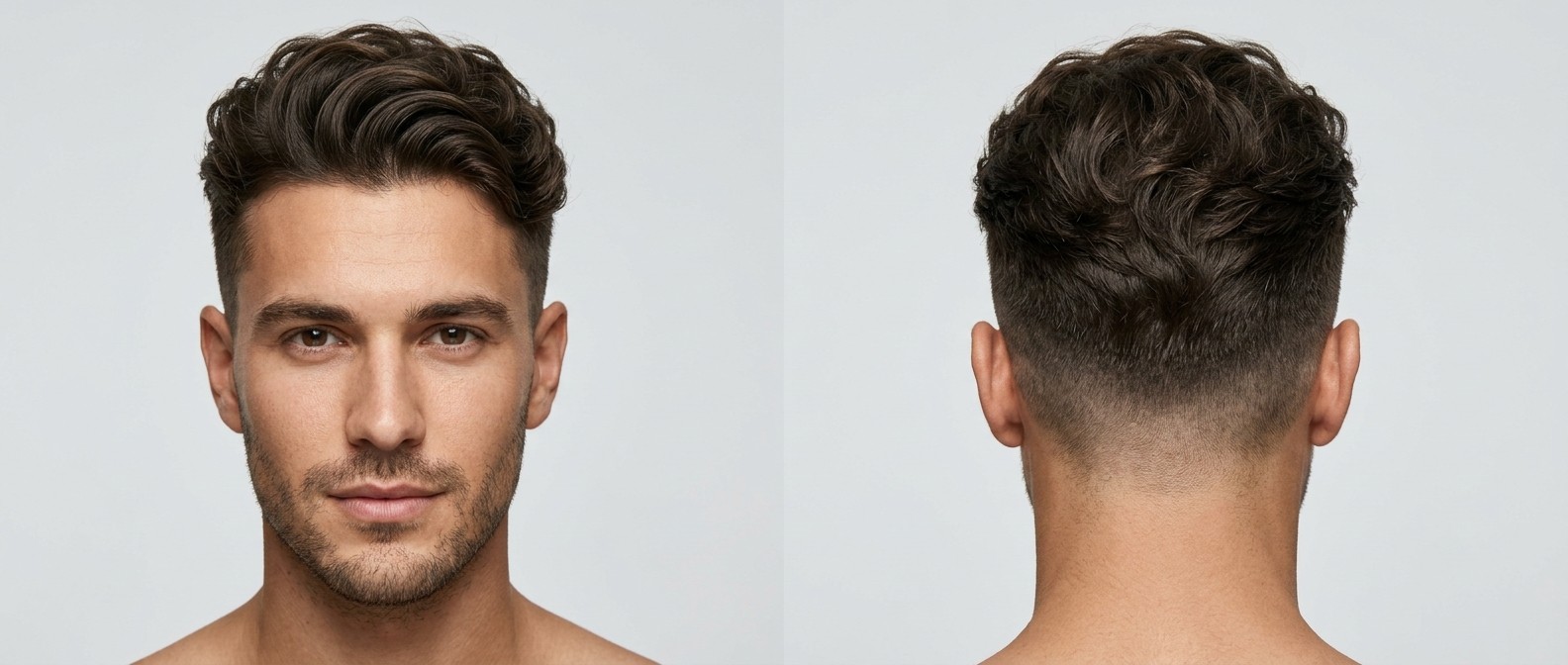
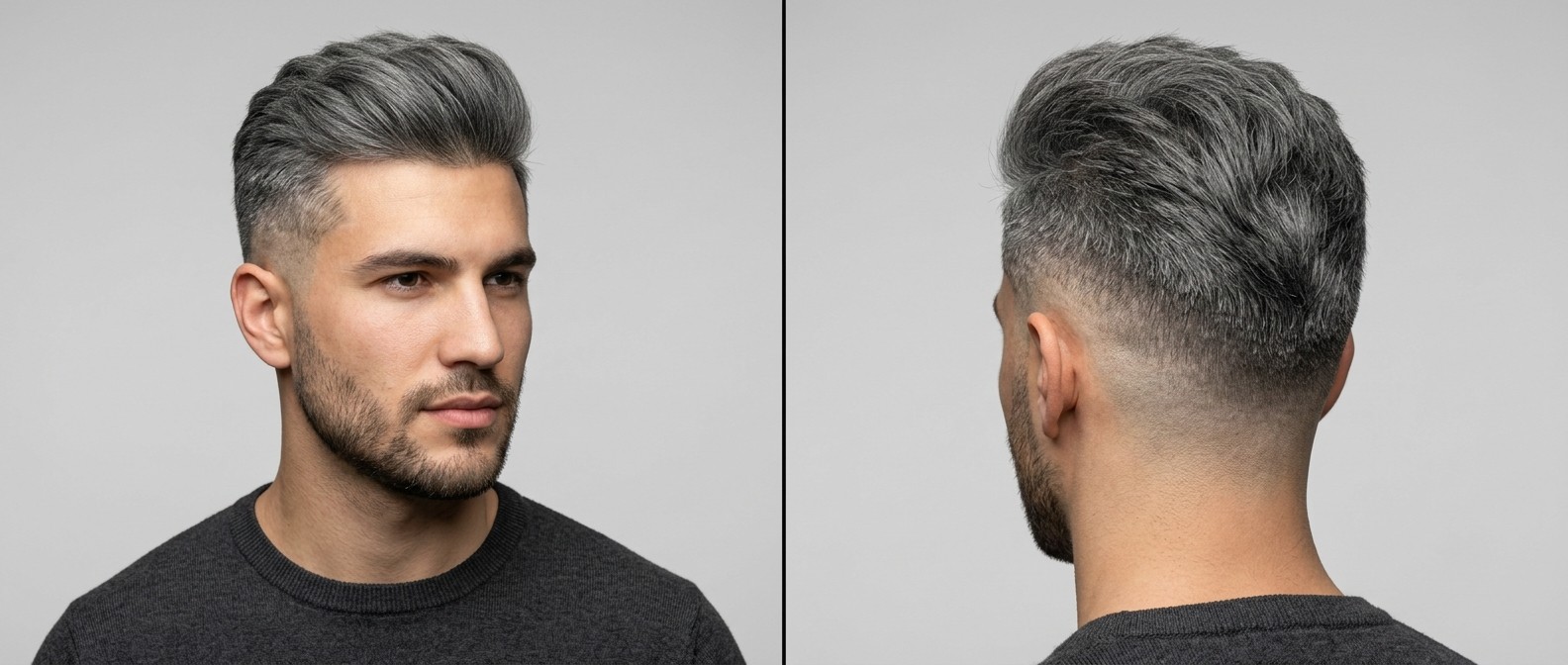
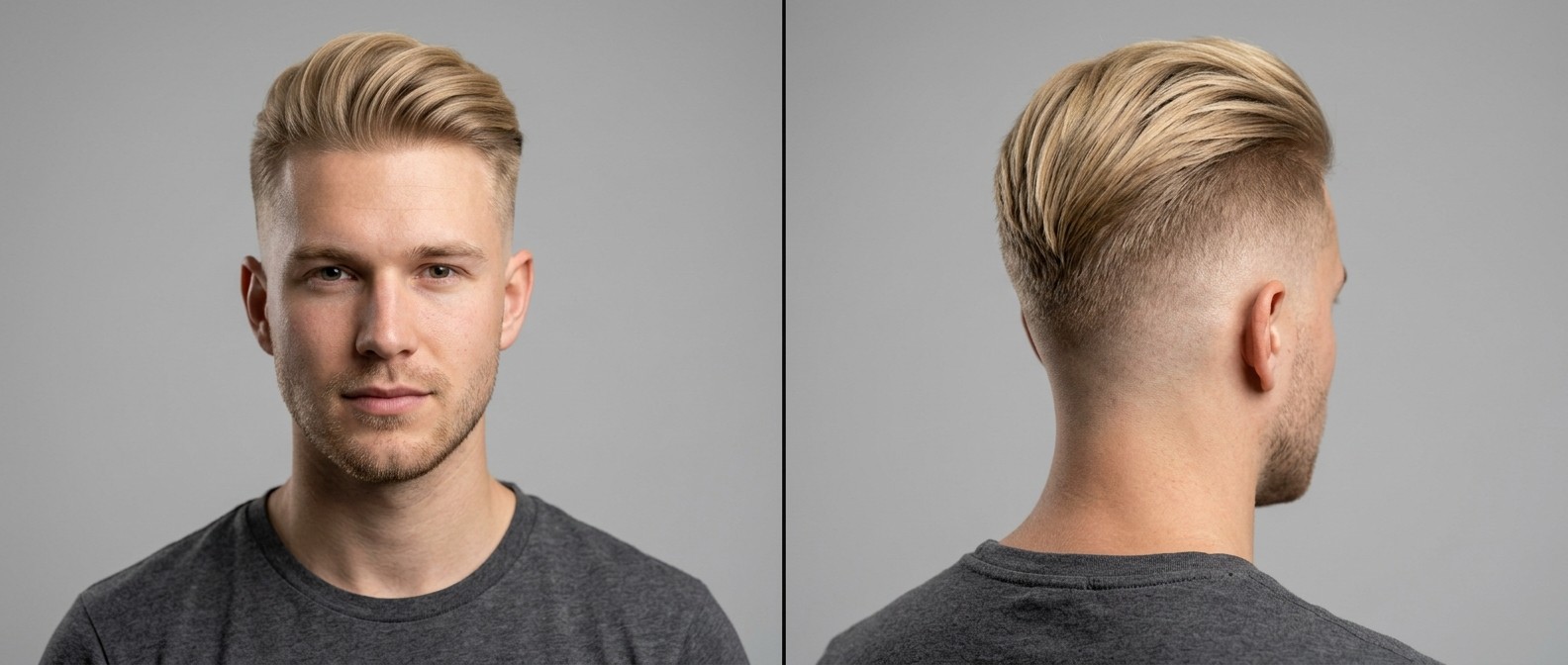
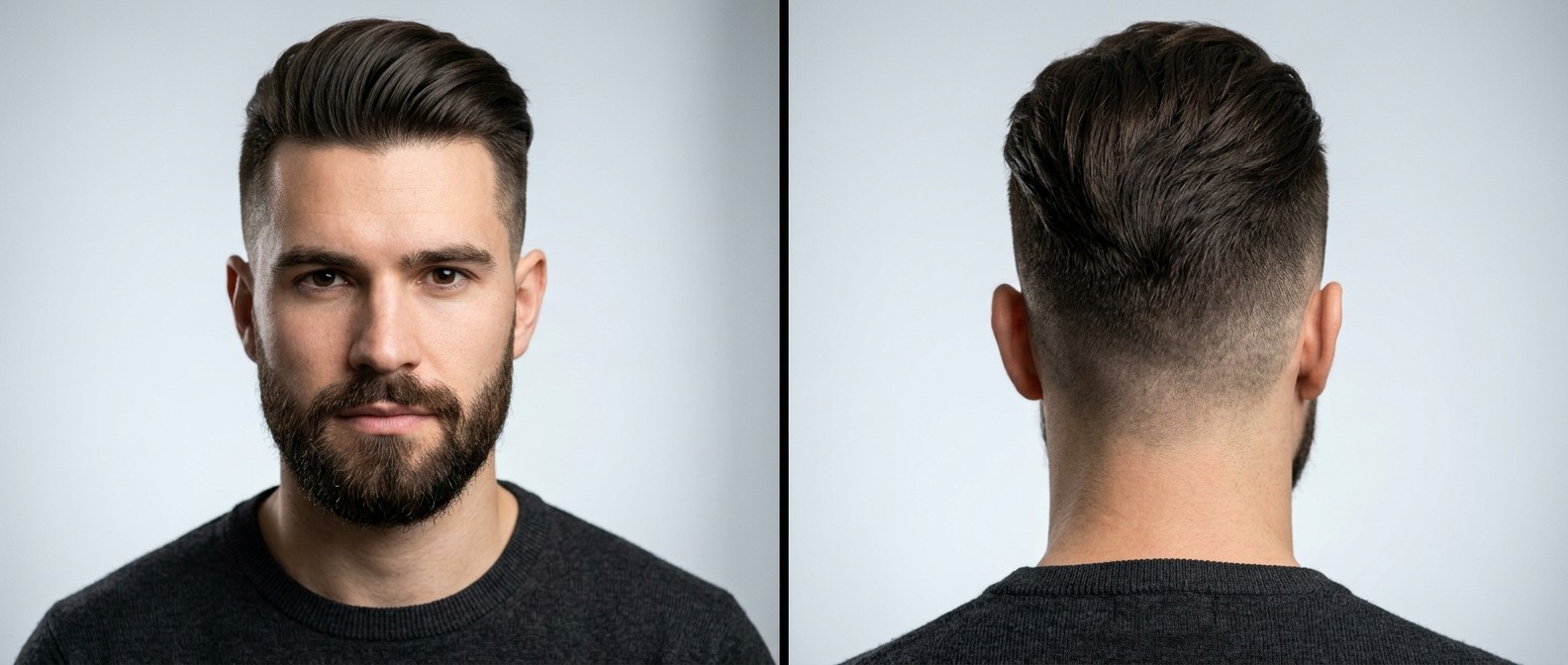
The undercut is defined by a sharp contrast between short sides and a longer top. The sides and back are clipped uniformly short — typically with a #1 to #3 guard — while the top retains significantly more length, usually 3 to 6 inches or more. The key characteristic that distinguishes an undercut from a fade is the lack of gradual blending. There's a visible line where short meets long, creating that signature "disconnect" effect.
The undercut has a fascinating history. It was a standard men's hairstyle in the 1920s through 1940s, worn by everyone from factory workers to film stars. The style faded from mainstream fashion in the latter half of the 20th century before roaring back in the early 2010s, driven by TV shows like Peaky Blinders and the broader vintage menswear revival. Today, the undercut is arguably the most influential men's hairstyle of the past decade, spawning countless variations and inspiring a generation of modern cuts.
What makes the undercut so enduringly popular is its extraordinary versatility. The same basic structure — short sides, long top — serves as a canvas for dozens of different styling approaches, from classic and refined to edgy and contemporary.
Who Should Get an Undercut?
The undercut is genuinely universal. Its adaptability means it can be tailored to suit virtually any face shape, hair type, and personal style. However, some combinations work particularly well:
- Oval faces — practically any undercut variation flatters this balanced shape
- Round faces — the short sides slim the face while the height on top elongates it
- Square faces — a side-parted undercut softens strong angles while maintaining masculinity
- Thick hair — the undercut removes bulk from the sides while showcasing density on top
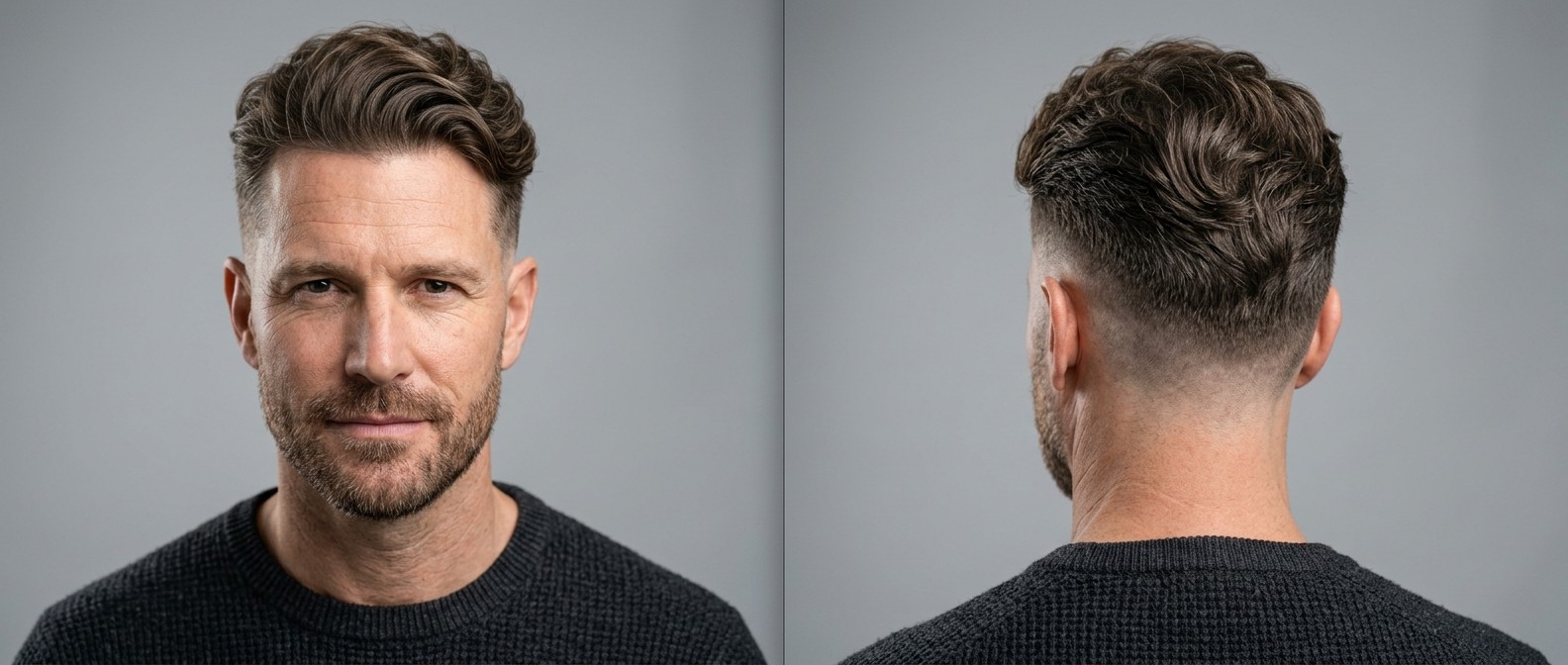
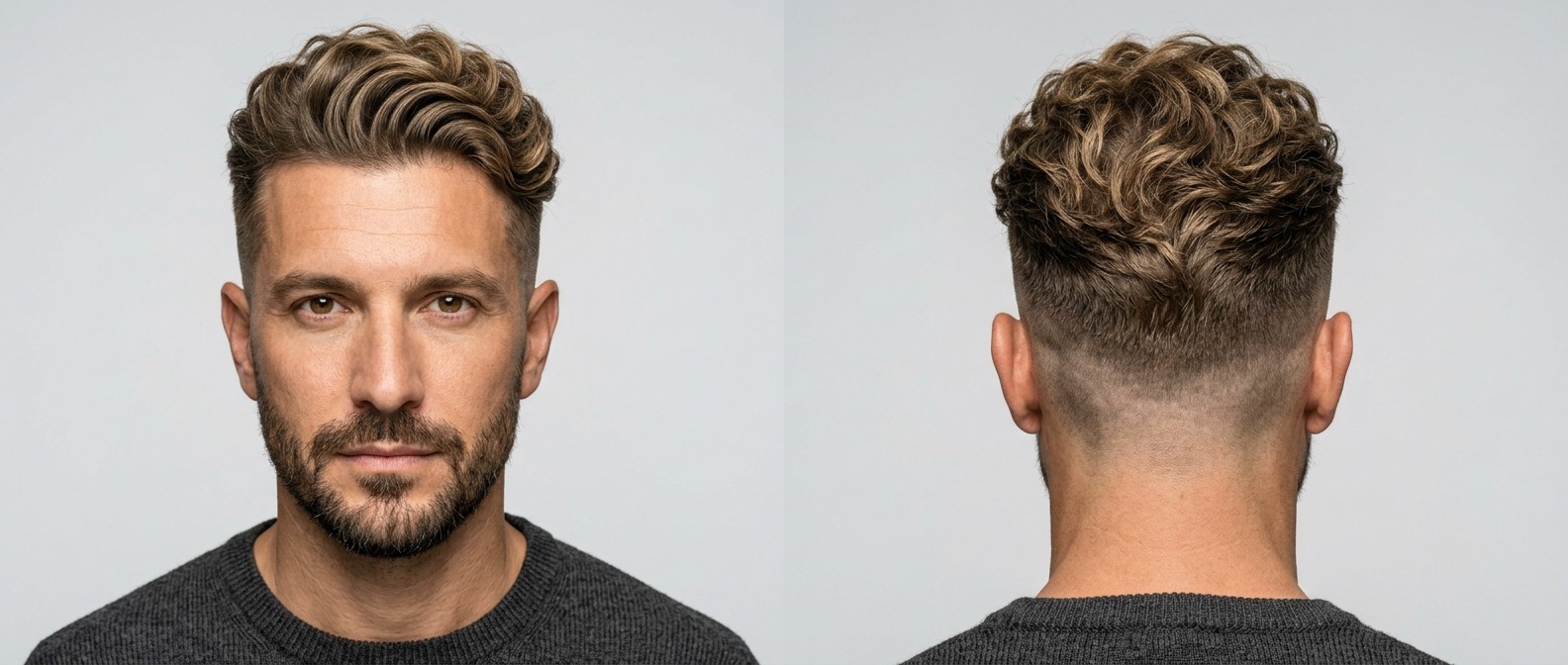
- Wavy hair — natural waves add beautiful movement and texture to the longer top section
The undercut also works across professional contexts. A neatly styled undercut with a side part reads as polished and intentional in corporate settings, while a messier, textured version fits perfectly in creative environments.
How to Style an Undercut
The beauty of the undercut is that the same cut supports wildly different looks depending on how you style the top. Here are the most popular approaches:
Slicked back: Apply a medium to high-shine pomade to damp hair and comb everything straight back. This creates the classic, timeless undercut look popularized in the 1920s and revived by Peaky Blinders. Use a blow dryer while combing backward for extra hold and volume.
Side part: Create a defined part on one side and comb the hair across. Use a matte pomade or clay for a modern finish, or a high-shine pomade for a more retro vibe. This is the most versatile and office-appropriate undercut style.
Textured and messy: Work a matte clay or paste through towel-dried hair, using your fingers to create natural movement and separation. Push the hair generally upward and slightly to one side. This relaxed approach is perfect for everyday wear.
Top knot or man bun: If the top is long enough (6+ inches), you can gather it into a knot or bun for a completely different aesthetic. This works especially well in warm weather or active situations.
What to Tell Your Barber
When getting an undercut, clarity about the disconnect is essential. Here's your communication checklist:
- Side and back length — specify the guard number (#1 for aggressive, #2-#3 for moderate, #4 for subtle)
- How high the undercut goes — to the temples, above the temples, or all the way to the parietal ridge
- Disconnect level — do you want a completely hard line, or just minimal blending?
- Top length — keep existing length or trim to a specific measurement
- Back shape — blocked straight across, rounded, or tapered at the nape
If you're getting an undercut for the first time, consider starting conservative — a #3 guard with a subtle disconnect. You can always go shorter and more dramatic next time once you're comfortable with the look.
Maintenance Schedule
The undercut is a moderate-maintenance hairstyle. The sides grow out relatively quickly and start to lose their crisp contrast within 2-3 weeks. Plan on barber visits every 3-4 weeks, or invest in a good clipper set to maintain the sides yourself between professional cuts.
If you're maintaining the sides at home, use the same guard number your barber used and clip against the direction of growth. Be careful around the disconnect line — this is where most home maintenance goes wrong. It's better to stop slightly below the line than to accidentally extend the undercut too high.
The top section needs trimming less frequently, perhaps every 6-8 weeks depending on your desired length. Keep it healthy with regular washing, conditioning, and quality styling products. A pre-styler or blow-dry spray can make a significant difference in how well your top section holds its shape throughout the day.
Undercut Variations
The undercut ecosystem is vast. The classic undercut maintains a relatively subtle disconnect with a #2-#3 on the sides. The disconnected undercut pushes the contrast to the extreme with a skin shave or #0 on the sides and a hard, visible line. The textured undercut features a choppy, layered top for a more casual feel. The undercut fade is a hybrid that adds a slight gradient to the sides while maintaining the overall undercut structure. And the long undercut grows the top out to 6+ inches, enabling slicked-back styles, pompadours, and man buns — all from the same foundational cut that has been making men look sharp for over a hundred years.