

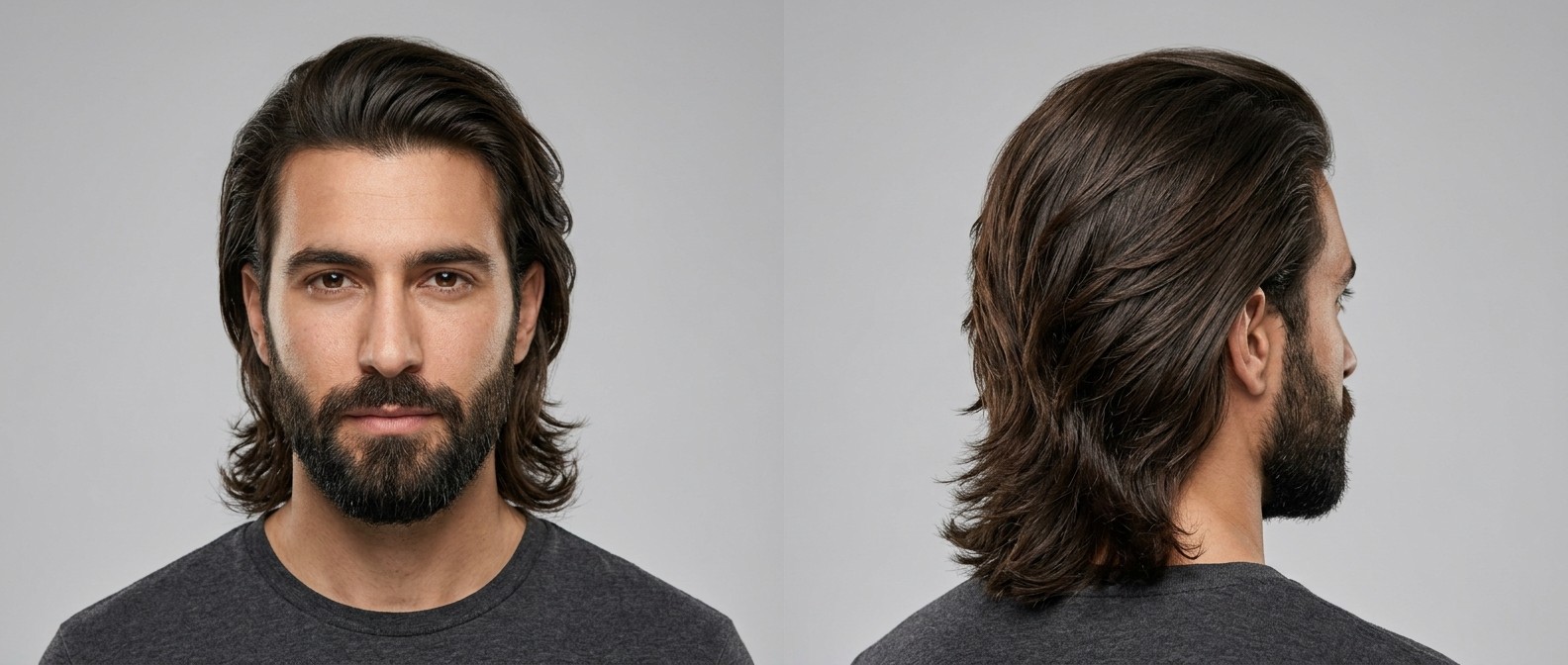
What Is Flow Hair?
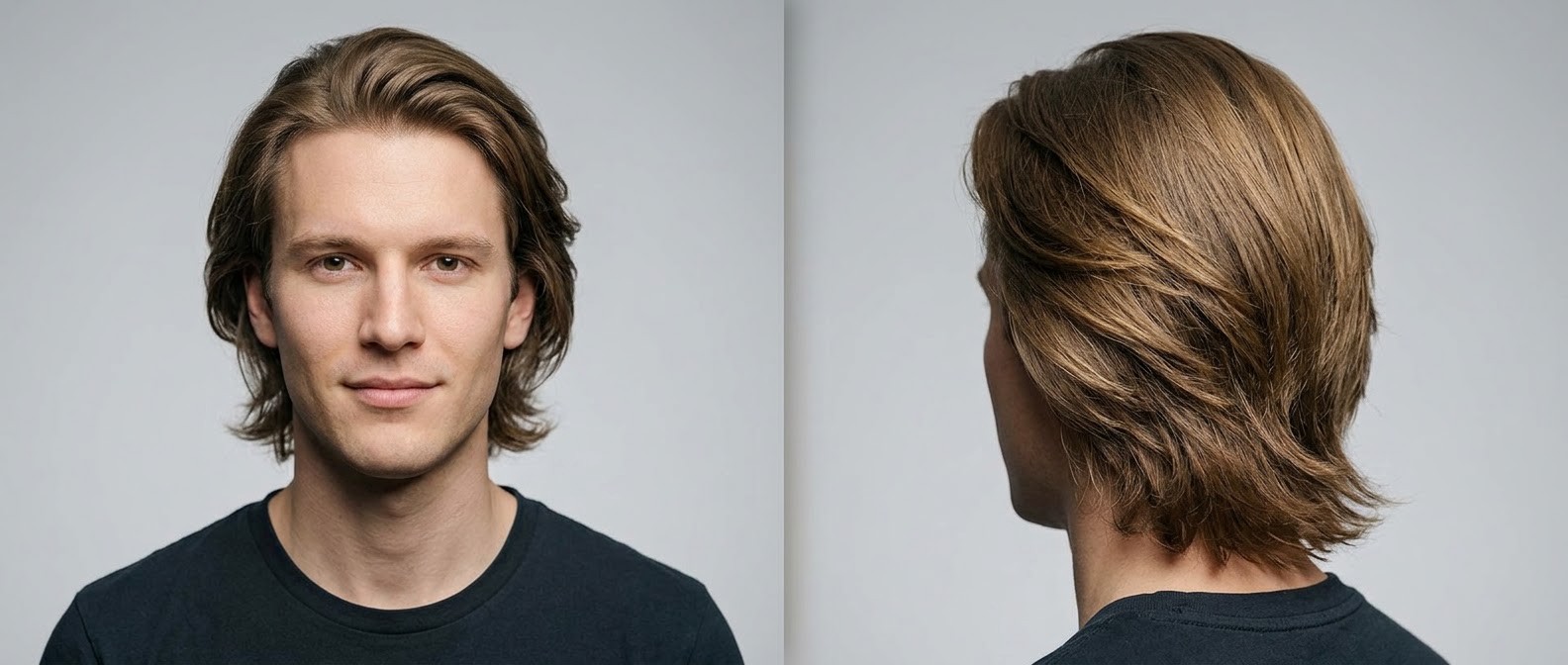
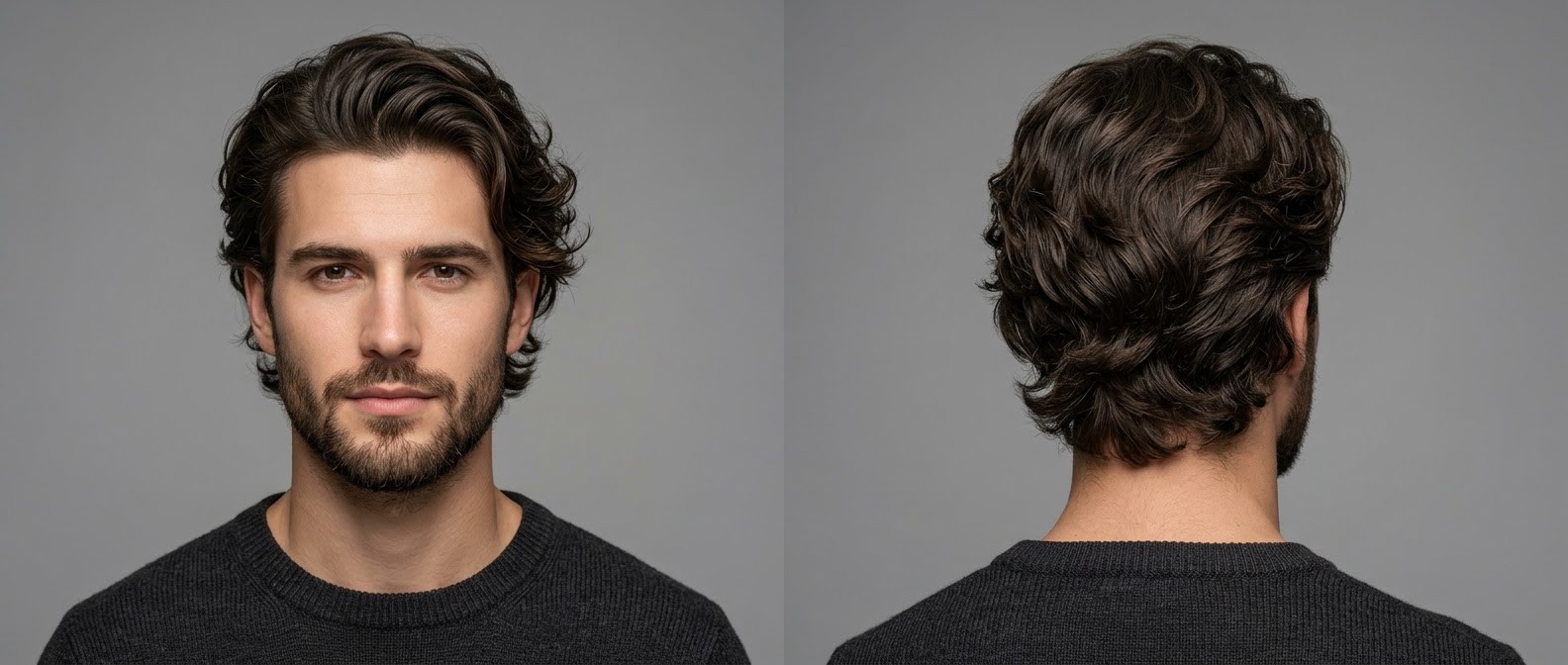
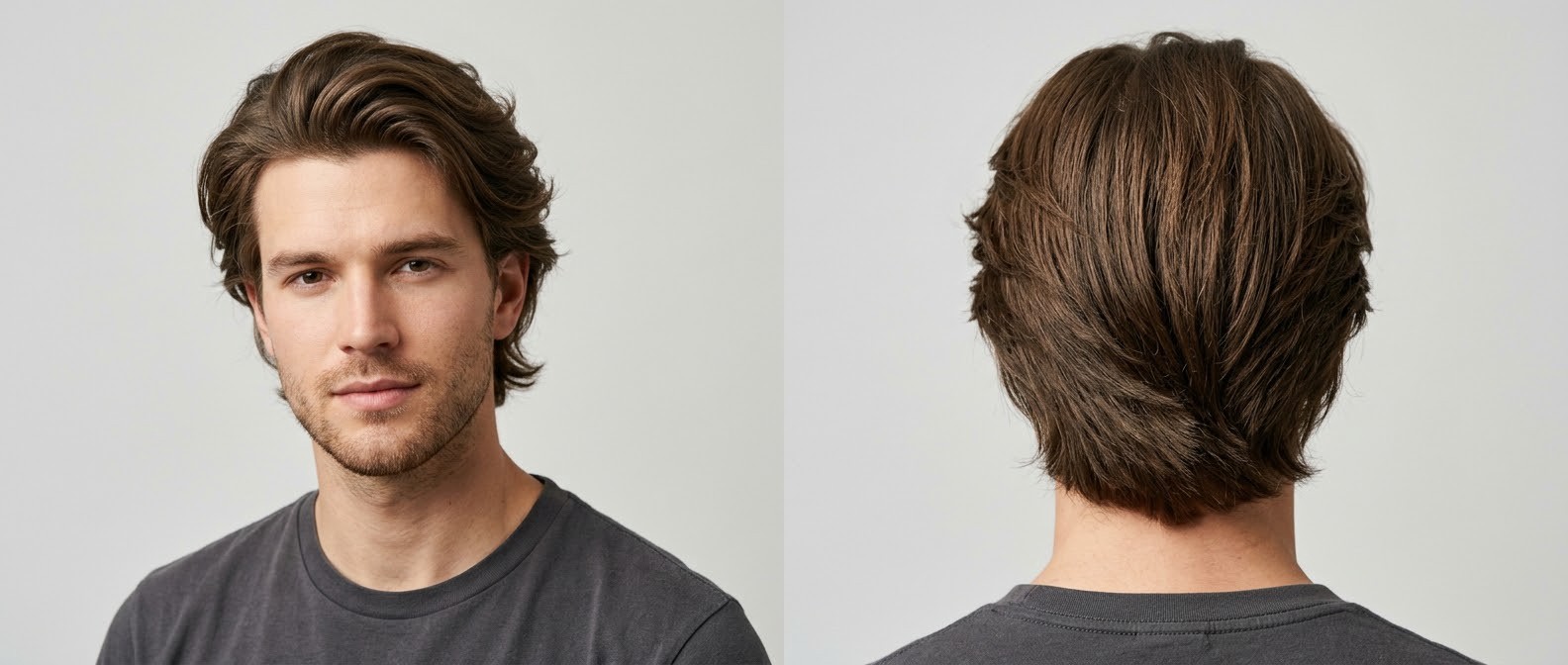
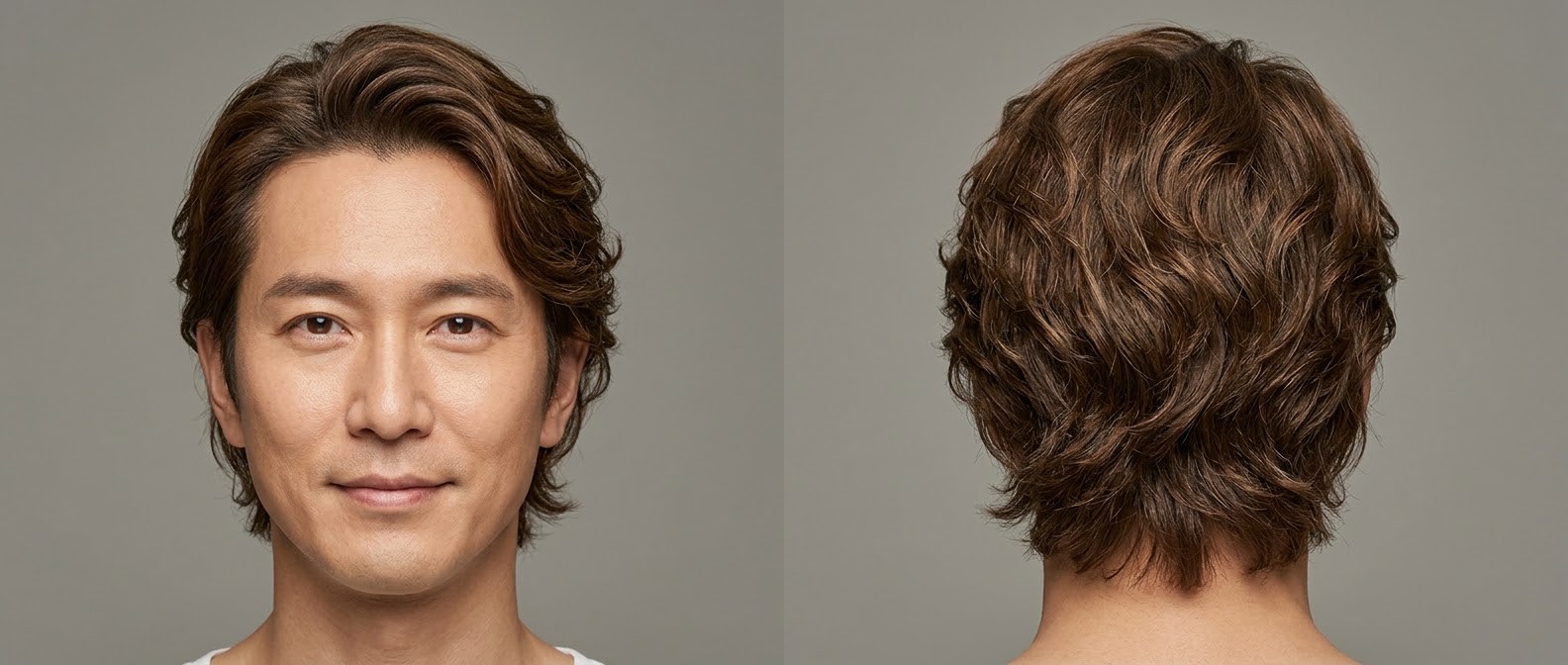
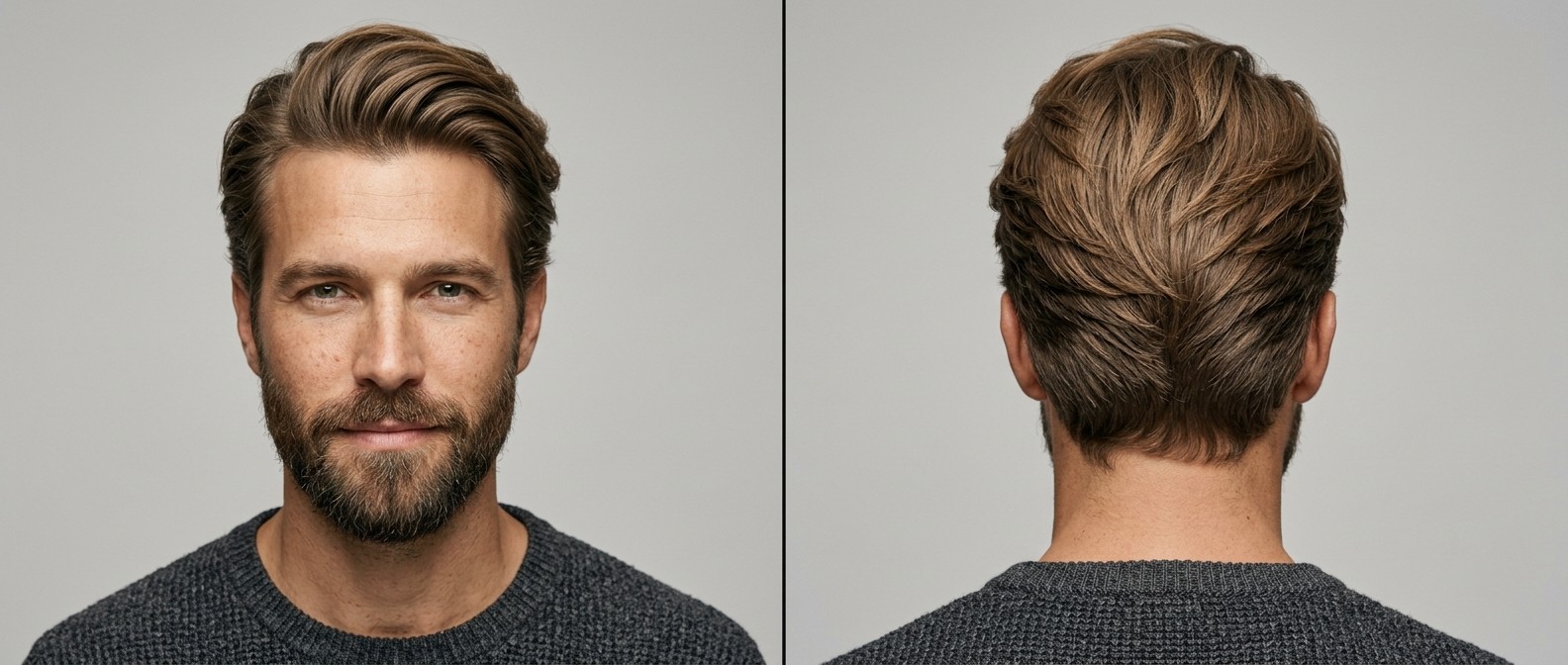
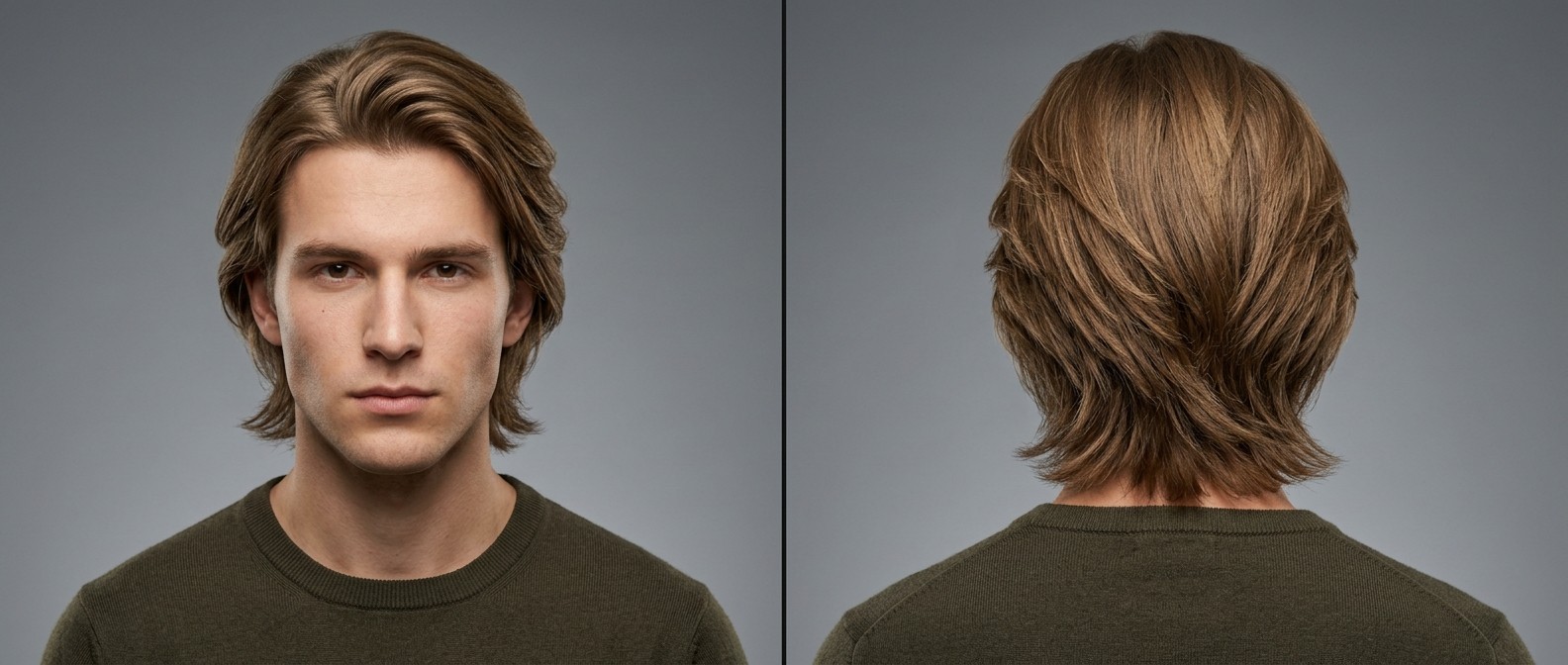
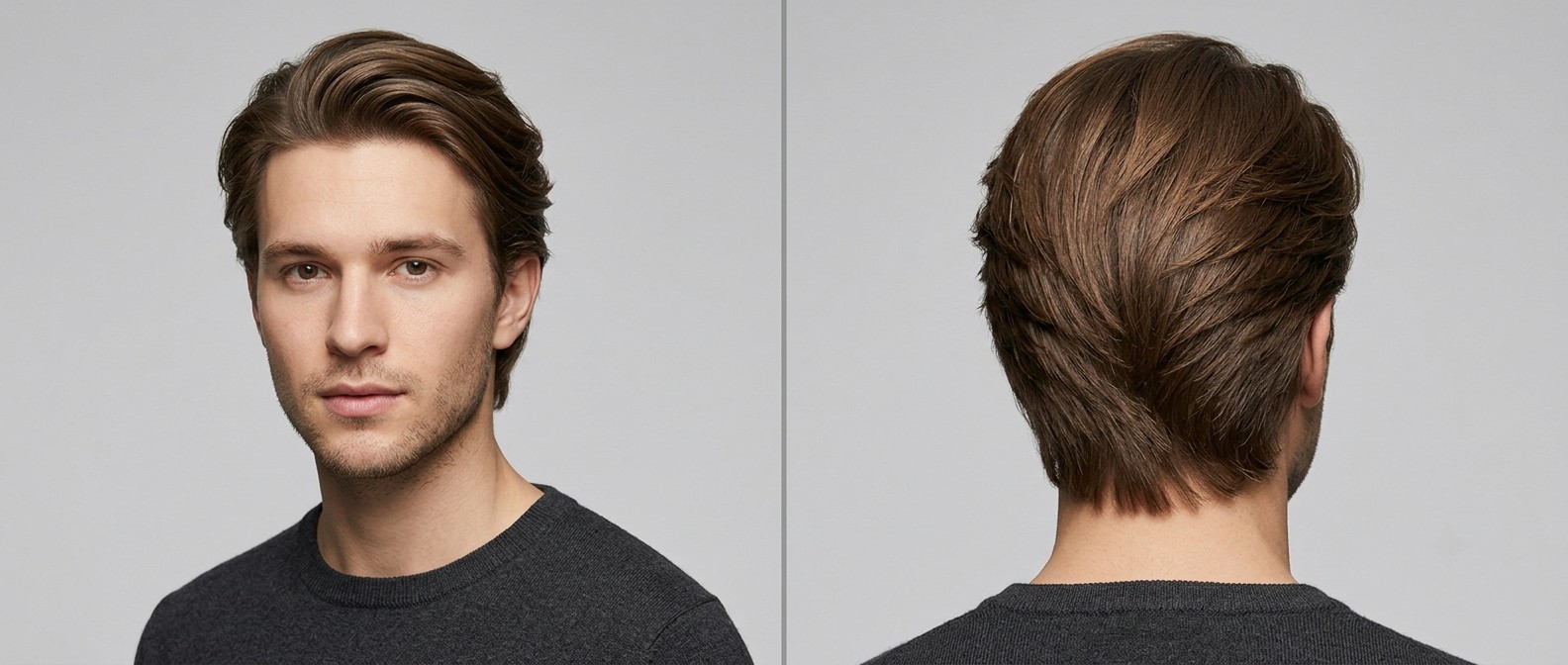
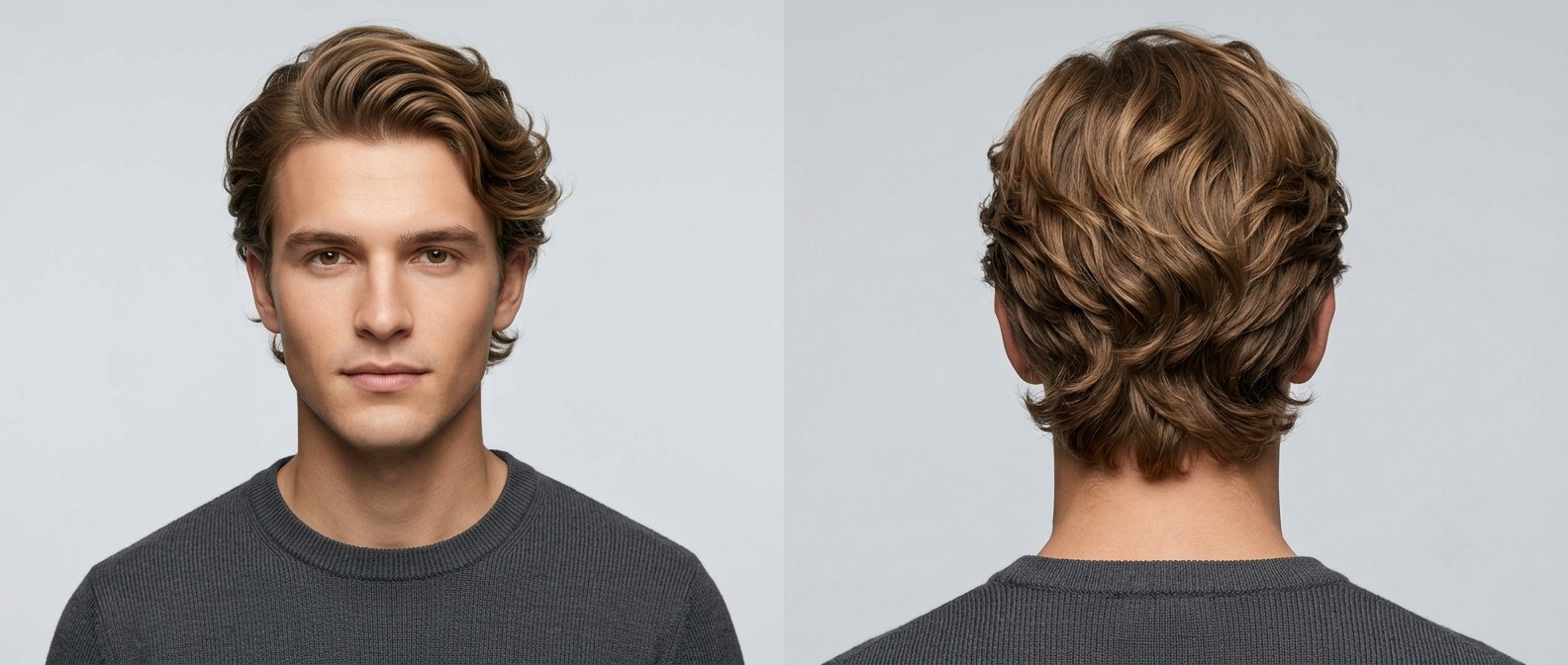
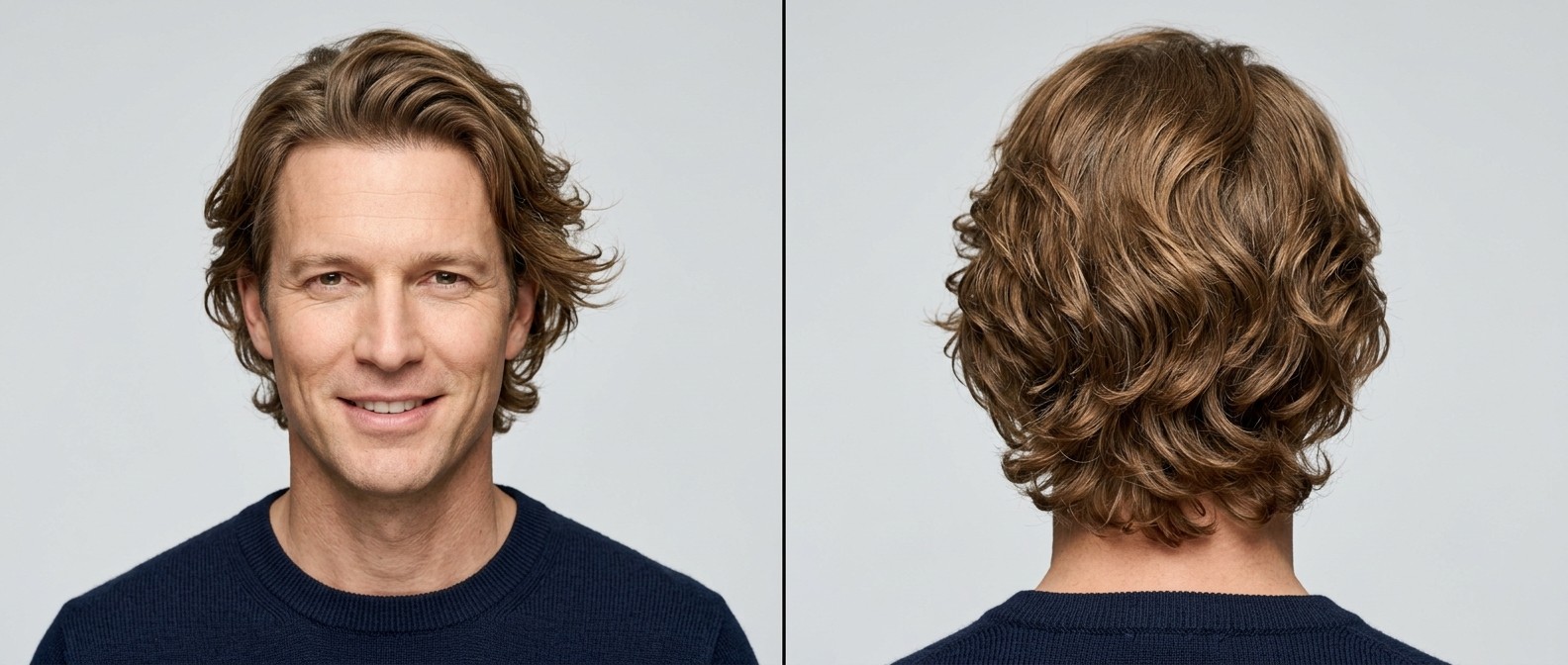
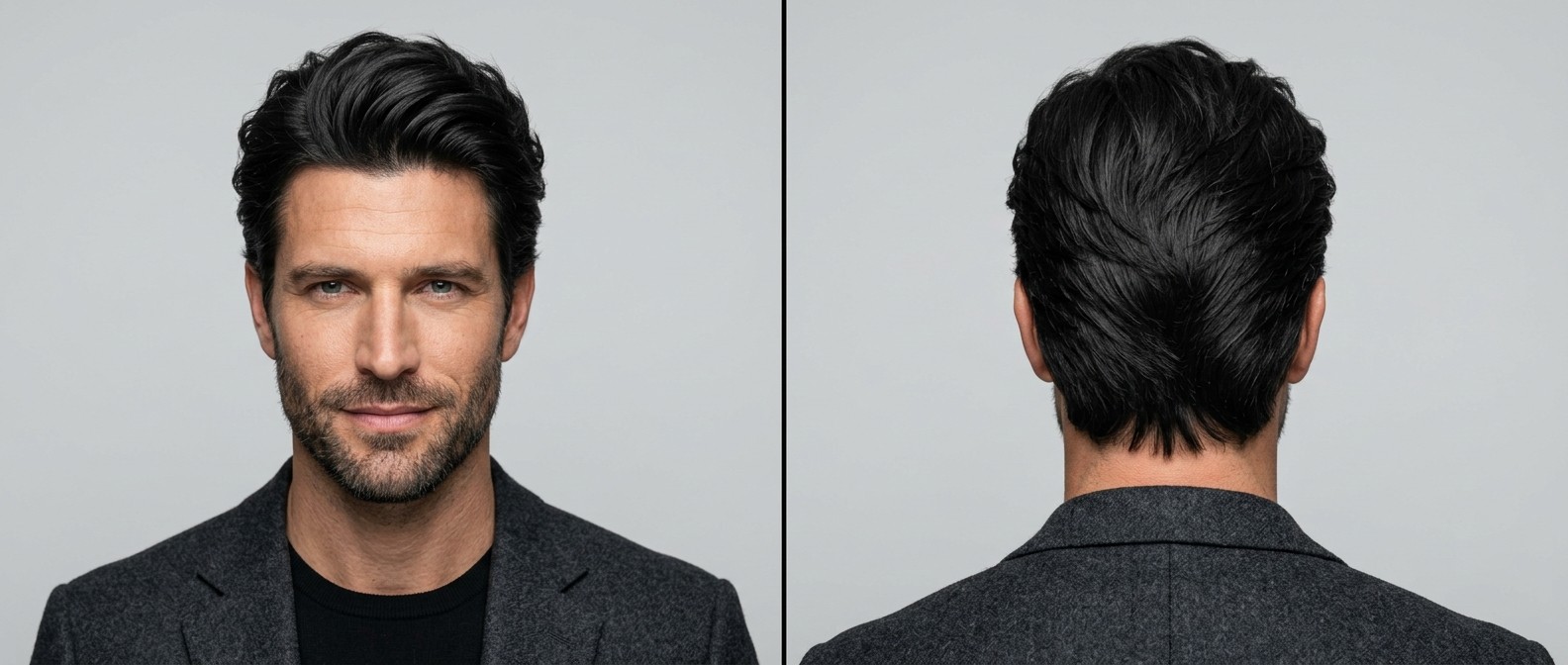
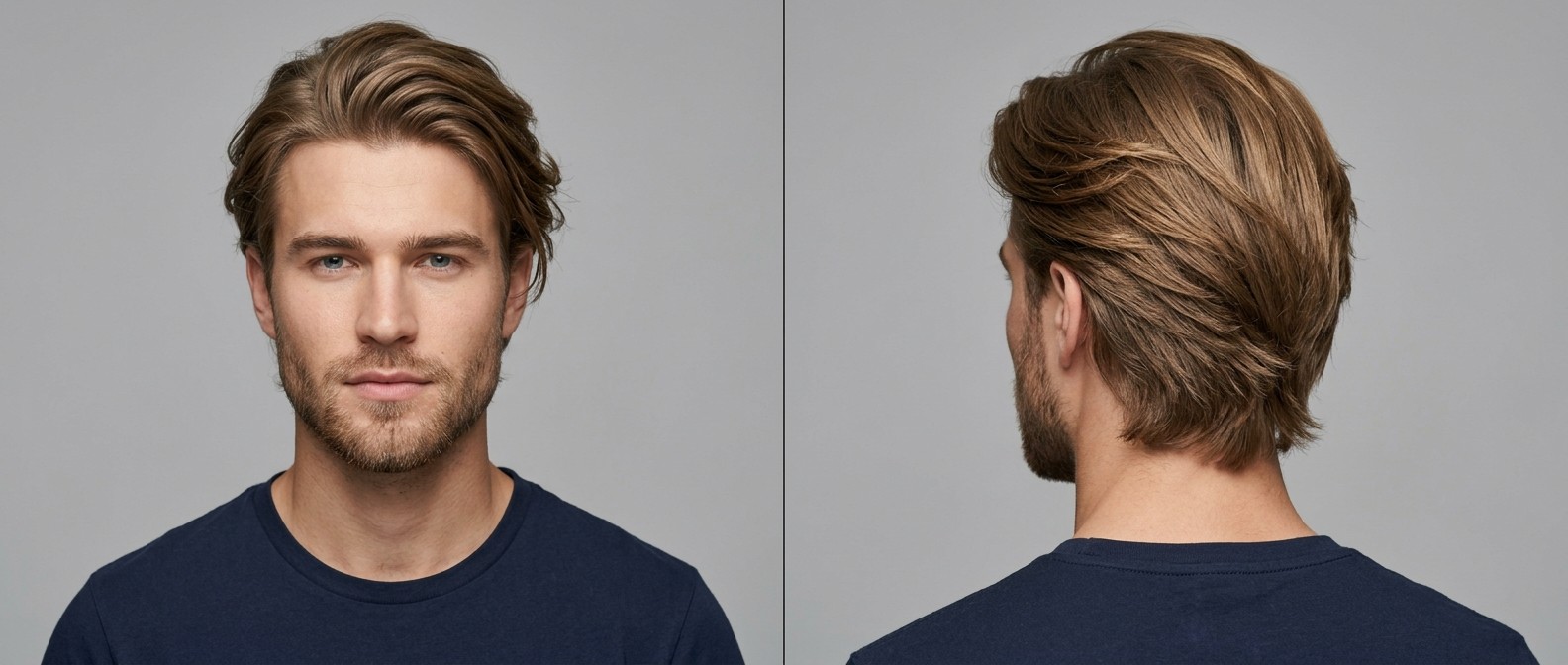
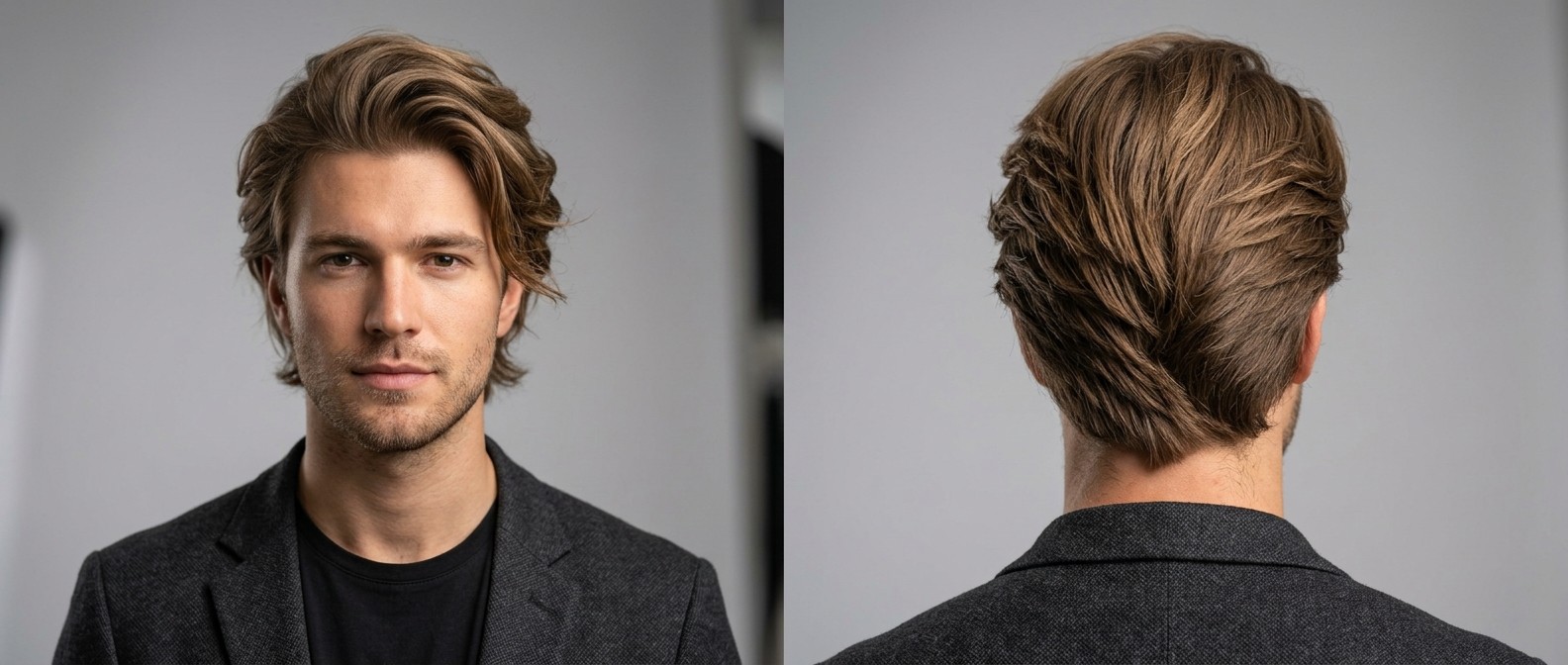
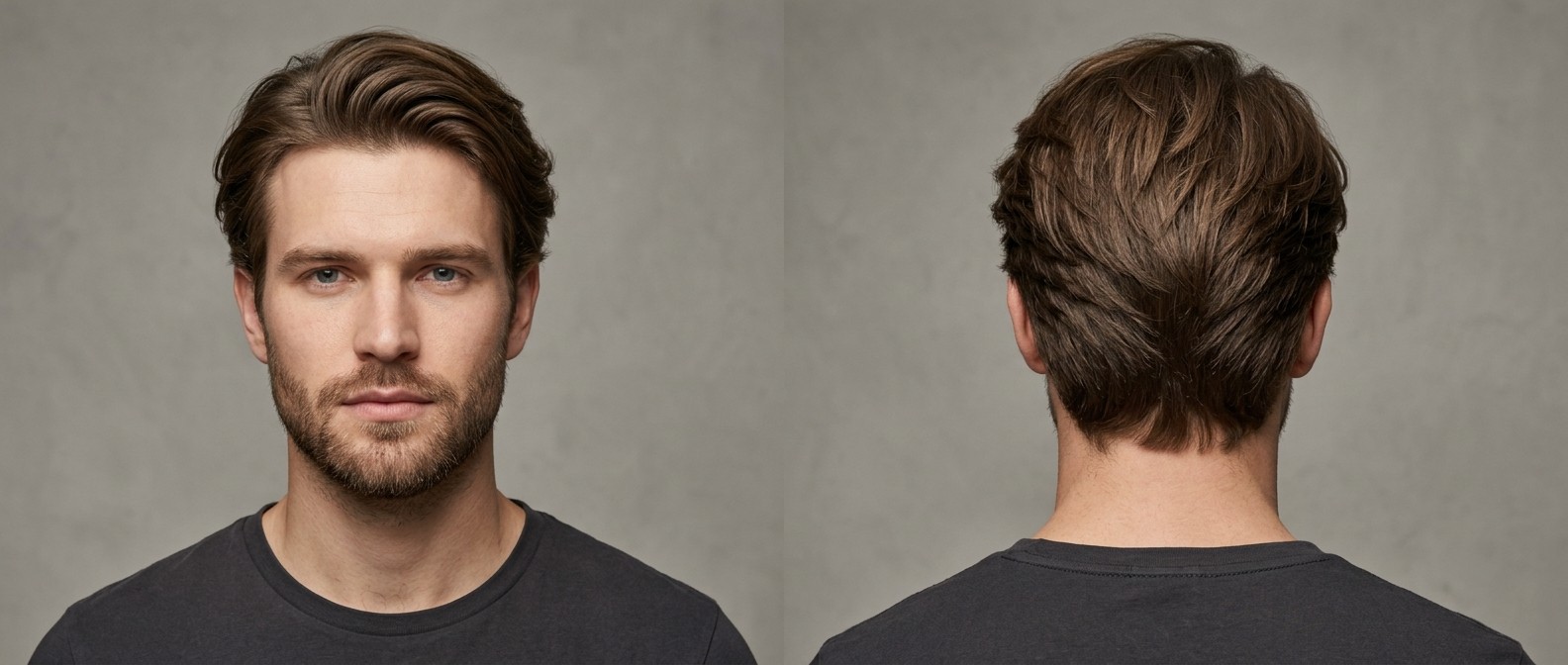
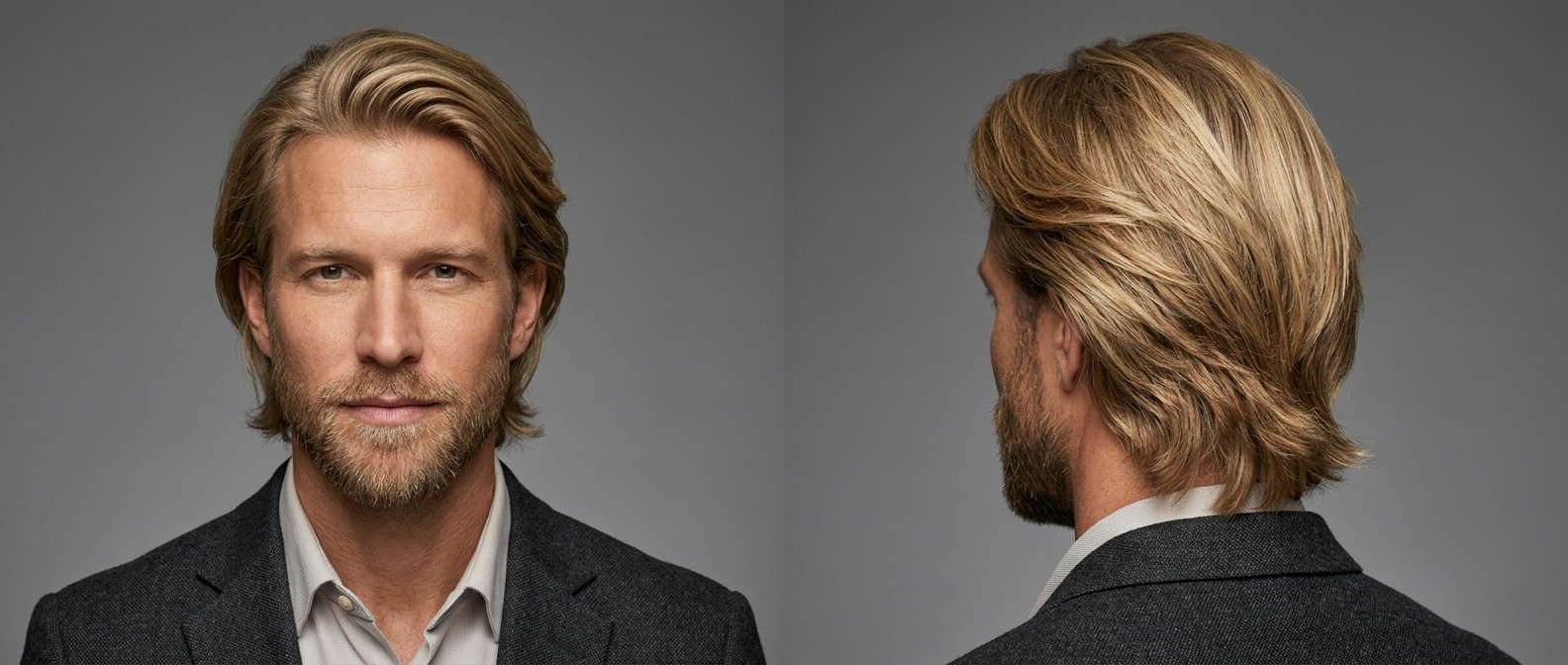
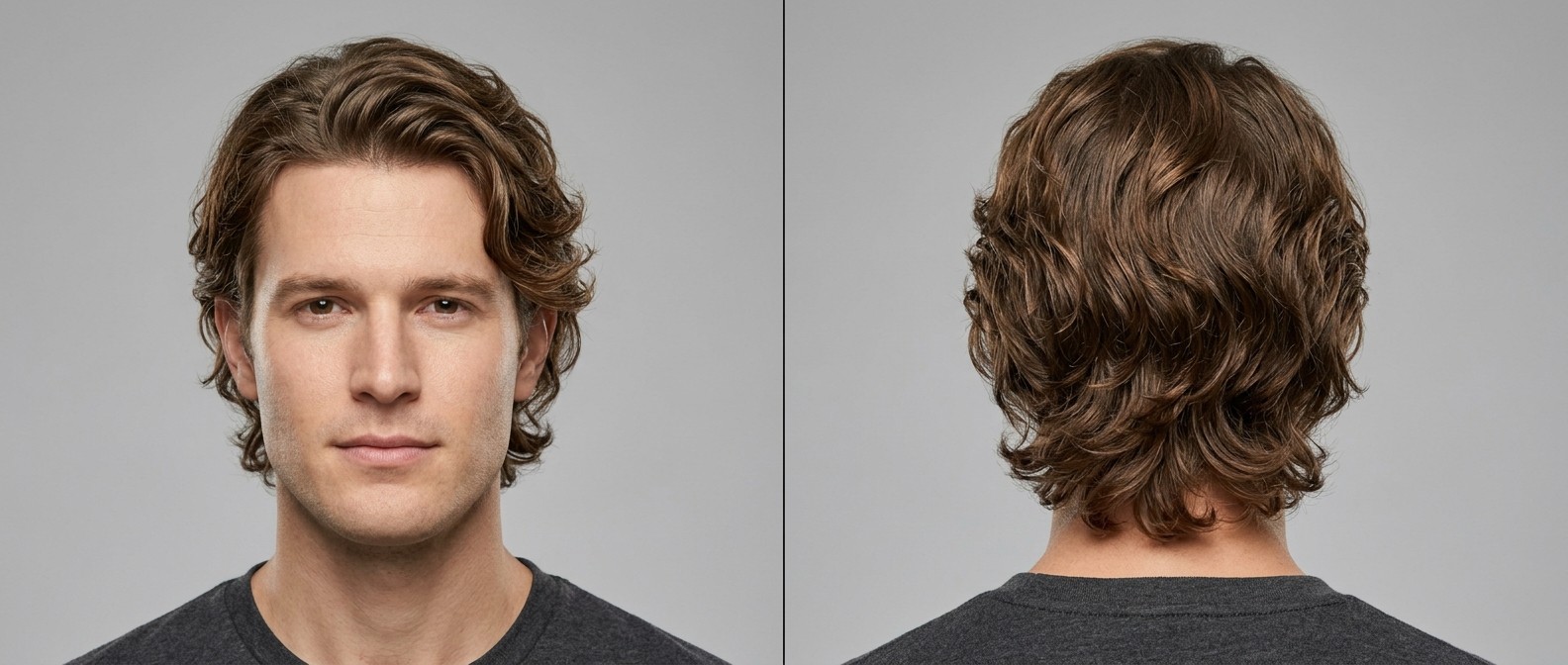
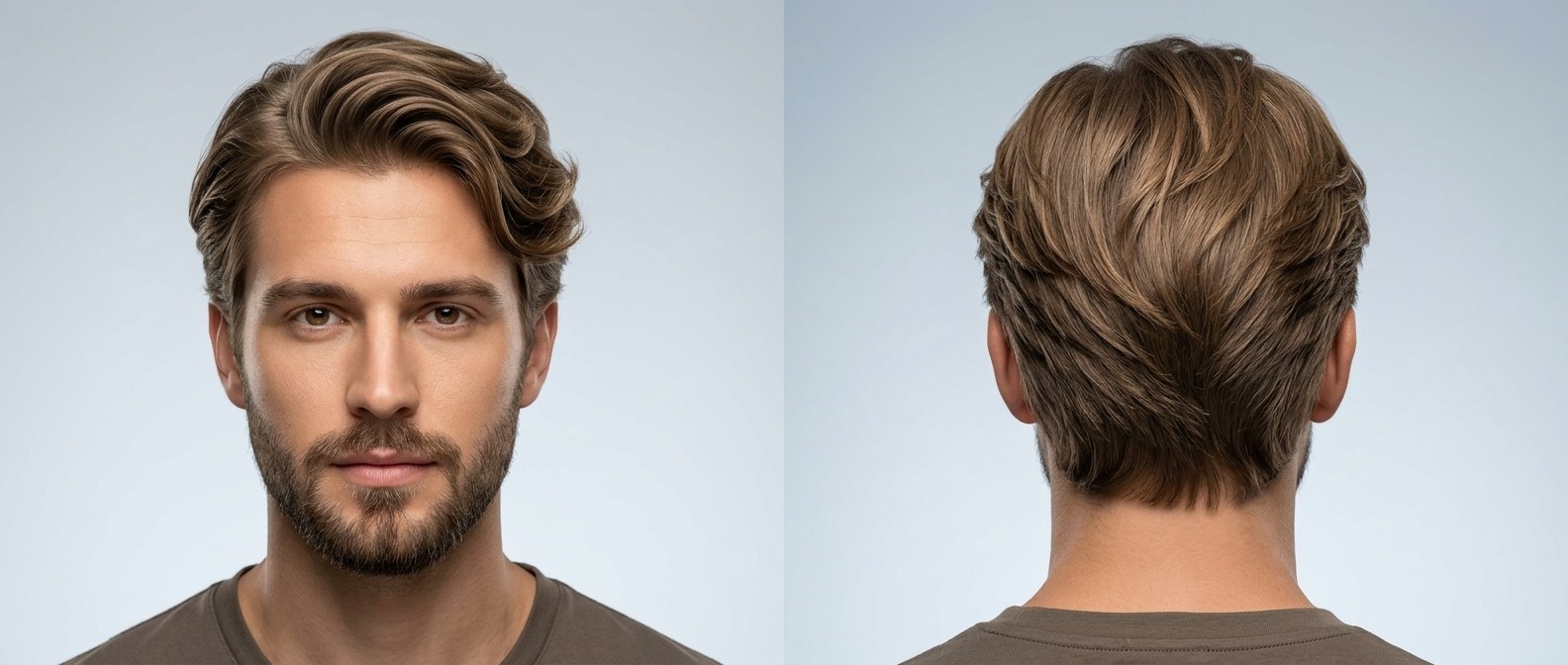
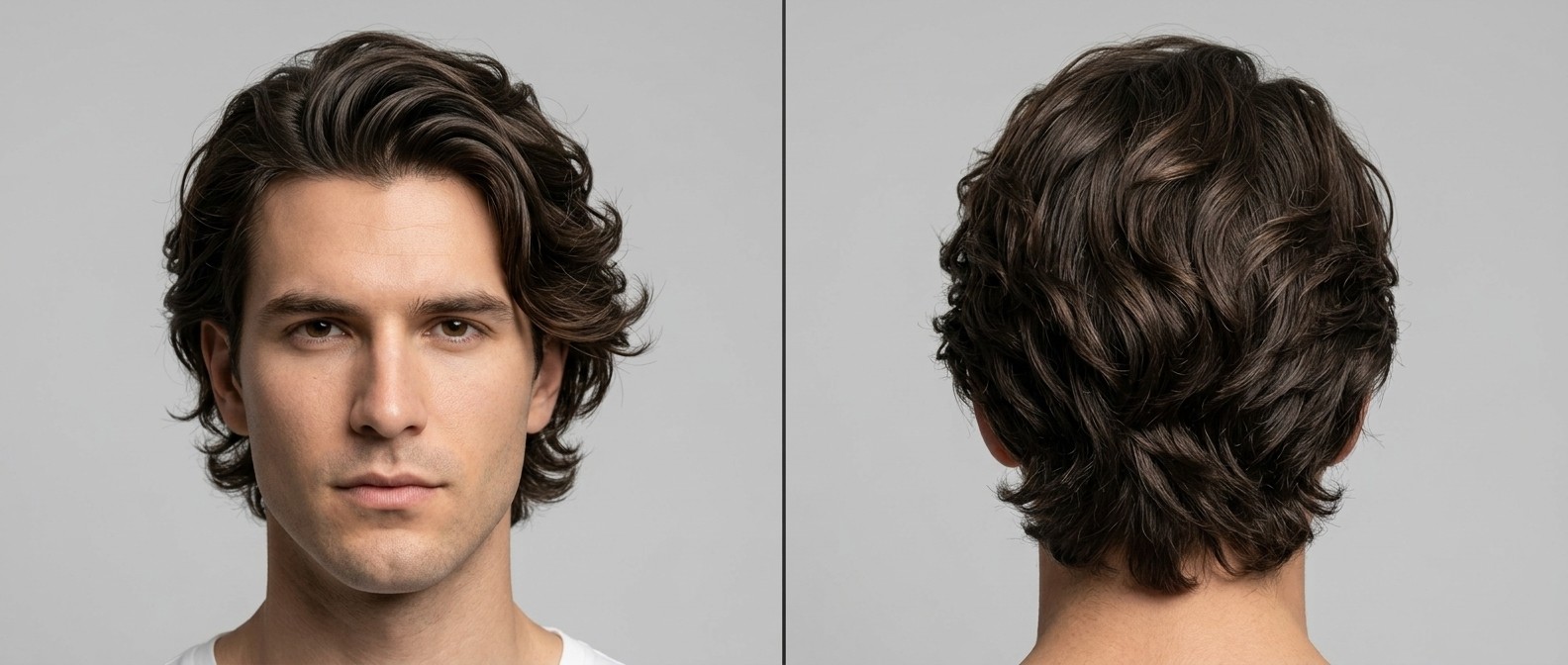
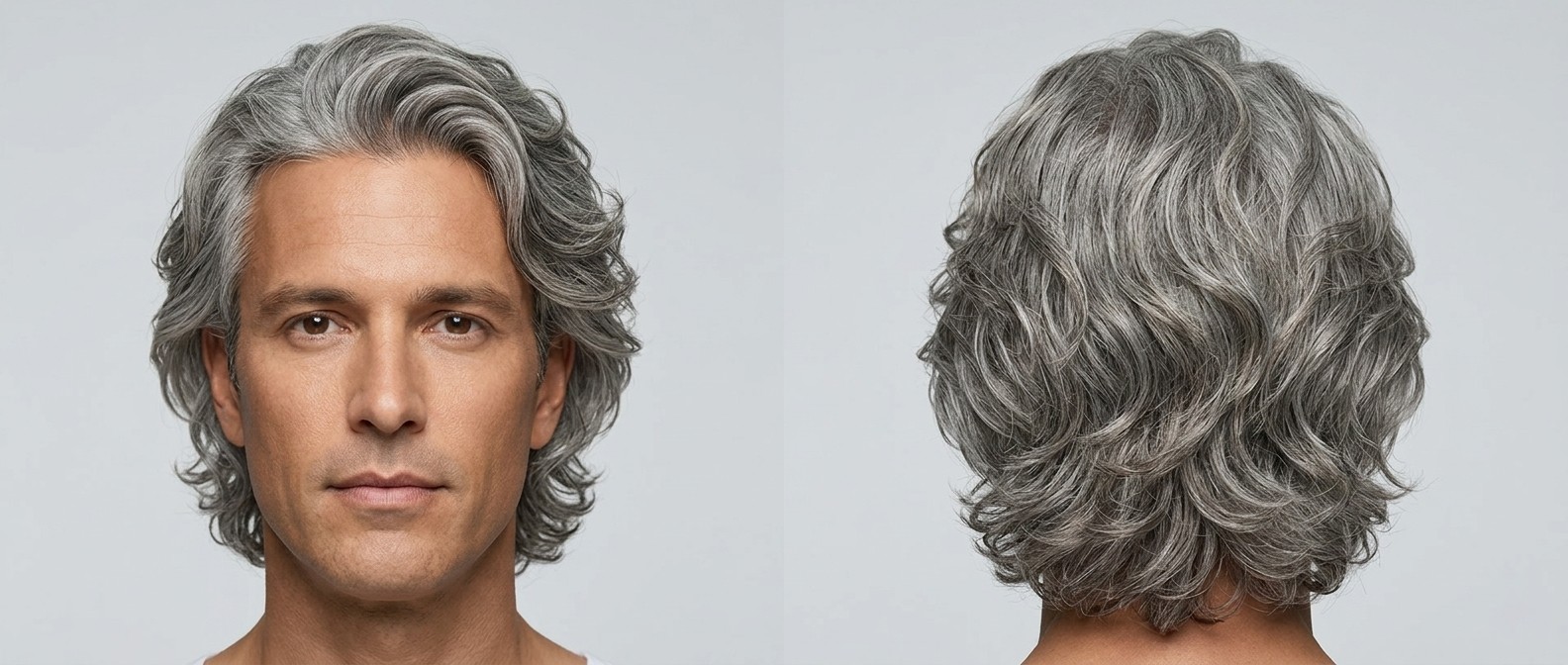
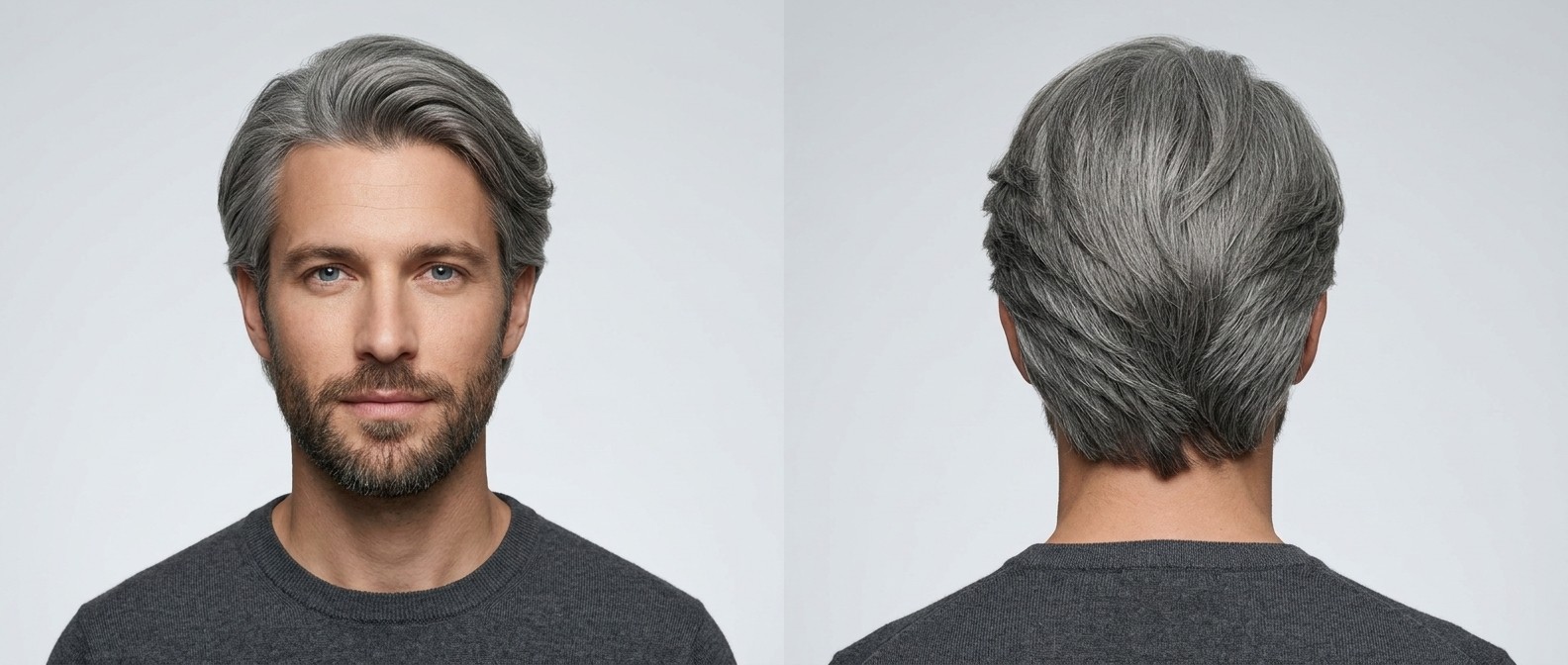
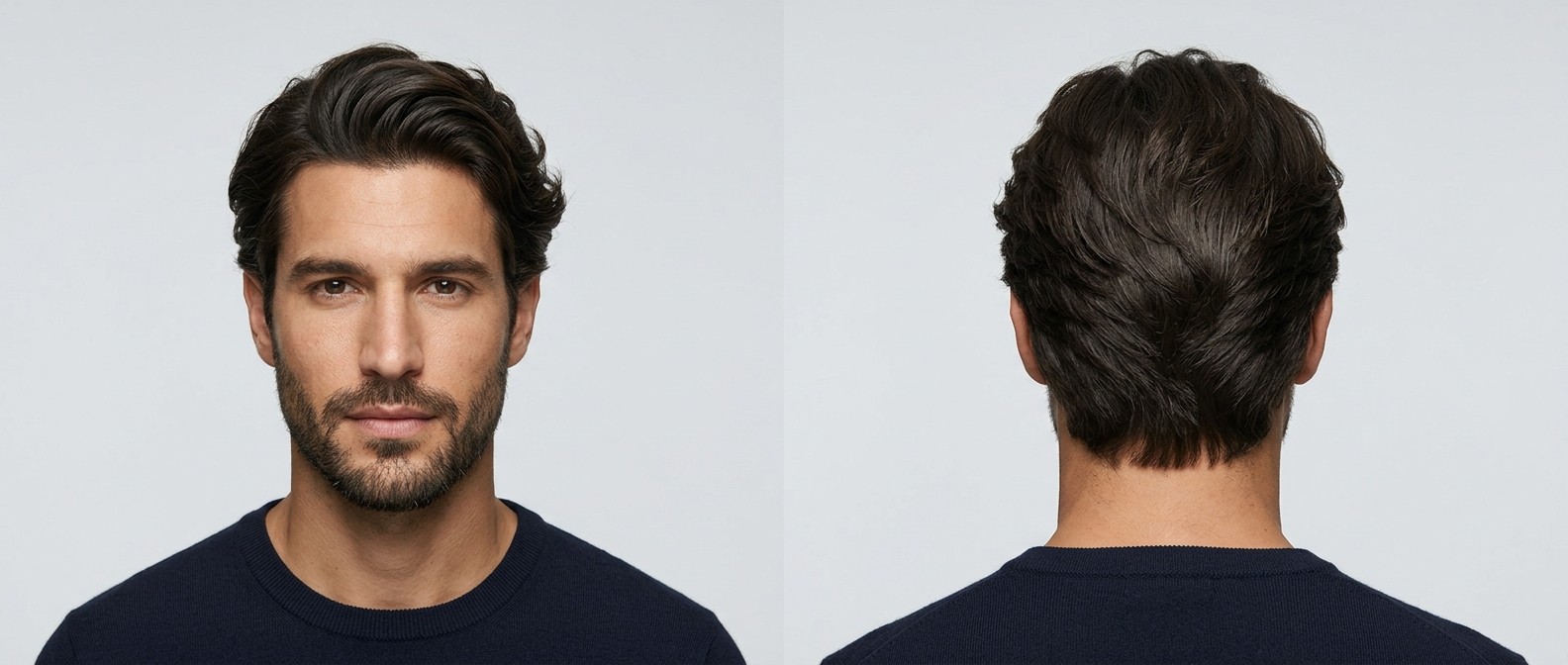
Flow hair — sometimes called "hockey hair" or "lettuce" in sports circles — is a men's hairstyle characterized by medium-to-long hair that is layered to create natural movement, volume, and that signature sweeping, flowing effect. The hair typically covers the ears and reaches the collar at the back, though it can be longer. The key feature is the layered cutting technique that allows the hair to move freely and fall naturally rather than sitting heavy and flat.
Flow hair is not about precision or structure — it's about embracing your hair's natural tendencies and enhancing them with the right cut. The layers are usually textured and slightly uneven, creating a lived-in look that appears effortless even though it requires a thoughtful approach to cutting and basic daily care.
Who Should Get Flow Hair?
Flow hair suits men who embrace a relaxed, confident personal style and don't mind hair that moves and has a mind of its own. Consider this style if:
- You have naturally wavy or slightly curly hair — these textures create the best flow effect
- You want a style that looks effortlessly cool without heavy styling
- You have medium to thick hair density — finer hair can achieve flow but may need product support
- You're comfortable with hair that touches your ears and collar
- You appreciate the aesthetic of athletes, musicians, and outdoor culture
- You want a style that transitions well from casual to semi-formal with minimal effort
Men with very straight hair can also achieve flow, though you may need to use a blow dryer and some product to add the sweeping movement that comes naturally with wavier textures. If your hair is arrow-straight, discuss this with your barber — they can cut the layers specifically to encourage movement.
How to Style Flow Hair
The goal with flow hair is to enhance your natural movement without making it look like you've spent an hour in front of the mirror. After washing, towel-dry your hair gently — don't rub vigorously, as this creates frizz. Apply a light-hold texturizing cream or sea salt spray to damp hair, working it through with your fingers from roots to ends.
For the classic flow look, sweep your hair back with your fingers while blow-drying on a medium heat setting. Use the dryer to direct hair back and to the sides, encouraging the sweeping motion. Once dry, run your fingers through to break up any stiffness and create a natural, tousled finish. Resist the urge to over-style — imperfection is part of the charm. A quick flip and finger-comb throughout the day is all you need to maintain the look.
What to Tell Your Barber
Getting the right cut is crucial for flow hair, as poor layering can ruin the effect. Communicate these details clearly:
- Ask for long layers throughout — the layers should blend smoothly, not create choppy steps
- Specify that you want the hair to flow back and to the sides, so they cut accordingly
- Request that weight be removed from the bottom and bulk from the sides to prevent a "helmet" look
- Mention your hair texture — your barber should adjust the layering technique to suit it
- Discuss the overall length: ear-length, collar-length, or shoulder-length flow each looks different
- Ask them to keep the front slightly longer for that signature sweep-back ability
Use the word "flow" with your barber — it's a well-known term in barbering and hairstyling. Showing reference photos of the specific flow look you want is also extremely helpful.
Maintenance and Products
Flow hair is relatively low-maintenance compared to many structured styles, but it does need regular care to look its best. Trim every 6-8 weeks to maintain the layered shape and prevent the ends from getting scraggly. Without regular trims, flow hair can lose its shape and start looking unkempt rather than intentionally relaxed.
Wash your hair 2-3 times per week and condition every time. Over-washing strips natural oils that actually help create that desirable flowing, slightly textured finish. Between washes, a dry shampoo at the roots absorbs excess oil and adds volume. The best products for flow hair are lightweight and flexible: sea salt sprays for texture, light creams for moisture and softness, and flexible-hold sprays to keep the shape without stiffness.
Growing and Maintaining the Flow
If you're growing your hair out specifically for a flow style, be prepared for an awkward transition period of several months. During this phase, headbands, hats, and light product can help manage the in-between length. Resist the urge to cut it all off during the difficult stage — it will pass. Start visiting a barber for shaping once the hair is about 3-4 inches long, even if you're still growing it out. They can manage the shape and layers as it grows so it looks intentional at every stage. Once you've achieved your desired flow length, maintain it with consistent trims that keep the layers fresh and the ends healthy. A balanced diet rich in protein and biotin also supports healthy hair growth and helps you achieve thicker, stronger flow.