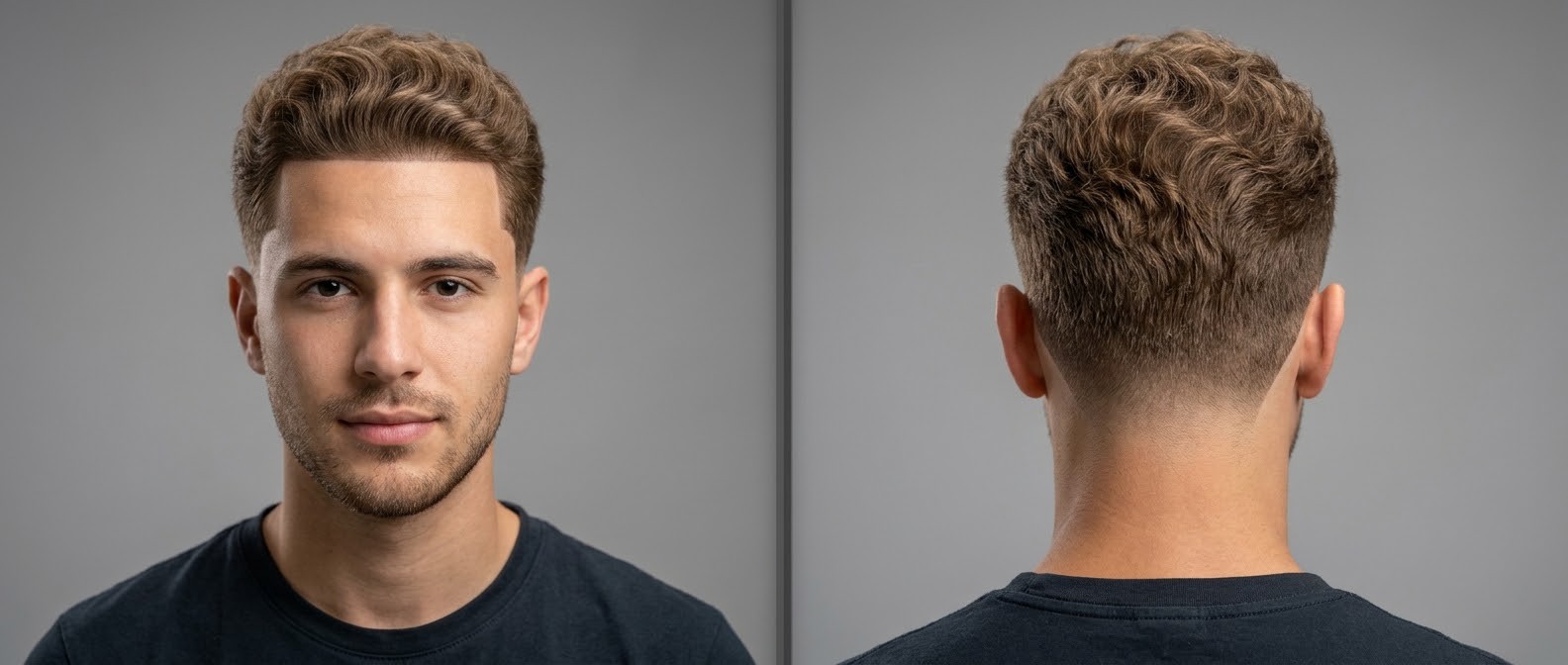
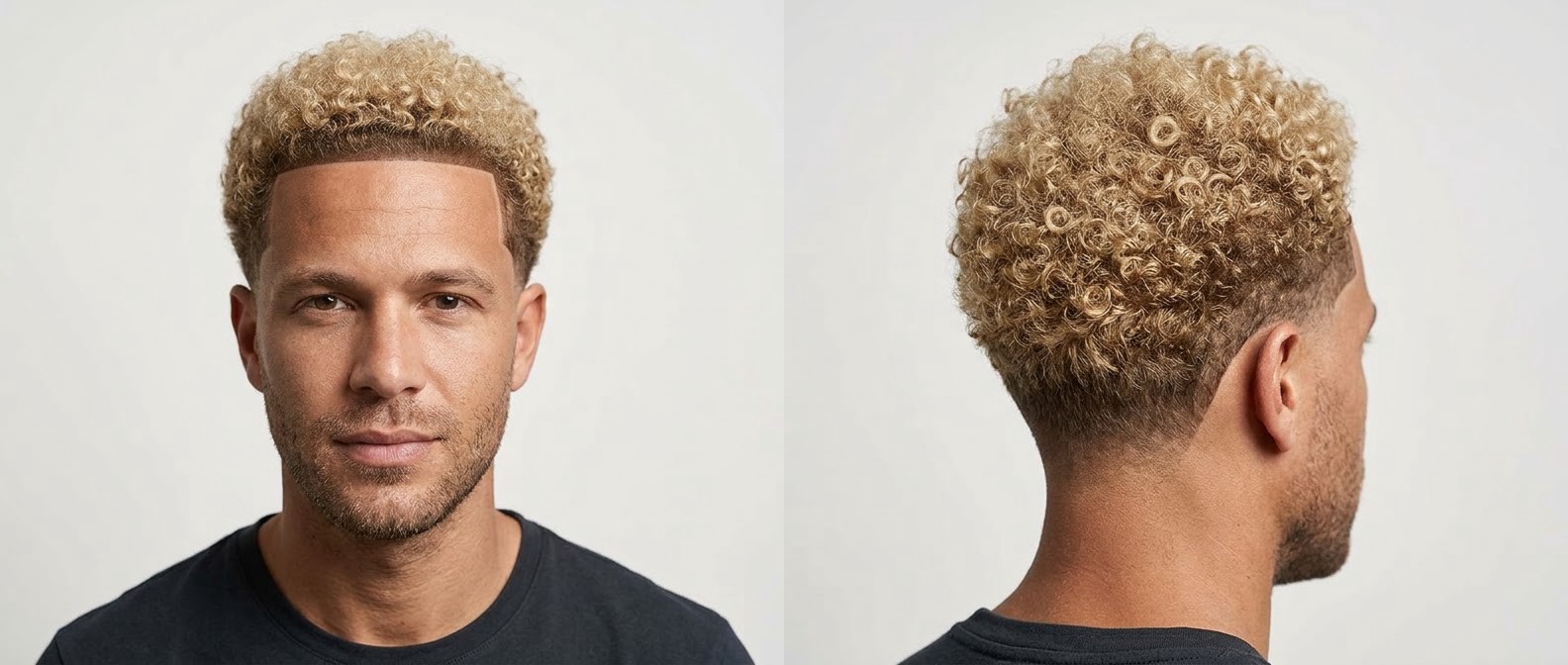
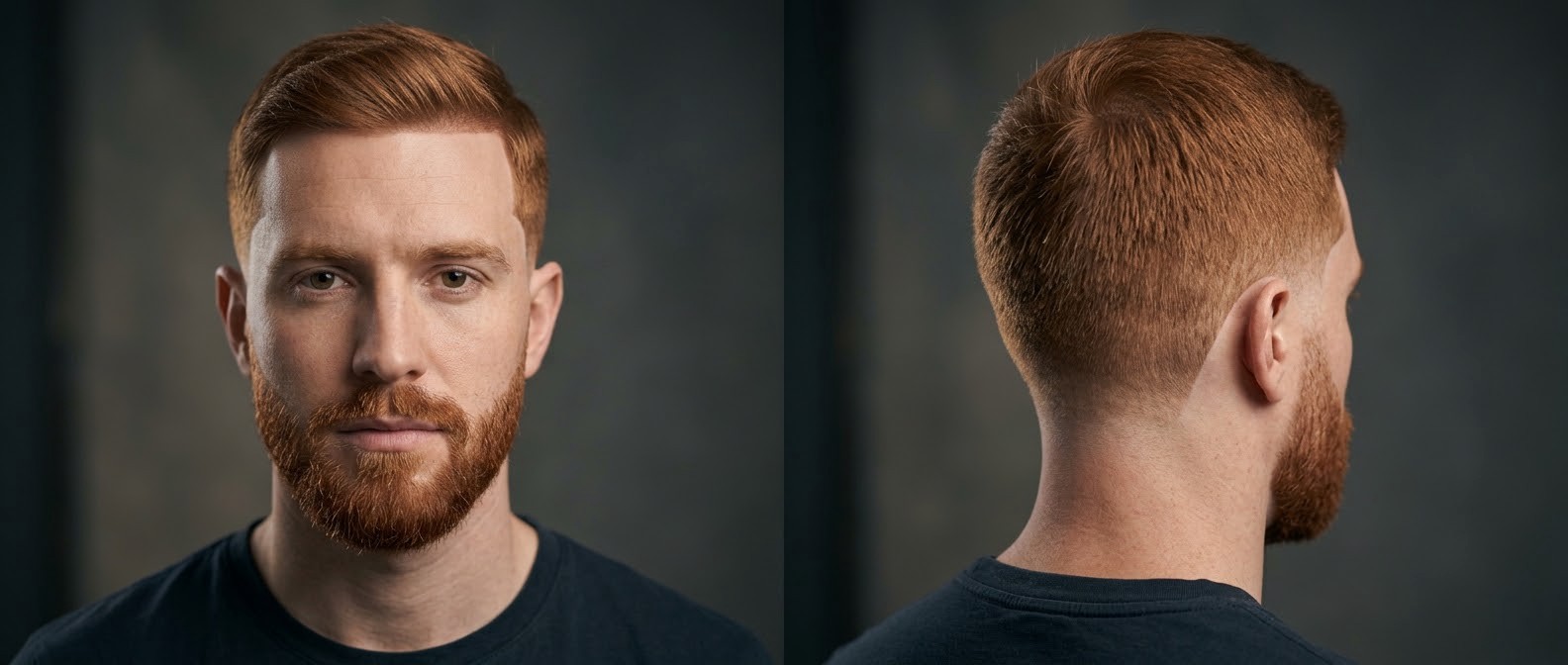
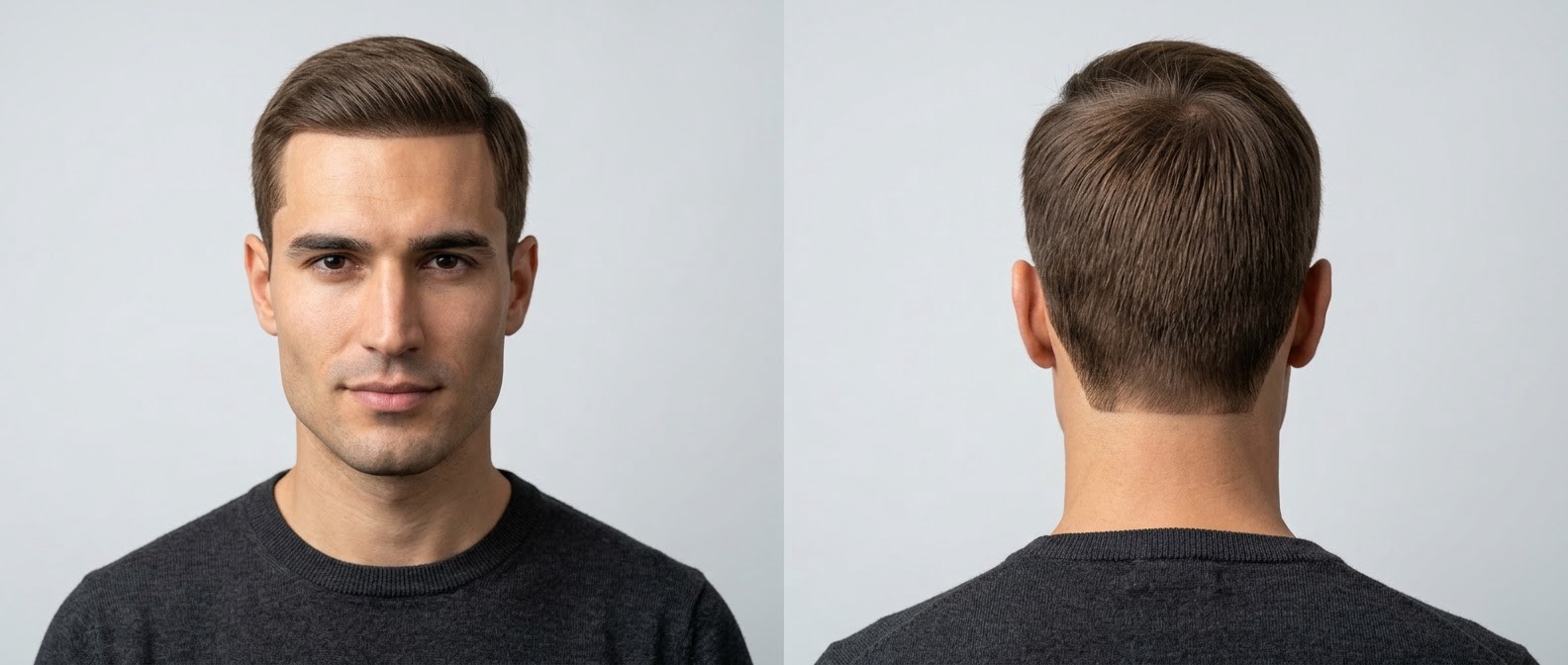
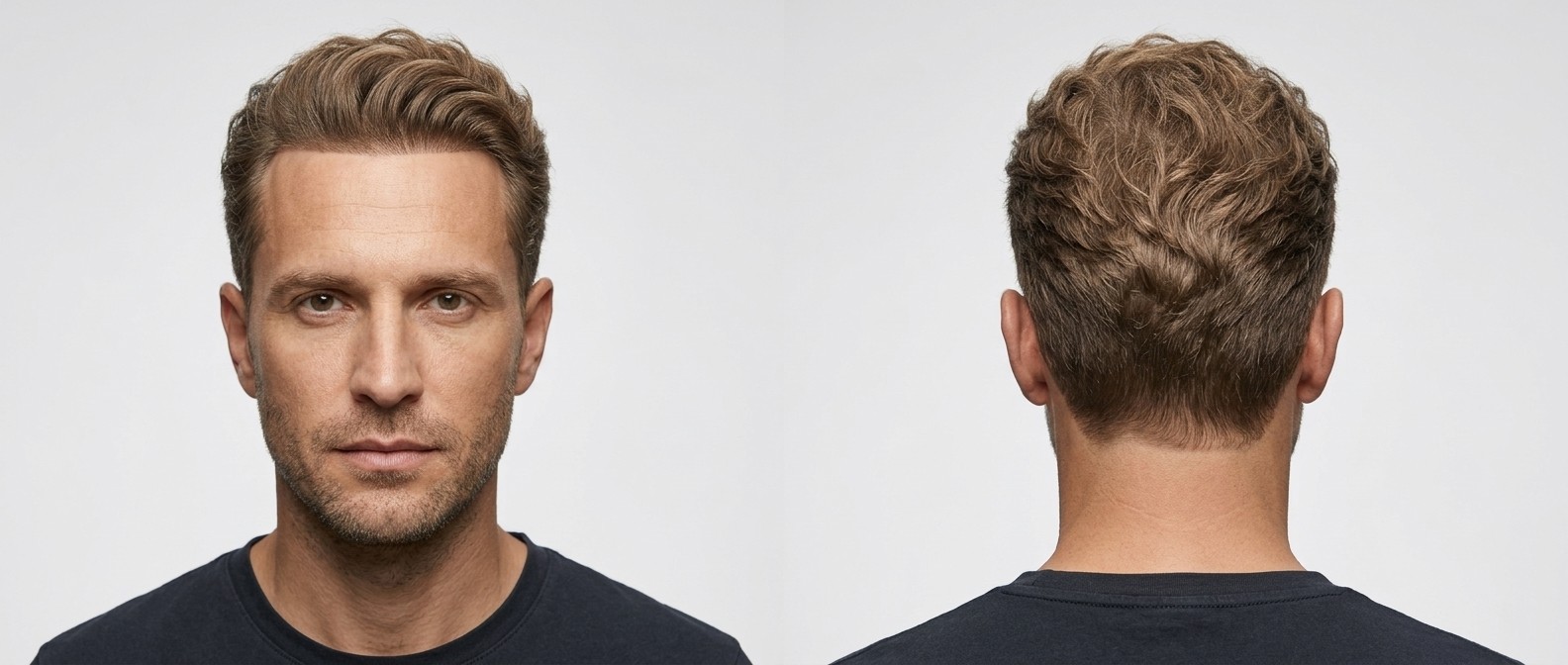
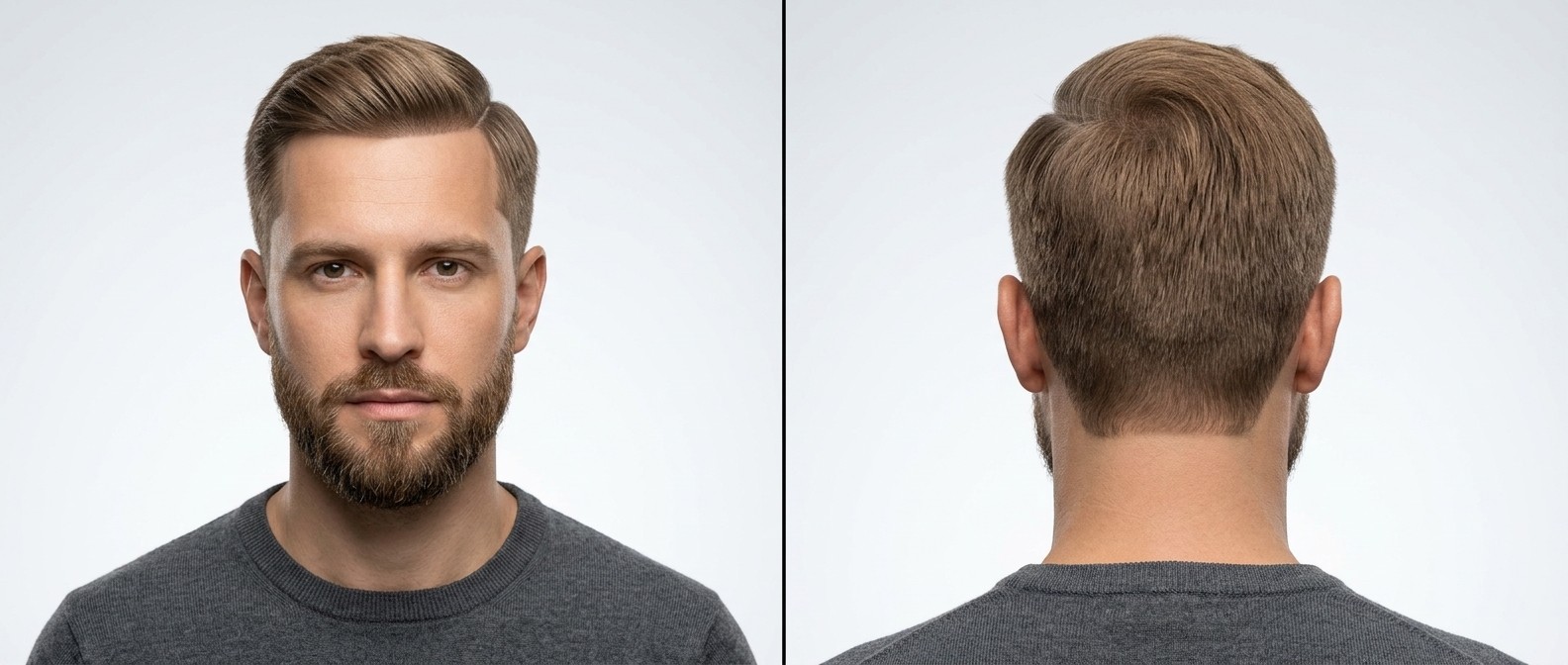
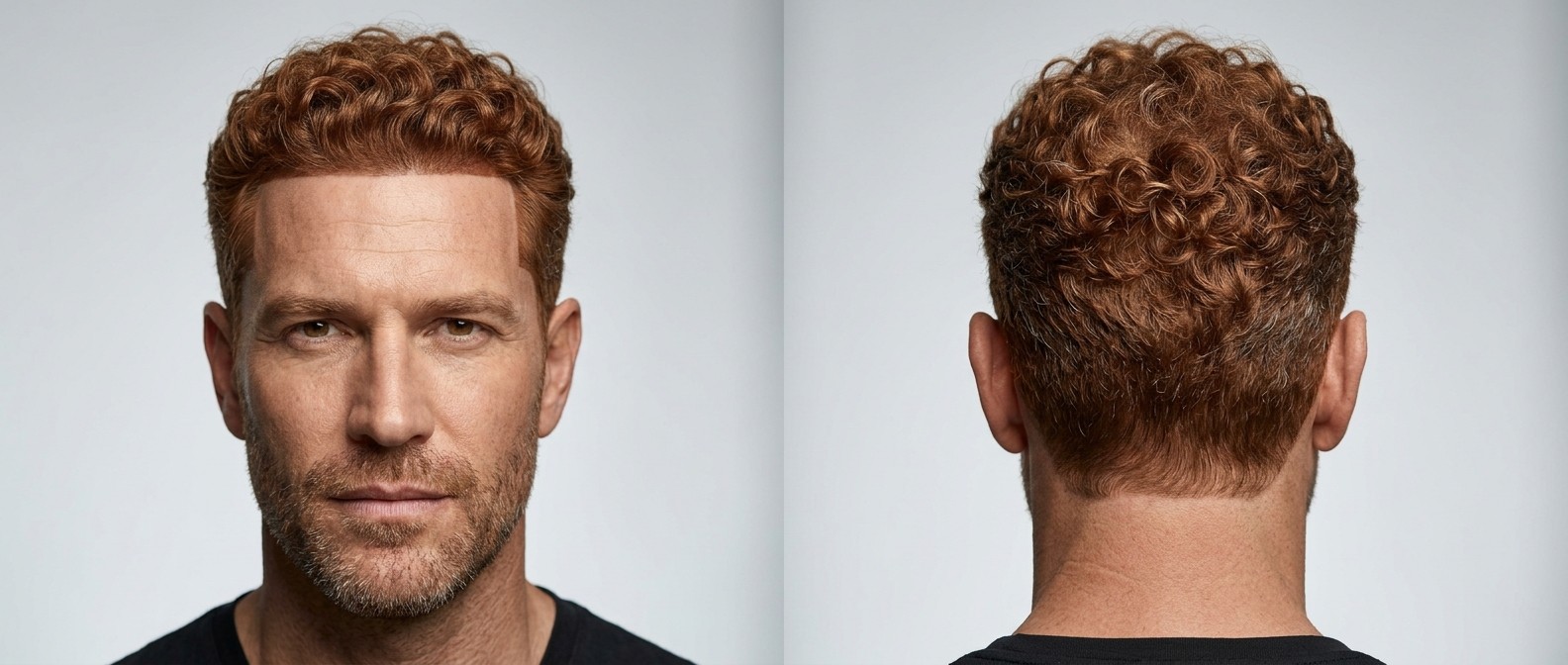
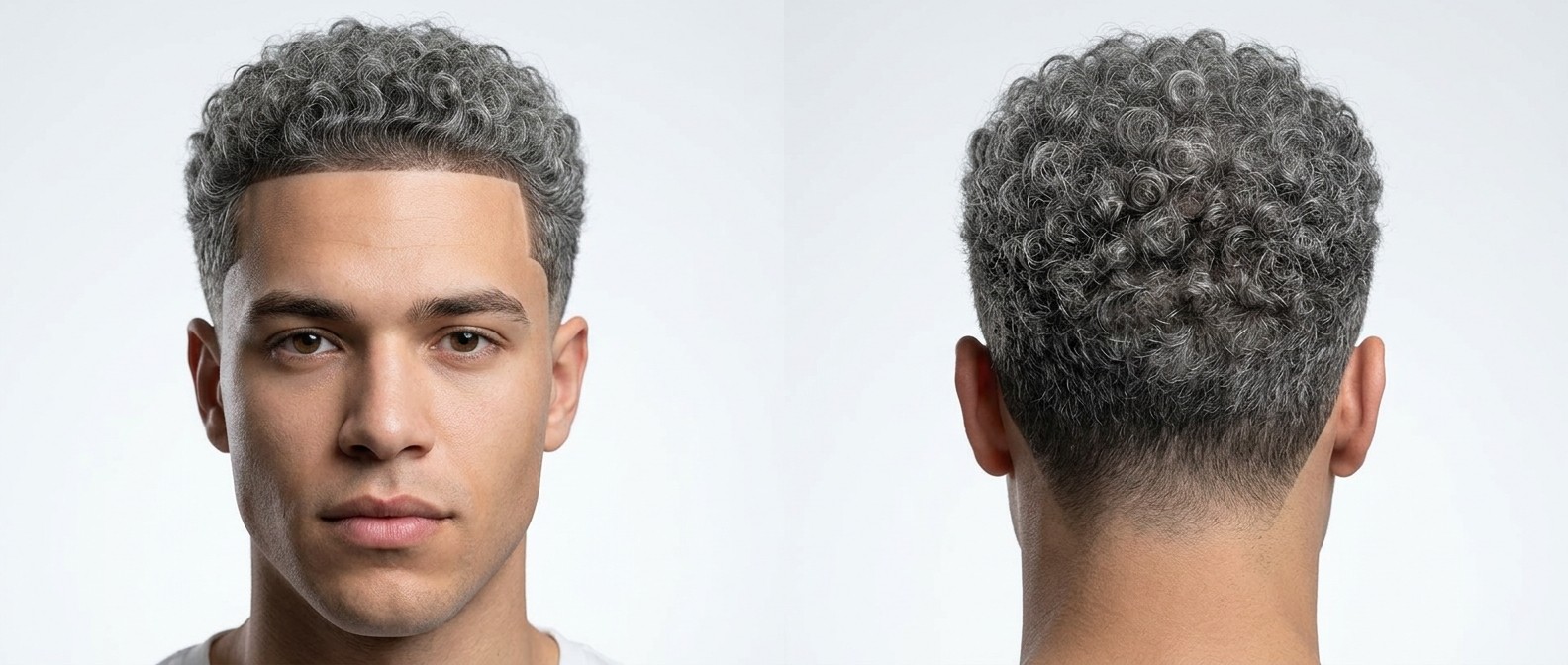
What Is a Line-Up?
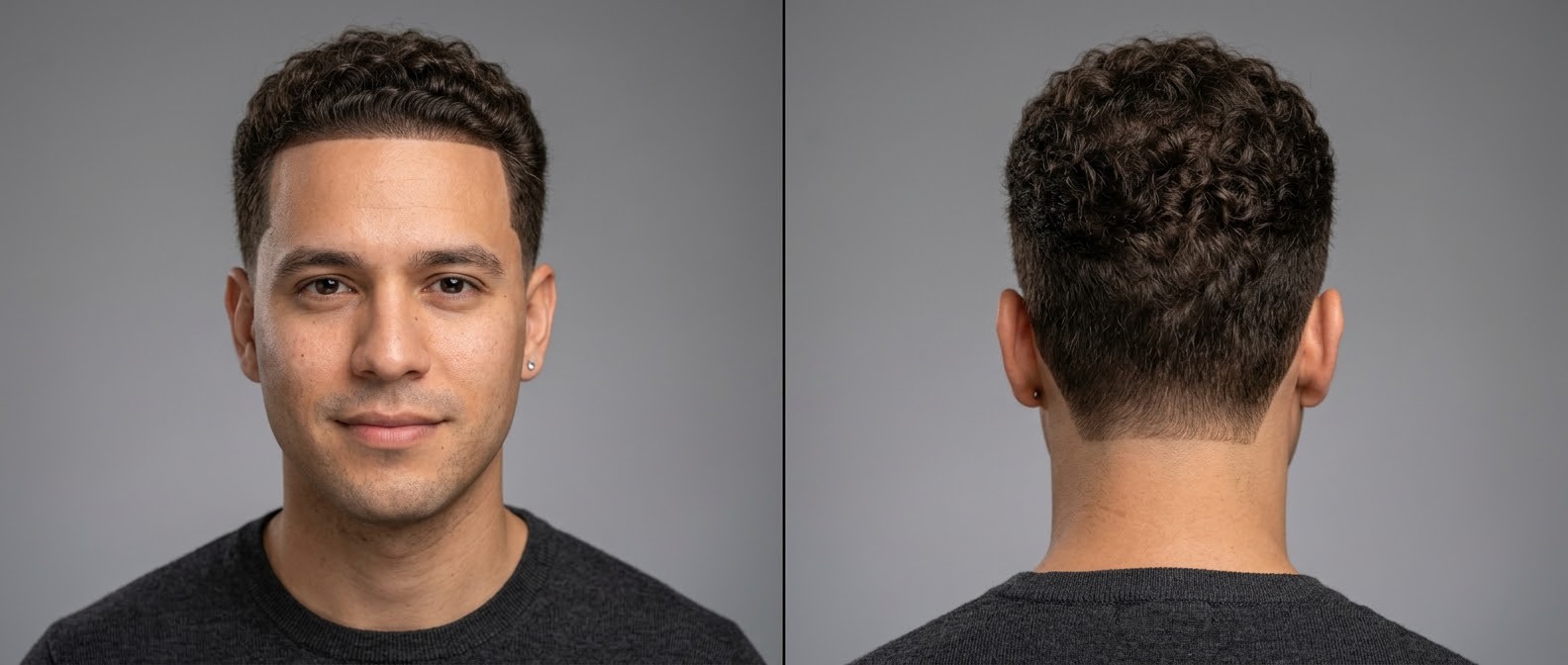
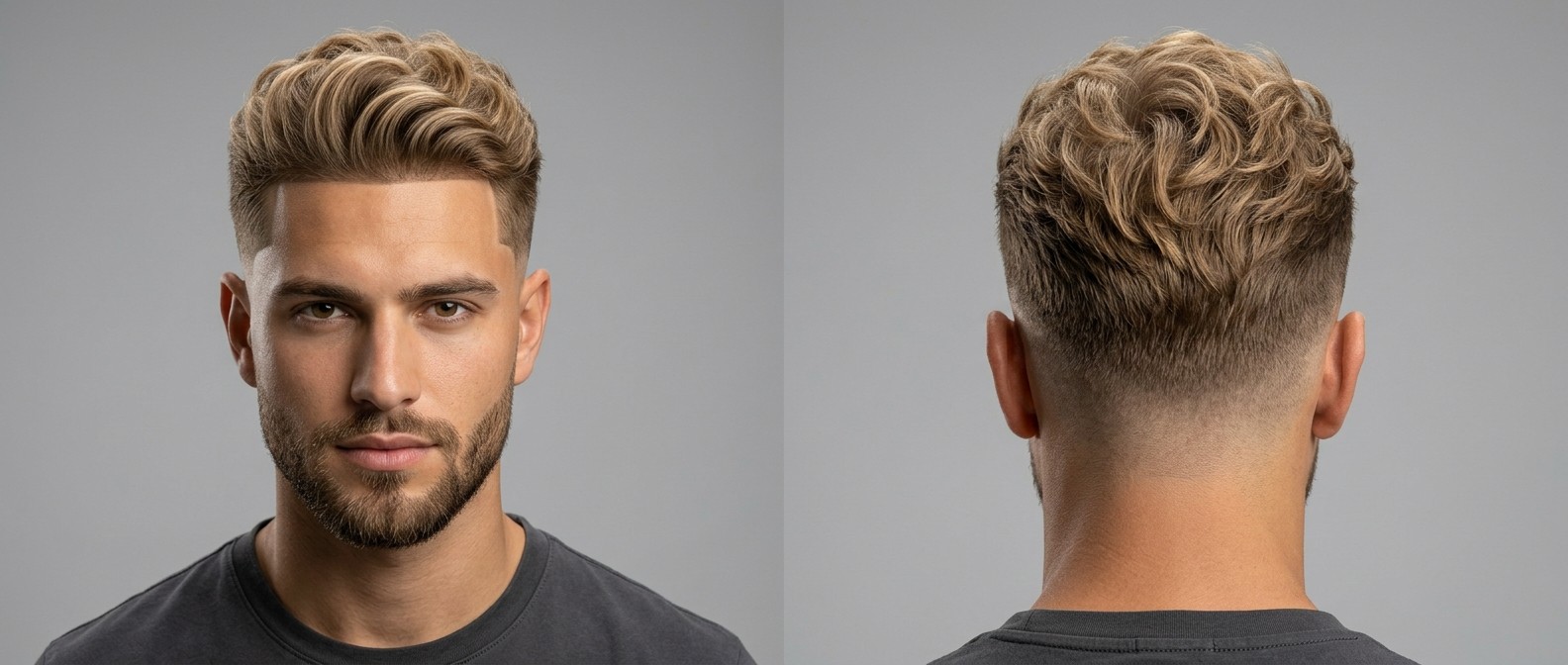
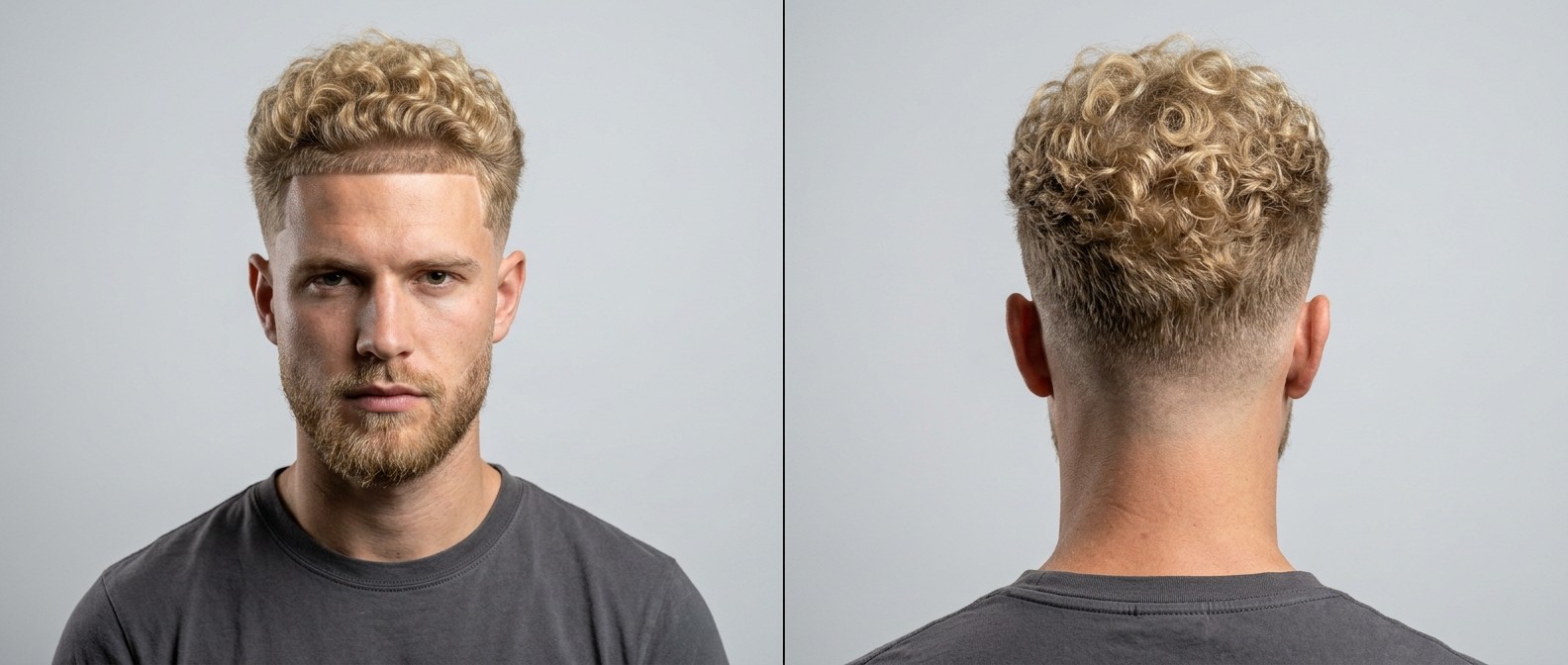
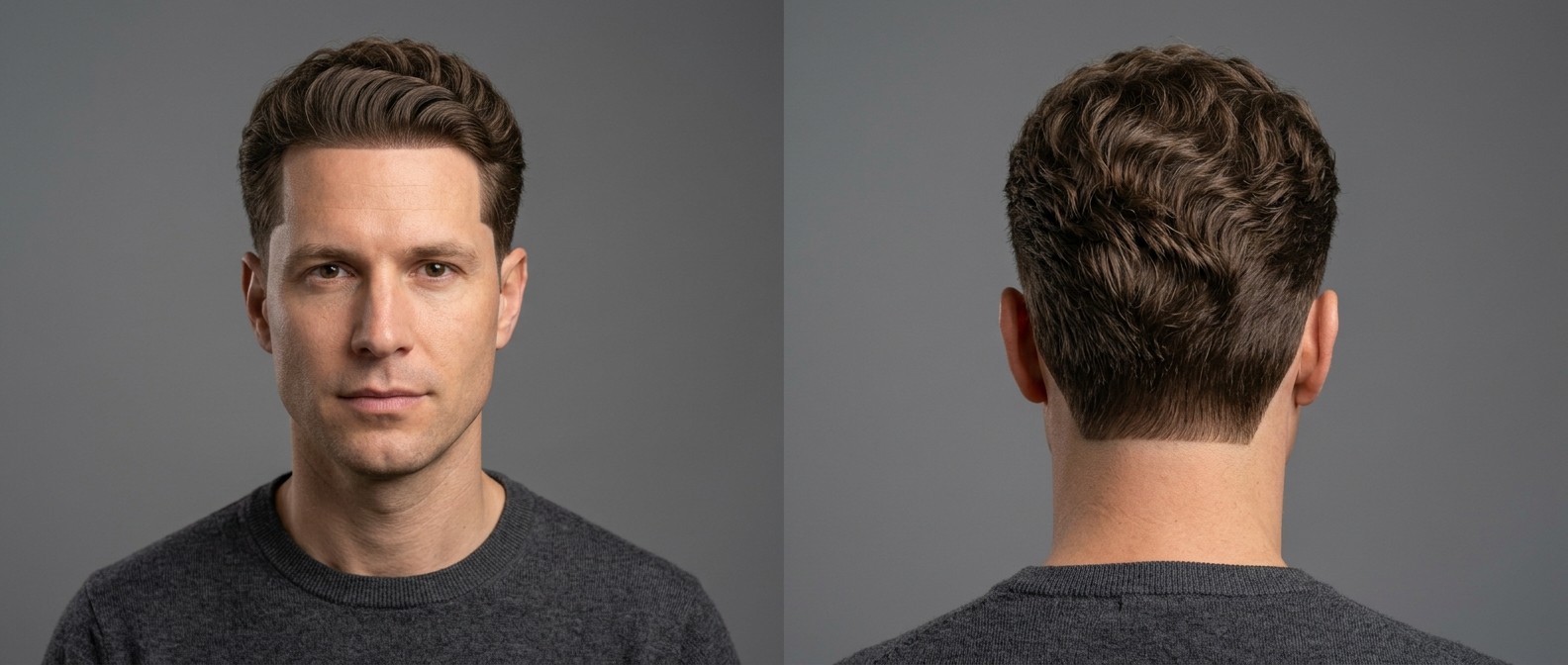
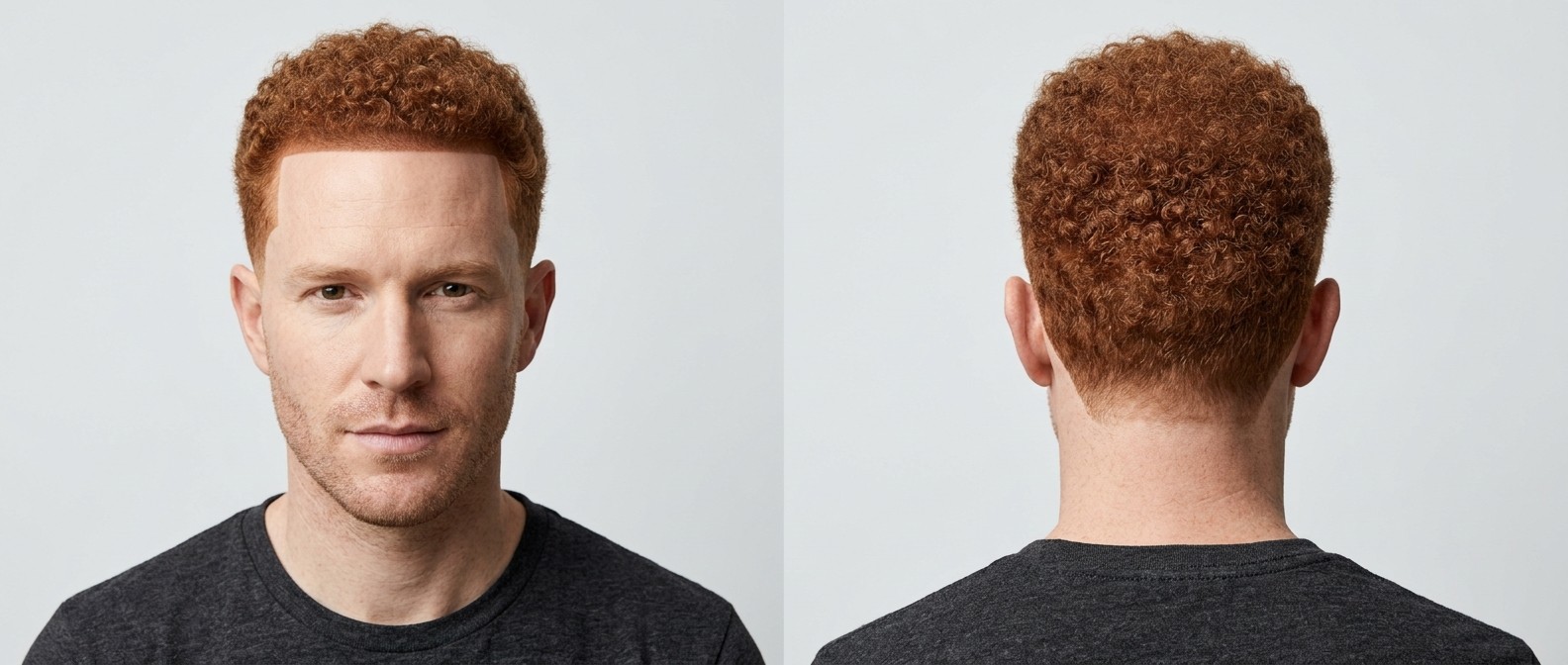
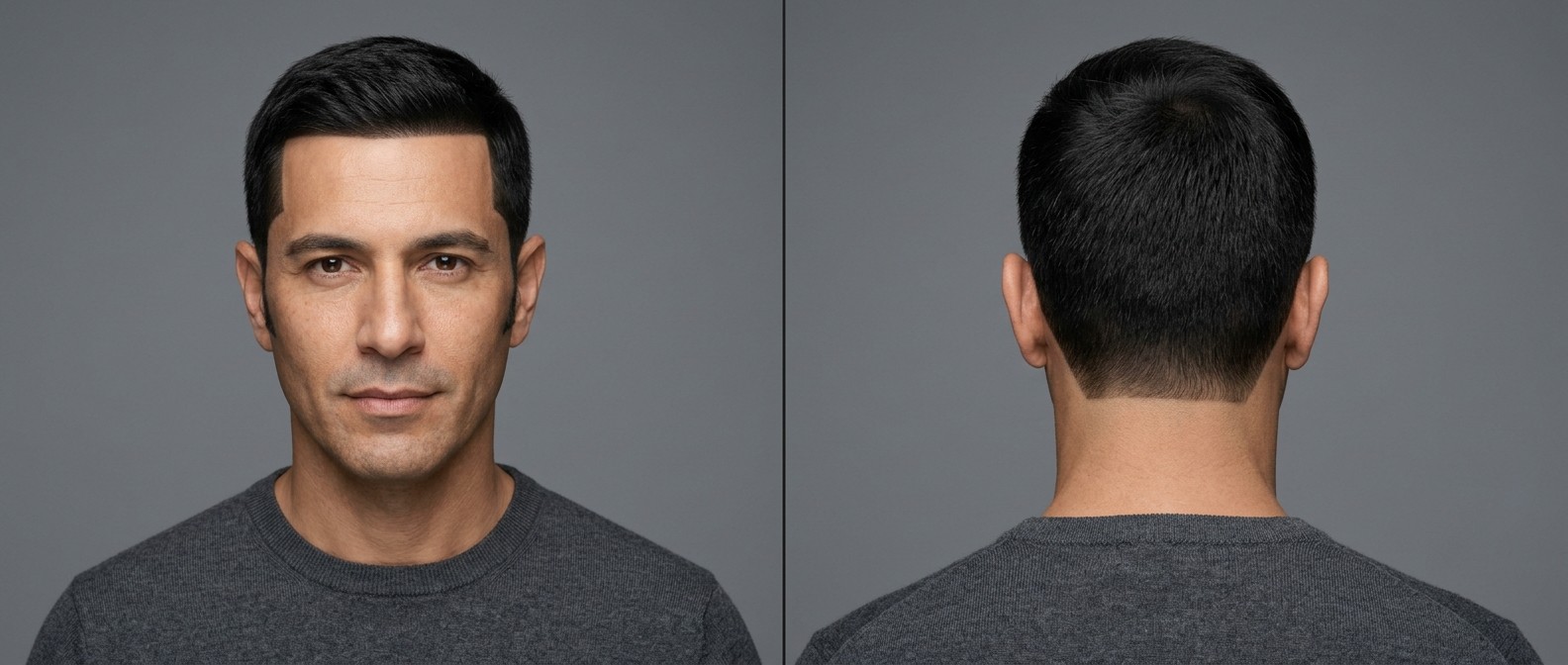
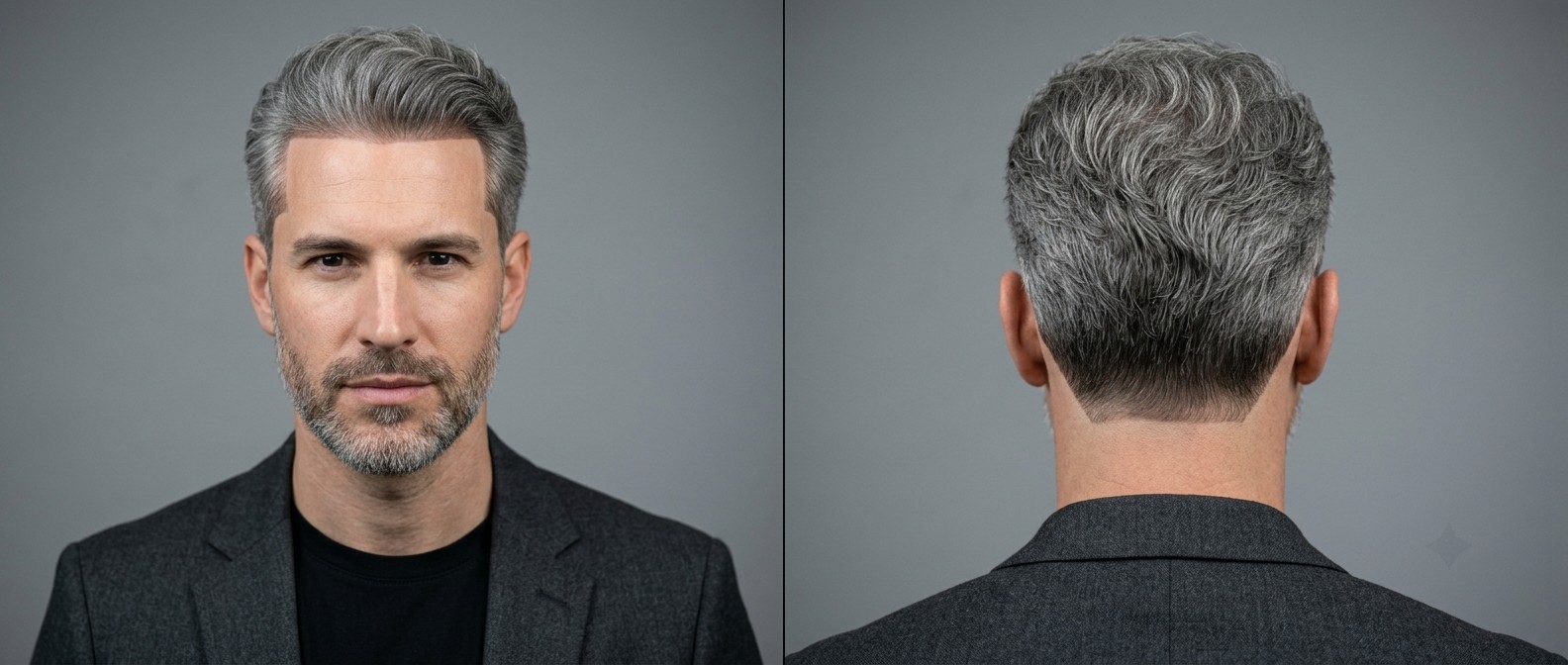
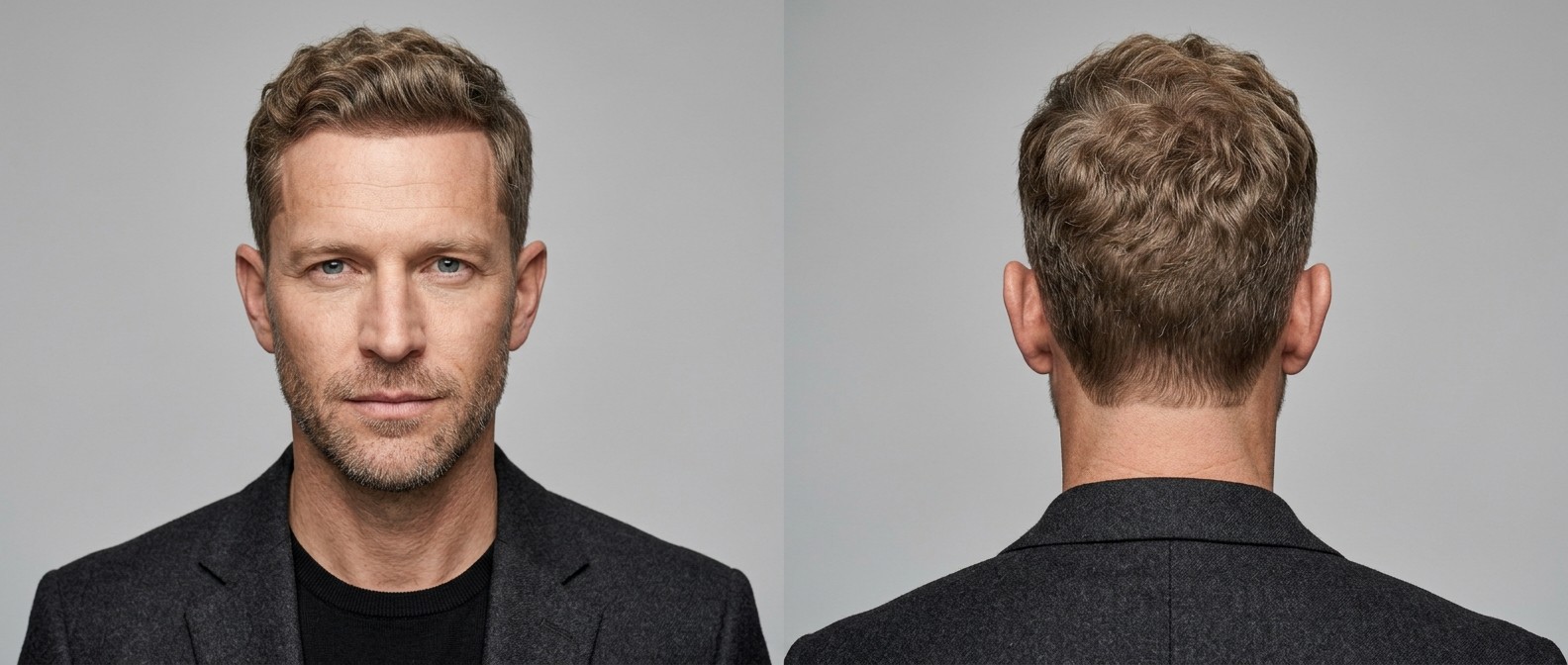
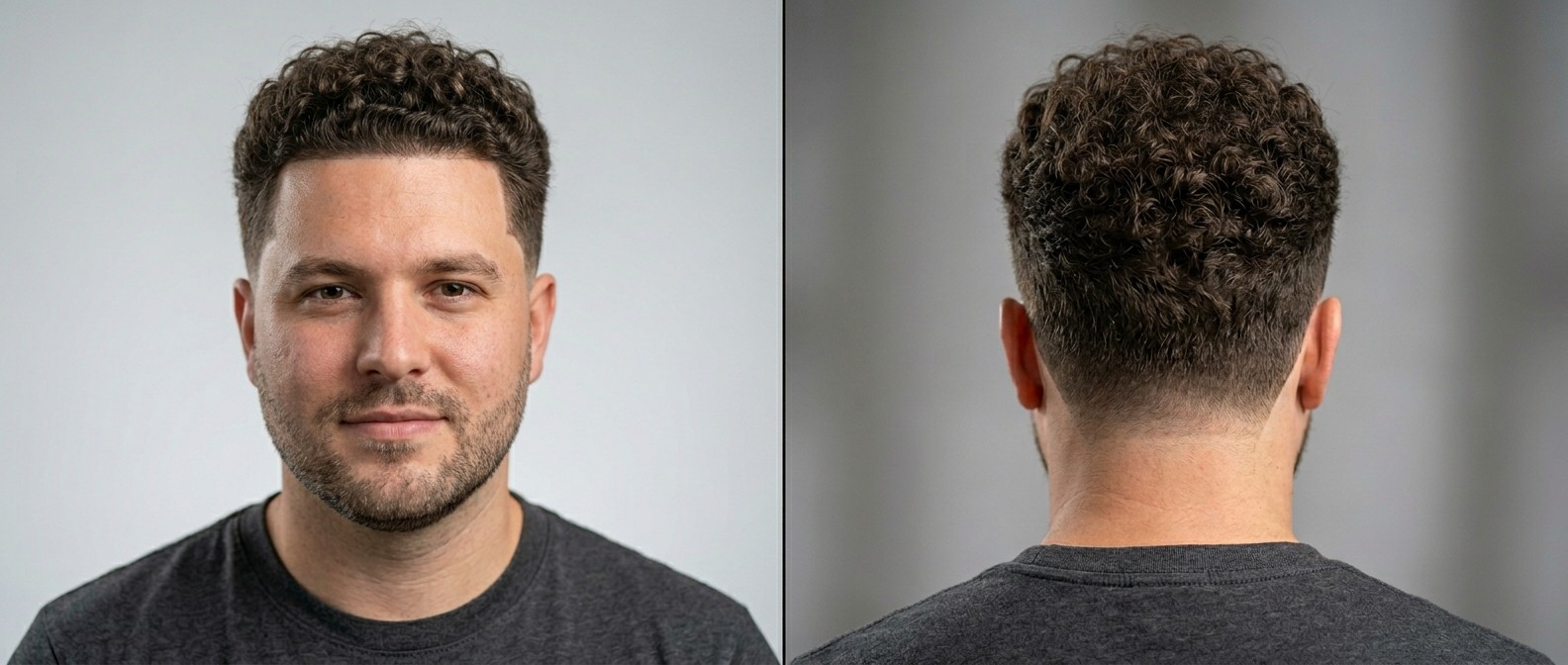
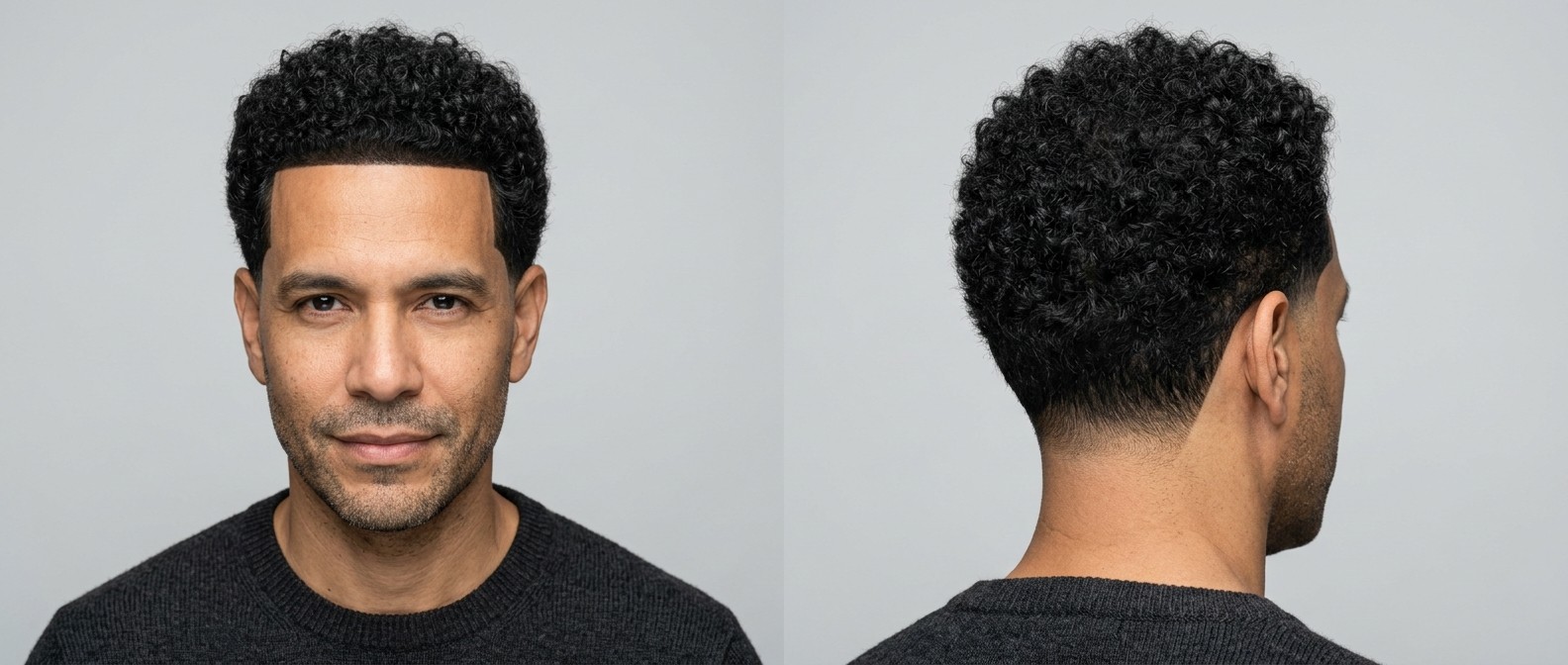
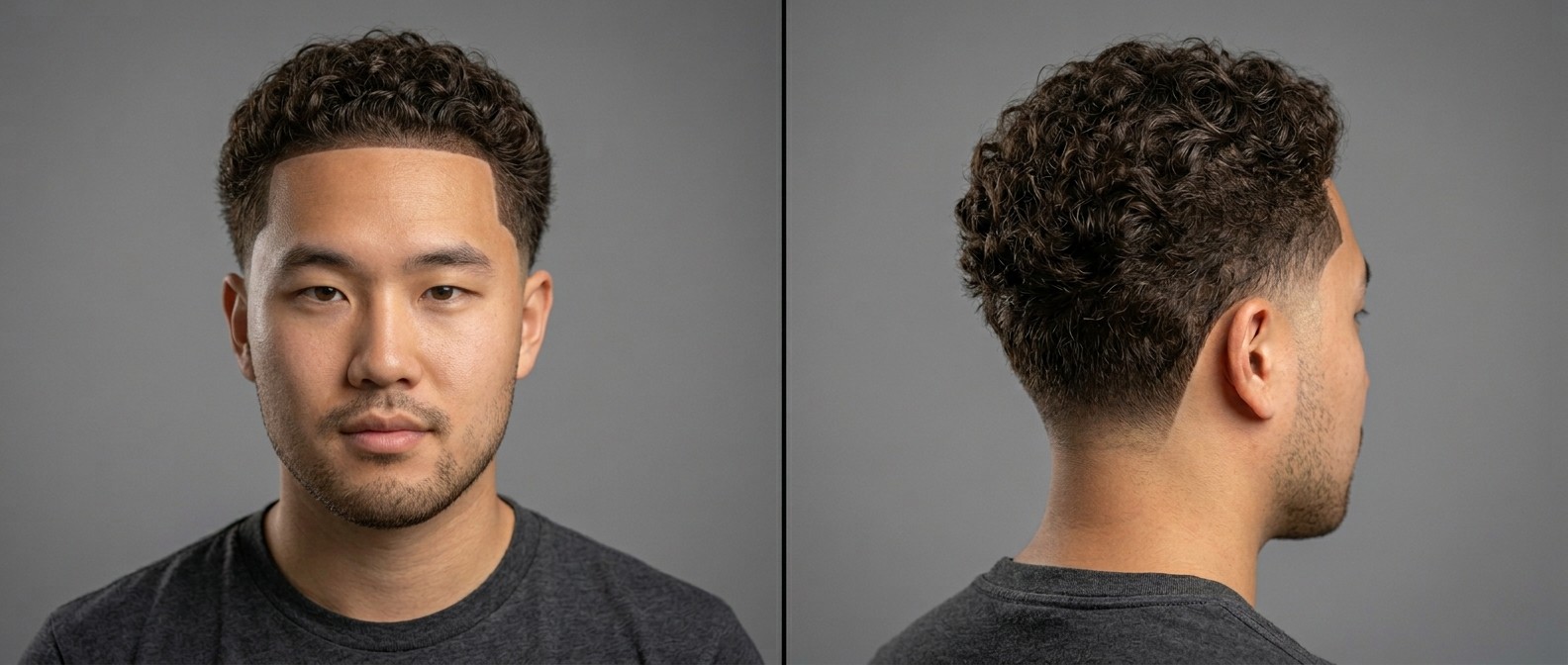
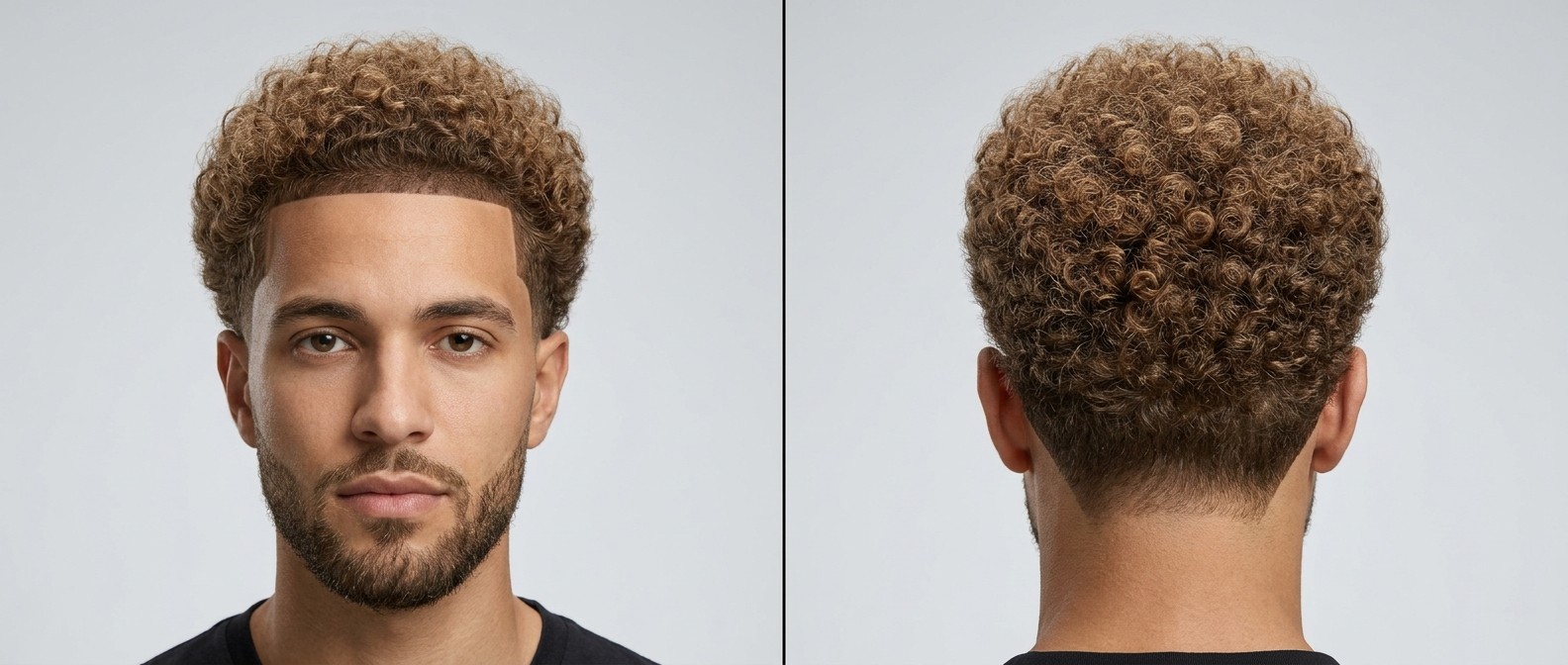
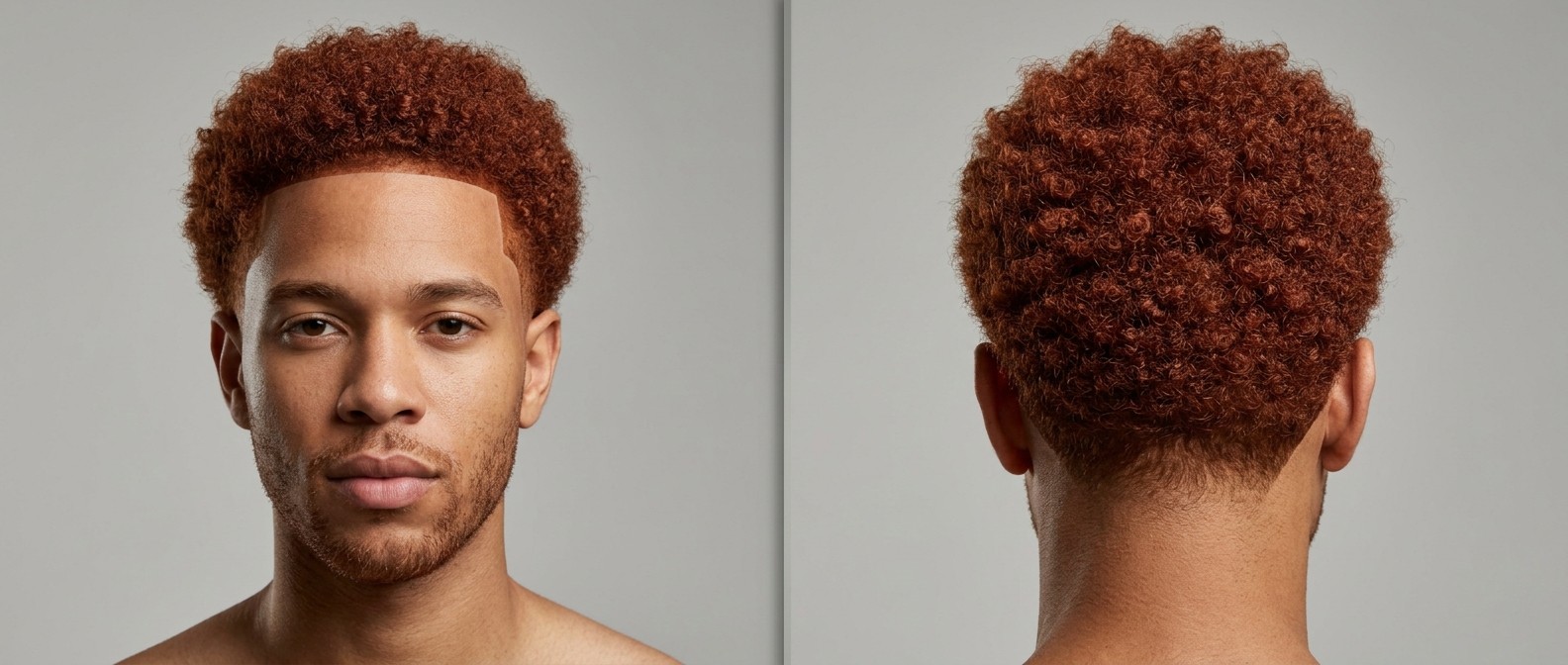
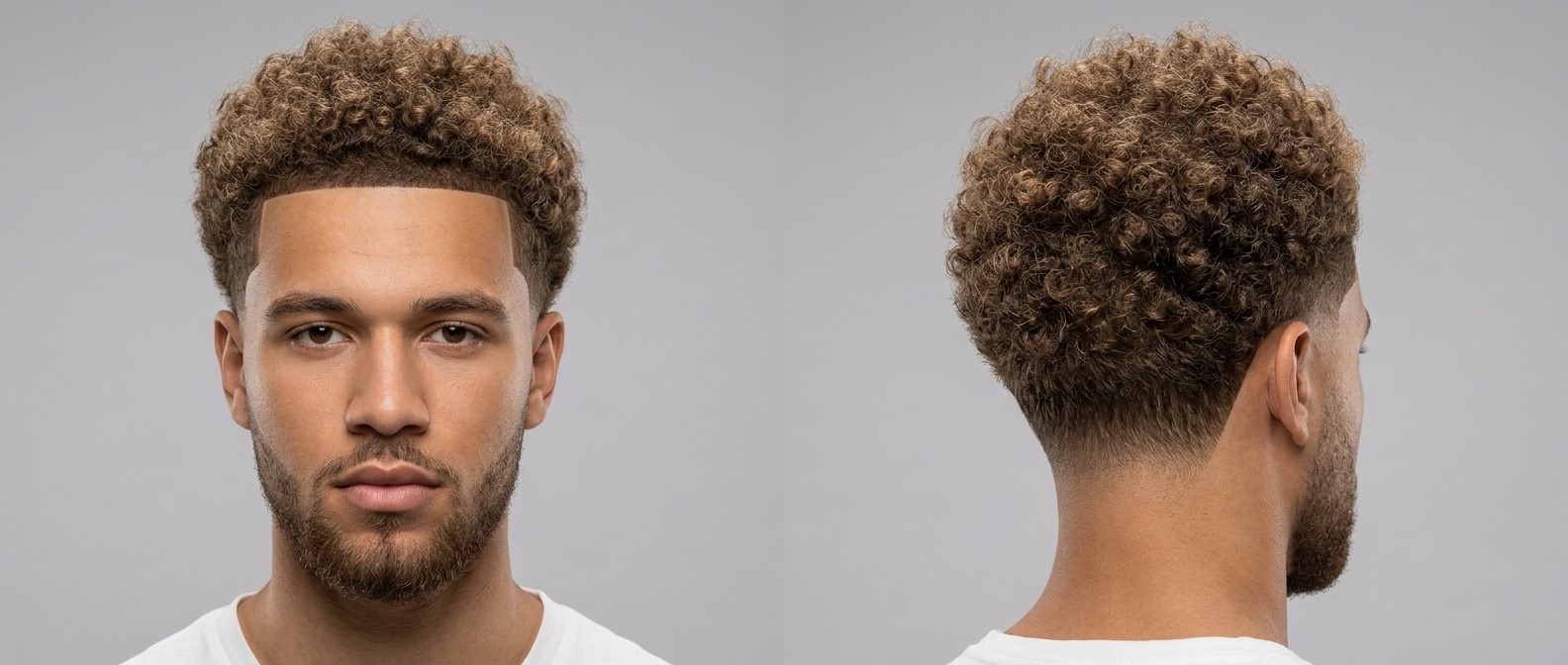
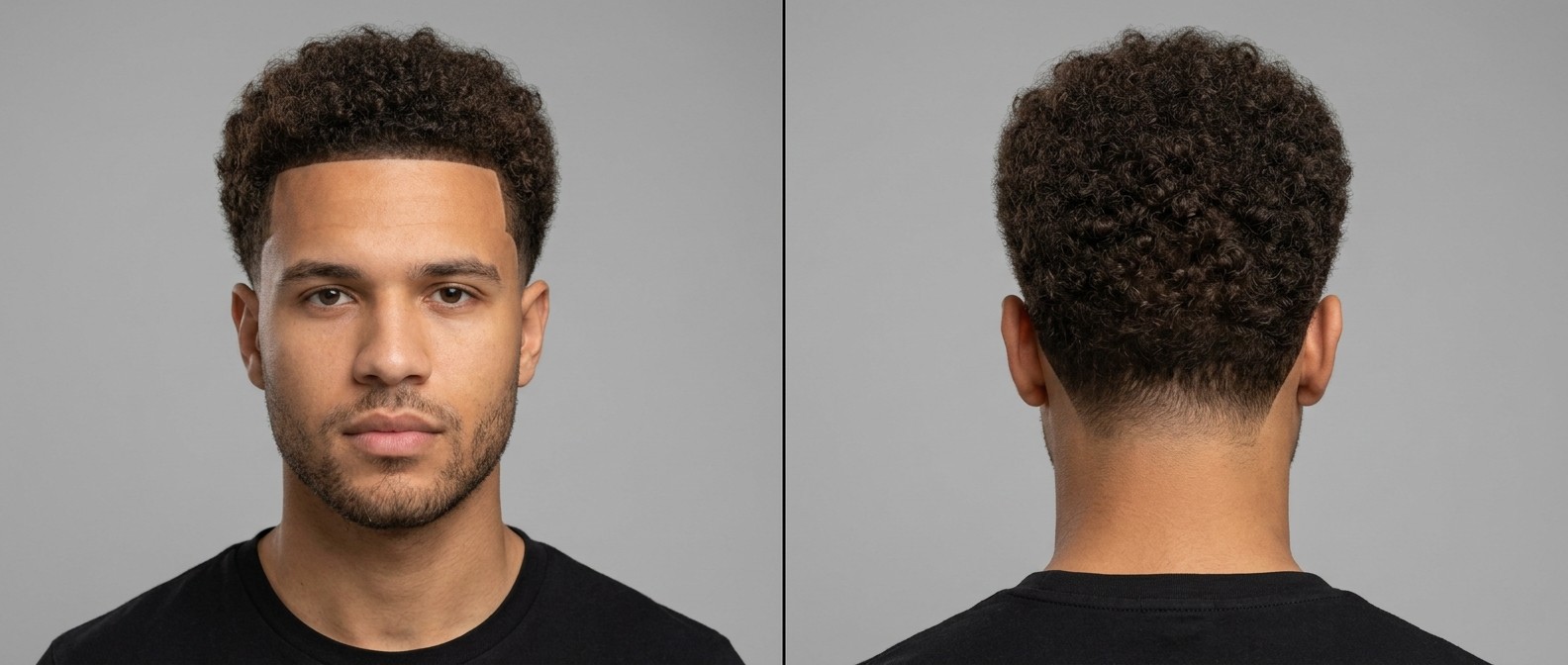
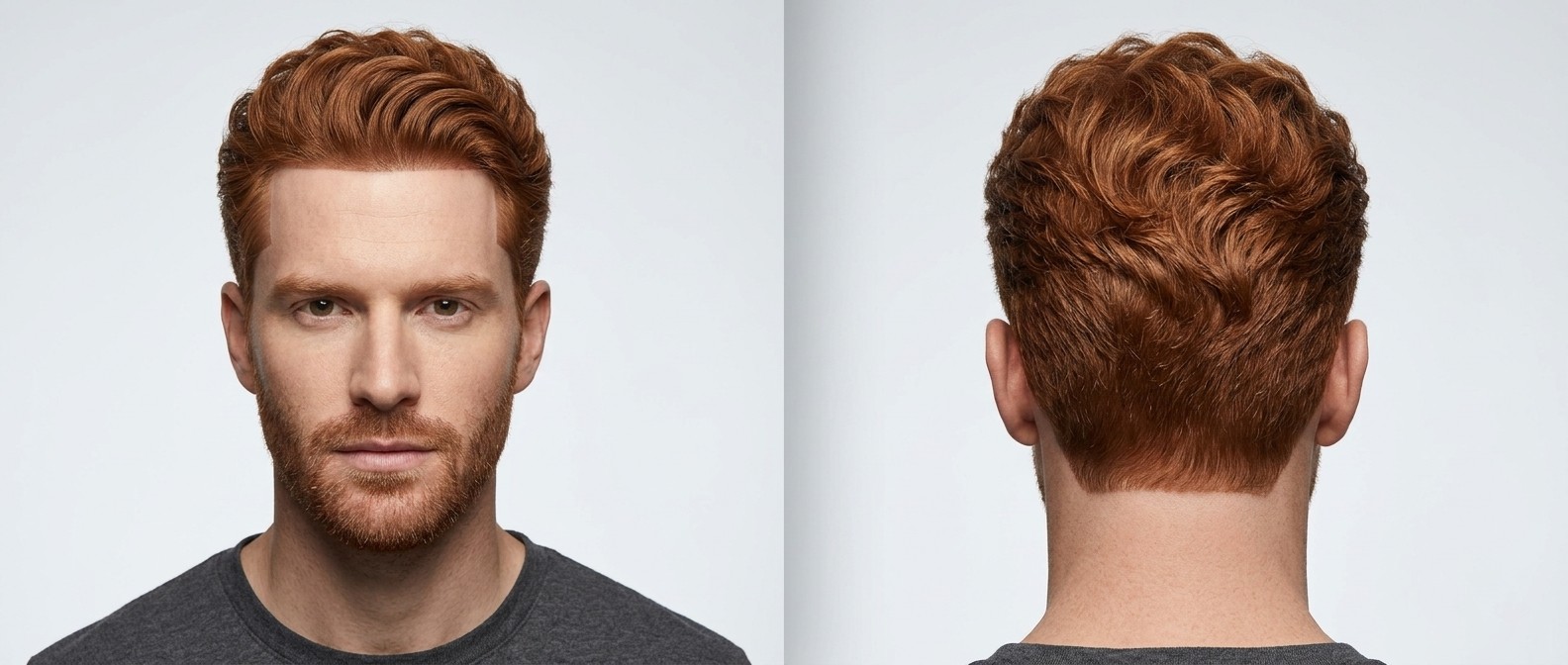
A line-up — known interchangeably as a shape-up, edge-up, or tape-up — is the process of defining and straightening the natural hairline using clippers and a straight razor. Your barber carves precise, geometric lines along your forehead, temples, and sideburns, replacing your natural, irregular hairline with clean, sharp edges. The result is a crisp, intentional frame around your face that makes your entire hairstyle look polished and deliberate.
Think of the line-up as the frame on a painting. The painting (your hairstyle) might be beautiful on its own, but the right frame elevates it to another level. A fresh line-up can make a two-week-old haircut look like you just left the barber's chair. It's the single most impactful detail in men's grooming — small in effort, enormous in effect.
The line-up typically addresses three areas: the front hairline (creating a straight or gently curved line across the forehead), the temples (sharpening the corners where the hairline meets the sideburns), and the sideburns (defining where they end with a clean, horizontal cut). Some barbers also line up the neckline at the back for a complete, all-around edge definition.
Who Should Get a Line-Up?
Almost every man can benefit from a line-up, regardless of hair type, length, or style. It's particularly impactful for men with natural hairlines that are uneven, rounded, or receding slightly — the line-up creates the illusion of a fuller, more symmetrical hairline.
- Works with: literally any haircut — buzz cuts, fades, afros, locs, long hair, braids, waves
- Best for: men who want maximum sharpness and a well-groomed appearance
- Especially effective for: uneven hairlines, widow's peaks, or slightly receding temples
- Maintenance: needs touch-up every 1-2 weeks for a consistently fresh look
The only men who might skip a line-up are those going for a deliberately natural, soft aesthetic — some hairstyles like the shag or longer textured cuts look better with a natural hairline. But for clean, sharp styles, the line-up is essentially mandatory.
How a Line-Up Is Done
Your barber starts by examining your natural hairline shape and deciding where to place the new lines. The goal is to create straight edges while removing as little hair as possible — a skilled barber works with your natural hairline rather than dramatically altering it. Going too far back to create a straight line can leave you with an unnaturally high hairline that looks artificial.
Using a T-blade trimmer or foil shaver, your barber traces a straight line across your forehead, clipping away the small, irregular hairs that soften your natural hairline. They then move to the temples, creating sharp 90-degree angles (or slightly rounded corners, depending on your preference). Finally, they clean up the sideburns, cutting them to a defined, even endpoint.
For ultimate crispness, many barbers finish with a straight razor, shaving the skin just beyond the trimmer line to create a razor-sharp edge with zero stubble. This razor finish is what gives a line-up its "fresh out the shop" look — the contrast between hair and clean skin is maximized.
What to Tell Your Barber
Line-ups are standard at most barbershops, but communicating your preferences ensures you get exactly what you want. Tell your barber whether you prefer a straight, squared-off hairline or a slightly rounded, natural-looking shape. Some men like sharp 90-degree temple corners, while others prefer the corners slightly rounded for a softer look.
Key phrase: "Don't take me back too far." This tells your barber to keep the line-up conservative — working with your natural hairline rather than pushing it back to create artificially straight lines. Every time you push the line back, you're permanently losing hairline territory that won't grow back in the same way.
If you have a widow's peak, discuss whether to square it off (creating a straight line across but removing the peak) or work around it (keeping the peak but cleaning up irregular edges). Both approaches work — it's a matter of personal preference. Also specify your sideburn length: do you want them pointed, squared, or at a specific spot relative to your ear?
Line-Up Maintenance
The line-up is the fastest feature of your haircut to lose its sharpness. Within 5-7 days, new hair growth softens the edges. By two weeks, the line-up is noticeably grown out. This is why many men visit their barber more frequently for line-up touch-ups than for full haircuts.
- Ideal frequency: every 1-2 weeks for a consistently sharp look
- DIY option: use a quality T-blade trimmer at home to trace existing lines between barber visits
- DIY tip: only trace — never try to reshape or move the lines yourself without experience
- Cost-saving strategy: full haircut every 3-4 weeks, line-up-only visits in between (usually cheaper)
- Avoid razor bumps: apply witch hazel or aftershave balm immediately after a razor line-up
If you're prone to razor bumps or ingrown hairs, tell your barber to use a trimmer-only line-up without the straight razor. The result is slightly less sharp but significantly reduces irritation. Applying a bump-preventing serum after the line-up also helps — look for products containing salicylic acid or tea tree oil.
Line-Up Variations and Styles
The squared line-up features perfectly straight lines and sharp 90-degree corners at the temples — the most popular and classic approach. The rounded line-up softens the temple corners into gentle curves for a more natural appearance. A pointed line-up brings the temple corners to a slight point, creating a more angular, fashion-forward look.
The extended line-up carries the edge definition beyond the hairline into geometric designs — lines, curves, or patterns shaved into the temple area or sides of the head. This blends the line-up concept with hair art for a creative statement. A beard line-up applies the same principle to facial hair, creating sharp edges along the cheek line, jawline, and neckline of your beard. When you combine a hairline and beard line-up, you create a completely framed look — every edge on your head is sharp, defined, and intentional, projecting total control over your grooming.