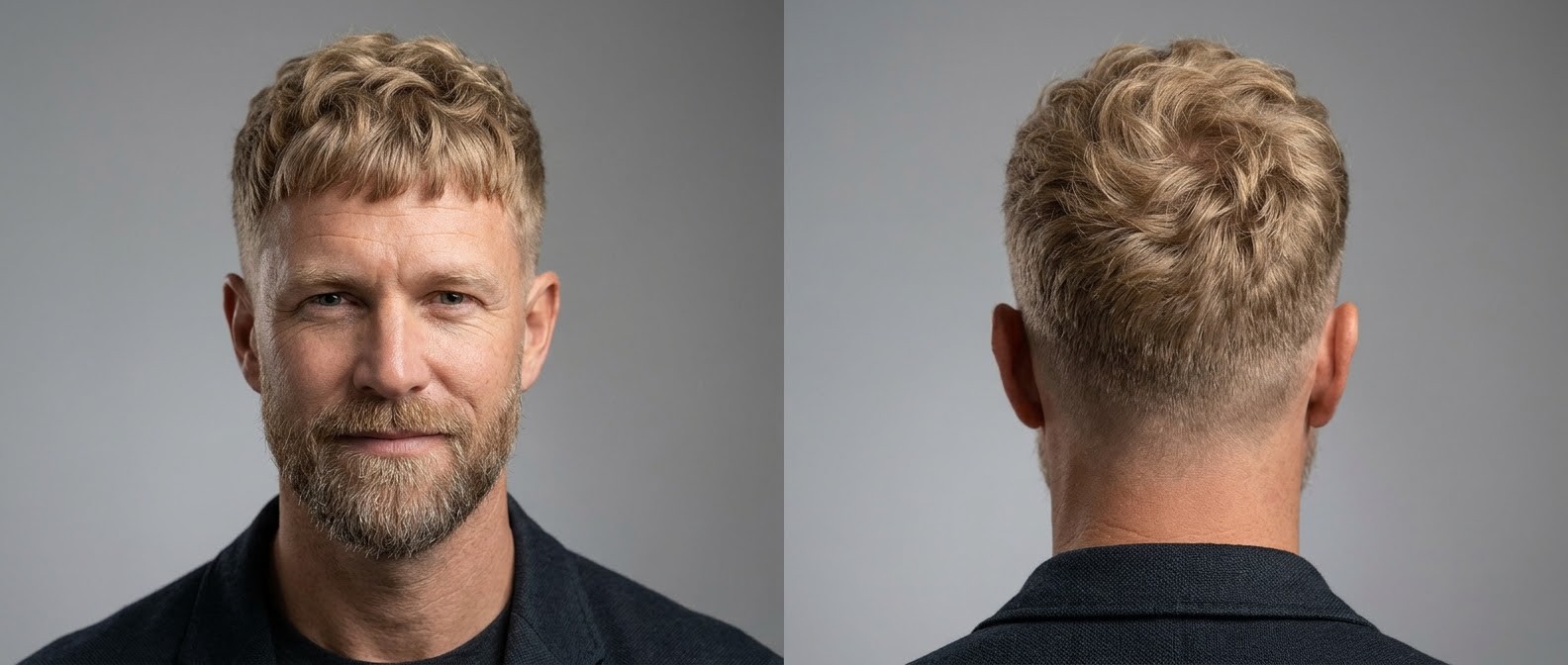
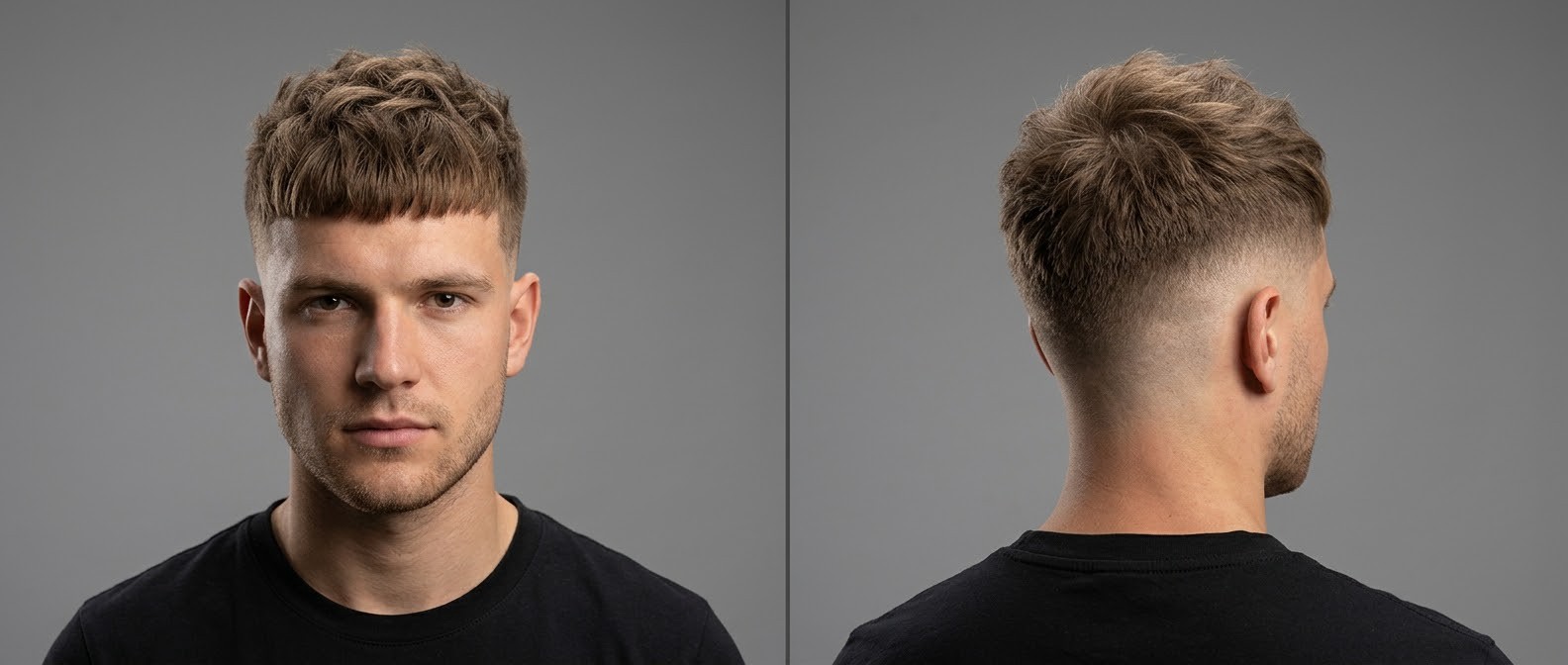
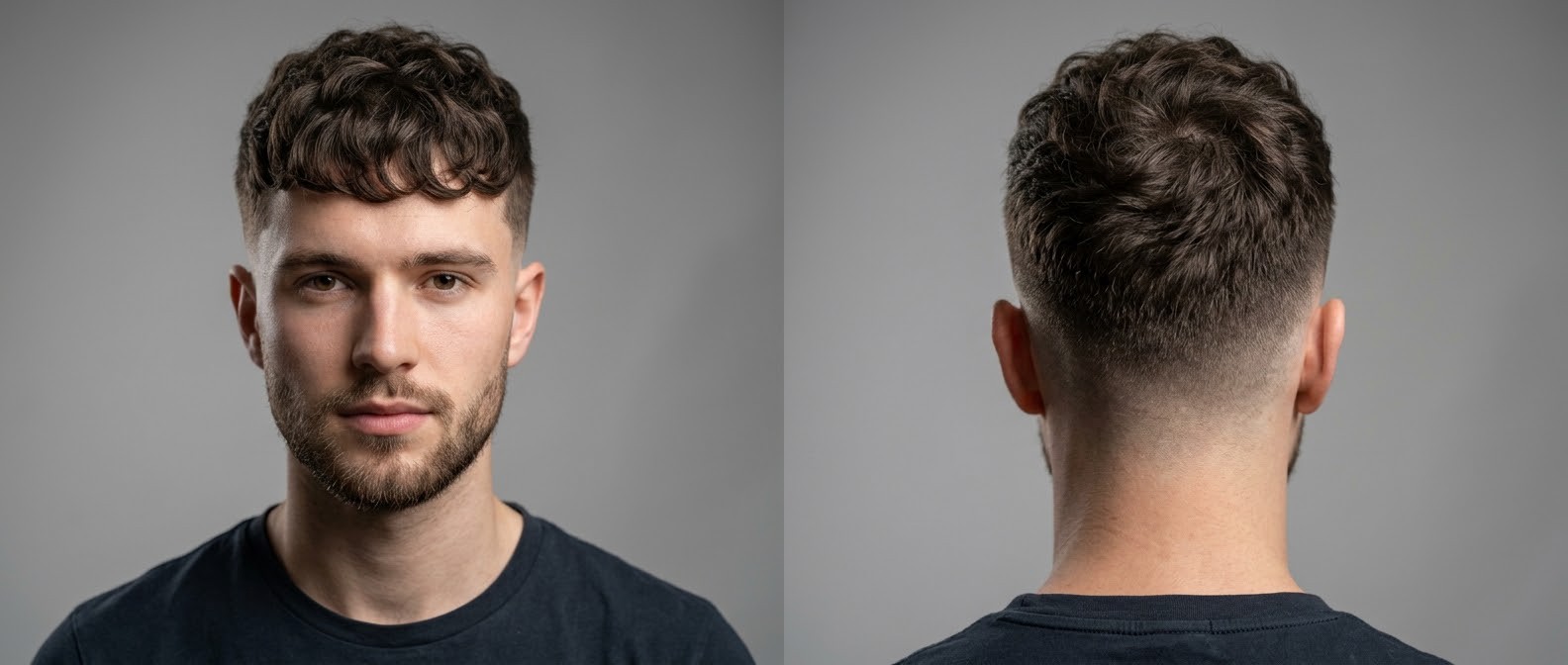
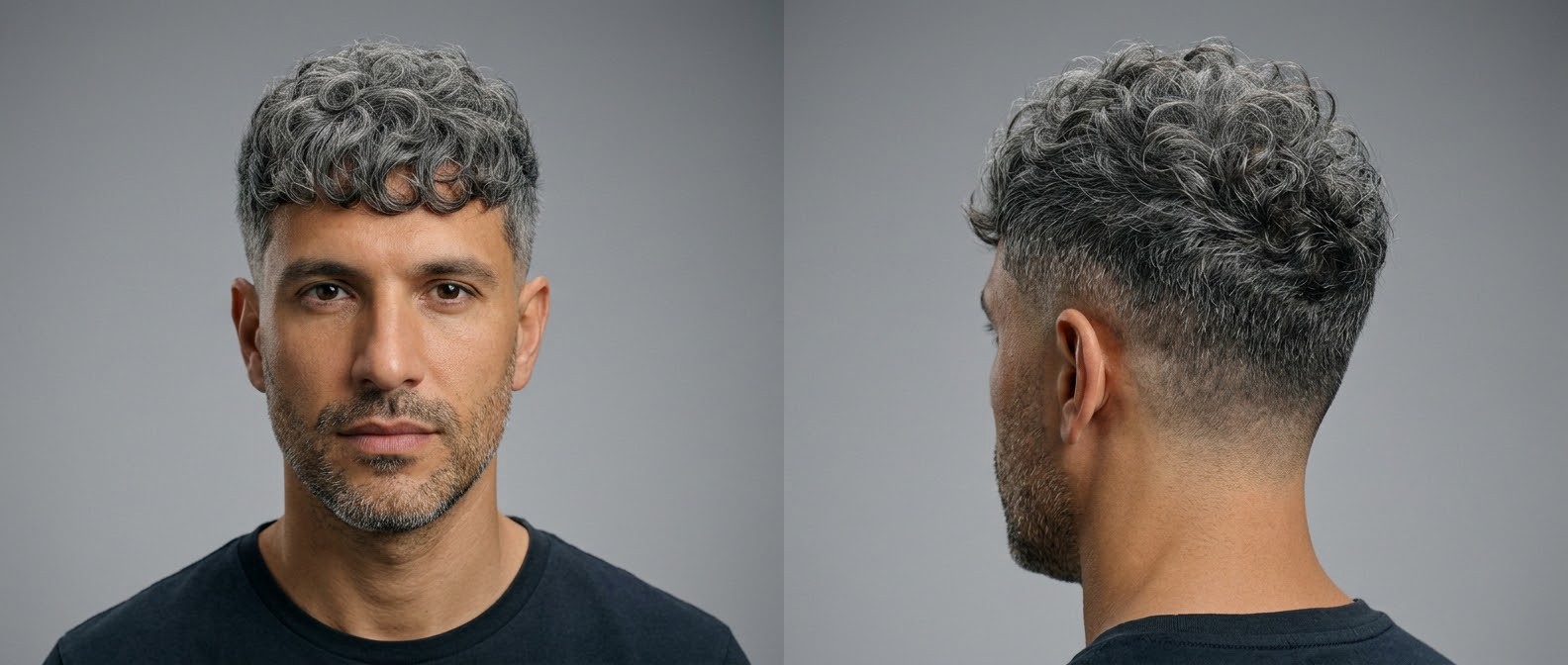
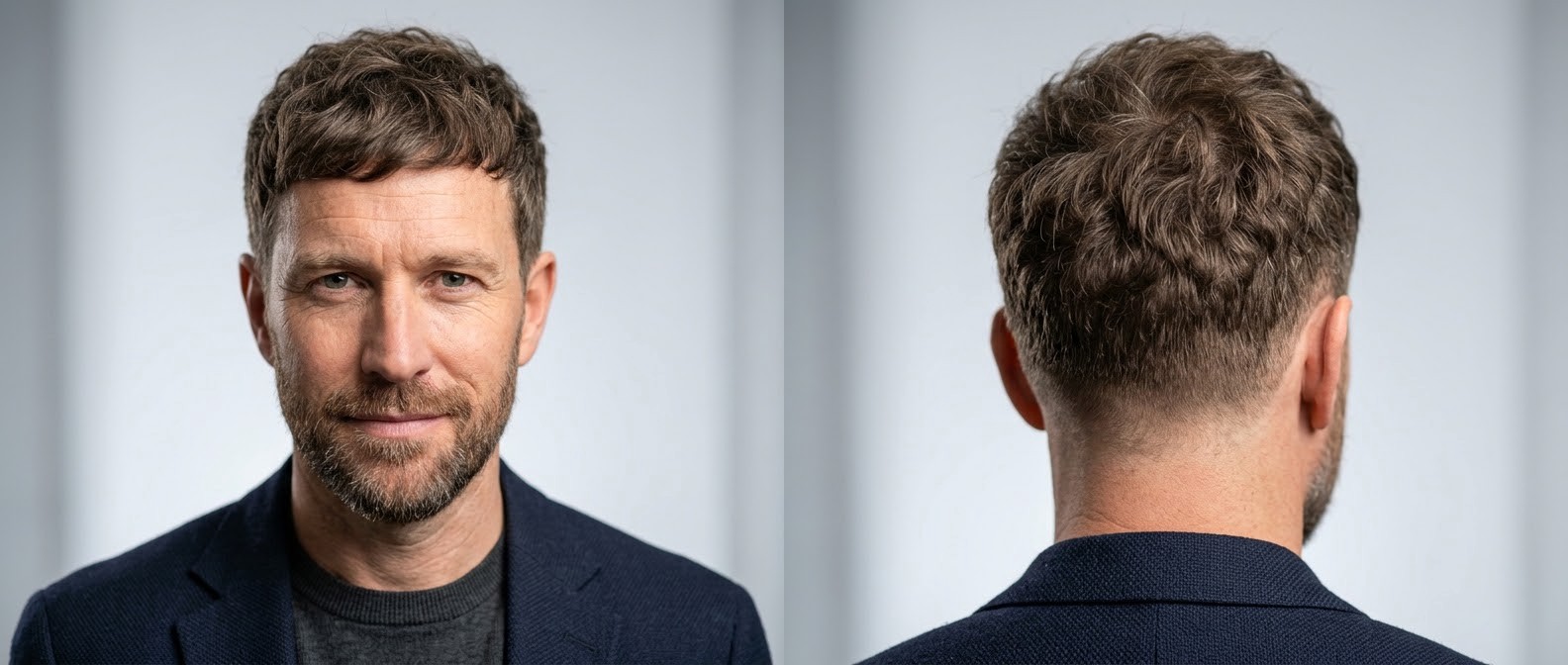
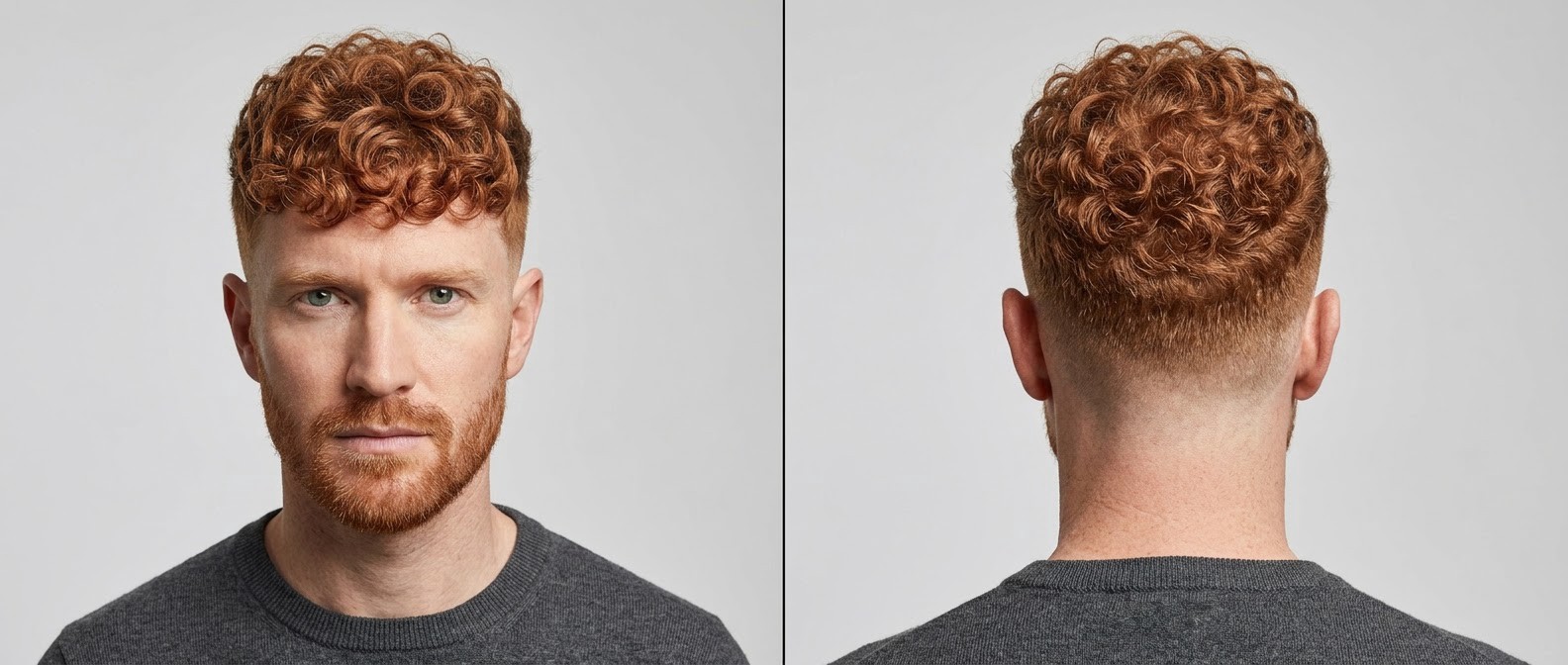


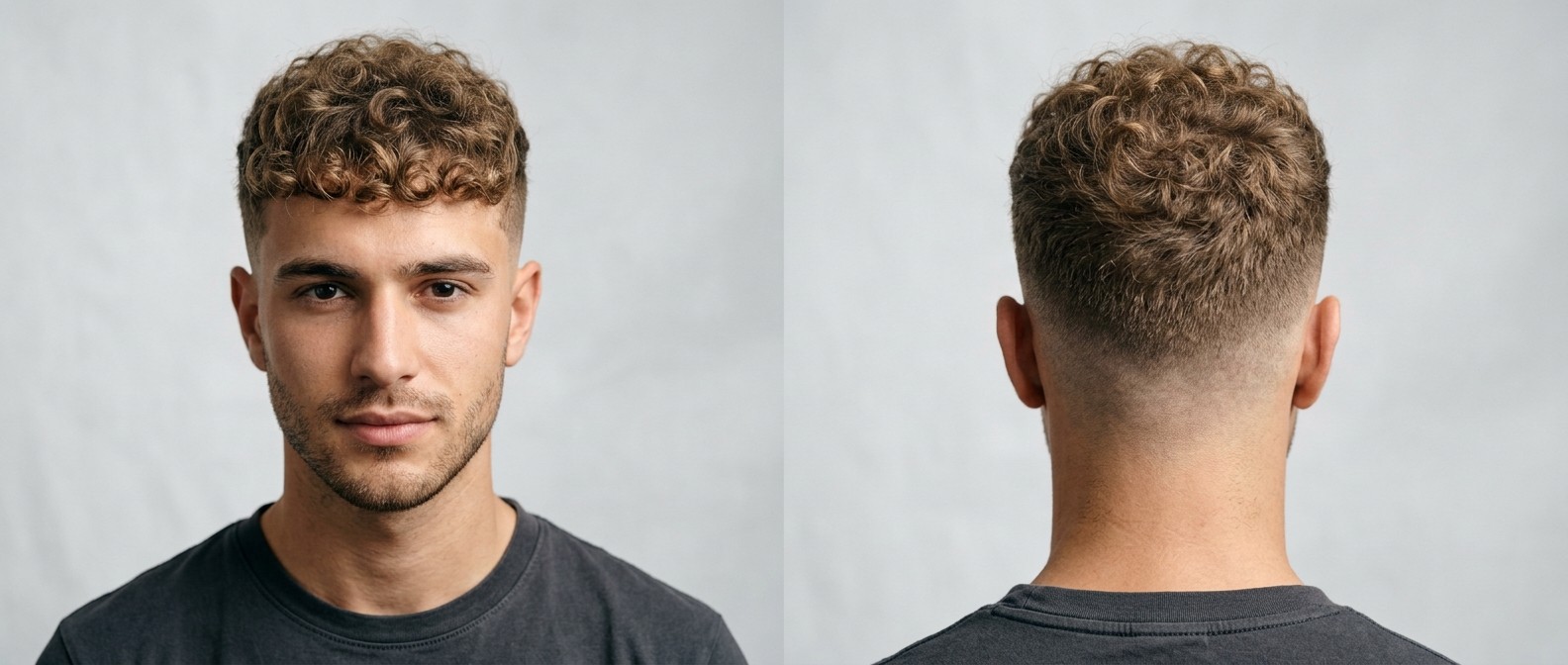
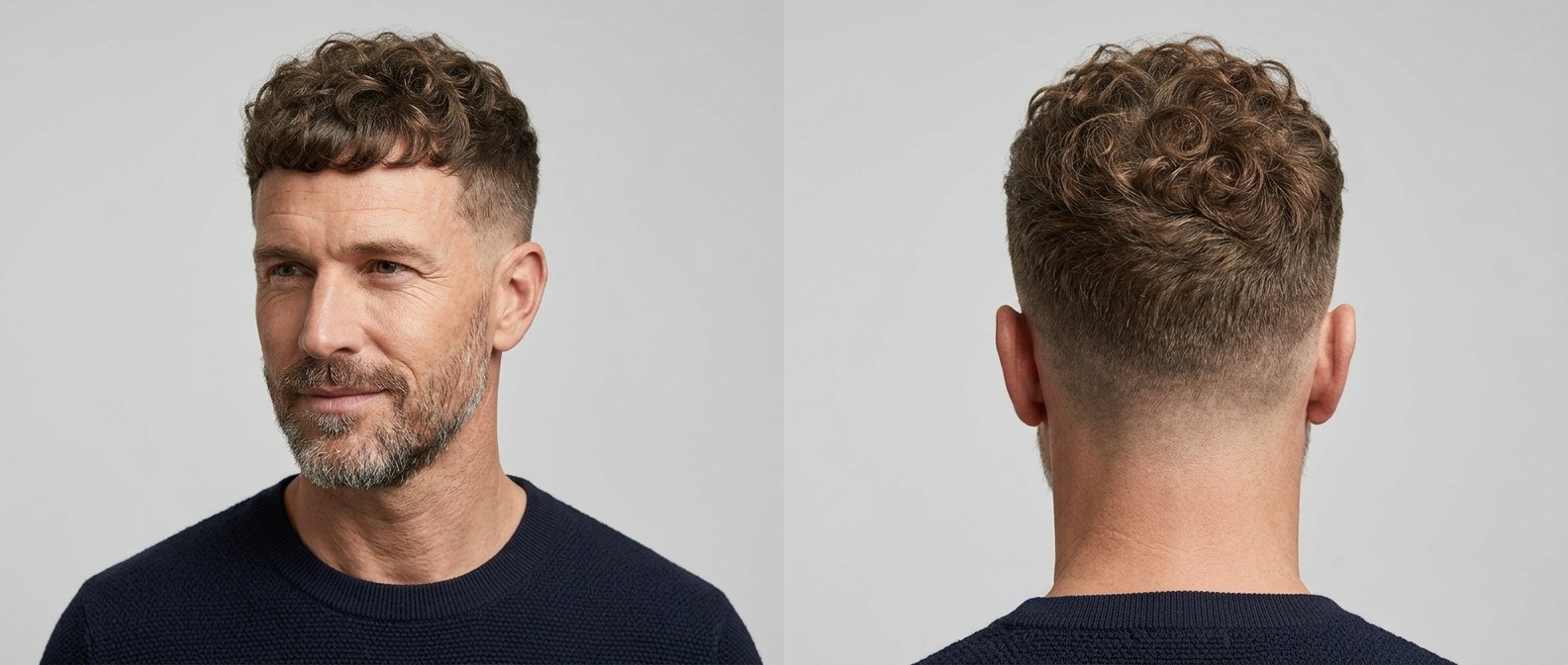
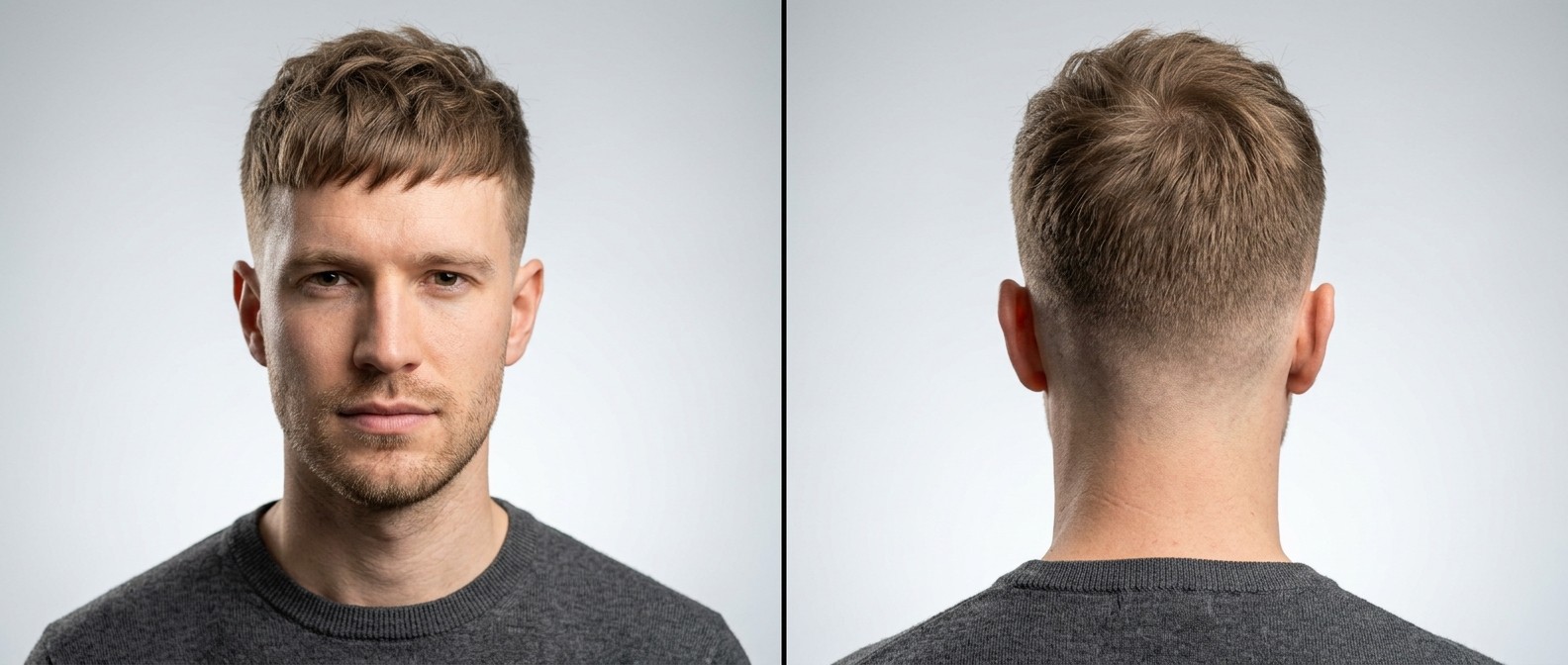
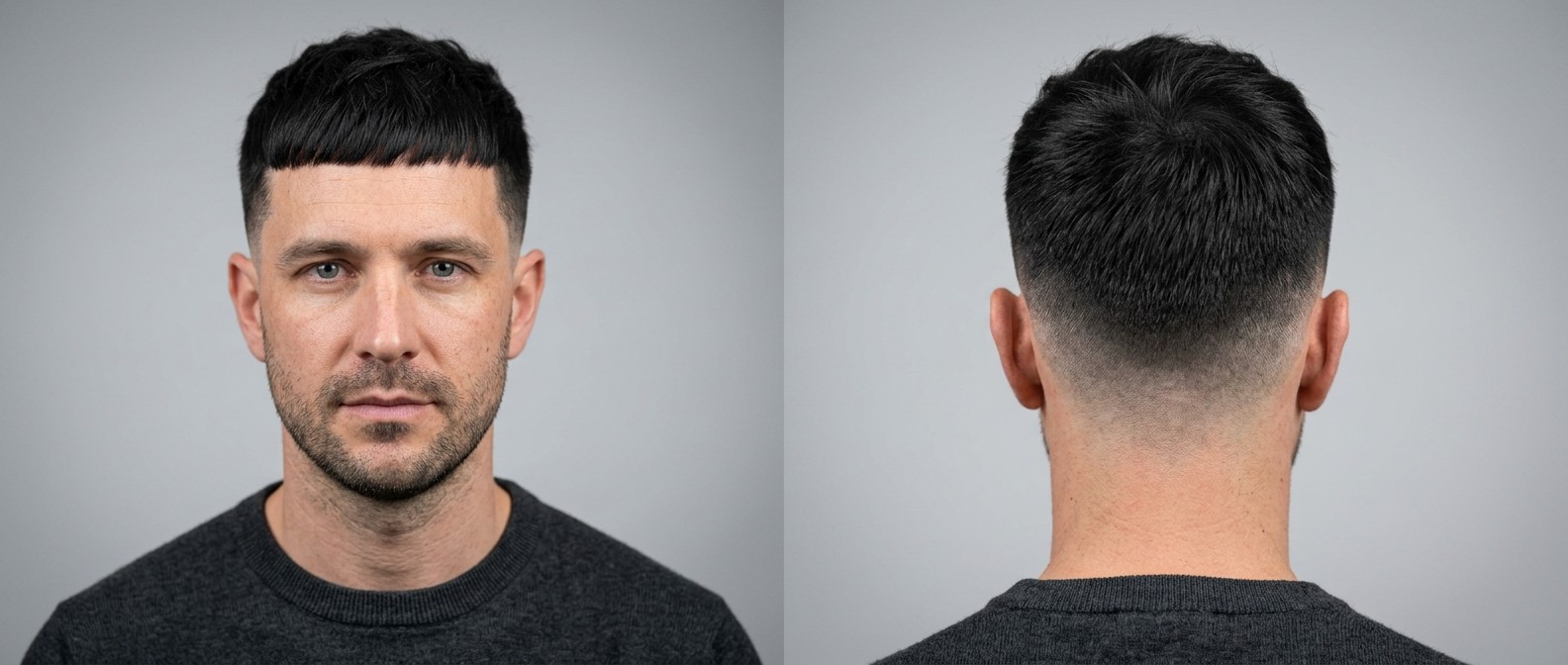
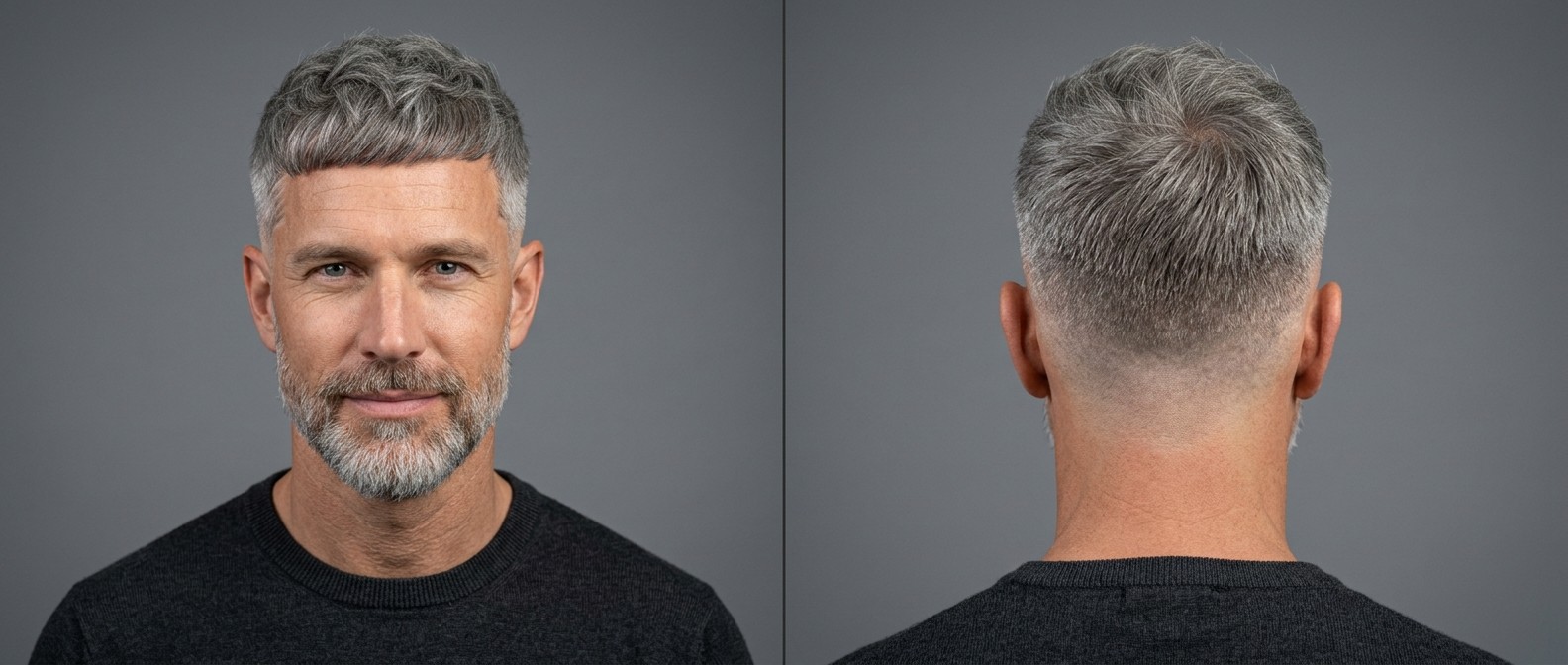
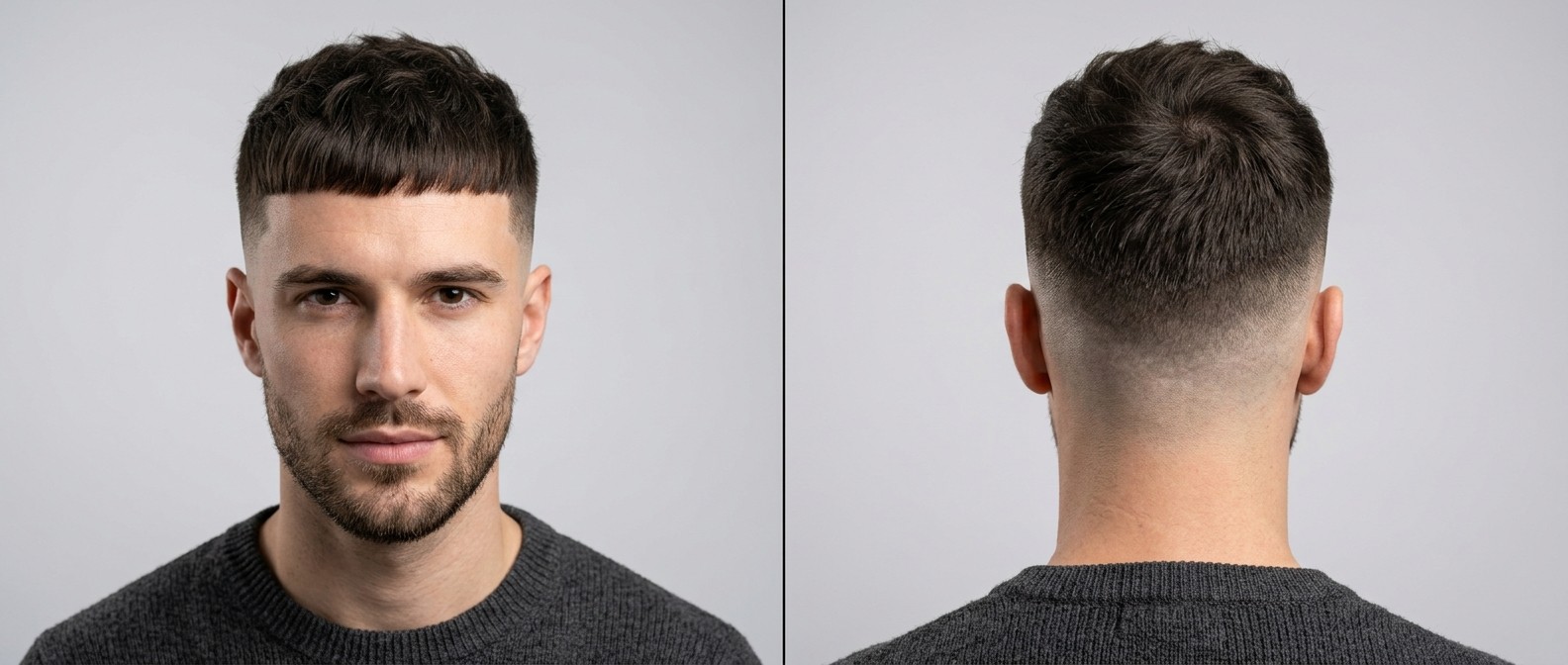
What Is a French Crop?
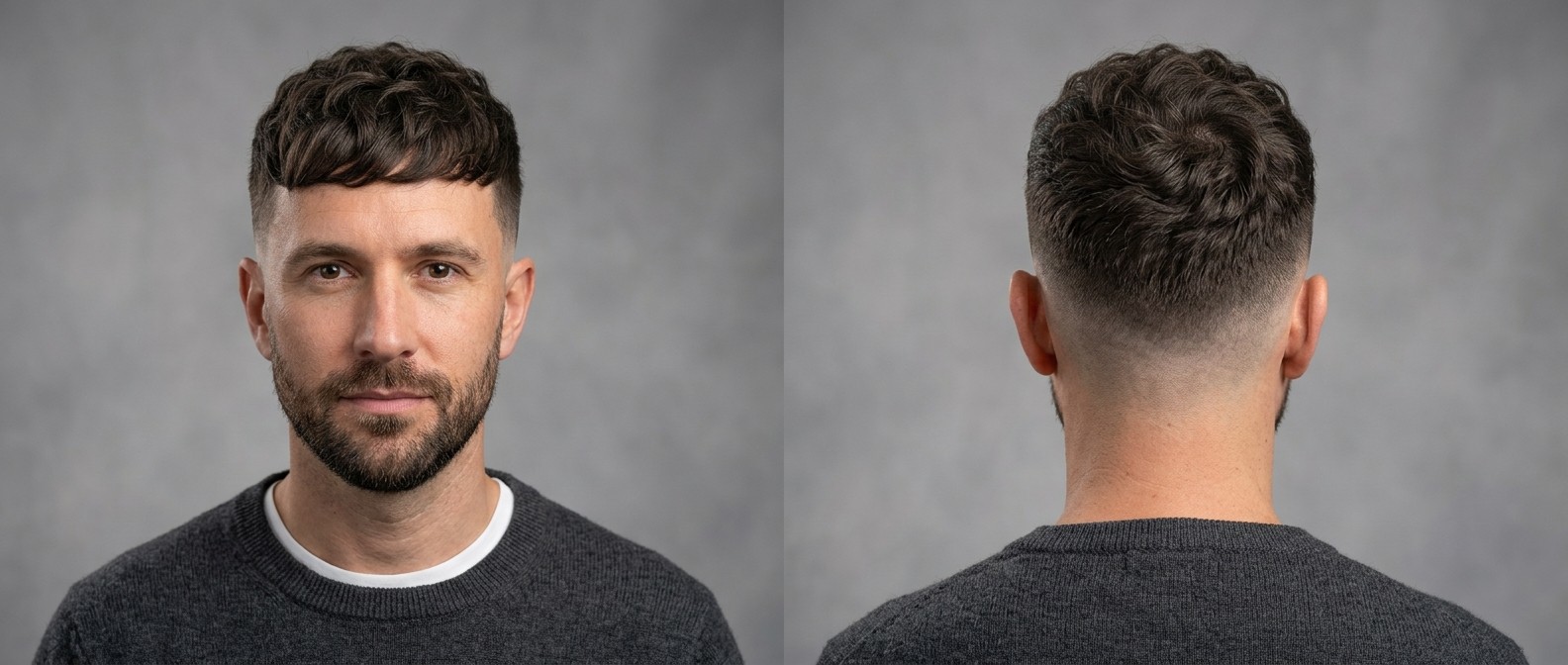
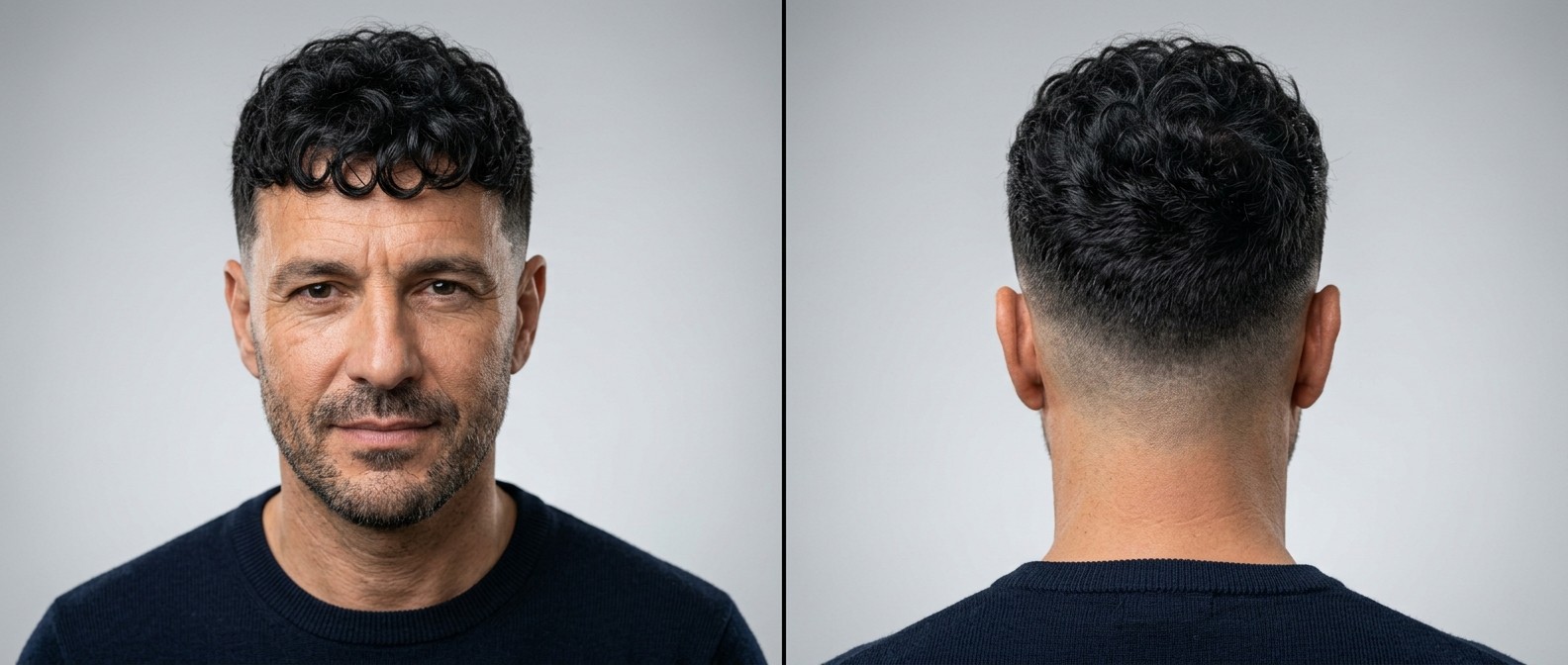
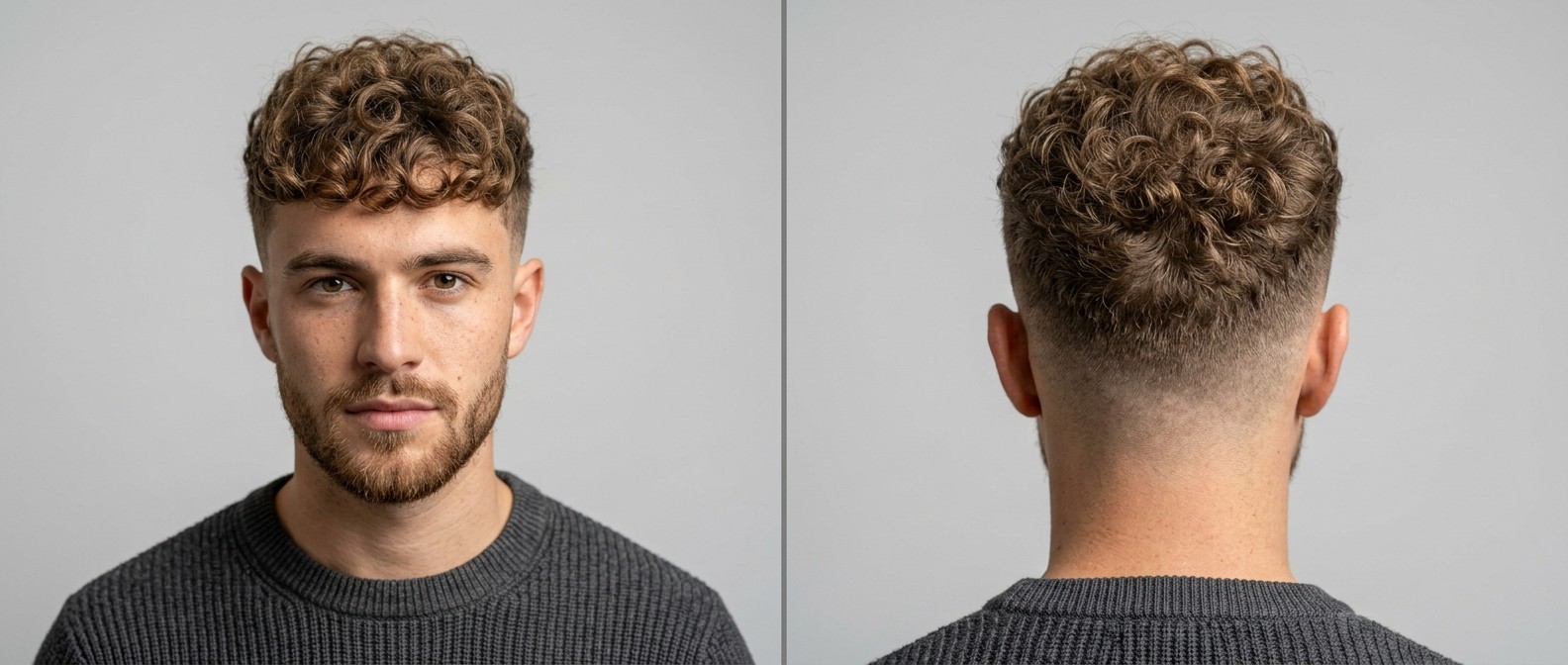
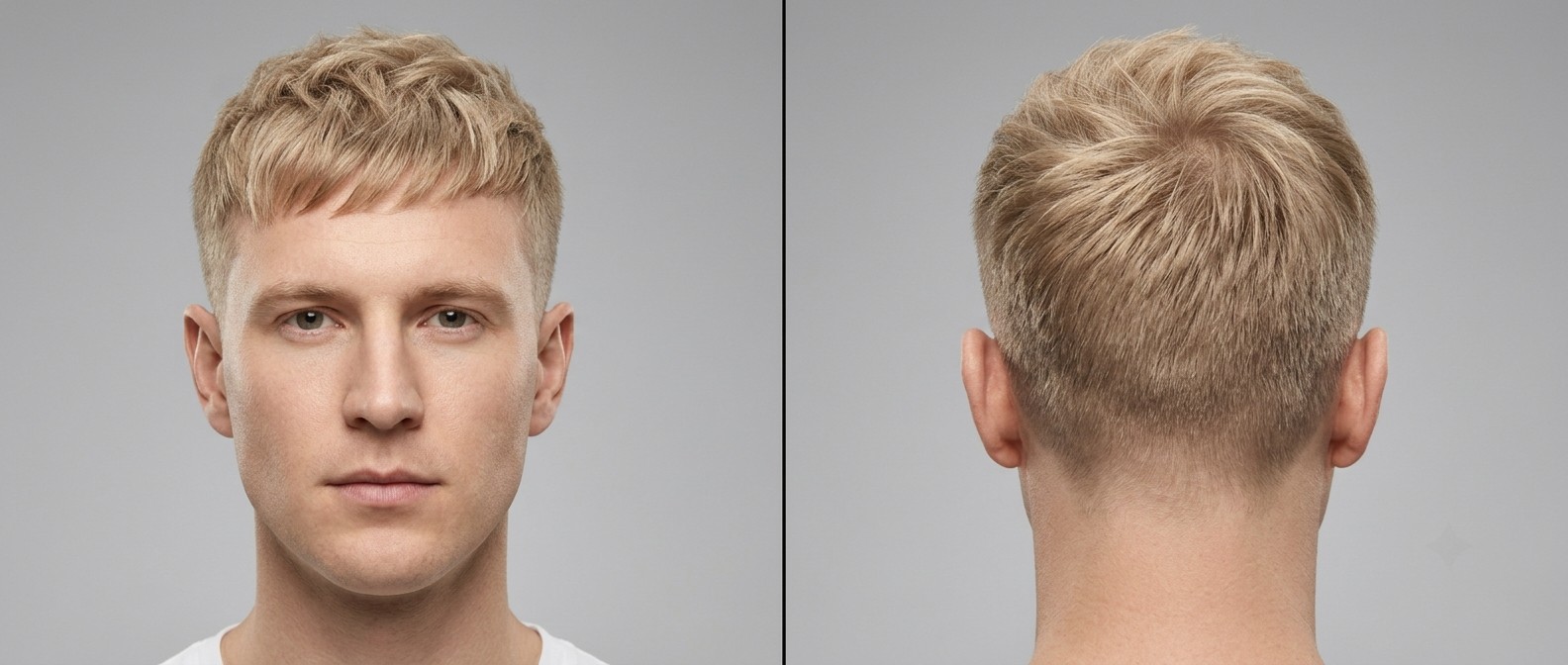
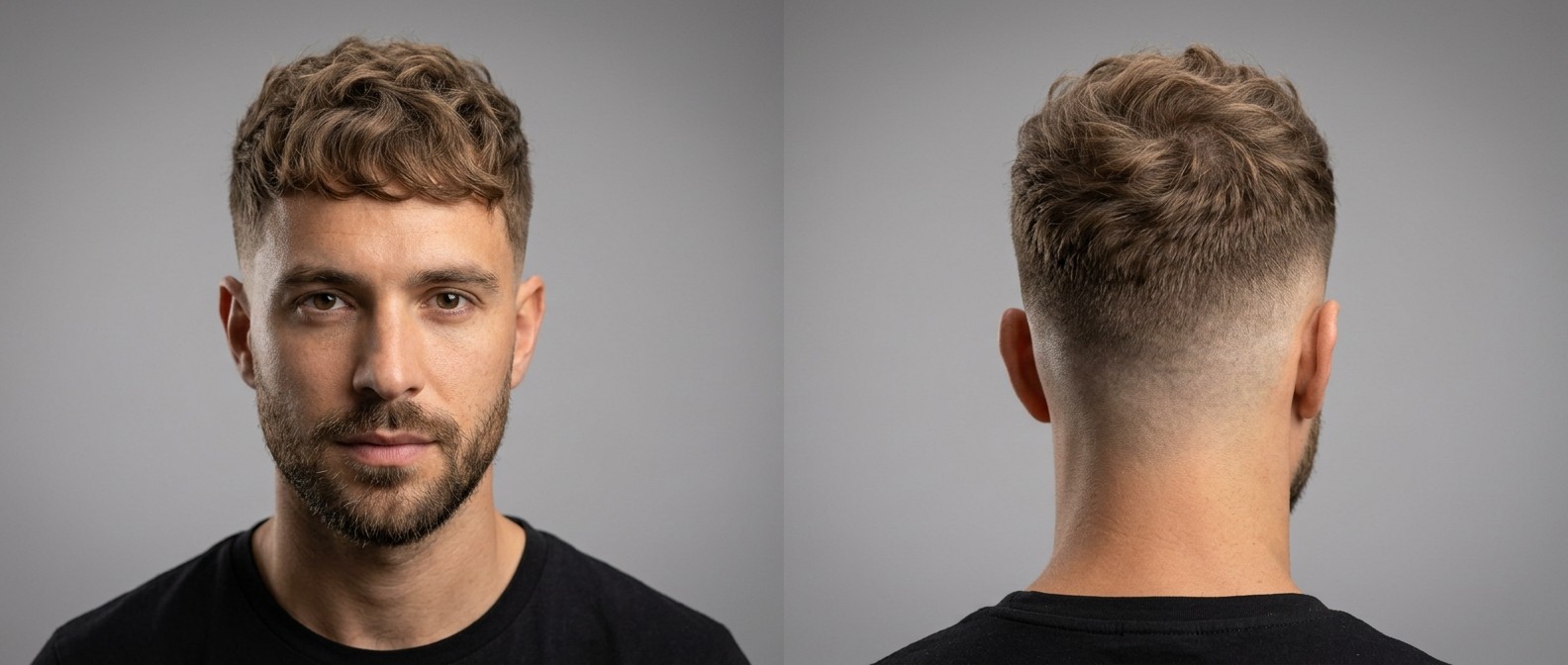
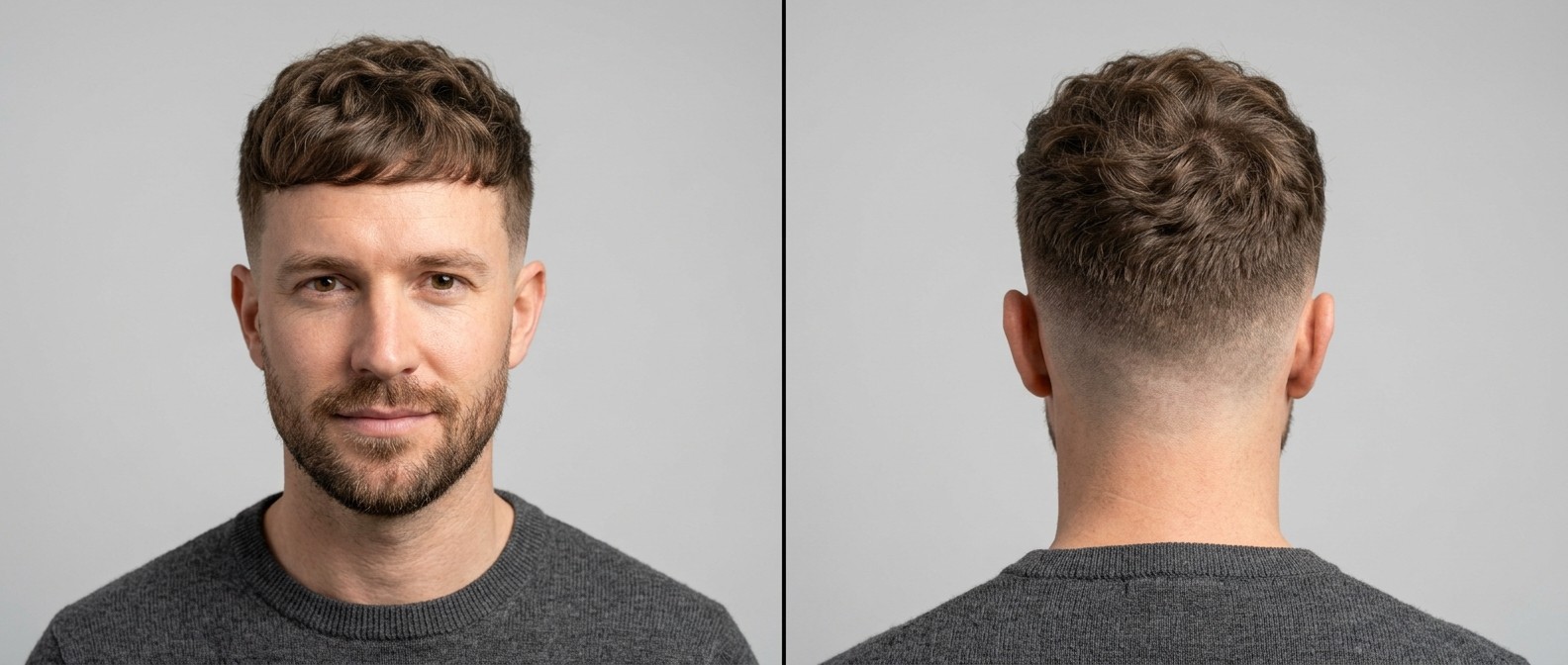
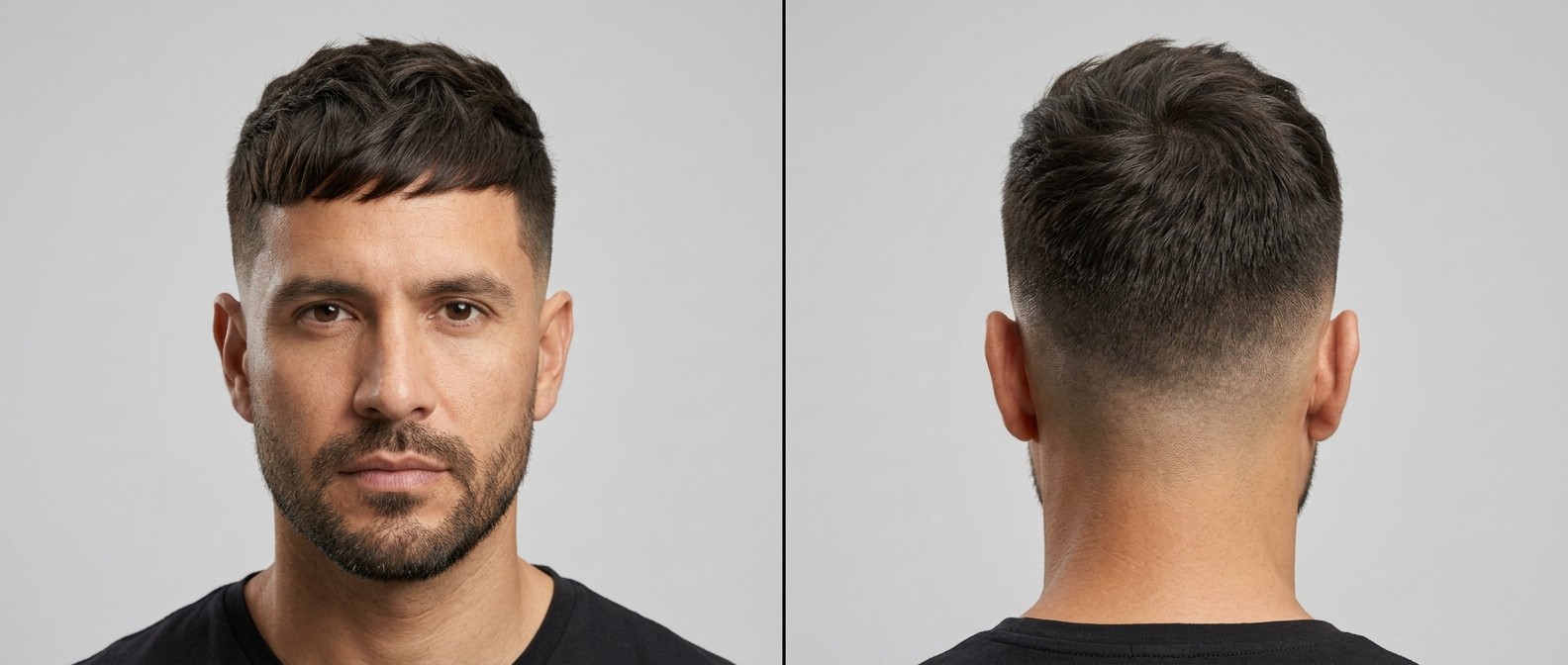
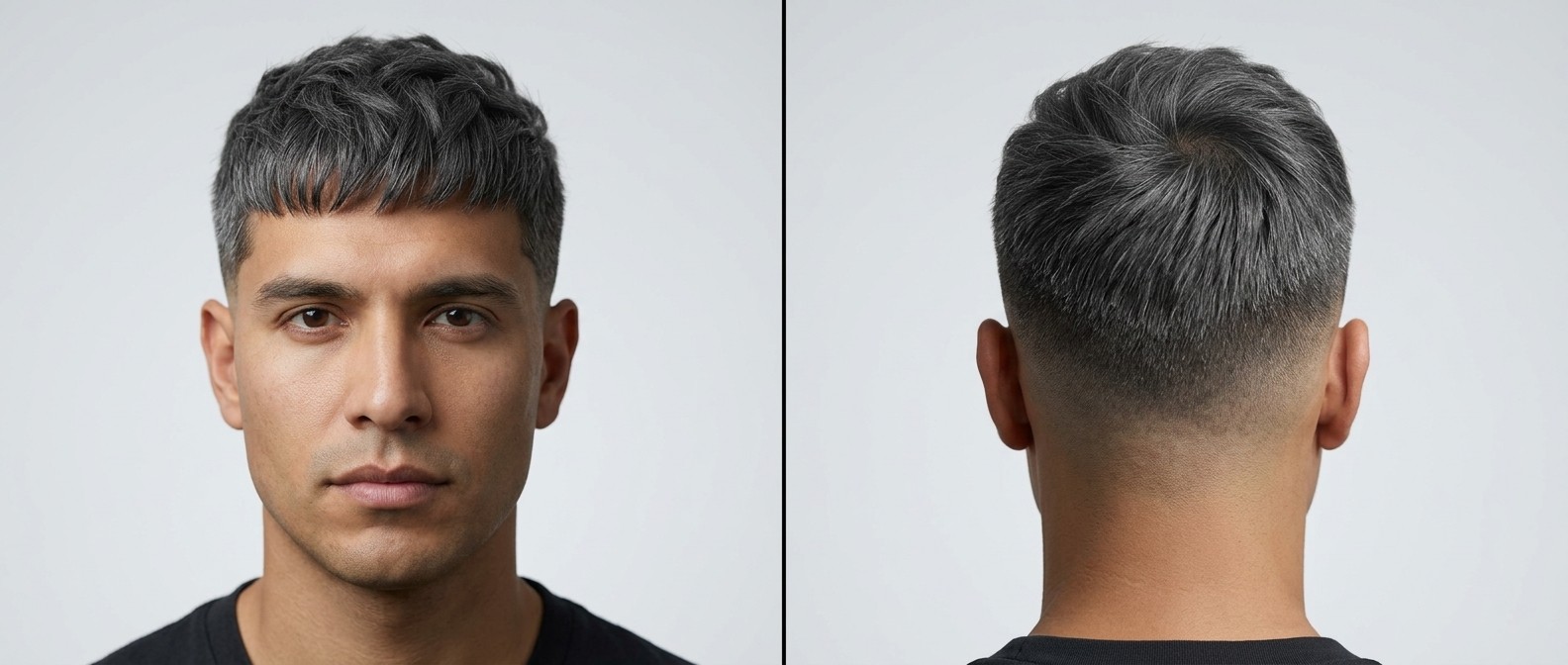
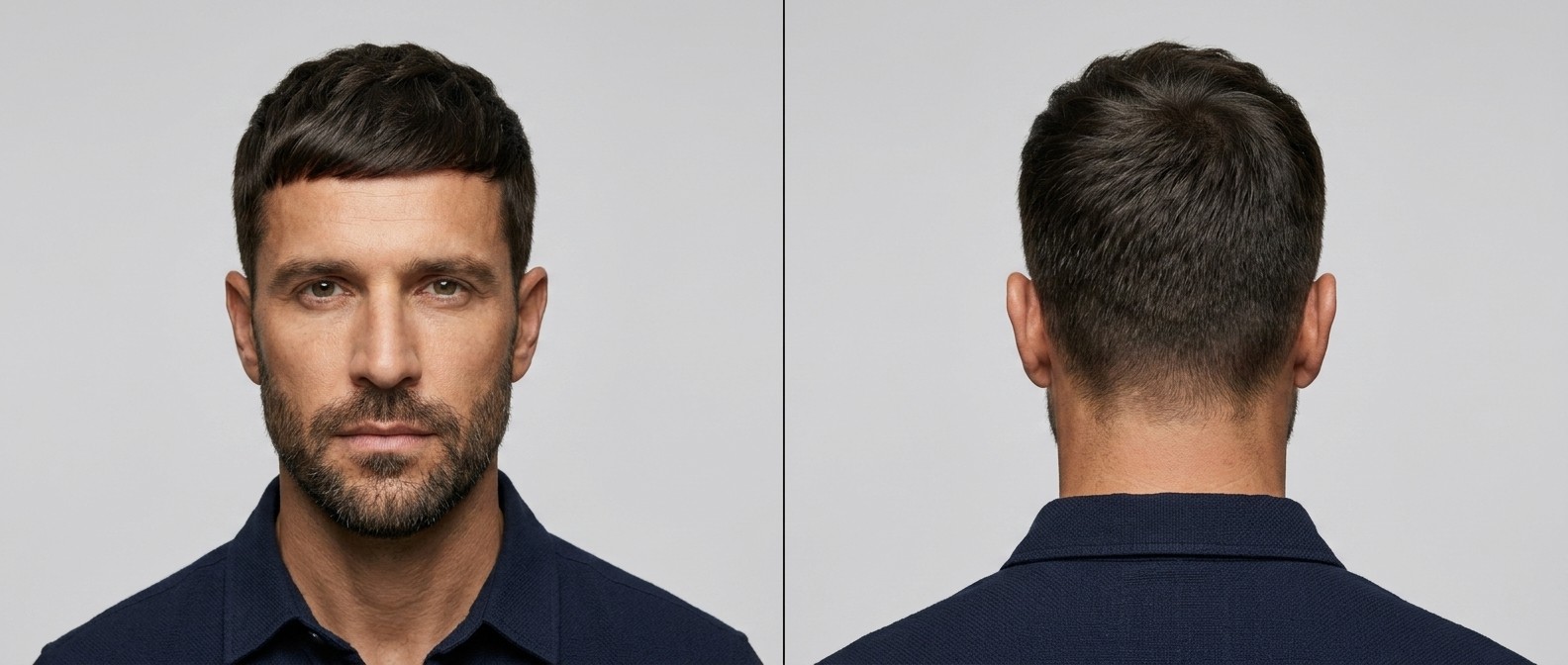
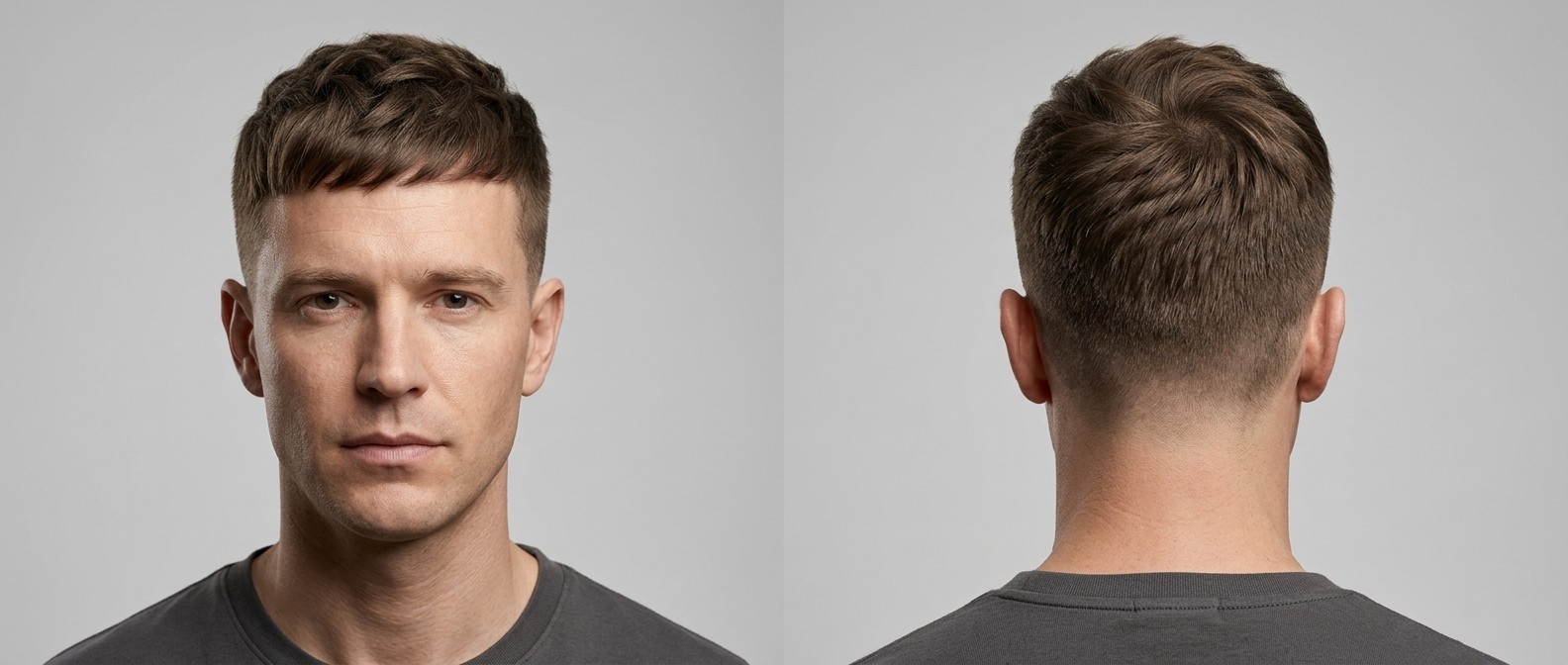
The French crop is a short men's hairstyle where the hair on top is cut to a uniform or slightly graduated length and brushed forward toward the forehead, creating a short, textured fringe. The sides and back are kept tight with a fade or taper, producing a clean, structured silhouette that draws attention to the top and fringe area.
Don't confuse the French crop with a Caesar cut — while both feature forward-styled hair, the French crop typically has more texture and variation in length on top, and the fringe can be styled in different ways. The French crop also tends to have more gradual blending on the sides compared to the Caesar's often blunt, uniform approach.
This is one of those hairstyles that looks far more considered than the effort it requires. The cut itself does most of the work — a well-executed French crop almost styles itself, which is a major part of its appeal for men who want to look polished without spending time in front of the mirror every morning.
Who Should Get a French Crop?
The French crop is an excellent choice for a surprisingly wide range of men. It's particularly well-suited for those with oval, square, or heart-shaped faces. The forward fringe softens a strong forehead and creates a balanced frame for angular features. Men with round faces can also wear it well, especially with a higher fade on the sides to add vertical dimension.
One of the French crop's best-kept advantages is how well it works for thinning hair. Because the hair is styled forward and kept short, it naturally covers areas where density is decreasing. The textured top disguises thin spots far better than longer styles that expose the scalp. If your hairline is receding, the fringe can be adjusted to work with — rather than against — your natural hair pattern.
- Thinning hair — forward styling conceals loss of density naturally
- Receding hairline — the fringe masks the hairline effectively
- Thick hair — texturizing prevents the top from looking bulky
- Straight or wavy hair — both create clean, well-defined fringe lines
- Busy lifestyles — minimal daily styling required
How to Style a French Crop
Styling a French crop takes about 2 minutes on a typical morning. After washing or wetting your hair, towel-dry it and work a small amount of matte paste or clay through the top section. Use your fingers to push the hair forward toward your forehead, creating the signature fringe.
For a more textured finish, separate the fringe into small pieces by pinching and pulling sections forward individually. This creates a modern, piece-y look rather than a solid, blunt fringe. If you prefer a cleaner look, use a fine-tooth comb to brush the top forward smoothly, then apply a light finishing product to keep everything in place.
The key product choice is a matte clay or paste with medium hold. Avoid anything with high shine — the French crop looks best with a natural, matte finish. You generally don't need a blow dryer, but if your hair tends to stick up at the crown, a quick blast of heat while brushing forward can train it into position.
What to Tell Your Barber
Ask for a French crop with 1.5 to 2.5 inches on top, depending on how much fringe you want. The top should be slightly longer at the front and shorter toward the crown, creating natural forward movement. For the sides, request a fade starting at a #0.5 to #1 guard at the bottom, blending gradually into the top.
The fringe is the signature element, so discuss it specifically. Do you want it straight across, slightly choppy, or textured and piece-y? Straight creates a cleaner, more classic look. Textured gives a modern, casual feel. Ask your barber to texturize the top with point-cutting to add movement, especially if you have thick hair that tends to sit heavy and flat.
Maintenance Schedule
The French crop is a low-maintenance style, but it does require consistent trims to stay sharp. Because the hair is short, even small amounts of growth change the look significantly. Plan on barber visits every 3 to 4 weeks — slightly more frequent than longer styles because there's less room for growth before the shape breaks down.
Between cuts, daily upkeep is minimal. A dab of product and 30 seconds of finger-styling is genuinely all you need most mornings. Wash your hair regularly but not necessarily daily — every other day keeps the natural texture that helps the crop look its best. If you work out daily, a quick rinse without shampoo on non-wash days keeps things fresh without stripping oils.
French Crop Variations
The textured French crop is the most popular modern version, featuring a choppy, piece-y fringe with visible texture throughout the top. The classic French crop keeps things smoother and more uniform — a cleaner, more traditional approach. The long French crop extends the fringe further down the forehead and adds length to the top, creating a slightly softer silhouette.
You can also vary the sides significantly. A skin fade creates a sharp, high-contrast look that emphasizes the top. A mid fade is the most versatile option, balancing contrast with subtlety. A low fade or taper produces a more conservative, workplace-friendly result. Some men add a disconnection between the top and sides for a more editorial, fashion-forward feel, while others prefer a seamless blend for understated style.