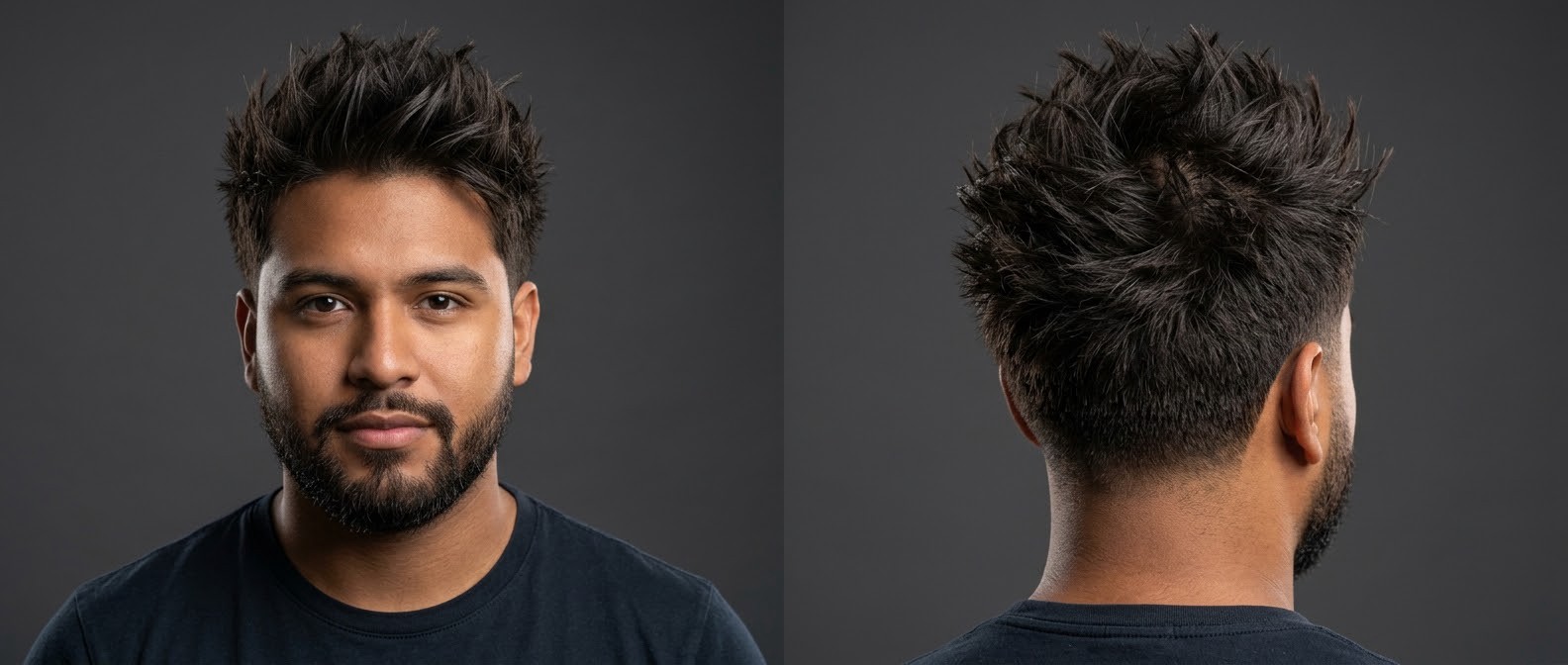
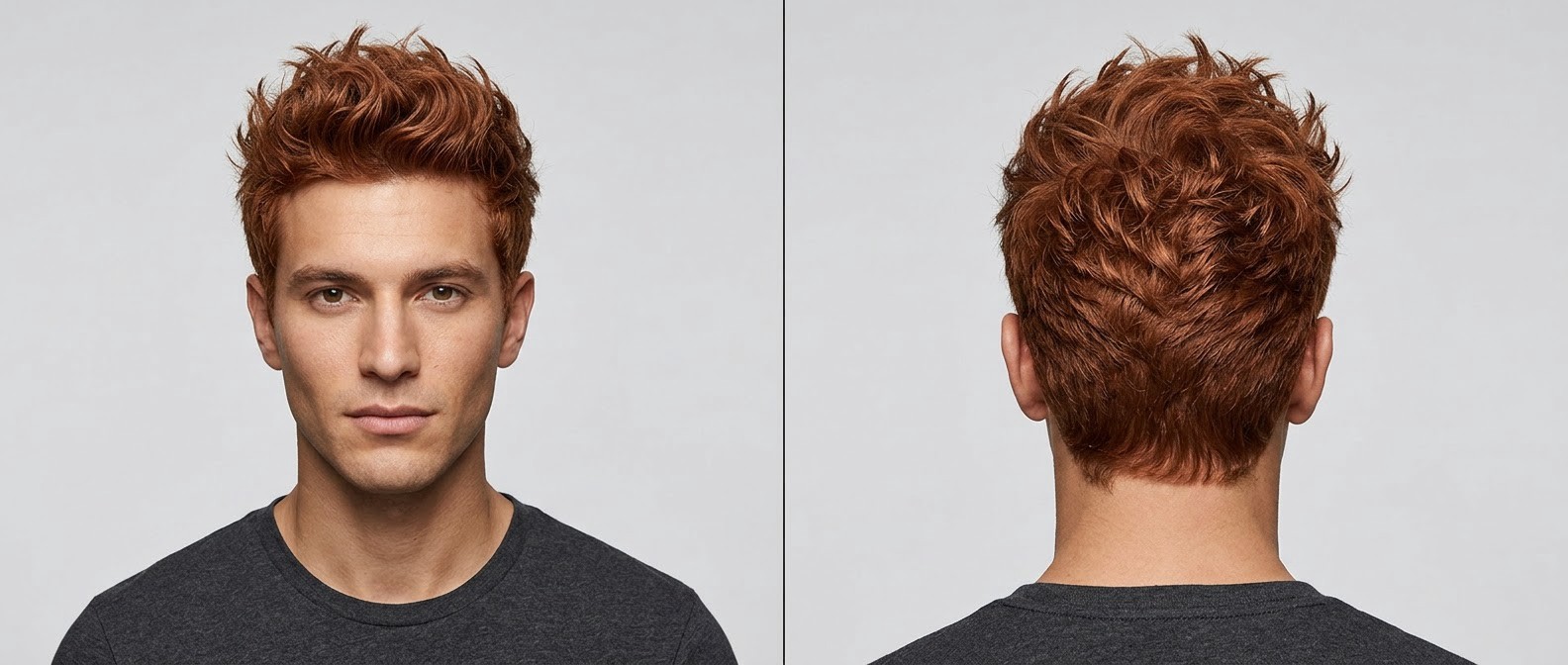
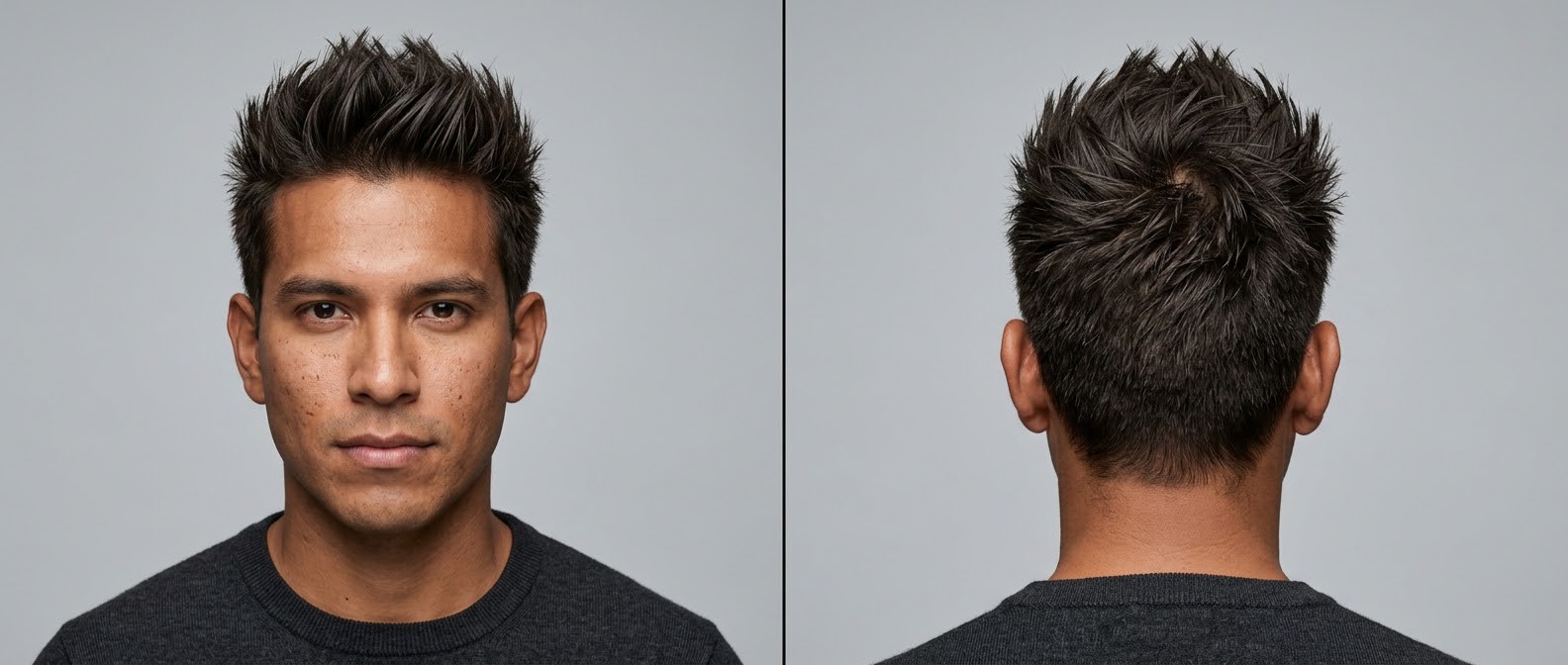
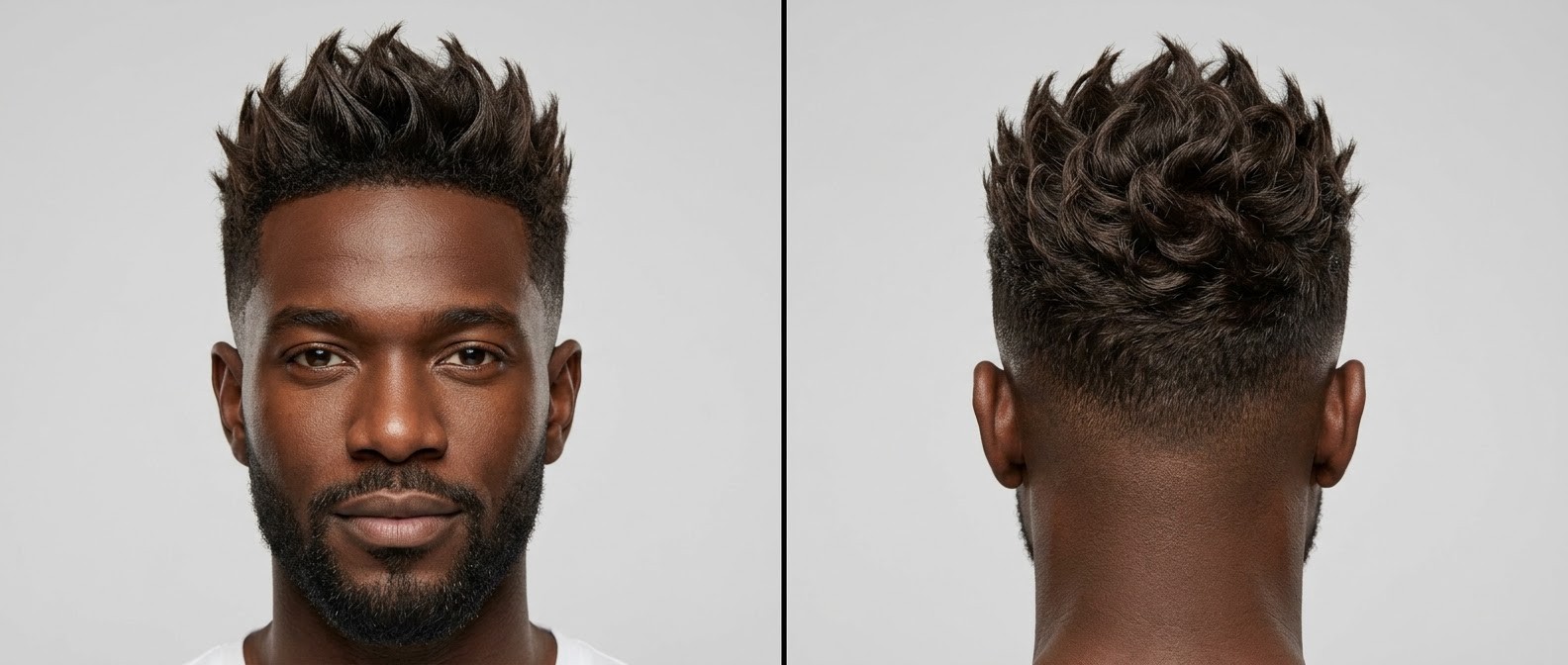


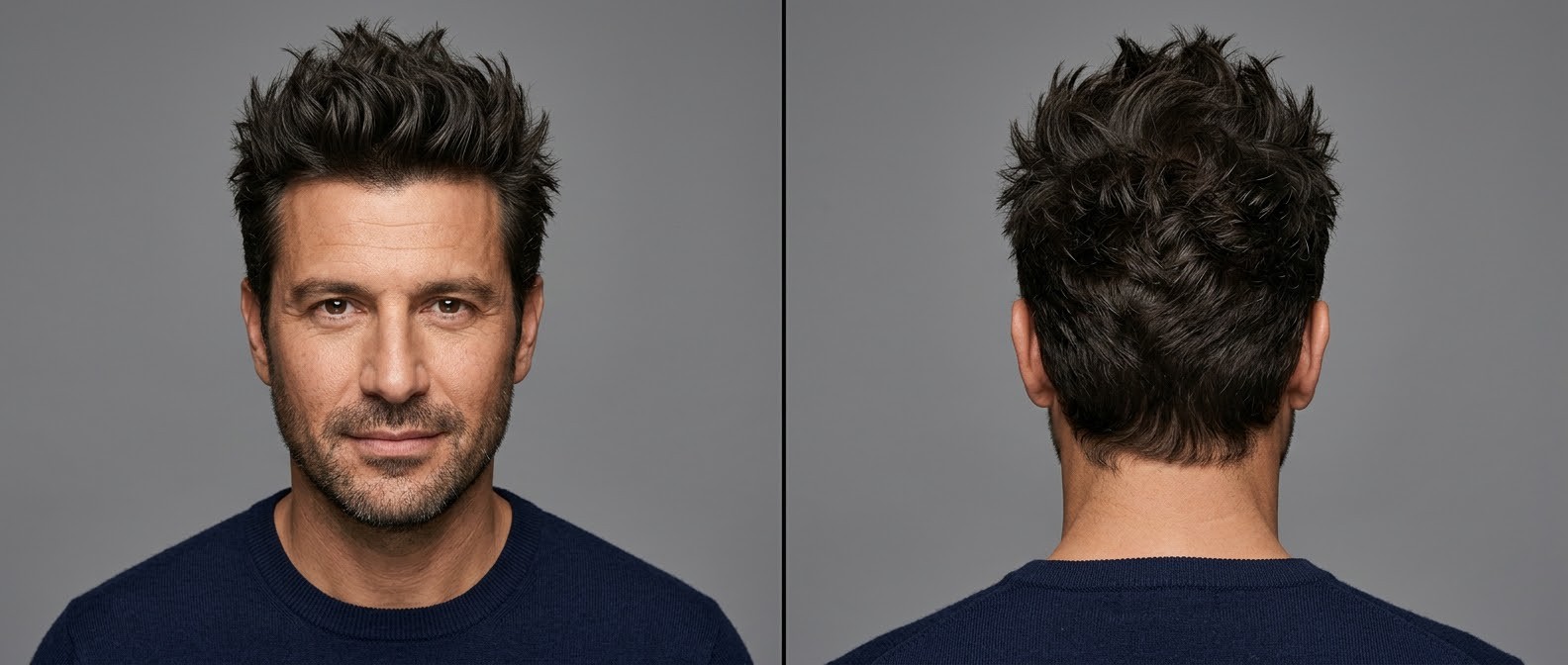
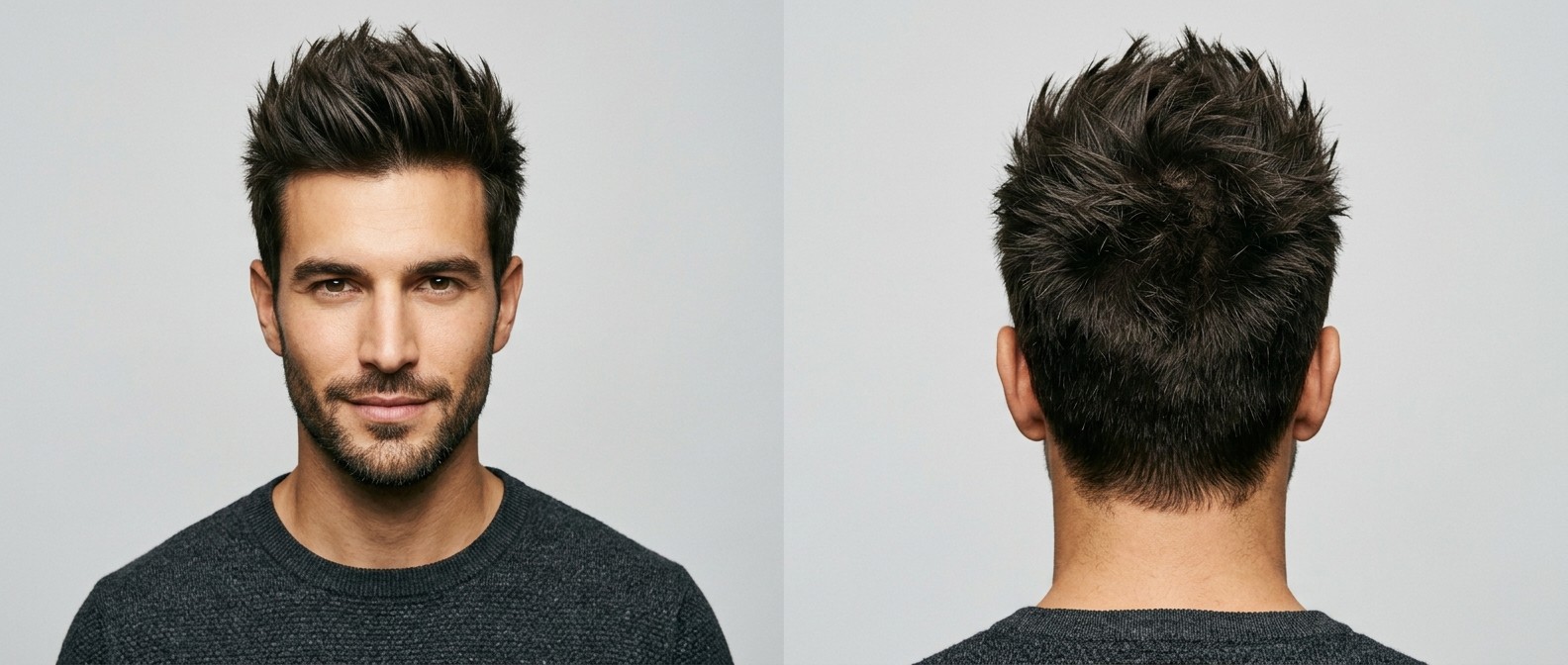
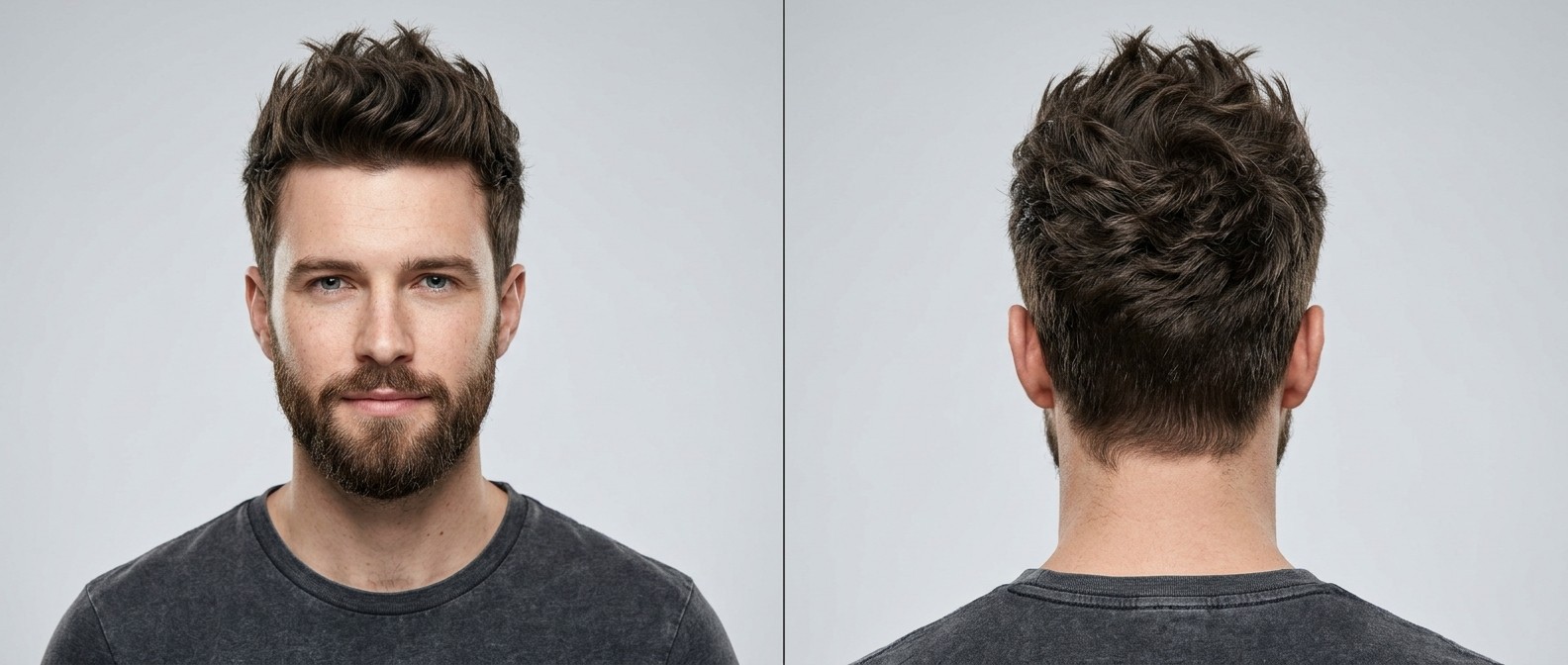
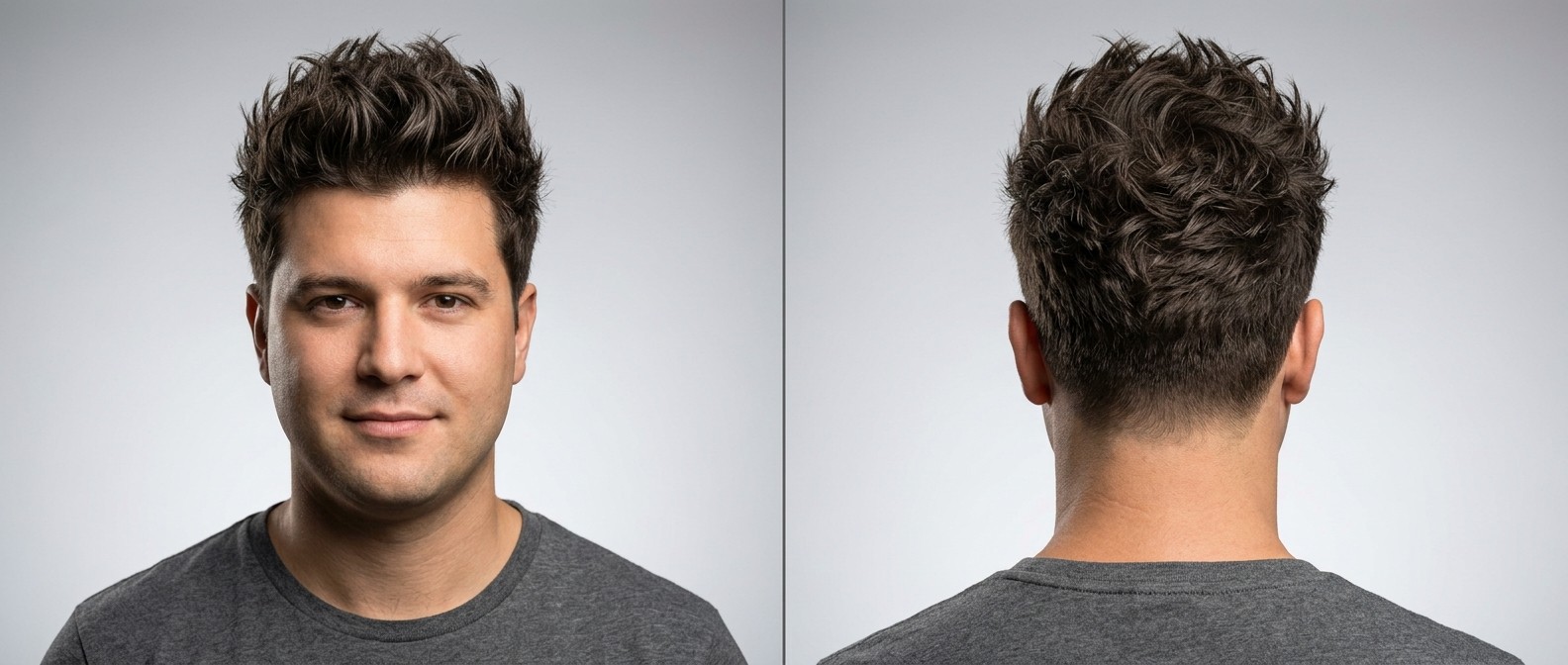
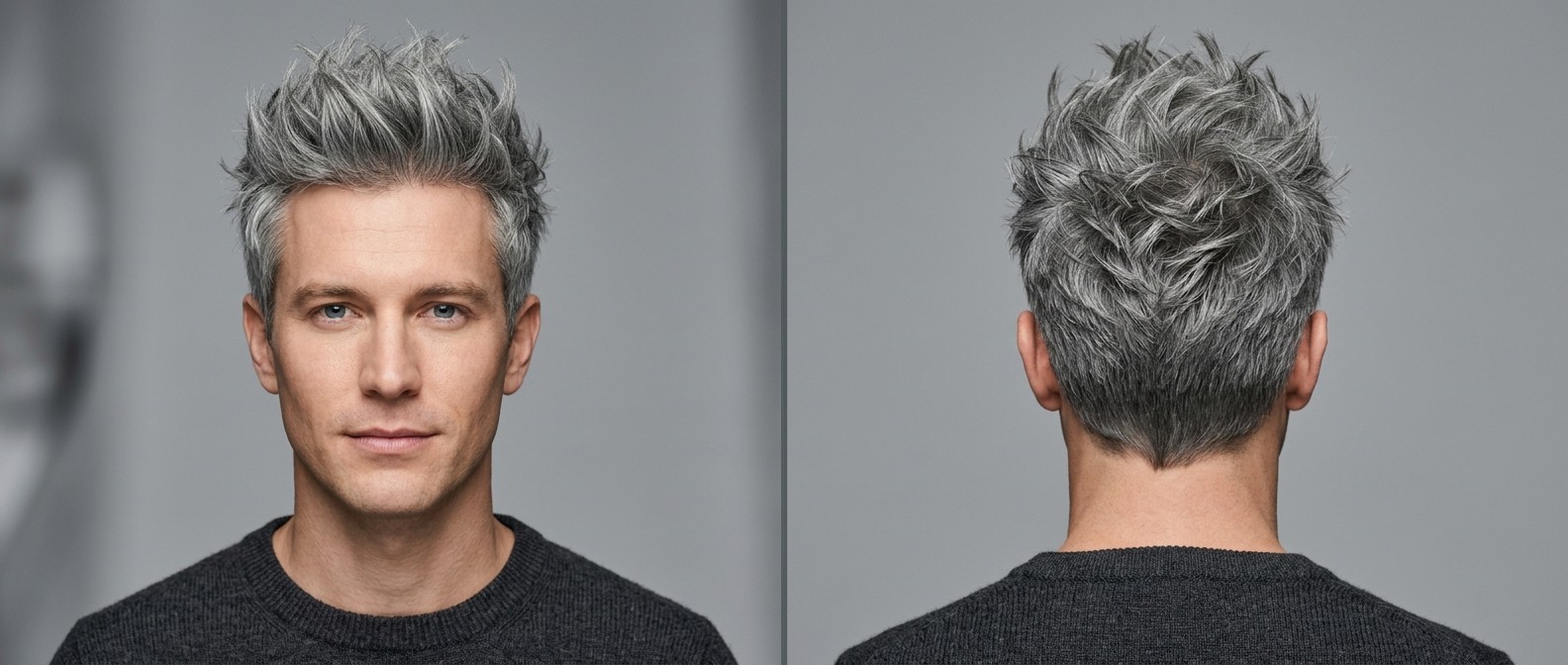
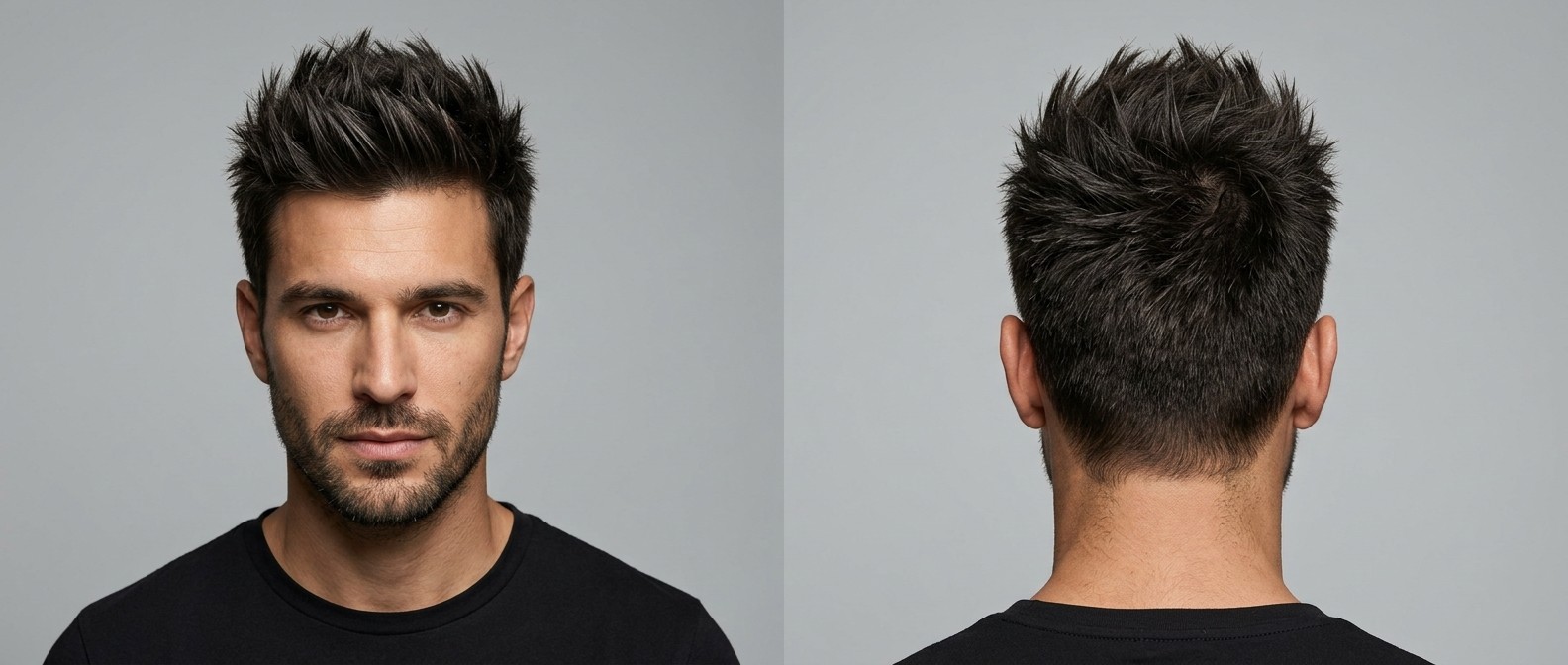
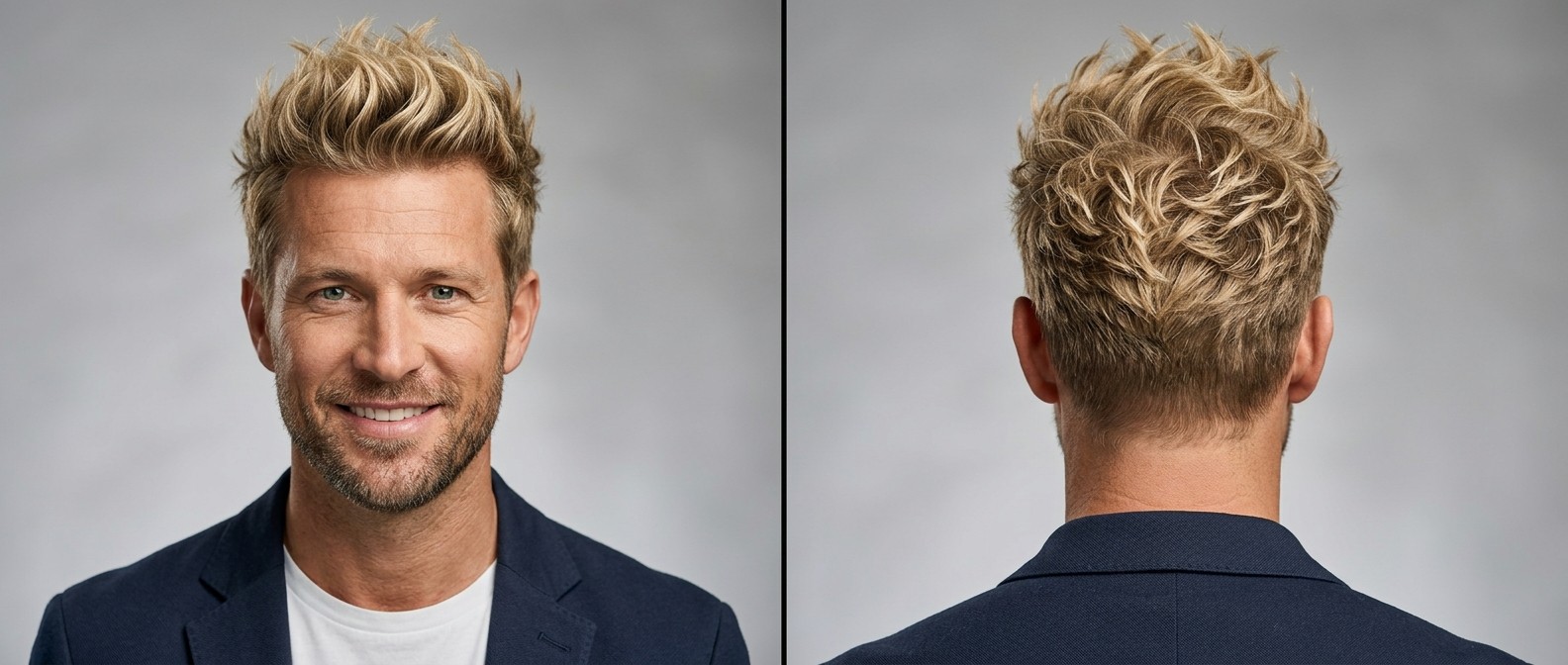
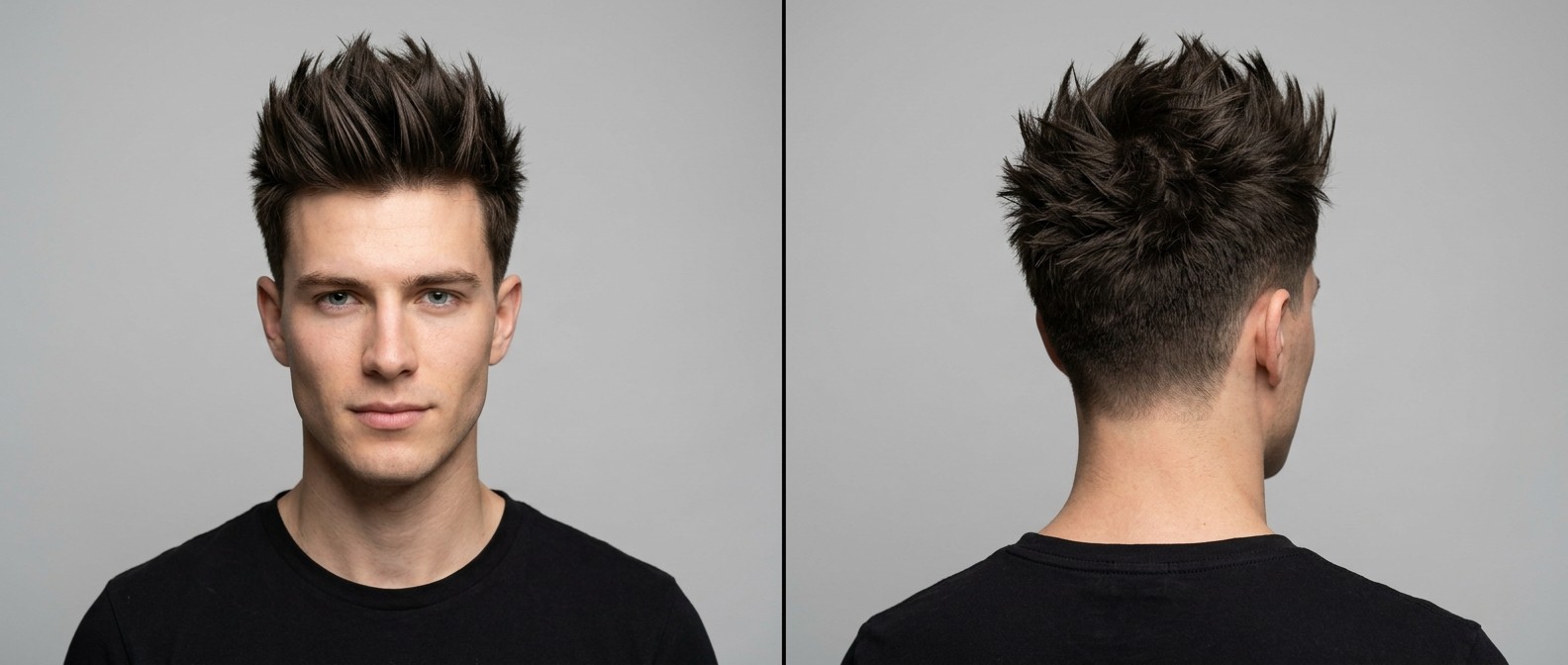
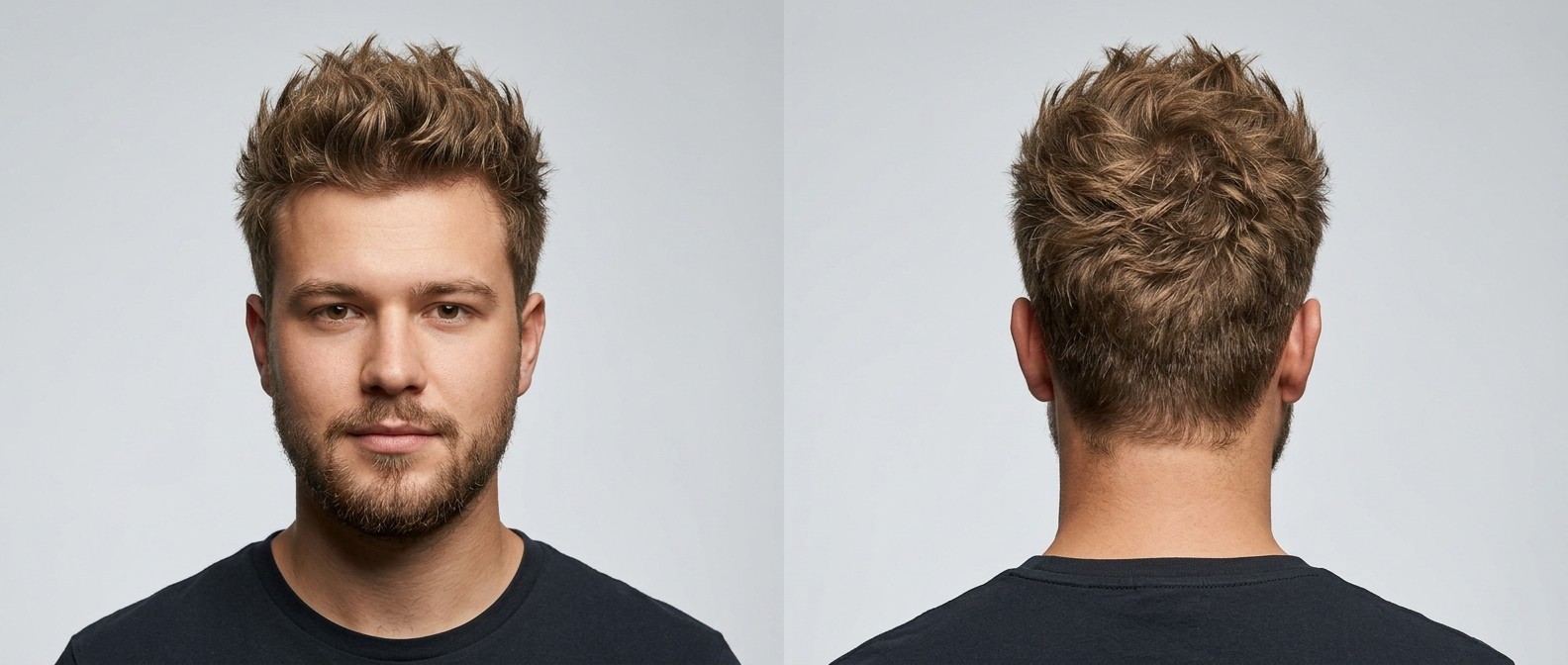
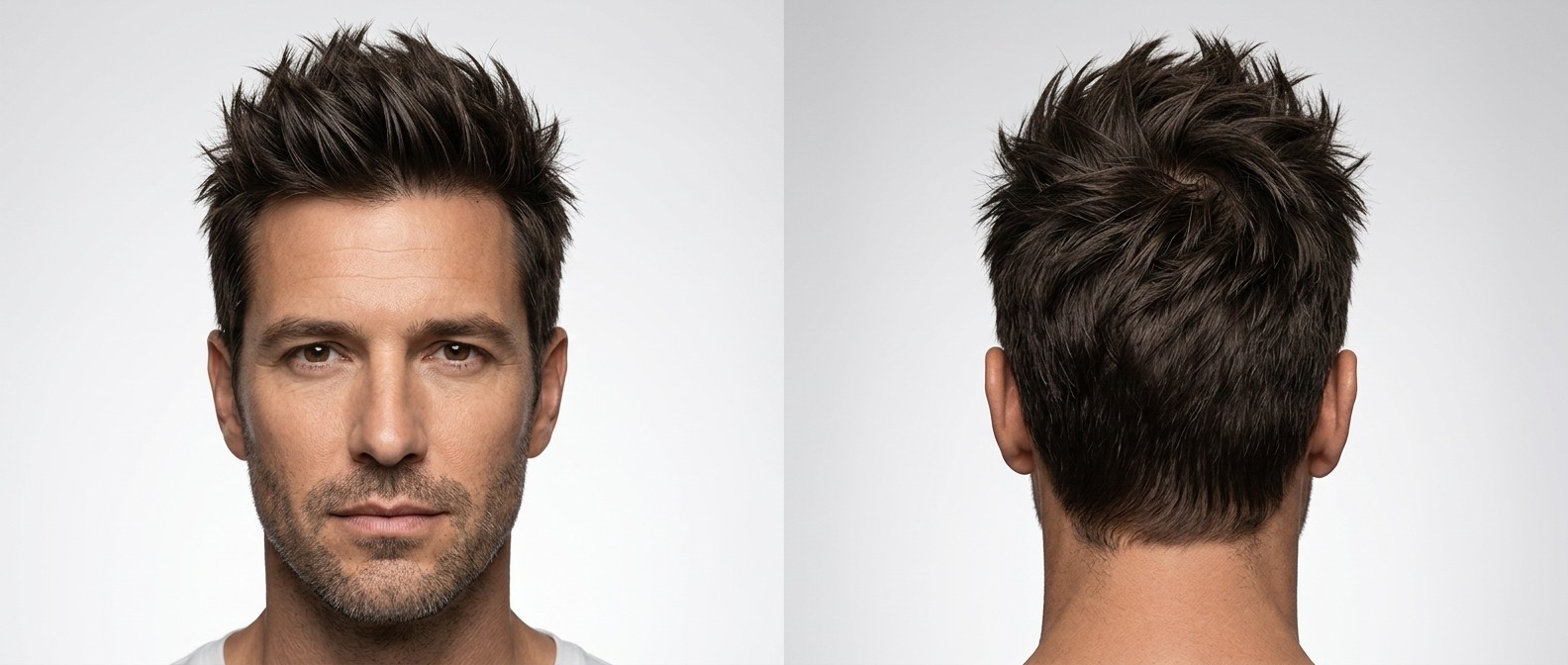
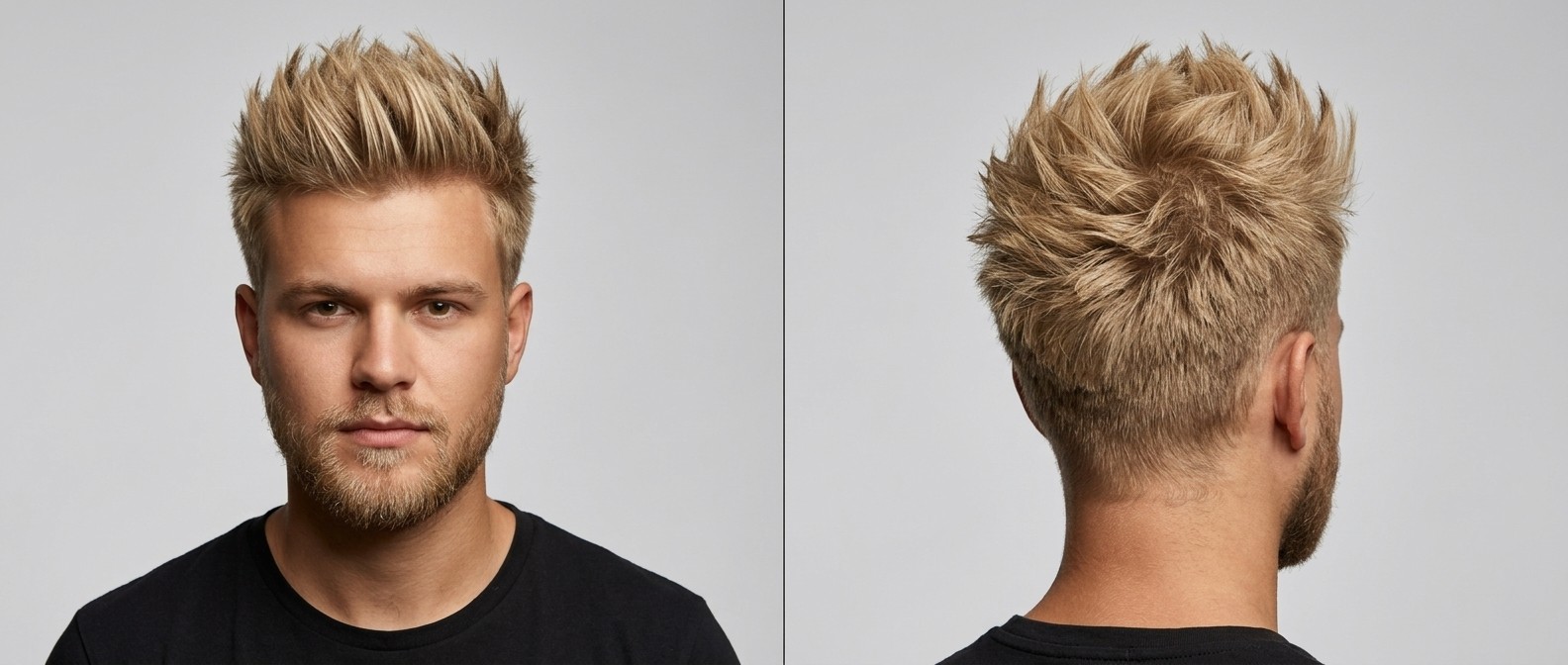
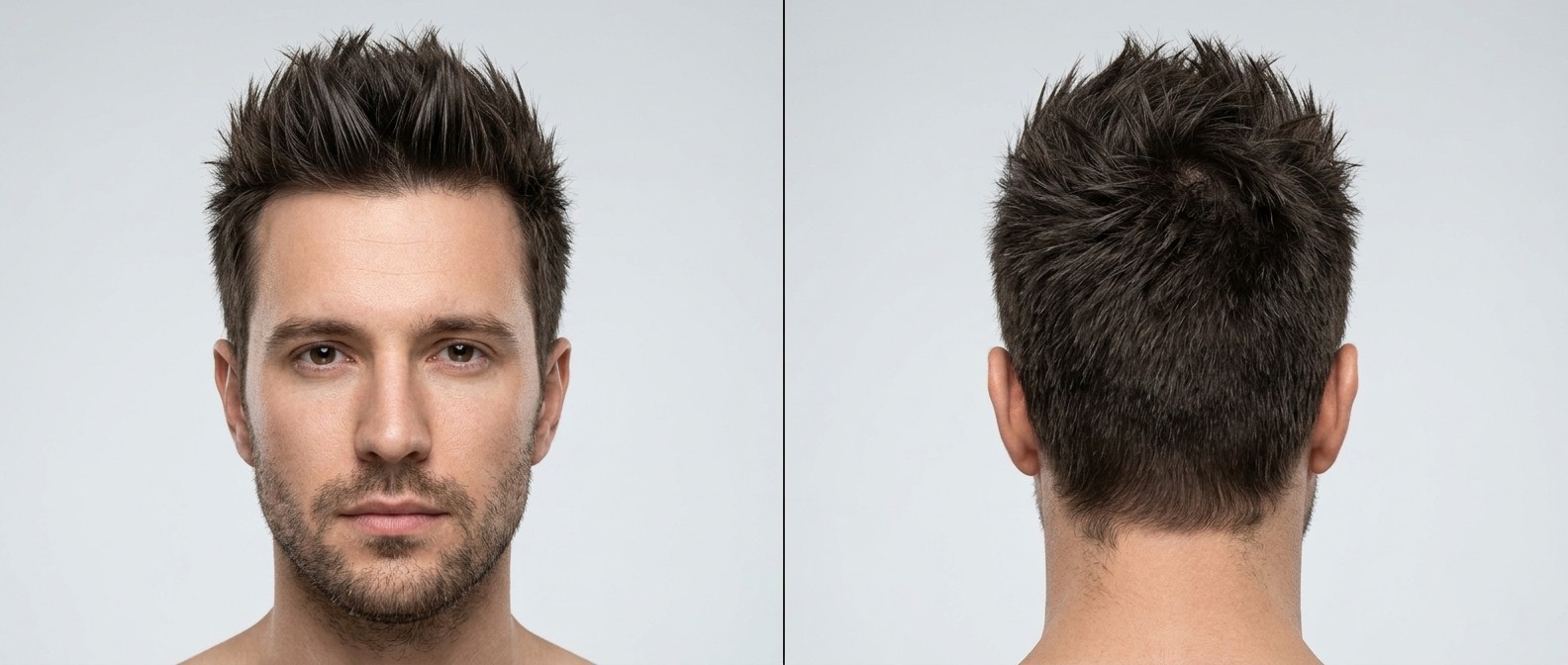
What Is Spiky Hair?
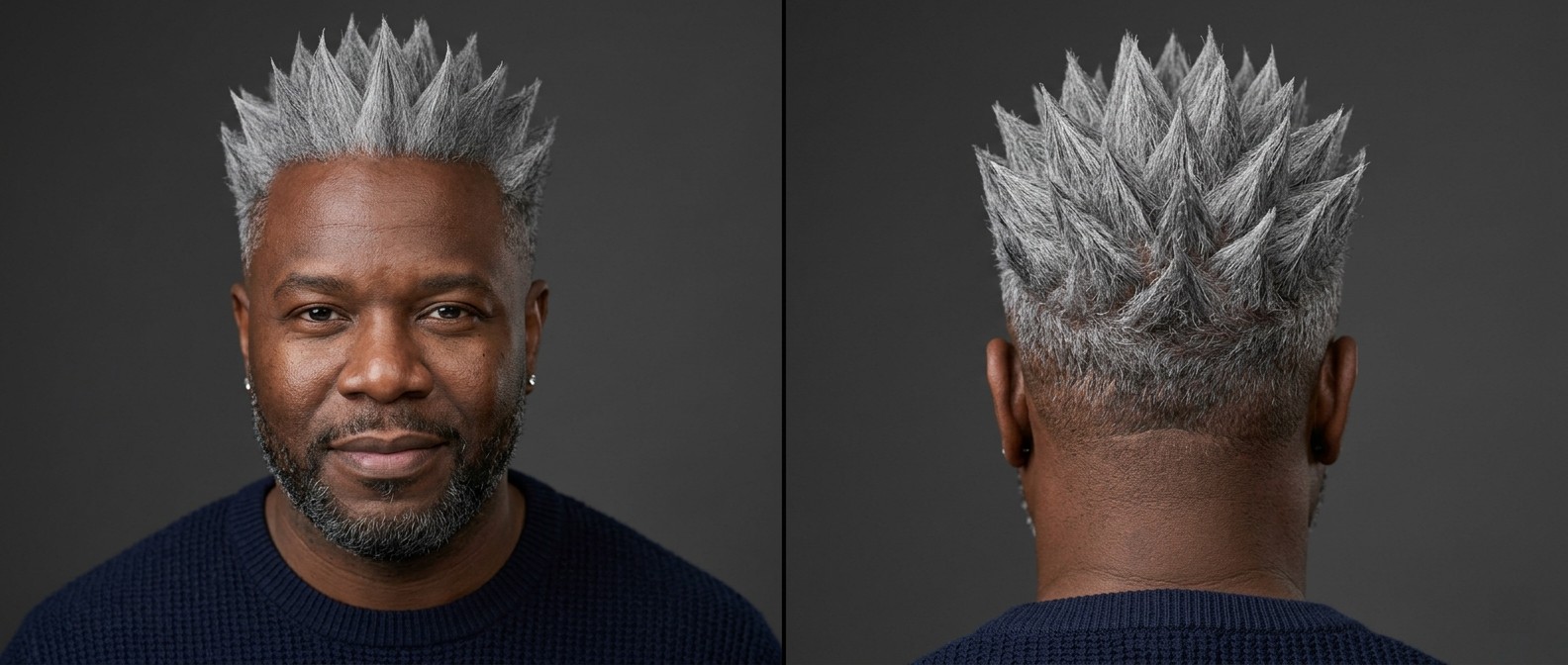
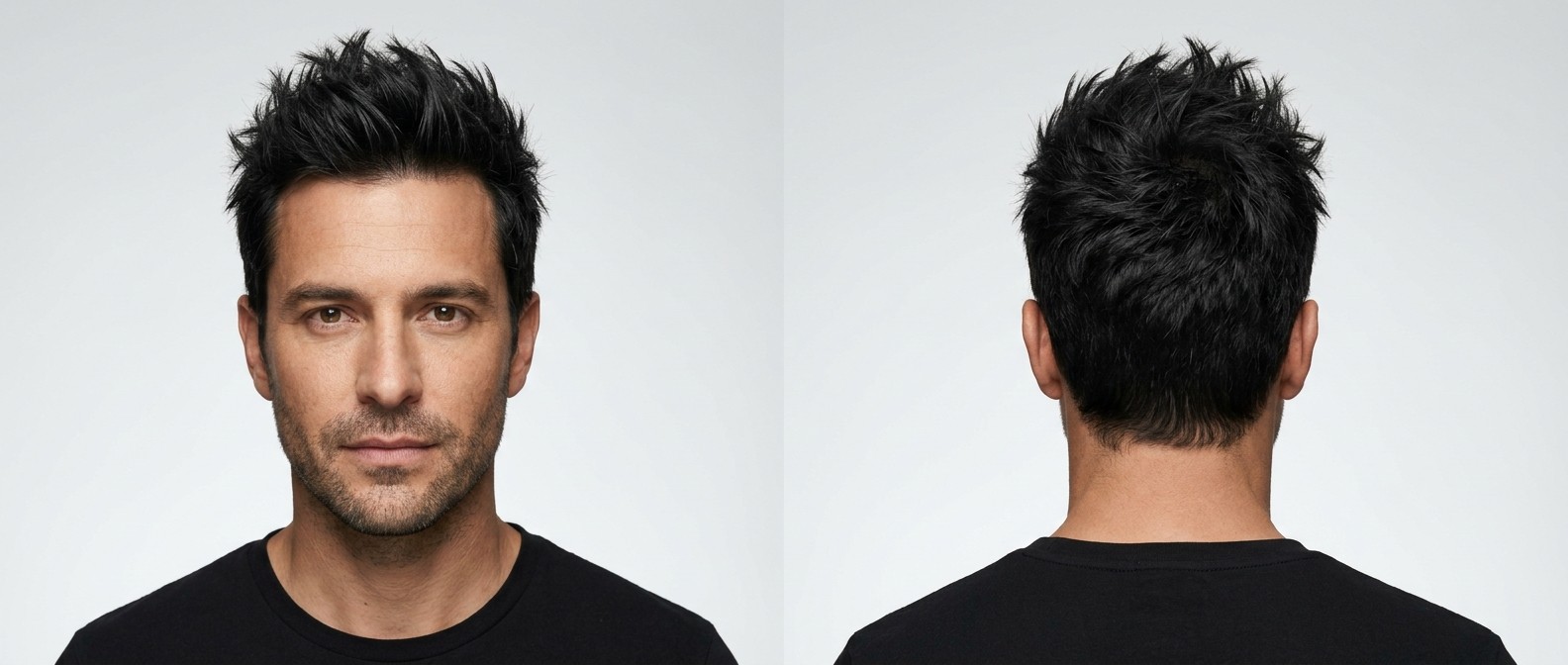
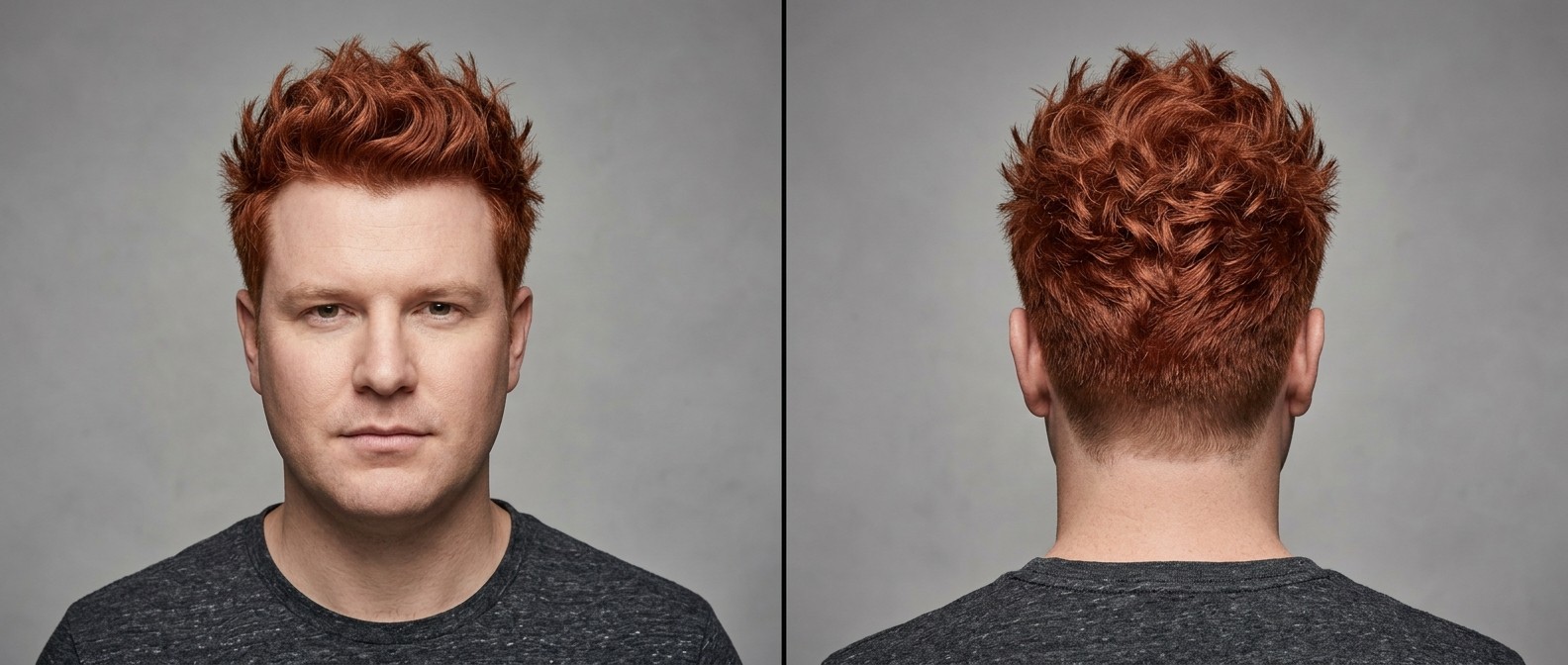
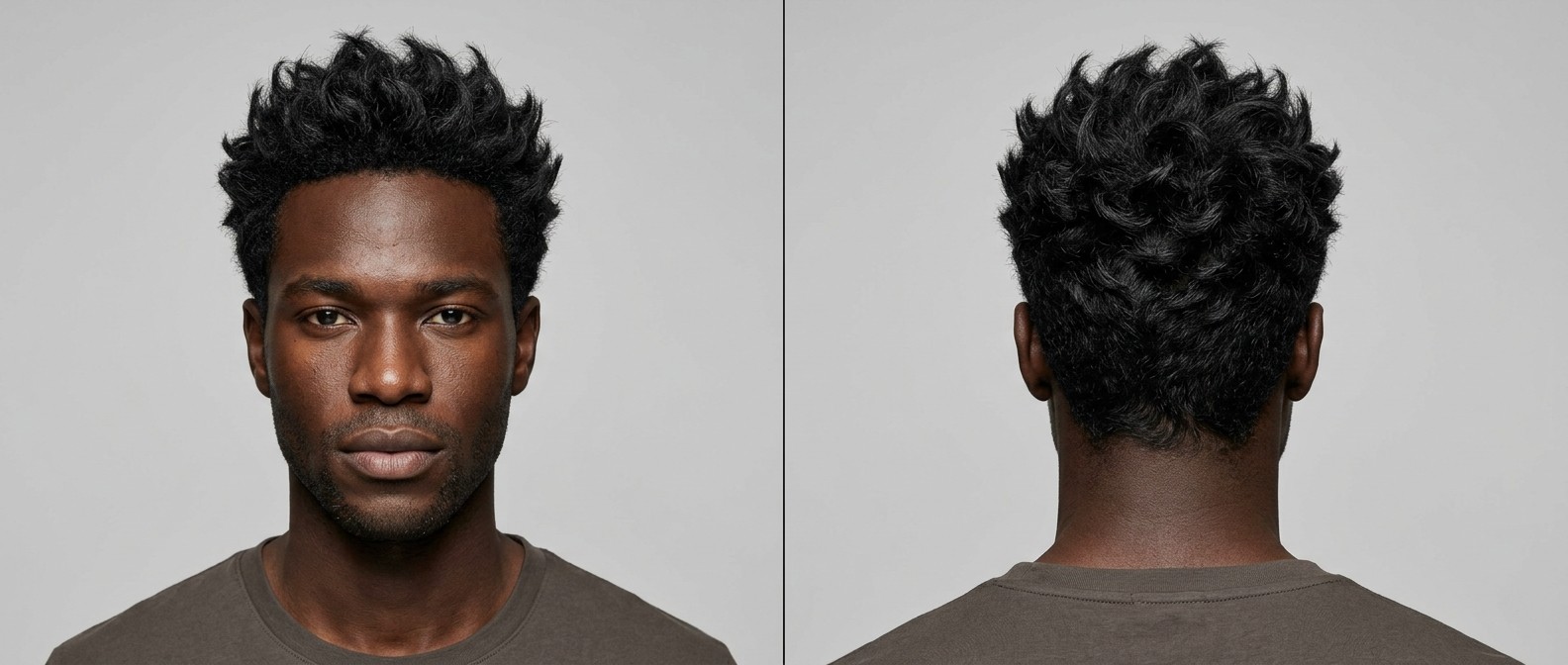
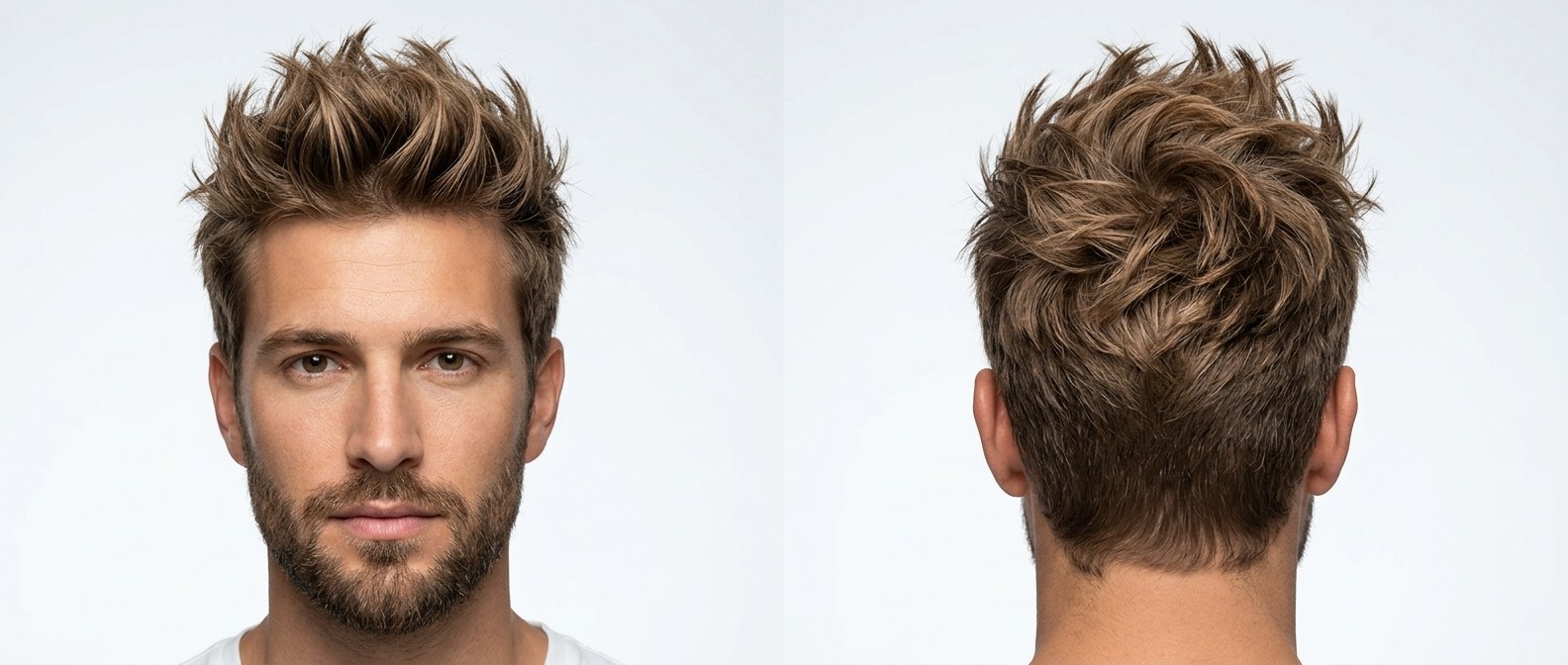
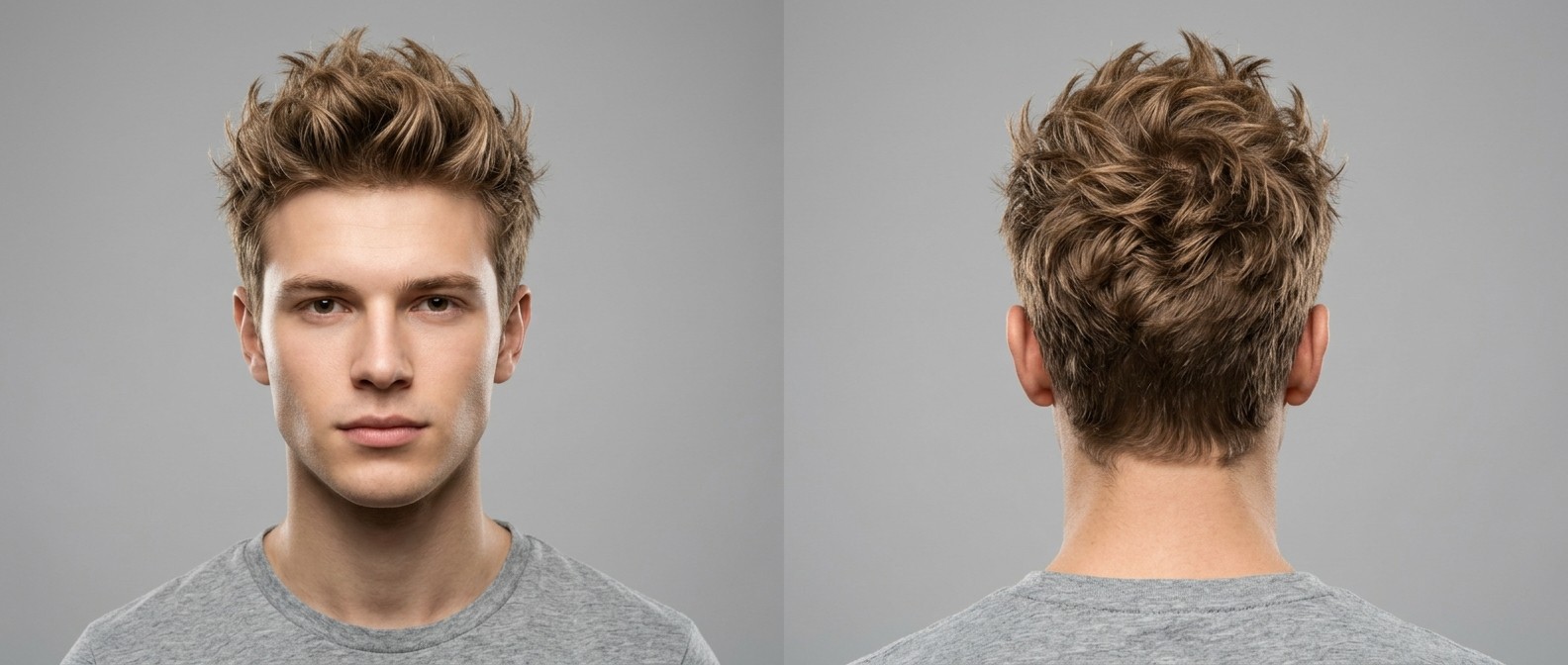
Spiky hair refers to any hairstyle where the hair is styled upward into points, peaks, or textured projections. The defining characteristic is vertical lift — hair that defies gravity and creates an angular, dynamic silhouette. The spikes can range from subtle, barely-there texture to dramatic, defined points that stand several inches tall.
The spiky hair trend has roots in punk rock culture of the 1970s, where extreme spikes made with soap, glue, or egg whites were a form of rebellion. By the late 1990s, the look had been commercialized into a mainstream style, with boy bands and pop-punk musicians sporting frosted, gelled spikes that defined an entire generation's aesthetic. Brands rushed to create extra-strong gels and waxes specifically designed for spike-and-hold styling.
Today, spiky hair has matured. The modern interpretation favors textured, piece-y spikes created with matte products rather than the wet, crunchy, uniform spikes of the Y2K era. This evolution has kept the style relevant and wearable for a much broader audience.
Who Should Get Spiky Hair?
Spiky hair is one of the most adaptable styles because the degree of spikiness can be adjusted to suit almost anyone. That said, it works especially well for:
- Men with thick, straight hair — this hair type holds spikes most naturally and requires less product
- Round face shapes — the vertical emphasis of spikes elongates the face for a more balanced look
- Younger men and teens — spiky hair reads as youthful and energetic
- Men with fine hair — short spiky cuts can create the illusion of thickness and density
- Active lifestyles — properly set spikes hold through physical activity better than many other styles
If you have curly or wavy hair, you can still achieve a spiky look, but you'll need to work with your natural texture. Curly spikes create a unique, interesting variation that differs from the classic straight-hair version.
How to Style Spiky Hair
The key to great spiky hair is choosing the right product and application technique. Start with clean, towel-dried hair that's slightly damp. Here's your step-by-step guide:
For textured, modern spikes: apply a small amount of matte clay or fiber paste between your palms, rub them together, and work the product through your hair from roots to tips. Use your fingertips to pinch and pull sections upward, creating irregular, natural-looking peaks. Finish with a light mist of flexible-hold hair spray to lock the shape without stiffness.
For more defined, structured spikes: use a strong-hold gel or styling glue on damp hair. Apply it section by section, pulling each spike upward and twisting slightly at the tip to create a point. Use a blow dryer on each spike to set it in place. This gives you the classic spiky look with more precision and hold.
Pro tip: less product is usually more. You can always add more, but over-applying creates a heavy, greasy look that weighs spikes down rather than lifting them up.
What to Tell Your Barber
A good spiky haircut starts with the right foundation cut. Here's what to communicate:
- Top length — 1.5 to 3 inches is the sweet spot for most spiky styles, shorter for subtle texture, longer for dramatic spikes
- Side length — typically a #2 to #4 guard, shorter than the top but not necessarily a skin fade
- Texturizing — ask your barber to point-cut or razor-cut the tips for easier spiking and more natural movement
- Weight removal — if you have thick hair, thinning shears on the top helps spikes form more easily
- Crown area — make sure the crown isn't too long or heavy, as this is where spikes tend to collapse first
Explain your styling intent to your barber. The cut for textured, messy spikes is different from the cut for precise, defined spikes. Your barber can adjust the layering and texturizing accordingly.
Maintenance and Products
Spiky hair requires daily styling but relatively infrequent barber visits. You'll spend 3-5 minutes each morning on styling, but the cut itself stays workable for 4-6 weeks before needing a trim. The sides will need attention sooner, so a quick clipper touch-up at 3 weeks keeps things proportional.
Build a small product collection: a matte clay or paste for everyday texture, a strong-hold gel for special occasions or windy days, and a flexible hair spray for finishing. Wash your hair daily or every other day to remove product buildup — spiky styles suffer when hair is weighed down by yesterday's wax. A lightweight, volumizing conditioner will keep your hair healthy without flattening it.
Spiky Hair Variations
The world of spiky hair extends well beyond a single look. The short textured spike is the most popular modern version — subtle, office-friendly, and effortlessly cool. The faux hawk spike concentrates the spikes along the center of the head for a mohawk-inspired silhouette. Messy spikes embrace a bedhead aesthetic with random, multidirectional texture. The liberty spikes are the punk extreme — tall, rigid, individually formed spikes that can stand six inches or more. And the spiky fringe keeps the front textured and spiked while the rest of the hair lies more naturally, offering a subtle nod to the style without full commitment.