

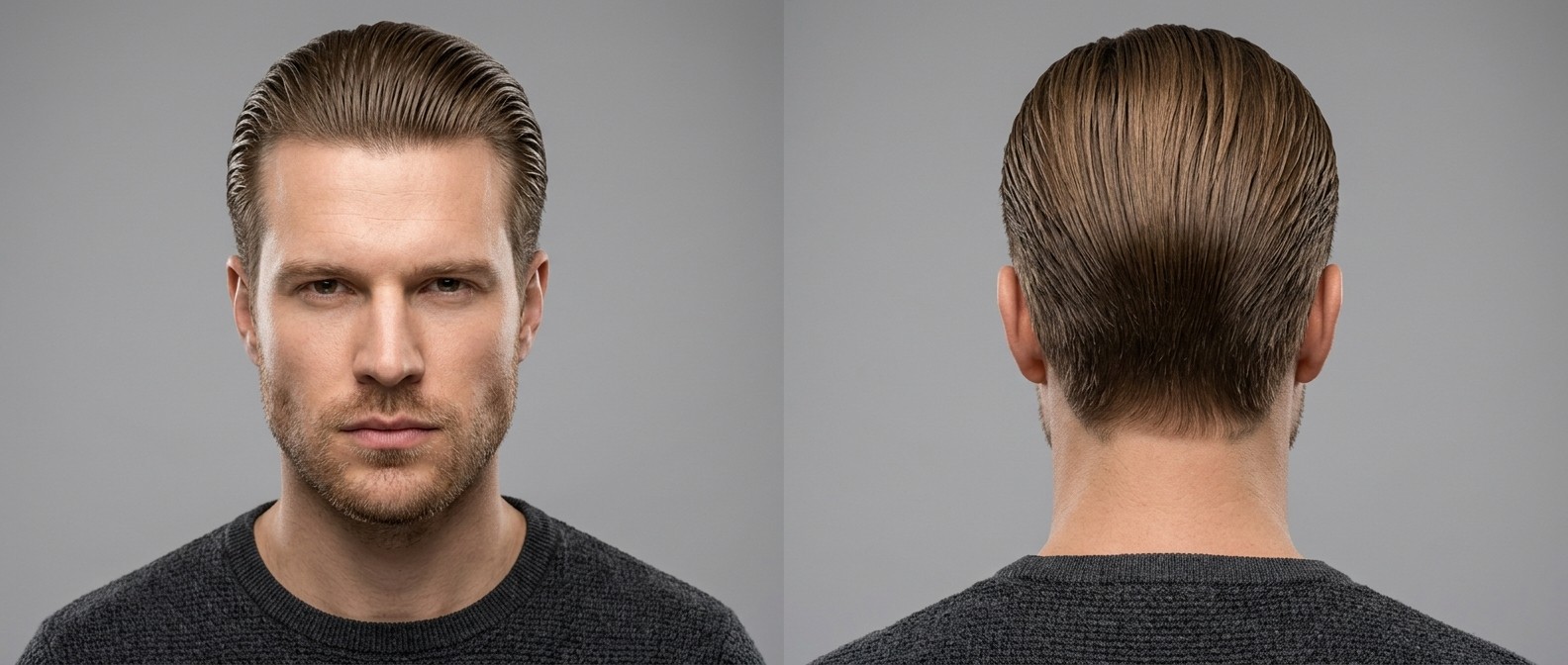
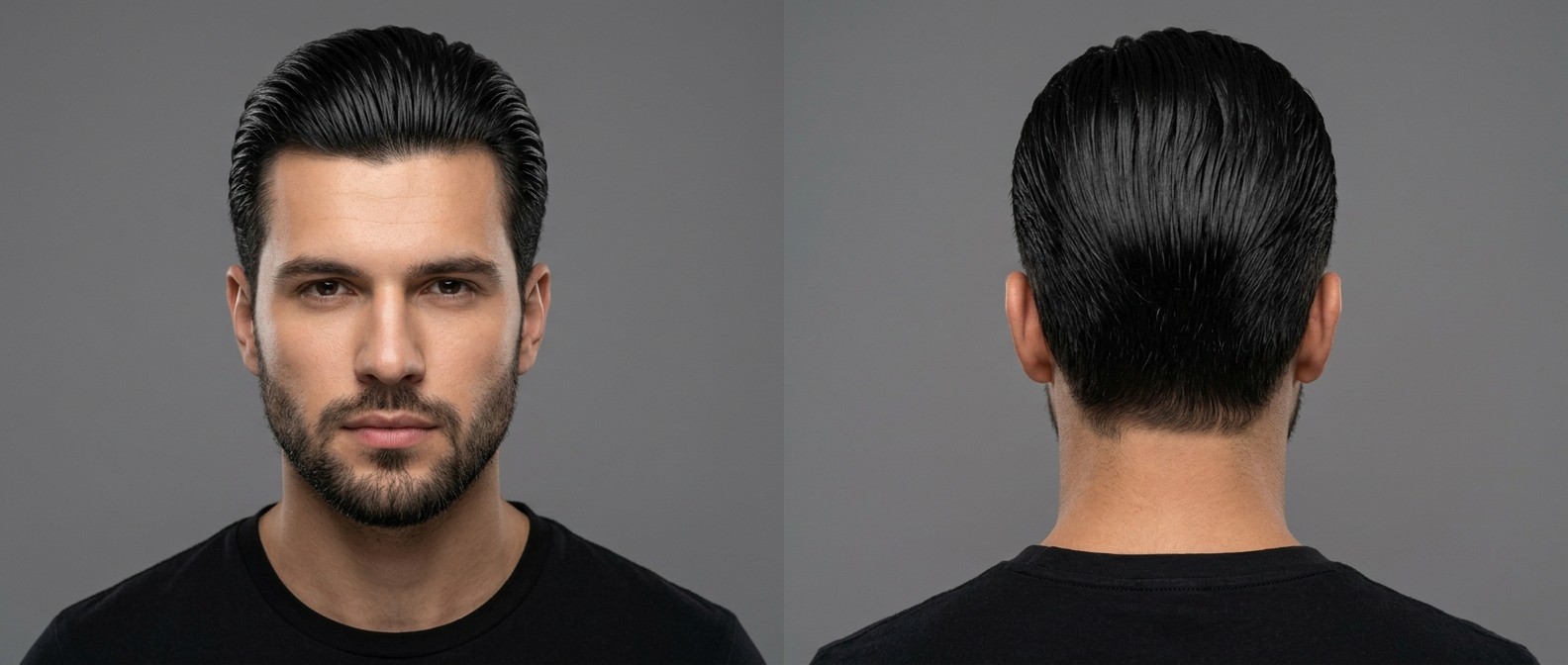
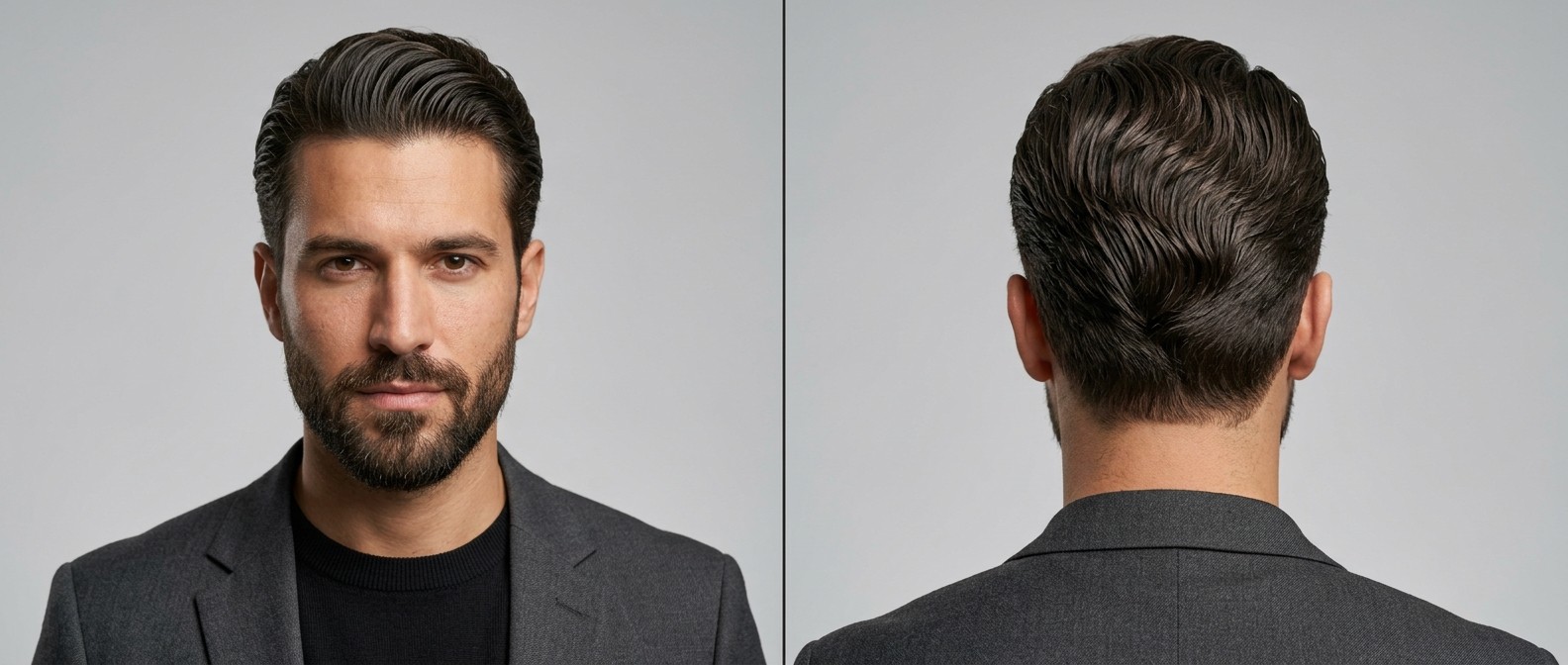
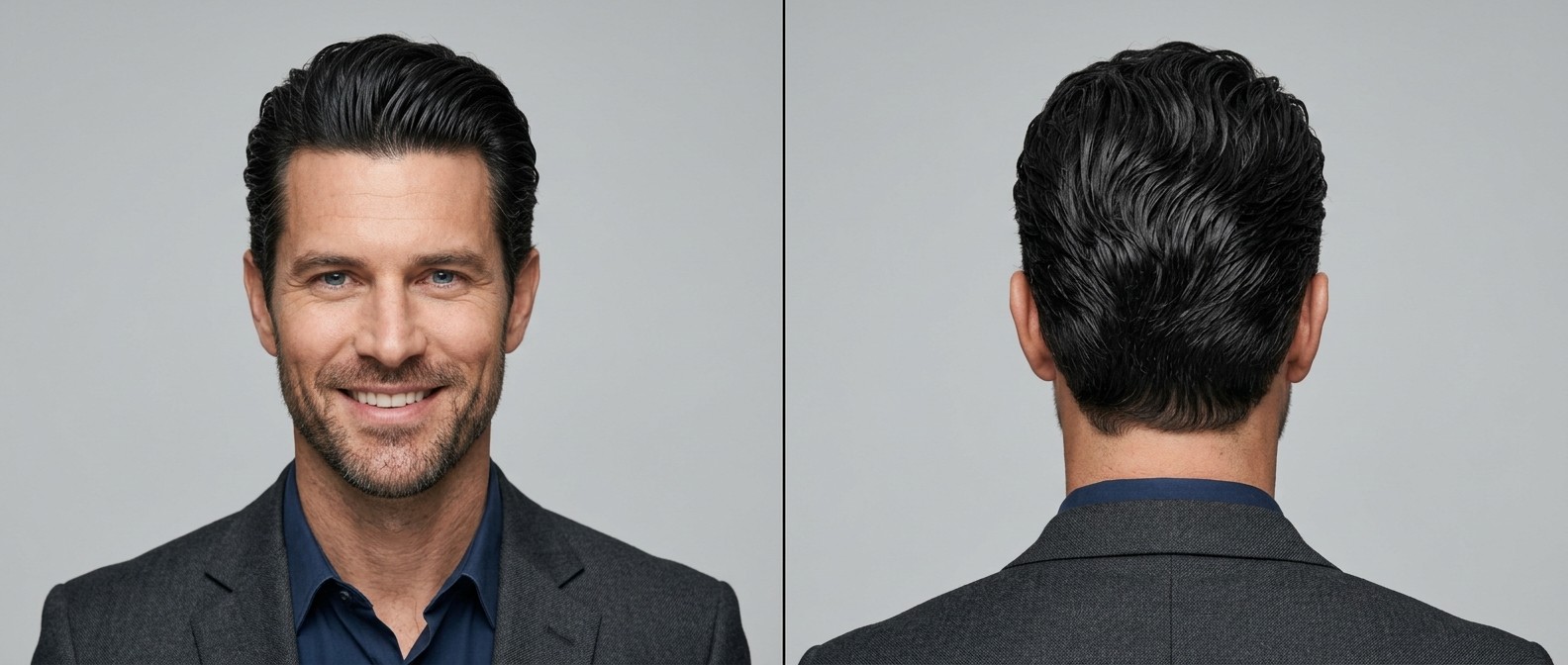
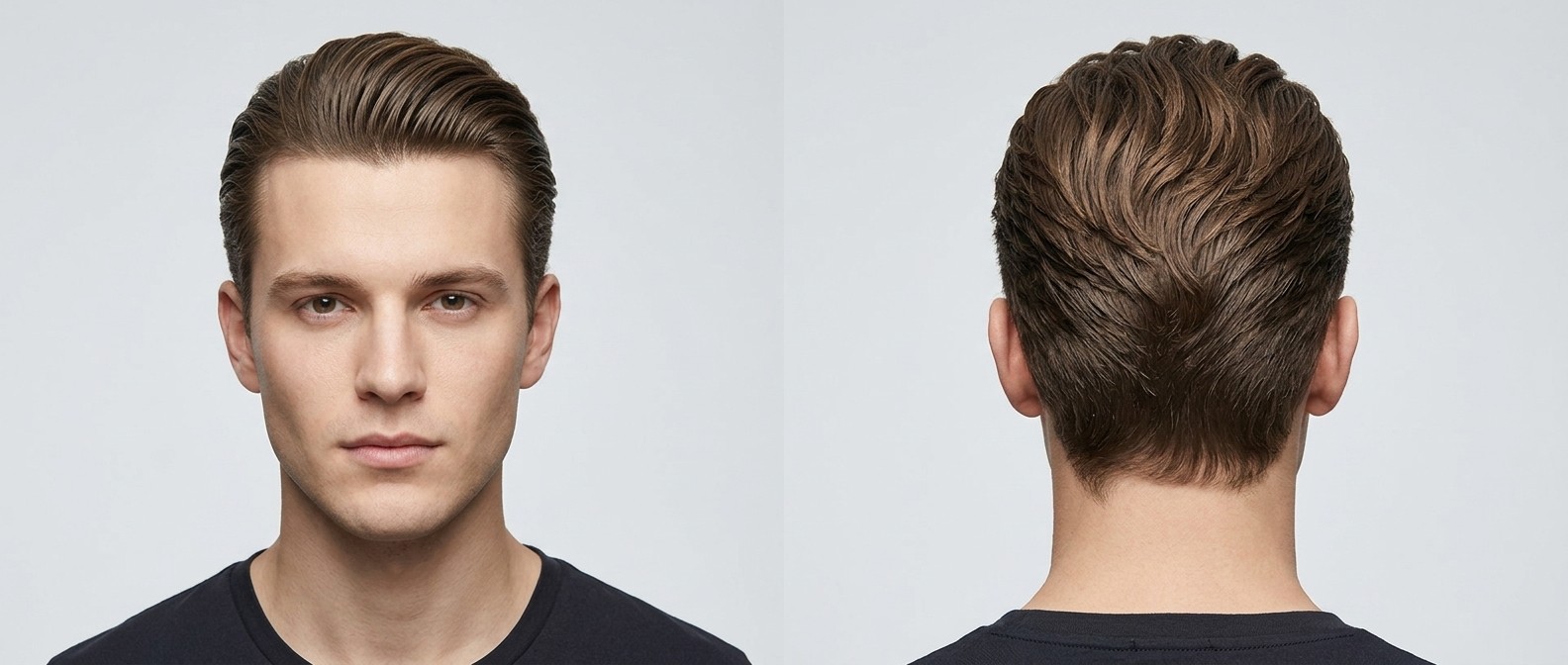
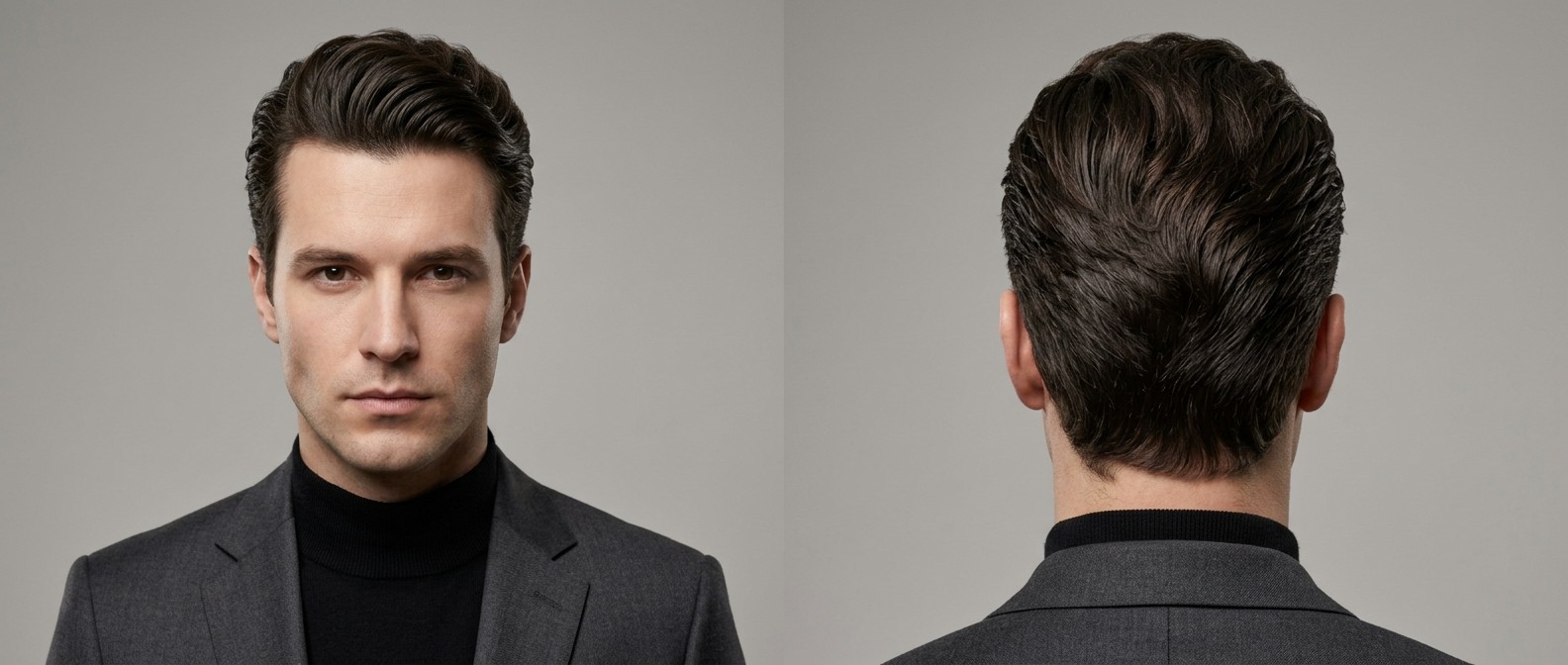
What Is a Slicked-Back Hairstyle?
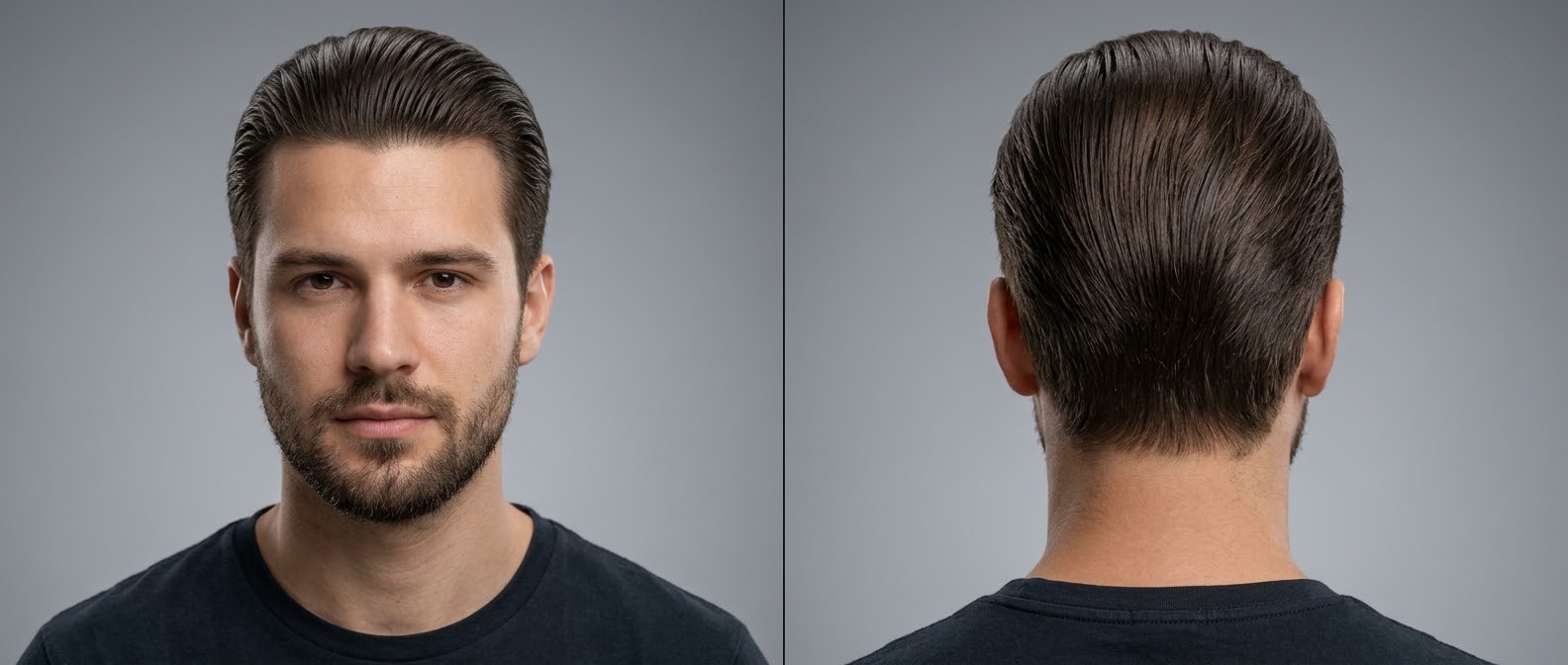
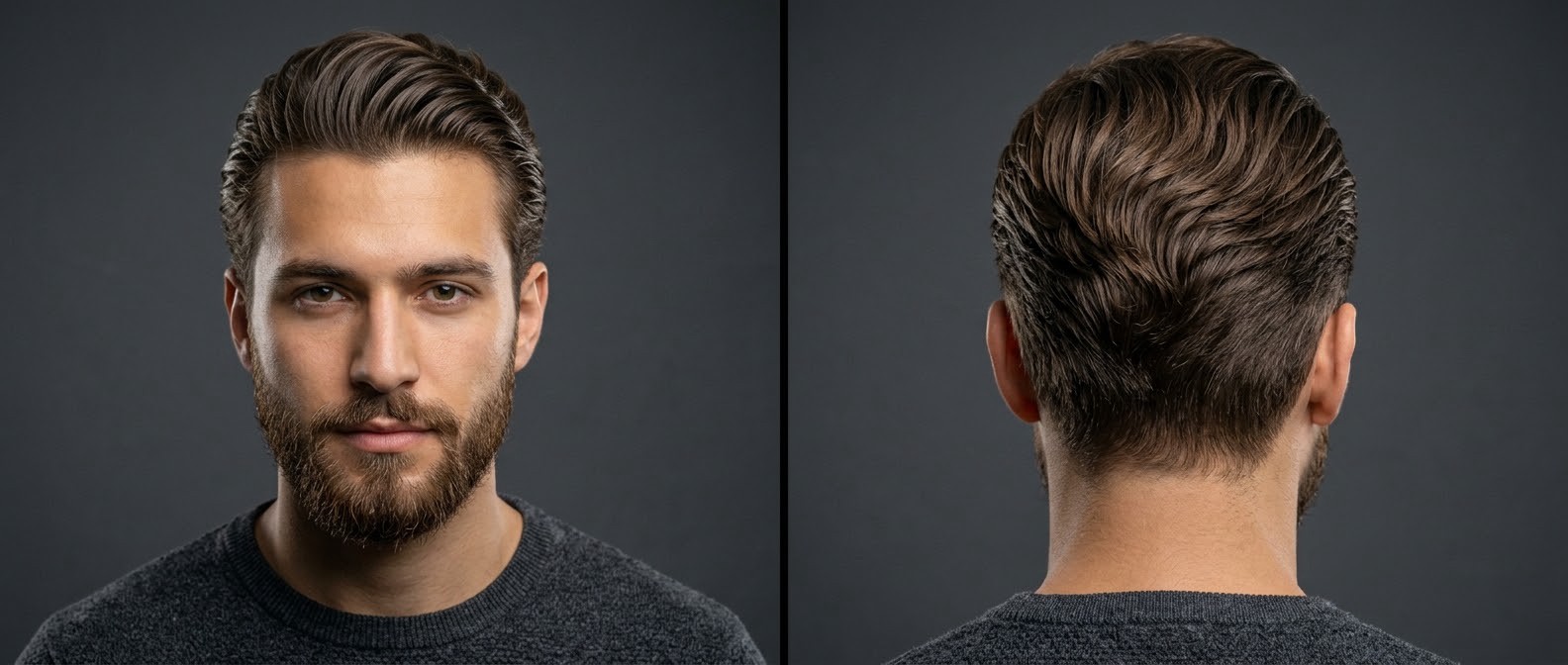
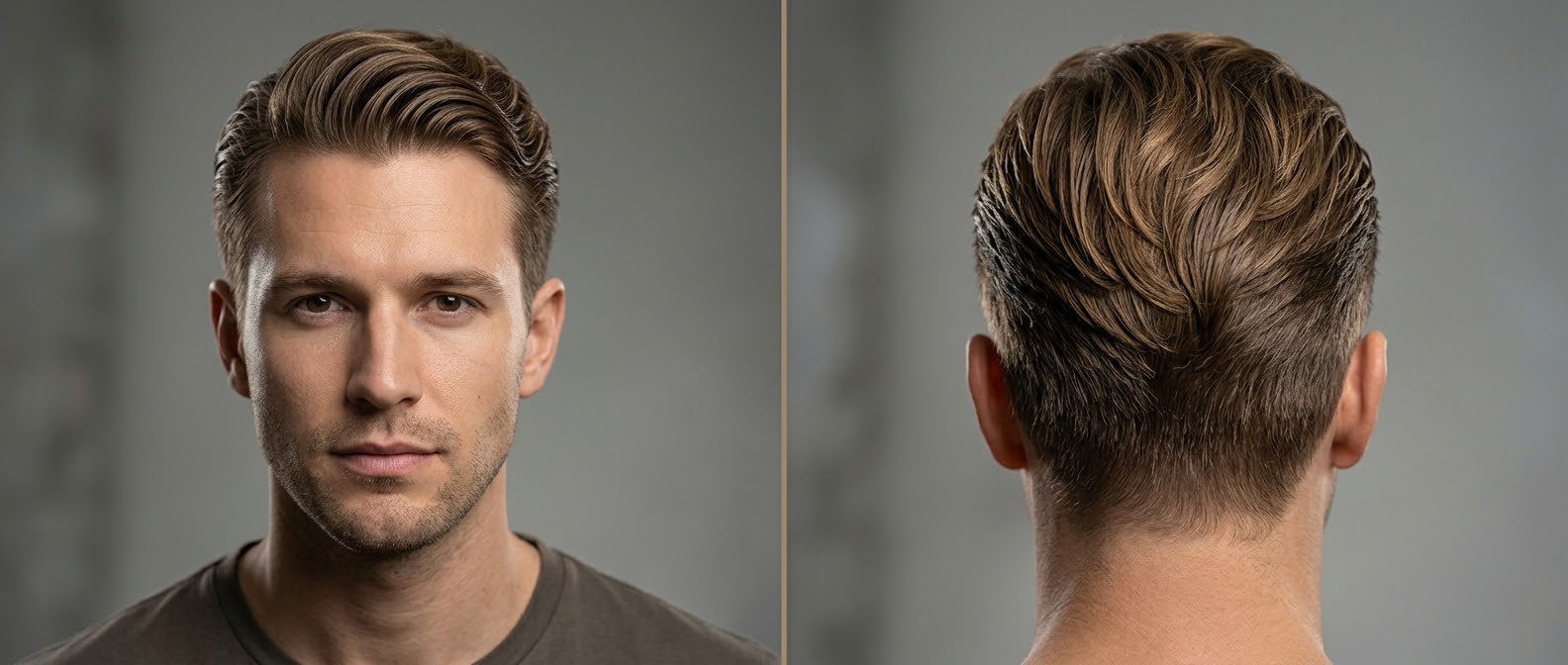
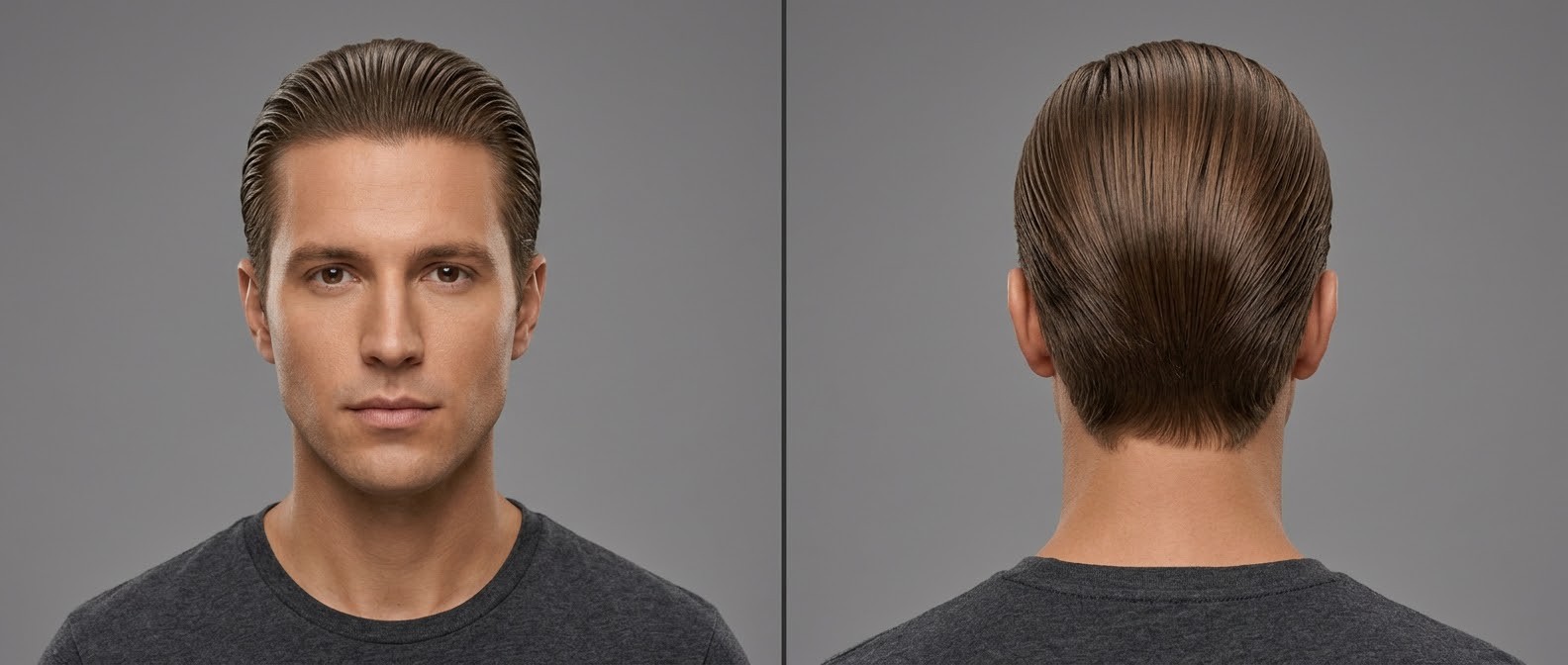
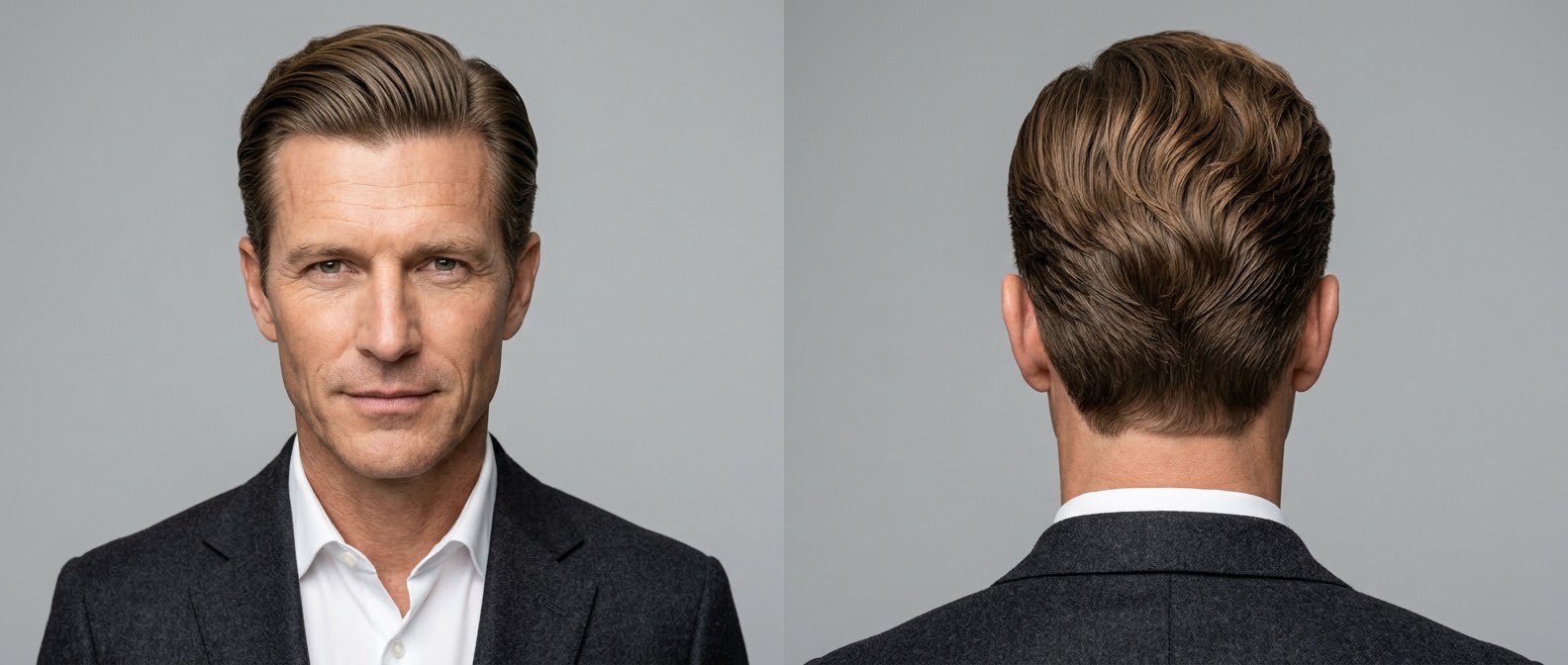
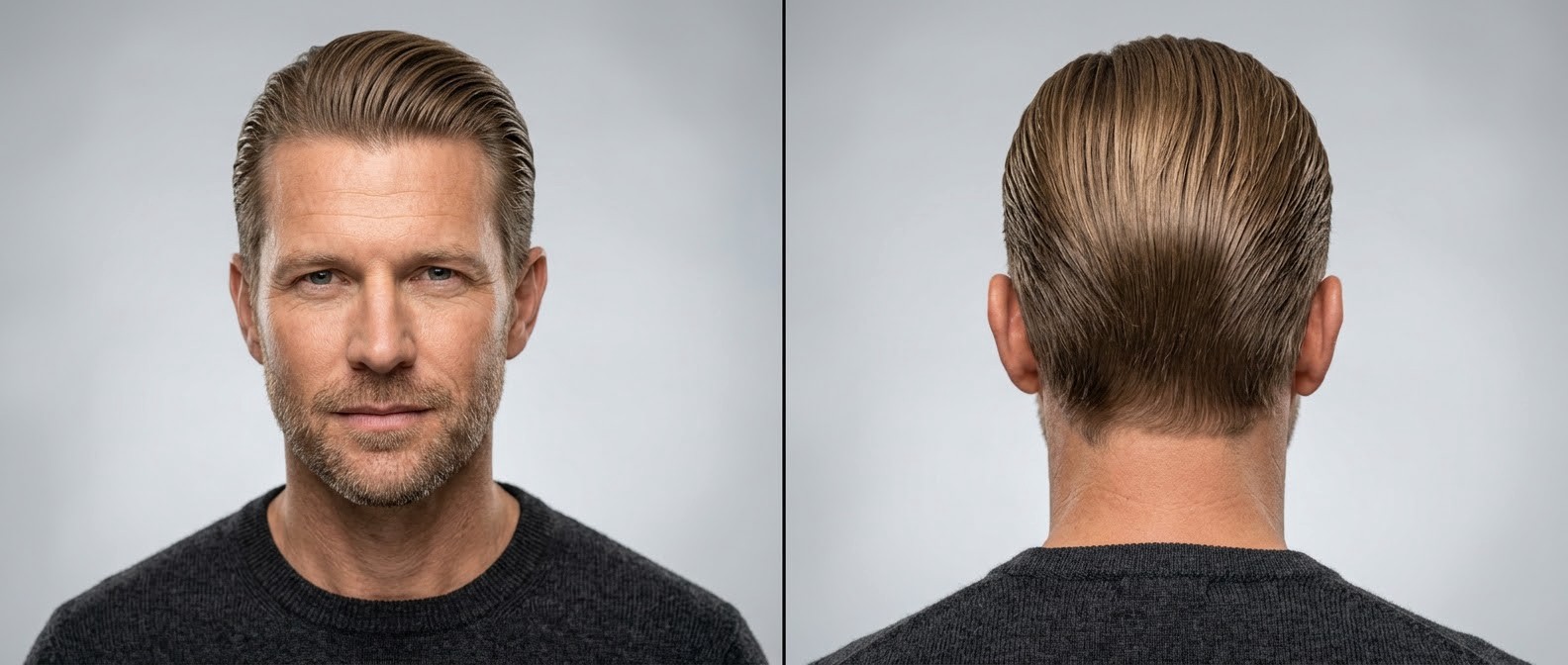
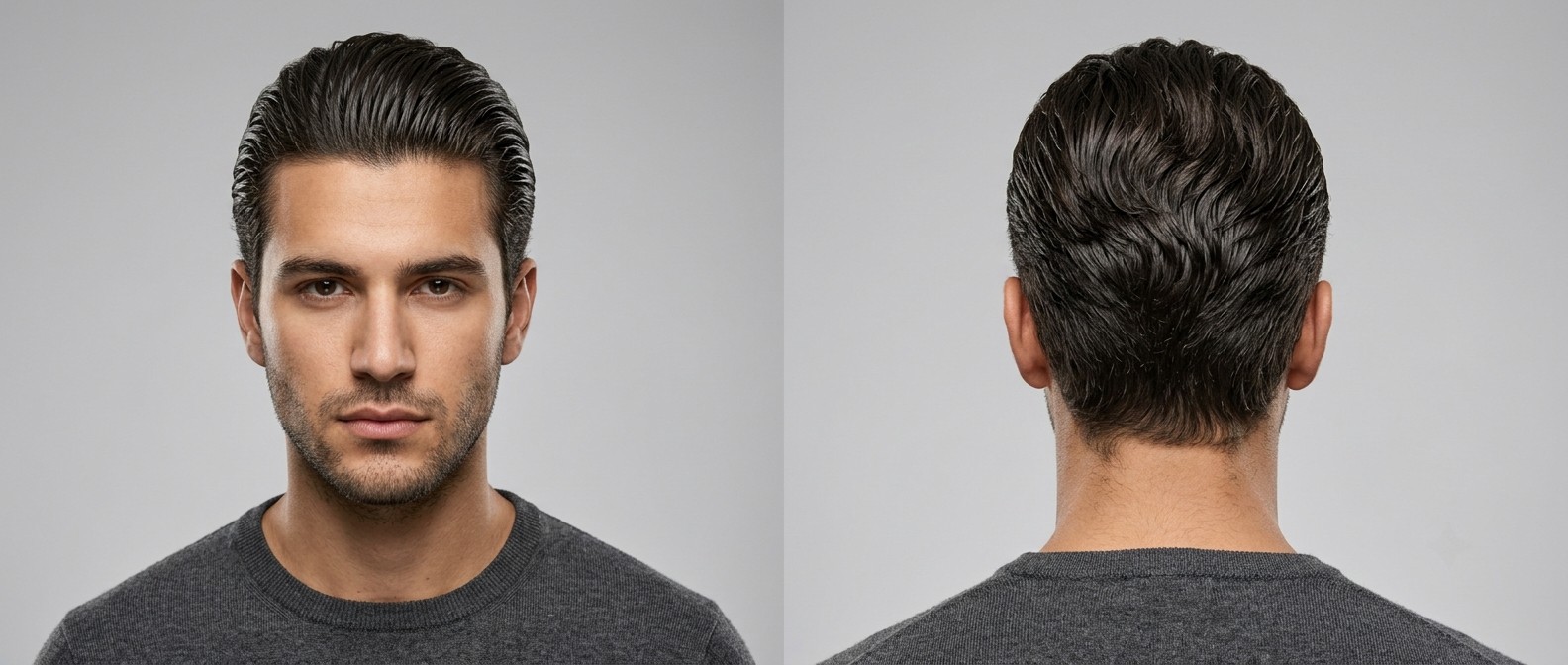
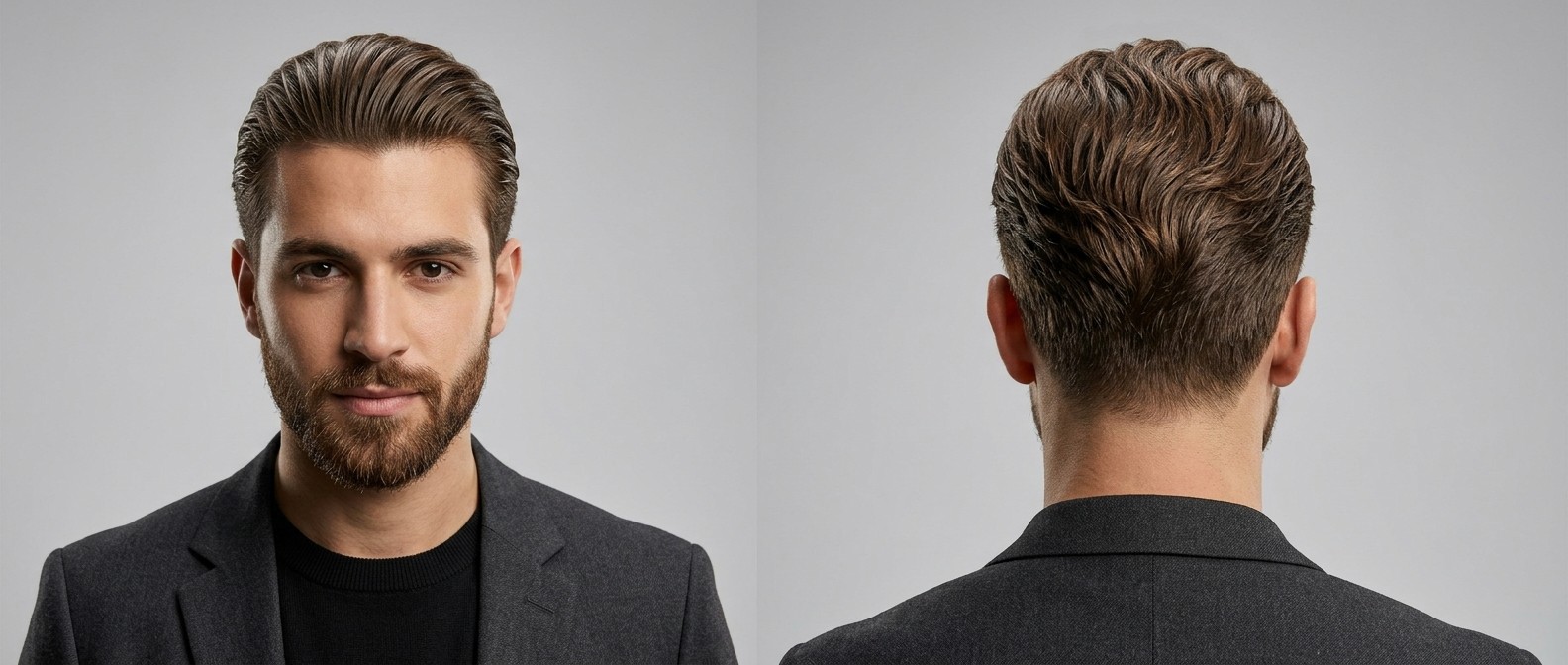
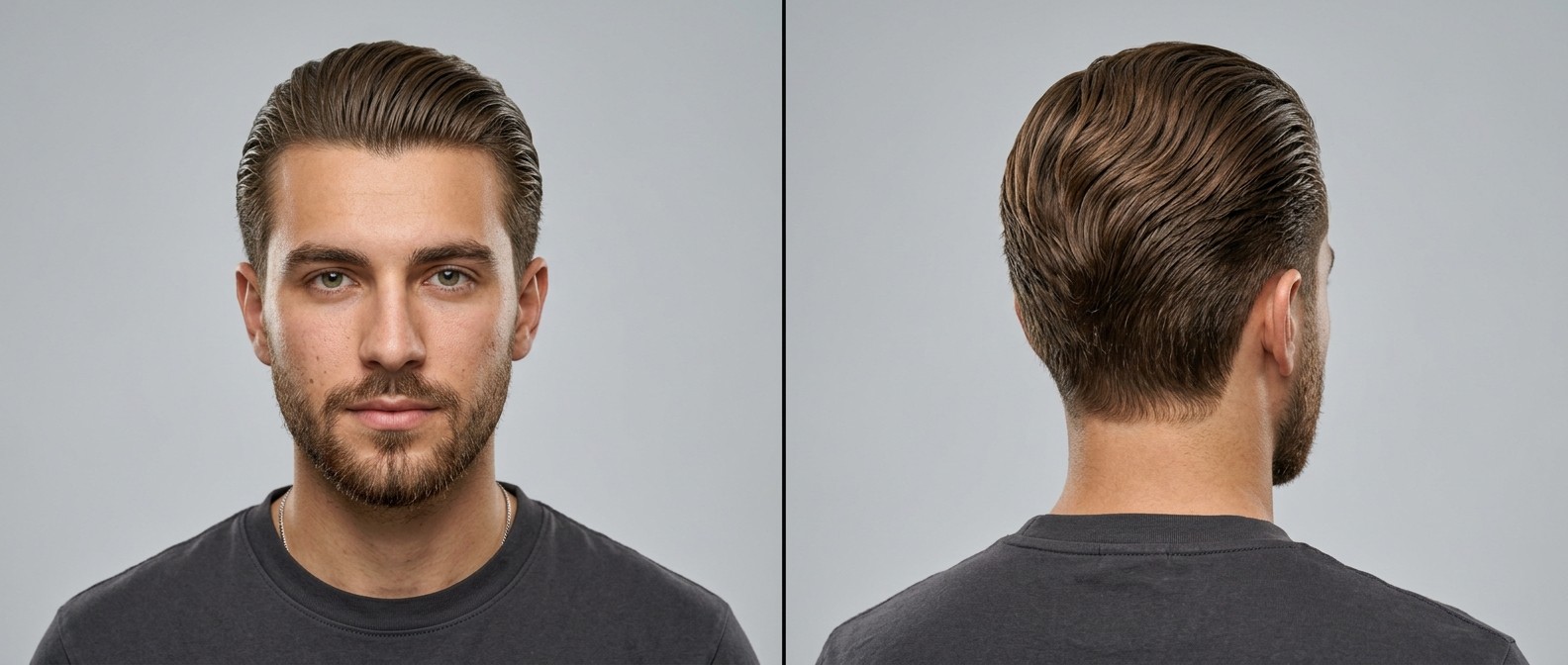
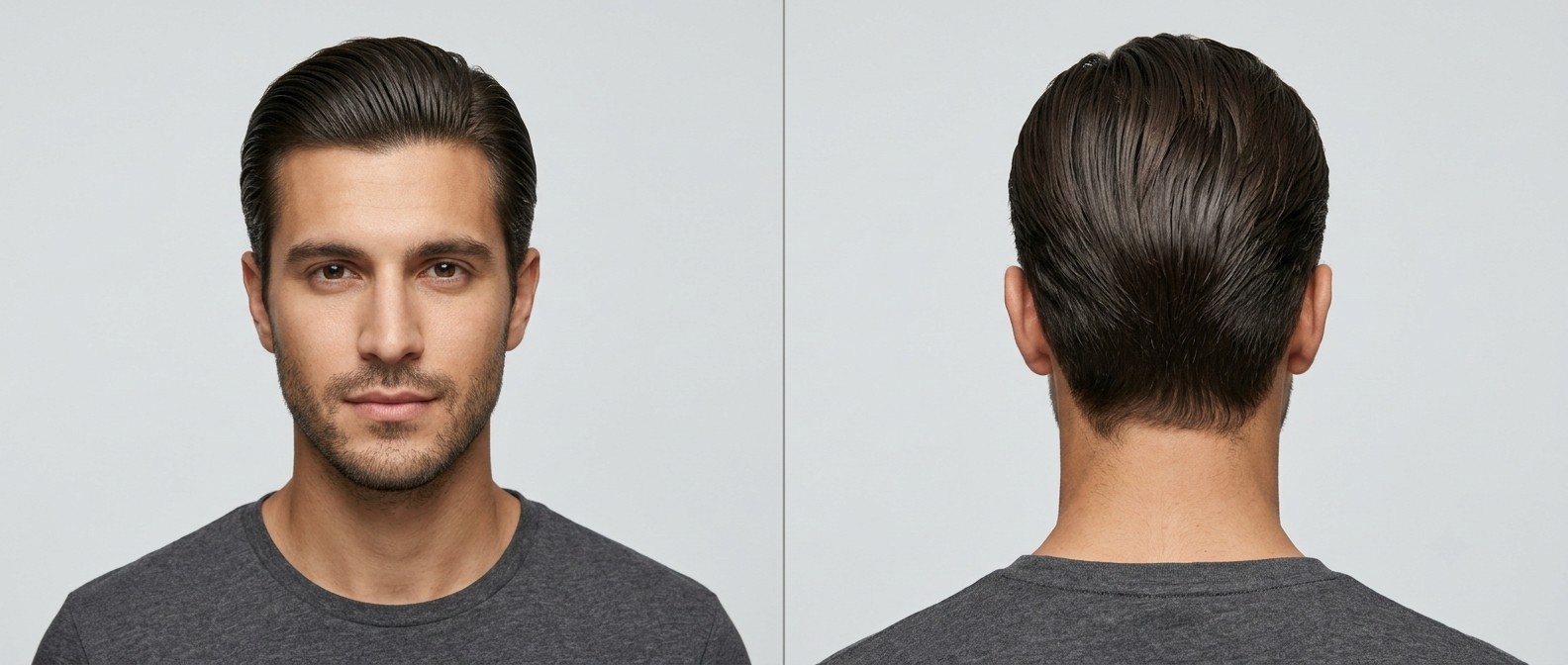
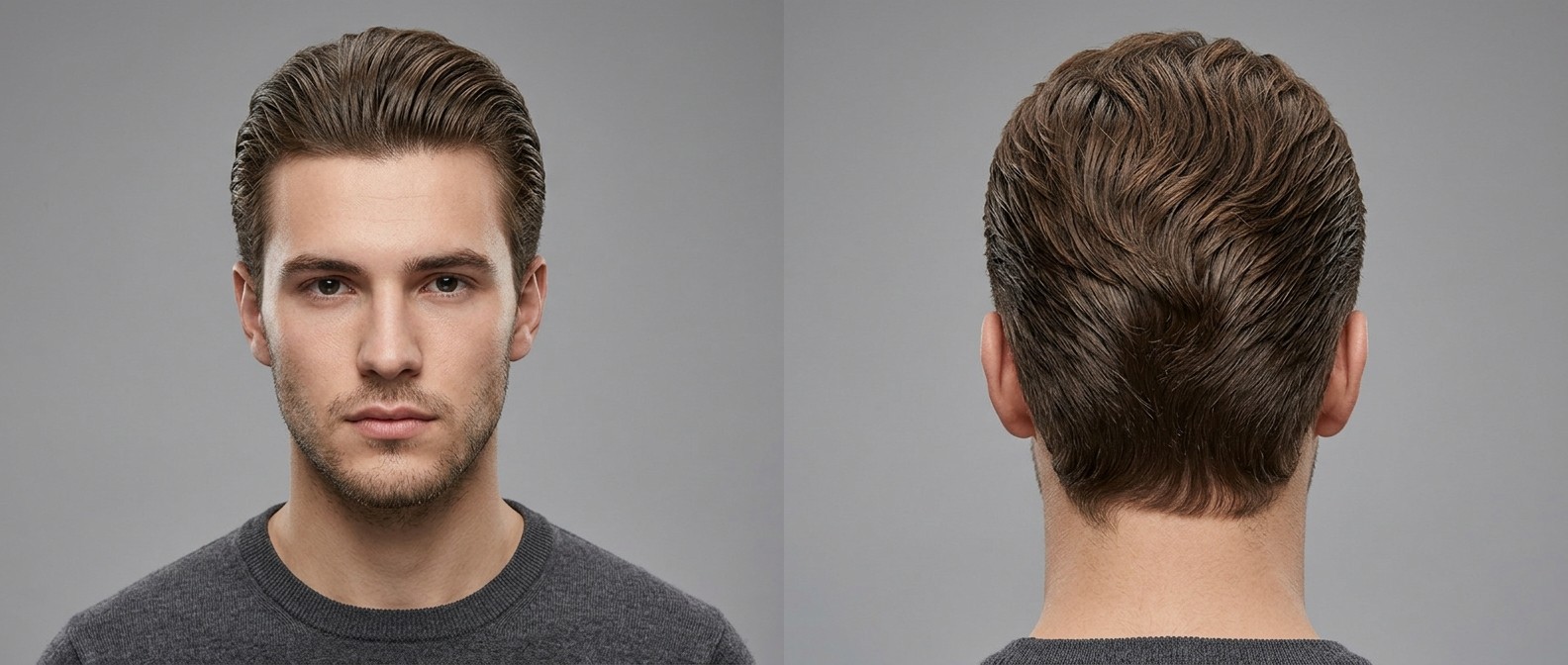
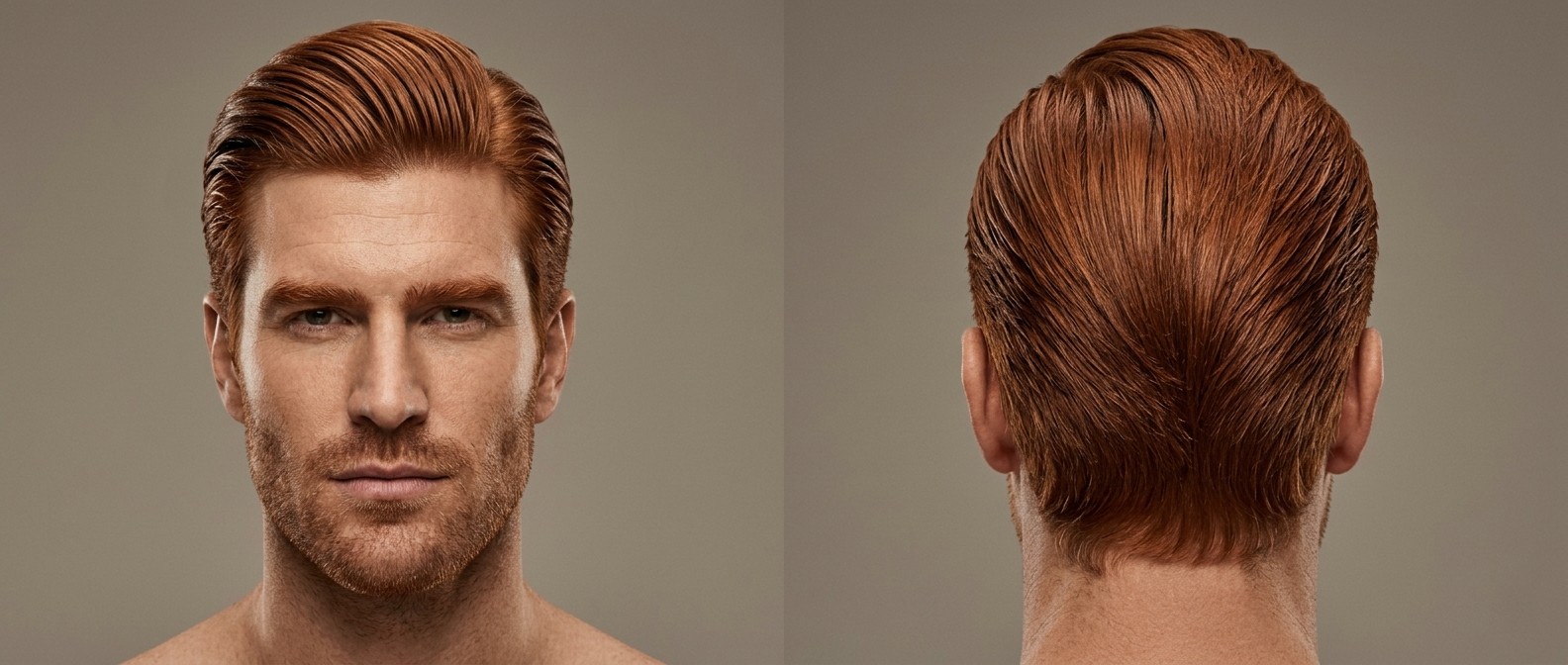
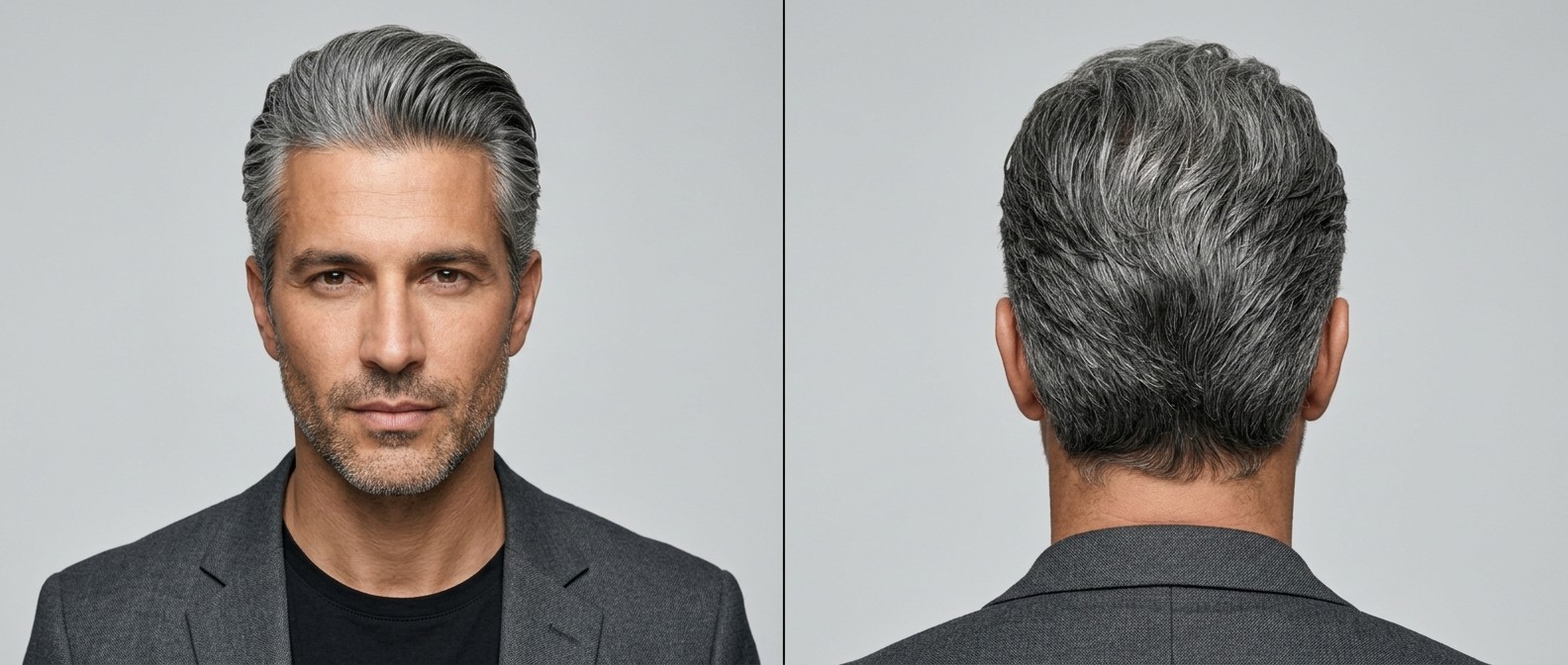
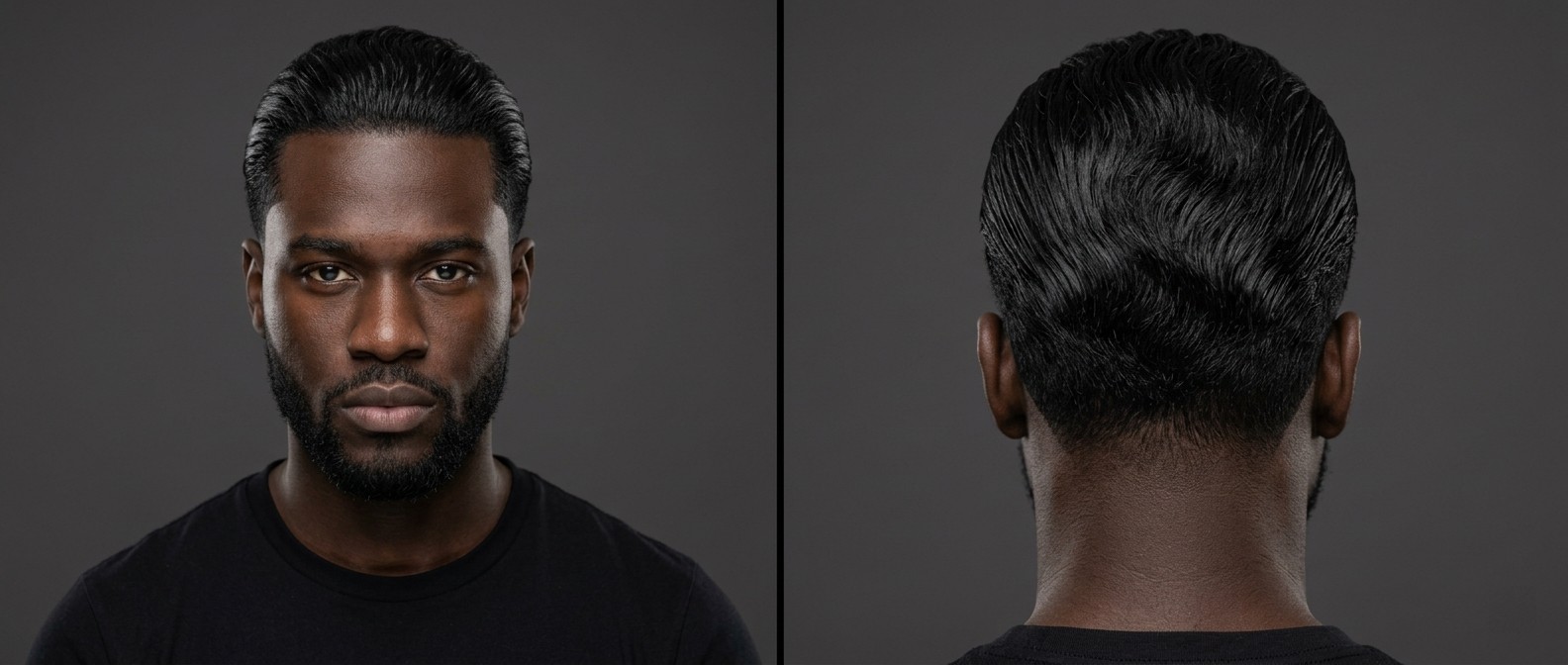
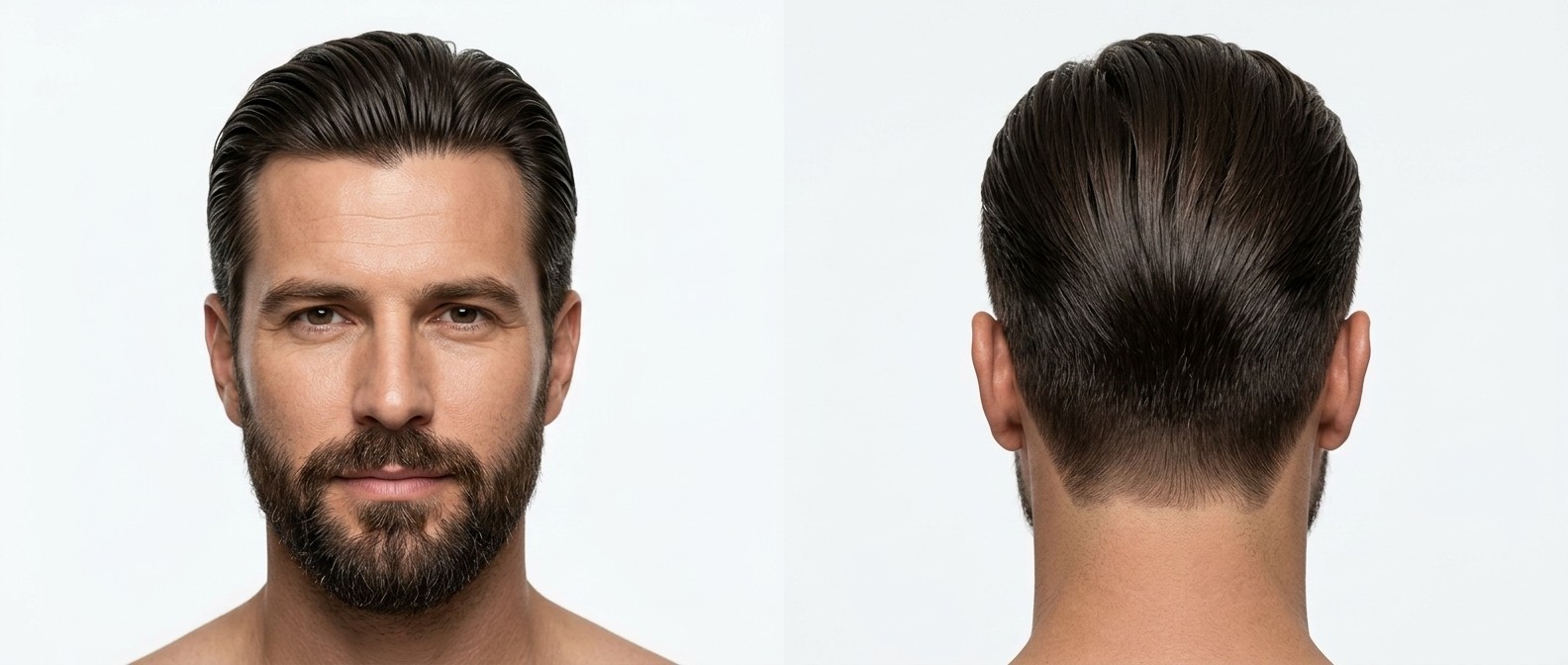
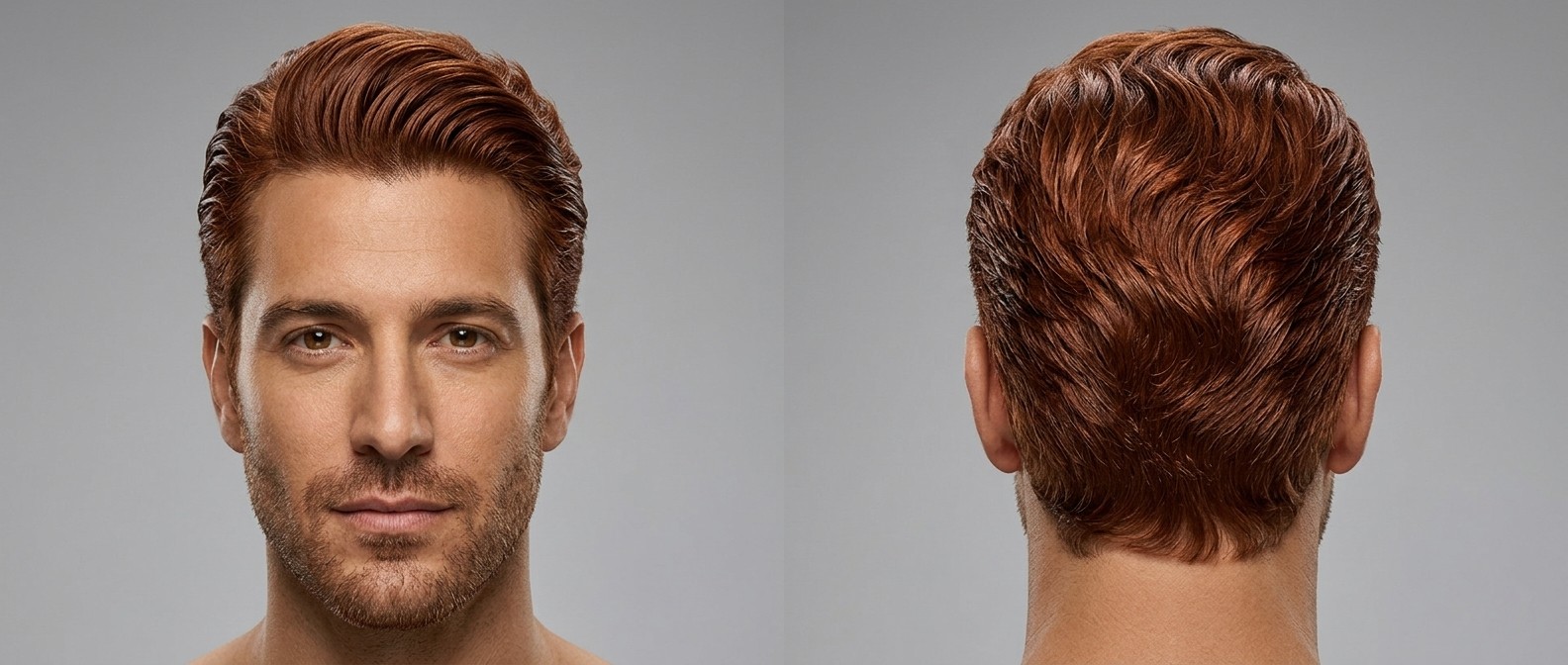
The slicked-back hairstyle involves combing all of your hair straight back from the forehead toward the crown, creating a smooth, streamlined silhouette. The hair is held in position using pomade, gel, wax, or styling cream, with the product providing both hold and a distinctive finish. The sides can be left longer and slicked back with the top, or cut short with a taper or fade for a modern interpretation.
This style has deep roots in men's grooming. In the 1920s and 1930s, slicked-back hair defined Hollywood glamour. In the 1950s, greasers adopted a looser version with higher volume. Today, it exists on a spectrum from boardroom sleek to rock 'n' roll cool. You'll need at least 4 to 6 inches on top to pull it back effectively.
Who Should Get a Slicked-Back Style?
The slicked-back look is bold because it fully exposes your face and forehead. This makes it ideal for certain features:
- Men with strong jawlines and defined cheekbones — the exposed face puts these features on full display
- Oval and diamond face shapes look particularly striking, as the backward direction adds balance
- Square faces benefit from the smoothing effect that softens angular features
- Guys with thick, straight or wavy hair — density helps the style hold its shape and look full
- Men who want to project authority and confidence
If you have a very large forehead or round face, consider leaving volume at the front or keeping sides longer to add width and balance.
How to Style Slicked-Back Hair
Start with clean, damp hair. Apply your chosen product — the type determines the finish. High-shine pomade gives the classic wet look. Matte pomade or clay creates a modern, natural feel. Water-based gel provides maximum hold but can look stiff if overdone.
Distribute product evenly, then use a wide-tooth comb to pull everything straight back from your hairline. For extra volume, blow-dry while combing backward, lifting at the roots. Once dry, apply a second light layer of product and comb into the final shape. The key is even distribution — no clumps creating uneven texture. Finish with hairspray if needed.
What to Tell Your Barber
The haircut supporting a slicked-back style needs the right proportions:
- Top: 4 to 6 inches minimum — longer hair slicks back more easily and stays better
- Sides: longer sides (2-3 inches) slicked back with the top for a classic look, or a taper/fade for modern contrast
- Back: long enough to blend with the top or taper into the neck
- Ask your barber to texturize the ends if your hair is very thick, so it lies flat when combed back
- Request point cutting on top to remove bulk without losing length
Tell your barber you're going for a slicked-back style so they can cut layers that support backward flow.
Products and Maintenance
Product choice is everything with this hairstyle. Here's your guide:
- Oil-based pomade — strong hold, high shine, classic finish, harder to wash out
- Water-based pomade — medium to strong hold, re-stylable throughout the day, washes out easily
- Matte clay or paste — natural finish, good hold, modern look
- Styling gel — maximum hold, wet look, but can feel crunchy if over-applied
Visit your barber every 4 to 6 weeks. Wash every other day — daily washing strips natural oils that help the style hold. Use conditioner to keep longer hair smooth. Between washes, a light product application refreshes the look.
Slicked-Back Variations
The slicked-back undercut combines the swept-back top with shaved or buzzed sides for dramatic contrast. A loose slick back uses less product for a relaxed, slightly messy texture. The slicked-back pompadour adds volume at the front before the hair sweeps backward, blending two classics. The greaser slick back uses heavy pomade for a wet, shiny finish inspired by 1950s rock 'n' roll. Each variation carries a different attitude while keeping the fundamental backward direction.