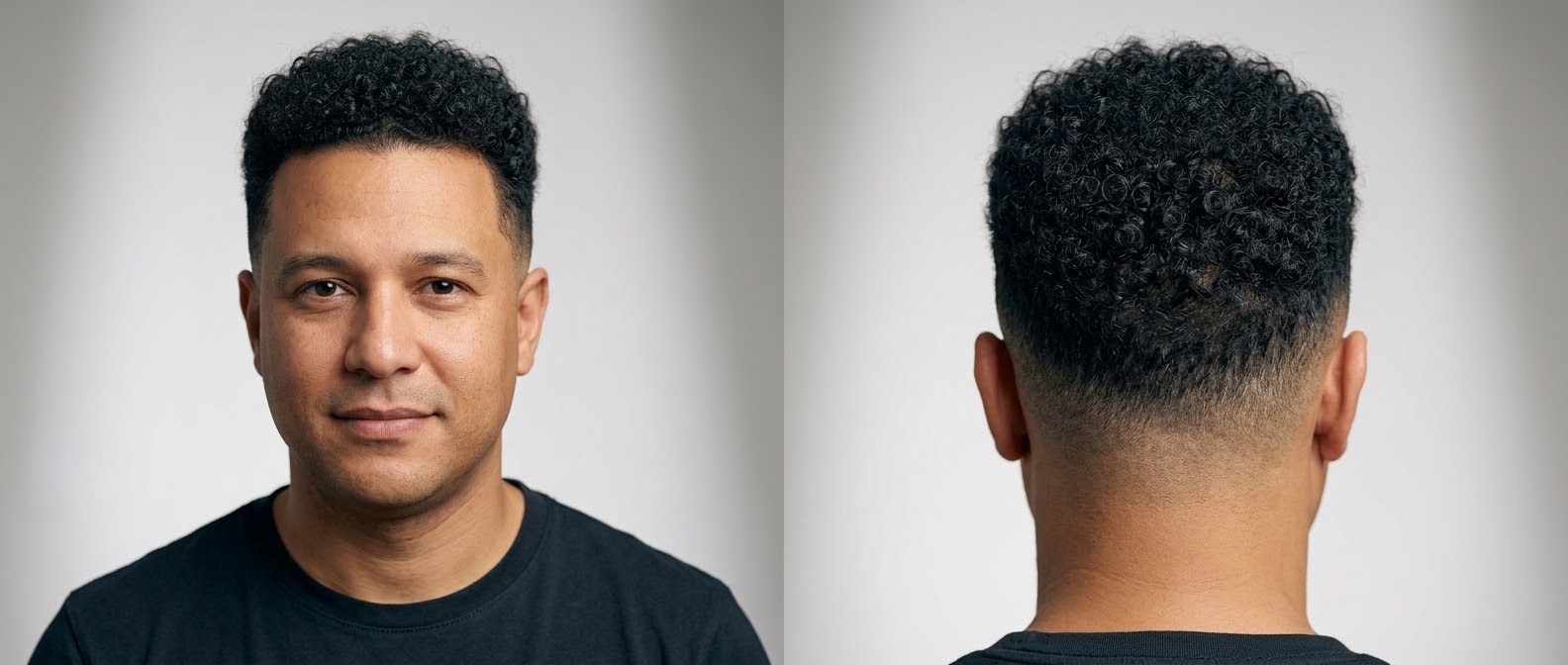
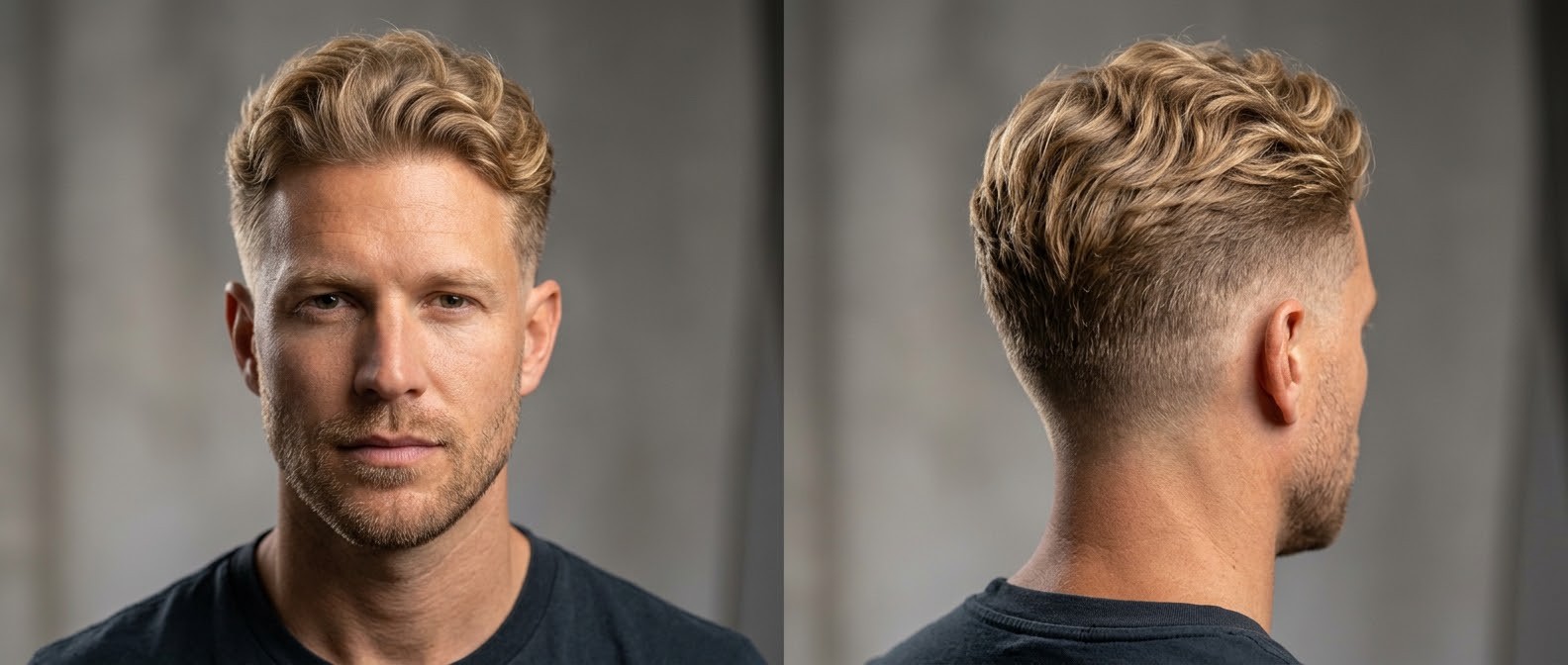
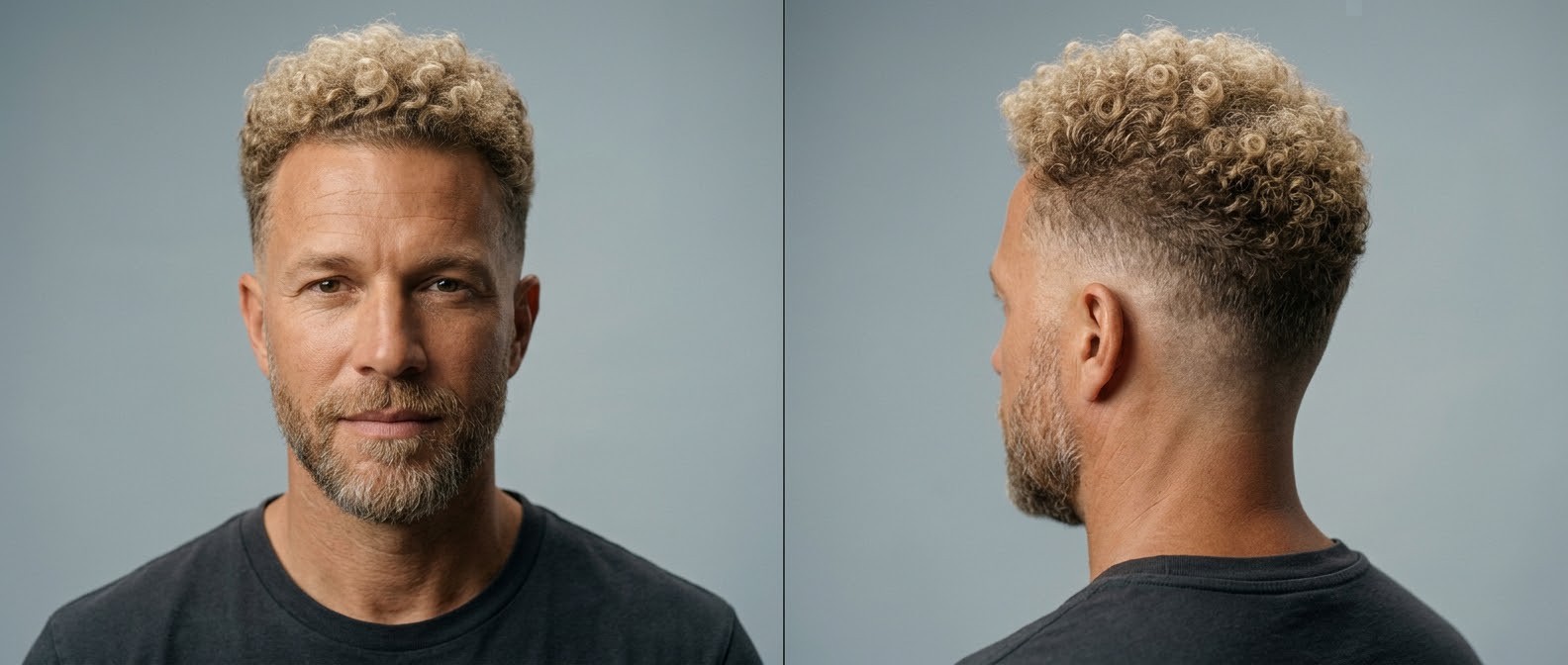
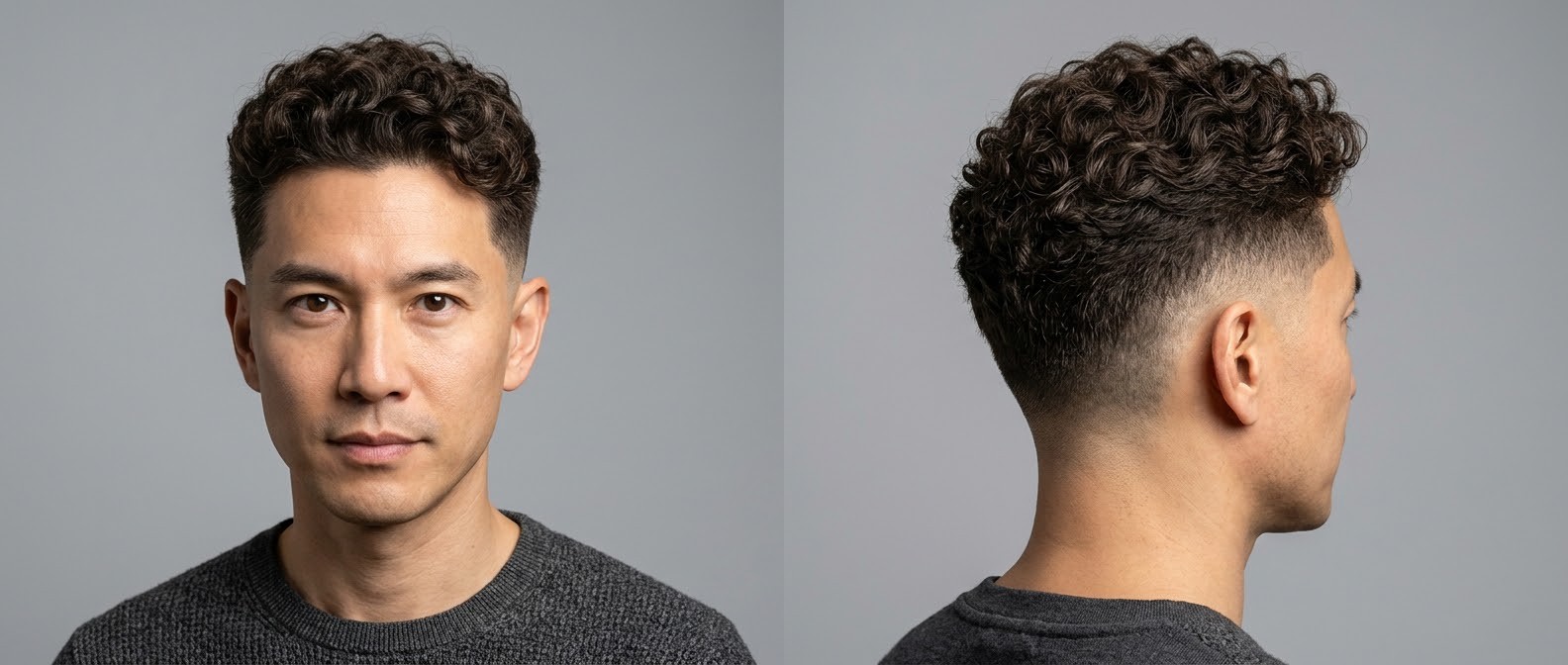


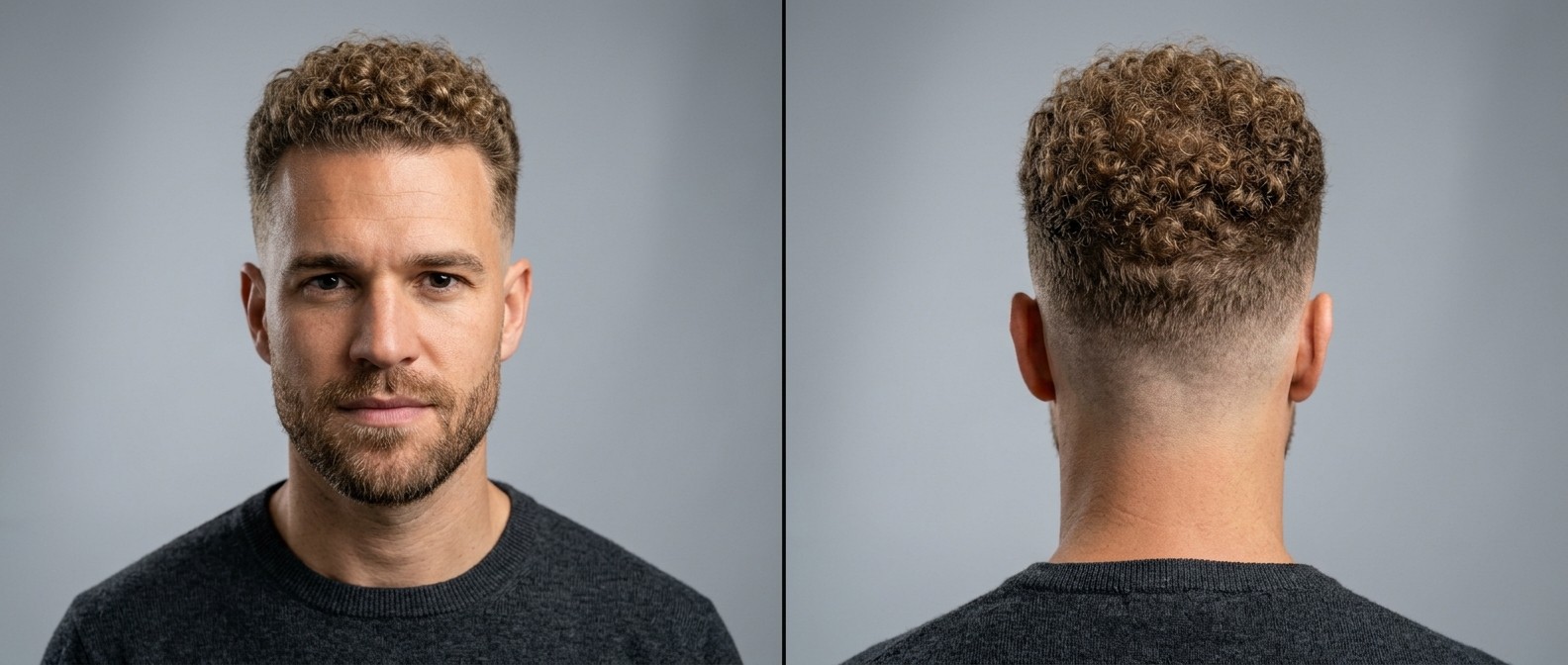
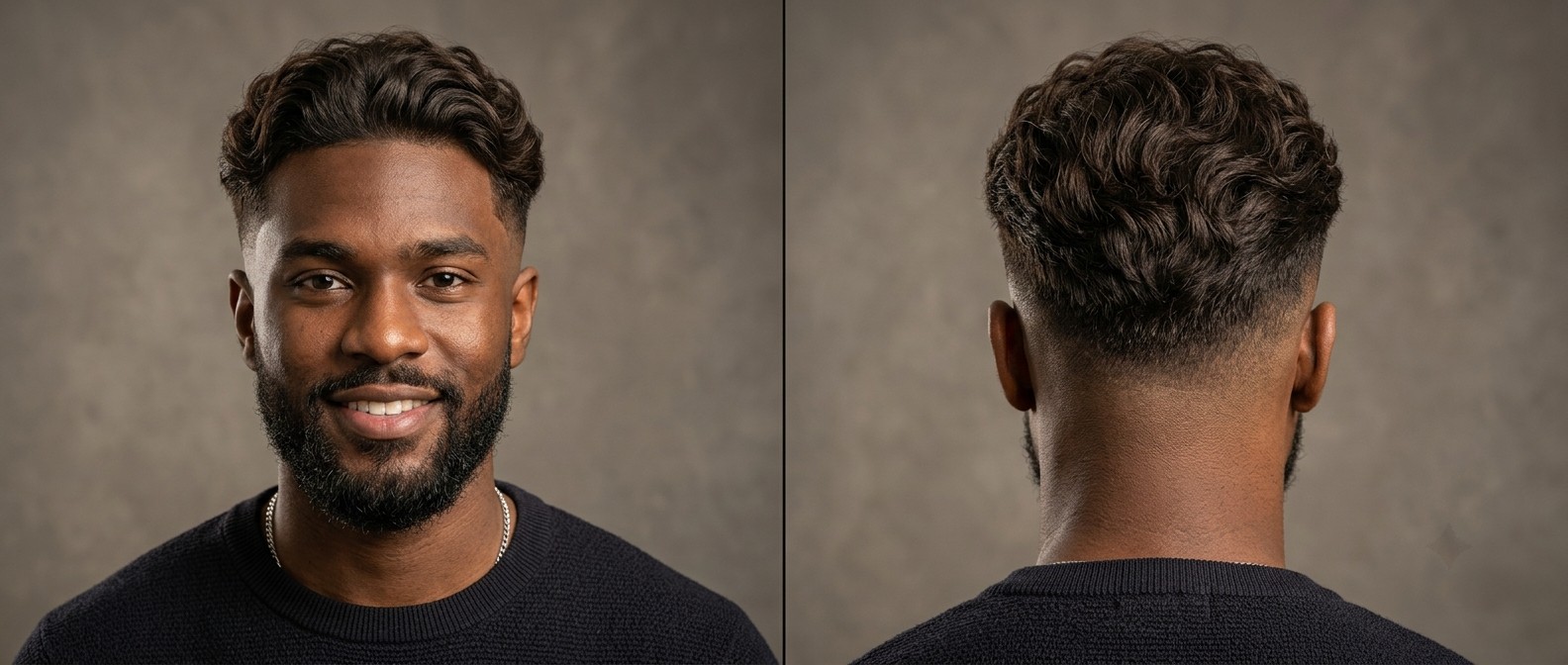
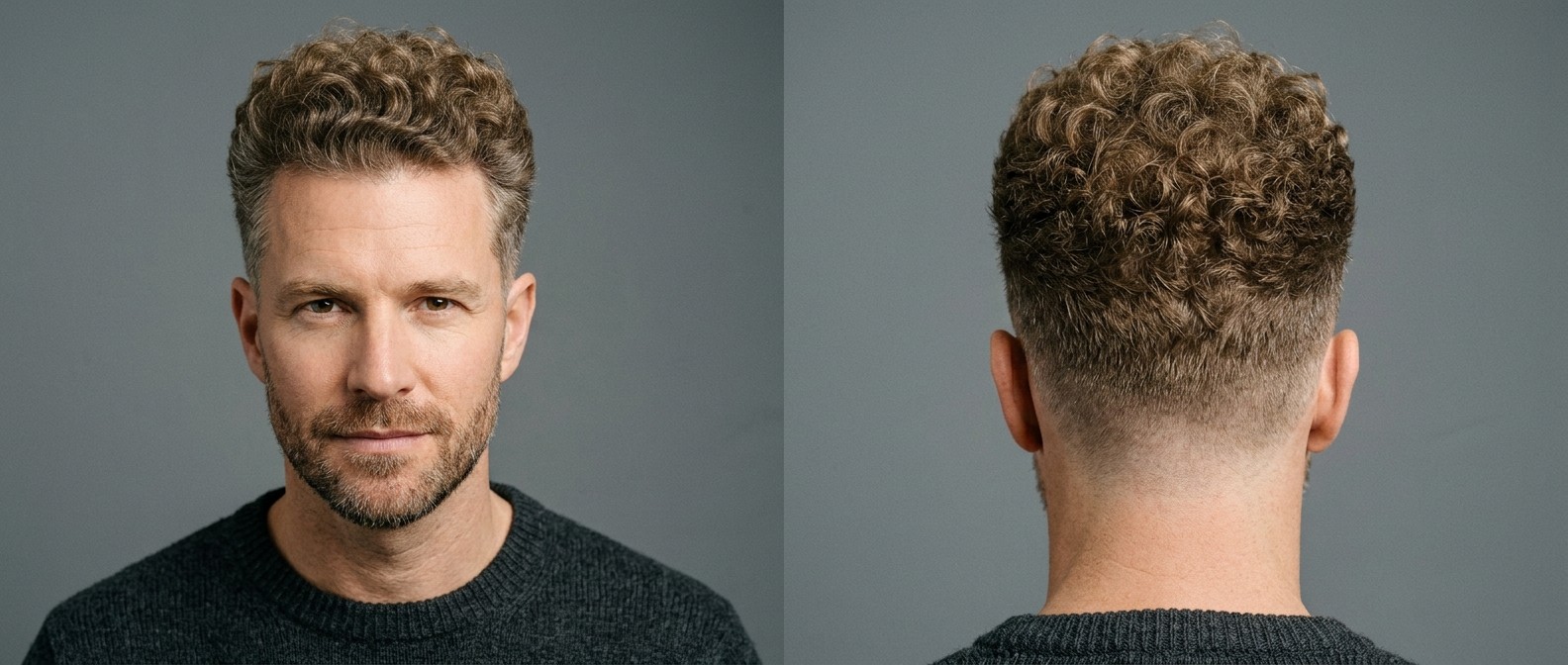
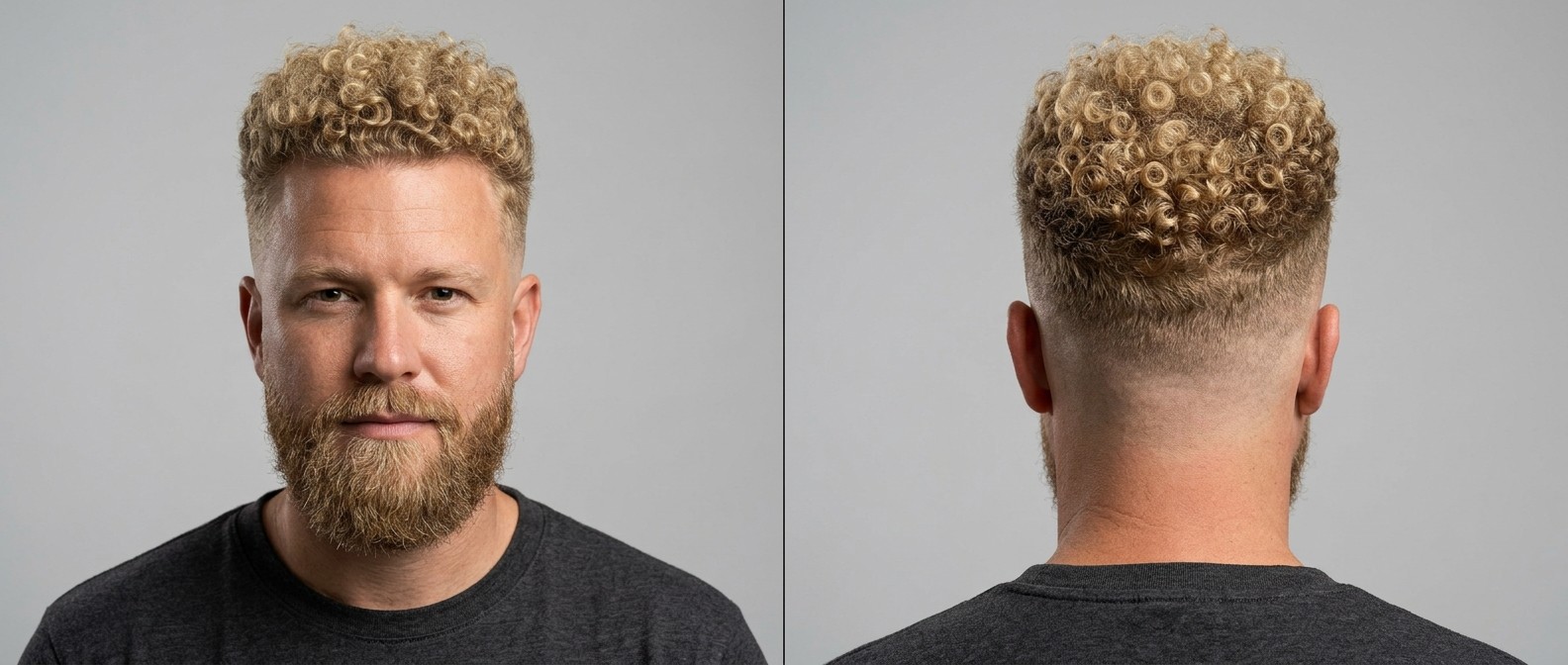
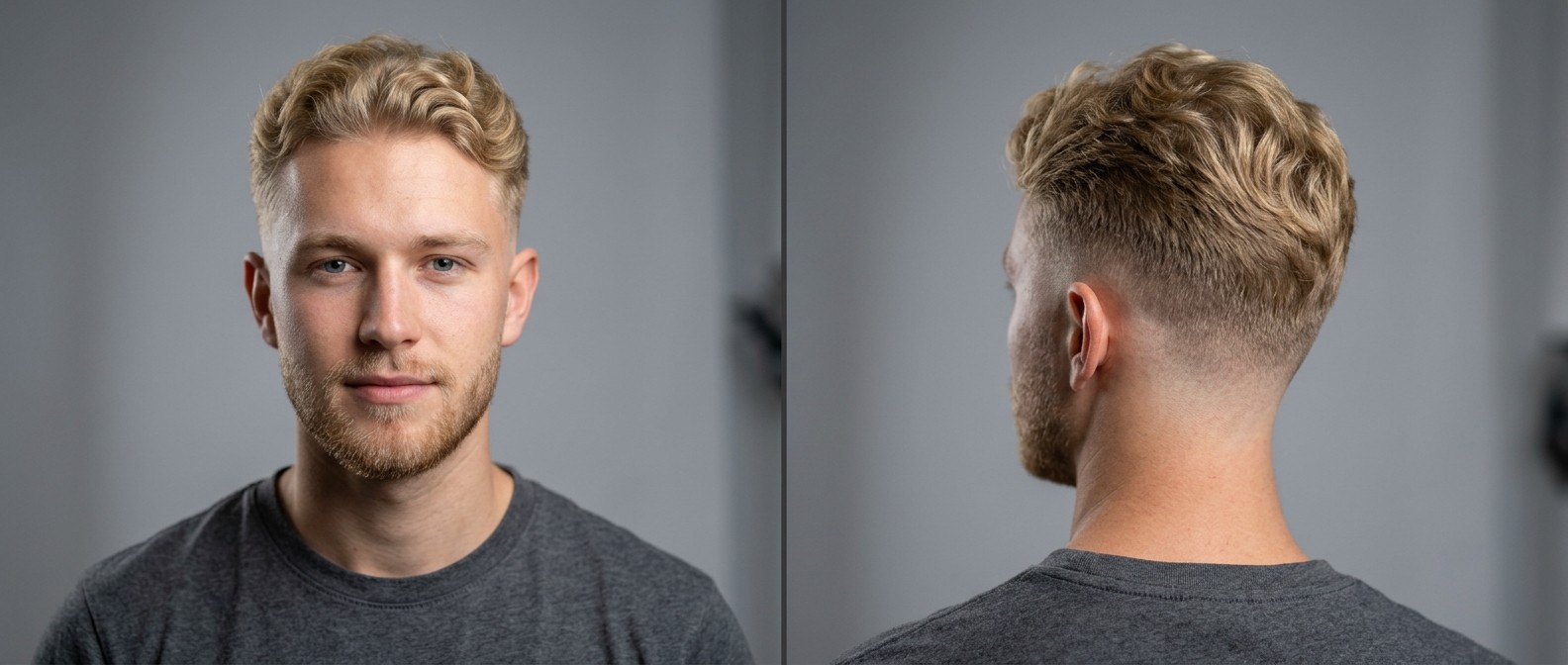
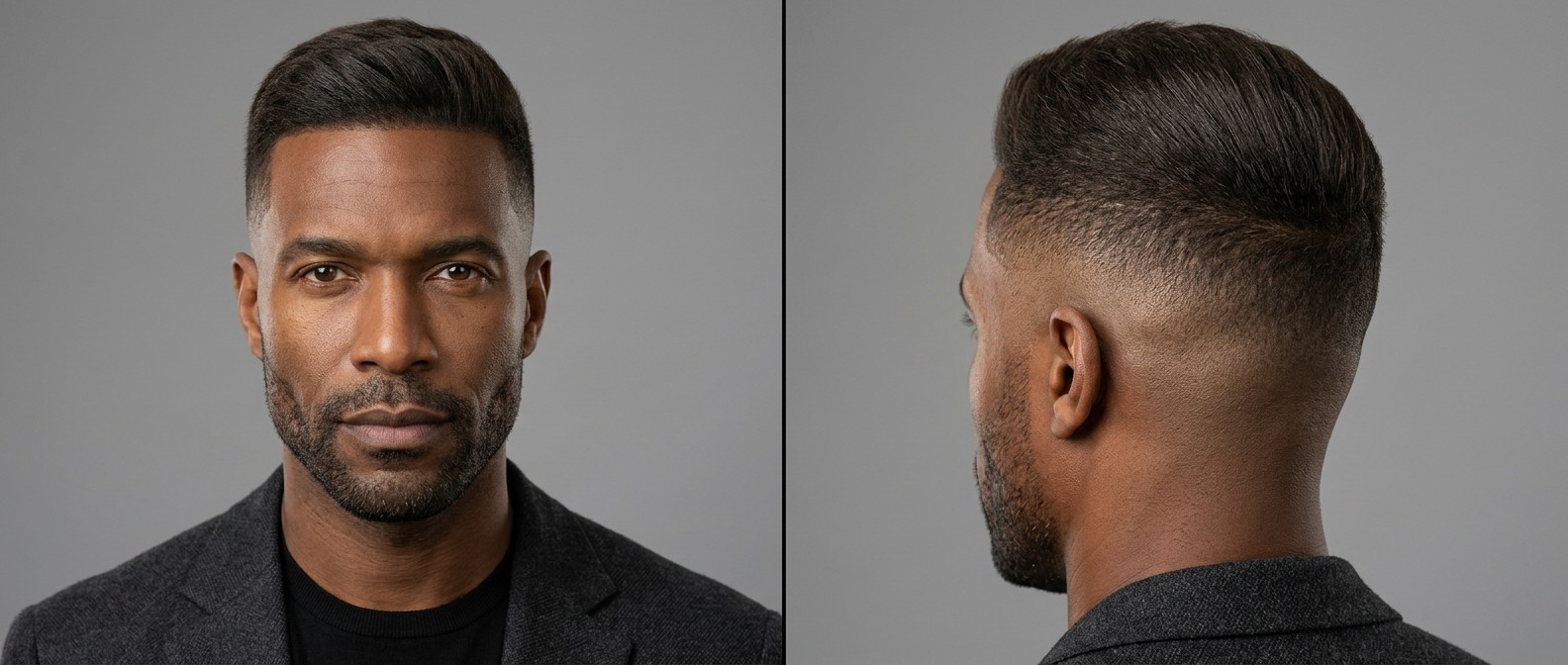
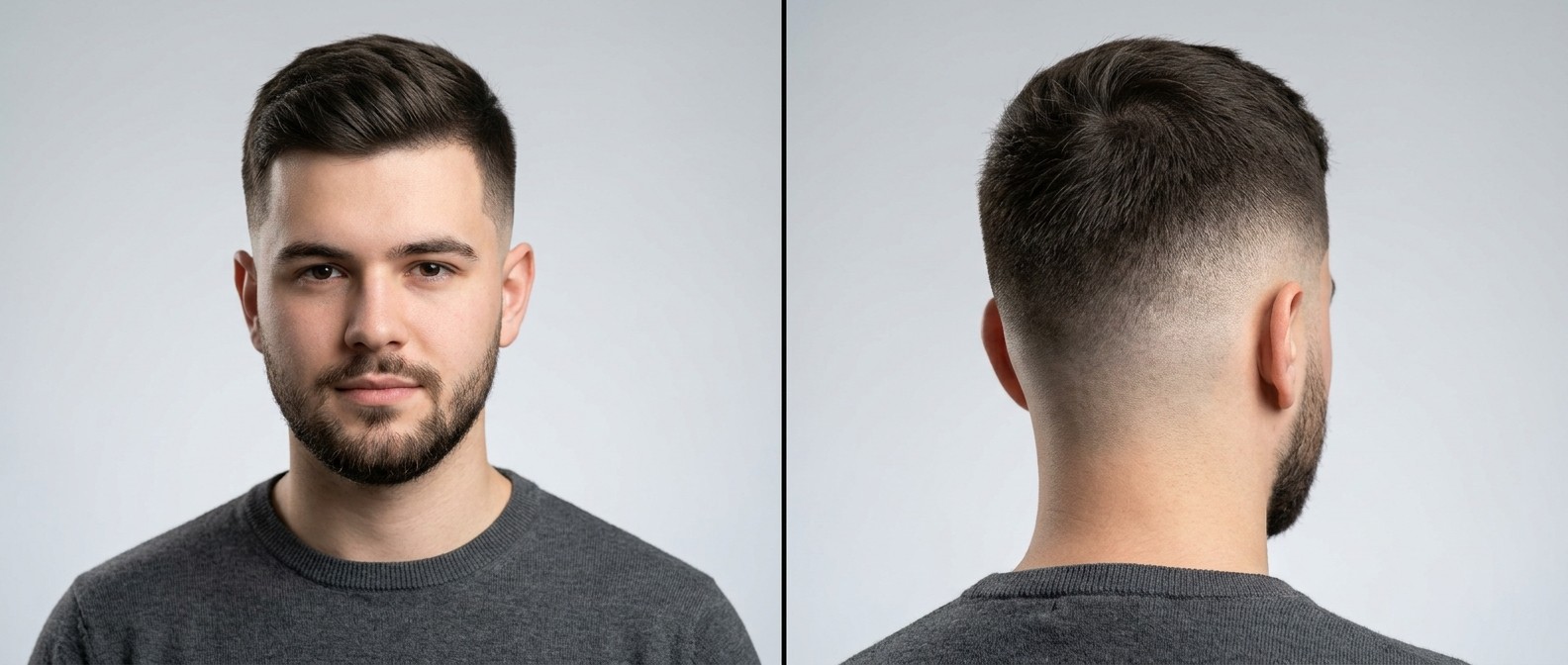
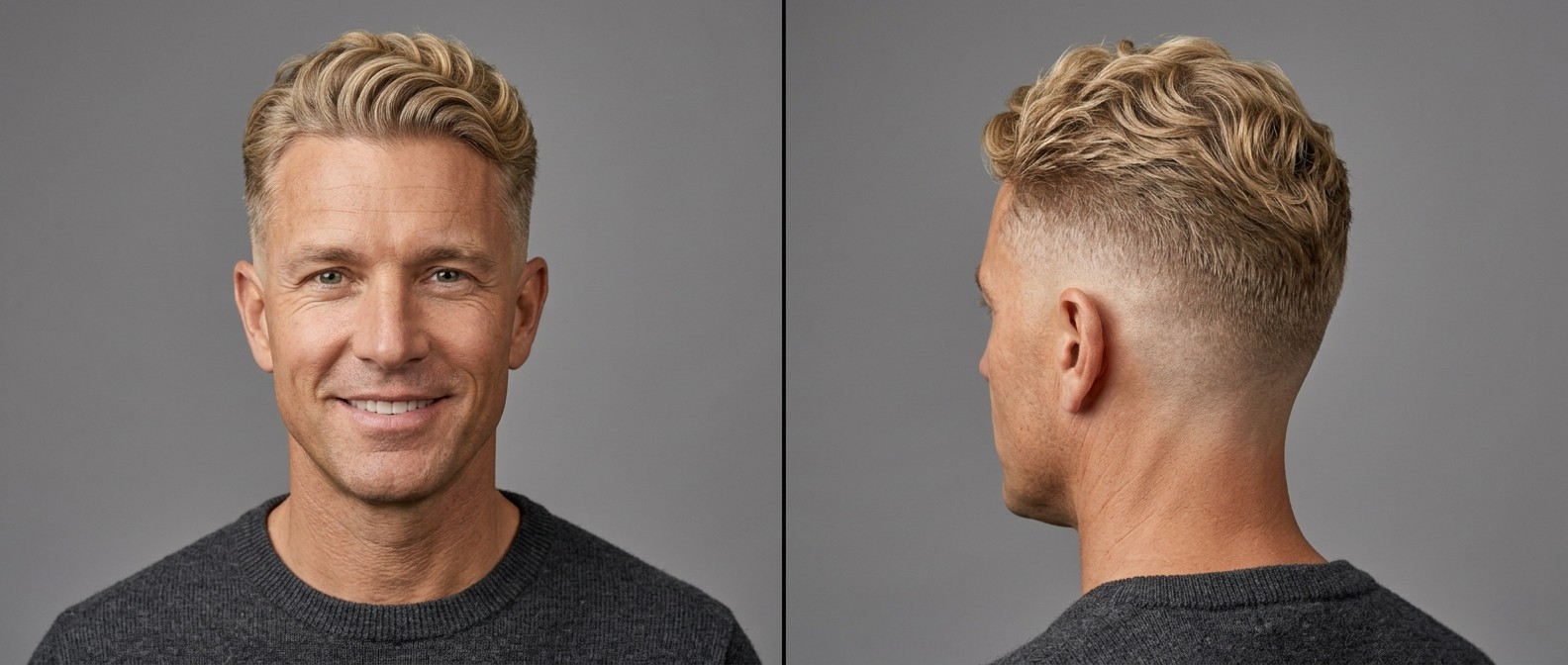
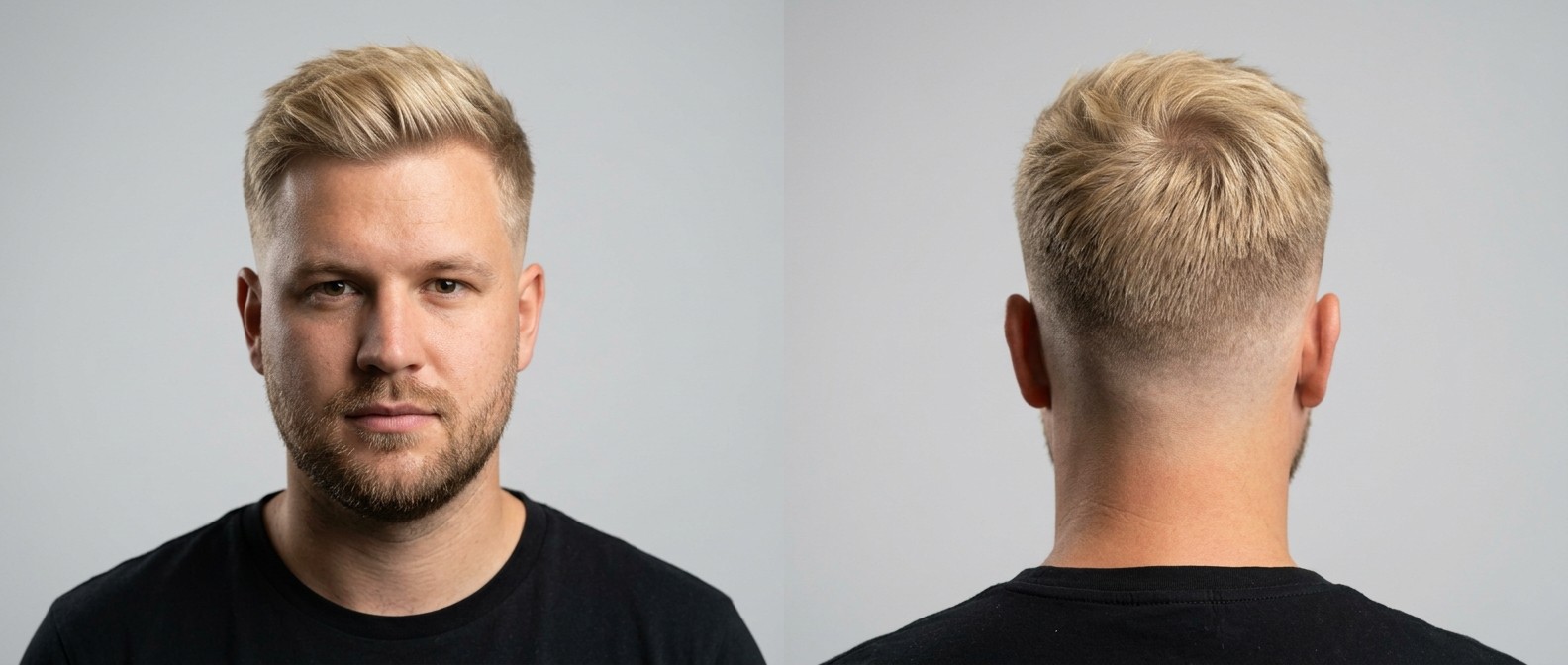
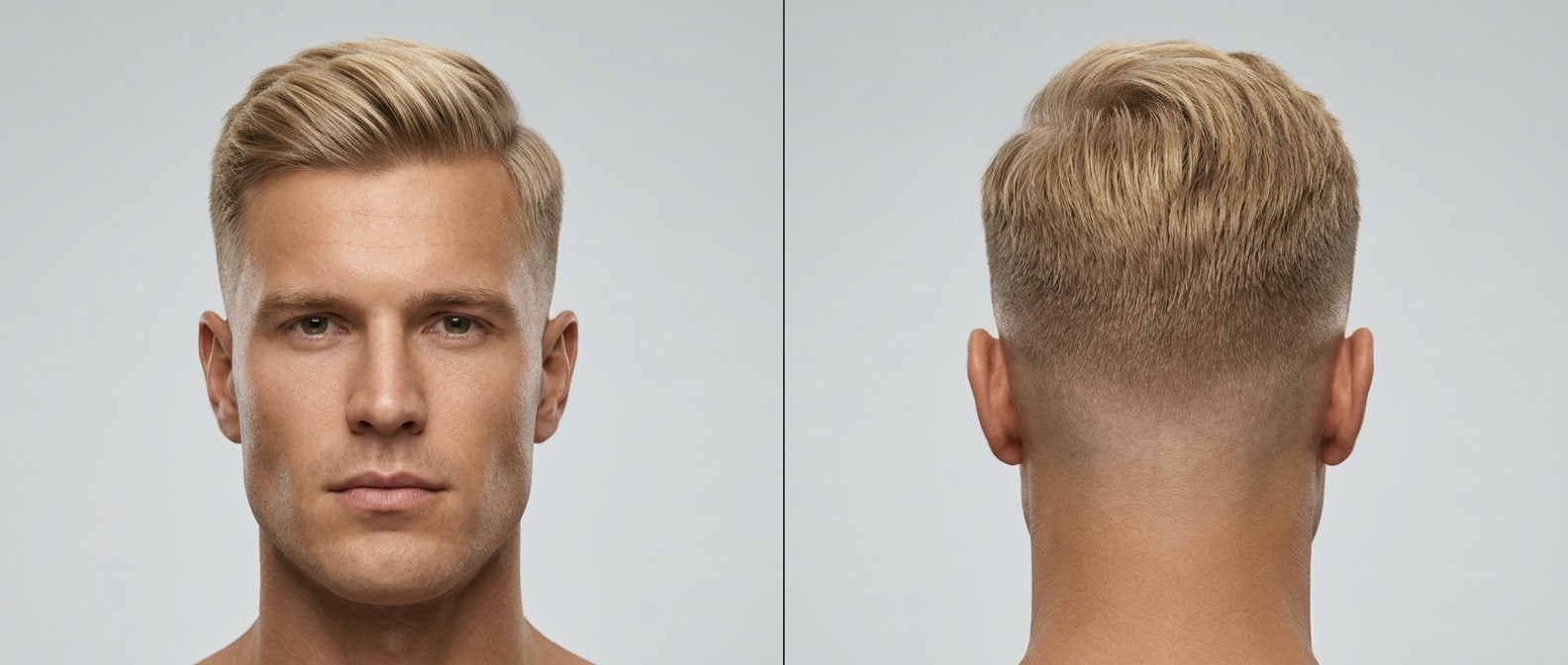
What Is a Mid Fade?
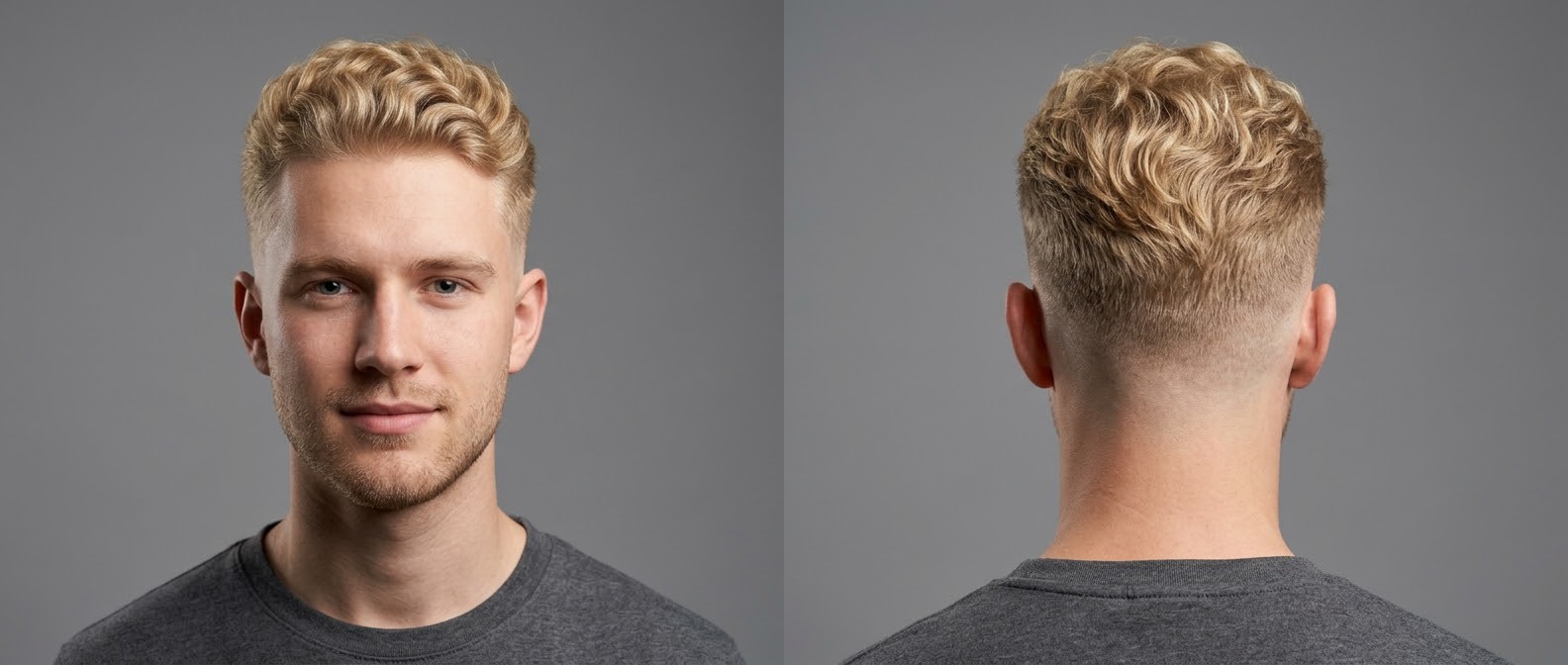
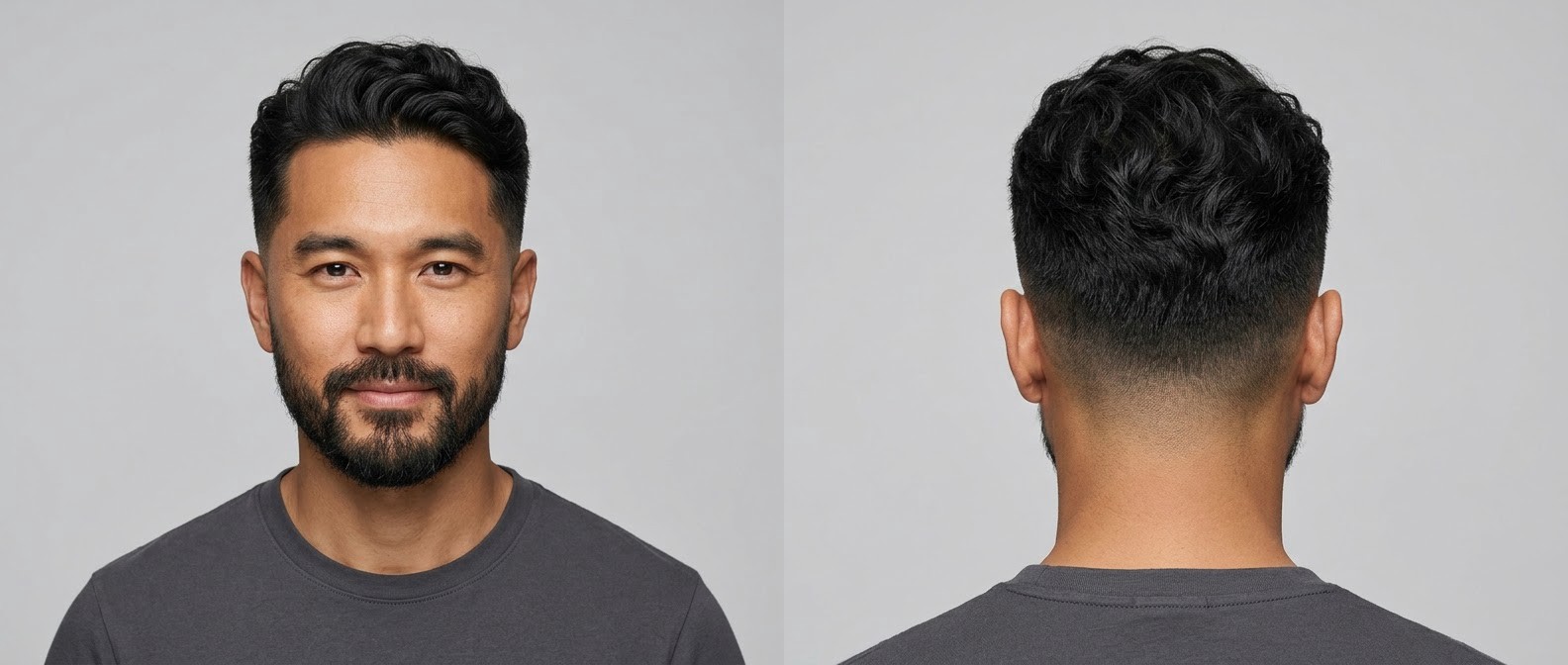
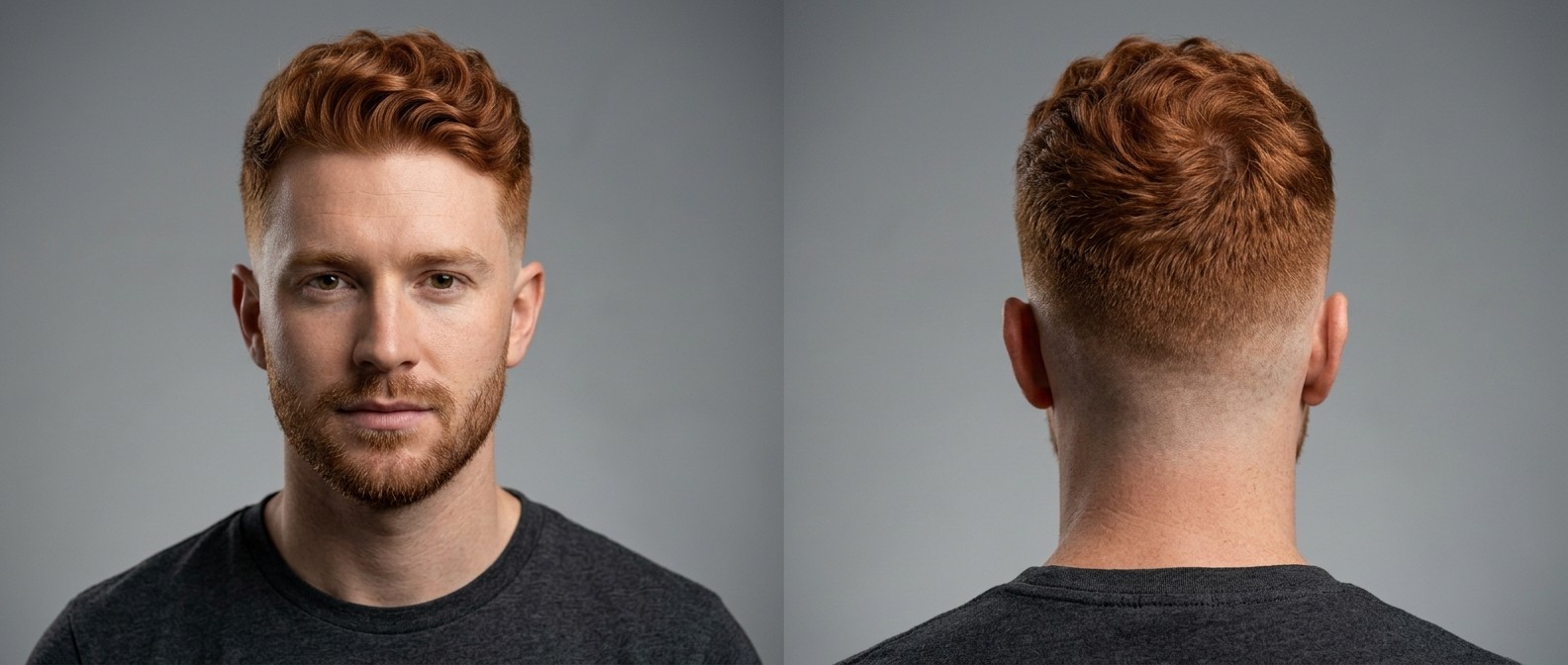
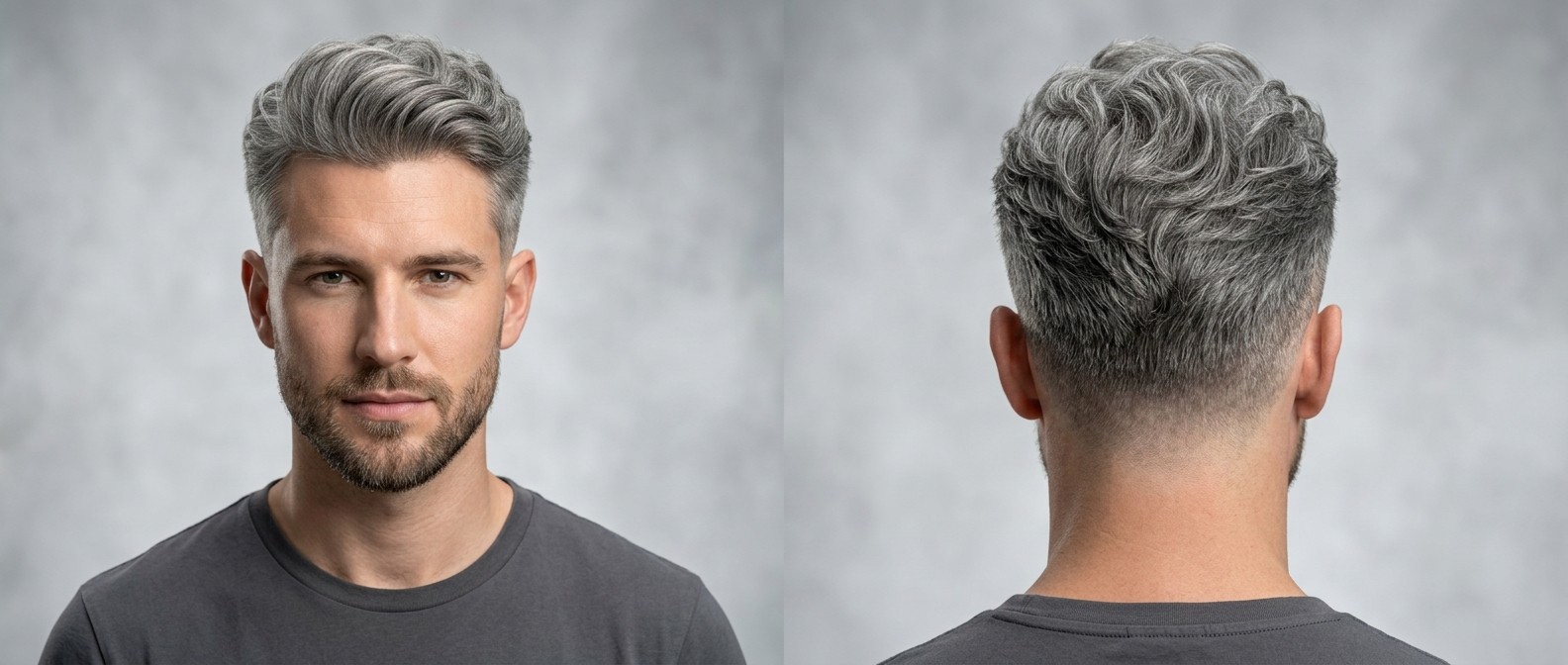
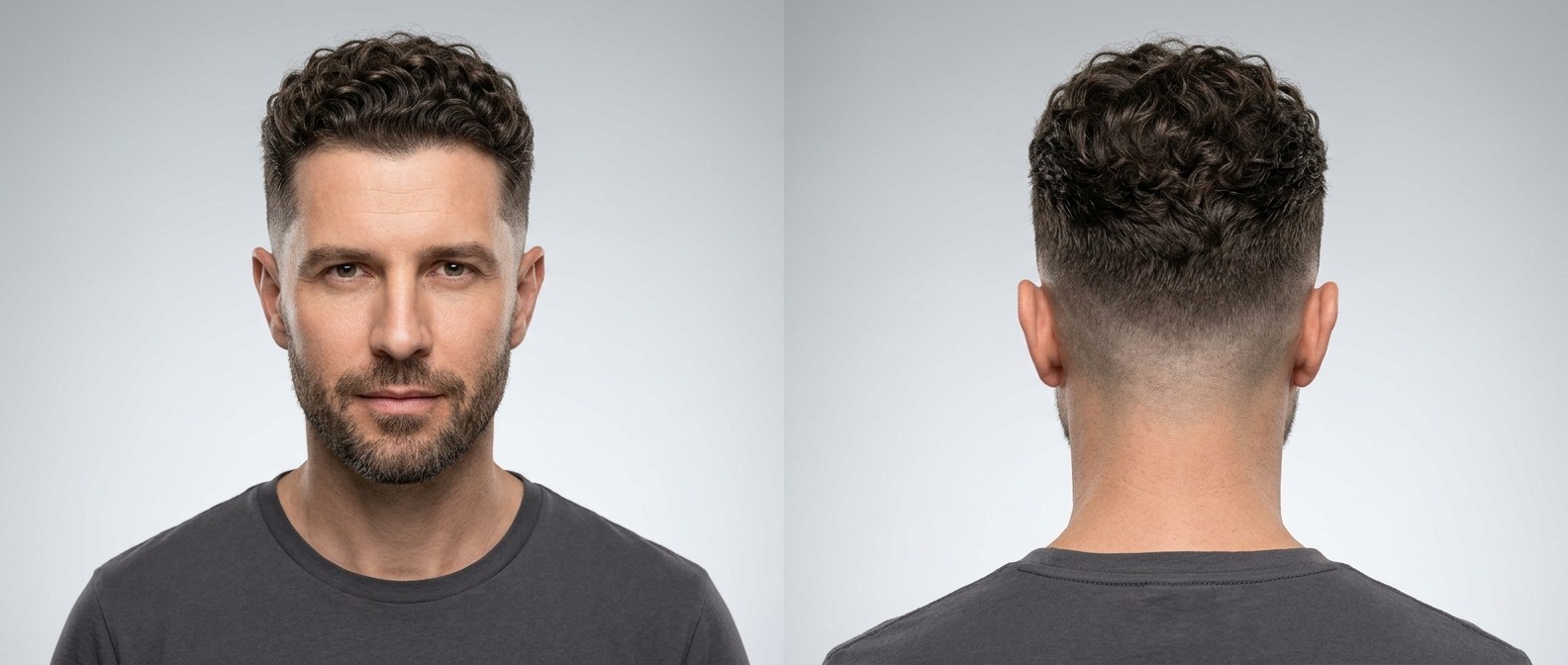
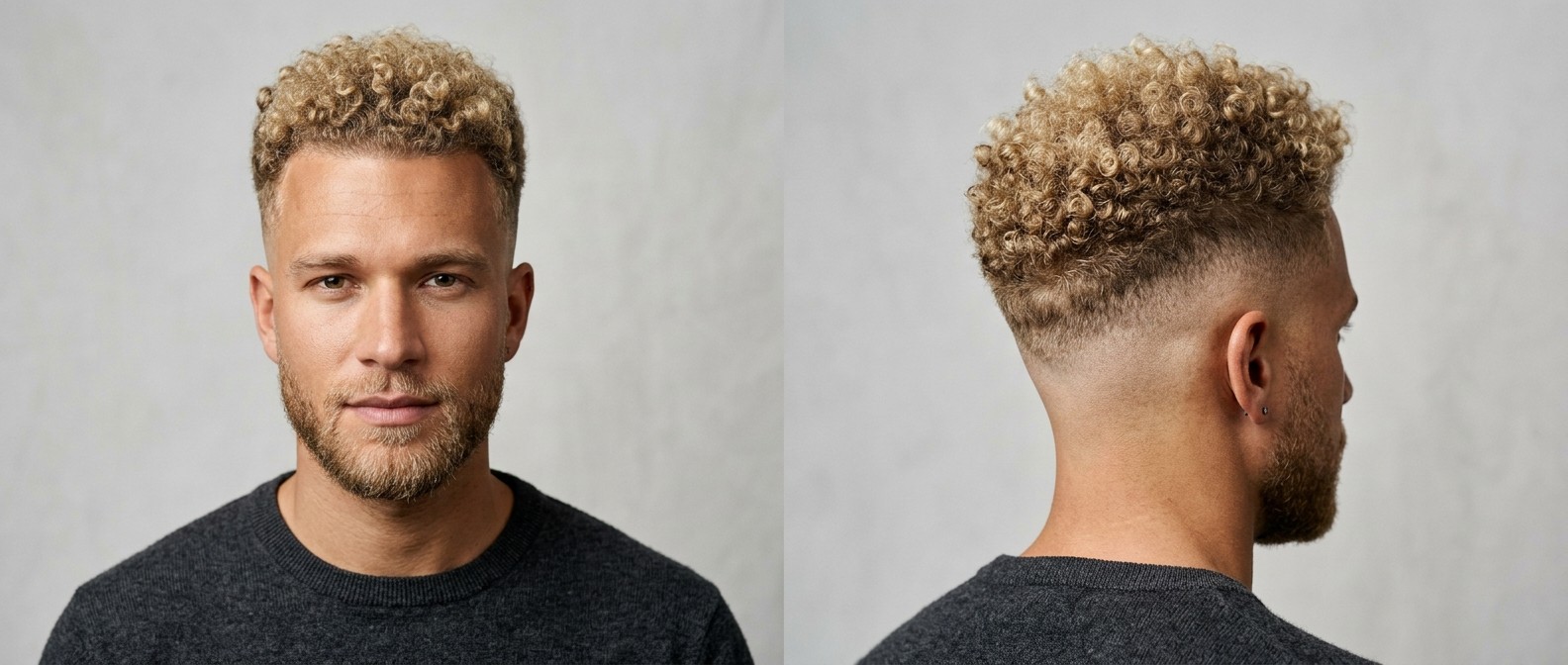
A mid fade is a gradient haircut where the tapering begins at approximately the midpoint of the sides, roughly level with the temples or just above. The hair blends from its longest point near the top of the head down through progressively shorter clipper guards, reaching its shortest length — often skin or near-skin — at a point midway between the ear and the crown.
The "mid" placement is what gives this fade its remarkable versatility. It sits high enough on the head to create a visible, clean contrast that reads as intentionally styled, but low enough to avoid the stark, aggressive look of a high fade. This middle-ground positioning has made the mid fade the default recommendation at barbershops around the world when clients simply ask for "a fade."
The mechanics of a mid fade involve careful blending across several clipper guard sizes. A typical mid fade might start with a #0 or #1 at the lowest visible point, transition through a #2 and #3 in the mid-section, and blend into the longer top hair through scissor-over-comb work or a #4-#5 guard. The artistry lies in making these transitions invisible — a well-executed mid fade looks like a single, continuous gradient rather than distinct steps.
Who Should Get a Mid Fade?
If you could only recommend one fade height to every man who walks into a barbershop, the mid fade would be it. Its universal appeal comes from its balanced proportions:
- Oval faces — the mid fade maintains the natural symmetry of this ideal face shape
- Round faces — the removal of side bulk at temple height creates a slimming effect that elongates the face
- Square faces — the gradual transition softens angular features without hiding them
- Oblong faces — keeping some hair at the mid-level prevents the face from appearing even longer
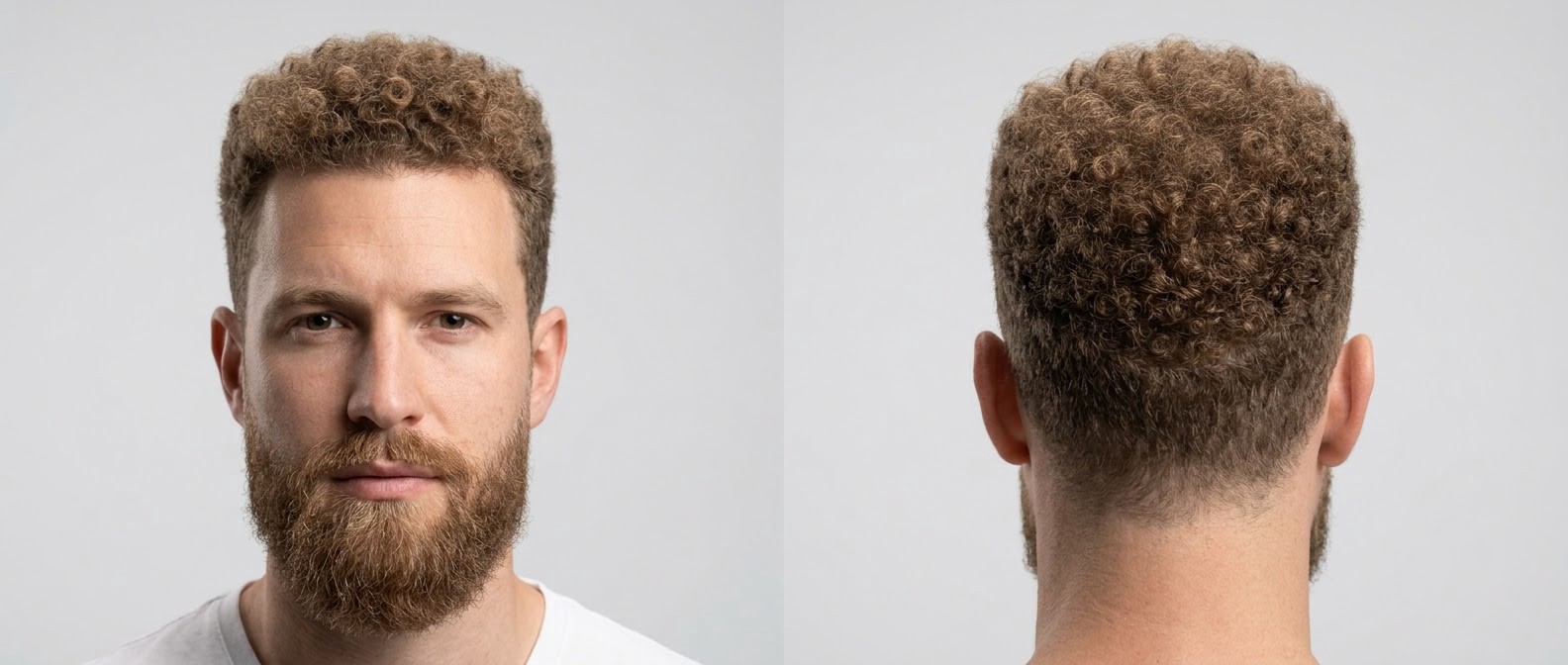
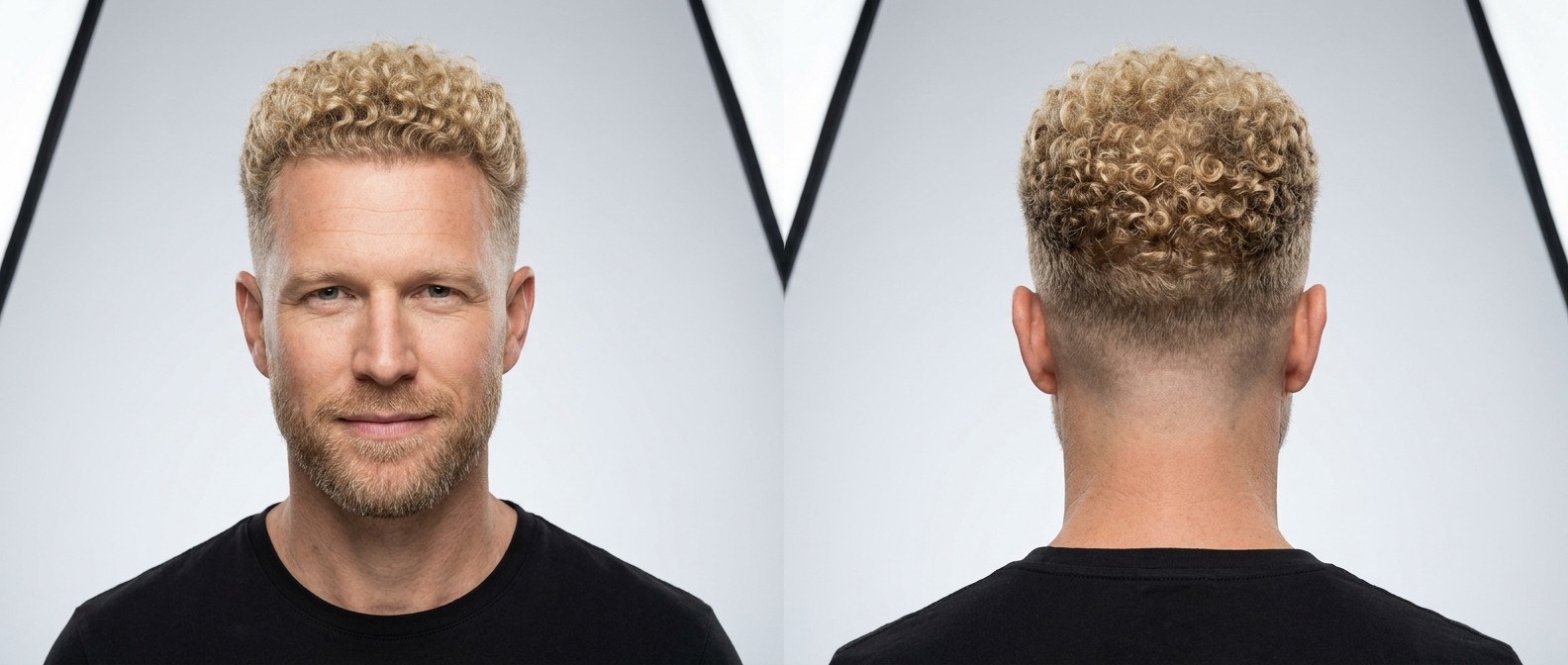
- All hair types — straight, wavy, curly, and coily hair all work beautifully with a mid fade foundation
The mid fade also bridges the gap between casual and formal contexts. It's polished enough for business settings and job interviews, yet has enough style impact for nights out and social events. If you need one haircut that works everywhere, the mid fade is your answer.
How to Style Hair with a Mid Fade
The mid fade serves as an excellent foundation for virtually any top style. Because the sides are handled by the fade, your styling efforts focus entirely on the hair above the gradient. Here are proven combinations:
Quiff: The mid fade is the quintessential quiff foundation. Blow dry the front upward and backward with a round brush, then lock in the shape with a medium-hold clay or pomade. The mid fade provides enough side contrast to make the quiff pop without overwhelming it.
Textured top: Work a matte paste through 2-3 inches of top hair for a casual, effortless look. Push it forward, to the side, or straight up — the mid fade frames each direction equally well.
Comb over: Part the hair on one side and comb across with a light pomade. The mid fade adds modernity to this classic style, preventing it from looking dated or flat.
Curly top: If you have natural curls, let them shine on top while the mid fade keeps everything neat below. Apply a curl-defining cream and avoid touching your curls too much as they dry — the contrast between textured curls and a smooth fade is striking.
Buzz with mid fade: Even a very short top (#3-#4 all over on top) looks elevated when paired with a mid fade rather than a uniform buzz. It's the lowest-effort way to get a stylish cut.
What to Tell Your Barber
The mid fade is common enough that most barbers will know exactly what you mean, but specificity still helps you get your ideal result:
- Fade starting point — "at my temples" or "midway up the sides" is the standard mid fade position
- Bottom length — skin (#0) for a clean finish, #0.5 for a soft shadow, #1 for a conservative approach
- Blend quality — ask for "seamless blending" — some barbers default to faster, less refined fades unless you specify
- Back matching — should the mid fade follow the same height around the back, or drop slightly lower behind the ears?
- Top connection — how should the fade blend into the top? Scissor-blended for soft, or clipper-blended for cleaner lines?
If you've been getting low fades and want to try going higher, telling your barber "I want to go one step up from where we usually do it" is often more effective than describing exact measurements. Your barber knows your head shape and can adjust the placement for the most flattering result.
Maintenance Schedule
The mid fade requires regular upkeep every 2-3 weeks to maintain its clean appearance. Because the fade occupies a larger visible area than a low fade, the growth is more noticeable — the crisp gradient becomes a fuzzy, undefined transition within about two weeks for most hair growth rates.
If you're on a budget or have a busy schedule, the mid fade is actually more forgiving during the growth-out phase than a high fade. The moderate starting height means that even at three weeks, the shape still reads as intentional rather than neglected. However, for consistently sharp results, a two-week rotation is ideal.
Home maintenance is possible but requires practice. The lower portion of a mid fade (below the temple line) is manageable with home clippers, but the blending zone near the top of the fade is difficult to execute on yourself. Most men find a hybrid approach works best — barber visits every 3-4 weeks with quick home cleanups of the neckline and lowest section between appointments.
Mid Fade vs. Other Fades
Understanding where the mid fade sits in the fade spectrum helps you make informed choices. The low fade starts just above the ears — more conservative, less visual impact, ideal for formal settings and first-time fade clients. The mid fade starts at the temples — balanced, versatile, and the most popular choice overall. The high fade starts near the crown — dramatic, attention-grabbing, and best for men who want maximum contrast. Each has its place, and many men cycle through different heights depending on the season, occasion, or simply their mood. The mid fade, however, remains the reliable center point — the fade you can always return to when you want something that simply works, every time, without overthinking it.