
What Is a Mullet?
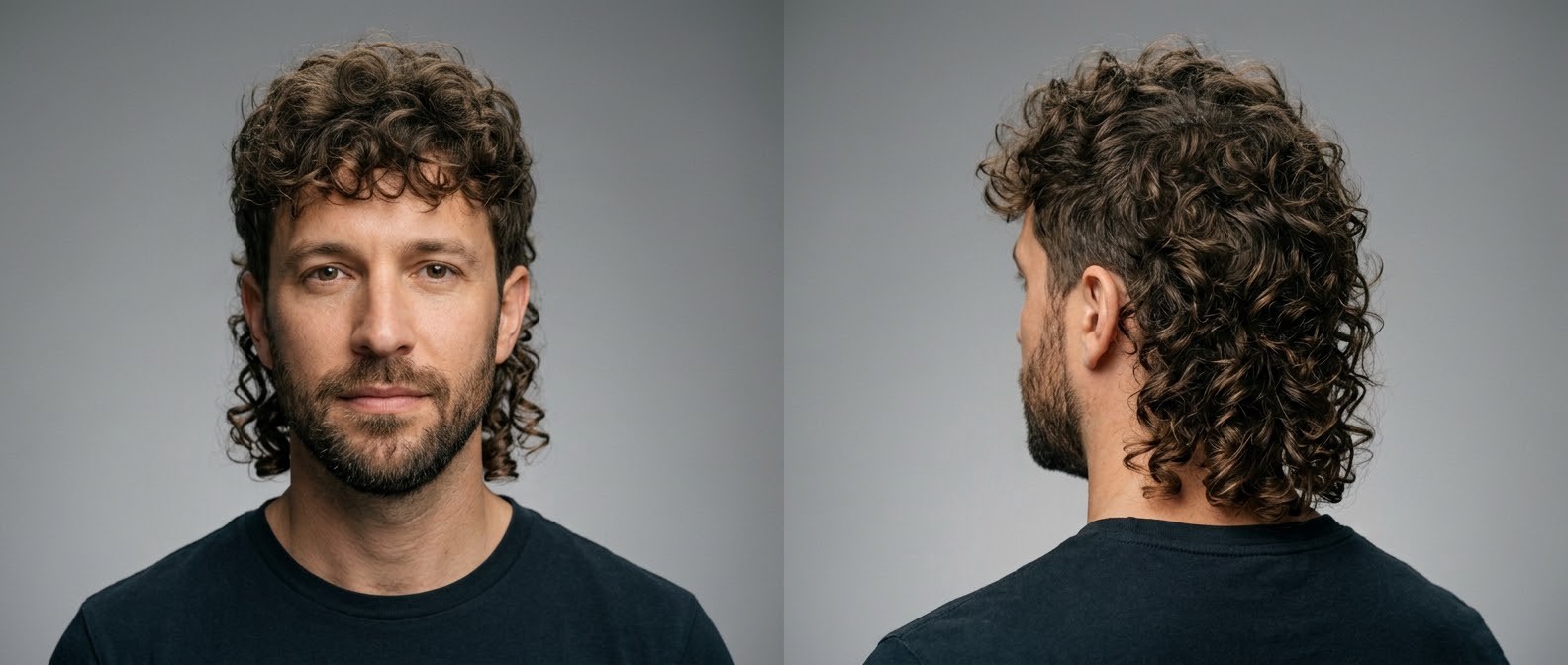
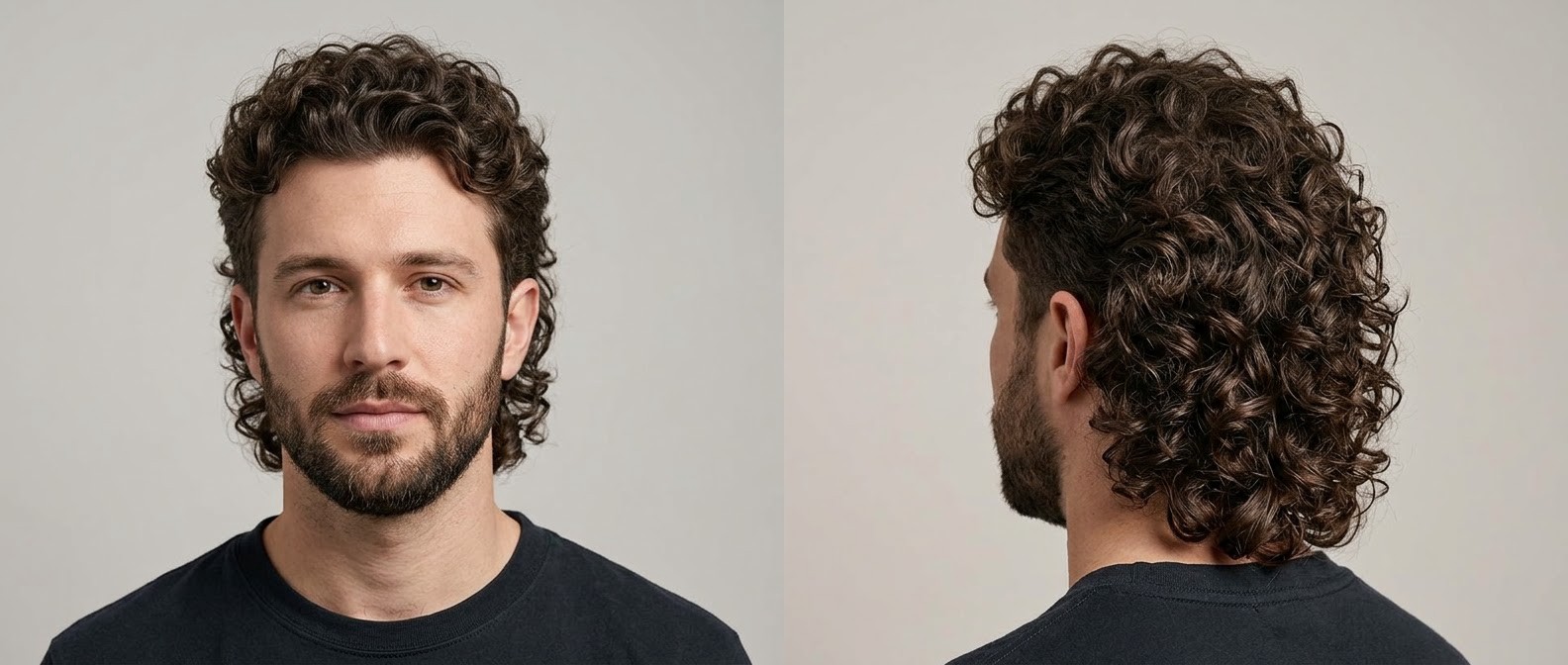
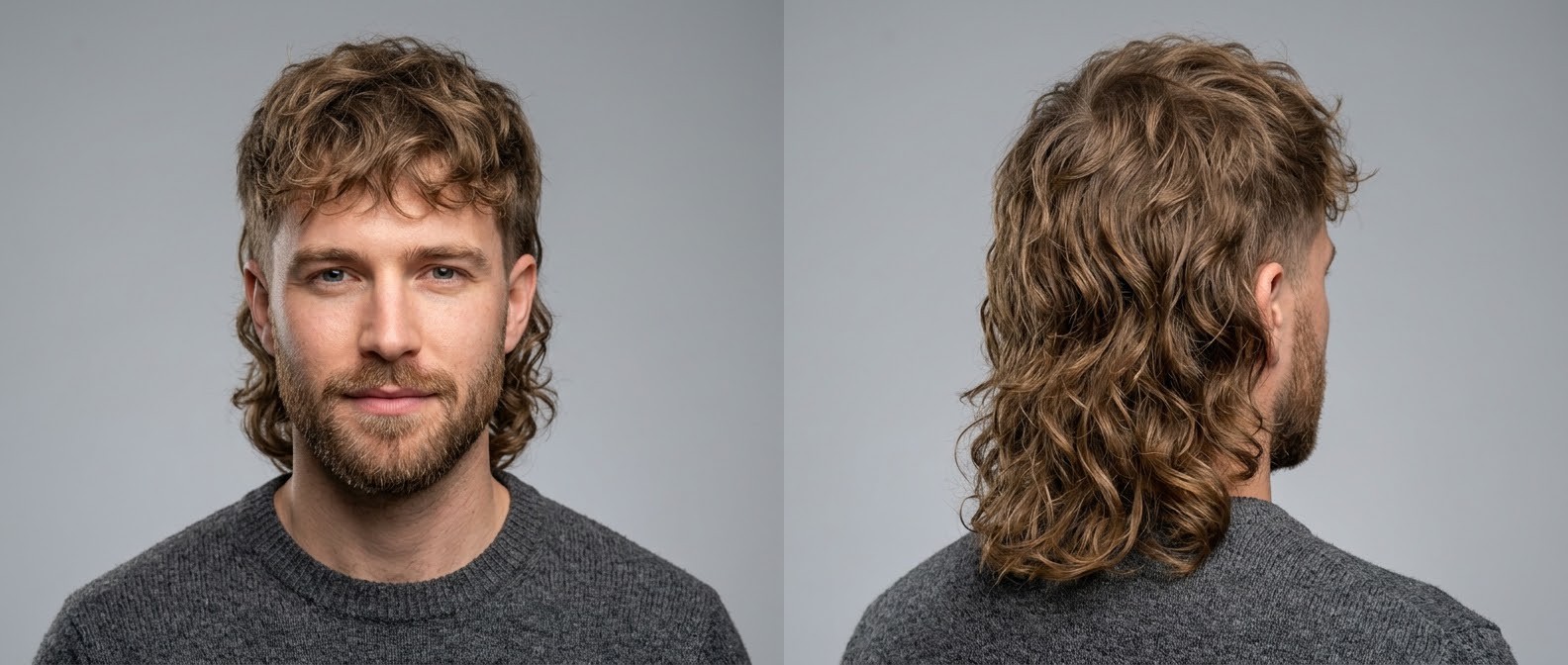
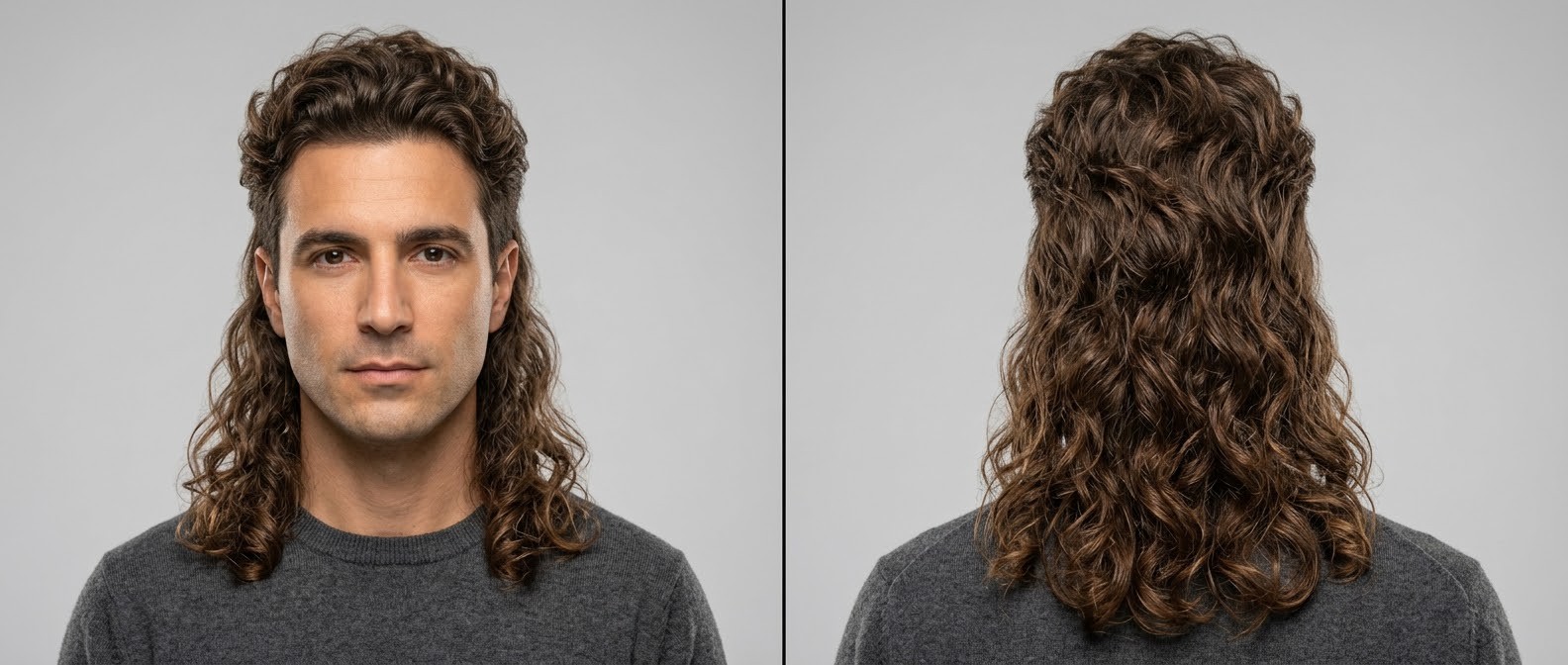
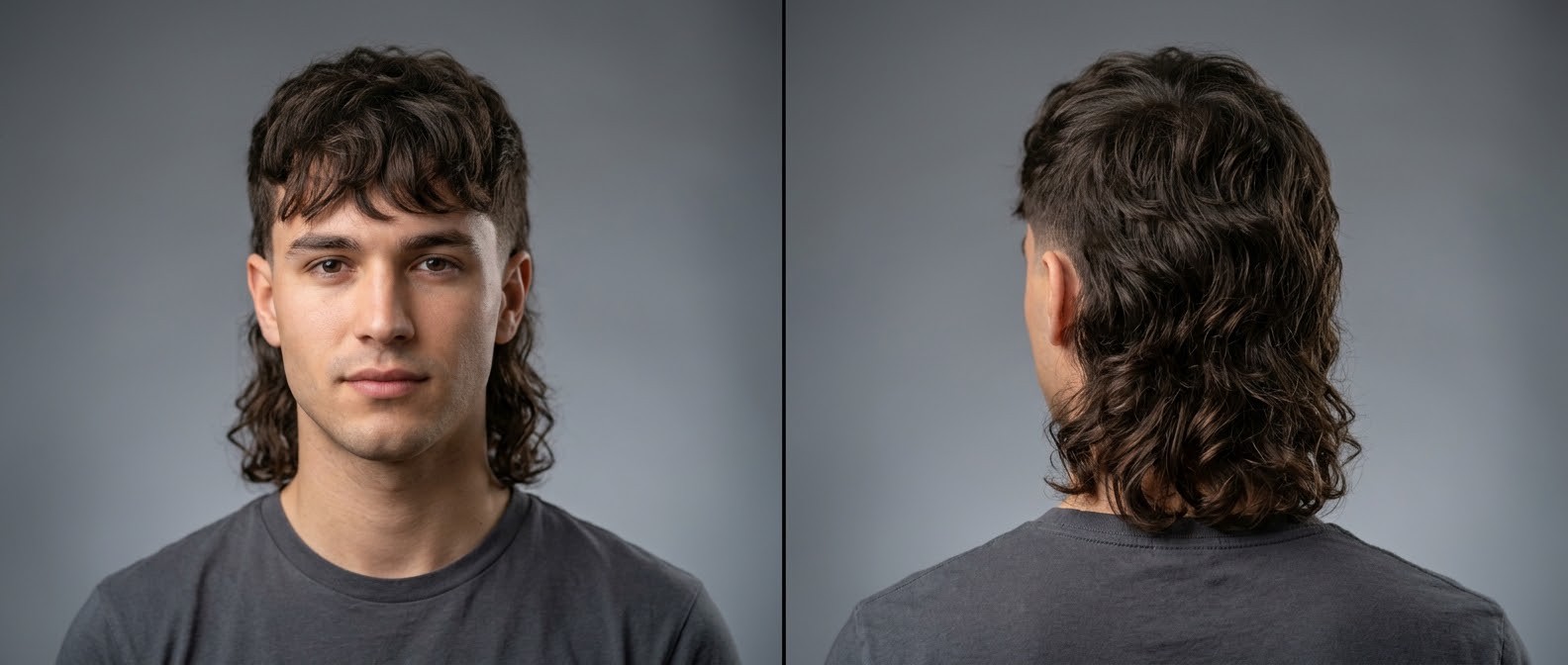
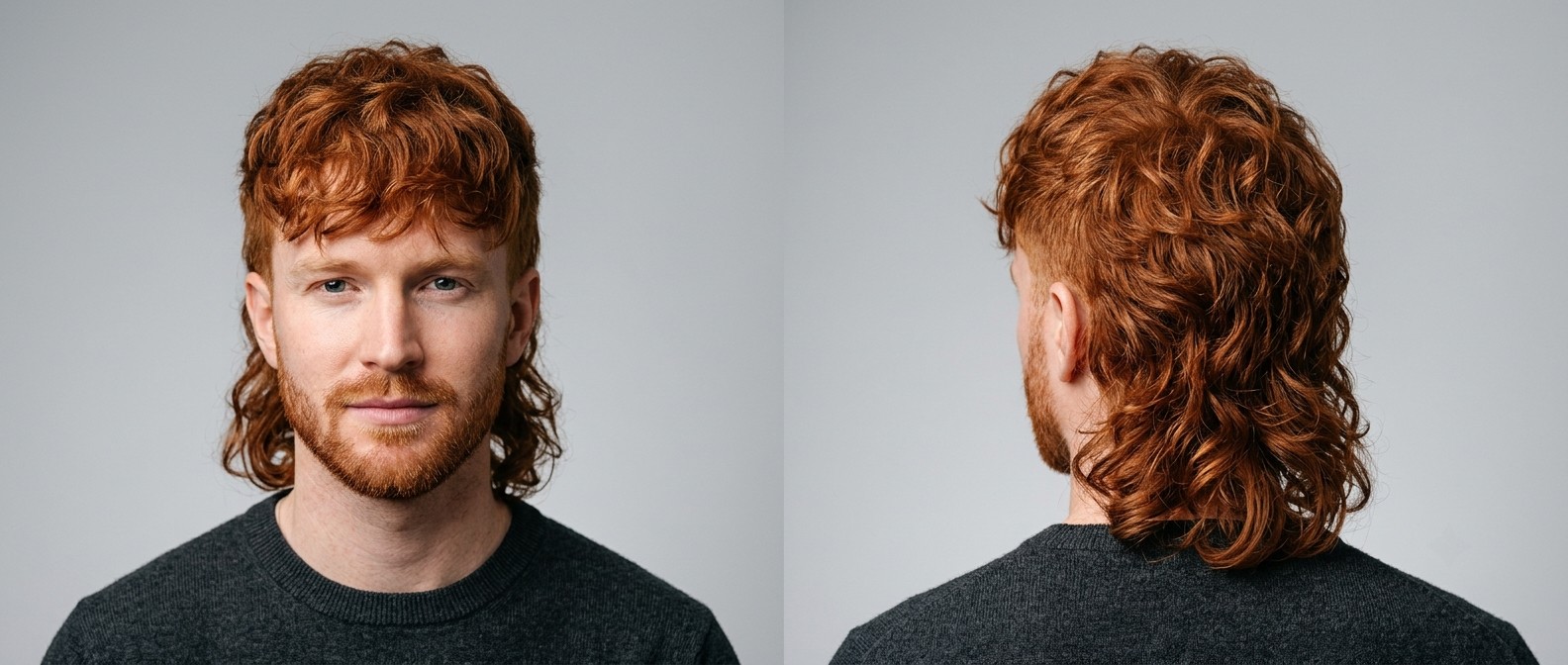
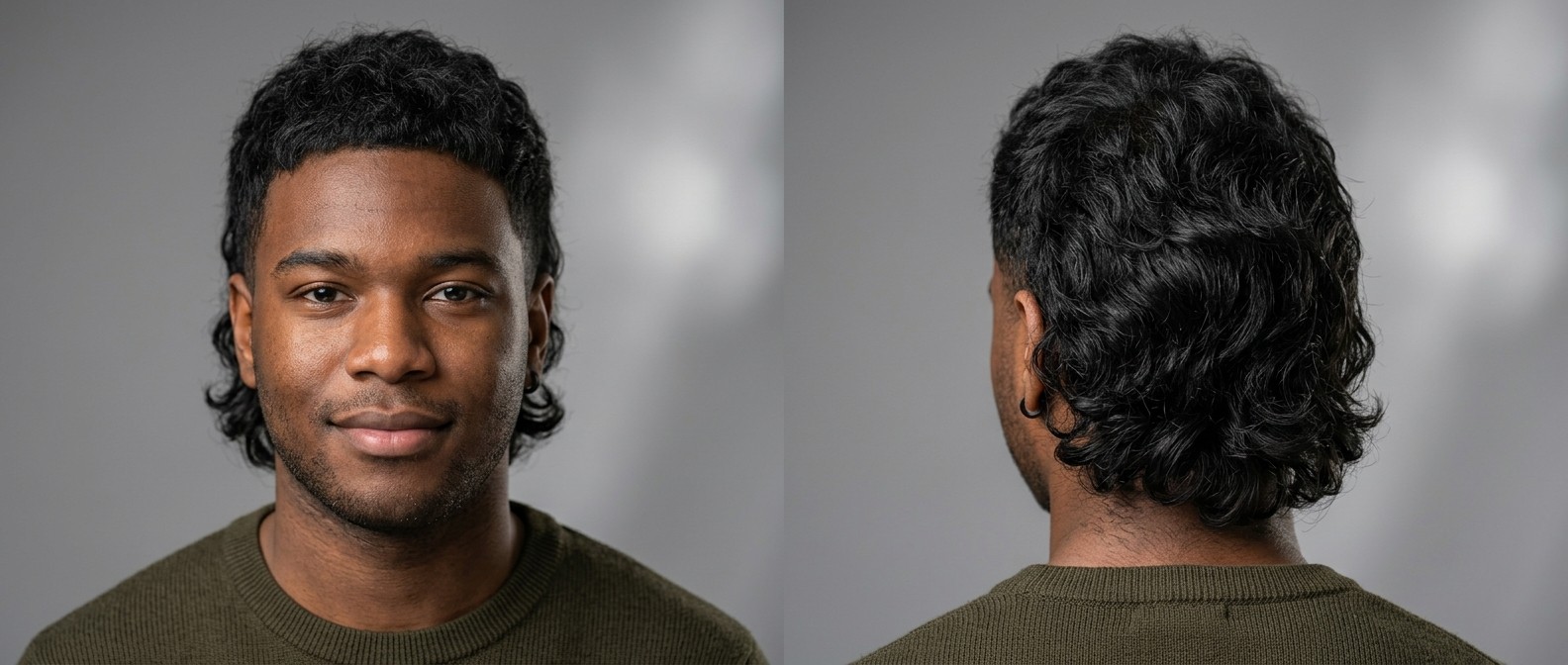
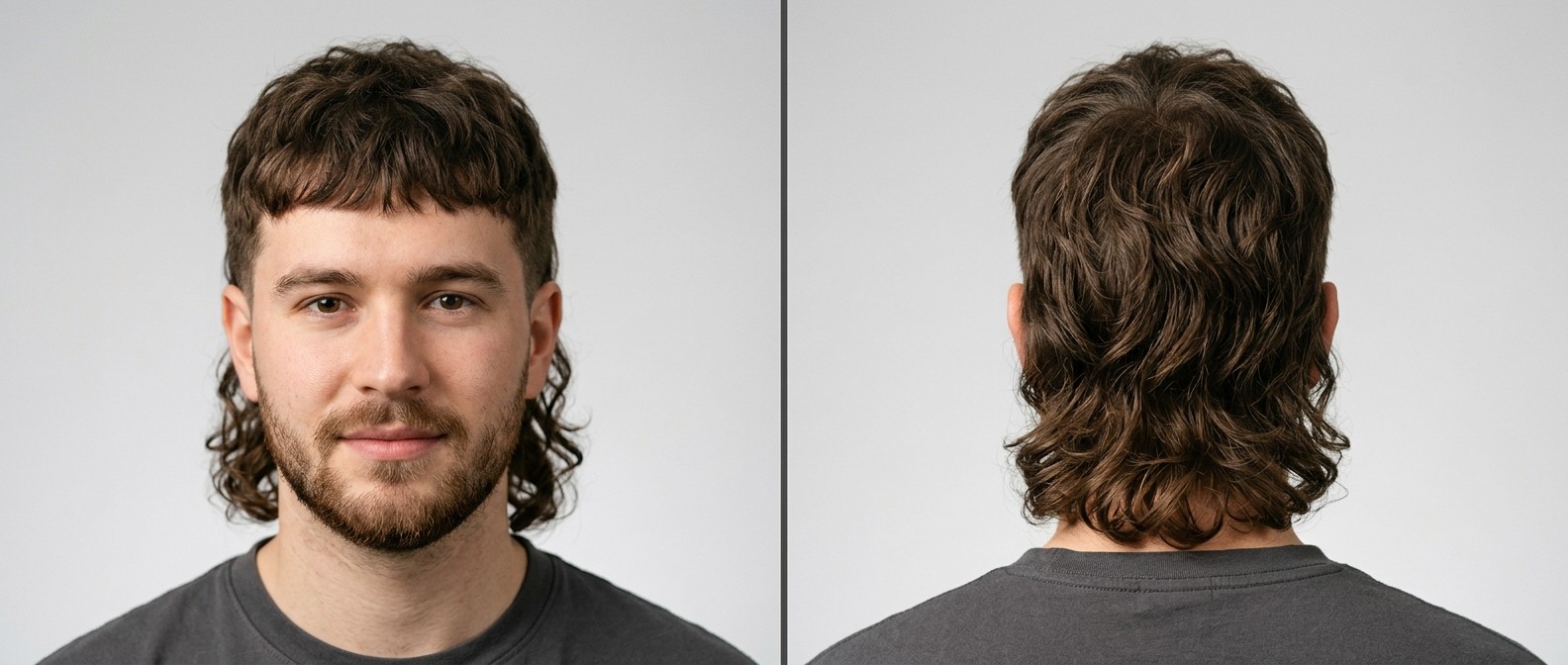
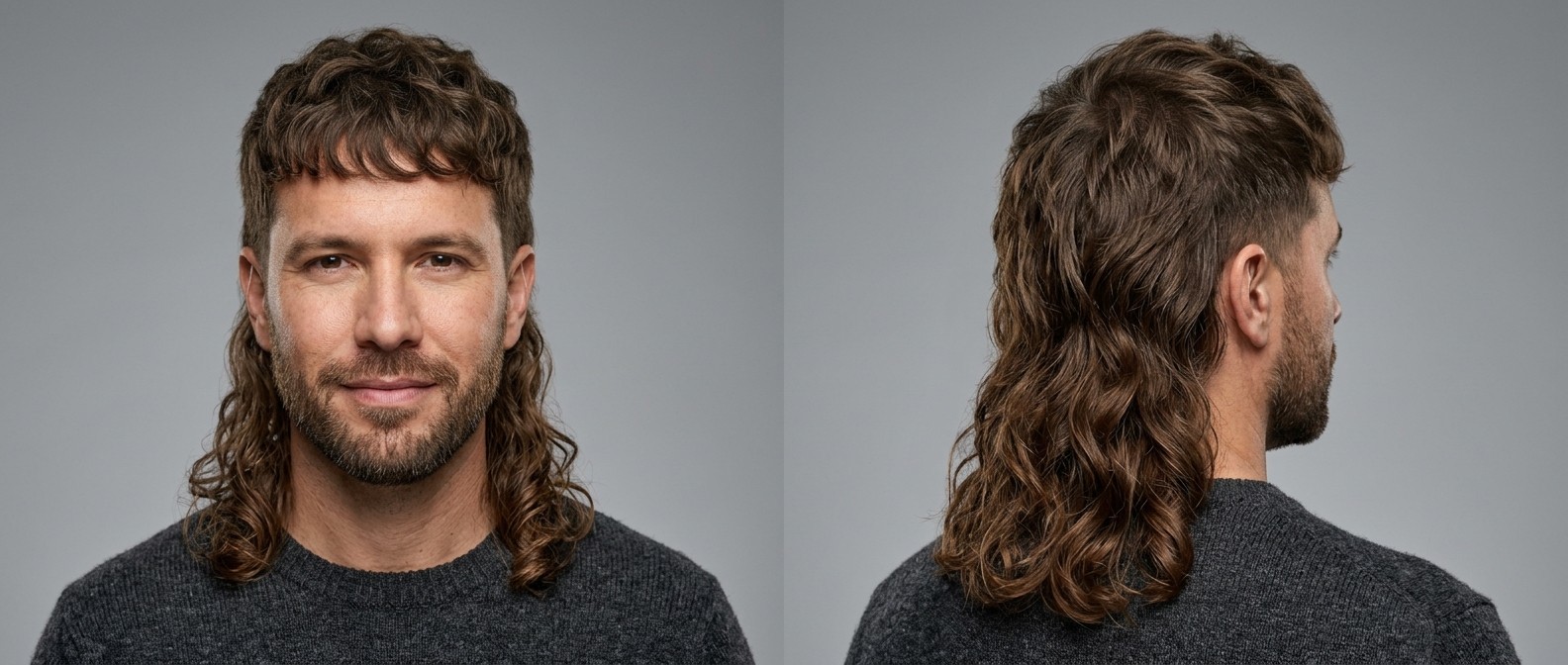
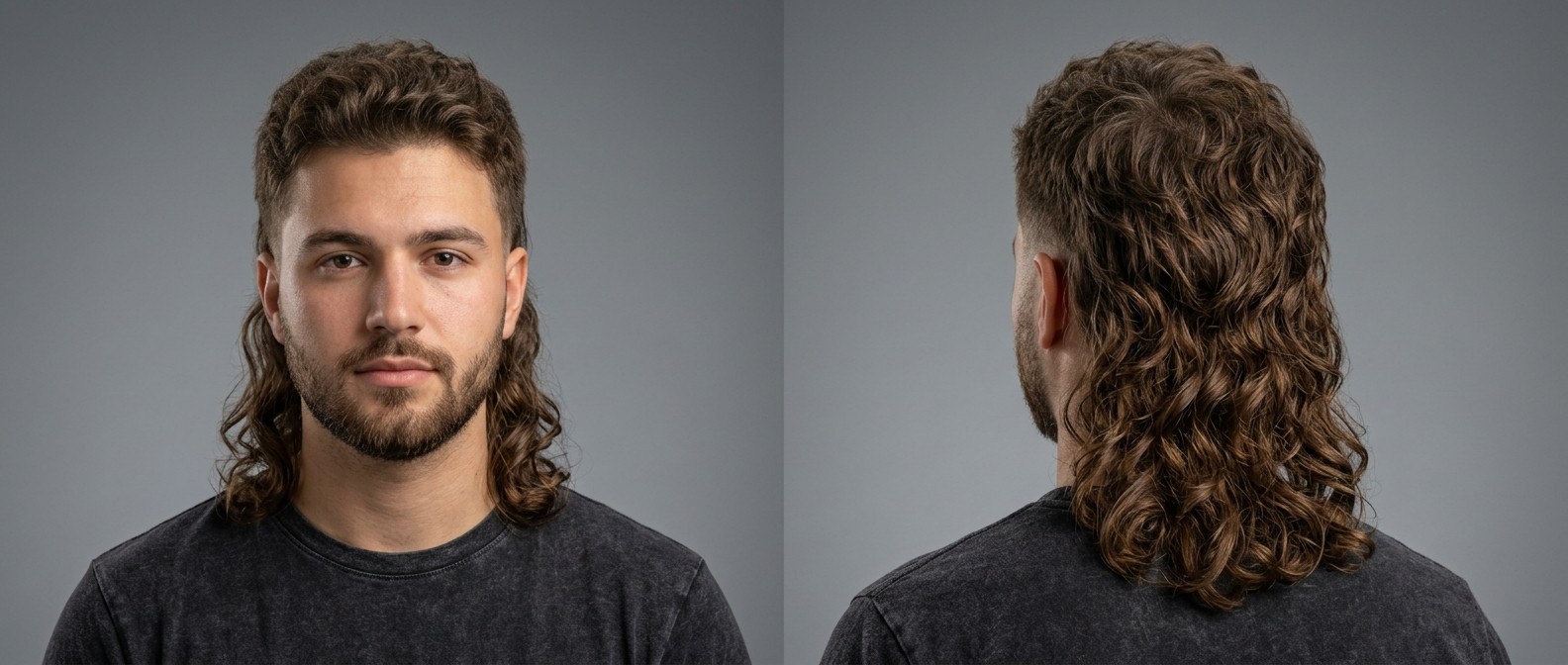
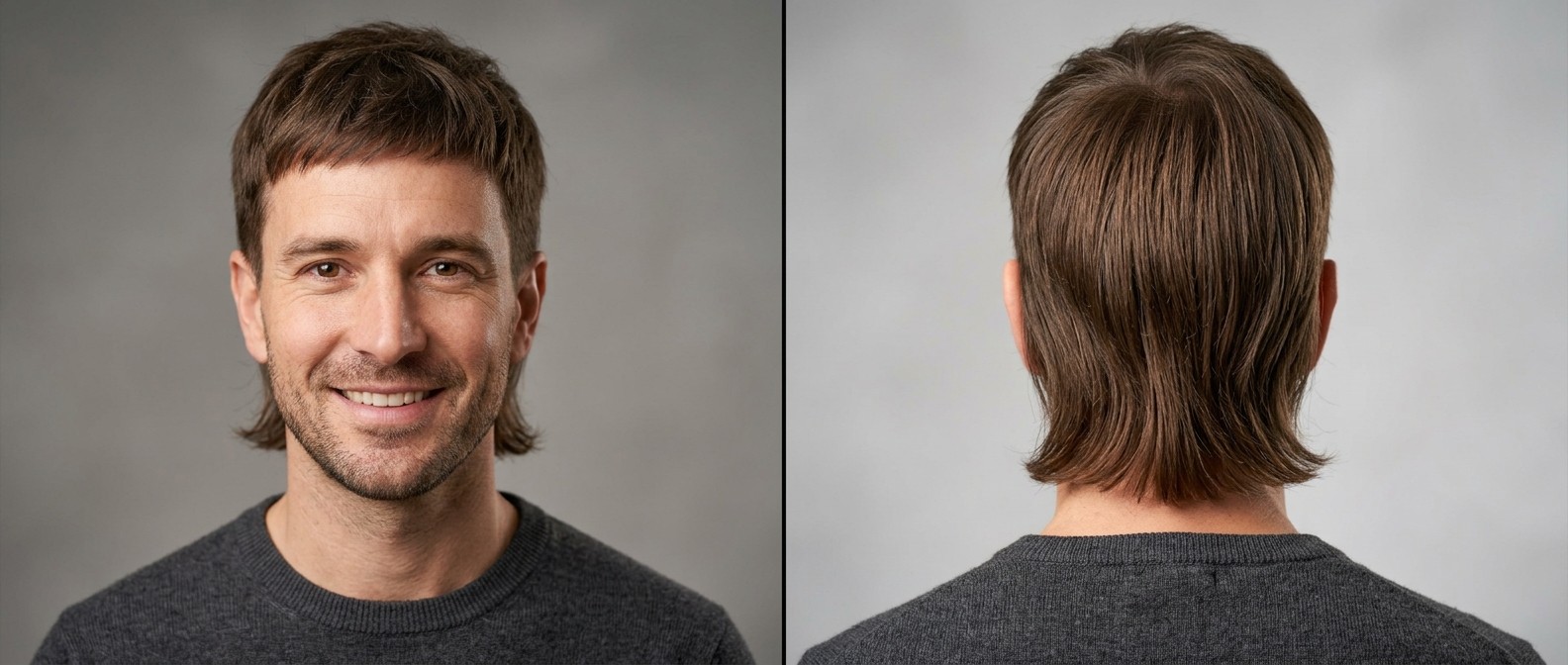
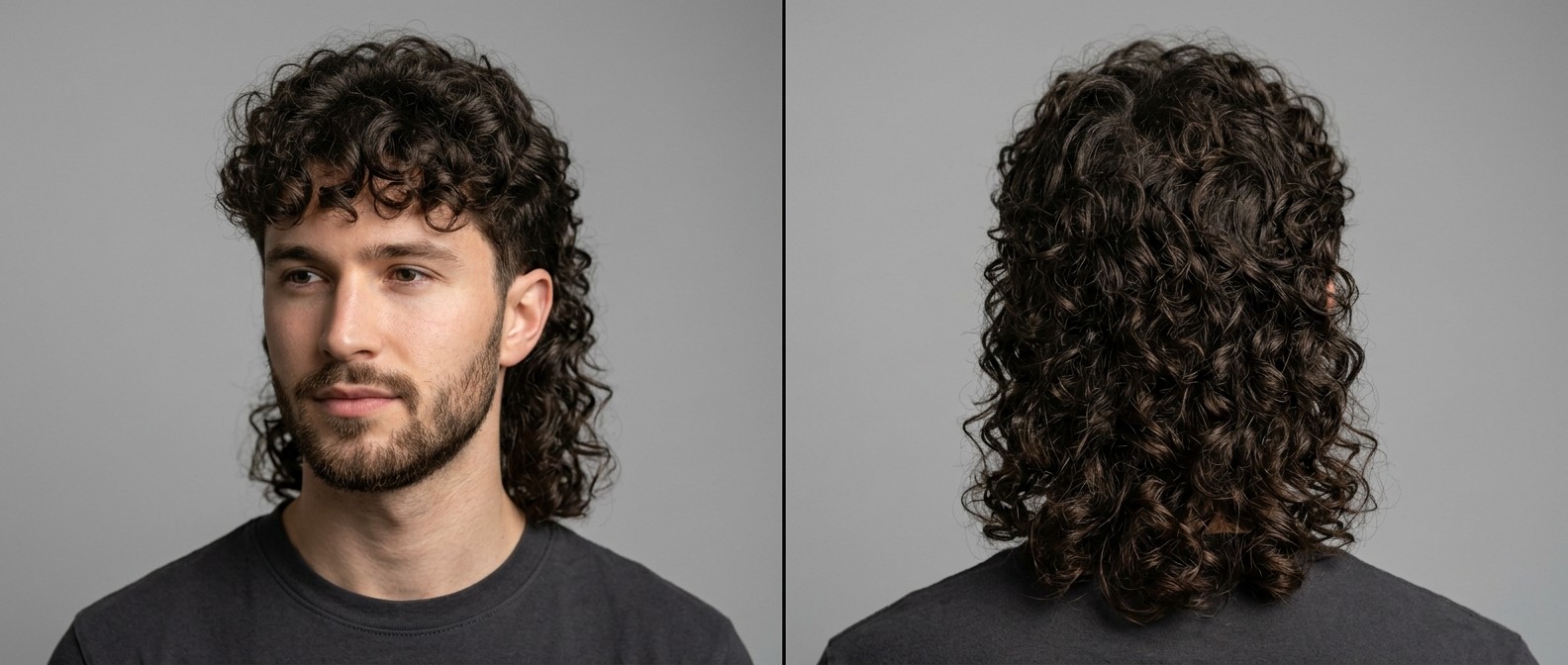
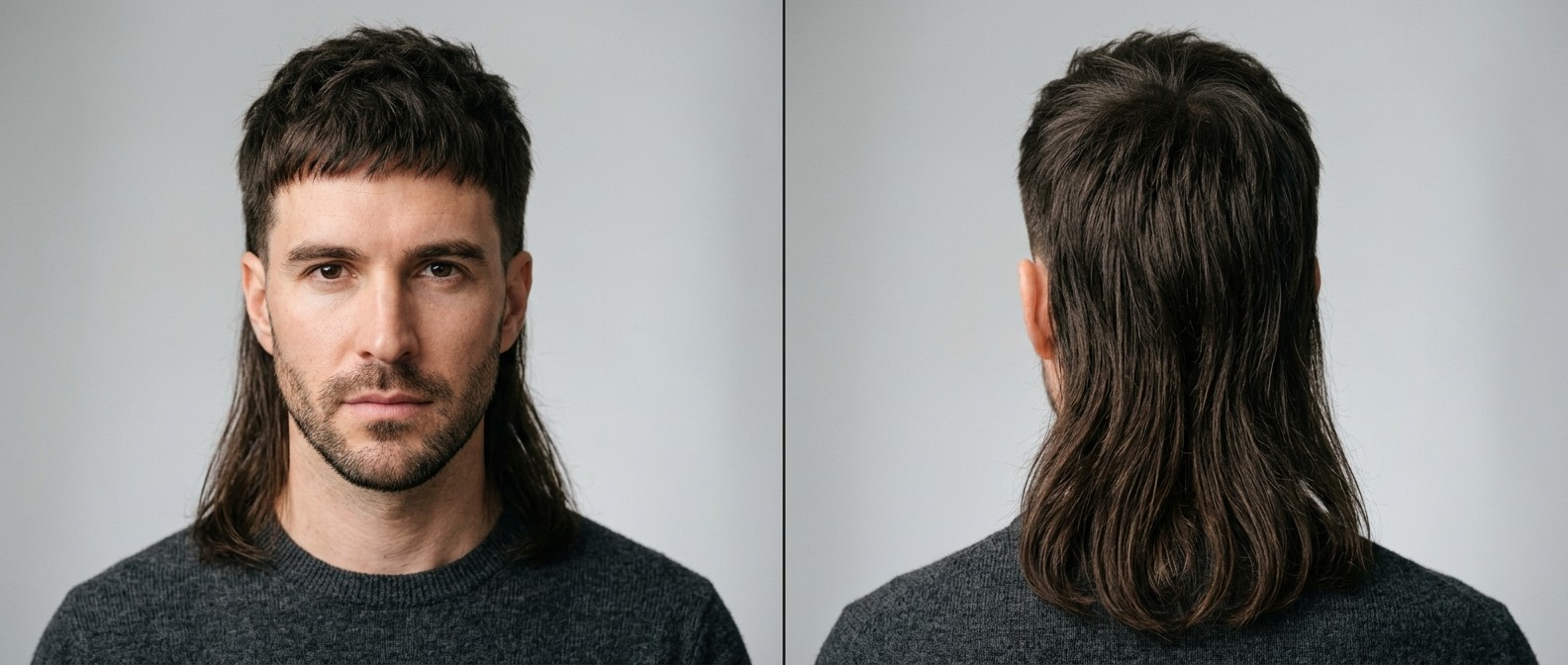
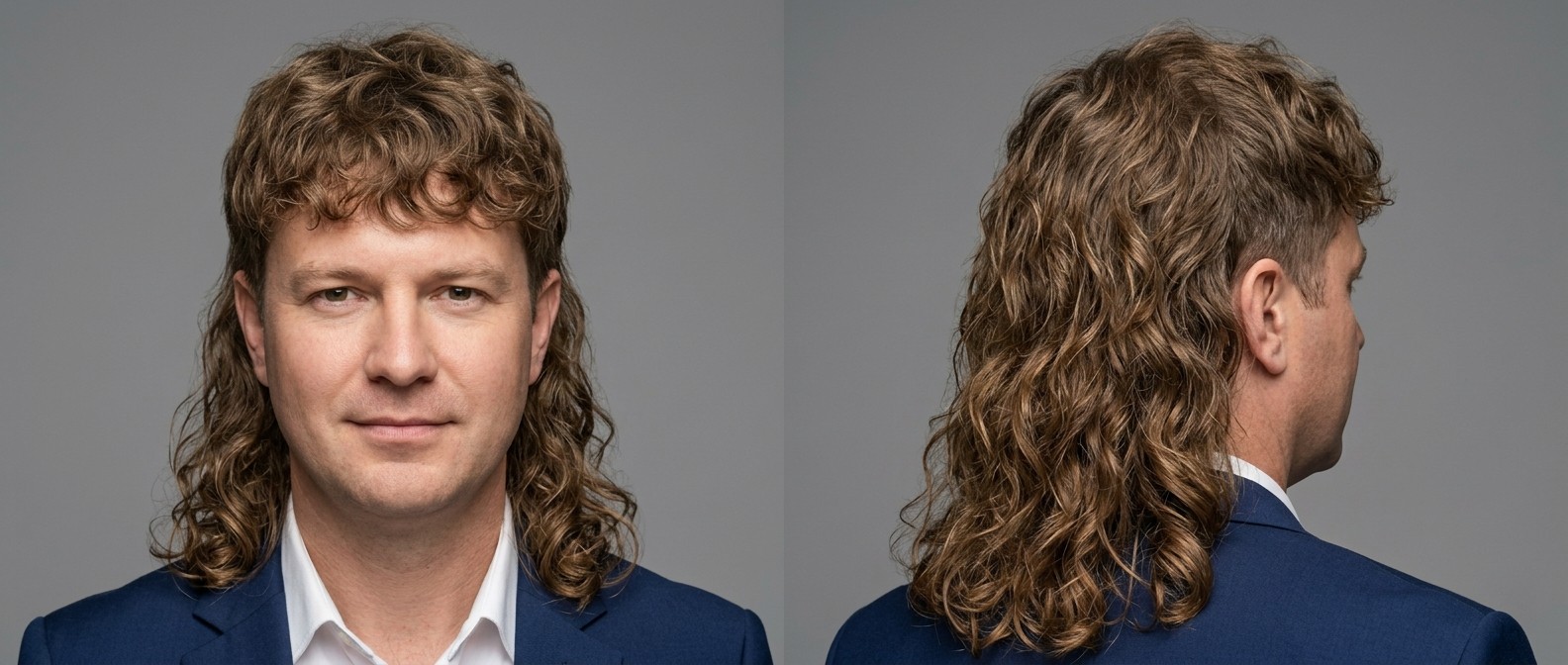
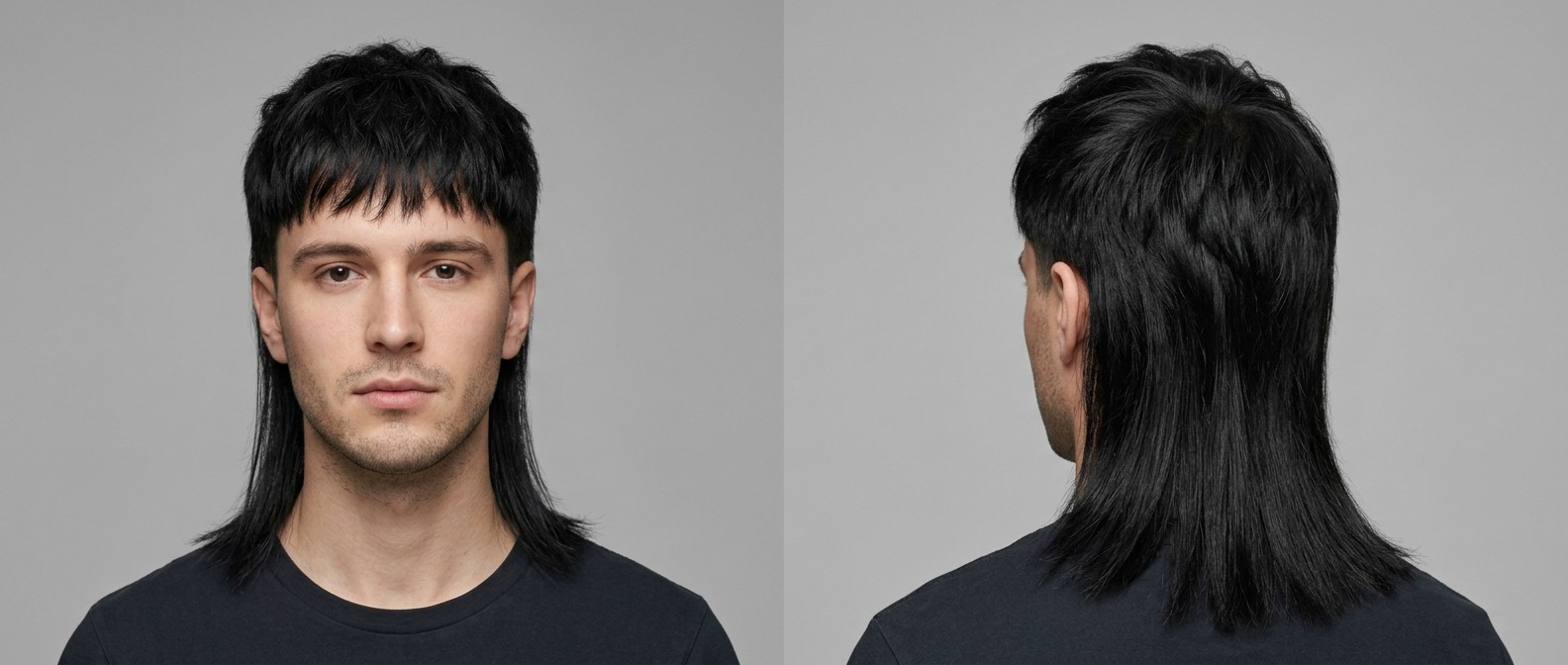
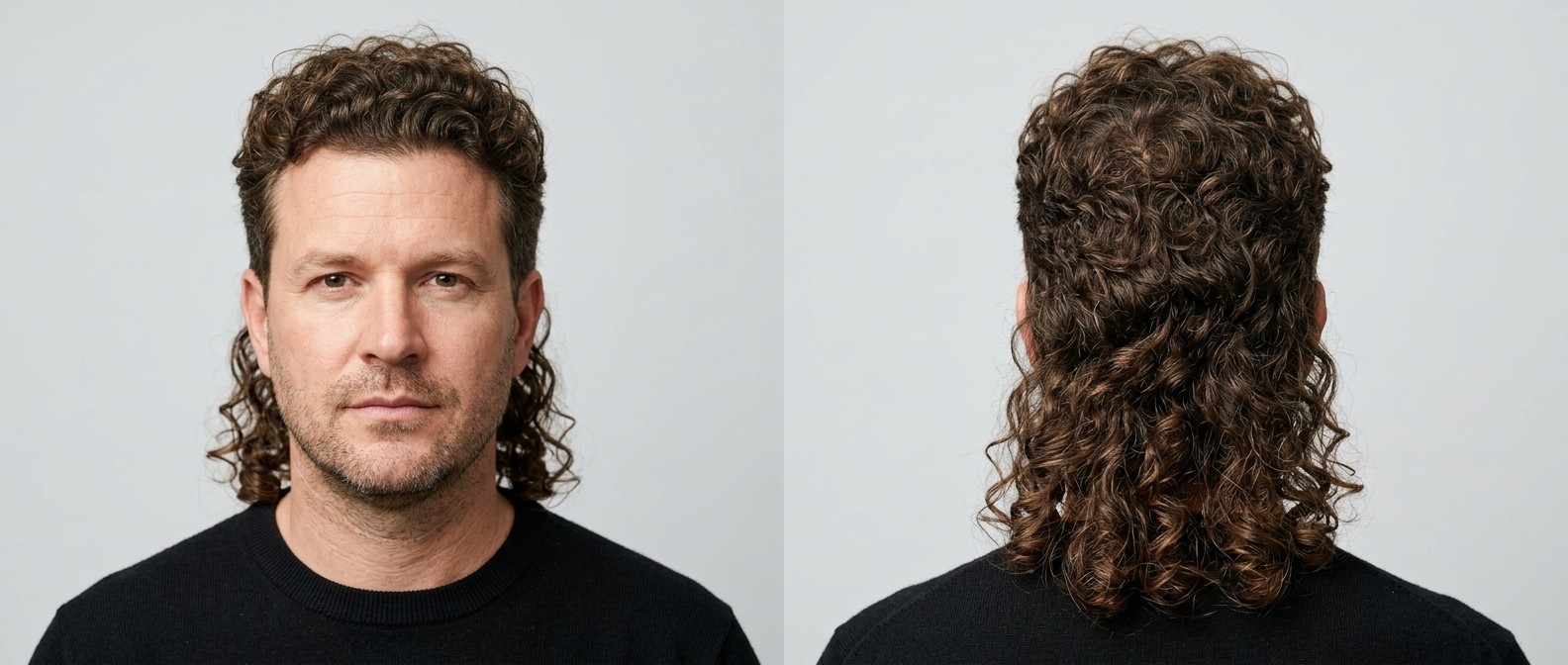
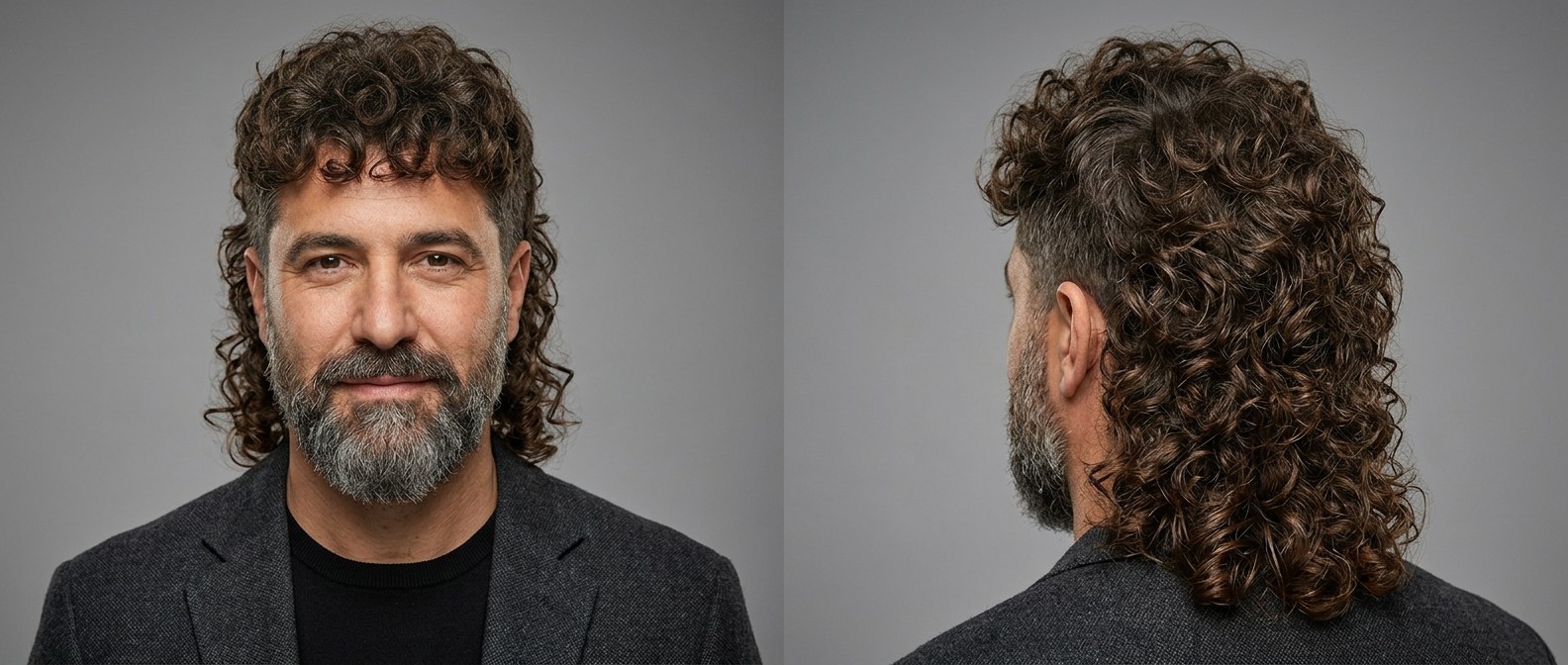
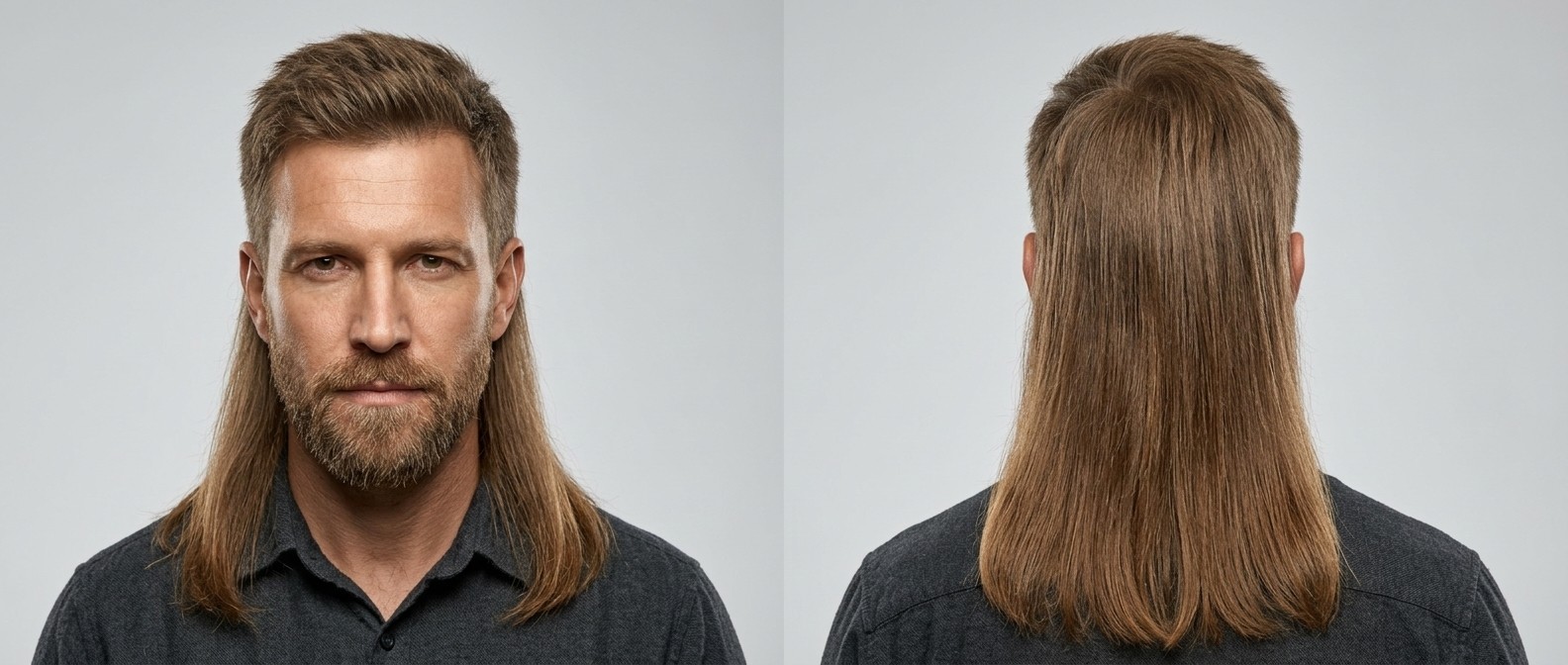
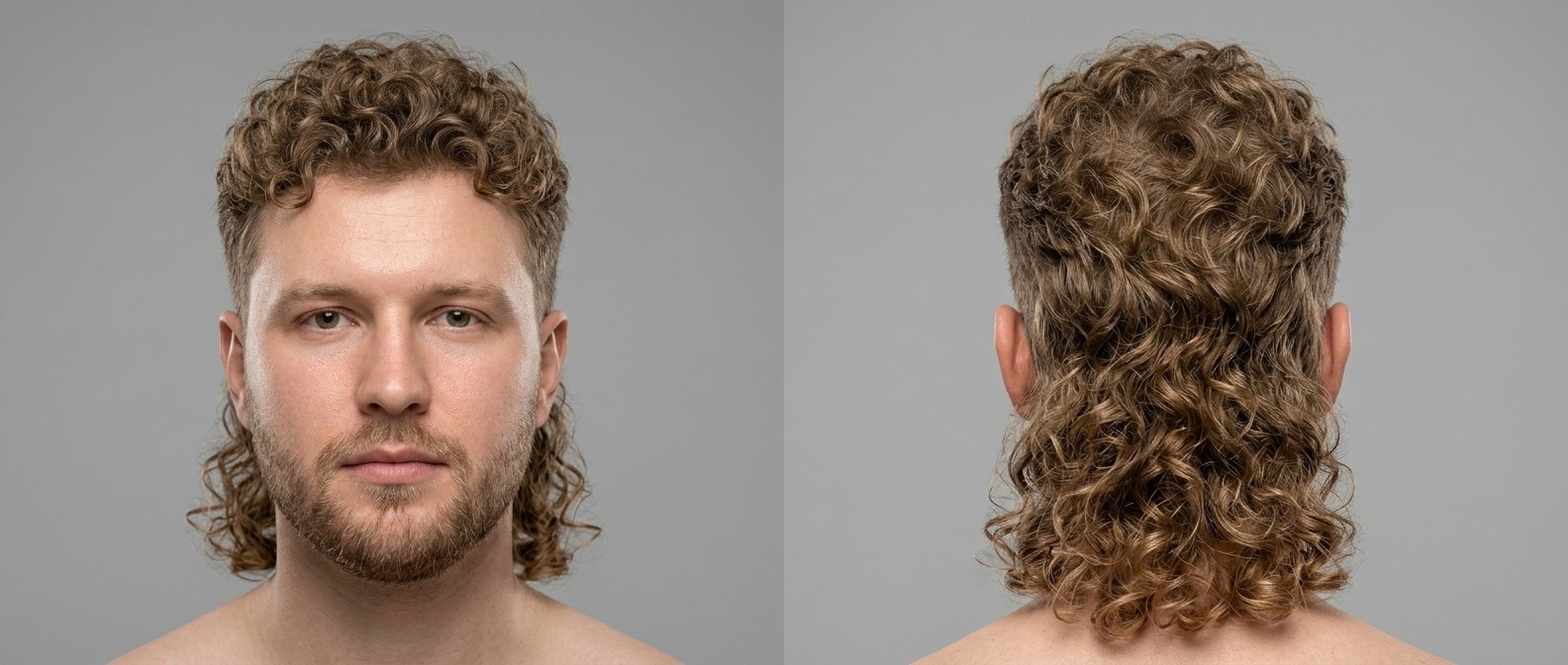
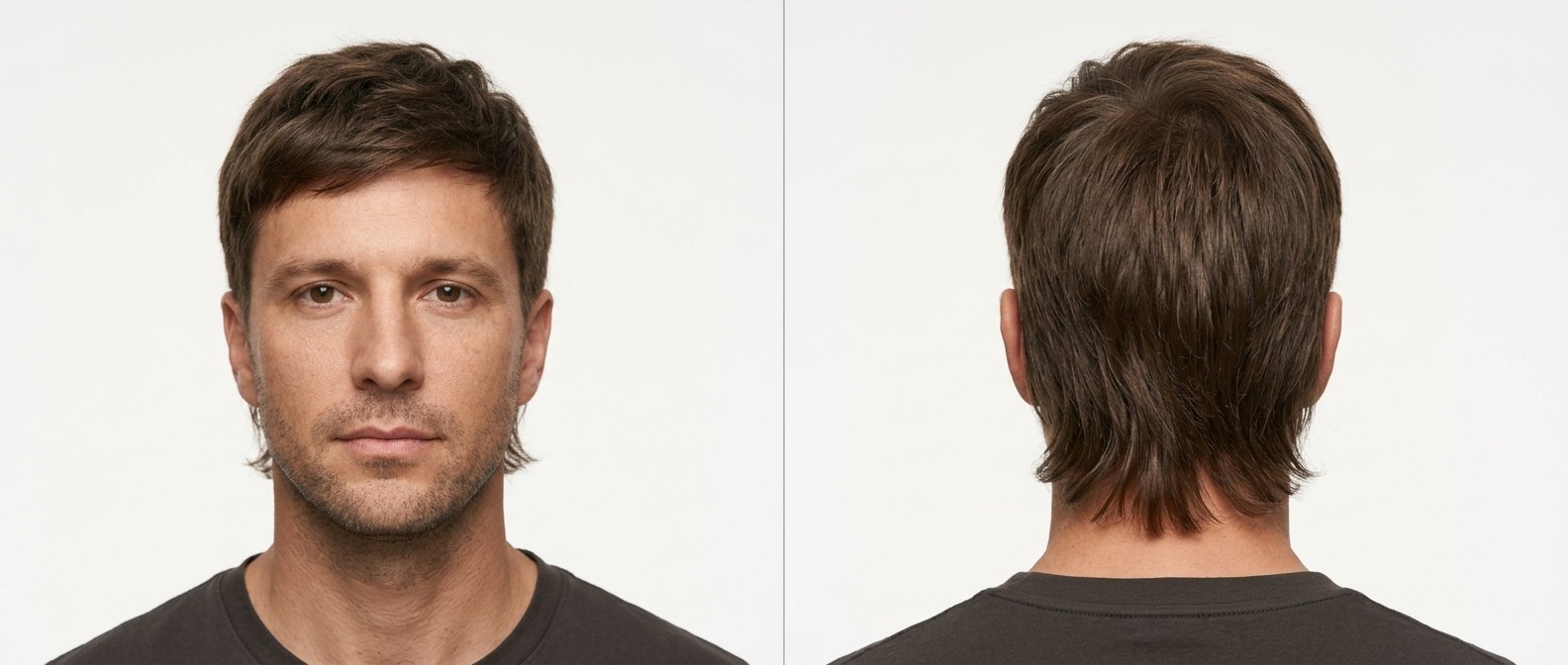
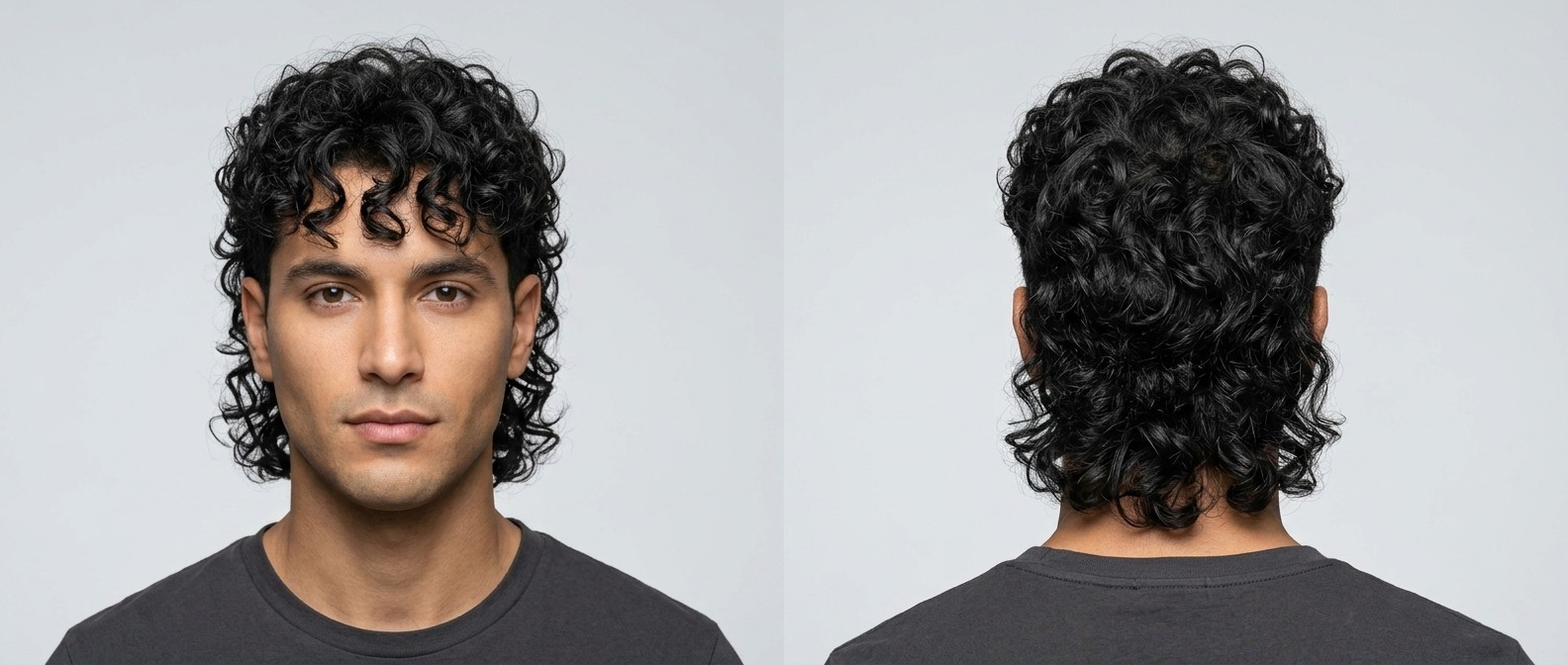
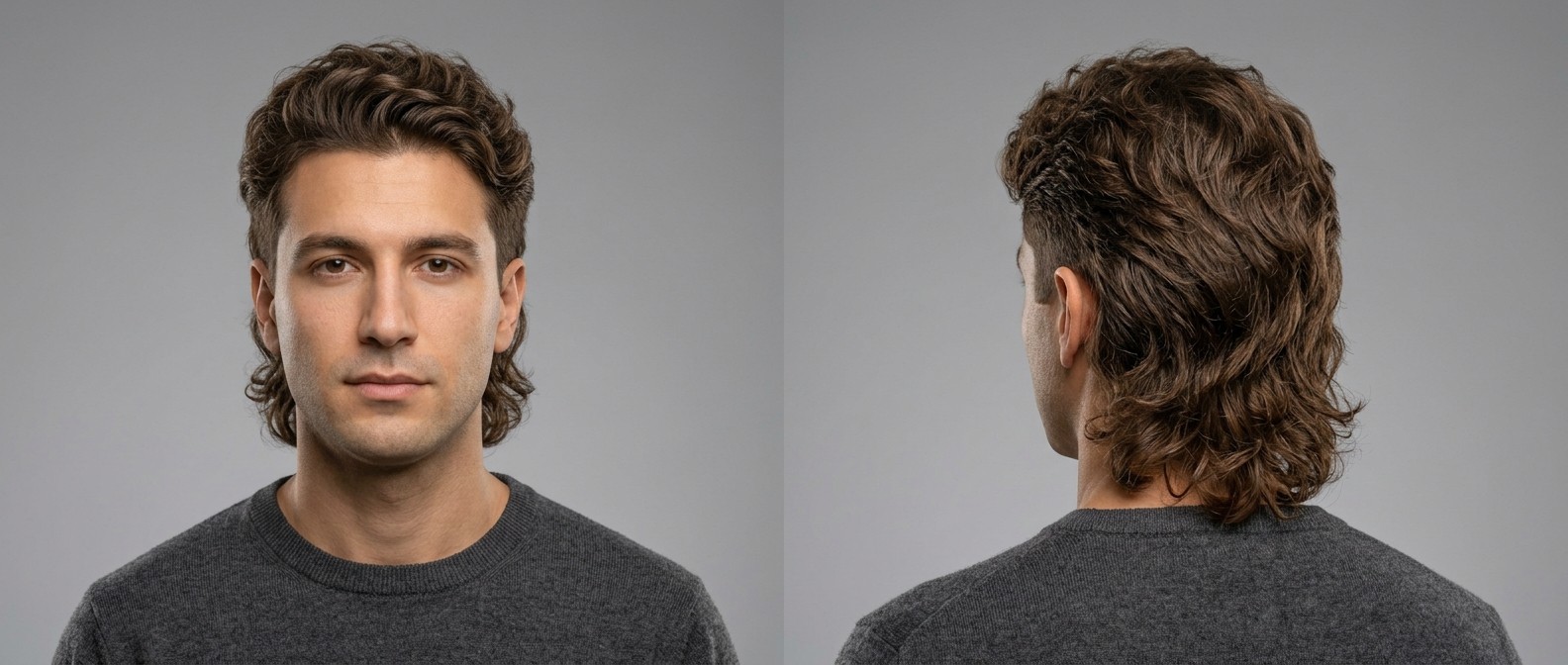
The mullet is a hairstyle characterized by shorter hair on the top, front, and sides that transitions into significantly longer hair at the back. The defining feature is this length contrast — the front might be trimmed to a few inches while the back flows past the collar or even reaches the shoulders. The phrase "business in the front, party in the back" perfectly captures the mullet's split personality.
While the mullet is often associated with the 1980s — and names like Billy Ray Cyrus, David Bowie, and Patrick Swayze — the style actually predates that era by centuries. Ancient warriors and frontier settlers wore similar practical styles that kept hair out of the face while providing warmth at the neck. The term "mullet" as a hairstyle name was popularized by the Beastie Boys in their 1994 song "Mullet Head."
Today's mullet revival has brought the style firmly into high fashion territory. Designers, K-pop stars, and professional athletes have all embraced modern interpretations that feel intentional and stylish rather than ironic or outdated.
Who Should Get a Mullet?
The modern mullet works for men who have a sense of humor about fashion and appreciate a cut with genuine character. It's particularly popular among:
- Creative professionals — artists, musicians, designers who value self-expression
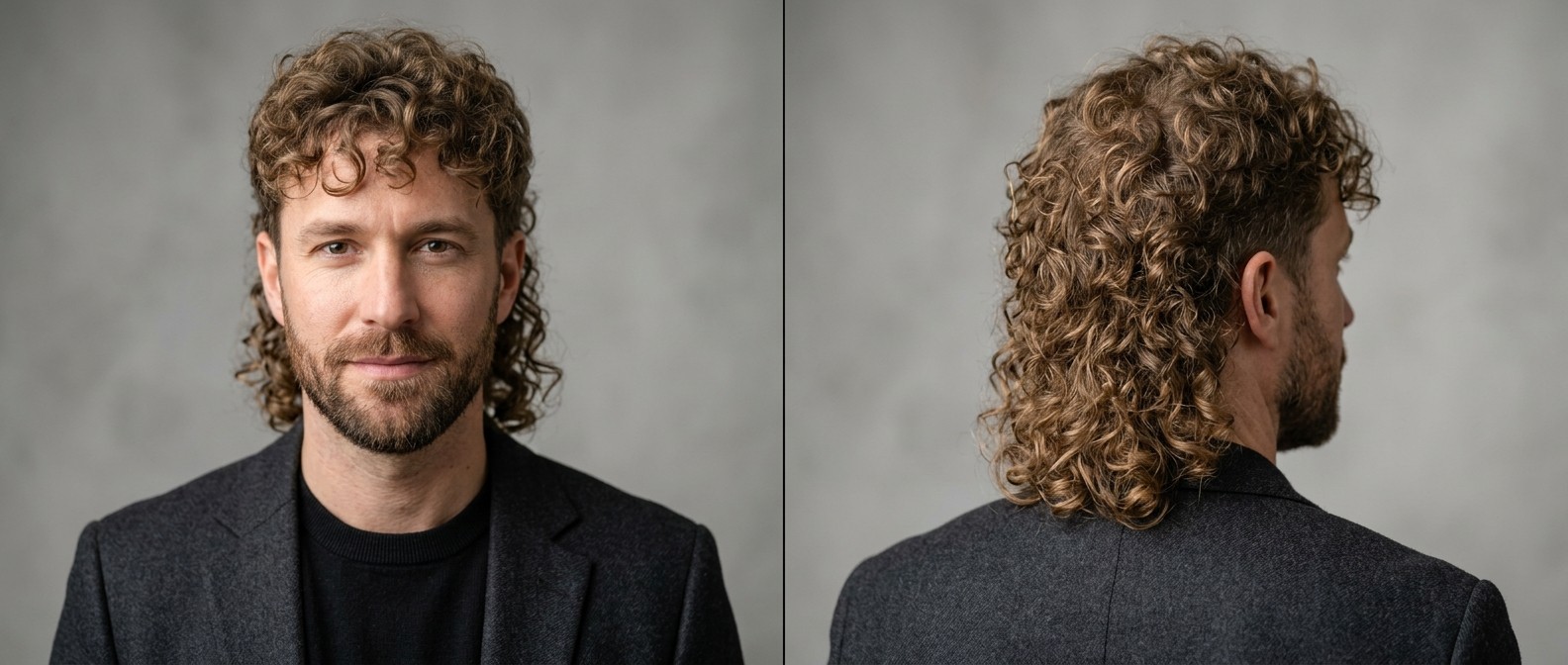
- Men with wavy or curly hair — natural texture in the back creates beautiful movement
- Oval and oblong face shapes — the volume at the back balances longer face proportions
- Athletic builds — the mullet has deep ties to sports culture, from hockey to rugby
If you have a rounder face, a mullet with more volume on top and a tapered back can help elongate your features. Square faces benefit from a slightly softer, more textured mullet that doesn't emphasize hard angles. The key is finding the right variation for your specific features and lifestyle.
How to Style a Mullet
One of the mullet's hidden advantages is its relatively easy styling routine. The front and sides are short enough to require minimal effort, while the back often looks best with natural texture and movement. Here's your basic routine:
After washing, towel dry your hair and apply a light styling cream or sea salt spray to the back section for texture. If you want volume on top, use a blow dryer to lift the roots upward. For a more polished modern mullet, apply a small amount of pomade to the front and sides and style them neatly while letting the back flow naturally.
For a shaggy, textured mullet — currently the most popular variation — use a texturizing spray on damp hair and scrunch the back with your hands. Let it air dry for a relaxed, effortless look. The beauty of the mullet is that it actively benefits from a slightly undone aesthetic.
What to Tell Your Barber
Getting a good mullet requires a skilled barber who understands the style. Here's how to communicate what you want:
- Top length — typically 3-4 inches, enough for some styling but clearly shorter than the back
- Side treatment — modern mullets often feature a fade (#1-#3 guard) or tapered sides
- Back length — specify exactly how long — collar length, mid-neck, or shoulder length
- Transition zone — how does the short top blend into the long back? Gradual layers or a more abrupt change?
- Fringe/bangs — do you want a short fringe, curtain bangs, or swept-back front?
Show reference photos — there are dozens of mullet variations, and the differences matter. A modern shag mullet looks completely different from a classic 80s power mullet or a Kentucky waterfall.
Maintenance and Growth
A mullet requires regular trimming on the top and sides while you let the back grow. Visit your barber every 3-4 weeks to maintain the shape contrast. The sides and top will grow out quickly and blur the intentional proportions if you skip appointments. Meanwhile, the back needs only occasional shaping to remove split ends and maintain a healthy appearance.
Use a good conditioner on the longer back section to keep it soft and manageable. If you're growing a mullet from a shorter cut, expect the awkward transition phase to last 2-3 months before the back reaches a visually distinct length. Be patient and keep trimming the front during this period.
Popular Mullet Variations
The mullet family tree is surprisingly diverse. The modern mullet features a textured, layered approach with faded sides and a natural-looking back. The shullet (shag + mullet) combines heavy layering throughout with the short-to-long silhouette. The permed mullet adds curls to the back section for extra volume and movement — hugely popular in Australian and Korean fashion. The rattail mullet is an extreme variation where the back narrows to a thin tail. And the burst fade mullet pairs a curved fade around the ears with flowing length behind them, creating one of the cleanest modern interpretations of this timeless, controversial cut.