



















What Is a Regulation Cut?
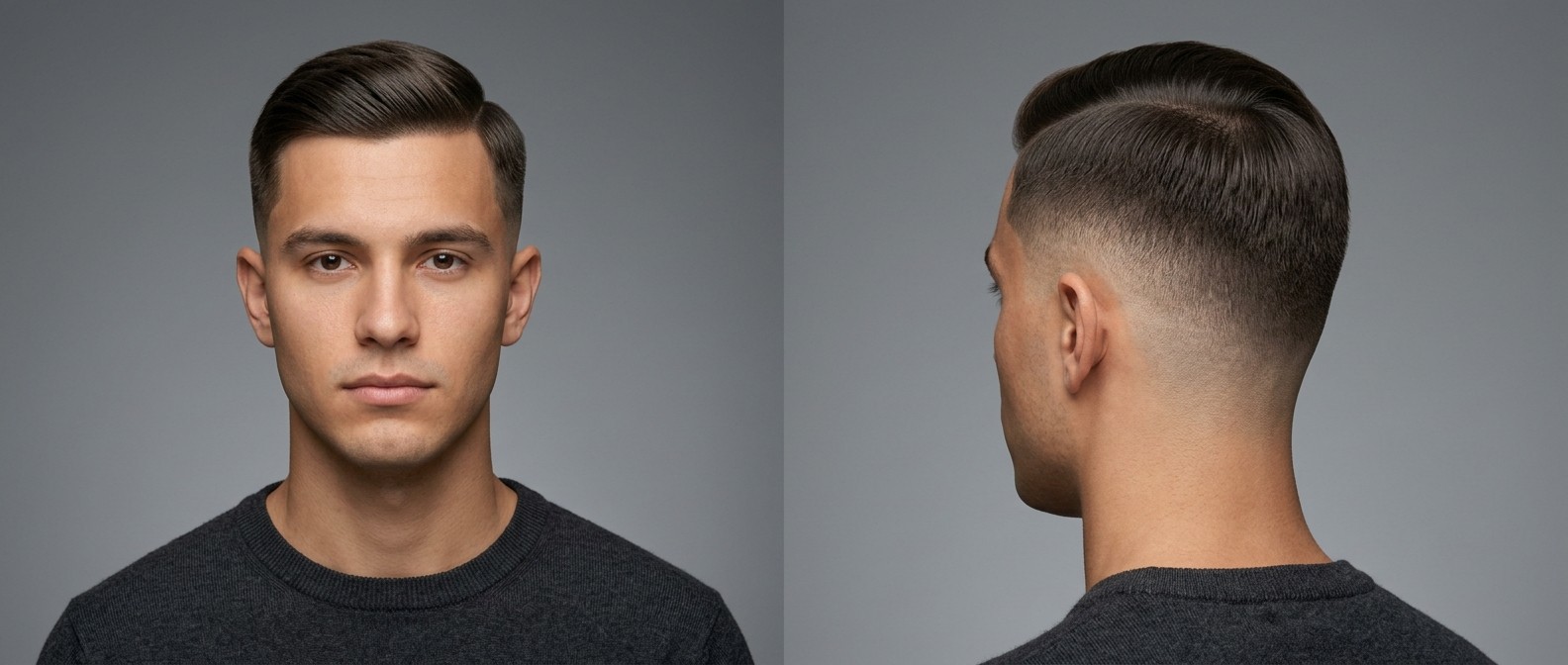
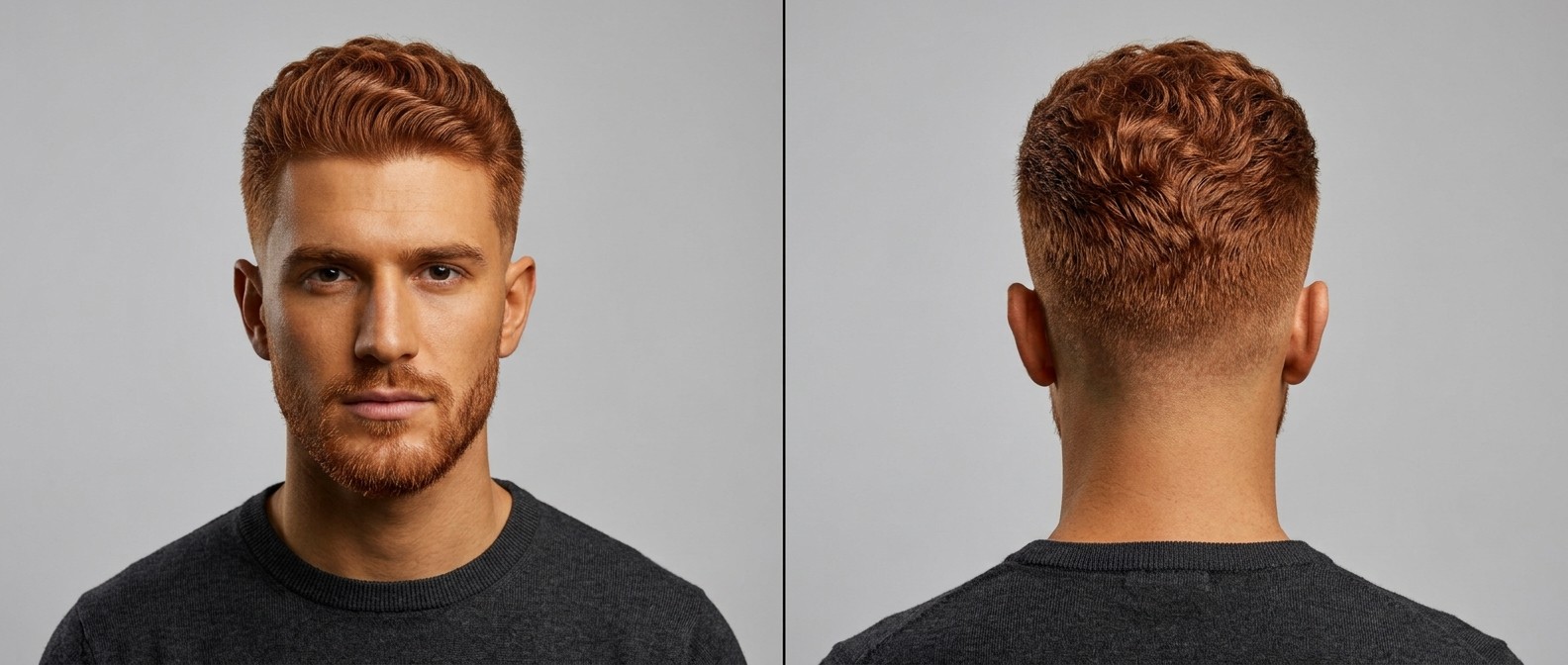
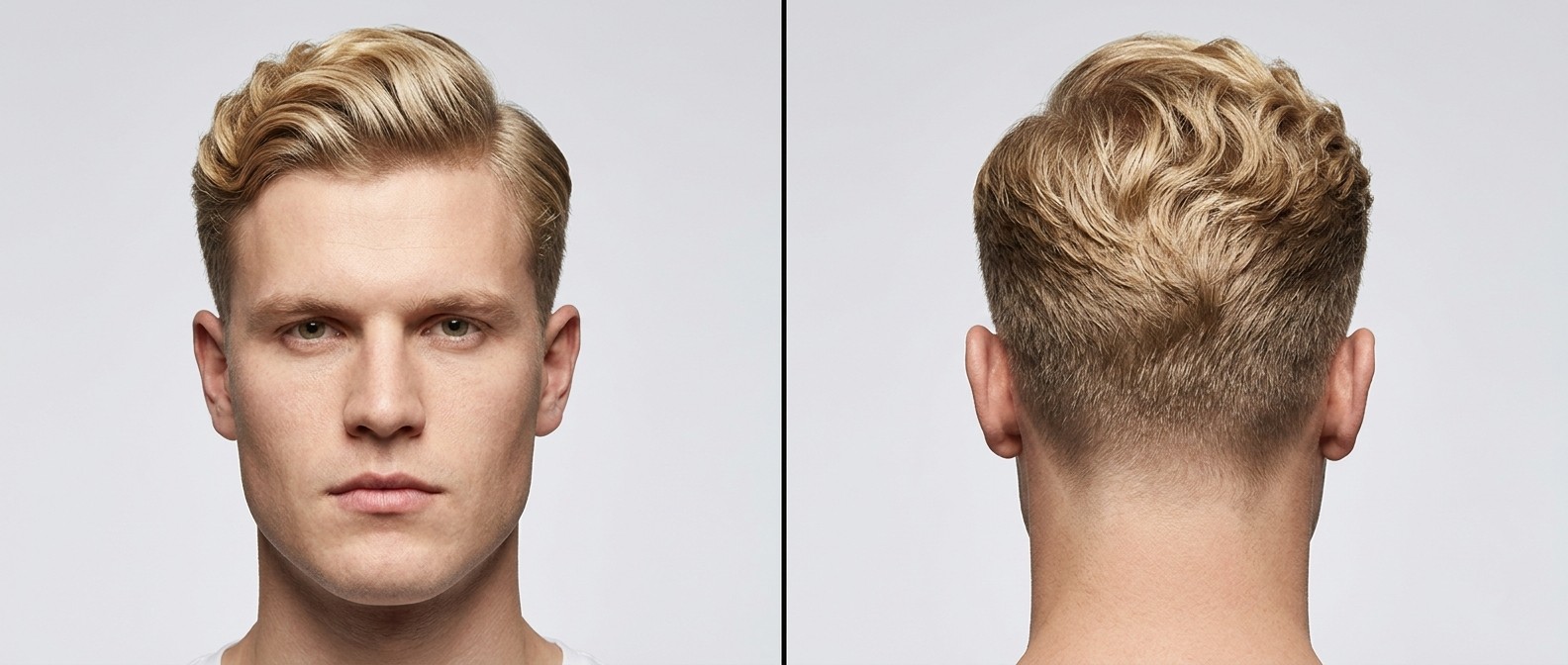
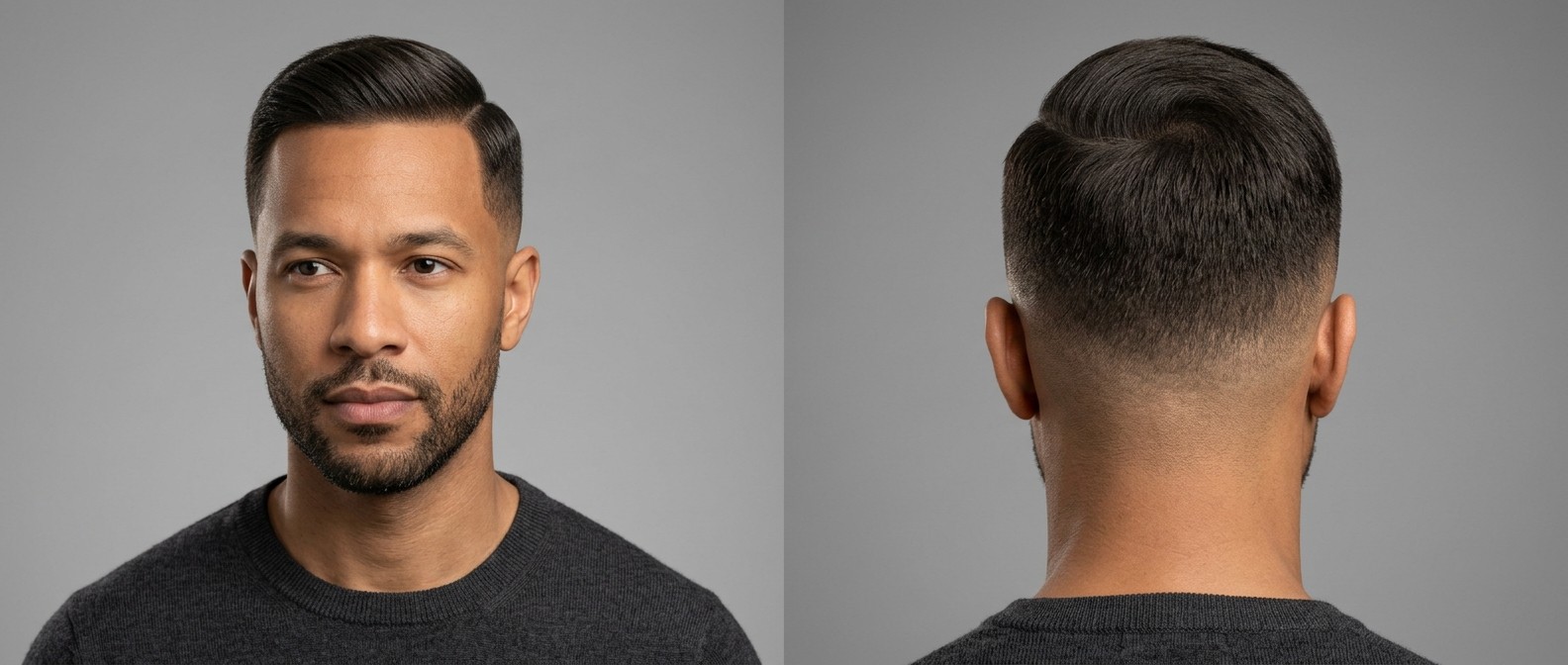
The regulation cut is a military-approved hairstyle that follows strict grooming standards while allowing for a clean, polished appearance. It features a short top — typically 1 to 2 inches — long enough to part neatly to one side, with sides and back tapered progressively shorter toward the ears and neckline. The taper is gradual and blended, not a dramatic fade.
This haircut originated in military grooming codes requiring hair to be off the collar, above the ears, and neat enough to wear under a service cap without bulging. The regulation cut meets all these requirements while looking more refined than a buzz cut. It's the dress uniform of military haircuts — formal, precise, and appropriate for every situation.
Who Should Get a Regulation Cut?
The regulation cut is ideal for men who value structure, discipline, and a clean-cut image:
- Active military personnel and veterans maintaining the grooming standards they're accustomed to
- Law enforcement officers, firefighters, and first responders who need a professional, regulation-compliant style
- Business professionals in conservative industries like finance, law, or government
- Men with oval, square, or rectangular face shapes — the side part and clean lines complement angular features
- Anyone who wants a sharp, no-fuss hairstyle that always looks put-together
The cut works well with straight and slightly wavy hair. Very curly hair may need a bit more length on top to lie flat when combed.
How to Style a Regulation Cut
Styling is straightforward and efficient — fitting for a military-inspired style. Start with damp, towel-dried hair. Apply a small amount of light-hold pomade or grooming cream — you want control without visible product. Create a defined side part with a fine-tooth comb, then comb the top section across to one side, keeping it flat and smooth.
For the cleanest result, blow-dry on low heat while combing the hair into place. The warm air sets the direction and keeps the part crisp all day. The entire process takes under 3 minutes. Some men prefer matte pomade for a natural finish, others like a slight shine — both work perfectly.
What to Tell Your Barber
Ask for a regulation cut and specify:
- Top: 1 to 2 inches, enough for a clean side part
- Sides: tapered with #1 to #2 guard at the bottom, blending gradually into the top
- Back: same taper as sides, hair well above the collar
- Part: on your natural side, combed flat — no hard part unless preferred
- Neckline: tapered to a natural point — blocked necklines are typically not regulation-compliant
- Sideburns: trimmed to mid-ear at most, squared off cleanly
If getting this cut for actual military compliance, mention your branch of service. Each branch has slightly different regulations, and an experienced barber will know the specifics.
Maintenance and Upkeep
The regulation cut demands frequent maintenance — every 1 to 2 weeks for active military, or every 2-3 weeks for civilians. The tapered sides grow out quickly, and even a few days of growth blurs the clean lines that define this cut. Keep your routine simple and consistent — same product, same part, same comb. Regularity is part of the style's appeal. Wash daily or every other day, and keep a pocket comb handy. The regulation cut is about looking sharp at all times, not just when you leave the barber.
Regulation Cut Variations
While the regulation cut follows a strict template, there are subtle variations. A high-and-tight regulation keeps sides shaved closer with #0-#1 guard and a sharper transition. The officer's cut is slightly longer — up to 2.5 inches on top — offering more styling flexibility while staying within regulations. A regulation cut with a fade replaces the traditional taper with a modern skin or low fade for civilian wear. Some men add a hard part line for crisper division between top and side. Each variation maintains the core identity — clean, disciplined, and professional.