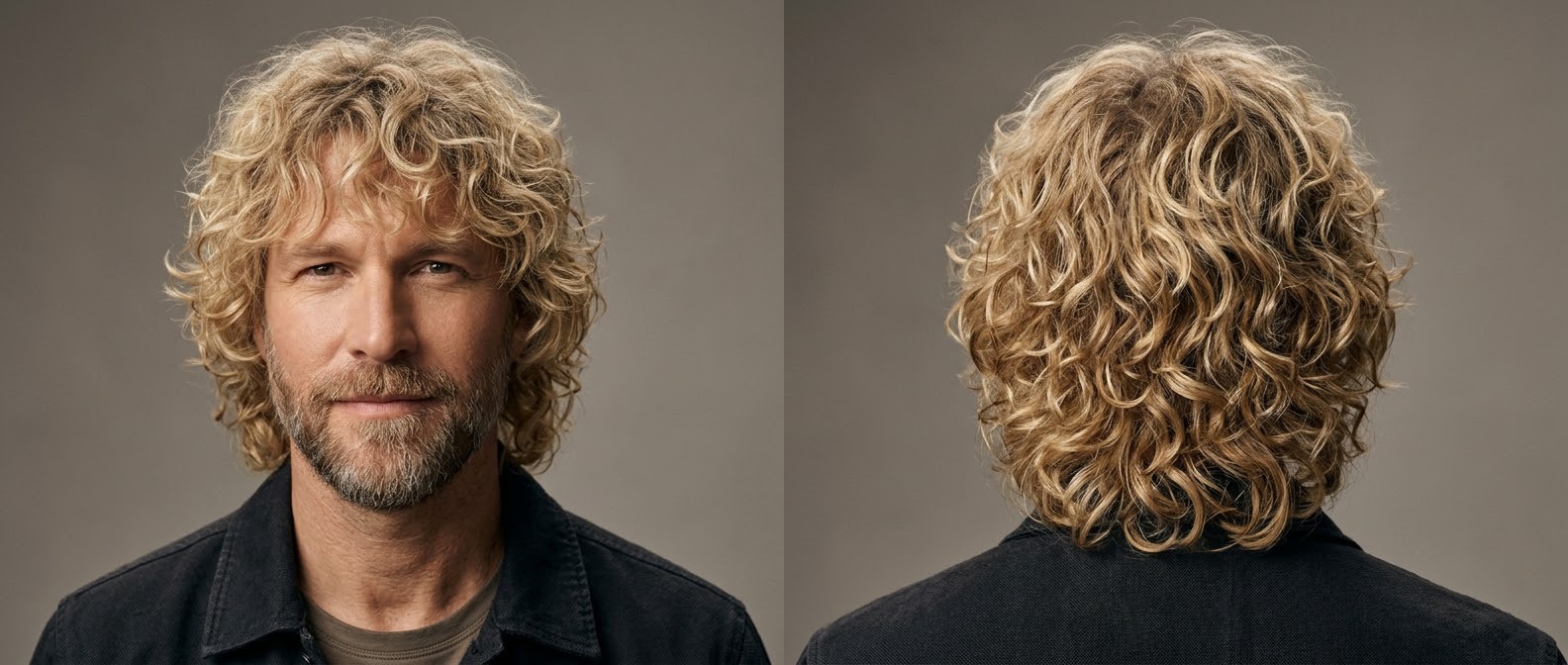
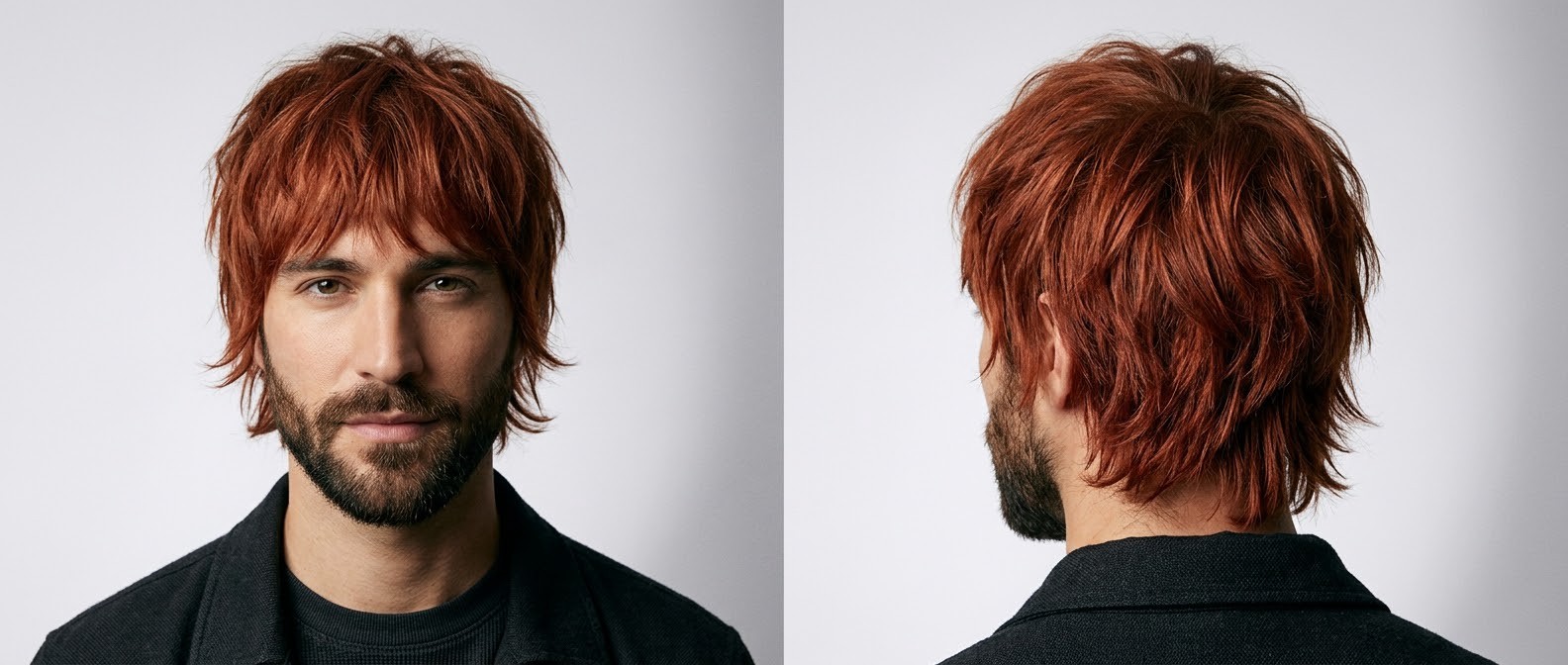
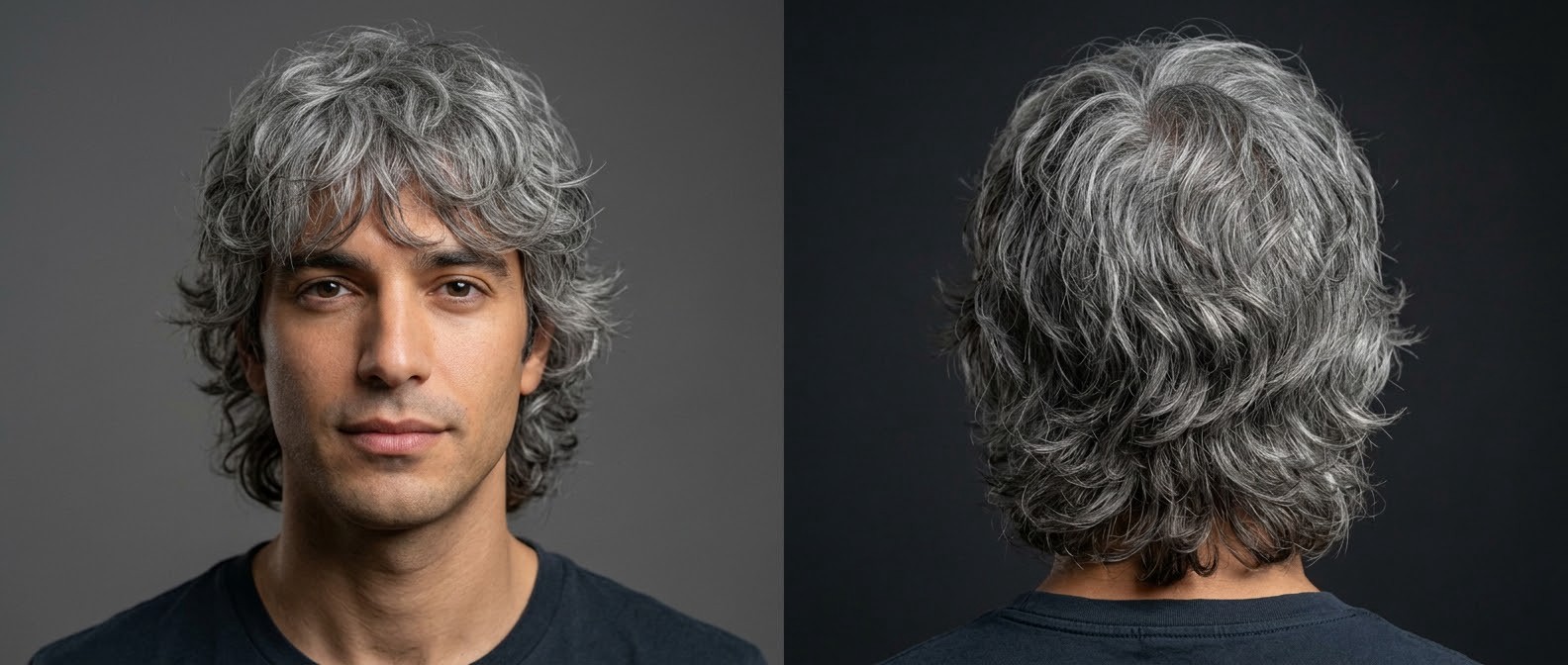
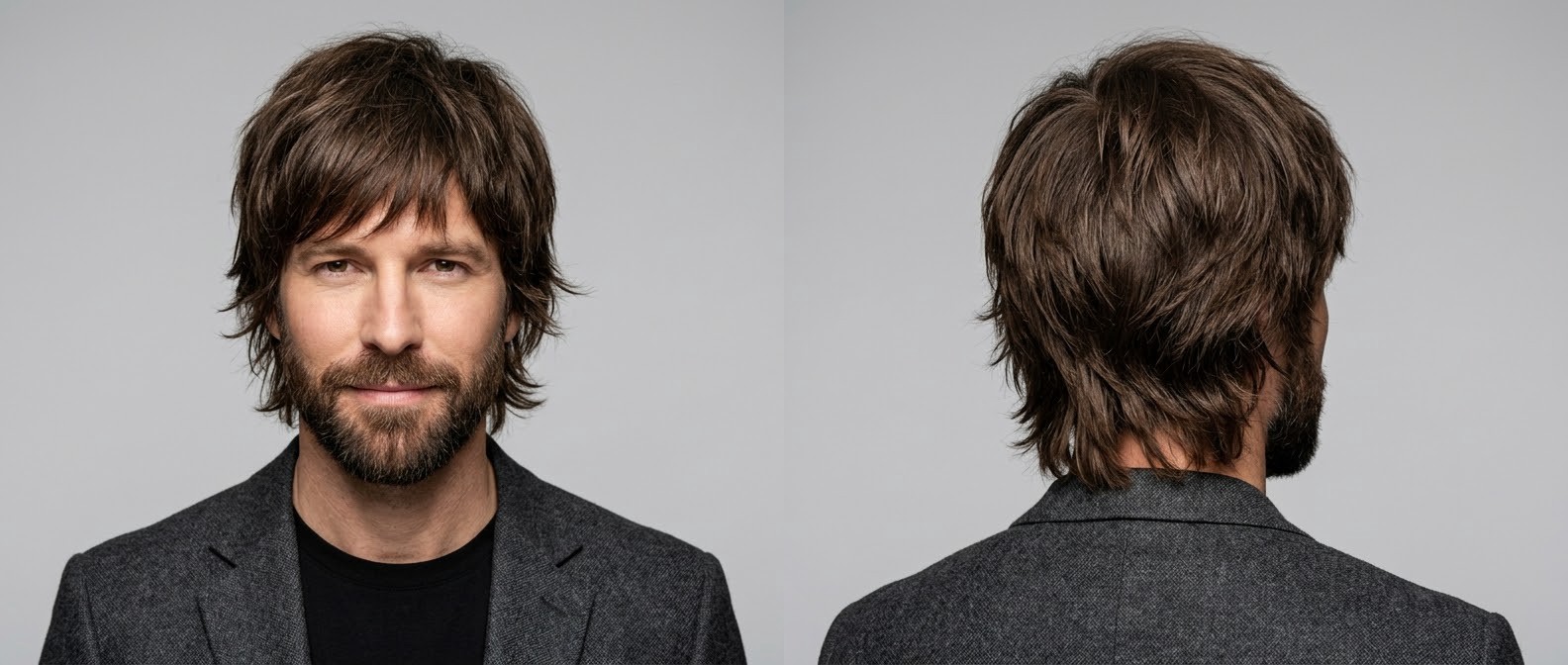
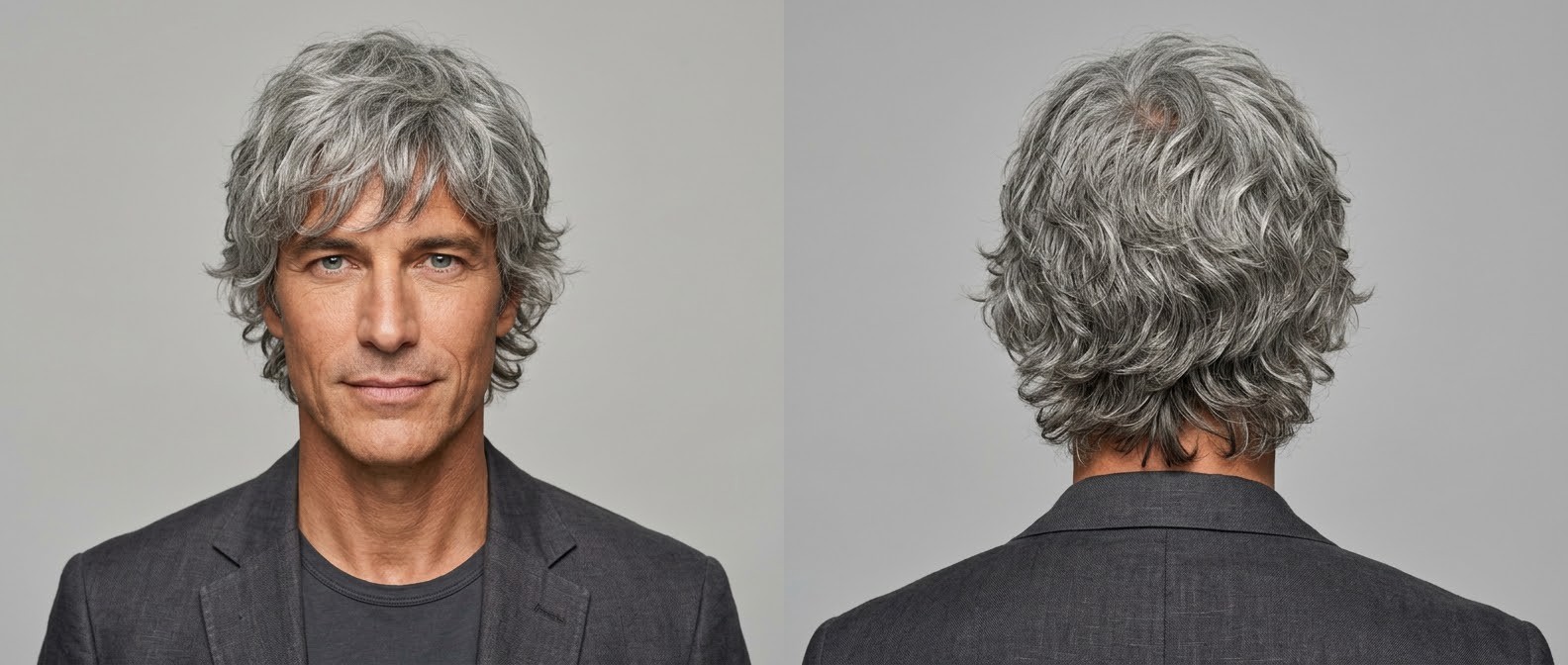
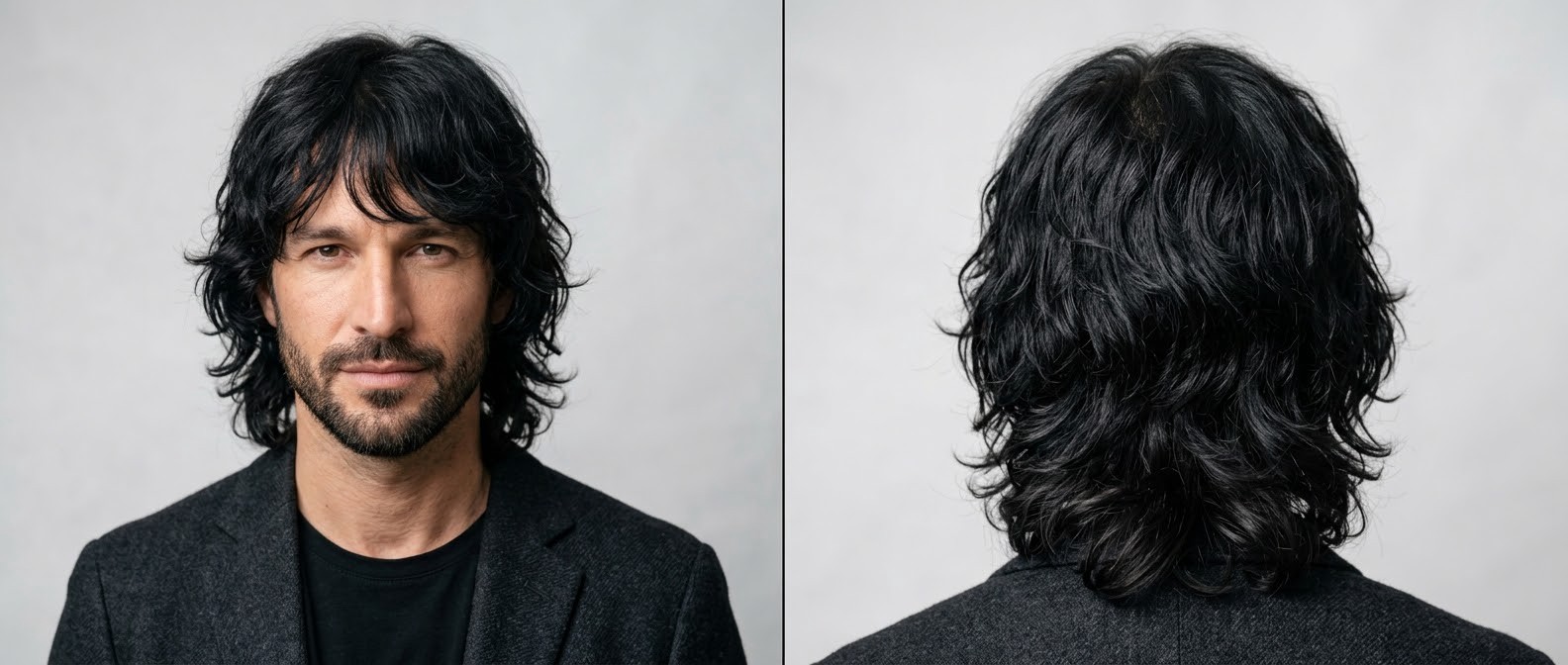
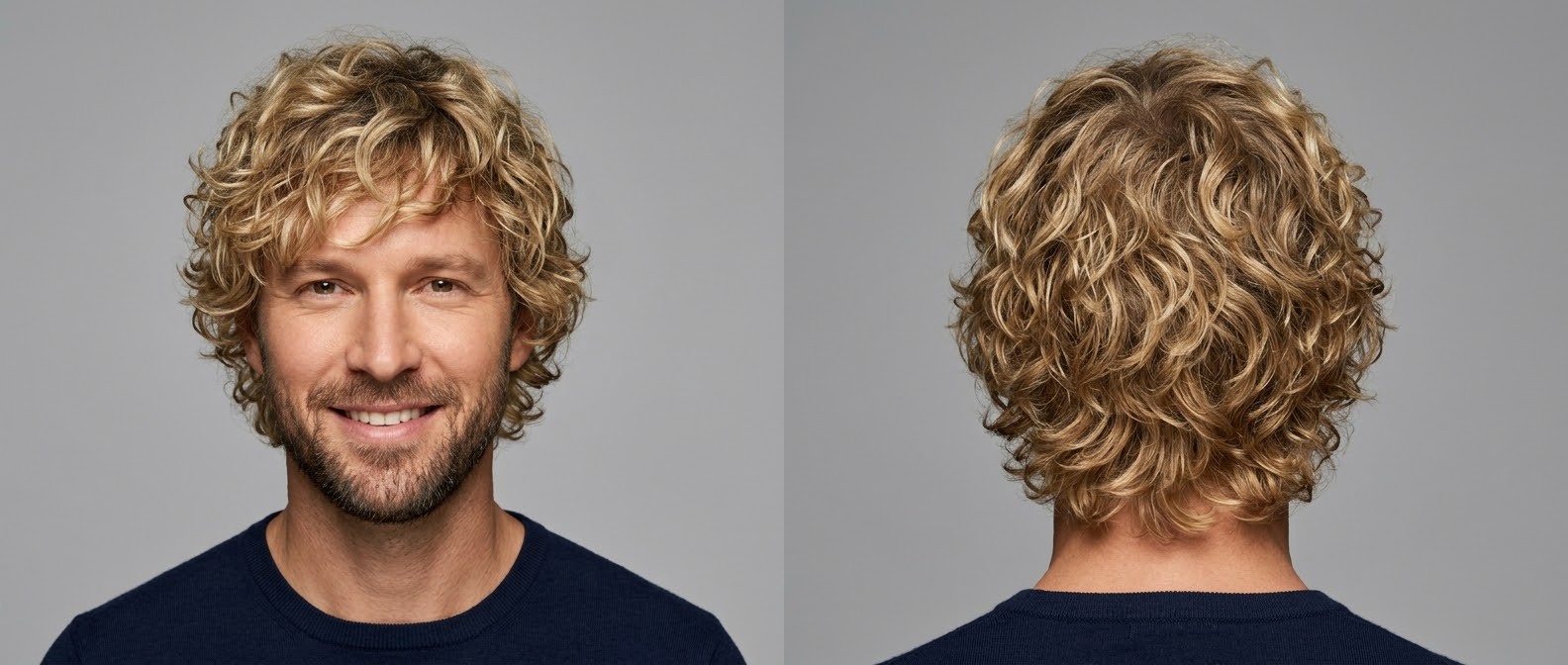

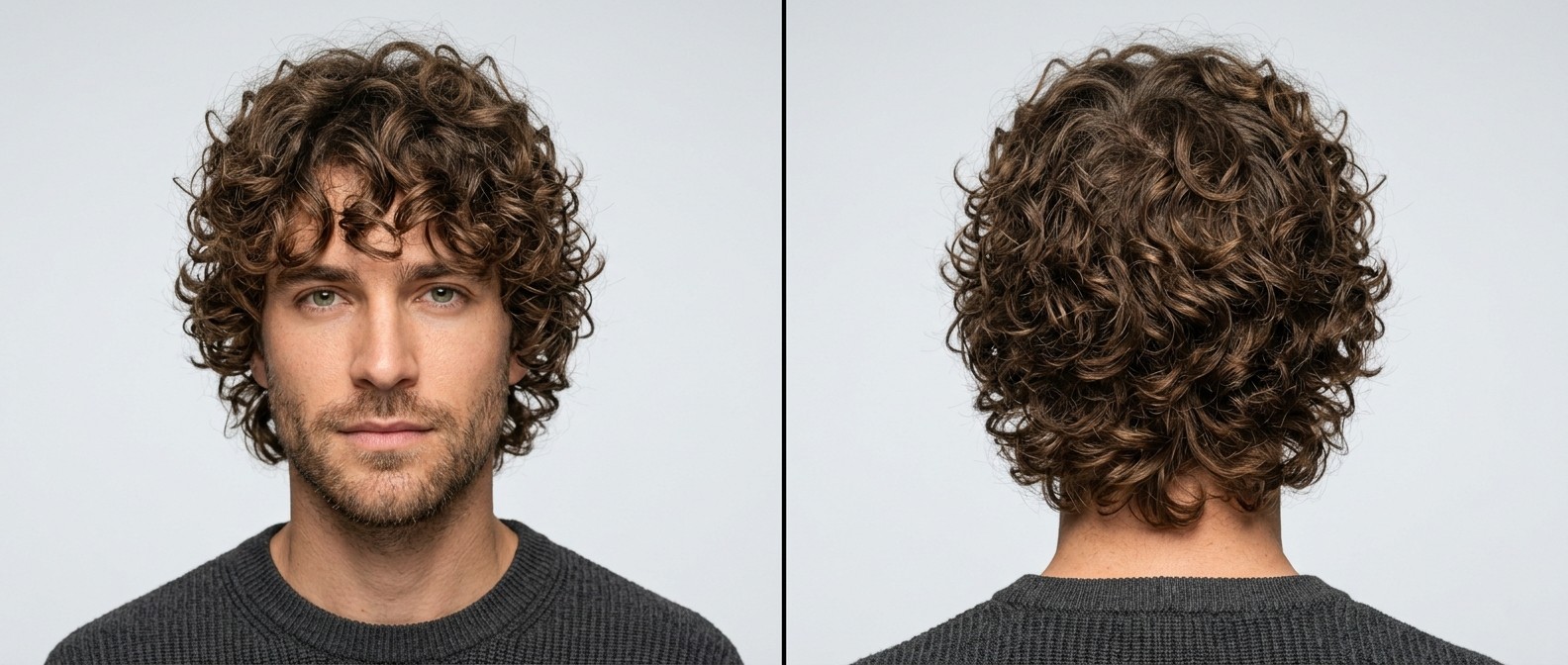
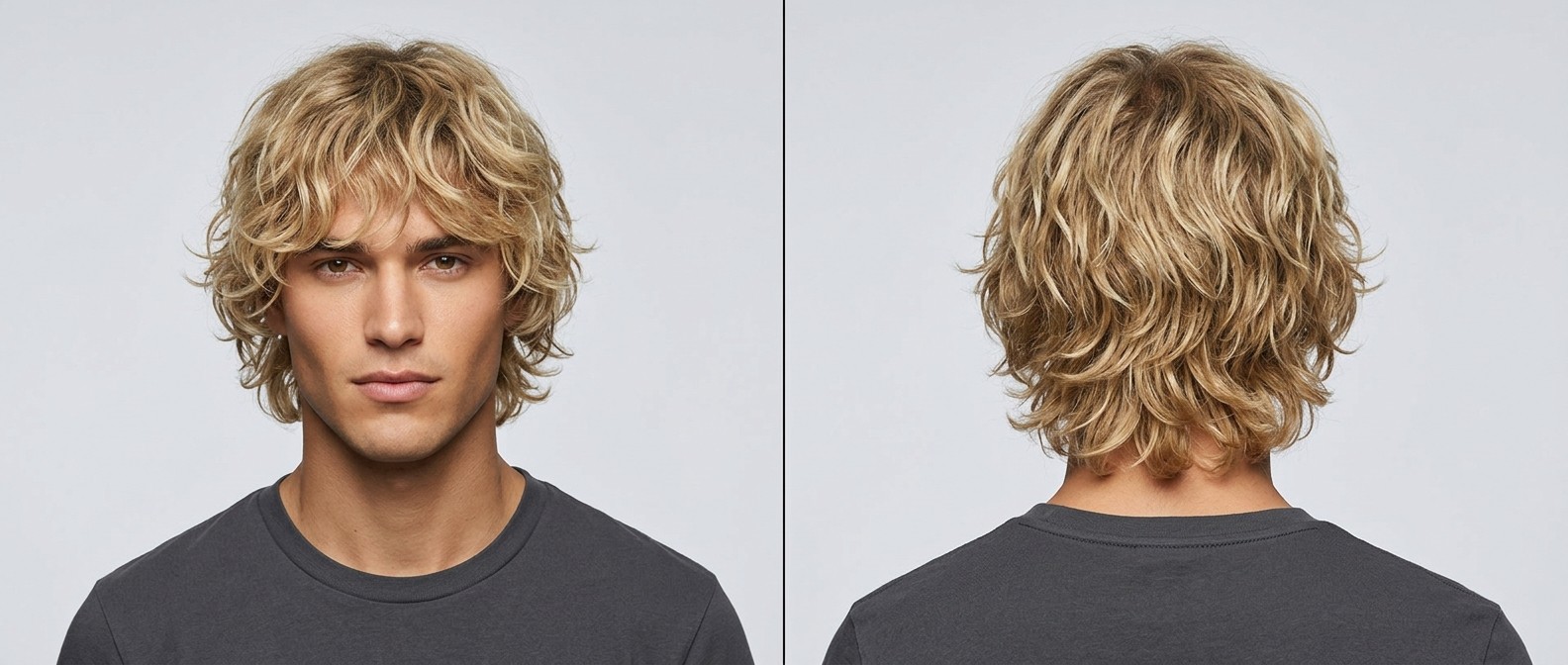
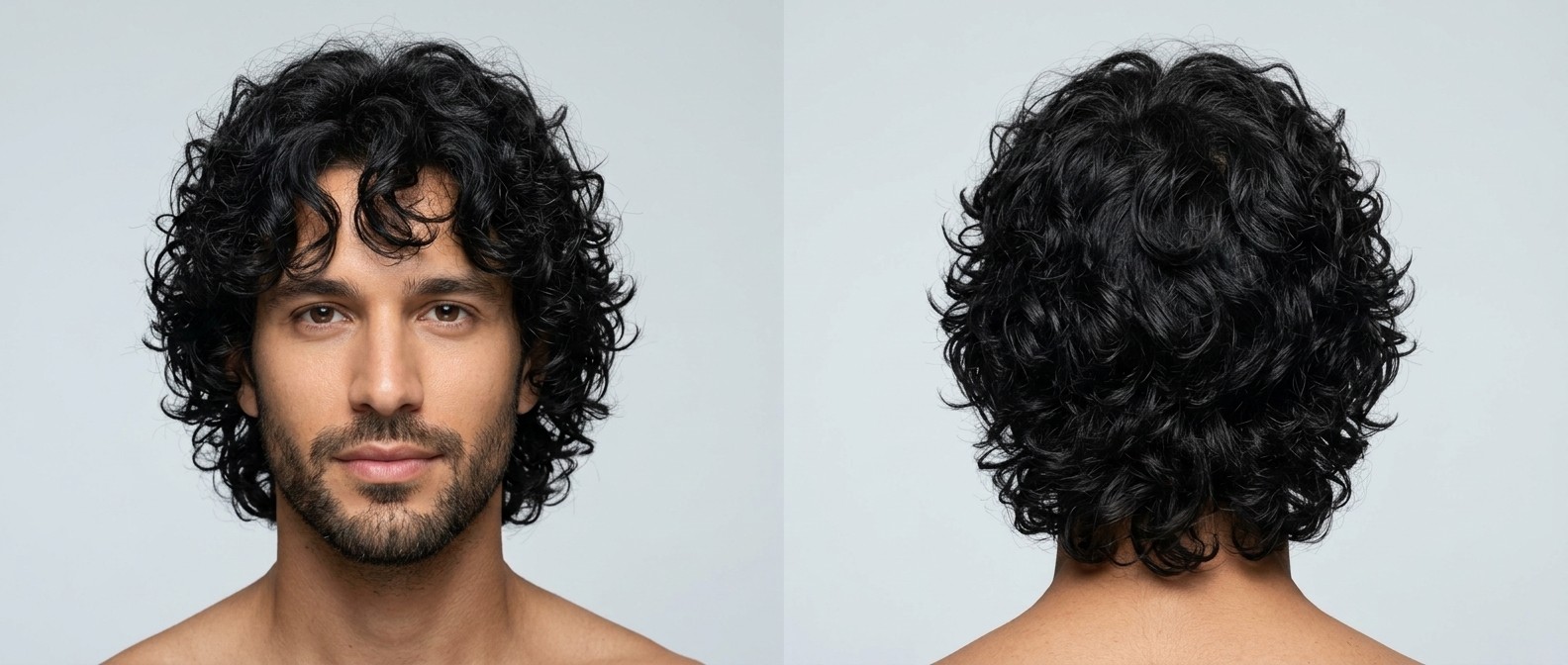
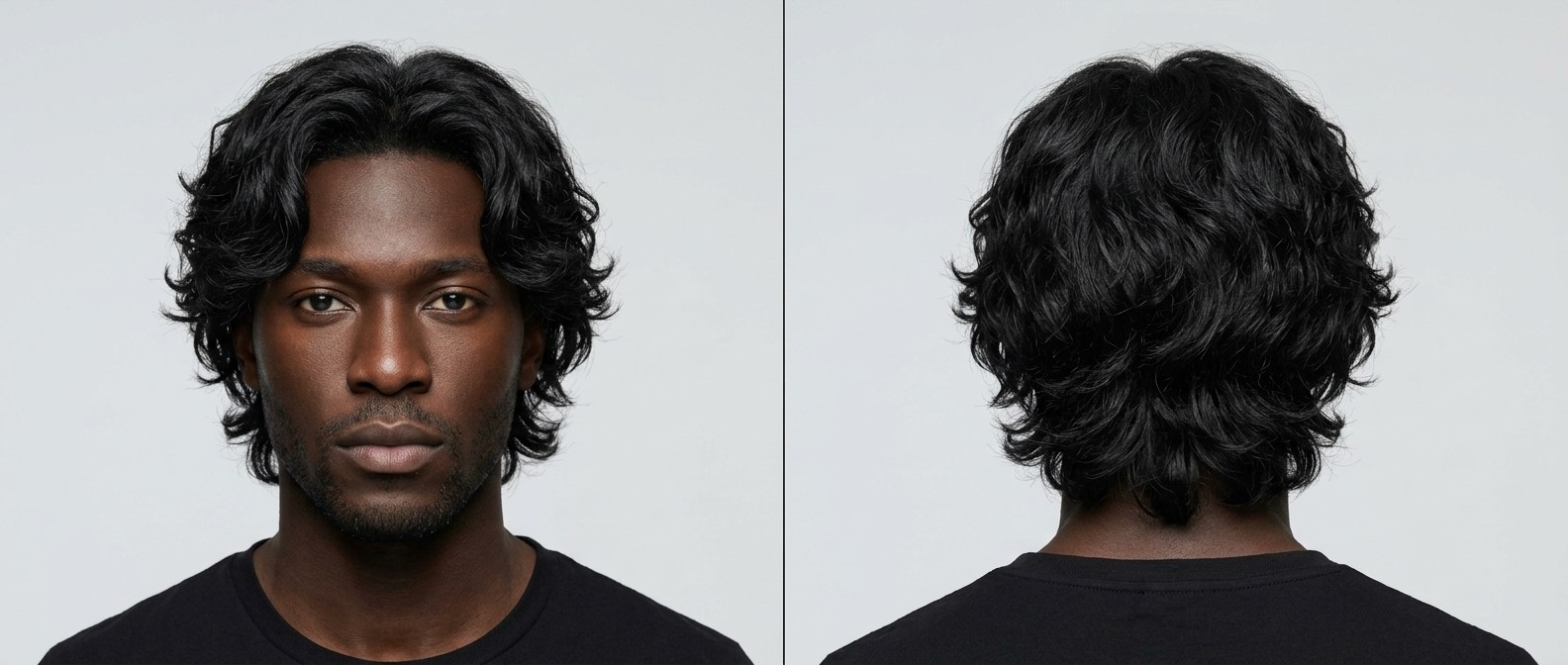
What Is the Shag Haircut?
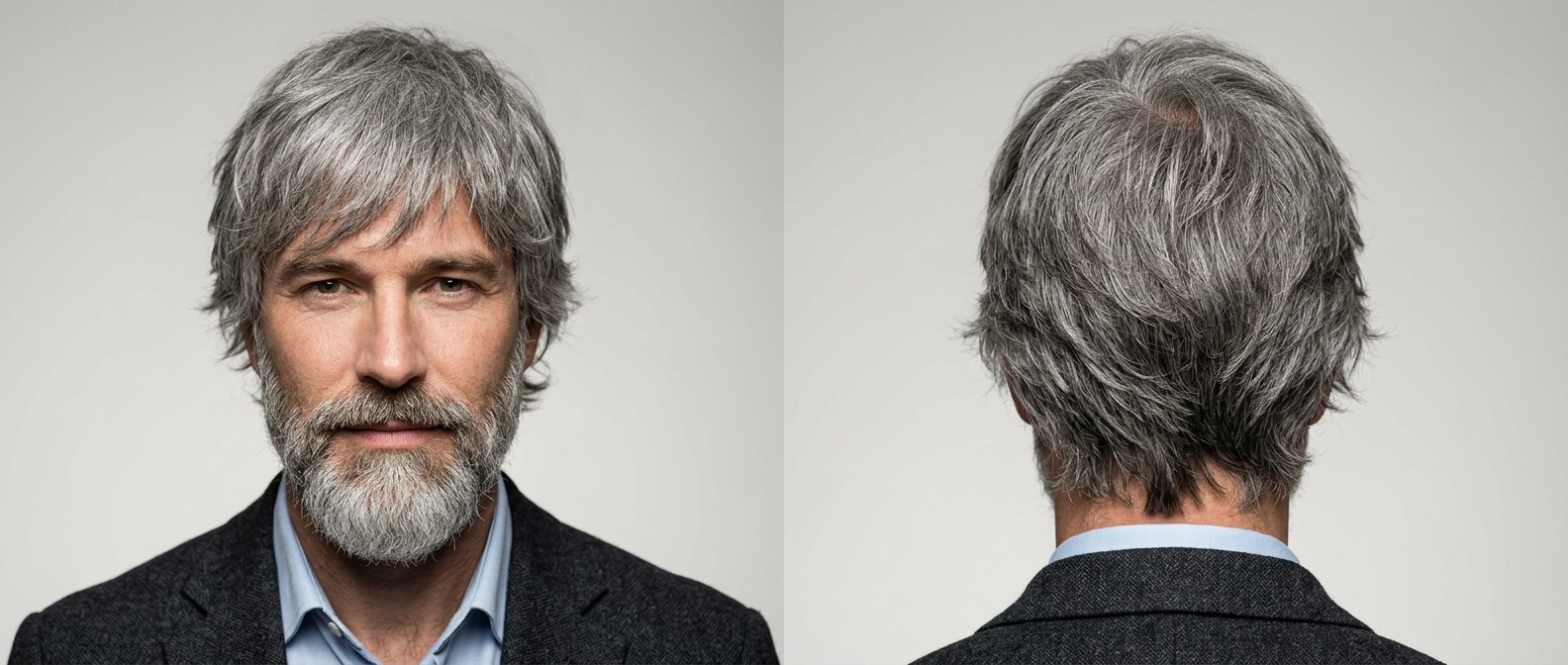
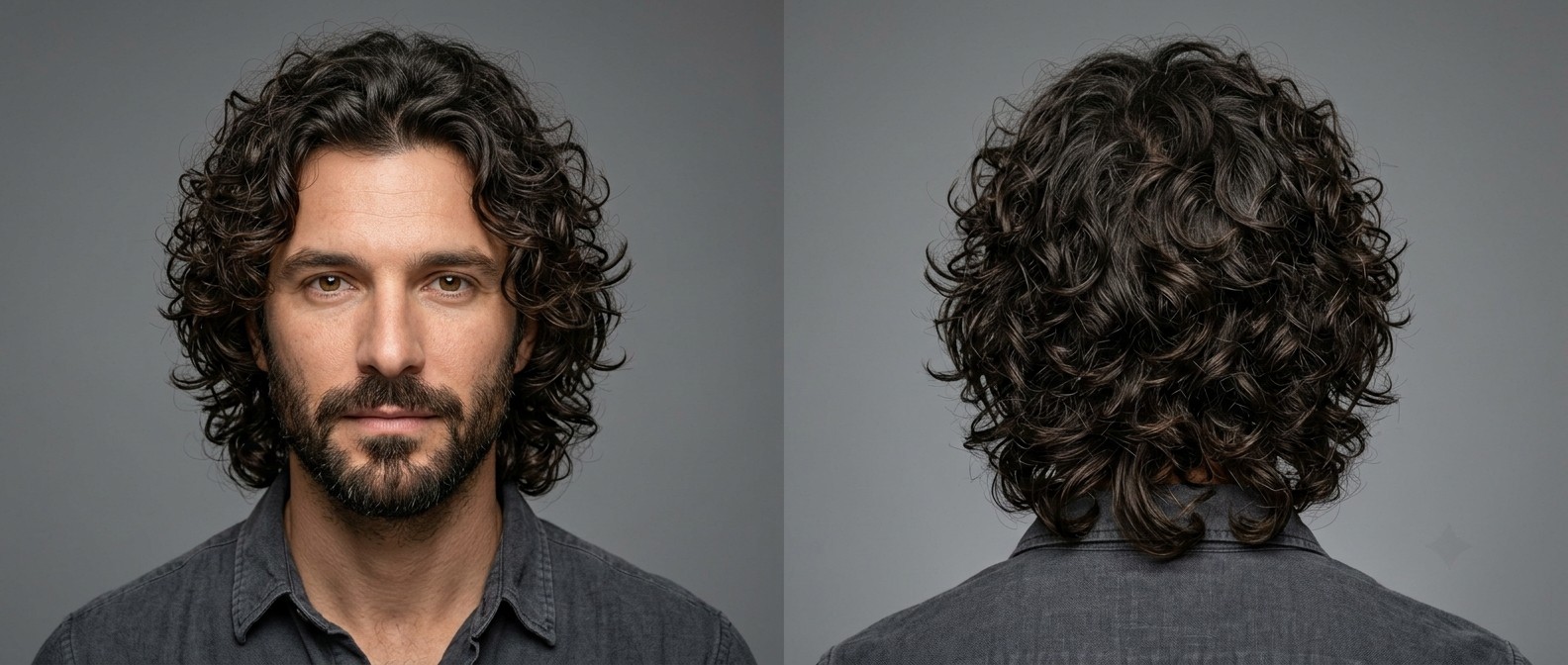
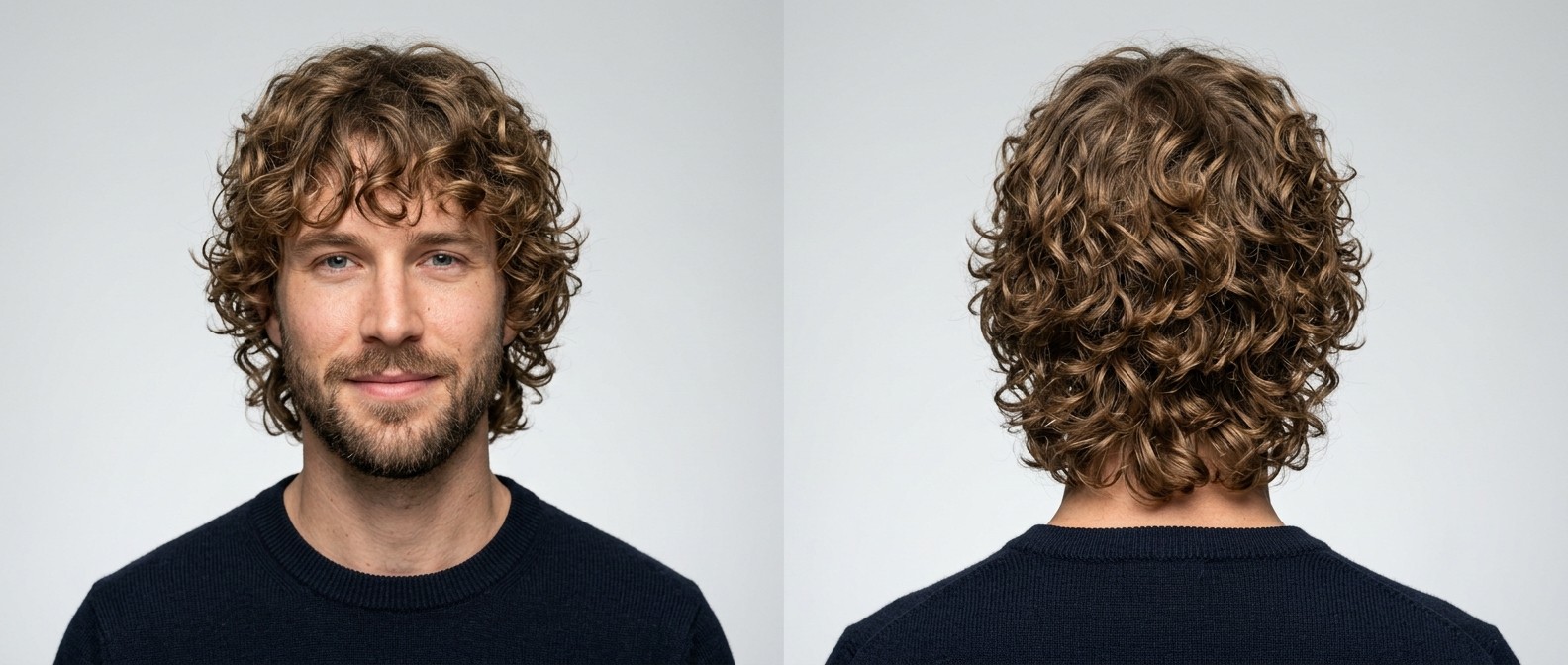
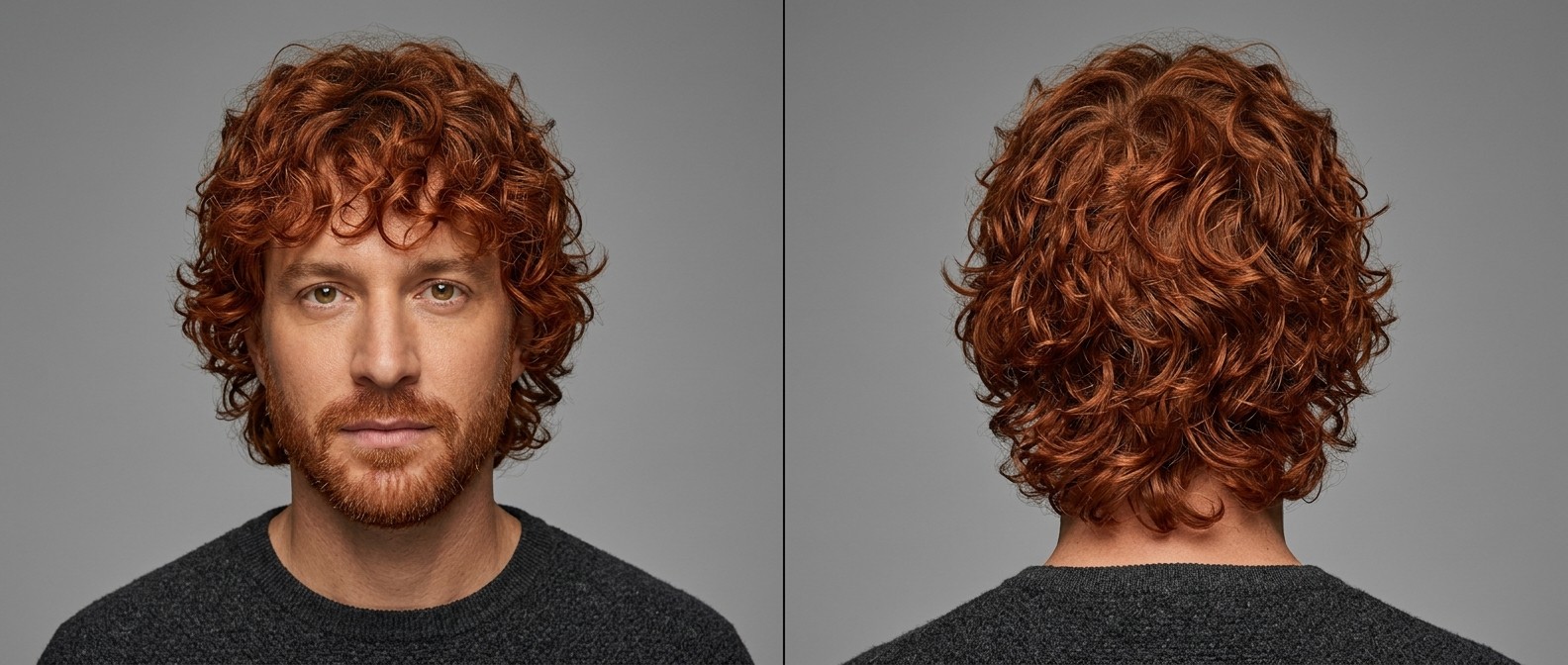
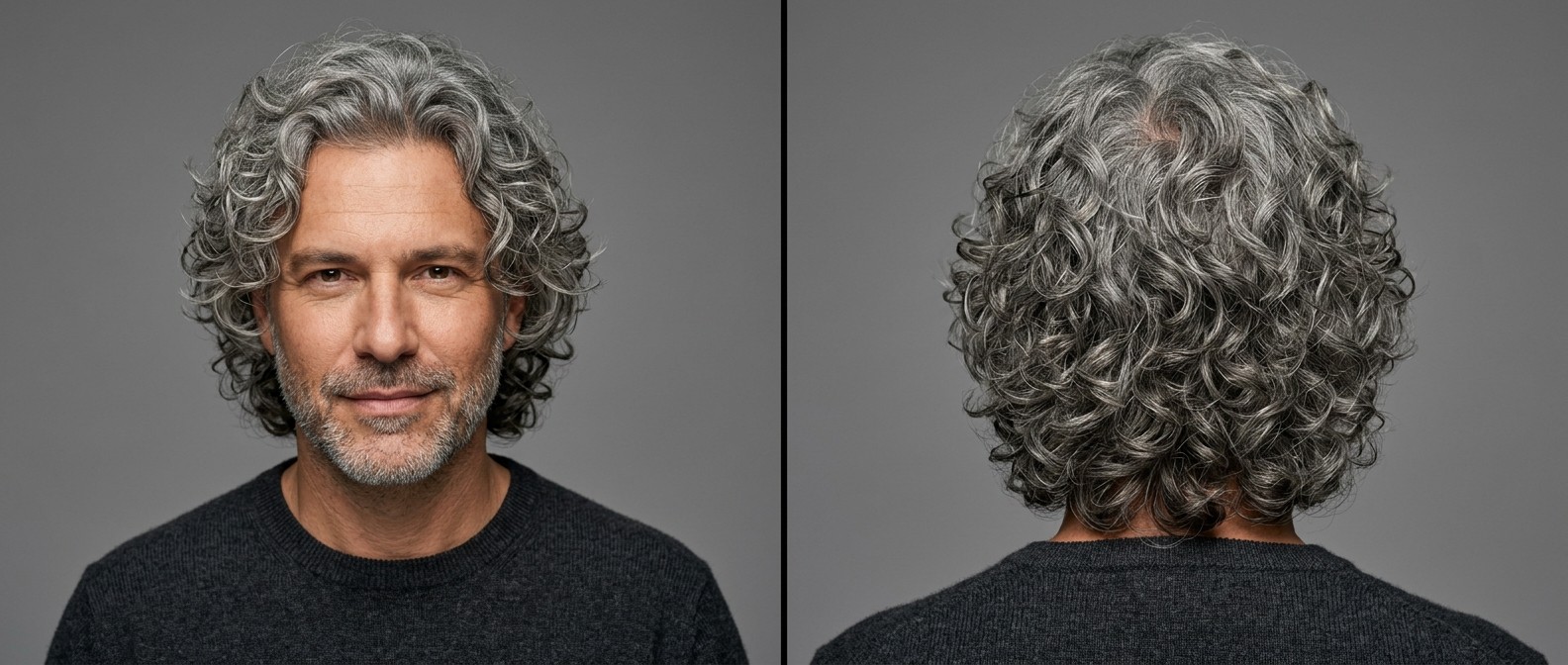
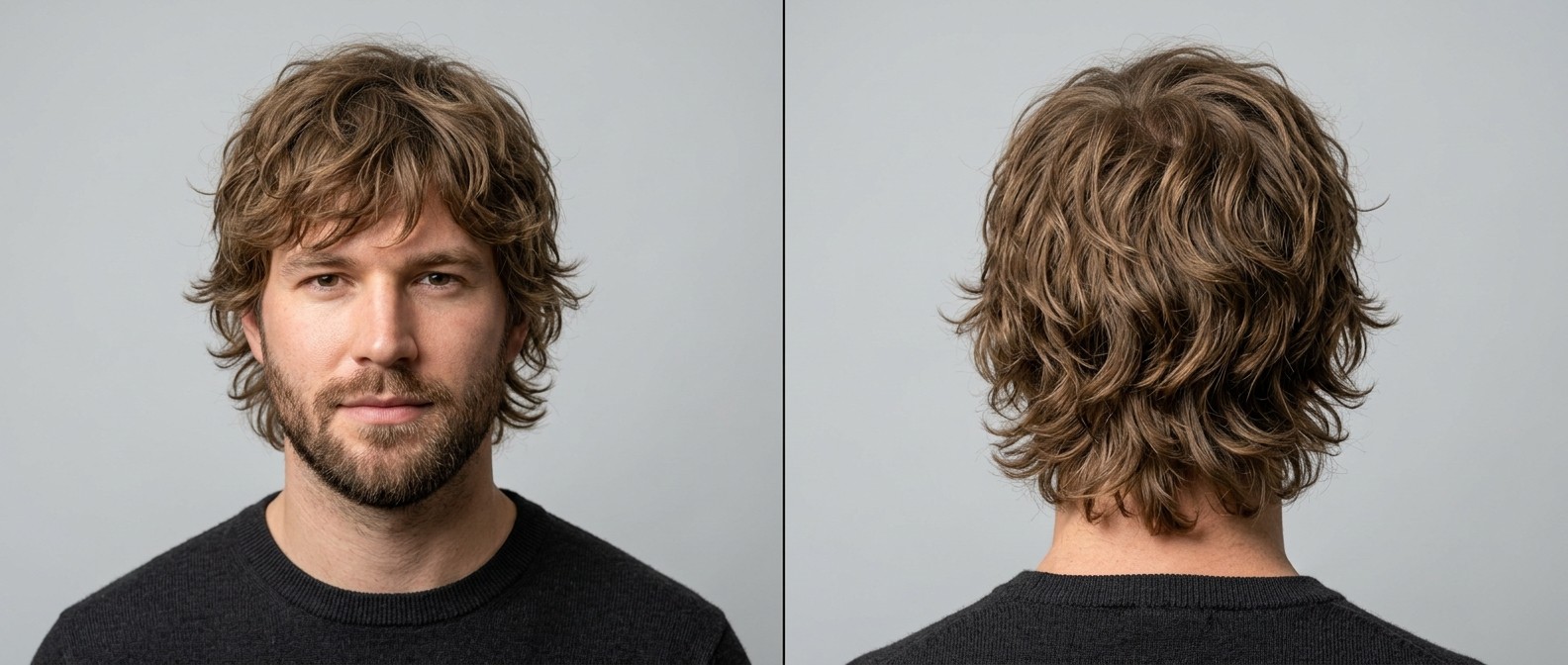
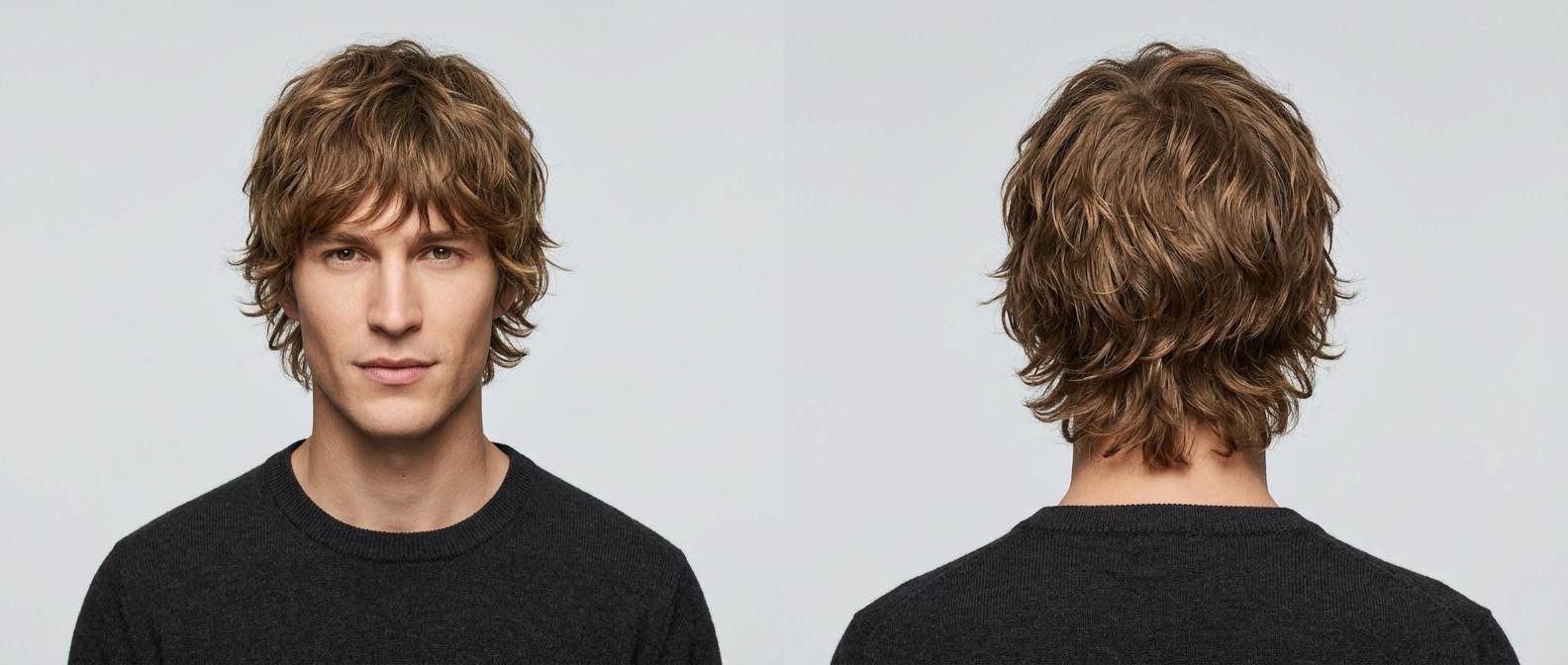
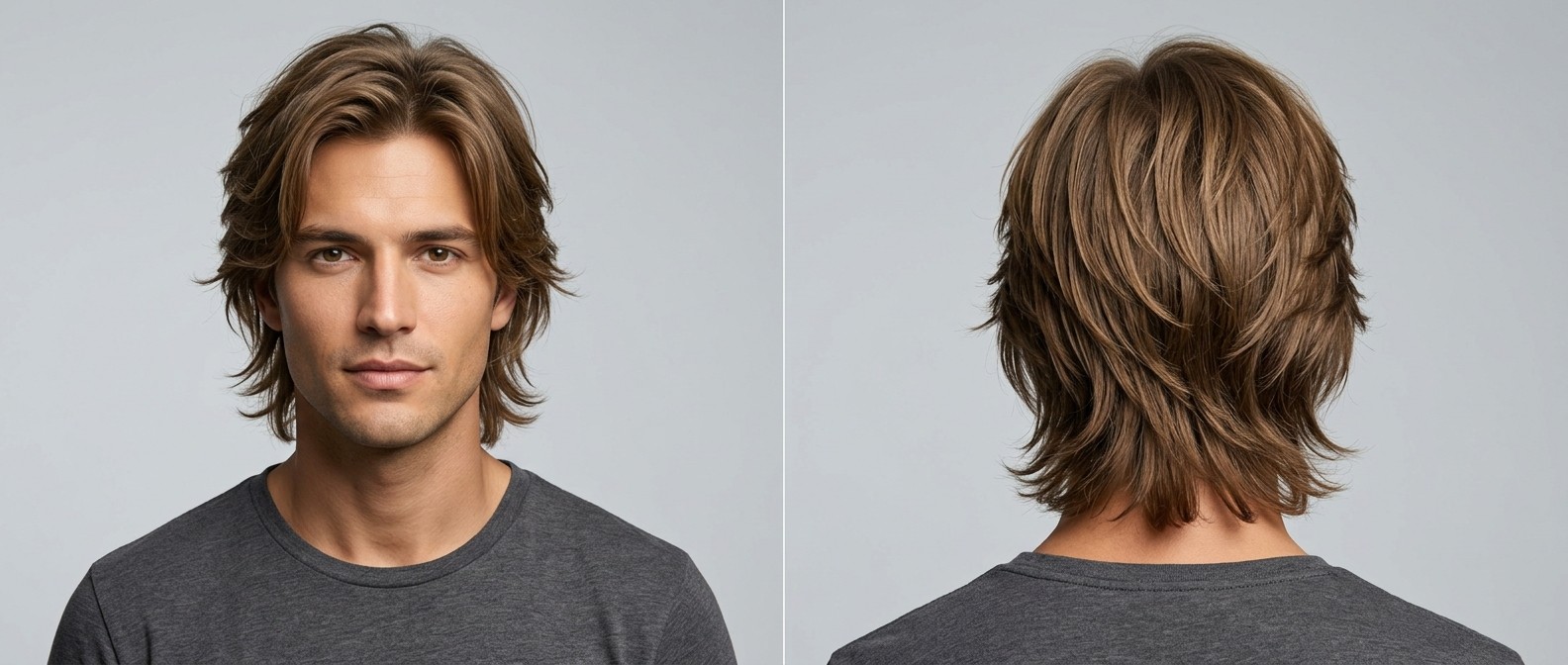
The shag is a multi-layered cut characterized by its choppy, textured appearance and lived-in vibe. Unlike precision cuts that aim for clean uniformity, the shag deliberately creates uneven layers that frame the face and add volume throughout. The longest layers typically fall around the nape and ears, while shorter layers on top create lift and body. Originally made famous by rock legends like Mick Jagger and David Bowie, the modern shag has evolved into a versatile style that works in both casual and creative professional settings.
What sets the shag apart from other layered cuts is its intentional disheveled quality. The layers are cut with razors or point-cutting techniques to create soft, feathery ends rather than blunt lines. This gives the hair a natural flow that moves with you, creating dimension and visual interest from every angle. Whether your hair is straight, wavy, or curly, the shag adapts beautifully to your natural texture.
Who Should Get a Shag?
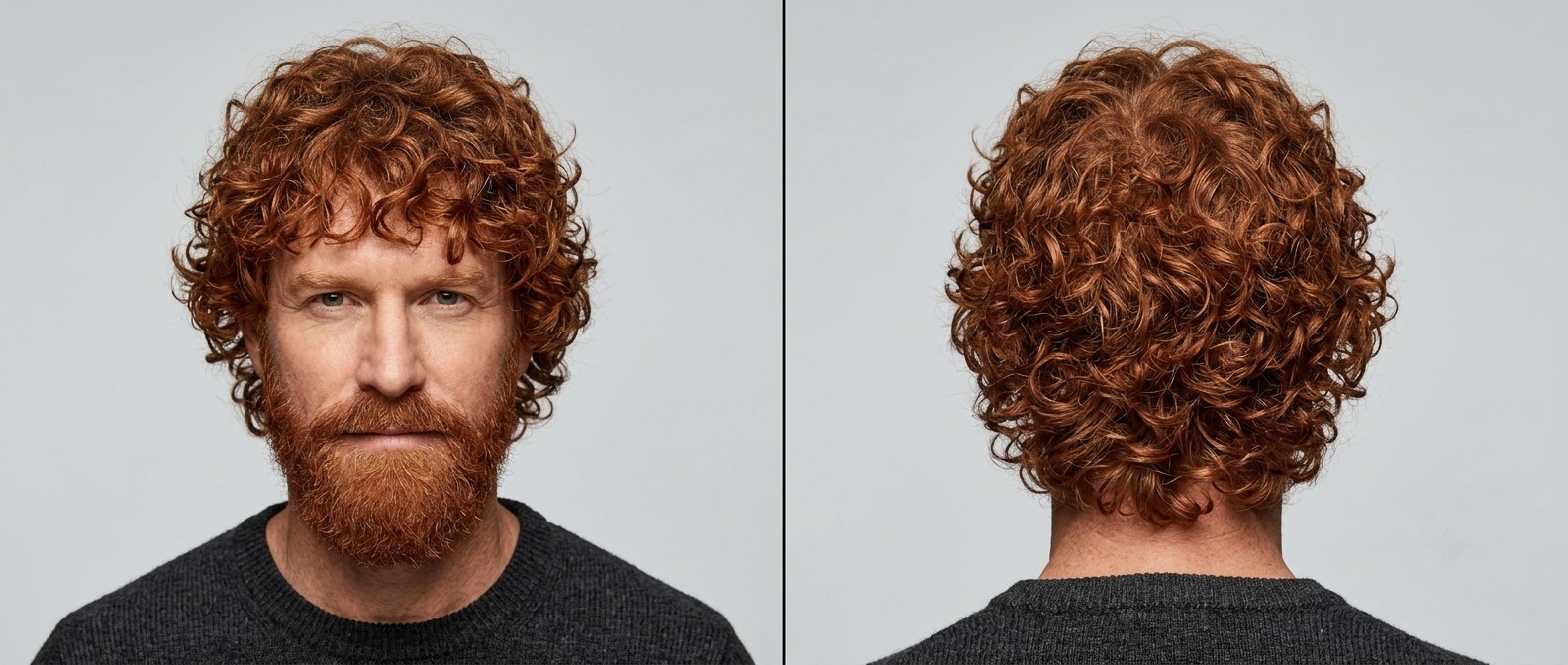
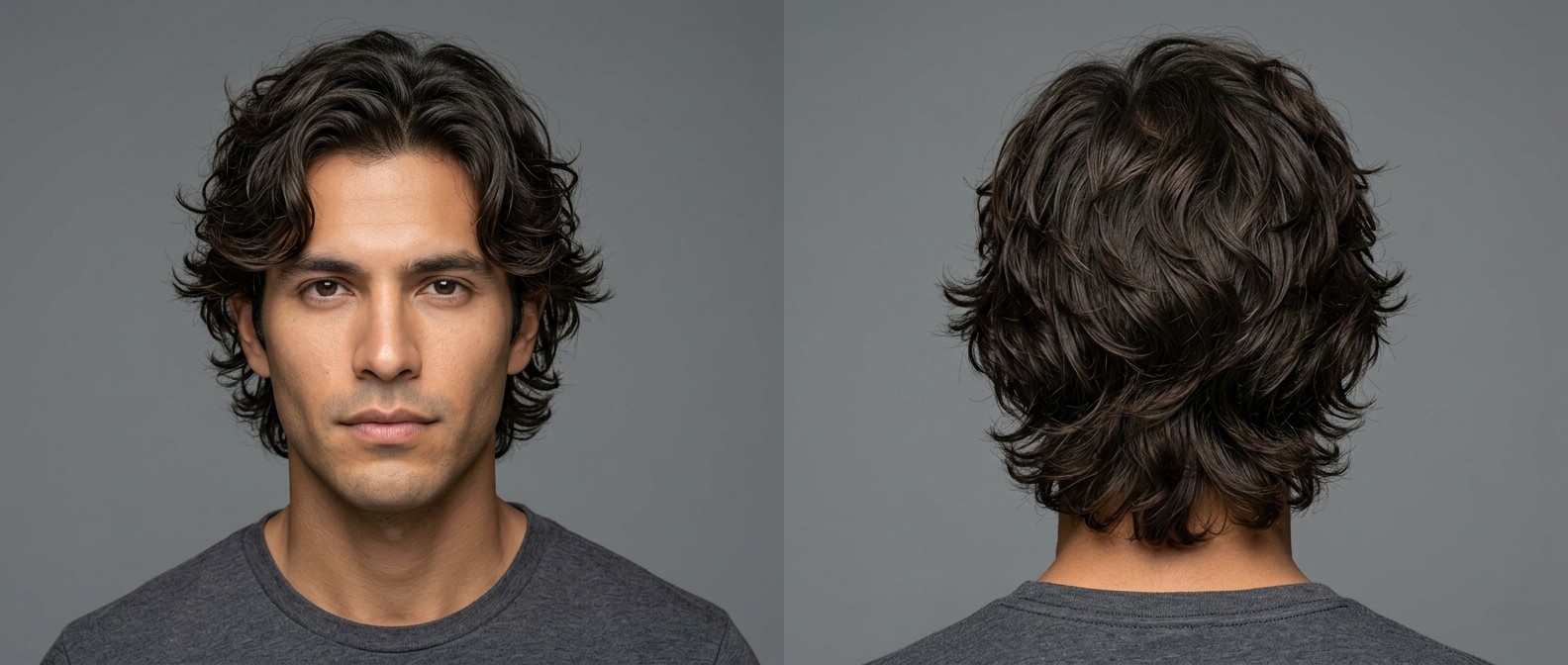
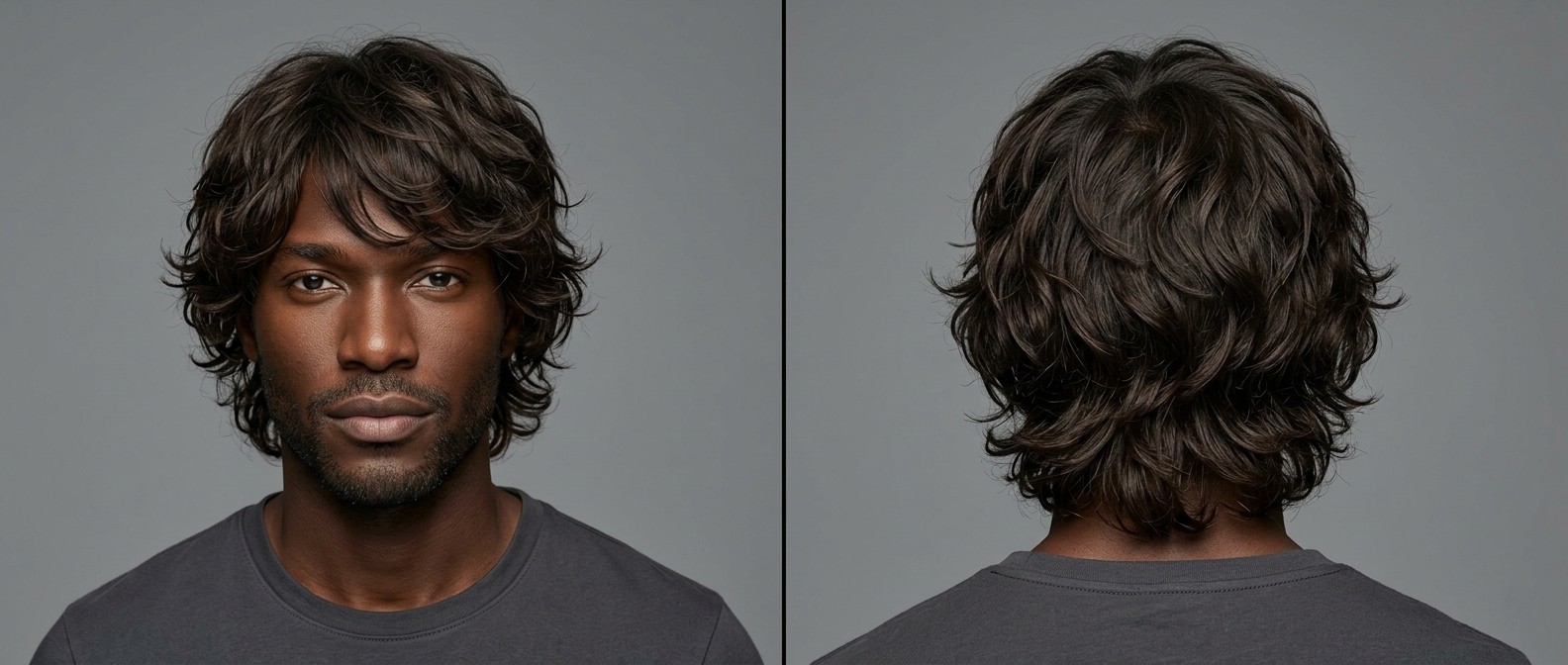
The shag is ideal if you have medium to thick hair and want a cut that reduces bulk while adding shape. It's particularly flattering for men with wavy or curly hair, as the layers let your natural texture shine without becoming overwhelming. Oval, round, and heart-shaped faces benefit most from the shag's face-framing layers, which add angles and definition.
- Best hair types: wavy, curly, or thick straight hair that needs movement
- Ideal face shapes: oval, round, heart — the layers add structure and dimension
- Great for: creative professionals, musicians, anyone who prefers a relaxed aesthetic
- Hair length needed: at least 4-6 inches on top, 3-4 inches on sides to start
If you have very fine or thin hair, approach with caution — too many layers can make thin hair look wispy. In that case, ask your barber for fewer, chunkier layers to maintain the illusion of fullness.
How to Style a Shag
The beauty of the shag lies in its low-effort styling routine. Start by towel-drying your hair after washing — avoid blow-drying completely smooth, as you want to preserve natural texture. Apply a small amount of texturizing spray or sea salt spray to damp hair, scrunching it gently with your hands to enhance wave and movement.
For a more defined look, use a lightweight mousse or texturizing cream. Work it through your hair from mid-length to ends, then let it air dry or use a diffuser on low heat. Avoid heavy pomades or gels — they weigh down the layers and kill the airy, lived-in quality that makes the shag work.
If you want extra volume, flip your head upside down while drying and tousle with your fingers. Once dry, you can add a tiny amount of matte paste to the ends for separation and texture. The goal is always to look like you didn't try too hard — even though you know exactly what you're doing.
What to Tell Your Barber
Communication is key with a shag because the style varies widely. Tell your barber you want a layered shag with textured ends. Specify the overall length you're comfortable with — most shags work best at 5-8 inches on top with shorter layers framing the face. Ask for layers to start around the cheekbone or jawline level.
Key phrases to use: "razor-cut layers," "feathered ends," "face-framing pieces," and "volume on top." If you want a more modern version, mention you'd like the layers to be slightly disconnected rather than blended. Bring reference photos — the difference between a 70s rocker shag and a modern textured shag is significant, and visuals help your barber understand your vision.
Maintenance and Upkeep
One of the shag's biggest advantages is its forgiving grow-out period. Unlike fades or precision cuts that look unkempt after two weeks, the shag actually improves as it grows, gaining more texture and character. Plan for a trim every 8-10 weeks to maintain the layer structure and prevent the cut from losing its shape entirely.
- Wash your hair 2-3 times per week to maintain natural oils that enhance texture
- Use a lightweight conditioner to keep layers soft and movable
- Apply texturizing products on styling days — skip them on rest days for variety
- Sleep on a silk or satin pillowcase to reduce frizz and preserve shape
Popular Shag Variations
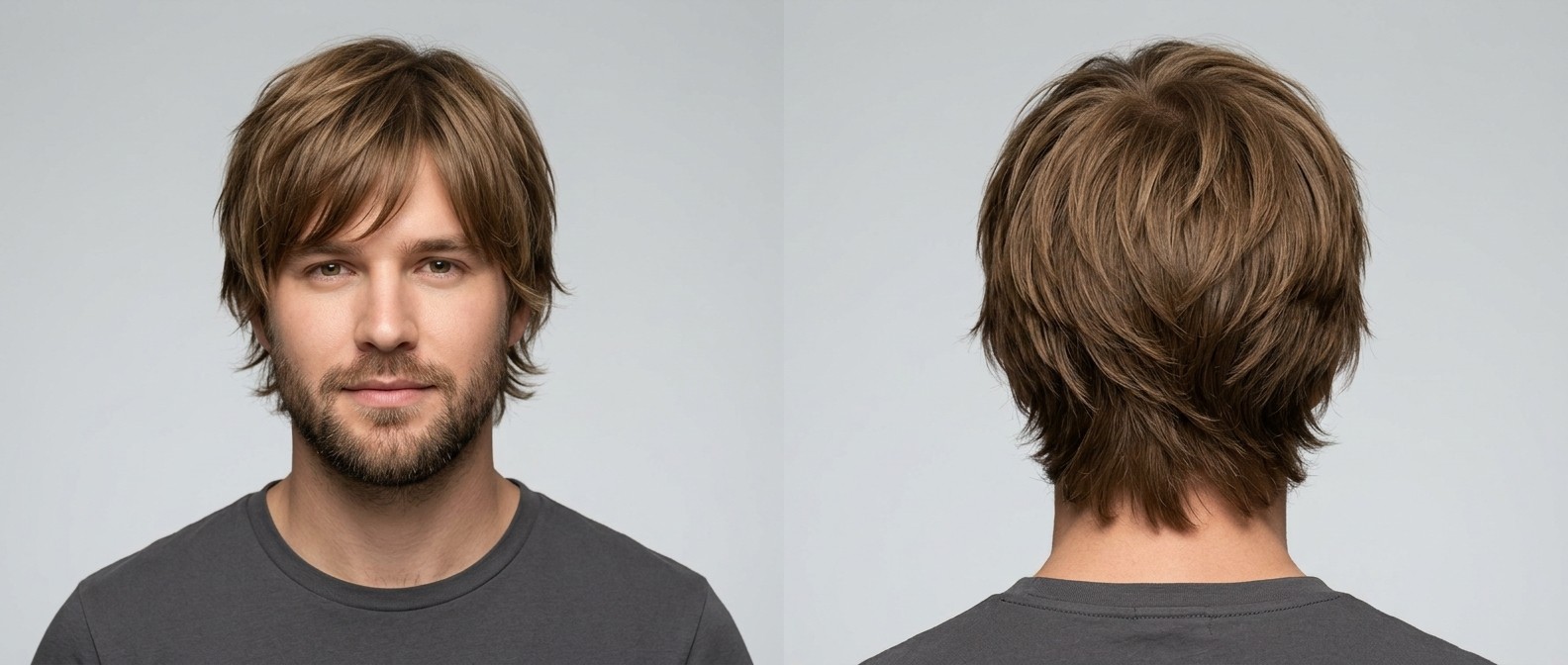
The modern shag features more subtle layering with a cleaner neckline, making it office-appropriate while retaining the style's signature movement. The curly shag embraces natural curls with shorter layers on top that create a rounded, voluminous silhouette. For a bolder statement, the mullet-shag hybrid keeps length at the back while adding heavy layering throughout — a look that's trendy in fashion-forward circles.
The short shag works at just 3-4 inches, giving you texture and personality without the commitment of longer hair. Meanwhile, the wolf cut — the shag's edgier cousin — takes layering to the extreme with dramatic disconnection between the top and sides, creating a wilder, more untamed look that's dominated social media in recent years.