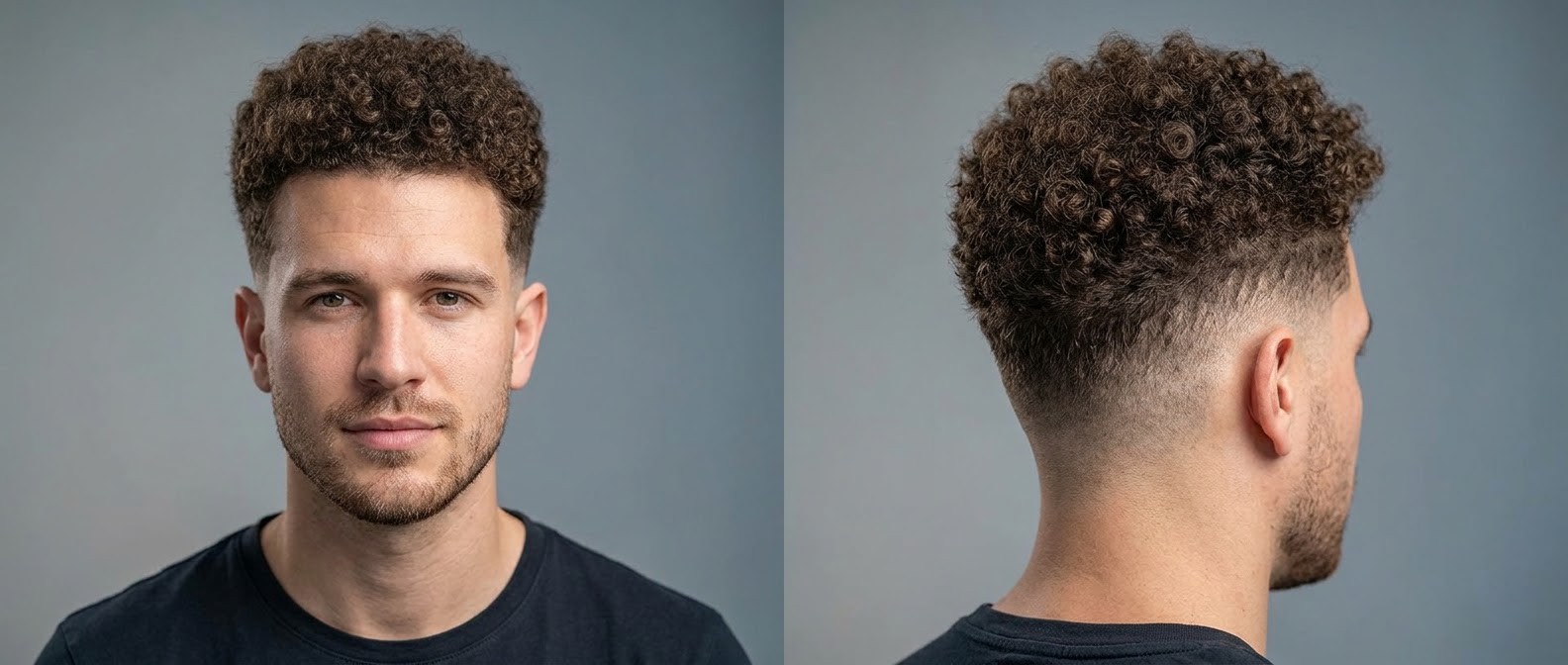
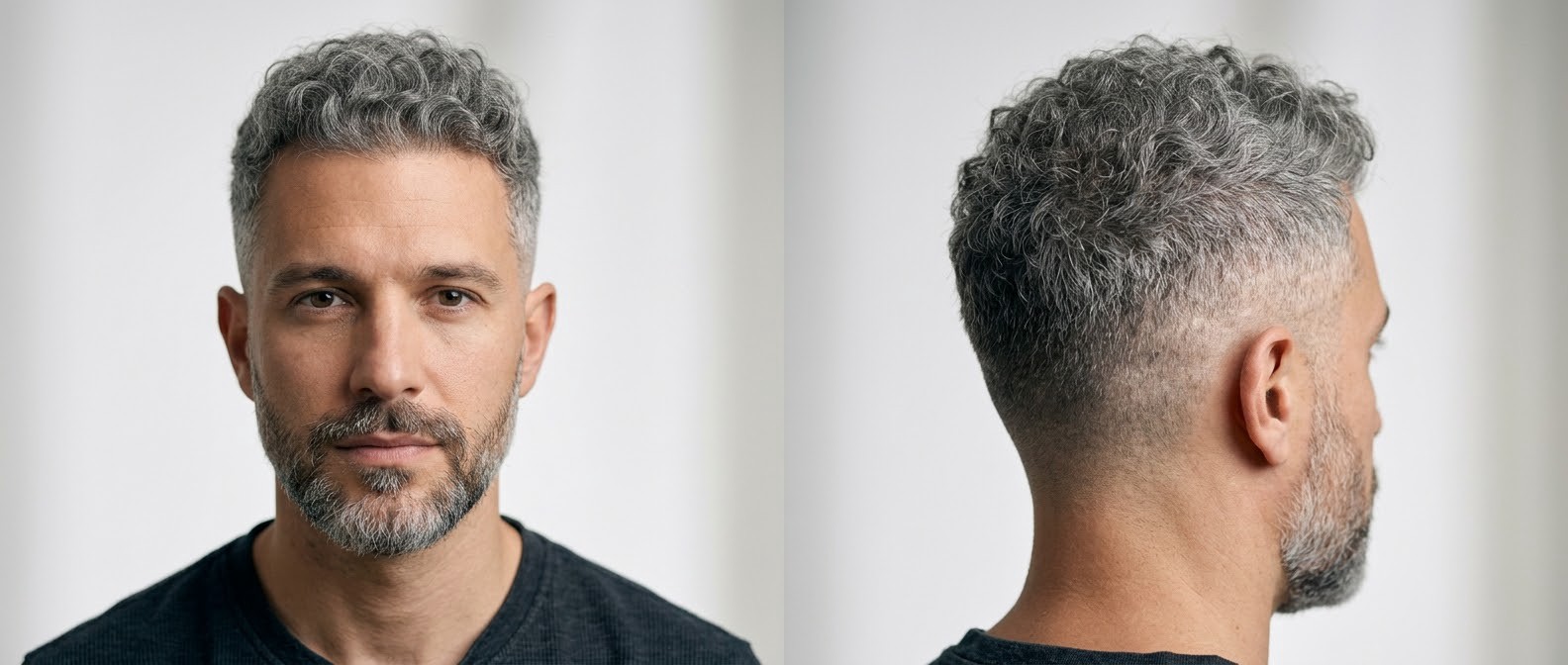
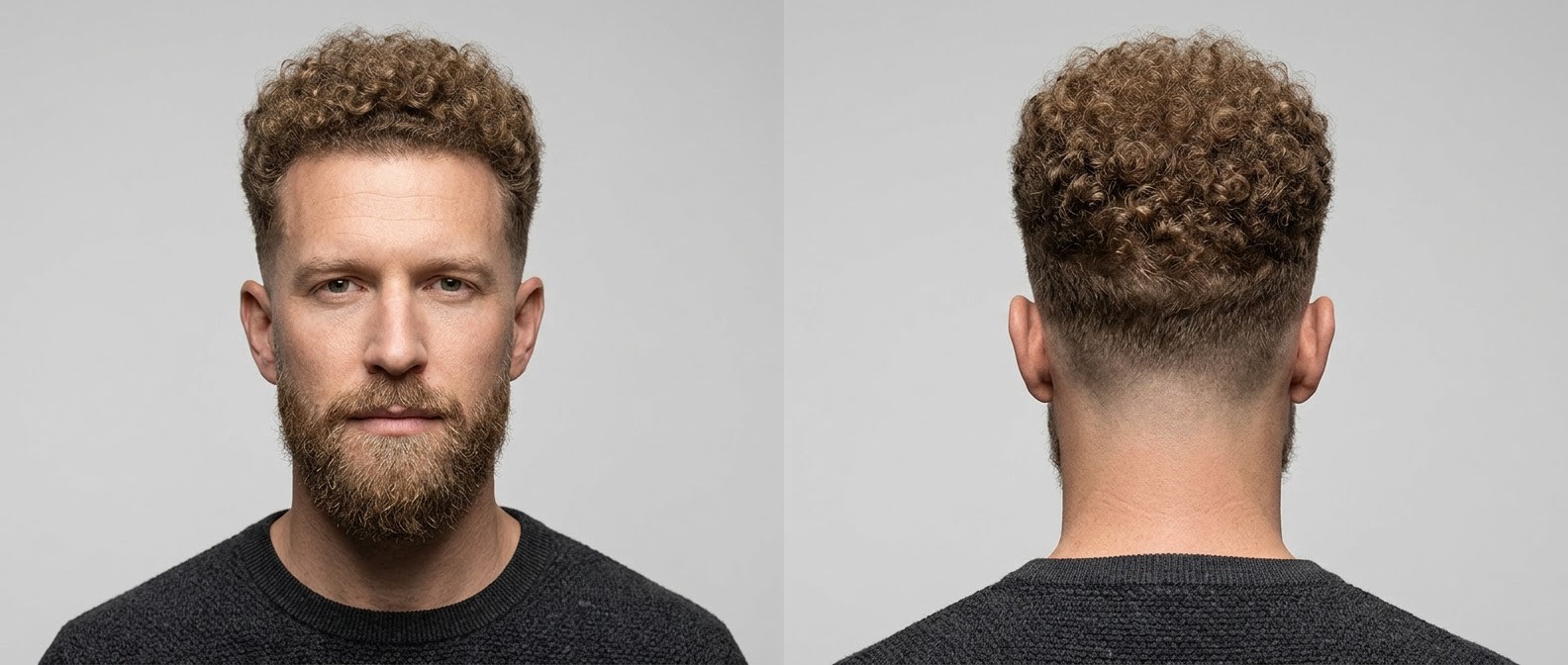
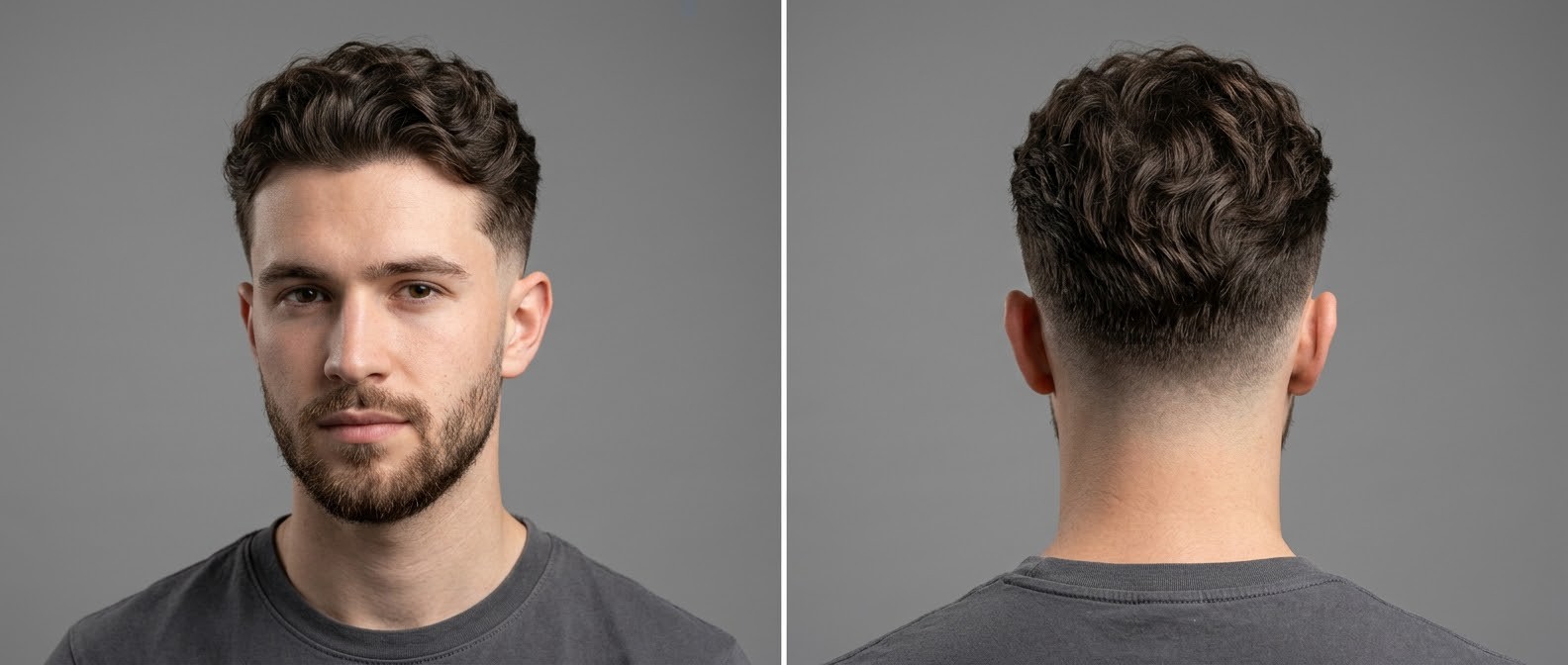


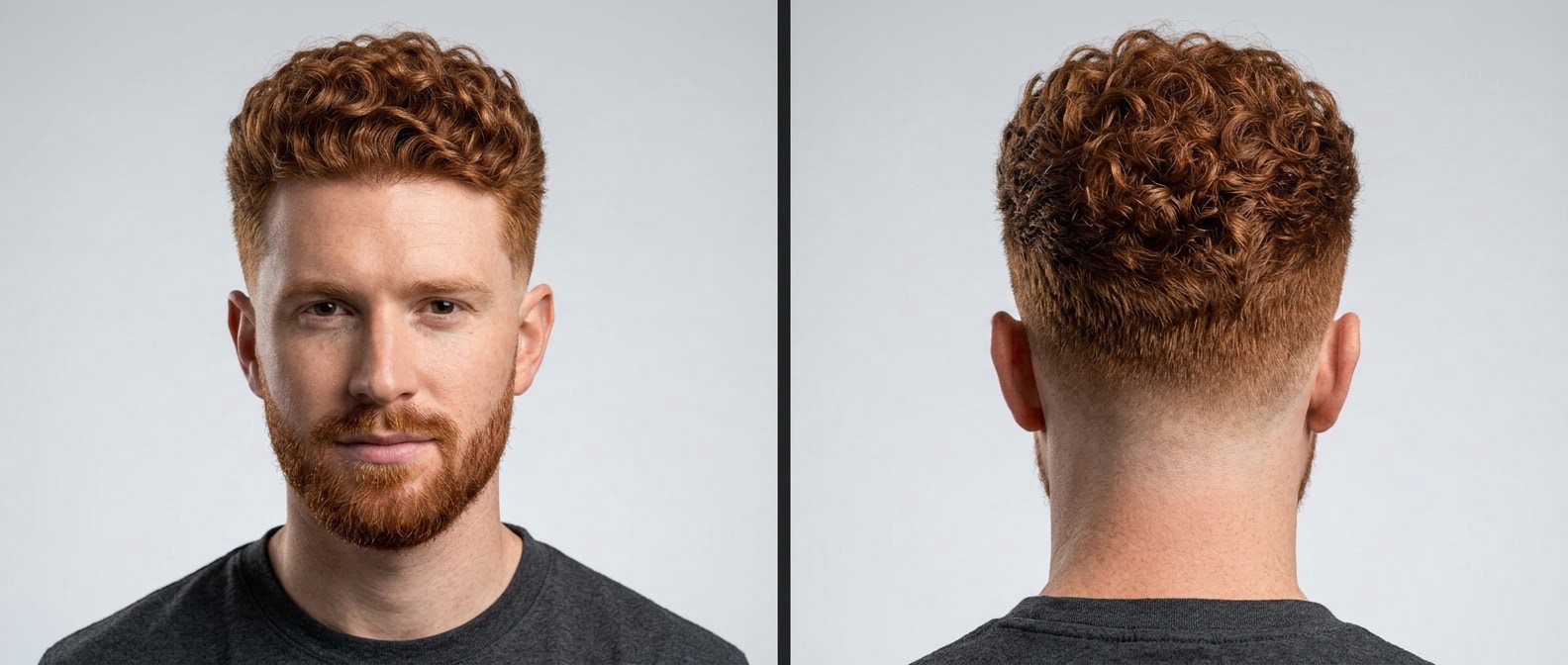
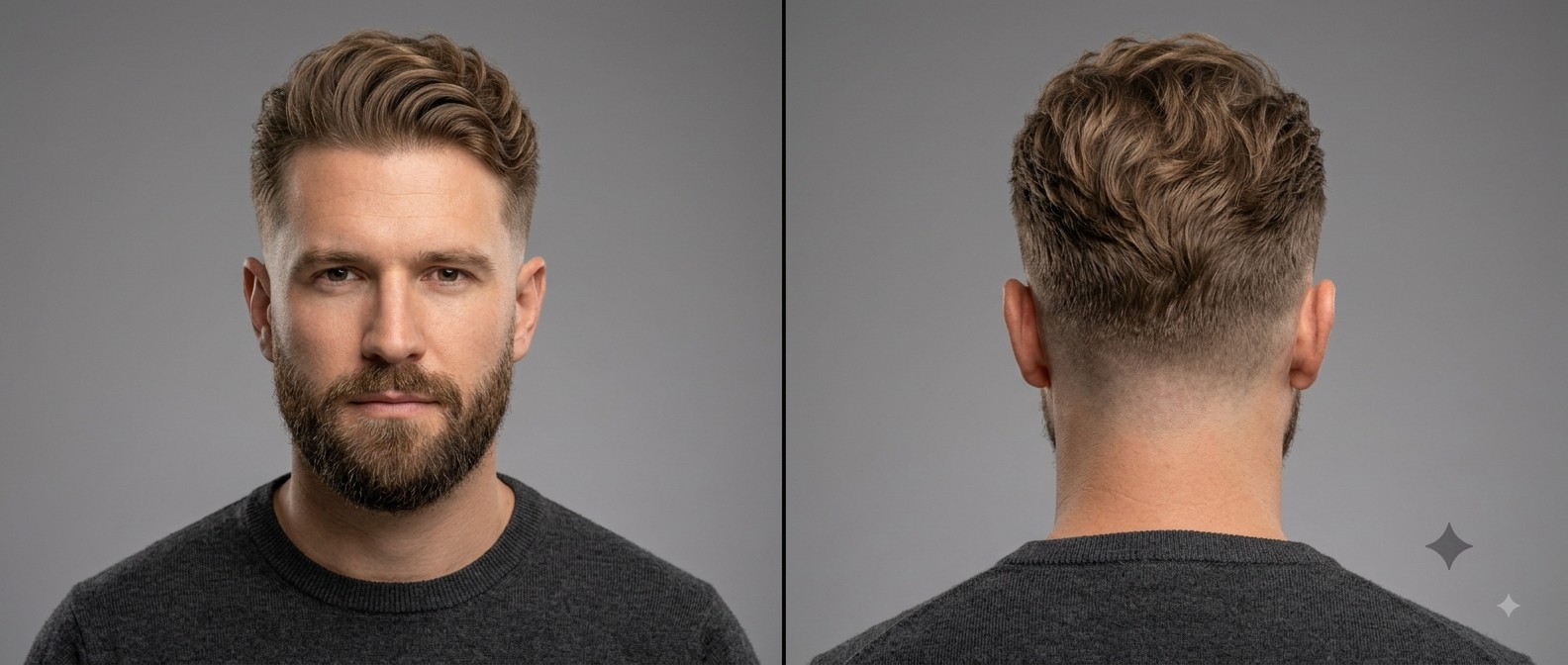
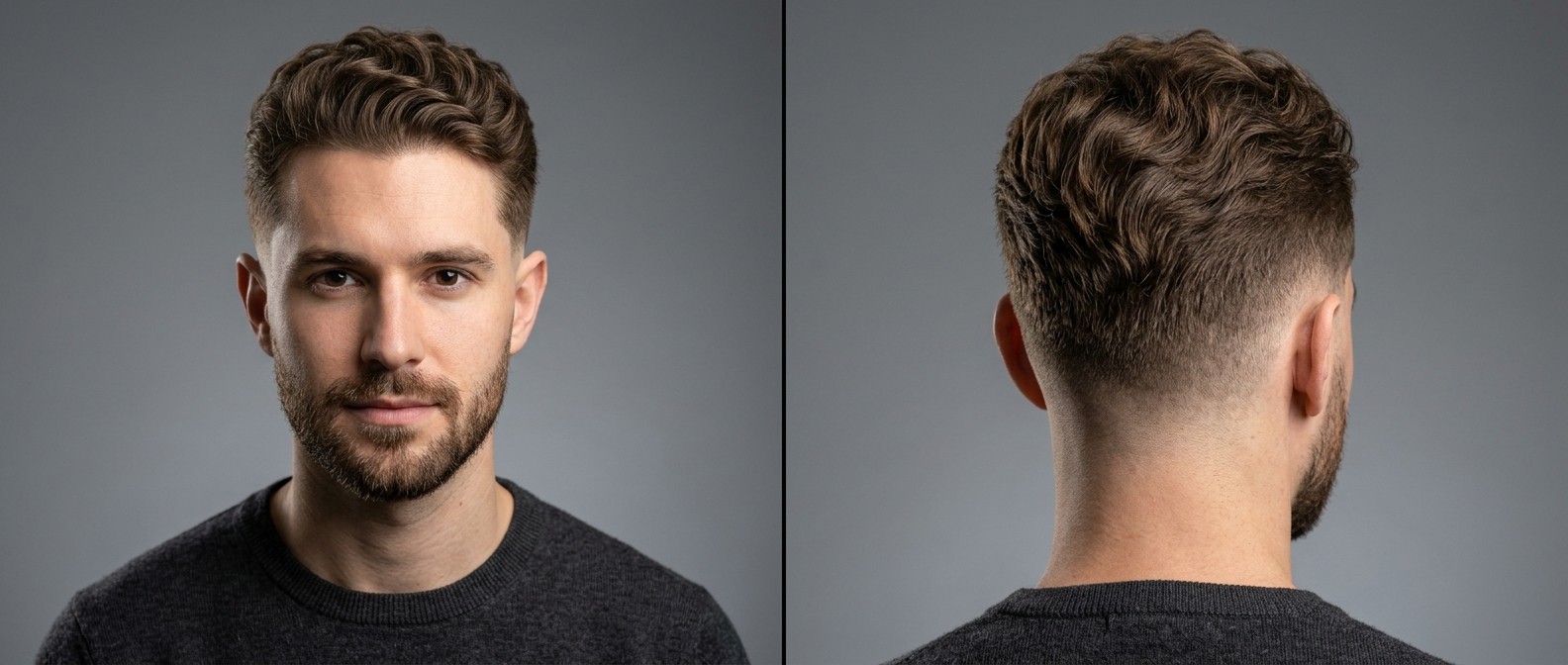
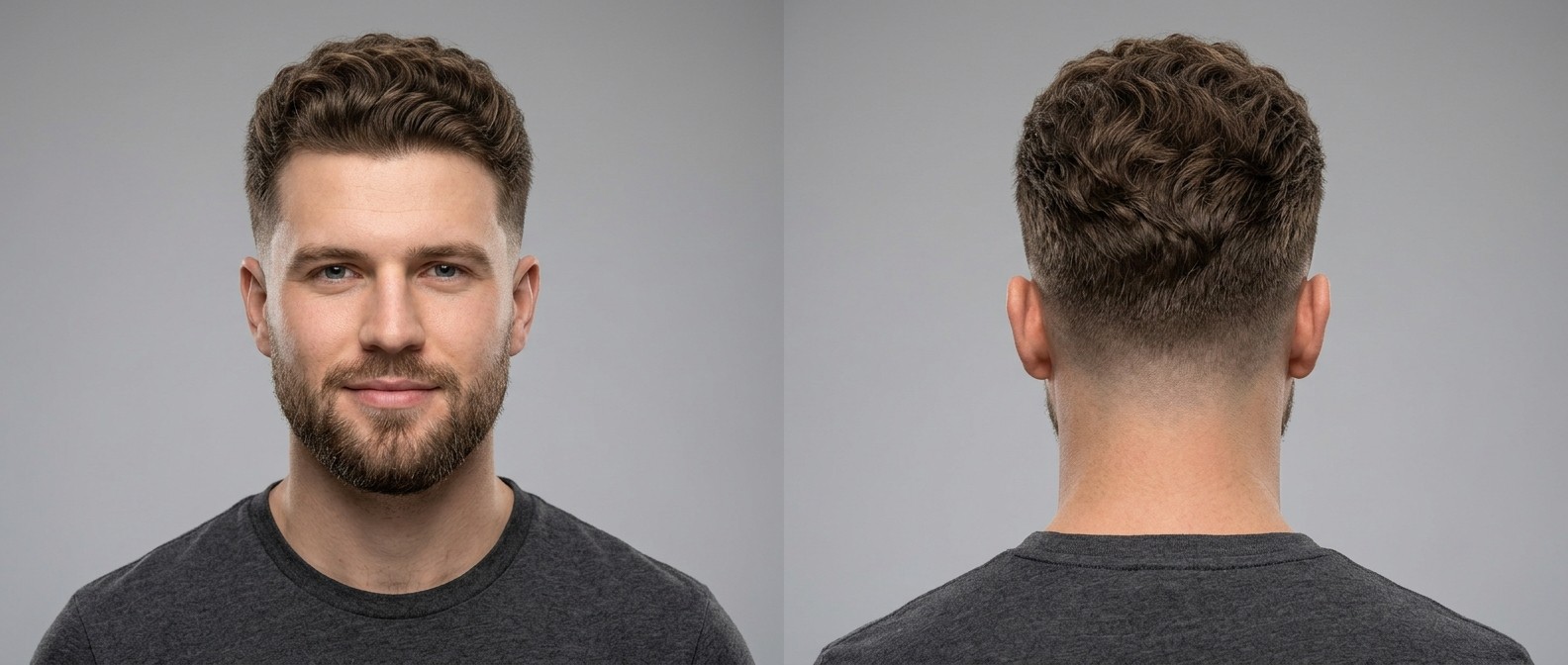
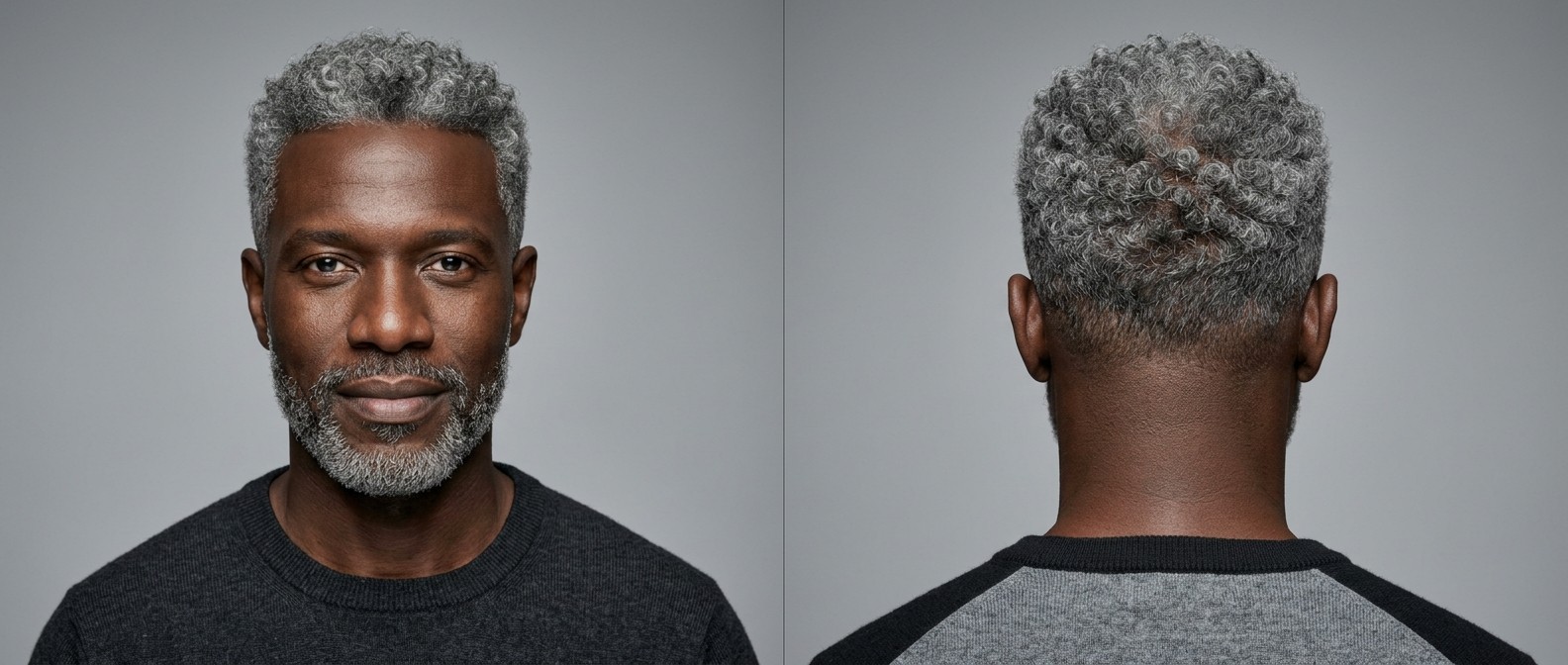
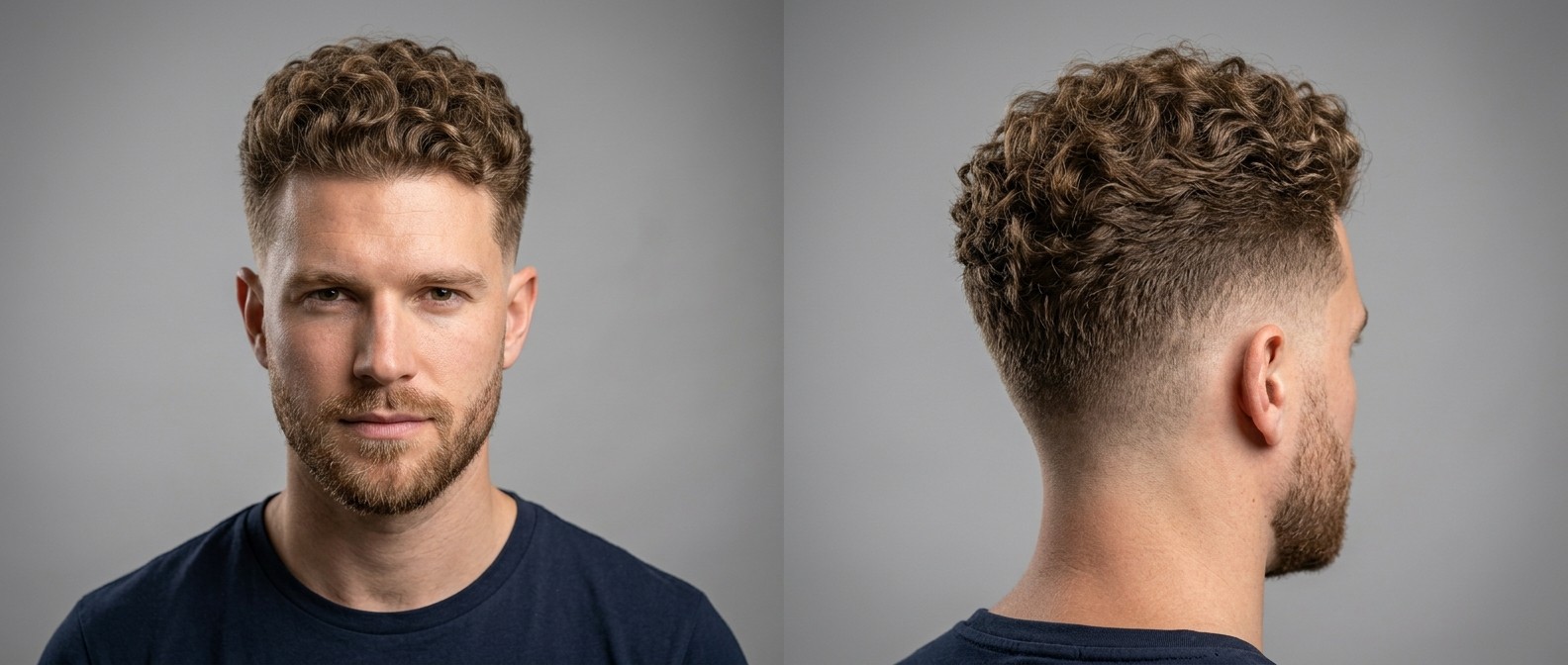
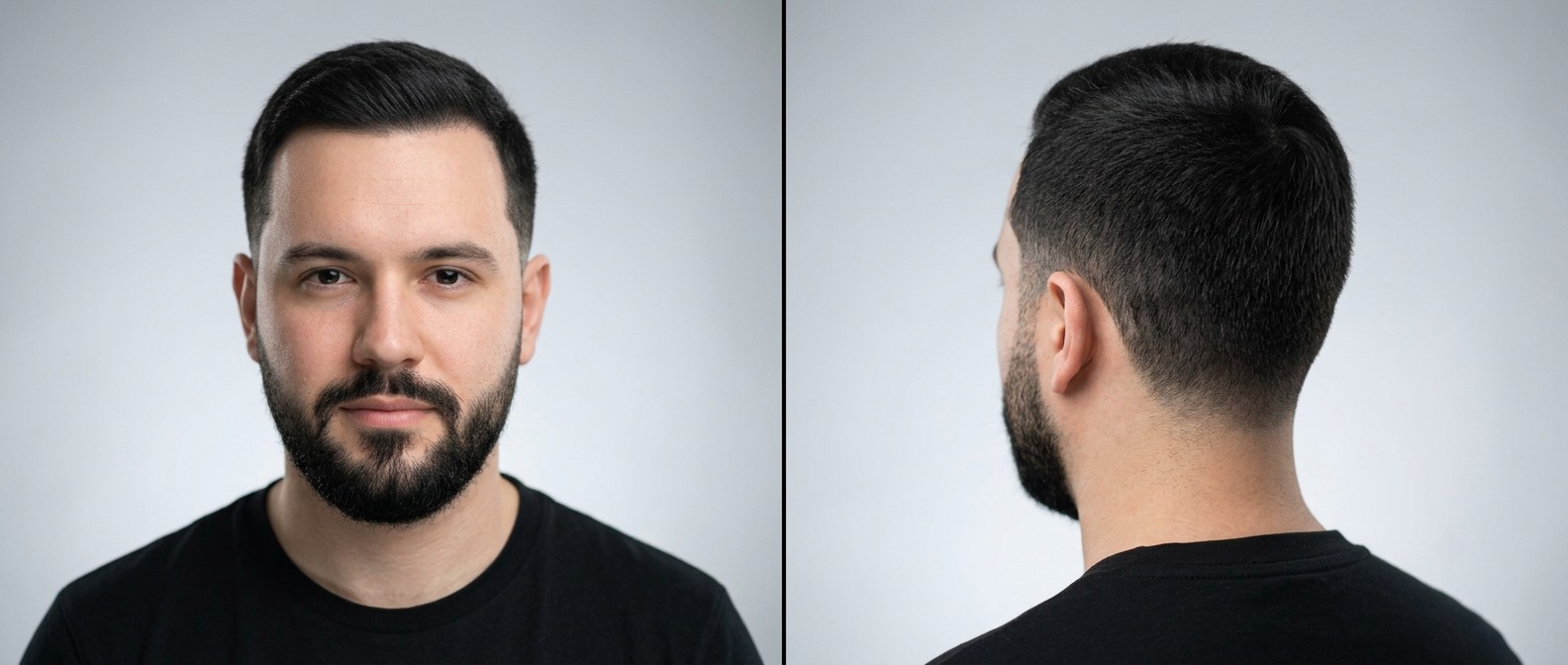
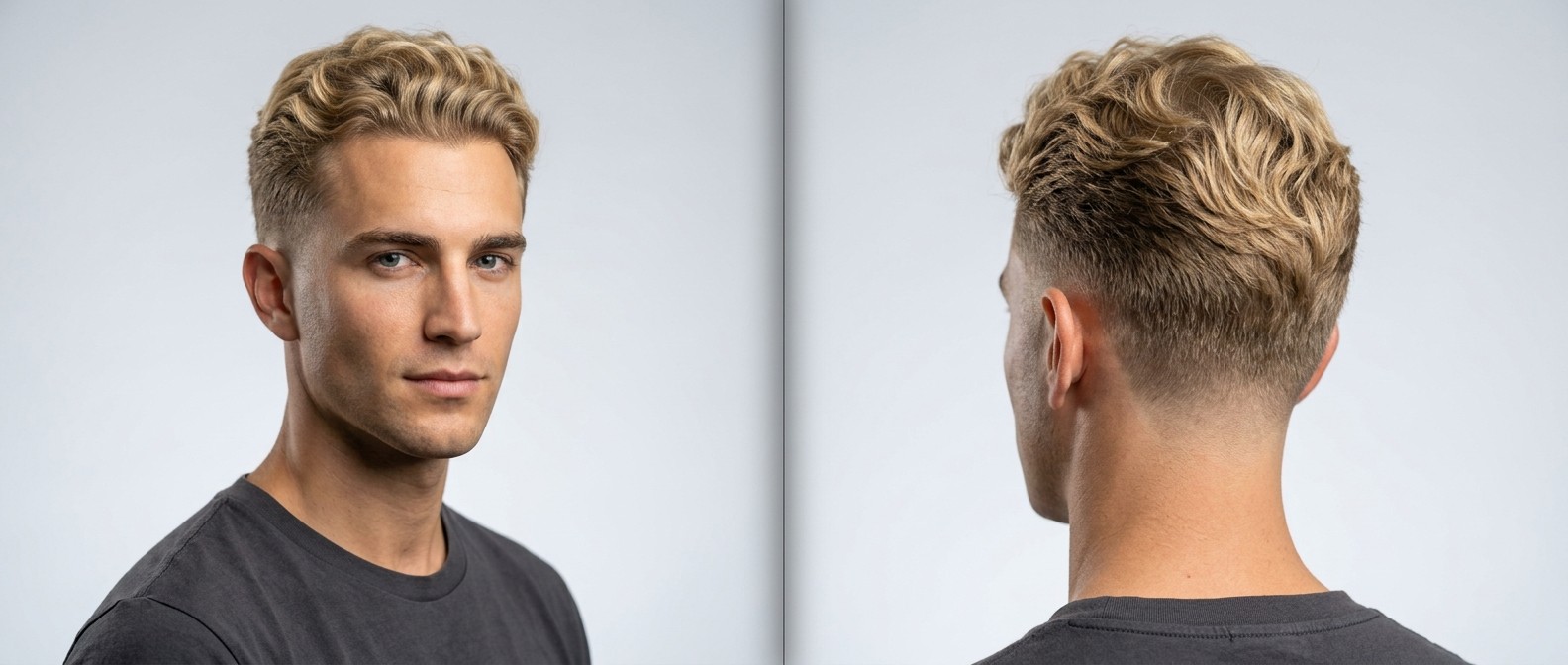
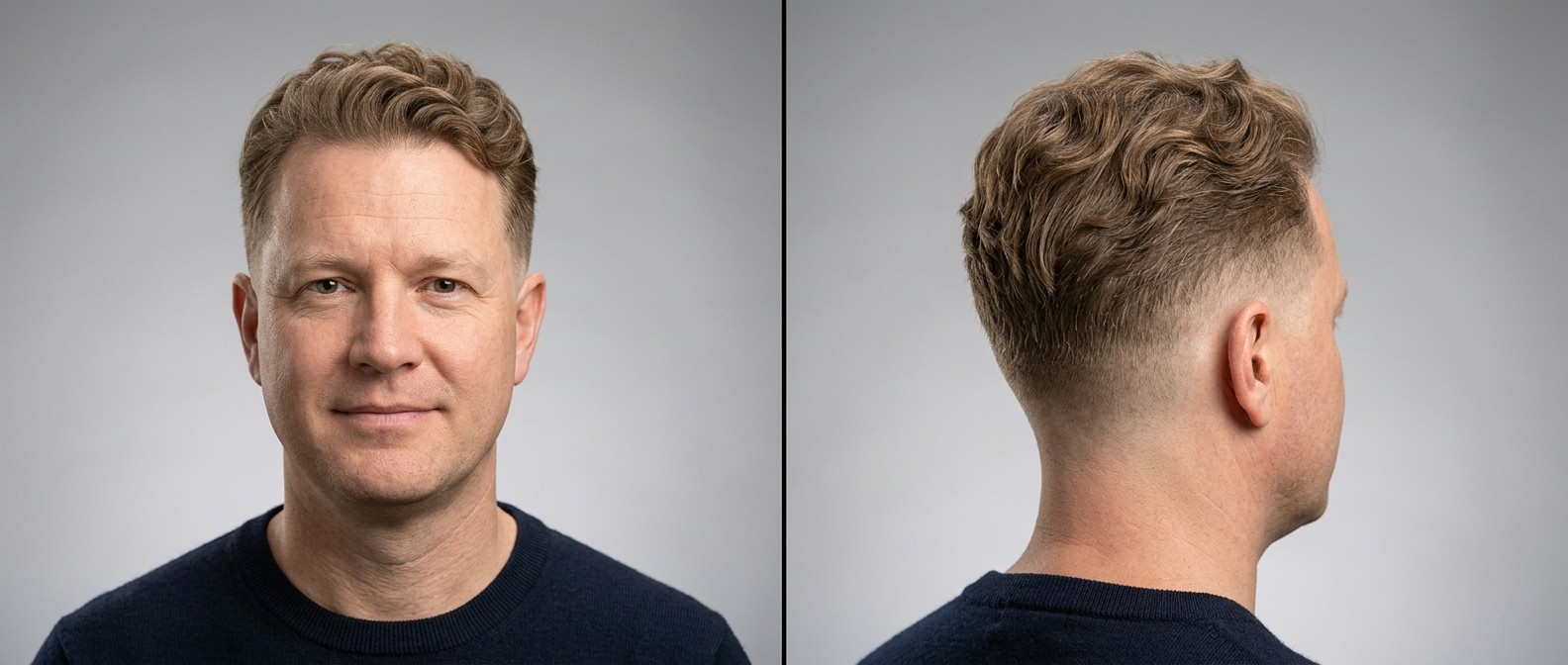
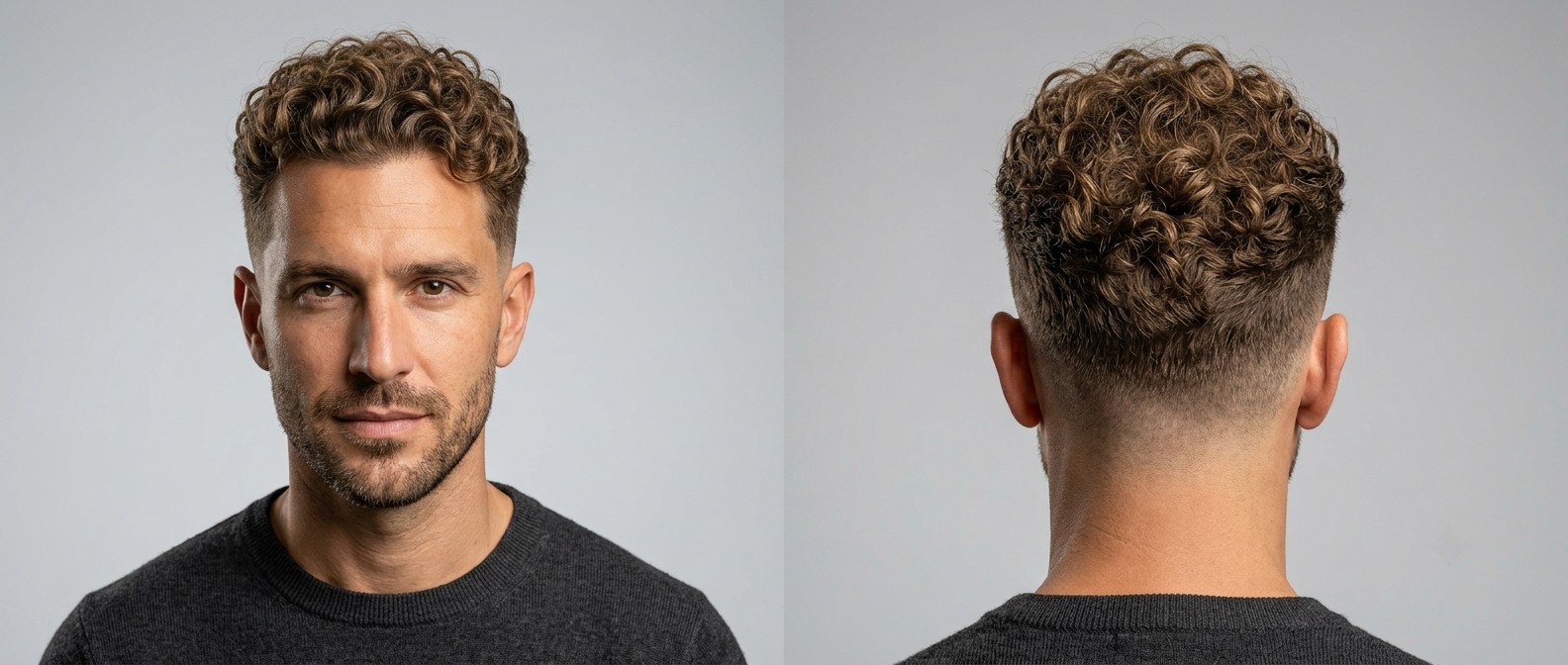
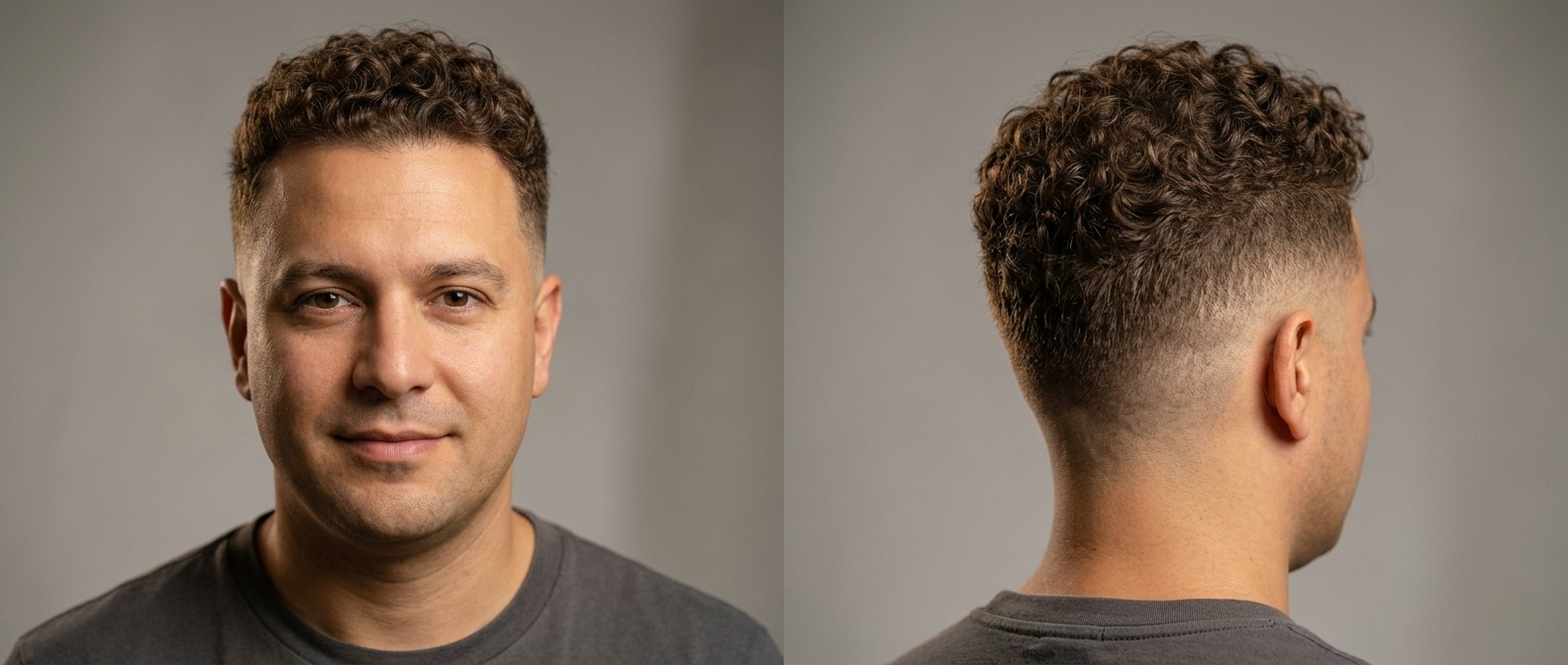
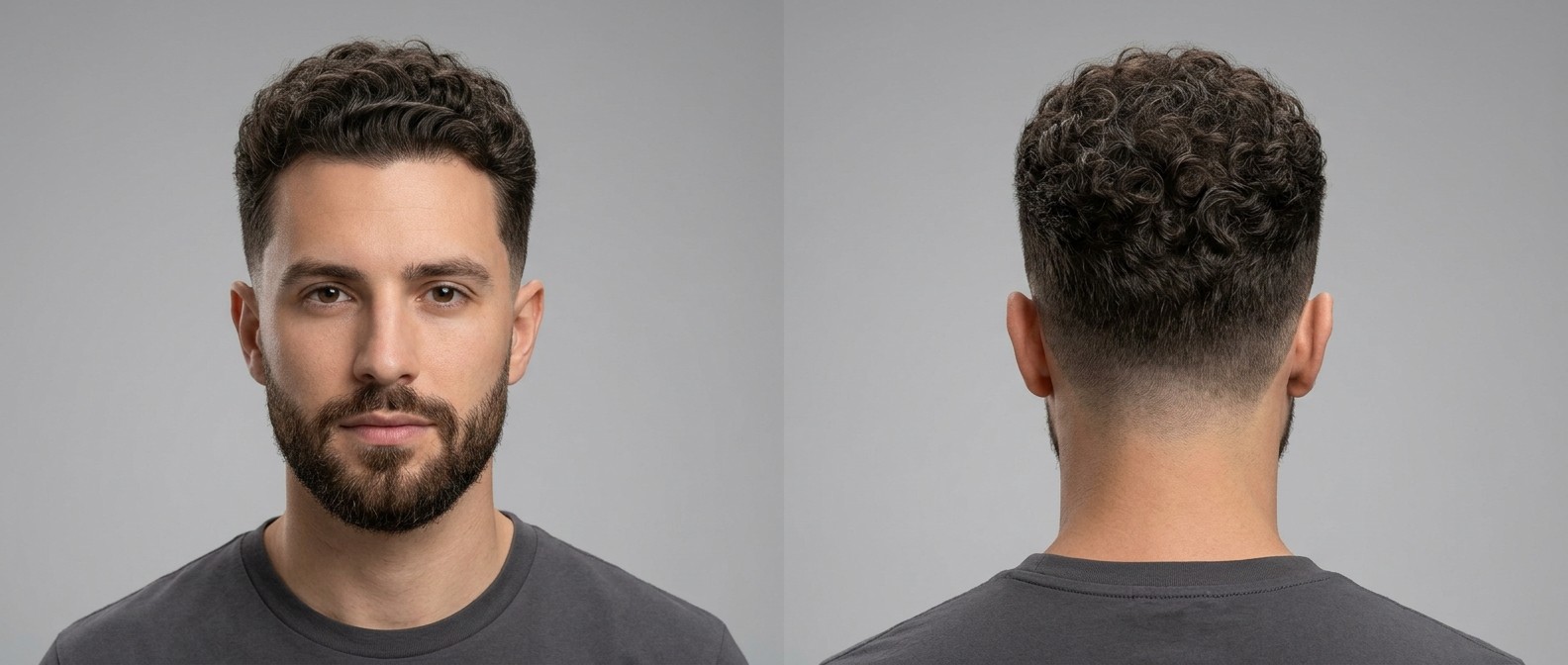
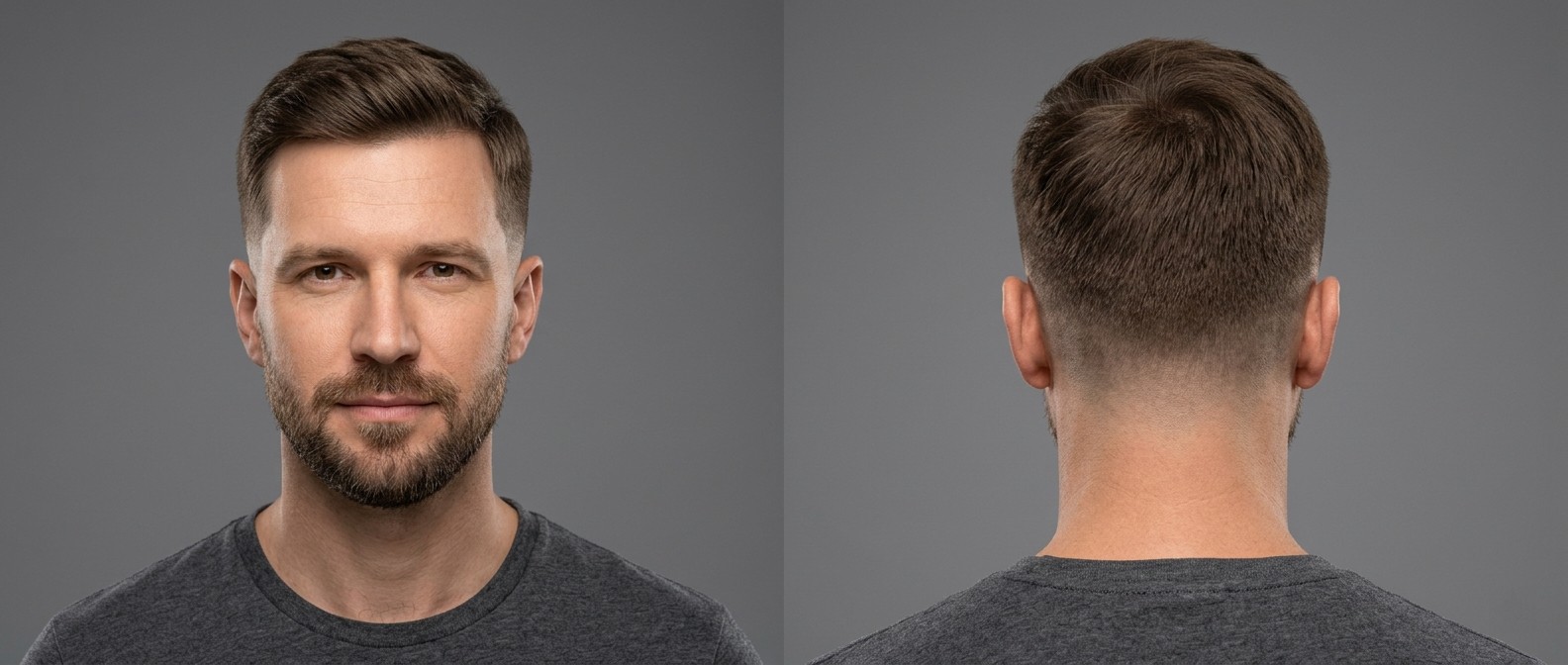
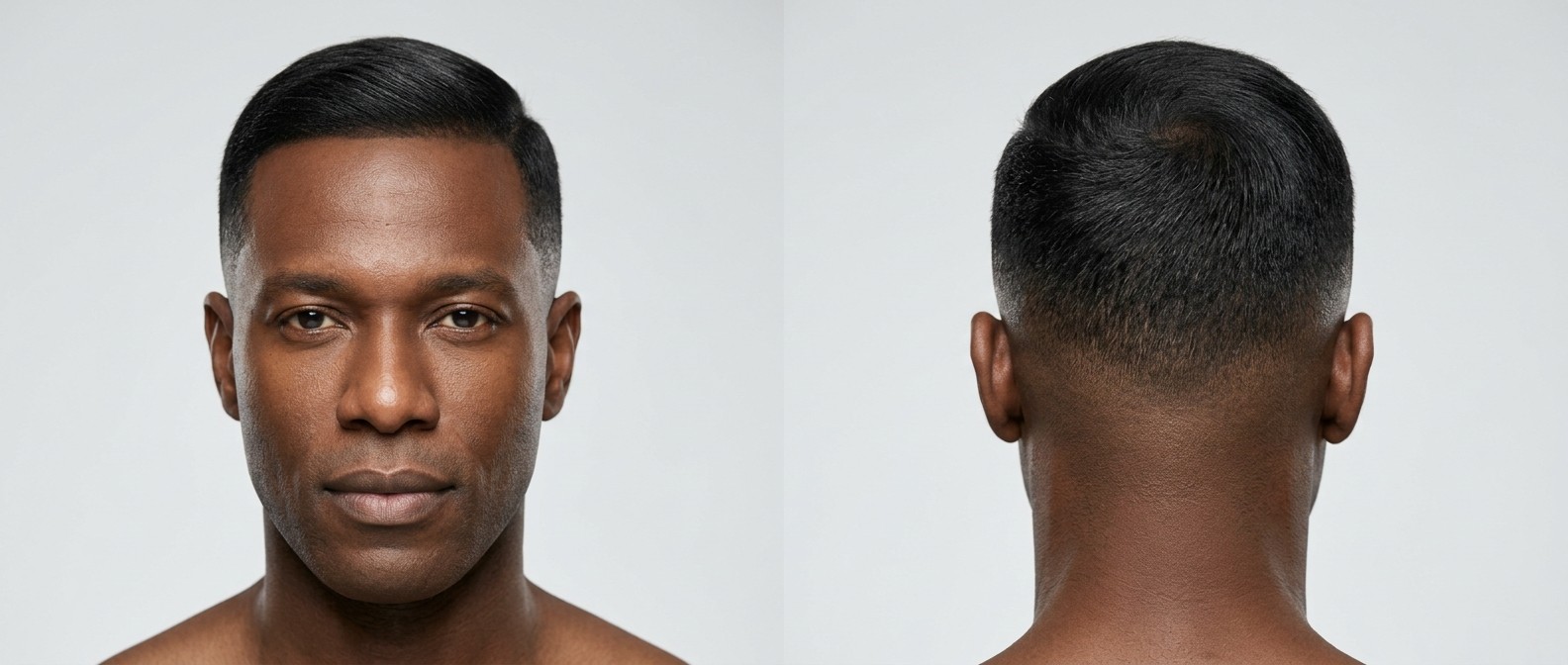
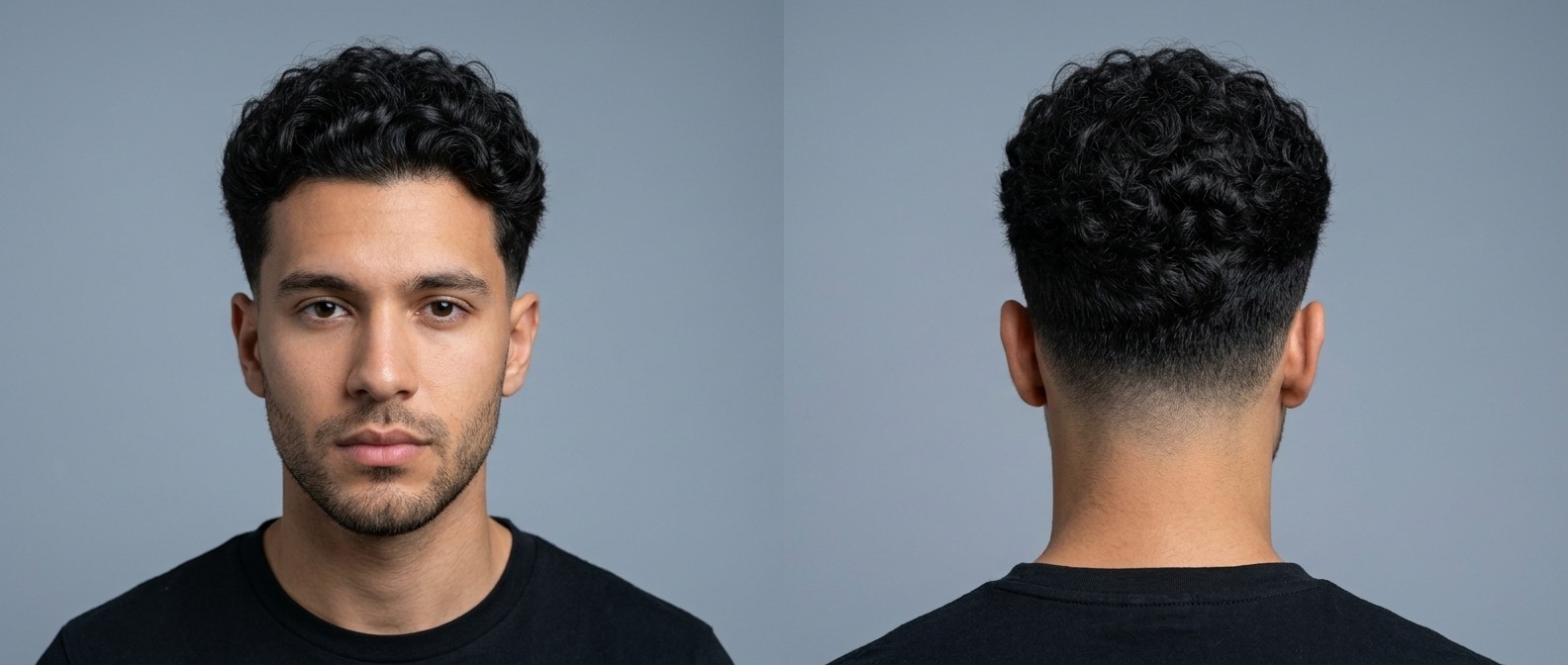
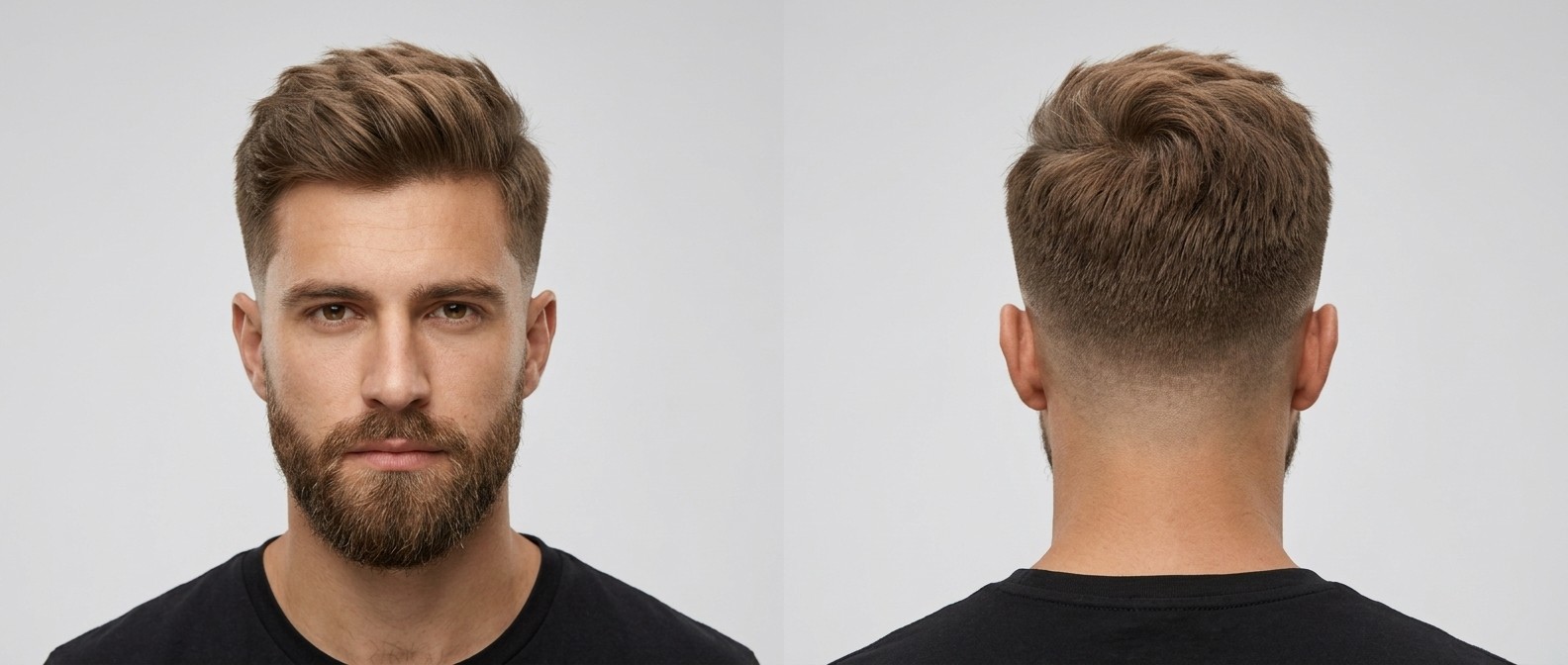
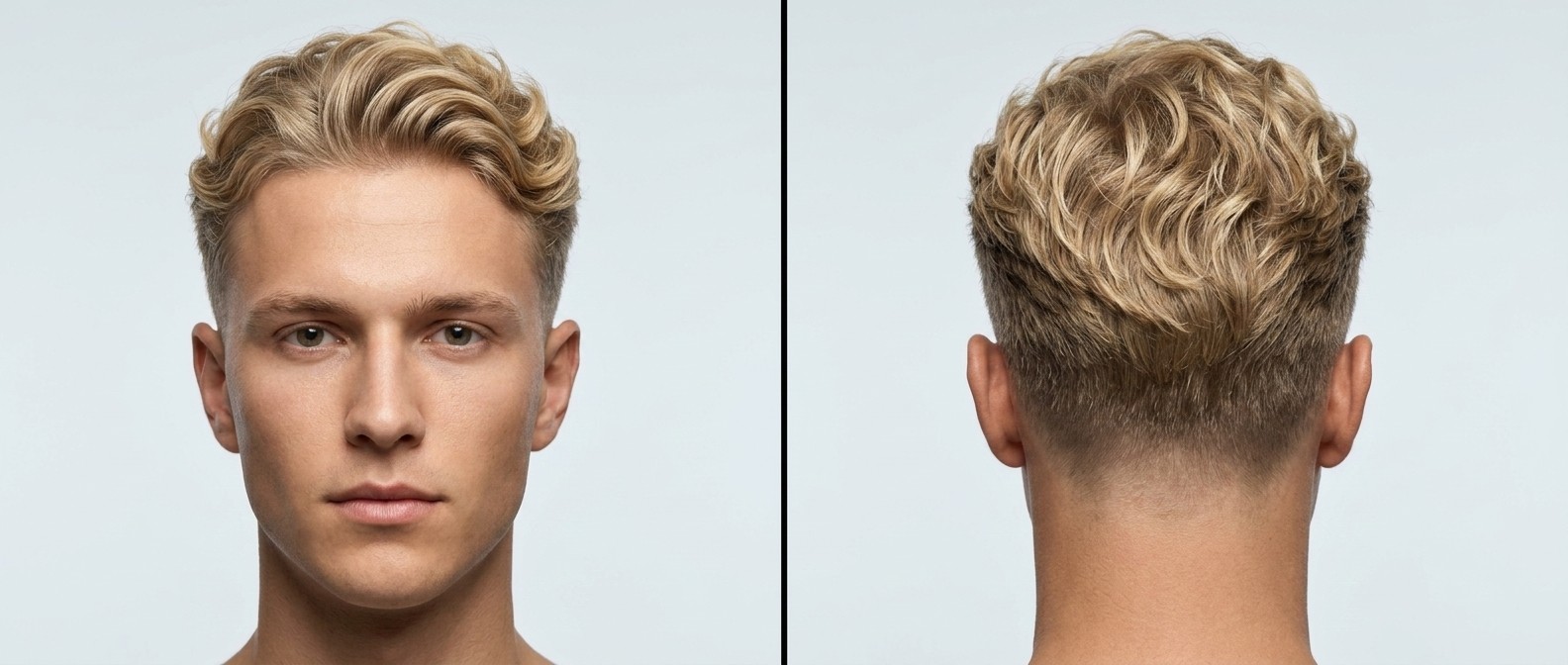
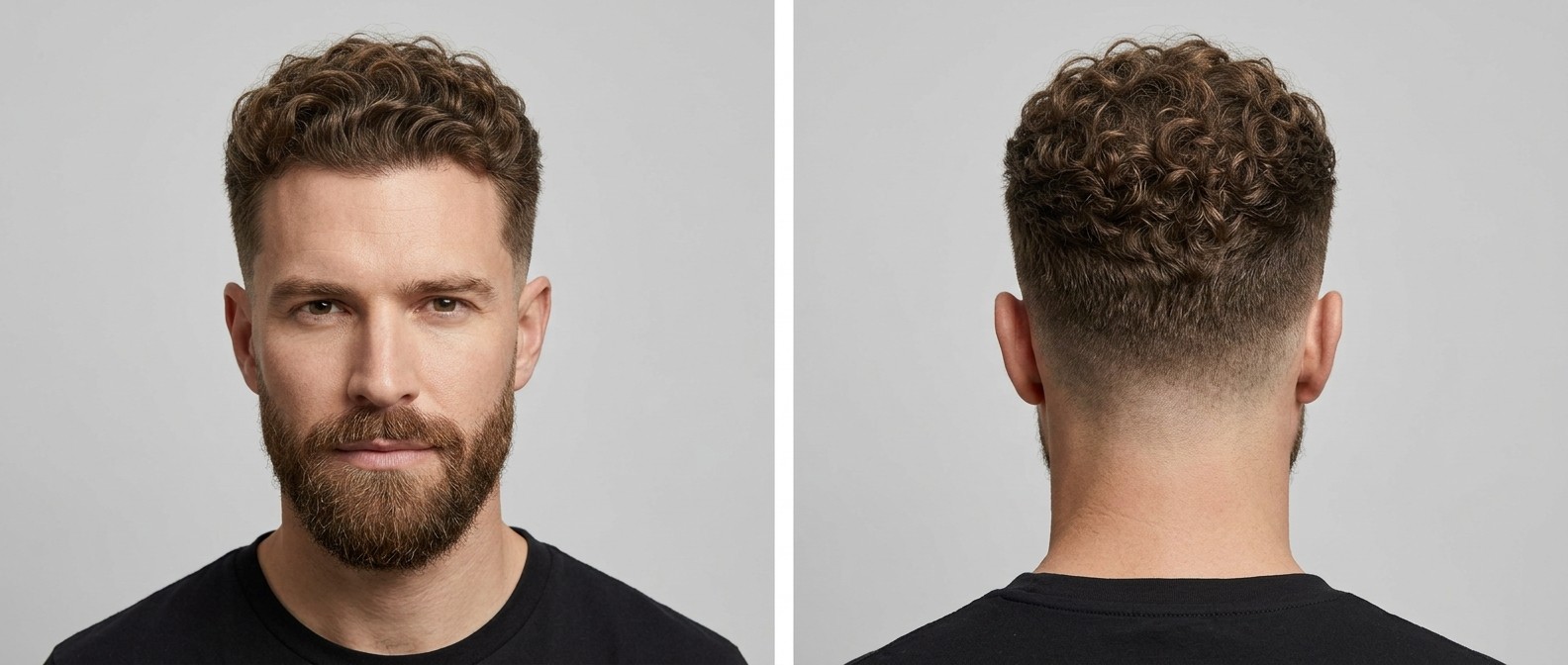
What Is a Low Fade?
A low fade is a tapering technique where the hair gradually decreases in length starting from a point just above the ears, typically about an inch above the ear line, and blends down to very short or skin-level at the hairline. The "low" designation refers to where the fade begins on the head — in this case, at the lowest possible point, keeping the gradient compact and subtle.
The fade itself is created using clipper-over-comb technique and multiple guard sizes, transitioning smoothly from the longer hair above to the shortest point at the bottom. A skilled barber can create a gradient so seamless that it's impossible to see where one length ends and another begins — this invisible blending is the hallmark of a quality low fade.
Low fades have been a barbershop staple for decades, rooted in military grooming standards that required clean, regulation-length sides while allowing some latitude on top. Today, the low fade serves as the foundation for countless modern men's hairstyles. It works as a complement to almost any top style — pompadours, quiffs, textured crops, comb-overs, and even longer, flowing styles all benefit from the clean structure a low fade provides at the sides and back.
Who Should Get a Low Fade?
The low fade is arguably the most universally flattering fade option. Its subtle nature means it works across virtually every context and demographic:
- Professional environments — the low placement reads as conservative and well-groomed, passing even strict dress codes
- All face shapes — the minimal removal of hair from the sides means it doesn't dramatically alter facial proportions
- First-time fade clients — if you've never had a fade before, starting low gives you the cleanest introduction
- Men with larger heads — the low fade removes less visual mass from the sides, maintaining balanced proportions
- Mature men — the subtlety of a low fade conveys sophistication without trying too hard
- Thinning hair — a low fade keeps more hair on the sides, avoiding the contrast that can highlight sparse areas on top
If you're unsure which fade height to choose, the low fade is almost always the safest and most versatile starting point. You can always go higher next time if you want more contrast.
How to Style Hair with a Low Fade
The low fade is a supporting element rather than the main event — it cleans up your silhouette and lets whatever you're doing on top take center stage. That said, certain top styles pair especially well with a low fade:
Textured crop: Keep the top 2-3 inches long with choppy texture. Apply a matte clay and work it through with your fingers for a casual, modern look. The low fade adds just enough structure to prevent the style from looking unkempt.
Side part: Create a defined part and comb the hair across with a medium-hold pomade. The low fade gives the sides a clean finish without competing with the classic elegance of a side part.
Natural and loose: For curly or wavy hair, simply let the top do its thing while the low fade keeps the perimeter tidy. Apply a light curl cream or leave-in conditioner and let your natural texture shine.
Slick back: Apply pomade to damp hair and comb everything back. The low fade creates a gradual, sophisticated frame around the slicked-back top section.
What to Tell Your Barber
When requesting a low fade, be specific about these key parameters:
- Starting point — "I want the fade to start about an inch above my ears" is the standard low fade position
- Bottom length — skin fade (#0) for the sharpest look, or a #0.5/#1 for something slightly softer
- Top of the fade — what guard number should the fade blend into? A #3 or #4 is common at the top of a low fade
- Back treatment — should the fade follow the same low line around the back, or taper differently at the nape?
- Skin or shadow — a skin low fade goes to bare skin, a shadow low fade keeps a hint of stubble at the shortest point
The difference between a good low fade and a great one comes down to blending quality. Don't hesitate to ask your barber to spend extra time on the transitions. A rushed fade shows, and the whole point of a low fade is seamless subtlety.
Maintenance Guide
The low fade is a moderate-maintenance style that needs attention every 2-3 weeks to look its best. Because the fade sits low on the head, growth is especially noticeable around the ears and neckline — these areas tend to look untidy before the rest of the fade loses its shape.
Between barber visits, you can maintain the neckline yourself with a trimmer, carefully cleaning up hair that grows below your natural hairline. Avoid trying to touch up the actual fade blending at home unless you're very experienced with clippers — it's easy to create visible lines or uneven spots in the gradient.
For the hair on top, maintain your usual washing and conditioning routine. If you use styling products, make sure to wash them out thoroughly each day. Product buildup near the fade line can make the transition look less clean and create an unintended texture contrast between the product-heavy top and the clean-faded sides.
Low Fade Variations
Within the low fade category, several specific variations offer different aesthetics. The low skin fade tapers all the way down to bare skin for the cleanest possible finish. The low shadow fade stops just short of skin, leaving a soft five-o'clock shadow effect at the shortest point. The low taper fade uses a more gradual, elongated gradient that barely registers as a fade at all — the most conservative option. The low drop fade curves the fade line downward behind the ear, following the natural head shape for a more organic flow. And the low burst fade radiates outward from the ear in a semicircle, creating a rounded gradient that works especially well with longer styles on top and in the back. Each variation shares the same low placement but offers a distinct finishing touch.