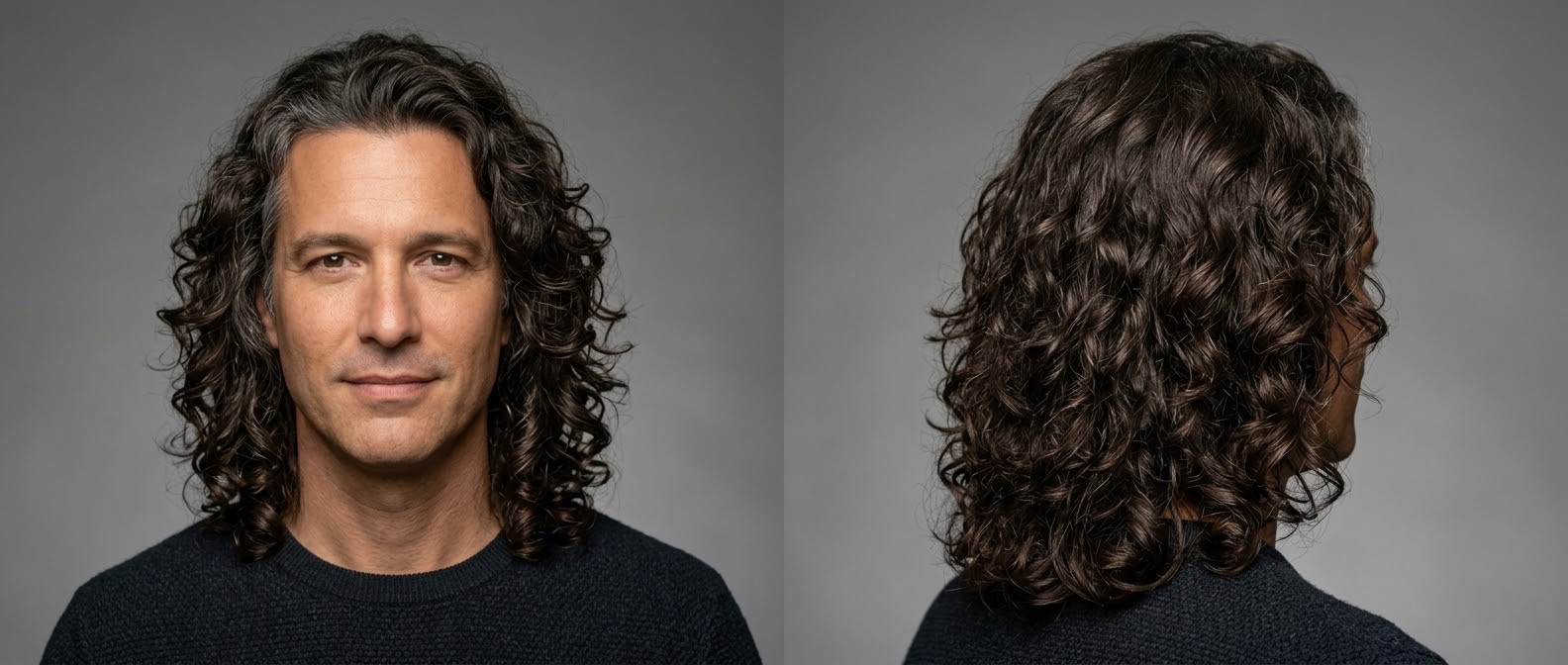
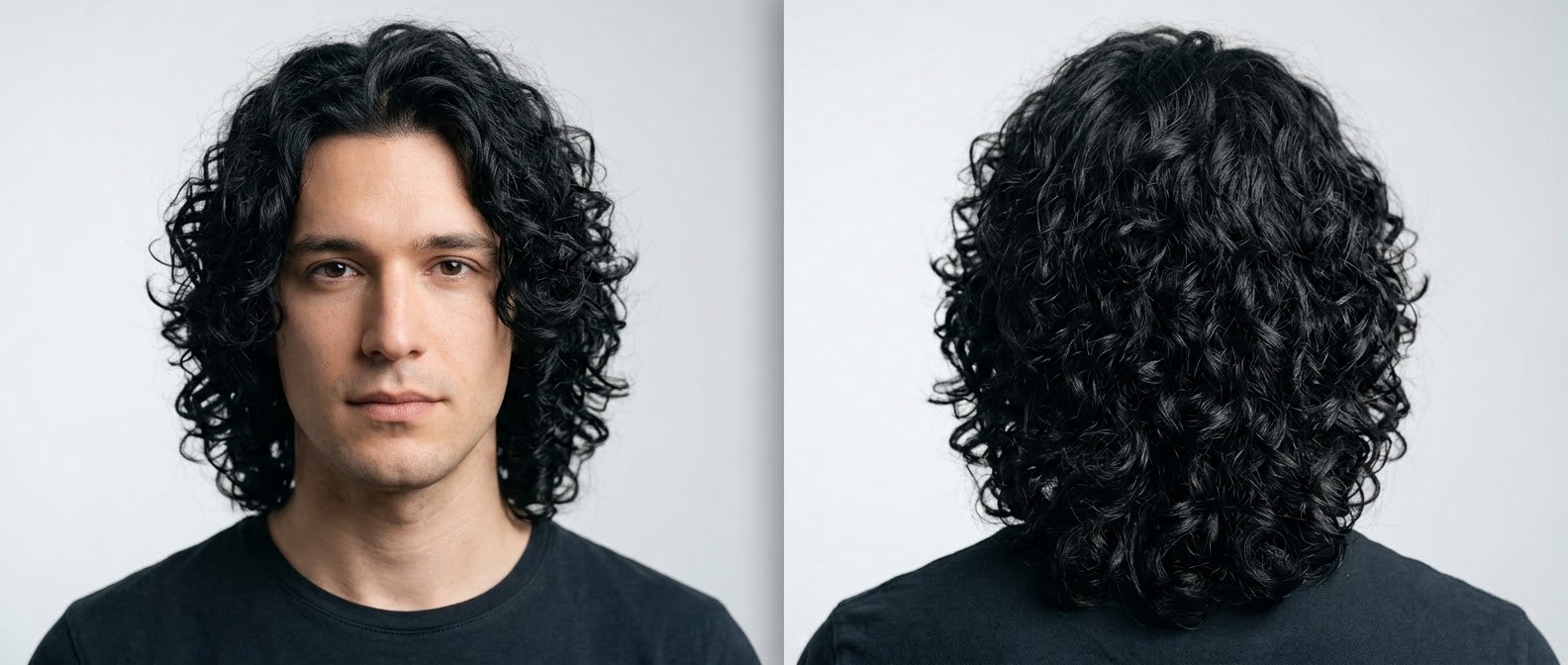
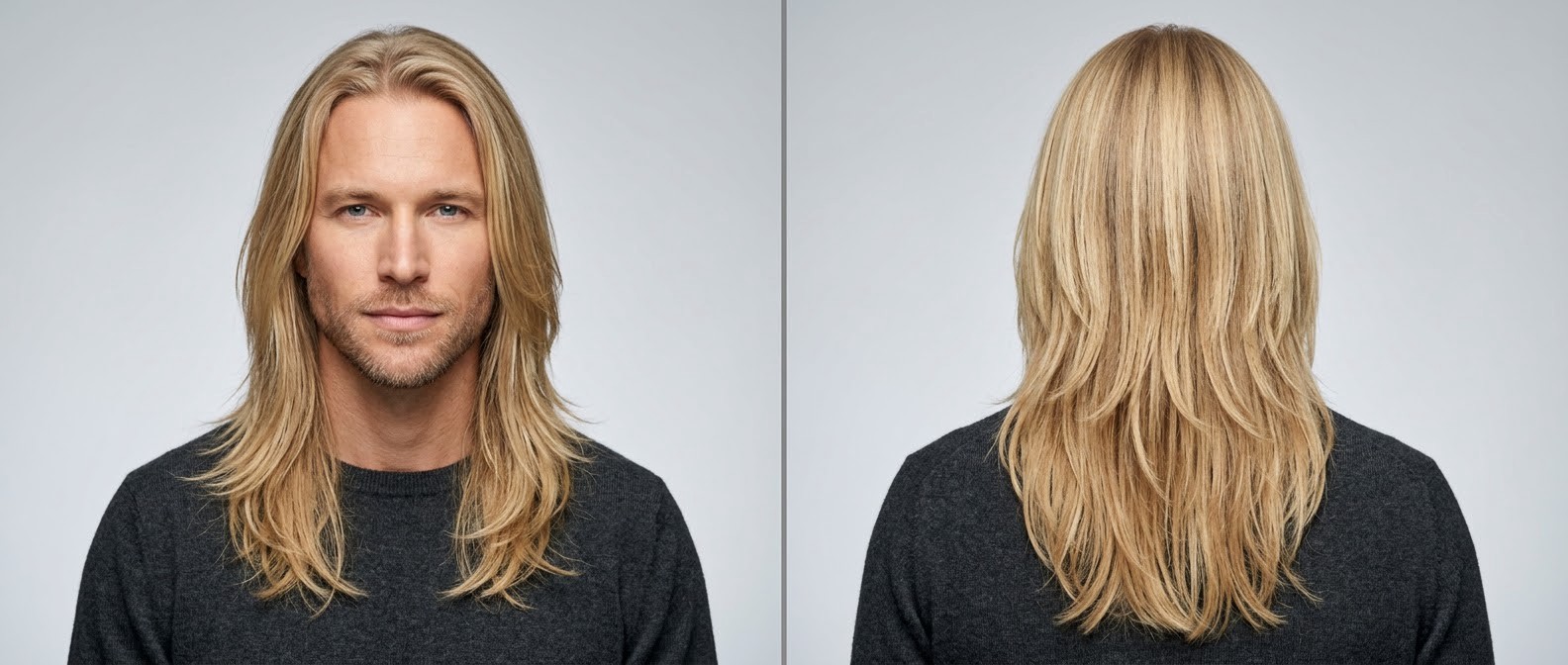
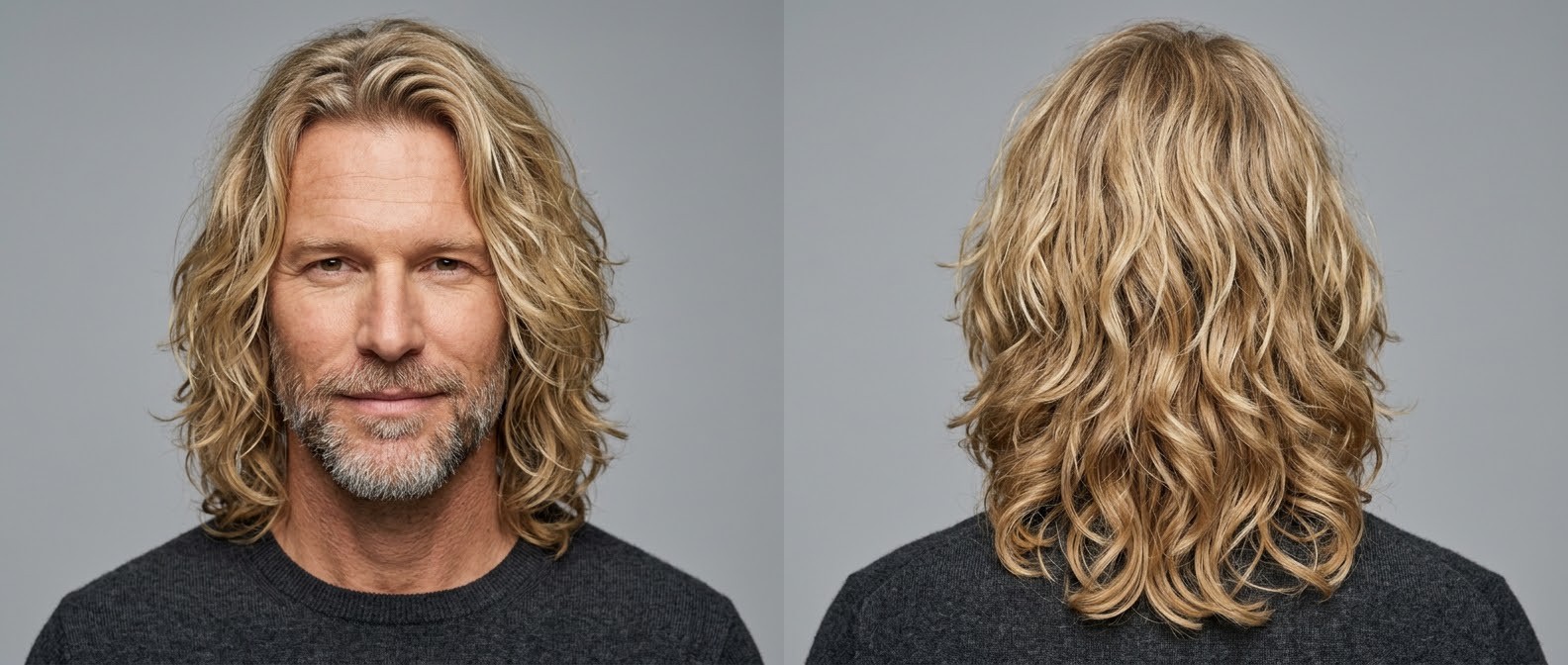
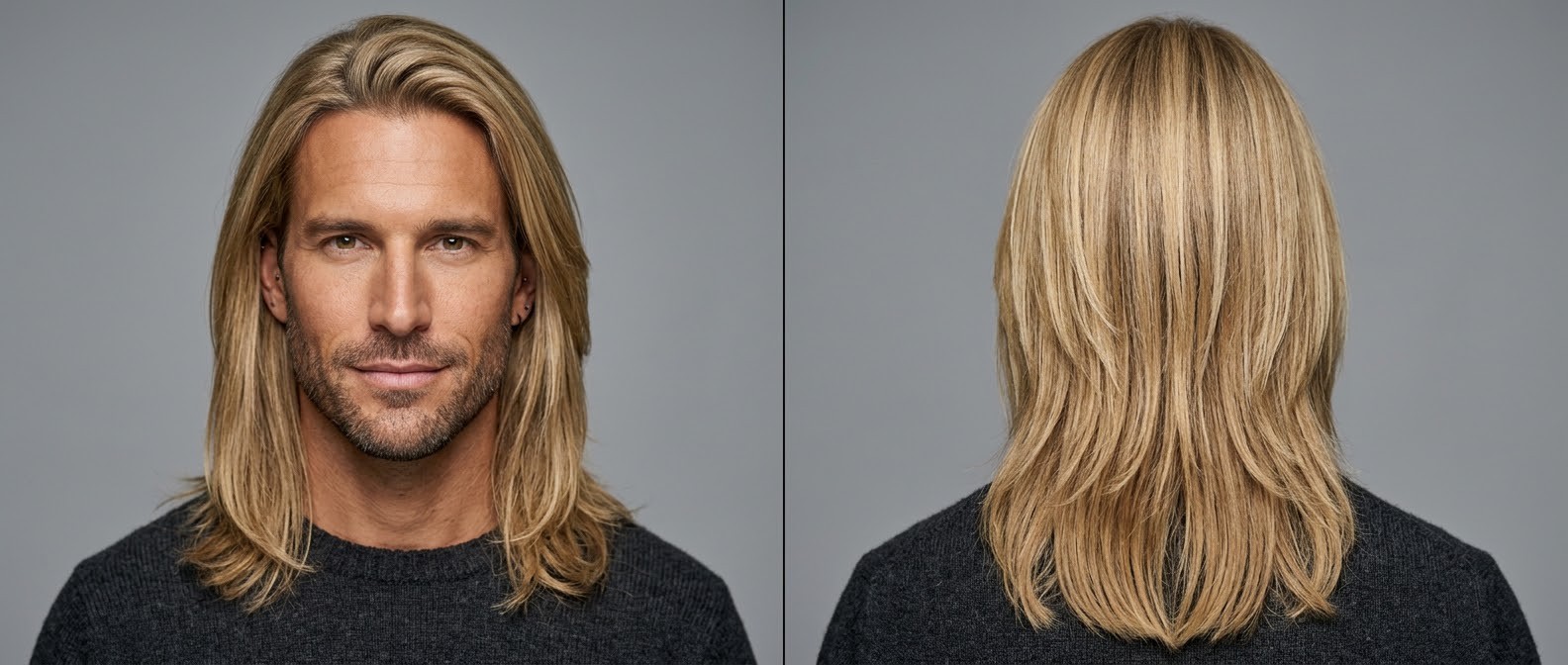


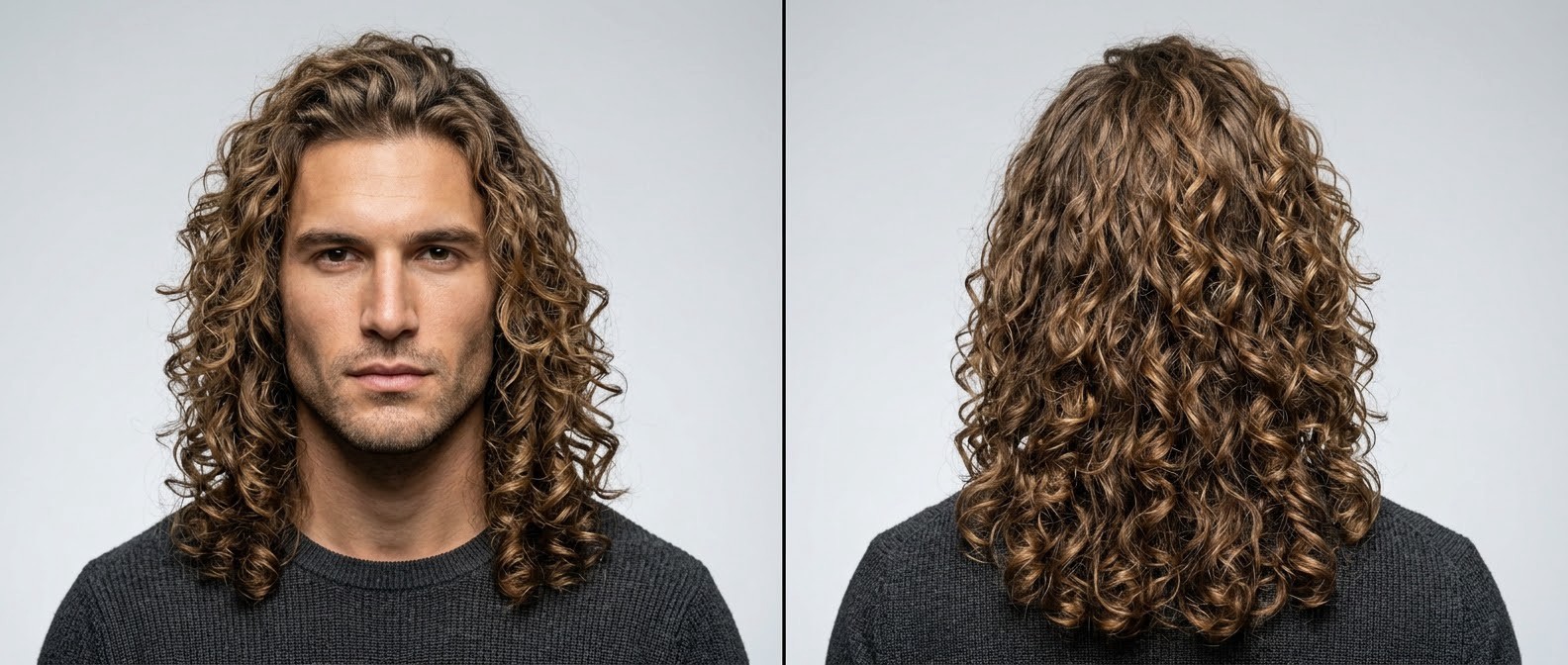
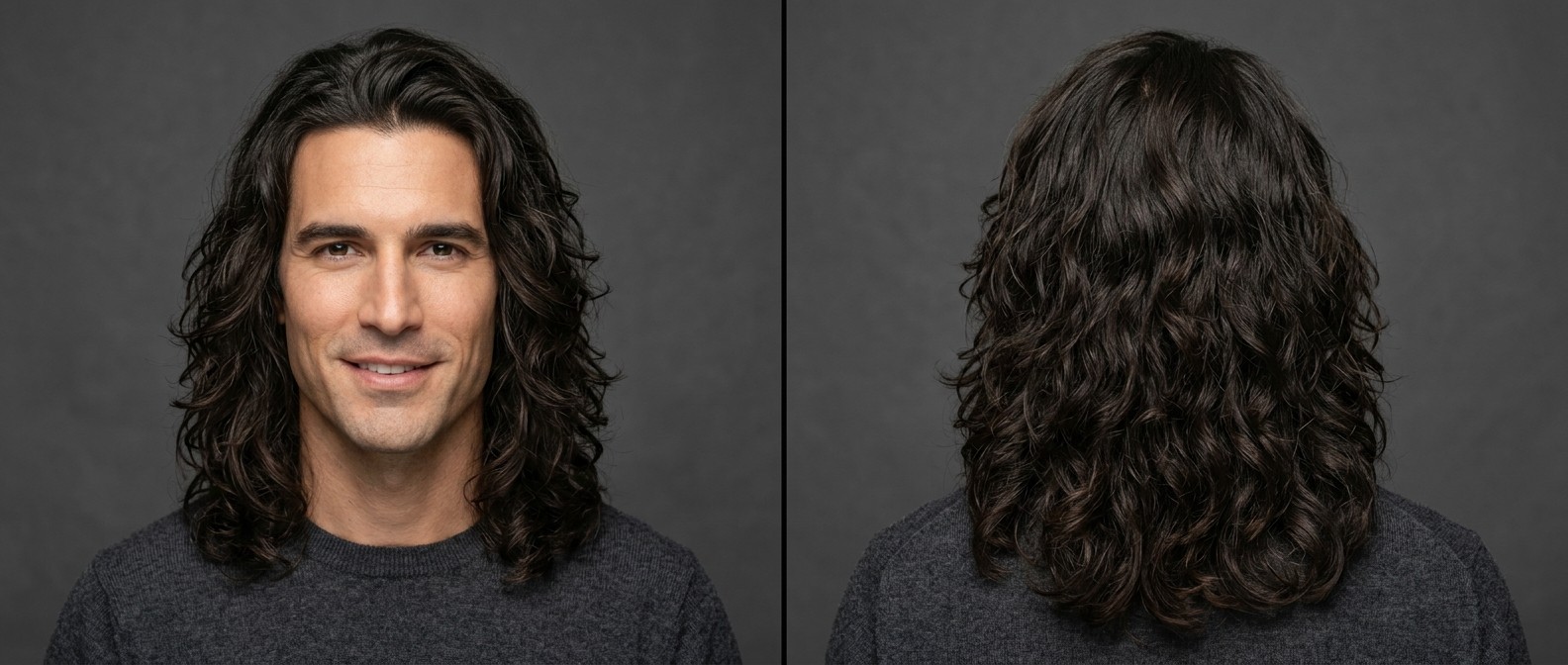
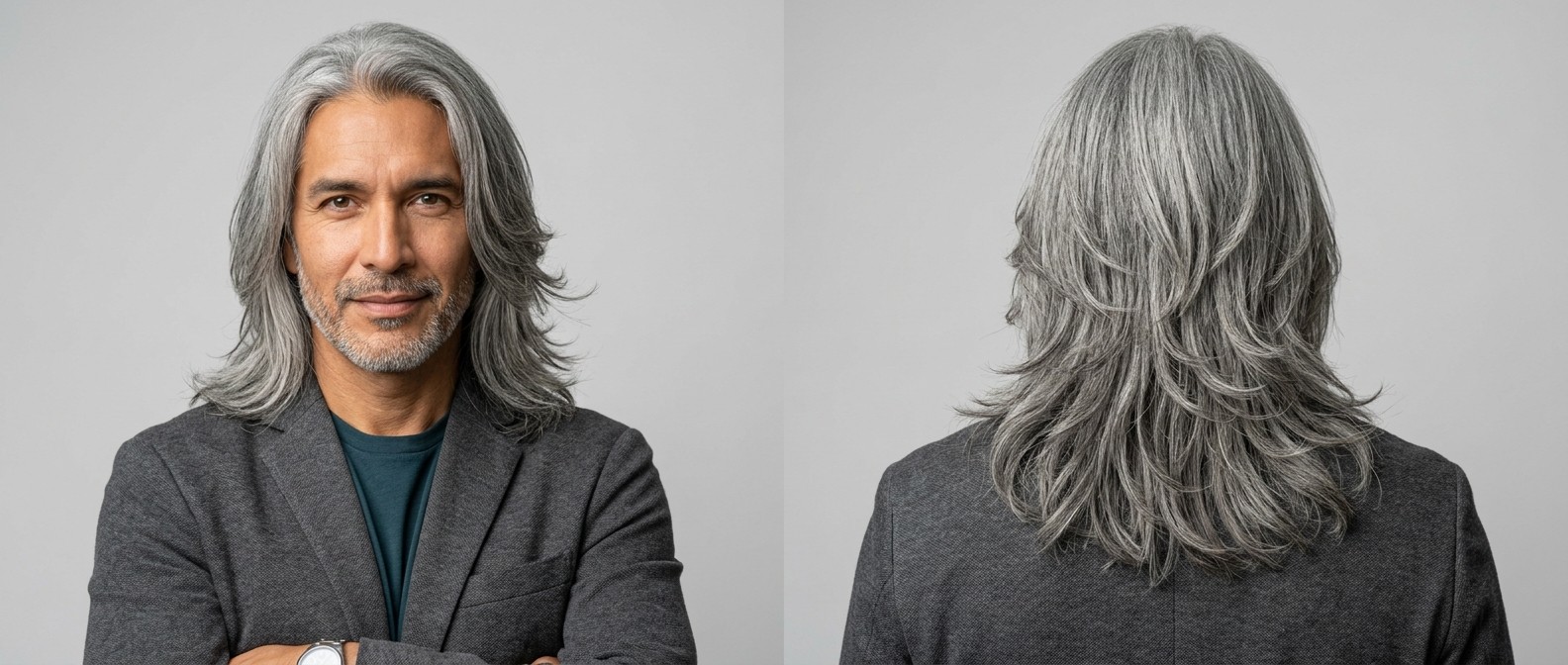
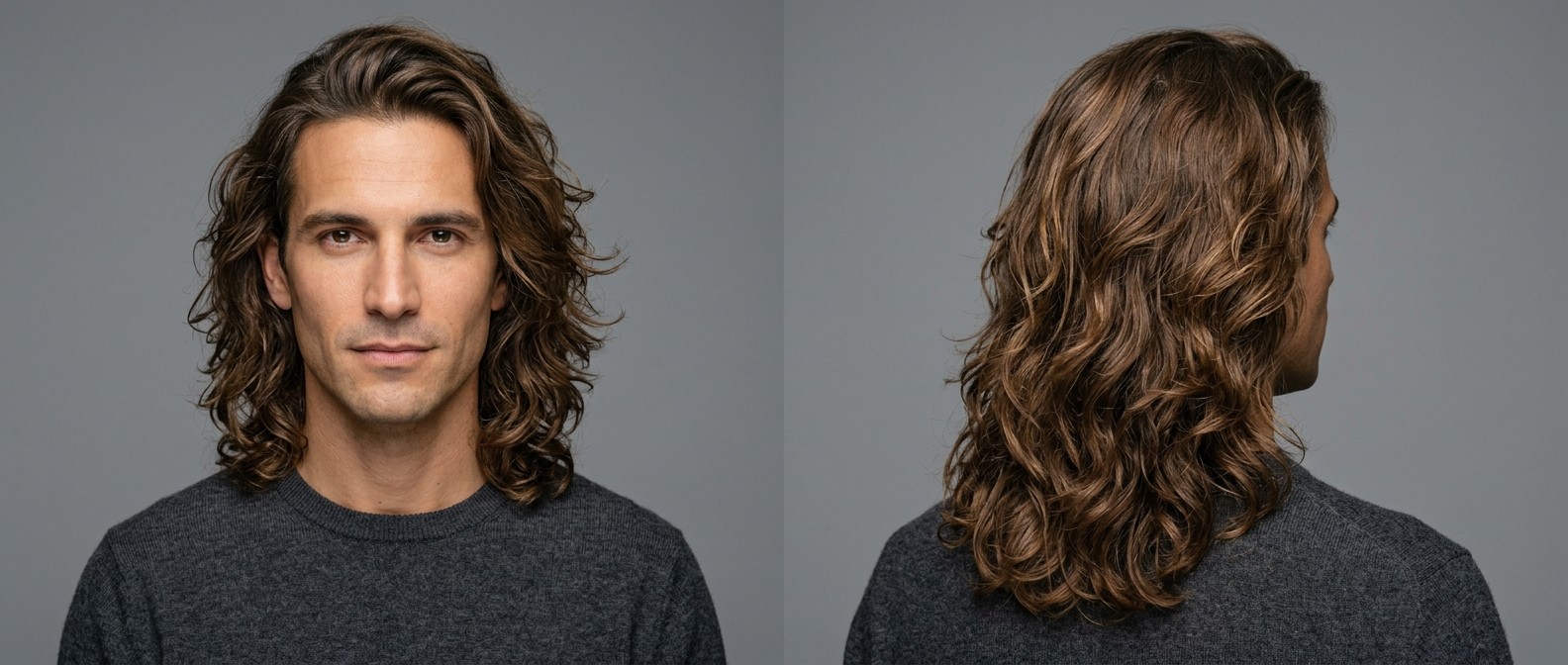
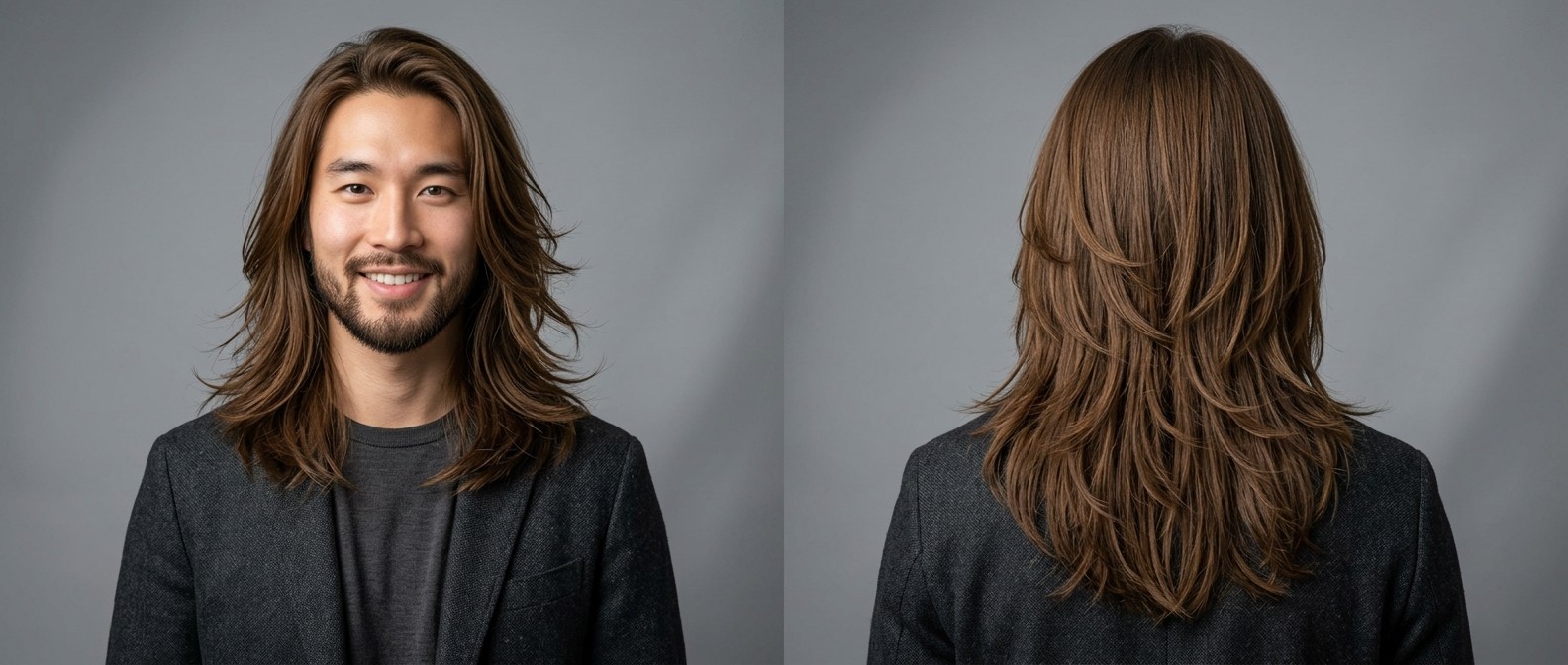
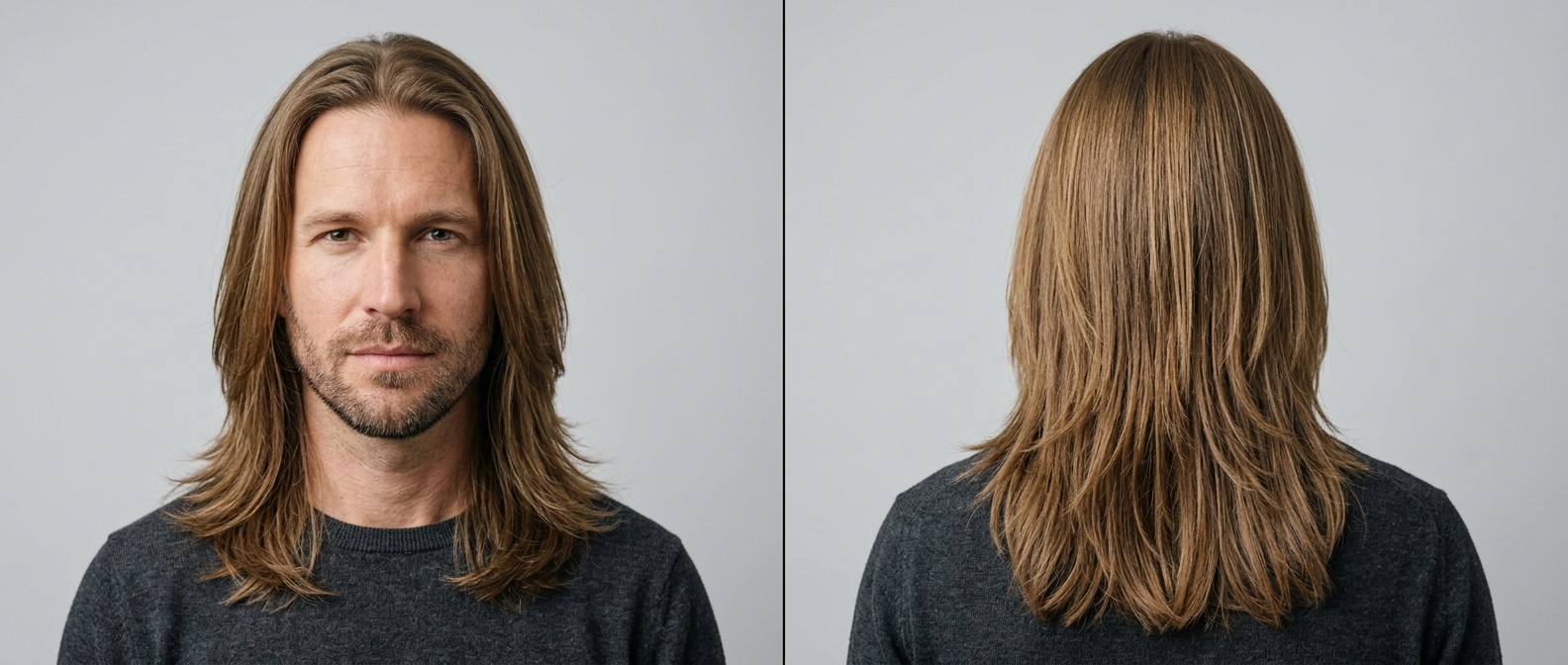
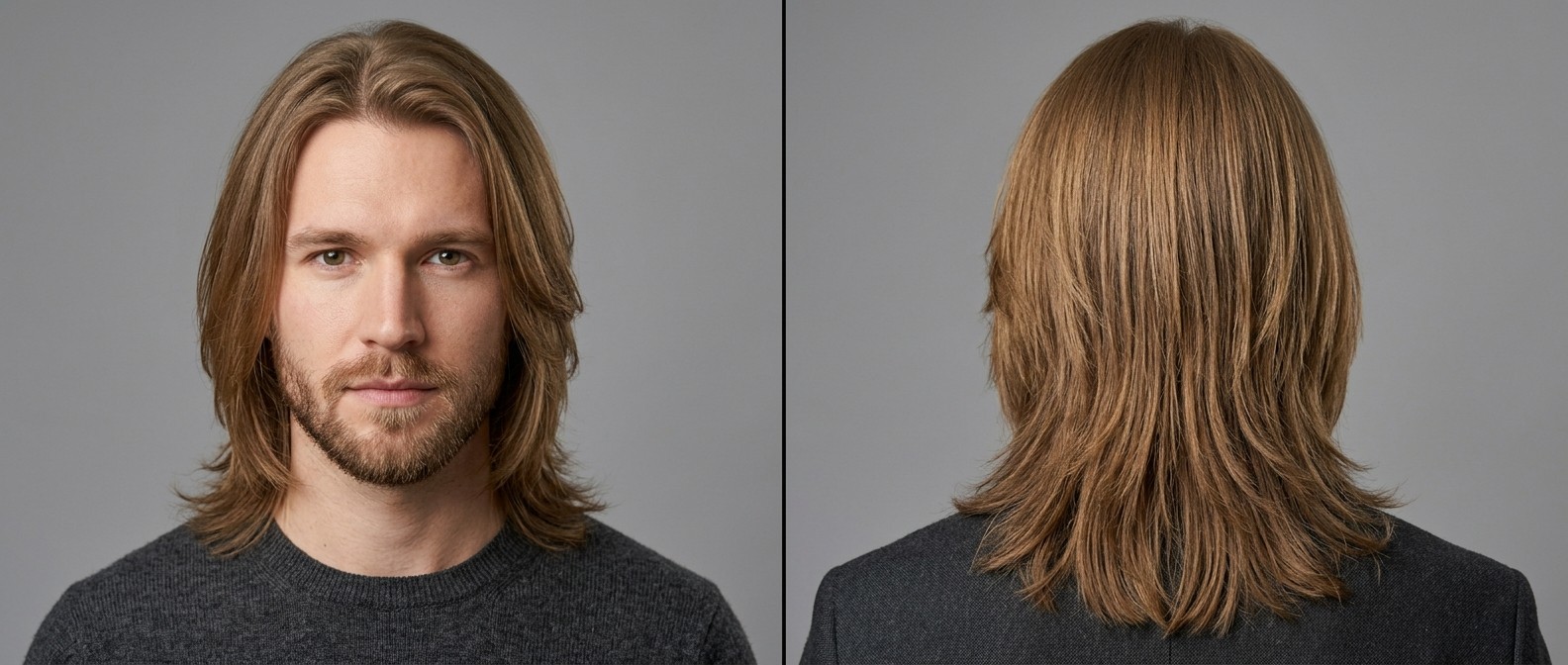
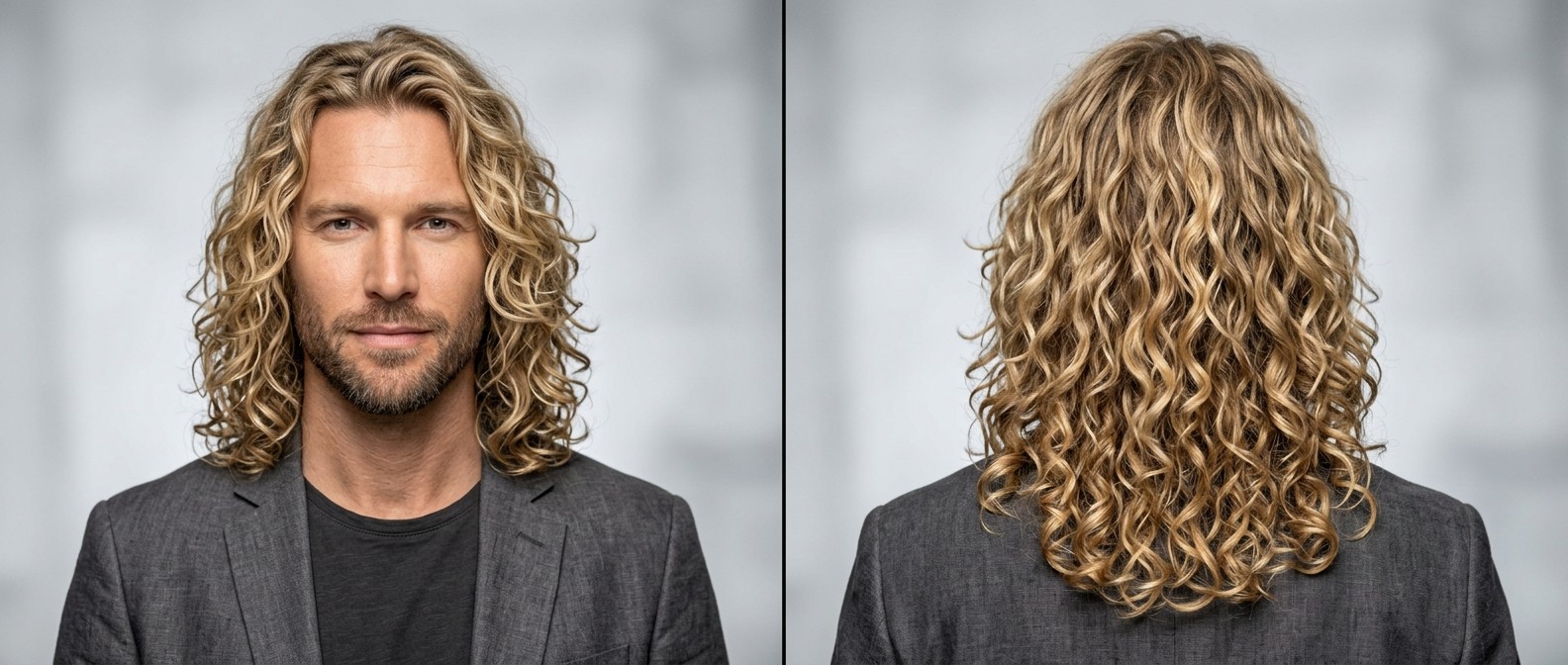
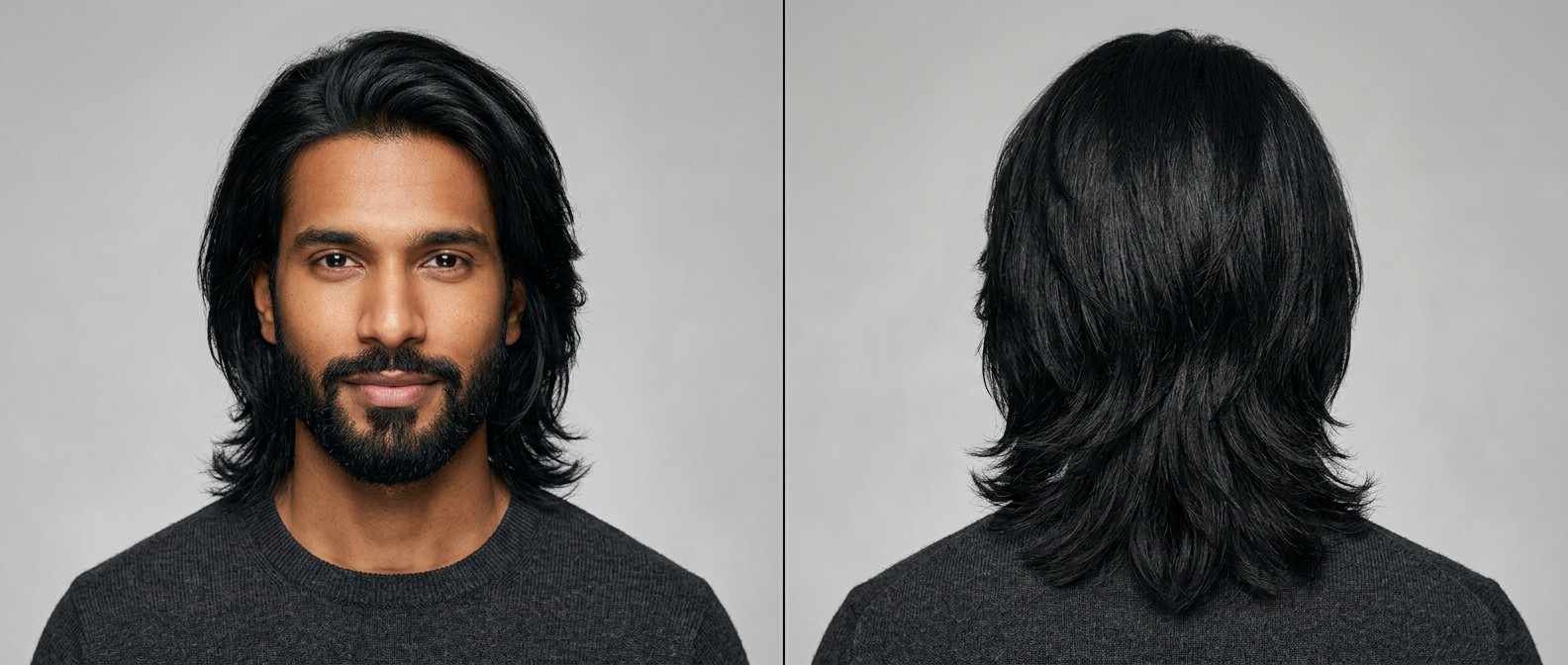
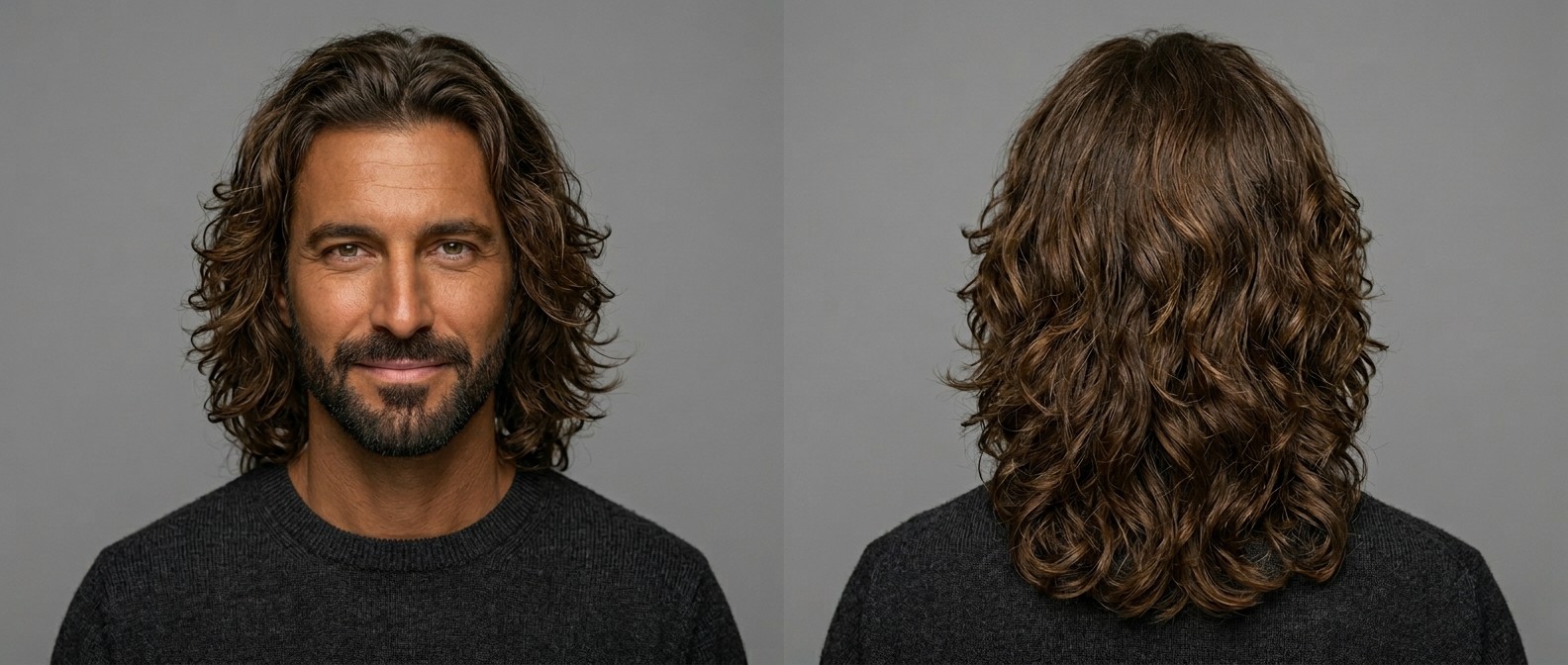
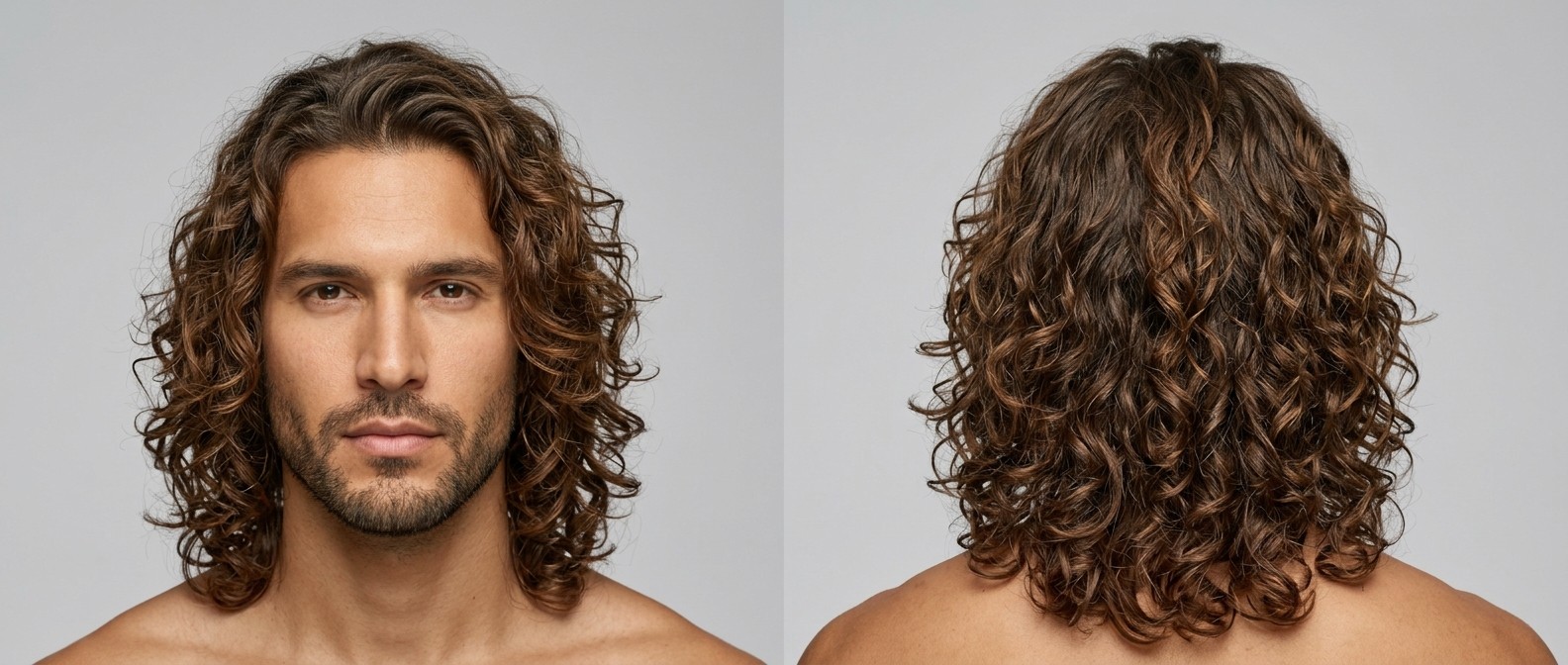
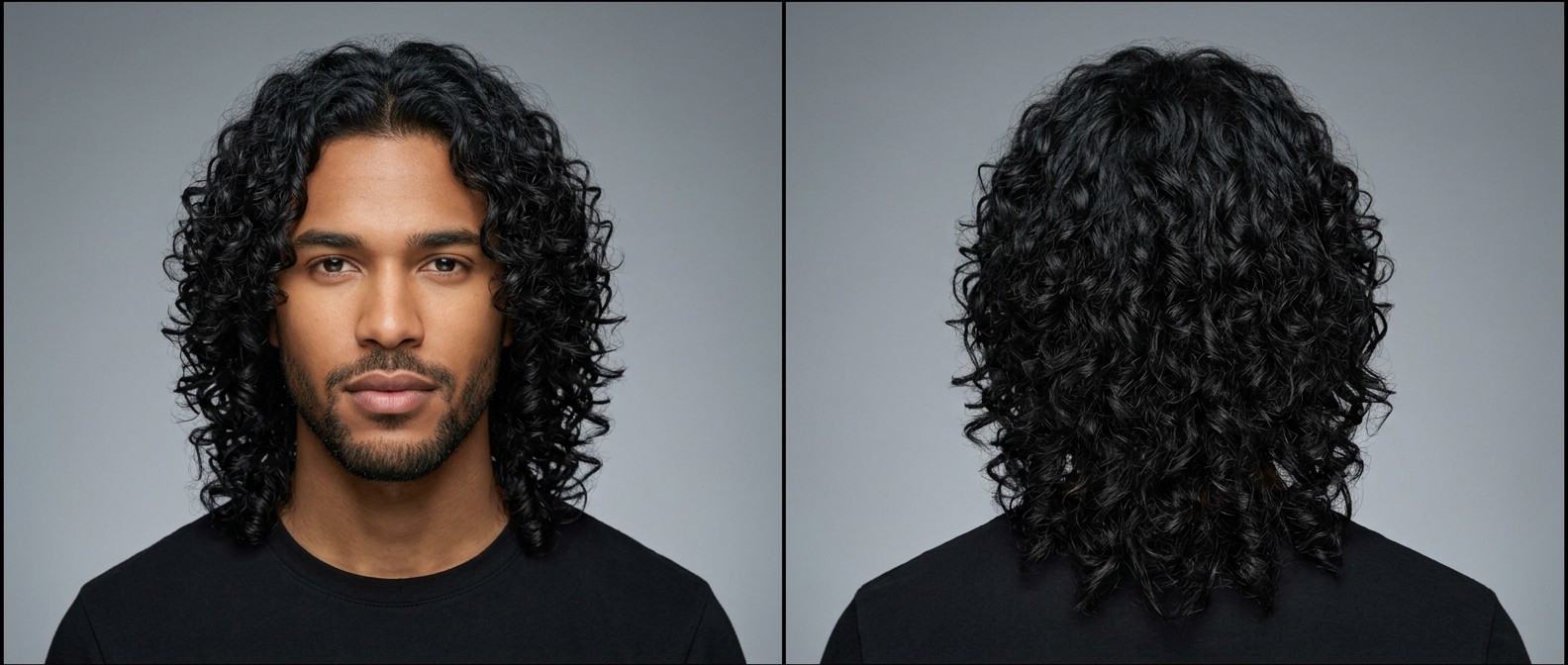
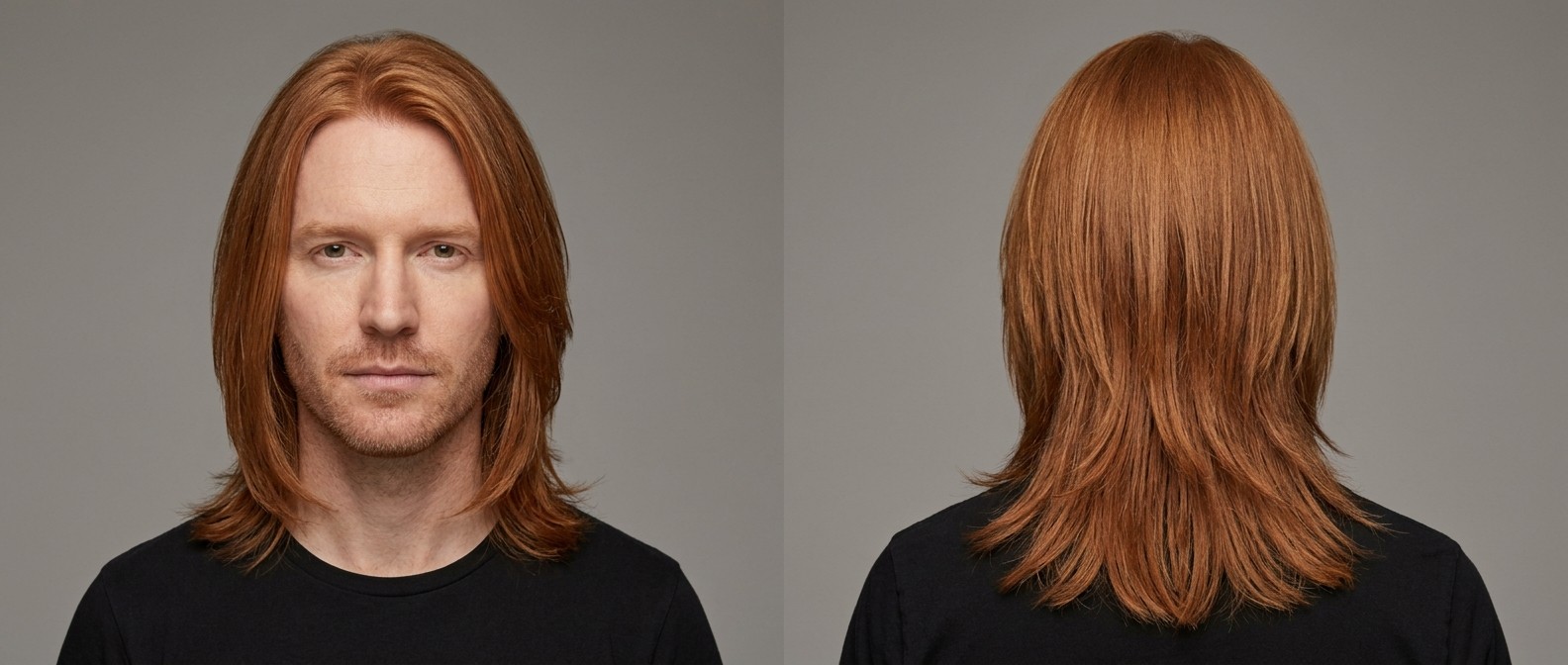
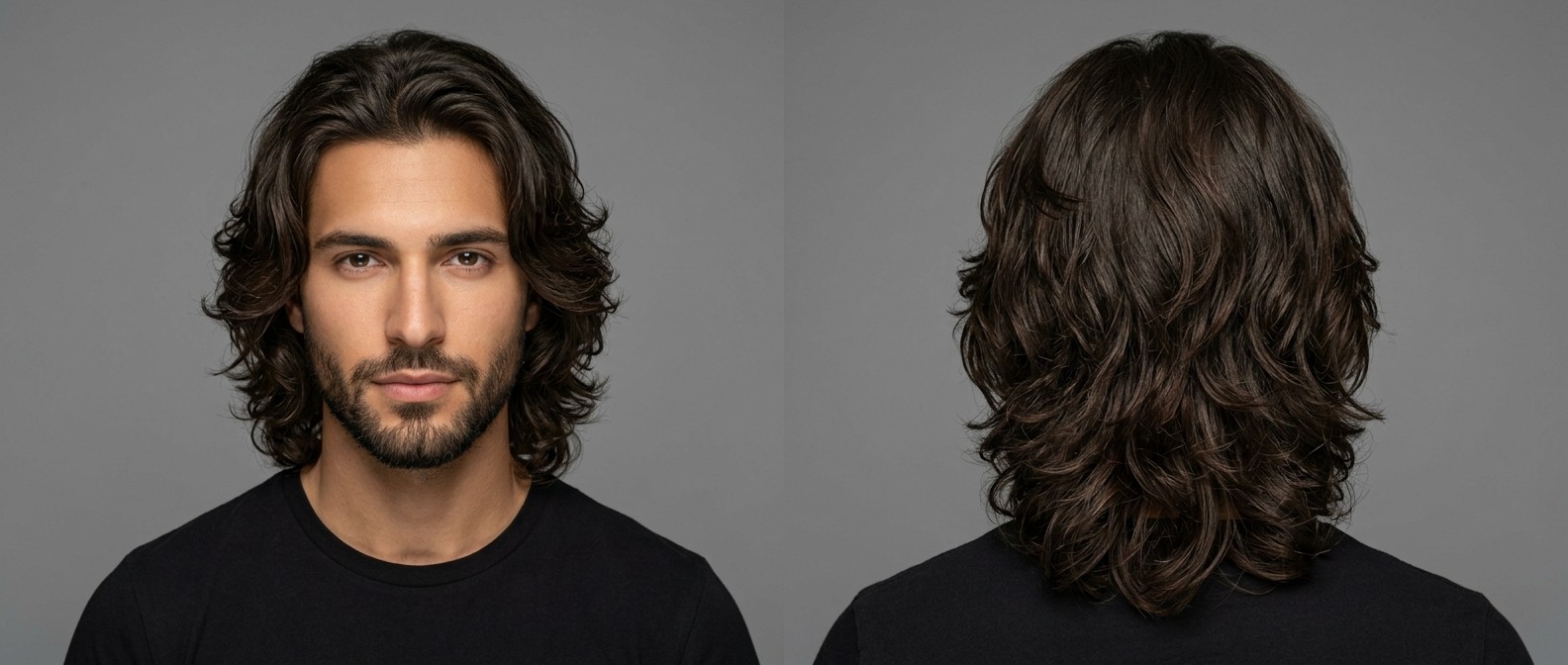
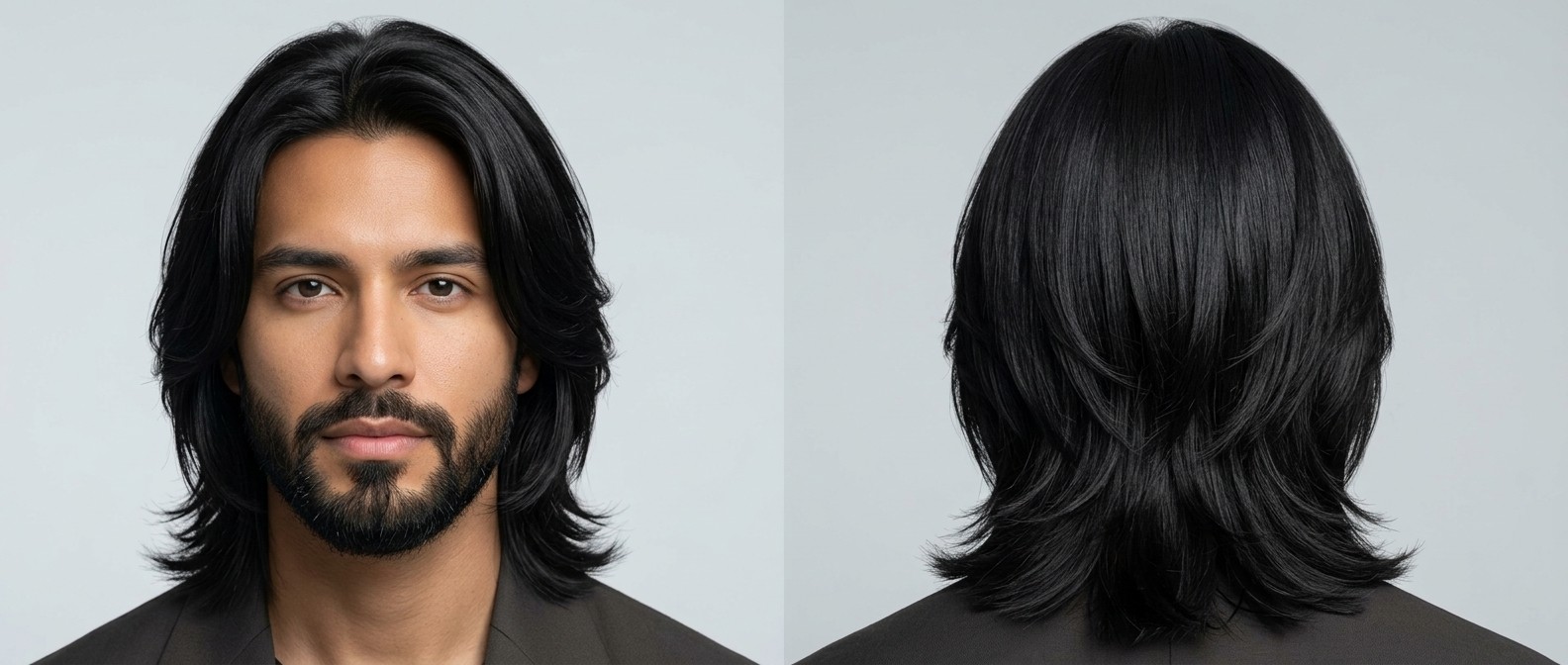
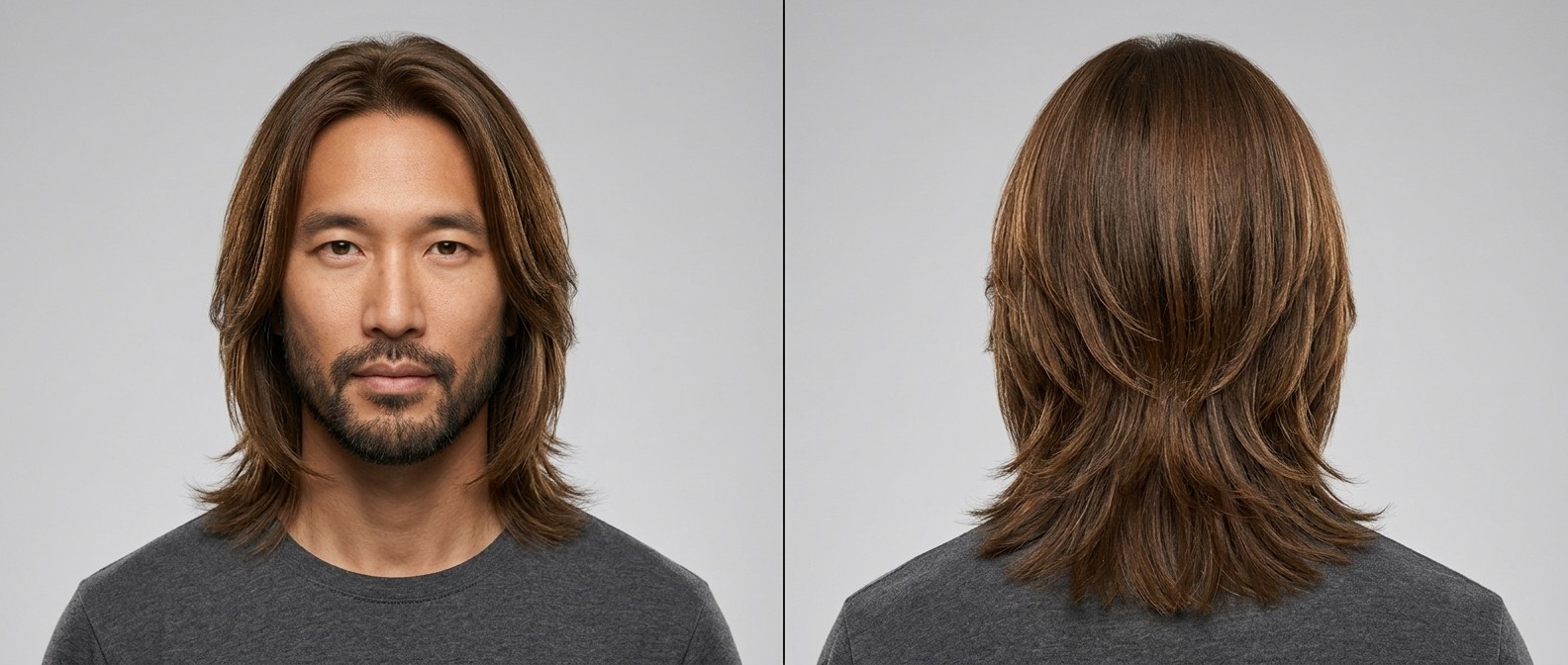
What Is a Long Layered Cut?
A long layered cut involves cutting hair at different lengths throughout the head to create dimension, remove excess weight, and add movement. The shortest layers typically frame the face and fall around the jawline or chin, while the longest layers extend to the shoulders or beyond. The graduated lengths blend seamlessly into each other, creating a smooth, natural flow from shorter to longer sections.
Unlike a blunt cut where all the hair is one uniform length, layering introduces visual depth and texture. The layers can be subtle — with only slight variations in length — or more dramatic with noticeable differences between the shortest and longest pieces. The technique works with your hair's natural fall and growth patterns rather than fighting against them.
Who Should Get a Long Layered Cut?
The long layered cut is an excellent choice for any man with longer hair, but it's especially transformative for certain hair types. This cut is ideal if:
- You have thick or coarse hair that becomes bulky and unmanageable at longer lengths
- You have wavy or curly hair — layers allow natural texture to form beautifully defined patterns
- You want long hair that doesn't look flat, heavy, or shapeless
- You're looking for a style that looks good both worn down and pulled back
- You want face-framing pieces that soften your features and add definition
- You appreciate a polished, intentional appearance with your long hair
Men with fine or thin hair should approach layering carefully. Too many layers can make fine hair look even thinner at the ends. If you have fine hair, ask your stylist for fewer, longer layers that maintain the appearance of fullness while still adding movement.
How to Style Long Layered Hair
One of the biggest advantages of a long layered cut is how easily it styles compared to blunt-cut long hair. For an everyday natural look, wash and condition, apply a leave-in conditioner or lightweight hair oil to damp hair, and let it air-dry. The layers will fall naturally into place, creating movement and dimension with minimal effort.
For more volume and definition, blow-dry with a round brush, lifting at the roots and directing mid-lengths and ends away from the face. Apply a volumizing mousse or spray before drying for extra body. For a sleeker, more polished look, use a smoothing serum and blow-dry sections with a paddle brush, keeping tension on the hair for a straighter finish. When tying your hair back, the layers create a naturally textured ponytail or bun with built-in volume and visual interest.
What to Tell Your Barber or Stylist
Getting the right layered cut requires clear communication about what you want. Here's a guide to the conversation:
- Specify the overall length you want to maintain — the longest layers should be exactly where you want them
- Discuss where you want the shortest layers to start: around the chin for face-framing, or longer
- Tell them your hair texture and what it does naturally — this helps them choose the right layering technique
- Mention how you typically wear your hair: down, tied back, or alternating — so they can layer accordingly
- Ask for texturizing at the ends if you want a softer, more broken-up look at the tips
- Discuss your maintenance commitment — more layers may need slightly more frequent trims
If you're getting layers for the first time on long hair, consider starting conservative and gradually adding more layers at subsequent appointments. It's easy to cut more off but impossible to add it back.
Maintenance and Hair Health
Long layered hair requires consistent care to keep the layers looking defined and the ends healthy. Trim every 8-10 weeks to refresh the layer shapes and remove split ends. Without regular trims, the layers grow out and merge together, losing the dimension and movement that defines this cut.
Use a sulfate-free shampoo 2-3 times per week and condition thoroughly every wash, focusing on the mid-lengths and ends. A weekly deep conditioning mask or hair treatment keeps longer hair hydrated and prevents the dryness and brittleness that can make layers look scraggly. Use a wide-tooth comb to detangle wet hair, starting from the ends — this is especially important for layered cuts where tangles can form between different layer lengths.
Long Layered Variations and Products
Within the long layered category, there are several distinct approaches. Face-framing layers concentrate the shorter lengths around the face while keeping the rest long and relatively uniform — this is the most subtle option. Graduated layers create a smooth, even transition from short to long throughout the entire head. Choppy or textured layers use a more aggressive cutting technique for a rougher, edgier look with visible separation between pieces. Curtain-style layers part in the middle and frame the face symmetrically, creating that classic 1970s-inspired look.
The best products for long layered hair include lightweight leave-in conditioners, argan or jojoba hair oils for shine and moisture, texturizing sprays for added definition, and heat protectant sprays if you blow-dry regularly. Avoid heavy waxes or thick gels that weigh down the layers and prevent the natural movement that makes this cut special.