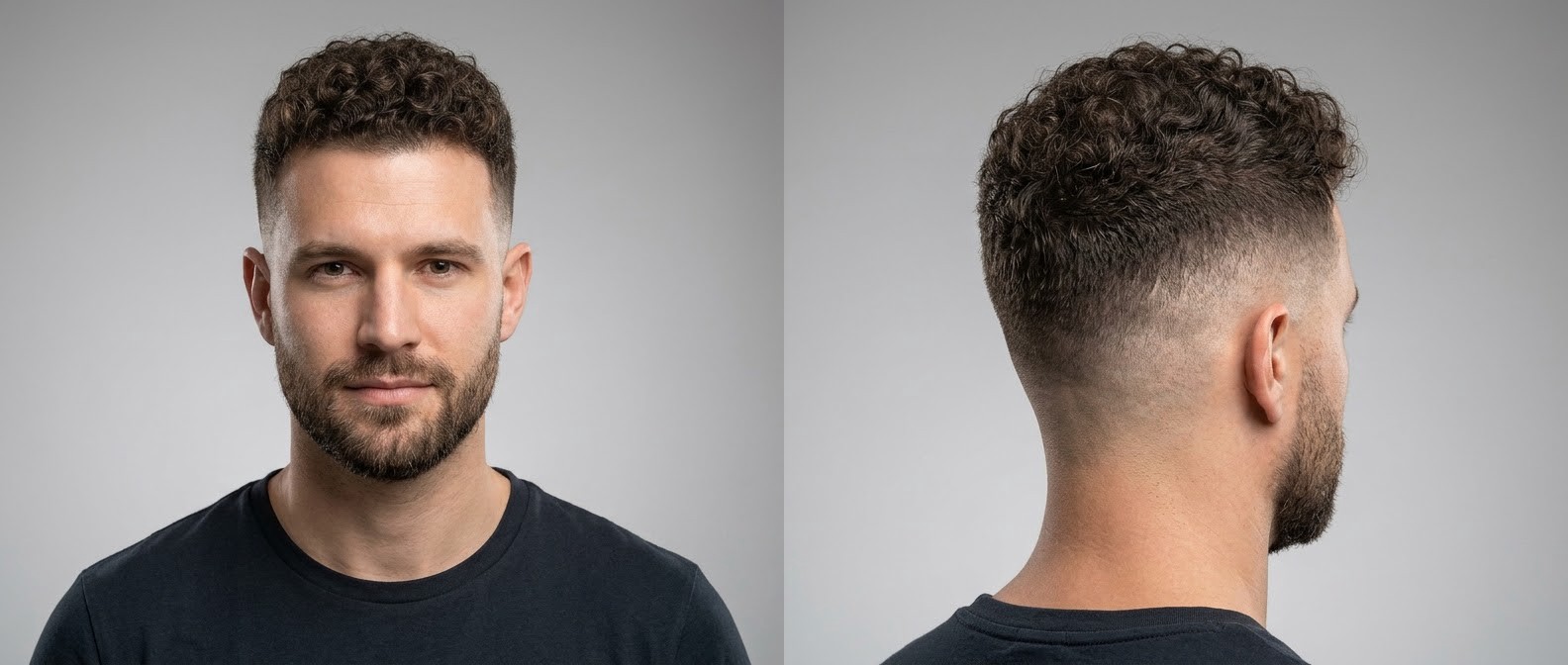
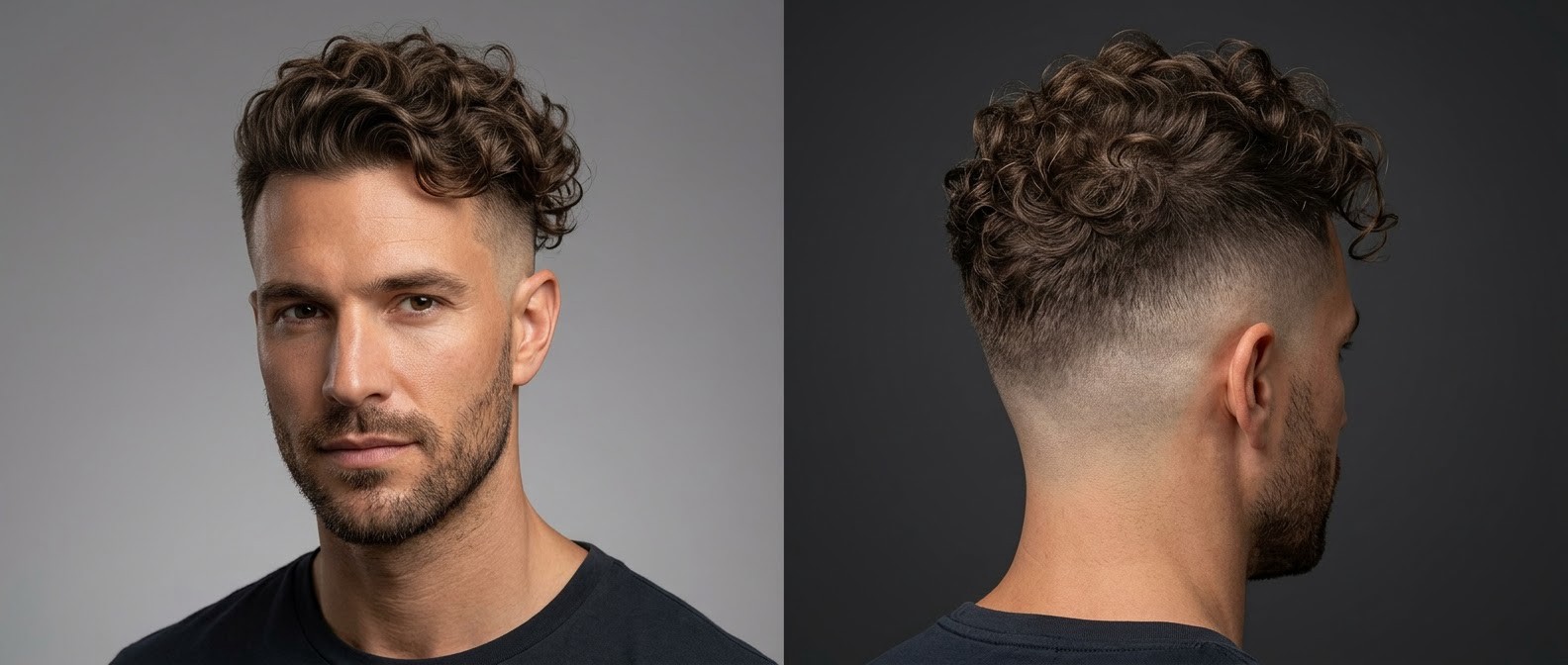
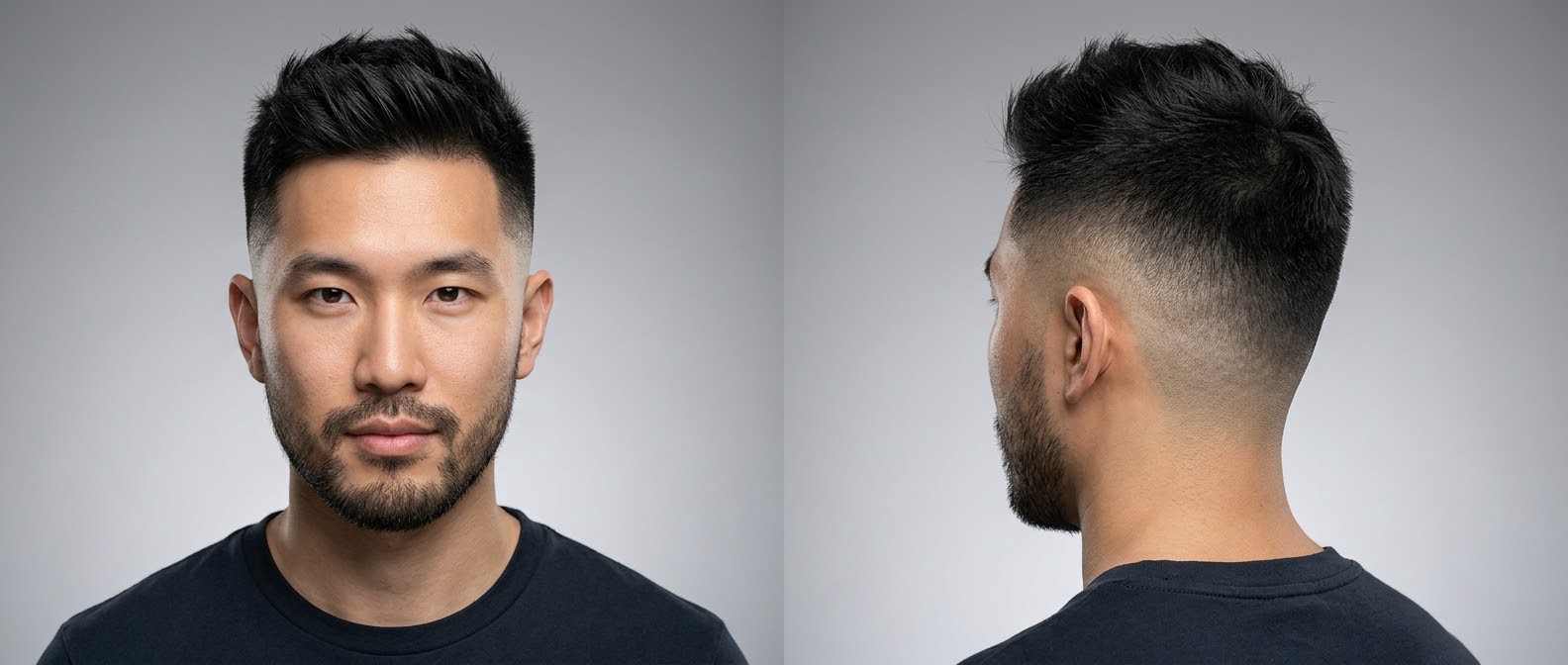
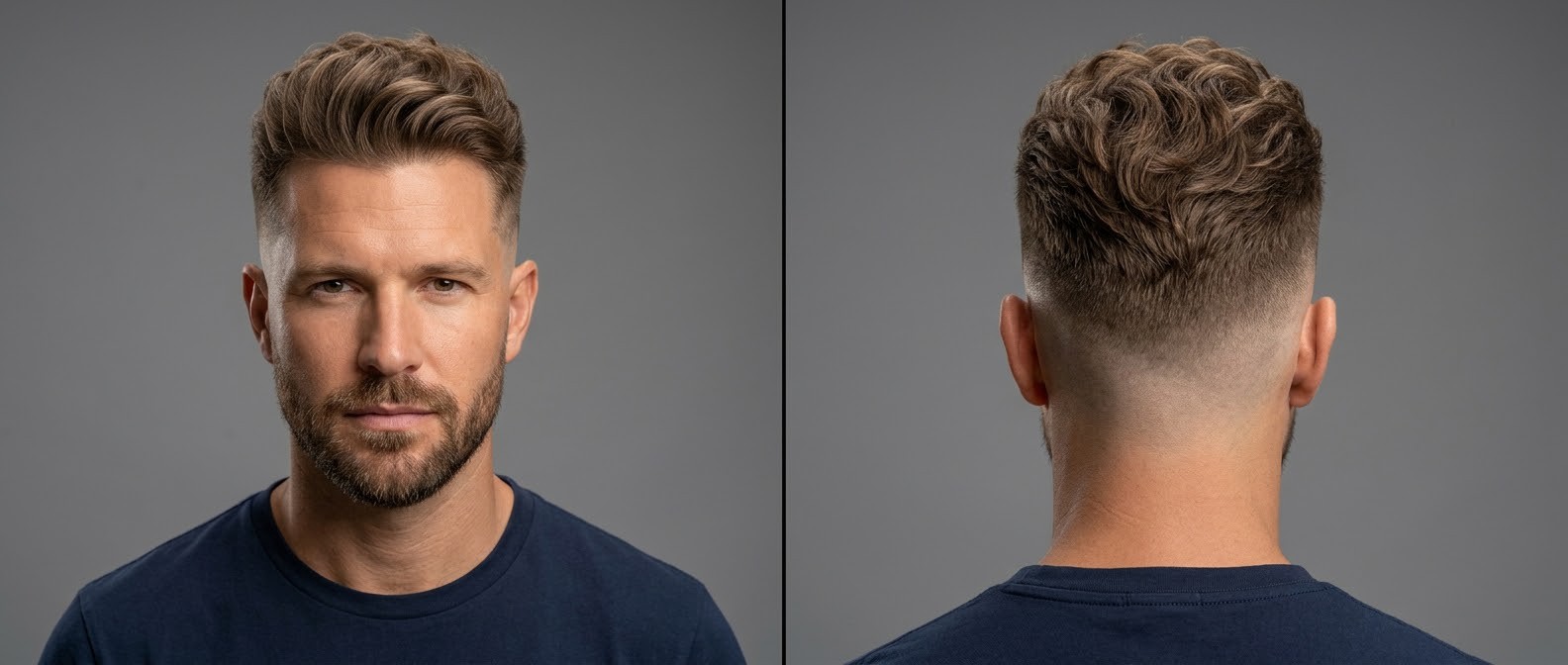
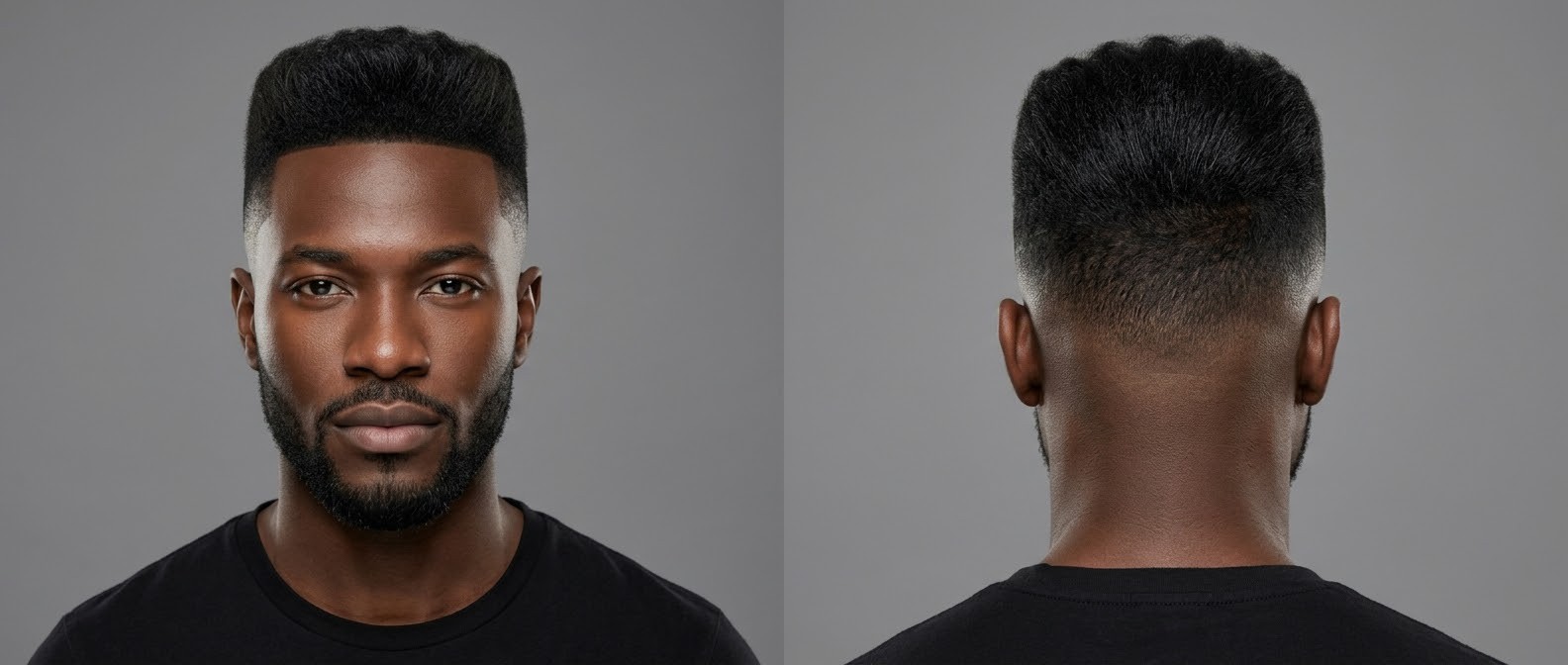


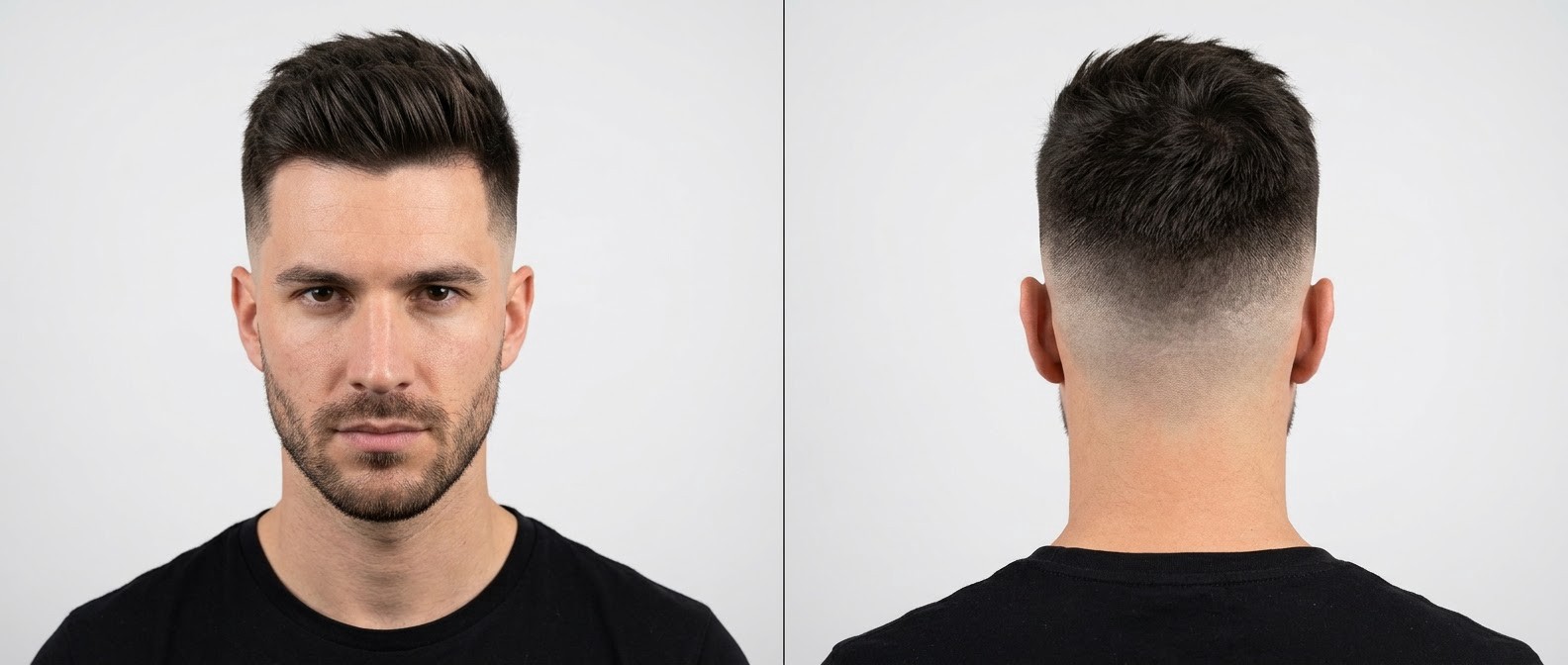
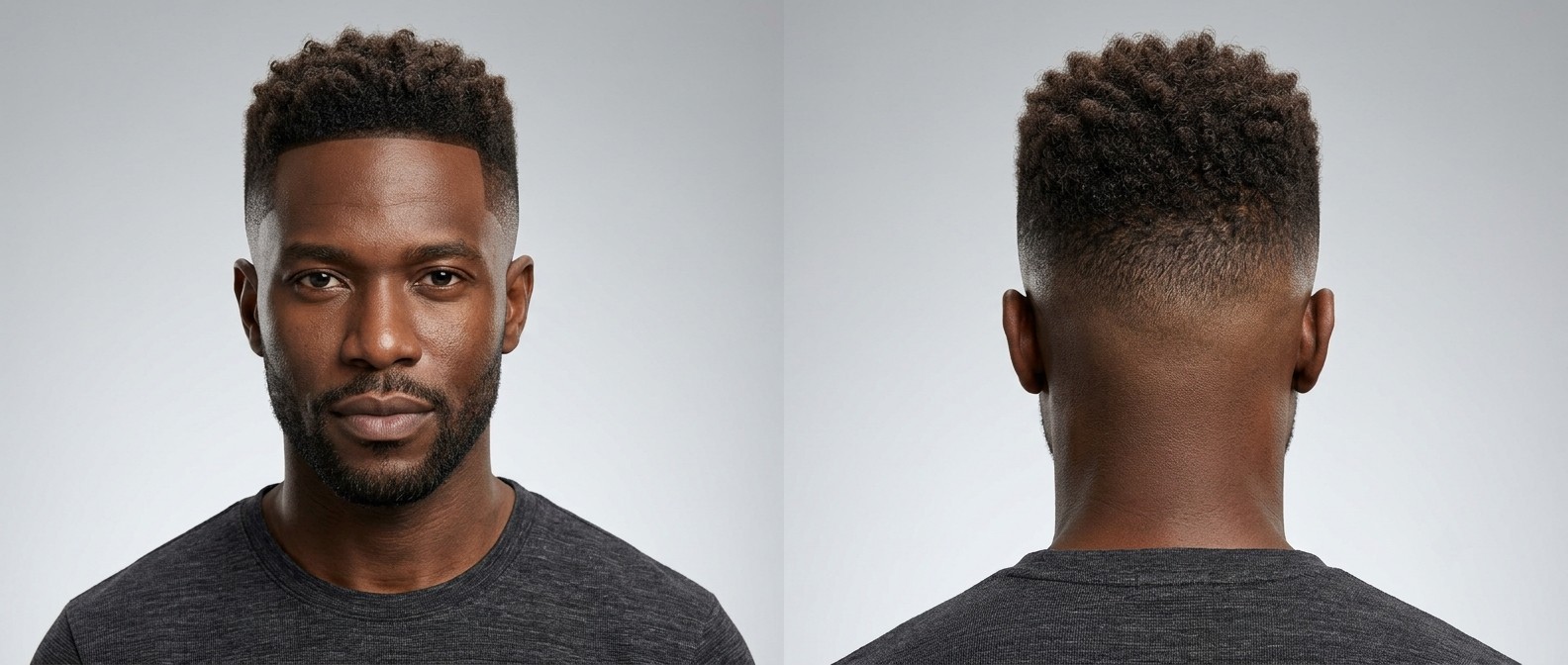
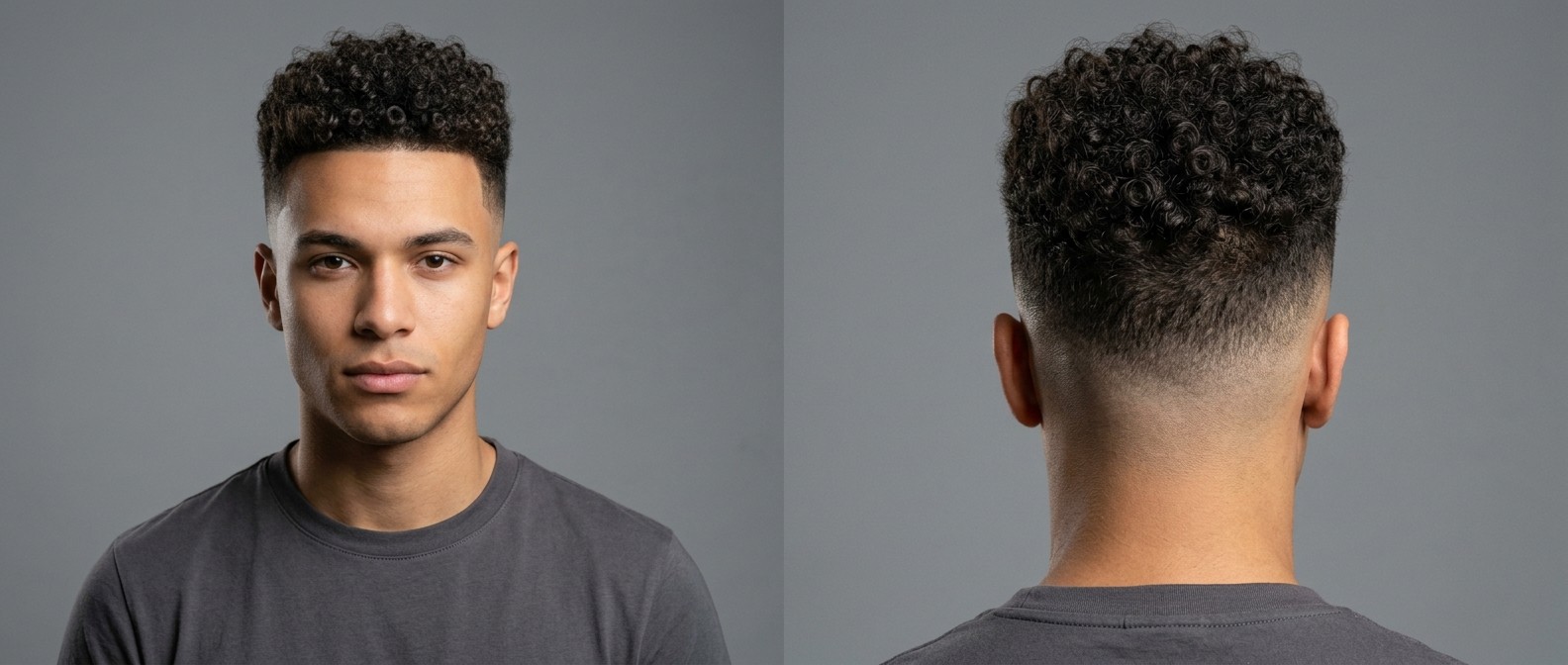
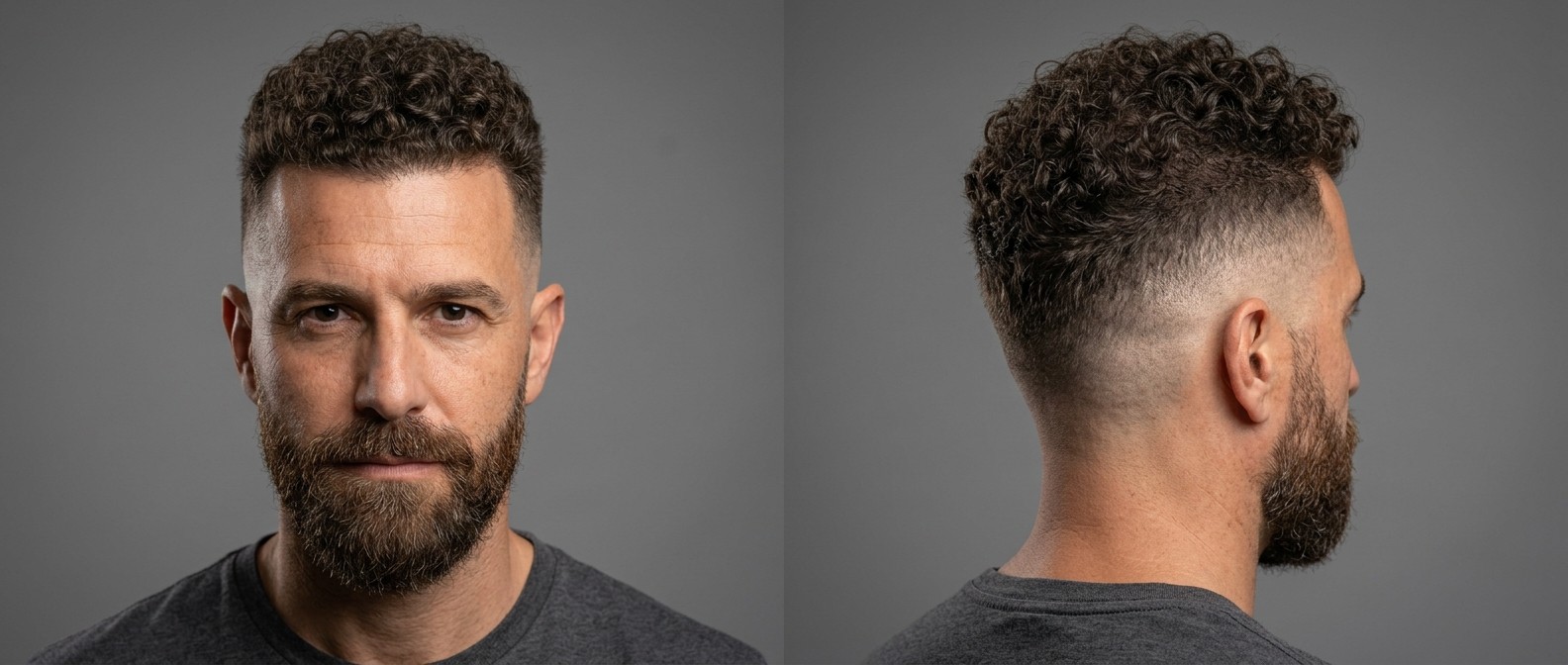
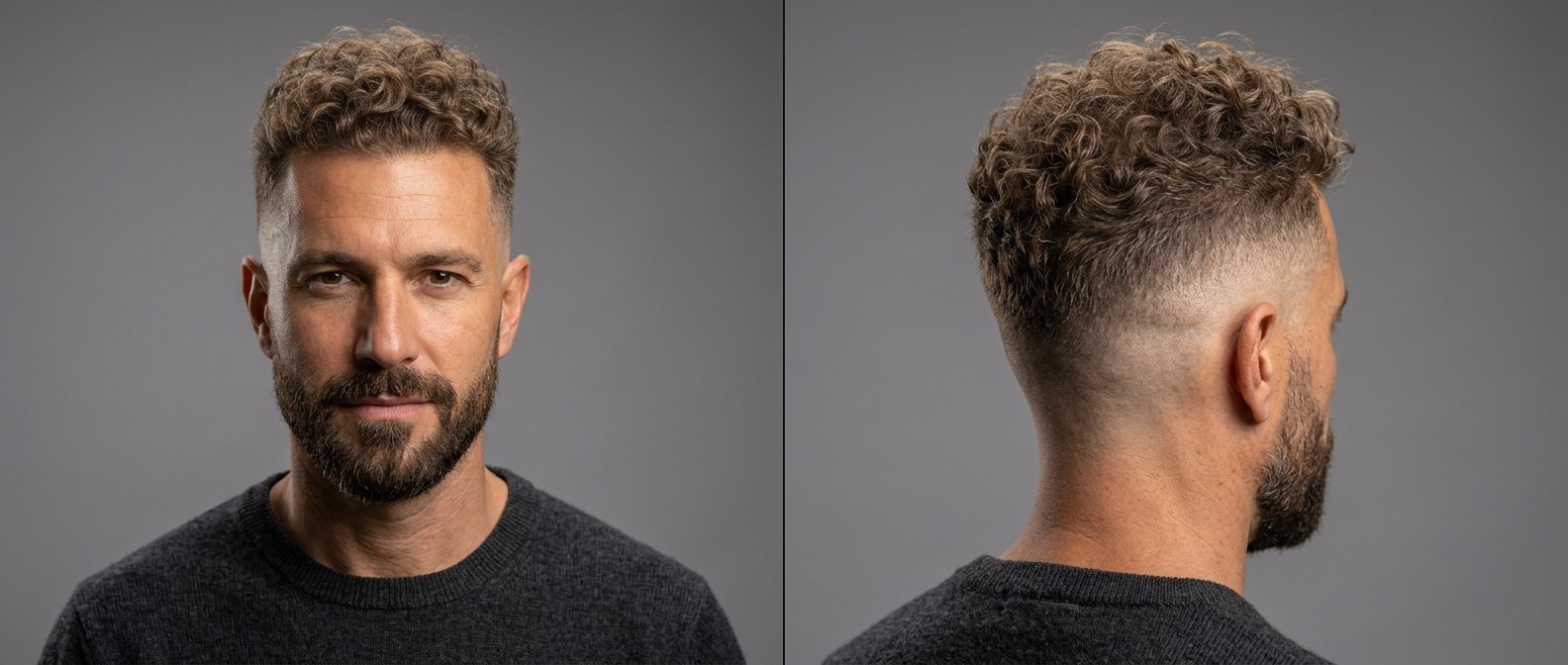
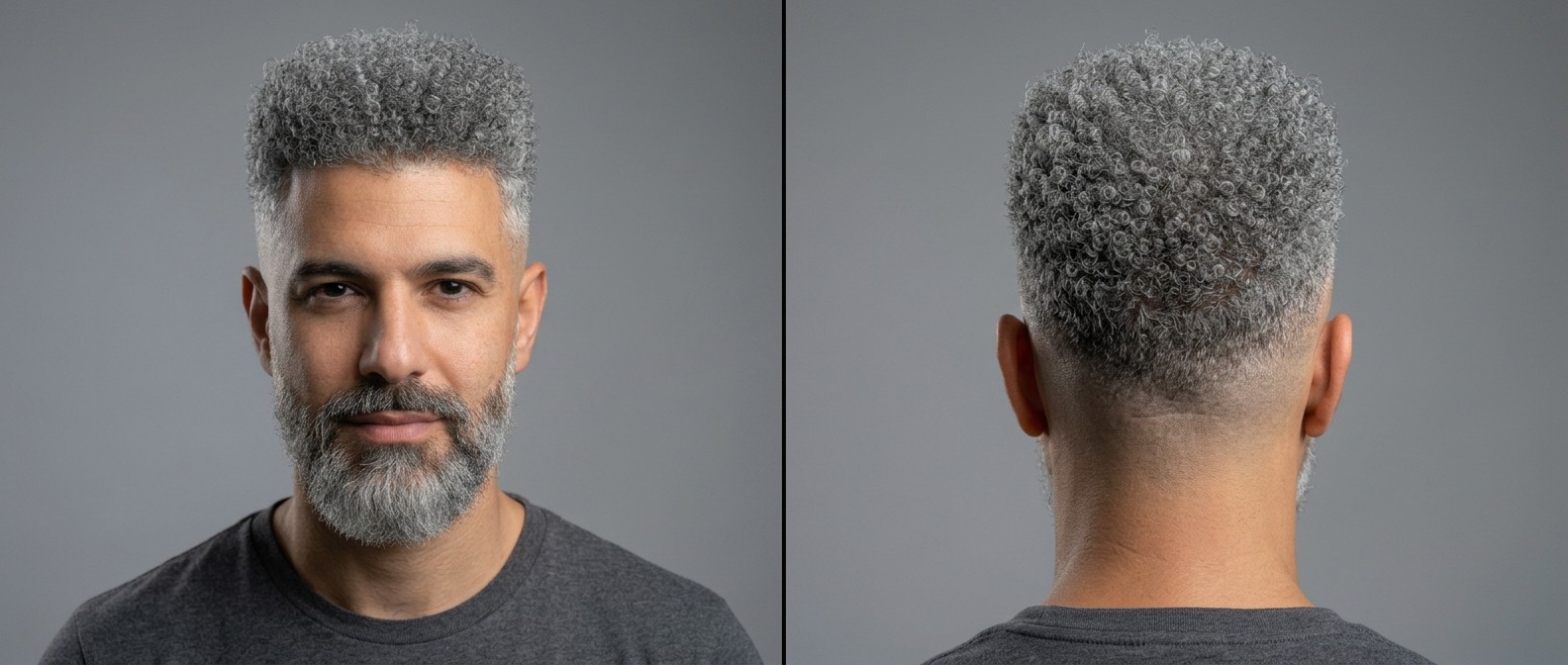
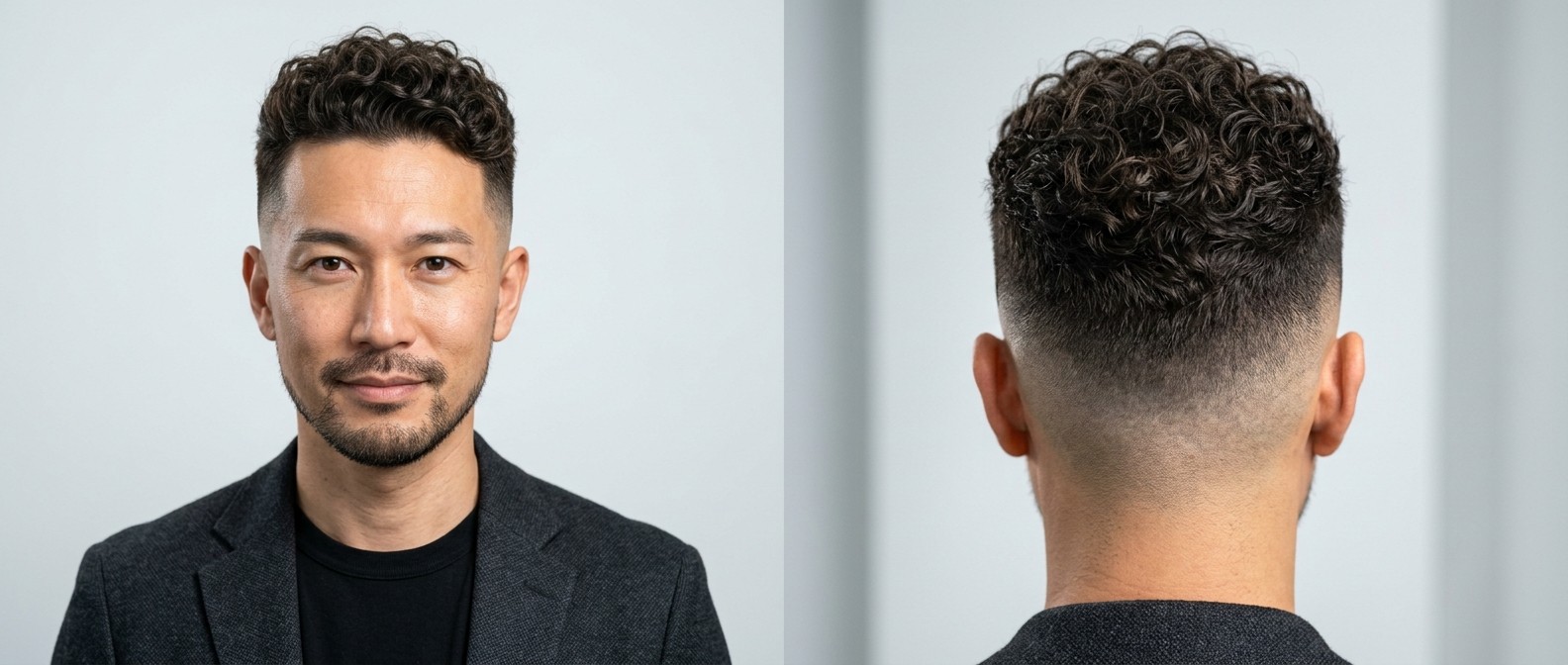
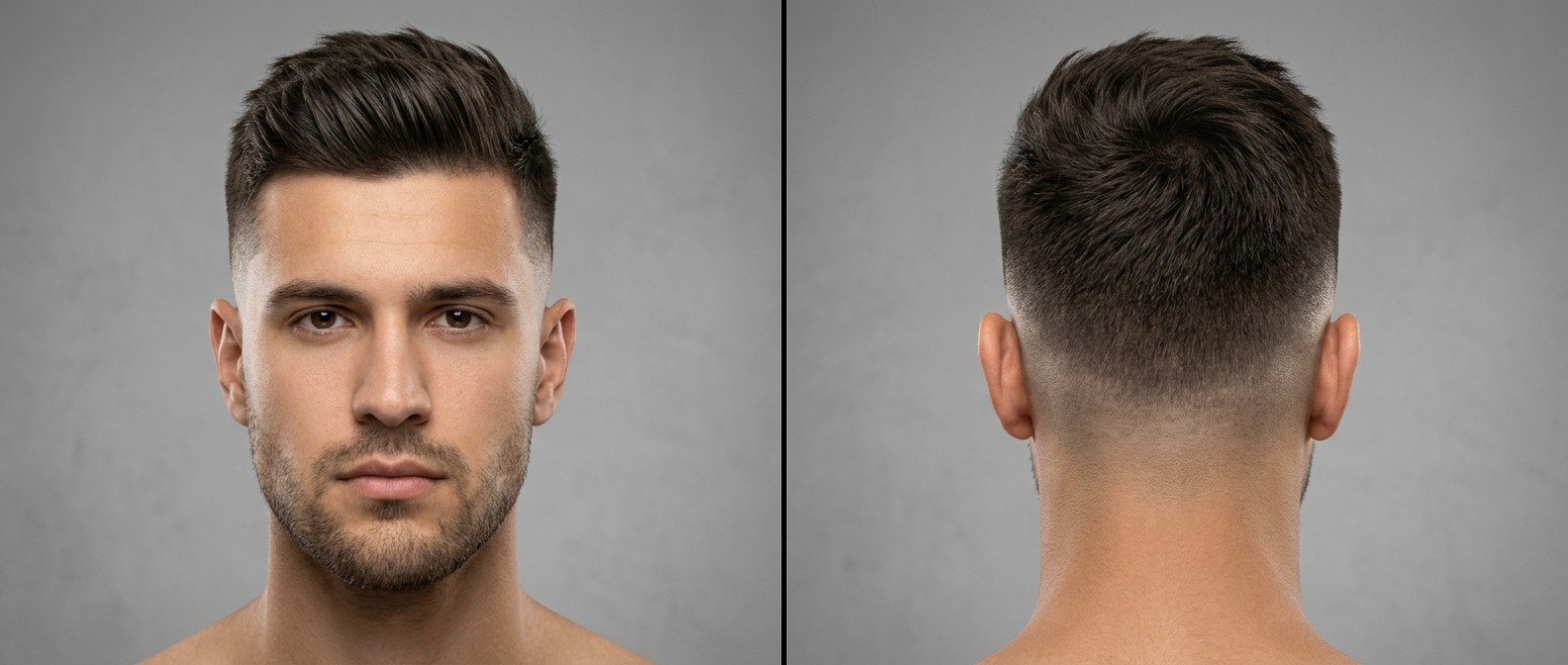
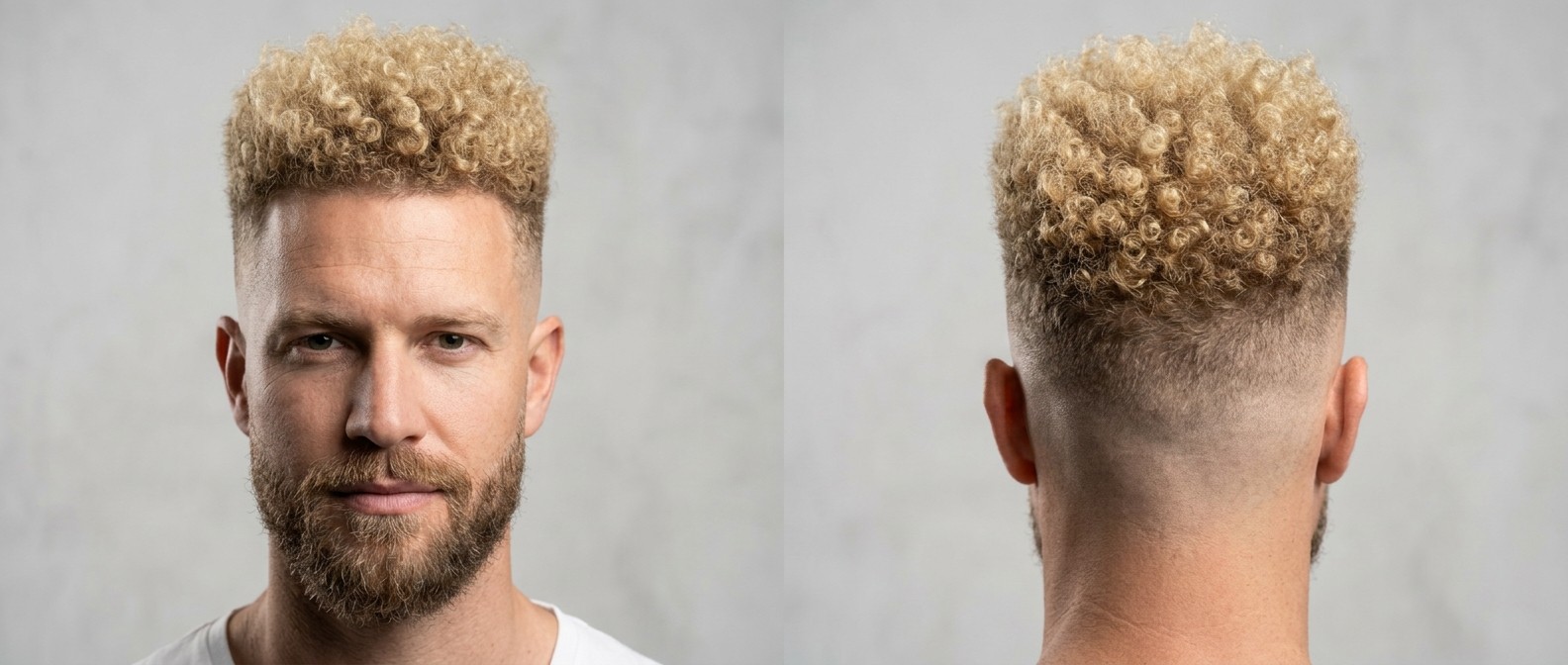
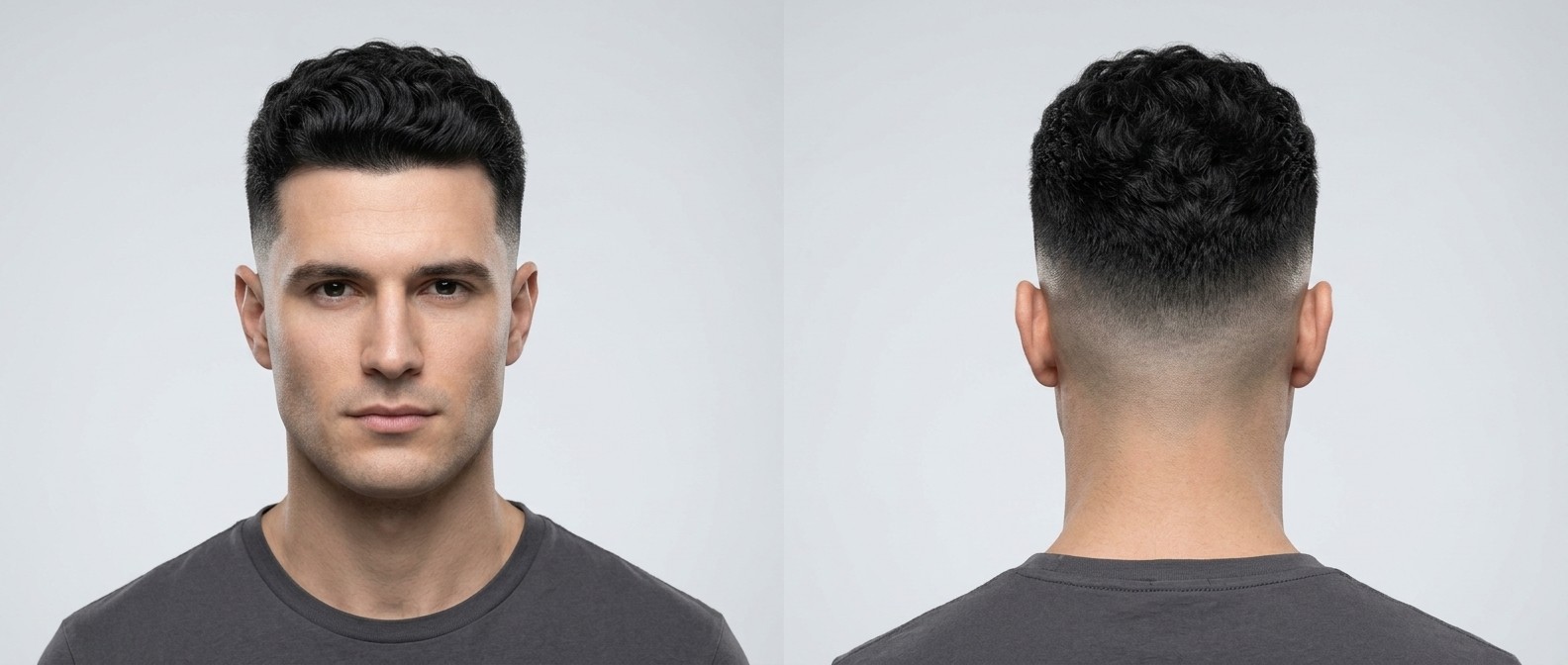
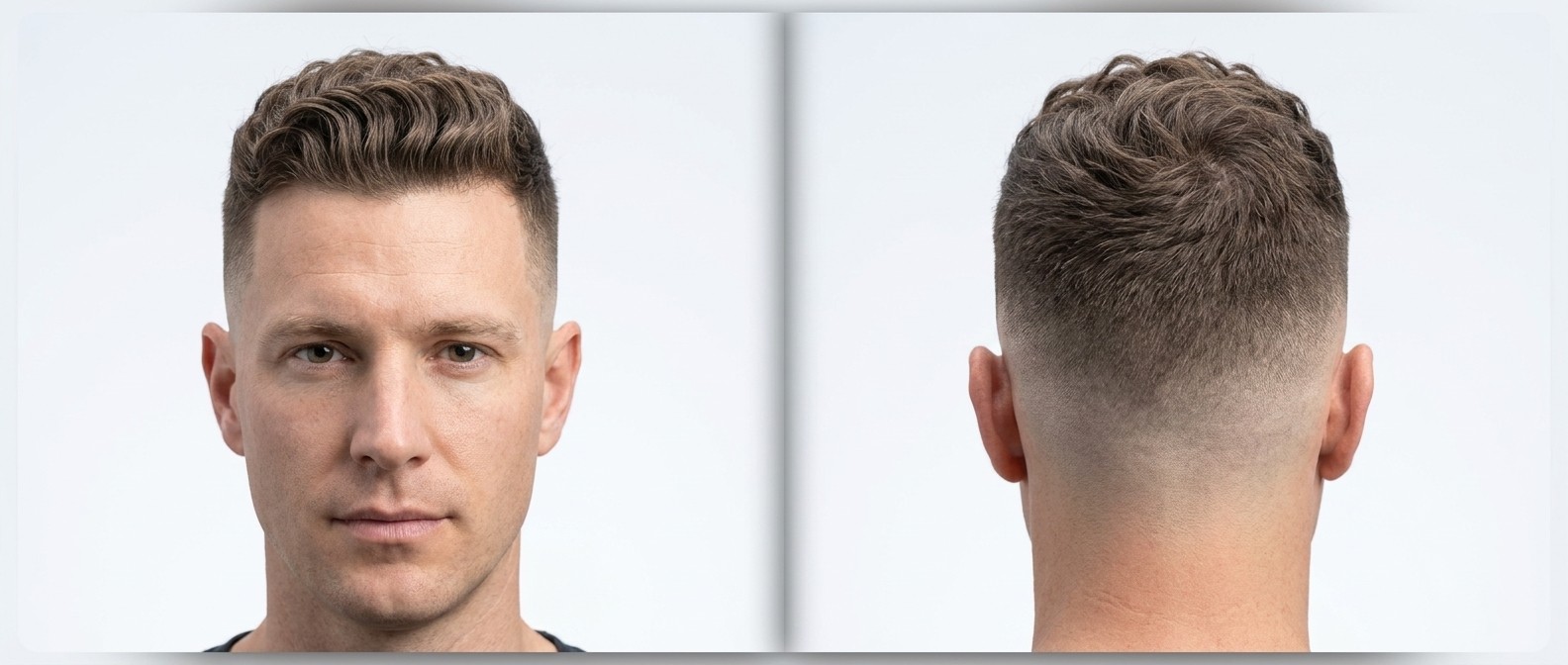
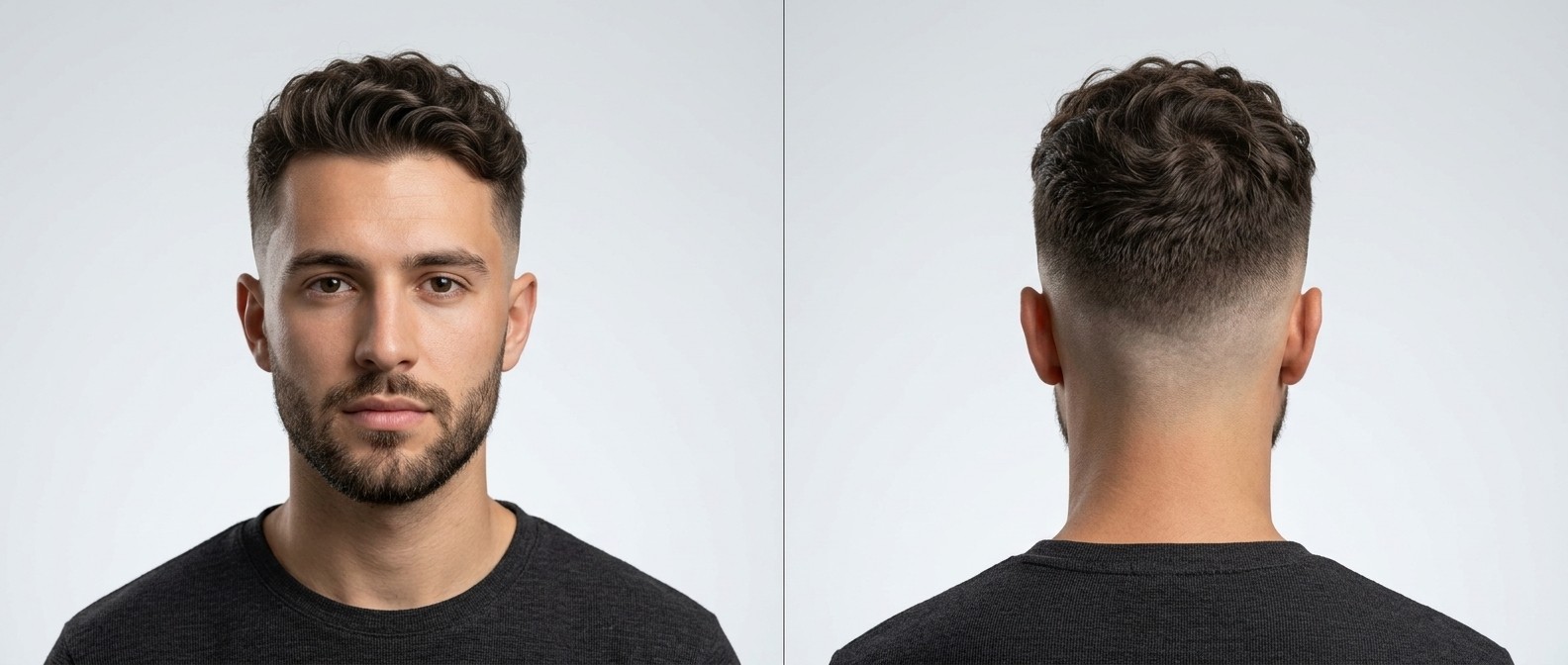
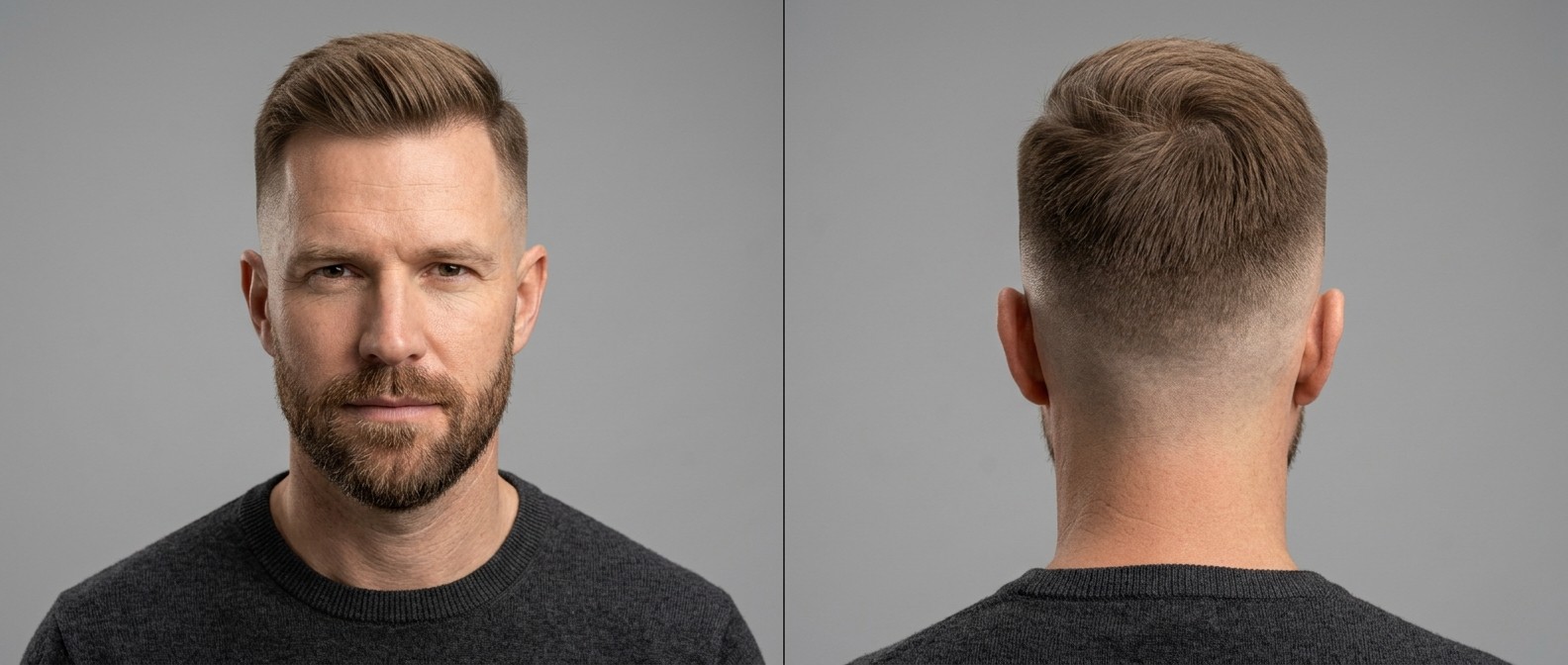
What Is a High Fade?
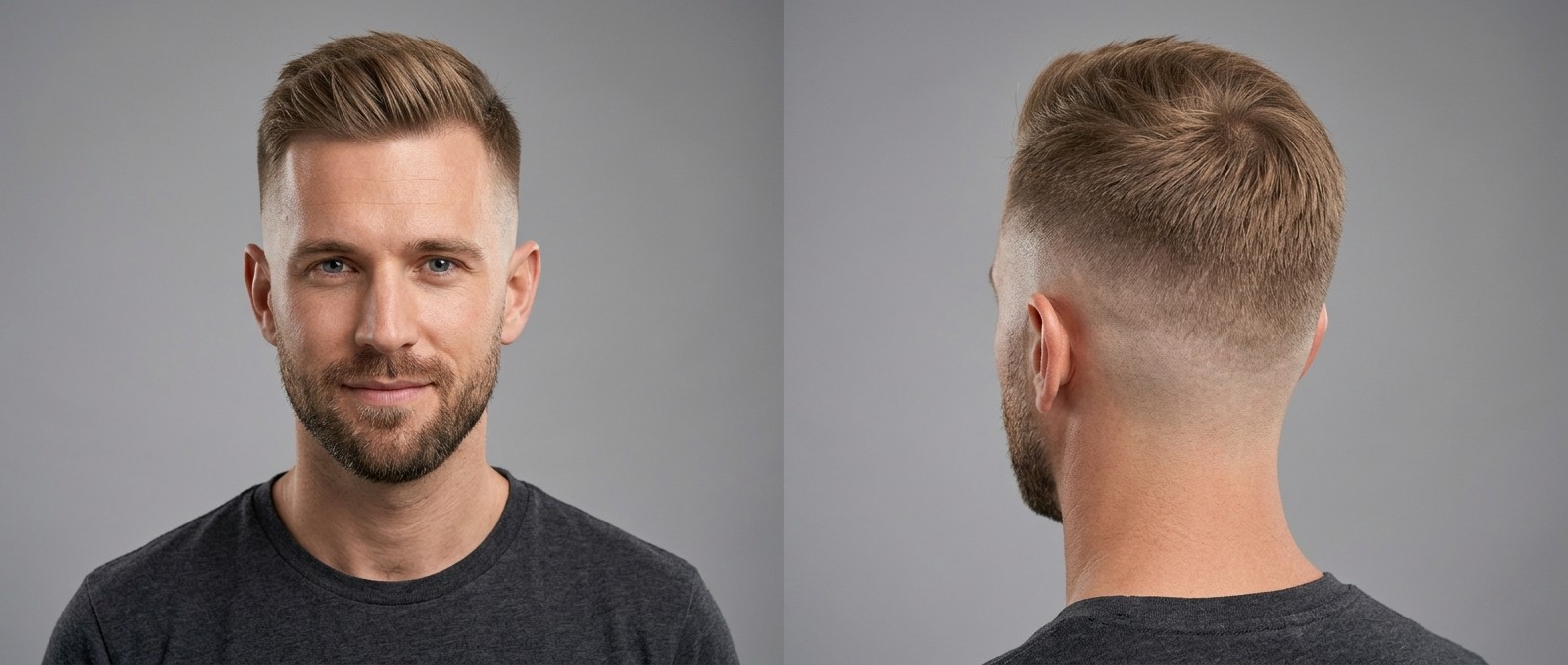
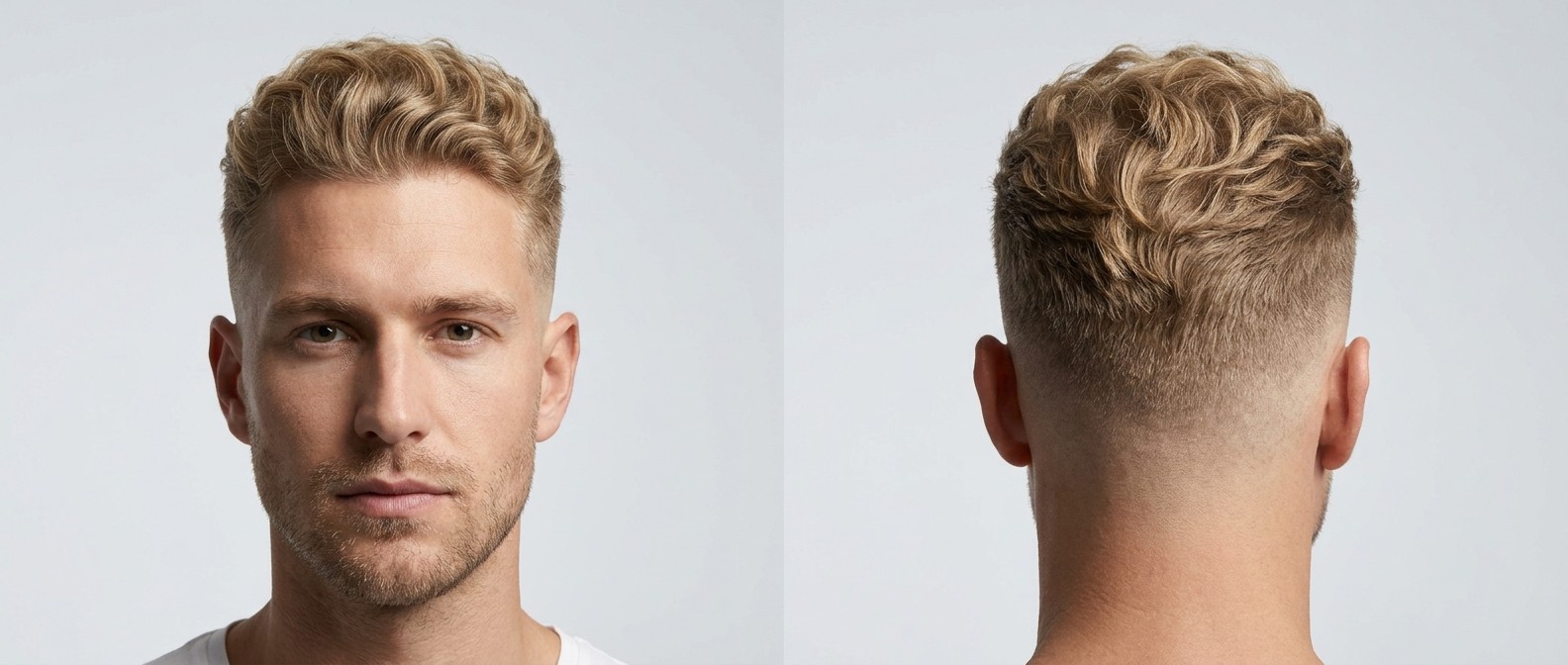
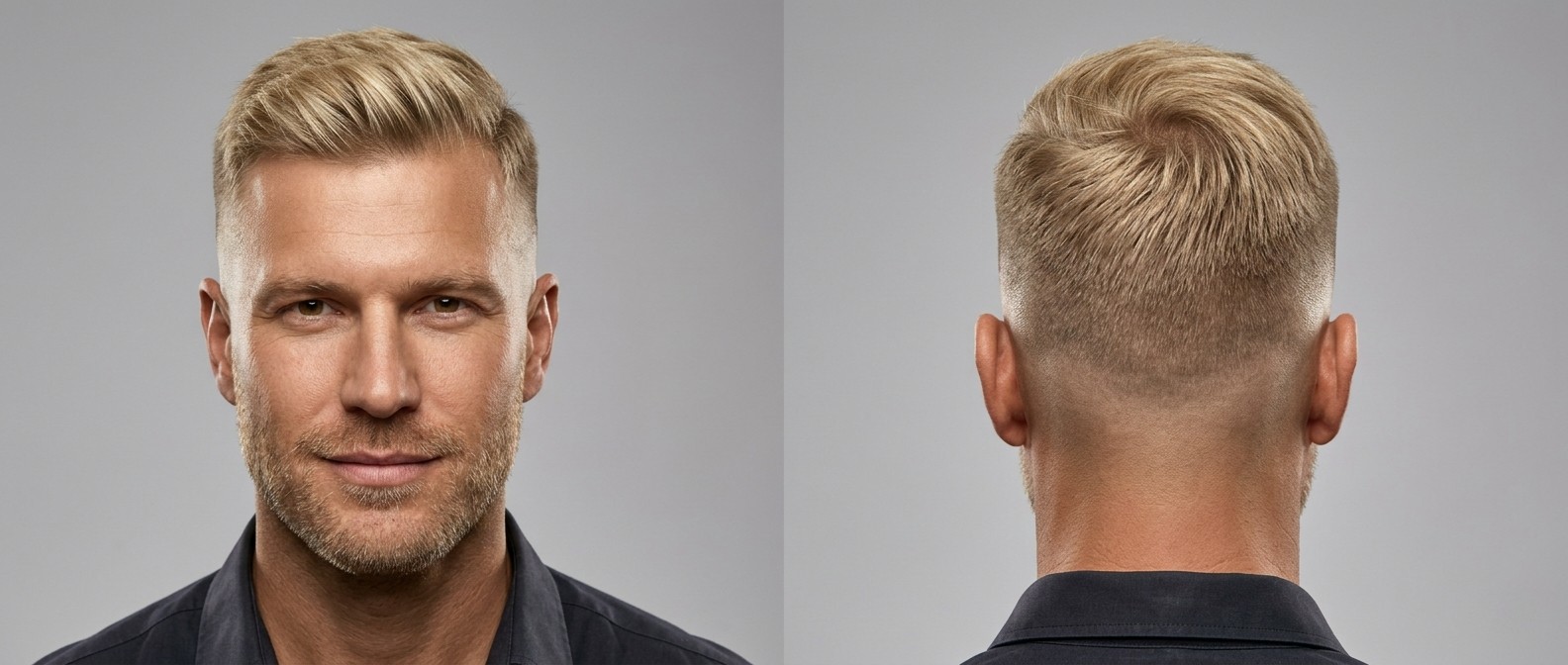
A high fade is a gradient tapering technique where the shortest point begins high on the head, typically near the upper temples or even approaching the crown. The hair transitions from very short or skin-level at the bottom through progressively longer guards, but because the fade starts so high, the sides and back are predominantly short. Only the very top of the head retains significant length.
The visual effect is dramatic and unmistakable. A high fade removes the vast majority of side and back hair, creating a clean, sculpted silhouette that emphasizes the top of the head. The contrast between the almost bare sides and whatever style you're wearing on top becomes the defining visual element of your haircut.
High fades have deep roots in military and athletic grooming culture, where the practical benefits of short sides — cooler temperatures, less maintenance, a clean appearance under helmets and headgear — drove their adoption. From there, the high fade migrated into hip-hop culture, barbershop artistry, and mainstream men's fashion. Today, it's one of the most requested styles in barbershops worldwide, prized for its bold, confident aesthetic and its ability to make any top style look more impactful.
Who Should Get a High Fade?
The high fade makes the strongest statement in the fade family, so it suits men who are comfortable with a bold, attention-getting haircut. It's particularly effective for:
- Round faces — the dramatic removal of side bulk creates a powerful slimming and elongating effect
- Men with strong features — a high fade frames and emphasizes the face, so defined cheekbones and a strong jaw look even more striking
- Thick, coarse hair — the high fade eliminates the bulk that can make sides look puffy or heavy
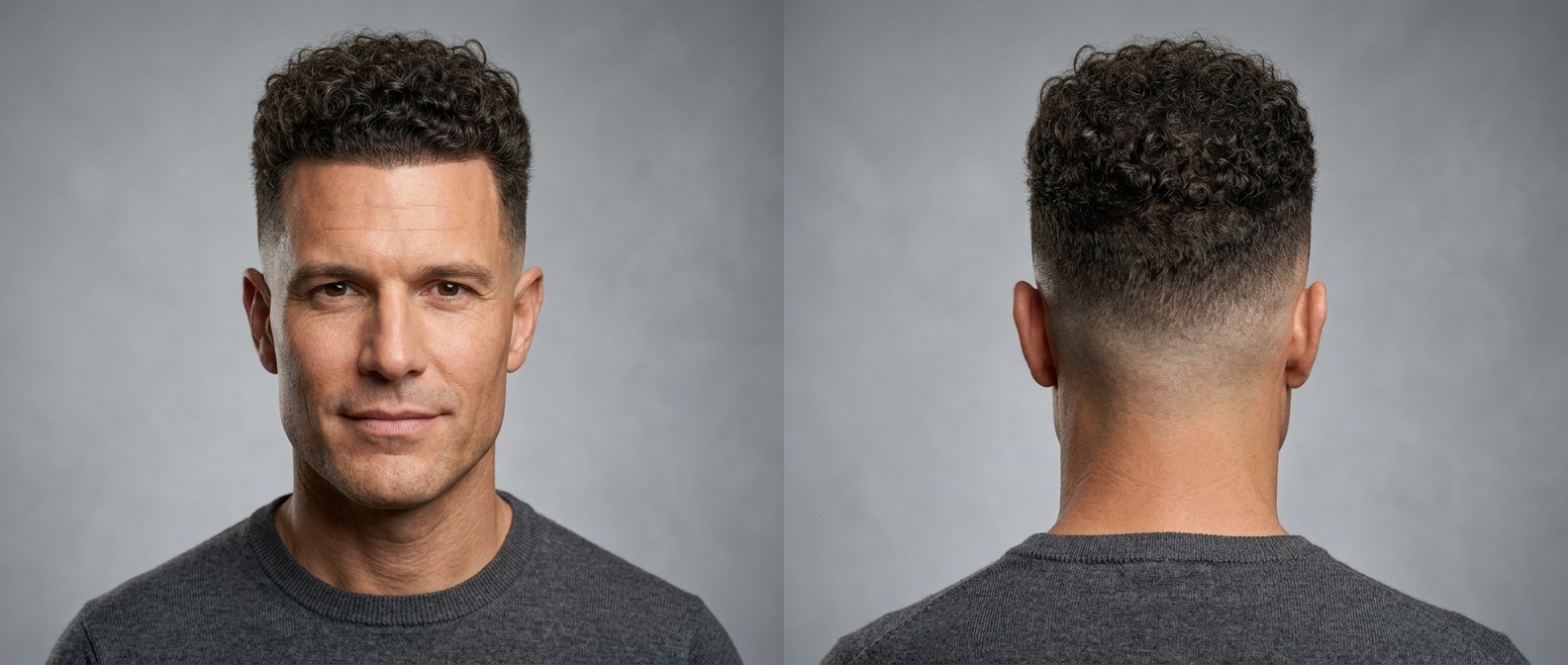
- Curly and afro-textured hair — the contrast between a tight fade and textured curls on top is one of the most iconic modern looks
- Active lifestyles — athletes and military personnel benefit from the practical, low-maintenance sides
- Men who want a "fresh cut" look — the high fade reads as sharp and recently groomed even as it grows
Men with very narrow or oblong faces should be cautious with high fades, as removing too much side hair can make the face appear even longer. If you have this face shape and want a high fade, consider keeping slightly more length at the top of the fade to add some width.
How to Style Hair with a High Fade
Because the high fade handles the sides and back so decisively, your top styling becomes the entire focus of the haircut. This makes the high fade an excellent canvas for dramatic top styles:
Pompadour: The high fade is the ultimate pompadour foundation. Blow dry the top upward and backward with volume, then set with a strong-hold pomade. The near-bare sides make the volume on top look even more impressive and intentional.
Flat top: A classic pairing — the high fade creates the clean, vertical walls on the sides while the top is cut flat and level. This geometric precision is a barbering art form that demands a high fade for its full effect.
Tight curls: Let your natural curl pattern shine on top with a curl-enhancing cream while the high fade provides a clean, sharp frame below. This combination is a cornerstone of modern Black barbering culture and looks incredible with well-maintained curls.
Hard part comb-over: Add a razor-cut part line and comb the top across for a precision look that combines classic and contemporary elements. The high fade makes the part line even more visible and defined.
Textured spike or crop: Short, textured top hair (1.5-2.5 inches) styled with a matte product creates an effortless, casual contrast against the clean high fade.
What to Tell Your Barber
With a high fade, the placement and execution details significantly impact the final look. Communicate clearly about:
- Fade height — "starting at my upper temples" or "about two fingers below my crown" gives your barber a clear reference point
- Bottom length — skin (#0) is the most common for high fades and delivers the cleanest result, but #0.5 provides a softer option
- Gradient speed — do you want a long, gradual fade or a quick, compressed transition? A longer gradient is more forgiving, a compressed one is more dramatic
- Crown treatment — how should the fade connect to the top? A smooth blend or a slight disconnect for more contrast?
- Line-up — high fades often pair with a sharp line-up at the forehead, temples, and sideburns for maximum crispness
- Back height — should the high fade maintain the same level all around, or drop slightly in the back?
High fades expose more of your scalp and head shape, so discuss any concerns about uneven areas, scars, or head shape with your barber. A skilled barber can adjust the fade placement to minimize any imperfections.
Maintenance and Frequency
Let's be straightforward: the high fade is the highest-maintenance fade variation. Because so much of the side hair is cut to skin or near-skin level, even a few days of growth is visible. The crisp, fresh look of a high fade typically lasts about one week before it starts to look grown out.
For the sharpest results, plan on barber visits every 1-2 weeks. Some men who are serious about maintaining their high fade visit the barber every 7-10 days. If that frequency isn't practical, you can extend the cycle to 3 weeks by learning to maintain the lower portions at home with clippers — but the blending zone near the top of the fade really needs professional attention.
Invest in a quality pair of clippers and a hand mirror for between-visit maintenance. Focus on the neckline, around the ears, and the lowest inch of the fade where new growth is most visible. Leave the transition zone for your barber.
High Fade Combinations
The high fade pairs with several techniques to create signature looks. The high skin fade goes all the way to bare skin for the most dramatic possible contrast — a barbershop showpiece. The high taper fade uses a slightly more gradual transition for men who want the height but not the aggression of a true skin fade. The high drop fade curves the fade line lower behind the ears, creating a flowing, natural shape that follows the head contour. The high burst fade radiates from behind the ear in a semicircle, popular with mohawks, faux hawks, and mullets. And the high fade with line-up adds razor-precise edges at the hairline and temples, creating a geometric, architectural quality that represents modern barbering at its most precise. Each combination transforms the high fade into something distinct while maintaining that signature clean, dramatic impact.