

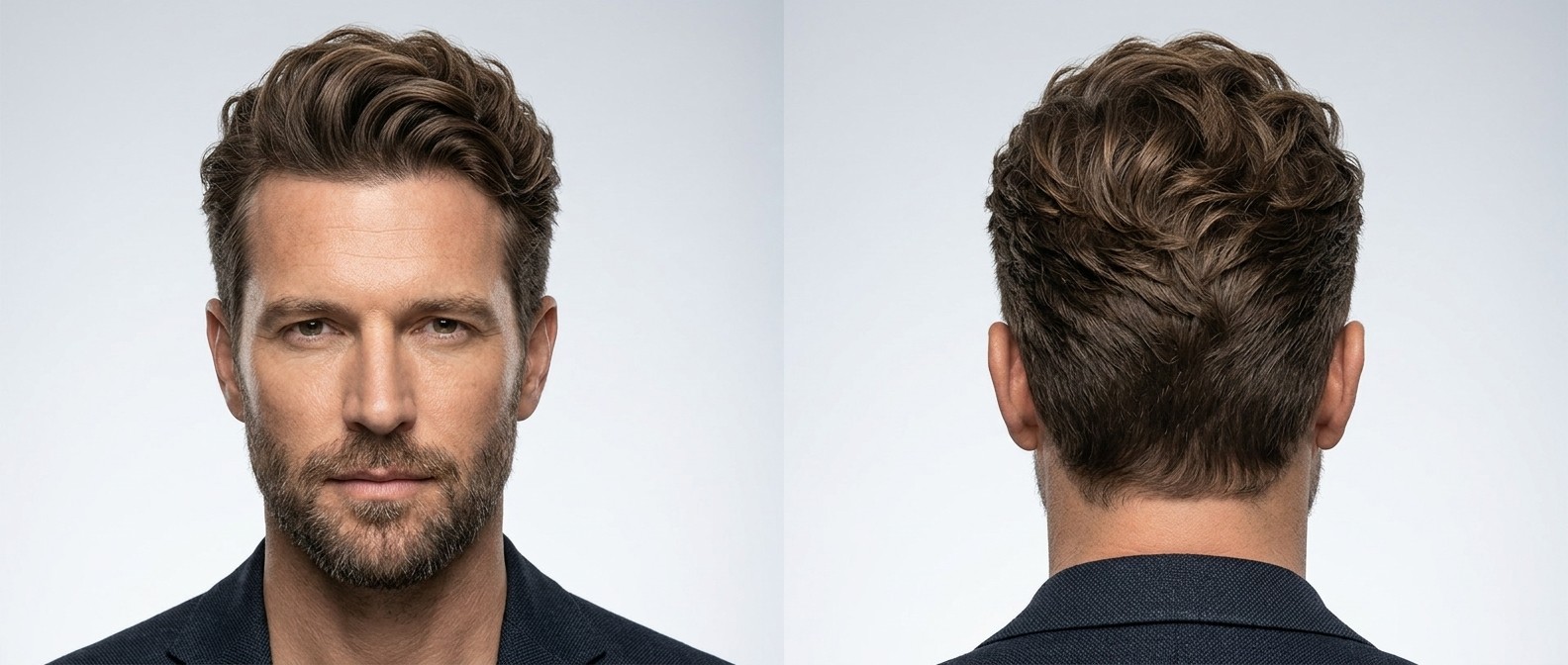
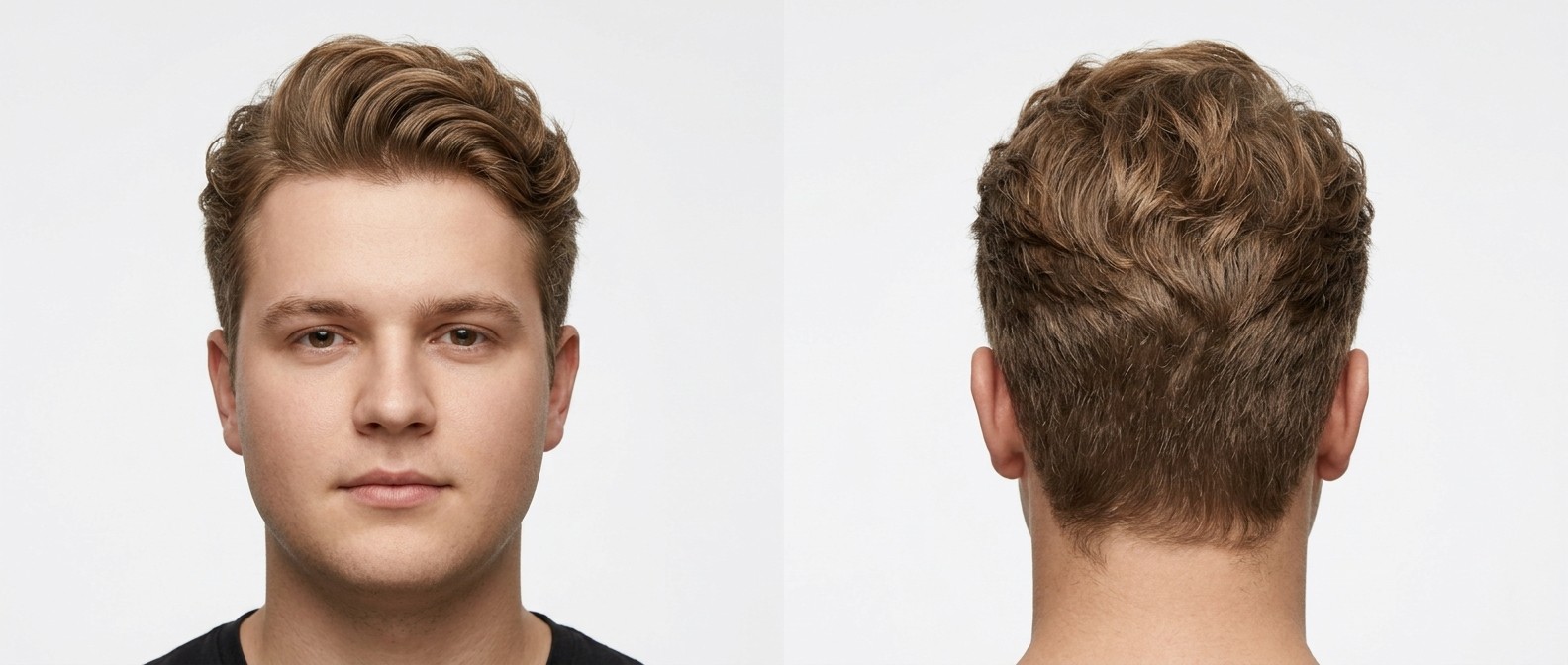
What Is a Quiff?
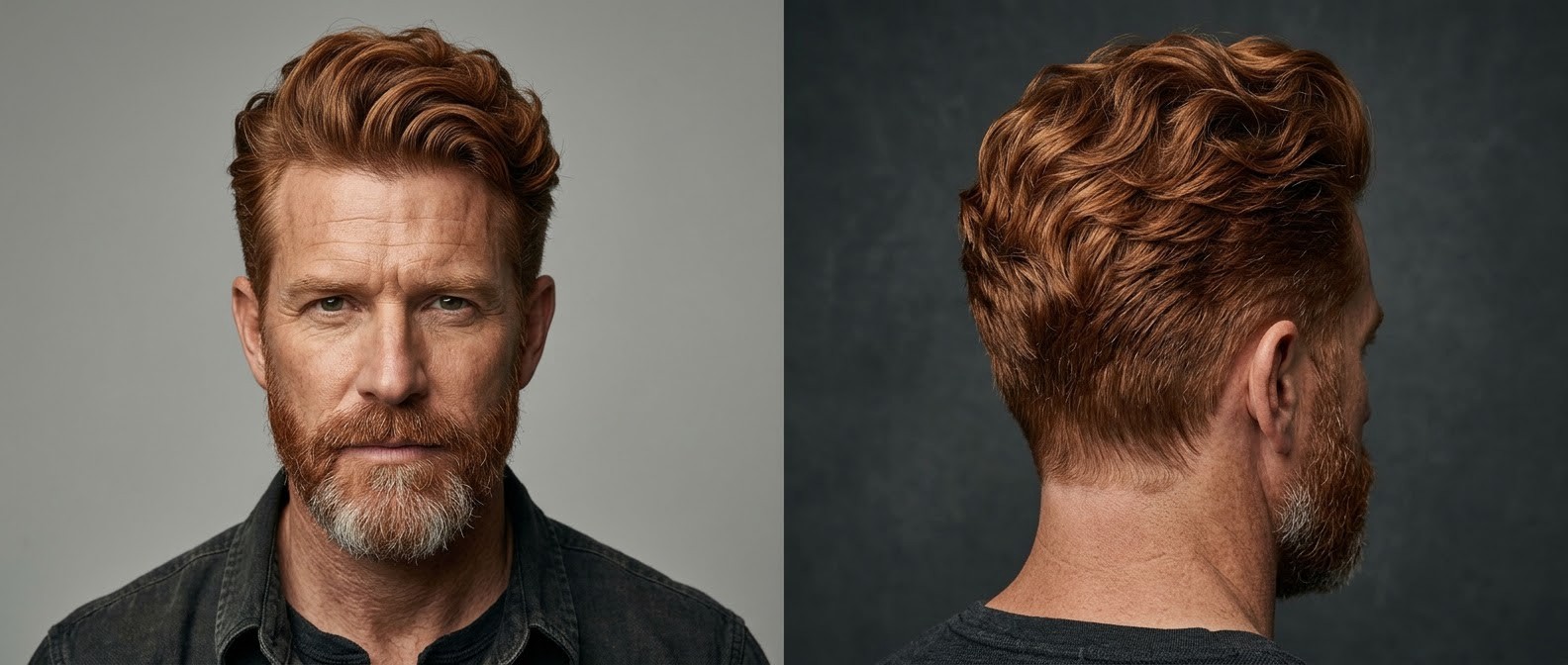
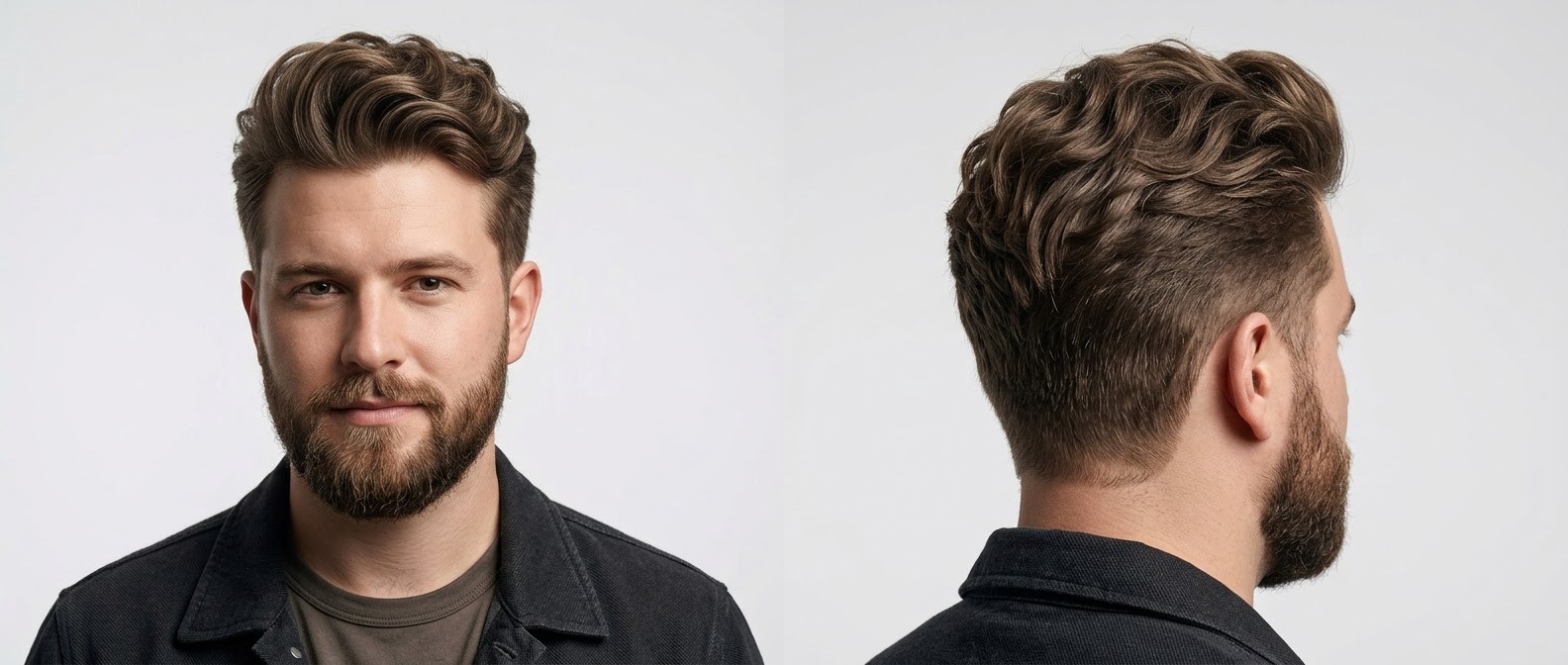
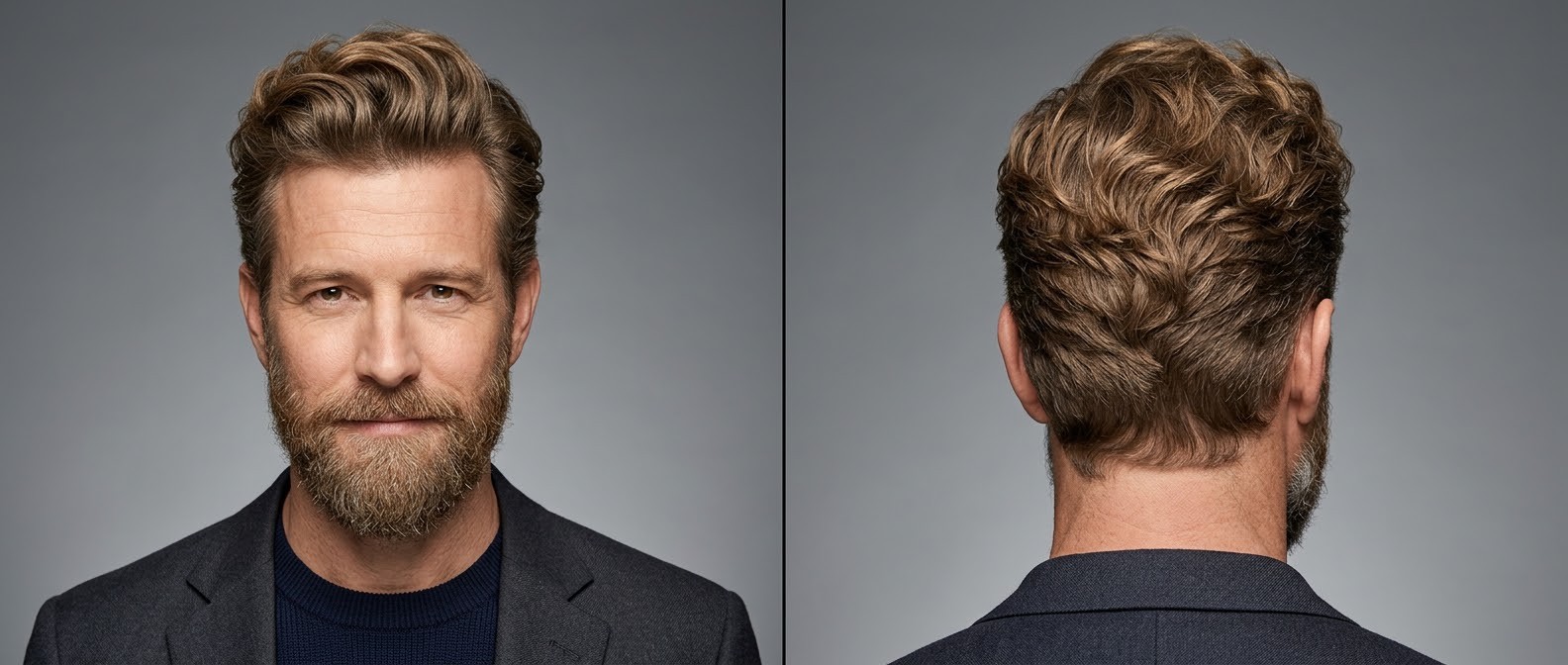
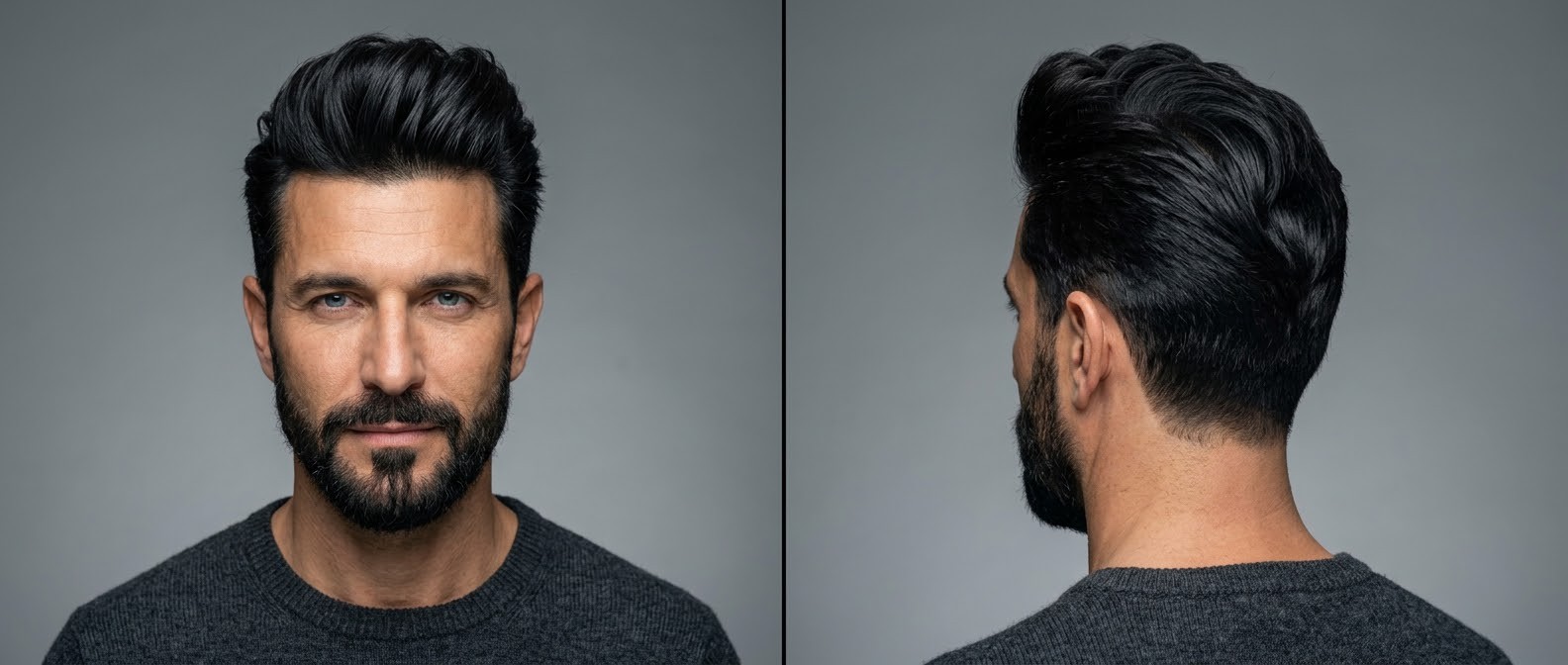
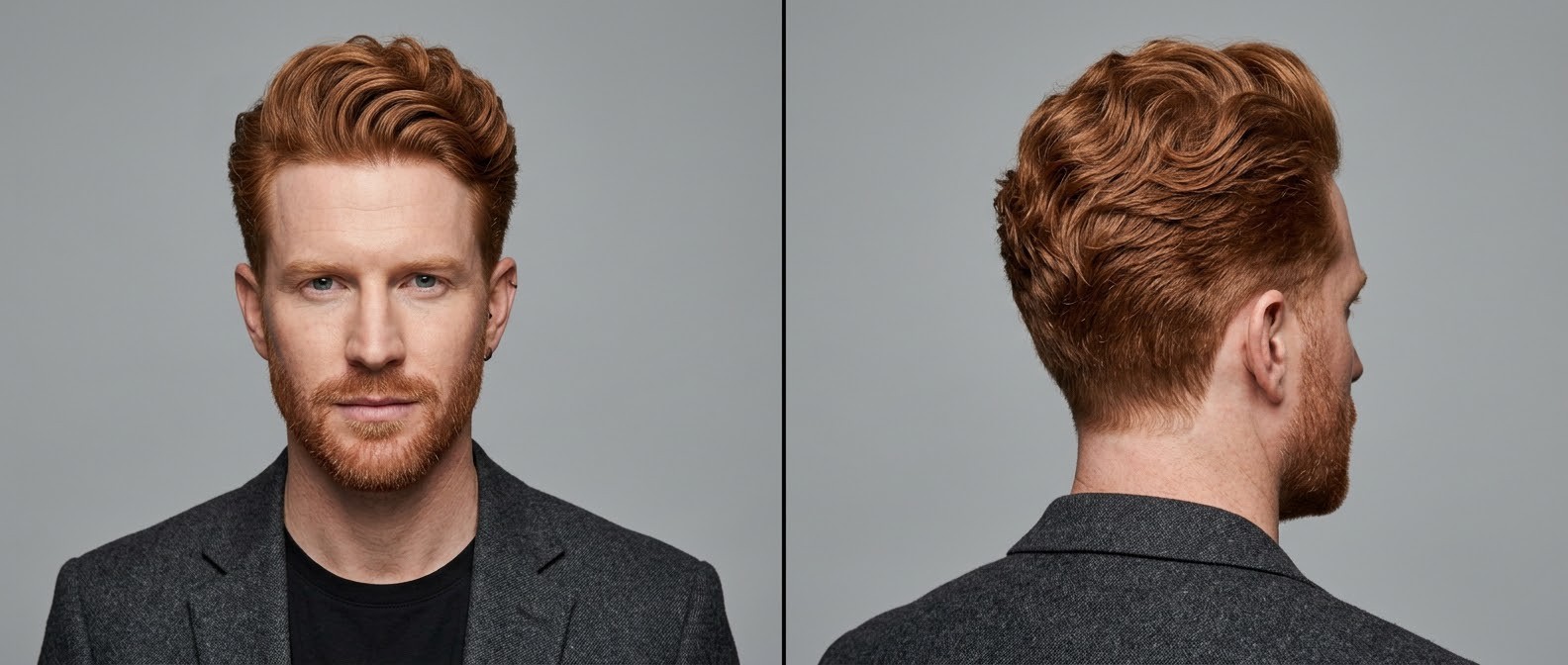
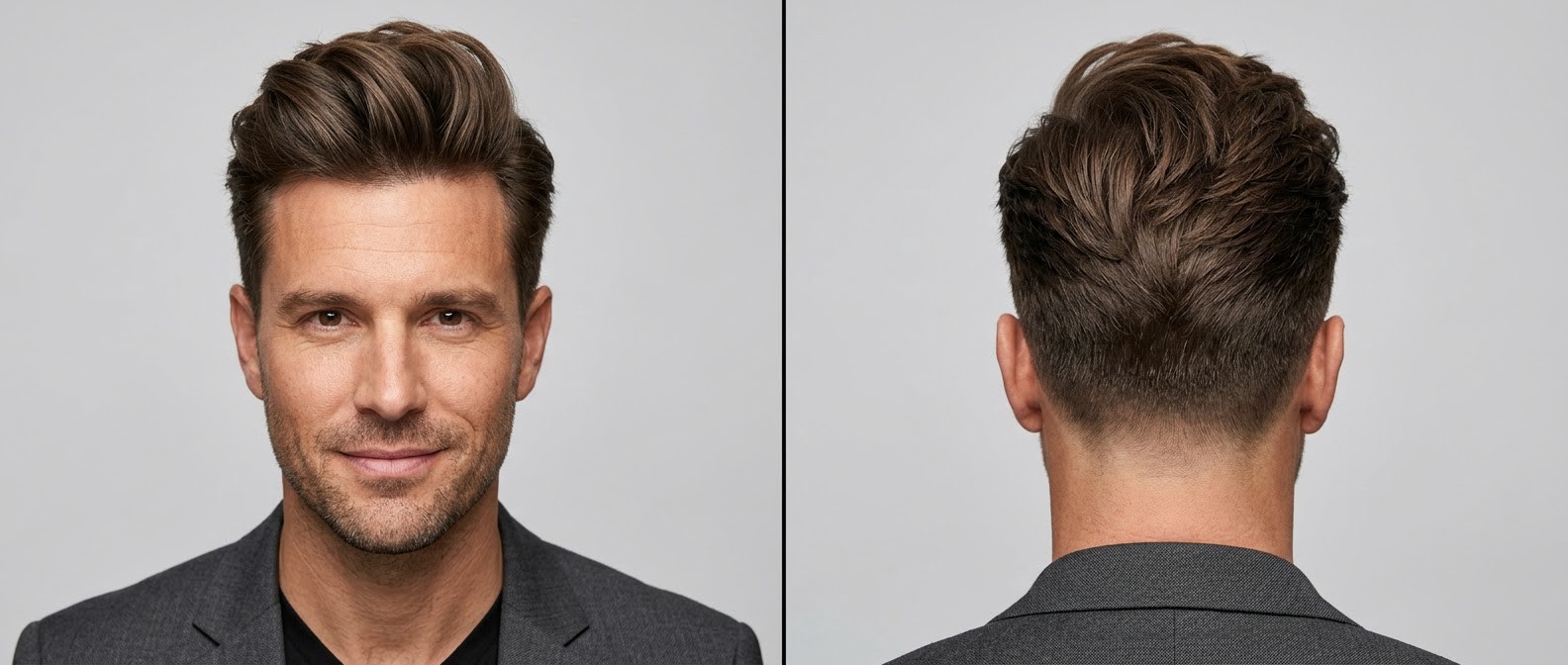
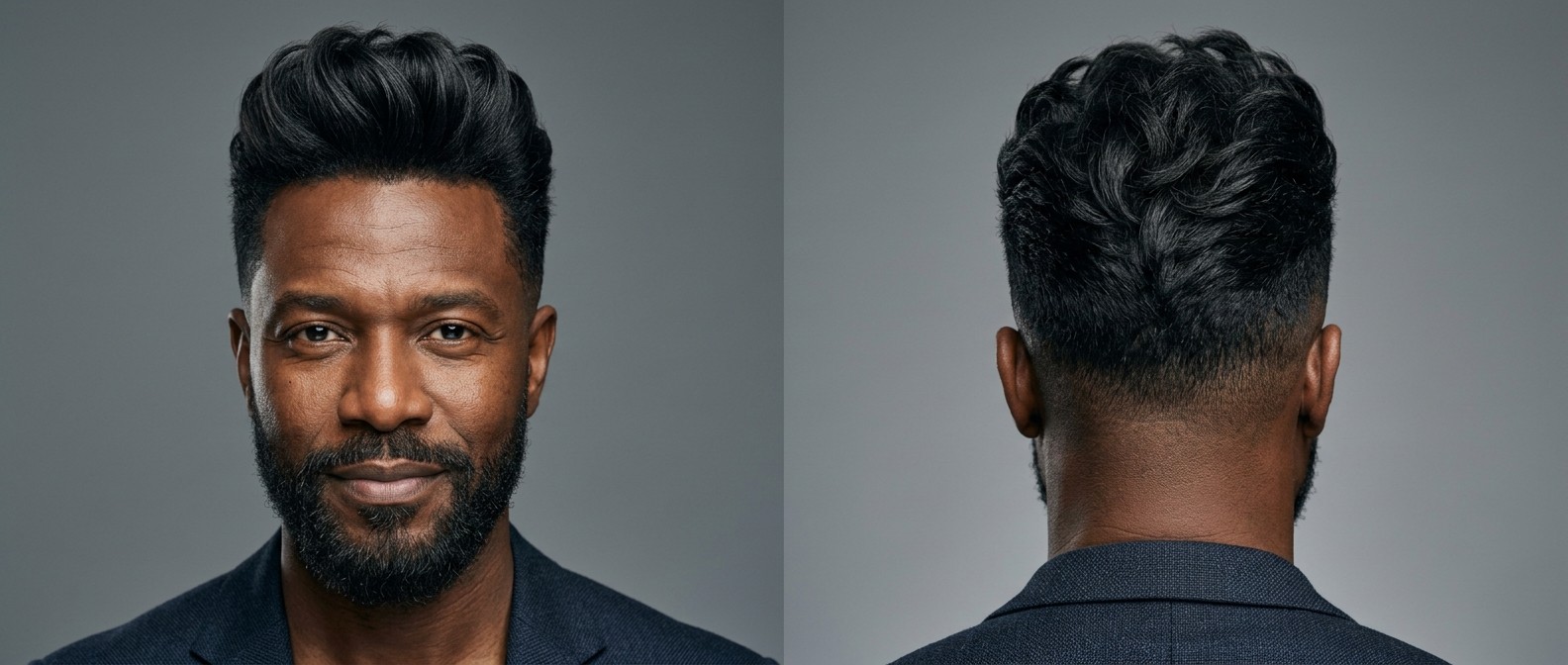
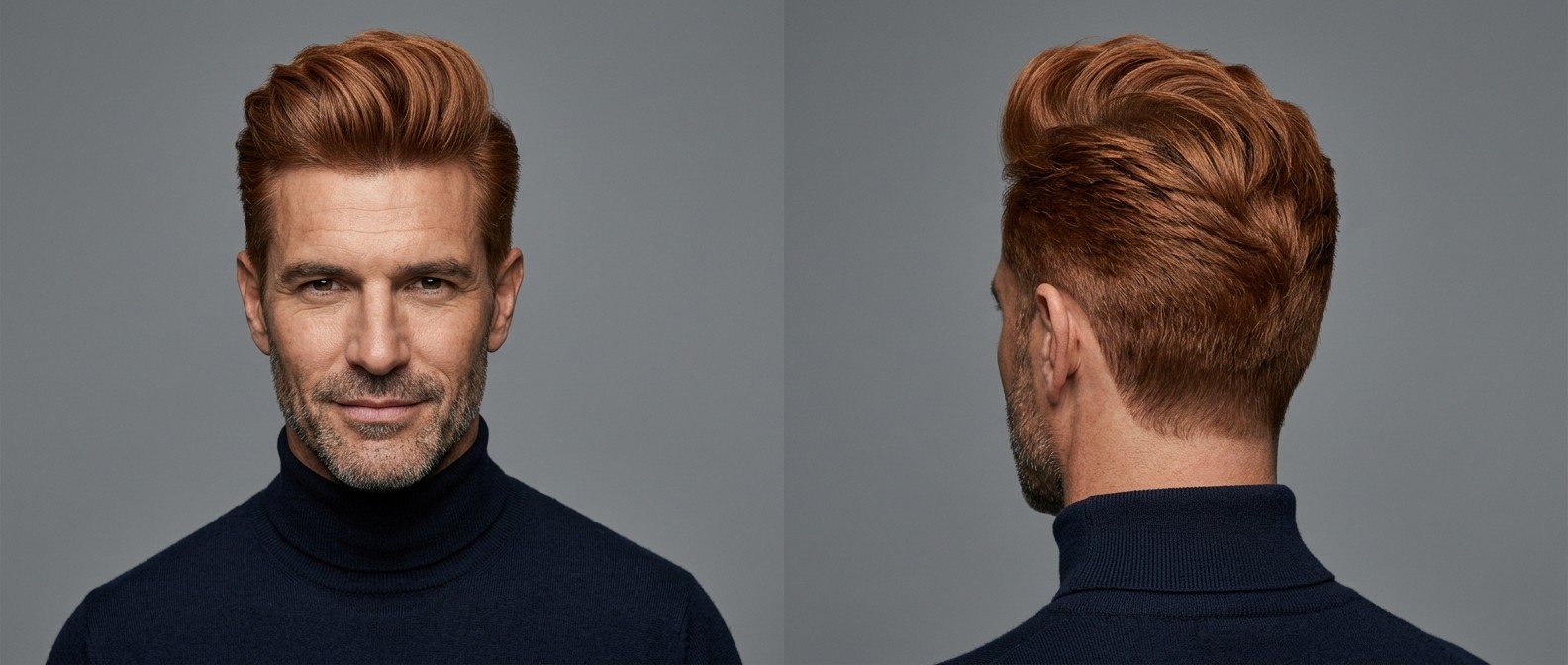
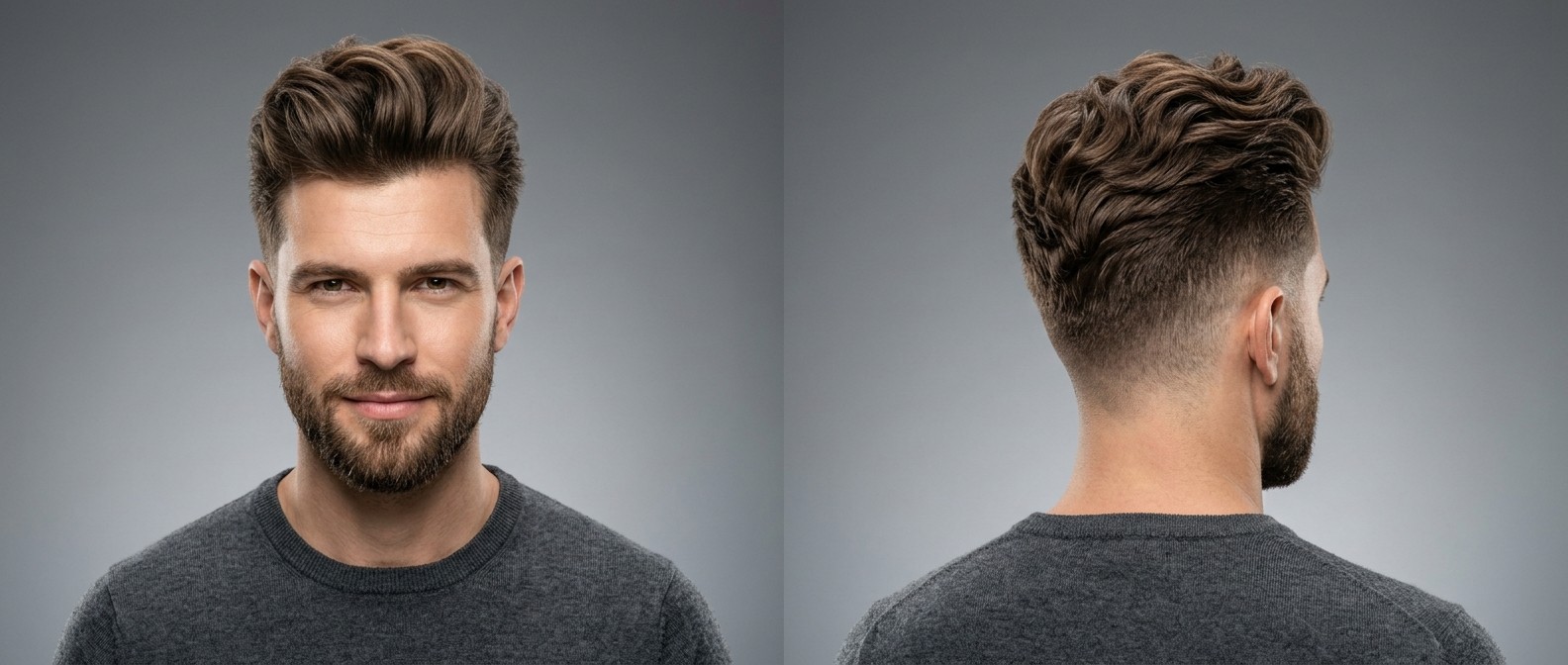
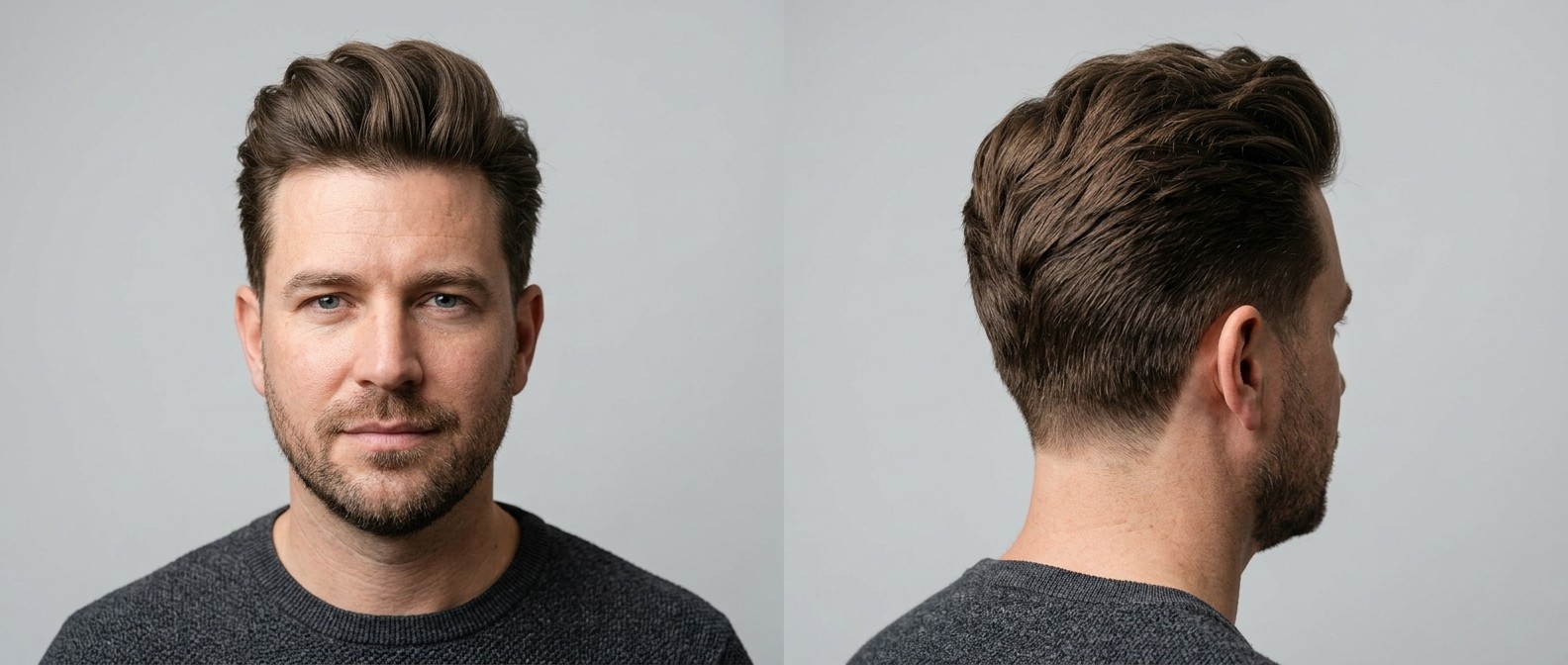
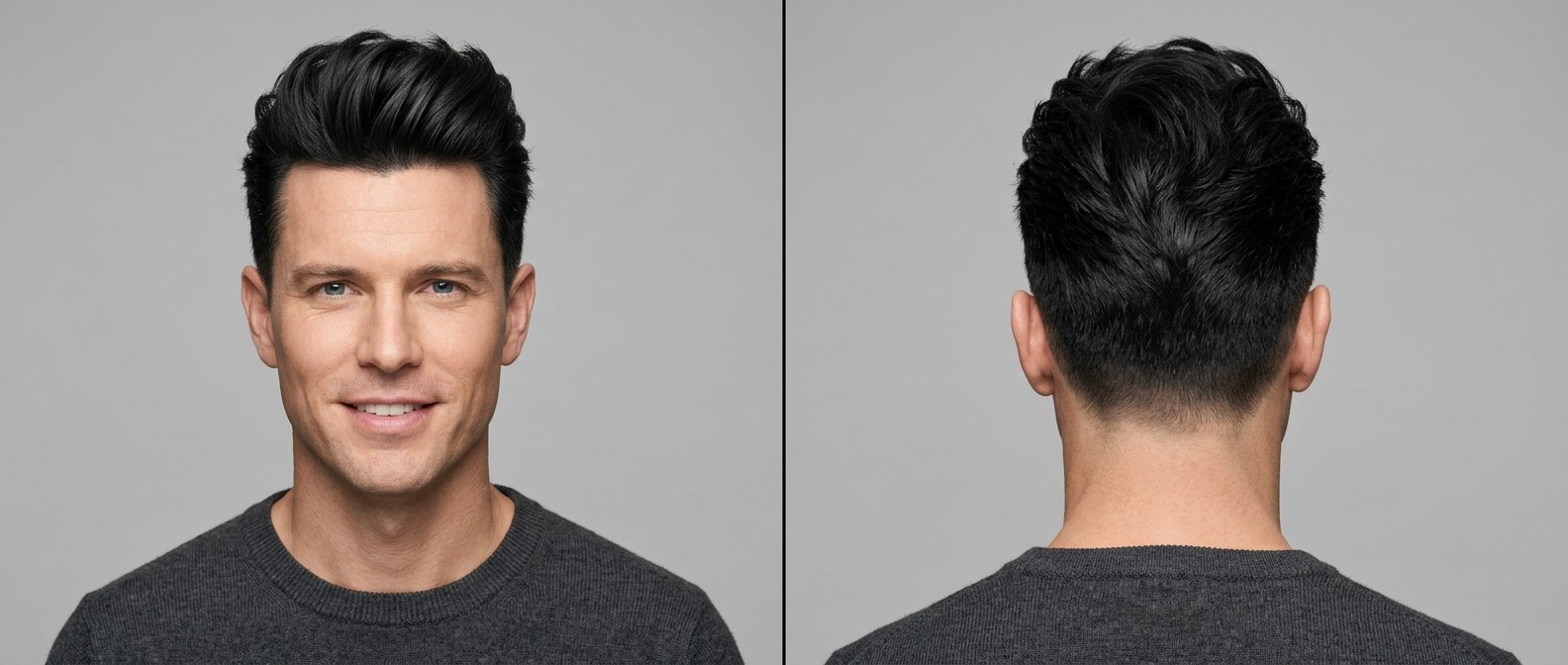
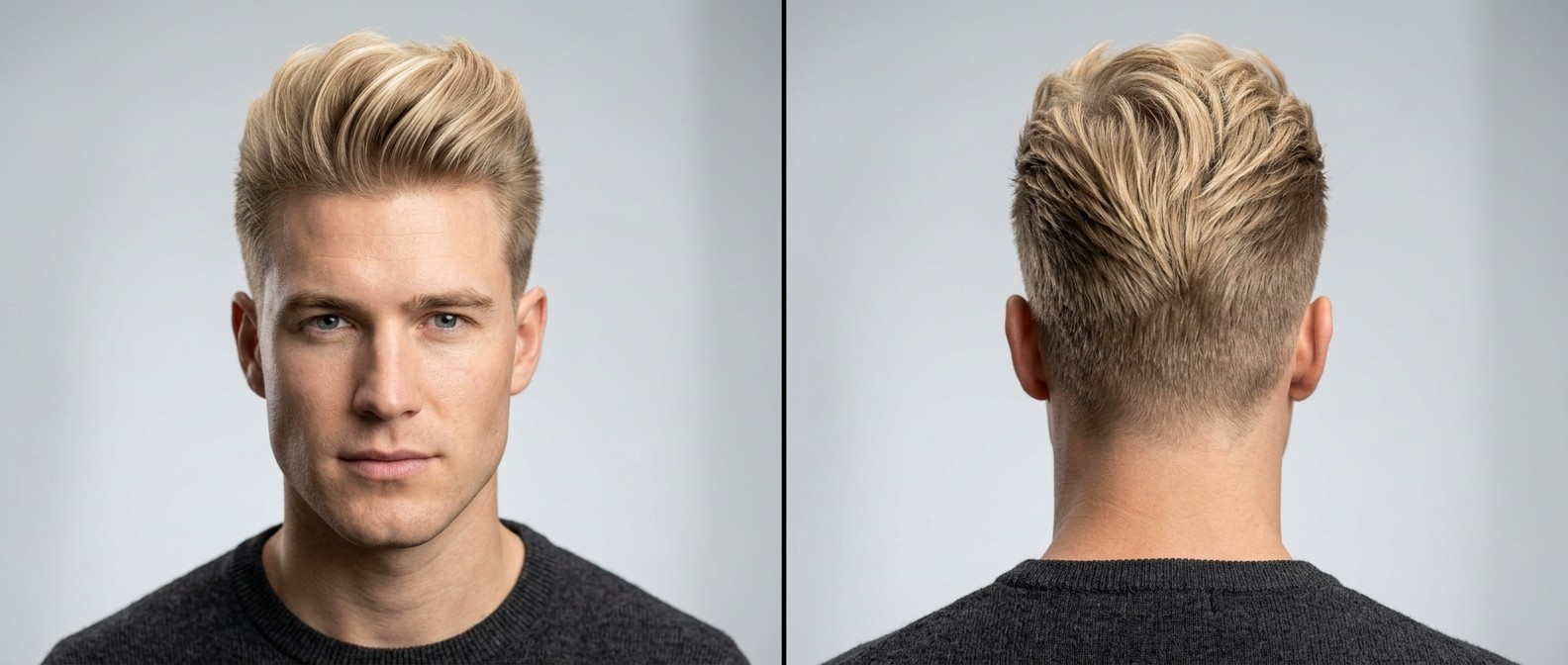
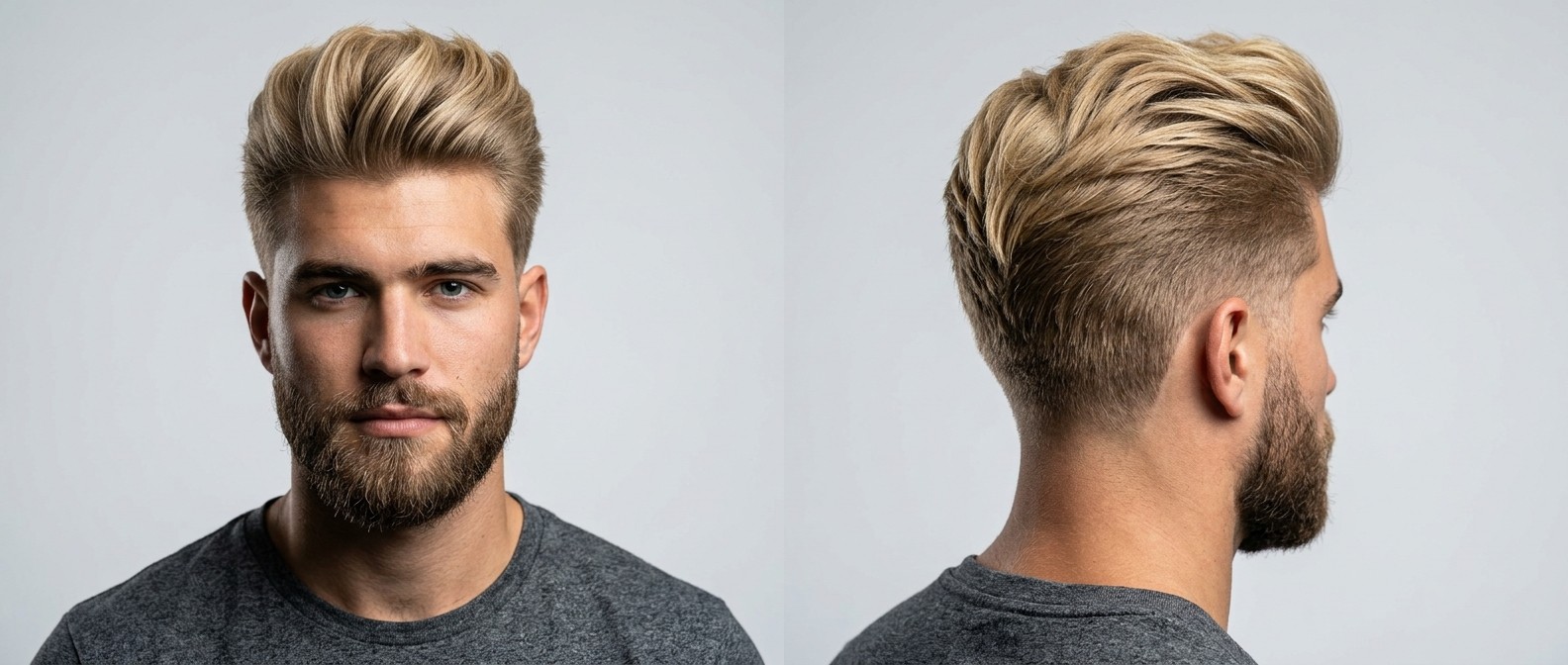
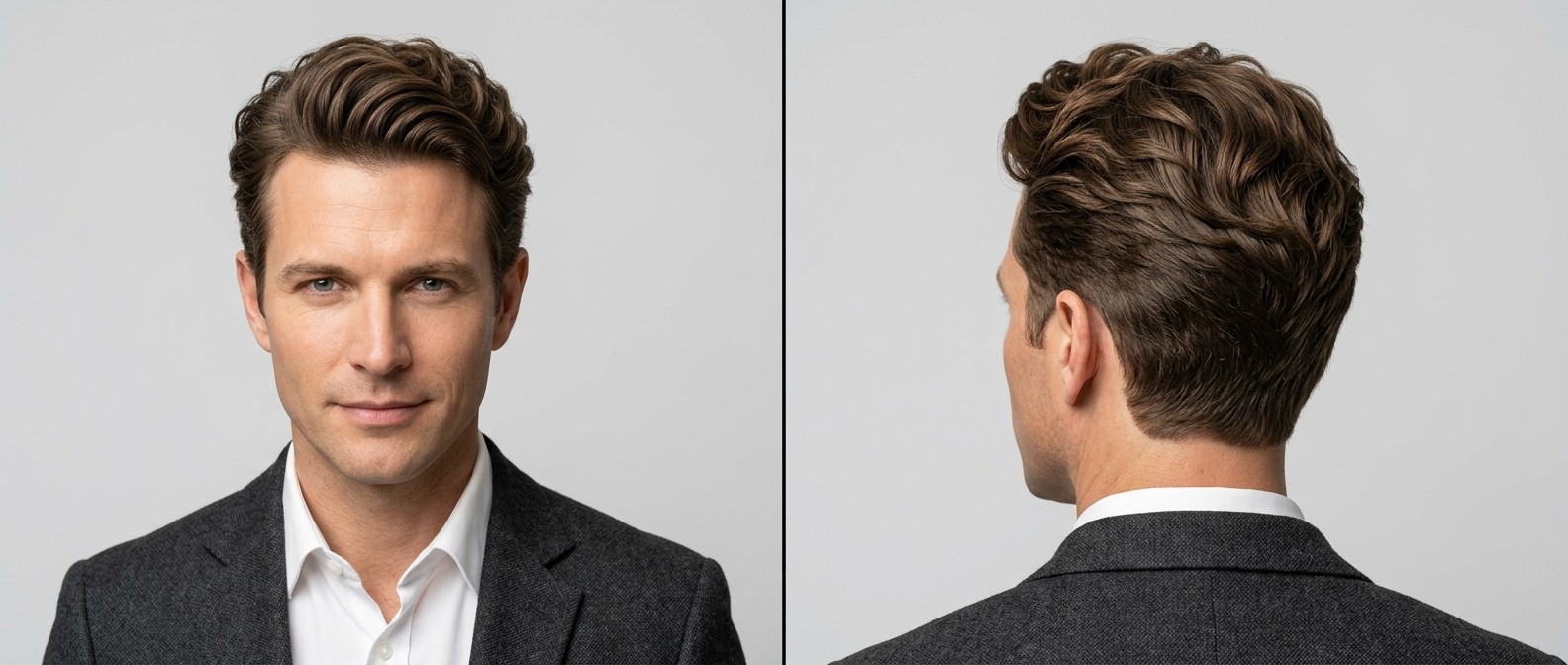
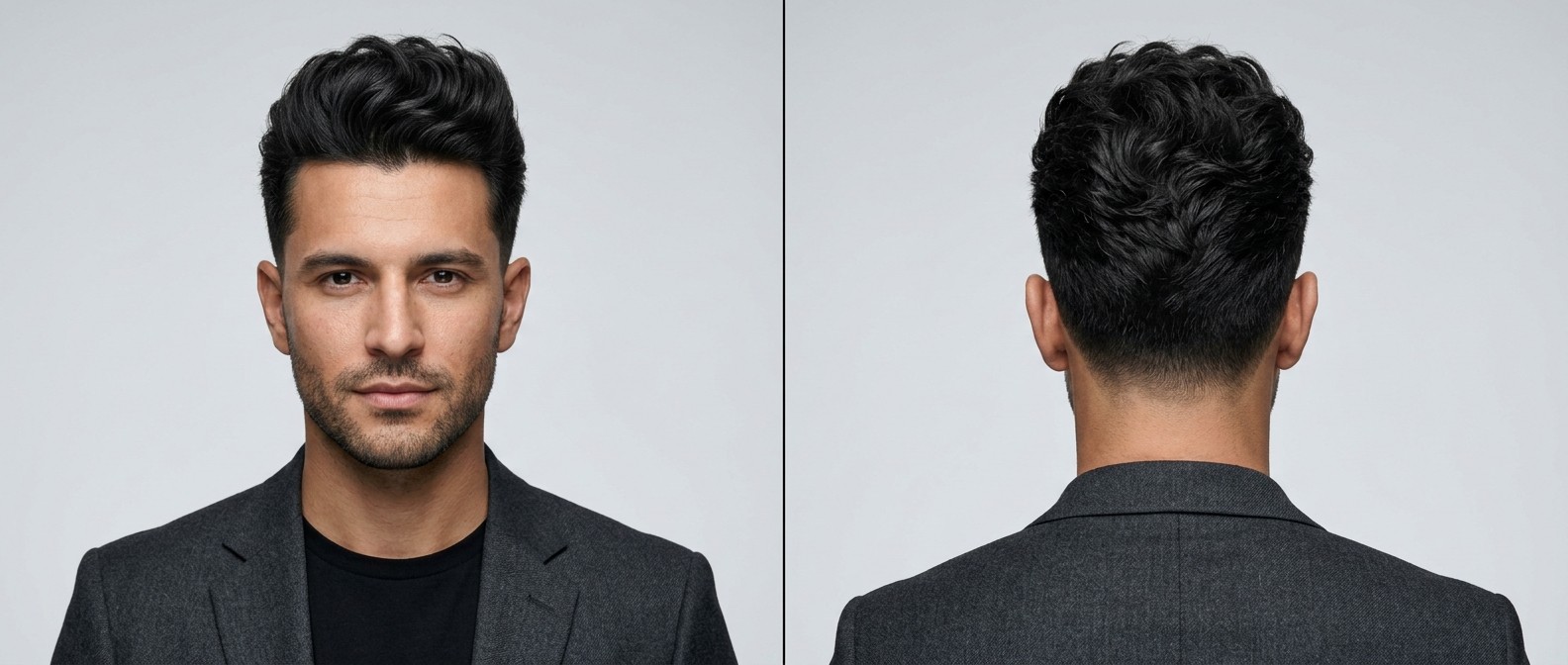
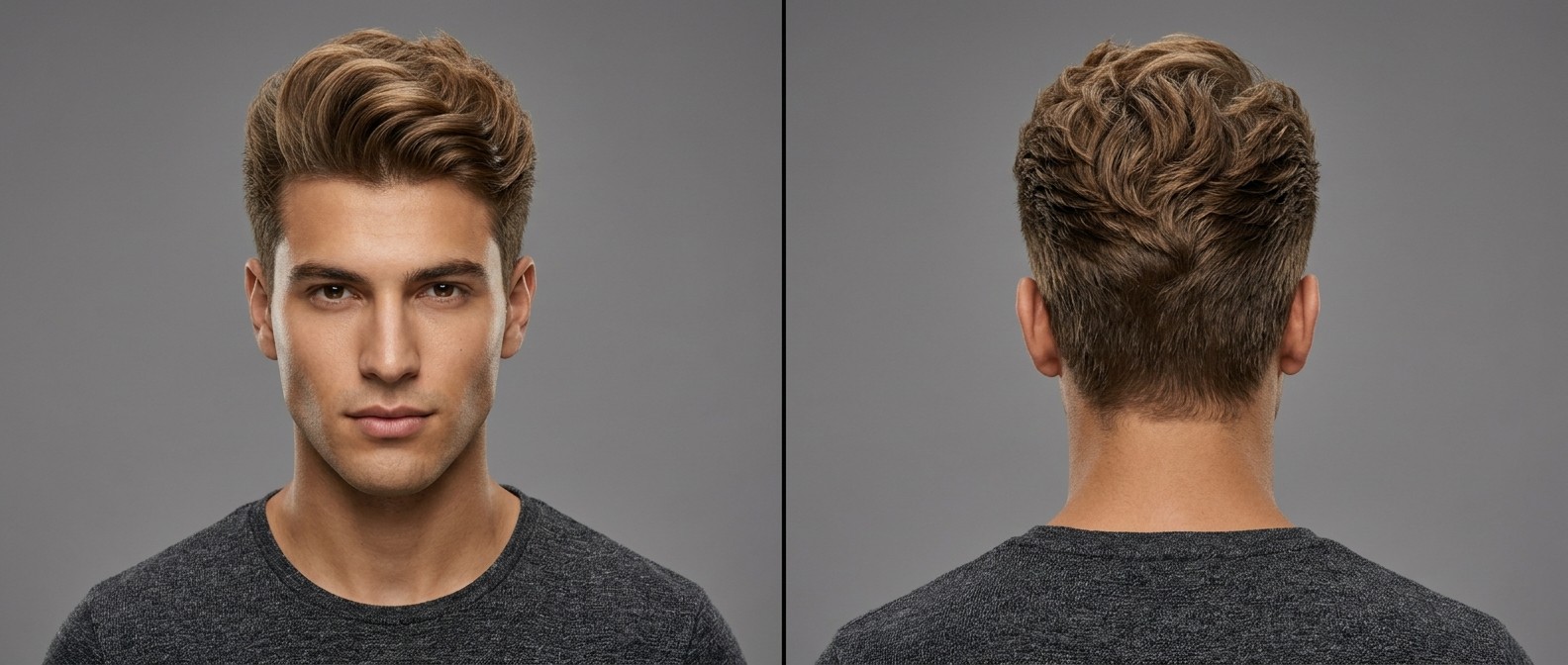
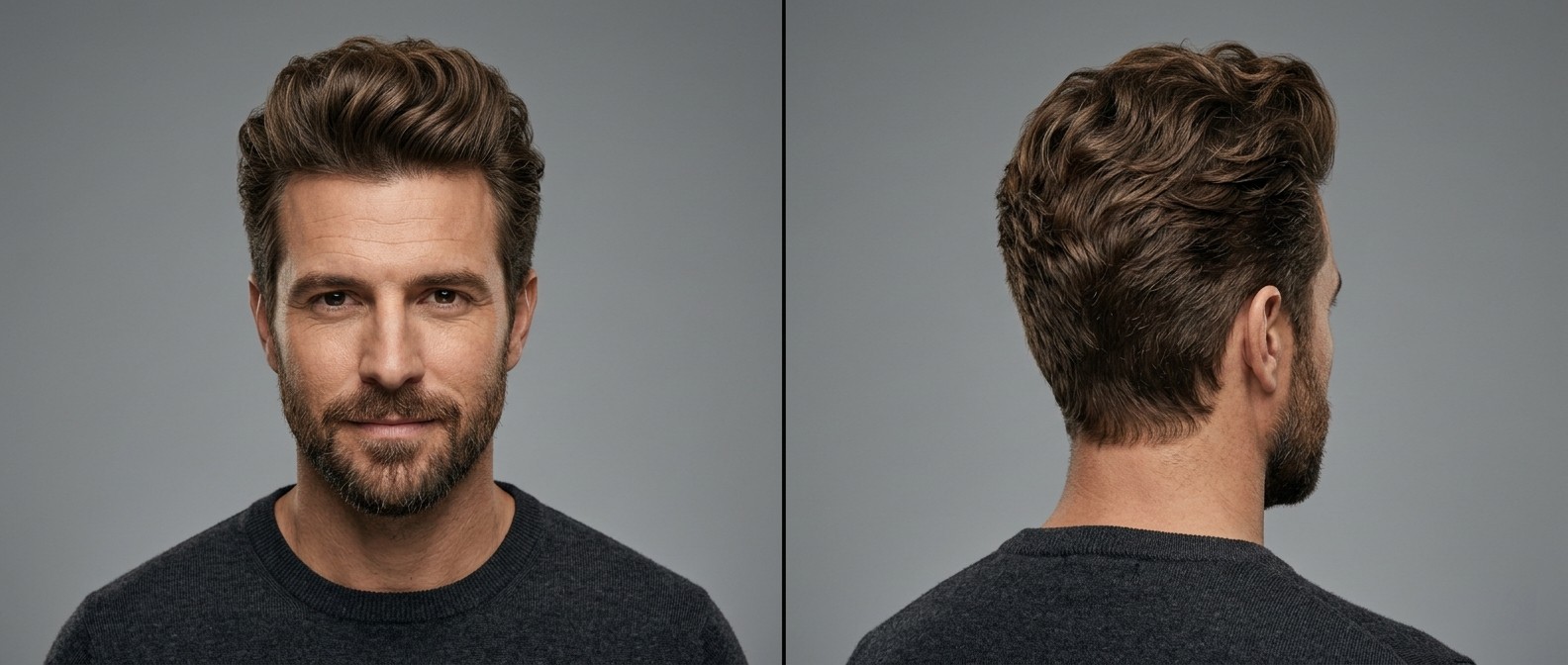
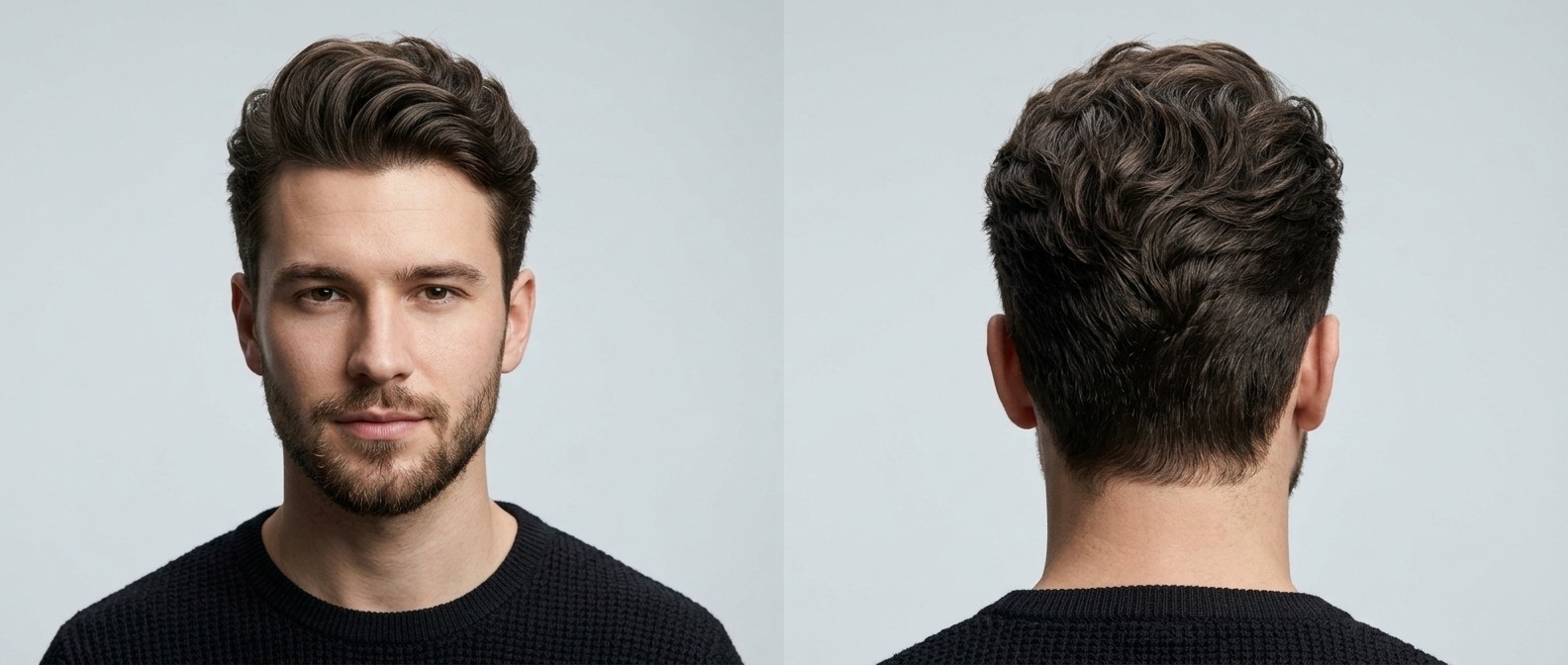
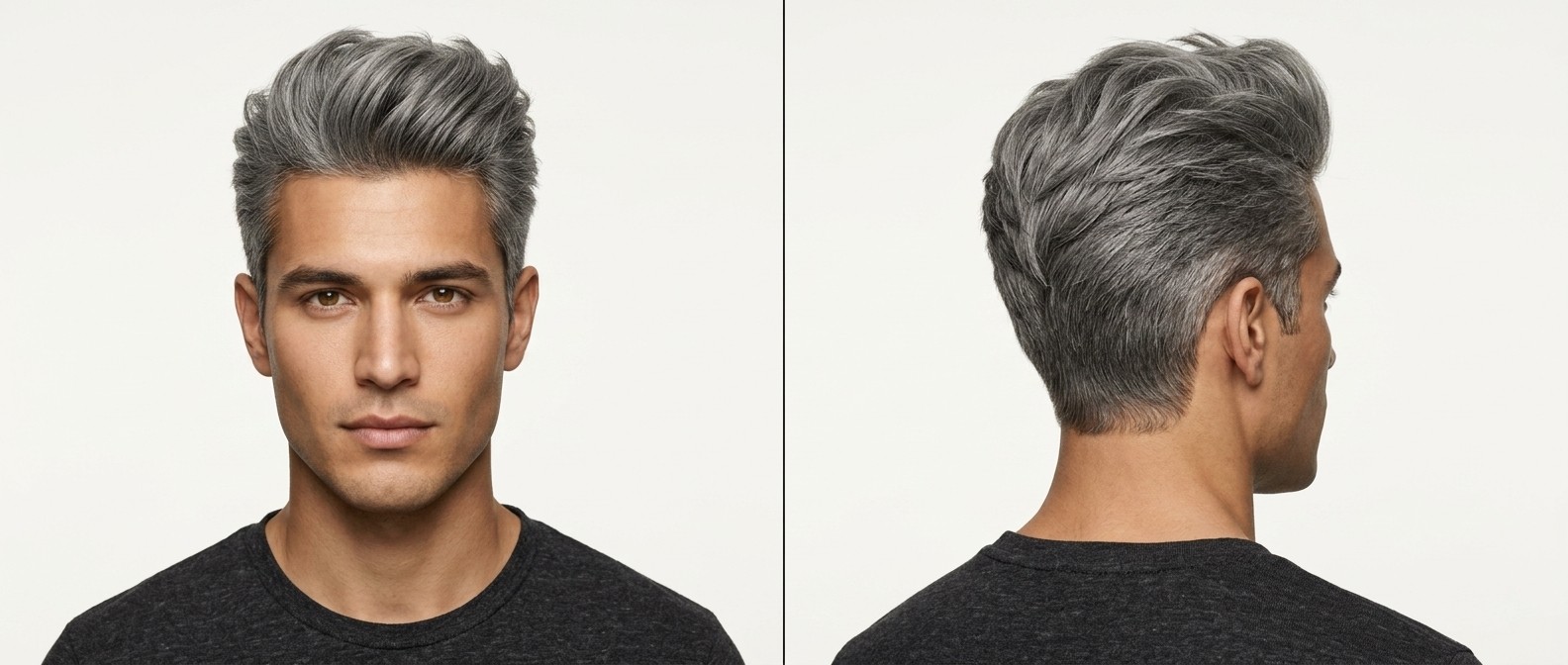
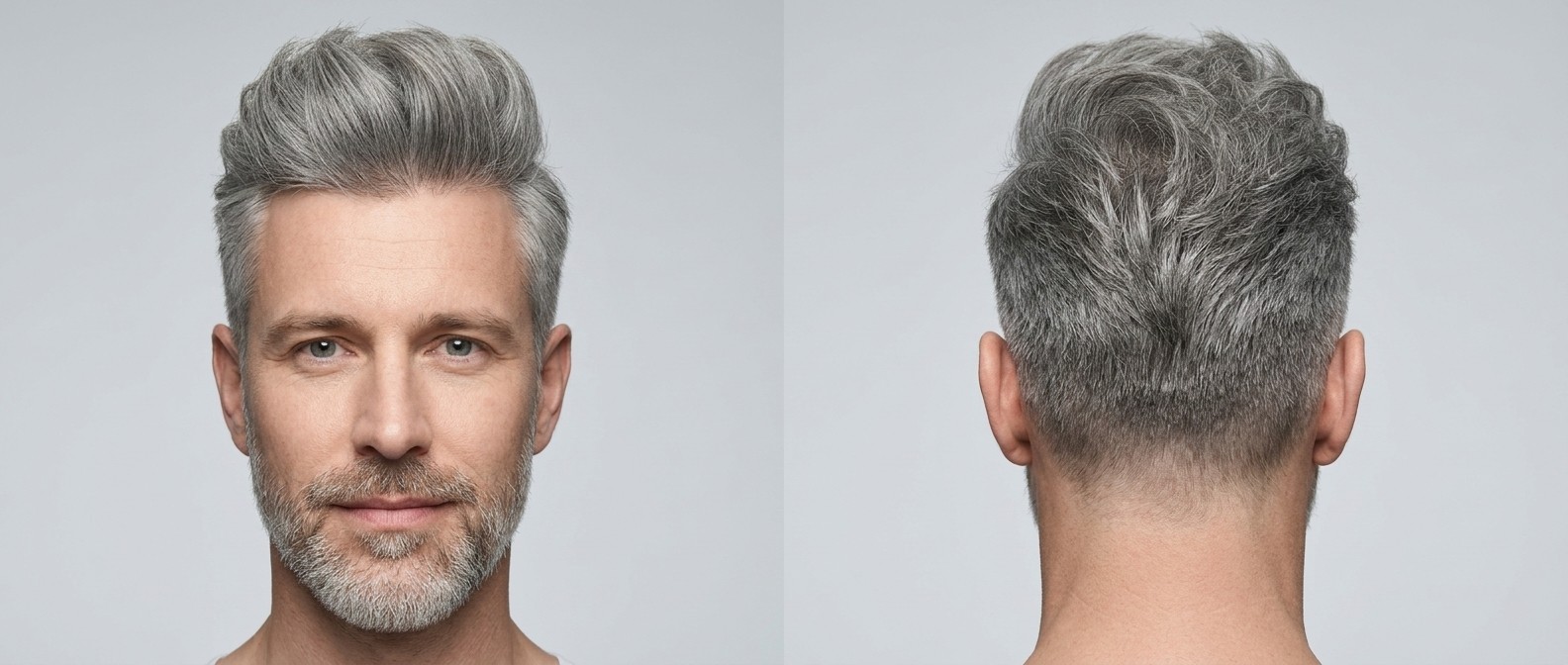
The quiff is a men's hairstyle built on one core principle: volume at the front. Hair on top is grown to medium or long length, brushed forward from the crown, and then swept upward at the hairline. Unlike the pompadour, which tends to be slicked back tightly, the quiff embraces a looser, more textured finish. The sides and back are cut shorter — typically with a taper or fade — to create contrast and draw the eye upward toward the voluminous top section.
This style has roots in 1950s rock 'n' roll culture but has evolved considerably over the decades. Today's quiff ranges from messy and undone to structured and sharp, giving you enormous flexibility in how you wear it. Whether your hair is straight, wavy, or slightly curly, you can adapt the quiff to suit your natural texture.
Who Should Get a Quiff?
The quiff is one of the most universally flattering men's hairstyles. It works particularly well for men with round or square face shapes because the added height at the front elongates the face and creates a more balanced proportion. If you have a diamond or heart-shaped face, a textured quiff with softer edges helps frame your features without adding too much sharpness.
Hair type matters less than you might think. Straight hair creates a clean, structured quiff, while wavy hair gives you natural volume and movement that reduces styling time. Even fine or thin hair can work — the right cutting technique and lightweight products can create the illusion of fullness. The only real requirement is enough length on top, usually around 3 to 5 inches, to achieve that signature lift.
- Round faces — height from the quiff visually slims and lengthens
- Square faces — soft texture at the top balances a strong jawline
- Oval faces — virtually any quiff variation looks great
- Fine hair — textured, messy quiffs add the appearance of density
How to Style a Quiff
Start with towel-dried, slightly damp hair. Apply a pre-styler — a volumizing mousse or sea salt spray works well — and distribute it evenly through the top section. Using a blow dryer on medium heat, direct the airflow forward and then upward at the front, using a round brush or your fingers to guide the hair into shape. The key is to build volume at the roots while the hair is still damp.
Once dry, work a small amount of styling product through the top. For a natural, textured quiff, use a matte clay or paste. For a more polished look, opt for a medium-hold pomade. Shape the front upward and slightly back, using your fingers to define the texture. Finish with a light hairspray if you need extra hold throughout the day.
- Blow dry forward and up to build root volume
- Use matte clay for textured finishes or pomade for shine
- Work product into roots, not just ends
- A round brush during blow drying adds extra lift and control
What to Tell Your Barber
Communication is everything when getting a quiff. Ask for 4 to 5 inches on top with a gradual taper or fade on the sides. For the sides, a #2 to #3 clipper guard at the bottom blending into the top works well for a classic look, while a skin fade creates a more dramatic contrast. Tell your barber you want the weight kept in the front and crown area — this is where your volume comes from.
Specify whether you want a disconnected look (sharp contrast between top and sides) or a blended transition. Ask them to point-cut or texturize the top to remove bulk without losing length. If it's your first quiff, bring reference photos — even subtle differences in length and fade height can dramatically change the result.
Maintenance and Upkeep
A well-maintained quiff requires a trim every 4 to 6 weeks. The sides and back grow out fastest, so if you're running a fade, you may need touch-ups every 3 weeks to keep it sharp. The top can go a bit longer between cuts — extra length actually helps with volume and styling versatility.
Daily styling takes about 5 to 10 minutes once you get the technique down. On days when you don't want to use a blow dryer, you can finger-style a more relaxed, textured quiff using just a clay or paste on air-dried hair. Keep your hair healthy with regular conditioning, as heat styling can dry out the top section over time.
Popular Quiff Variations
The textured quiff is the most popular modern version — messy, undone, and effortlessly cool. The classic quiff leans more structured, with a cleaner sweep and more defined shape. The undercut quiff pairs a disconnected shaved side with a dramatic voluminous top, making a bold statement.
The short quiff works for men who want the silhouette without committing to a lot of length — just 2 to 3 inches on top is enough for a subtle lift. On the other end, the long quiff pushes 5 to 6 inches on top and creates a dramatic, flowing shape that borders on pompadour territory. Each variation uses the same fundamental technique — forward motion, upward lift — but gives you room to express your personal style.