

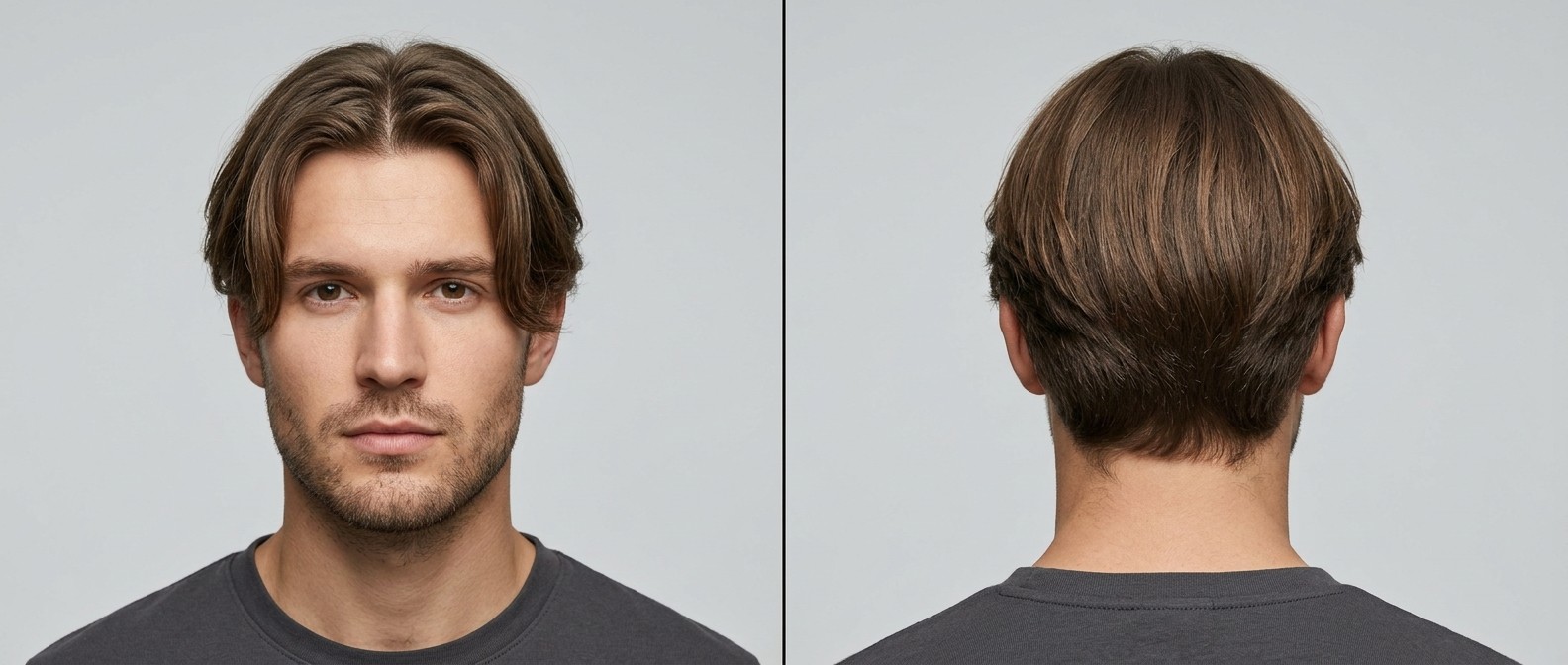
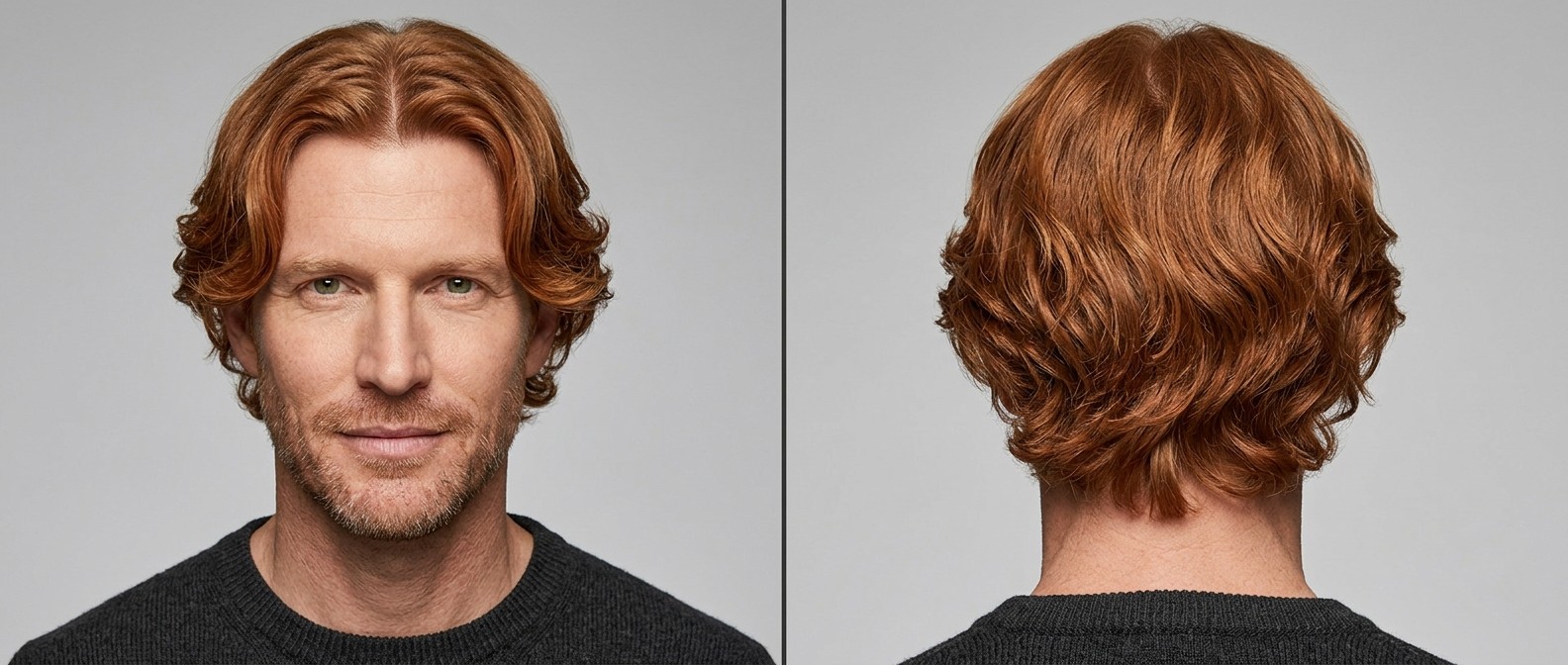
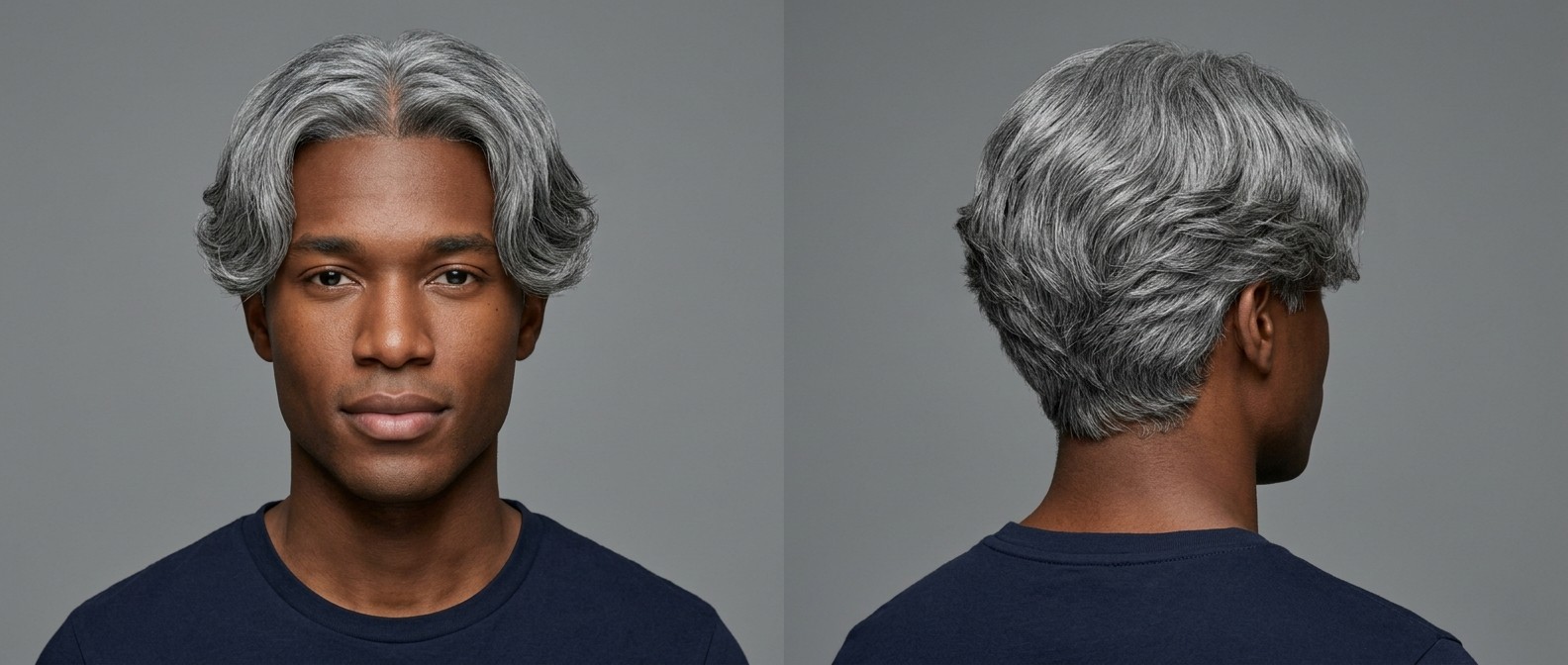
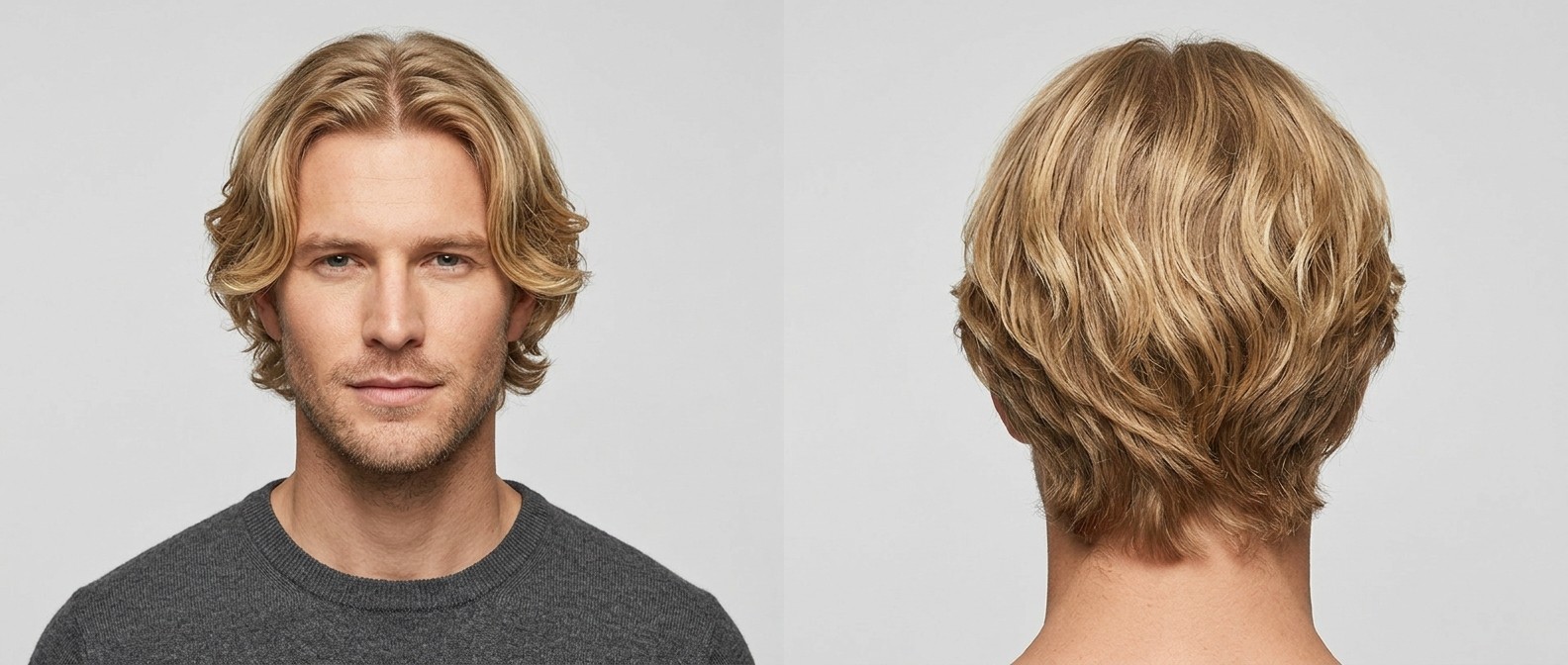
What Are Curtains?
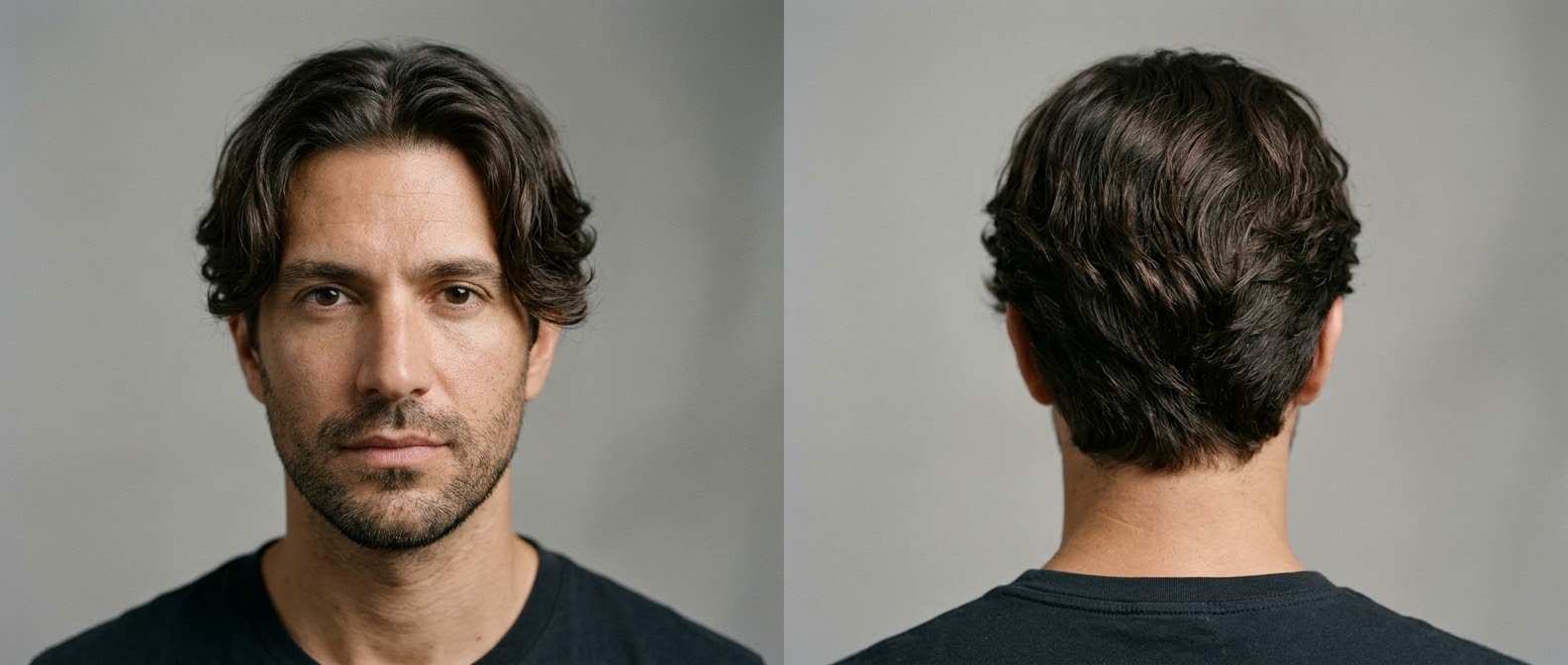
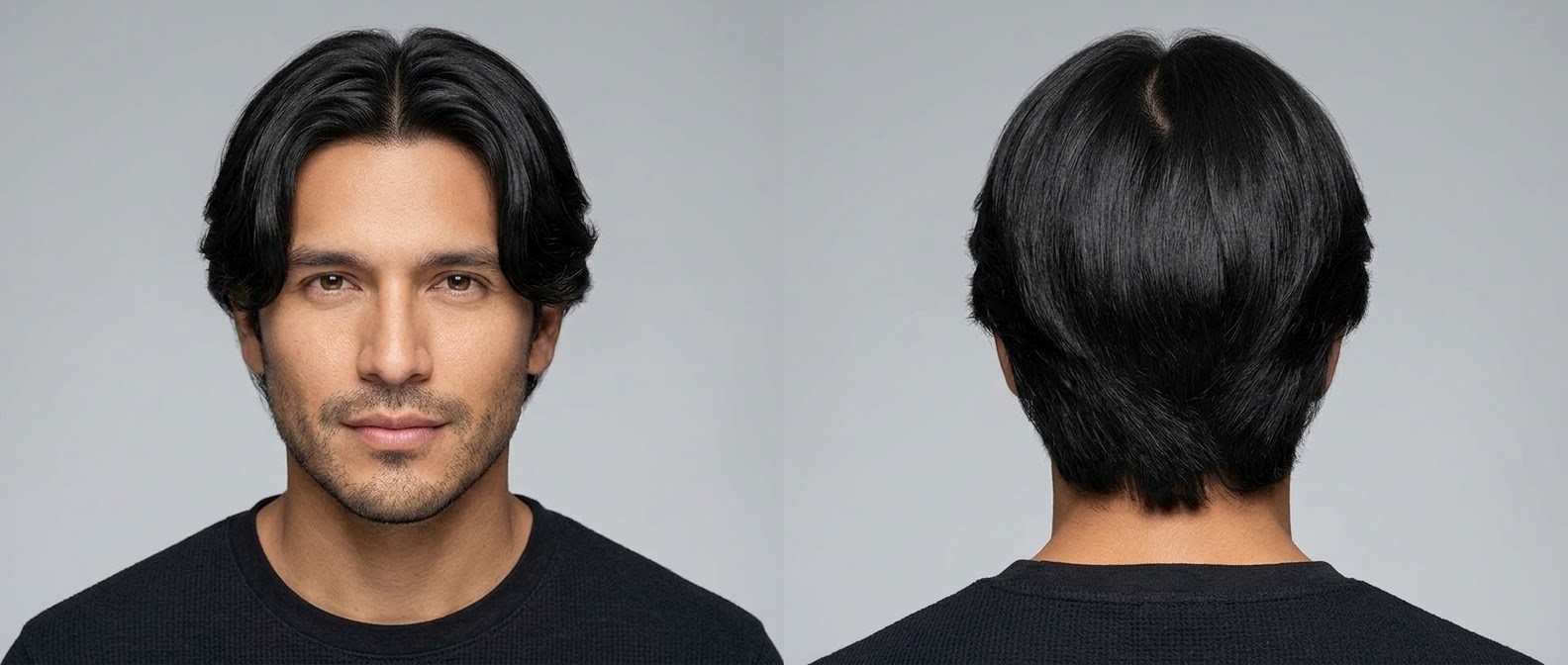
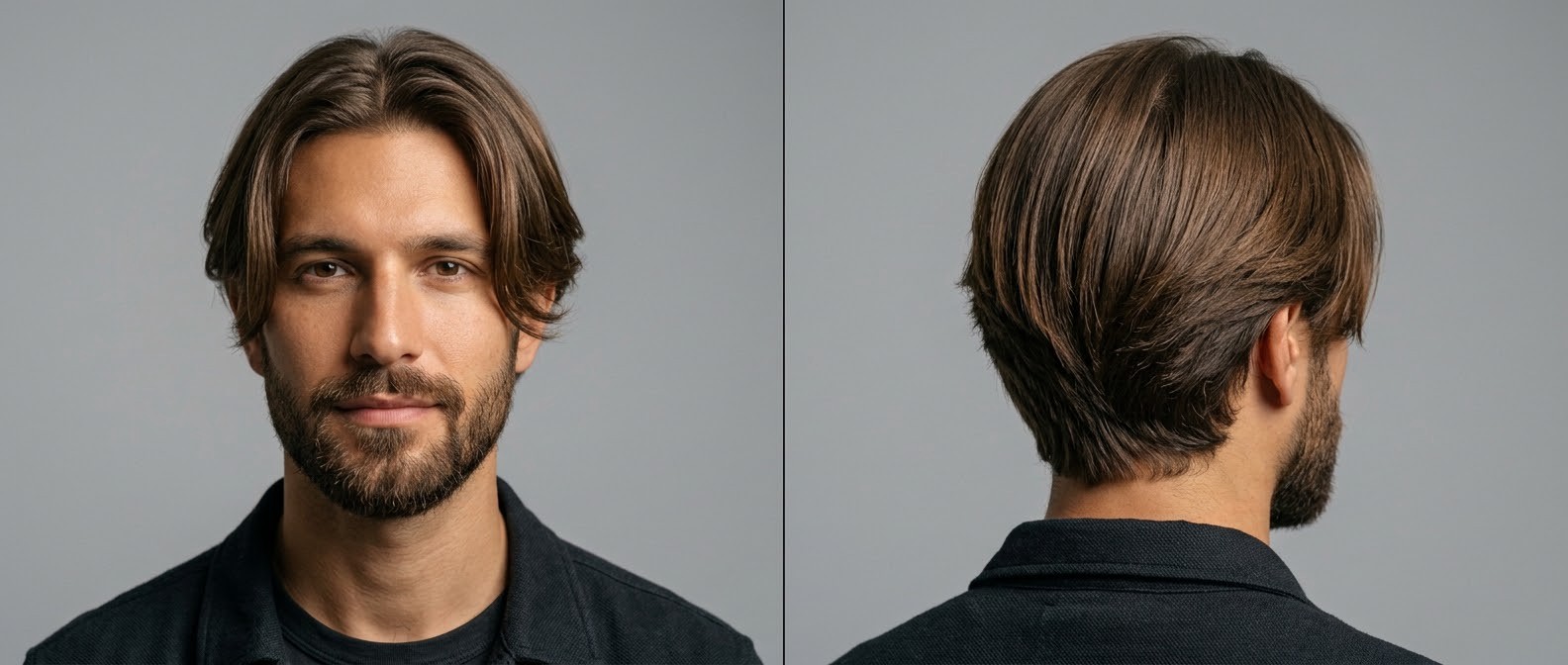
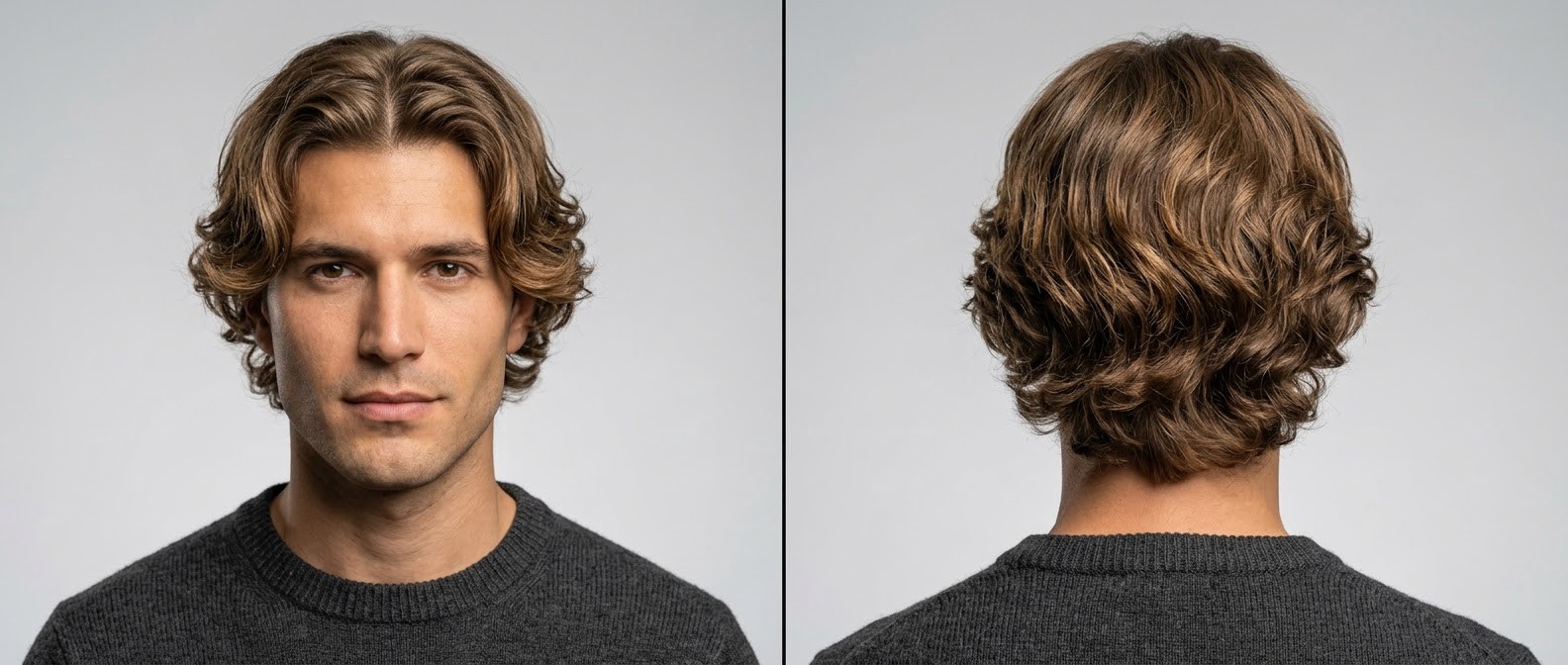
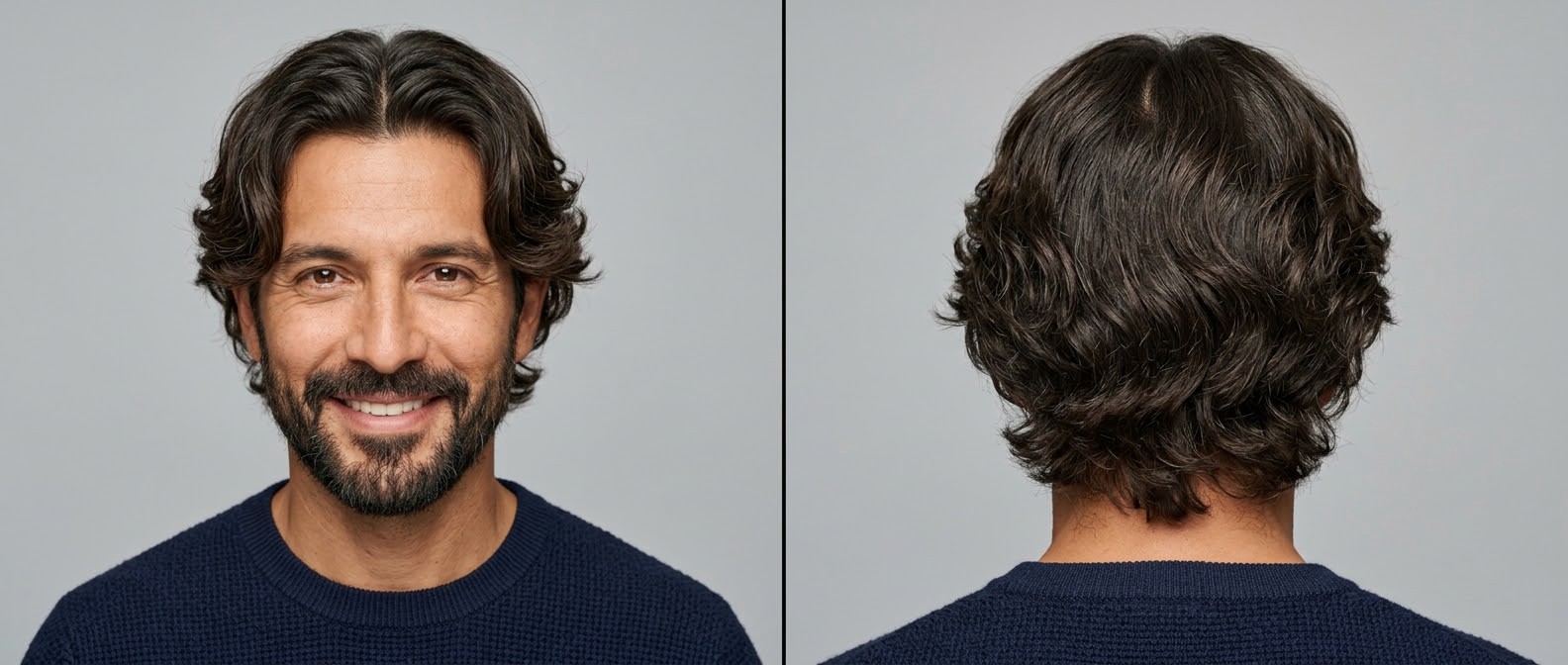
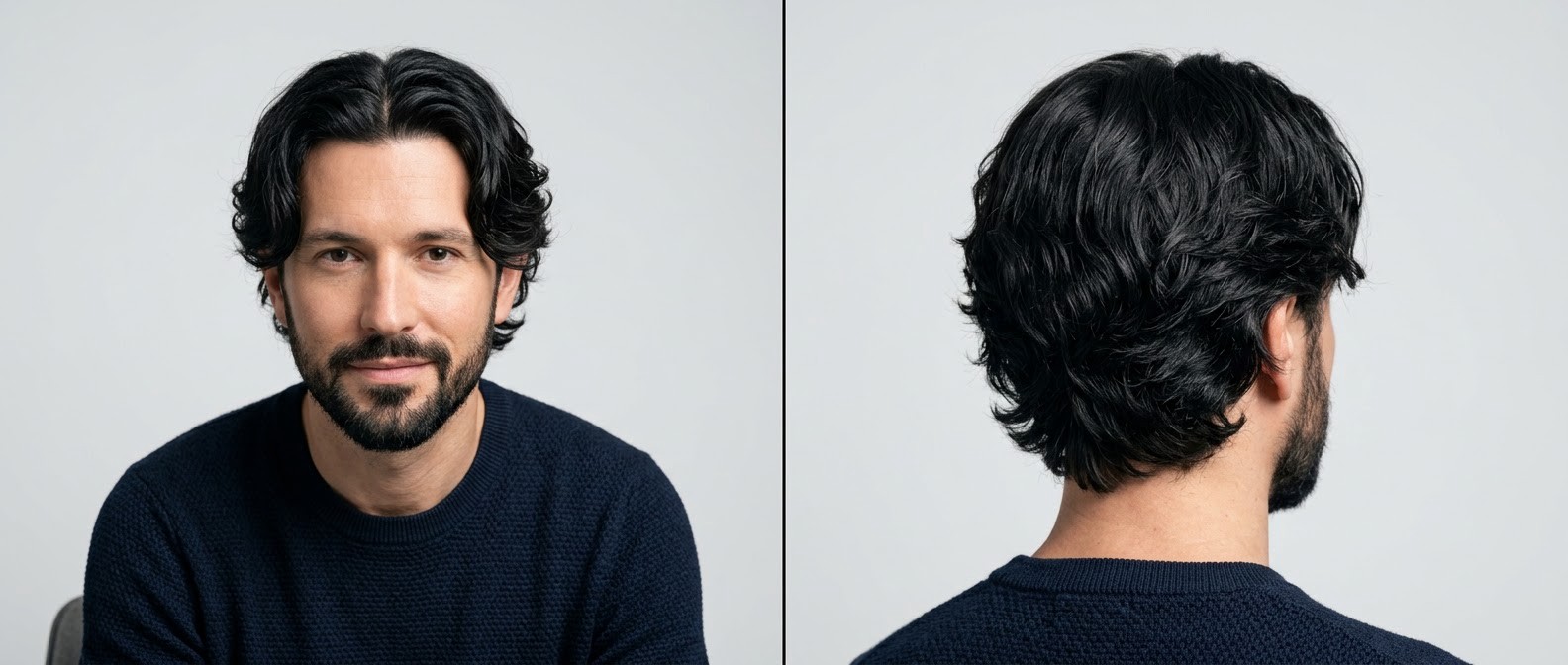
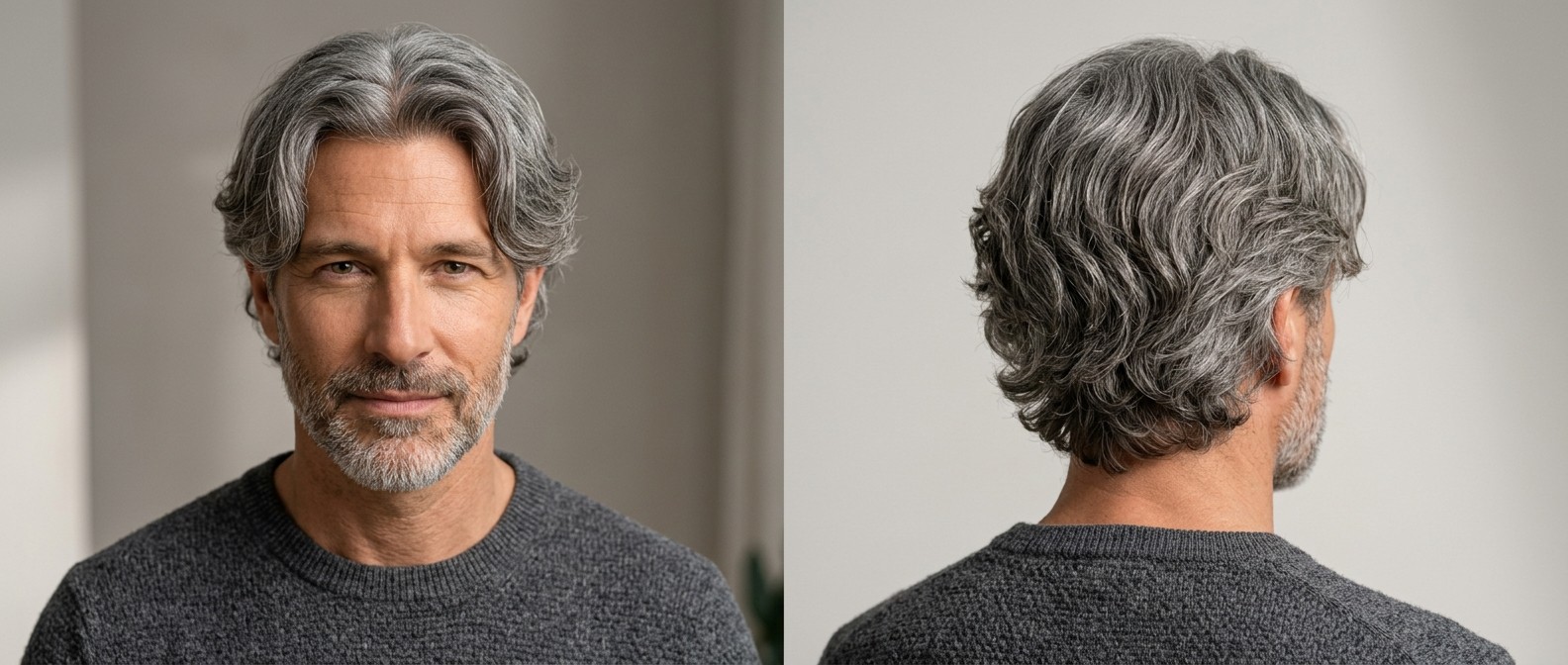
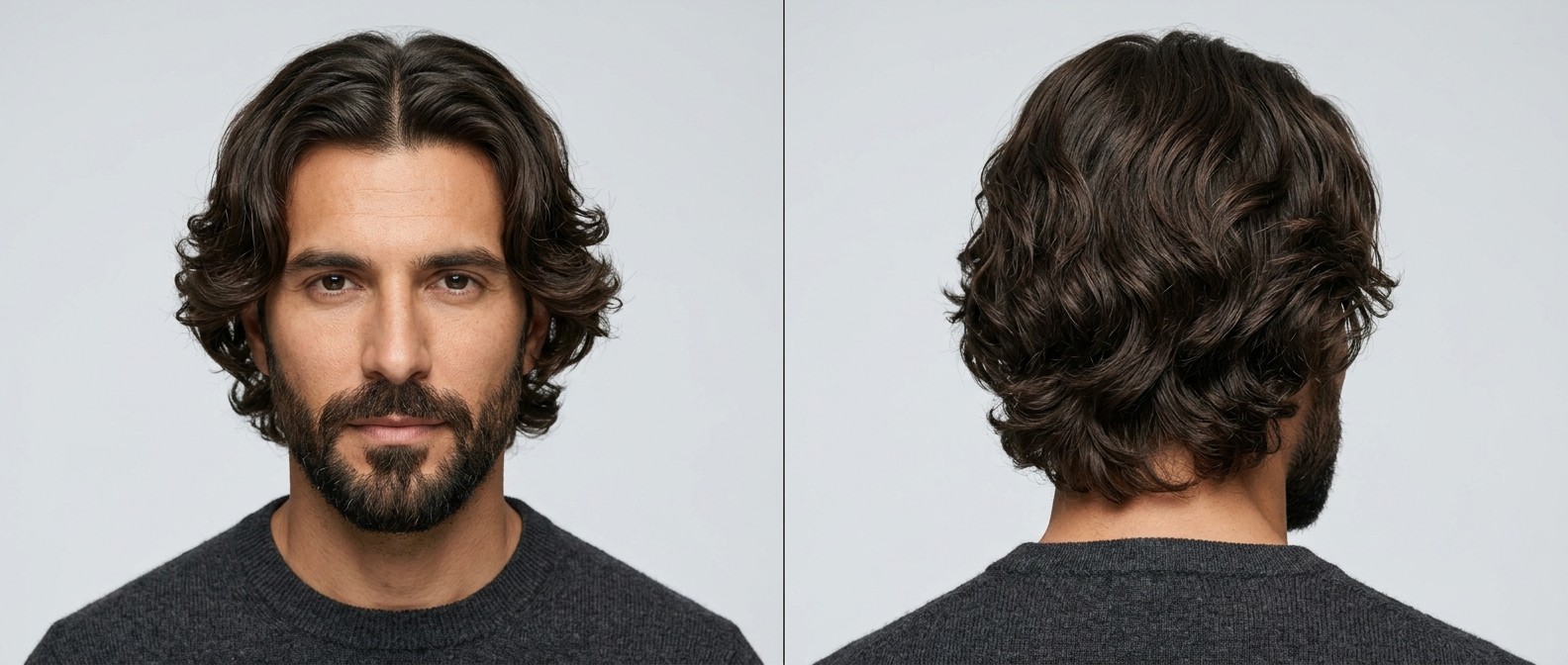
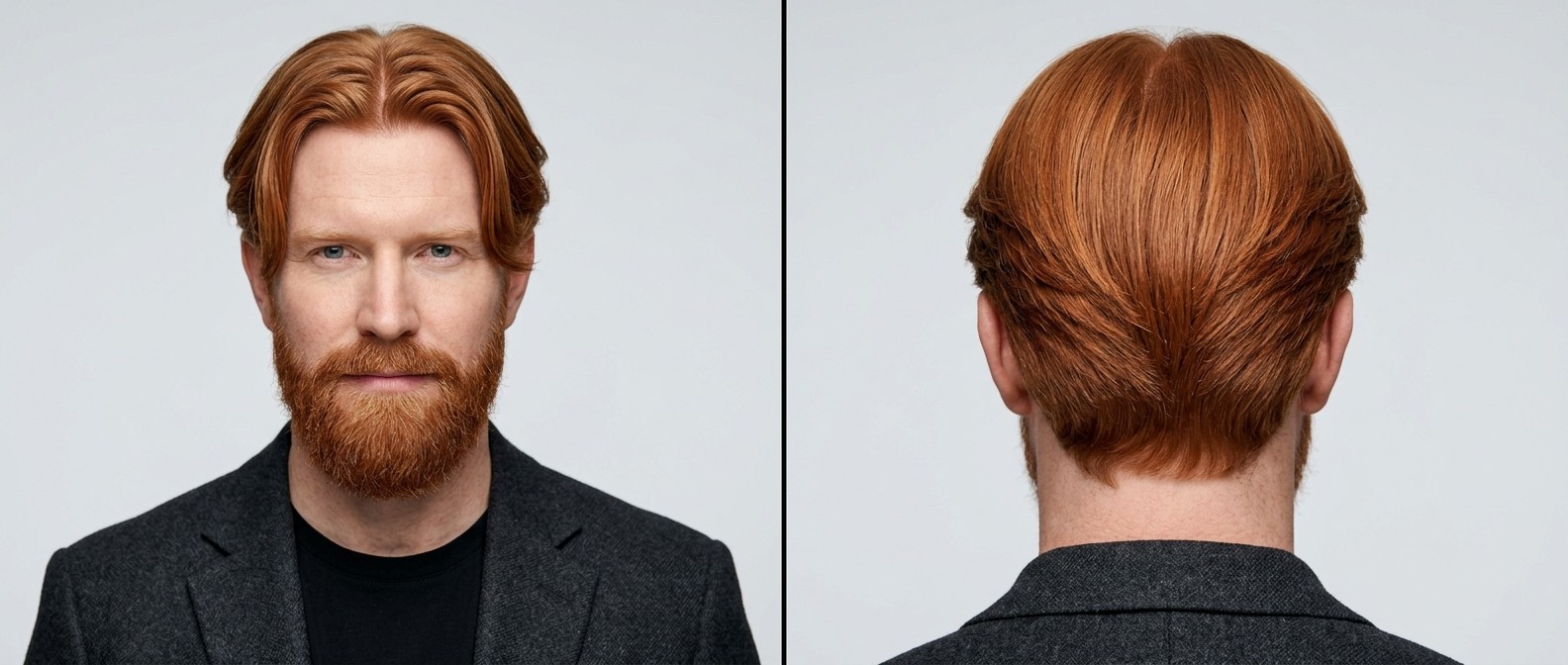
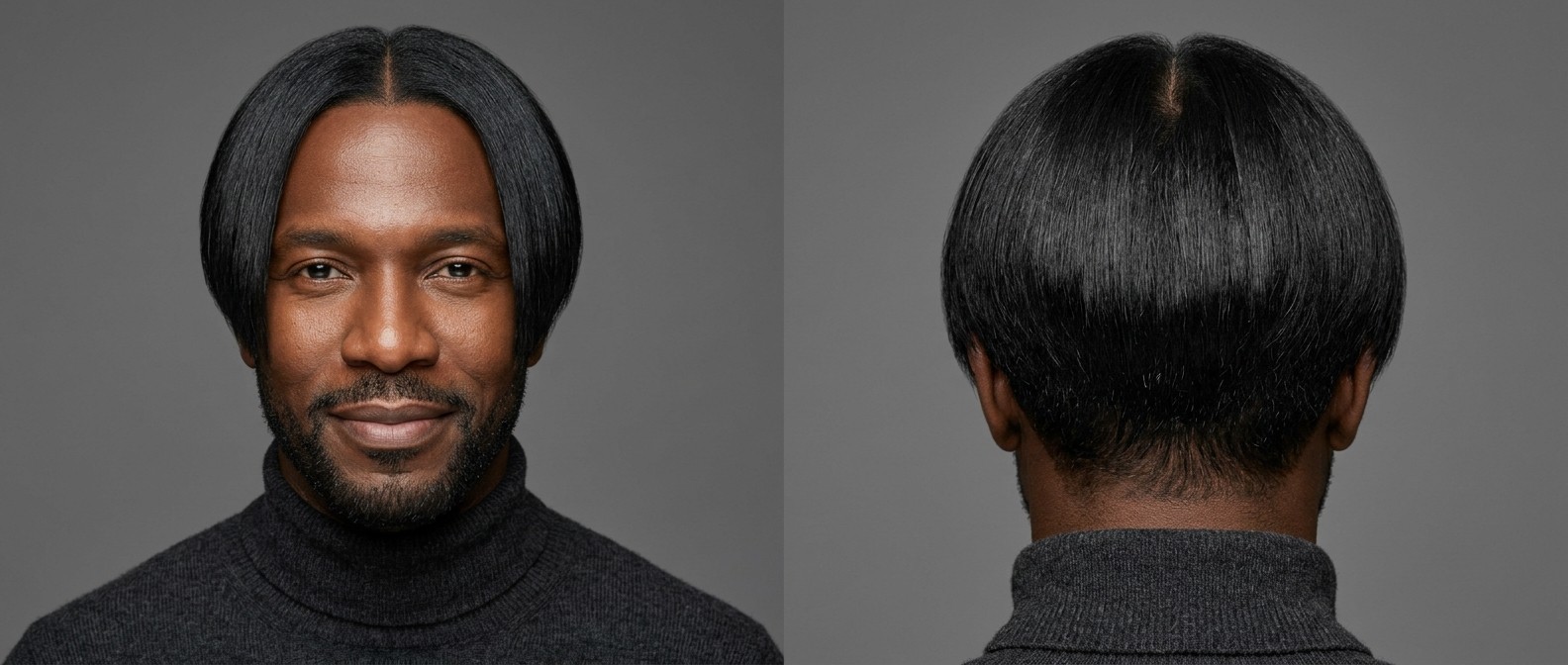
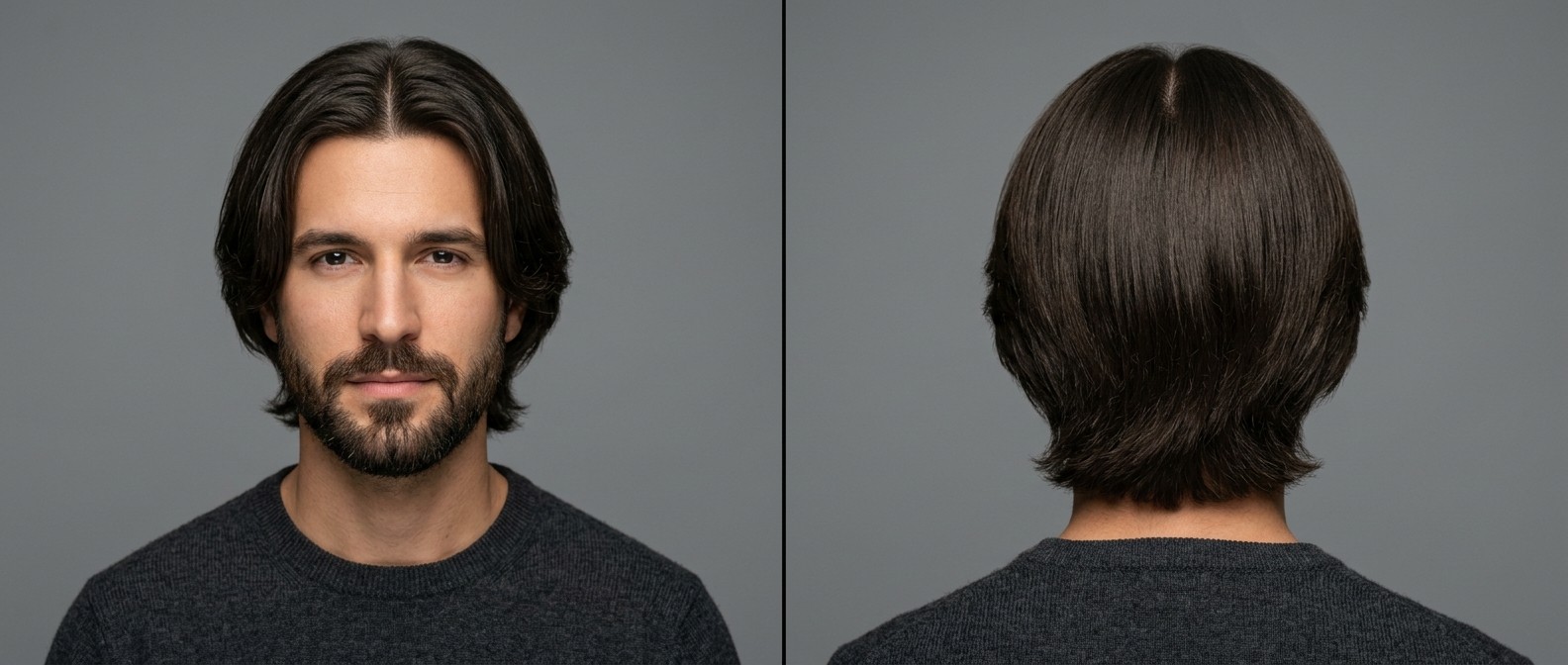
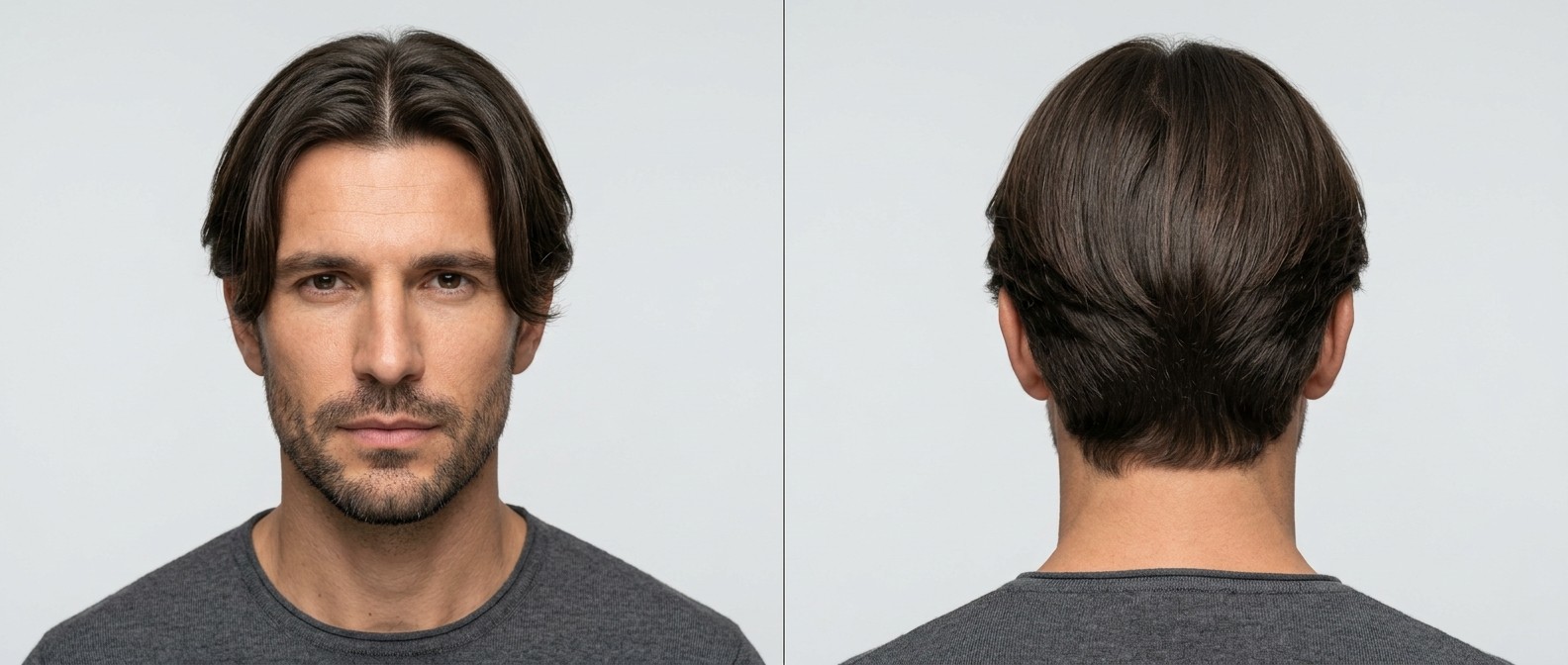
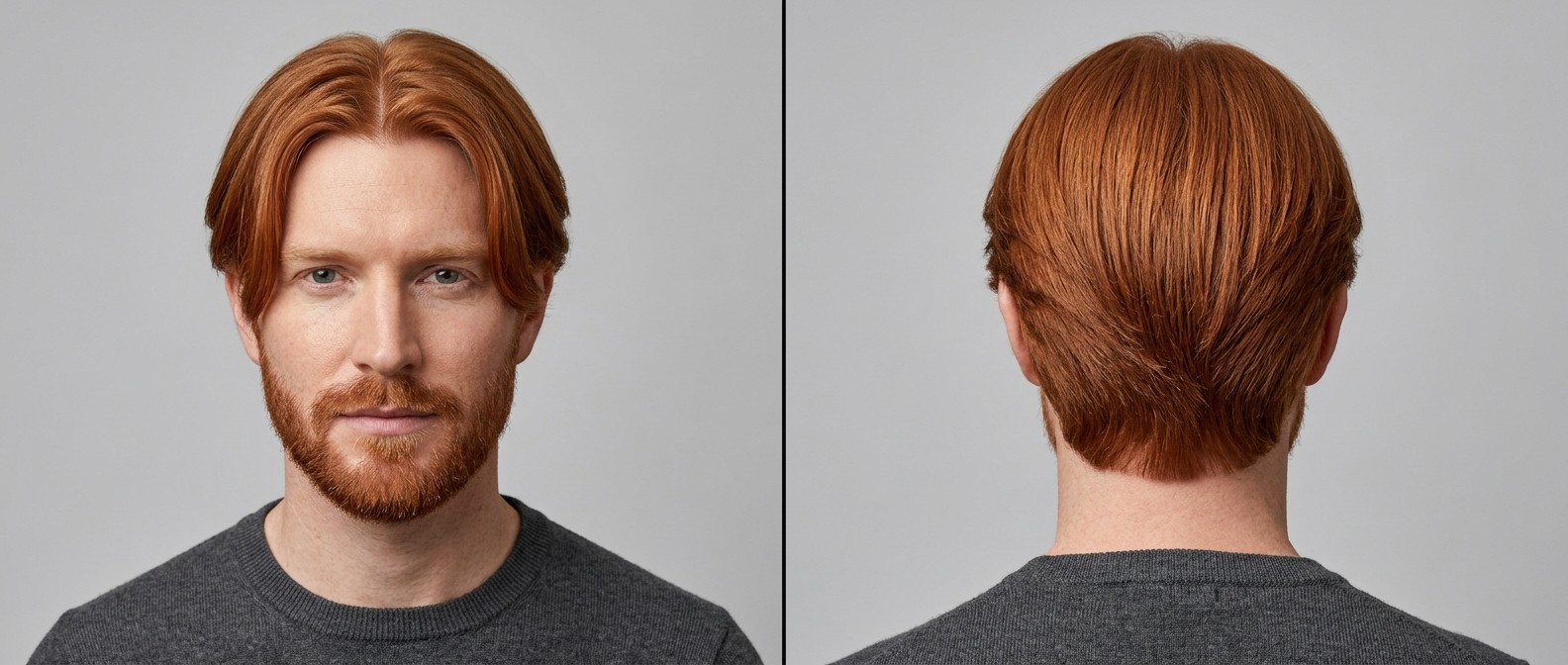
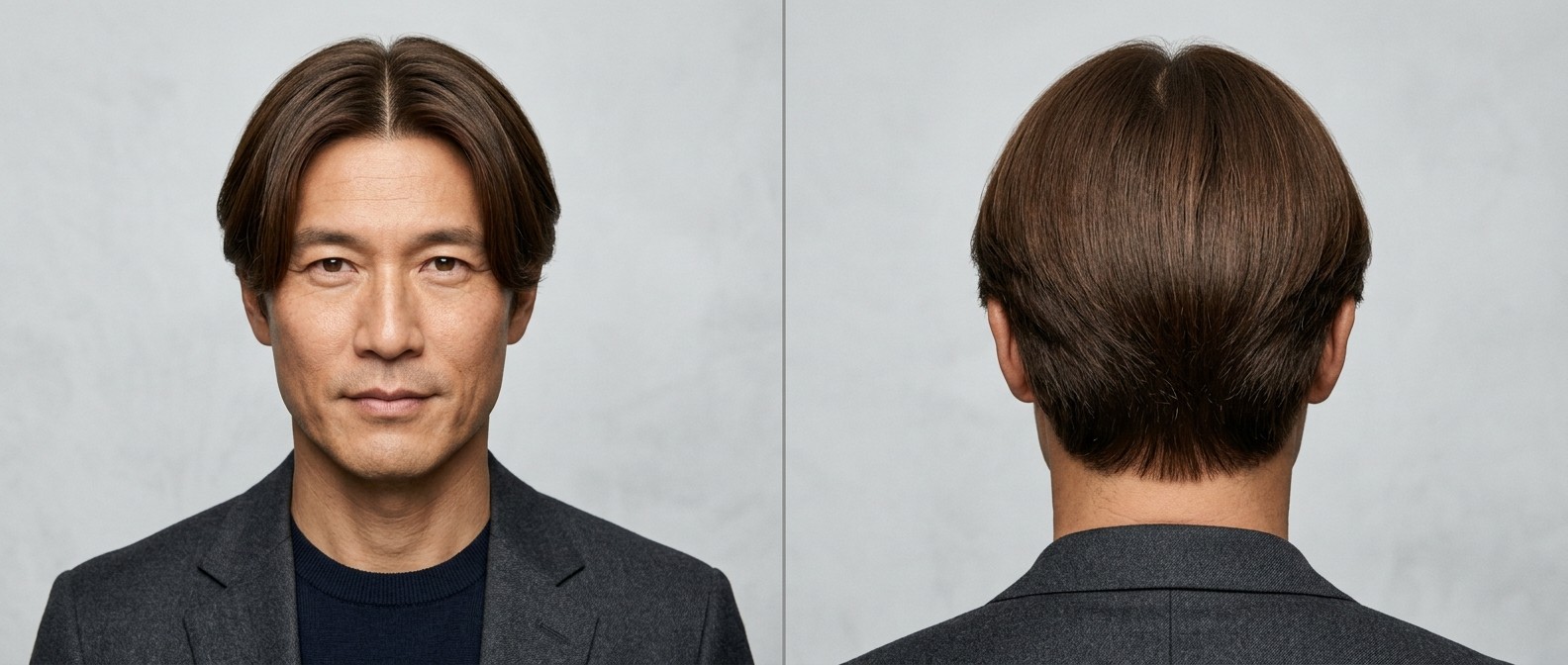
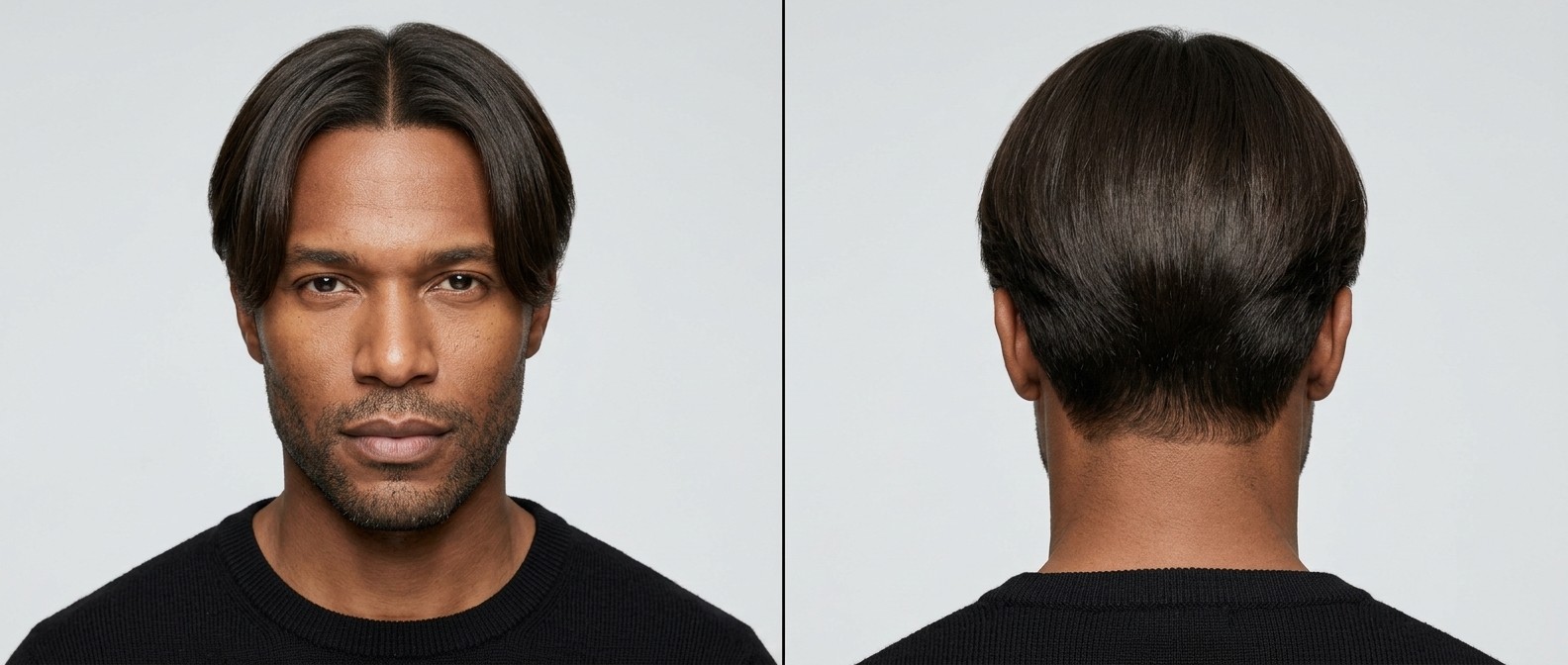
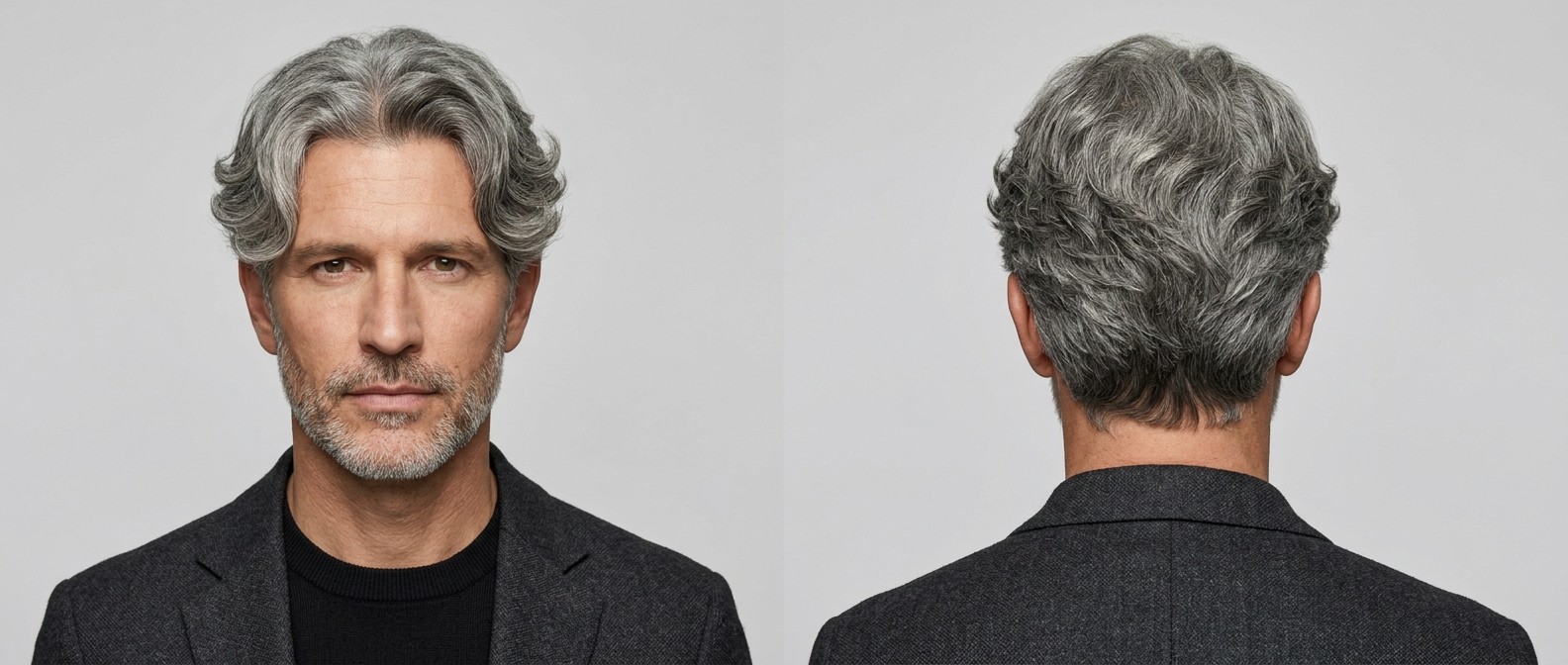
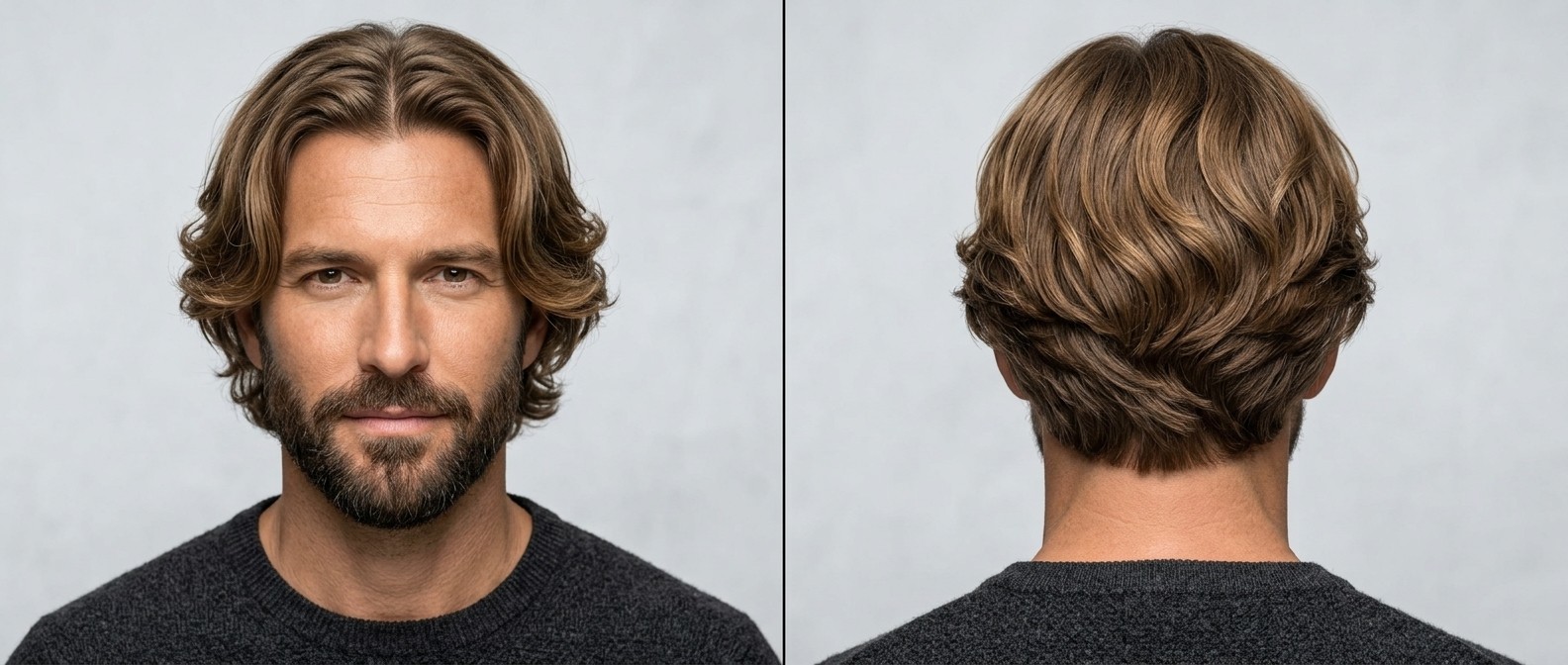
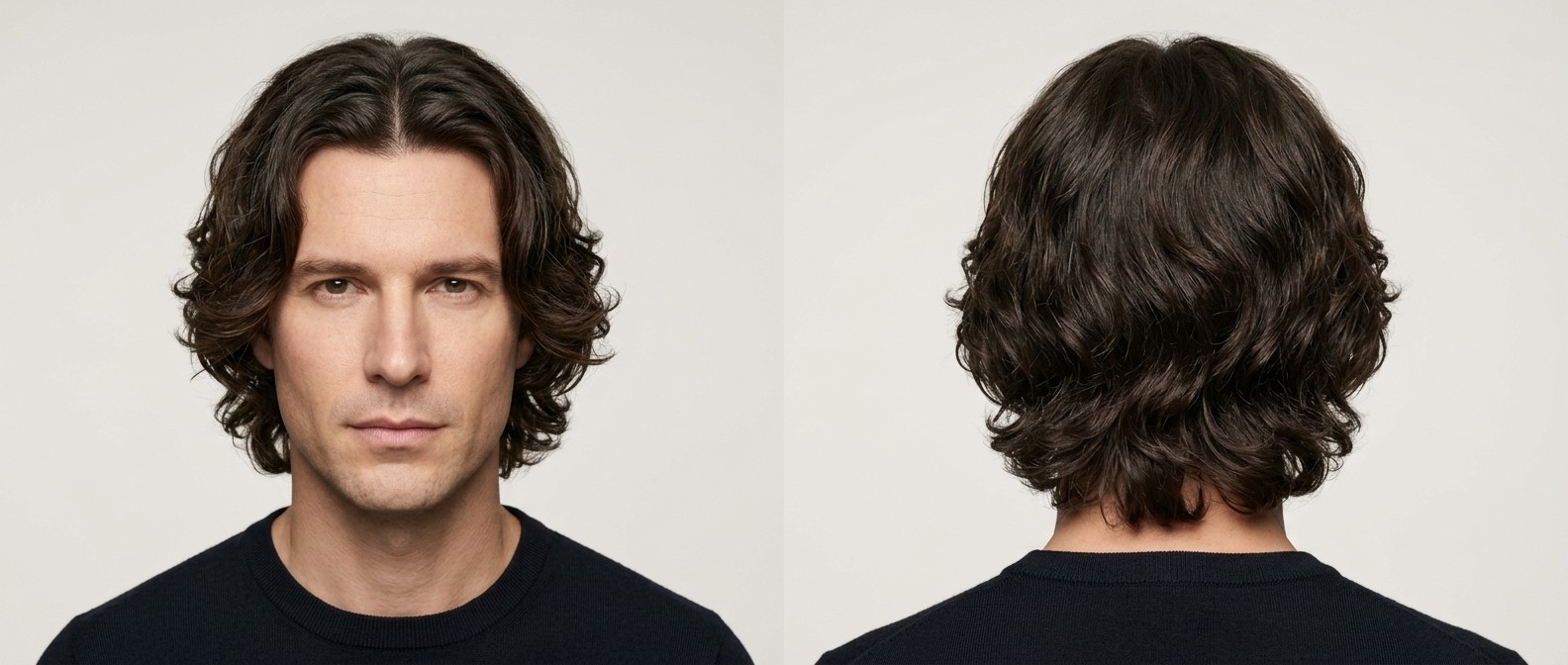
Curtains, also known as curtain bangs or the curtain hairstyle, feature a center or near-center part with longer hair on top that falls to both sides of the forehead. The name comes from the visual effect — the parted hair resembles open curtains framing a window, with your face as the view. The style creates a soft, symmetrical look that feels relaxed and effortlessly stylish.
The curtain hairstyle became iconic in the 1990s, worn by everyone from Leonardo DiCaprio to Johnny Depp and countless boy band members. After falling out of mainstream favor in the 2000s, curtains have made a significant resurgence in recent years. Today's version often incorporates modern elements — textured ends, faded sides, or a slightly more undone finish — that update the look while preserving its essential character.
What makes curtains appealing is their natural, unfussy quality. The hair drapes with gravity rather than fighting against it, which gives the style a relaxed ease that many other men's hairstyles lack. It's a style that says you care about how you look without trying too hard.
Who Should Get Curtains?
Curtains work particularly well for men with oval, square, or angular face shapes. The soft, draped bangs soften sharp jawlines and cheekbones, creating a more balanced, approachable look. Men with longer faces also benefit, as the horizontal movement of the curtains visually shortens the face.
Hair texture plays a significant role in how curtains look and behave. Straight hair creates the classic, sleek curtain effect. Wavy hair adds natural body and movement that can look even better than the straight version. Curly hair can work, though the result will be a looser, more bohemian interpretation of the style.
- Square faces — curtains soften angular jawlines and strong features
- Oval faces — the balanced proportions work perfectly with the symmetry
- Straight hair — produces the clean, classic curtain drape
- Wavy hair — adds natural volume and movement for effortless results
- Men growing out a shorter style — curtains are an excellent transition look
How to Style Curtains
Start with damp, towel-dried hair. Apply a small amount of light-hold styling cream or mousse throughout the top section. Using your fingers or a comb, create a part down the center of your head — or slightly off-center if that suits your face better. Direct the hair on each side outward and slightly back.
For best results, use a blow dryer on medium heat with a round brush. Dry each side separately, brushing the hair away from the part and slightly back from the face. The round brush helps create the subtle curve or flip at the ends that gives curtains their characteristic shape. Once dry, apply a small amount of texturizing cream or light-hold paste to define the ends and add separation.
On lazy days, you can skip the blow dryer entirely. Let your hair air-dry after applying product, occasionally running your fingers through to establish the part and direction. The result will be a more relaxed, natural version of the style — which honestly looks great in its own right.
What to Tell Your Barber
Ask for 4 to 6 inches on top, with the longest sections at the front where the curtains will fall. The front pieces should be long enough to reach at least your eyebrows — this is what creates the proper curtain drape. The hair should gradually get shorter toward the crown and back of the head.
For the sides, you have options. A natural taper keeps things soft and true to the classic 90s aesthetic. A low fade modernizes the look with more contrast. A mid or high fade creates a more dramatic, contemporary version. Tell your barber to blend the side length into the top gradually so the transition doesn't look abrupt.
- Front: 4 to 6 inches, long enough to reach the eyebrows
- Crown: slightly shorter, 3 to 4 inches
- Sides: taper or low fade depending on desired contrast
- Ask for light texturizing on the ends to prevent heaviness
Growing and Maintaining Curtains
If you're starting from a short cut, growing into curtains takes patience — typically 4 to 6 months depending on your hair growth rate. During the awkward in-between phase, use headbands, hats, or styling products to manage the length. Regular trims every 6 to 8 weeks during the growth phase help shape the grow-out and keep things looking intentional.
Once you've achieved the desired length, maintenance is moderate. Trim every 5 to 6 weeks to keep the curtains at the right length and prevent them from getting too long and heavy. Daily styling takes about 5 minutes with a blow dryer, or 2 minutes if you air-dry. Use a lightweight conditioner regularly to keep the longer top section healthy, smooth, and manageable.
Curtain Variations
The short curtains keep the fringe just above the eyebrows for a subtle, understated take. Long curtains extend past the eyes for a more dramatic, fashion-forward statement. The messy curtain adds deliberate texture and separation for a modern, undone feel that looks like you rolled out of bed looking great.
The curtains with undercut pair the classic top with closely shaved sides, creating a bold contrast between the flowing top and tight sides. The tapered curtain keeps everything soft and graduated for a more classic, versatile approach. You can also experiment with slightly off-center parts — not every curtain needs to be perfectly symmetrical. Sometimes a 60/40 or 70/30 split creates a more dynamic, interesting look.