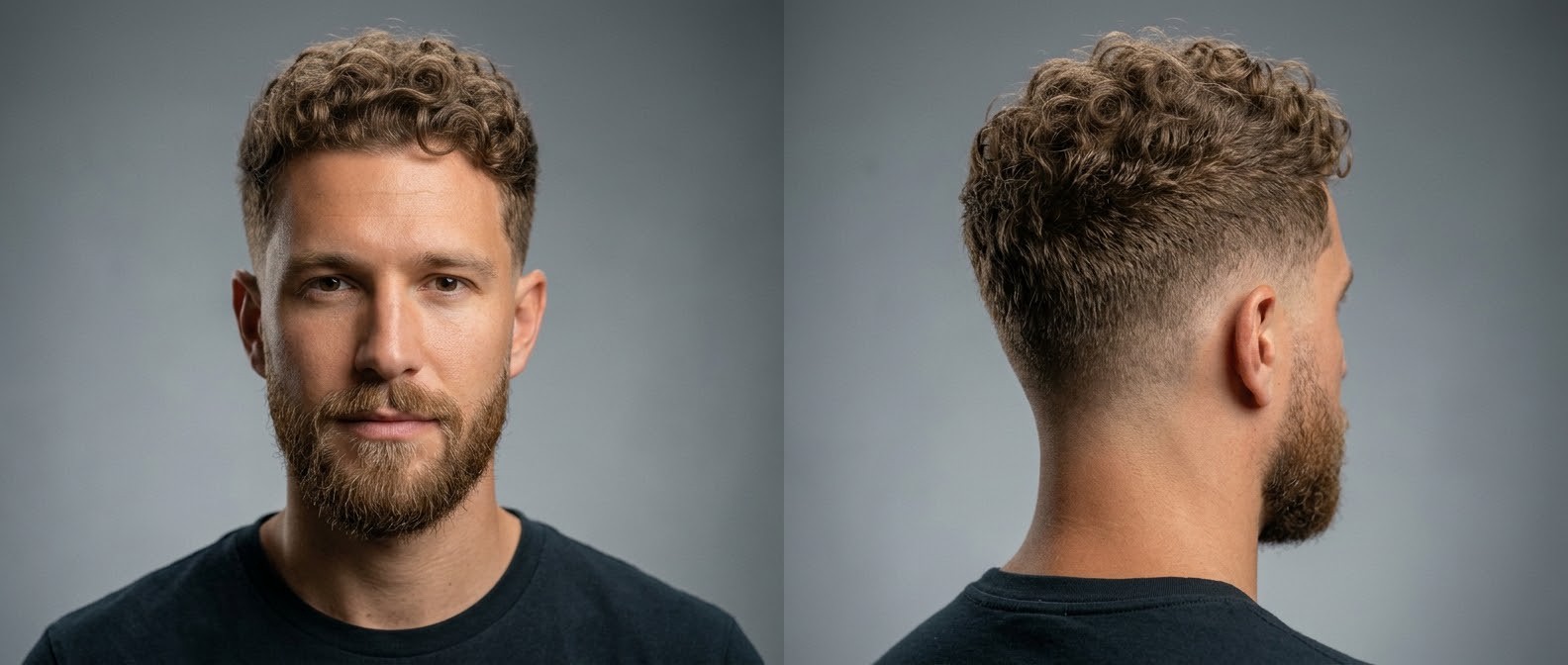
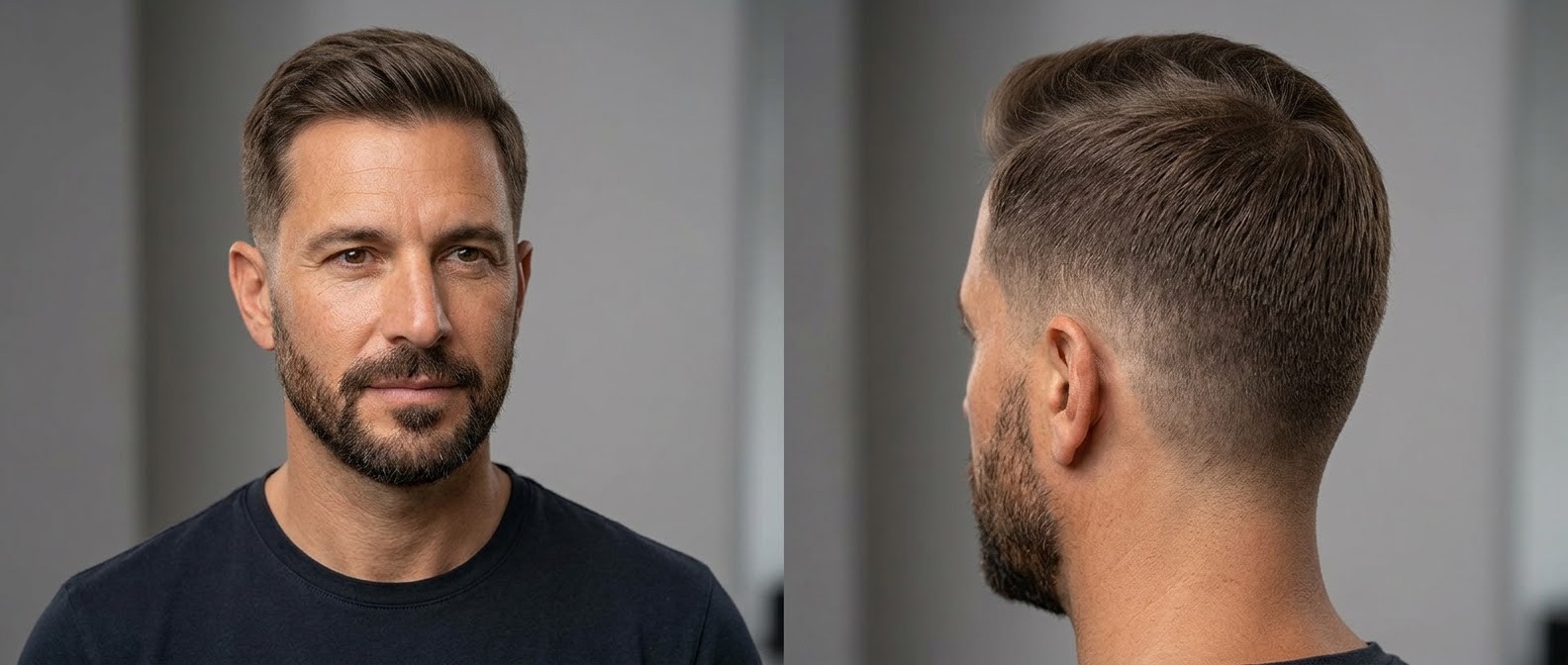
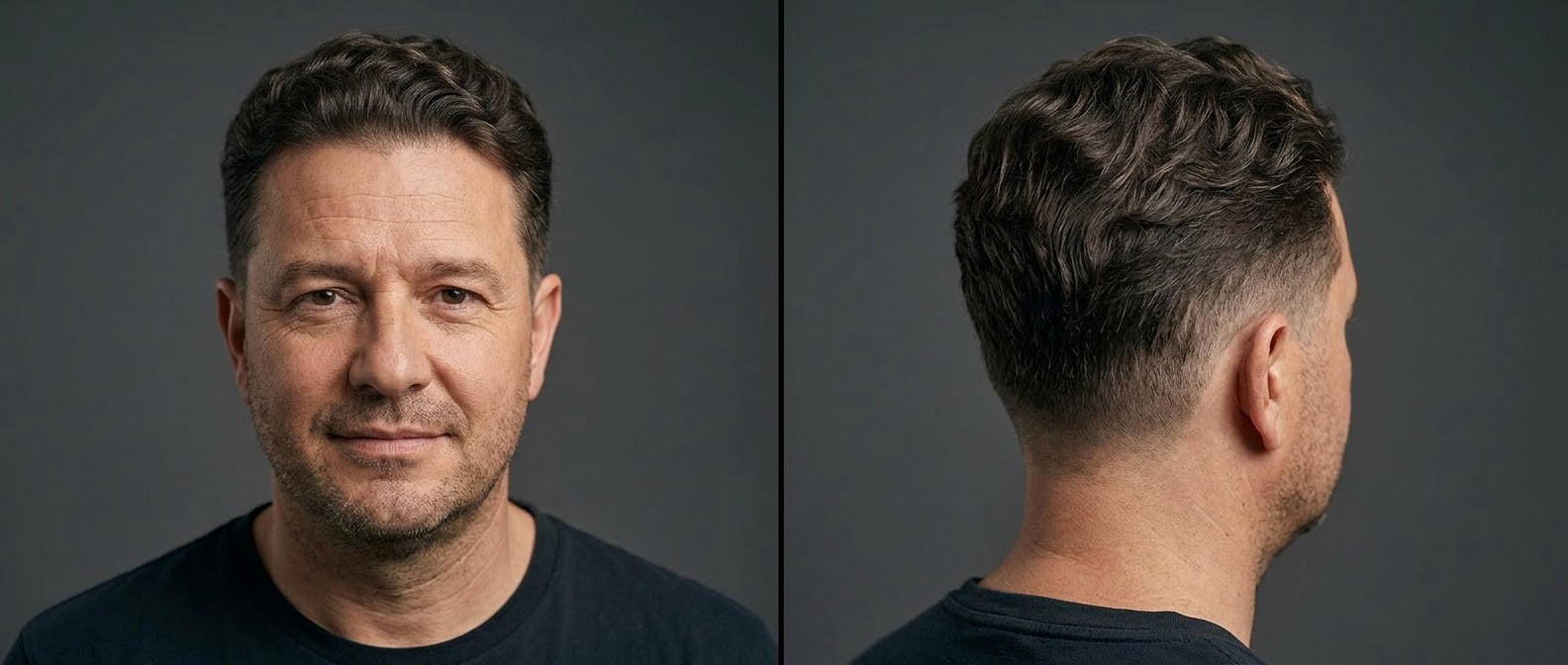
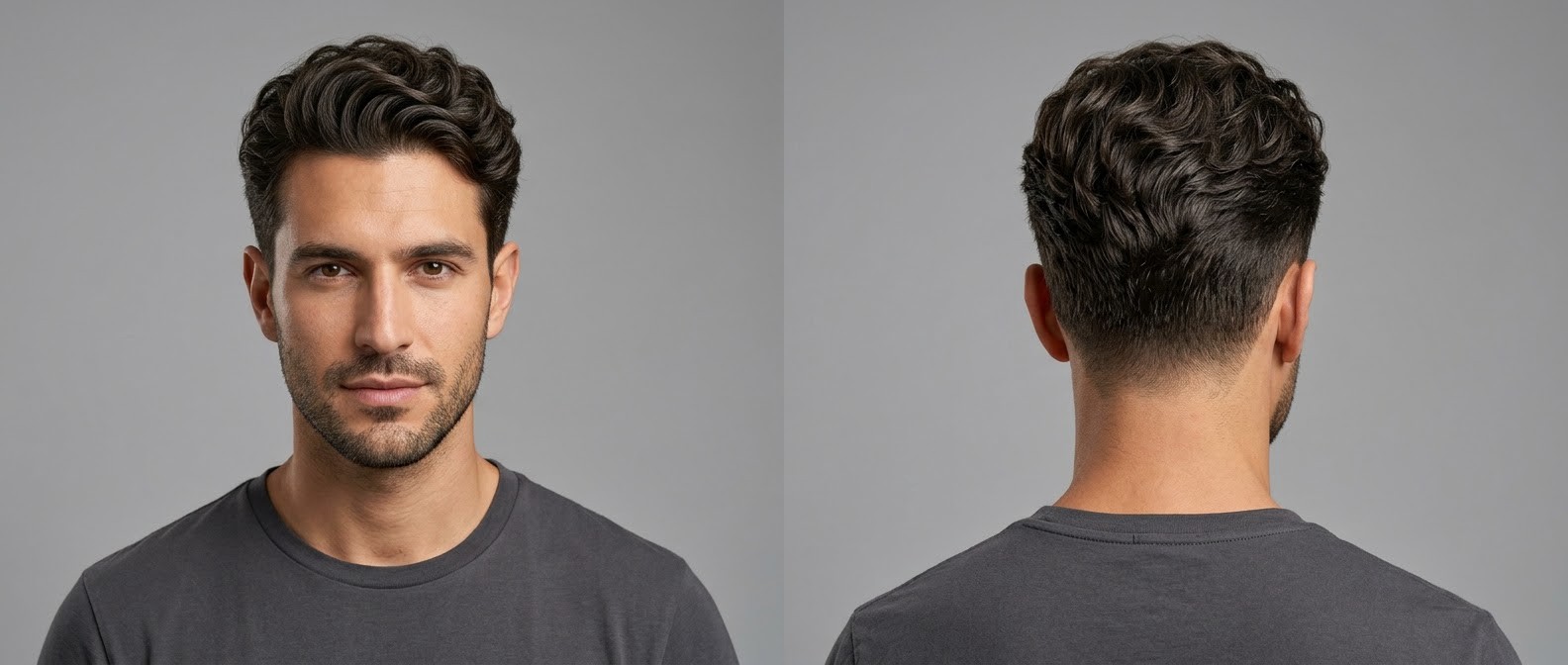


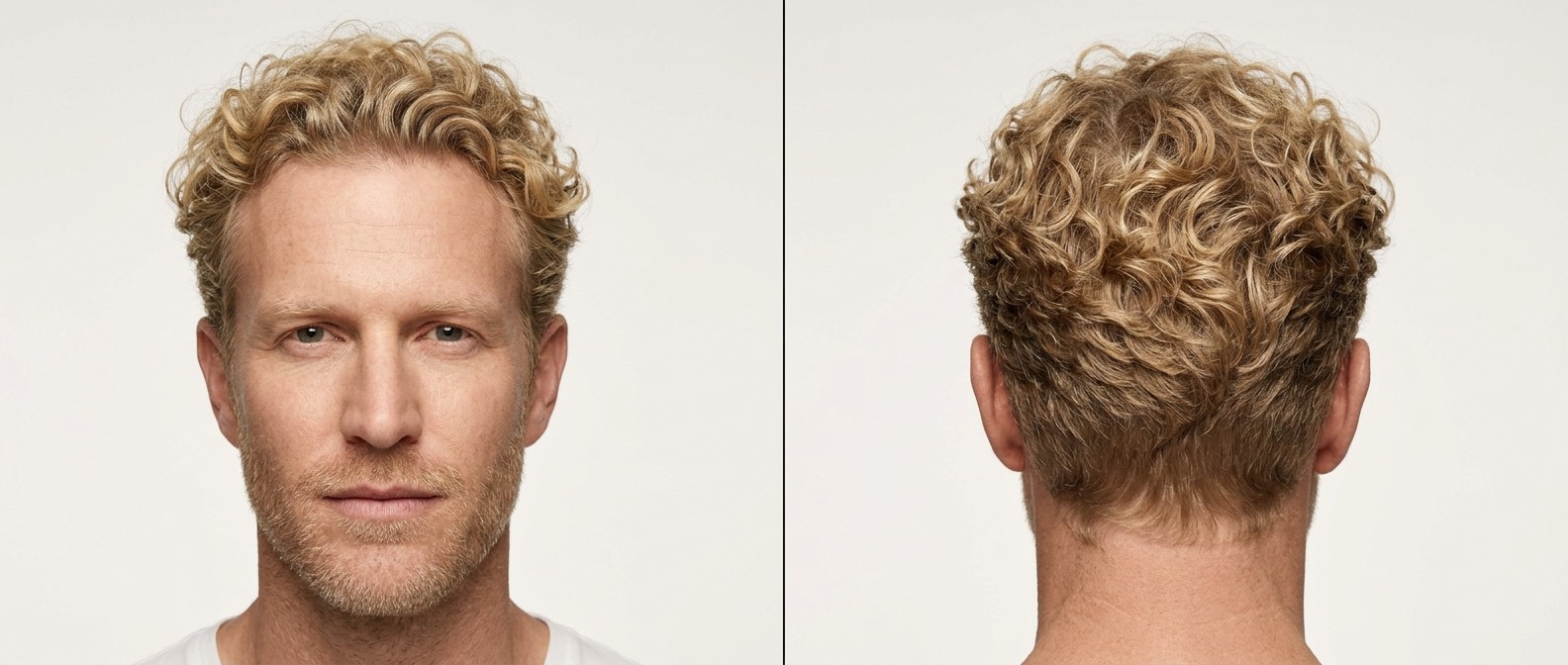
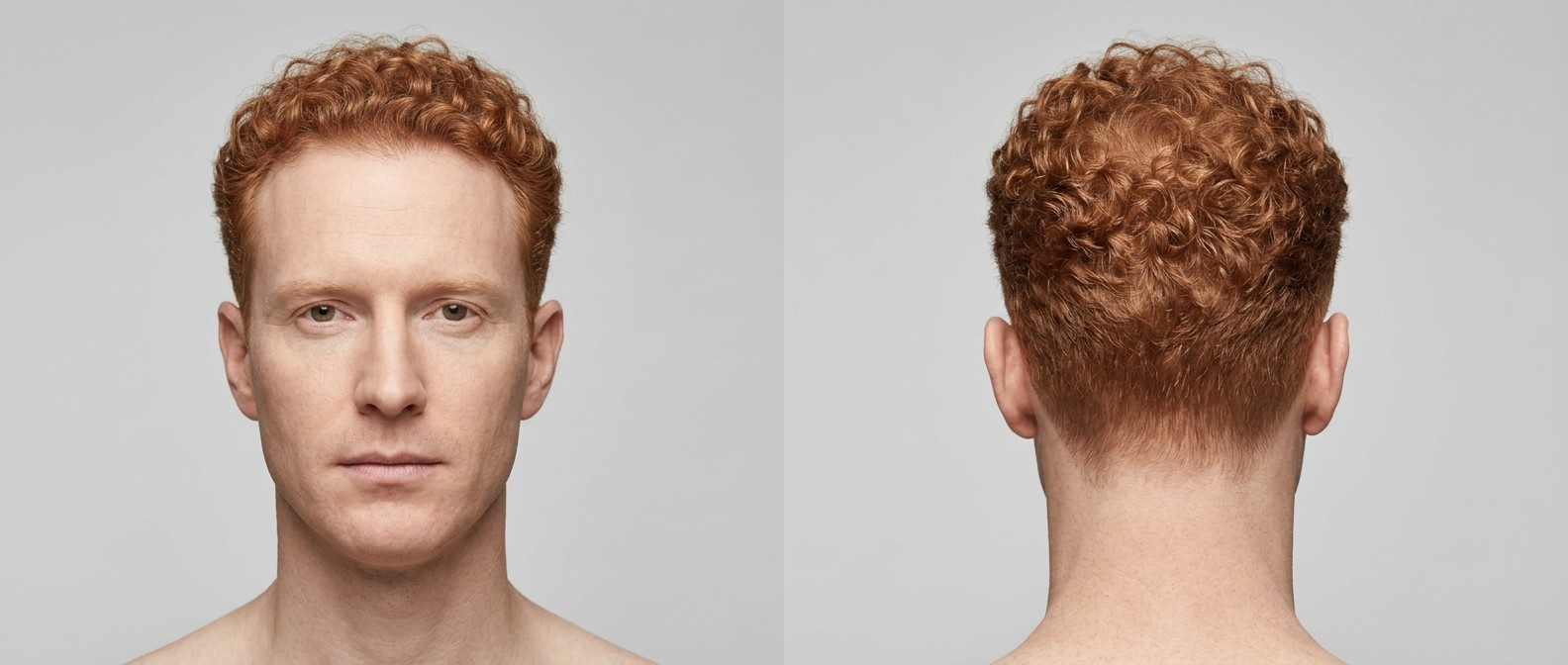
What Is a Taper?
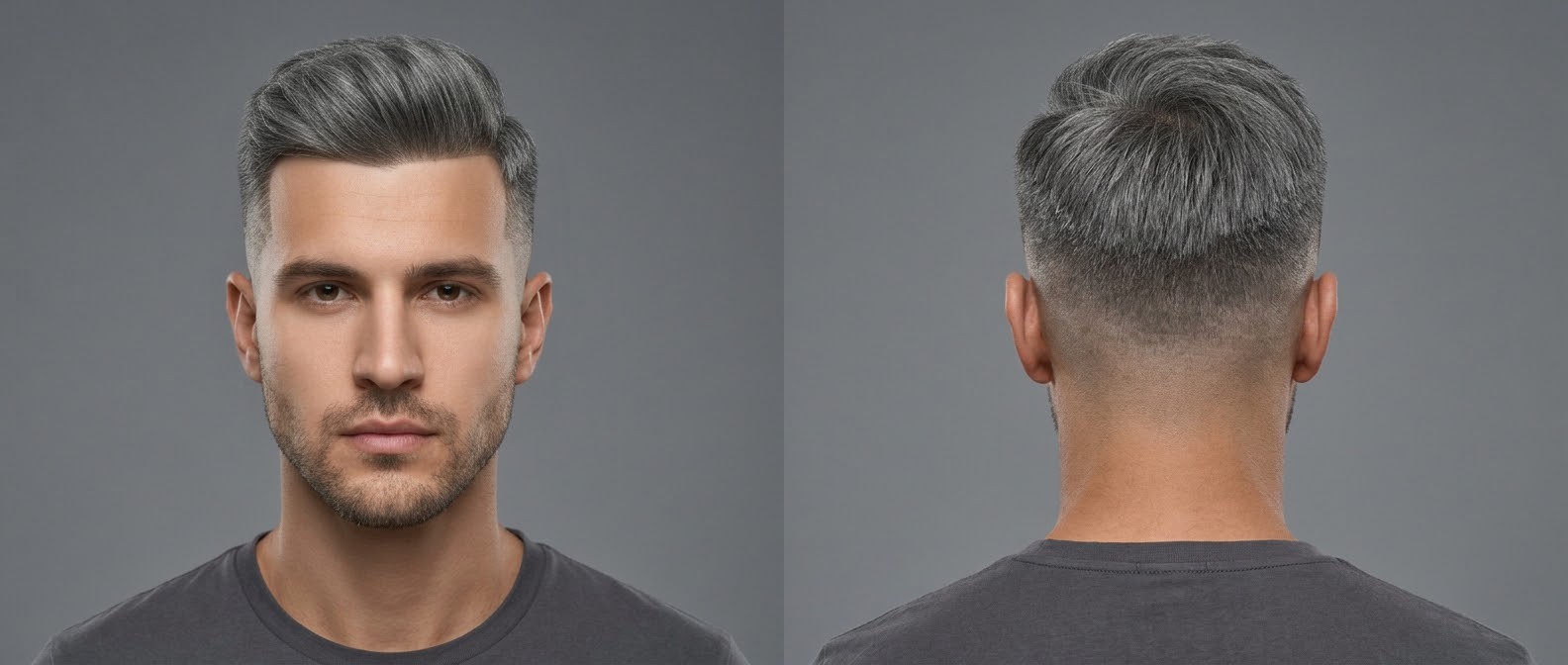
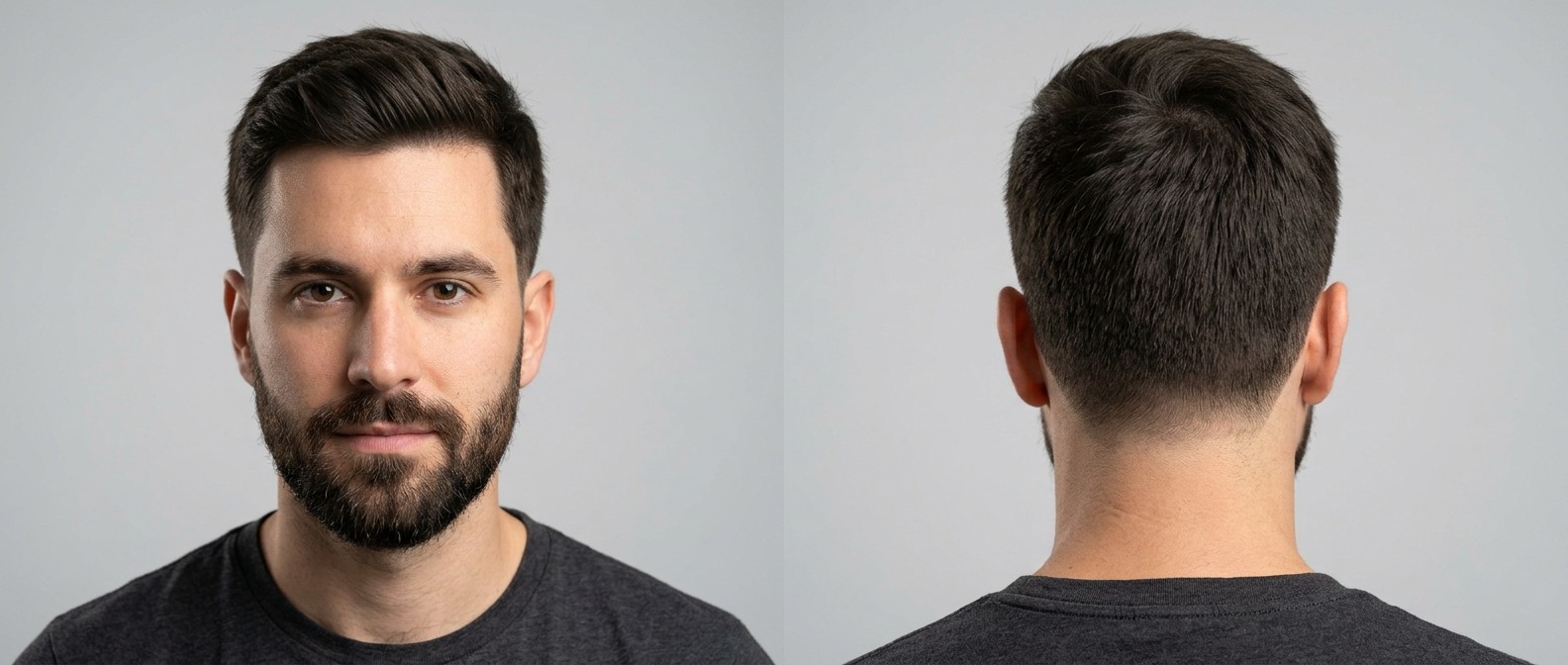
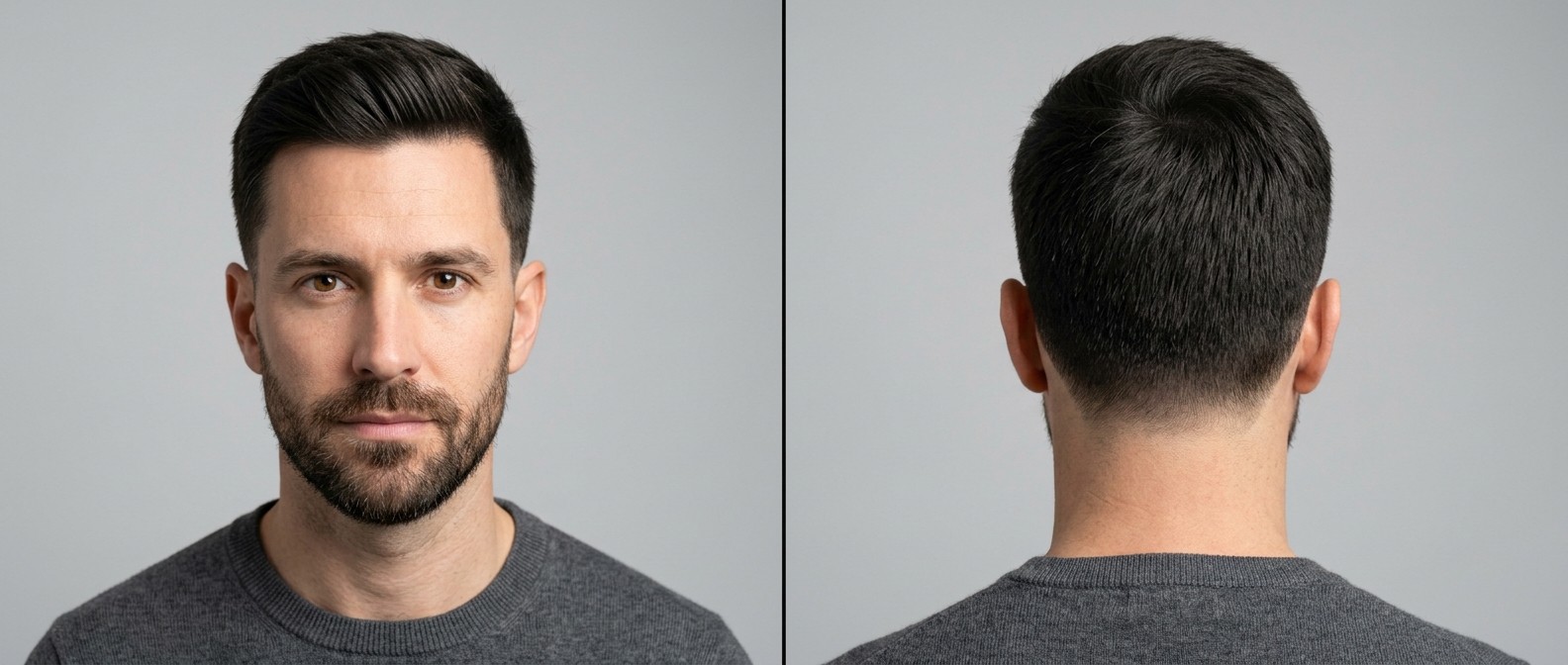
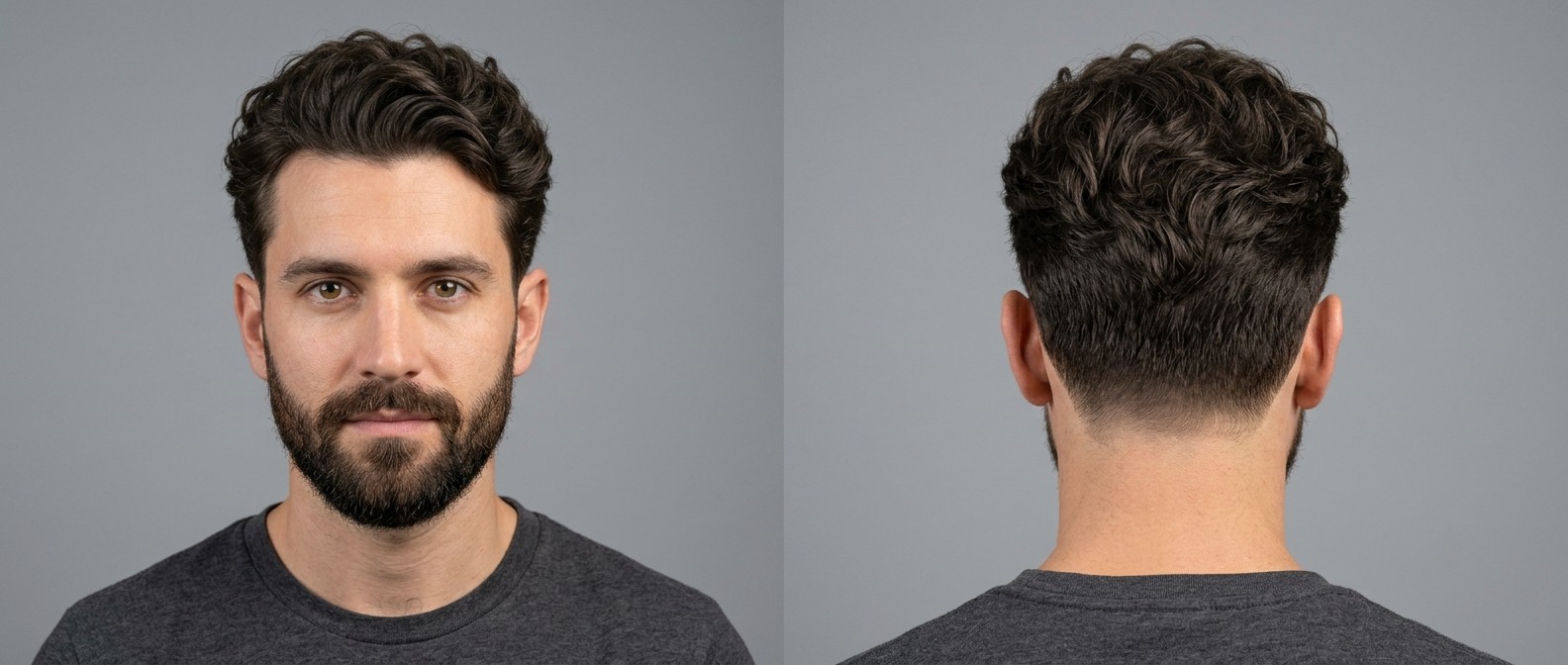
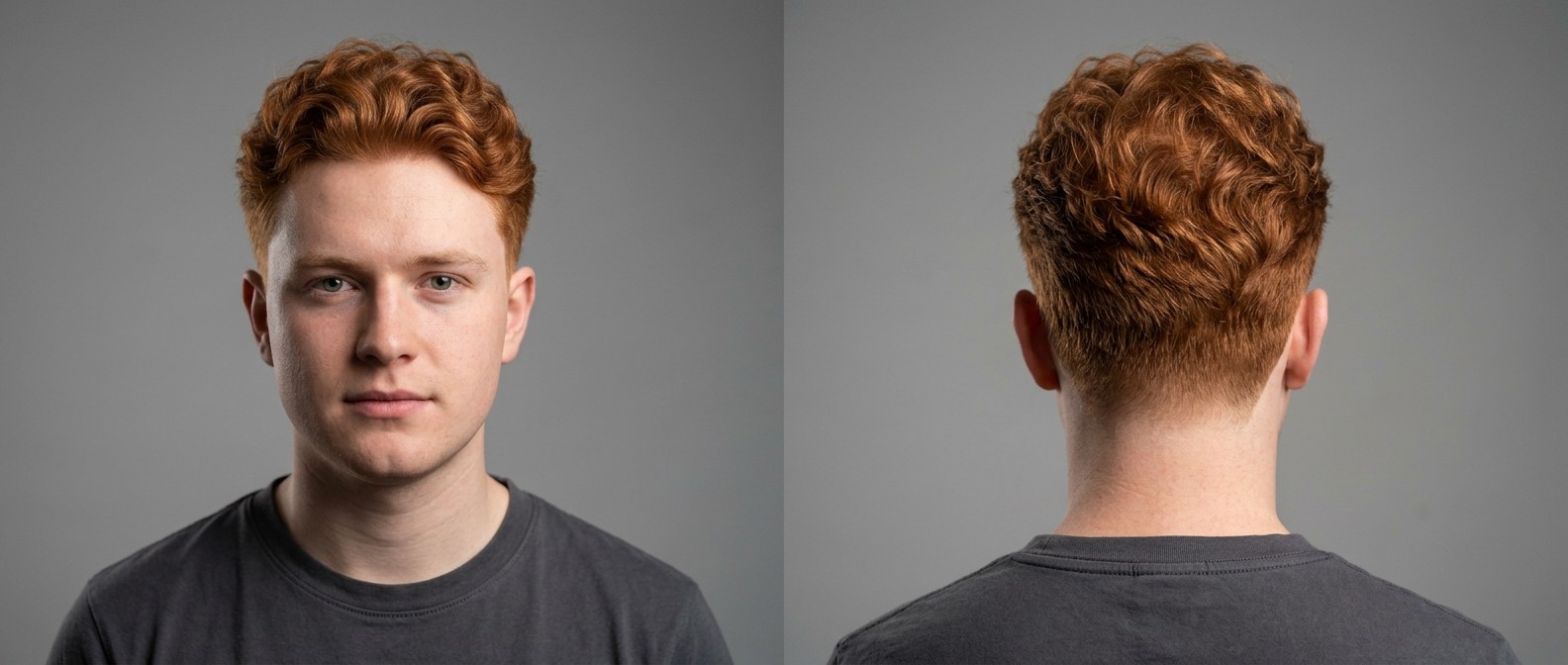
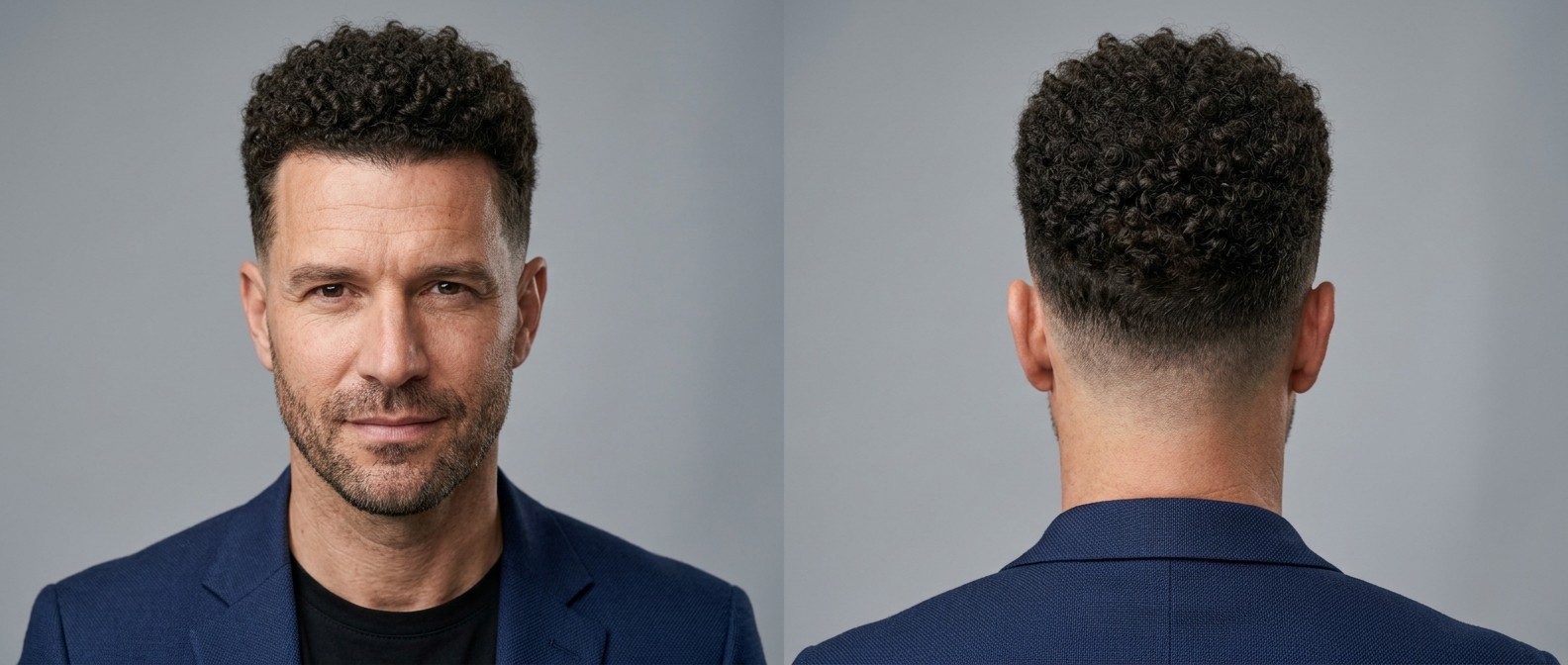
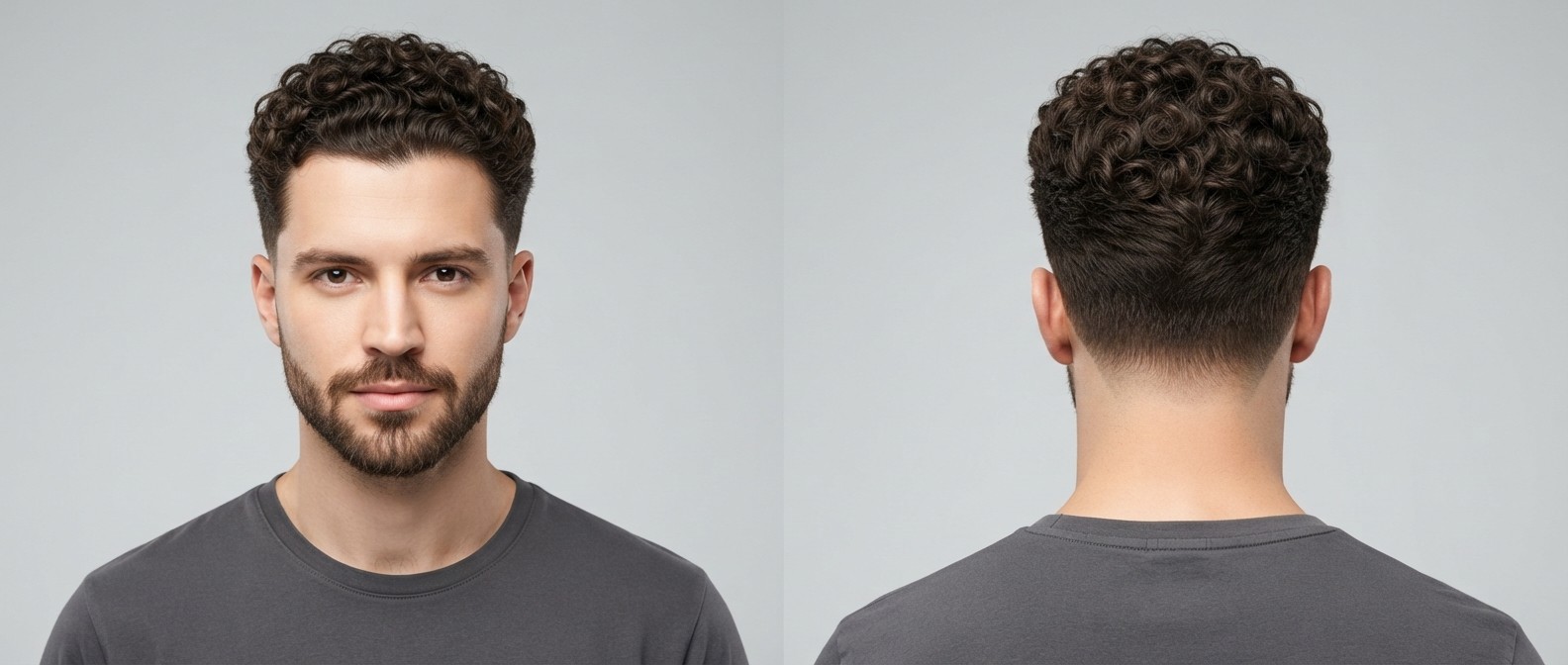
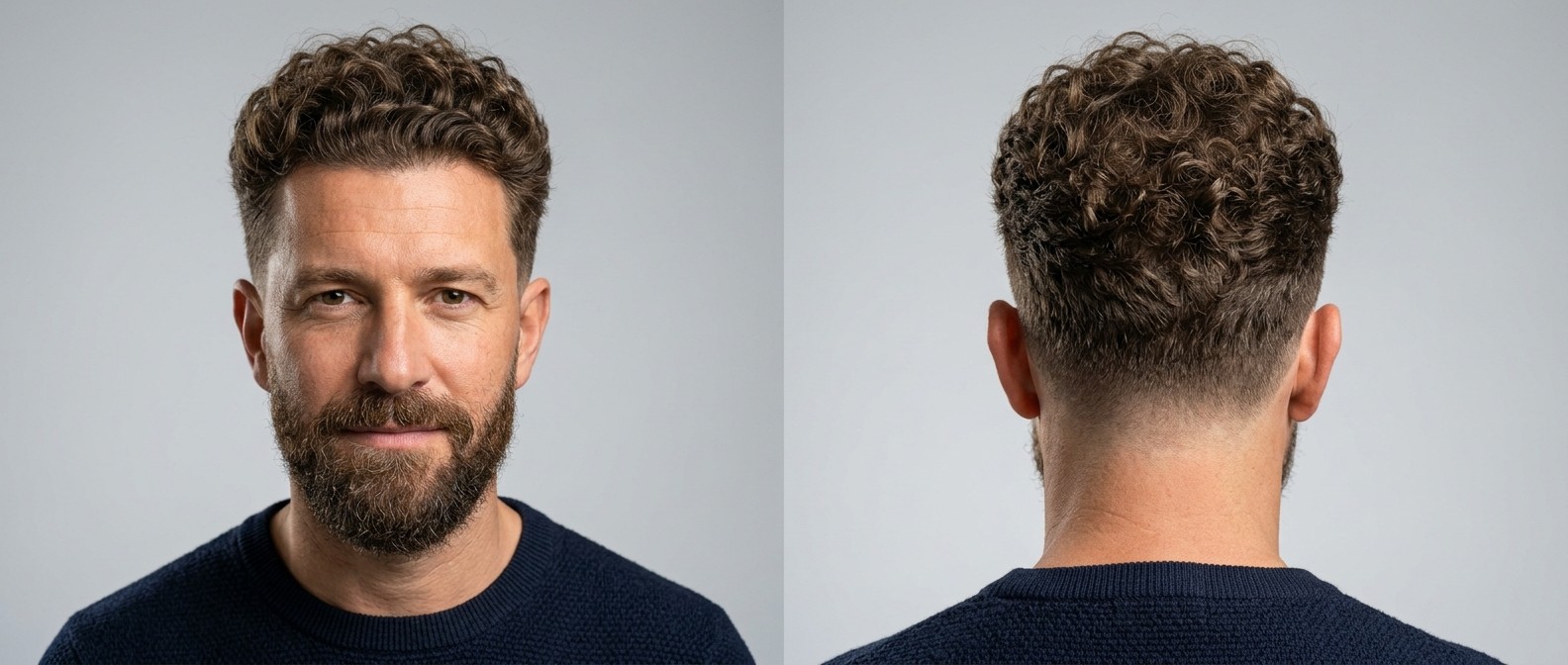
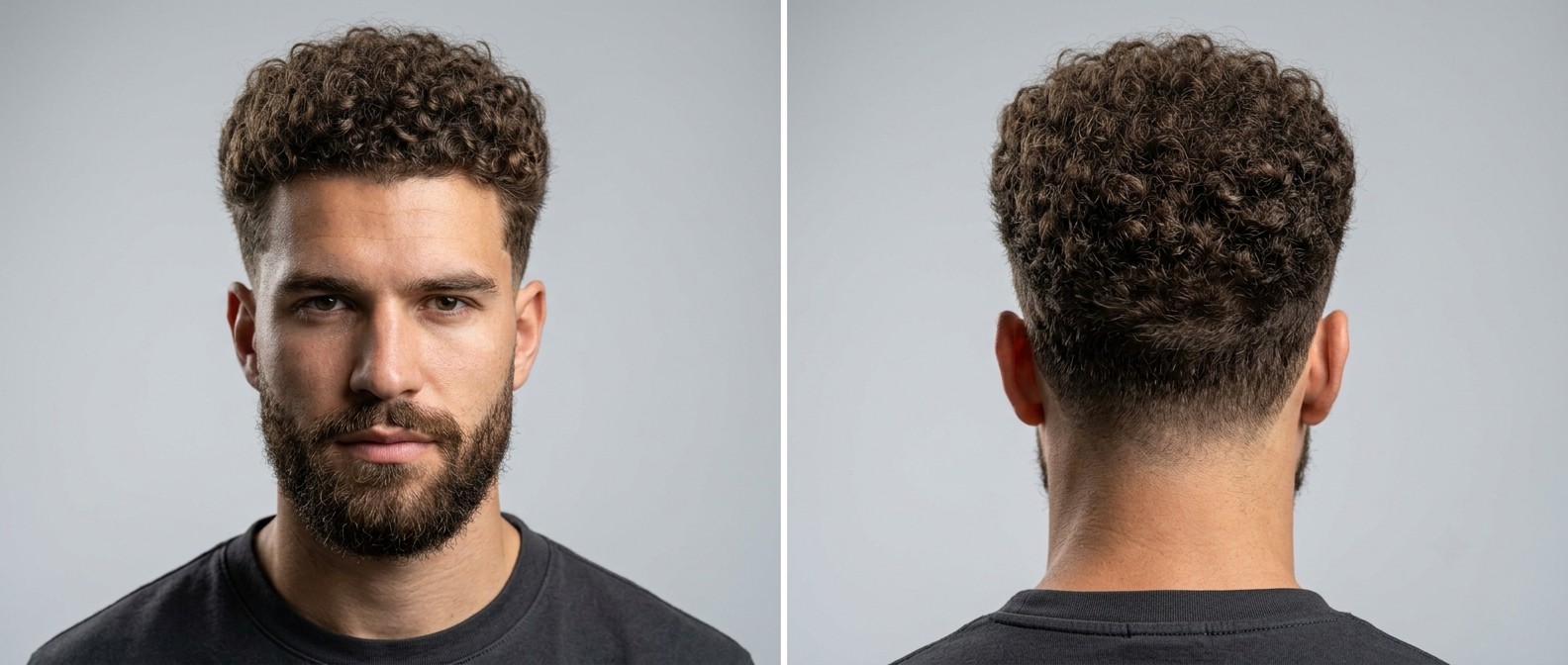
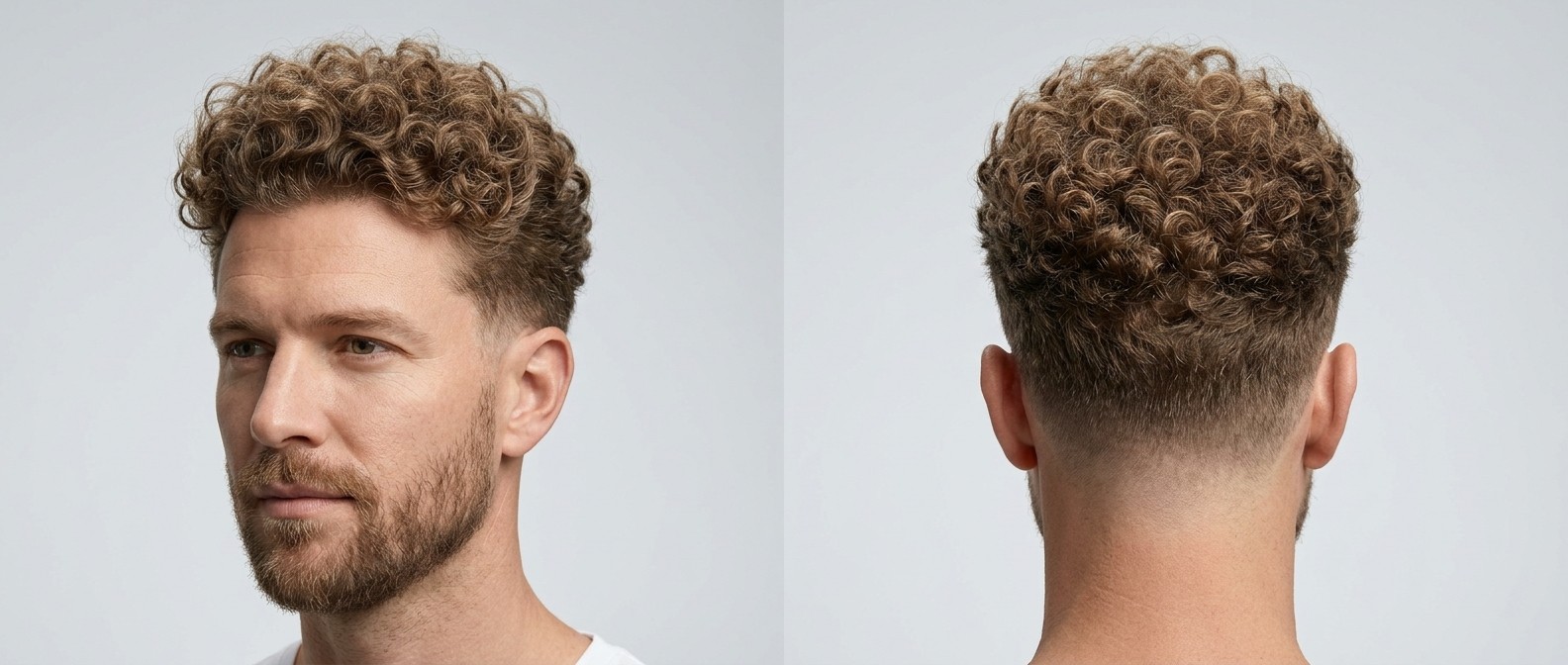
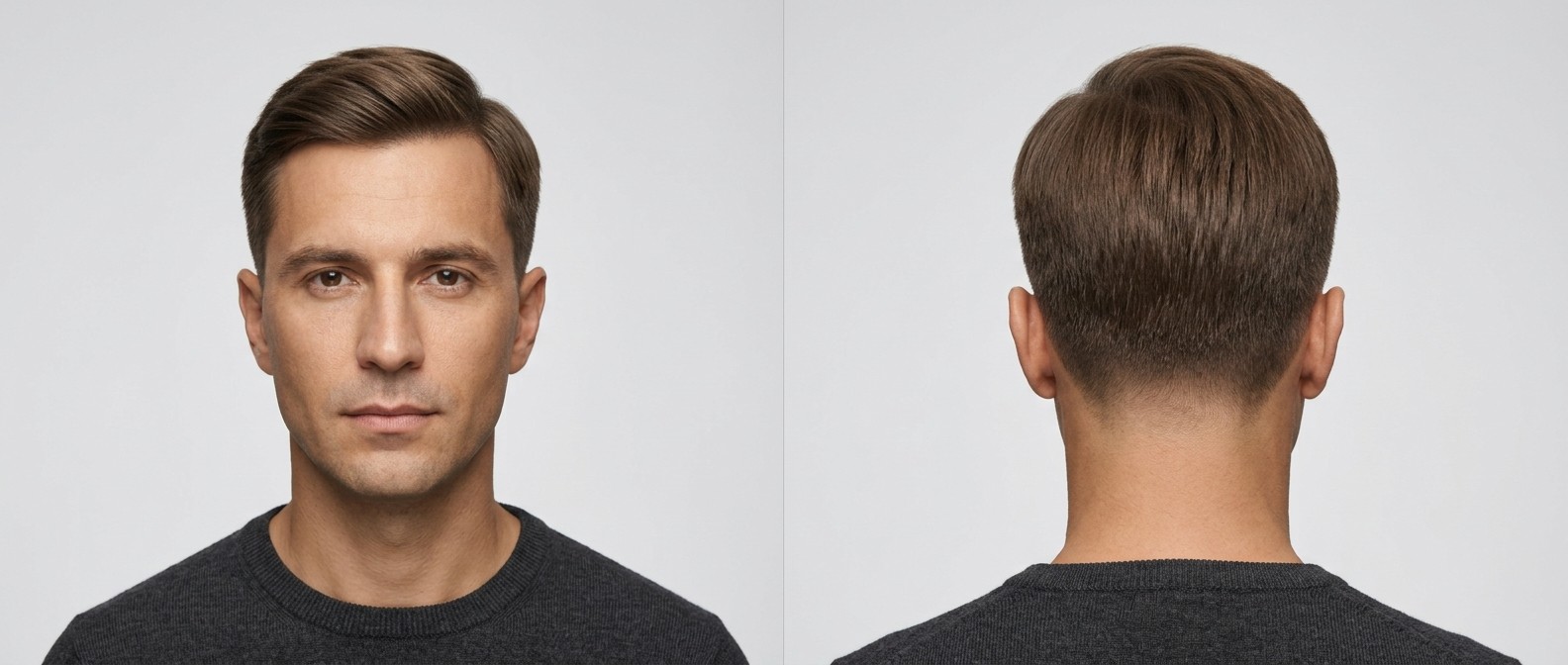
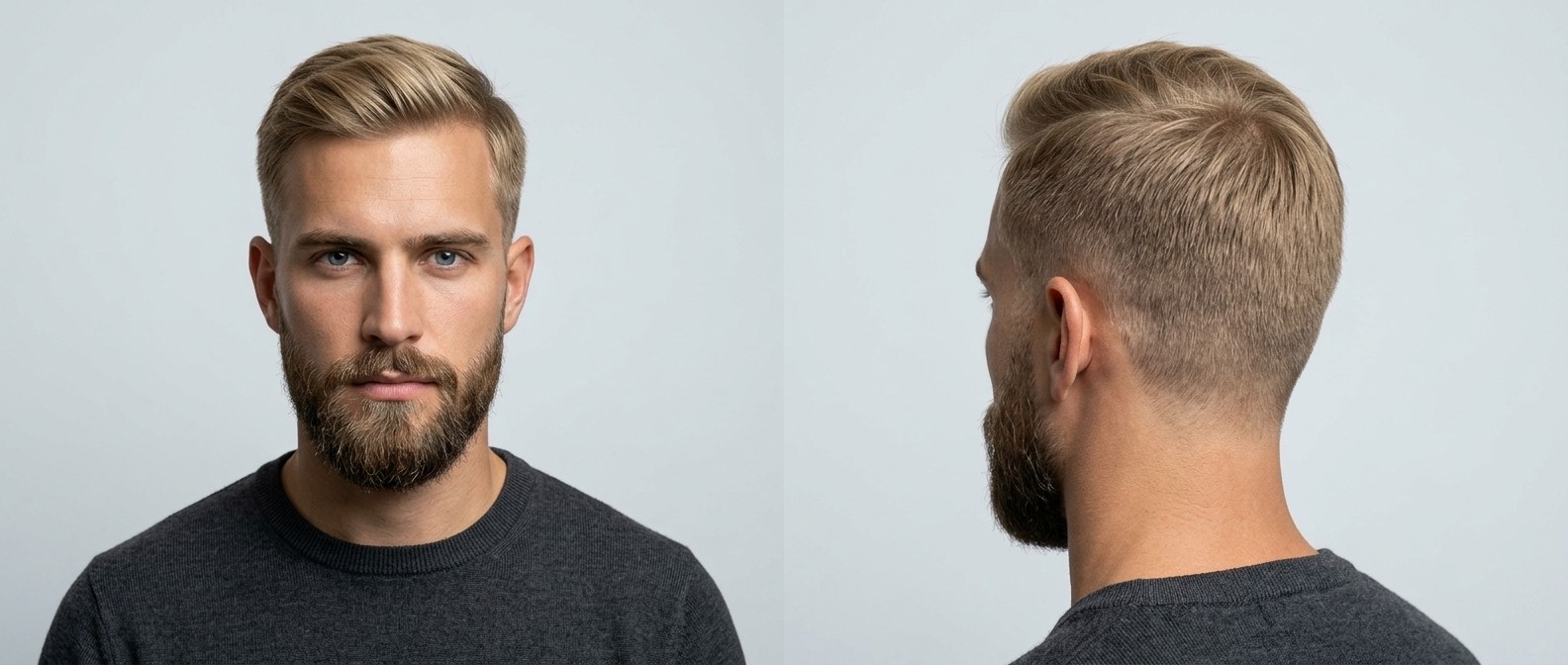
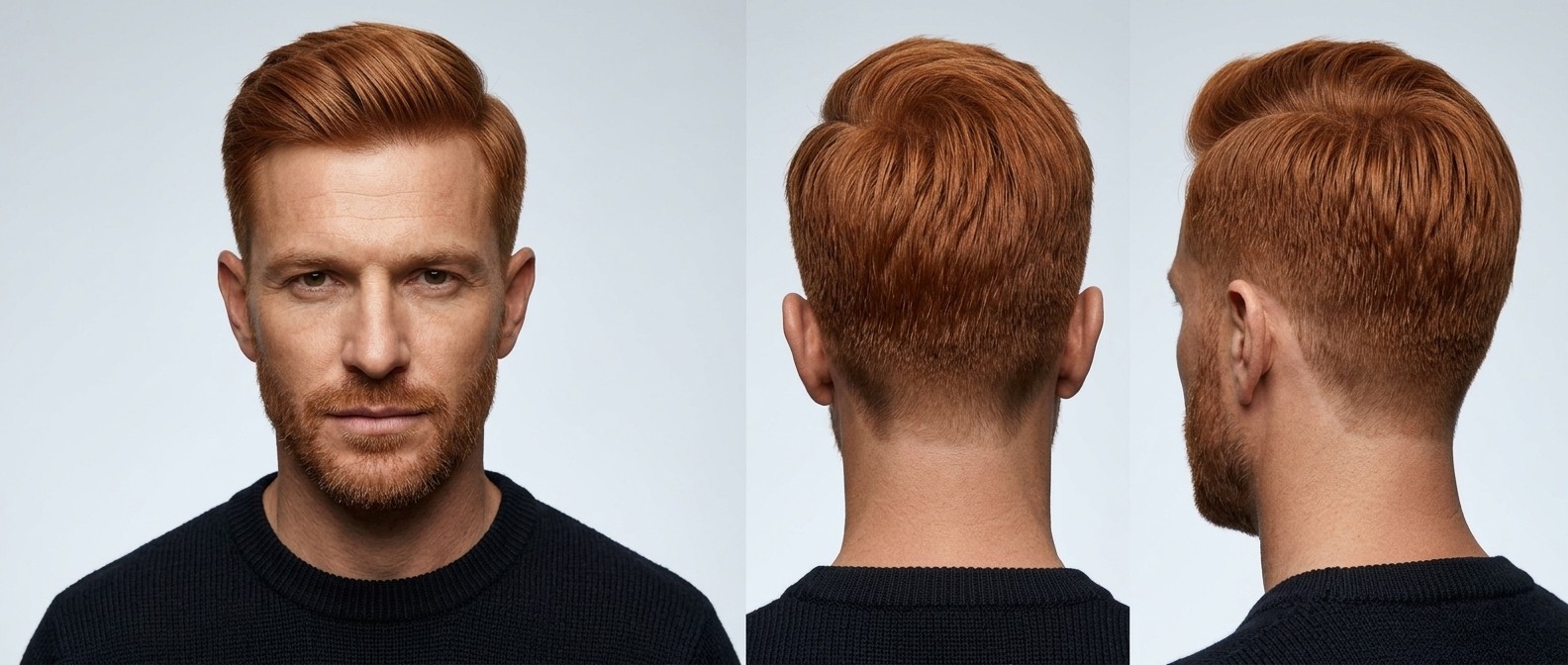
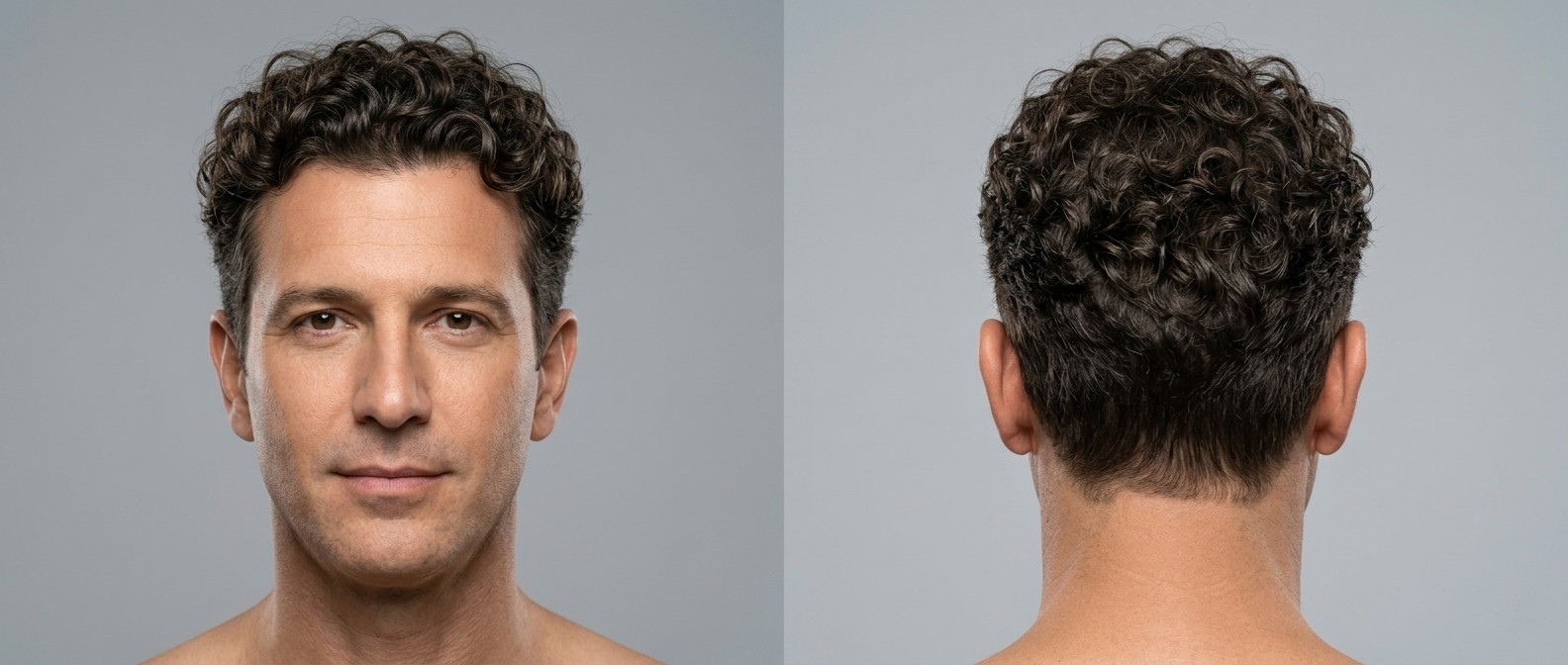
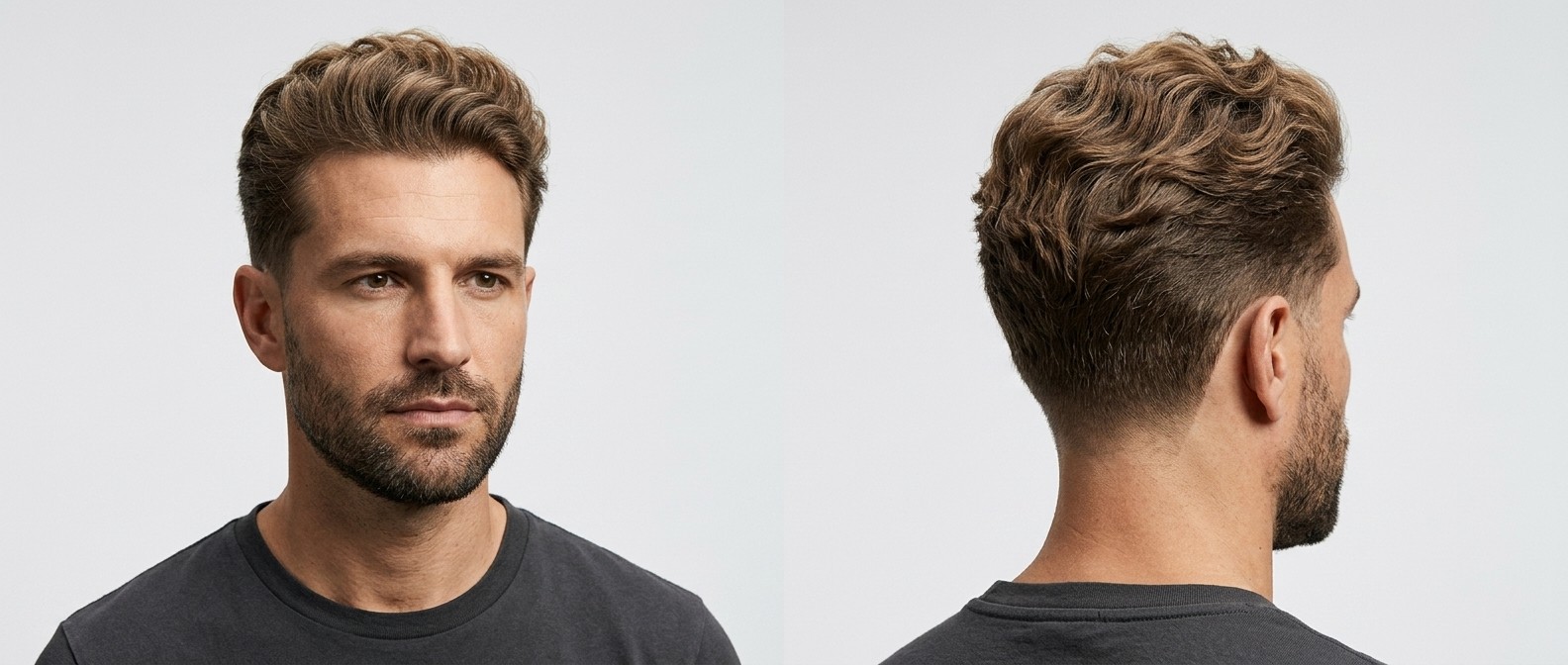
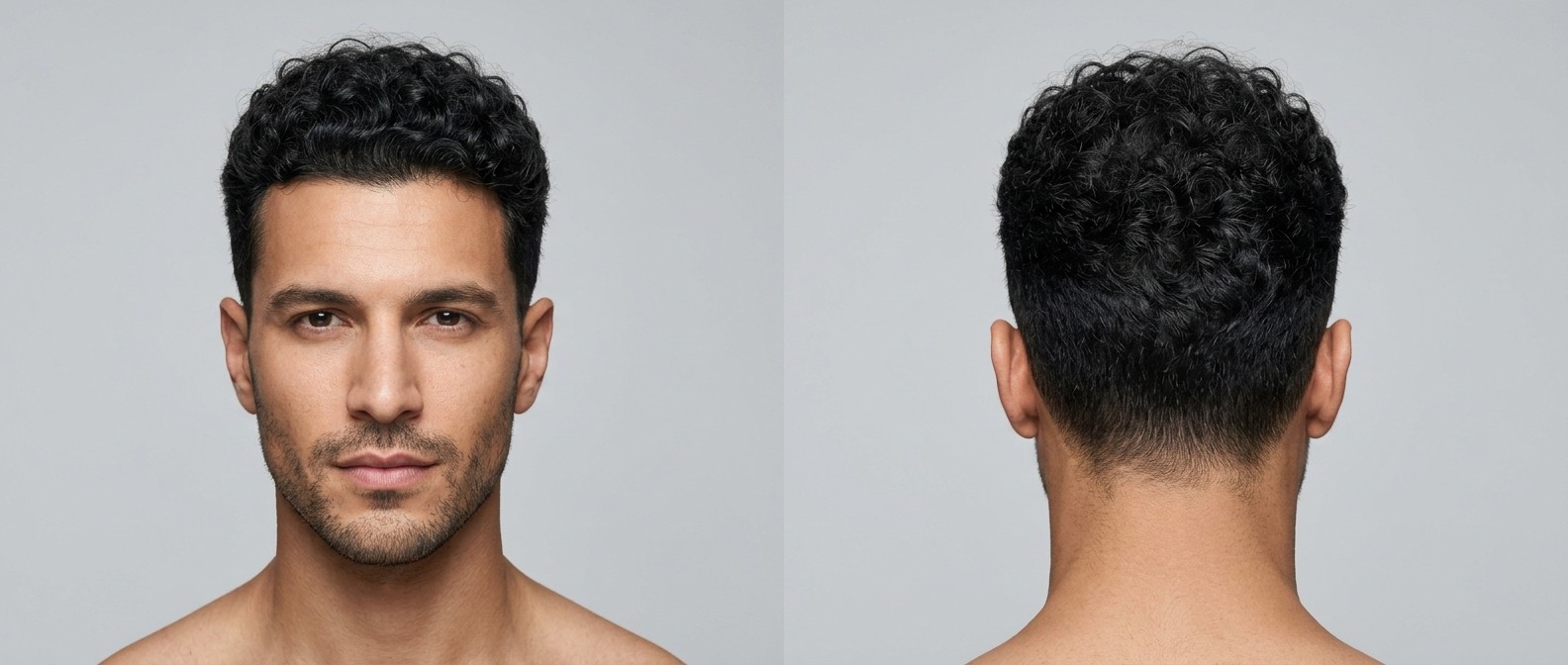
A taper is a classic barbering technique where the hair gradually decreases in length from the top of the head down to the natural hairline at the nape and sideburns. Unlike a fade — which can go all the way down to bare skin — a taper always maintains some hair length even at its shortest points. The transition is gentle and natural, typically starting with a #3 or #4 clipper guard and working down to a #2 or #1 at the very edges.
The taper focuses primarily on two areas: the neckline and the sideburns. At the nape, the hair gets progressively shorter as it approaches the natural hairline, creating a clean, defined edge without a harsh line. The sideburns taper down in a similar fashion, framing the face neatly. The result is a polished, put-together look that works with virtually any length or style on top.
Who Should Get a Taper?
The taper is arguably the most universally appropriate men's haircut. It works across ages, professions, and personal styles. A taper is perfect for you if:
- You want a clean, professional look without the boldness of a fade
- You prefer a low-maintenance style that grows out gracefully
- You work in a conservative or traditional professional environment
- You're new to shorter sides and want to start with something subtle
- You want a haircut that looks appropriate in any setting — from a job interview to a weekend barbecue
- You prefer visiting the barber less frequently — every 4-6 weeks instead of 2-3
The taper suits all face shapes and hair types, making it a safe and reliable choice when you're unsure what to go for. It's also an excellent option for younger men getting their first "grown-up" haircut and for older gentlemen who want something refined without being trendy.
How to Style a Tapered Cut
One of the taper's greatest strengths is its low styling requirements. For a classic, neat look, simply comb your hair into place after a shower and apply a light-hold pomade or cream for a natural finish. If you prefer more texture, work a small dab of matte clay through towel-dried hair and use your fingers to create movement and definition.
For a more polished appearance — like a side part or slicked-back style — use a medium-hold pomade and a fine-tooth comb to create precise lines and smooth placement. Blow-drying beforehand adds volume and sets the direction of your hair, making styling easier and longer-lasting. The taper works beautifully with natural hair texture, so don't feel pressured to over-style it — sometimes the simplest approach looks best.
What to Tell Your Barber
The taper is a bread-and-butter technique for any skilled barber, but you should still communicate your preferences clearly:
- Say "I'd like a taper, not a fade" — this ensures they keep some length at the shortest points
- Specify the shortest guard you want at the bottom: a #2 gives a conservative taper, a #1 is slightly more defined
- Discuss the neckline: do you want it rounded, squared, or tapered to a natural point?
- Clarify sideburn length: short, medium, or where you want them to end relative to your ears
- Describe the top: how much length, which direction, and how much texture
Since the taper is a classic, most barbers will do a great job with minimal instruction. However, specifying these details ensures you get exactly the variation you have in mind.
Maintenance and Upkeep
One of the taper's biggest advantages is its low maintenance schedule. Because the shortest sections still have some length, regrowth is far less noticeable compared to a skin fade or high fade. You can comfortably go 4-6 weeks between barber visits without the cut looking unkempt. Some men even stretch to 6-8 weeks if they maintain the neckline at home with a trimmer.
Between appointments, keep the neckline tidy with a precision trimmer — follow the natural hairline and remove any stray hairs growing below it. Wash your hair 2-3 times per week and condition regularly to keep it healthy and manageable. A light styling product applied daily maintains the polished look without much effort.
Taper vs. Fade: Understanding the Difference
Many men confuse tapers and fades, but the distinction is straightforward. A taper maintains hair length throughout — even the shortest section has visible hair, typically a #1 or #2 guard. A fade transitions to very short or bare skin, creating higher contrast. Think of it this way: all fades involve tapering, but not all tapers are fades. The taper is the more subtle, conservative cousin of the fade. If you want a clean, timeless look that doesn't shout for attention, the taper is your go-to. If you want sharper contrast and a more modern edge, consider stepping up to a low or mid fade. Many men start with a taper and later experiment with fades as they become more comfortable with shorter sides.