

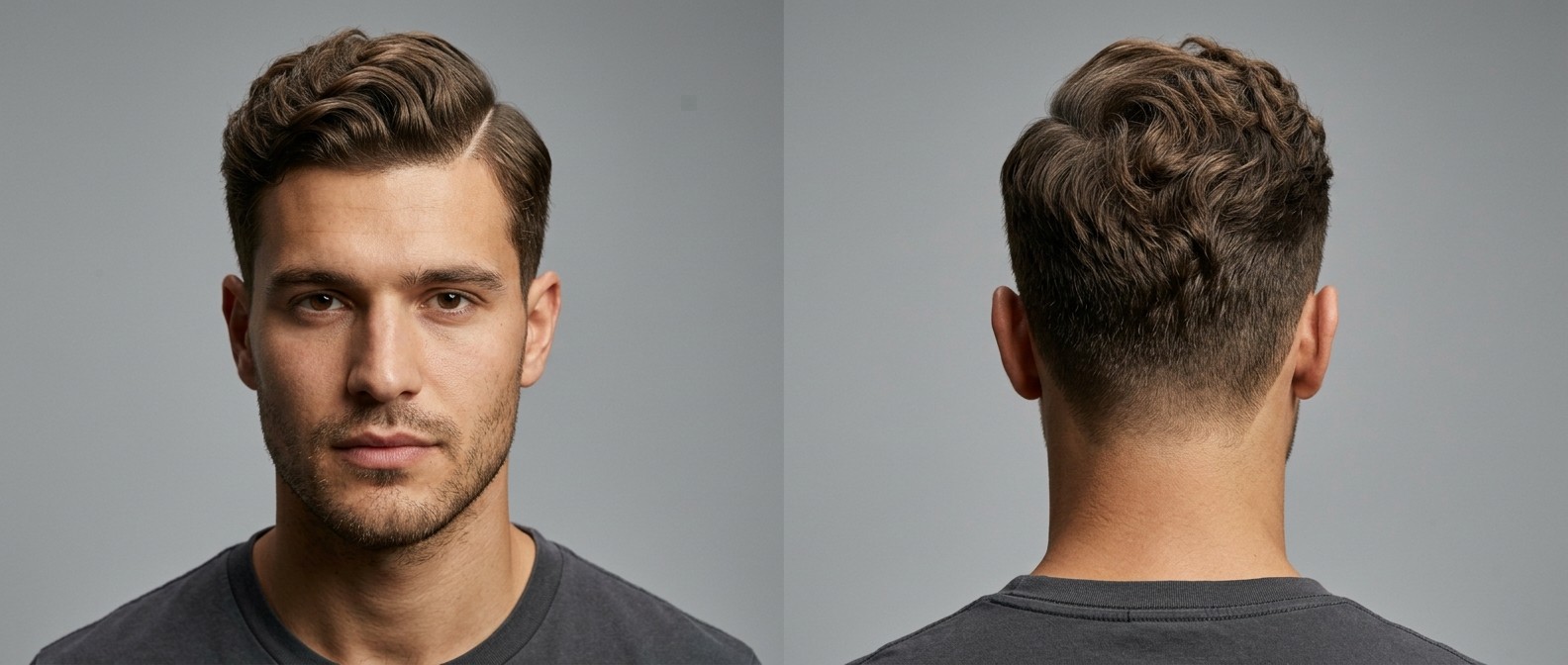
What Is a Hard Part?
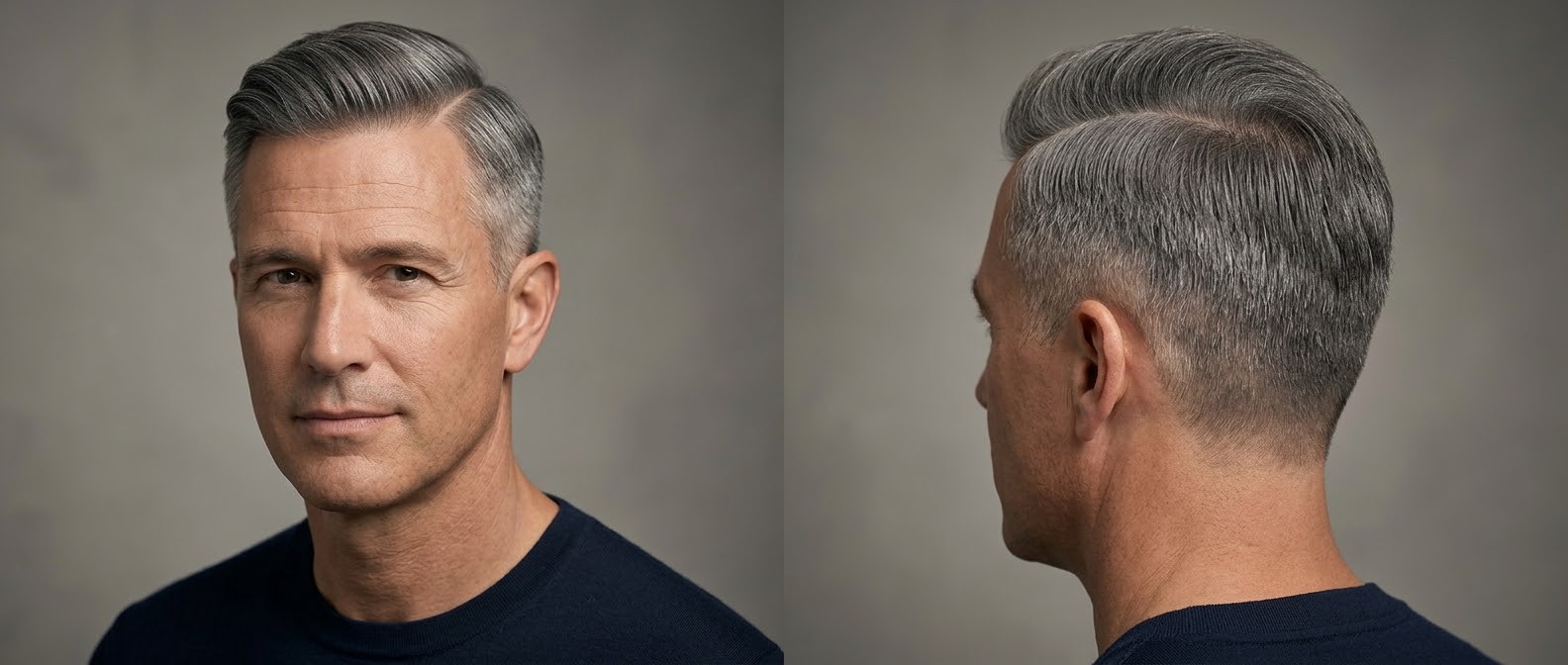
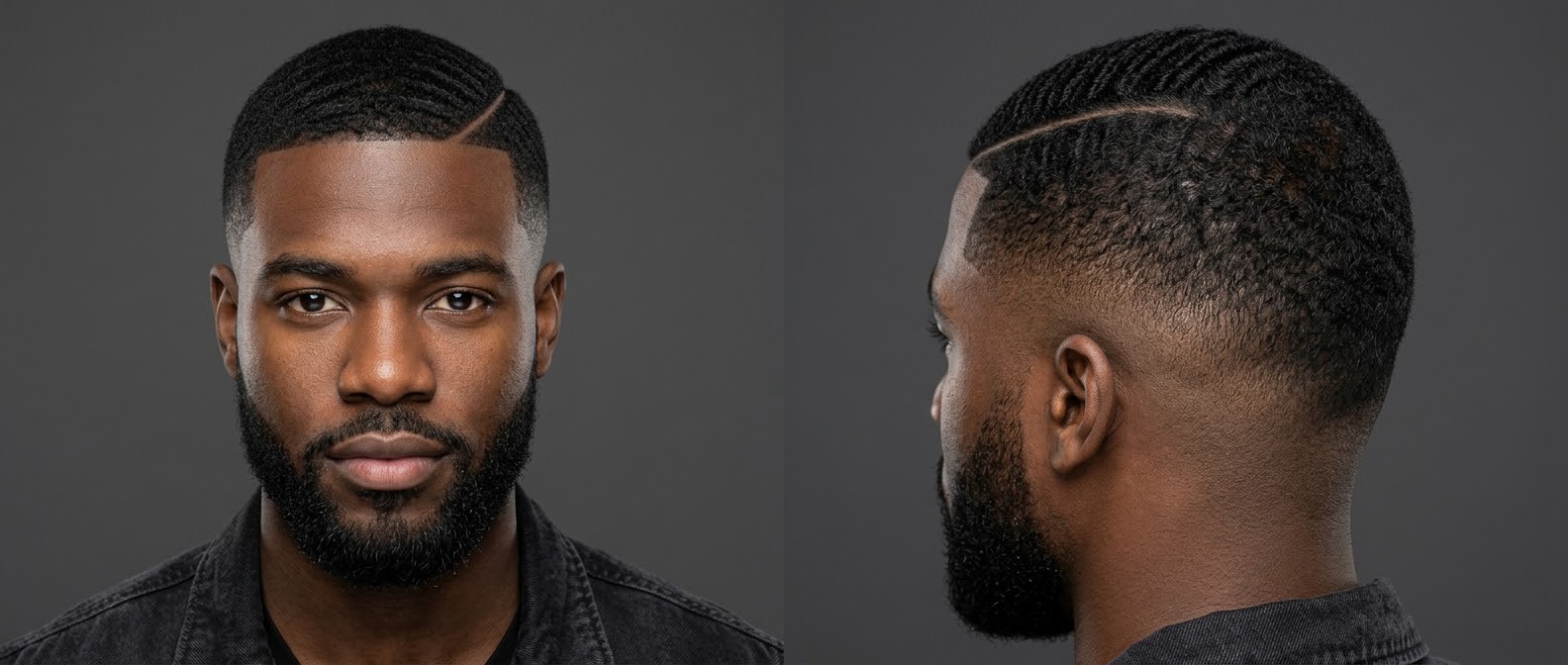
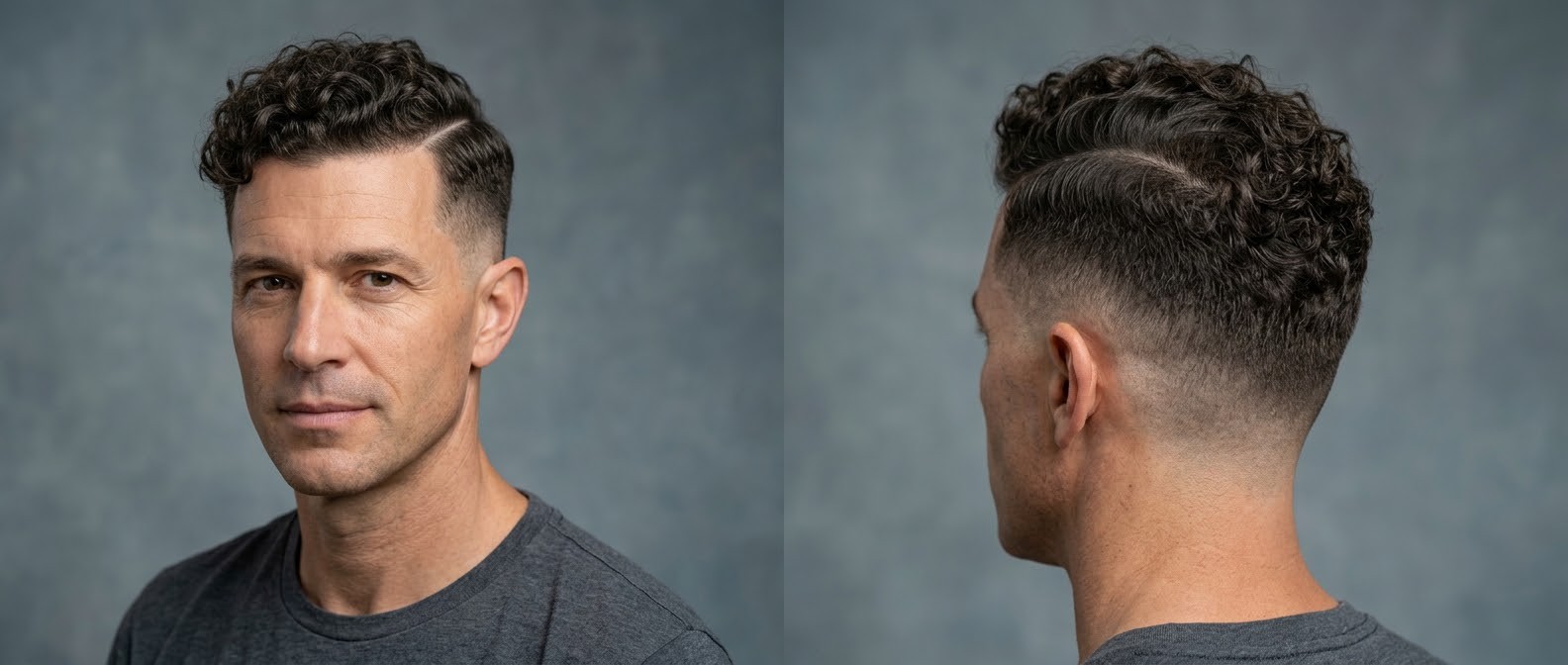
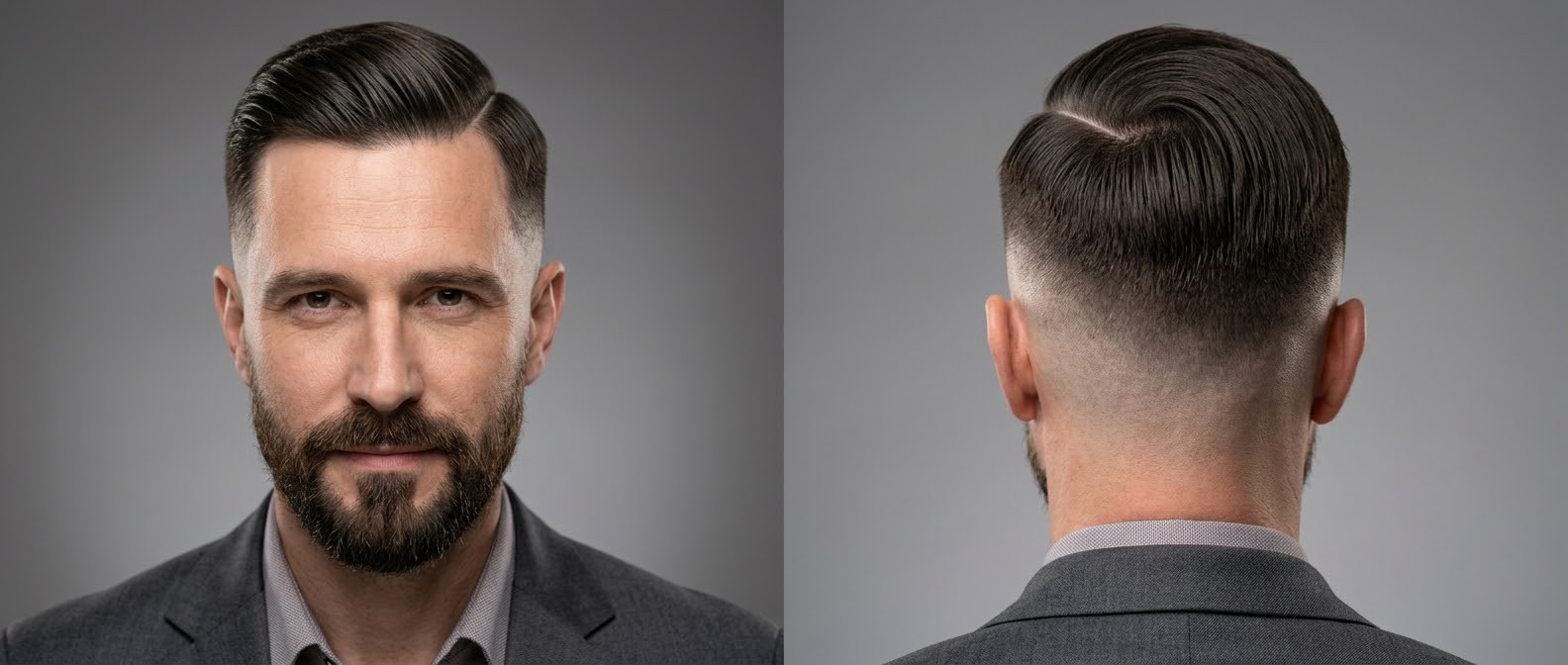
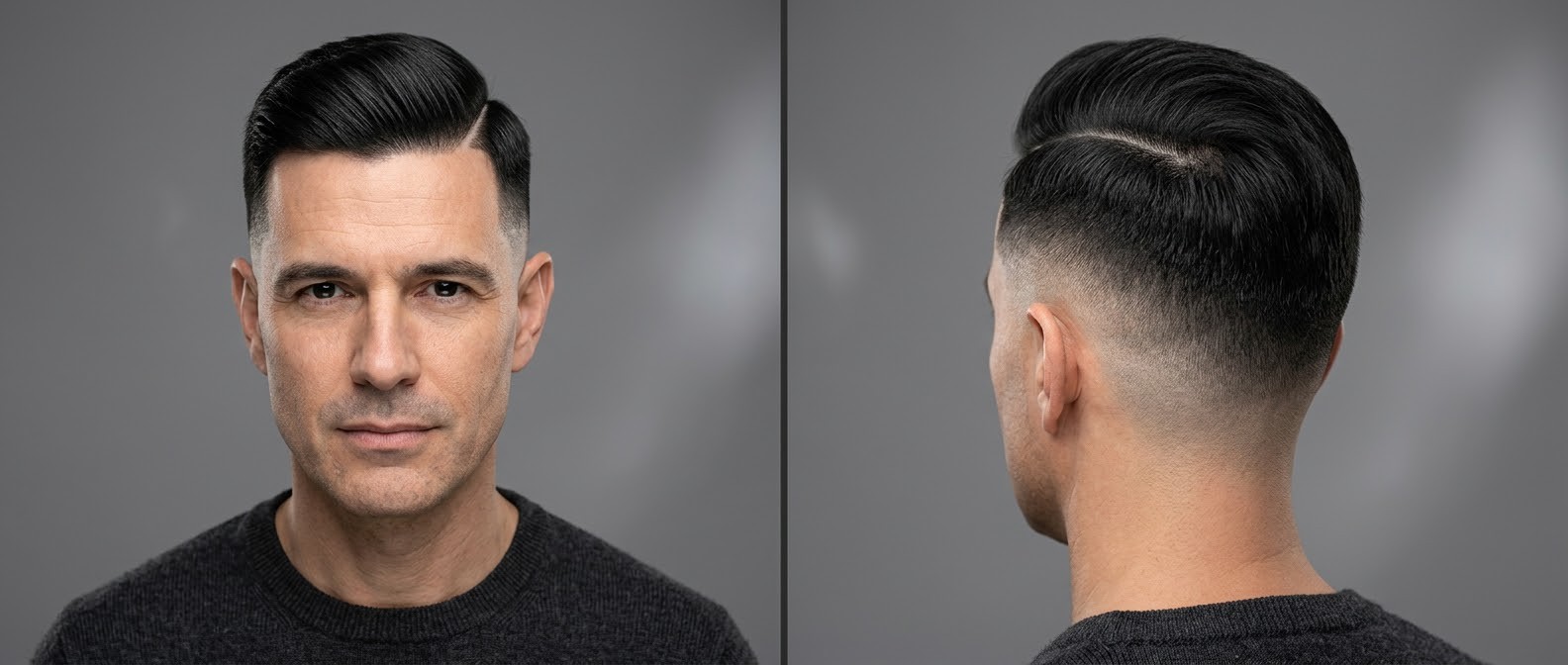
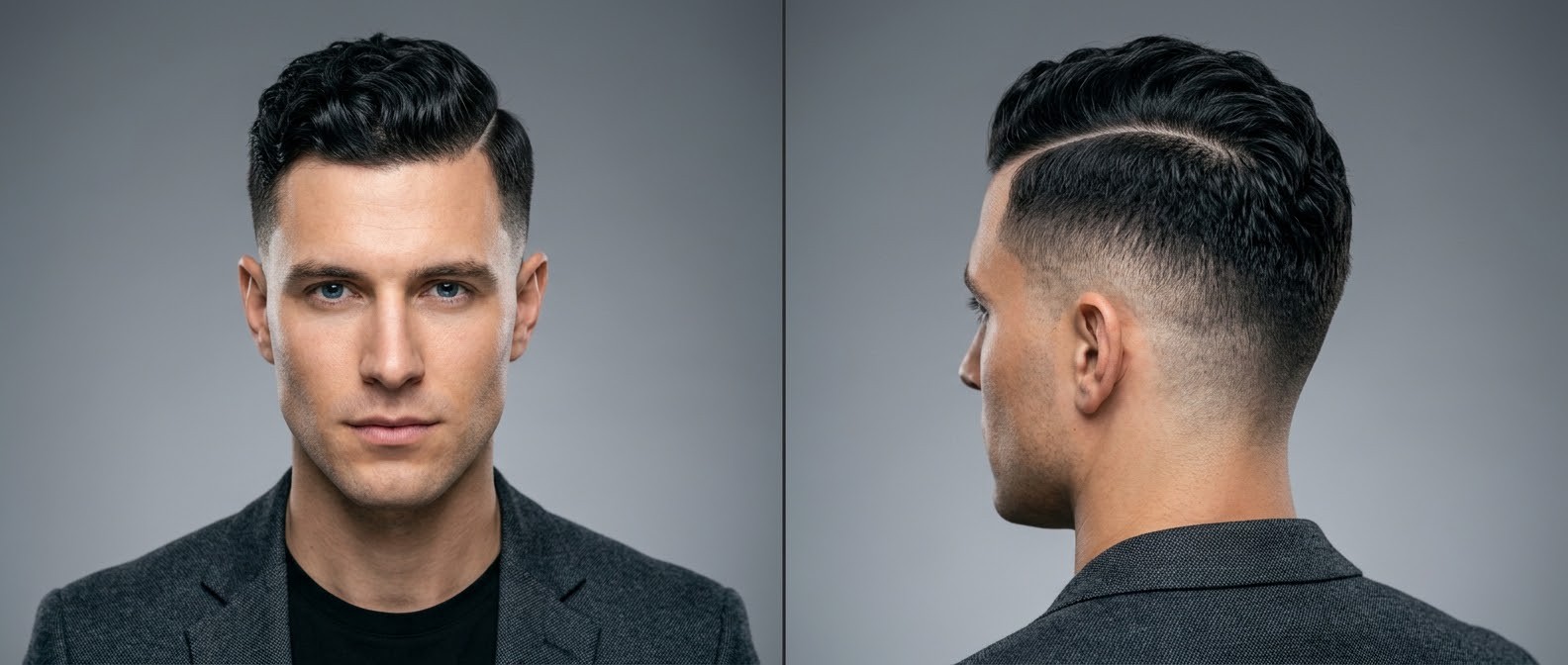
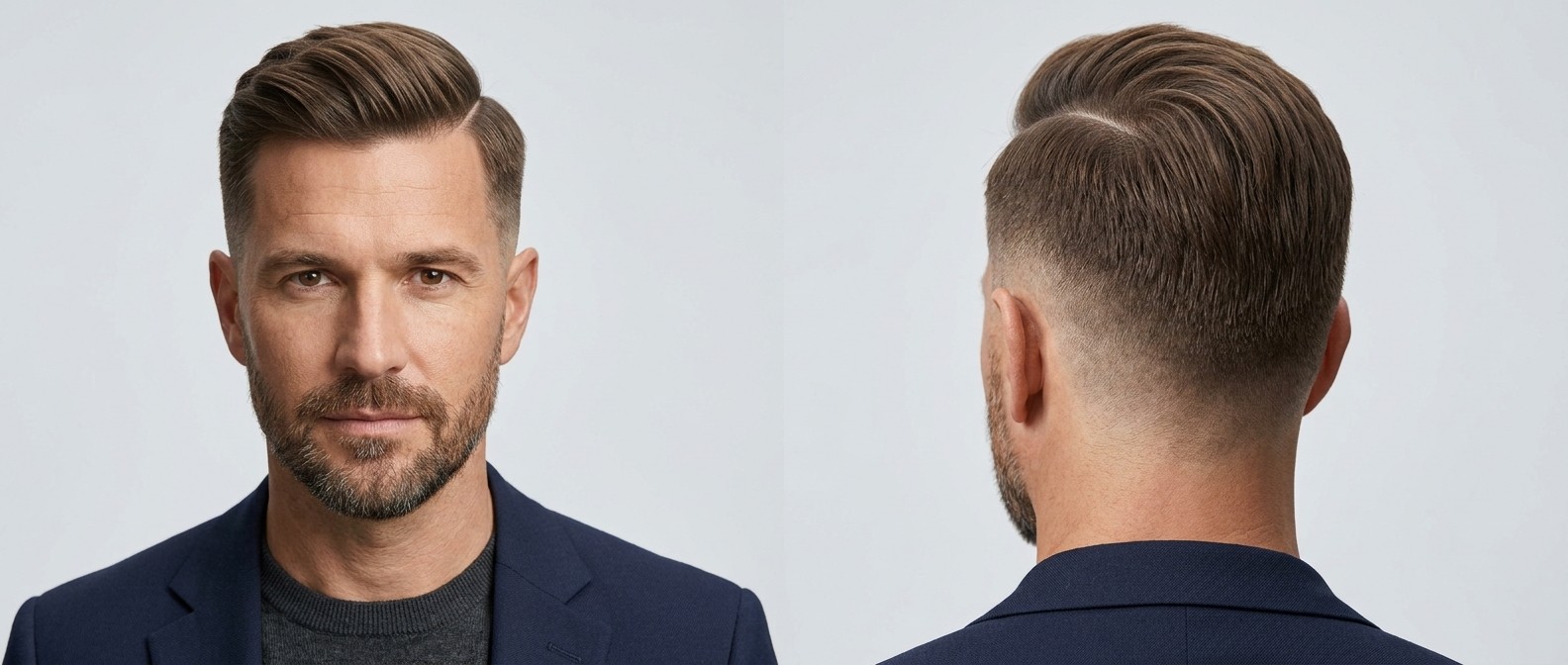
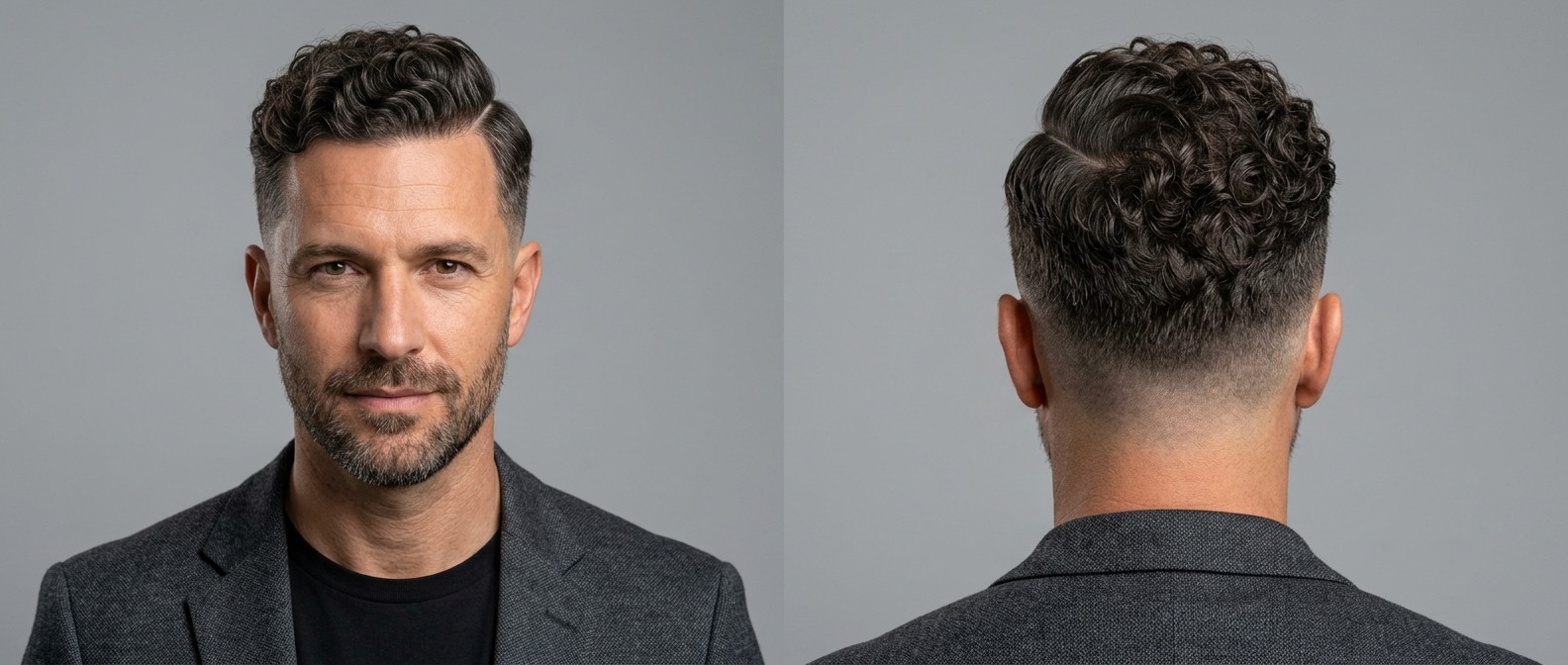
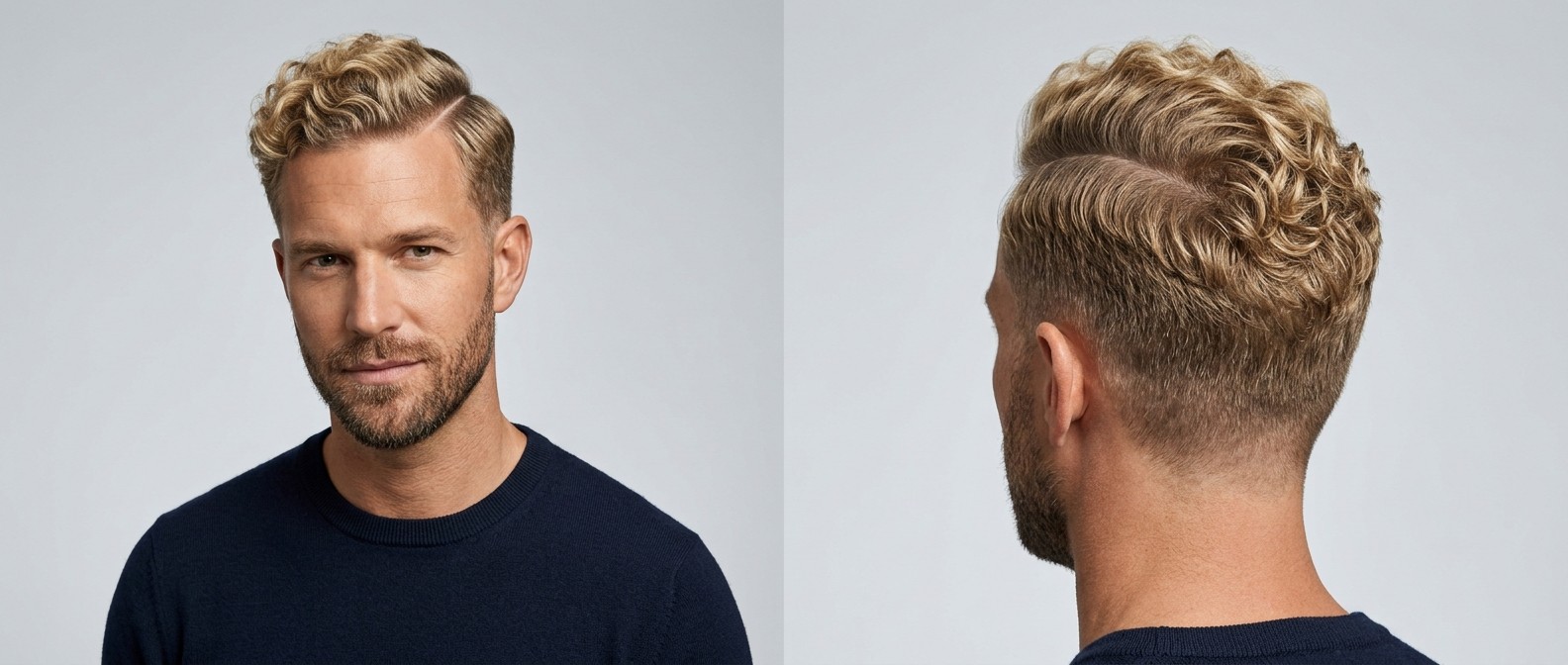
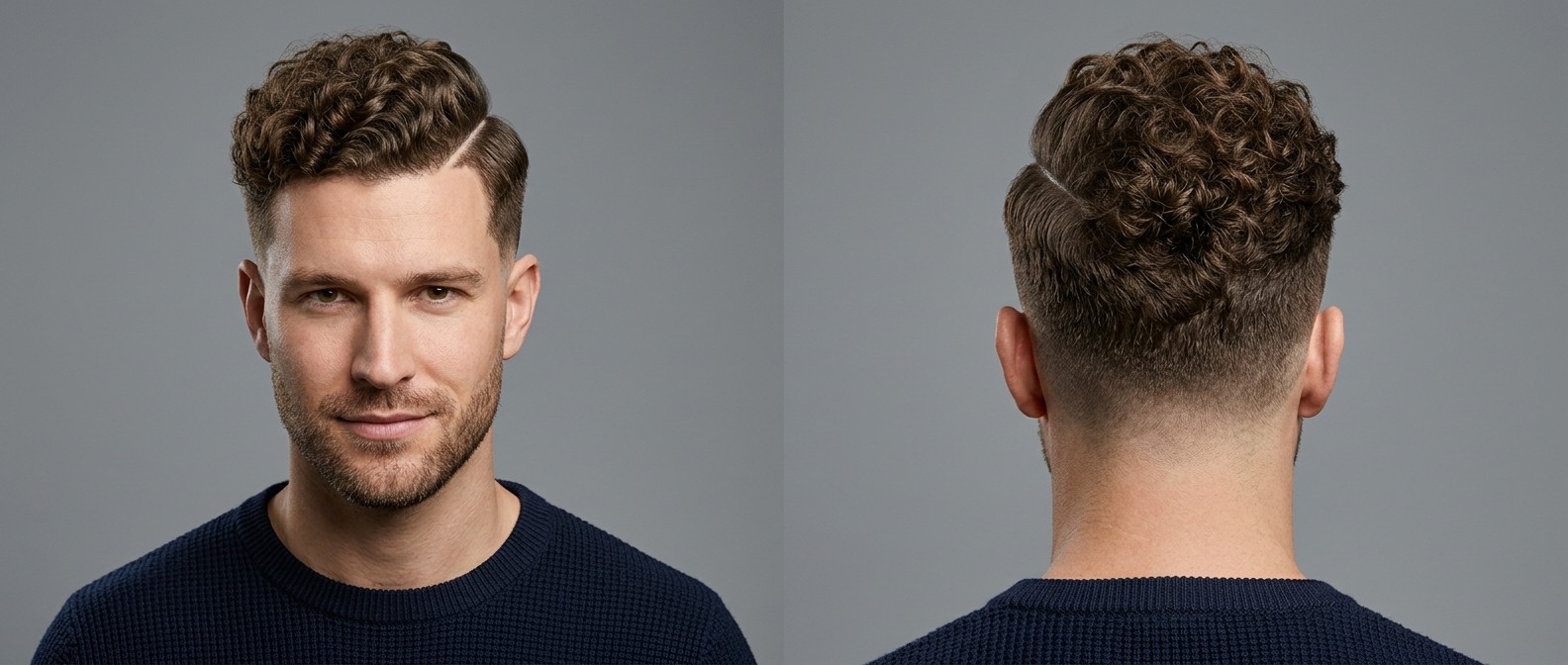
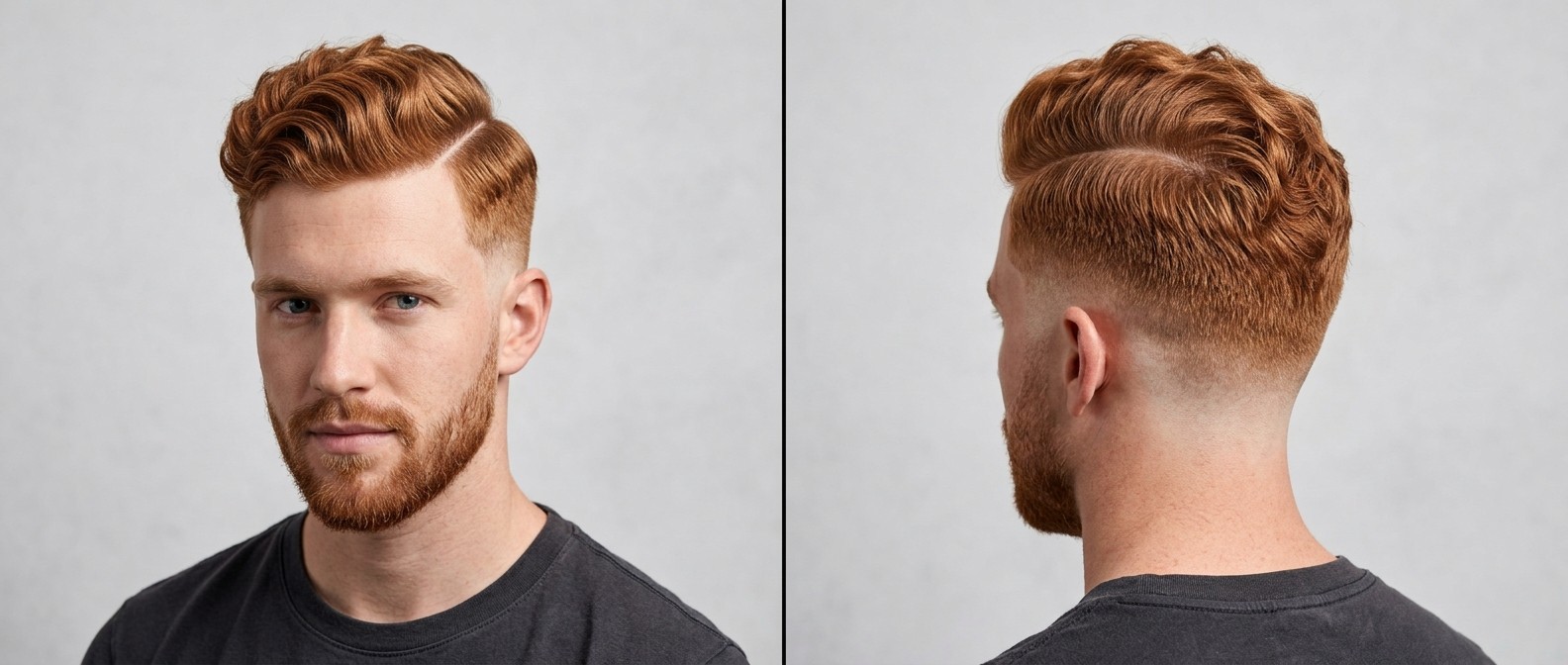
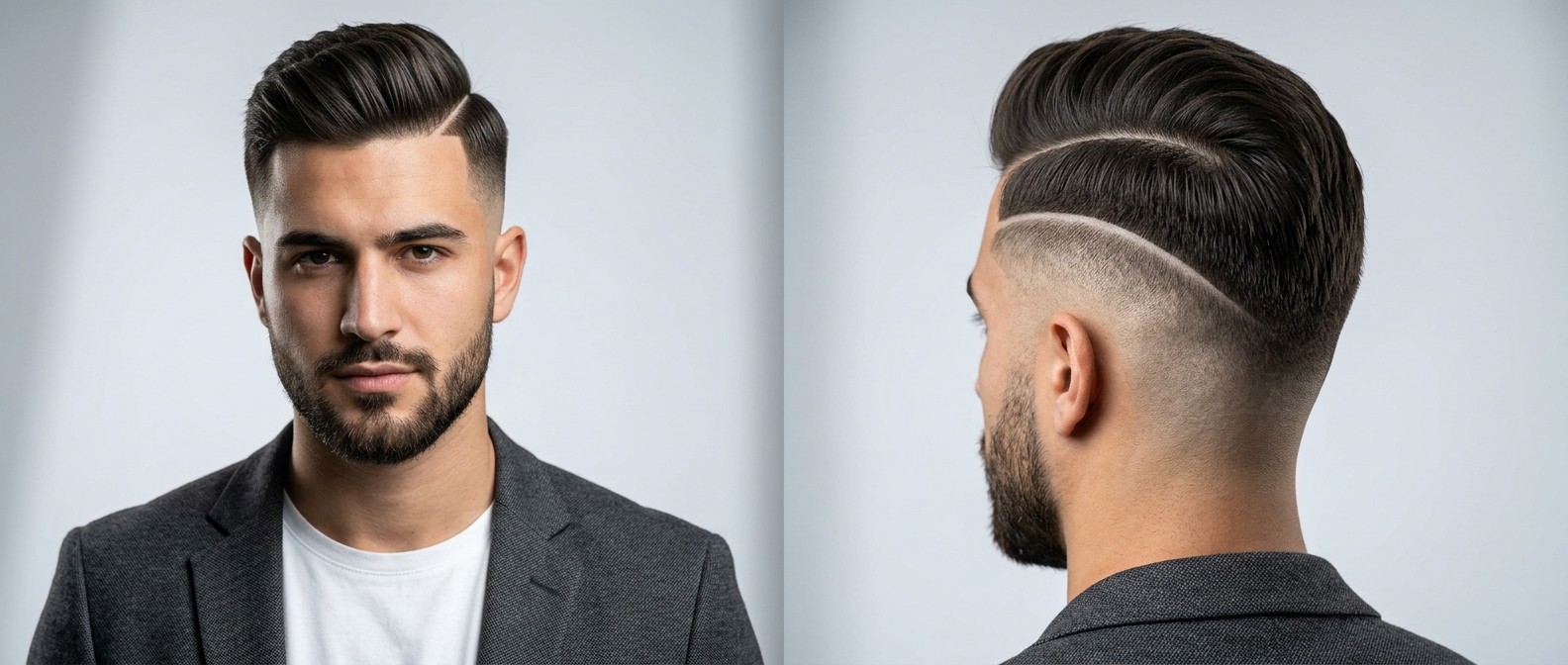
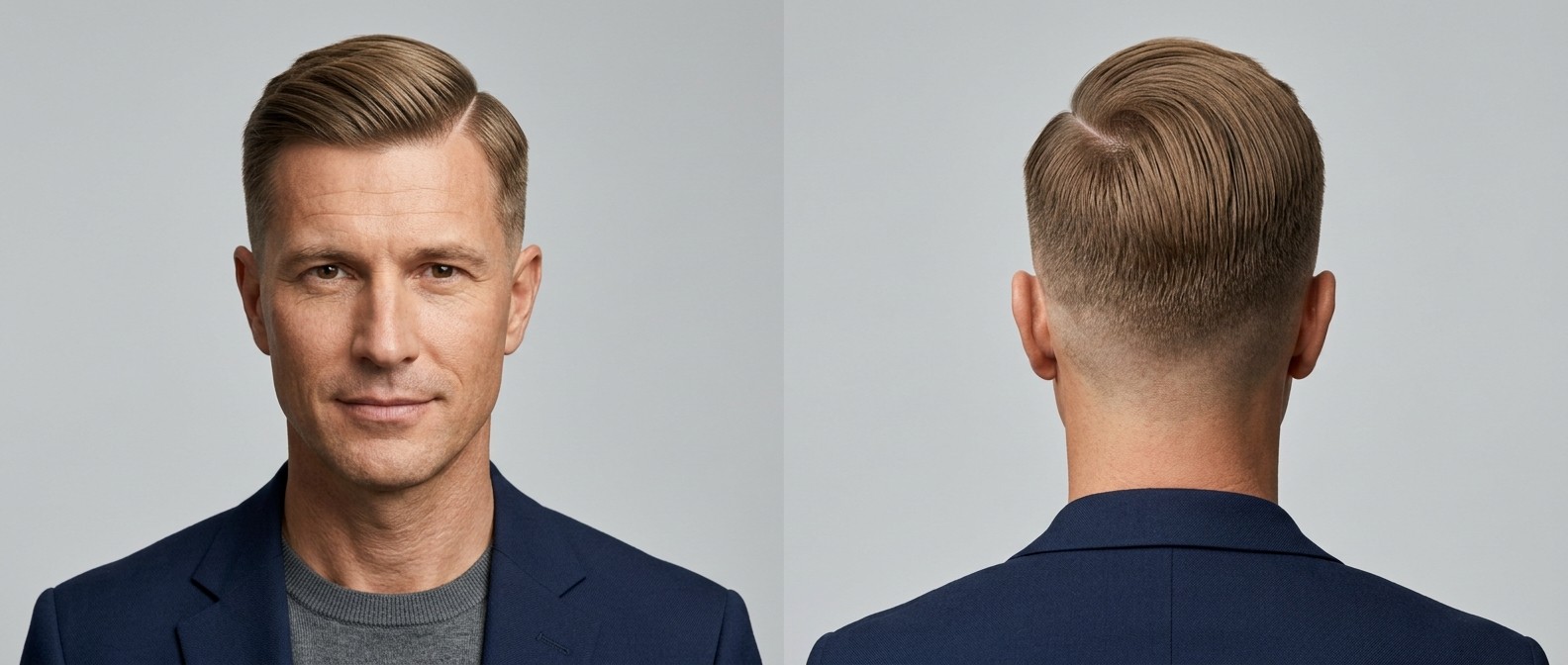
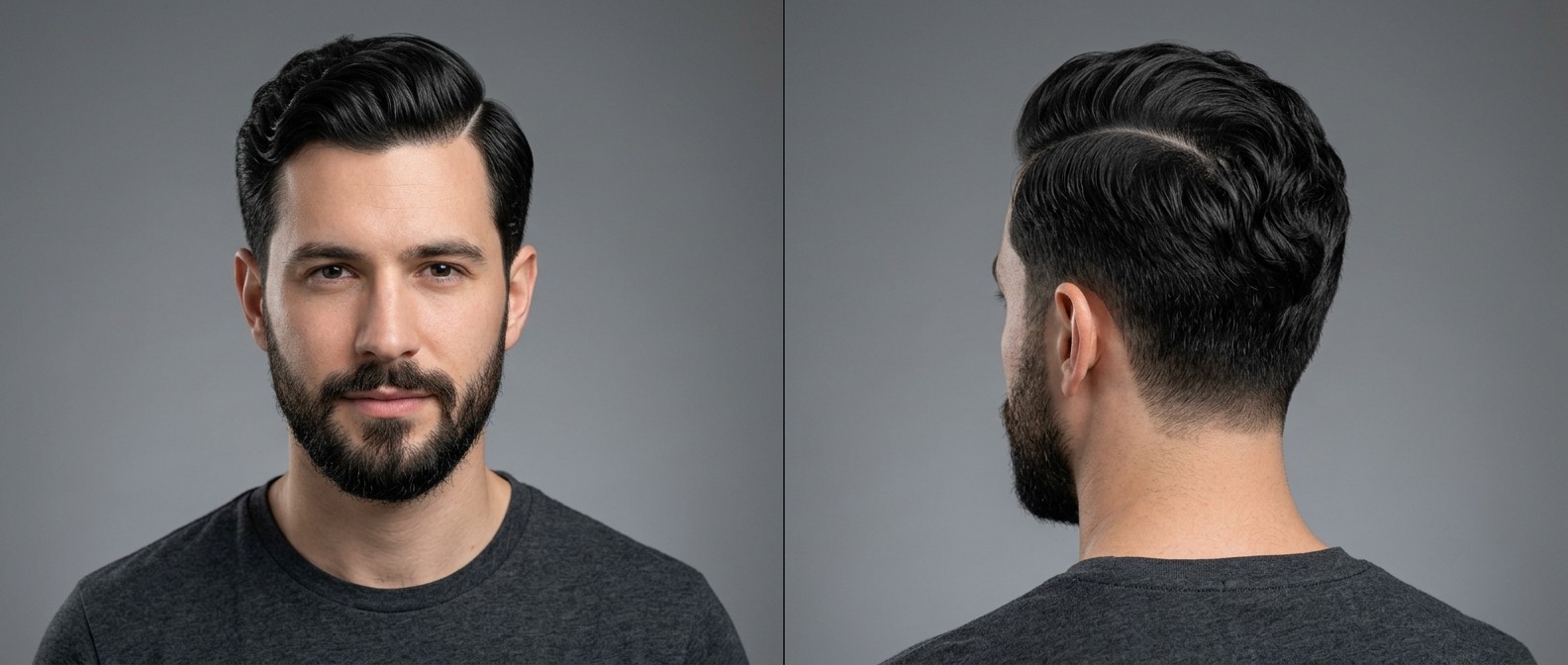
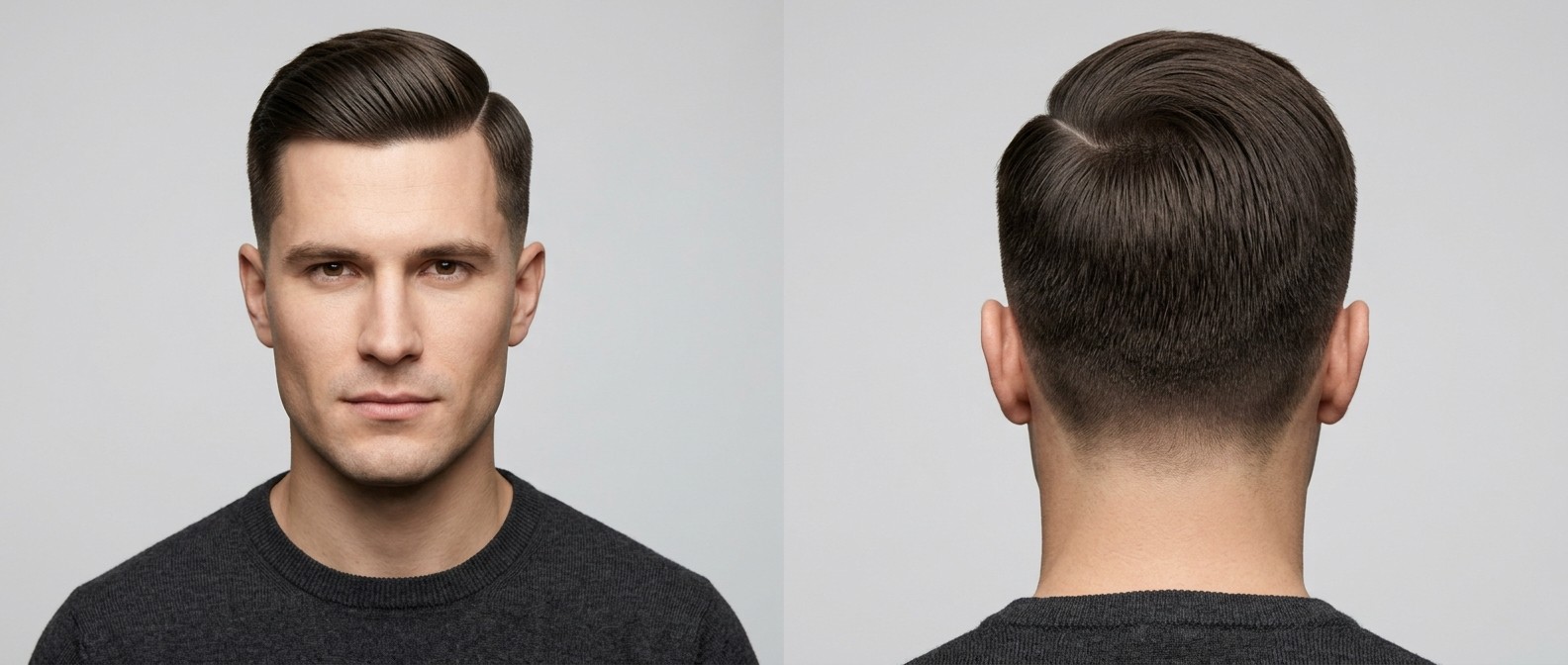
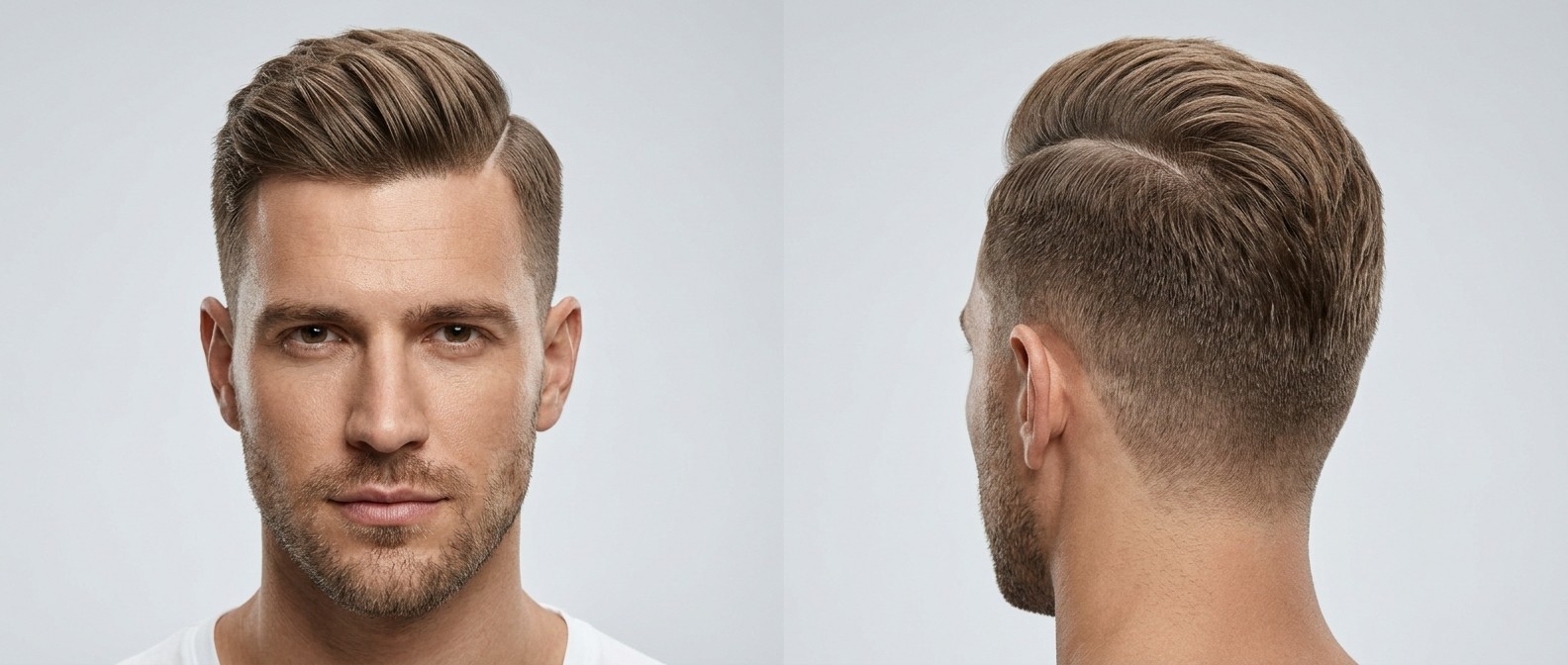
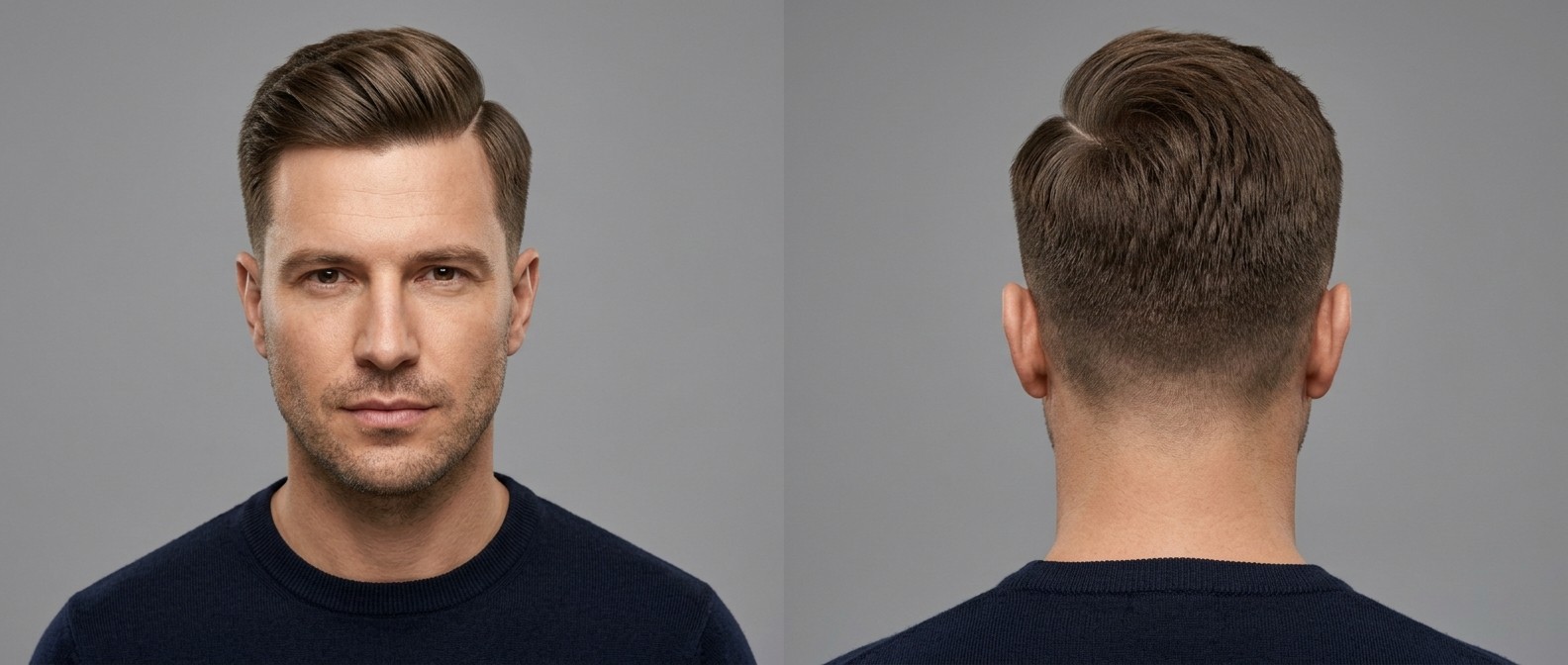
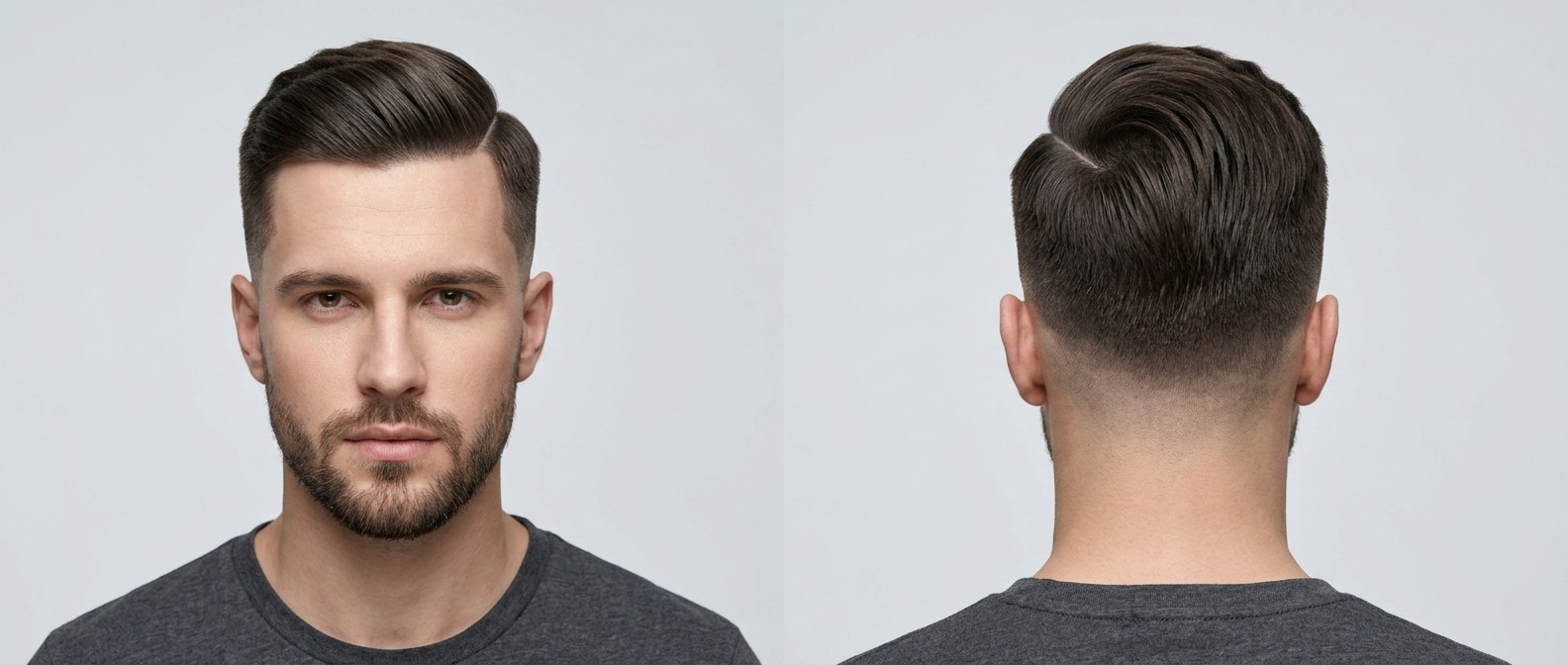
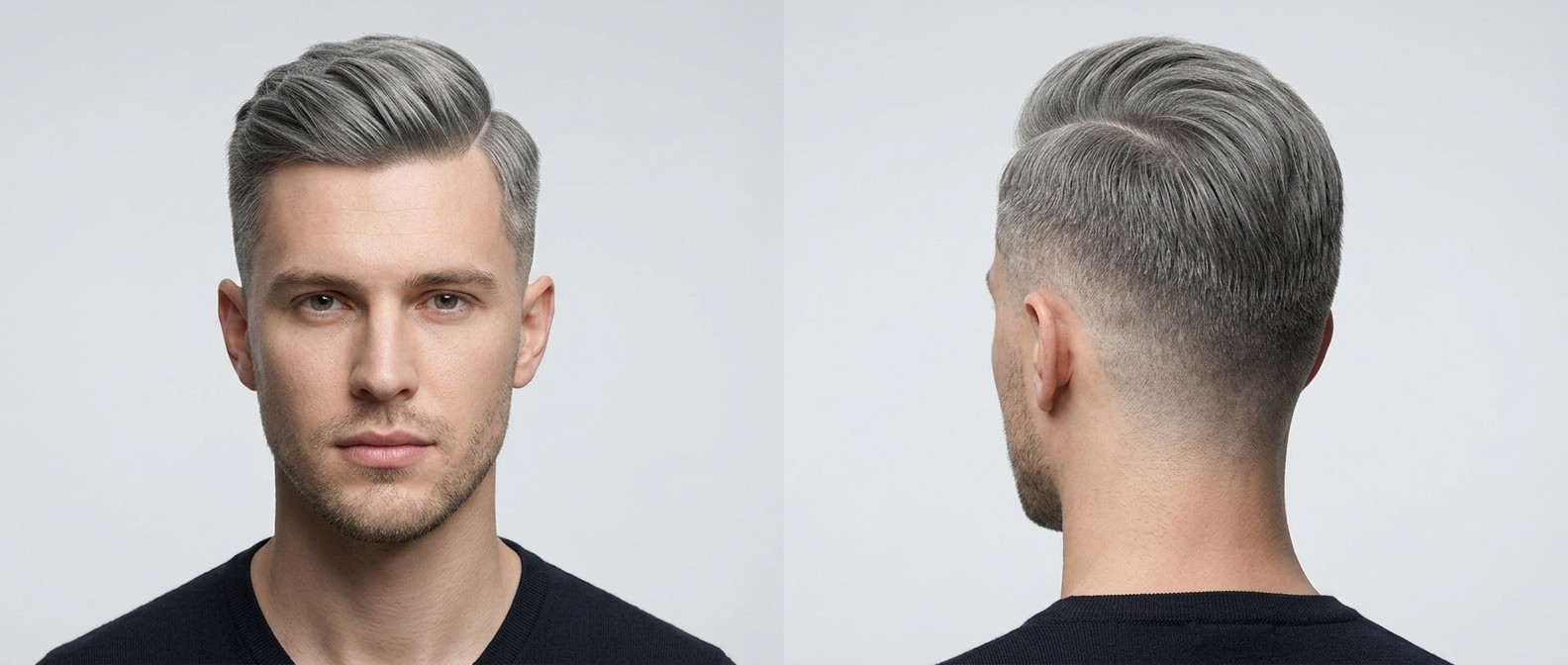
A hard part — also known as a razor part or shaved part — is a thin, clean-shaven line cut into the hair on the side of the head, creating a sharp visual division between the top and sides. While a natural part is simply where you comb your hair to separate, a hard part physically removes a strip of hair down to the skin, producing a bold, high-contrast line that's visible even from a distance.
The hard part is not a hairstyle in itself — it's a detail or enhancement added to other hairstyles. It works as an accent piece, like a pinstripe on a suit, adding structure and intentionality to your cut. The line typically runs from the front of the hairline toward the back of the head, following the natural part line but making it dramatically more visible and precise.
Width varies from a thin, subtle line (about 1-2 millimeters) to a wider, more dramatic strip (3-4 millimeters). Most men opt for a medium width that's clearly visible but not overwhelming — enough to make a statement without dominating the overall look.
Who Should Get a Hard Part?
The hard part works for virtually any man looking to add precision and definition to his haircut. It's particularly effective if you already wear a side-parted style and want to amplify its sharpness. Men with thick, dense hair benefit especially — the hard part cuts through heavy hair to create a clear division that might otherwise get lost.
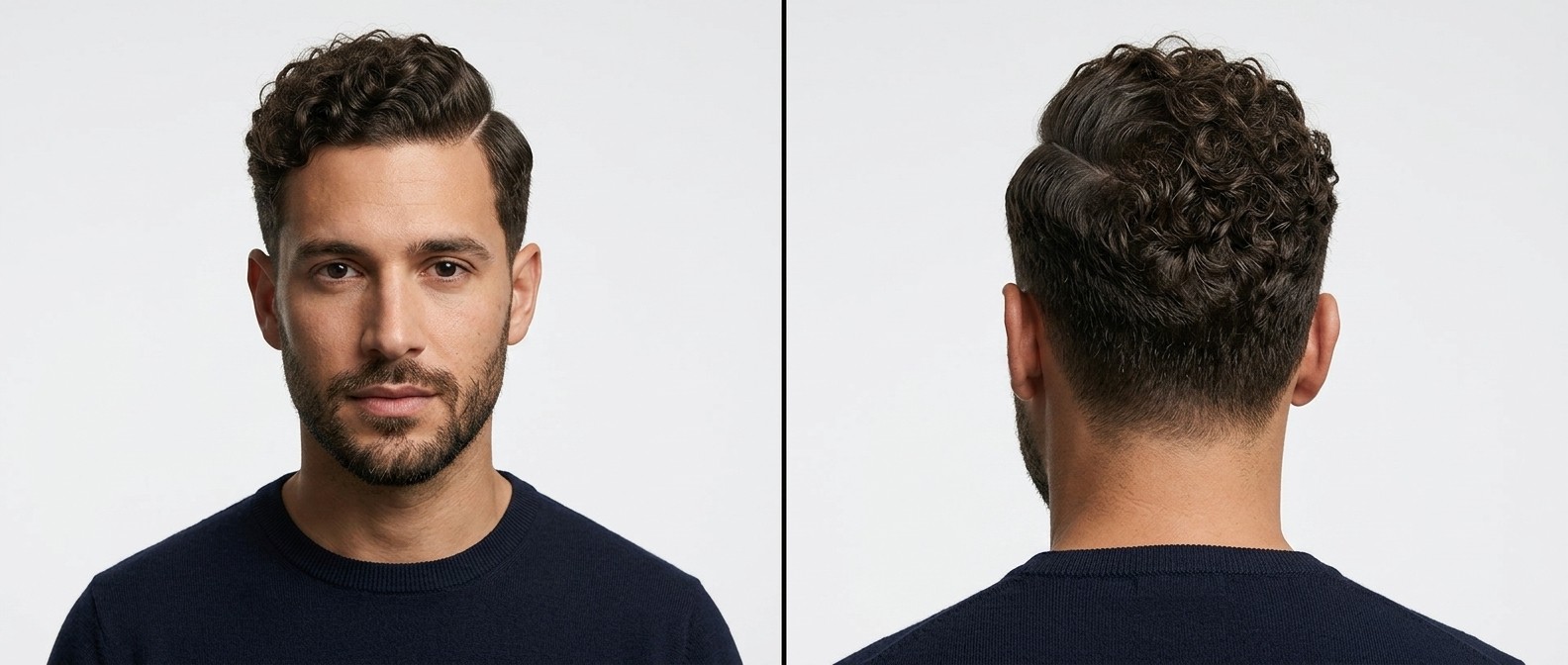
- Works with: all hair types, textures, and most face shapes
- Best paired with: comb-over, pompadour, quiff, undercut, skin fade, slick-back
- Not recommended for: very thinning hair on top (the shaved line may highlight sparse areas)
- Maintenance frequency: every 1-2 weeks to keep the line sharp
The hard part is also an excellent choice for men who want to look more polished without dramatically changing their hairstyle. If you're wearing a standard comb-over or side part and want to level it up, adding a hard part is a subtle but impactful upgrade.
How to Style with a Hard Part
Since the hard part is an add-on element, your styling routine depends on the base hairstyle you pair it with. The hard part itself requires zero styling — it's shaved in and stays put. Your job is to style the hair on either side of it to complement the line.
For a comb-over with hard part, apply a medium-hold pomade or clay to damp hair and comb the top section away from the part line, directing it to the opposite side. The hard part creates a stark dividing line that makes the comb-over look intentional and structured. For a pompadour with hard part, style the top upward and back while keeping the sides neatly combed down or faded — the hard part acts as a visual anchor separating these two sections.
The key styling principle with a hard part is contrast: keep the top and sides distinctly different. Comb the top in one direction, keep the side below the part flat and close, and let the shaved line create a sharp boundary between them. This contrast is what makes the hard part so visually effective.
What to Tell Your Barber
Adding a hard part is a quick, straightforward request. Tell your barber: "I want a hard part on the left/right side." Specify the placement — most hard parts follow your natural part line, which is typically on the left or right side, roughly above the corner of your eyebrow. If you're unsure, ask your barber to comb your hair and find where it naturally divides.
Discuss the width and length of the line. For a subtle accent, request a thin line (1-2mm). For a bolder statement, go wider (3-4mm). The line can run from your hairline partway back or extend further toward the crown — shorter lines look more conservative, while longer lines are more dramatic.
Key question to ask: "Should the hard part connect to my fade?" If you have a fade on the sides, the hard part can transition seamlessly into it, creating a cohesive, integrated look. Your barber will use a trimmer or straight razor for precision — this is a detail that separates a good barber from a great one, so choose someone with a steady hand.
Hard Part Maintenance
The biggest downside of a hard part is its maintenance frequency. Because the line is shaved to the skin, it starts growing back within days. After about a week, the line becomes fuzzy and loses its crispness. After two weeks, it may barely be visible.
- Professional touch-up: visit your barber every 1-2 weeks to keep the line sharp
- DIY maintenance: use a precision trimmer at home to trace the existing line between barber visits
- Tip for DIY: use a single-blade trimmer and work slowly — one wrong stroke can widen or shift the line
- If growing it out: the hard part fills in within 2-3 weeks and disappears without any awkward stage
- Sun protection: apply sunscreen to the exposed skin of the part line to prevent sunburn
If you want to maintain the hard part yourself between barber visits, invest in a quality detail trimmer — the small, narrow-blade kind designed for edging and outlining. Practice tracing the line your barber created rather than trying to re-cut it from scratch.
Hard Part Combinations and Variations
The hard part with skin fade is the most popular combination — the shaved line flows into a high or mid fade, creating a seamless integration of detail and gradient. The hard part with comb-over is the classic pairing, transforming a traditional style into something modern and sharp. A hard part with pompadour adds structural definition to the voluminous top.
For textured hair, a hard part with curly top creates an eye-catching contrast between the razor-precise line and the organic texture above. Double hard parts — two parallel shaved lines — are a bold variation that doubles the visual impact. Some men incorporate the hard part into a larger hair design, using it as the starting point for geometric patterns or lines that extend into the fade. The hard part's simplicity is its greatest asset — it enhances without overwhelming, making any haircut look more deliberate and polished.