

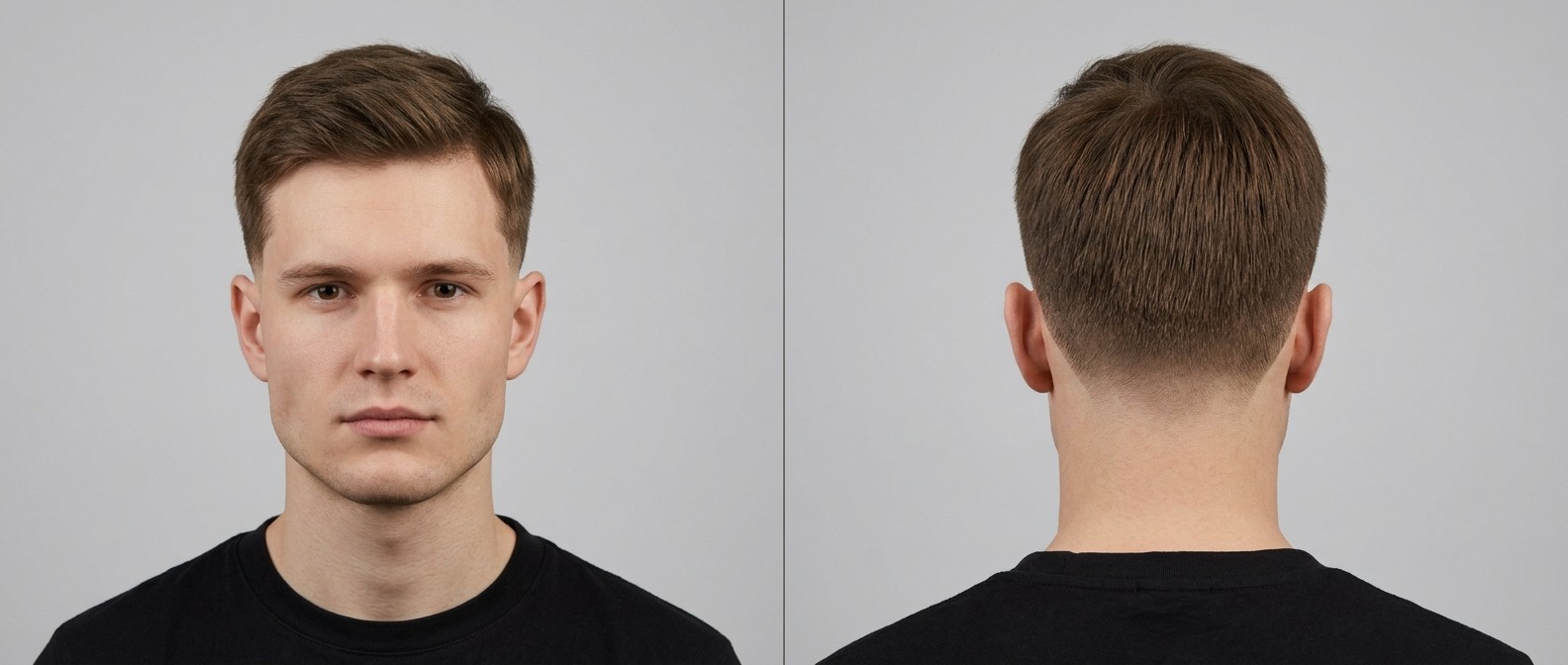
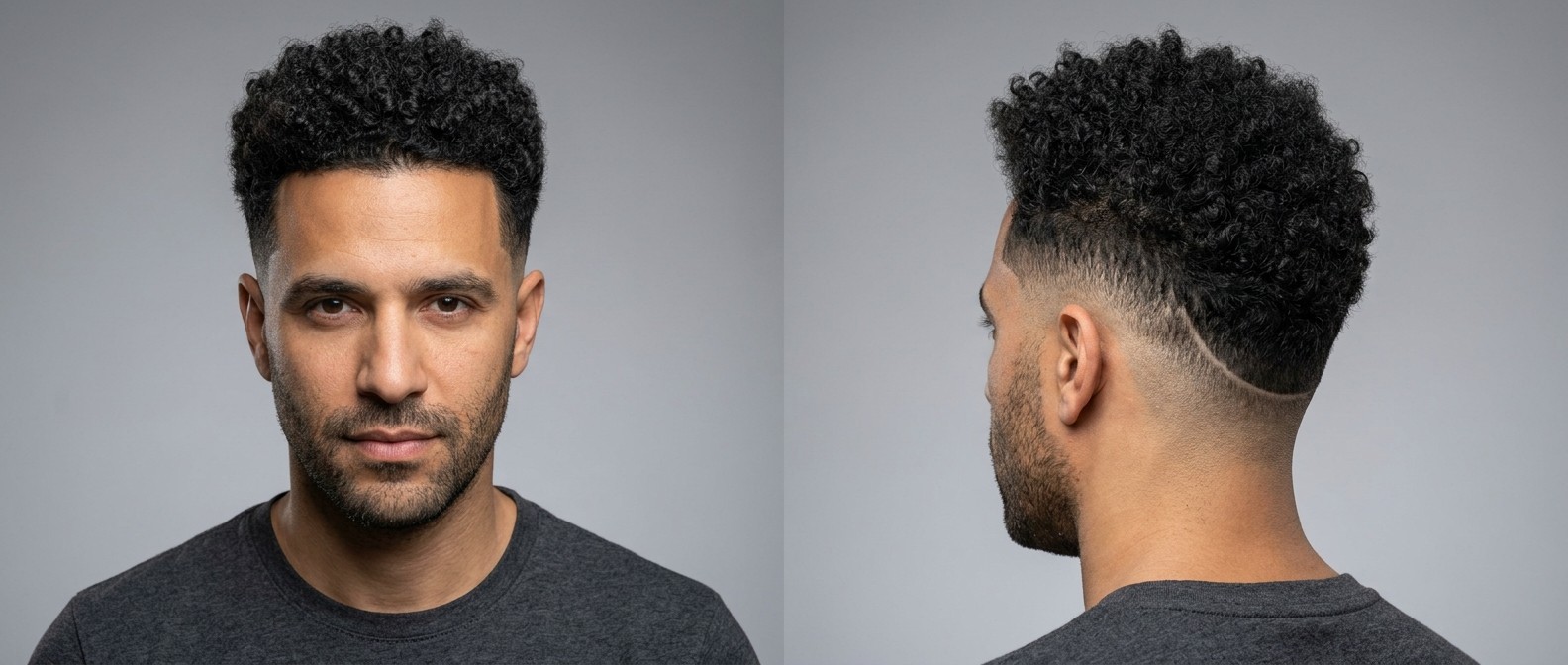
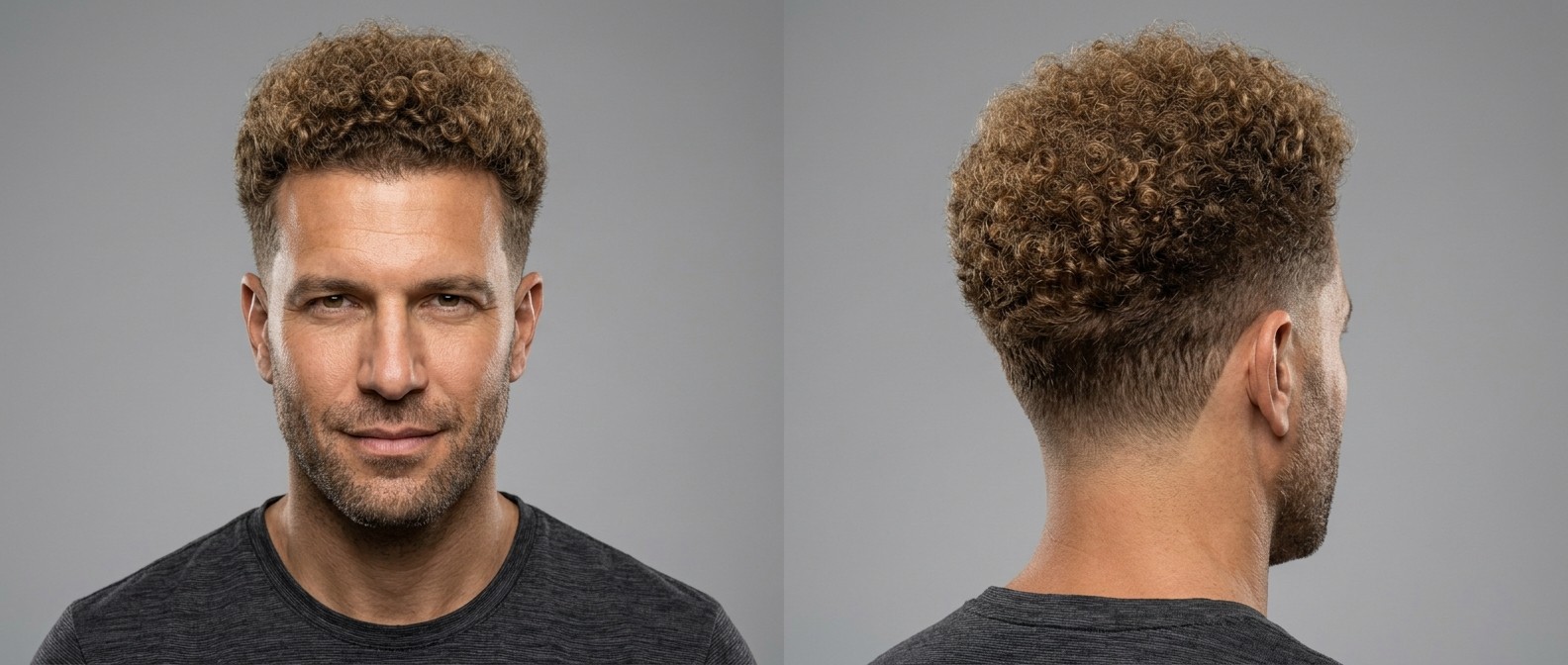
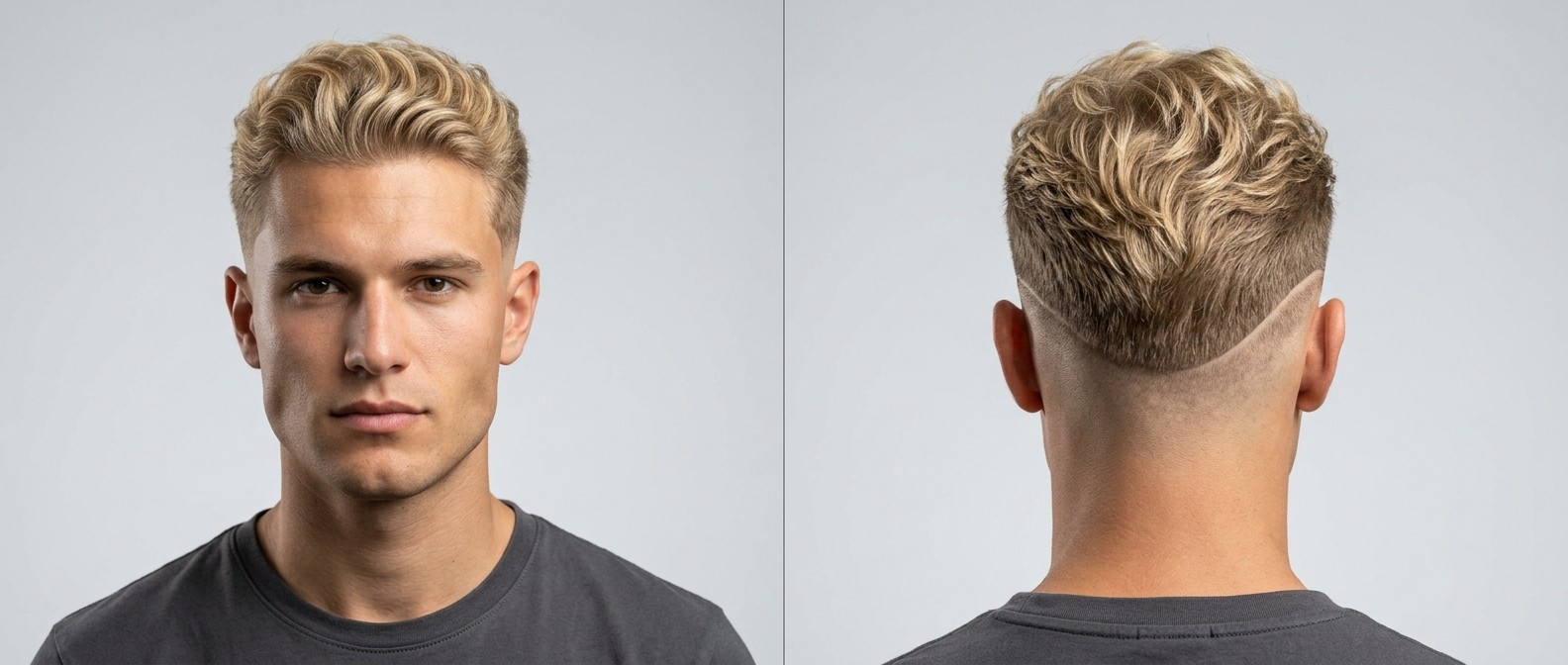
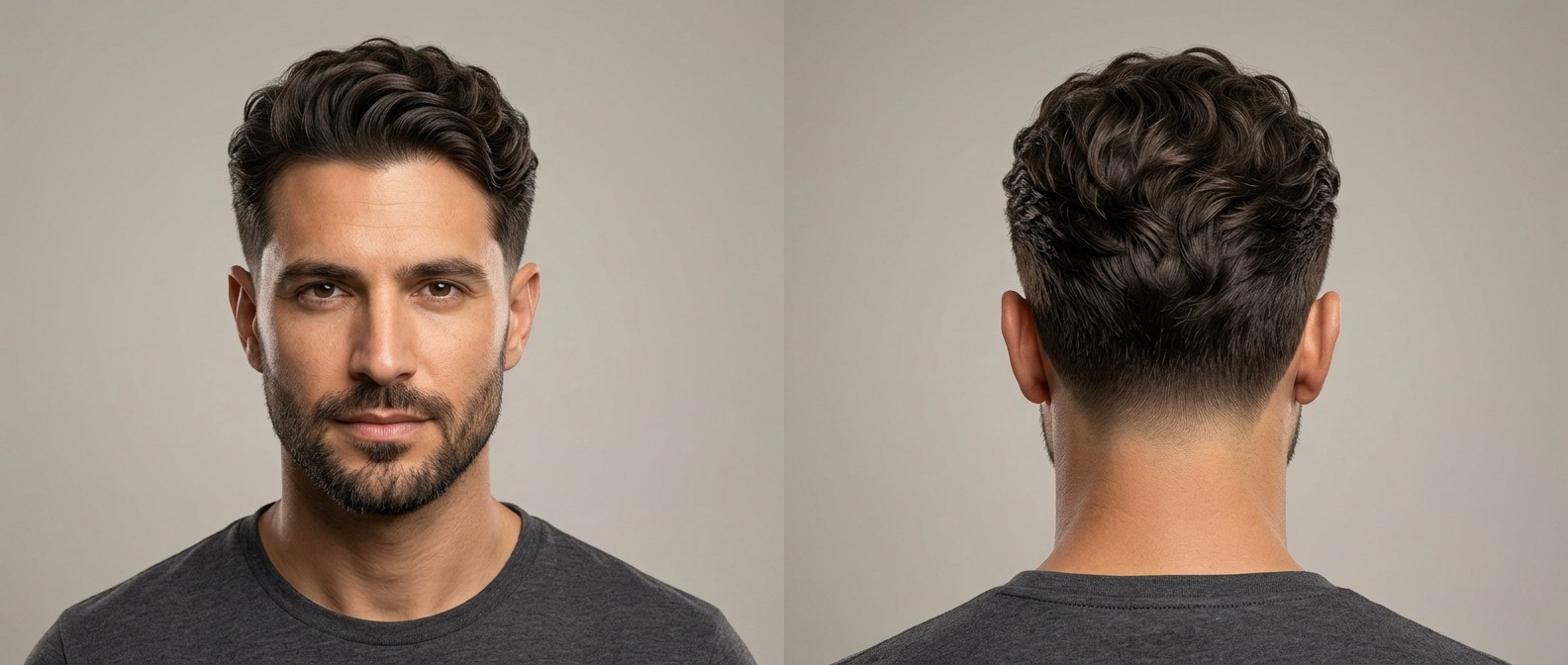
What Is a Burst Fade?
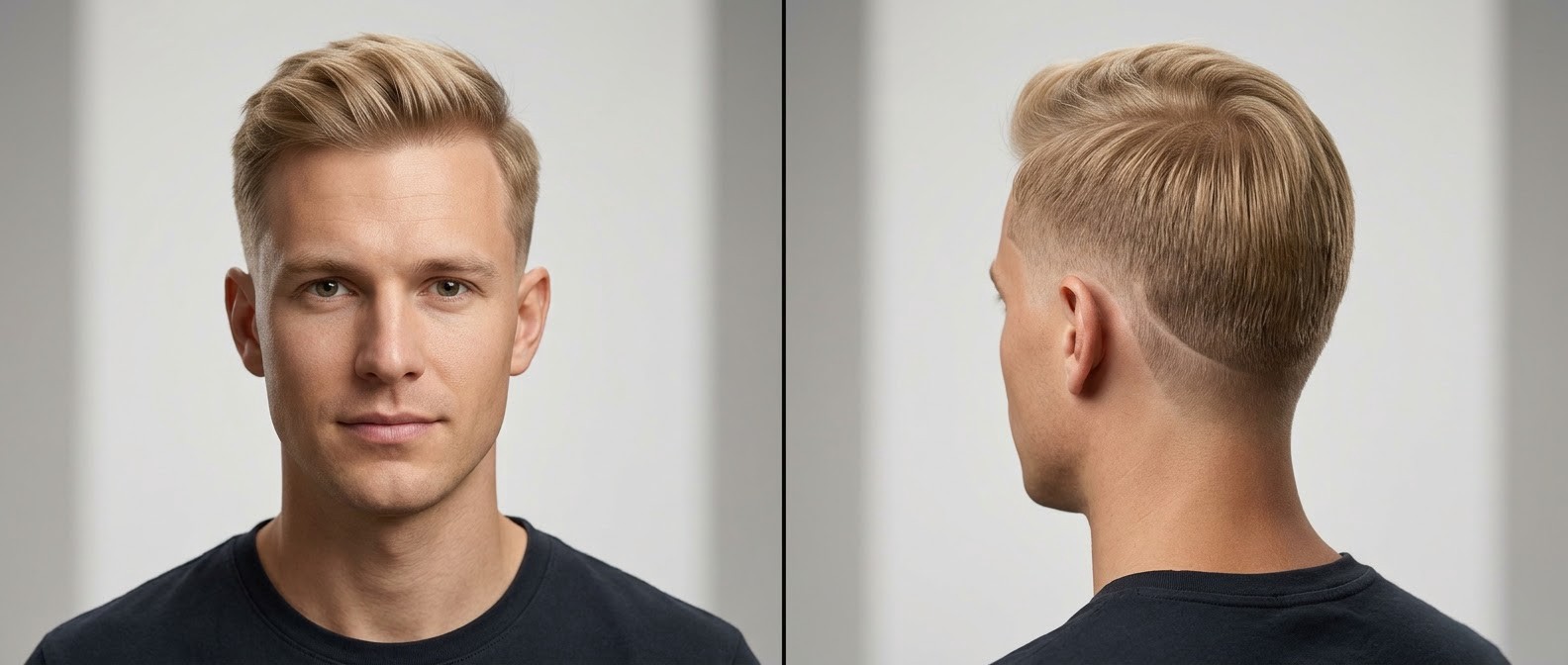
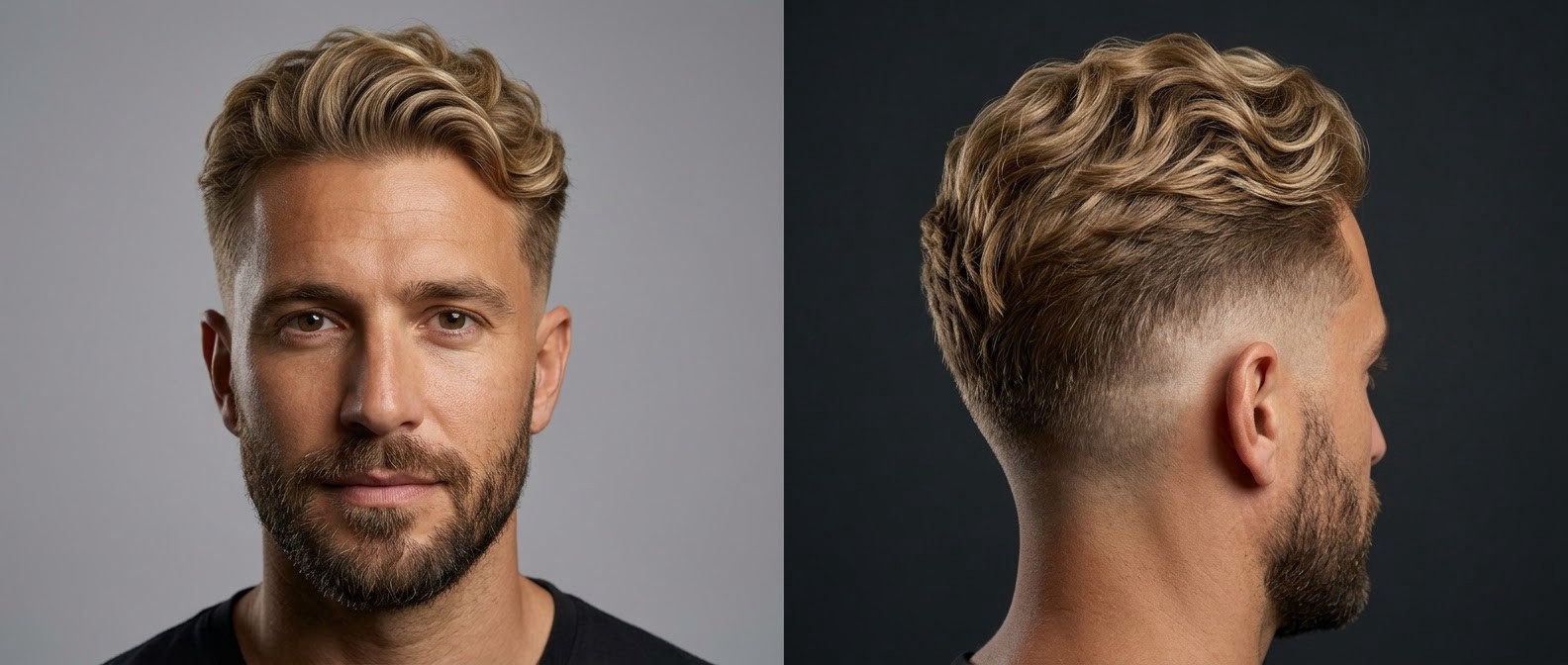
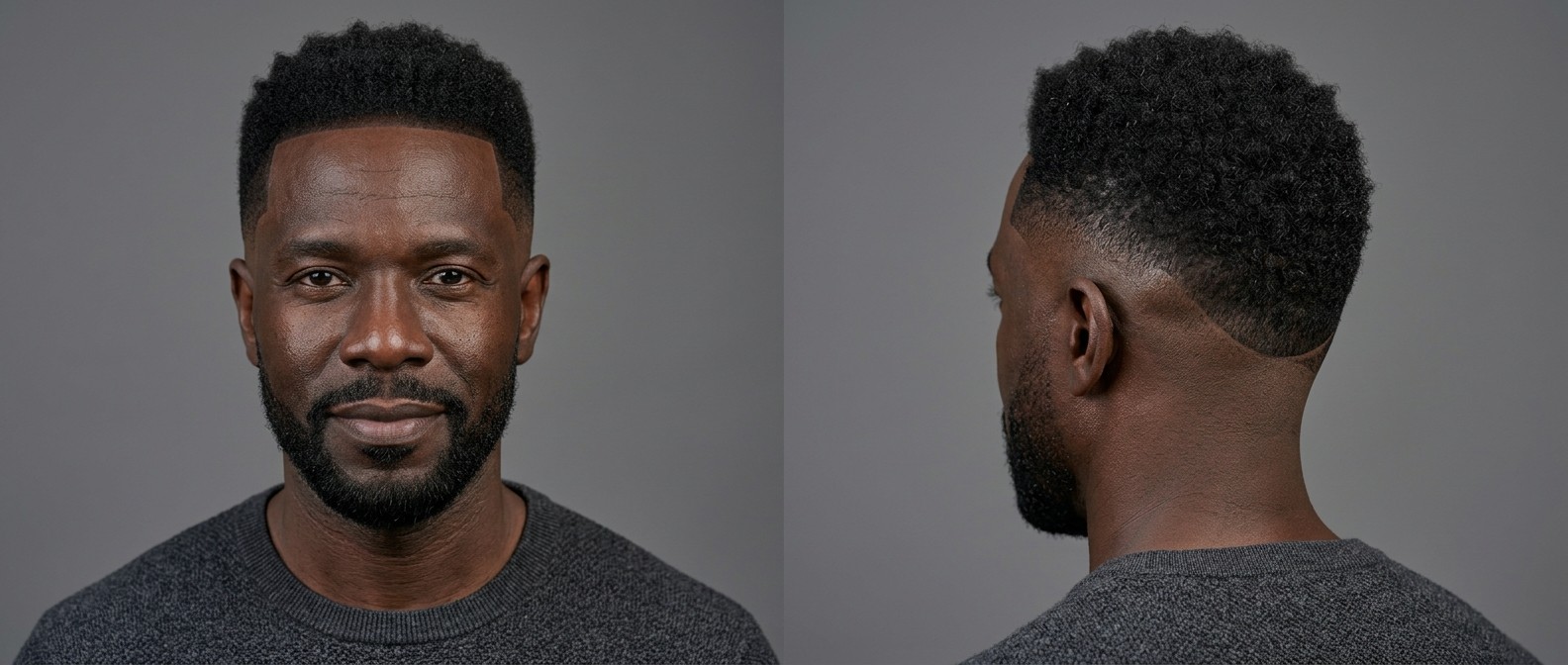
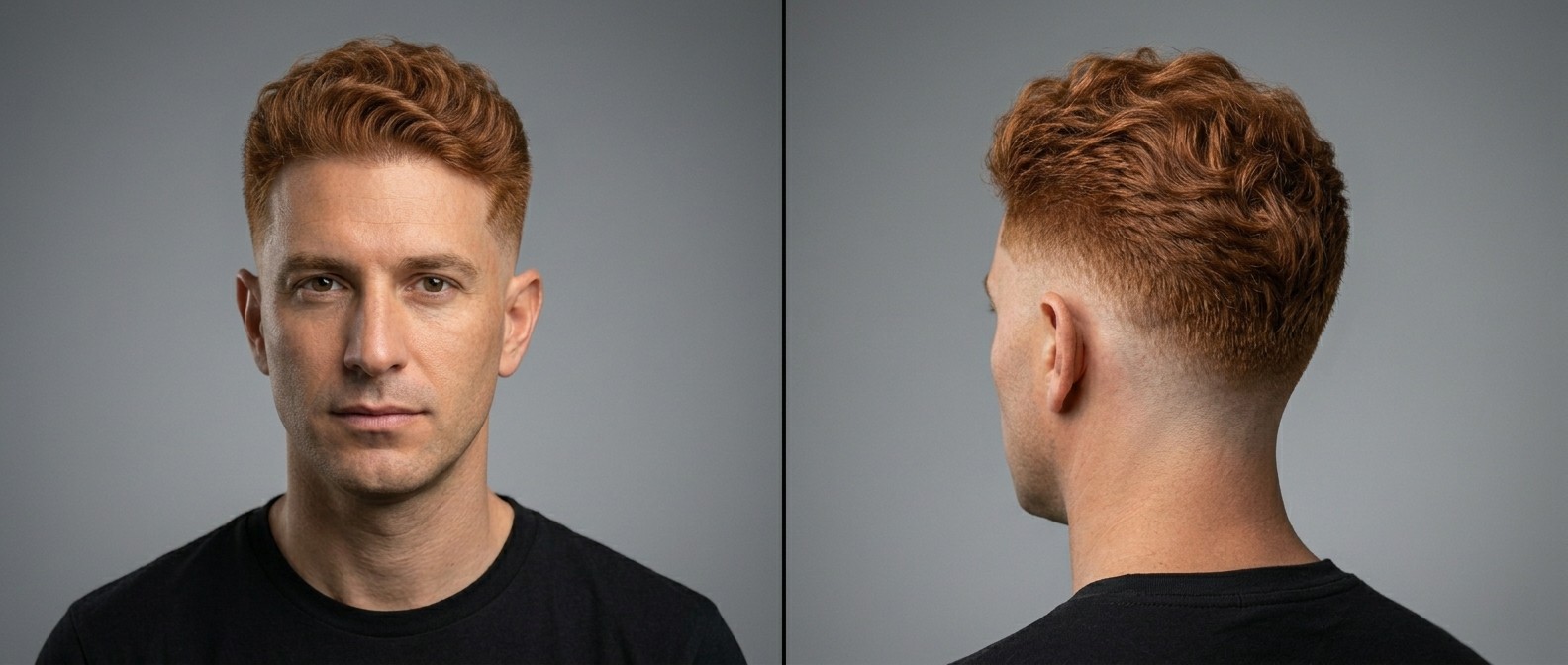
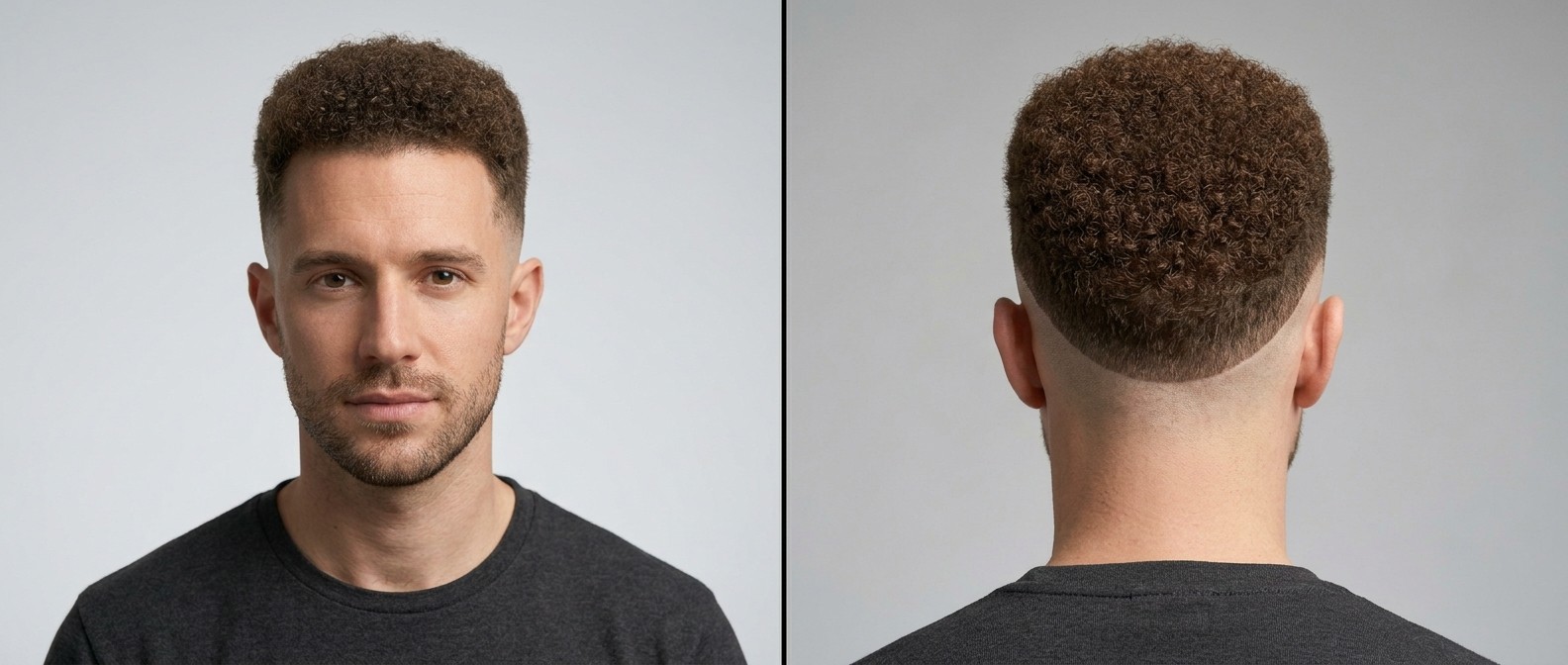
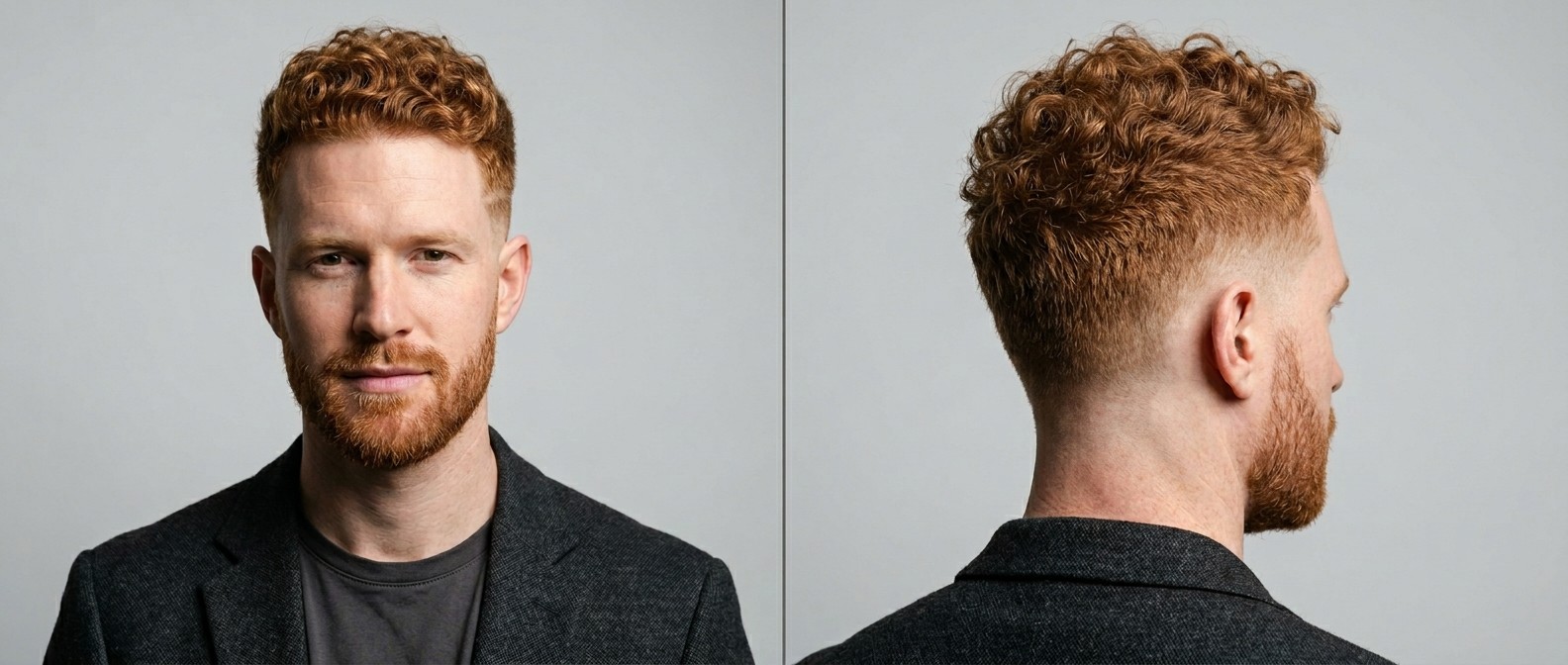
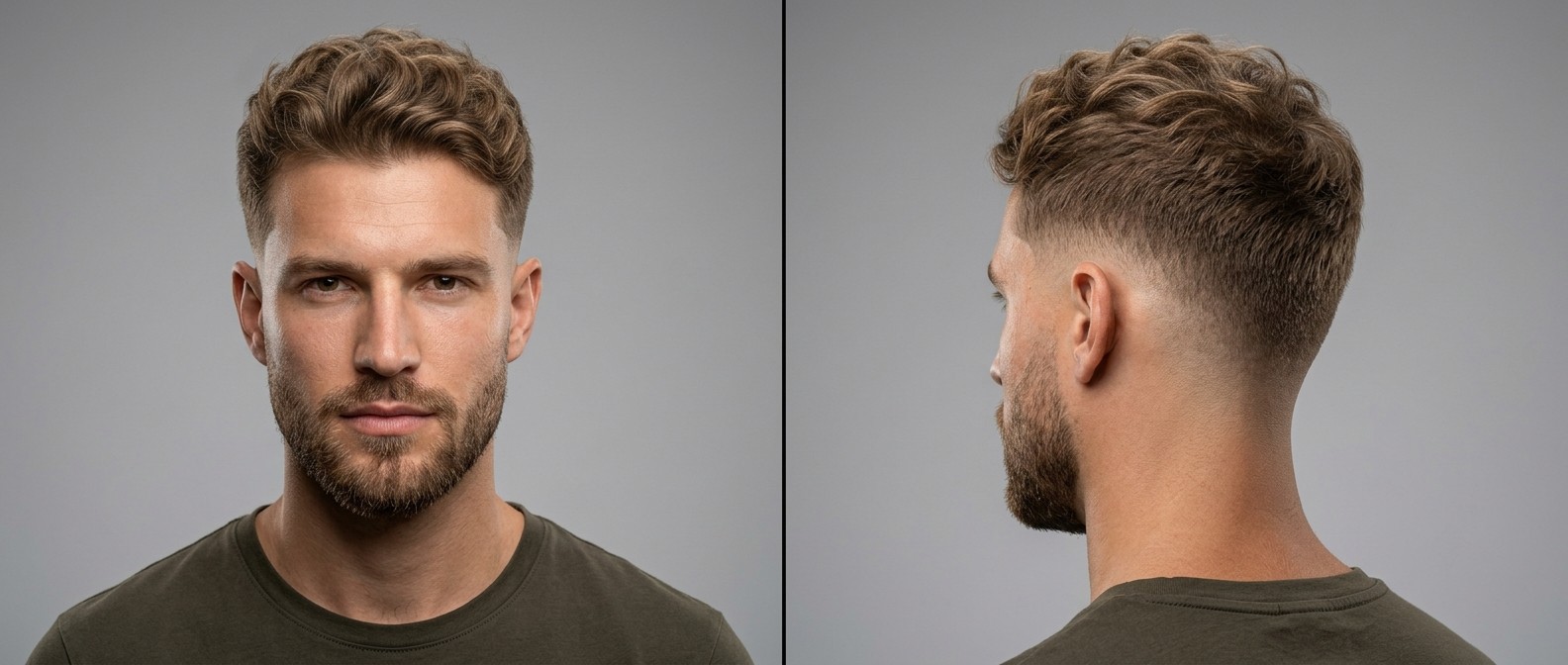
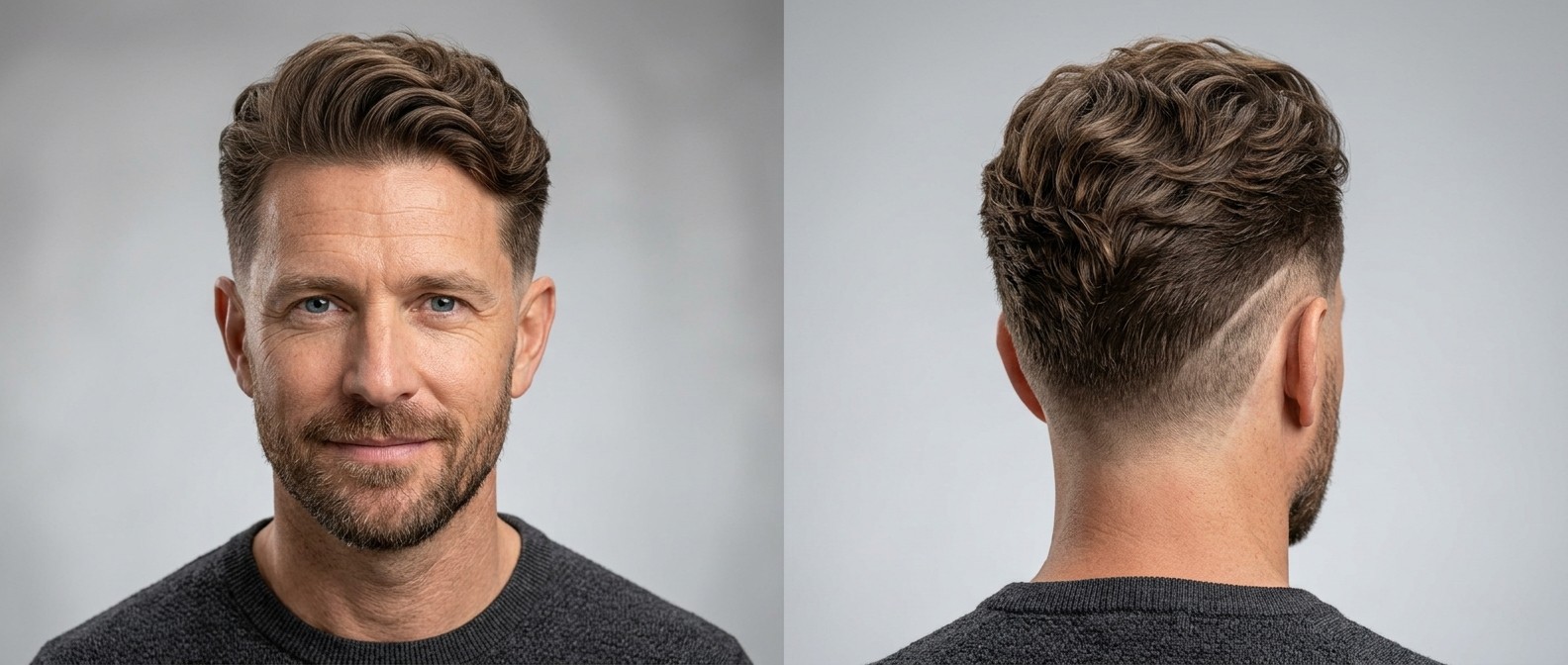
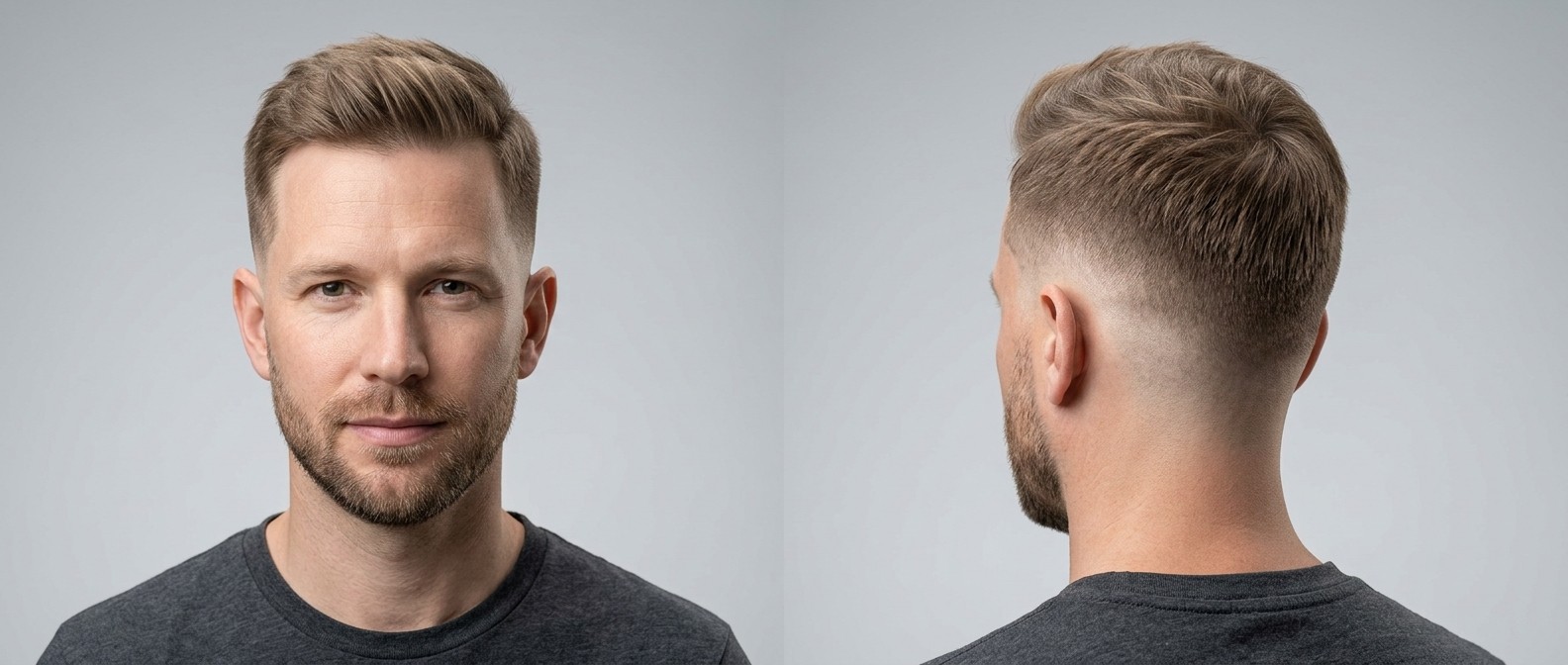
A burst fade is a unique fading technique where the shortest point of the fade sits directly behind and around the ear, with the hair gradually getting longer as it moves away from that center point — creating a radiating or "bursting" pattern. Imagine the ear as the center of a sunburst: the hair fans outward from that point, getting progressively longer toward the back of the head and toward the top.
What makes the burst fade distinct from other fades is that it doesn't fully taper the back of the head. Instead, the hair at the nape and lower back remains longer, which is why this technique pairs so naturally with mullets and South of France styles. The burst creates a visually dynamic shape that adds dimension and movement to the overall silhouette.
Who Should Get a Burst Fade?
The burst fade is for men who want their haircut to make a statement. It's ideal if you're drawn to creative, trend-setting styles rather than conventional looks. Consider a burst fade if:
- You want a fade that's noticeably different from standard fade styles
- You're planning to wear a mohawk, faux hawk, or mullet and need the right foundation
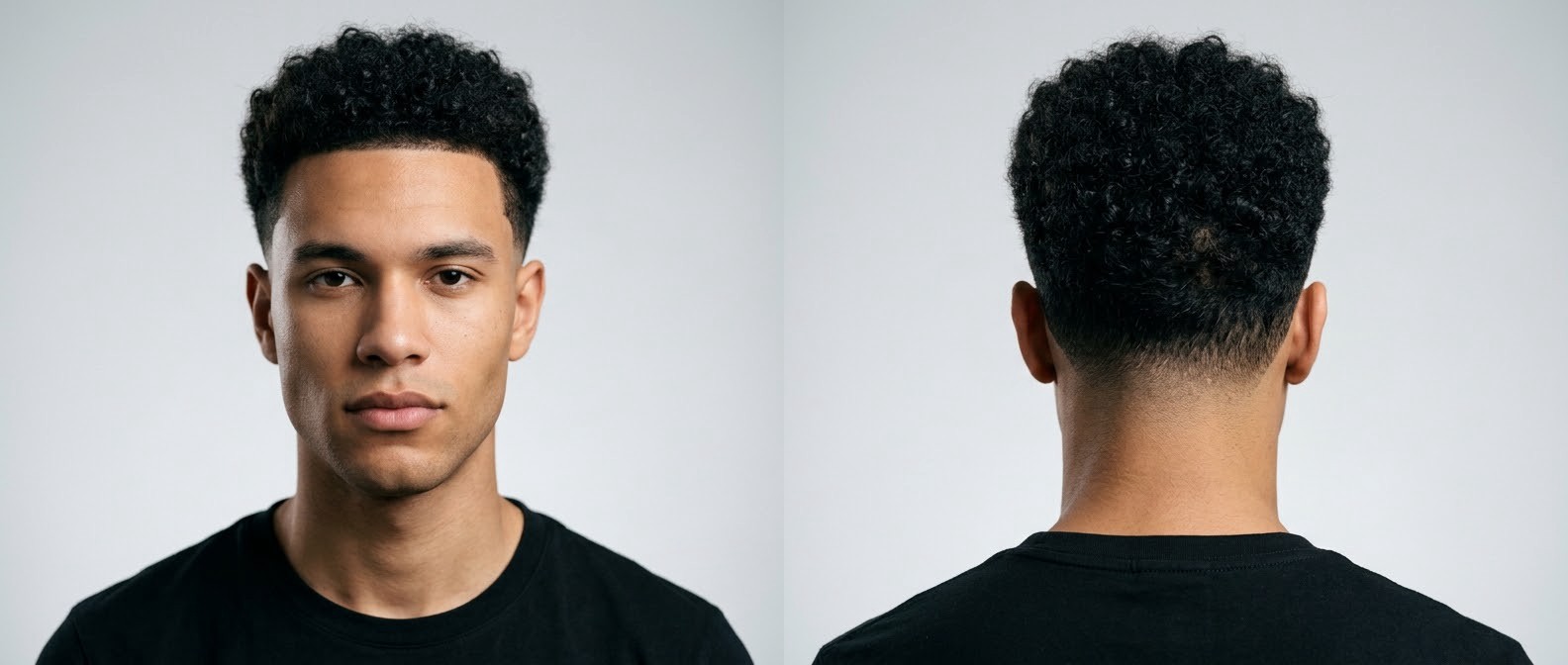
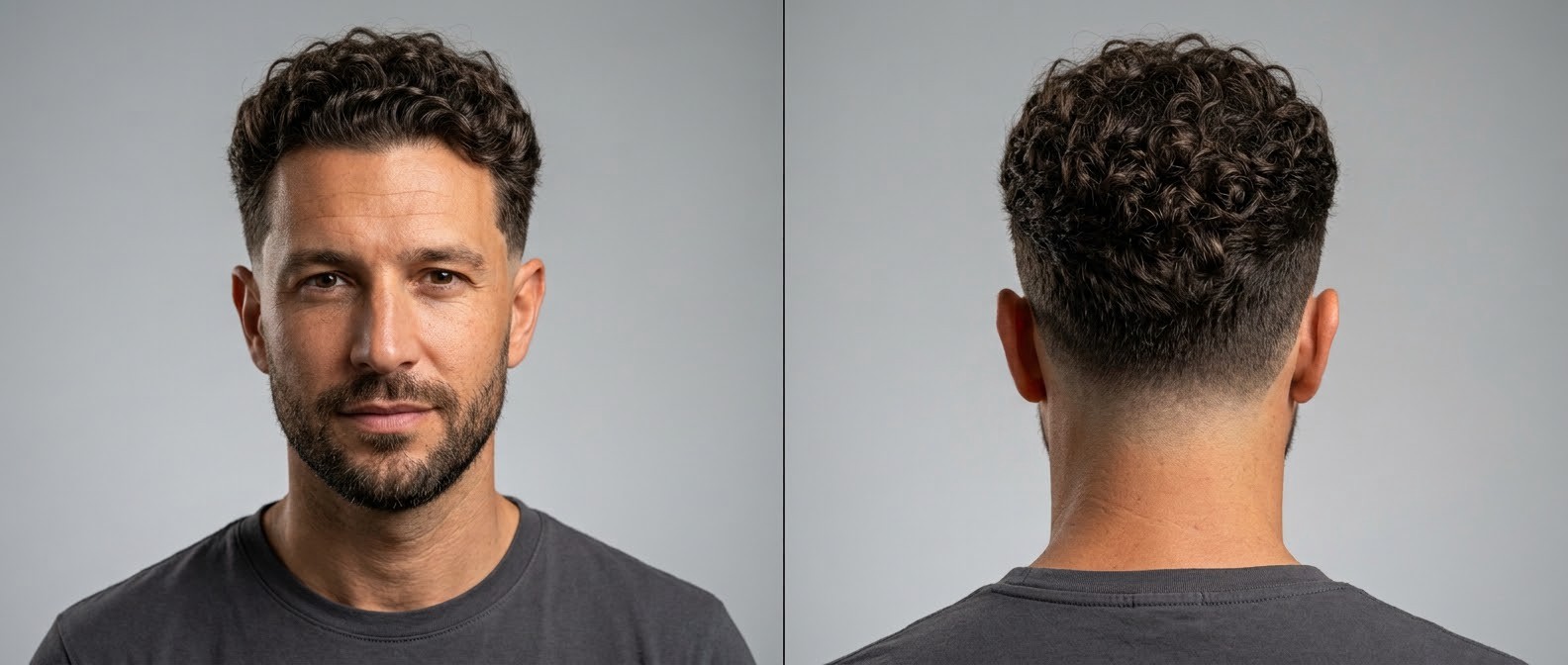
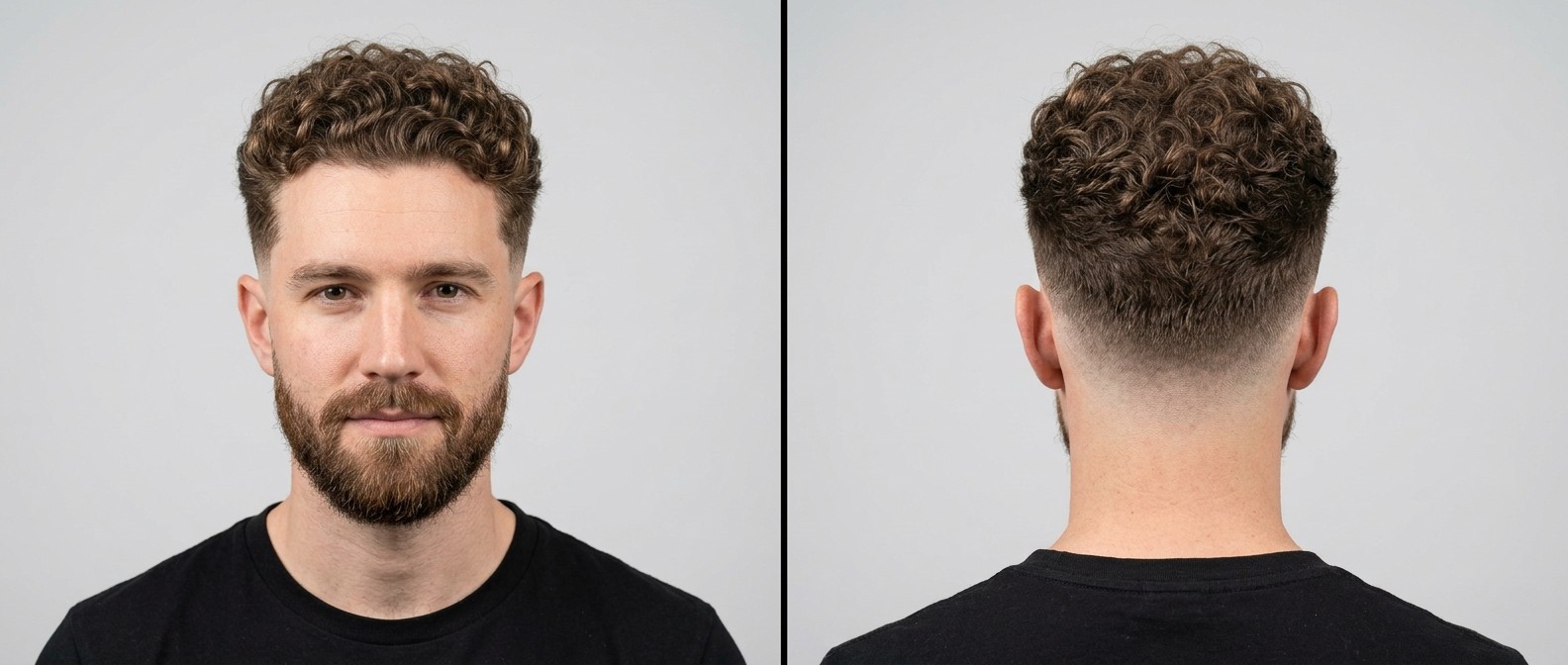
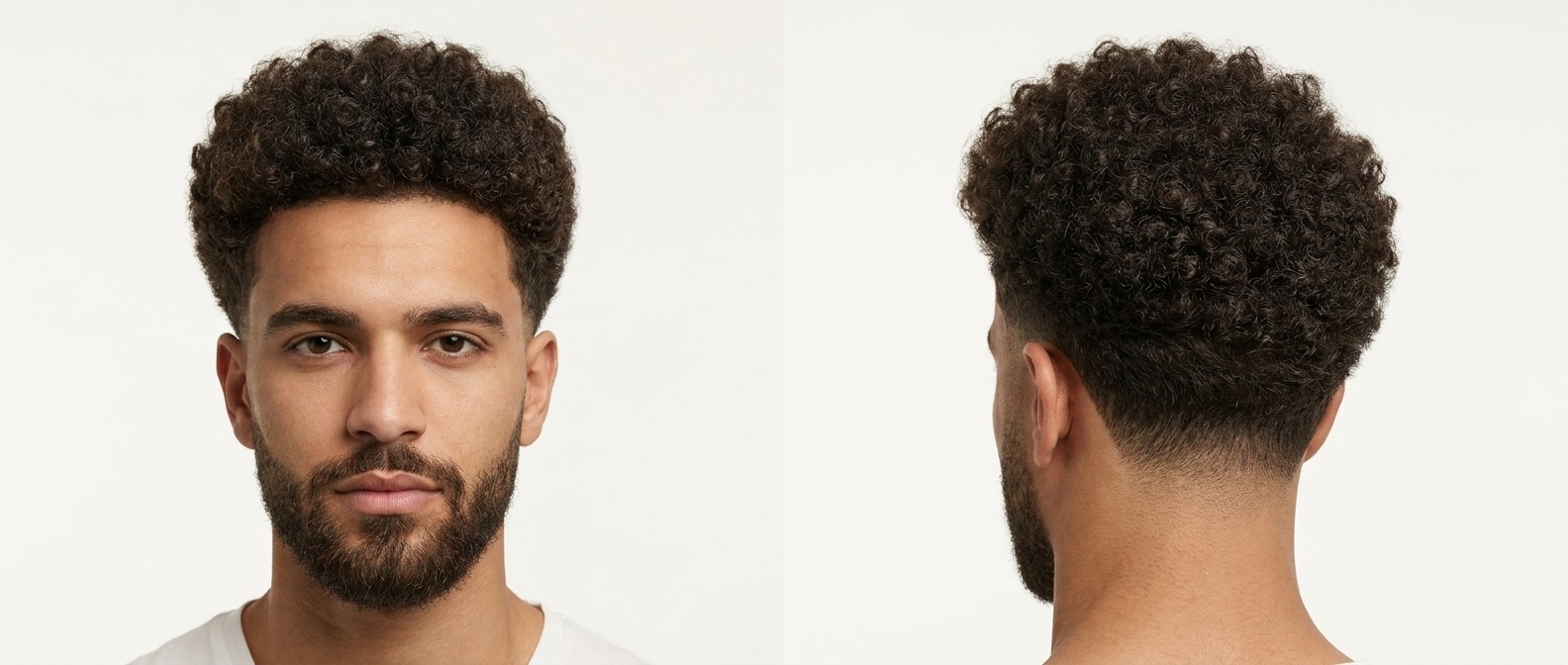
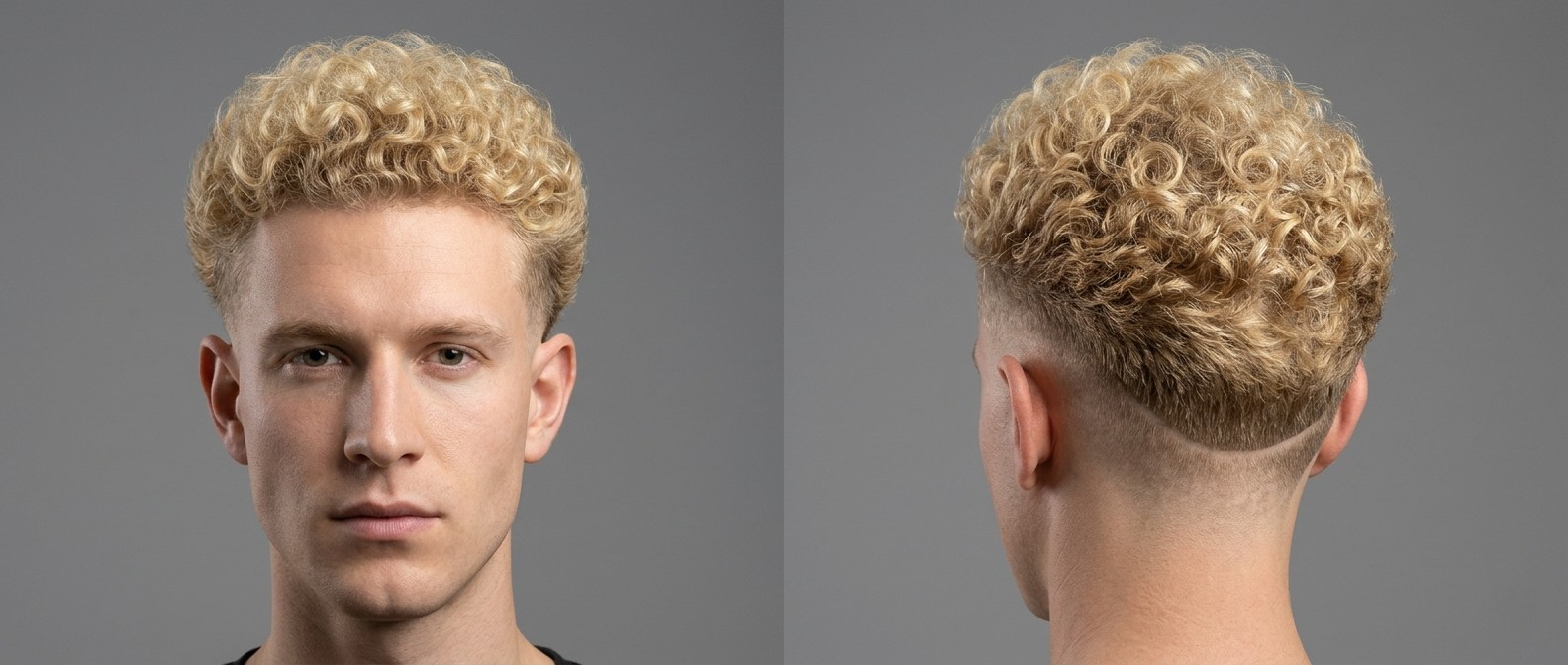
- You have curly or textured hair — the burst fade beautifully frames natural texture
- You're comfortable with a style that draws attention and compliments
- You want to keep some length at the back while still having clean sides
The burst fade works across all hair types but looks especially striking on men with afro-textured, curly, or wavy hair, where the natural volume on top contrasts dramatically with the faded sections around the ears.
How to Style a Burst Fade
Styling a burst fade depends on the top and back sections since the faded areas require no daily attention. For a mohawk or faux hawk combination, apply a strong-hold gel or mousse to damp hair and push everything toward the center, using your hands or a comb. Blow-dry upward for maximum height and volume, then set with a finishing spray.
If you're wearing a burst fade with a mullet, the approach is more relaxed — let the back flow naturally and use a light texturizing spray or sea salt spray to add definition and movement. For curly tops, a curl cream applied to wet hair and left to air-dry gives you defined, bouncy curls that contrast beautifully with the clean fade around the ears.
What to Tell Your Barber
The burst fade requires a skilled barber, so choose someone experienced with this specific technique. When you sit in the chair, communicate these details:
- Ask specifically for a "burst fade" — this tells your barber the fade should radiate around the ear
- Specify how tight the burst should be: going to skin creates maximum impact, while a #1 guard is softer
- Discuss the back: do you want the hair to flow into a mullet, taper naturally, or be shaped differently?
- Clarify the top style: mohawk, faux hawk, textured crop, or natural length
- Mention how wide you want the burst — a wider burst is more dramatic, a narrower one more subtle
Bring reference photos showing the burst fade from the side angle — this is where the defining characteristic is most visible and where miscommunication can most easily happen.
Maintenance and Care
A burst fade needs regular maintenance every 2-3 weeks to keep the radiating pattern sharp and well-defined. As the hair grows, the burst shape loses its crispness relatively quickly because even small amounts of growth around the ear disrupt the clean semicircular pattern. Between barber visits, you can use a precision trimmer to clean up any stray hairs around the ears and neckline.
For the longer sections on top and back, maintain a regular washing schedule — 2-3 times per week with a quality shampoo. Use conditioner to keep the hair soft and manageable. If your burst fade accompanies a mullet or longer back section, detangle gently with a wide-tooth comb to prevent breakage and maintain the flowing shape.
Popular Burst Fade Combinations
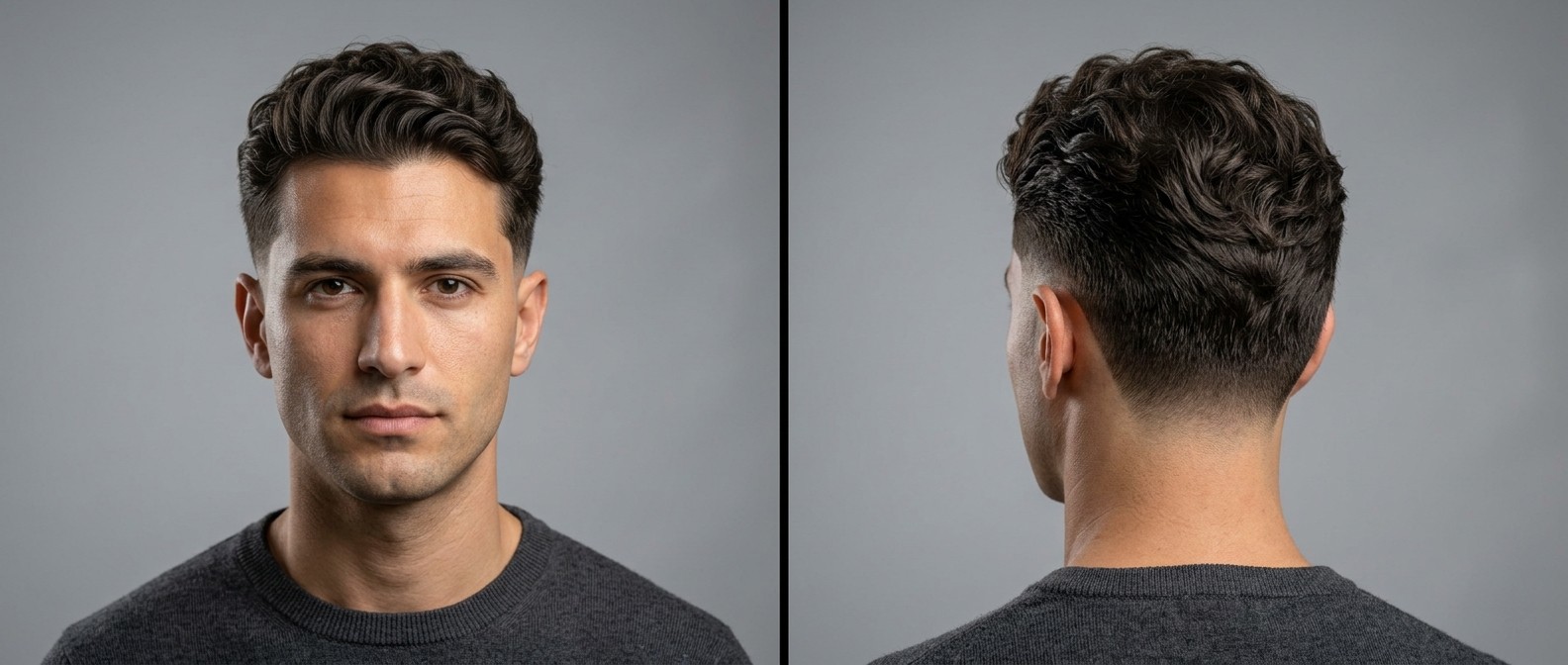
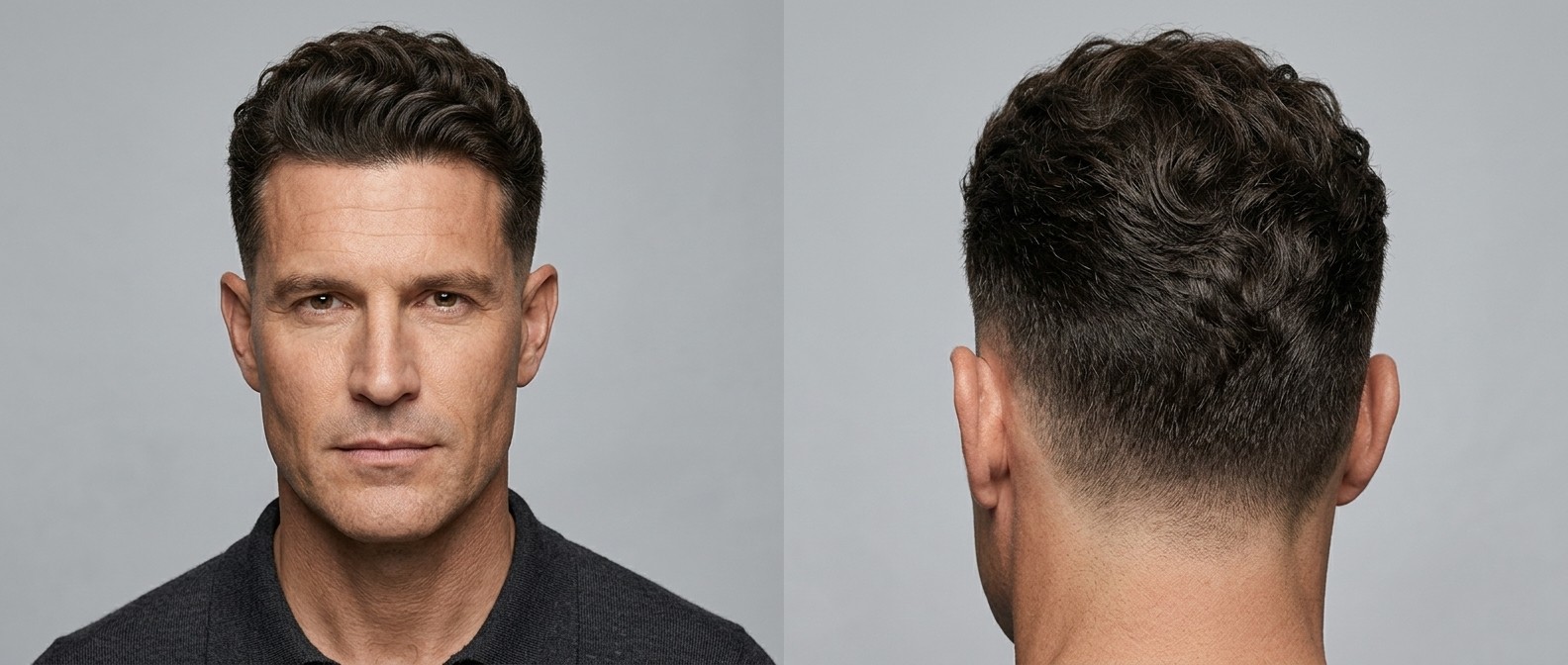
The burst fade truly shines when combined with specific top styles. The burst fade mohawk is perhaps the most iconic pairing — the faded semicircle around the ears naturally frames the mohawk strip on top. The burst fade mullet has surged in popularity, creating a modern twist on a retro classic where the fade transitions smoothly into the longer back section. The burst fade with a curly top — sometimes called the South of France — creates a distinctive, high-fashion look that's become a signature style. You can also combine a burst fade with designs or patterns shaved into the sides for added personalization and artistic flair. For a more subtle approach, a low burst fade with a textured crop on top offers the distinctive ear-framing shape without the dramatic length contrasts of a mohawk or mullet pairing.