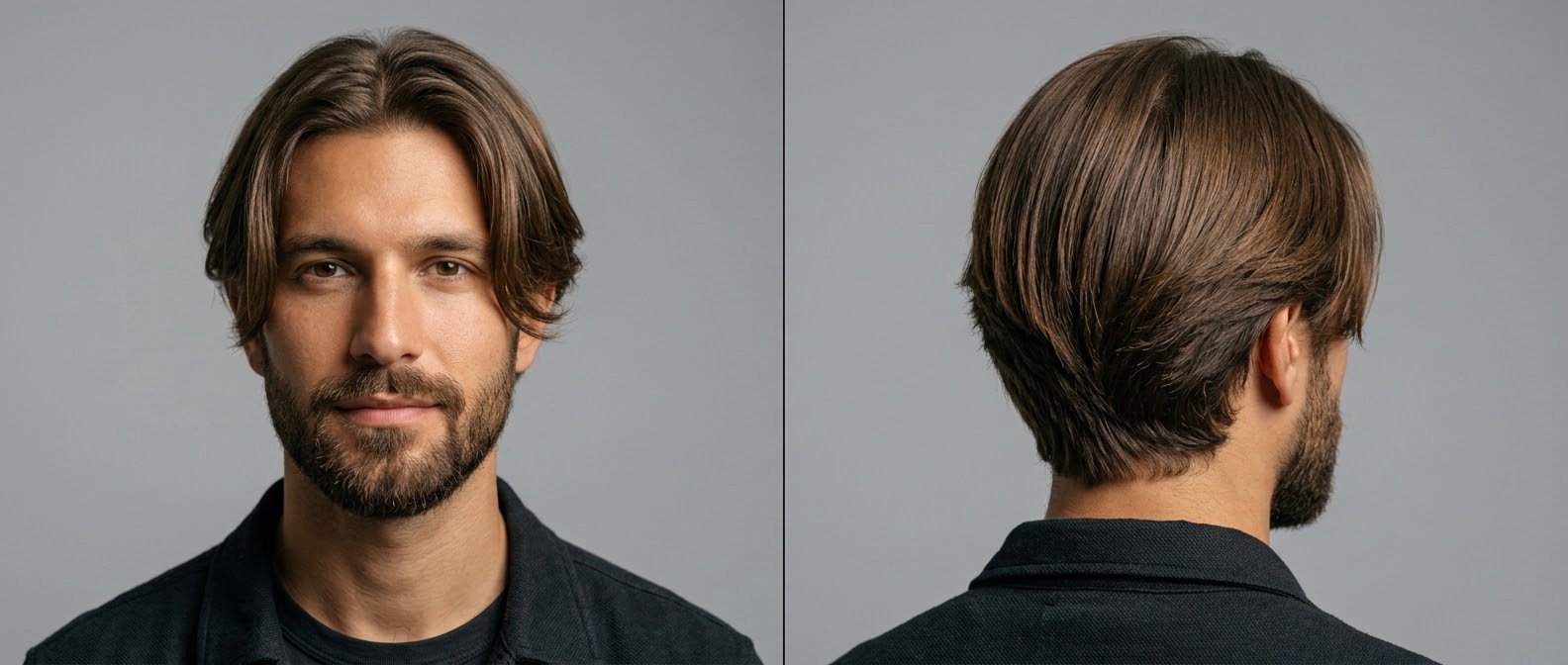
Add one front-facing photo. We send it to the AI together with this exact cut — and you get a photorealistic preview of yourself wearing it.
1
Your photo
Front view · neutral face · even light
2
This haircut
Already included
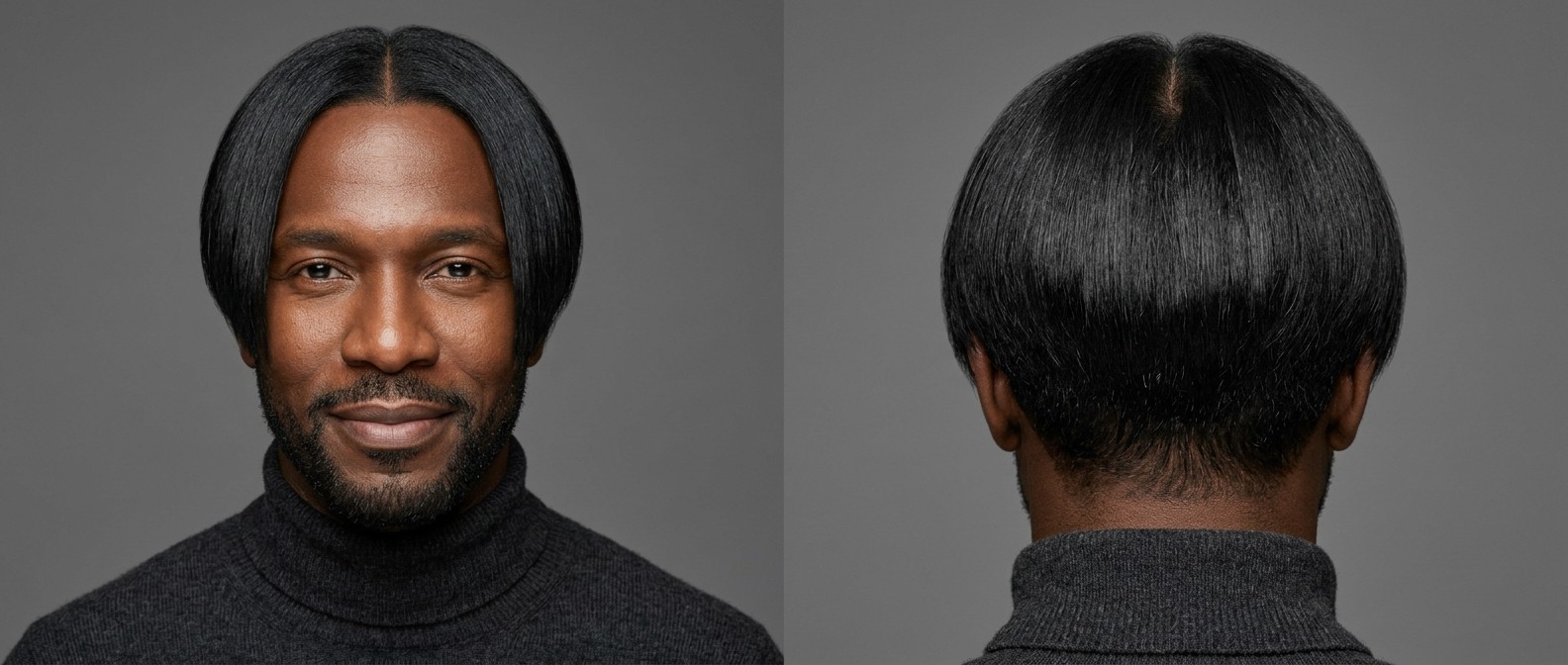
Front and back reference — taken from this page
3
Your preview
Your result appears here
![]()
![]()
Generated for you, not published anywhere
How do you rate this tool?
- Reading your photo
- Matching the cut
- Rendering your preview
How to take a photo that works
Do
- Face the camera straight on
- Even daylight, no harsh shadow
- Head and shoulders in frame
- Hair fully visible, nothing covering it
Avoid
- Hats, caps, hoods, sunglasses
- Steep angles or a tilted head
- Group photos or heavy filters
- Backlight that darkens the face
Classic Straight Curtains Hairstyle with Layered Flow and Center Part
 Top
Medium (5-10 cm)
 Sides
Medium (2-5 cm)
 Hair Type
Straight (Type 1)
 Face Shape
Rectangular
 Maintenance
Medium
 Thickness
Medium / Normal
About This Style
When you look at this modern iteration of the classic curtains hairstyle, you are seeing a masterful balance of nostalgic 90s aesthetics and contemporary refinement. The defining feature you will immediately notice is the sharp, symmetrical center part that allows your medium-length top hair to cascade naturally down the sides of your face, framing your cheekbones with perfect precision. Unlike harsher undercut variations, this style utilizes soft, meticulous scissor work to create a seamless, flowing transition from the longer top (typically around 5 to 10 centimeters) to the gently tapered, medium-length sides and back. The result is a relaxed, artistic silhouette that moves organically with you throughout the day.
This cut is exceptionally flattering if you have a rectangular face shape, as the face-framing fringe softens sharp jawlines and adds horizontal width to balance your facial proportions. It works brilliantly for you if you possess naturally straight, medium-thick hair, taking full advantage of your hair's natural weight to maintain the structured yet flowing shape. Ideal for creative professionals or those embracing an artistic lifestyle, this hairstyle projects an effortless, laid-back confidence that transitions seamlessly from a casual daytime studio environment to a more upscale evening event, especially when paired with a sharply groomed short beard as seen in the reference.
This cut is exceptionally flattering if you have a rectangular face shape, as the face-framing fringe softens sharp jawlines and adds horizontal width to balance your facial proportions. It works brilliantly for you if you possess naturally straight, medium-thick hair, taking full advantage of your hair's natural weight to maintain the structured yet flowing shape. Ideal for creative professionals or those embracing an artistic lifestyle, this hairstyle projects an effortless, laid-back confidence that transitions seamlessly from a casual daytime studio environment to a more upscale evening event, especially when paired with a sharply groomed short beard as seen in the reference.
Key Features
- A distinctive, highly symmetrical center part that dictates the natural outward flow and direction of your hair.
- A face-framing front fringe that falls gracefully to the mid-cheek level, effectively softening your angular facial features.
- Entirely scissor-cut layered sides (ranging from 2 to 5 centimeters) that blend seamlessly into your longer top sections without any harsh disconnection.
- A neatly tapered, weighted nape area that keeps the back of your head looking tidy while simultaneously maintaining a relaxed, slightly grown-out aesthetic.
- A smooth, straight texture (Type 1 hair) that relies heavily on the natural weight and drape of your hair rather than requiring heavy, sticky styling products.
- A rounded, highly organic overall silhouette that moves fluidly with your head movements and perfectly complements a well-groomed, dense short beard.
Getting the Cut
- Request a classic curtains haircut from your barber, emphasizing the need for a clearly defined center part and entirely scissor-cut sides and back.
- Ask your barber to leave the top length around 5 to 10 centimeters, ensuring that the front fringe reaches down to your cheekbones when pulled straight down.
- Specify that your sides should be cut to a medium length (approximately 2 to 5 centimeters), which is just long enough for you to tuck the hair behind your ears if desired.
- Request point cutting techniques throughout your top and front sections to remove excess bulk, add texture, and encourage a softer, much more natural flow to the hair.
- Instruct the barber to use a classic square layering technique to build subtle, necessary weight around your parietal ridge for better structural support.
- Ask for a gently tapered, natural-looking neckline using a scissors-over-comb method, explicitly avoiding any harsh, blunt lines or high clipper fades at the nape of your neck.
- Ensure your barber seamlessly blends the transition between your longer top hair and the medium sides so there is absolutely no visible disconnection or shelf effect.
Daily Routine
- Start your routine with freshly washed, towel-dried hair, intentionally leaving it slightly damp to allow for much easier manipulation and sectioning.
- Apply a dime-sized amount of a high-quality, lightweight styling cream or a few spritzes of sea salt spray evenly from your roots to the ends for subtle control and essential heat protection.
- Use a fine-tooth carbon comb to establish a sharp, exceptionally precise center part, drawing a straight line from your front hairline directly back to your crown.
- Begin blow-drying your hair on a medium heat and medium speed setting, using a vented brush to pull the hair downwards and slightly backward, away from your face.
- As your hair approaches being fully dry, drop the brush and use your fingers to gently push the front sections back, allowing them to fall naturally forward into that signature curtain shape.
- Once your hair is completely dry, switch your hairdryer to the cold shot setting and blast your hair for thirty seconds to lock the cuticles down and set the relaxed, flowing shape firmly in place.
- Finish your styling process by working a tiny, pea-sized amount of matte styling paste or clay through the very ends of your hair only, which helps to tame flyaways and add a touch of definition without making your roots look greasy.
Products & Tools
- A high-quality, lightweight styling cream or grooming lotion that offers a light hold and a natural, matte to low-shine finish for daily wear.
- A premium sea salt spray or pre-styling primer to add subtle grit, texture, and foundational volume to your naturally straight, flat hair.
- A dependable matte styling paste or clay (featuring low hold and a matte finish) specifically for minor touch-ups and controlling flyaways at the ends of your hair.
- A professional-grade fine-tooth carbon comb, which is absolutely essential for creating that precise, clean center part without static.
- A vented styling brush or a small round brush to assist you with directional blow-drying and smoothing the hair cuticle for a sleeker look.
- A powerful, high-quality blow dryer equipped with a concentrator nozzle attachment to provide focused, controlled airflow during your morning styling process.
Maintenance
- Schedule regular maintenance trims with your barber every 5 to 8 weeks to prevent the back and sides of your hair from becoming overly bulky, round, or unkempt.
- Wash your hair only 2 to 3 times a week using a deeply hydrating shampoo and conditioner combo to maintain your smooth, straight texture and actively prevent frizz.
- On your non-wash days, simply rinse your hair thoroughly with warm water in the shower and apply a light leave-in conditioner spray to refresh the style and maintain essential moisture.
- Strictly avoid using heavy pomades, thick gels, or high-shine waxes, as these dense products will weigh your straight hair down and completely ruin the natural, breezy flow of your curtains.
- Consider investing in and using a silk or satin pillowcase overnight to drastically reduce friction, which helps prevent split ends and keeps your center part relatively intact for the next morning.
Best For
Exceptionally ideal for rectangular, oval, or diamond face shapes, as the cheek-length, sweeping fringe adds necessary proportional width and beautifully softens angular, sharp jawlines.
Perfectly suited for straight (Type 1) hair types with a medium to normal thickness profile, allowing the style to lay flat naturally and flow without unwanted puffiness.
An excellent choice for men in their mid-20s to late 30s who are actively seeking a sophisticated, mature, yet distinctly relaxed and approachable aesthetic.
Highly recommended for creative professionals, artists, musicians, or anyone with a dynamic lifestyle that permits and encourages a less rigid, highly casual daily appearance.
Pro Tips
- Never allow your barber to cut the front fringe too short; it absolutely must reach at least down to your cheekbones to create the authentic, flowing curtain effect and prevent the hair from stubbornly sticking straight out.
- If your straight hair tends to fall flat against your scalp, ask your barber to strategically add invisible layers underneath the top section to create natural, built-in lift without sacrificing the smooth, unruffled top surface.
- During humid, sticky summer months, adapt your routine by relying much more heavily on texturizing sea salt spray and significantly less on moisturizing styling creams to prevent your hair from looking overly greasy or weighed down by the afternoon.
- Actively train your center part by consistently and firmly combing it into its proper place while your hair is still soaking wet; over time, your hair's root direction will naturally want to fall into this specific division.
Related Hairstyles
Curtains
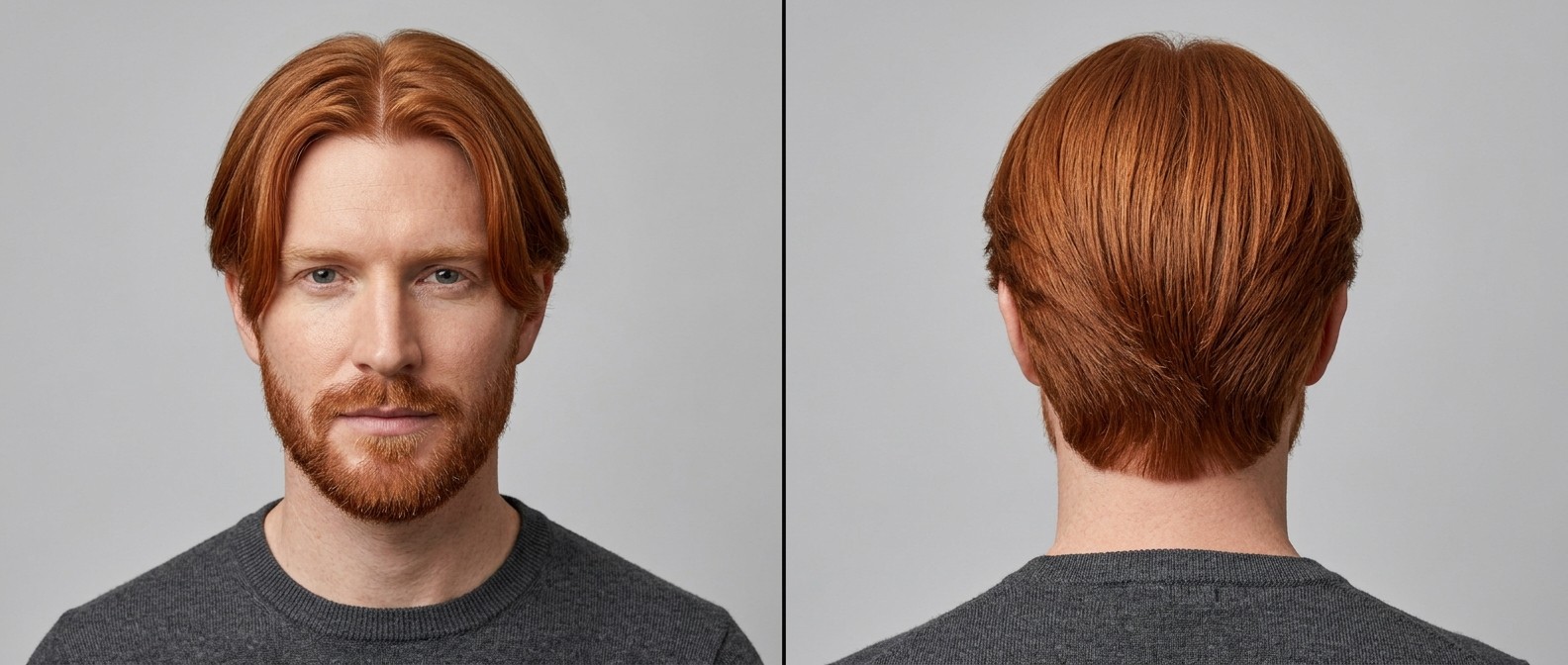
Classic Straight Red Curtains Hairstyle with Precision Center Part
Curtains
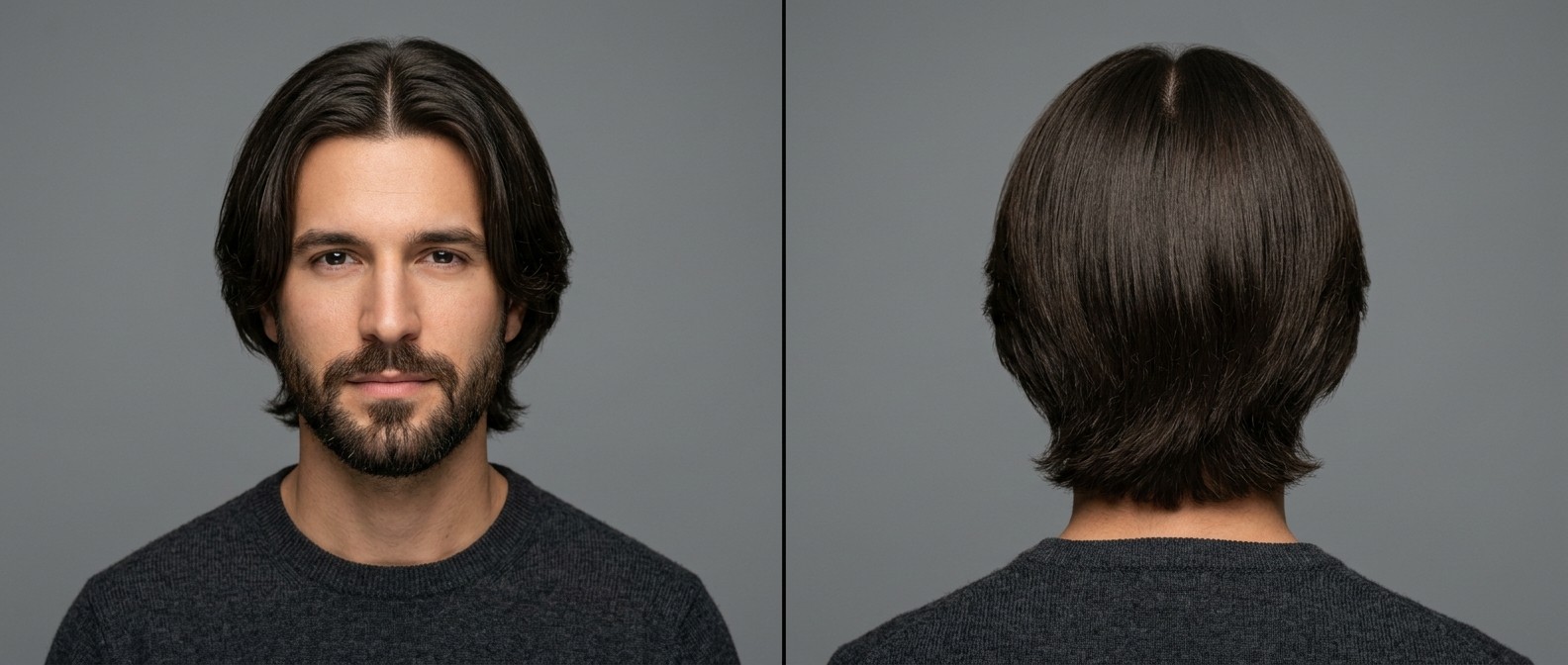
Modern Layered Curtains Hairstyle with Symmetrical Flow

Curtains
Wavy Blonde Curtains with Layered Flow and Medium Sides
Curtains
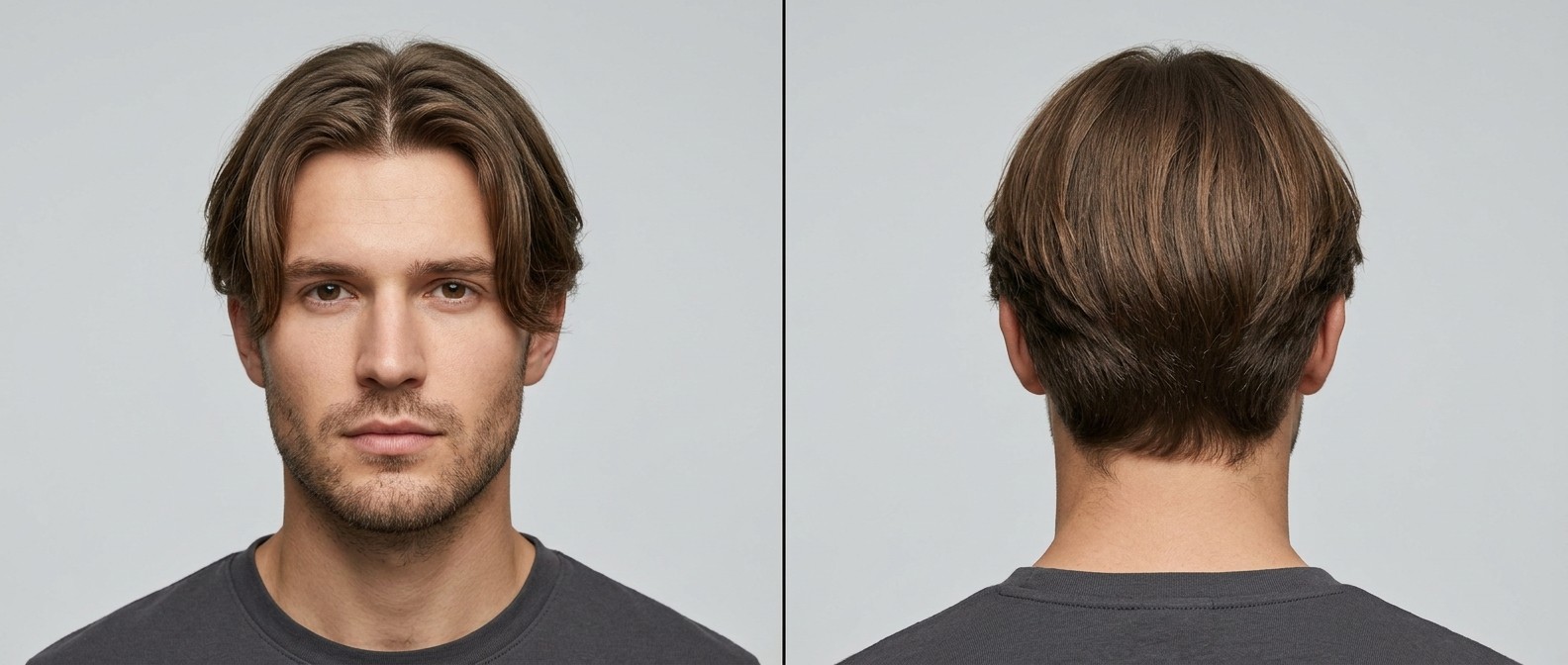
Classic Middle Part Curtains Haircut for Men | Style Guide

Curtains
Wavy Red Curtains Haircut with Medium Textured Flow
Curtains