How to Prevent Breakage in 360 Waves: The Ultimate Care Guide
Stop losing your hard-earned wave progress to dry, brittle hair. Discover expert techniques to lock in moisture, brush safely, and eliminate breakage entirely.
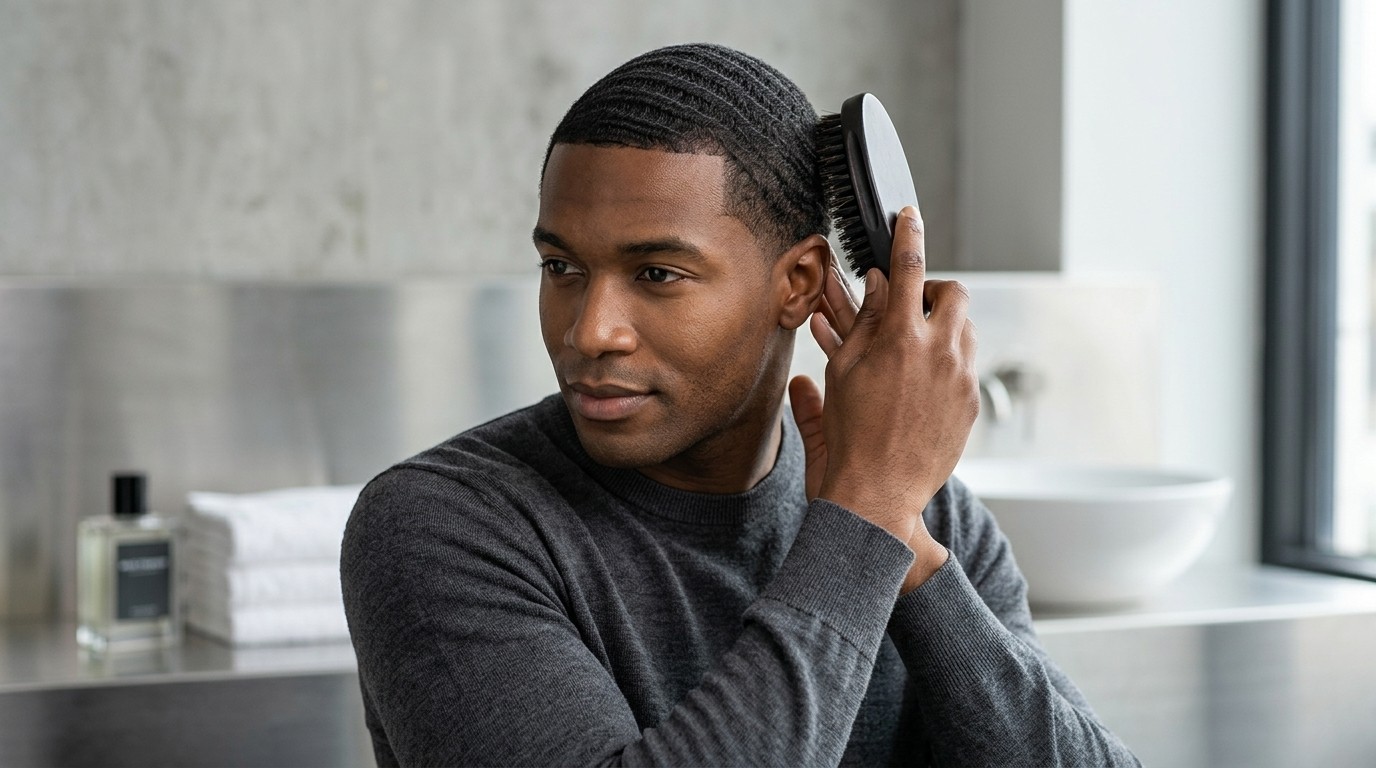
Achieving flawless 360 waves is an undeniable testament to patience, dedication, and serious elbow grease. It requires a strict regimen that transforms your natural curl pattern into a mesmerizing, continuous ripple. However, there is a silent enemy that can completely derail months of meticulous brushing and precise durag wrapping: hair breakage. Nothing is more frustrating than putting in countless hours of work only to notice thinning patches, frayed ends, or a crown that simply refuses to connect because the hair strands are snapping off under pressure.
Hair breakage in the waving community is incredibly common, yet rarely discussed with the scientific depth it deserves. When you are constantly manipulating your hair—brushing it down, compressing it, and coating it in various products—you are placing the hair shaft under immense mechanical and chemical stress. If the structural integrity of your hair is compromised, your waves will look frizzy, dull, and disconnected. Let's dive deep into the mechanics of hair health and explore exactly how you can fortify your strands to keep your 360 waves spinning flawlessly without sacrificing the thickness and vitality of your hair.
Understanding the Anatomy of Wave Breakage
To truly combat breakage, it is crucial to understand what is actually happening on a microscopic level. Every single strand of your hair is protected by an outer layer called the cuticle, which resembles microscopic roof shingles. When your hair is healthy, these shingles lie flat, locking in moisture and creating that signature glossy wave shine. When your hair is damaged, these cuticles lift, peel, and eventually chip away, exposing the fragile inner core of the hair shaft known as the cortex.
For wavers, this damage usually stems from three main culprits. The first is mechanical friction. Aggressive brushing with bristles that are too stiff for your current hair length literally rips the hair out of the follicle or tears it mid-shaft. The second culprit is severe dehydration. Waves are essentially stretched-out curls, and curly hair is naturally prone to dryness because the scalp's natural oils have a harder time traveling down a coiled shaft. Unlike an afro, where the hair is allowed to expand freely in its natural shape, a wave pattern is trained flat against the head every single day, so it endures far more daily tension. This is why understanding moisture retention is remarkably similar to the principles found in daily care for curly hair, because at the end of the day, a wave is simply a tightly coiled curl laid flat against the scalp. Finally, the third culprit is product buildup. Slapping heavy, petroleum-based greases onto your head day after day without properly washing them out creates an impenetrable barrier. Moisture cannot get in, and your hair slowly suffocates and becomes brittle.
The Holy Trinity of Wave Health: Hydration, Penetration, and Sealing
Water is the ultimate moisturizer. No cream, butter, or pomade can replace the fundamental hydration provided by H2O. However, simply spraying water on your waves is not enough. Because water evaporates quickly, it will leave your hair even drier than before if it is not properly locked into the hair shaft. This is where the LOC method (Liquid, Oil, Cream) or the LCO method (Liquid, Cream, Oil) becomes mandatory for wavers.

Start with your liquid. A generous mist of warm water or a water-based leave-in conditioner opens up the hair cuticle just enough to let moisture inside. Next, you need a penetrating product. Look for natural creams or lotions containing ingredients like aloe vera or glycerin, which draw moisture into the strand. Finally, you must seal that moisture in before it escapes. This is where your oils and pomades come into play. Sealing oils like Jamaican black castor oil, jojoba oil, or sweet almond oil create a protective barrier around the hair shaft.
When it comes to the final layer of hold, choosing the right product is critical to preventing snap-back. If you are curious about different styling bases, understanding which men's hair product is best can clarify why modern water-based pomades and natural butters often outshine old-school, ultra-heavy petroleum greases. Heavy greases might lay the hair down fast, but they require harsh, stripping shampoos to remove, which ultimately leads to severe dryness and breakage.
Mastering Your Brushing Technique Without Destroying Your Hair
Brushing is the absolute cornerstone of waving. You cannot get waves without brushing, but ironically, over-brushing with the wrong tools is the number one cause of wave breakage. The key to healthy brushing lies in understanding hair length and brush density. You should never use a hard brush on a fresh haircut. When your hair is as short as a buzz cut, a hard brush scrapes directly against the scalp, causing severe irritation and micro-abrasions, while simultaneously ripping the short hairs right at the root.
Always transition your brushes as your hair grows. Use a soft brush immediately after a fresh cut. A soft brush is designed to distribute natural oils and lay down the top layer of frizz without pulling the hair. As your hair enters the early wolfing stages, transition to a medium brush. This brush has enough pull to reach the bottom layers of the hair without aggressive scraping. Save your hard brush strictly for deep wolfing sessions when you have enough hair on your head to cushion the rigid bristles.

Furthermore, pay attention to the material of your brush. Always opt for 100% natural boar bristle brushes. Synthetic nylon bristles are jagged on a microscopic level. As you drag nylon through your waves, it acts like a microscopic saw, creating tiny tears along the cuticle of the hair. Boar bristles, on the other hand, mimic the texture of human hair. They are gentle, flexible, and naturally carry your scalp's sebum down the length of the hair shaft, reinforcing the strand rather than shredding it.
Scalp Health: The Foundation of Unbreakable Waves
You cannot grow strong, resilient hair from a damaged, suffocated scalp. Wavers often focus so heavily on the hair itself that they completely neglect the skin underneath. When you constantly apply thick pomades and tightly compress your head with a durag, you create a warm, moist environment that is a breeding ground for bacteria, clogged pores, and fungal issues. Clogged hair follicles produce weak, miniaturized hair strands that break off almost instantly when brushed. This is especially true along the temples and nape if you pair your pattern with a crisp skin fade, where the freshly exposed skin is far more sensitive to product residue.
Maintaining the skin beneath your waves is heavily aligned with essential scalp care for short styles, where the scalp is particularly vulnerable to the elements and product buildup. To keep your scalp breathing, you must incorporate a rigorous Wash and Style routine into your weekly regimen. Do not rely solely on co-washing (using only conditioner). At least once a week, you need a high-quality, clarifying shampoo to strip away the accumulated pomade, sweat, and dead skin cells.
During your Wash and Style, use a dedicated shampoo brush or a soft wave brush to gently lift the dirt from the scalp while keeping your wave pattern intact. Let the lather sit for a few minutes to break down the heavy oils. Once the scalp is entirely clean, follow up immediately with a rich, hydrating conditioner to restore the moisture balance. A clean, balanced scalp produces thick, high-elasticity hair that can withstand heavy brush sessions without snapping.
Safe Wolfing: Managing Length Without Matting
Wolfing—the process of growing your hair out for extended periods while continuously brushing it down—is essential for achieving deep, 360-degree connections. However, wolfing is also the most dangerous time for hair breakage. As the hair gets longer, it naturally wants to curl up and tangle. When you force long, tangled hair to lay flat, the tension at the root is immense. If you try to drag a hard brush through tangled, dry wolfing hair, you will hear a distinct popping sound. That sound is your progress breaking off.
To survive a long wolfing stretch, you must introduce a comb into your routine. Before you begin your main brush session, take a medium-to-wide tooth comb and gently comb your hair with the grain. This detangles the underlying curls and aligns the strands, making the subsequent brushing process completely frictionless. Some elite wavers also carefully comb against the grain during a wash session to lift the hair off the scalp, ensuring the dirt is removed and the strands are fully detangled before laying them back down with shampoo. If your hair is genuinely over-manipulated and snapping, taking a few weeks off in two-strand twists is a smart protective reset that lets the strands recover their elasticity.
Eventually, every wolfing session must come to an end. Getting the right trim is critical to preserving your deep waves while removing the split, damaged ends that occur naturally over time. Knowing exactly how to talk to your barber ensures they use the correct guard length with the grain, trimming away the frayed tips without chopping off the foundational layers of your hard-earned wave pattern.
Nighttime Protection and Durag Friction
A significant amount of hair breakage happens while you are fast asleep. Cotton pillowcases are highly absorbent and highly abrasive. If you sleep without a durag, the cotton will suck all the moisture and expensive oils right out of your hair. Furthermore, as you toss and turn, the friction between your hair and the pillowcase will literally rub your waves away, causing severe breakage, particularly around the crown and the back of the head.
Wearing a durag is non-negotiable, but you must wear it correctly. Velvet durags are fantastic for looking stylish during the day, but they are often too thick and insulating for overnight wear, potentially causing the scalp to overheat and sweat out your natural oils. Silky durags (made from polyester blends that mimic silk) or pure silk durags are the absolute best for nighttime protection. They glide effortlessly against the pillow and lock in moisture.

Be incredibly mindful of your compression levels. Tying your durag strings too tightly does not make your waves form faster; it simply cuts off blood circulation to your scalp and puts unnecessary stress on the hair follicles around the perimeter of your head. Over time, this leads to traction alopecia, permanently damaging the hairline and causing the hair to break off at the roots. Tie it just snug enough to keep the hair laid, but loose enough that you don't wake up with a deep, painful indentation across your forehead.
The Ultimate Anti-Breakage Regimen
To summarize the core practices of maintaining unbreakable 360 waves, you must build a routine that prioritizes hair health over quick aesthetic fixes. Consistency with the right techniques will yield far better long-term results than aggressively forcing the hair to lay down. Implement these essential steps into your daily and weekly wave journey:
- Assess your hair porosity: Determine if your hair absorbs water quickly (high porosity) or repels it (low porosity) so you can choose the correct weight of moisturizing oils.
- Always brush damp hair: Never dry-brush. Always apply a light mist of water or a leave-in moisturizer before starting a brush session to maximize hair elasticity.
- Clean your brushes weekly: A dirty brush redistributes old, stale product and bacteria back into your hair, leading to buildup and eventual breakage.
- Implement a strict Wash and Style routine: Clarify your scalp at least once a week to remove heavy pomade buildup and allow the hair follicles to breathe.
- Trim split ends regularly: Even while wolfing, a light line-up or shape-up and a very high-guard trim removes frayed ends before the split travels down the hair shaft.
- Rotate your compression gear: Wash your durags regularly and alternate between different durags to prevent the strings from wearing down the exact same line of hair every night.
Patience and Long-Term Hair Health
Preventing breakage in 360 waves is not about finding a magical product; it is about cultivating a mindful, scientific approach to hair care. Your hair is a delicate fabric. Just as you wouldn't wash a fine silk shirt with harsh detergents and scrub it with a wire brush, you shouldn't treat your waves with brute force and cheap, suffocating greases.
True wave mastery comes from understanding the balance between tension and hydration. By upgrading your brushing tools, mastering the LOC moisture method, keeping your scalp immaculately clean, and protecting your hair from nocturnal friction, you create an environment where breakage is virtually impossible. Your waves will not only spin deeper and connect flawlessly, but your hair will radiate a natural, healthy luster that no artificial pomade can ever replicate. Trust the process, respect your hair's natural limits, and your 360 waves will remain thick, strong, and completely unbroken.