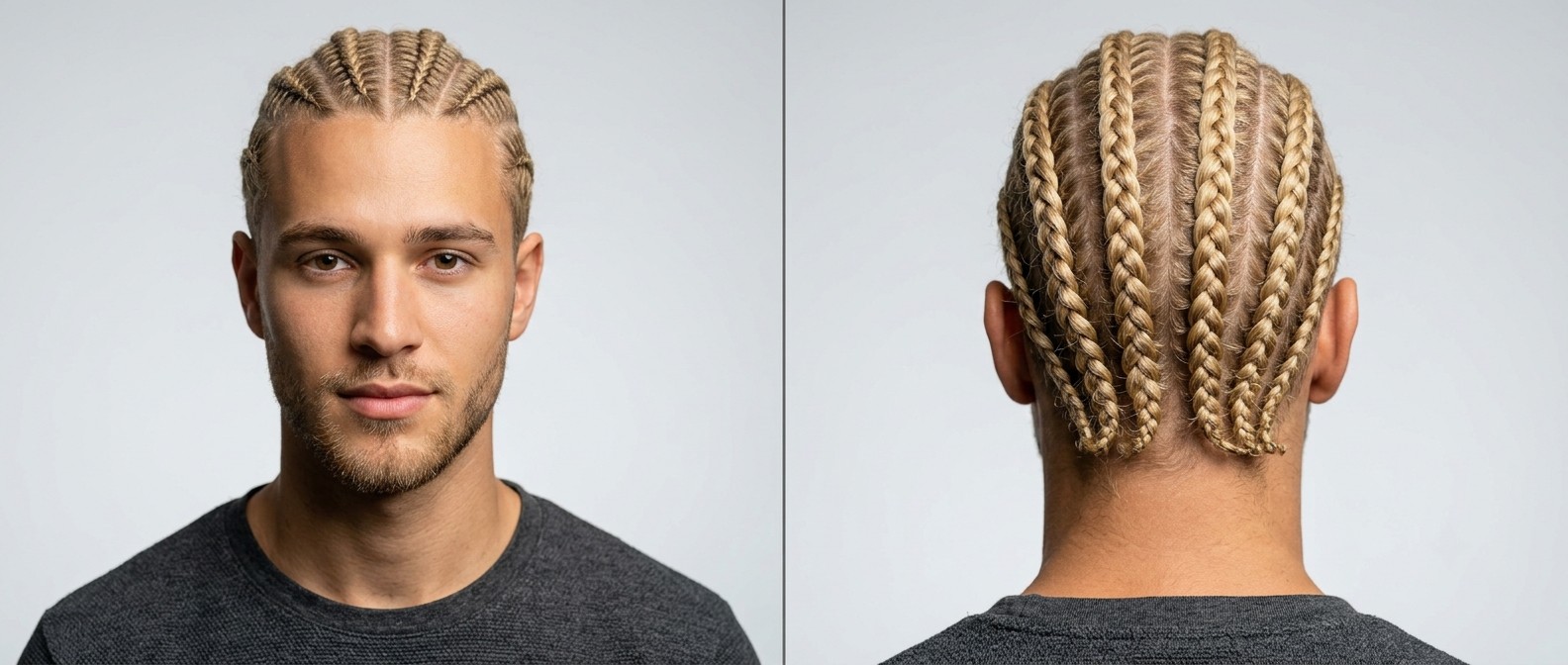
Classic Straight-Back Blonde Cornrows for Medium Length Hair
 Top
Medium (5-10 cm)
Top
Medium (5-10 cm)
 Sides
Medium (2-5 cm)
Sides
Medium (2-5 cm)
 Hair Type
Curly (Type 3)
Hair Type
Curly (Type 3)
 Face Shape
Heart
Face Shape
Heart
 Maintenance
Medium
Maintenance
Medium
 Thickness
Medium / Normal
Thickness
Medium / Normal
About This Style
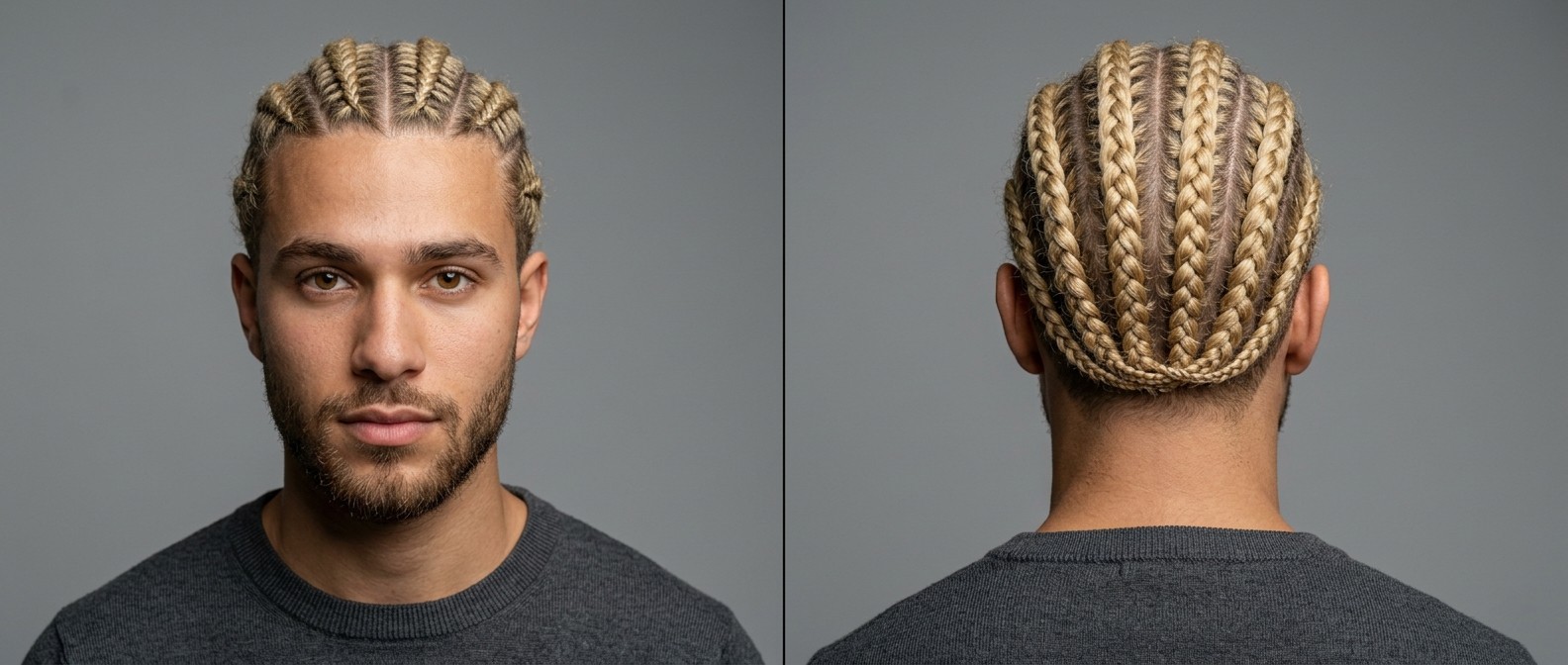
This striking variation of classic straight-back cornrows offers a clean, streamlined aesthetic that perfectly showcases the natural texture and striking color of blonde, medium-length hair. The style features meticulously parted sections running symmetrically from the front hairline all the way down to the nape of the neck, creating a highly organized and polished silhouette. Because the braids lay completely flat against the scalp, they provide an incredibly low-profile look that keeps hair completely out of your face while highlighting your strong facial features and heart-shaped bone structure. The precision of the parallel lines draws the eye backward, emphasizing a neat, deliberate grooming approach.
Ideal for the modern man seeking a casual yet highly intentional everyday look, this braided style significantly cuts down on daily styling time. Once installed, it requires virtually zero morning manipulation, making it the ultimate get-up-and-go hairstyle for busy mornings. The light olive skin tone paired with the bright blonde braids creates a striking visual contrast, while the addition of light facial stubble grounds the look with a touch of rugged masculinity. It seamlessly bridges the gap between athletic practicality and urban streetwear fashion, ensuring you look put-together whether you are at the gym or out in the city.
While traditionally rooted in specific cultural aesthetics, this straight-back execution on European hair textures requires a braider highly skilled in handling Type 3 curly patterns. This ensures that tension is distributed evenly across the scalp without causing unnecessary breakage or discomfort. The medium thickness of the hair provides just enough volume to make the braids look substantial and healthy without appearing overly bulky, resulting in a perfectly balanced, low-maintenance protective style that lasts for weeks.
Ideal for the modern man seeking a casual yet highly intentional everyday look, this braided style significantly cuts down on daily styling time. Once installed, it requires virtually zero morning manipulation, making it the ultimate get-up-and-go hairstyle for busy mornings. The light olive skin tone paired with the bright blonde braids creates a striking visual contrast, while the addition of light facial stubble grounds the look with a touch of rugged masculinity. It seamlessly bridges the gap between athletic practicality and urban streetwear fashion, ensuring you look put-together whether you are at the gym or out in the city.
While traditionally rooted in specific cultural aesthetics, this straight-back execution on European hair textures requires a braider highly skilled in handling Type 3 curly patterns. This ensures that tension is distributed evenly across the scalp without causing unnecessary breakage or discomfort. The medium thickness of the hair provides just enough volume to make the braids look substantial and healthy without appearing overly bulky, resulting in a perfectly balanced, low-maintenance protective style that lasts for weeks.
Key Features
- Symmetrical, straight-back braiding pattern originating from the front hairline and terminating cleanly at the nape of the neck.
- Meticulously sectioned parts that expose clean lines of the scalp, enhancing the geometric appeal and symmetry of the hairstyle.
- Medium-length natural hair tightly woven to create a flat, low-profile silhouette that hugs the natural curvature of the head.
- Unobstructed facial framing that highlights a heart-shaped face, complemented by a natural, straight front hairline.
- Neatly secured braid ends at the lower neckline that prevent unraveling while maintaining a clean, uniform length across the back.
- Natural blonde coloring that highlights the intricate woven texture and three-dimensional structure of each individual cornrow.
Getting the Cut
- Request a thorough detangling and blowout of your Type 3 curly hair to ensure a smooth, snag-free braiding process from root to tip.
- Ask for classic, straight-back cornrows, ensuring the stylist maps out 6 to 8 even sections across the top of your head for optimal balance.
- Specify that the partings must be razor-sharp and perfectly parallel, running seamlessly from the front edge of your hairline down to the nape.
- Instruct the stylist to use a firm but comfortable tension—tight enough to secure the medium-length hair, but gentle enough to protect the scalp and hair follicles.
- Request that the braids be finished and sealed securely at the nape of the neck, leaving no loose ends, flyaways, or excess frizz.
- Ask your braider or barber to line up the very edges of your hairline only if necessary, preserving the natural straight shape without pushing it back.
- Discuss incorporating a lightweight, non-greasy braiding gel during the installation to smooth the cuticle and enhance the longevity of the style.
Daily Routine
- Wake up and carefully remove your silk or satin durag or bonnet, which is absolutely essential for protecting the braids overnight.
- Gently pat your head with flat hands to ensure the braids are sitting flat, comfortable, and undisturbed after a night of sleep.
- Inspect the clear partings and the length of the cornrows in the mirror for any minor flyaways or frizz that may have developed.
- Since this is a zero-product, zero-manipulation style for your daily routine, completely avoid applying heavy waxes, pomades, or gels in the morning.
- If your scalp feels slightly dry or tight, you may optionally lightly mist a soothing scalp spray or massage a single drop of lightweight oil directly onto the exposed skin between the parts.
- Use your fingers to gently smooth down the braided lengths at the back of your neck, ensuring they fall naturally and evenly against your skin.
- Step out the door—your style requires absolutely no blow-drying, combing, or brushing, giving you maximum time back in your busy morning schedule.
Products & Tools
- Silk or satin durag or bonnet to compress the braids overnight and prevent friction-induced frizz on your pillow.
- Metal rat-tail comb (used exclusively by the stylist during installation) for creating razor-sharp, precise scalp partings.
- Lightweight, water-based braiding gel or edge control (applied during the initial braiding process) for a secure, flake-free hold.
- Soothing scalp oil or serum (like jojoba, tea tree, or peppermint oil) to maintain vital scalp hydration between wash days.
- Soft-bristle edge brush for gently laying down any baby hairs along the front hairline if desired.
- Non-aerosol continuous spray bottle filled with water or a lightweight liquid leave-in conditioner for occasional hydration.
Maintenance
- Schedule a professional maintenance or re-braiding appointment every 3 to 4 weeks to prevent matting at the roots as your natural hair grows.
- Always sleep with a silk or satin head covering; avoiding cotton pillowcases is crucial to extending the lifespan and neatness of your cornrows.
- Cleanse your scalp bi-weekly using a targeted applicator bottle filled with diluted clarifying shampoo, focusing only on the exposed scalp.
- Rinse thoroughly by letting the water run down the braids without aggressively rubbing or roughing up the woven hair texture.
- Avoid heavy, creamy styling products or thick greases that will cause stubborn, unsightly buildup inside the tight crevices of the braids.
- Ensure your hair is completely dry after any washing or sweating to prevent mildew or unpleasant odors from developing within the braided sections.
Best For
Face Shapes: Heart, oval, and square faces benefit greatly, as the pulled-back nature highlights strong jawlines, cheekbones, and facial symmetry.
Hair Types: Ideal for Type 3 curly hair with medium to normal thickness, providing the right grip and texture for the braids to hold securely.
Lifestyles: Perfect for highly active individuals, athletes, or anyone seeking a stylish, extremely low-maintenance daily grooming routine.
Age Range: Highly popular among the 18-25 demographic, offering a fresh, contemporary streetwear aesthetic that stands out.
Occasions: Excellent for casual, everyday wear, intense gym sessions, and relaxed social environments where practical style is key.
Pro Tips
- Never sacrifice the health of your hairline for a tighter braid; insist that your stylist uses manageable tension to prevent traction alopecia.
- If you have an active lifestyle and sweat heavily, use a witch hazel-soaked cotton swab to gently cleanse the scalp parts between full washes.
- Transitioning smoothly from loose curls to tight braids requires well-detangled hair; always ensure your hair is thoroughly prepped before the braider begins.
- During colder months, ensure you keep your scalp properly moisturized, as the exposed parts can become easily dried out and flaky from indoor heating.
- When it is time to take the braids out, use plenty of slip with a rich conditioner to carefully detangle the shed hair before shampooing.
Related Hairstyles
Cornrows
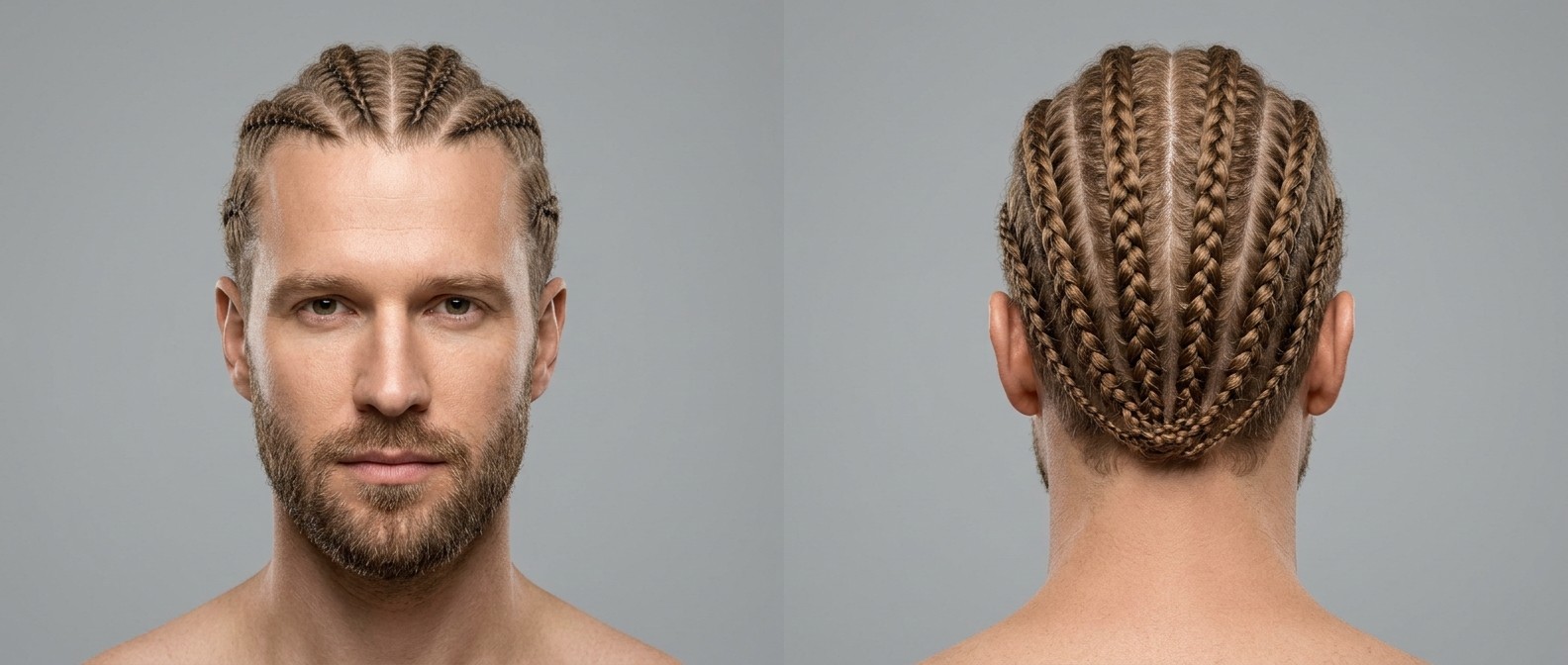
Straight-Back Symmetrical Cornrows for Thick Light Brown Hair
Cornrows
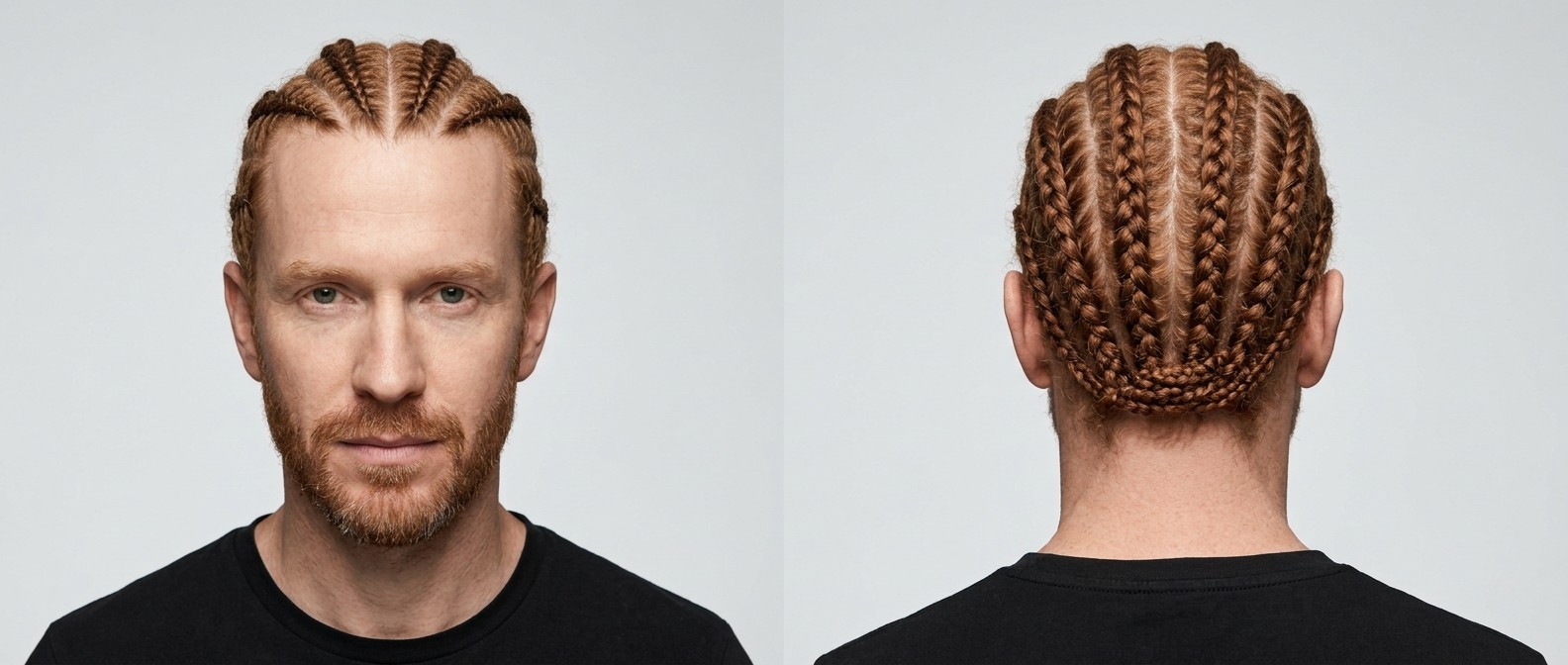
Classic Straight Back Cornrows with Tucked Nape Finish for Men
Cornrows
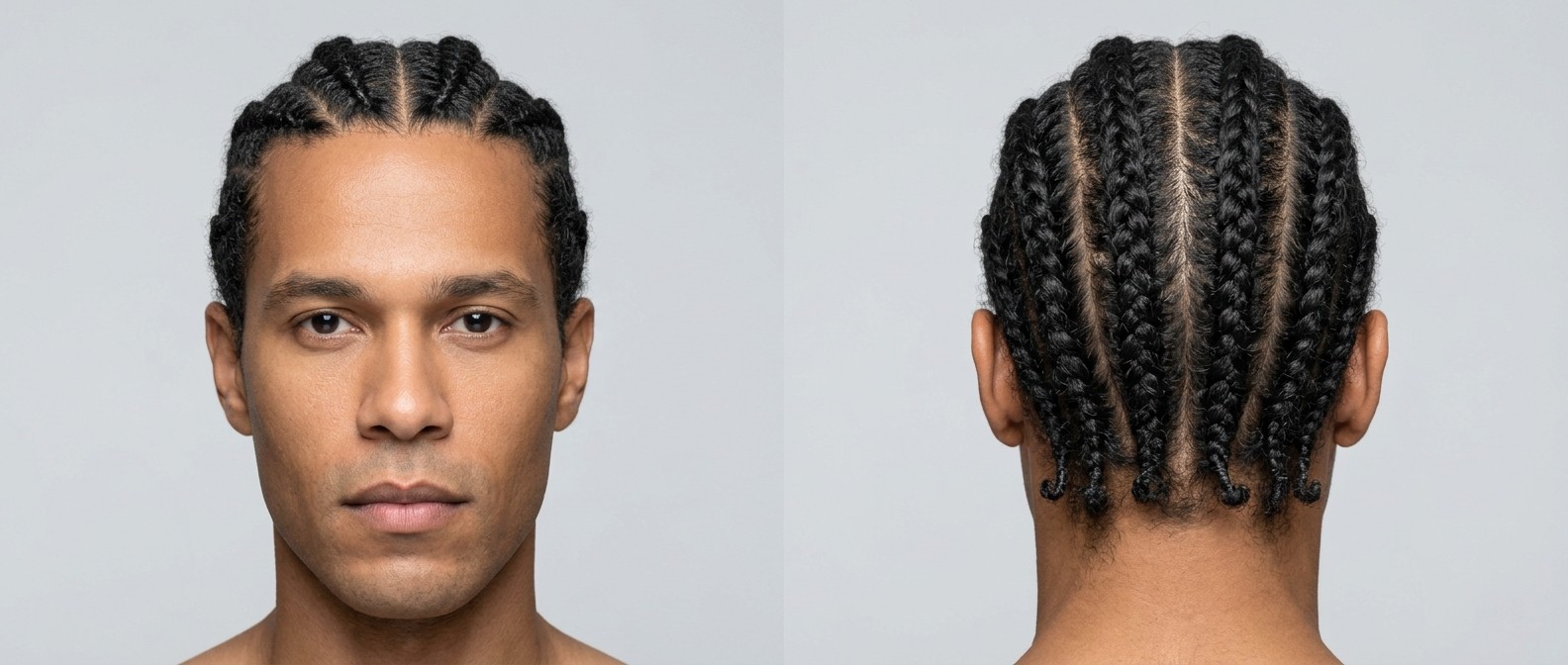
Classic Straight-Back Cornrows with Clean Parts for Men
Cornrows
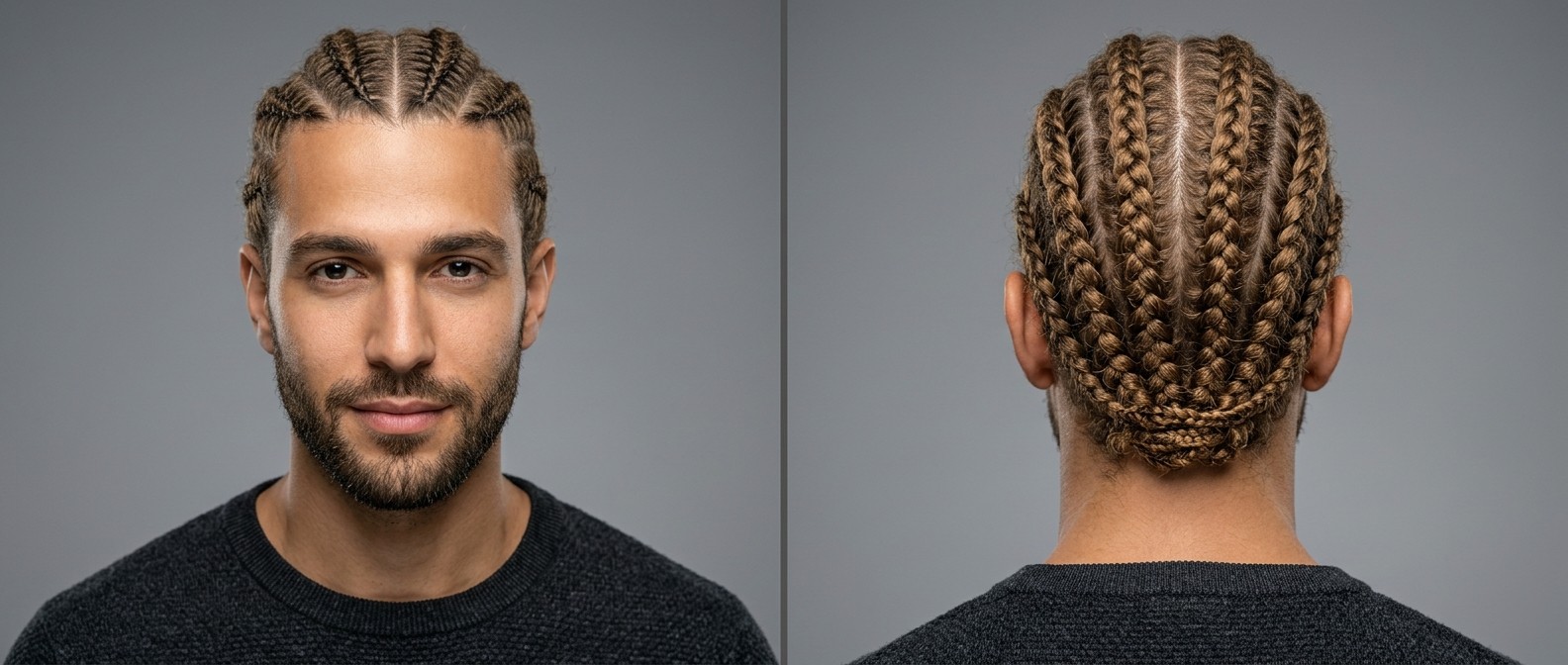
Straight-Back Cornrows with Tucked Nape for Thick Wavy Hair
Cornrows
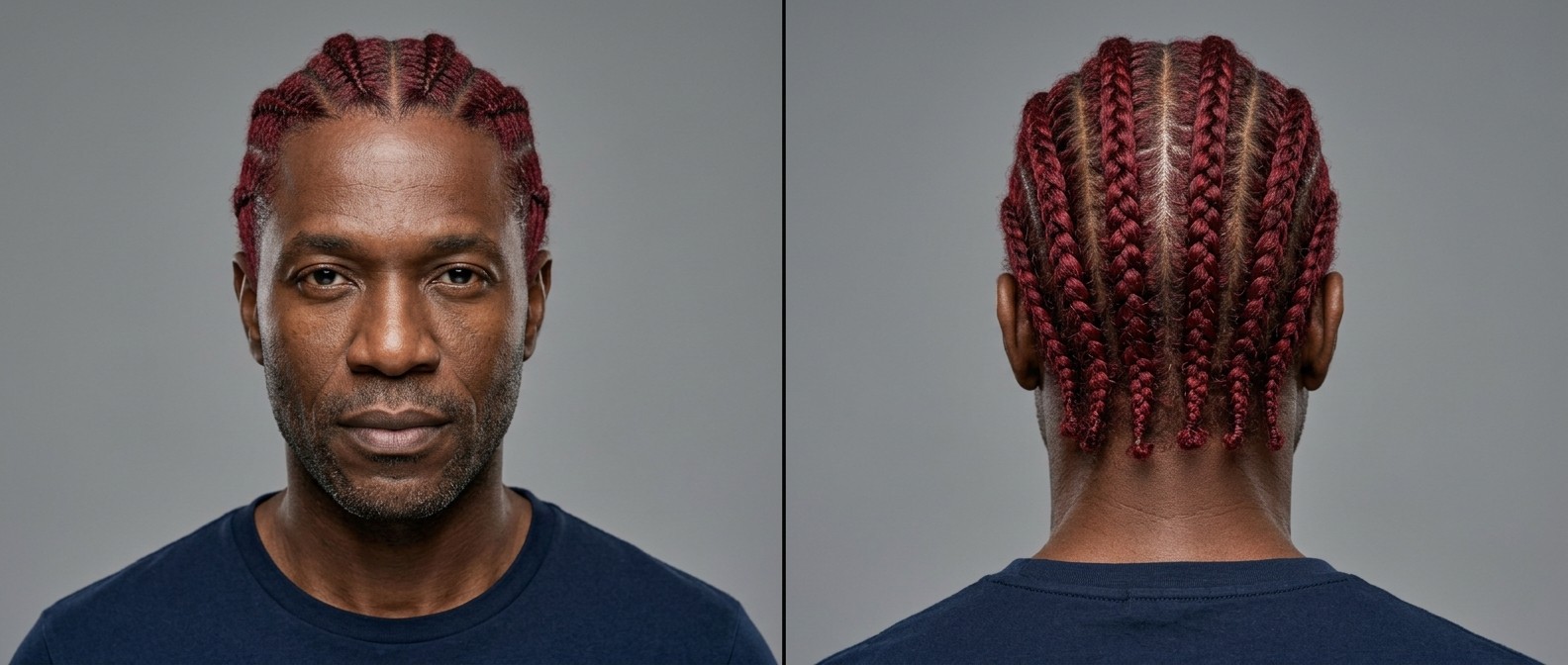
Bold Crimson Red Straight-Back Cornrows for Rectangular Faces
Cornrows