How to Style a Perfect Textured Quiff: The Ultimate Men's Guide
Master the modern textured quiff with this expert guide. Learn the exact blow-drying techniques, product combinations, and styling secrets for all-day volume.
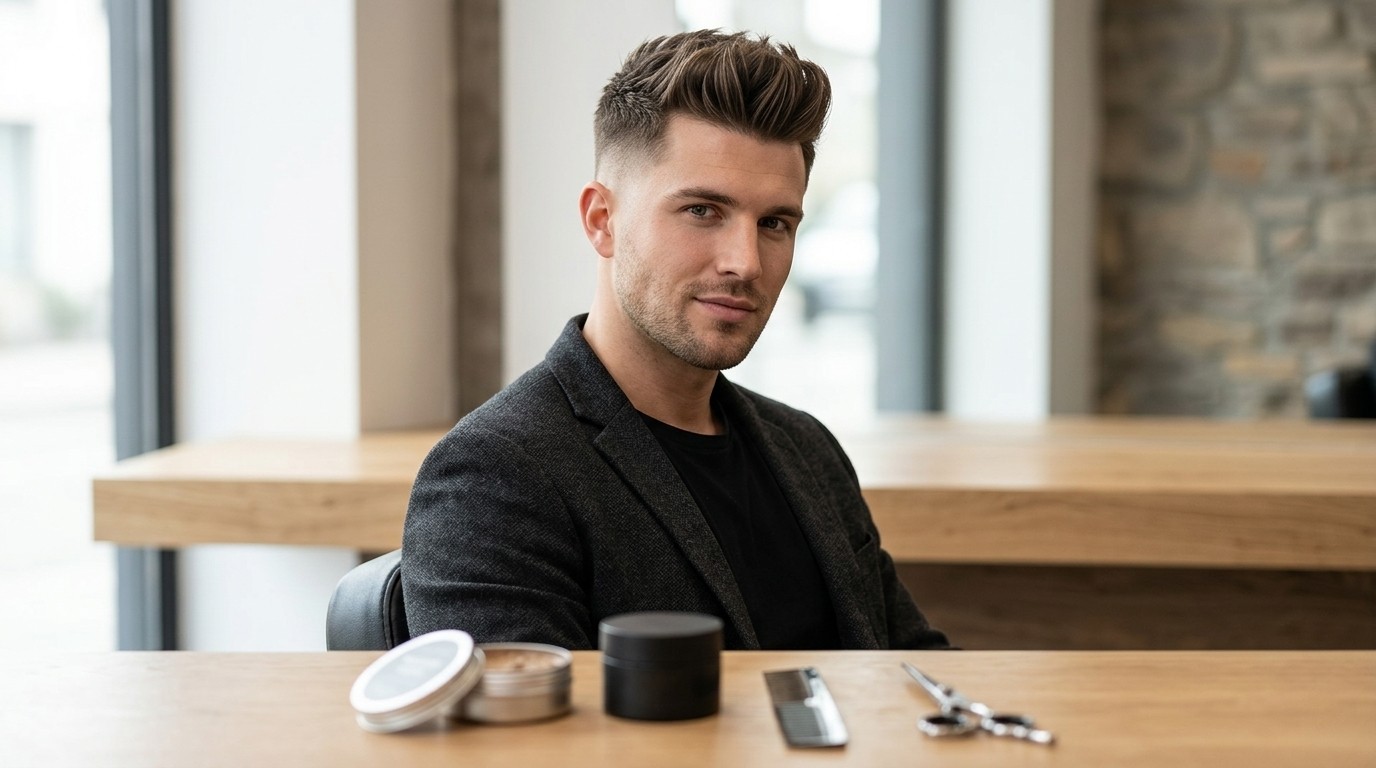
The textured quiff stands as an undisputed champion of modern men's grooming, seamlessly bridging the gap between casual messiness and deliberate, architectural refinement. It is not just a haircut; it is a statement of intent. Unlike the rigid, heavily pomaded styles of the mid-twentieth century, today's quiff relies on movement, matte finishes, and gravity-defying volume that looks entirely effortless. Achieving this look, however, requires more than just running a dollop of gel through damp hair. It demands an understanding of hair mechanics, the right foundational cut, and a strategic approach to styling.
Mastering this hairstyle elevates your entire aesthetic. Whether you are stepping into a corporate boardroom or heading out for a casual weekend, the textured quiff adapts to the environment. The secret lies in creating structural integrity at the roots while allowing the ends of the hair to remain separated and dynamic. This comprehensive guide will walk you through every phase of styling the perfect textured quiff, from communicating with your barber to the final pinch of clay.
The Foundation: Securing the Right Haircut
You cannot build a sturdy house on a cracked foundation, and you certainly cannot style a flawless quiff without the correct haircut. The magic of this style relies heavily on the contrast between the sides and the top, as well as the specific way the bulk of the hair is managed.
For the optimal textured quiff, you need a minimum of three to four inches of length at the front fringe. This length should gradually taper down as it reaches the crown of the head. If the crown is left too long, the hair will become top-heavy, making it impossible to establish that signature upward sweep at the front. The sides and back should be taken relatively short to emphasize the volume on top. A mid-height skin fade, a classic taper, or even a tight scissor cut works beautifully to frame the style.

Crucially, the top must be texturized into a genuinely weightless textured top. Communicating your specific goals to your barber ensures they use the right techniques, such as point cutting or slide cutting, rather than just blunt-cutting the ends. Point cutting involves snipping into the hair vertically, which removes excess weight and creates varying lengths within the canopy of the hair. This unevenness is exactly what allows styling products to grip the strands and create piecey, separated texture.
Essential Tools and Products for Maximum Texture
Attempting to style a textured quiff without the proper arsenal is an exercise in frustration. The modern quiff is a product of heat manipulation and specialized styling compounds. Here is exactly what you need to keep in your grooming cabinet.
The Blow Dryer
A high-quality blow dryer is non-negotiable. It is the primary tool that forces the hair against its natural growth pattern to create volume. Ensure your dryer has a concentrator nozzle attached. This nozzle directs the airflow precisely where you need it, rather than blasting the hair in a chaotic hurricane that causes frizz.
Pre-Styling Agents
Pre-stylers are applied to damp hair before the heat hits it. For a textured quiff, sea salt spray or a high-quality thickening tonic is your best friend. Sea salt spray works by gently opening the hair cuticle and adding microscopic grit to the strands. This thickens the appearance of the hair and provides a coarse foundation that makes styling infinitely easier.
The Finishing Product
To lock in the style without adding unwanted shine, you must use a matte-finish product. Clays, pastes, and matte pomades are the industry standards. Clay, in particular, contains ingredients like bentonite or kaolin, which absorb excess oils and swell around the hair shaft to amplify thickness. Choosing the right compound is critical; understanding the specific hold and finish of your styling product will dictate whether your quiff looks naturally dense or weighed down.
The Step-by-Step Styling Process
Styling a quiff is a sequential process. Skipping a step or rushing through the blow-drying phase will result in a style that collapses by lunchtime. Follow these steps meticulously to build all-day volume.
Step 1: Preparation and Pre-Styling
Start with freshly washed, towel-dried hair. Your hair should be damp, not dripping wet. If the hair is too wet, the pre-styler will dilute; if it is too dry, the product will not distribute evenly. Spray three to five pumps of sea salt spray directly into the roots and work it through to the tips using your fingers or a wide-tooth comb. Ensure the product is evenly distributed across the entire top section of your head.
Step 2: The Directional Blow Dry
This is where the actual styling happens. Turn your blow dryer to a high heat and medium speed setting. Begin by blow-drying the hair in the opposite direction of where you ultimately want it to lay. This technique, known as directional drying, forces the roots to stand up, creating immense foundational volume.

Use your fingers to continuously rake through the hair, pulling it upward and slightly backward. Creating tension at the roots is vital. As you pull the hair up, blast the root area with the concentrator nozzle. Mastering the mechanics of the blow dryer is the single most important skill for elevated men's grooming, as heat breaks down the hair's temporary hydrogen bonds, allowing you to reshape them.
Step 3: Setting the Shape with Cold Air
Once the hair is completely dry and standing tall, it is time to lock the shape in place. Switch your blow dryer to the cold shot setting. Heat allows the hair to be molded, but cold air sets the style, closing the cuticle and firming up the new shape. Blast the front of the quiff with cold air for about thirty seconds while holding the hair in its final upward and backward position.
Step 4: Emulsifying and Applying the Clay
Scoop out a dime-sized amount of matte clay. Less is always more; you can always add product, but you cannot take it out without washing your hair. Place the clay in the palm of your hand and rub your hands together vigorously. This process is called emulsification. The friction generates heat, melting the clay and turning it completely transparent. If you can still see white clumps on your hands, keep rubbing.
Apply the product starting at the back of the crown and working your way forward to the fringe. If you start at the front, you risk depositing the bulk of the product right on the bangs, which will weigh down the quiff. Coat the hair evenly, aggressively ruffling the strands to encourage separation and texture.
Step 5: The Final Details
Once the product is distributed, use your fingertips to pinch and twist small sections of hair at the front and along the top. This pinching technique creates the thick, textured spikes that define the modern quiff. Push the fringe slightly to one side or straight back, depending on your natural growth pattern and preference. Ensure the overall silhouette looks balanced and intentional.
Adapting the Quiff to Your Face Shape
A truly exceptional hairstyle is one that complements your facial bone structure. The textured quiff is incredibly versatile, but minor adjustments can make a massive difference in how it frames your face.
If you have a round face, the goal is to elongate your profile. Push the quiff higher and keep the sides aggressively short; a quiff shaped specifically for rounder features leans on that vertical lift. The volume will draw the eye upward, creating the illusion of a more chiseled, oval jawline. Conversely, if you have a long or oblong face, you want to avoid excessive height. Keep the quiff slightly lower and more relaxed, allowing some of the texture to fall softly to the side.

For those with a strong, angular jawline, the quiff acts as a perfect counterbalance. Pairing the right fade with your specific facial structure ensures the dramatic volume on top does not overpower your natural features. A softer taper on the sides can add a touch of roundness to balance out sharp, square cheekbones.
Maintaining Volume Throughout the Day
The true test of a great quiff is how it looks at 5:00 PM. Environmental factors like humidity, wind, and natural scalp oils are constantly working to destroy your volume. To combat this, rely on the structural integrity built during the blow-drying phase.
If you notice the quiff starting to deflate, do not reach for more product. Adding more clay to dry, already-styled hair will only increase the weight and accelerate the collapse. Instead, use your fingers to vigorously massage the roots of your hair. This reactivates the hold of the clay and pushes the hair back into the shape that was set by the blow dryer. Because you used a matte, pliable product rather than a rigid gel, the hair remains reworkable all day.
Common Styling Mistakes to Avoid
Even with the right tools, certain pitfalls can ruin the aesthetic of a textured quiff. Avoid these crucial errors to ensure your hair looks professional rather than chaotic:
- Applying product to wet hair: Matte clays and pastes are designed to bind to dry hair. Applying them to damp hair dilutes their holding power and often results in a greasy, clumpy finish instead of a dry, textured one.
- Ignoring the back and sides: Focusing entirely on the front fringe leaves the rest of the head looking flat and disconnected. Always distribute product evenly from the crown forward to maintain a cohesive silhouette.
- Using excessive heat without movement: Holding a hot blow dryer stationary over one patch of hair will scorch the cuticle and damage the scalp. Always keep the dryer moving and maintain a safe distance.
- Skipping the pre-styler: Failing to use a sea salt spray or thickening tonic means the finishing product has to do all the heavy lifting. This usually leads to over-applying clay, which weighs the hair down.
- Over-combing the hair: The textured quiff relies on finger-styling. Using a fine-tooth comb will strip away the rugged, piecey texture, leaving you with a traditional, flat slicked back look instead.
Conclusion: Mastering the Art of Texture
Styling a perfect textured quiff is a ritual that combines a precision haircut, the right thermal mechanics, and high-quality matte styling products. It may seem like a complex routine at first, but with consistent practice, this process becomes muscle memory. The key is to remember that volume is created by heat, and texture is defined by product.
Take the time to communicate effectively with your barber to secure that heavily texturized, weightless canopy on top. Invest in a reliable blow dryer and respect the power of sea salt spray. By following the meticulous steps of directional drying, applying pliable clay from back to front, and pinching the ends for separation, you will master a hairstyle that exudes confidence, modernity, and effortless style.