Best Fade Haircuts for Square Face Shapes: The Ultimate Guide
Discover the absolute best fade haircuts to complement a square face shape. Learn expert styling techniques, proper barber terminology, and how to perfectly enhance your strong jawline.
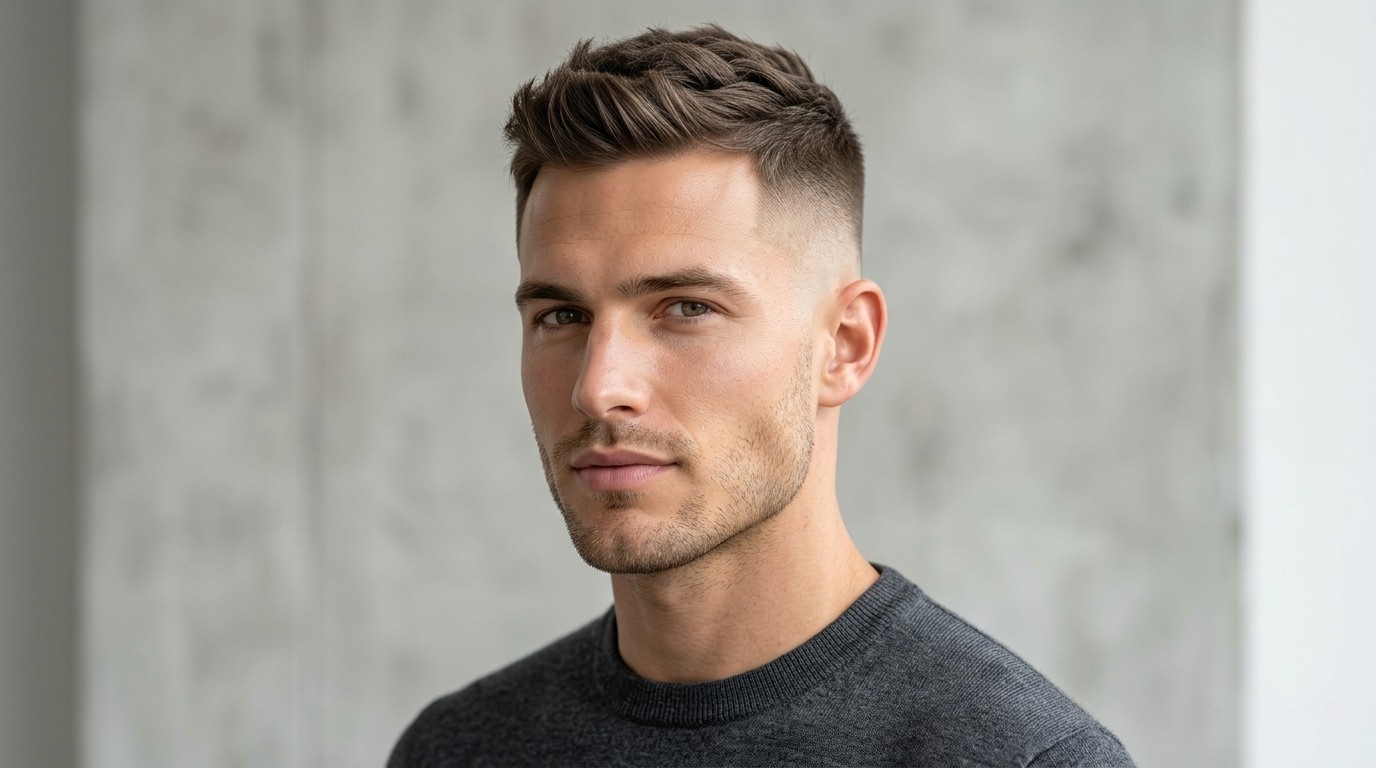
Having a square face shape is widely considered hitting the genetic jackpot in the realm of men's grooming. It features a sharp, angular jawline that naturally commands attention, paired with cheekbones and a forehead of roughly the same width. But pairing this incredibly strong facial architecture with the wrong haircut can throw those perfect proportions completely out of balance. Letting the sides grow too bushy transforms a chiseled jaw into a blocky, unrefined silhouette. This is exactly why the modern fade is the absolute best tool in a barber's arsenal to frame those sharp features.
A proper fade removes unnecessary horizontal bulk. By keeping the sides tight and tapering down to the skin, you instantly create an optical illusion that slims the face, elongates the profile, and forces the eye directly toward that prominent jawline. Let's break down the mechanics of why fades work so perfectly for this specific bone structure, explore the top variations to ask for, and dive deep into the daily styling routines required to keep the look razor-sharp.
Understanding the Square Face Architecture
Before sitting in the barber chair, it helps to understand the geometry of what you are working with. A square face shape is defined by equal measurements across the forehead, cheekbones, and jaw. The jaw itself features sharp, distinct right angles rather than a soft curve. The primary goal when choosing a haircut for this shape is not to hide the jawline—you want to flaunt it—but rather to soften the harsh corners of the overall head shape while adding vertical length.
When hair grows out on the sides, it adds horizontal width directly above the ears. On a round or oval face, a little side volume might go unnoticed. On a square face, it instantly creates a "Lego head" effect. By executing a clean fade, a barber removes that horizontal weight at the parietal ridge (the area where the sides of the head curve into the top). This tight contrast pushes the visual focus upward to the styled hair on top and downward to the jawline, creating a highly masculine, balanced aesthetic.
The Top Fade Haircuts for Strong Jawlines
Not all fades are created equal. The height of the fade, the length left on top, and the transition line all play crucial roles in how the final cut complements a square jaw. Here are the absolute best variations to consider for your next appointment.
The High Skin Fade with a Textured Pompadour
If you want to maximize vertical height and dramatically elongate a square face, a high skin fade paired with a pompadour is a flawless choice. A high fade brings the shortest length of hair up past the temples, dropping the weight line completely. This aggressive contrast means there is zero sideways bulk to distract from the face.

On top, the hair is left significantly longer—usually three to five inches—and swept upward and backward. The sheer volume of the pompadour stretches the face vertically, turning the square shape into a more balanced, rectangular profile. To keep the look modern, ask the barber to use texturizing shears on the top. A classic, slicked-back greaser pompadour can look a bit dated, but a matte, piecey texture feels incredibly contemporary. If you are working with a lot of density, checking out the top pompadour styles for men with thick hair can give you specific visual references to bring to your next cut.
The Mid Drop Fade with a French Crop
For guys who prefer a lower-maintenance morning routine but still want a highly structured look, the textured French crop with a mid drop fade is currently dominating barbershops worldwide. The French crop features a blunt or slightly point-cut fringe that rests flat across the forehead. This horizontal line across the brow actually helps to subtly soften the harsh angles of a square forehead.
The secret sauce here is the drop fade. Instead of the fade line wrapping straight around the head like a halo, a drop fade dips down behind the ear, preserving a bit of weight at the occipital bone (the bump at the lower back of the head). This curved fade line provides a beautiful, sweeping contrast to the rigid, straight lines of a square jaw. It is a masterclass in using opposing geometry to create visual harmony.
The Low Taper Fade with a Classic Side Part
If you work in a corporate environment or simply prefer a more timeless, gentlemanly aesthetic, the low taper fade combined with a side part is undefeated. Unlike a high or mid fade that exposes a significant amount of scalp, a low taper only fades the hair at the sideburns and the very nape of the neck. The hair behind the ear is left long enough to be combed back.
This cut leaves enough length on the sides to gently round out the squareness of the face without adding excessive width. The side part itself adds an asymmetrical element to the top of the head. Because a square face is hyper-symmetrical, introducing a sharp, offset part breaks up the uniformity and draws the eye diagonally. It is an incredibly smart, sophisticated trick that has been used by Hollywood stylists for decades.
The Buzz Cut with a Bald Fade
Sometimes, the best way to handle a strong facial structure is to let the bone structure do all the heavy lifting. The buzz cut with a tight bald fade is the ultimate rugged, no-nonsense style. By taking the top down to a #2 or #3 guard and fading the sides completely down to the skin with a foil shaver, you eliminate the hair as a framing variable altogether.
This style works exceptionally well for square faces because it completely exposes the sharp angles of the jaw and cheekbones. There is no hair to soften the look; it is pure, unapologetic masculinity. It is also an excellent option for men experiencing a receding hairline, as the ultra-short length minimizes the contrast between the hair and the forehead.
Styling Mechanics: Products and Techniques
Executing the perfect fade at the barbershop is only half the battle. How you manage the hair on top dictates whether your square face looks balanced or boxy. The key to styling hair for this face shape is achieving volume and texture without creating width.
Blow drying is your best friend. Applying high heat to damp hair at the roots trains the hair to stand upward, creating that essential vertical height. Always use a pre-styling product like a sea salt spray or a heat protectant mousse before hitting it with the dryer. Direct the airflow upward and backward using a vented brush to build the foundation, exactly as described in this walkthrough on mastering the blow dryer for lifted, backswept styles.

When it comes to finishing products, matte finishes generally work better for square faces than high-shine products. High-shine gels and traditional water-based pomades tend to clump the hair together, reducing volume and making the head look smaller, which inadvertently makes the jawline look disproportionately massive. Instead, you want to focus on dry, gritty textures. Figuring out the nuances of choosing between pomade, wax, and clay is crucial here, but as a general rule, a high-hold, matte clay is the optimal choice. Clay expands the hair shaft, adding thick, pliable volume that stays effortlessly tall all day long.
The Barber Chair: Getting Exactly What You Want
A great haircut requires excellent communication. Barbers are skilled technicians, but they cannot read minds. When you walk in with a square face shape, you need to clearly articulate how you want your fade to interact with your bone structure. Use this exact communication framework during your next consultation:
- Specify the fade starting point: Tell the barber exactly where you want the shortest length to begin. Do you want a high fade that tightens the temples, a mid fade that rests an inch above the ear, or a low taper that just cleans up the edges?
- Define the shortest length: Be precise about the guard size. Say "I want a zero fade" (cut with the bare clipper blade) or "I want a skin fade" (taken down to the scalp with a foil shaver or straight razor). If you want some stubble, ask for a #1 guard.
- Address the transition zone: Ask the barber to "keep the weight line high" if you want to elongate your face. This tells them not to round the fade too early, which preserves the vertical wall of hair on the sides.
- Discuss the top texture: Explicitly ask for "point cutting" or "texturizing" on top. This ensures the hair will not lay flat and heavy, giving you the ability to style it with volume.
- Clarify the arch around the ear: If getting a mid or low fade, mention whether you want the line to drop behind the ear or stay parallel to the floor. Dropping the fade usually flatters a strong jawline best.
Learning the art of communicating effectively with your barber will completely eliminate the anxiety of turning the chair toward the mirror at the end of the service. Take a reference photo, but rely on these specific terms to nail the execution.
Maintenance and Scalp Care
One of the hidden realities of rocking a fresh skin fade is the sudden exposure of your scalp to the elements. When you strip the hair down to the bone, you are revealing skin that is usually protected from UV rays, cold wind, and friction. For a square face to look its sharpest, the transition from skin to hair needs to be flawless, meaning dry, flaky scalp issues are totally unacceptable.
You must treat the faded sides of your head with the same skincare routine you use on your face. After a fresh cut, the skin can be highly sensitive. Using a gentle, sulfate-free cleanser prevents the microscopic abrasions caused by clipper blades from becoming inflamed. Following up with a lightweight, non-comedogenic moisturizer keeps the skin hydrated without causing breakouts along the fade line. If you are outside frequently, applying SPF to the faded areas is non-negotiable to prevent sunspots and burning.

Furthermore, fades grow out fast. The sharp geometry that makes a fade look so incredible on a square face starts to soften after just two weeks. By week three, the horizontal bulk begins to return, and the face-slimming illusion fades away. To maintain the optimal silhouette, you should be sitting in the barber chair every two to three weeks for a touch-up. If you want to dive deeper into the specific products and routines required to keep the skin under your hair healthy, mastering essential scalp care for buzz cuts and fades will keep your cut looking pristine between shop visits.
Final Thoughts on Mastering Your Shape
Having a square face shape provides a naturally masculine, structured canvas. The goal of your grooming routine should never be to fight your genetics, but rather to enhance them. A fade haircut is the ultimate mechanism for doing exactly that. By ruthlessly eliminating horizontal bulk on the sides, you allow your strong jawline and prominent cheekbones to take center stage.
Whether you opt for the aggressive vertical lift of a high-fade pompadour, the architectural contrast of a drop-fade French crop, or the rugged simplicity of a buzzed skin fade, the principles remain the same. Keep the sides tight, add texture to the top, and use matte styling products to manipulate the visual height of your head. Master these concepts, stay disciplined with your barber shop schedule, and you will effortlessly maintain one of the most commanding, aesthetically pleasing looks in modern men's style.