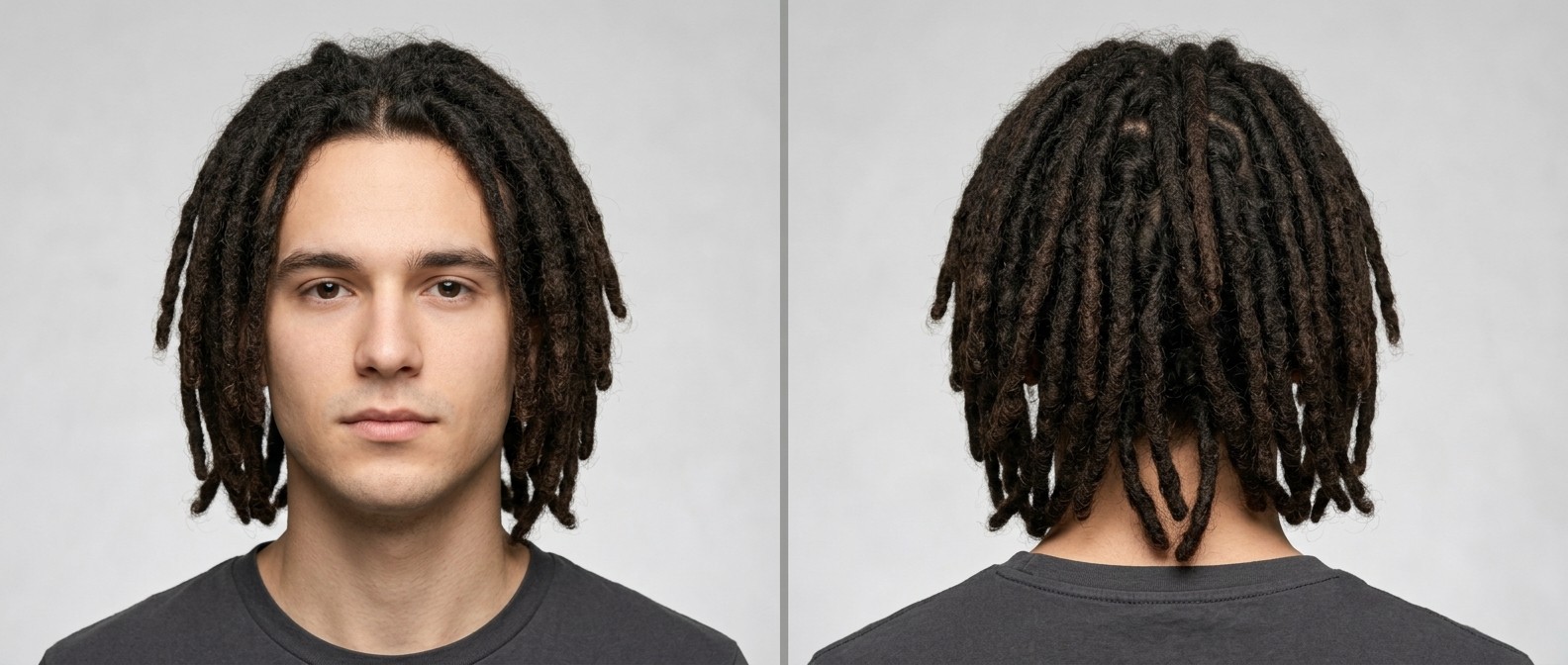
Medium-Length Dark Brown Natural Dreadlocks with Symmetrical Face-Framing Flow
 Top
Long (10-20 cm)
Top
Long (10-20 cm)
 Sides
Long (5+ cm)
Sides
Long (5+ cm)
 Hair Type
Very Curly / Afro (Type 4)
Hair Type
Very Curly / Afro (Type 4)
 Face Shape
Oval
Face Shape
Oval
 Maintenance
Medium
Maintenance
Medium
 Thickness
Thick / Dense
Thickness
Thick / Dense
About This Style
This striking variation of medium-length dreadlocks showcases a beautifully natural, free-flowing aesthetic that perfectly frames an oval face structure. Looking closely at the dark brown locks in the image, you can visibly see they are mature, well-established, and tightly formed, yet they brilliantly retain a slightly organic, authentic texture that prevents them from looking overly manicured or artificial. The hair falls gracefully just past the shoulders and upper back, creating a highly balanced, voluminous silhouette that exudes a distinctly creative and artistic vibe. This specific style is particularly well-suited for younger men who desire a low-daily-maintenance look but are fully committed to the rewarding, long-term journey of loc cultivation. The subtle, relaxed center parting allows the thick, dense dreads to cascade evenly down both sides of the head. This offers a highly symmetrical framing that expertly highlights strong facial features without overwhelming them. Whether you are heading to an upscale art gallery opening, performing on stage, or simply navigating your busy daily routine, this hairstyle seamlessly blends a laid-back, effortless attitude with a highly deliberate sense of personal style.
Key Features
- Medium-to-long length reaching the upper back and collarbone, providing a remarkably full, voluminous silhouette.
- Natural, slightly irregular sectioning at the scalp that deliberately avoids an overly rigid, geometric grid appearance.
- Tightly locked, mature dark brown locs featuring blunted, rounded tips rather than unkempt, loose, or wispy ends.
- Exquisite symmetrical face-framing flow originating naturally from a relaxed, unforced center parting line.
- Consistent medium thickness across individual dreadlocks, expertly maximizing the visual density of the thick hair type.
- Organic root texture that blends incredibly smoothly into the mature locked shafts without displaying severe scalp tension.
Getting the Cut
- Request an in-depth consultation with a specialized loctician to thoroughly assess your current hair density and carefully plan the sectioning grid.
- Ask for medium-sized square or brick-lay sections to guarantee the dreads are thick enough to be perfectly strong but numerous enough to provide excellent volume.
- Request the professional crochet method or interlock technique to establish exceptionally tight, uniform cylinders from the root all the way to the tip.
- Instruct the stylist to meticulously blunt the ends of the dreadlocks for an exceptionally clean, finished look that actively prevents future unraveling.
- Ask for a natural, relaxed center part rather than a severely defined, comb-drawn line, allowing the locs to fall organically and comfortably around the face.
- Schedule a follow-up maintenance appointment for precisely 6 to 8 weeks out to professionally address new root growth and tighten any loose hairs along the shafts.
- Emphasize that tension must be kept strictly moderate at the scalp to proactively protect your delicate hairline and prevent painful traction alopecia.
Daily Routine
- Begin your daily morning routine by gently shaking your head side to side to naturally separate the dreadlocks and effortlessly restore the volume that was flattened during sleep.
- Lightly mist your locs with a premium water-based refreshing spray containing soothing aloe vera or rosewater to deeply hydrate the scalp and moisturize the hair shafts.
- Apply a very small, conservative pea-sized amount of lightweight locking gel or a high-quality natural oil (like jojoba or argan) directly to your fingertips.
- Gently palm-roll any specific dreadlocks that feel slightly flat or fuzzy, smoothly working the product from the mid-shaft down to the blunted tips to perfectly maintain their cylindrical shape.
- Use your fingers to carefully guide the front locs so they comfortably and symmetrically frame your face, naturally re-establishing your preferred relaxed center part.
- Allow the hair to air dry completely if you utilized a hydrating mist, as trapped dampness inside dense locs can quickly lead to unwanted mildew or unpleasant odors.
- Strictly avoid using heavy waxes, traditional styling pomades, or creamy leave-in conditioners, as these will inevitably cause severe internal buildup and actively attract visible lint.
Products & Tools
- Premium residue-free dreadlock shampoo or specialized clarifying cleanser to actively prevent internal product buildup.
- Lightweight daily hydration mist featuring an aloe vera or rosewater base for superior scalp and hair moisture retention.
- High-quality natural locking gel or aloe-based tightening serum offering a light hold and a completely matte, natural finish.
- Pure jojoba, soothing peppermint, or tea tree oil botanical blend for targeted, deeply nourishing scalp treatments.
- Ultra-absorbent microfiber towel to extract excess moisture extremely quickly without leaving any damaging lint behind.
- Premium satin or silk sleep cap to expertly protect the locs from abrasive friction and prevent surface fuzziness overnight.
- Precision small crochet hook (specifically 0.5mm or 0.75mm size) for occasional, careful stray hair and frizz maintenance.
Maintenance
- Thoroughly wash your dreadlocks every 1 to 2 weeks using a specialized residue-free shampoo to keep the scalp impeccably clean and ensure the locs remain tight.
- Always ensure your hair is absolutely 100% dry after washing; utilize a professional hooded dryer or a standard blow dryer on a low, cool setting if naturally air drying takes too long.
- Religiously sleep with a high-quality satin bonnet or on a premium silk pillowcase every single night to prevent lint accumulation and drastically minimize surface frizz.
- Visit your trusted loctician every 6 to 8 weeks for professional root retwisting or interlocking to perfectly maintain the overall structural integrity of the style.
- Strictly avoid heavy beeswax, creamy deep conditioners, and standard styling products that inevitably leave impossible-to-remove, damaging residue trapped deep inside the locs.
Best For
Oval, diamond, and heart-shaped faces, as the brilliantly symmetrical, face-framing length beautifully accentuates the jawline and highlights the cheekbones.
Thick, exceptionally dense hair types (including very curly or Type 4 textures) that can effortlessly support the substantial weight and impressive volume of mature locs.
Younger men (specifically ages 18-25) actively seeking a highly distinctive, artistic aesthetic that boldly stands out from traditional, short barber cuts.
Creative professionals, passionate artists, or individuals boasting a laid-back lifestyle that comfortably allows for highly expressive, individualized personal grooming.
Pro Tips
- A remarkably common mistake is over-twisting the roots; always give your scalp adequate time to rest between maintenance sessions to proactively prevent thinning hairlines.
- During colder, significantly drier winter months, deliberately increase your use of lightweight hydrating mists to prevent the mature locs from becoming overly brittle and snapping.
- To practically adapt this style for intense physical activity or the gym, gently tie the locs back into a comfortable, loose ponytail using a thick, snag-free hair tie.
- Regularly and meticulously inspect your dreadlocks for trapped lint; removing it early with precision tweezers saves an immense amount of hassle and protects the look later.
Related Hairstyles
Dreadlocks
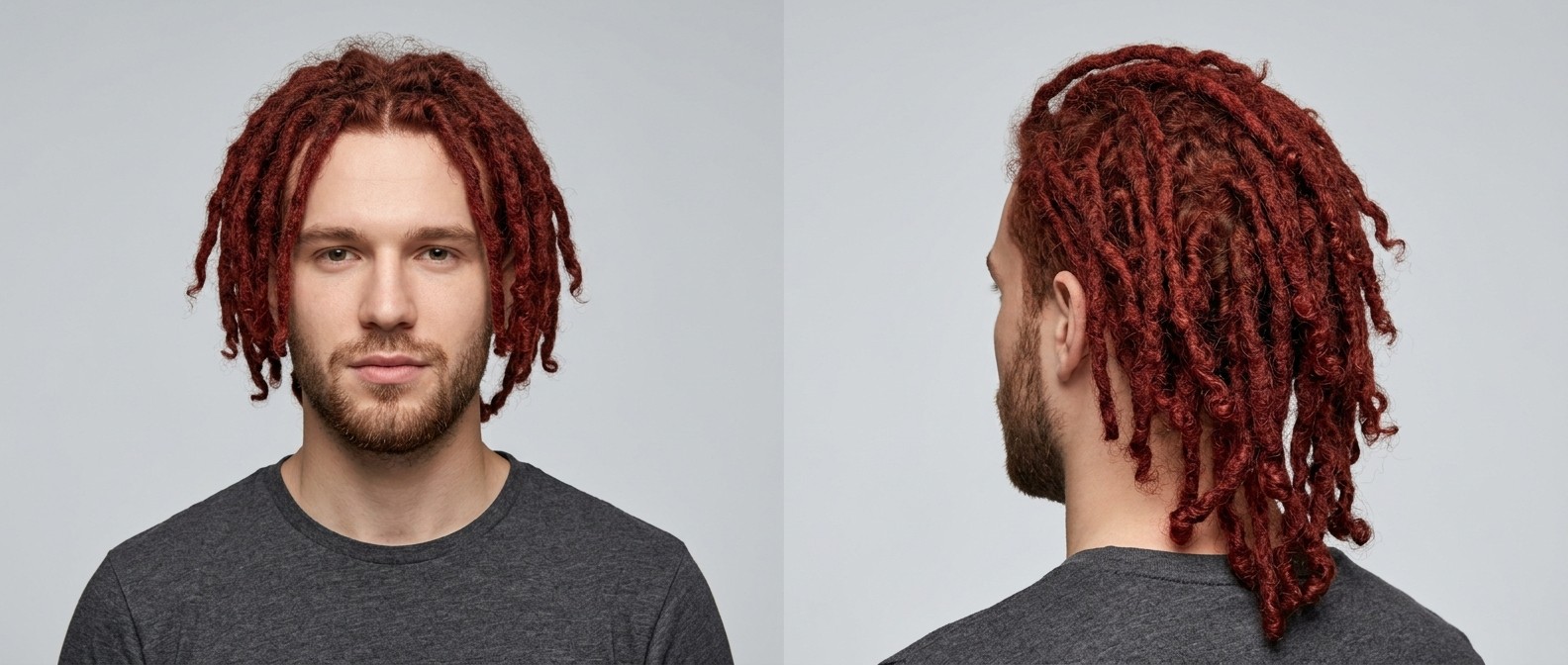
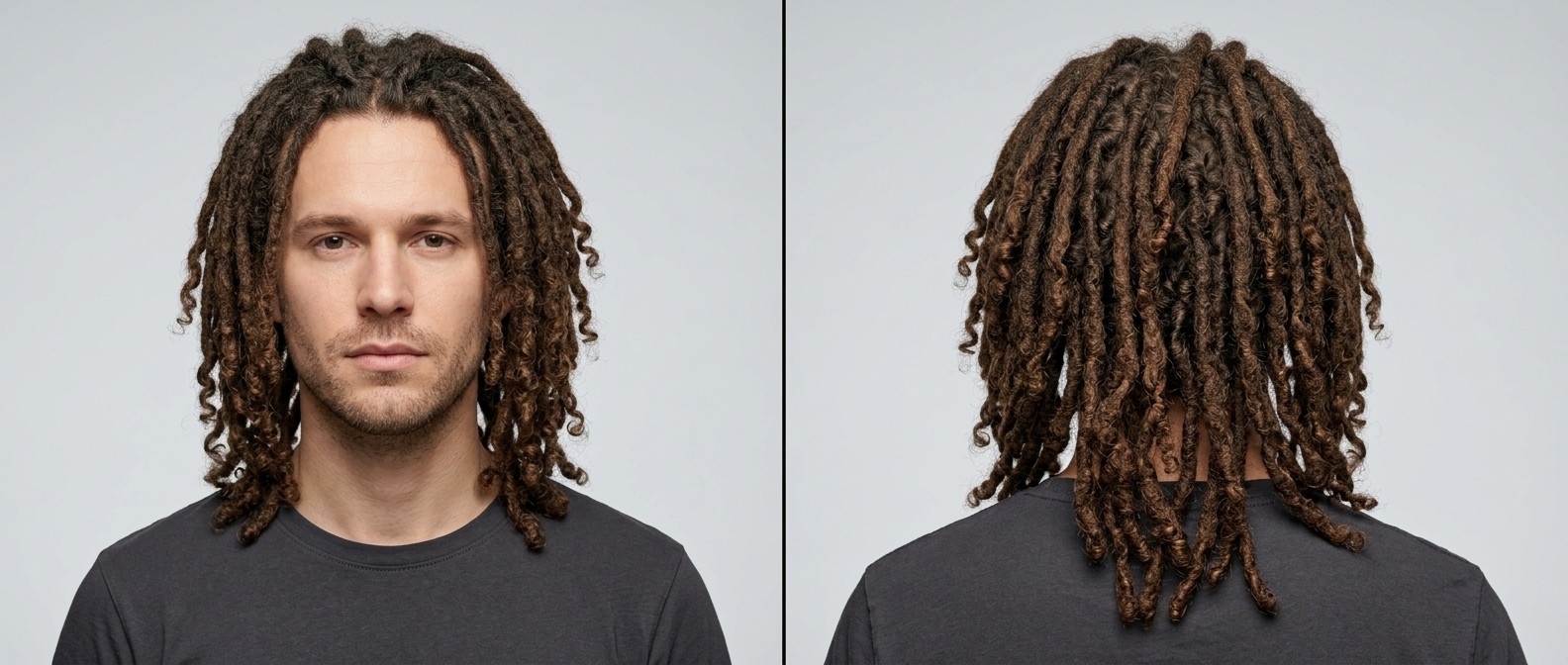
Shoulder-Length Auburn Dreadlocks with Curly Ends and Natural Flow
Dreadlocks
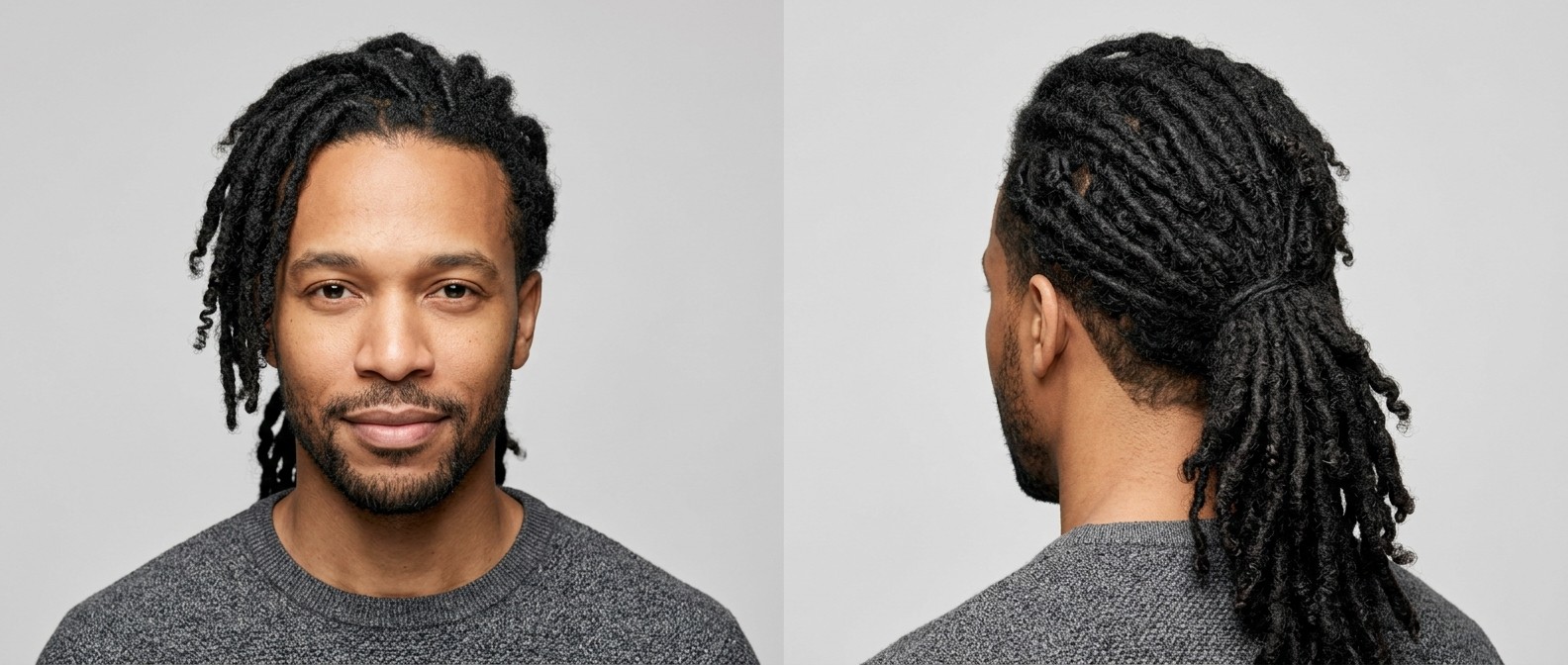
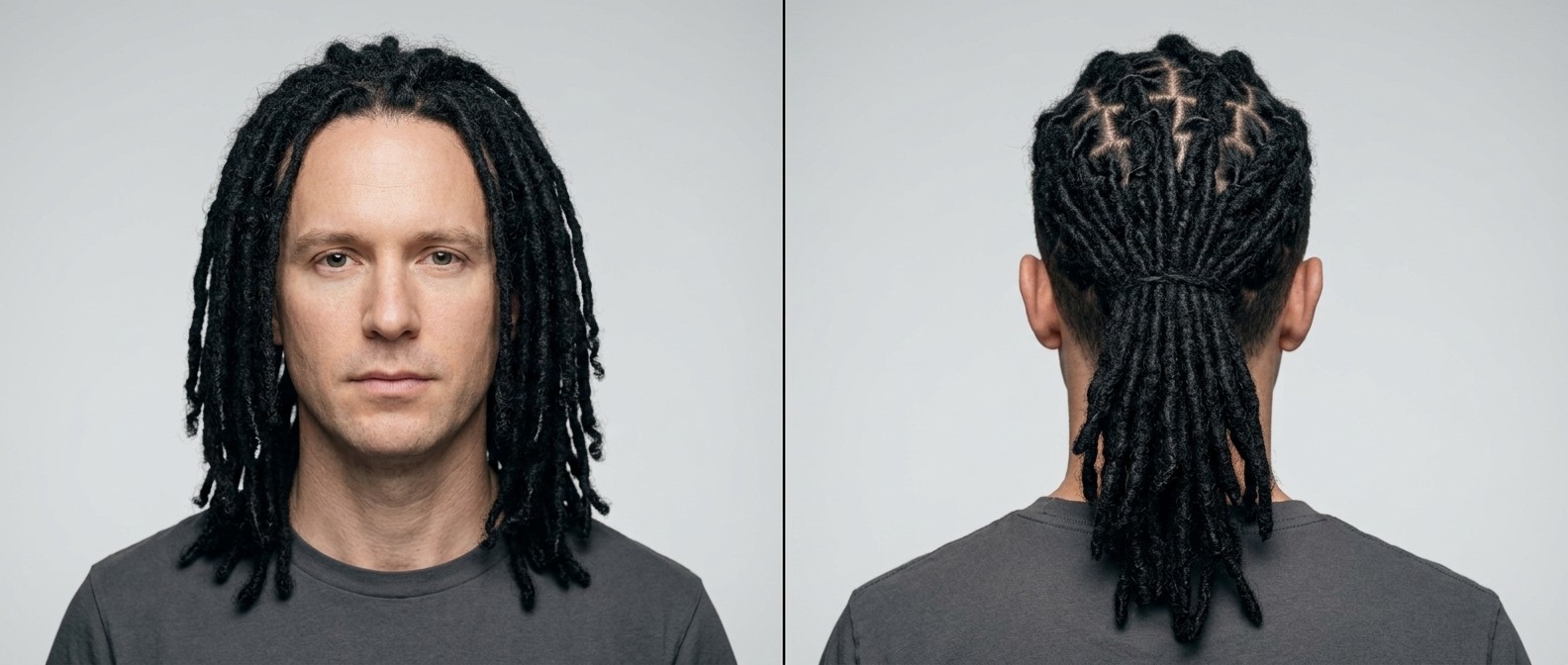
Long Swept Dreadlocks with Low Tied Ponytail and Clean Taper
Dreadlocks
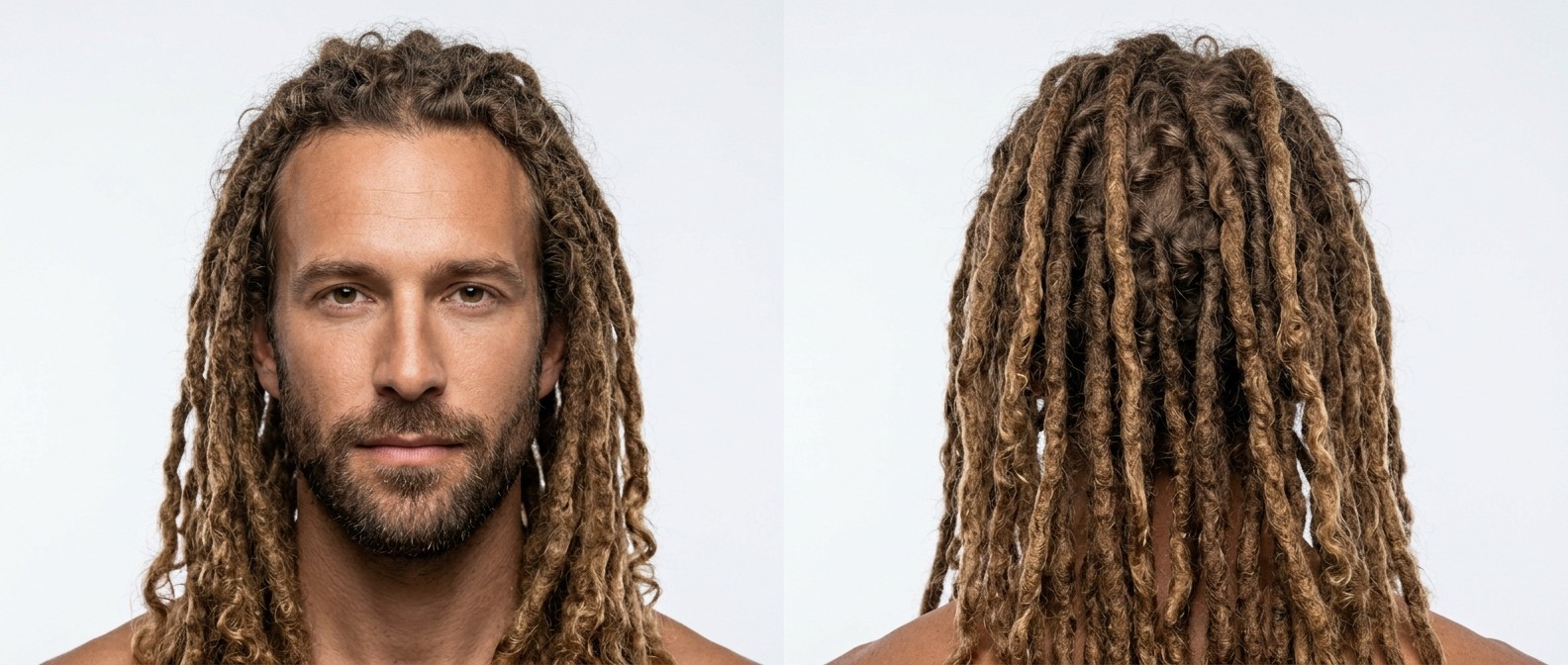
Long Natural Light Brown Dreadlocks with Curly Ends and Short Beard
Dreadlocks
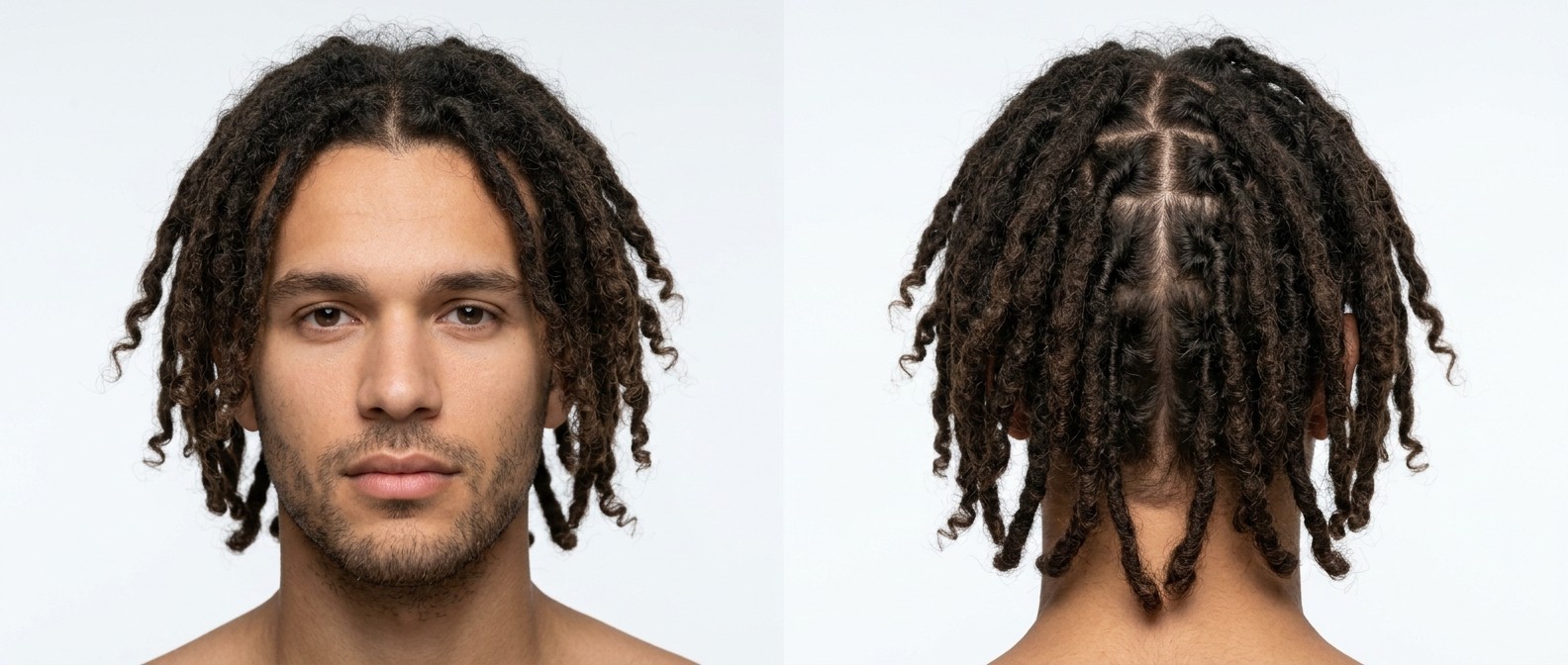
Center-Parted Medium Dreadlocks with Distinctive Box Sectioning
Dreadlocks
Long Structured Dreadlocks with Geometric Root Parting
Dreadlocks