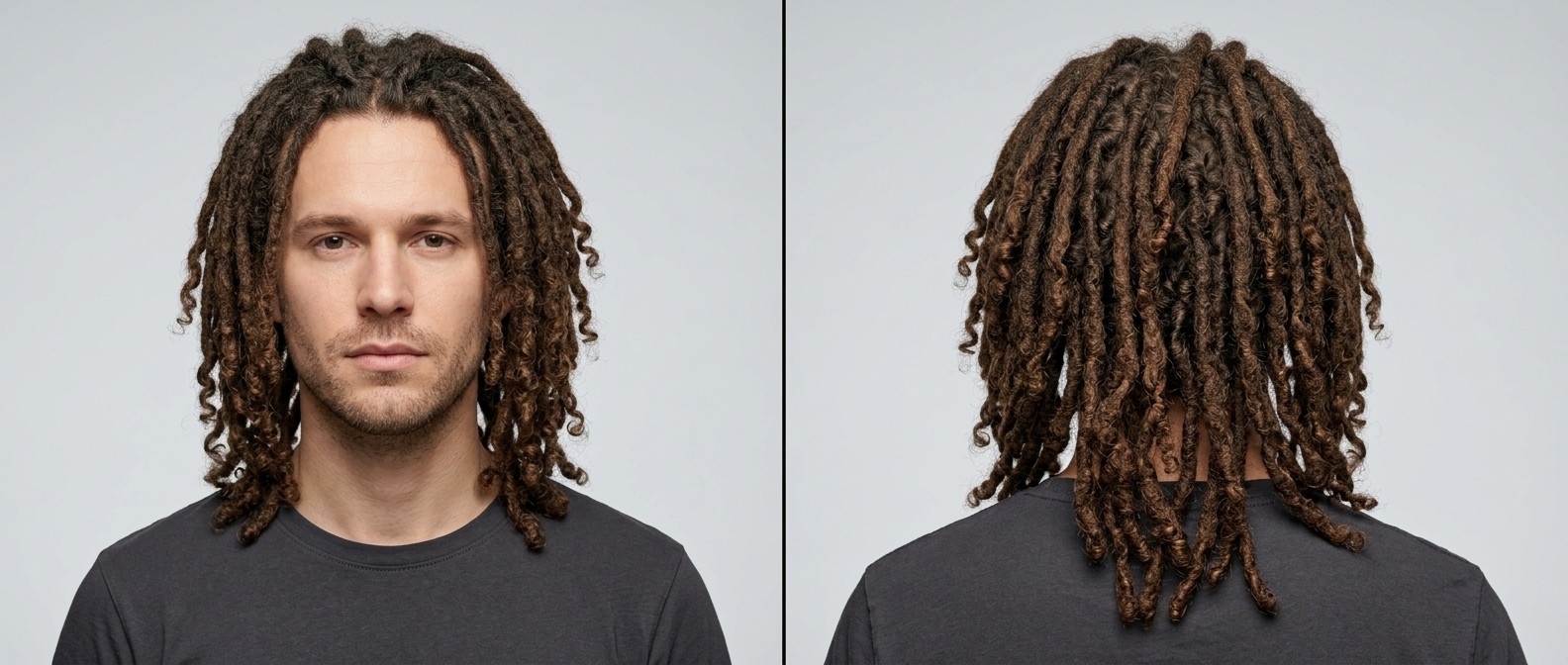
Shoulder-Length Medium Dreadlocks with Loose Curly Ends
 Top
Very Long (20+ cm)
Top
Very Long (20+ cm)
 Sides
Long (5+ cm)
Sides
Long (5+ cm)
 Hair Type
Very Curly / Afro (Type 4)
Hair Type
Very Curly / Afro (Type 4)
 Face Shape
Oval
Face Shape
Oval
 Maintenance
Medium
Maintenance
Medium
 Thickness
Medium / Normal
Thickness
Medium / Normal
About This Style
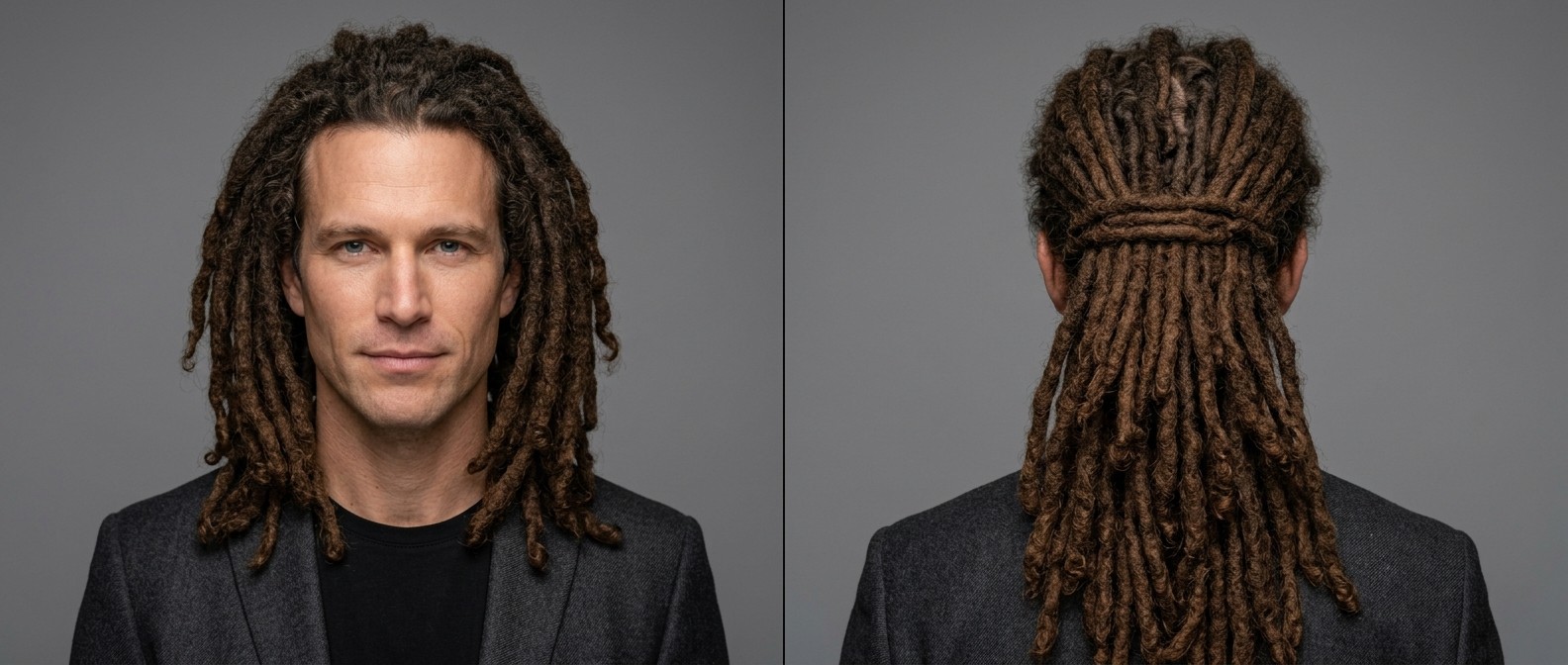
Embrace a truly artistic and free-flowing aesthetic with these shoulder-length, medium-thick dreadlocks featuring distinctively loose, curly ends. This particular variation strikes a perfect balance between structured, mature locs and natural hair texture, leaving the final few inches completely un-dreaded to showcase your hair's inherent curl pattern. The natural brown tone of the hair adds a warm, earthy vibe that perfectly complements the relaxed, bohemian nature of the style. As seen in the front and back profiles, the dreads fall naturally around the face and cascade evenly down the back, framing the head without overwhelming your features. The visible contrast between the tightly formed cylindrical mid-shafts and the playful, spiraling tips offers a dynamic, multi-dimensional texture that stands out in any casual or creative setting.
This look is exceptionally well-suited for individuals with oval face shapes, as the vertical drop of the long locs draws the eye downward, enhancing facial symmetry and highlighting the jawline. It is an ideal choice for those immersed in creative, artistic, or alternative lifestyles where bold self-expression is celebrated. The straight, natural hairline is kept relatively neat but avoids looking overly manicured, grounding the artistic hairstyle with a touch of rugged masculinity that pairs wonderfully with light facial stubble.
While it projects an effortlessly cool demeanor, this style requires a dedicated commitment to the locking process and consistent maintenance. You must balance keeping the main body of the dreadlock cylindrical and tight while actively preventing the curly ends from matting. When executed correctly, it produces a stunning hybrid texture that respects the natural behavior of highly textured, curly hair.
This look is exceptionally well-suited for individuals with oval face shapes, as the vertical drop of the long locs draws the eye downward, enhancing facial symmetry and highlighting the jawline. It is an ideal choice for those immersed in creative, artistic, or alternative lifestyles where bold self-expression is celebrated. The straight, natural hairline is kept relatively neat but avoids looking overly manicured, grounding the artistic hairstyle with a touch of rugged masculinity that pairs wonderfully with light facial stubble.
While it projects an effortlessly cool demeanor, this style requires a dedicated commitment to the locking process and consistent maintenance. You must balance keeping the main body of the dreadlock cylindrical and tight while actively preventing the curly ends from matting. When executed correctly, it produces a stunning hybrid texture that respects the natural behavior of highly textured, curly hair.
Key Features
- Shoulder-length overall silhouette that falls naturally, framing the face symmetrically and cascading evenly down the back.
- Medium-thick cylindrical dreadlocks that are tightly formed and mature from the root down through the mid-shaft.
- Distinctive loose, spiraling curly ends spanning the last two to three inches, remaining completely un-dreaded and free-flowing.
- Even, consistent brick-lay parting system that allows the locs to stack naturally without exposing excessive amounts of the scalp.
- Natural brown hair color with subtle light variations that highlight the twisted, woven texture of each individual dreadlock.
- Straight, normal hairline where the roots are maintained for neatness but retain an organic, slightly relaxed tension.
- Layered visual effect in the back, where the varying lengths of the dreads create a voluminous, textured stack rather than a blunt cut.
Getting the Cut
- Request a full-head dreadlock installation or maintenance session focusing on medium-thick locs to support the shoulder-length weight.
- Ask your loctician to section the hair using a brick-lay or diamond parting pattern to ensure the dreads fall naturally and cover the scalp evenly.
- Instruct the stylist to firmly lock the hair from the root down to the mid-shaft using the crochet hook method for instant, tight cylindrical shapes.
- Explicitly specify that you want to leave the bottom two to three inches of every dreadlock completely loose and un-dreaded to showcase your natural curl.
- Request that they gently comb out and define these loose ends during the appointment to ensure they do not accidentally tangle into the locked portion.
- Ask for a root maintenance session using the interlocking or palm-rolling technique to keep the new growth tidy near your straight hairline.
- Ensure they refrain from using heavy waxes or petroleum-based products, opting instead for lightweight, natural aloe-based locking gels.
- Request a light trim only on the loose curly ends if needed to balance the overall shape and remove any severely split ends.
Daily Routine
- Begin your morning routine by lightly misting your scalp and the locked portion of your hair with a refreshing rosewater or aloe vera hydration spray to restore moisture.
- Gently palm-roll any individual dreadlocks that feel slightly flat or frizzy from sleeping, rolling them firmly between your palms in a single direction.
- Apply a very small, pea-sized amount of lightweight locking gel to your fingertips and work it exclusively into the roots of any loose new growth along the hairline.
- Focus your attention on the loose, curly ends by dampening them slightly with water from a fine-mist spray bottle to reactivate the curl pattern.
- Dispense a moderate amount of leave-in curl conditioner or curl-defining cream into your palms and gently scrunch it upward into the loose ends.
- Inspect the dreadlocks for any trapped lint or surface fuzz, carefully snipping away loose surface hairs with grooming scissors if necessary.
- Allow the dreadlocks to air dry naturally, or use a blow dryer with a large bowl diffuser attachment on a low-heat, low-speed setting to dry the curly tips without causing frizz.
- Finish by arranging the dreads around your face, ensuring they fall evenly over your front shoulders to properly frame your oval face shape.
Products & Tools
- Residue-free dreadlock clarifying shampoo to deeply cleanse the scalp without leaving any trapped buildup inside the core of the locs.
- Lightweight, aloe-based locking gel or serum (light hold, natural matte finish) specifically for twisting and maintaining new root growth.
- Hydrating rosewater and peppermint scalp spray to soothe the skin, reduce itchiness, and refresh the hair between wash days.
- Curl-defining cream or leave-in conditioner (medium hold, natural shine finish) dedicated solely to hydrating and styling the loose, un-dreaded tips.
- 0.75mm steel crochet hook for occasional structural maintenance, pulling in loose friction hairs, and keeping the dread cylinders tight.
- Large microfiber hair towel to gently squeeze and absorb excess moisture from the dreads after washing without causing friction or surface frizz.
- Blow dryer equipped with a large bowl diffuser attachment to gently and evenly dry the loose curly ends.
Maintenance
- Schedule a professional maintenance visit with your loctician every 6 to 8 weeks to tidy up the new growth at the roots and separate any locs attempting to merge.
- Wash your dreadlocks every 1 to 2 weeks using only residue-free shampoo, focusing your scrubbing efforts entirely on the scalp rather than aggressively rubbing the lengths.
- Sleep with your hair completely covered by a silk or satin bonnet, or use a high-quality silk pillowcase, to prevent lint accumulation and reduce overnight friction.
- Actively prevent the curly ends from locking by gently detangling them with your fingers or a wide-tooth comb during your styling routine.
- Perform an apple cider vinegar and baking soda deep cleanse soak once every three to four months to strip away any environmental impurities or trapped oils.
- Avoid using traditional creamy conditioners on the locked portion of the hair, as this will cause the dreads to loosen, slip, and accumulate severe residue.
Best For
Oval, oblong, and diamond face shapes, as the long, vertical lines of the dreadlocks help to frame the face and balance wider cheekbones perfectly.
Individuals starting with naturally very curly or Afro-textured hair (Type 4), as this tight curl pattern accelerates the locking process and holds the cylindrical shape effortlessly.
Men with medium to thick hair density, providing enough natural volume to create a full head of solid dreadlocks without exposing excessive amounts of scalp.
Creative, artistic, bohemian, or relaxed professional environments where highly expressive, alternative grooming styles are welcomed and celebrated.
Those who have the patience and dedication for a medium-maintenance style that requires specific washing routines and regular root separation.
Pro Tips
- Never apply heavy beeswax to your dreadlocks; it attracts environmental dirt, is nearly impossible to wash out of the core, and prevents the hair from locking naturally.
- To keep the curly ends looking their absolute best, you must actively keep them moisturized with curl cream, as the locked hair above them will not distribute natural scalp sebum down to the tips.
- During the summer months, after swimming, or following heavy workouts, ensure your dreadlocks dry completely to the core to prevent mildew or "dread rot" from developing inside.
- When washing, always thoroughly separate your locs at the roots while the hair is wet to prevent them from matting together into a single, unmanageable mass.
- If you notice your dreadlocks thinning at the root, reduce the tension of your palm-rolling and space out your loctician visits to give your scalp a rest.
Related Hairstyles
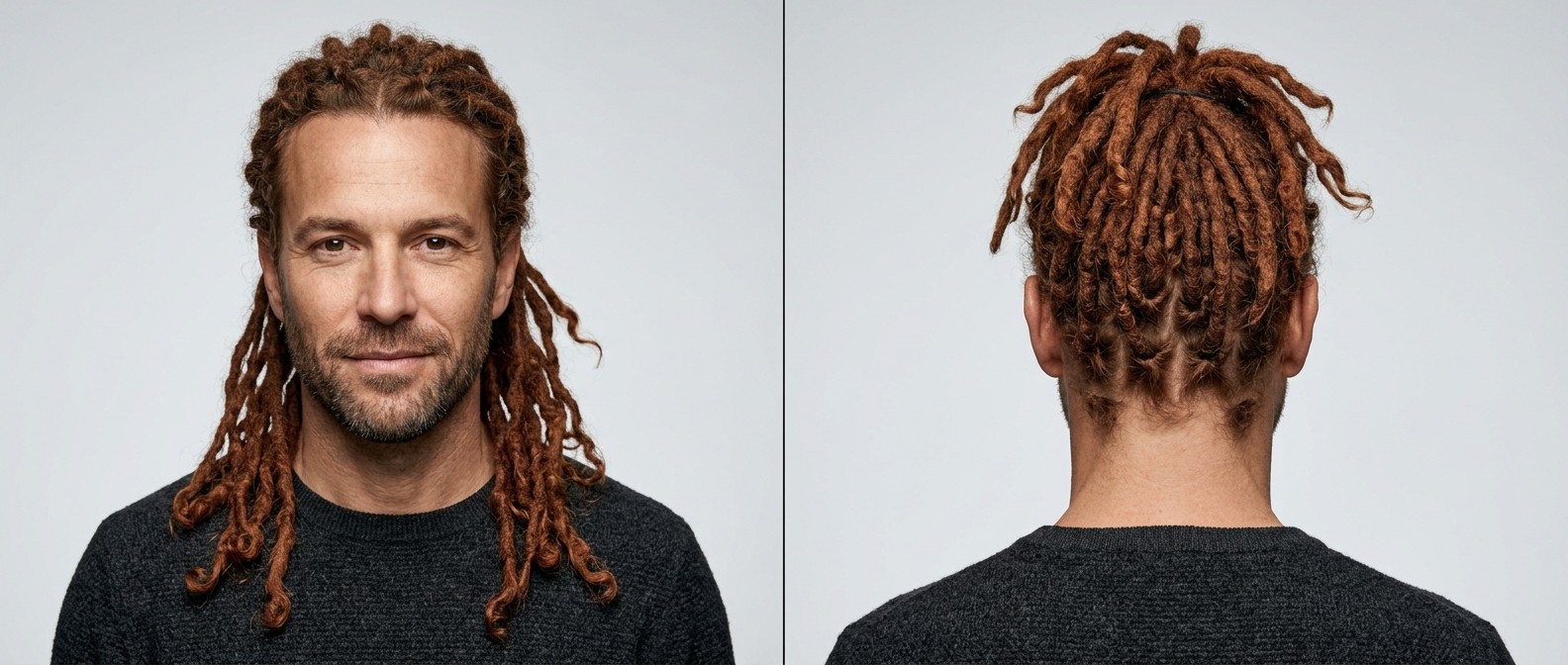
Dreadlocks
Long Copper Dreadlocks in a Half-Up Style for Thick Hair
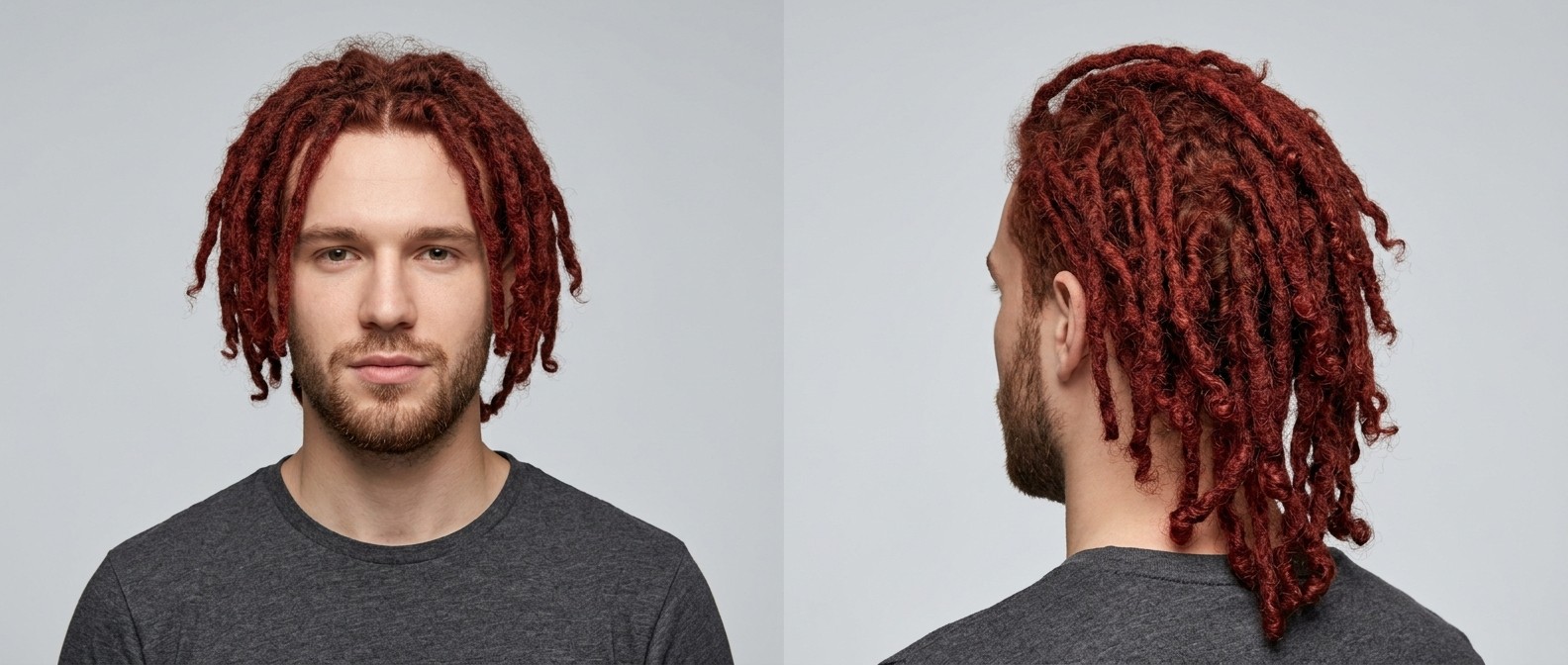
Dreadlocks
Shoulder-Length Auburn Dreadlocks with Curly Ends and Natural Flow
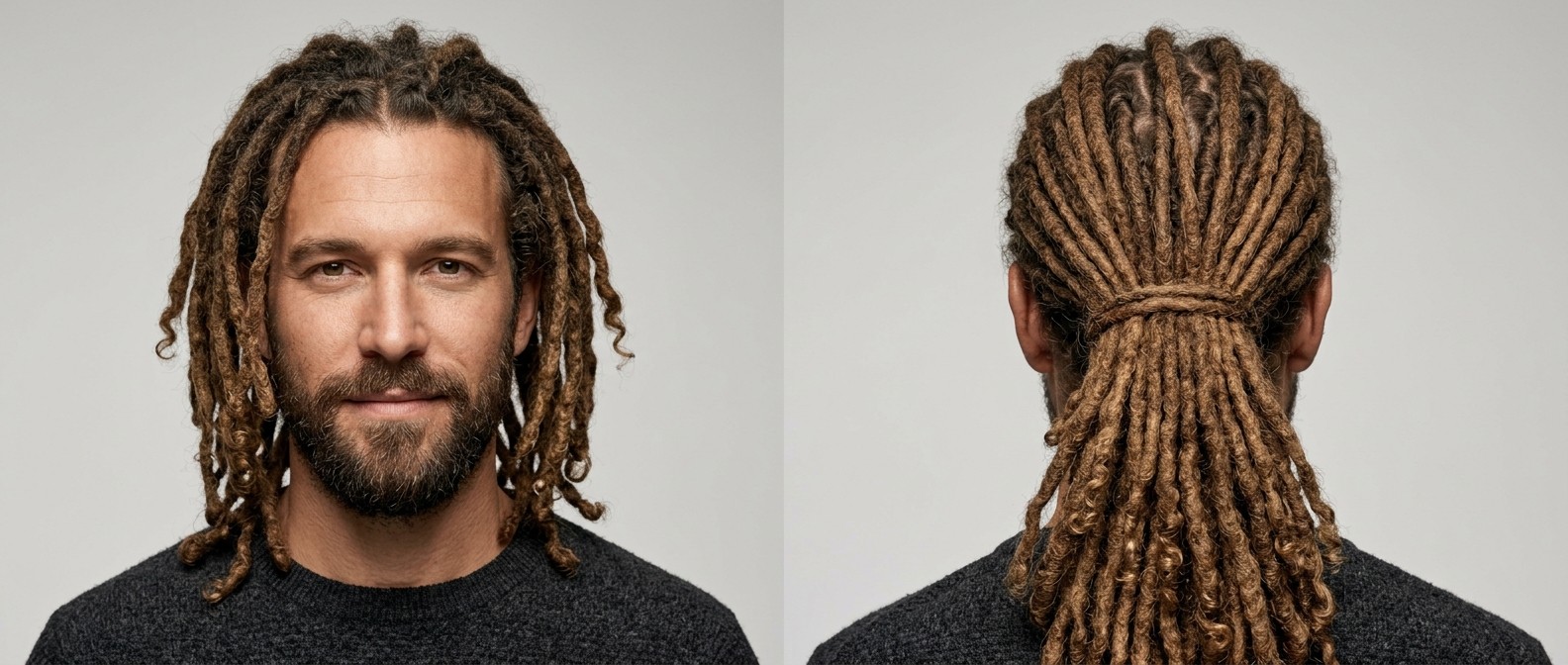
Dreadlocks
Long Light Brown Tied-Back Dreadlocks with Loose Curly Ends
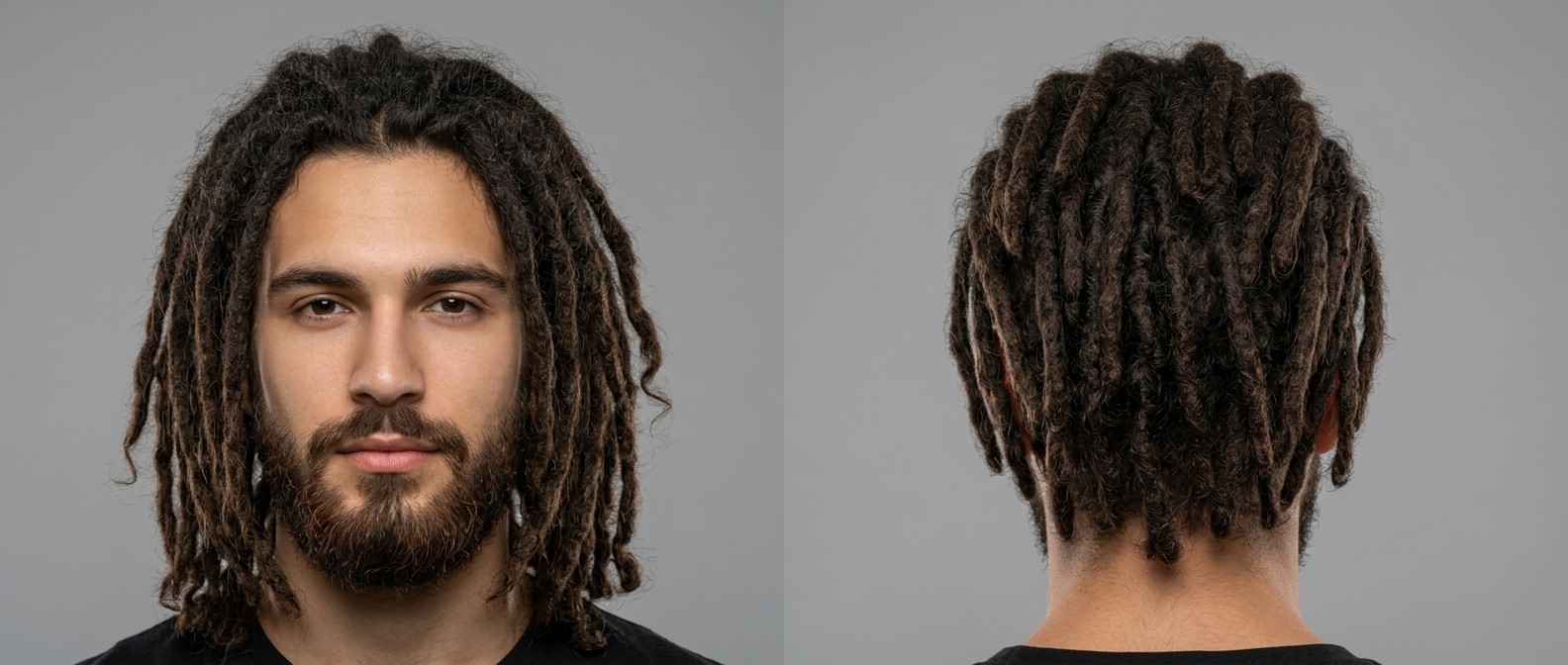
Dreadlocks
Long Natural Freeform Dreadlocks with Full Beard for Thick Hair
Dreadlocks
Long Mature Brown Dreadlocks with Half-Up Tied Crown
Dreadlocks