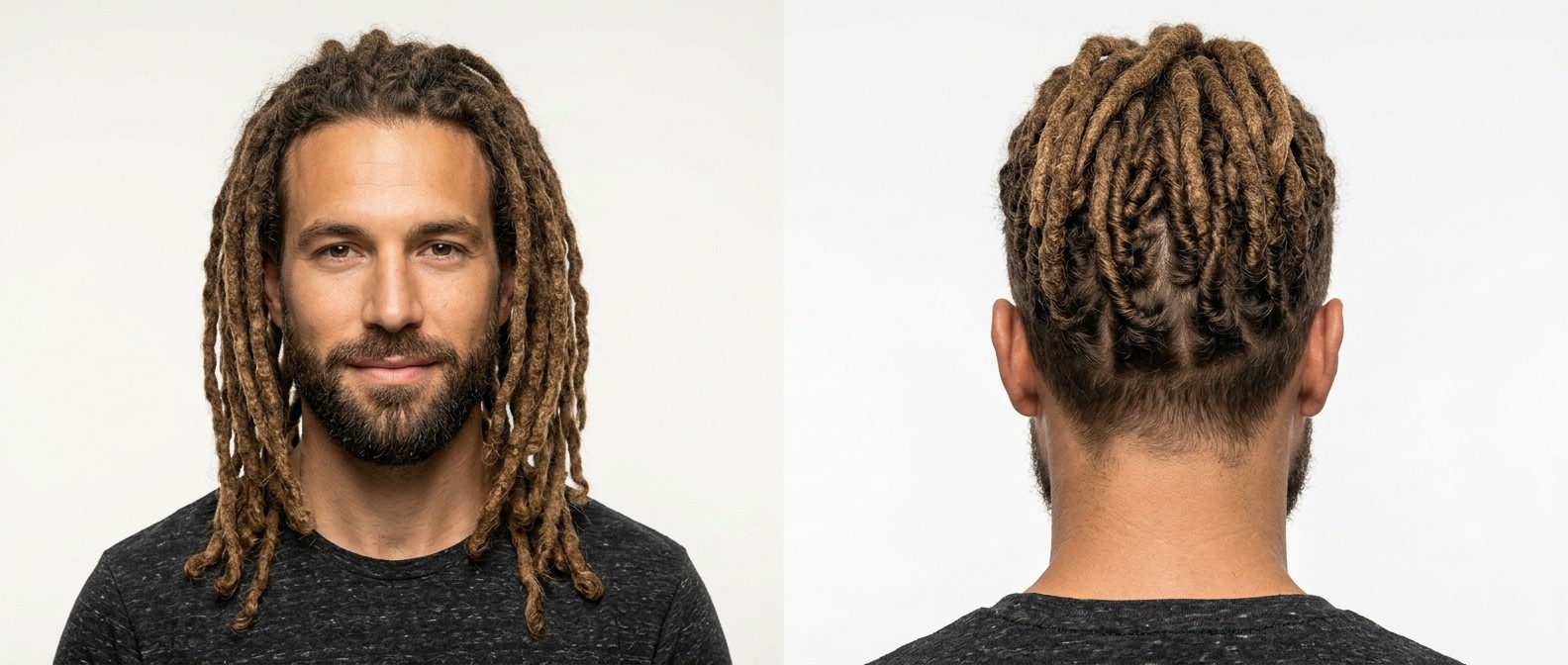
Long Cultivated Dreadlocks with Grid Parting and Nape Undercut
 Top
Very Long (20+ cm)
Top
Very Long (20+ cm)
 Sides
Long (5+ cm)
Sides
Long (5+ cm)
 Hair Type
Curly (Type 3)
Hair Type
Curly (Type 3)
 Face Shape
Heart
Face Shape
Heart
 Maintenance
Medium
Maintenance
Medium
 Thickness
Thick / Dense
Thickness
Thick / Dense
About This Style
This striking variation of long dreadlocks perfectly balances rugged, natural texture with meticulous structural maintenance. Specifically tailored for thick, Type 3 curly hair, the style features very long, cultivated locs that cascade elegantly past the shoulders, framing the face with a robust, masculine energy. What truly sets this look apart is the precise, geometric grid sectioning clearly visible at the scalp in the back view. This deliberate parting system contrasts sharply with the organic, cylindrical flow of the mature dreadlocks, showcasing a high level of grooming and intent. The light brown hue adds a sun-kissed, dimensional quality that enhances the visual depth and twisting patterns of each individual loc, making the texture pop under any lighting.
Ideal for the modern man with a casual, creative, or everyday lifestyle, this hairstyle pairs exceptionally well with a short, well-groomed beard to anchor the facial features and provide a cohesive aesthetic. The subtle undercut or low taper at the nape of the neck is a strategic, functional addition. It removes excess bulk from the lower hairline, ensuring the heavy locs lay comfortably against the back without causing overheating or tangling at the collar. This combination of structural precision at the roots and free-flowing length makes it a standout choice for those with a heart-shaped face, as the strong vertical lines draw the eye downward, softening the cheekbones and perfectly balancing the width of the forehead.
Ideal for the modern man with a casual, creative, or everyday lifestyle, this hairstyle pairs exceptionally well with a short, well-groomed beard to anchor the facial features and provide a cohesive aesthetic. The subtle undercut or low taper at the nape of the neck is a strategic, functional addition. It removes excess bulk from the lower hairline, ensuring the heavy locs lay comfortably against the back without causing overheating or tangling at the collar. This combination of structural precision at the roots and free-flowing length makes it a standout choice for those with a heart-shaped face, as the strong vertical lines draw the eye downward, softening the cheekbones and perfectly balancing the width of the forehead.
Key Features
- Mature, tightly cultivated cylindrical dreadlocks extending well past the collarbone, showcasing years of dedicated growth and maintenance.
- Meticulous geometric grid sectioning at the scalp, providing a clean, highly structured foundation that prevents the roots from matting together.
- Subtle nape undercut at the lower hairline designed to reduce overall weight, minimize neck sweat, and keep the silhouette streamlined.
- Natural middle-parted flow at the crown that strategically frames the face, drawing attention to the eyes and complementing heart-shaped structures.
- High-density volume and structural integrity achieved through the natural thickness and coil pattern of Type 3 curly hair.
- Cohesive blending with a short, neatly trimmed facial beard, creating a balanced, ruggedly handsome facial silhouette.
- Striking light brown to dark blonde color variation that highlights the intricate, rope-like texture and twisting patterns of the mature locs.
Getting the Cut
- Request a comprehensive professional loc consultation to assess your Type 3 curly hair's thickness, density, and overall scalp health before beginning.
- Ask your loctician to establish a precise geometric grid parting system, using medium-width square sections (approximately 1 to 1.5 inches) across the entire scalp.
- Specify the use of the crochet hook method or professional interlocking technique to instantly cultivate, tighten, and secure the cylindrical shape of the locs from the root down to the tip.
- Instruct the barber to section off the lower nape area (just below the occipital bone) and leave it un-dreaded to create a functional, subtle undercut.
- Ask them to fade or taper this nape undercut using a #2 or #3 clipper guard, which will significantly reduce heavy bulk and friction at the neckline.
- Request a clean, sharp line-up around the front hairline and temple areas, maintaining a natural but distinct border just before the dreadlock grid begins.
- Ask for a precise beard trim using a #1.5 or #2 guard, ensuring the sideburns are blended seamlessly into the natural hairline to properly frame the face.
- Advise the loctician to use a high-quality, natural locking gel or wax very sparingly during the root retwist, establishing a clean, tight foundation without causing long-term product buildup.
Daily Routine
- Start your morning grooming routine by carefully removing your silk or satin durag, bonnet, or head wrap to reveal protected, frizz-free roots and intact locs.
- Lightly mist your entire scalp and the mid-shafts of your dreadlocks with a water and aloe vera-based hydrating spray to awaken the hair and restore elasticity.
- Dispense a small, dime-sized amount of lightweight locking oil, jojoba oil, or argan oil onto your fingertips and gently massage it directly into the exposed scalp grid to prevent dryness.
- Use the palms of your hands to gently roll any frizzy, loose, or newly washed locs, smoothing down flyaway hairs and reinforcing their tight, cylindrical shape.
- Gather the front sections of your locs and push them back, or allow them to part naturally down the middle, arranging them to frame your face according to your daily preference.
- If the locs feel overly damp from the morning misting routine, use a blow dryer set on a cool, low-airflow setting with a diffuser attachment to quickly evaporate surface moisture without causing heat damage.
- Apply a few drops of premium beard oil to your short facial hair, massaging it into the skin beneath, and brush it downward with a firm boar bristle brush for a polished, cohesive look.
- Allow the dreadlocks to air-dry completely before tying them back into a ponytail or man-bun, as securing wet roots can cause excessive tension and lead to mildew development inside the loc.
Products & Tools
- Lightweight locking gel or aloe vera-based retwist pomade formulated to provide a medium, flexible hold with a natural, matte finish that avoids flaking.
- Hydrating scalp mist, rosewater spray, or a custom water-and-essential-oil blend to provide vital daily moisture without leaving a greasy, heavy residue.
- Natural, cold-pressed carrier oils (such as jojoba, argan, sweet almond, or peppermint oil) for deep scalp nourishment and soothing anti-itch relief.
- Ergonomic micro crochet hook (ideally 0.5mm or 0.75mm in size) for professional maintenance or careful at-home tightening of loose hairs and mature locs.
- High-quality silk or satin lined bonnet, extra-long durag, or satin pillowcase to meticulously protect the locs from friction, moisture loss, and lint accumulation while sleeping.
- Professional-grade blow dryer equipped with a wide diffuser attachment for safe, even, low-heat drying after washing or daily misting routines.
Maintenance
- Schedule professional retwist and maintenance appointments every 4 to 6 weeks to keep the root grid looking sharp, manage new growth, and prevent the locs from thinning at the base.
- Wash your dreadlocks every 1 to 2 weeks using a specialized residue-free, clarifying dreadlock shampoo to effectively prevent product buildup, excess sebum, and environmental lint accumulation.
- Always sleep with a protective satin or silk head covering to lock in essential moisture and prevent standard cotton pillowcases from causing friction and pulling out loose hairs.
- Strictly avoid using heavy beeswax, petroleum-based styling products, or traditional creamy conditioners, as these can easily get trapped deep inside the mature locs and cause mildew or rot.
- Ensure you thoroughly dry your dreadlocks right down to the core after every single wash; never tie them up, wear a hat, or go to sleep on them while they are still wet to prevent internal mold growth.
Best For
Face Shapes: Exceptionally flattering for Heart, Diamond, and Oval face shapes, as the long, vertical lines of the locs draw the eye downward, softening prominent cheekbones and balancing a wider forehead.
Hair Types: Perfectly suited for thick, dense, Type 3 curly hair, which possesses the ideal natural coil pattern to mat, lock, and hold a cylindrical shape with excellent structural integrity.
Lifestyles: Highly recommended for casual, creative, and everyday environments where expressive, natural, and culturally rich styling is celebrated and embraced.
Age Ranges: Highly complementary for men in their 30s and 40s who are seeking a mature, distinguished, and well-maintained approach to wearing very long hair.
Pro Tips
- Make it a habit to palm-roll your locs frequently when they are slightly damp after washing; this helps to continuously train the cylindrical shape and minimize surface frizz as the locs mature over time.
- During harsh winter months, intentionally increase your use of lightweight hydrating mists and scalp oils, as dry indoor heating can cause the locs to become brittle, leading to breakage at the root.
- Be highly mindful of the tension placed on your front hairline; avoid tying the heavy, long locs into tight man-buns or high ponytails too frequently to prevent the onset of traction alopecia.
- Keep the subtle nape undercut strictly and regularly maintained by your barber; allowing this section to grow out too much will disrupt the clean, geometric silhouette and add uncomfortable, unnecessary heat to your neck.
Related Hairstyles
Dreadlocks
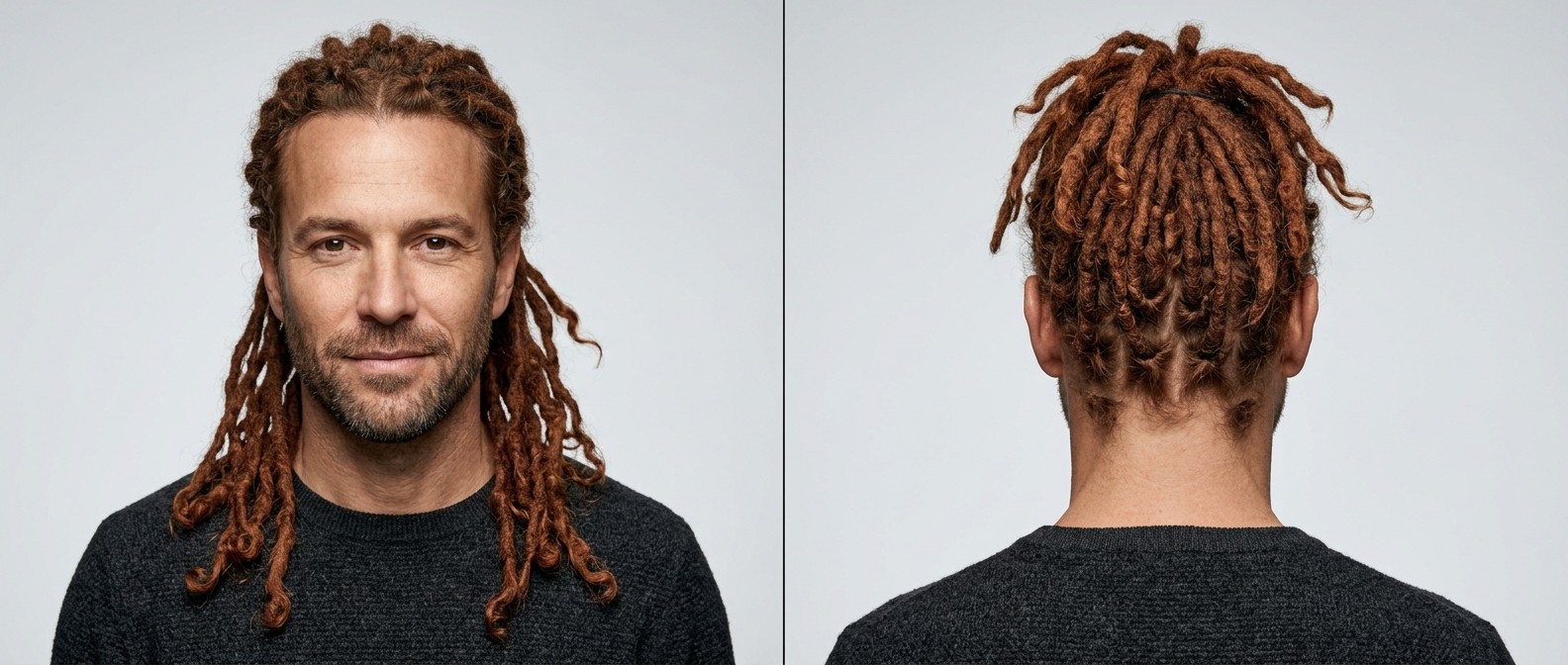
Long Copper Dreadlocks in a Half-Up Style for Thick Hair
Dreadlocks
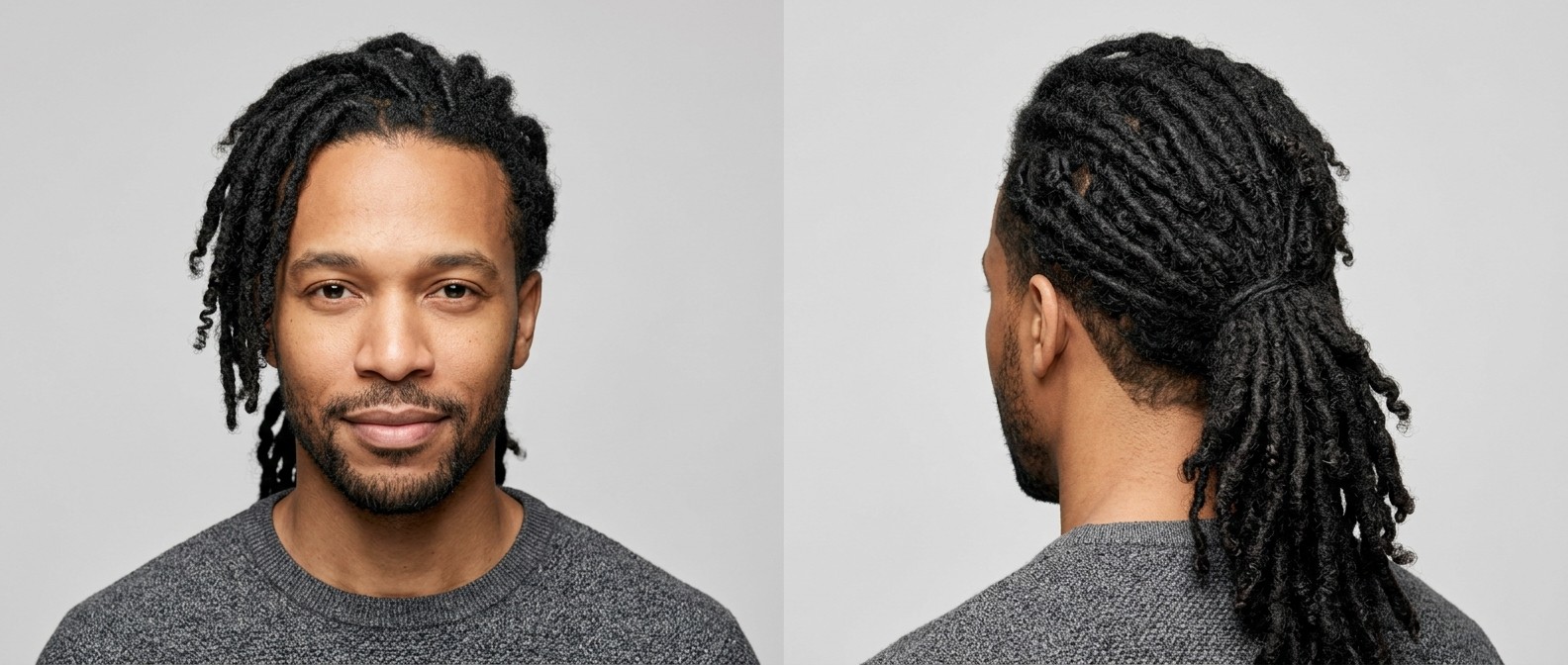
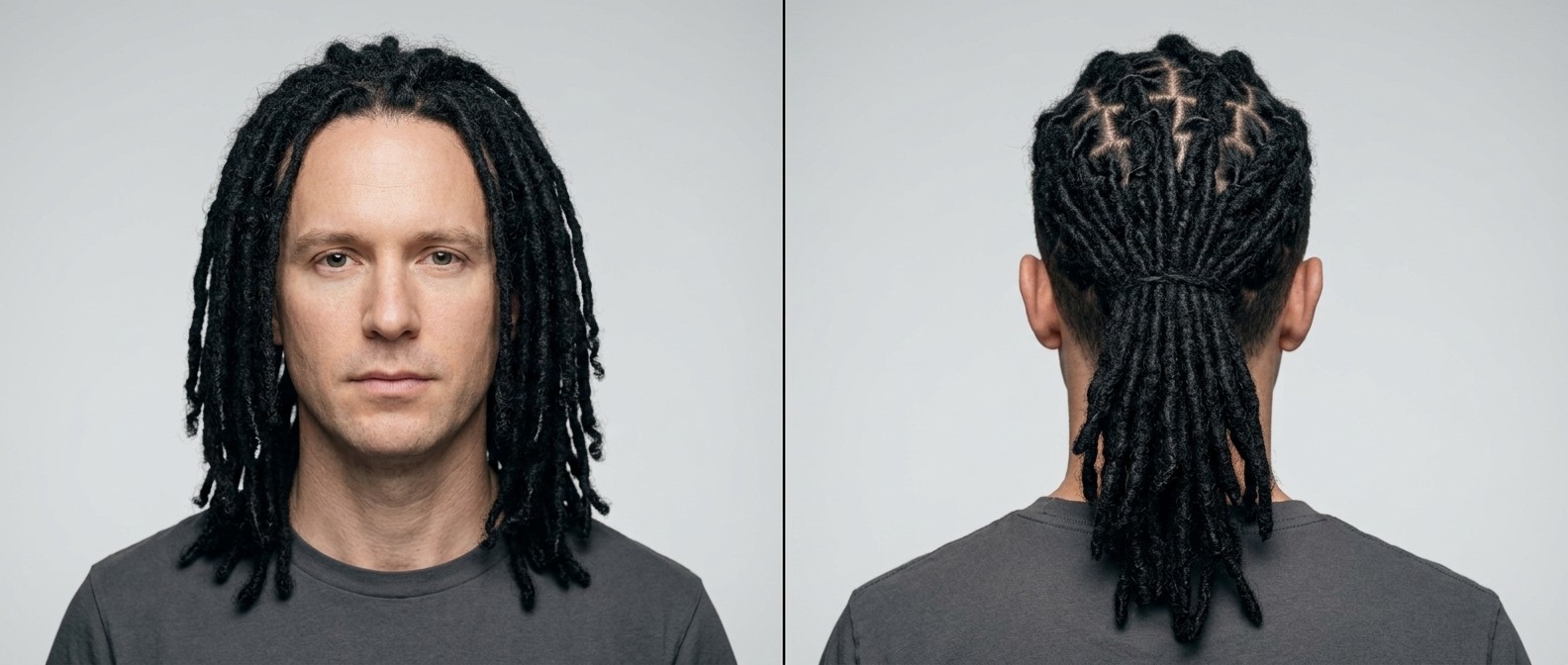
Long Swept Dreadlocks with Low Tied Ponytail and Clean Taper
Dreadlocks
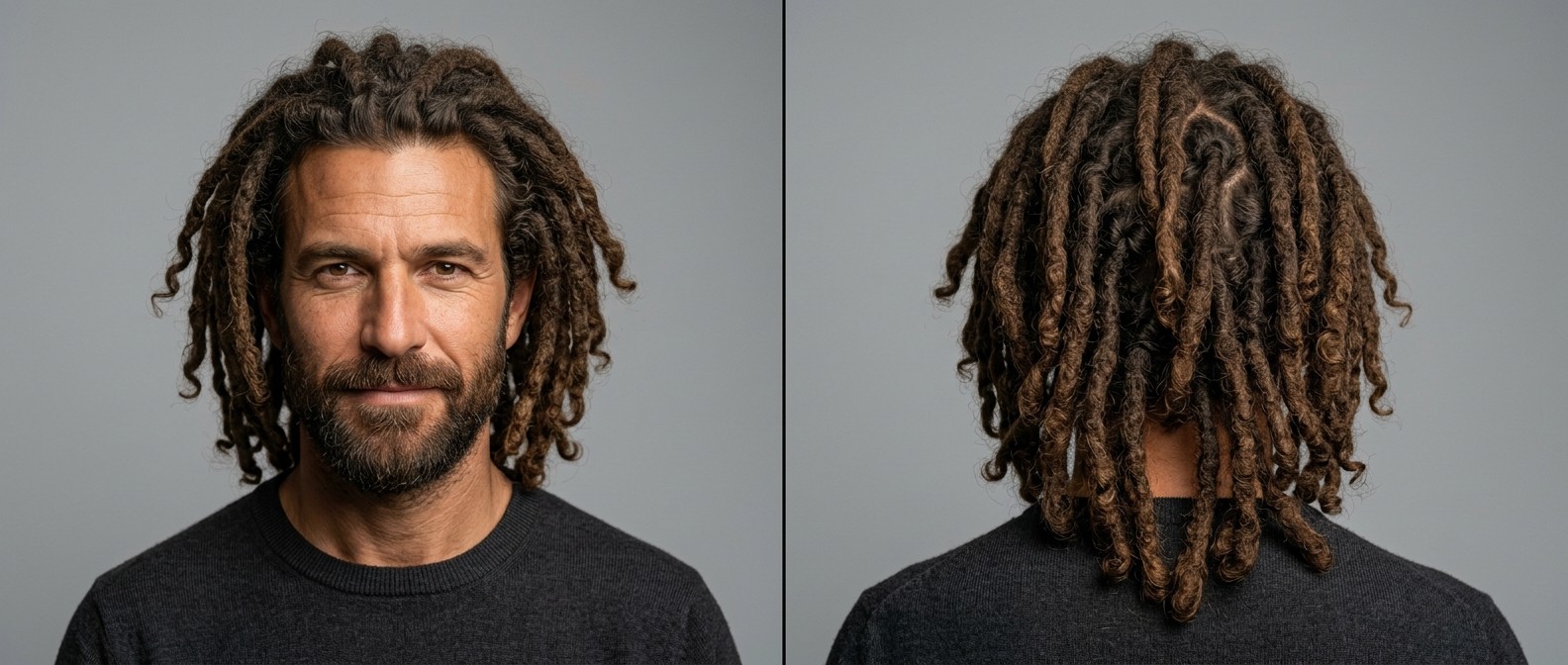
Shoulder-Length Natural Brown Dreadlocks with Loose Curly Ends
Dreadlocks
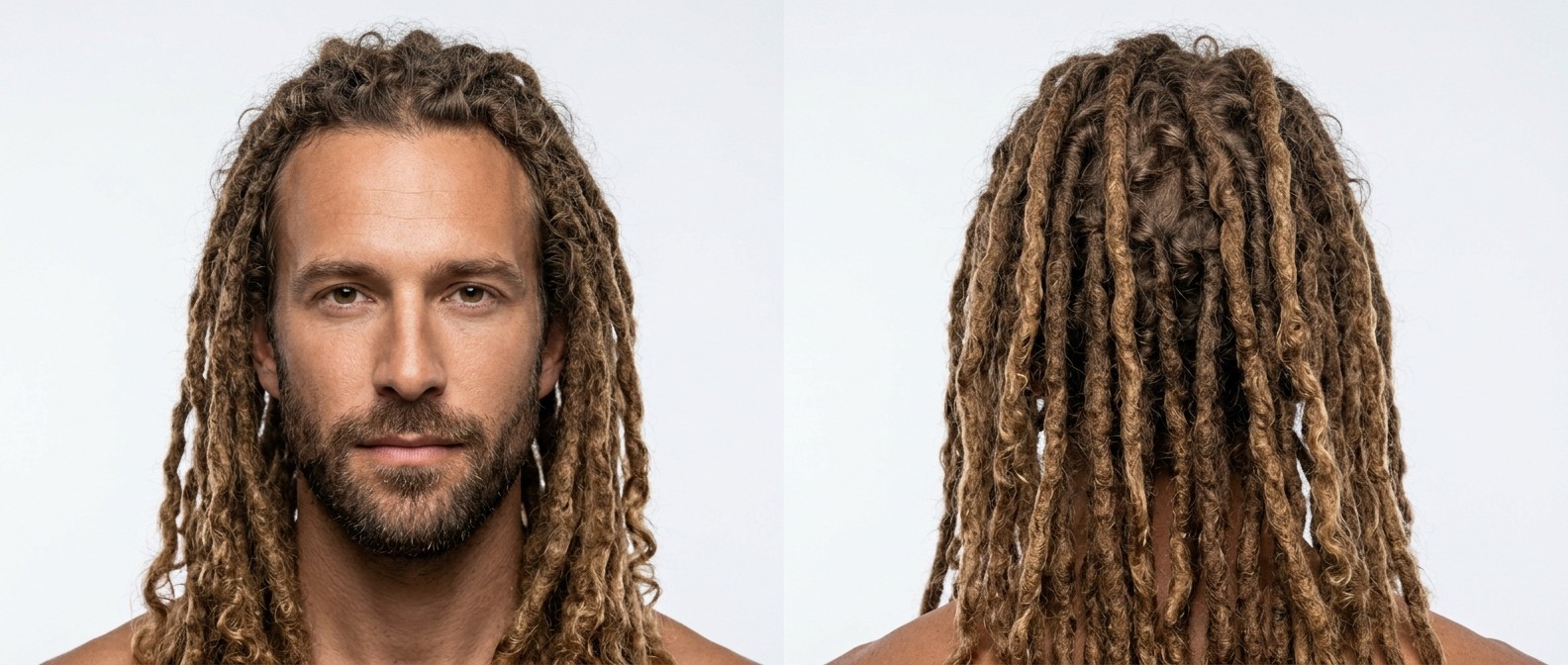
Long Natural Light Brown Dreadlocks with Curly Ends and Short Beard
Dreadlocks
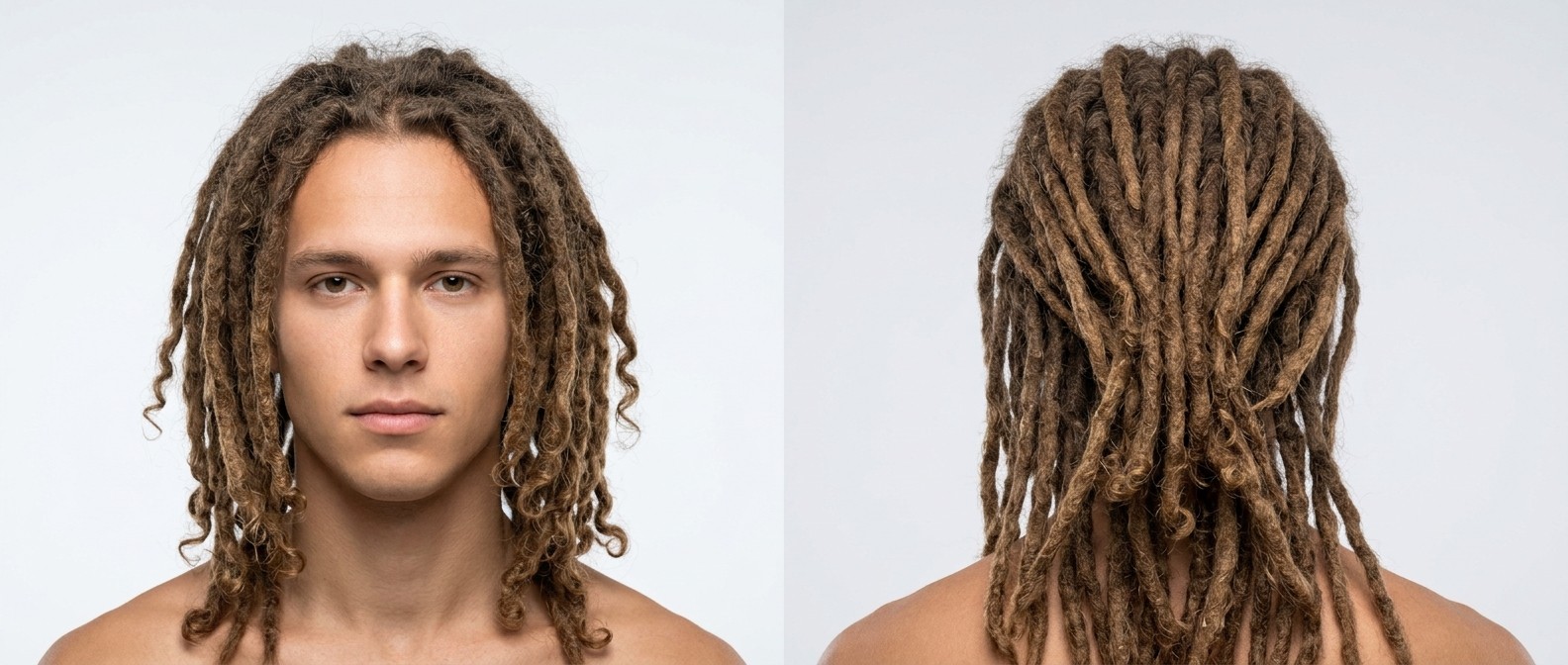
Long Natural Light Brown Dreadlocks with Loose Curly Ends
Dreadlocks