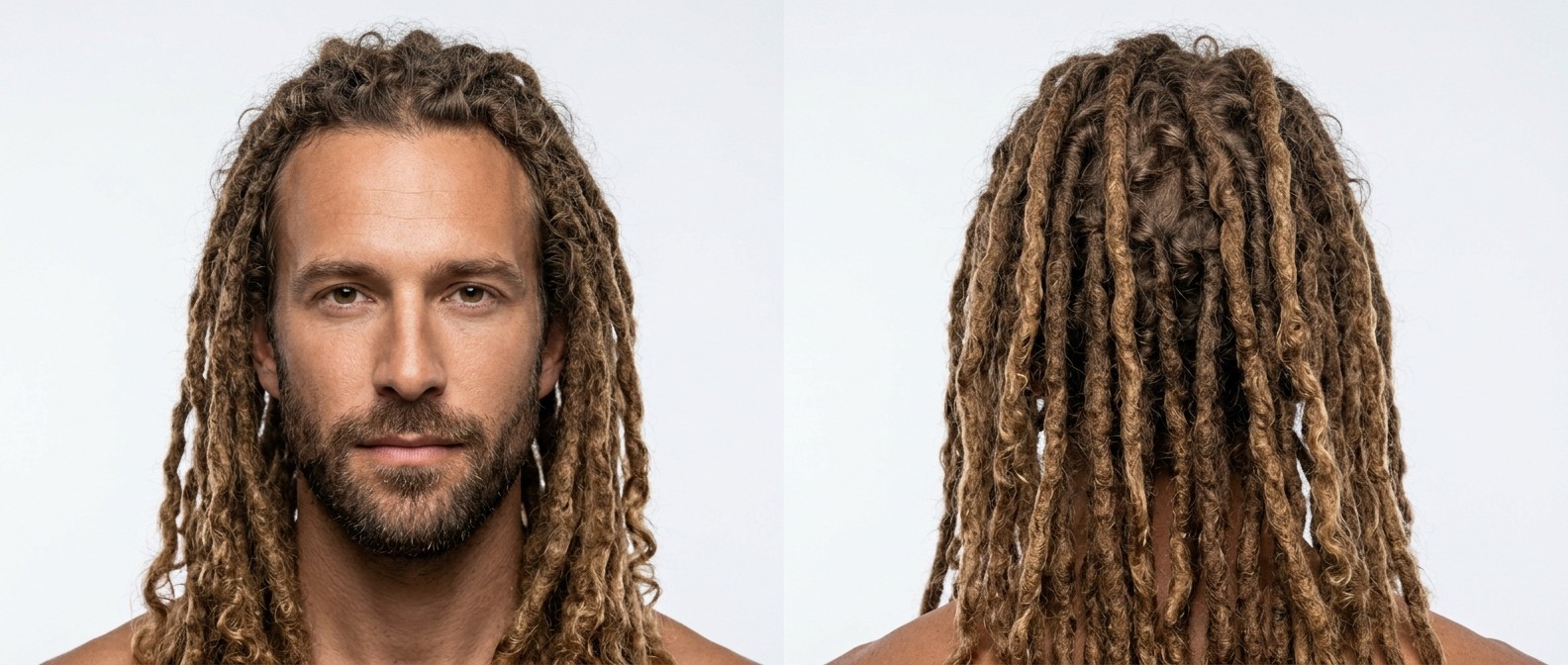
Long Natural Light Brown Dreadlocks with Curly Ends and Short Beard
 Top
Long (10-20 cm)
Top
Long (10-20 cm)
 Sides
Long (5+ cm)
Sides
Long (5+ cm)
 Hair Type
Curly (Type 3)
Hair Type
Curly (Type 3)
 Face Shape
Oval
Face Shape
Oval
 Maintenance
Medium
Maintenance
Medium
 Thickness
Medium / Normal
Thickness
Medium / Normal
About This Style
Embrace a truly artistic and free-spirited aesthetic with these long, natural light brown dreadlocks. As seen in the detailed front and back photos, this style features mature, well-formed locs that fall effortlessly past the shoulders, framing the face with symmetrical, medium-thick dreads. What makes this variation particularly striking is the retention of the natural Type 3 curly texture at the roots and the unblunted, wavy ends, giving the style a lived-in, organic feel rather than a rigid, synthetic look. The back view reveals a meticulous square or brick-lay sectioning pattern at the scalp, a crucial foundation that ensures an even distribution of weight and a clean aesthetic as the hair continues to grow. This look is exceptionally well-suited for men with oval face shapes, as the long vertical lines of the dreadlocks draw the eye downward, perfectly complementing the balanced proportions of the face. Paired with a neatly trimmed, short beard, it creates a rugged yet intentional masculine silhouette. It is the ultimate choice for creative professionals, artists, or anyone with a bohemian lifestyle who wants a distinctive, low-daily-maintenance style that makes a bold, unforgettable personal statement.
Key Features
- Mature, medium-thick cylindrical dreadlocks extending well past the shoulders, creating a dramatic and elongated vertical silhouette.
- Natural Type 3 curly texture clearly visible at the root base, transitioning into tightly locked mid-shafts.
- Unblunted, wispy curly ends that provide a soft, organic, and unmanicured finish to the bottom of the style.
- Strategic brick-lay or square sectioning at the scalp, visible from the back, ensuring even weight distribution and neat growth.
- Center-parted natural hair flow that frames the face symmetrically without overwhelming the facial features.
- Beautiful, seamless integration of light brown base tones with natural blonde highlights created by sun exposure.
- Striking visual contrast between the long, untamed locs and the precisely groomed, short facial hair.
Getting the Cut
- Request a thorough consultation with a specialized loctician to assess your Type 3 curly hair for the optimal locking method, such as crochet hook or twist-and-rip.
- Ask for a precise square or brick-lay sectioning pattern at the scalp (approximately 1-inch squares) to ensure uniform dreadlock thickness and prevent future matting.
- Specify that you want medium-thick dreadlocks, actively avoiding micro-locs or overly thick congos, to match this specific medium-density aesthetic.
- Instruct the stylist to intentionally leave the ends loose and unblunted, allowing your natural curl pattern to show at the tips for an organic look.
- For your routine maintenance appointments (every 6 to 8 weeks), ask for a meticulous root touch-up using the interlocking or crochet method to pull in loose new growth.
- Have your barber maintain a neat, short beard using a #2 or #3 clipper guard, keeping the cheek and neck lines sharply defined with a straight razor to contrast the long hair.
- Request that any stray, delicate hairs along the natural straight hairline be gently incorporated into the nearest locs without excessive tension, preventing traction alopecia.
Daily Routine
- Start your morning styling routine by lightly misting your dreadlocks with a refreshing scalp spray, rosewater, or aloe vera juice to hydrate the roots and awaken the scalp.
- Use your fingers to gently separate any locs at the root that might have started to mesh or tangle together overnight while sleeping.
- Apply a minimal amount of lightweight, residue-free locking gel to your fingertips and palm-roll any slightly frizzy locs to smooth the mid-shafts and encourage cylindrical shaping.
- For the loose, unblunted curly ends, scrunch in a tiny drop of argan oil or a light liquid leave-in conditioner to define the Type 3 curls and prevent them from becoming brittle.
- Allow the hair to air dry naturally; if you recently washed them, use a microfiber towel to squeeze out excess moisture, followed by a hooded dryer or blow dryer on a low heat setting.
- Gather the heavy dreadlocks and flip them back, allowing them to fall naturally on either side of your center part for that perfectly symmetrical, face-framing effect.
- Finish the look by applying a few drops of high-quality beard oil to your facial hair and brushing it downward with a firm boar bristle brush to maintain a polished, professional contrast.
Products & Tools
- Residue-free dreadlock clarifying shampoo to deeply cleanse the scalp without leaving harmful buildup inside the locked hair matrix.
- Lightweight locking gel or pure aloe vera gel (light hold, matte finish) for palm-rolling frizz and maintaining neat mid-shafts.
- Natural essential oil blend (featuring tea tree and peppermint) for optimal scalp health, hydration, and itch relief between washes.
- Premium argan oil or jojoba oil (natural shine finish) for moisturizing the loose curly tips and hydrating the short beard.
- Large microfiber hair towel to absorb maximum moisture after washing without causing damaging lint buildup in the locs.
- Small ergonomic crochet hook (0.5mm or 0.75mm size) for occasional, careful at-home maintenance of loose hairs and bumps.
- Firm boar bristle beard brush to keep the short facial hair cleanly groomed and sharply contrasting the long dreadlocks.
Maintenance
- Schedule professional root maintenance with your loctician every 6 to 8 weeks to expertly manage new growth and keep the scalp sectioning clean.
- Wash your dreadlocks once a week or every two weeks using only specialized residue-free shampoo to prevent internal mold, mildew, and product buildup.
- Sleep with your hair securely tied up in a silk or satin-lined tam, bonnet, or use a high-quality silk pillowcase to prevent lint accumulation and friction-induced frizz.
- Ensure your dreadlocks are 100% dry after washing before going to bed or tying them up; damp locs can quickly develop mildew, commonly known as dread rot.
- Strictly avoid heavy wax products, thick creamy conditioners, or standard gels, as these cannot be easily washed out of the densely locked hair matrix.
Best For
Face Shapes: Ideal for Oval and Square faces; the long vertical lines of the dreadlocks naturally elongate the face while the volume balances strong, angular jawlines.
Hair Types: Best suited for naturally curly (Type 3) or kinky hair textures, though highly achievable on straight European hair with professional locking techniques.
Age Ranges: Perfect for men in their 30s and 40s seeking a mature, distinguished, yet unapologetically artistic and bohemian aesthetic.
Lifestyle: Excellent for creative professionals, musicians, artists, or those working in relaxed environments who desire a low-daily-maintenance signature look.
Pro Tips
- Palm-roll your dreadlocks regularly when they are slightly damp after washing to help them mature into perfectly cylindrical shapes and significantly reduce surface frizz.
- A very common mistake is washing Caucasian dreadlocks too frequently in the early, fragile stages; allow the natural oils and time to help the locking process take hold.
- During the summer months, aggressively protect your locs from chlorine and salt water by rinsing them thoroughly with fresh water immediately after swimming.
- Keep your beard sharply lined up at the cheeks and neck; this crisp grooming contrast elevates the overall look from potentially unkempt to intentionally and highly stylish.
Related Hairstyles
Dreadlocks
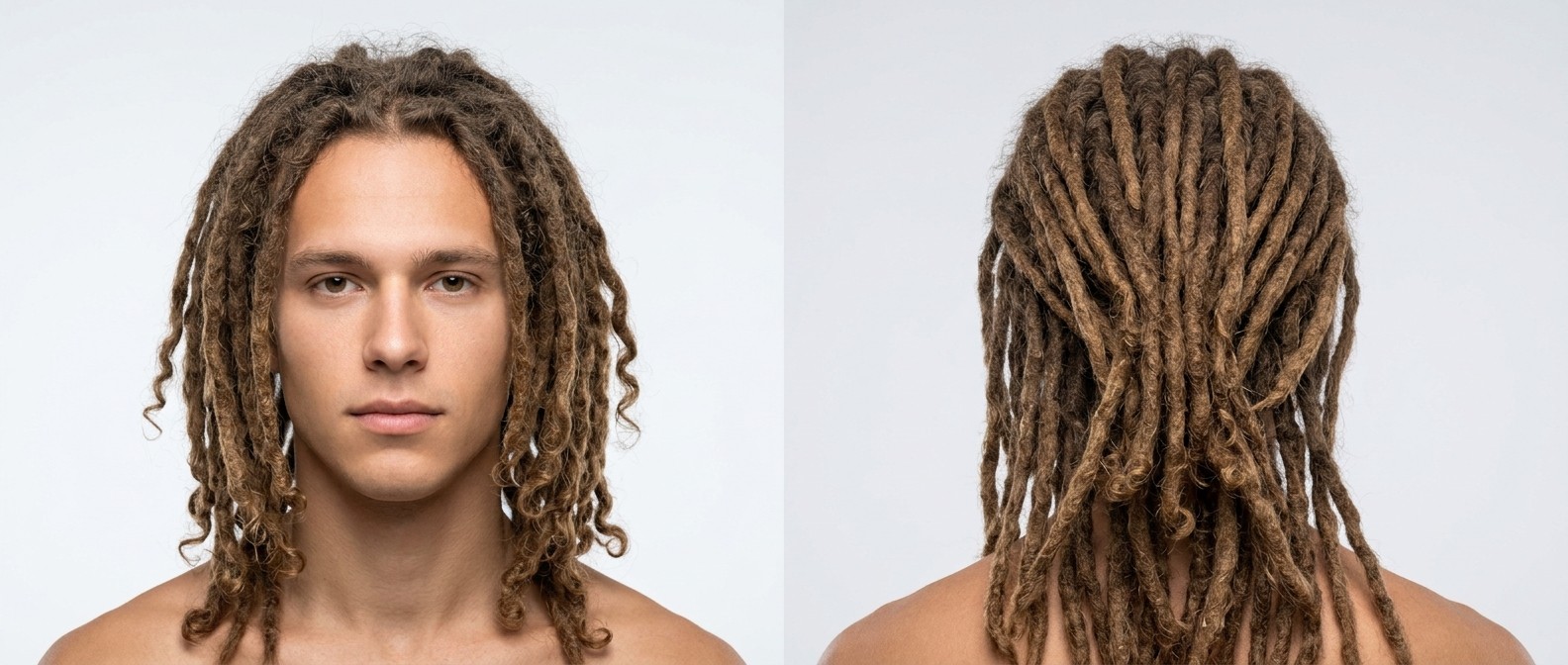
Long Natural Light Brown Dreadlocks with Loose Curly Ends
Dreadlocks
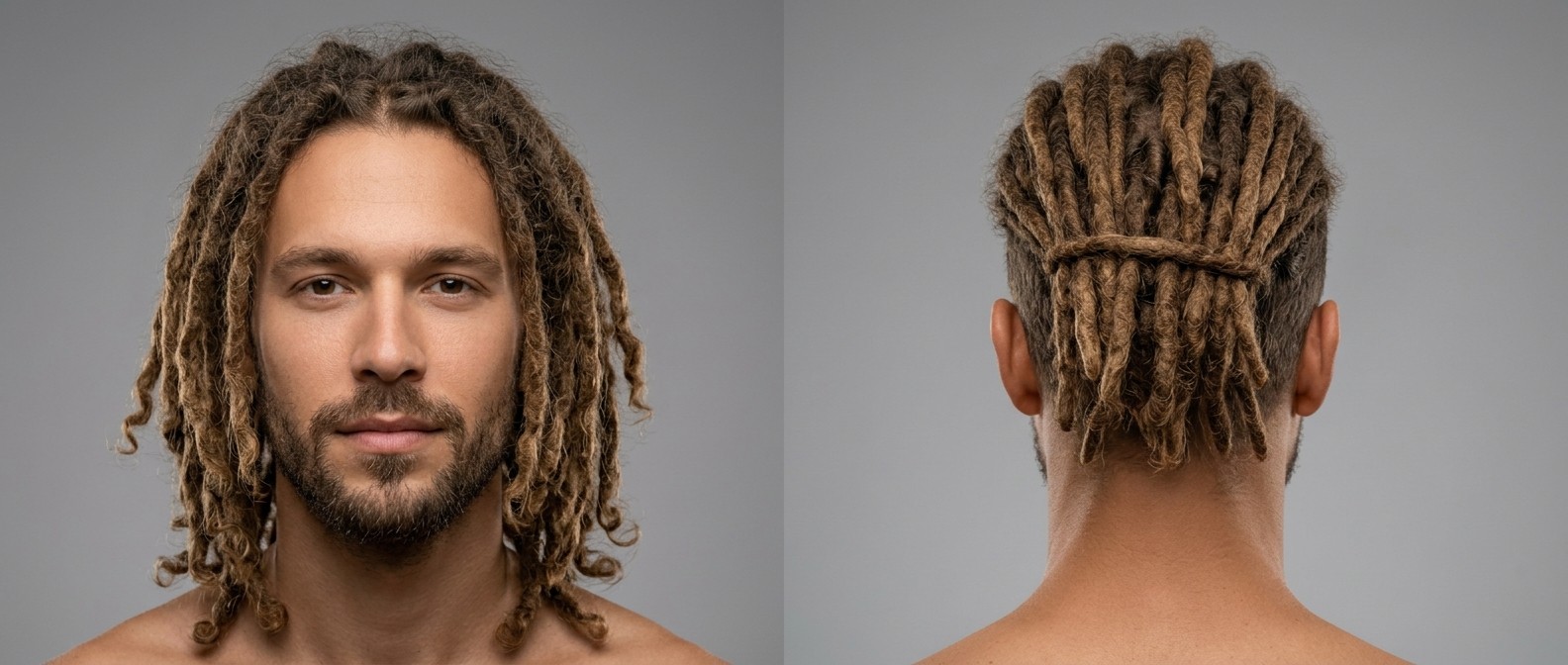
Light Brown Mid-Length Dreadlocks with Loose Curly Ends
Dreadlocks
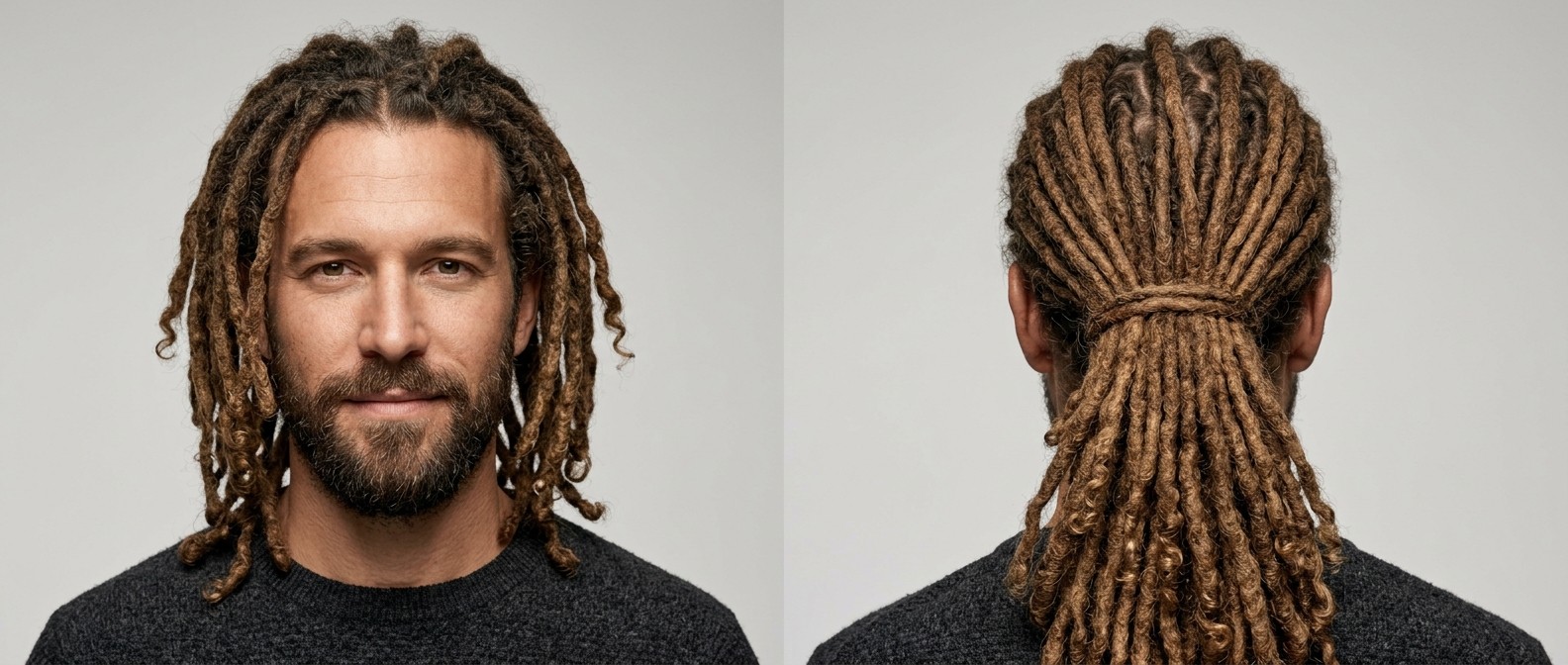
Long Light Brown Tied-Back Dreadlocks with Loose Curly Ends
Dreadlocks
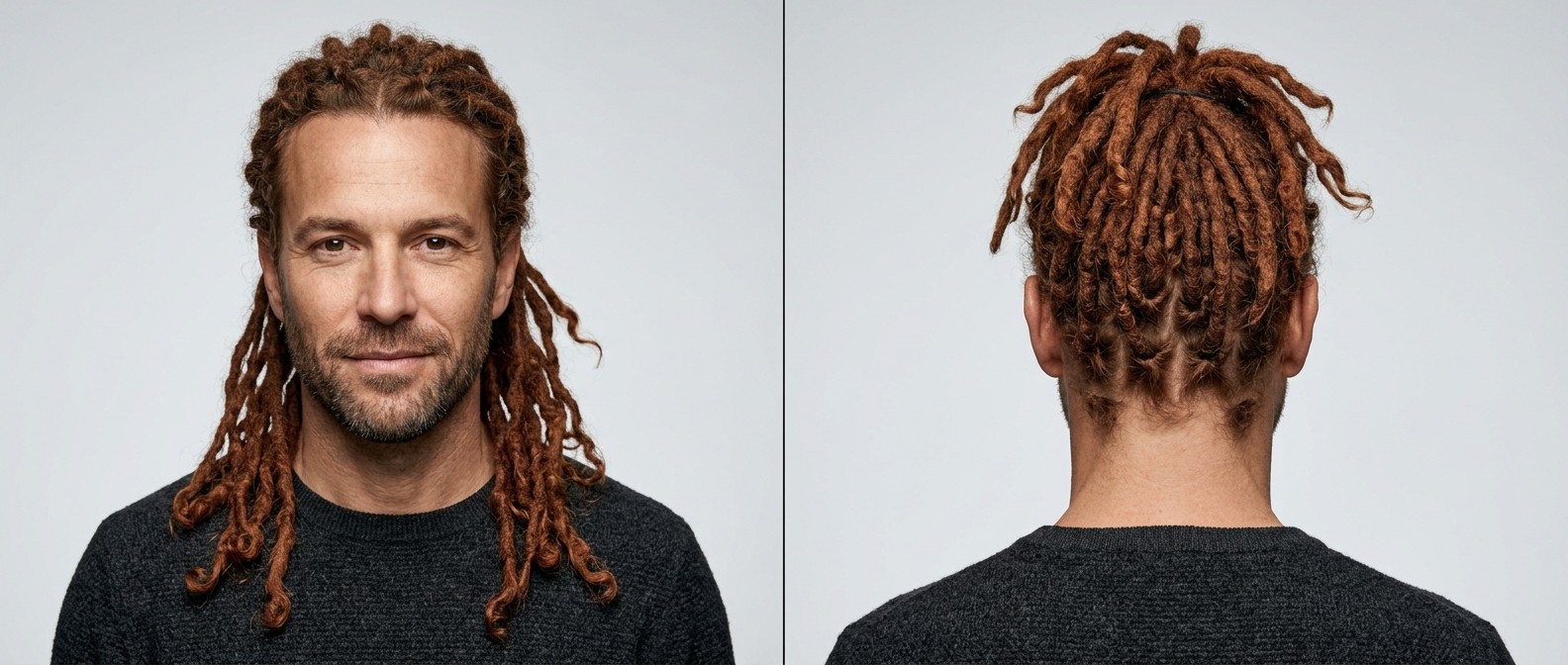
Long Copper Dreadlocks in a Half-Up Style for Thick Hair
Dreadlocks
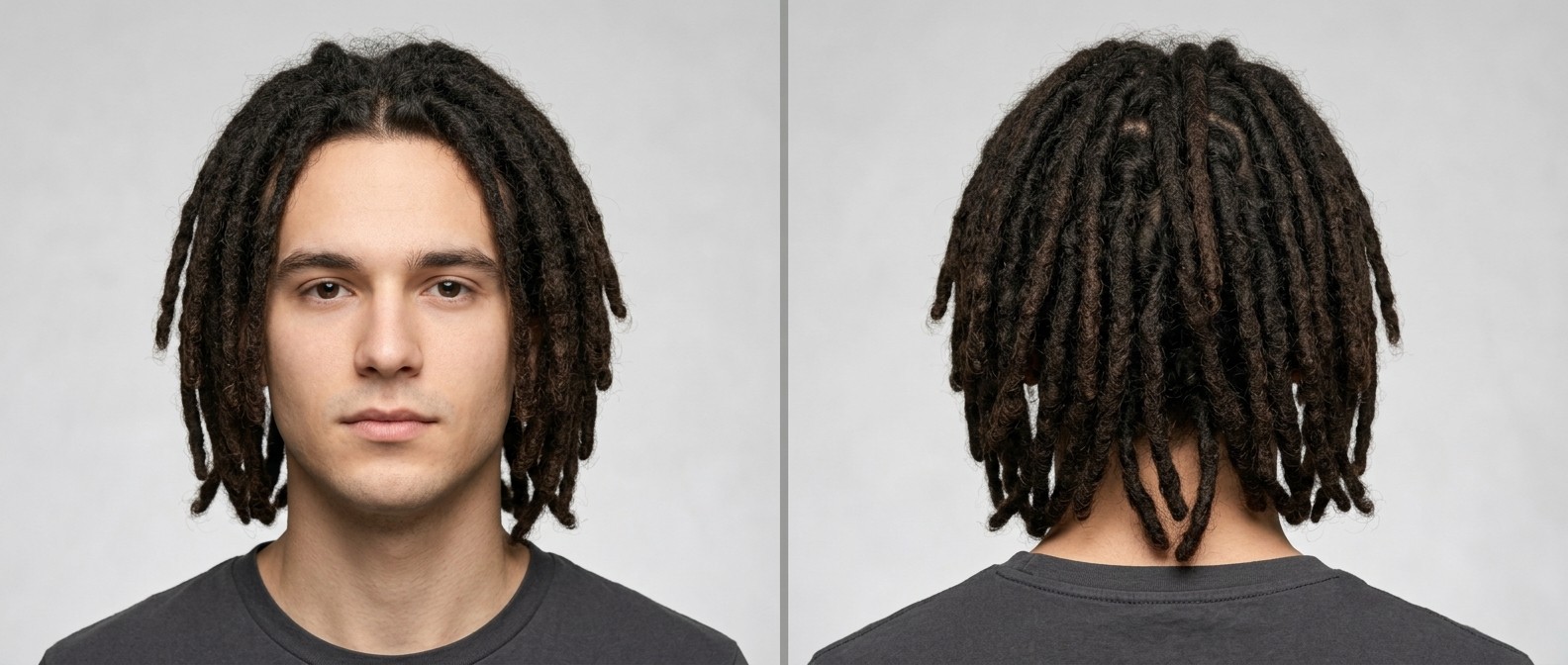
Medium-Length Dark Brown Natural Dreadlocks with Symmetrical Face-Framing Flow
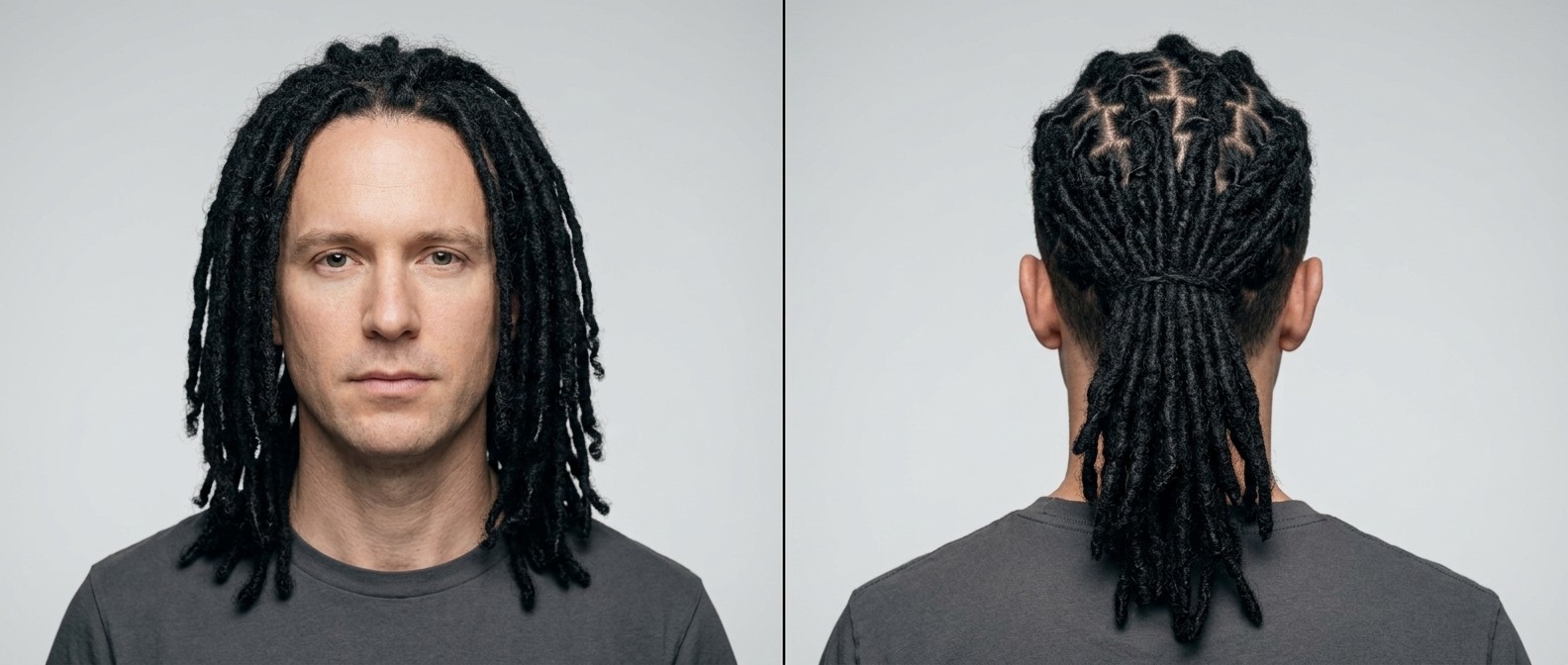
Dreadlocks